











How to Set Up and Pack Down a Tent
The safest shortcut to an easier tent setup is practising the exact model before the trip. A generic guide can help with the sequence, but it cannot replace the tent's pole map, air-pressure limit, clip order, anchoring plan or weather limits.
Before leaving home
- Download or photograph the current instructions and keep a copy available offline.
- Pitch the complete tent once, including the fly, pegs and guy lines.
- Count and inspect every pole or air tube, connector, peg, line, valve and repair item.
- Measure the full floor and guy-line footprint against the booked site.
- Check the forecast, official warnings, campsite rules and any fire restrictions.
Repair or replace a damaged structural component before the trip. A patch kit does not make a cracked pole, leaking air tube or failed attachment safe for severe weather.
Choose the site before opening the bag
Use a permitted site with stable, well-drained ground. Look for sharp objects, hollows that can pool water, runoff channels, traffic and enough room for every guy line. Look up for dead or damaged branches and around for cliffs, unstable slopes or other overhead hazards.
NZ Mountain Safety Council advises against camping in riverbeds, gorges, avalanche paths and beneath dead trees or large epiphytes. Read its current camping guidance and use local land-manager advice. Do not clear vegetation, dig drainage trenches or alter the campsite to force a tent into an unsuitable space.
Lay out and orient the tent
Close doors and zips as directed before tensioning the structure. Identify the tent corners, entrance, prevailing weather and intended route through the campsite. Follow the manufacturer's orientation instructions; where none are given, avoid presenting the largest unsupported panel or an open door to the prevailing wind.
If using a footprint, match it to the model and keep every edge beneath the protected floor or fly line so it cannot collect rainwater. A footprint can reduce abrasion, but it does not fix poor drainage or make the tent waterproof.
Build the structure without forcing it
Poled tents
Join every pole section fully before bending or loading it. Match colour coding and pole lengths to the instructions, then feed sleeves or attach clips in the stated order. Stop if a pole or ferrule does not seat properly; forcing it can split a pole or damage the fabric.
Inflatable air tents
Close and check the valves, use the approved pump and monitor the stated pressure. Do not use an unapproved compressor or exceed the model limit. Inflate the beams in the required order and keep the structure controlled while it rises.
Instant-up and folding-frame tents
Clear people and loose equipment from the mechanism, keep fingers away from joints and extend each section only in the specified sequence. Do not wrench a hub or lock that is misaligned. Practise the pack-down as well as the setup; folding systems are often hardest to control when the sequence is unfamiliar.
Peg and tension the complete system
Use every structural peg and guy point required by the instructions, with pegs appropriate to the permitted ground. Drive and angle them as the manufacturer specifies and make lines visible where people may walk. Tension progressively around the tent so the fly is supported without distorting the frame or preventing doors from operating.
Recheck the pitch after the fabric becomes wet, the ground softens or the wind changes. Do not add improvised tarps, rigid supports or heavy objects to a tent unless the manufacturer approves that arrangement.
Ventilate and organise the campsite
Open the designed vents as conditions allow and keep bedding and bags away from wet walls. Separate the sleeping area from wet gear. Condensation can be reduced but not always eliminated; persistent water may also indicate a setup problem or leak that needs inspection.
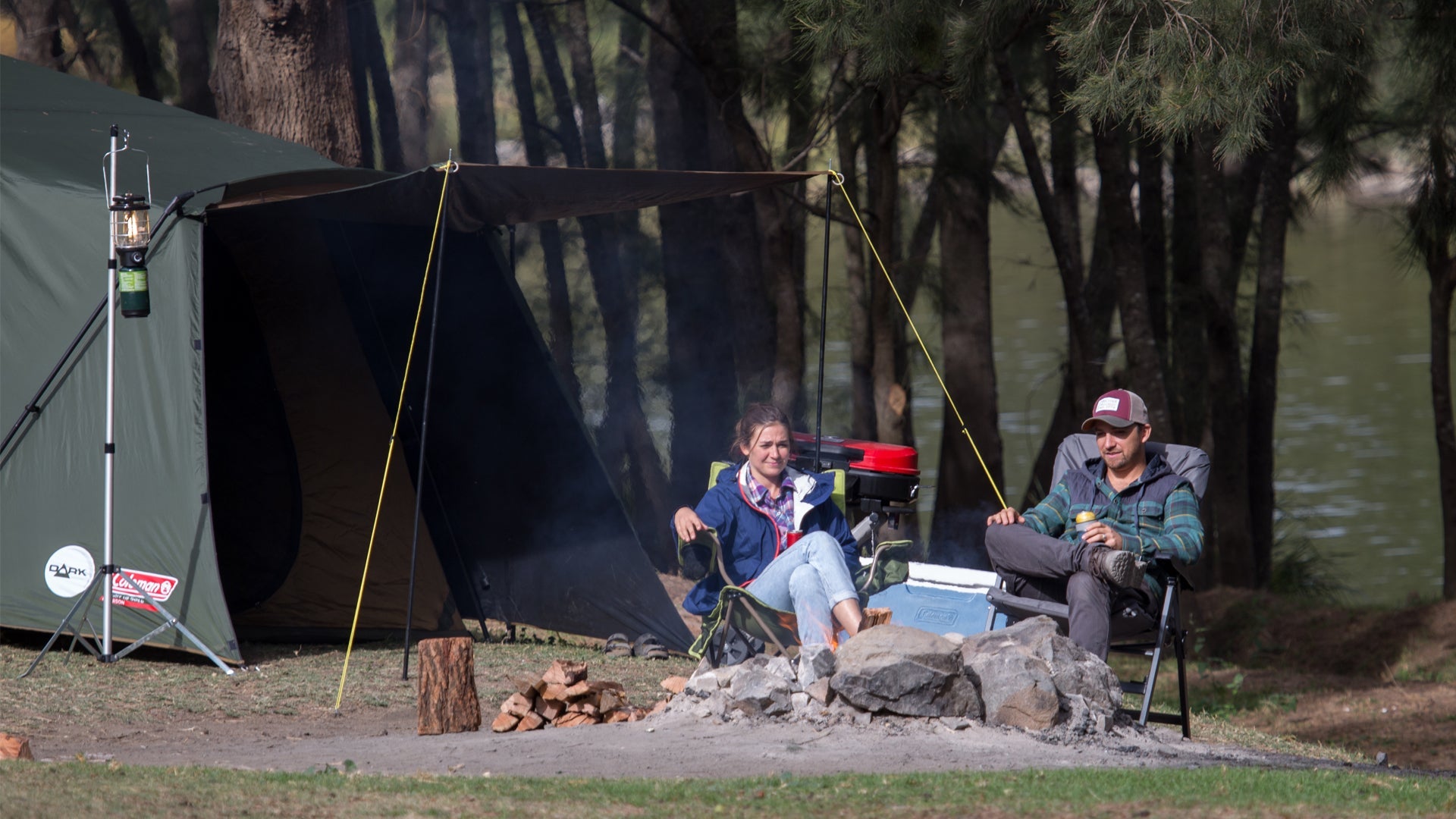
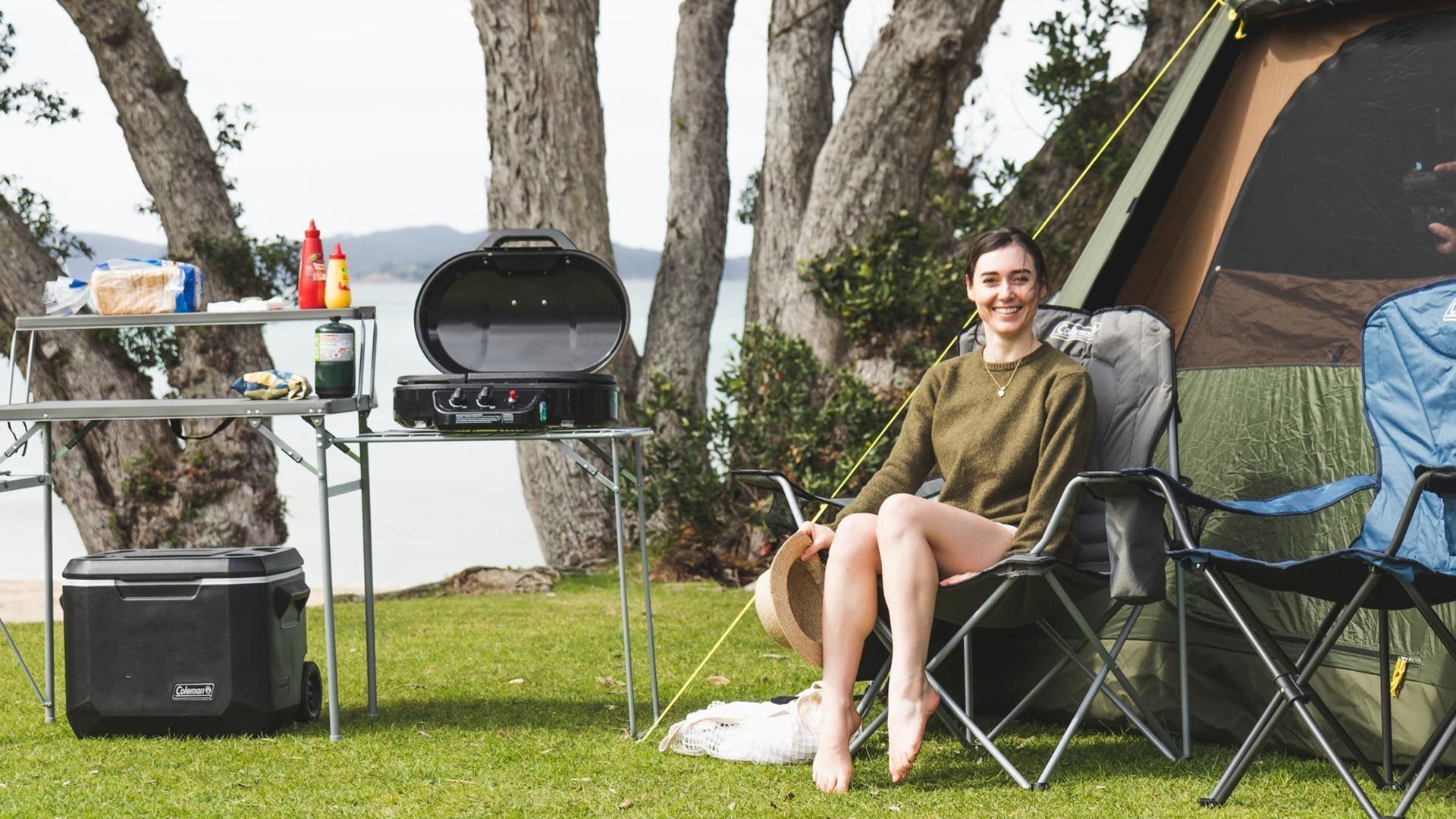
Keep stoves, barbecues, open flames and unapproved heaters outside tents and enclosed sleeping spaces. Follow the appliance instructions, shelter clearances and current campsite rules. Never use a cooker to heat a tent.
Know when the tent is no longer the plan
A tent is temporary shelter, not a guarantee against severe weather. Follow official warnings and the model's operating limits. If anchors are failing, the structure is deforming, water is rising or a safer exit may close, move to a safer location while that is still practical. Change or cancel the trip when the forecast exceeds the shelter, site or group's capability.
Pack down without creating the next problem
- Remove gear, shake out debris and account for every component.
- Release tension gradually and follow the model's reverse sequence.
- Keep sharp pole ends, pegs and dirty components away from the fabric.
- Do not force a wet or misfolded tent into the bag.
- If it must travel damp, unpack and dry every layer, line and bag as soon as practical.
- Clean the site and pack out rubbish. DOC asks campers to leave sites clean and inspect gear between locations to reduce the spread of pests and disease.
Browse the current Dwights tent range, then obtain the exact setup and care instructions for the model before relying on it outdoors.


