








Trekking & Hiking Poles
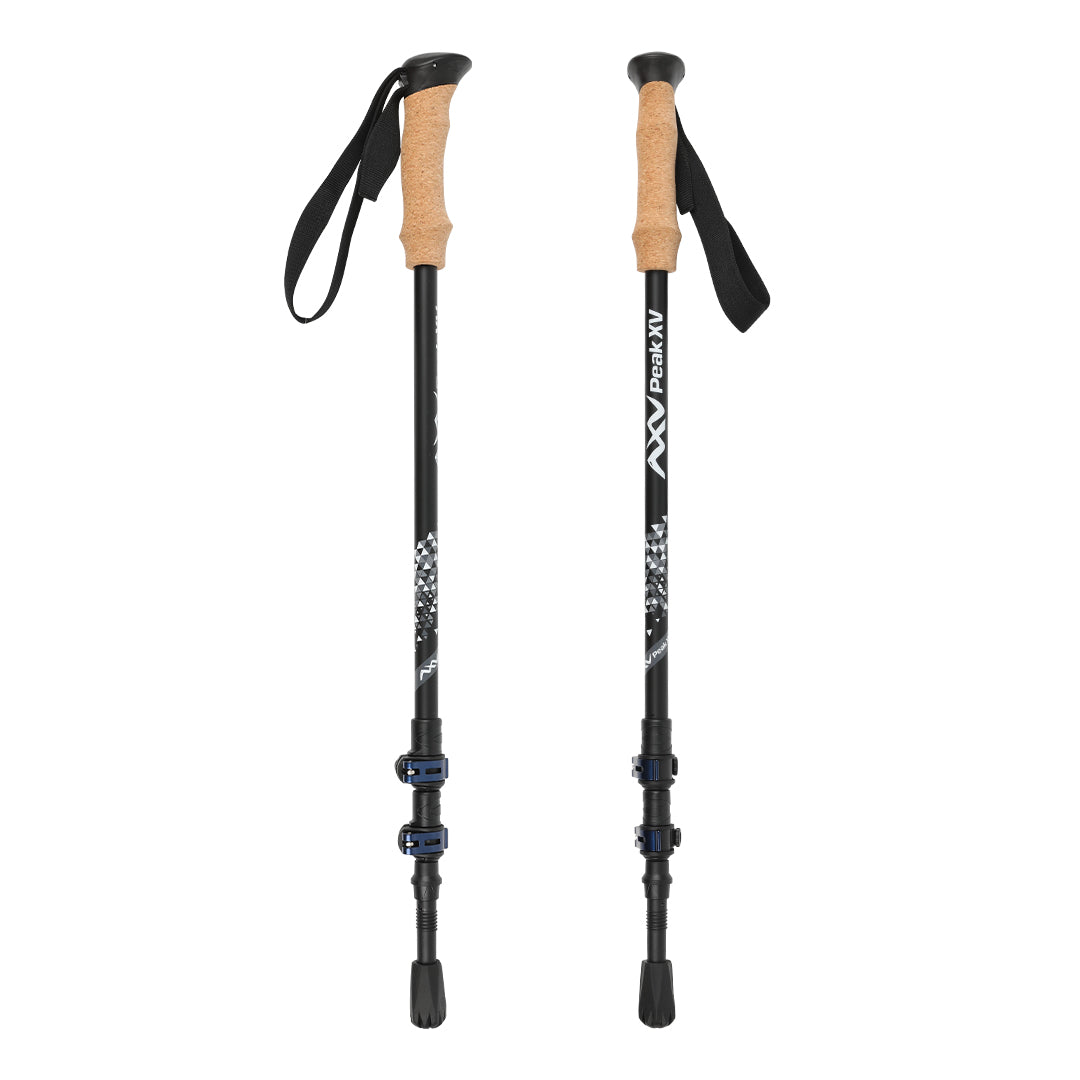
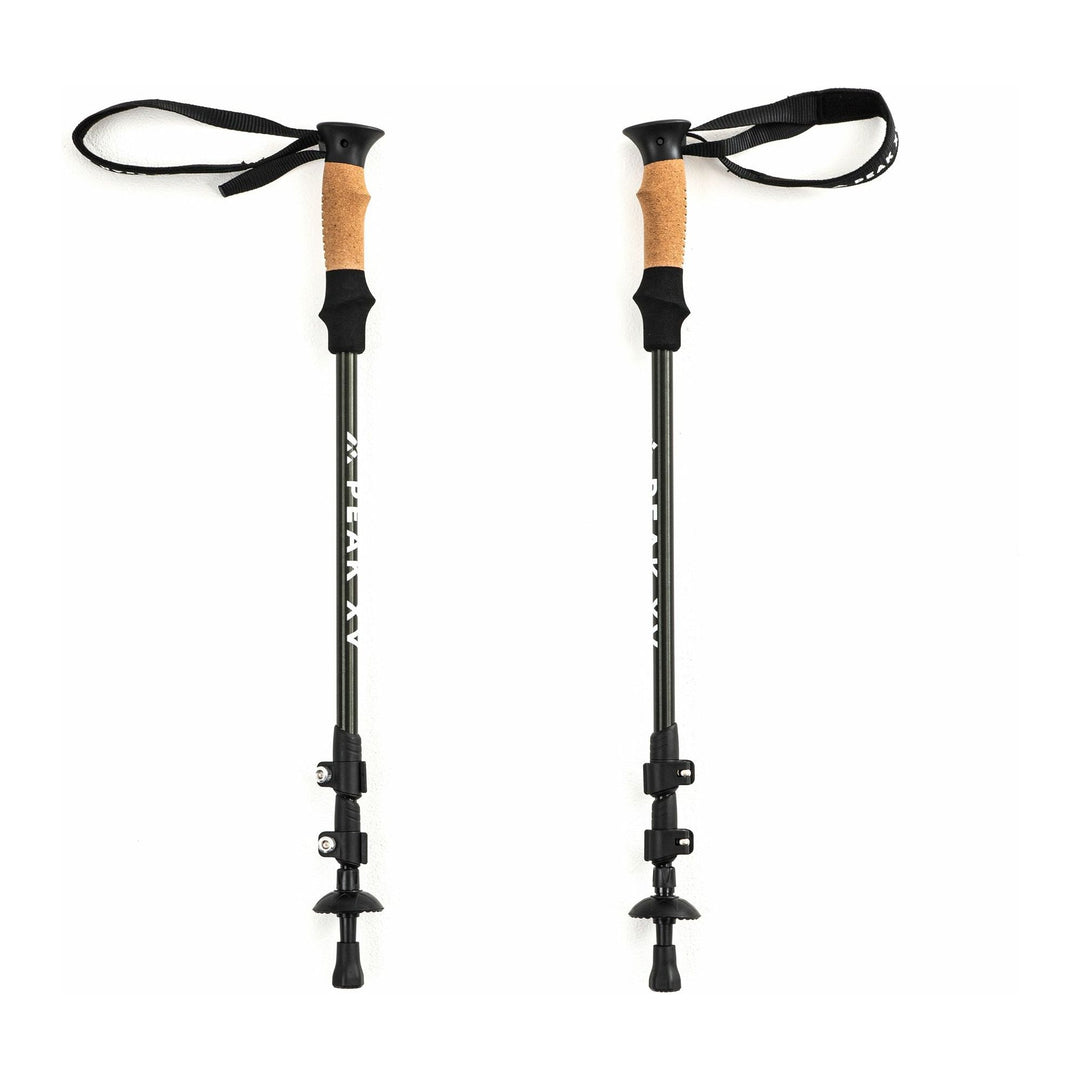
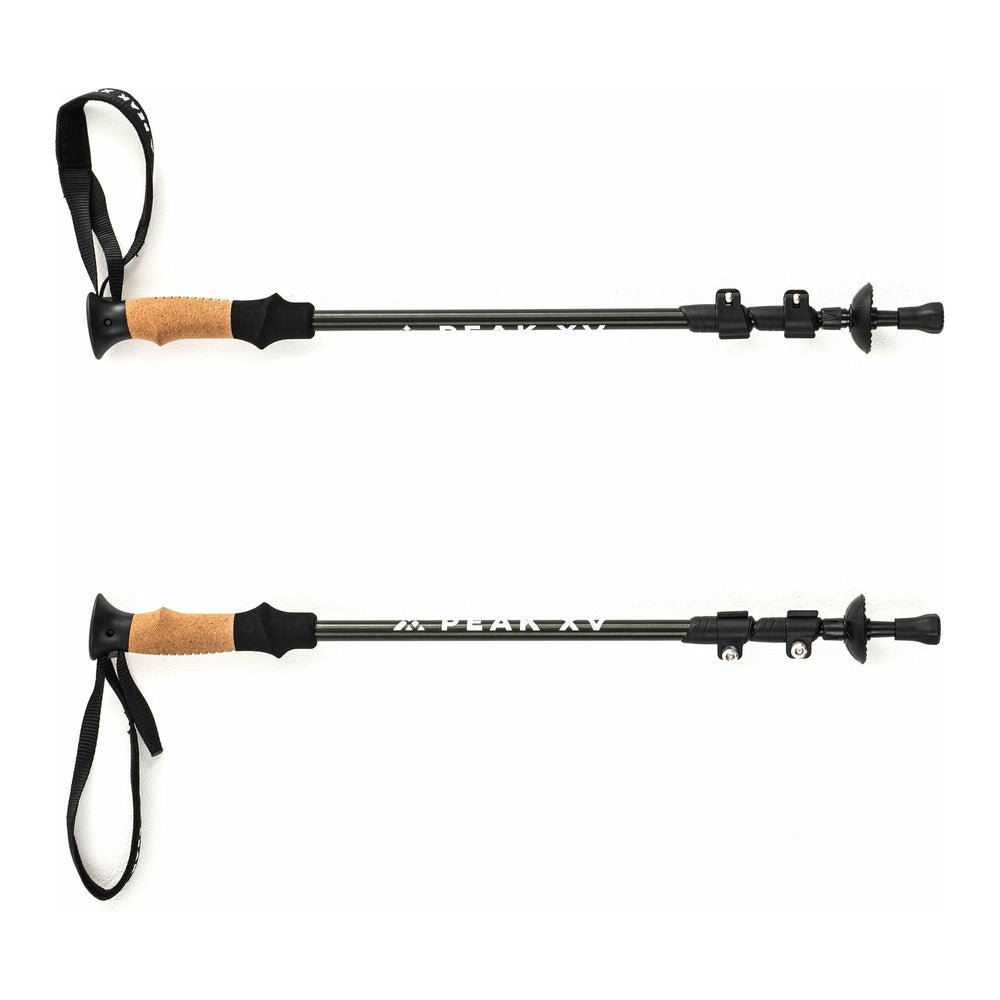
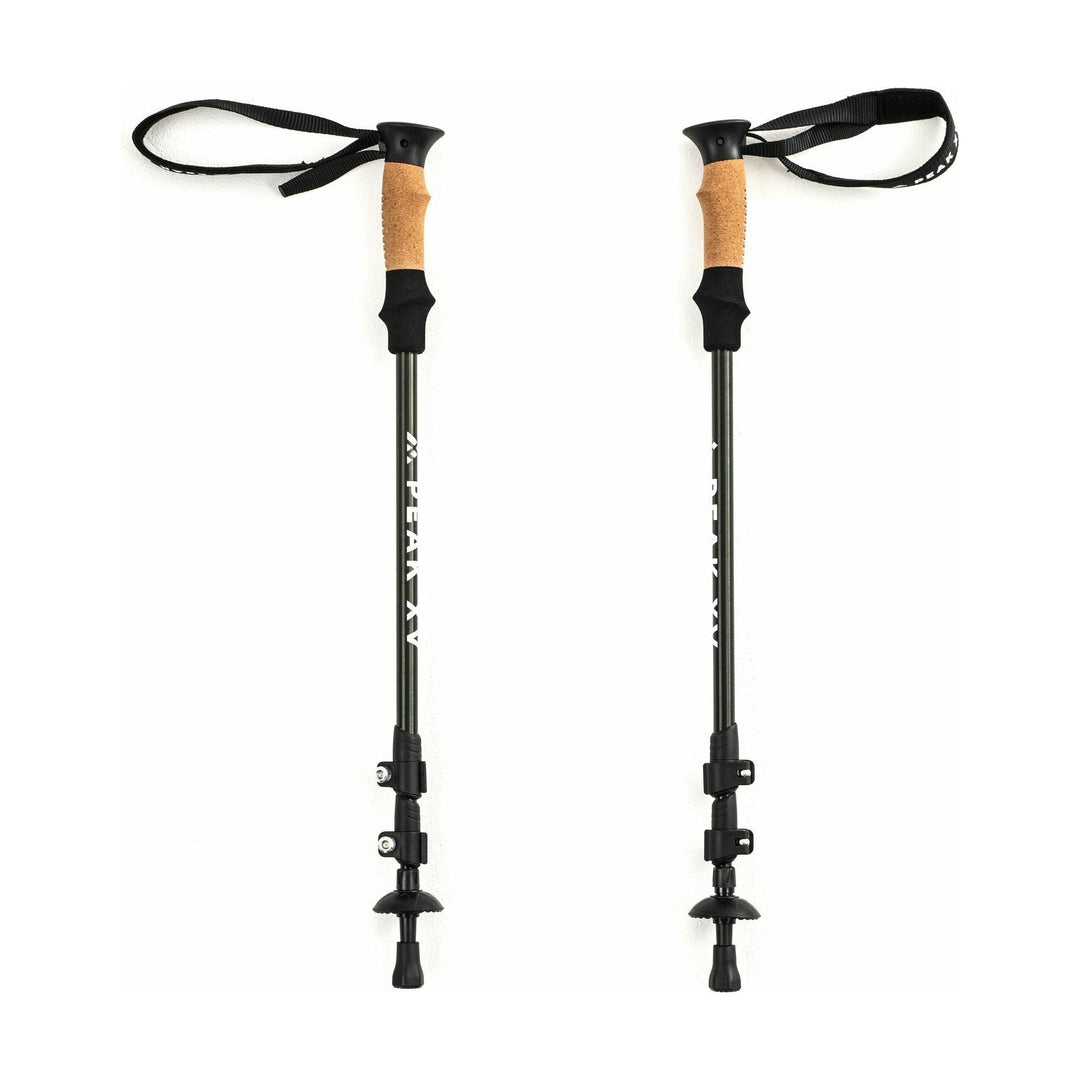
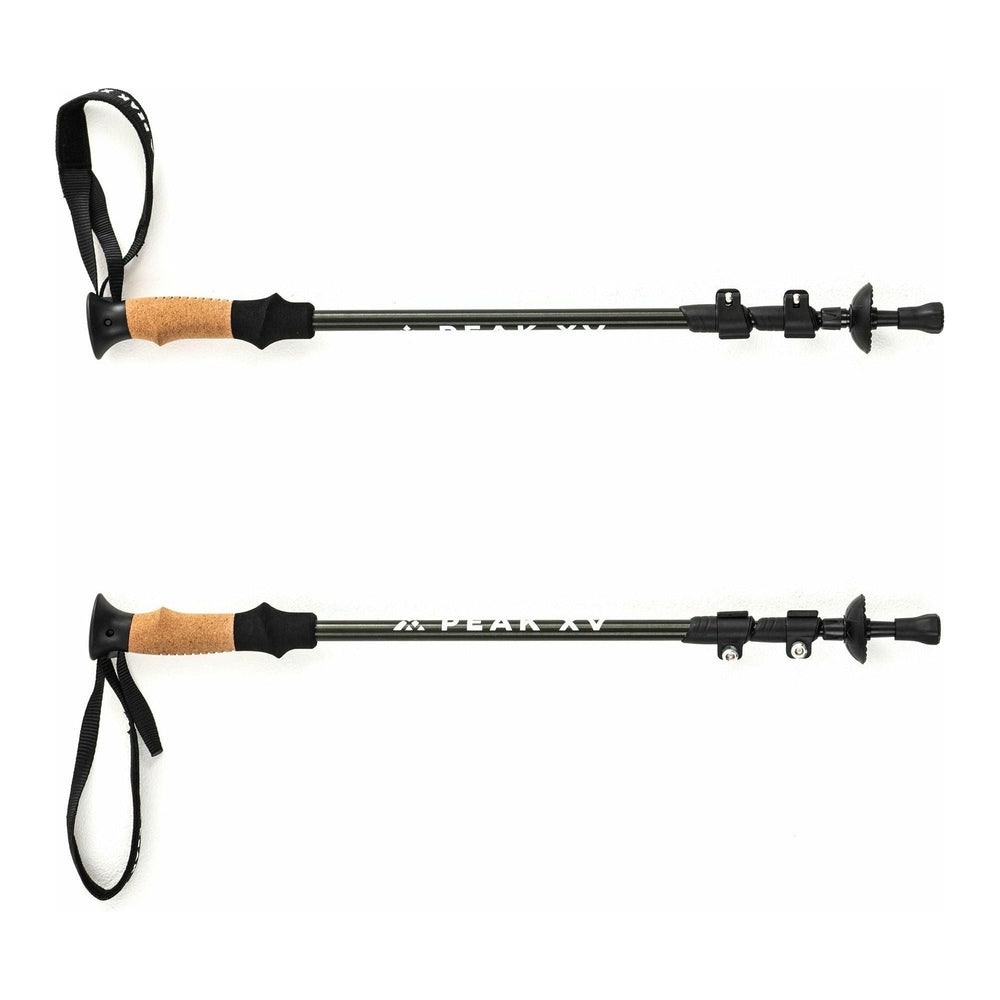
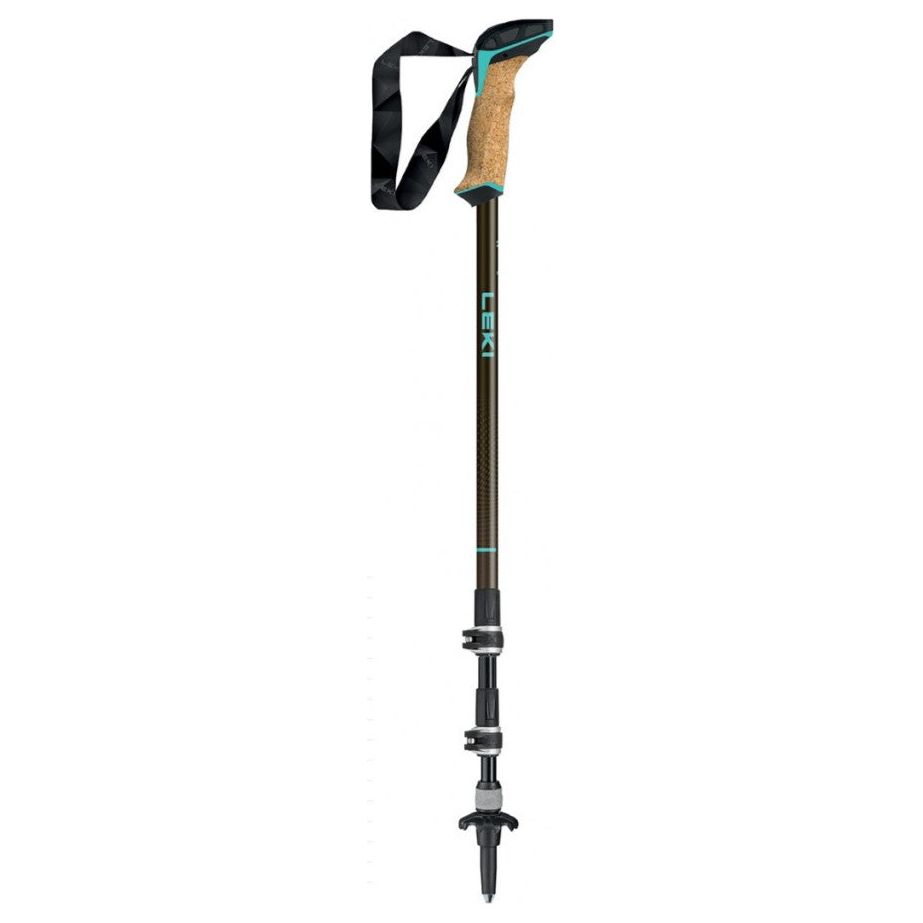
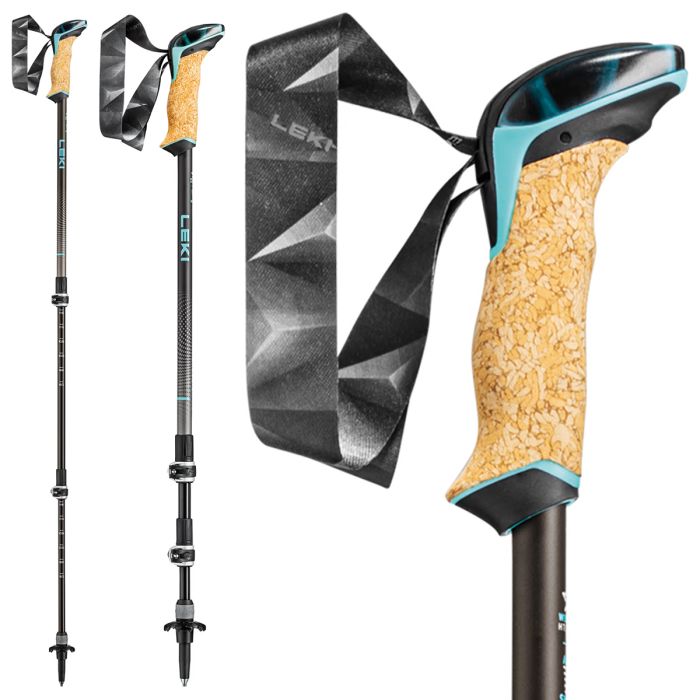


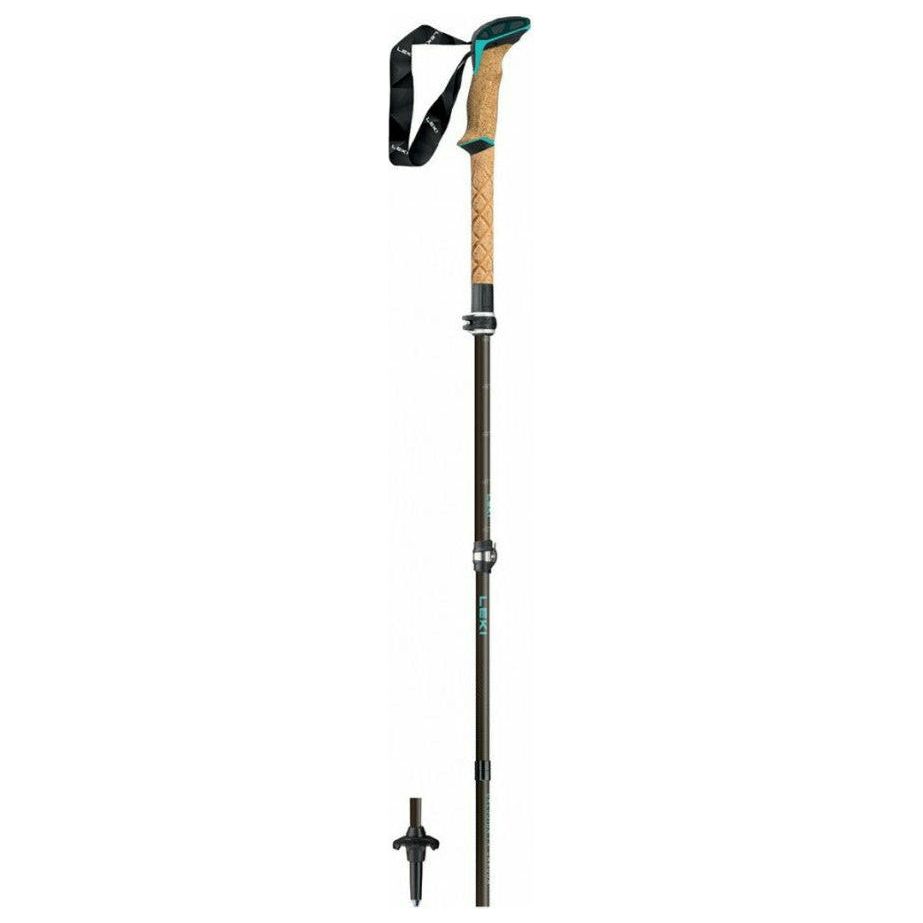


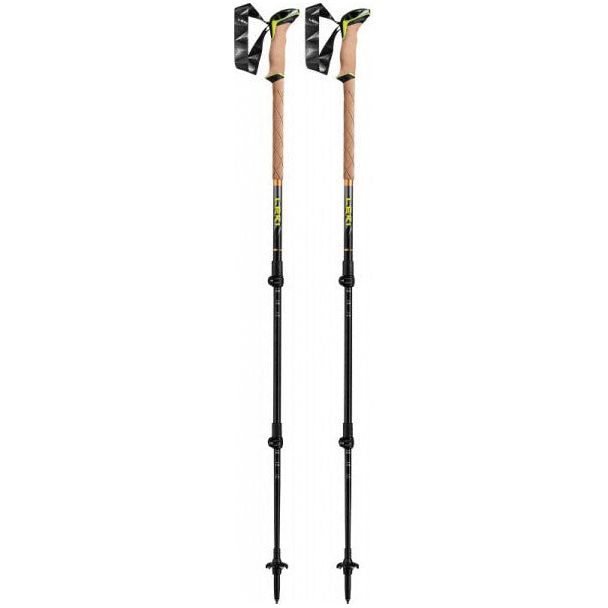
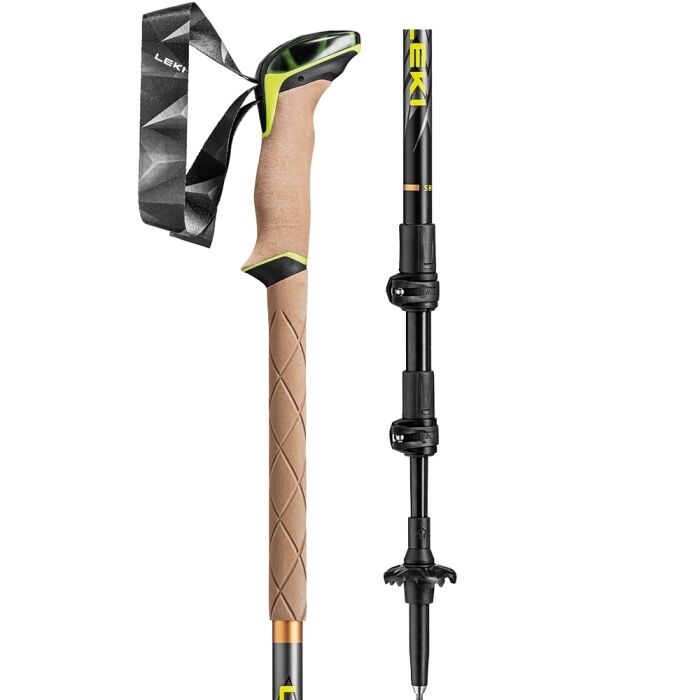


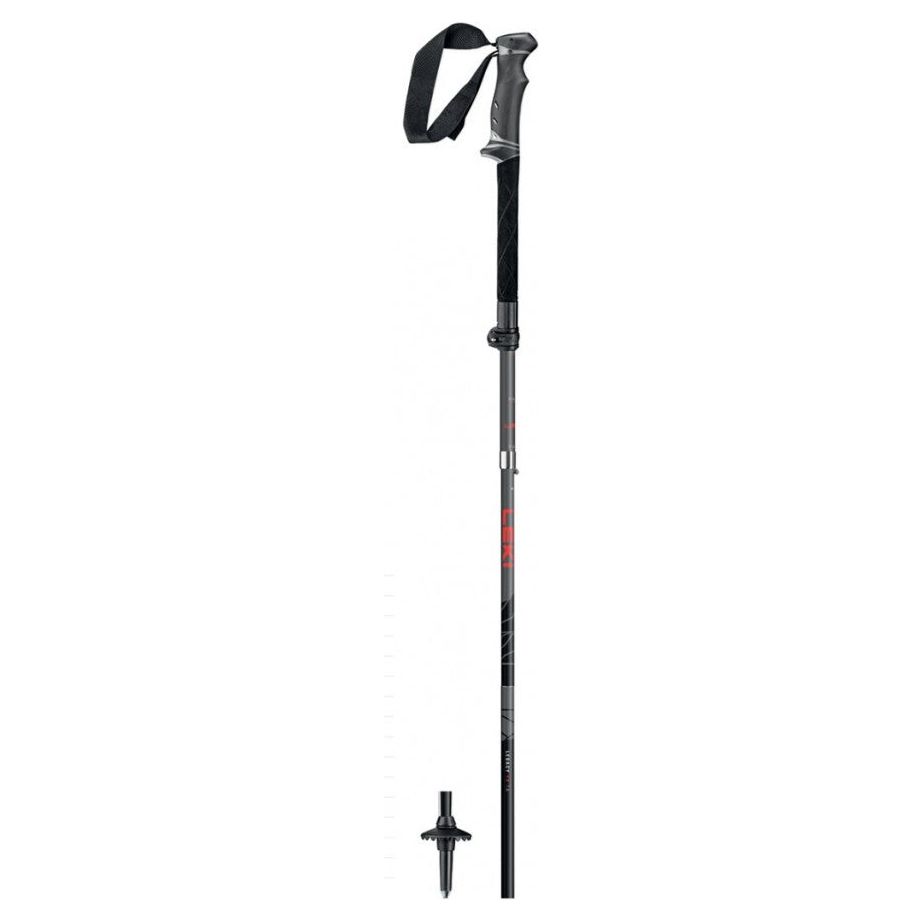
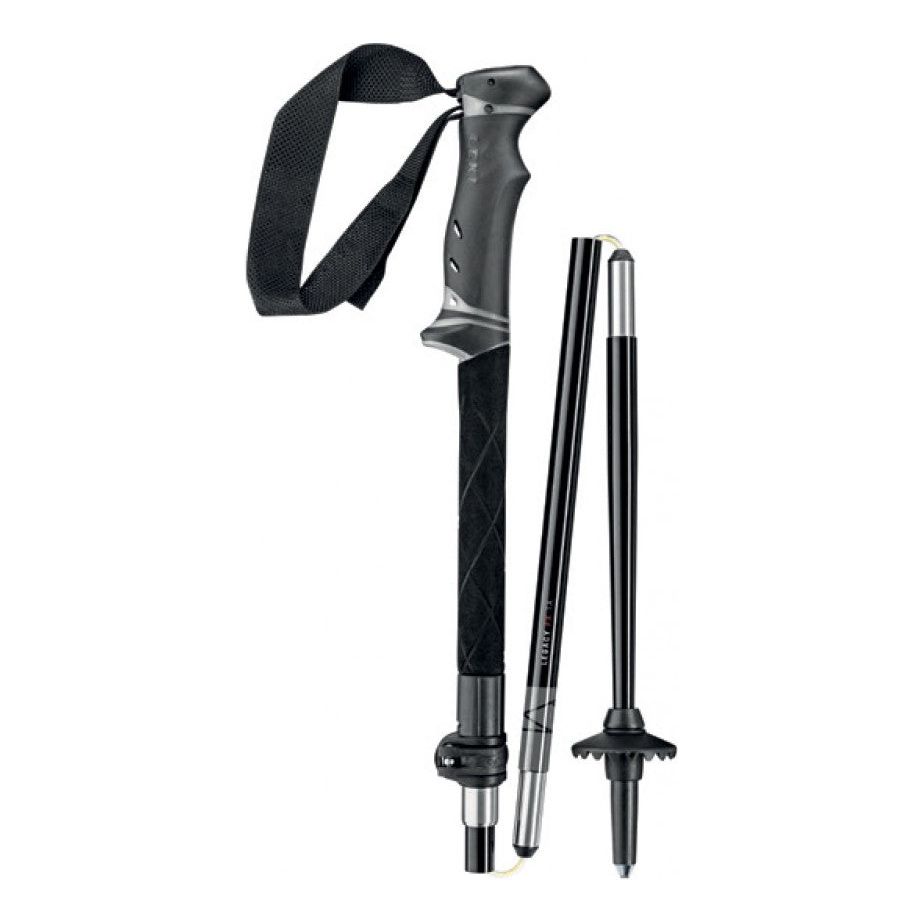


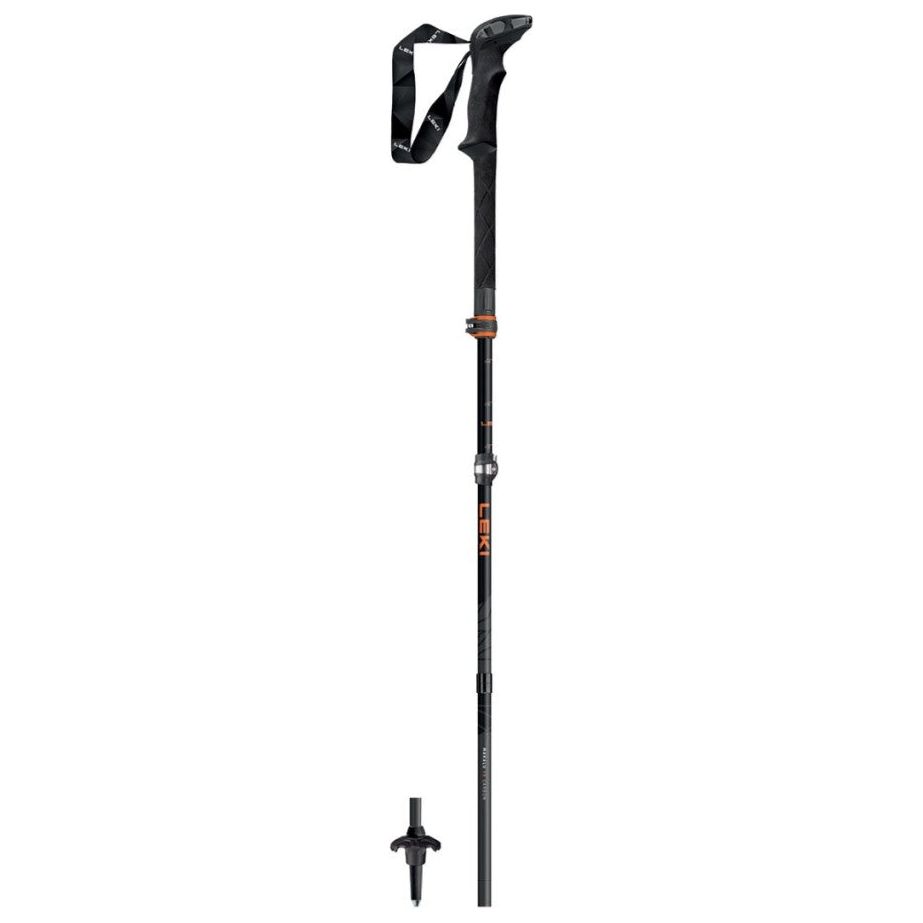
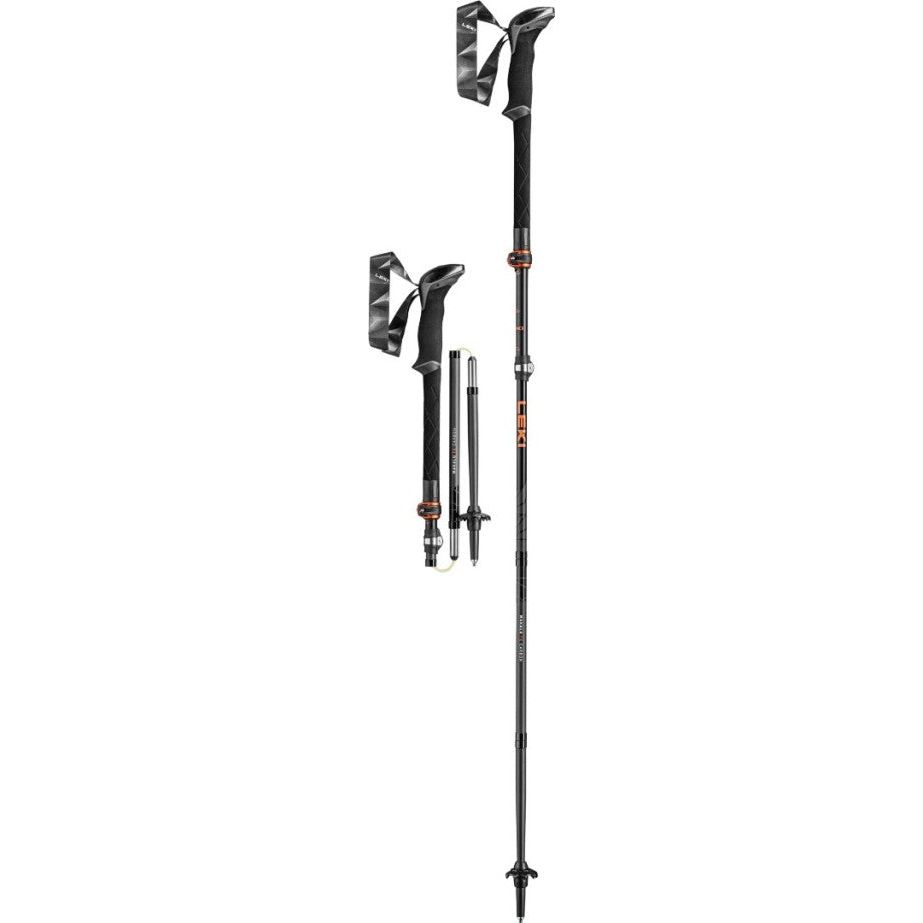
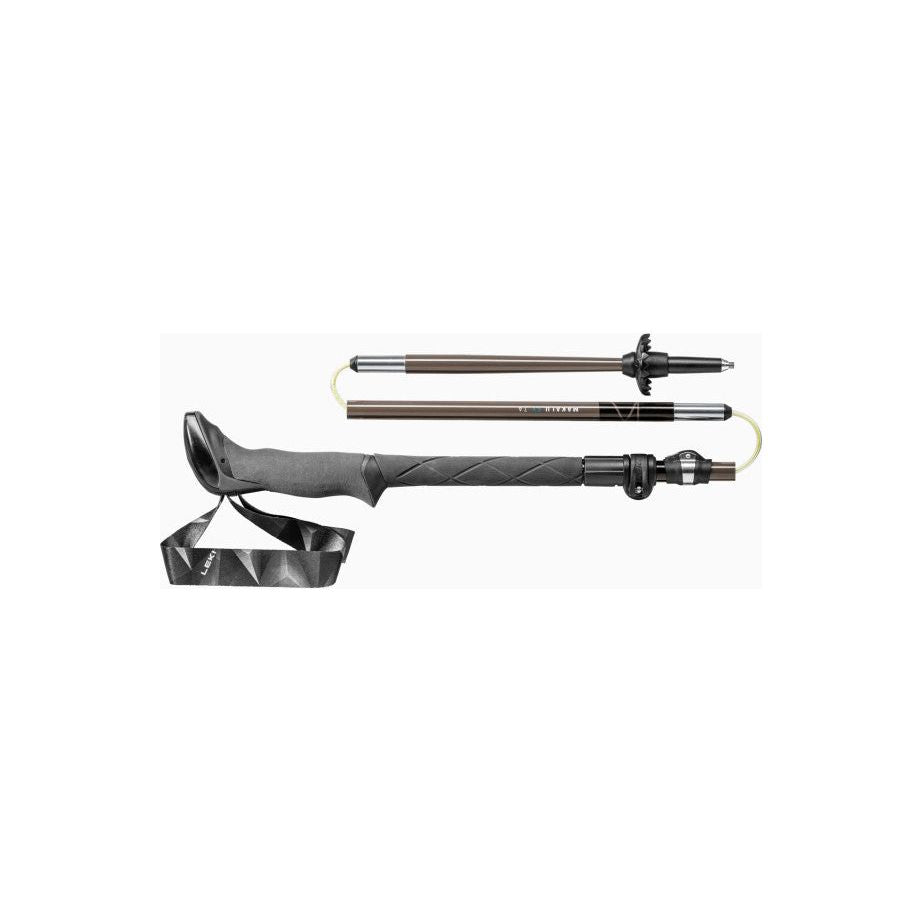
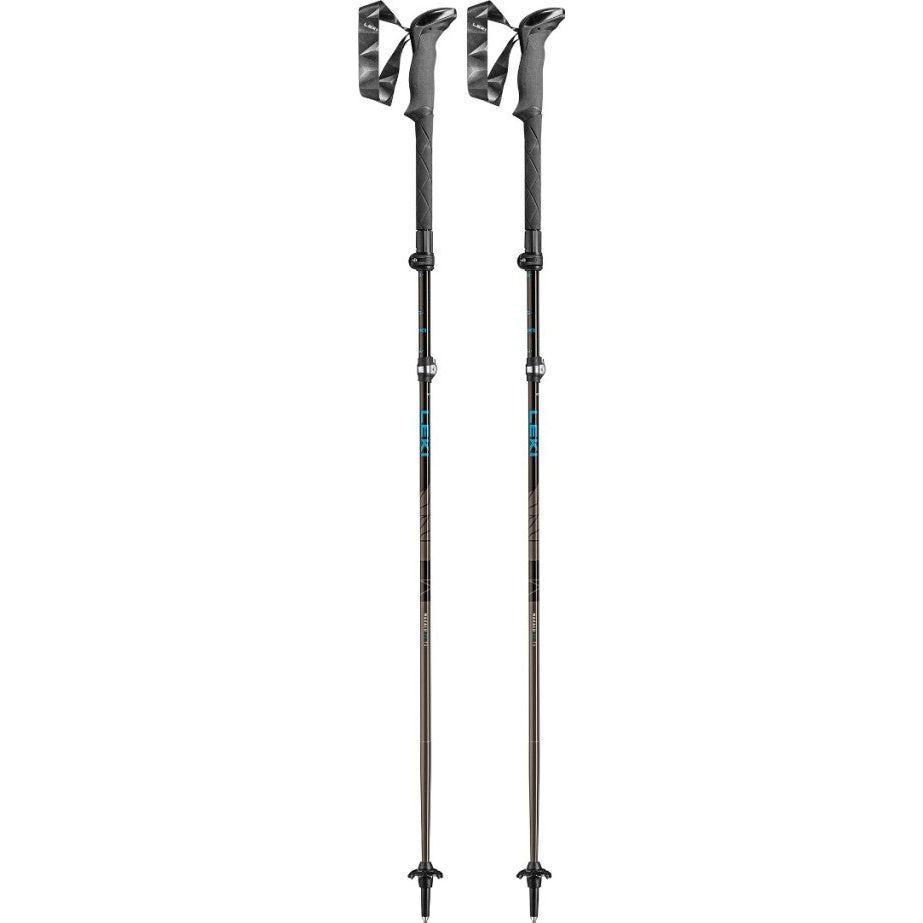
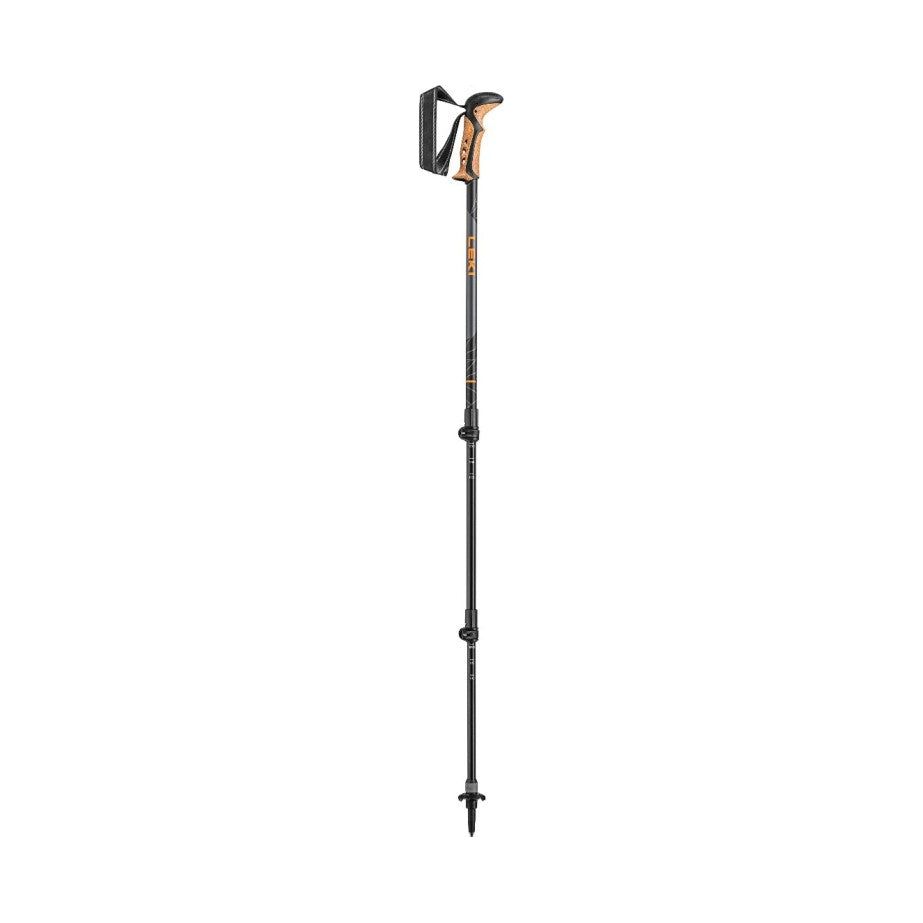
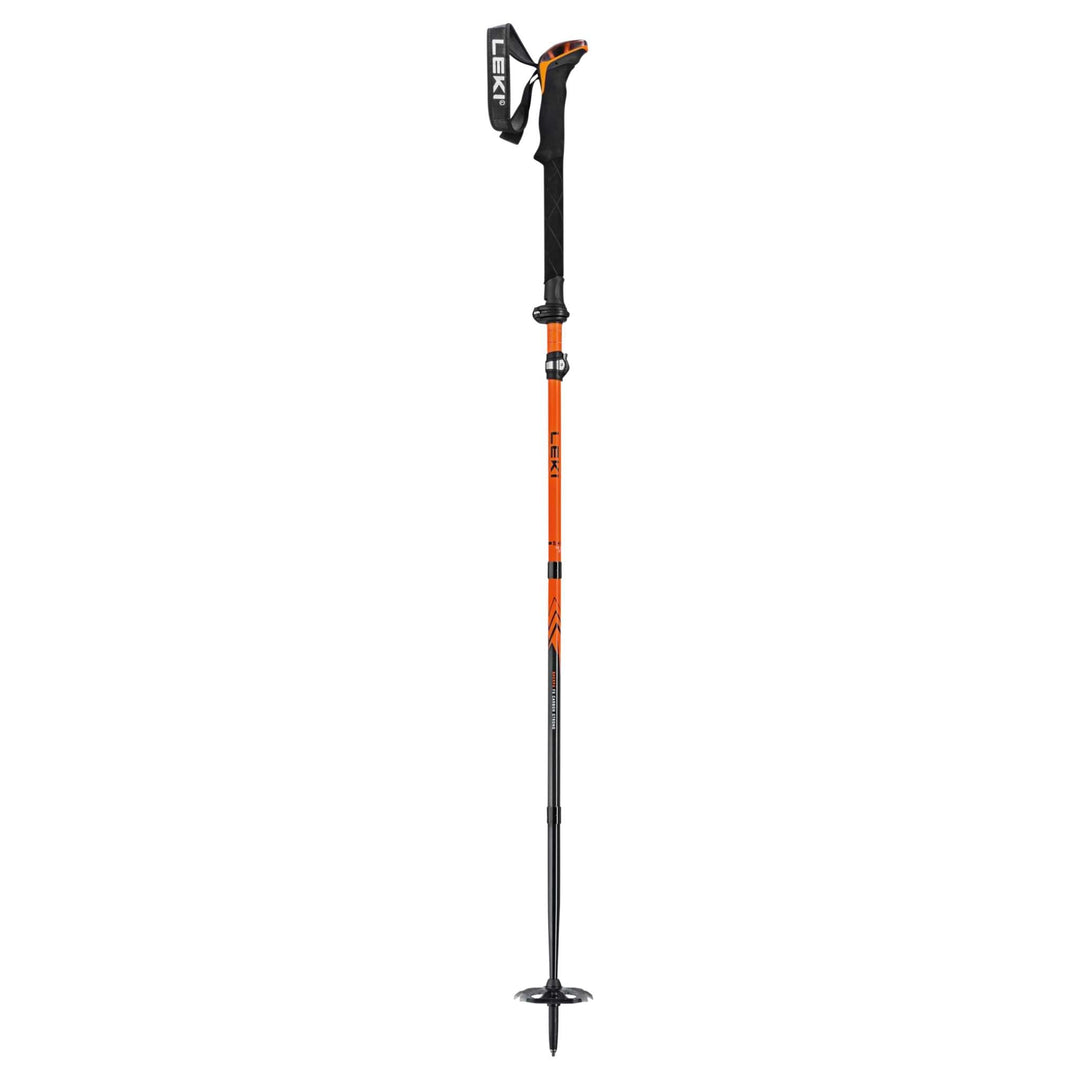
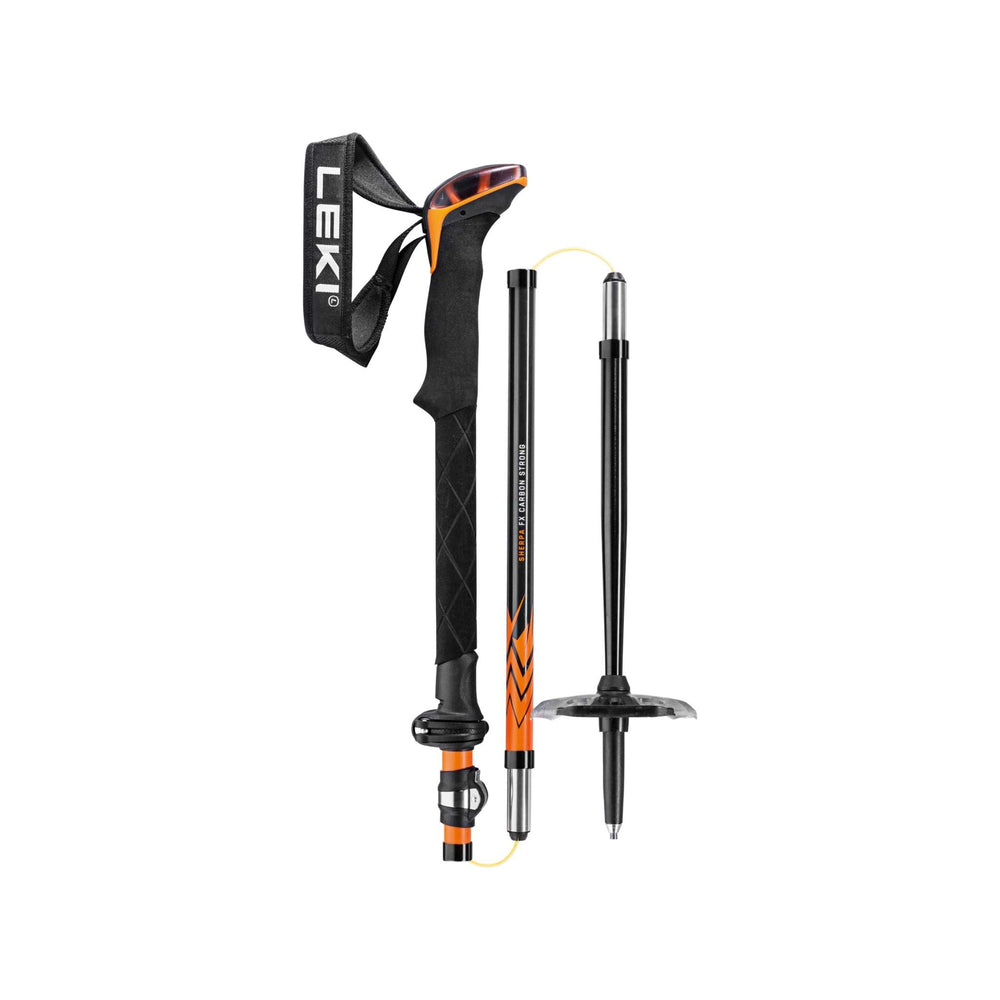
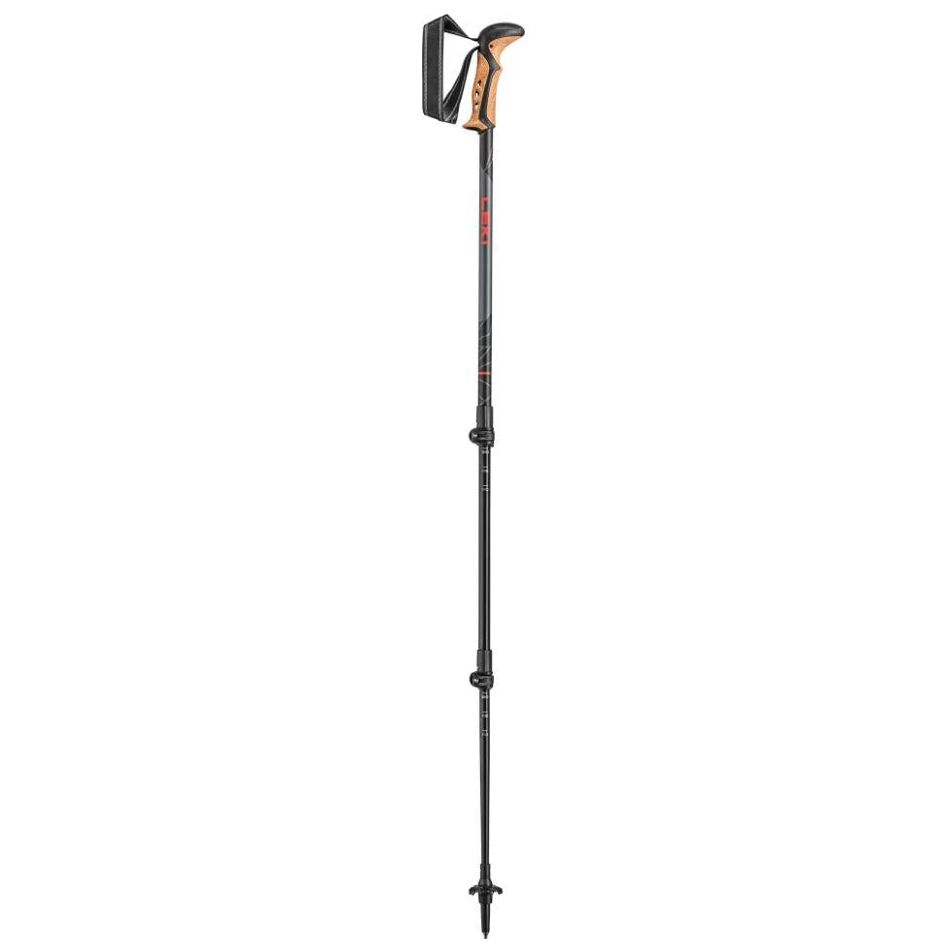
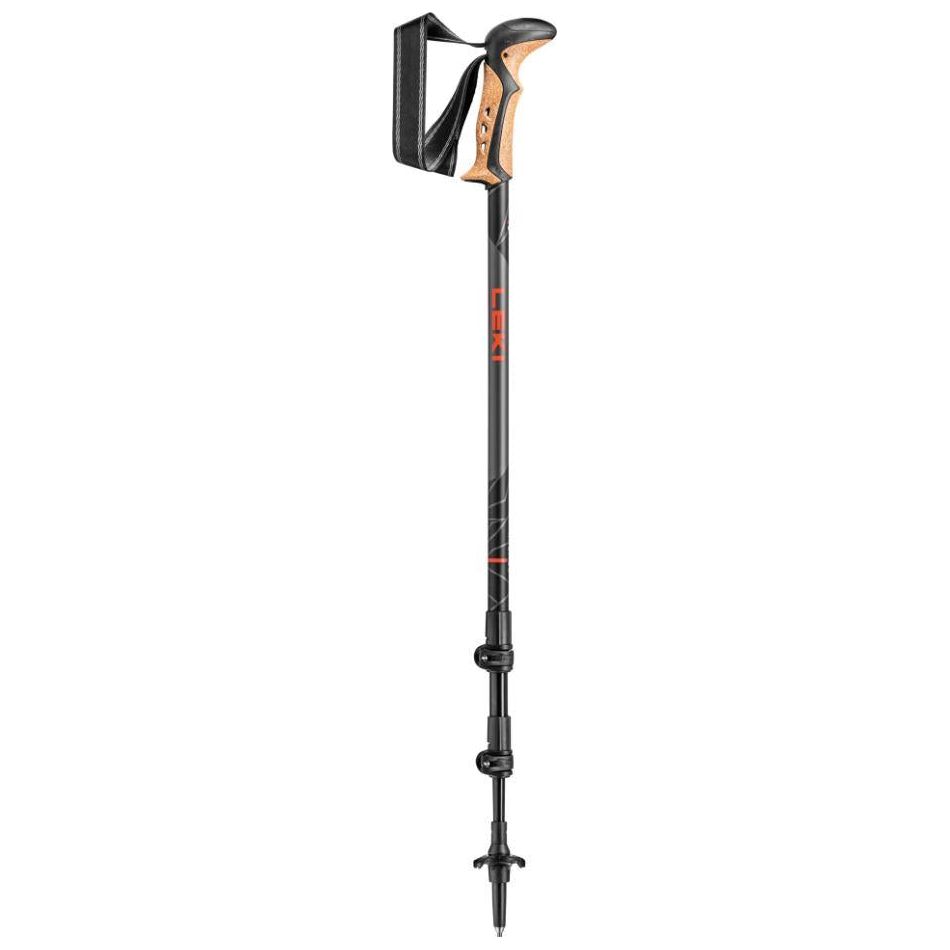
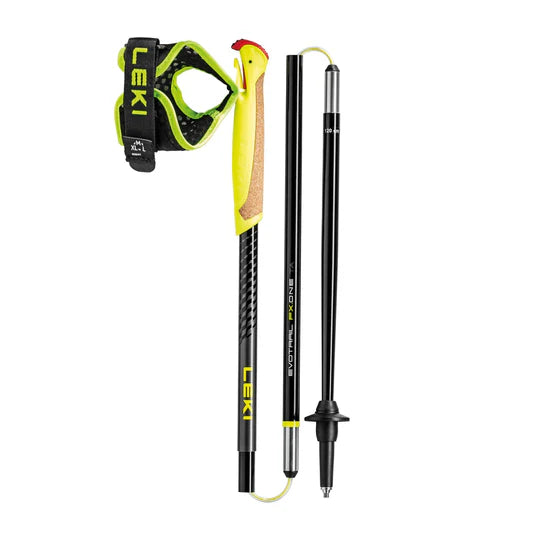
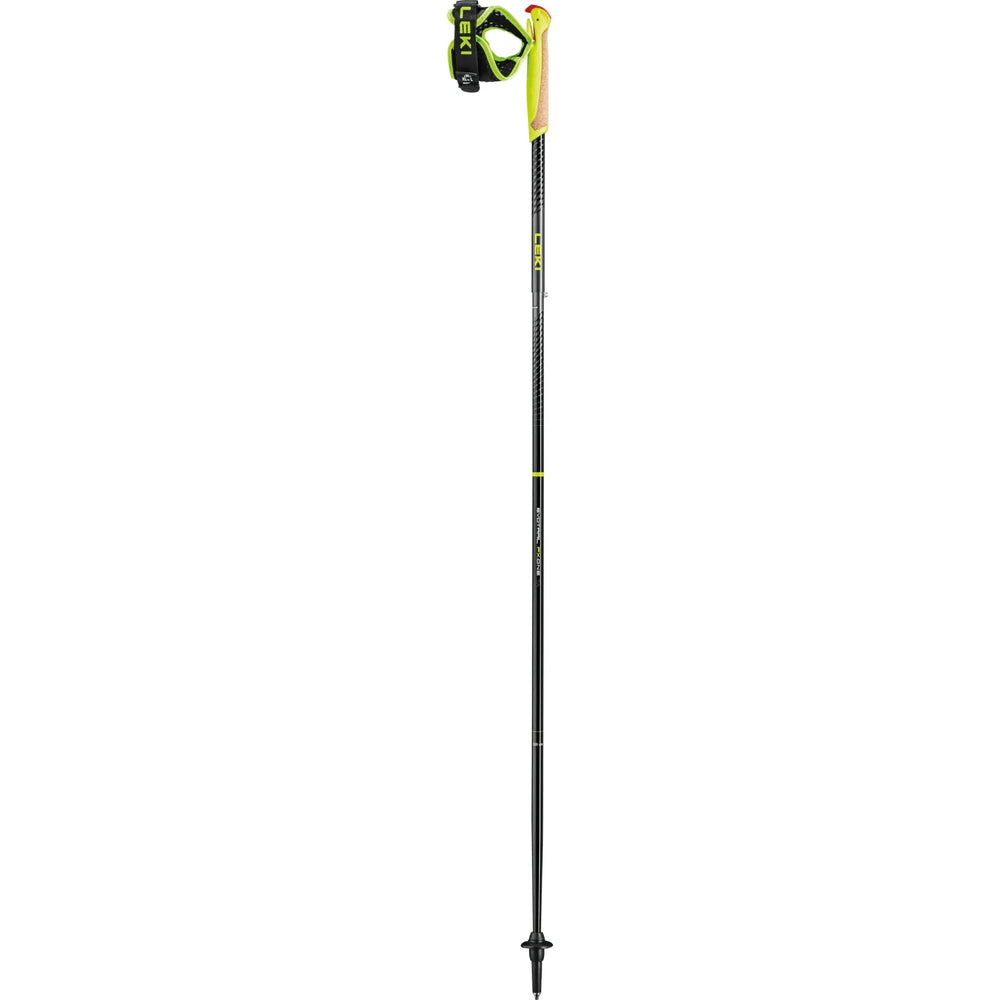
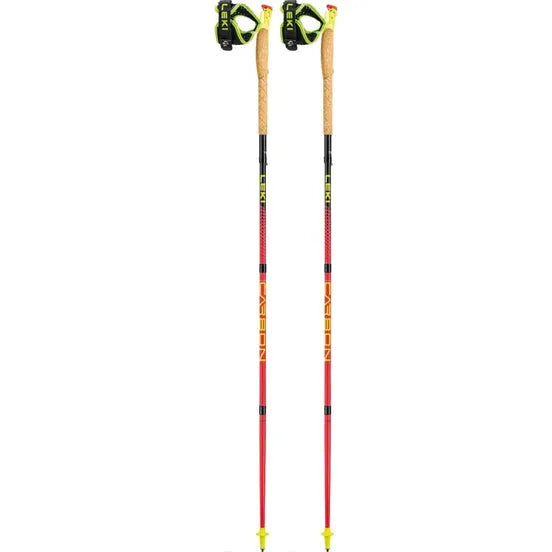
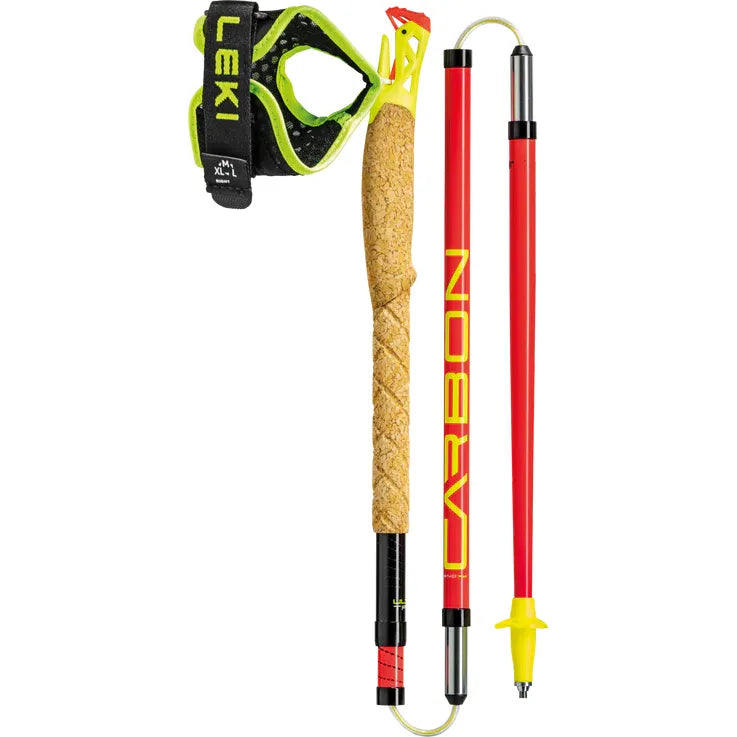


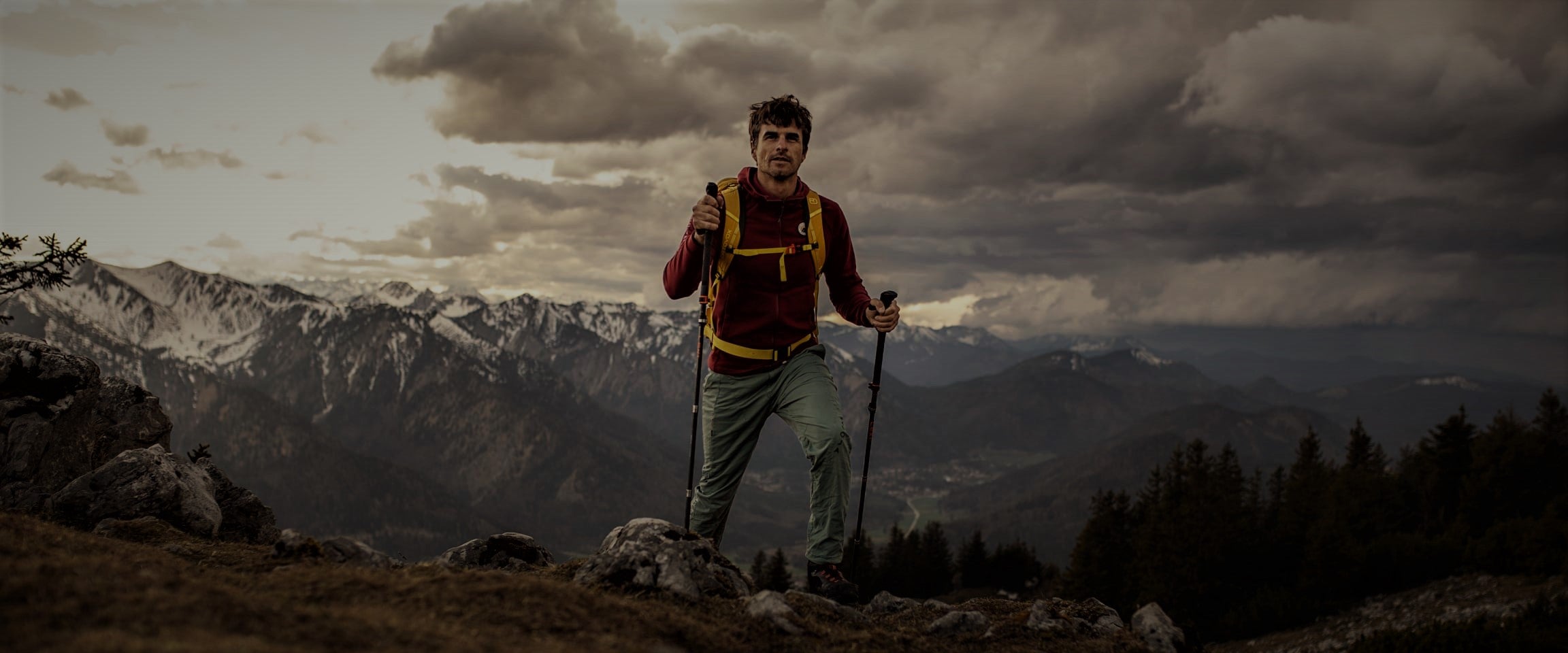
Hiking poles make a genuine difference on NZ's steep terrain — reducing knee load on descents and improving balance on stream crossings. Dwights stocks Leki and Peak XV poles across carbon and aluminium, with options from $99.99 through to premium carbon at $379.95.
Hiking poles are one of the most useful pieces of kit you can carry on a NZ tramp. Whether you're grinding up the switchbacks of the Kepler Track, picking your way across a braided river on the Routeburn, or descending a slick ridge in the Tararuas, poles reduce joint strain, improve balance, and give you confidence underfoot. At Dwights Outdoors, we stock a focused range of quality poles — led by Peak XV, our top-performing house brand — to suit every tramper from weekend walkers to Great Walk regulars.
Browse our full range below, or visit our NZ hiking poles guide for detailed advice on choosing the right pair. If you're gearing up for a multi-day trip, check out our hiking packs collection too.
Adjustability: Getting the Right Fit
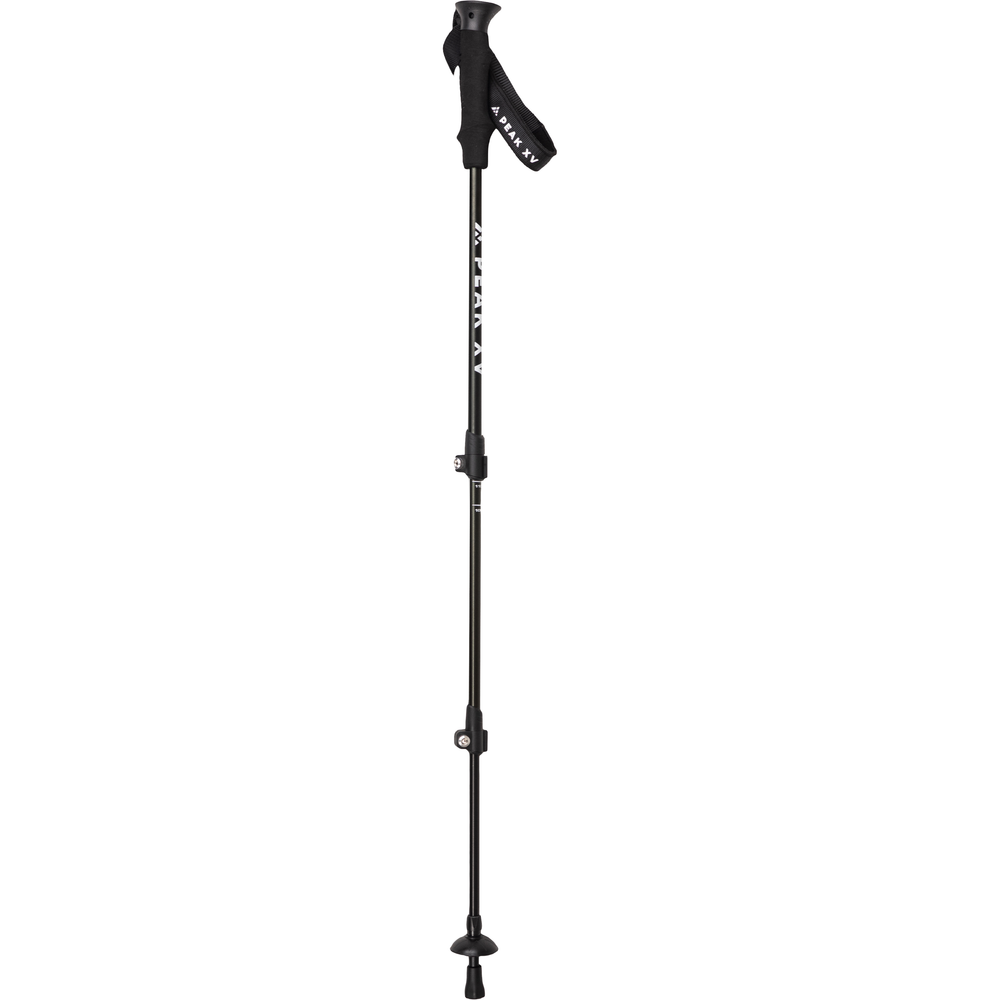
Most quality hiking poles are adjustable, typically via twist-lock or lever-lock (flick-lock) mechanisms. Lever-lock systems are generally quicker to adjust on the trail and easier to operate with gloves on — a practical consideration on exposed NZ alpine terrain. A good adjustable range runs from around 100 cm to 130 cm, covering most adult heights. Peak XV poles feature reliable locking systems that stay put even under sustained load, so there's no unexpected collapse mid-descent.
Materials: Aluminium vs Carbon Fibre
The choice between aluminium and carbon fibre comes down to durability vs weight. Aluminium poles are tougher — they bend under stress rather than snap — making them well suited to the rocky, rooty, and unpredictable conditions common on NZ backcountry tracks. Carbon fibre poles are noticeably lighter, which is a genuine advantage on long days, but they can splinter if subjected to a sharp sideways force. For most NZ trampers, aluminium is the safer choice; for lightweight-obsessed hikers who are careful with their gear, carbon is worth the premium.
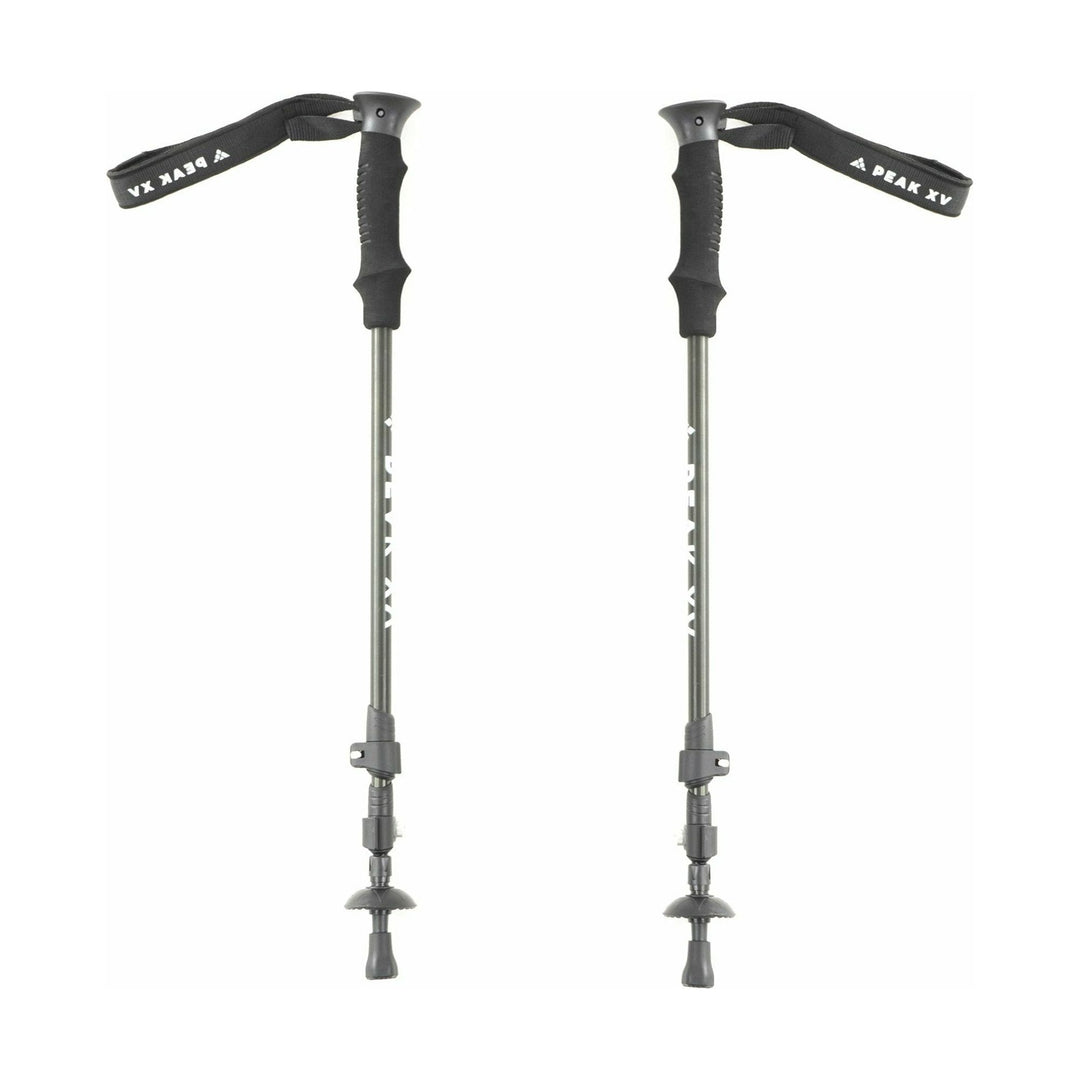
Peak XV aluminium options: EVA Grip $99.99 · Cork Grip $99.99
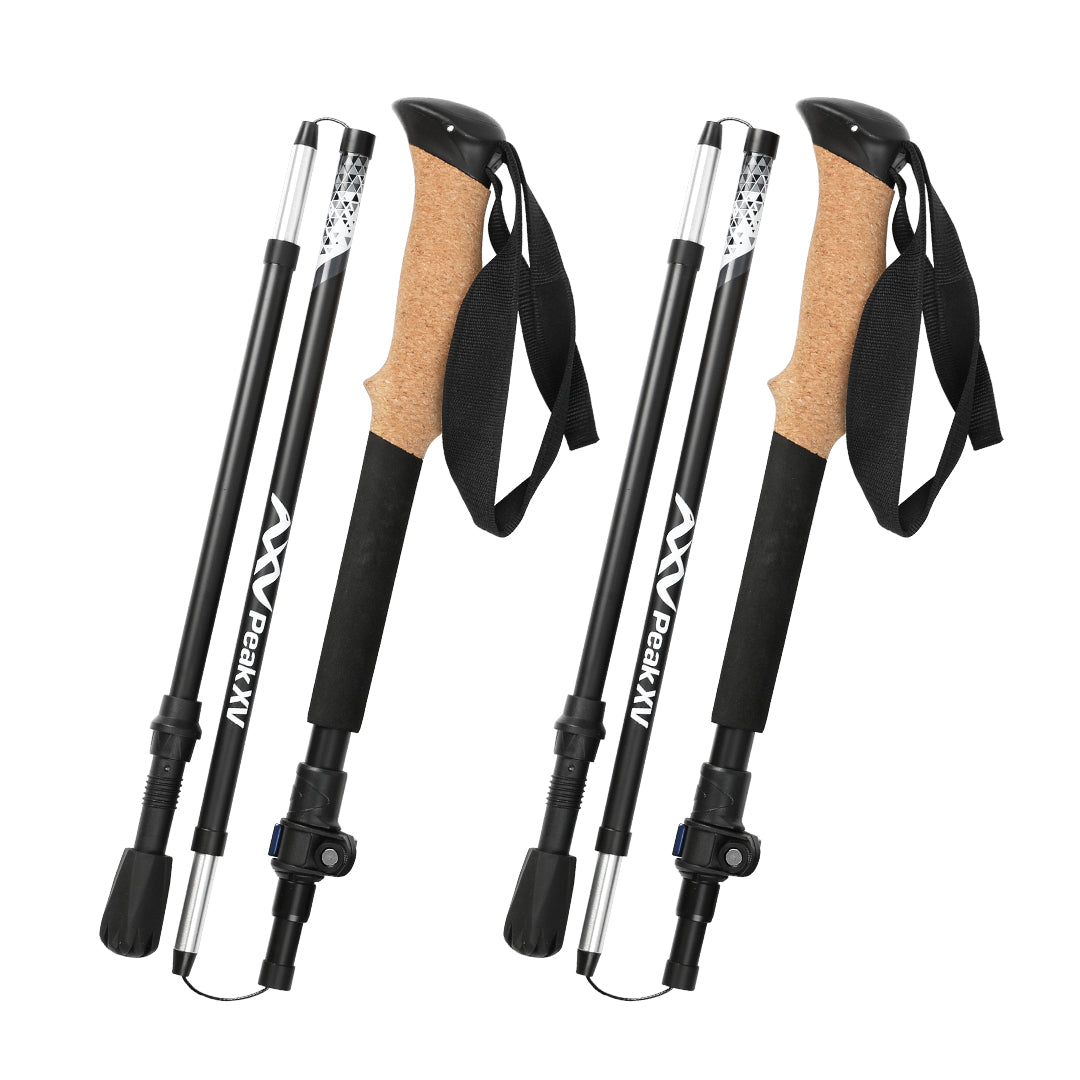
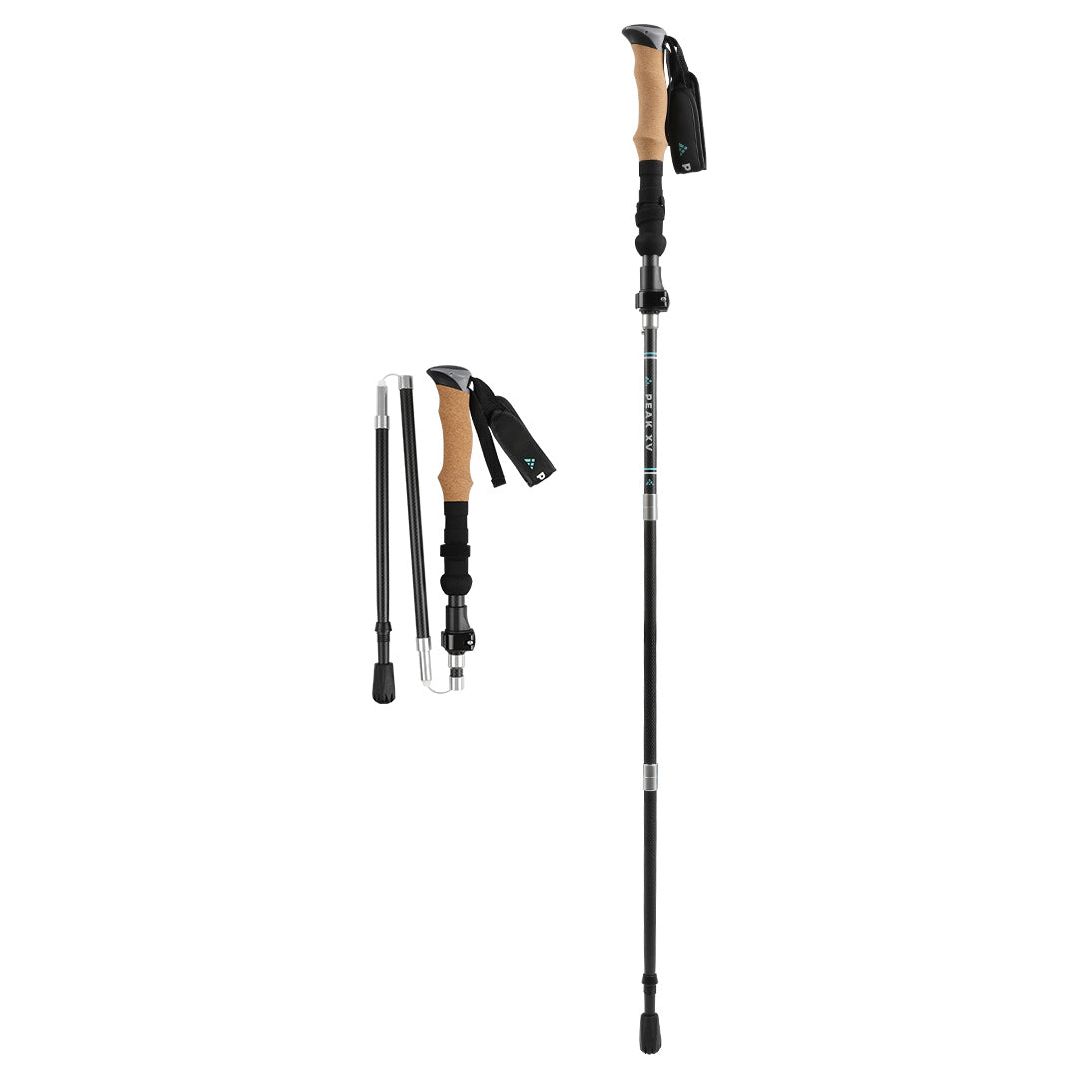
Peak XV carbon options: Cork Carbon $149.99 · Cork Carbon Antishock $149.99 · Traveller Cork Carbon Folding $139.99 · Traveller Cork Carbon Antishock Folding $179.99
Grip Types: Cork, EVA, and Foam
The grip is where your hand spends all day, so material matters more than most people expect.
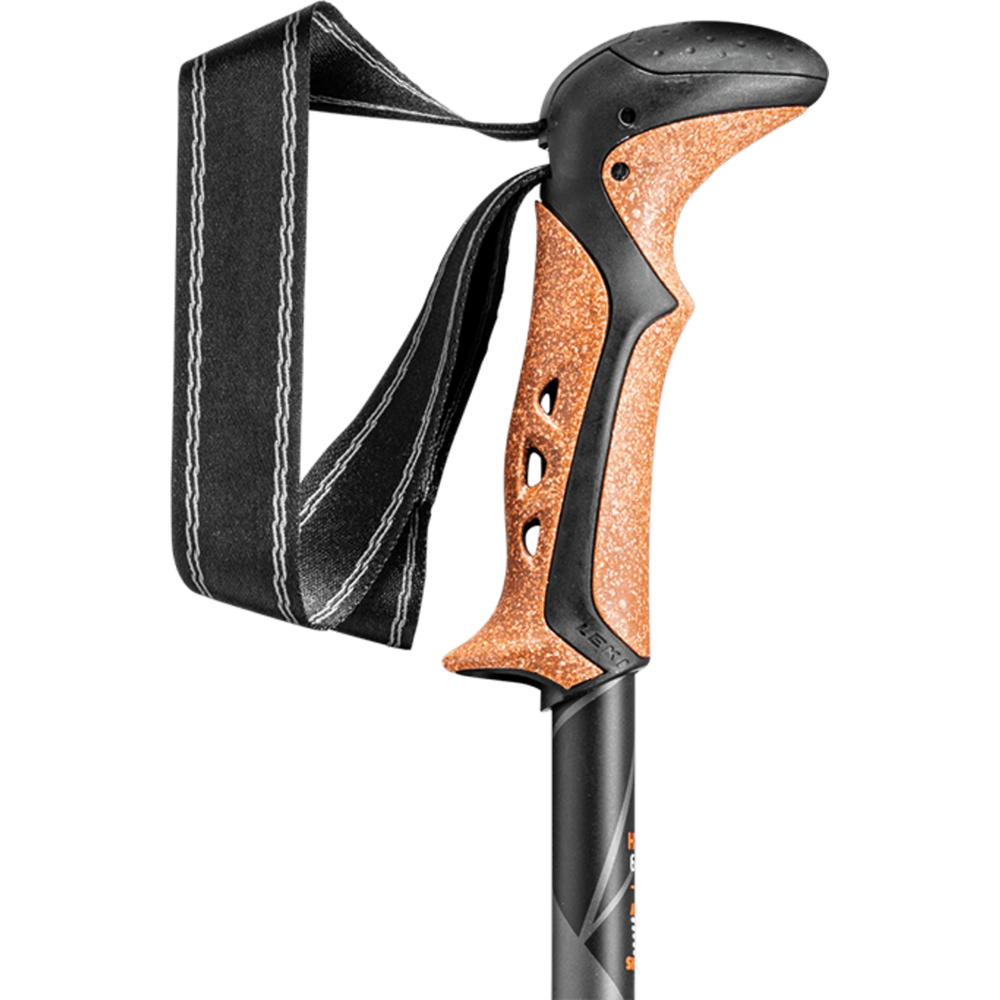
- Cork: The gold standard for multi-day tramping. Cork absorbs moisture, resists odour, and shapes itself to your grip over time. Ideal for sweaty hands or extended days on the trail. Featured across most Peak XV premium models.
- EVA foam: Soft, lightweight, and comfortable straight out of the box. Great for day hikes and users who prefer a cushioned feel. Featured on the Peak XV EVA Grip ($99.99).
- Synthetic foam: Generally a budget option — functional but less durable than cork, and less comfortable than EVA over long days.
Most trampers who spend more than one day on track gravitate towards cork grips. If you're starting out or doing mostly day trips, EVA is an excellent entry point at the same price point.
Frequently Asked Questions — Hiking Poles NZ
Do I need hiking poles for NZ tramping?
Hiking poles are strongly recommended for tramping in New Zealand. NZ trails are renowned for steep, rooty, and muddy terrain — from the Tongariro Alpine Crossing's loose scoria to the Routeburn's exposed ridgelines. Poles reduce the load on your knees on descents, improve balance on river crossings, and give you a third and fourth point of contact on slippery surfaces. They're not essential on every track, but on multi-day tramps with a heavy pack, most trampers consider them a must-have.
What is the difference between aluminium and carbon hiking poles?
Aluminium poles are heavier than carbon fibre poles but are more durable and resistant to snapping under lateral stress — making them a popular choice for rugged NZ terrain and river crossings where poles can take unexpected sideways loads. Carbon fibre poles are lighter, which reduces arm fatigue on long days, but can splinter rather than bend when overloaded. Peak XV aluminium poles like the EVA Grip ($99.99) and Cork Grip ($99.99) offer excellent value and durability, while the Peak XV Cork Carbon ($149.99) and Cork Carbon Antishock ($149.99) are ideal for trampers who prioritise weight savings.
What grip type is best — cork, EVA, or foam?
Cork grips are widely regarded as the best all-round choice: they absorb moisture, mould to your hand shape over time, and resist odour — ideal for long NZ tramps in variable conditions. EVA foam grips are lightweight, soft, and comfortable from the first use, making them great for day hikes and casual trampers. Synthetic foam grips sit between the two in terms of performance. Peak XV offers cork options across multiple models including the Cork Grip ($99.99) and the Cork Carbon ($149.99), as well as EVA Grip poles at $99.99 for trampers who prefer that feel.
How do I adjust and fit hiking poles correctly?
To set the correct pole length, stand upright on flat ground and hold the grip with your elbow bent at roughly 90 degrees — your forearm should be parallel to the ground. For most adults this is somewhere between 100–130 cm. On steep uphill terrain, shorten the poles 5–10 cm so you can push down more effectively. On steep descents, lengthen them by the same amount to take load off your knees. Always tighten twist-lock or lever-lock mechanisms firmly before heading out to prevent unexpected collapse mid-stride.
What are the best hiking poles for NZ Great Walks?
For the NZ Great Walks, you want poles that are reliable, comfortable over multiple days, and suited to varied terrain. The Peak XV Cork Carbon ($149.99) and Peak XV Cork Carbon Antishock ($149.99) are standout options — the antishock version absorbs trail vibration particularly well on rocky terrain like the Tongariro Alpine Crossing. The Peak XV Traveller Cork Carbon Folding ($139.99) packs down small enough to stow in your bag on hut-to-hut sections where poles aren't needed, making it a smart choice for the Milford or Routeburn Tracks. Leki poles are also stocked for trampers who prefer a German-engineered alternative.
Are folding or telescoping poles better for tramping?
Telescoping (adjustable) poles are the most versatile for NZ tramping — you can fine-tune the length for different terrain, and they generally handle rough handling and river crossings better. Folding poles pack down much smaller, which is useful for air travel, hut sections where poles are stored, or trail running. The Peak XV Traveller Cork Carbon Folding ($139.99) and Traveller Cork Carbon Antishock Folding ($179.99) give you the best of both worlds with a folding design that still offers some length adjustment. Choose folding if packability is a priority; choose telescoping for maximum adjustability and durability.
How do I use hiking poles properly on NZ terrain?
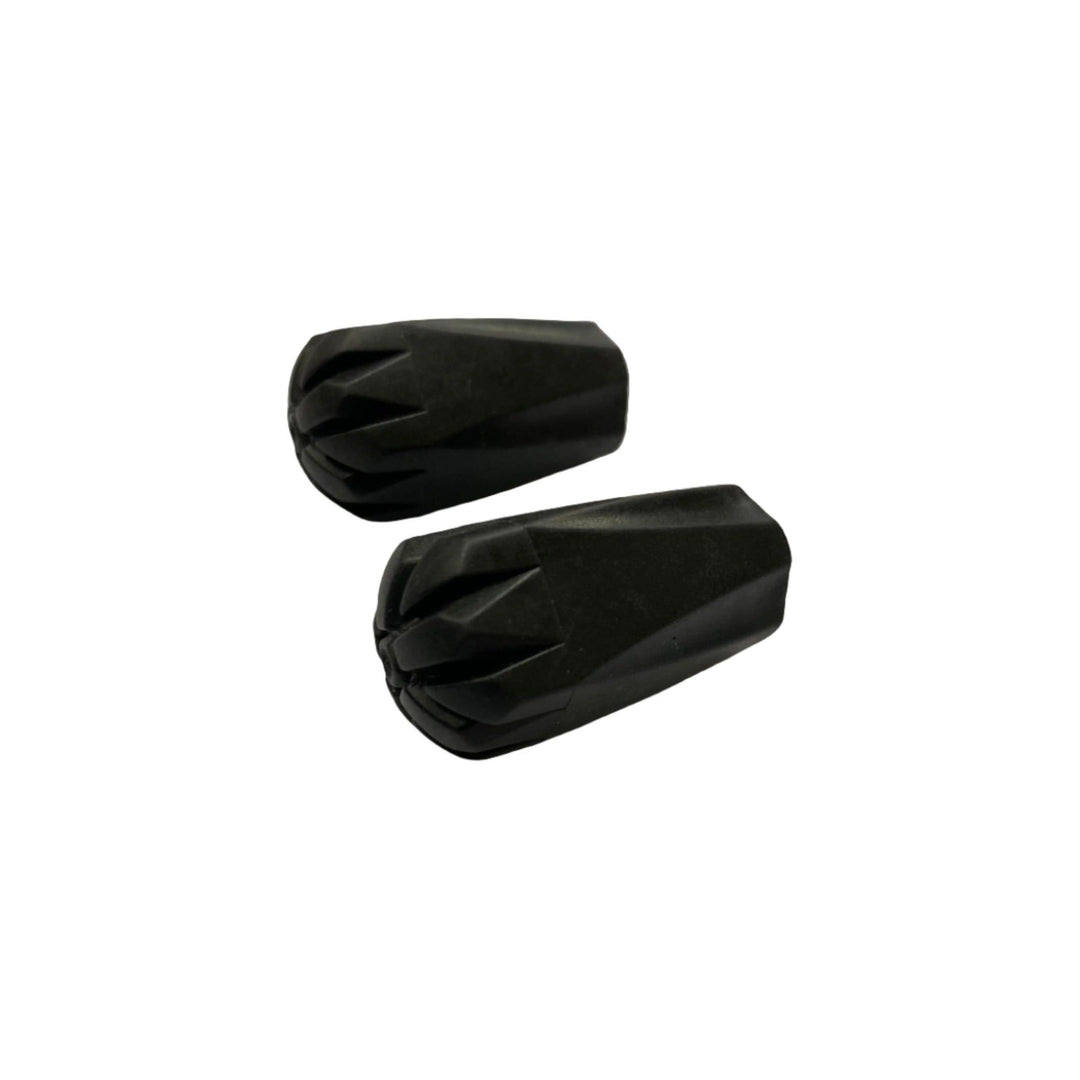
On flat ground, plant the pole tip just behind your front foot and push through the grip as you step forward — this creates a natural rhythm and offloads effort from your legs. On climbs, shorten the poles and use them to push yourself upward. On descents, lengthen them and plant them in front to brace against knee strain. On river crossings — common on NZ backcountry tracks — use both poles downstream for balance and plant firmly before each step. Swap out wide baskets for small rubber tips on hard or rocky surfaces to prevent the pole catching and twisting.