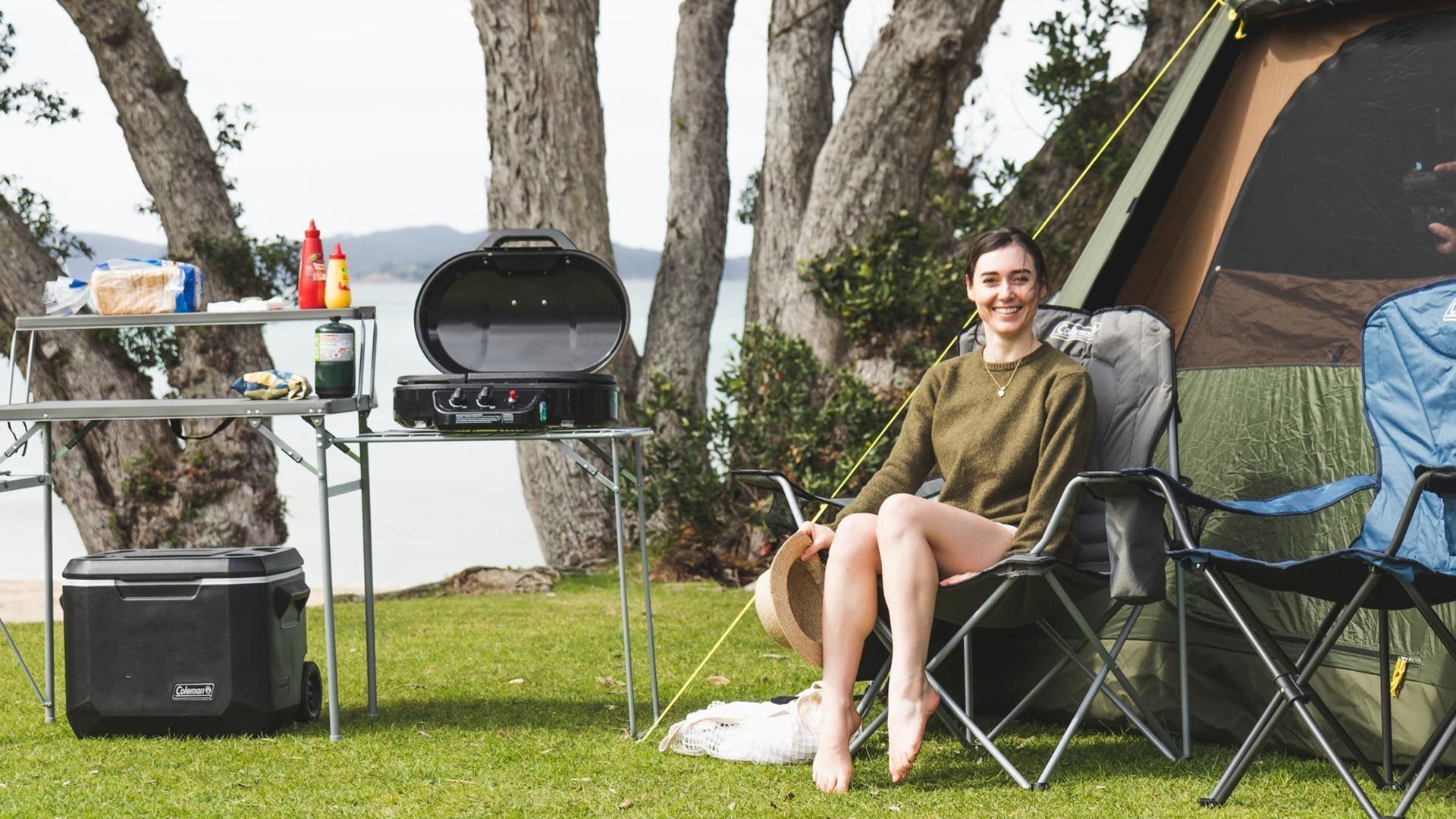
Camp Kitchens

    Filter

      A camp kitchen transforms outdoor cooking from a makeshift exercise into something that actually works. A foldout kitchen unit gives you a stable prep surface, organised storage, and — critically in NZ — a windbreak around your stove so you can cook without fighting the flame on every exposed site.

      Our camp kitchen range is led by Coleman and OZtrail — both brands offer fold-flat units that pack into a carry bag and set up in minutes.

      What to Look For

      • Windbreak: Non-negotiable in NZ camping conditions. A good windbreak keeps your stove flame consistent and your cooking time reasonable.
      • Prep surface height: Should sit at a comfortable standing work height — too low and you're hunching all evening.
      • Storage: Mesh side pockets and removable shelves keep utensils, condiments, and small items organised and off the ground.
      • Pack-down size: Check the packed dimensions and weight — a camp kitchen that fills the boot is less useful than one that fits alongside the rest of your gear.

      Frequently Asked Questions

      Do I need a camp kitchen or can I just use a table?

      A camp kitchen combines prep surface, storage, and stove windbreak in one unit — a camp table gives you flat space but nothing else. If you're cooking with a gas stove regularly, the windbreak alone is worth having. For simple one-pot cooking on a calm site, a camp table works fine. For anything more involved, a dedicated camp kitchen earns its keep.

      What size camp kitchen do I need?

      For a couple, a compact single-shelf unit is sufficient. For a family of four cooking full meals, look for a double-shelf unit with a wider prep surface and additional side storage. Check the weight capacity of the prep surface — some lighter units flex under heavy pots or cast iron.

      Are camp kitchens worth it for NZ camping?

      Yes — particularly on exposed coastal and alpine DOC campsites where wind is a constant factor. NZ wind regularly kills gas stove flames, dramatically extending cooking times. A camp kitchen with a good windbreak solves this directly. Even on sheltered sites, the organised storage and stable prep surface make meal preparation significantly more straightforward.

      How do I care for a camp kitchen?

      Wipe down the prep surface and shelves after each use. Allow the fabric skin to dry completely before packing away — mould forms quickly in stored damp fabric. Check the steel frame for rust spots after coastal use and treat with a light metal spray if needed. Store flat in its bag in a dry location.