

hiking boots nz

Hiking Boots

    Filter
      75 products

      The right hiking boot makes NZ's trails manageable — the wrong one will end your trip early. NZ terrain is technical: wet, rooted, rocky, and often unpredictable. Boots that perform well on dry European trails frequently fall short here. What matters is ankle support appropriate to the terrain, a waterproof membrane that holds up in sustained NZ rainfall, and a sole with enough grip for slippery roots and wet rock.

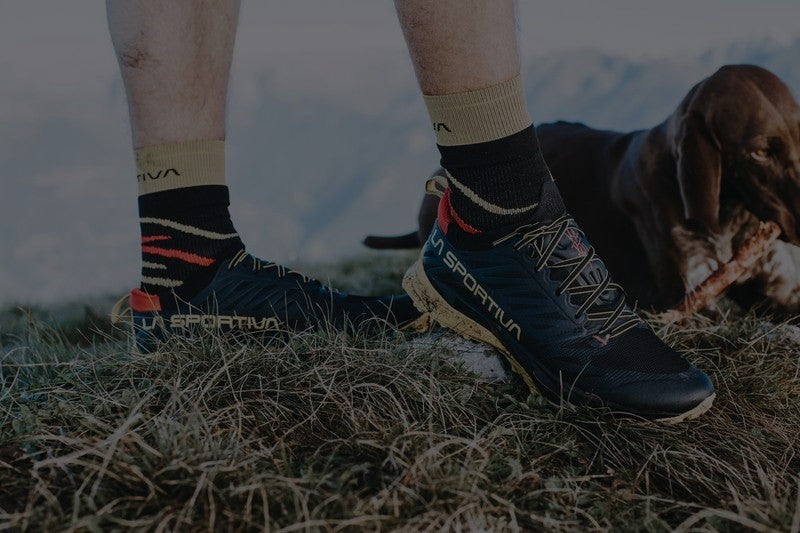
      Our boot range is led by La Sportiva — Italian-made footwear with a strong reputation in technical terrain — alongside Crispi, Asolo, and Salewa. These are the brands our staff actually wear on multi-day NZ trips.

      Boot Cut: Low, Mid, or High?

      Cut is the first decision. It determines ankle support, weight, and how the boot behaves on terrain:

      • Low-cut: Lighter, faster, more natural foot movement. Best for well-formed tracks, trail running, and experienced trampers comfortable with less ankle support. Note: the Crispi Attiva Mid GTX is actually a low-cut boot despite its name — worth knowing before you buy.
      • Mid-cut: The most versatile option for NZ tramping. Enough ankle support for uneven terrain and loaded packs without the weight or stiffness of a full high boot. The Crispi Futura CX, Valdres EVO, and Nevada Legend all sit here — these cover the majority of NZ tramping from the Great Walks to backcountry routes.
      • High-cut: Maximum ankle support and stability for technical terrain, alpine routes, and heavy loads. The Crispi Titan GTX is a serious high-leg boot for demanding conditions — heavier, stiffer, and built for more than just well-formed tracks.

      Waterproofing: GTX and What It Means

      For NZ tramping, waterproofing isn't optional. A GORE-TEX (GTX) membrane provides genuine waterproofing with breathability — important when you're generating heat in wet conditions. Most boots in our range feature a GTX liner. Pair your boots with Nikwax footwear proof to maintain the DWR coating on the outer, and the GTX membrane will look after the rest.

      Frequently Asked Questions: Hiking Boots NZ

      What hiking boots are best for NZ tramping?

      For most NZ multi-day tramping, a mid-cut waterproof boot is the right choice. The Crispi Nevada Legend GTX and Valdres EVO are well-suited to the Great Walks and general backcountry tracks — structured enough for loaded packs and uneven terrain, but not so stiff you're fighting the boot on descent. La Sportiva's hiking range offers excellent technical grip for more demanding terrain. For primarily day walking, a low-cut boot or trail runner may be all you need.

      Do I need waterproof hiking boots in NZ?

      For multi-day tramping: yes. NZ rainfall is persistent and unpredictable — track conditions change quickly, and wet feet over multiple days leads to blisters and a miserable trip. A GORE-TEX or equivalent waterproof membrane is a worthwhile investment for any trip where you'll be out overnight. For short day walks in reliable conditions, a non-waterproof trail runner can work, but the moment conditions turn, you'll wish you had a GTX boot.

      How do I break in new hiking boots?

      Don't take new boots straight to the Routeburn. Start with short walks around town or on easy local tracks, progressively increasing distance and difficulty over two to four weeks. Wear the socks you plan to tramp in — a quality hiking sock like Bridgedale or Wrightsocks makes a real difference. If you're getting consistent hot spots in the same location, come in-store — lacing adjustments or a different insole often fix it before it becomes a problem on the trail.

      What socks should I wear with hiking boots?

      A quality merino or merino-blend hiking sock is worth the investment. Bridgedale and Wrightsocks are our two core sock brands — both proven for moisture management and blister prevention. Sock thickness depends on your boot fit and conditions: heavier for cold temperatures and extra cushioning, lighter for warmer conditions. Avoid cotton socks entirely — they hold moisture and cause blisters faster than almost anything else in your kit.

      What's the difference between hiking boots and trail runners for NZ tramping?

      Trail runners are lighter and faster, better suited to experienced trampers who move quickly and pack light. They typically offer less ankle support and less waterproofing, though GTX trail runner options exist. Hiking boots provide more support and durability — better for heavier loads, technical terrain, and trampers who benefit from the extra ankle stability. If you're new to multi-day tramping, start with a mid-cut hiking boot. If you're experienced and pack light, trail runners are a legitimate option for well-formed NZ tracks.

      How do I care for waterproof hiking boots?

      After each trip, remove the insoles, knock out any mud, and let the boots dry naturally away from direct heat — a heater or dryer can degrade the waterproof membrane and midsole. Periodically clean the upper with a soft brush and warm water. Reproof the DWR coating with Nikwax Footwear Proof when water stops beading on the outer — this is normal wear, not a fault in the boot. Store at room temperature, out of direct sunlight.

      Read our complete Hiking Boots Guide →