














How to Choose a Rain Jacket
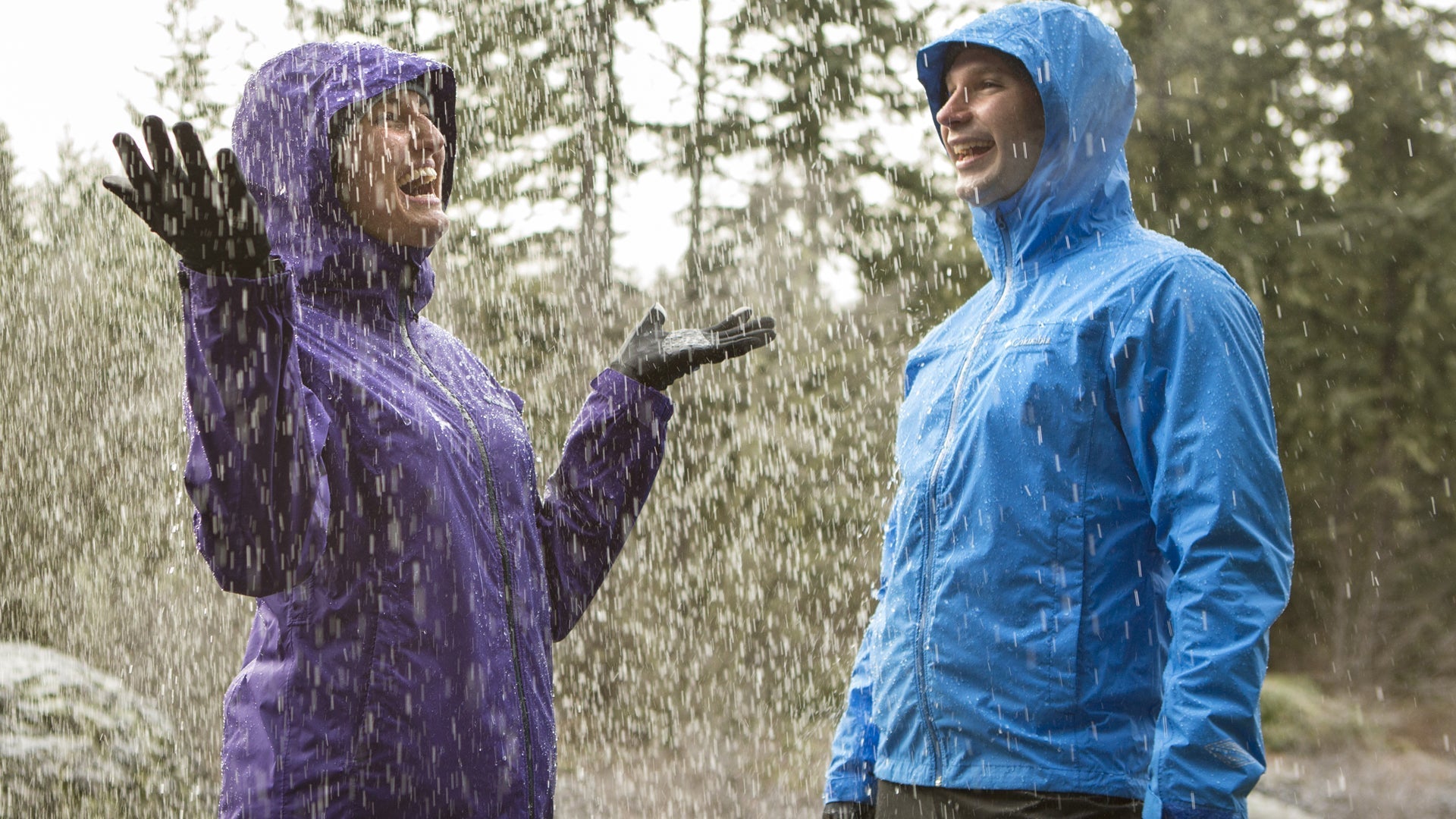
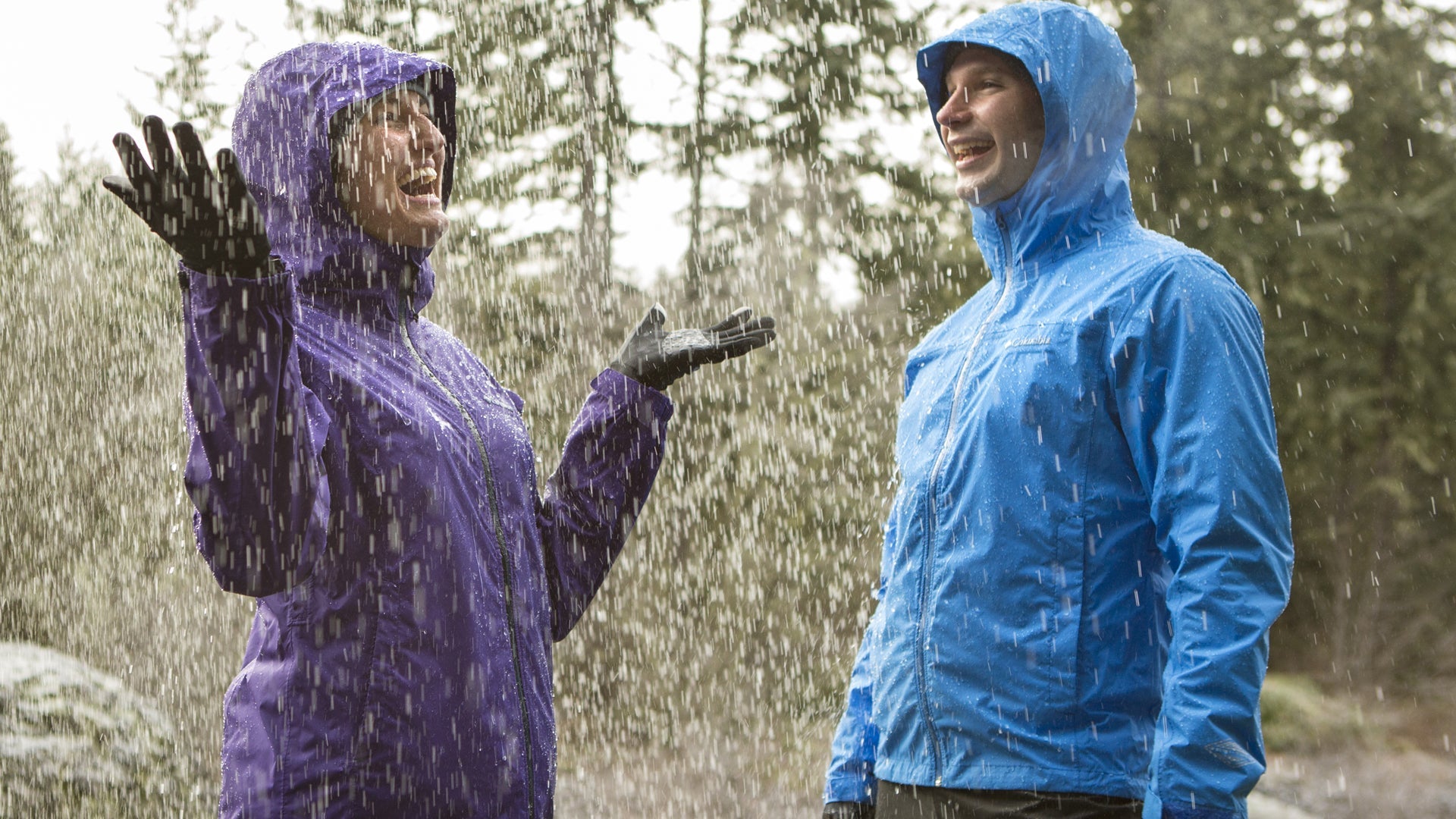
The best rain jacket is the one that fits the user, layers and activity while providing suitable weather protection. Start with the trip and construction rather than a year-based ranking.
Define the activity
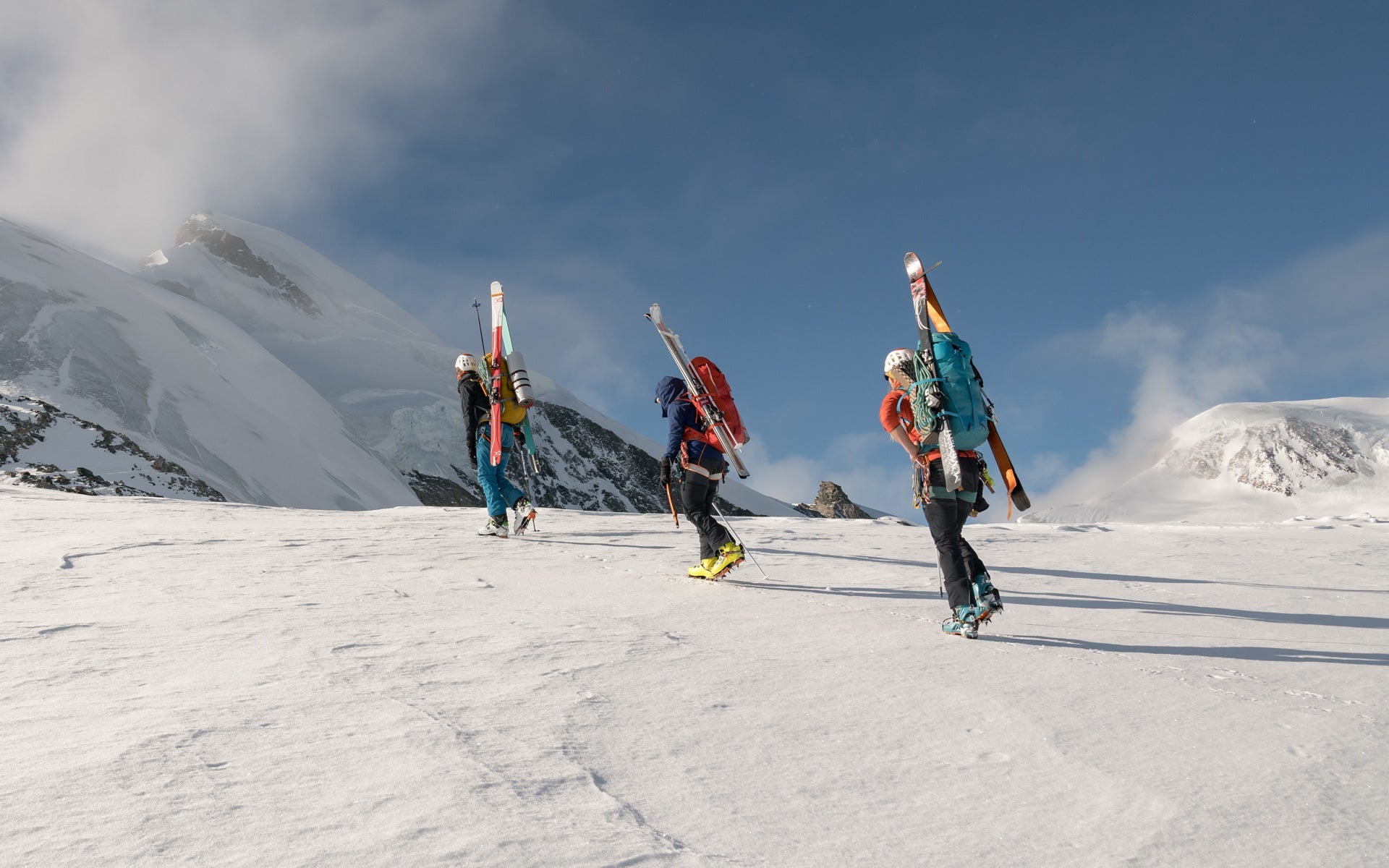
Vehicle-based use, day walking, multi-day tramping, hunting and alpine travel place different demands on a shell. Consider exposure, pack abrasion, exertion, duration and the consequences of a failure. A light emergency shell and a robust regularly worn jacket are not interchangeable.
Understand the construction
- 2-layer: the membrane is bonded to the face fabric and protected by a separate lining.
- 2.5-layer: the membrane and face fabric use a printed or coated inner protection, often reducing weight and bulk.
- 3-layer: face fabric, membrane and inner backer are laminated into one construction, often chosen for sustained use and abrasion.
Layer count does not determine fit, durability or comfort by itself. Compare the complete garment.
Read waterproof and breathability claims carefully
Hydrostatic-head and moisture-vapour figures can help only when the test methods are stated and comparable. Seams, zips, hood, face fabric, ventilation and garment condition also matter. “Breathable” does not mean condensation-free during hard movement.
Fit the jacket over real layers
Try it over the clothing and pack straps you expect to use. Reach forward and overhead, adjust the hood, and check cuff, hem, pocket and zip access. The jacket should allow movement without excessive fabric or pressure.
Compare hood, ventilation and pockets
Review hood adjustment and visibility, zip protection, pit or body ventilation, pocket position and hem coverage. Helmet compatibility, a longer cut or multiple pockets add value only if the activity requires them.
Balance weight and durability
Lighter shells can pack smaller but may use lighter face fabrics or fewer features. Heavier jackets may better tolerate repeated pack use but cost more weight and bulk. Compare the actual fabric and intended use rather than assuming either extreme is best.
Care and repair
Follow the care label and current garment instructions. Clean contamination, renew the surface water-repellent finish only with a compatible process, and repair damage before it spreads. Reproofing cannot fix every membrane, seam or fabric failure.
Browse the current rain jacket range and compare fit, construction, ventilation, durability and intended use.


