








How to Choose Trail Running Shoes
Trail running shoes vary in fit, cushioning, traction and protection. Start with the shape of your foot and the terrain you run most often, then compare the current product specifications rather than choosing from a ranking.
Fit comes first
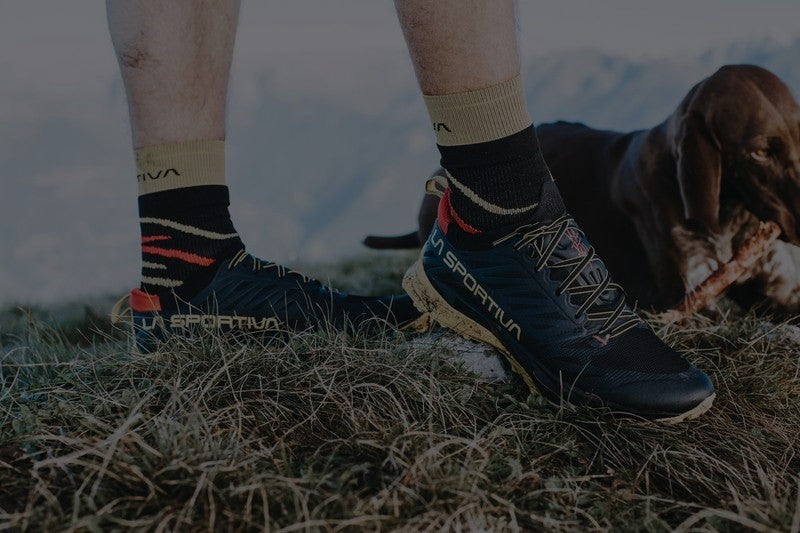
The heel and midfoot should feel secure without painful pressure, while the toes need enough room for natural movement and descents. Try both shoes with the socks you plan to use. Walk or jog on an incline if the fitting area allows, and reject any pair that slips, pinches or folds uncomfortably.
Match the outsole to the terrain
- Firm, dry tracks: moderate lugs can give a smoother transition.
- Soft ground and mud: deeper, more widely spaced lugs may clear debris more effectively.
- Mixed rock and roots: examine rubber coverage, lug shape and the control you need at your usual pace.
No outsole prevents slips. Slow down when grip is uncertain and choose a route appropriate for the conditions.
Choose cushioning and ground feel
More cushioning can reduce ground feel and increase stack height; less cushioning can feel direct but may provide less underfoot protection. There is no universal best amount. Consider distance, surface, running form and what has worked without pain in your existing footwear.
Compare protection, drainage and weather construction
Toe protection, sidewall structure and underfoot plates can help on rough ground, but they also affect weight and flexibility. Waterproof constructions can reduce water entry in some conditions, while non-waterproof uppers may drain and dry more readily after deeper water enters. Choose for the routes and seasons you actually use.
Transition gradually
A new model can change heel-to-toe offset, stiffness, rocker, width or support. Begin with shorter, familiar runs and increase distance gradually. Stop if pain changes your stride, and seek qualified health advice for persistent symptoms.
Check the live range
Sizes, colours and model availability change. Use product pages for current specifications, then confirm fit in person where practical.
Browse the current trail running shoe range and compare fit, terrain, cushioning and protection.


