

Paparoa Track Gear List 2026 — What to Pack for the West Coast
The Paparoa Track is one of New Zealand's eleven Great Walks — and one of the wettest. This 55km route on the South Island's West Coast winds through the spectacular limestone gorges of Pororari, climbs to the exposed Paparoa Range plateau, and drops back down through old-growth forest to Blackball. It's rated moderate, completable in 2–3 days, and thoroughly capable of soaking you to the bone if your kit isn't up to scratch. This 2026 gear list covers everything you need to walk it comfortably and safely.
The Paparoa Track at a Glance
Starting at Punakaiki and finishing at Blackball, the Paparoa Track passes through two distinct environments. The lower sections — including the stunning Pororari Gorge with its dramatic limestone bluffs — are sheltered, lush, and alive with sandflies. The upper sections on the Paparoa Range plateau are fully exposed, with sweeping views and conditions that can turn nasty without warning. Two DOC-serviced Great Walk huts — Pororari Hut and Ces Clark Hut — provide comfortable overnight accommodation with heating and mattresses. You'll still need your own sleeping bag, food, and full personal kit.
Rain Jacket: Your Single Most Important Piece of Kit
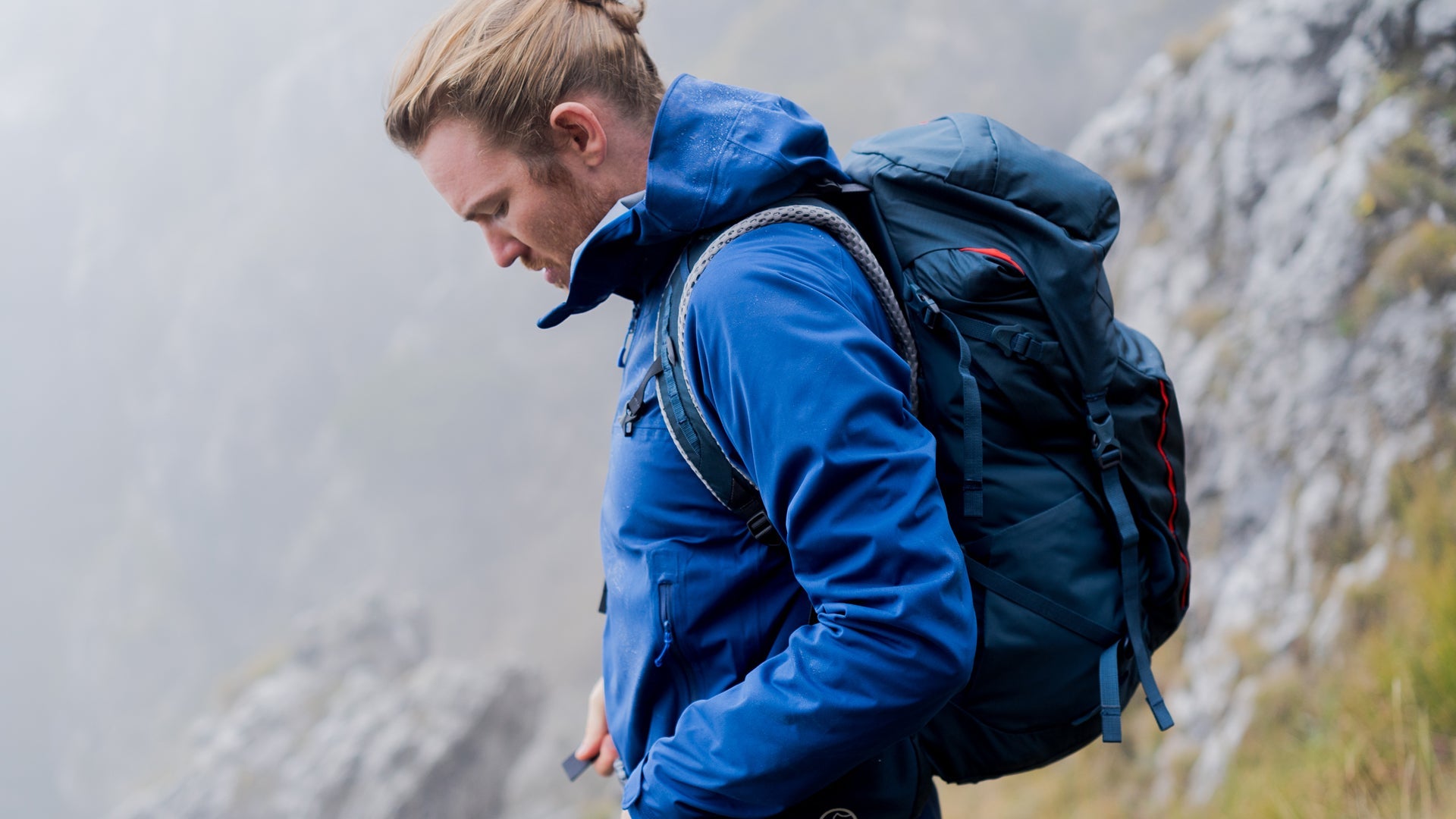
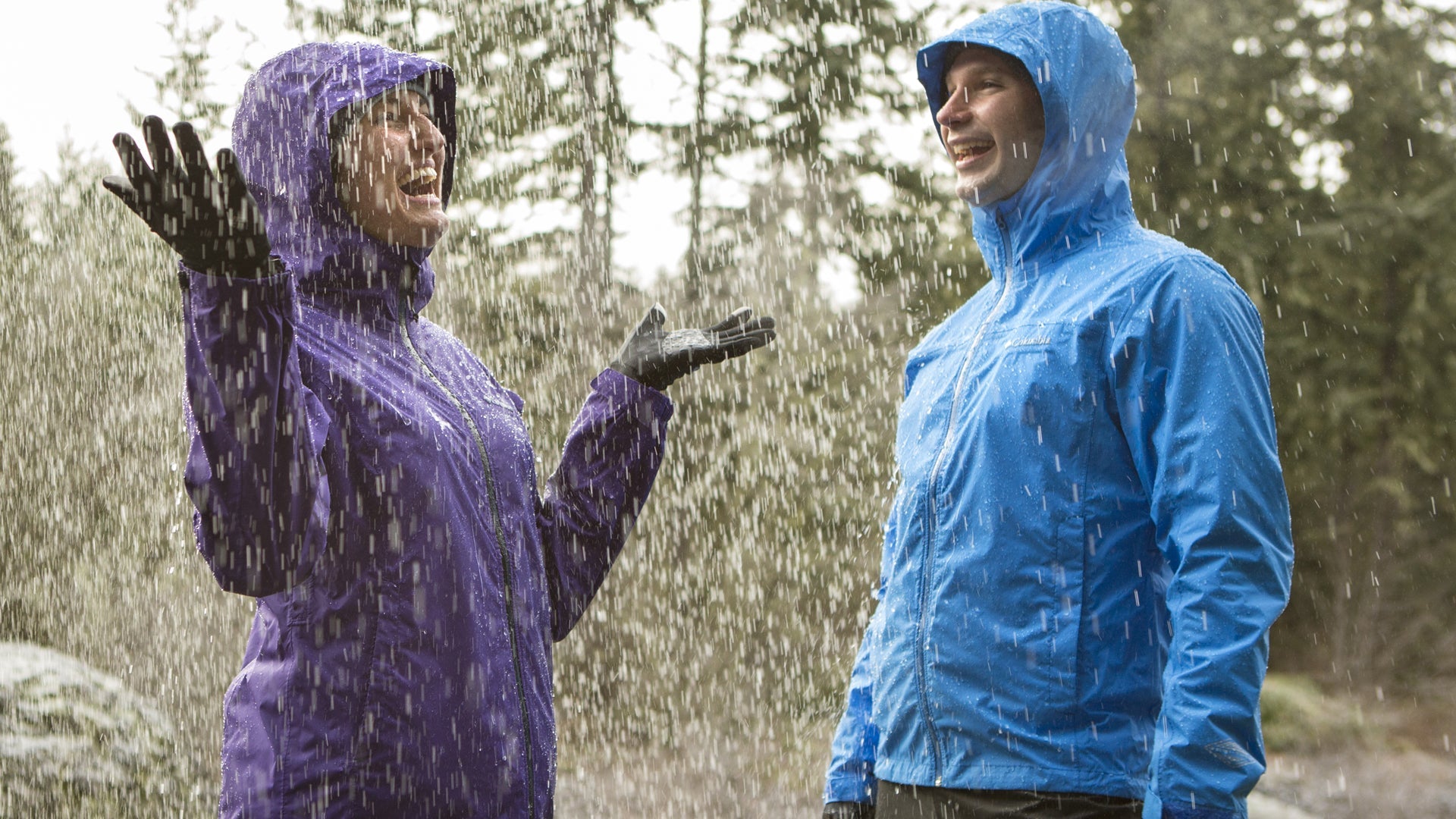
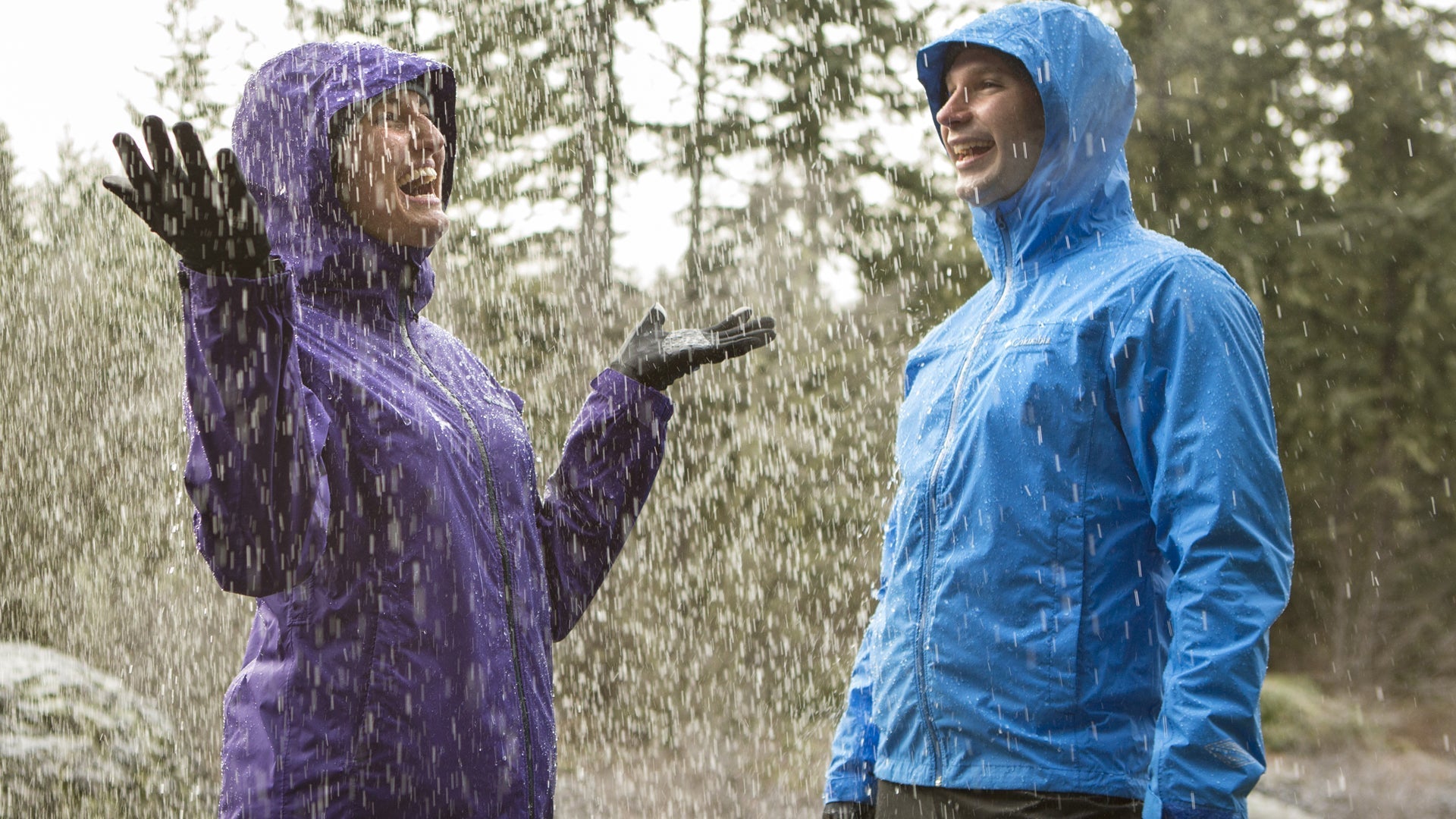
The West Coast receives some of the highest rainfall in the country. This is not a track where a light shower jacket will do. You need a fully seam-sealed hardshell rated at a minimum of 20,000mm hydrostatic head (HH). Anything less and you will be wet — not damp, wet.
The Peak XV Tornado is the jacket we recommend for the Paparoa Track. It's a 20,000mm HH hardshell with fully taped seams, a helmet-compatible hood, and pit zips for ventilation during the climbs. It handles sustained West Coast rain without batting an eyelid. If you're working to a tighter budget, the Peak XV Pinnacle is the entry-level option — still a genuine hardshell, still seam-sealed, and a meaningful step up from anything marketed as a "waterproof" softshell.
Browse our full rain jackets collection or read our in-depth NZ rain jacket guide if you want to understand what the ratings actually mean before you buy.
Footwear: Waterproof Boots Are Non-Negotiable
Trail runners might get away with it on a dry Canterbury track. The Paparoa Track is not that. Expect muddy climbs, wet creek crossings, and rain-soaked vegetation brushing against your ankles for hours at a time. Waterproof, mid-cut or high-cut hiking boots are what you need here.
La Sportiva and Salewa are the boot brands we carry for serious backcountry use. La Sportiva's Gore-Tex mid-cut options offer excellent foot support and waterproofing for multi-day walks, while Salewa's alp trainer range combines Gore-Tex protection with a sole compound designed for the kind of slippery limestone and clay you'll encounter in Pororari Gorge. Gaiters are worth packing too — they keep mud and debris out during the descent sections.
See our full range of hiking boots to compare options before you commit.
Pack: Get the Volume Right
For a 2–3 day Great Walk with DOC hut accommodation, a 50–65L pack is the right range. You're not carrying a tent, but you are carrying food, sleeping gear, a full clothing system, and wet weather kit — it adds up quickly.
The Deuter Aircontact Core 50+10 is our lead recommendation. The 50+10 capacity is adjustable to match exactly what you're carrying day by day, and Deuter's Aircontact back system does a solid job of keeping the load off your lower back during the long climb onto the plateau. The fit-on-the-move design means you won't be stopping to readjust straps every hour.
Read our hiking backpack guide for a full breakdown of how to size and fit a pack, or go straight to our hiking packs collection to see what's available.
Sleeping Bag: Warmer Than You Think
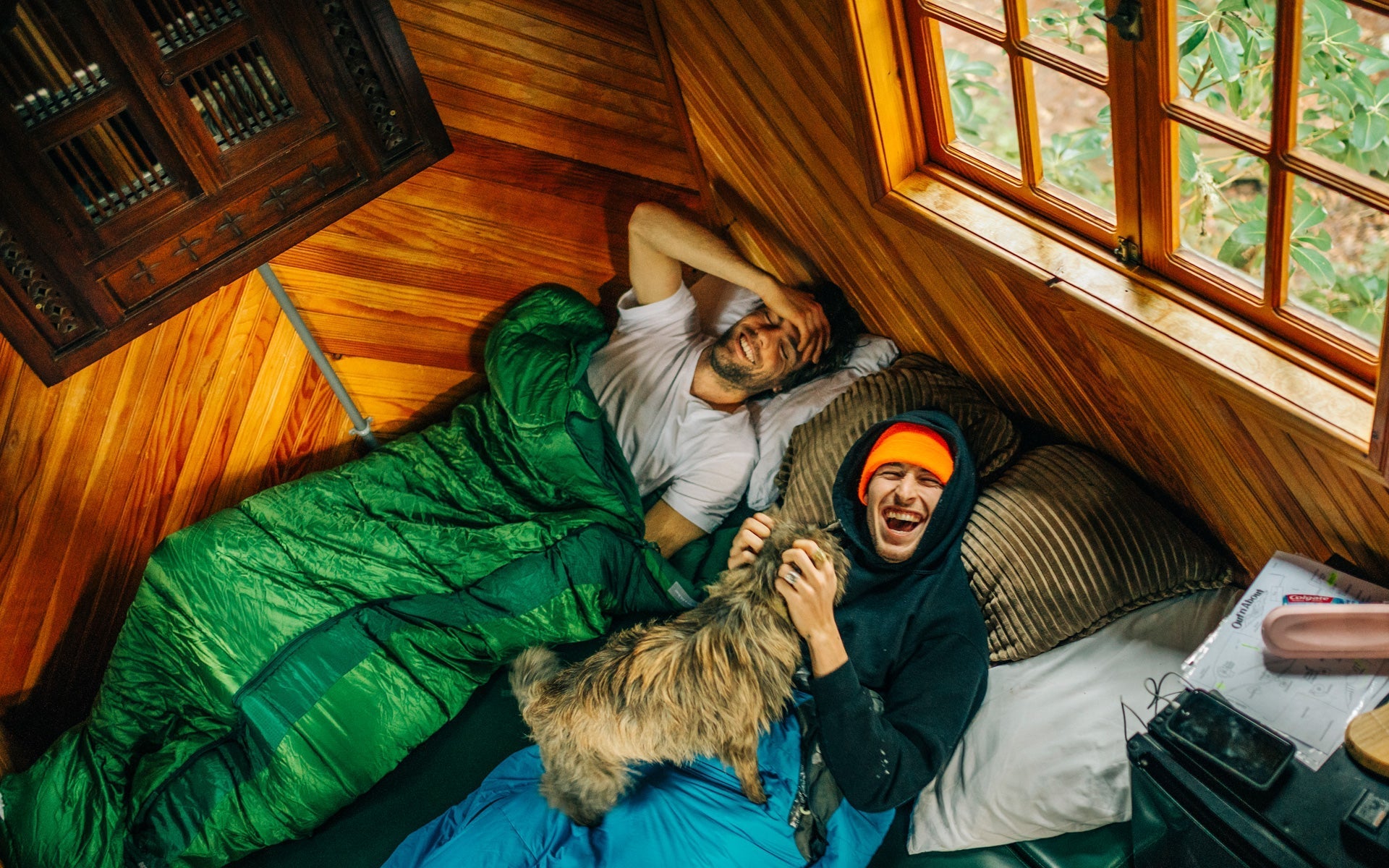
Ces Clark Hut sits at altitude on the Paparoa Range. Even in summer, overnight temperatures up there can drop to near zero, particularly if the weather is moving through. The huts are heated, but don't rely on the fire to do all the work — a sleeping bag rated to -5°C comfort is a sensible benchmark for the Paparoa Track.
We recommend the One Planet Nitrous or One Planet Sonder sleeping bags as the lead options. Both are down-insulated, genuinely warm, and compress well for packing. One Planet is an Australian brand built for southern conditions, and their temperature ratings are honest rather than optimistic. Browse our sleeping bags to compare models and fill weights.
Hiking Poles: Worth Every Gram on the Descent
The descent from the Paparoa Range plateau back into the forested lower sections is sustained and steep. Trekking poles take a significant load off your knees on the way down and give you extra stability on the muddy, rooted sections near Pororari Gorge. They're not optional luxury kit on a track like this — they're functional gear.
Peak XV hiking poles are the first choice here. Lightweight, adjustable, and built to handle the varied terrain of a South Island multi-day walk, they pack down small enough to strap to your bag during narrow gorge sections. See our hiking poles collection for current stock and specifications.
Clothing Layers for the Paparoa Range
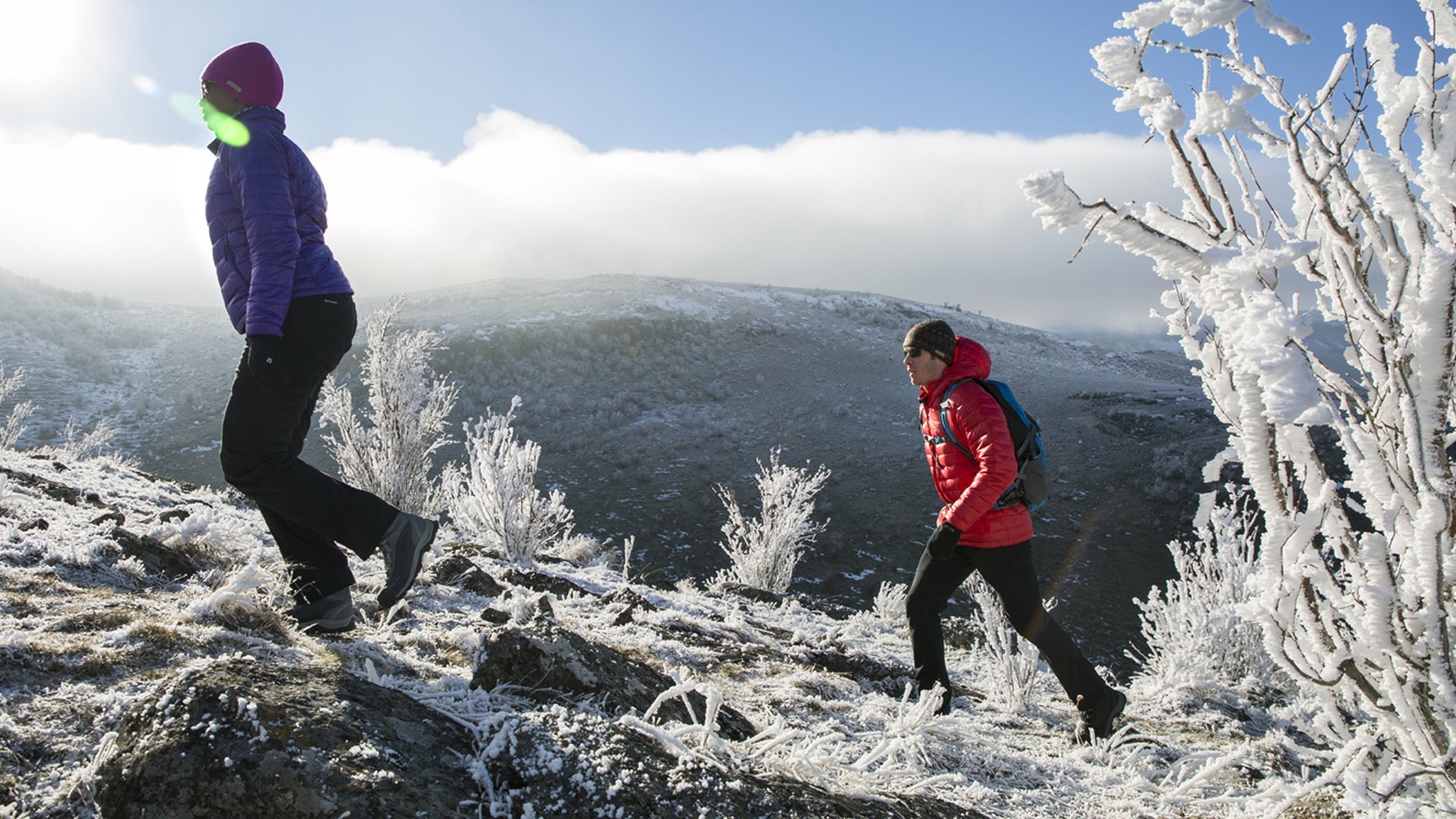
The ridge sections on the upper Paparoa Track are fully exposed. When the wind comes in from the Tasman — which it does — you'll feel it. A proper three-layer system is the standard approach: moisture-wicking base layer next to skin, an insulating midlayer (fleece or lightweight down jacket), and your hardshell on top. Merino wool base layers are popular for multi-day walks because they manage odour better than synthetics over three days without a shower.
Pack a warm beanie and gloves — even in summer the plateau conditions can warrant them. Lightweight, packable gloves weigh almost nothing and make the difference between a miserable exposed section and a manageable one.
Sandflies, Sun, and the Small Stuff
The lower gorge sections of the Paparoa Track — particularly around Pororari Hut — are prime sandfly territory. A head net and DEET-based insect repellent are well worth including in your pack. Sandflies are most active in still, sheltered conditions near water, exactly the environment Pororari Gorge provides.
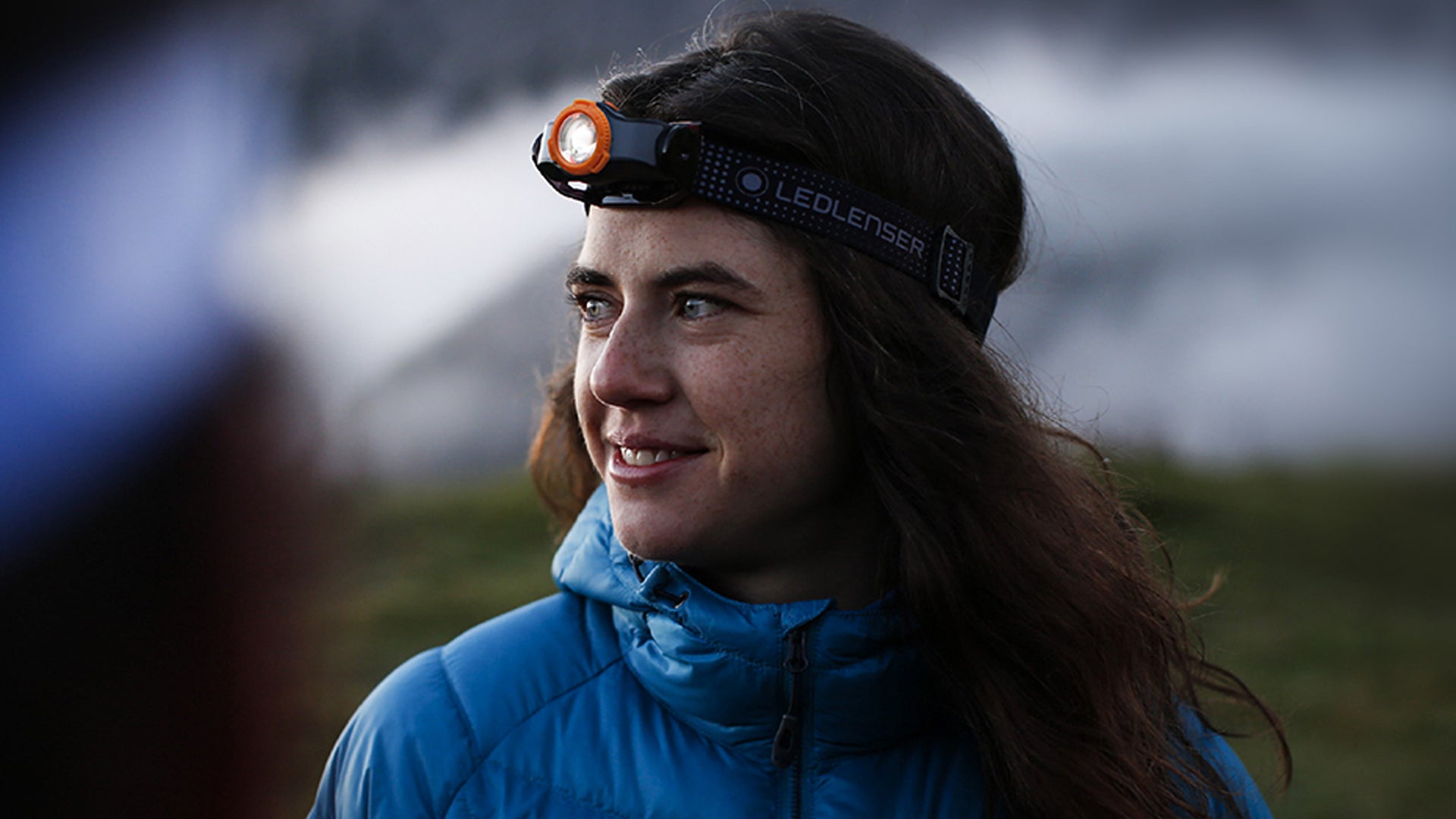
Round out your kit with a first aid kit, a headlamp with spare batteries, a water filter or purification tablets, a dry bag for electronics and documents, and enough food for the number of days you're walking. DOC huts on Great Walks have kitchen facilities but no food supply — everything you eat comes in with you.
Other NZ Track Gear Guides
Planning another NZ tramp? Browse our full library of track gear guides:
- Milford Track Gear List
- Routeburn Track Gear List
- Kepler Track Gear List
- Heaphy Track Gear List
- Abel Tasman Coast Track Gear List
- Tongariro Alpine Crossing Gear List
- Rakiura Track Gear List
- Queen Charlotte Track Gear List
- Whanganui Journey Gear List
- Lake Waikaremoana Track Gear List
Frequently Asked Questions
- How hard is the Paparoa Track?
- The Paparoa Track is rated moderate and covers 55km over 2–3 days. The main physical challenge is the ascent to and traverse of the high-altitude Paparoa Range plateau, with exposed ridgeline sections that demand good layering. There are no technical sections — fitness, footwear, and weather preparation matter most.
- What gear do I need for the Paparoa Track?
- The essentials are: a waterproof rain jacket rated at least 20,000mm HH, waterproof hiking boots, a 50–65L pack, a sleeping bag rated for near-zero overnight temperatures, hiking poles, and a full layering system. Sandfly repellent and a head net are worth adding for the gorge sections. See our rain jackets and hiking boots for the specific kit we recommend.
- What is the weather like on the Paparoa Track?
- The West Coast is reliably wet. The Paparoa Track area receives extremely high annual rainfall and conditions on the exposed plateau can deteriorate quickly. Rain at any time of year is expected rather than exceptional. A 20,000mm HH hardshell rain jacket is not overcautious on this track — it's the minimum sensible standard.
- Can I walk the Paparoa Track independently?
- Yes. The Paparoa Track is a DOC Great Walk with two fully serviced huts — Pororari Hut and Ces Clark Hut — bookable through the DOC Great Walks system. Hut passes must be booked in advance during the season. The track is well-marked and suitable for independent walkers with appropriate experience and kit.
- What should I wear on the Paparoa Track?
- Build a three-layer system: moisture-wicking base layer, insulating midlayer (merino or fleece), and a 20,000mm HH hardshell outer. Waterproof hiking boots are non-negotiable — gaiters help in the muddier sections. Add a beanie and gloves for the exposed ridgeline. The lower gorge sections can be warm and humid, so breathable fabrics make a real difference on the climbs.