




Hiking Backpacks NZ — Complete Guide to Choosing the Right Pack

Choosing the right hiking backpack matters more in New Zealand than most places. NZ weather is notoriously variable — clear skies to horizontal rain in under an hour on the Tongariro Alpine Crossing, and Great Walks like the Routeburn or Milford throw cold nights, river crossings, and full pack weights at you in the same trip. The wrong pack means a sore back on day two, wet gear, and a harder tramp than it needed to be.
This guide covers everything you need to choose the right hiking backpacks NZ trampers actually use — from quick day walks to the Great Walks circuit. Browse our hiking packs collection when you're ready.
Pack Size by Trip Type
Day Walks: 20–30L
For day walks and shorter tramping days, a 20–30 litre pack is the sweet spot. You've got enough room for layers, lunch, water, a first aid kit, and a rain jacket without hauling unnecessary weight. At this size, fit is mostly about shoulder comfort and back ventilation rather than heavy-load transfer. The Deuter Futura 21 SL ($249) is a strong choice: its Aircomfort Flex back system keeps air moving on warm NZ summer days, and the SL cut is shaped for narrower torsos and shorter backs — a genuine fit difference, not a marketing term. Need a bit more room for a camera or extra layers? The Deuter Futura 27 ($275) adds useful volume without tipping into overnight territory.
Overnight Trips: 35–45L
Add a sleeping bag, shelter, and overnight food and you need to move into the 35–45L range. This is where back system quality starts to matter — with 10–15 kg on your back, poor load transfer becomes a real problem by the afternoon. Look for a hip belt that genuinely carries weight, and check that shoulder straps sit close to your body without gaps. The Deuter Futura 27 can handle light overnight trips with careful packing, but for a properly loaded pack the step up to 40–45L is usually worth it for NZ conditions where wet-weather layers add real bulk.
Multi-Day Great Walks: 50–65L
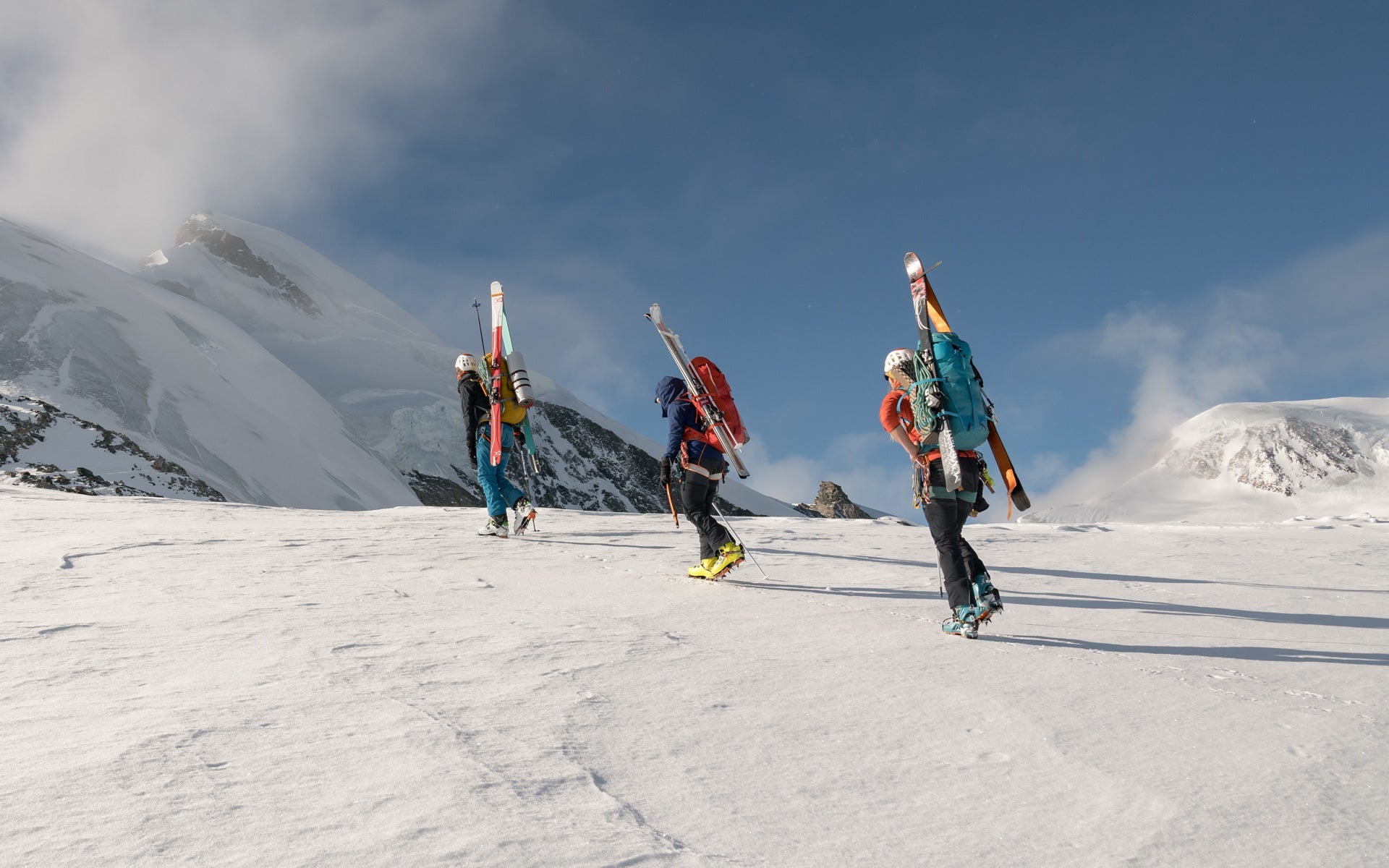
The Great Walks demand 50–65L. You're carrying sleeping gear, multiple nights of food, waterproofing layers, and everything NZ's mountain weather requires. At this load, a full-featured back system with hip belt load transfer is non-negotiable. See our NZ Great Walks gear list for a complete packing breakdown by track.
Key Features to Look For
Back System and Hip Belt
The back system is the single most important factor in pack comfort. Look for an adjustable torso length and an internal frame that transfers load to your hips — which is where you want the weight. The hip belt should sit on your iliac crest (the bony ridge at the top of your pelvis) and carry 60–80% of the pack's weight. On day packs, hip belts are mostly stabilisers. On overnight and Great Walks packs, they need to be padded, anatomically shaped, and capable of genuine load transfer. A thin hip belt on a 15 kg pack will leave you in real trouble by the end of a full walking day.
Load Lifters
Load lifter straps — the small straps connecting the top of the shoulder harness to the pack frame — let you fine-tune how weight distributes between shoulders and hips. Tighten them and weight shifts onto your hips; loosen them and it goes back to your shoulders. Knowing how to use these makes a real difference on NZ's steep ascents and descents.
Waterproofing and Access
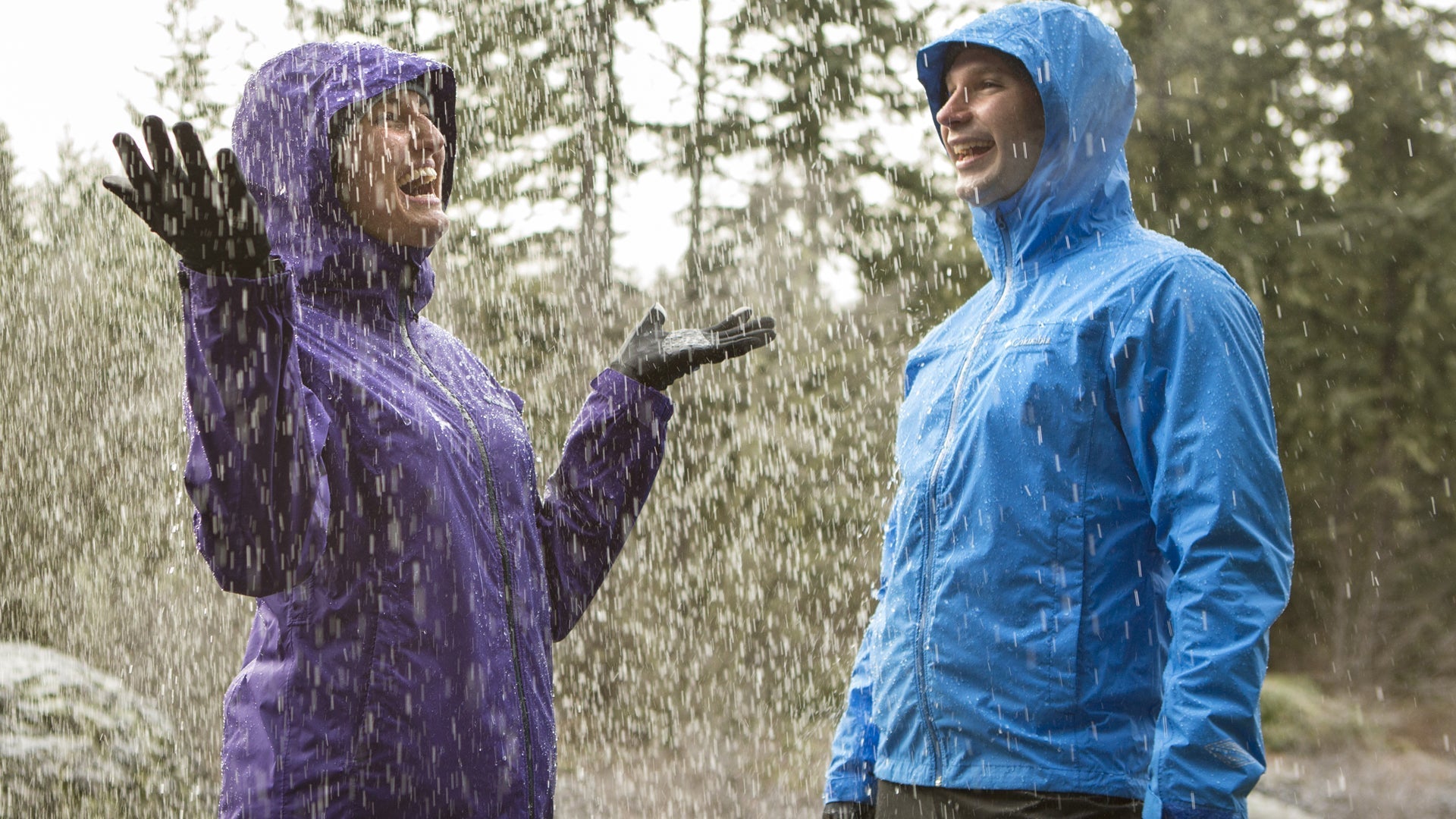
Most hiking packs use DWR-treated fabrics that handle light rain, but none are fully waterproof on their own. For sustained NZ downpours, use a pack rain cover and line the inside with a dry bag for your sleeping bag and electronics. Many Deuter packs include an integrated rain cover in a base zip pocket — worth checking before you buy. Pair with a quality rain jacket for full weather coverage on the track.
For access, most NZ trampers get on best with top-loading packs that have a separate base compartment for the sleeping bag — simple, weatherproof, and keeps gear organised without adding complexity.
Deuter Hiking Backpacks
Deuter is our lead brand for hiking packs. German-engineered back systems, thoughtful layouts, and a range covering day walks to extended expeditions.
The Deuter Futura 21 SL ($249) is the standout day pack for NZ conditions — ventilated Aircomfort Flex back panel, women's-specific SL fit, trekking pole attachment, and integrated rain cover included. The Deuter Futura 27 ($275) adds six litres for bigger day trips or light overnighters with the same back system and build quality.
For the Great Walks, Deuter's Aircontact system is a different beast. Where the Futura prioritises ventilation, the Aircontact prioritises contact and load transfer — the frame moulds to your spine and pushes weight onto your hips. The Deuter Aircontact Core 50+10 is our top recommendation for Great Walks. The 50+10 design (50L main compartment plus 10L expandable collar) gives you flexibility to compress down for lighter trips or open fully when you need the volume. It's the most capable all-round Great Walks pack we carry.
Need more room? The Deuter Aircontact Lite 50+10 ($369.95) offers a lighter-weight take on the same system, and the Deuter Aircontact Lite 65+10 ($425.69) suits extended trips where extra food and layering options push your pack volume up.
Rab Hiking Backpacks
Rab brings British mountain heritage and a focus on wet, cold performance — durable ripstop fabrics, well-designed harness systems, and rain management built for serious mountain weather. Fiordland and the South Island's alpine tracks demand exactly the same thing. A premium alternative to Deuter with a different fit and aesthetic, covering day walks through to multi-day trips with strength in the 40–65L range.
Great Walks: What You Actually Need
For the nine NZ Great Walks, you need a pack in the 50–65L range with a genuine load-bearing hip belt. A pack with a thin decorative hip belt is not a Great Walks pack. The Deuter Aircontact Core 50+10 is our first recommendation for anyone planning a Great Walk — the back system and hip belt combination handles NZ conditions and proper pack weights without compromise.
Your pack is only part of the system. A sleeping bag rated for mountain conditions and proper footwear are essential alongside it. See our sleeping bag guide for help choosing the right bag, and our sleeping bags range to browse current options. Planning the Tongariro Alpine Crossing? Our Tongariro gear list has a full day-pack packing breakdown.
How to Fit a Hiking Backpack
Torso Length
Torso length — not height — determines pack size. Measure from the C7 vertebra (bony bump at the base of your neck) down to the iliac crest (top of your pelvis). Most adults fall in the 40–50 cm range. Deuter packs come in fixed or adjustable torso lengths; get this right before you buy.
Hip Belt and Shoulder Straps
Set the hip belt centred on your iliac crest, snug enough that it's carrying weight. If you can wobble it freely, it's too loose. Pull shoulder straps down to wrap your shoulders without gaps — contact only, not carrying the majority of the load. Use load lifter straps (angled at roughly 45 degrees from harness to frame) to shift weight onto your hips on long climbs.
Good footwear completes the picture. See our hiking boots range for options suited to NZ tracks.
Trekking poles reduce knee stress on descents and add stability on slippery terrain. Peak XV trekking poles are our house brand recommendation: solid construction, reliable locking, and good value for NZ tramping. Leki poles are also available for a premium European option.
Frequently Asked Questions
What size backpack do I need for the Tongariro Alpine Crossing?
A 20–30L day pack is the right choice. You need room for a rain jacket, warm layers, food, 2–3 litres of water, first aid kit, and sun protection — a 25–30L pack covers this comfortably. See our Tongariro Alpine Crossing gear list for a full packing breakdown.
Do I need a waterproof backpack for NZ tramping?
No pack is fully waterproof from the outside. For NZ conditions, use a pack rain cover for heavy downpours and line the inside with a dry bag for your sleeping bag and electronics. Waterproofing your pack contents is more reliable than relying on the shell alone.
What's the difference between a frameless and a framed backpack?
Frameless packs are ultralight but rely on careful packing to stay comfortable — the gear creates the structure. Framed packs like the Deuter Aircontact range have an internal frame that transfers load to the hip belt regardless of how you've packed. For most NZ Great Walks and multi-day tramping, a framed pack is the more practical choice.
How do I keep my sleeping bag dry inside the pack?
Three layers work best: DWR-treated pack shell, rain cover for sustained downpours, and a dry bag inside for your sleeping bag specifically. A wet sleeping bag loses insulation rapidly and becomes a safety issue in NZ mountain conditions. See our sleeping bag guide for more on keeping your bag functional in NZ weather.
Is a 45L pack big enough for the Routeburn Track?
It's at the lower end. On the Routeburn you'll need sleeping gear, hut equipment, three days of food, waterproofing, and alpine layers. Achievable with lightweight, disciplined packing — but most trampers find 50L significantly more comfortable. The Deuter Aircontact Core 50+10 is the practical recommendation.
What should I look for in a women's-specific hiking pack?
Women's-specific packs (labelled SL or Women's) have a shorter torso length, narrower shoulder straps angled inward, and a hip belt contoured for wider hips. The Deuter Futura 21 SL is a genuine women's-specific fit — not just a colour variant. If standard packs feel too tall or sit awkwardly at the hip belt, try an SL model. The difference is real.
Do I need a separate rain cover for my pack?
Yes, for serious NZ tramping. DWR coatings handle light rain but won't keep gear dry in Fiordland-style downpours. A fitted rain cover that wraps the entire pack is the most effective external solution. Many Deuter packs include an integrated cover in a base zip pocket — check before you buy.
Can I take trekking poles on NZ Great Walks?
Yes, trekking poles are allowed on all NZ Great Walks and strongly recommended for tracks with significant elevation — particularly the Routeburn, Kepler, and Tongariro Alpine Crossing. They reduce knee stress on descents and provide stability on wet or rocky terrain. Peak XV trekking poles are our house brand recommendation for NZ tramping conditions.
Ready to choose your pack? Browse our full hiking backpacks range or get in touch with the Dwights team for advice on the right pack for your next tramp.