




Lightweight Rain Jackets NZ — How Light Is Light Enough?
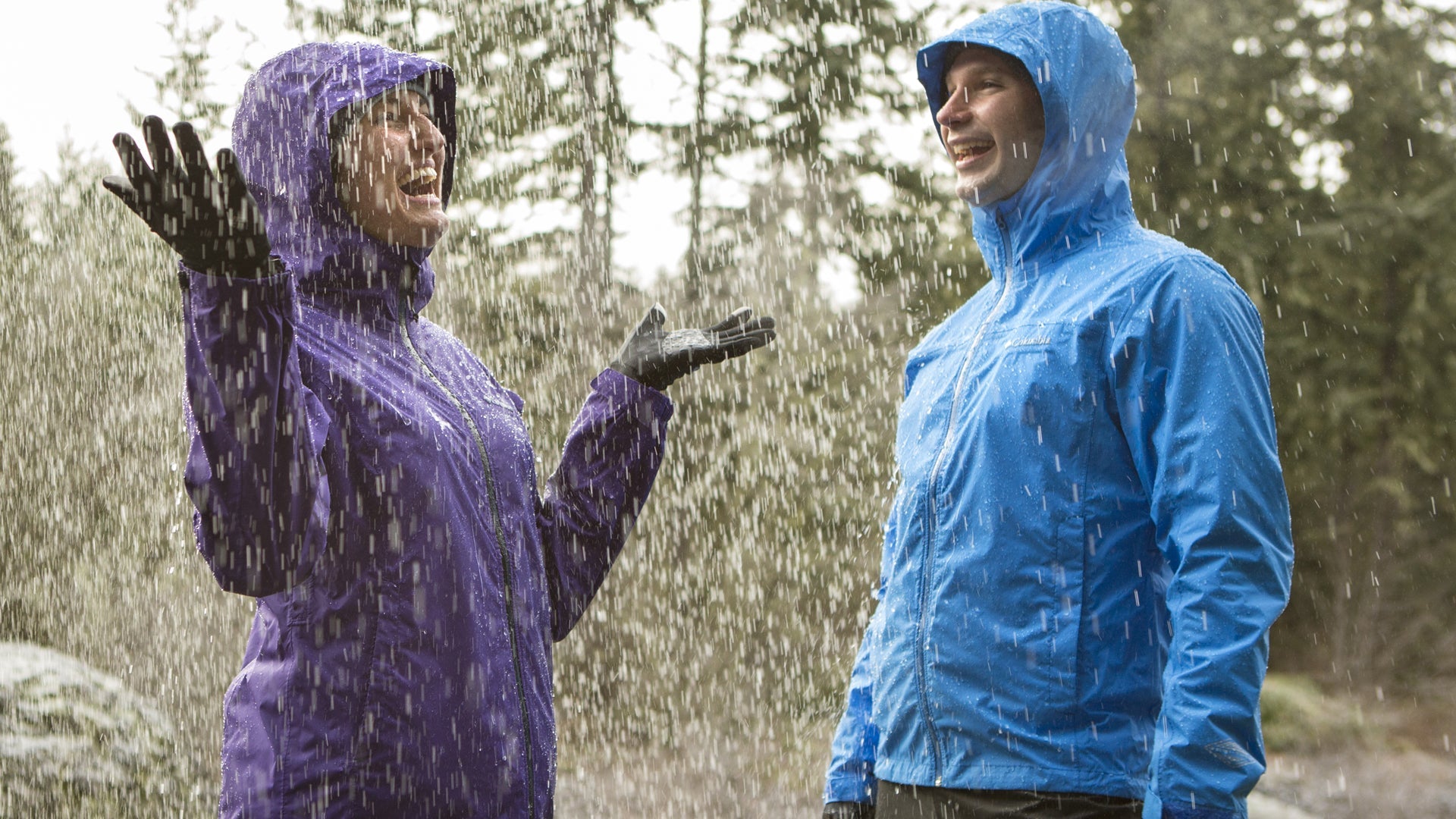
New Zealand weather has a way of making you rethink everything you packed. One minute it's blue skies above the treeline, the next you're pulling on your jacket in a sideways drizzle with a summit still an hour away. For most people, the first question isn't which rain jacket — it's how much jacket do I actually need?
The term "lightweight" gets thrown around constantly in outdoor gear, but it doesn't mean much on its own. A lightweight rain jacket for a weekend park walk is a very different thing from a jacket that needs to keep you dry on a four-day Fiordland circuit. Understanding that difference is the most useful thing you can do before buying.
This guide breaks down what lightweight actually means in practice, when it's enough for NZ conditions, and what rain jackets Dwights stocks across the lightweight and full hardshell spectrum.
When a Lightweight Rain Jacket Makes Sense
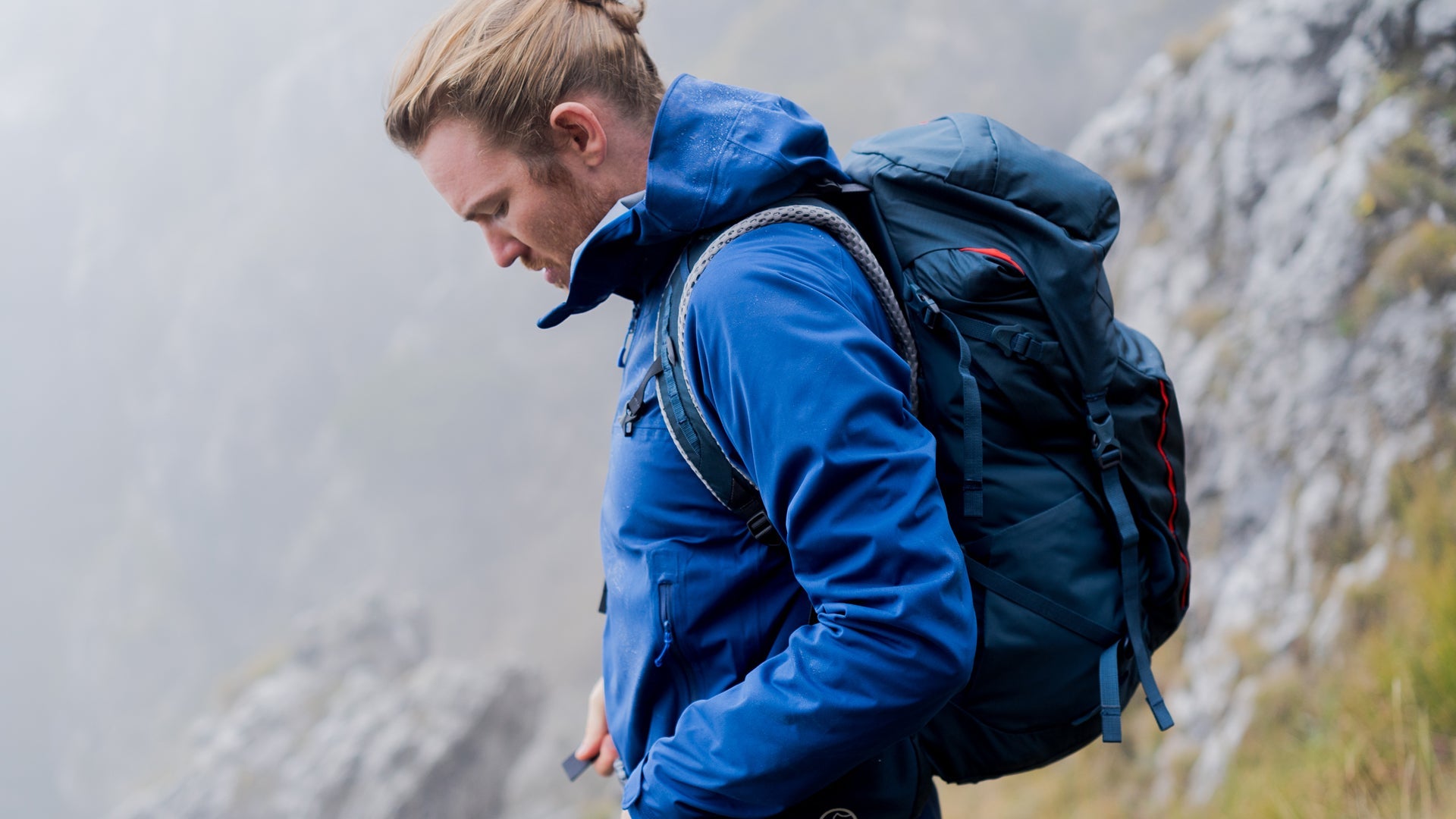
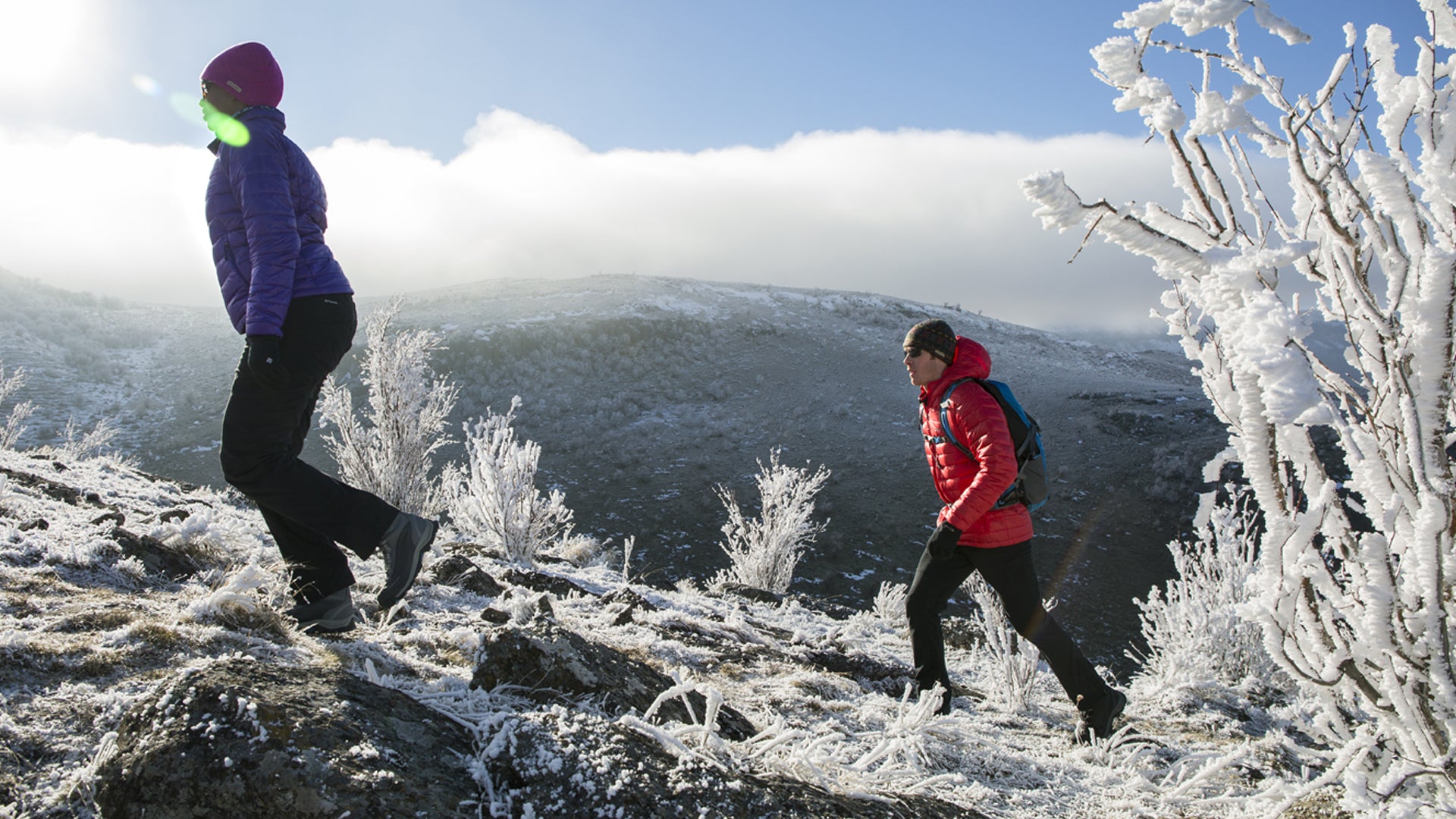
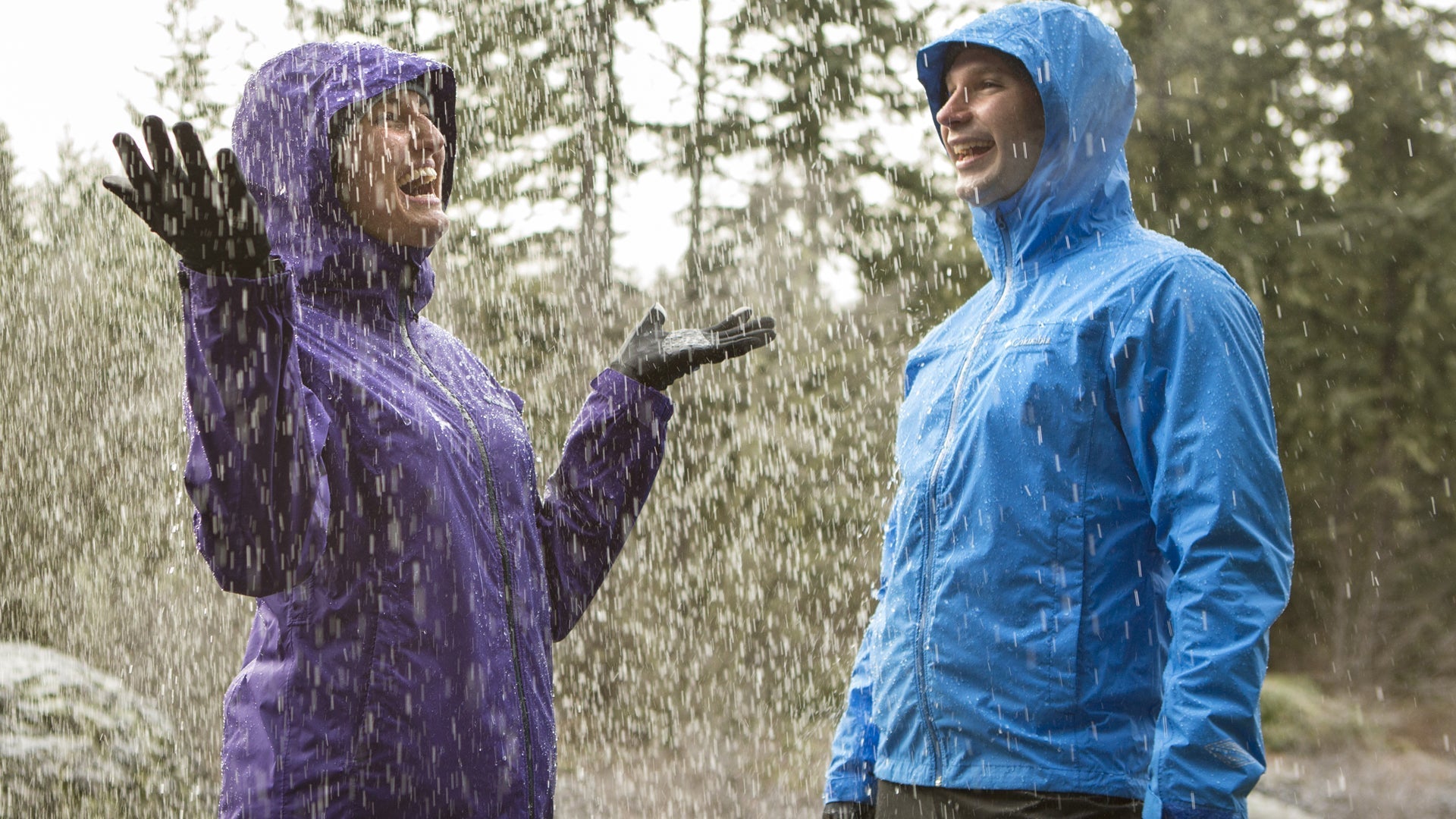
A lightweight or light rain jacket is built around one priority: not being there when you don't need it. These jackets are packable, fast-drying, and designed to slip into a daypack without eating into your gear allowance. For a lot of NZ hikers, that's exactly what they need most of the time.
Choose a lightweight jacket if you're:
- Day walking on well-maintained tracks where shelter is never far away
- Hiking in shoulder seasons when showers are brief and variable
- Travelling between destinations and want one jacket that doubles as a windbreaker
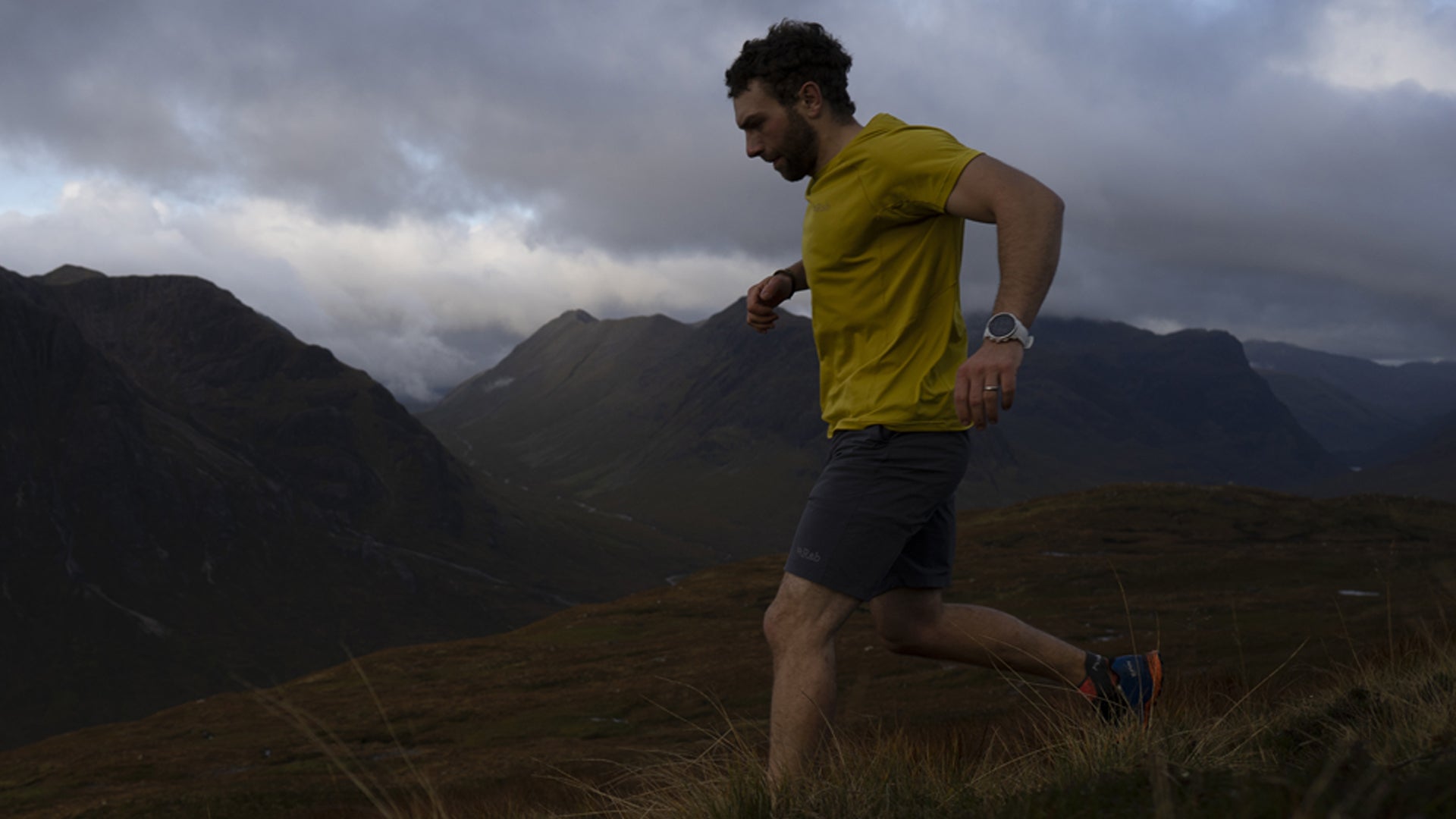
- Counting grams — every bit matters on a long route or trail run
- Layering over technical base layers where breathability matters more than raw waterproofing
In these situations, a packable lightweight jacket does the job well and often outperforms a heavier hardshell because you'll actually have it on you when the rain hits.
When You Need a Full Hardshell Instead
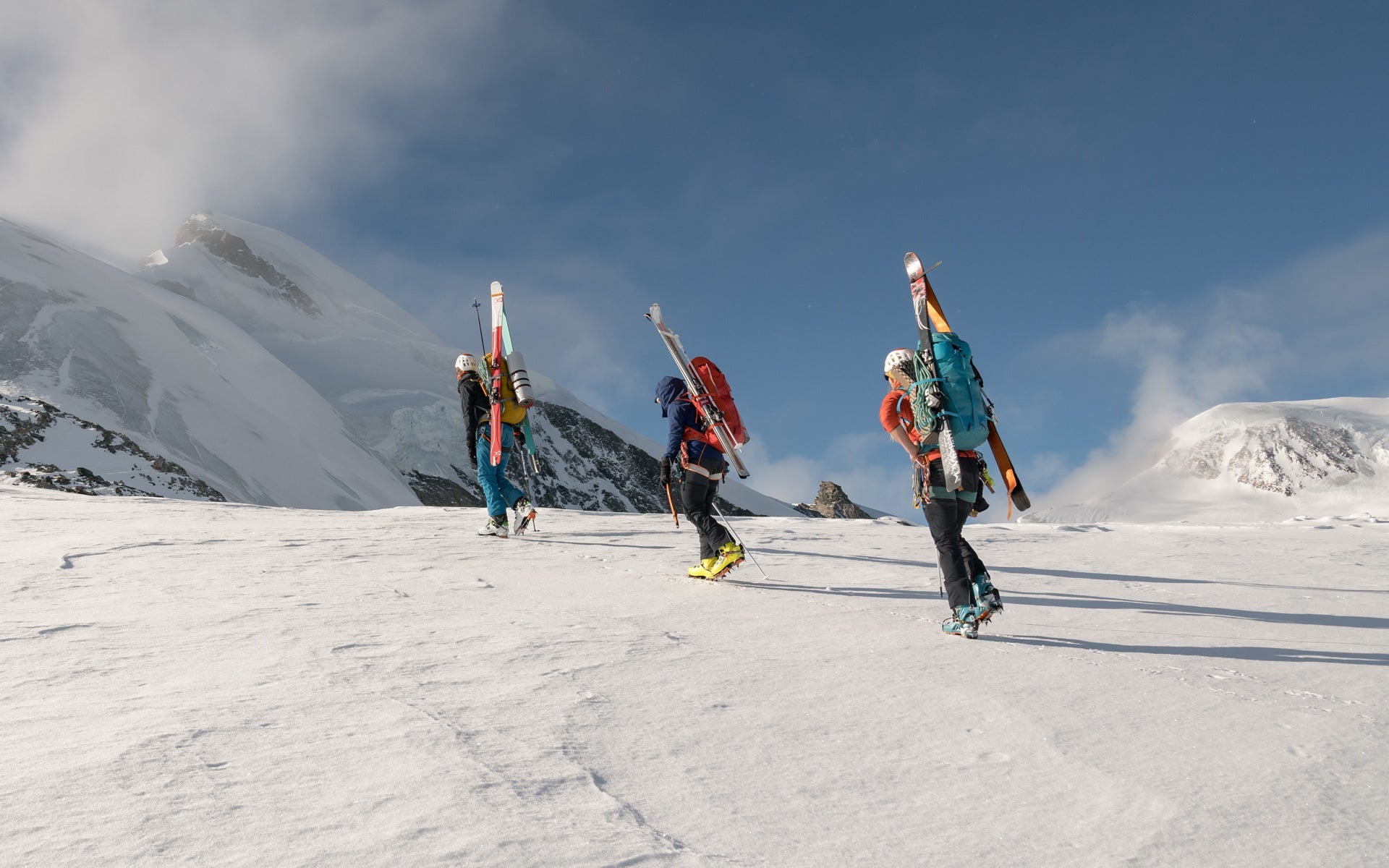
NZ can serve up genuinely demanding conditions — Fiordland, the Southern Alps, the Ruahines in a nor'-wester. In these environments, a lightweight jacket may not cut it.
Consider stepping up to a full hardshell when you're:
- Multi-day tramping where sustained rain exposure is likely
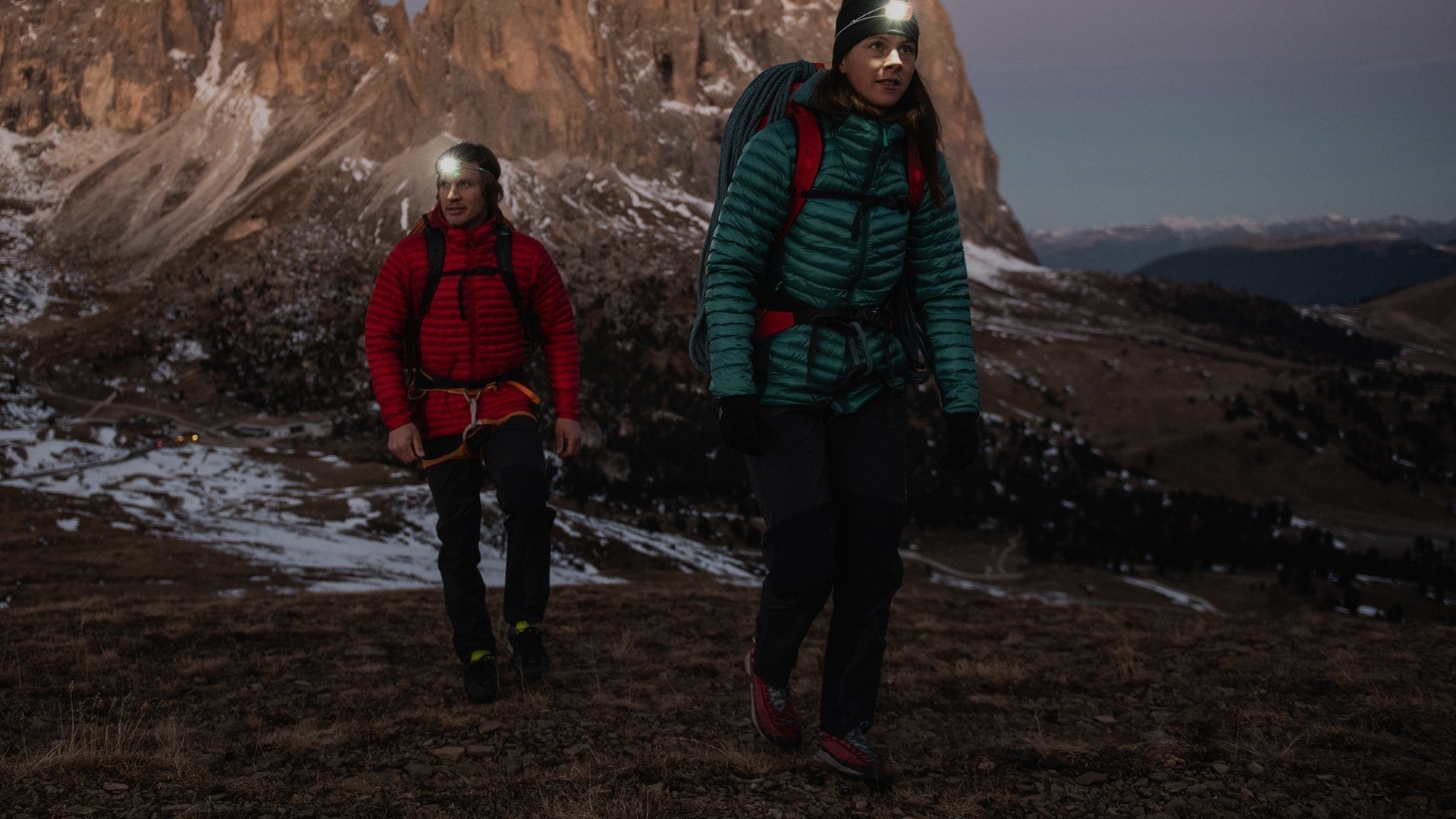
- Travelling through exposed, high-alpine terrain
- Crossing technical passes or routes where staying dry isn't optional
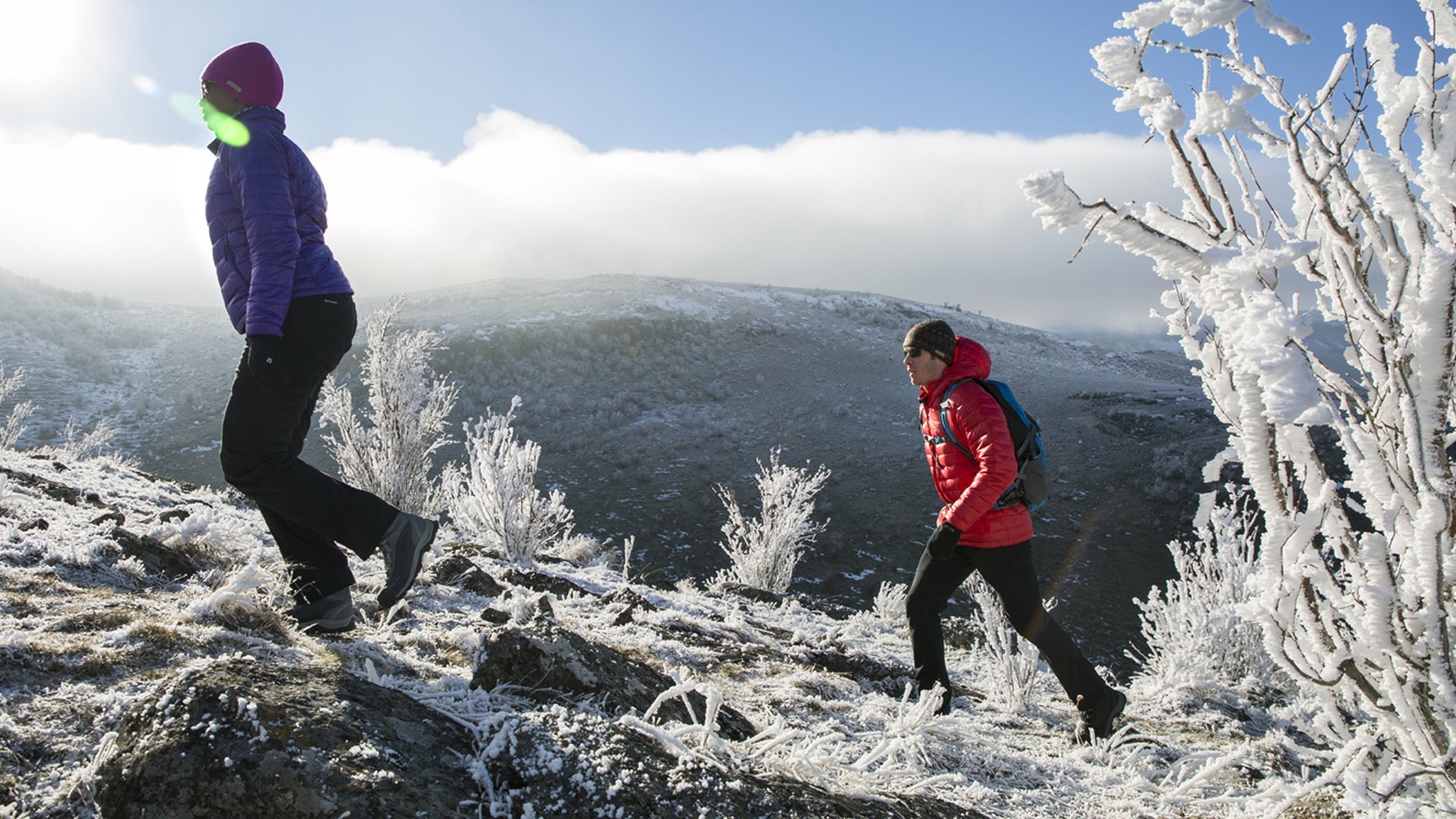
- Heading out in deep winter or on the West Coast, where it will rain — properly
Full hardshells use a 3-layer construction that delivers better durability, superior breathability under sustained exertion, and more robust seam sealing. They're heavier and pricier, but on routes where the weather is relentless, that weight is justified.
Lightweight Rain Jackets Available at Dwights
Peak XV Pinnacle — The Packable Value Pick
If you want a capable lightweight rain jacket in NZ without the premium hardshell price tag, the Peak XV Pinnacle is worth a close look. It's a 2.5-layer jacket at $299.99 — built to be packable, breathable, and genuinely waterproof for day hiking and variable conditions.
The Pinnacle hits a sweet spot: light enough to carry without thinking about it, protective enough to handle typical NZ showers and wind. It's the kind of jacket you reach for first because it lives at the top of your pack, not buried at the bottom.
Peak XV Tornado — When the Weather Steps Up
The Peak XV Tornado ($349.99) is the full hardshell sibling. More durable construction, heavier build, rated for more sustained conditions. If you're heading into the backcountry for more than a day or two, this is the more appropriate tool for NZ's serious weather.
Rab Kangri GTX — Premium Performance
For those who want a serious alpine jacket that can handle NZ's worst without compromise, the Rab Kangri GTX at $899.95 is the top-shelf option. Gore-Tex construction, bomber durability, and the kind of build quality that lasts years of regular use on exposed terrain. It's an investment, but it earns it.
What to Look For in a Lightweight Rain Jacket
2.5-Layer vs 3-Layer Construction
Most lightweight jackets use a 2.5-layer build — a waterproof face fabric bonded to a membrane, with a printed inner pattern instead of a full inner fabric layer. This keeps the jacket lighter and more packable. The trade-off is slightly less durability and breathability compared to a 3-layer hardshell, which has a full inner fabric bonded directly to the membrane.
For day use and moderate conditions, 2.5-layer is more than adequate. For sustained alpine work, 3-layer is worth the extra weight.
Seam Sealing
Check whether the jacket has fully taped or critically taped seams. Fully taped seams cover every stitch line; critically taped jackets protect only the high-exposure areas. Either is acceptable in a lightweight jacket — just know what you're getting.
Hood Design
A helmet-compatible hood with easy adjustment matters more than people expect. In real rain, you want a hood that stays in place when you move your head, doesn't block peripheral vision, and can be tightened quickly with one hand. Test hood adjustability before committing.
Packability
Most lightweight jackets pack down into their own pocket or a small stuff sack. If you're buying a jacket specifically for packability, check that it packs small enough to fit into the space you have — whether that's a running vest, daypack hip pocket, or top lid.
Ready to find the right fit? Browse the full rain jackets range at Dwights — with fast delivery across New Zealand.