


Tongariro Alpine Crossing Gear Guide NZ
Tongariro Alpine Crossing Gear Guide
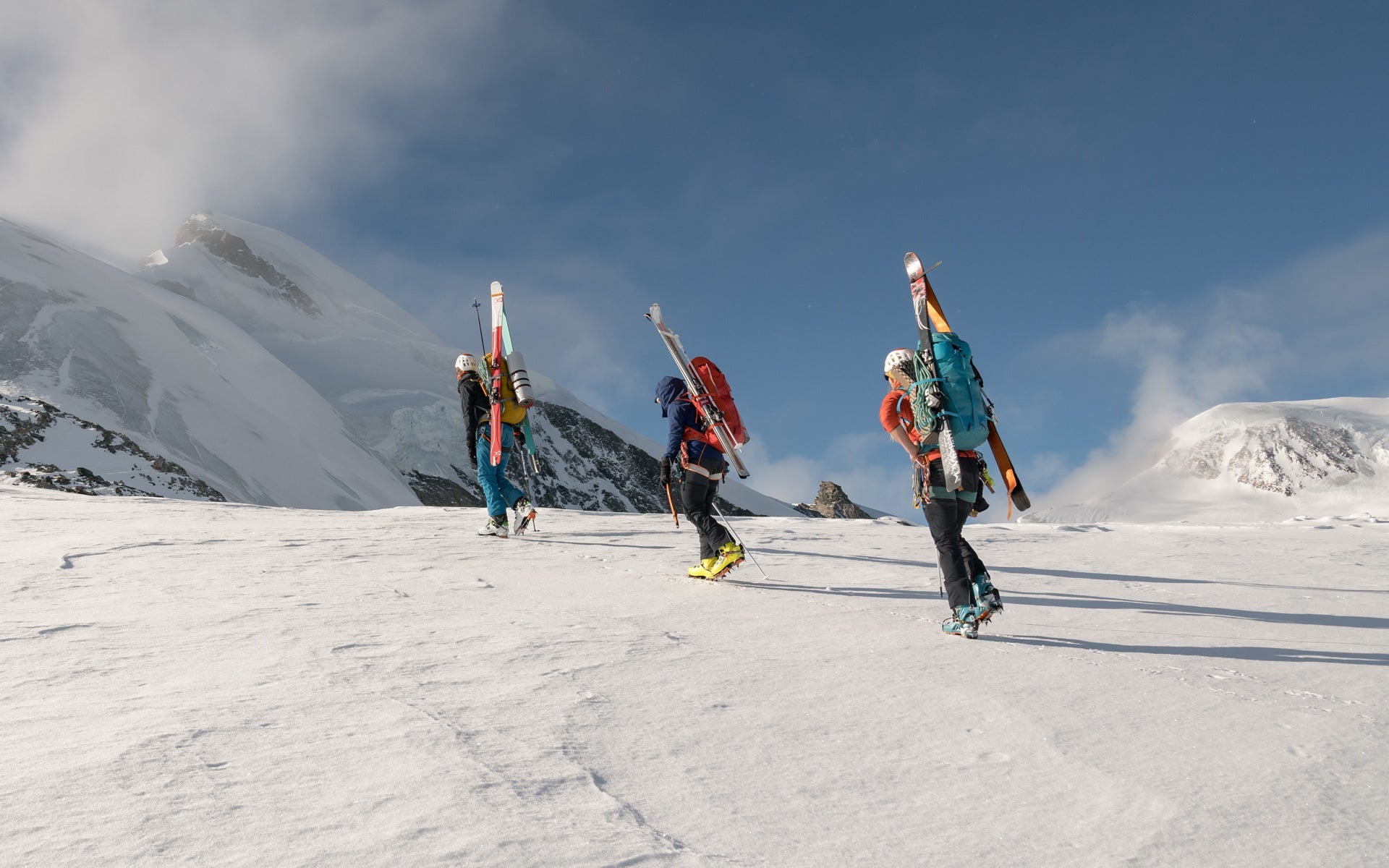
The Tongariro Alpine Crossing is New Zealand's most popular one-day walk — 19.4km across the volcanic plateau of Tongariro National Park, reaching 1,886m at Red Crater. It's spectacular, demanding, and unforgiving when the weather turns. Every year, people underestimate it and end up in trouble.
This isn't a stroll in the park. The crossing sits on an exposed alpine ridge with no shelter for large sections. Wind, rain, and even snow can arrive quickly regardless of the season. Getting your gear right is the difference between an incredible day out and a dangerous one.
Footwear
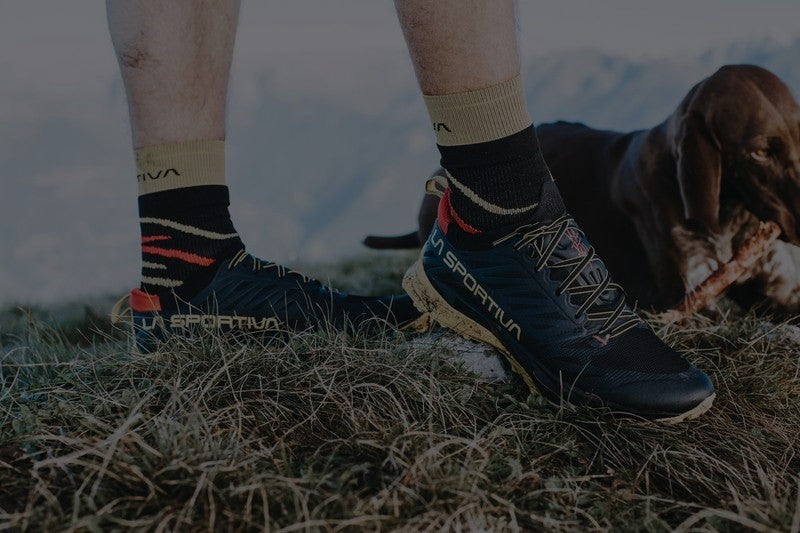
The crossing covers loose volcanic scree, rocky ridgelines, steep ascents and descents, and potentially icy sections. You need a waterproof mid-cut boot with ankle support and grip. Trail runners are not appropriate — they provide no ankle support on the loose descent from Red Crater and offer minimal waterproofing if you hit wet snow or rain.
Our pick — Mens
The Salewa Mens Alp Trainer 2 Mid GTX ($479.90) is built for exactly this kind of one-day alpine mission. Lighter and more agile than a heavy mountaineering boot, but with proper ankle support, Gore-Tex waterproofing, and a Vibram sole that grips well on volcanic rock. Break these in before the crossing — don't arrive in new boots.
Our pick — Womens
The Salewa Womens Alp Trainer 2 Mid GTX ($479.90) delivers the same performance in a women's-specific fit. Properly lasted for women's feet, so the fit is right from the outset rather than just a scaled-down men's boot.
Value pick
If budget is a factor, the Merrell Mens Moab 3 Mid Waterproof ($329.99) and Merrell Womens Moab 3 Mid Waterproof ($329.99) are a solid entry-level choice. Waterproof, comfortable, and widely used on the crossing. Step up to Salewa if you plan on doing more multi-day tramping — the quality difference is significant.
Clothing: Three Layers
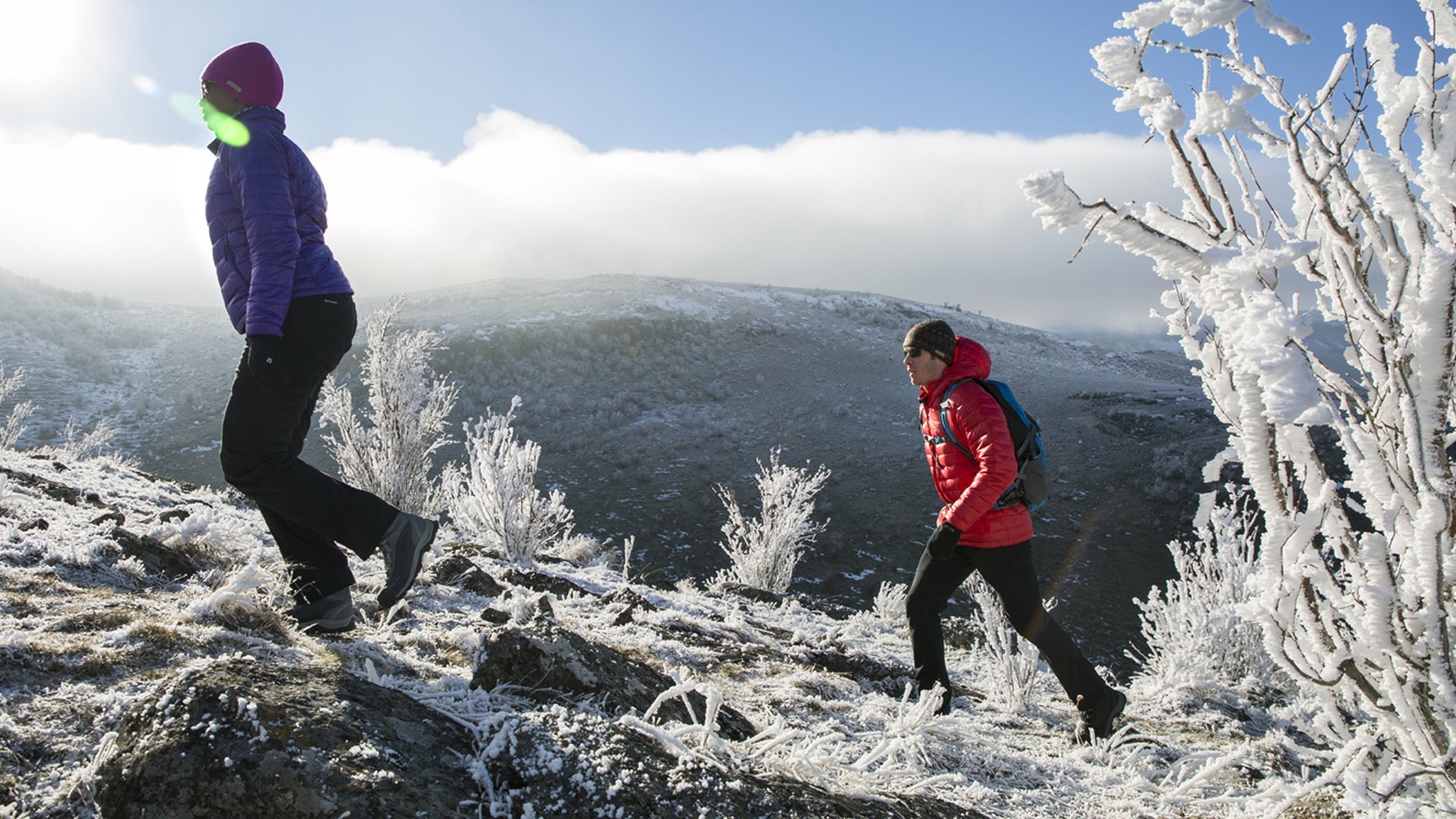
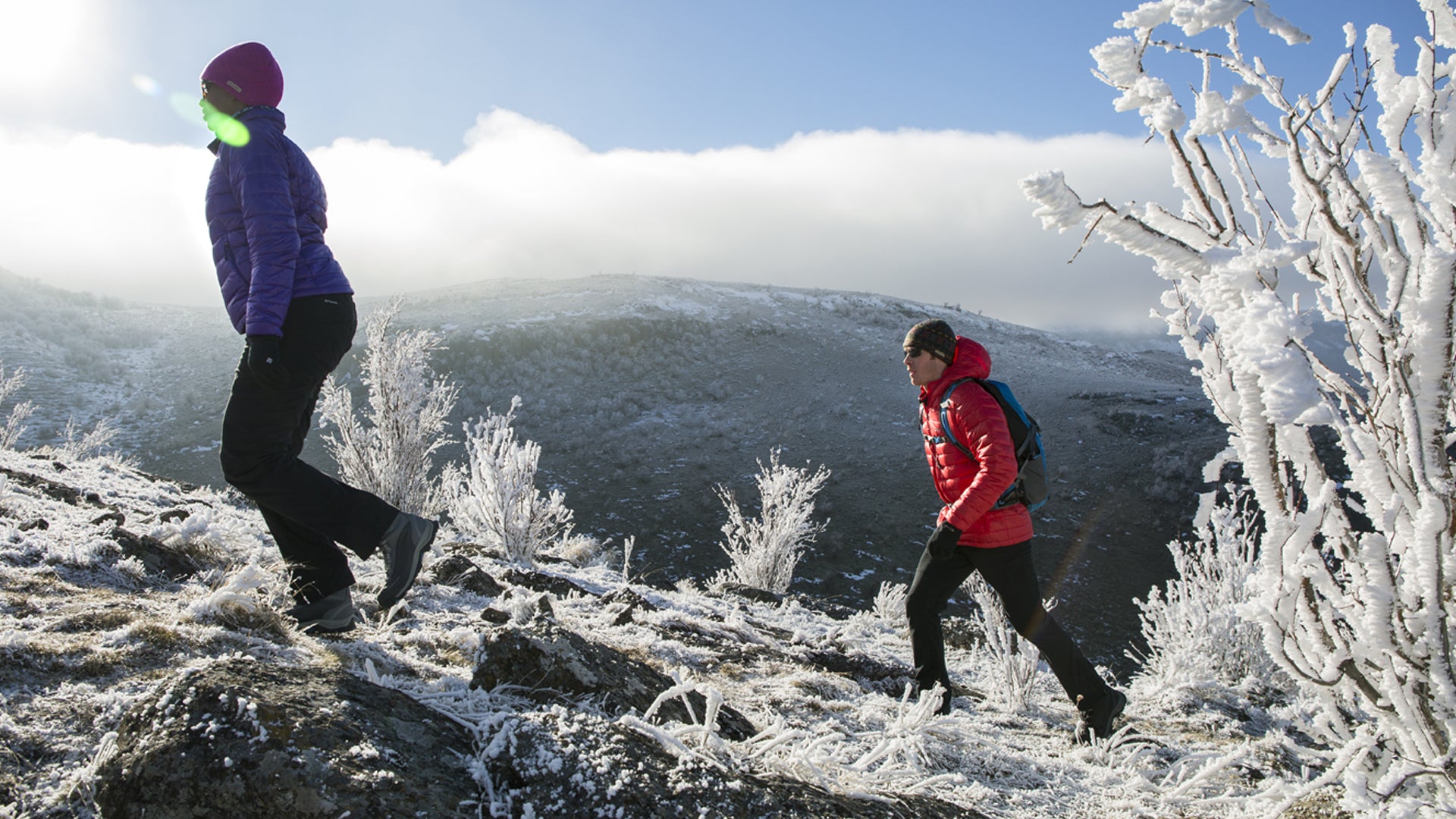
The Tongariro crossing demands a proper layering system. You'll start cold, heat up on the ascent, cool down fast at the summit ridge, and potentially get drenched if the weather rolls in. Three distinct layers give you the flexibility to manage all of that.
Base Layer
Merino wool is the best base layer choice — it regulates temperature, wicks sweat, and doesn't become unpleasant when wet. Avoid cotton entirely; a wet cotton t-shirt in alpine wind is a fast track to hypothermia. Pack a merino top and consider merino or synthetic leggings if you tend to run cold on the legs.
Mid Layer
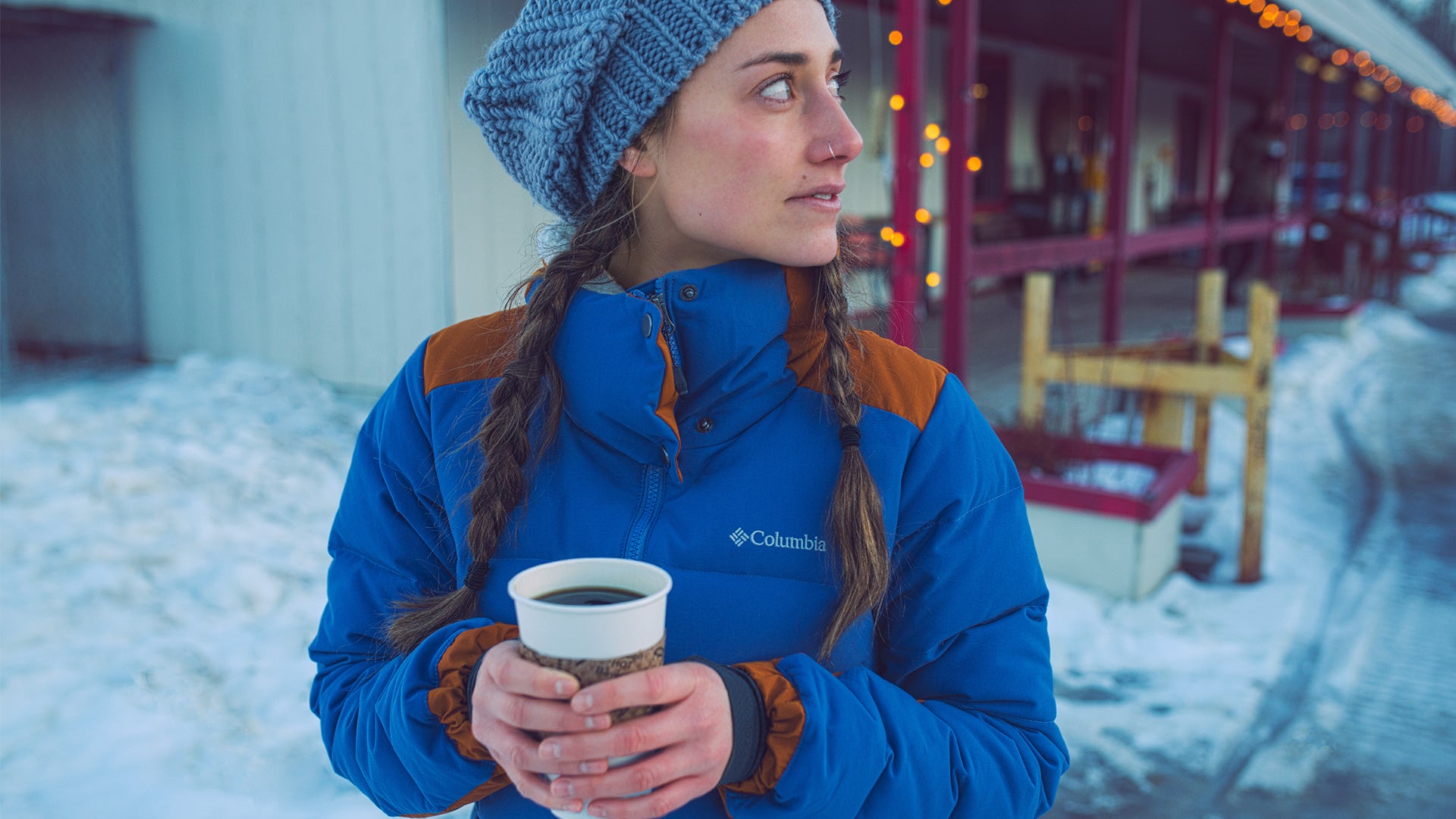
A fleece or insulated mid layer for warmth at the summit and on any exposed sections. Conditions at Red Crater can be 10°C colder than the car park, and wind chill adds further.
The Rab Microlight Alpine Jacket (RRP $399.95) is a popular choice — packable 750-fill down in a lightweight shell, suited to NZ hut-to-hut tramping.
Mens: The Rab Nexus Pull-On Fleece ($111.96) is a practical mid-layer — lightweight, warm for its weight, and it compresses small enough to stash in your pack when you warm up on the climb. A quality piece at a fair price.
Womens: The Nexus Pull-On is currently available in mens only. For a womens mid layer, browse the womens jackets and fleece range — a lightweight fleece or insulated jacket in the 200–300g range is what you're after.
Waterproof Shell
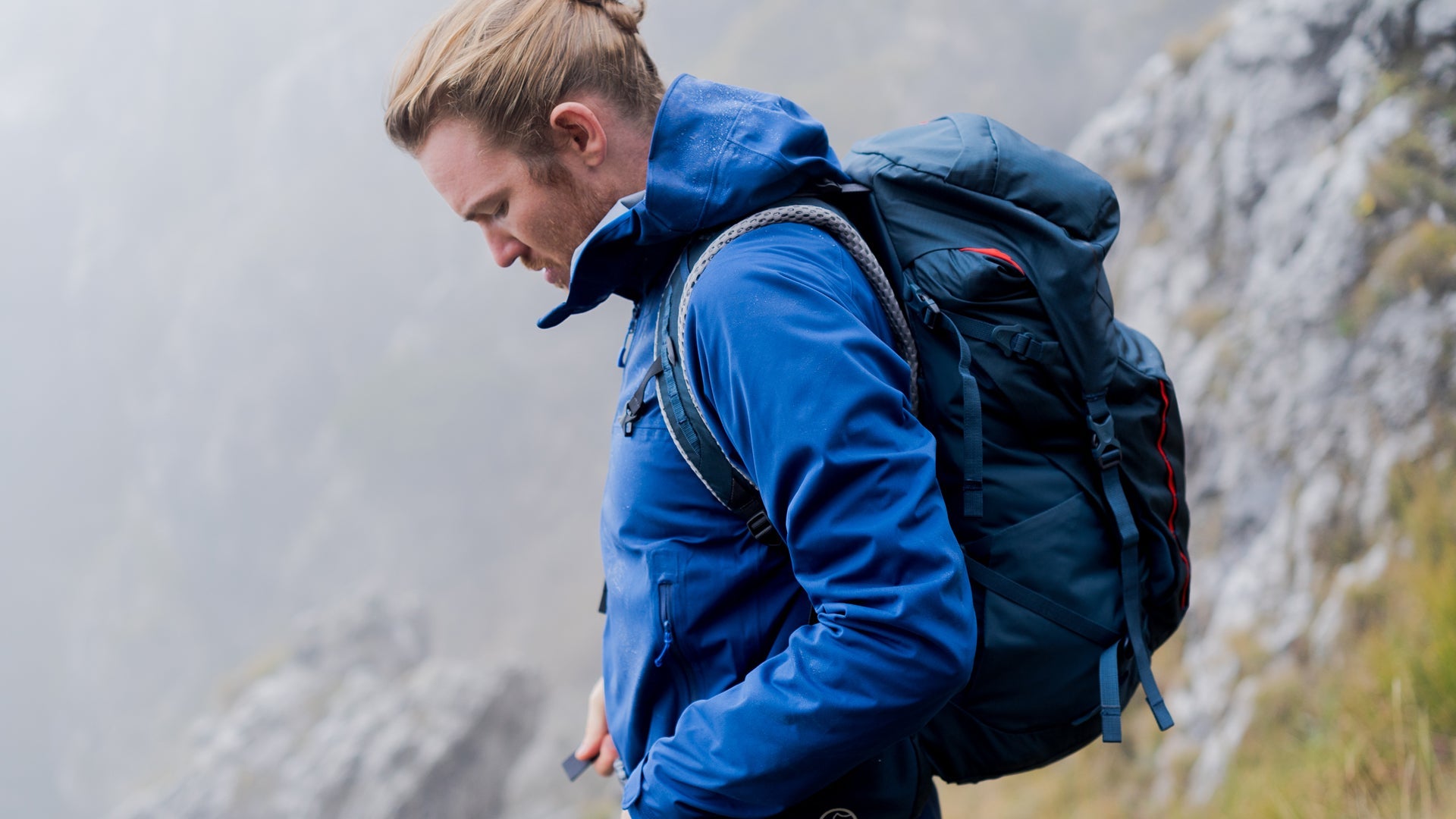
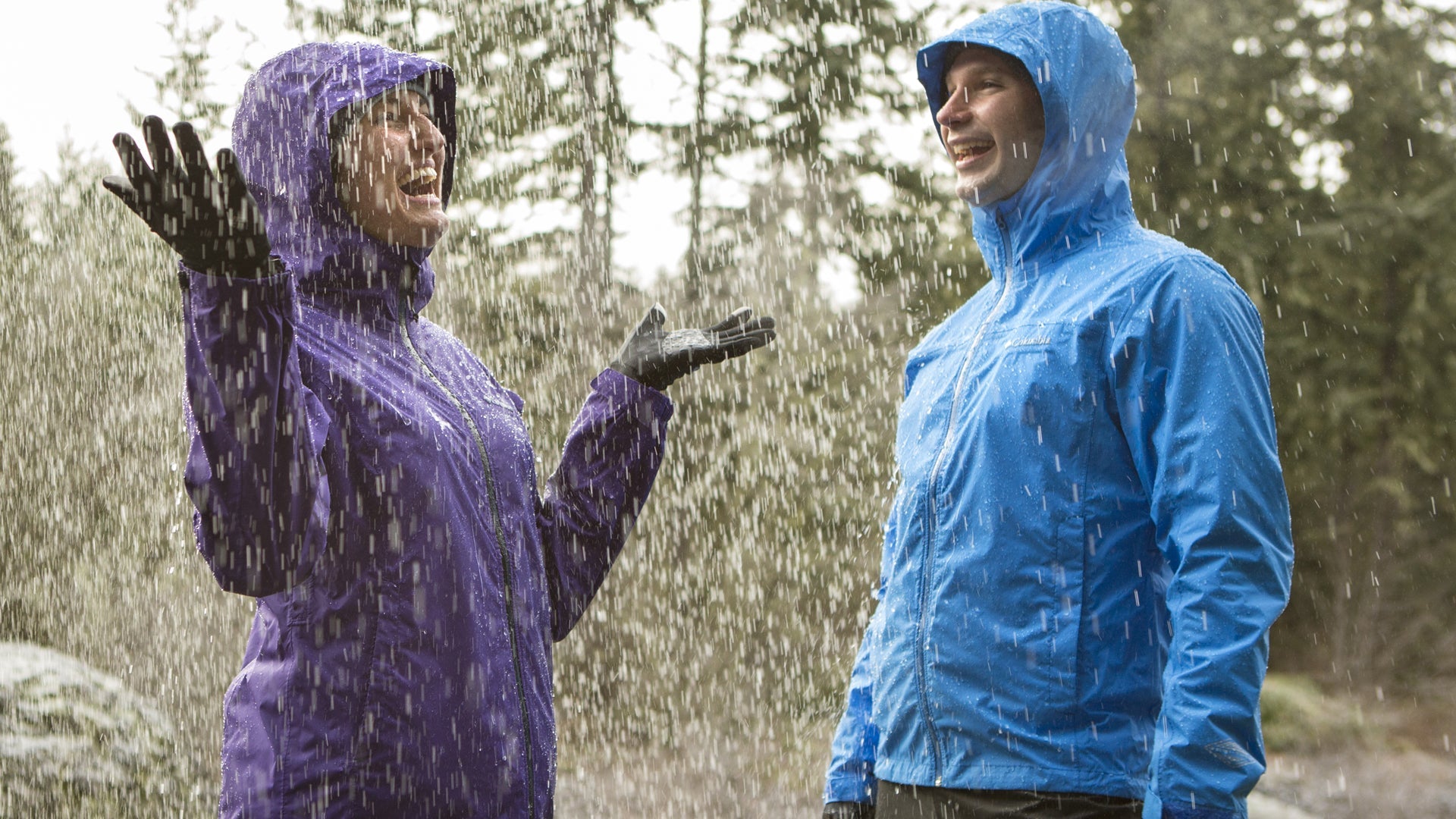
Your outer layer must be fully waterproof and breathable. This is the piece that keeps everything underneath dry when the weather hits — and on an exposed alpine crossing, it will be tested.
The Peak XV Tornado Waterproof Jacket (Mens) ($299.99) and Peak XV Tornado Waterproof Jacket (Womens) ($299.99) are our clear recommendation for the crossing. Fully waterproof, genuinely breathable, and purpose-built for the kind of hard, sustained weather the crossing can deliver. Pack it in your bag at the start — you'll want it before the summit.
Note: a waterproof shell is different from an insulated jacket. Carry both.
Day Pack
For a one-day crossing you need a pack in the 20–30L range — enough for your layers, food, water, and safety gear without being oversized. A well-fitting daypack is lighter and more agile than hauling a tramping pack for 19.4km.
The Lowe Alpine Sirac Plus 40L ($319.99) is a comfortable, structured pack that works well for the crossing if you prefer more volume or want a pack that doubles for overnight trips. If you want to keep it light, the Lowe Alpine Sirac Plus 50L ($279.99) is a versatile option with strong load organisation. Either will do the job for a day trip.
Whatever pack you choose, line it with a dry bag or pack liner for your layers — losing your insulated jacket to a soaked pack mid-crossing is a bad day.
Socks
Don't underestimate socks on a 19.4km day walk. A blister at kilometre 10 makes the last 9km miserable. Wool socks that cushion well and manage moisture are worth the investment.
- Bridgedale Hike Mid Merino Com-Fit — $56.99 — cushioned and comfortable for a full-day walk
- Wrightsock Blisterproof Adventure Crew — $47.90 — double-layer design that prevents blisters mechanically; good choice if you've had foot issues before
Carry a spare pair in your pack. If your feet get wet early, changing socks at lunch makes a big difference.
What Else to Pack
- Water — minimum 2L. There's no reliable drinking water on the crossing. The Emerald Lakes are not for drinking.
- Food — a full day of energy. This is a strenuous crossing; pack more than you think you'll need.
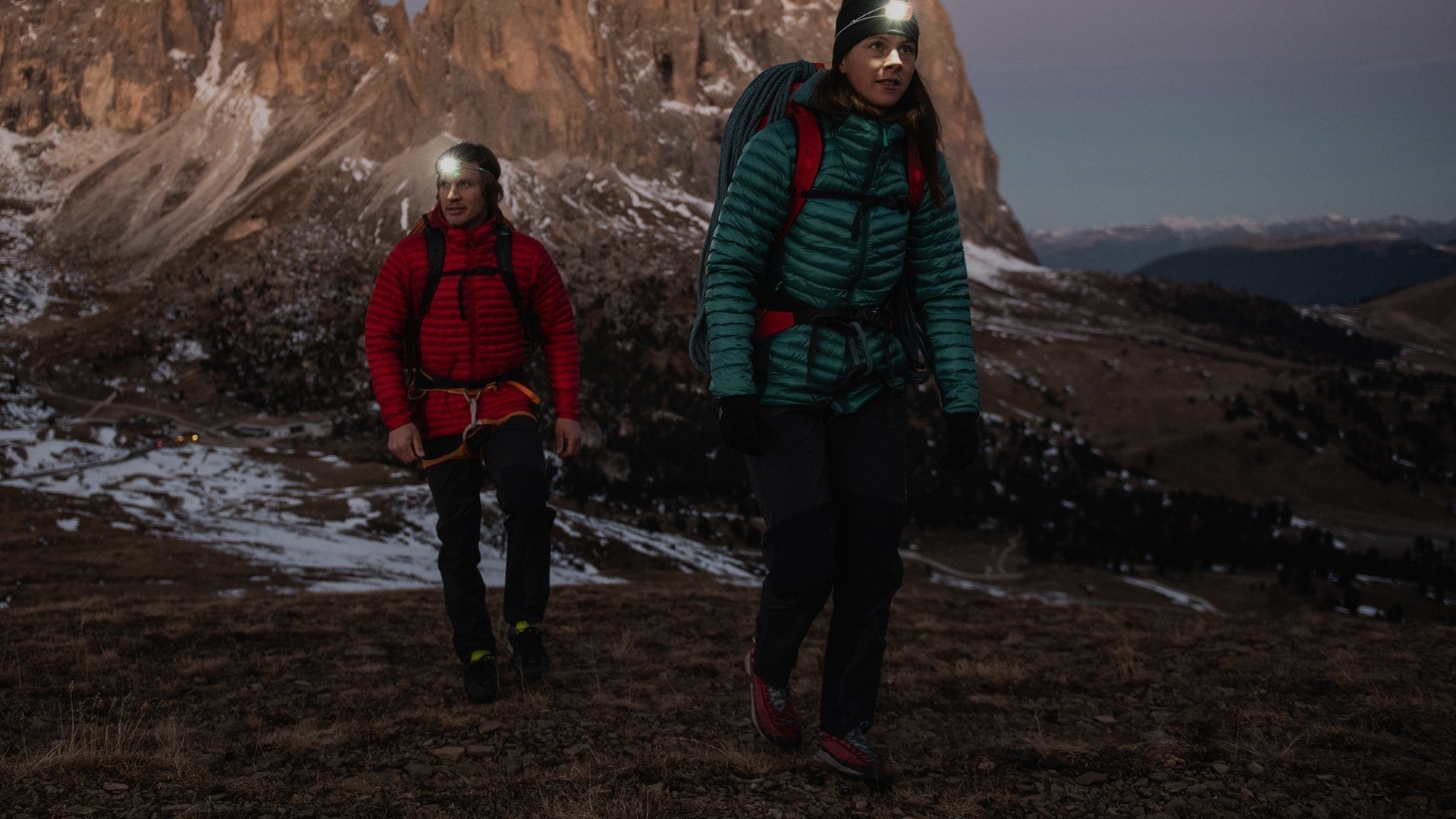
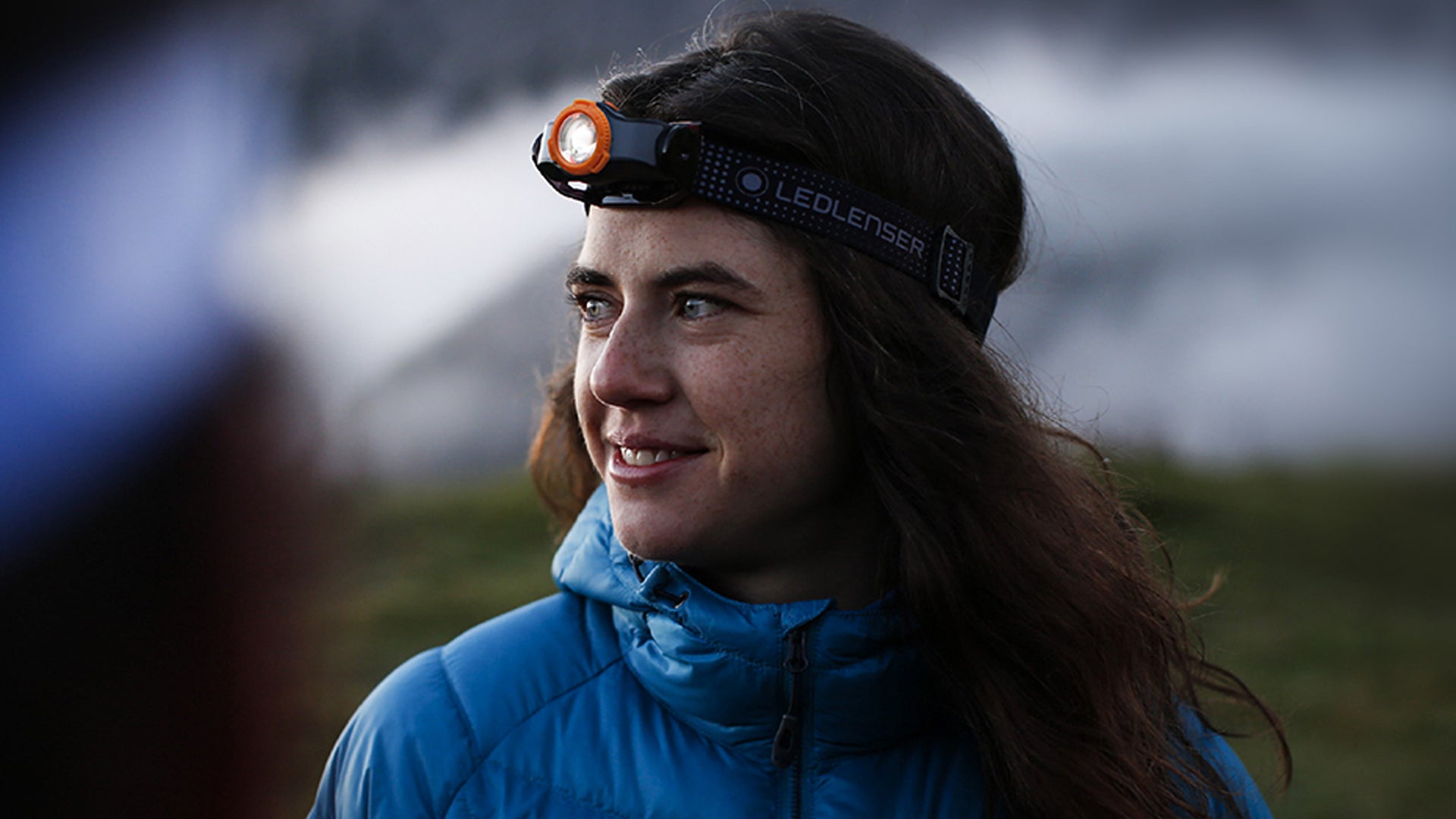
- Headlamp — late starts or slower-than-expected pace can mean finishing in the dark.
- Sunscreen and sunglasses — UV is intense at altitude, and snow reflection amplifies it.
- Gloves and warm hat — mandatory. The summit ridge can be freezing even in December.
- First aid kit — lightweight essentials including blister treatment.
- Phone (charged) — emergency contact and navigation. Download offline maps.
- Cash or transport booking — the crossing is point-to-point; you need pre-arranged transport from the Ketetahi end or you're walking back.
What NOT to Bring
- Cotton clothing of any kind
- Jeans
- Sneakers or casual shoes
- A large tramping pack (overkill for a day walk)
- More gear than you can comfortably carry for 8–10 hours
Other NZ Track Gear Guides
Planning another NZ tramp? Browse our full library of track gear guides:
- Milford Track Gear List
- Routeburn Track Gear List
- Kepler Track Gear List
- Heaphy Track Gear List
- Abel Tasman Coast Track Gear List
- Rakiura Track Gear List
- Queen Charlotte Track Gear List
- Paparoa Track Gear List
- Whanganui Journey Gear List
- Lake Waikaremoana Track Gear List
Frequently Asked Questions
How fit do you need to be for the Tongariro Alpine Crossing?
Reasonably fit. The crossing is 19.4km with around 800m of elevation gain. The descent from Red Crater is steep and hard on the knees. If you're regularly walking for an hour or more, you'll be fine. If you haven't been active recently, build up with some hill walks beforehand. Most people complete it in 6–9 hours.
What's the best time of year to do the Tongariro Alpine Crossing?
November through April is the main season — warmer, longer days, and lower chance of snow. That said, the crossing can be done year-round with appropriate gear and experience. From May to October, ice and snow are common; crampons and ice axe experience may be required. Always check DOC's track status before you go — the crossing is frequently closed due to weather or volcanic activity.
What happens if the weather is bad on the day?
Turn around. Seriously. The crossing becomes genuinely dangerous in severe weather — low visibility, high winds, and icy tracks have caused fatalities. Check the forecast the night before and the morning of your walk. DOC publishes track conditions daily. If the forecast is bad, reschedule. The crossing will still be there.
Can I hire gear rather than buy?
Gear hire is available in National Park Village and Tūrangi, but quality and fit vary. For a one-off trip, hiring boots is reasonable if your own footwear is truly inadequate. For everything else — layers, rain jacket, pack — you're better off buying gear that fits properly. Ill-fitting hired gear is uncomfortable for 9 hours and may not perform when conditions get serious.
Is there water on the Tongariro Alpine Crossing?
No reliable drinking water. The Emerald Lakes and other water sources on the crossing are geothermally influenced and not safe to drink. Carry a minimum of 2L from the start and be prepared to carry more in hot conditions or if you're a heavy sweater. Don't rely on finding clean water mid-track.