




Lake Waikaremoana Track Gear List 2026 — Complete Packing Guide

The Lake Waikaremoana Track: Remote, Rewarding, and Worth Getting Right

The Lake Waikaremoana Track is one of New Zealand's most beautiful and least-visited Great Walks. Located deep in Te Urewera — the heartland of the Tūhoe people — this 46km circuit takes four days to complete, travelling through ancient podocarp forest along the shores of a vast mountain lake. It's rated moderate to hard, and the remoteness of the Wairoa region means self-sufficiency is not optional.

Day 1 sets the tone immediately: a 600-metre climb up Panekire Bluff that earns every metre of elevation before rewarding you with views across the lake that are hard to forget. Get your gear right before you arrive, because there's no popping back to town once you're on track.

Boots: Waterproof, Supportive, and Ready for Mud

Waterproof tramping boots are non-negotiable on the Waikaremoana circuit. Te Urewera bush holds moisture, the track passes through sections that become genuinely muddy in wet conditions, and the Panekire Bluff climb involves sustained steep terrain where ankle support earns its keep.

Look for a moderately stiff boot with a reliable waterproof membrane and a sole with deep lugs for traction on slippery surfaces. La Sportiva and Salewa both offer excellent options in this category — well-built, waterproof, and proven on NZ's demanding bush tracks. Make sure your boots are properly broken in before departure; starting Day 1 with new boots and a 600-metre climb is a recipe for blisters.

Browse our full range of hiking boots for options suited to the Waikaremoana circuit.

Hiking Poles: Well Worth It on Panekire Bluff

Poles are strongly recommended for this track, particularly for the Panekire Bluff ascent on Day 1 and the wet descents you'll encounter throughout the circuit. Peak XV hiking poles are our top pick — lightweight, adjustable, and built specifically for NZ conditions. Telescoping poles let you shorten them for the steep uphill sections and extend them for long downhill stretches where your knees will thank you.

If you've been on the fence about trekking poles, this is a track that will convert you. The combination of significant elevation change, muddy terrain, and a loaded pack makes poles a genuine asset rather than optional comfort. View our hiking poles range to find the right option.

Pack: Size and Fit for Four Days

A 50–65-litre pack hits the sweet spot for four days on the Waikaremoana circuit. You need enough volume for four days of food, a sleeping bag, rain gear, and warm layers — but not so much space that you're tempted to overpack and punish yourself on Panekire Bluff.

The Deuter Aircontact Core 50+10 is our top recommendation for this track. The Aircontact back system distributes load efficiently and keeps the pack close to your centre of gravity — exactly what you want on steep, uneven terrain. The 10-litre extension collar gives you flexibility for wet days when extra layers come out of the pack. Fit your pack properly before you go; a poorly fitted pack makes every climb harder than it needs to be.

Read our hiking pack guide for help sizing and fitting, or browse our hiking packs range.

Rain Jacket: Don't Compromise in Te Urewera

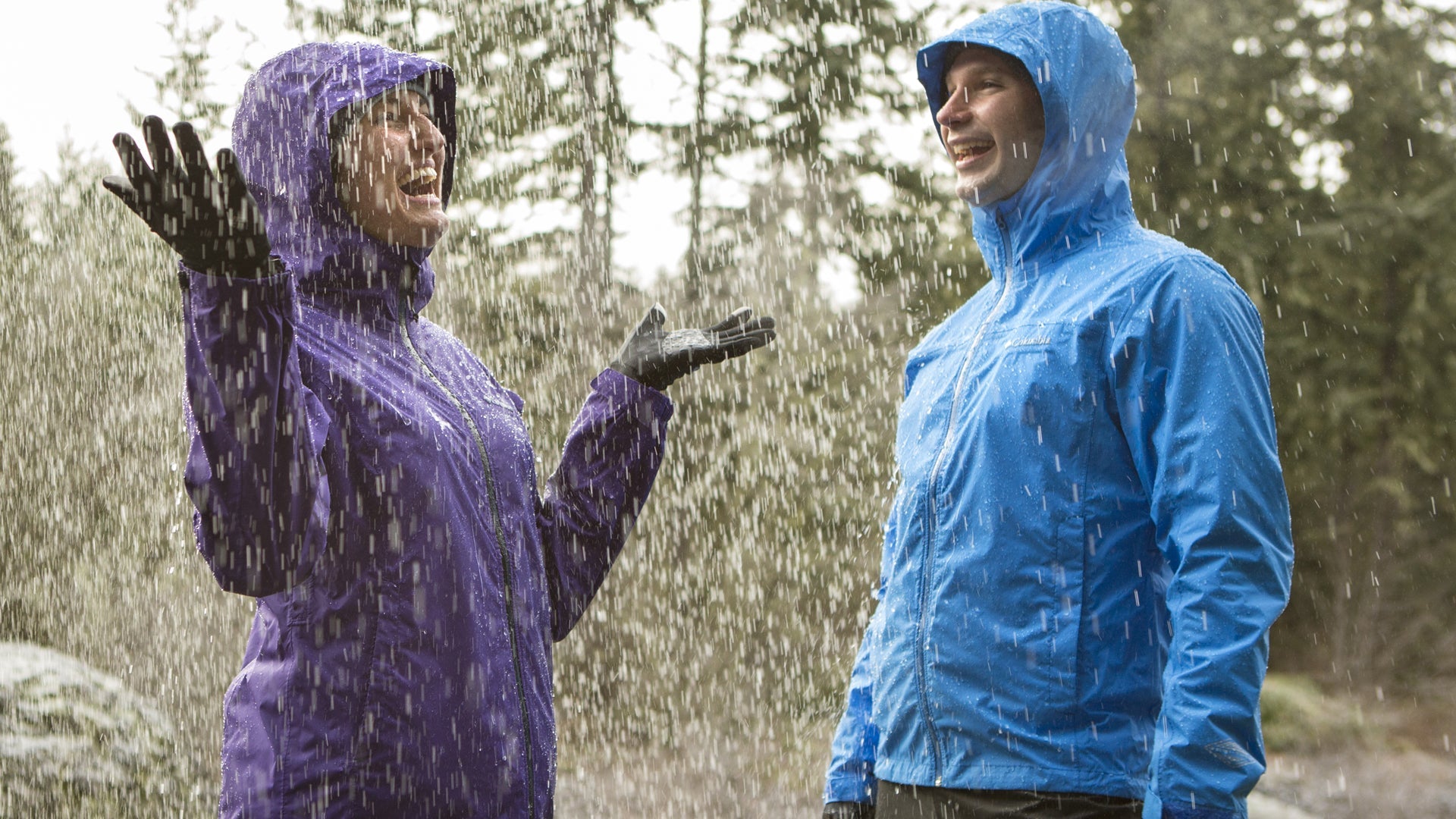
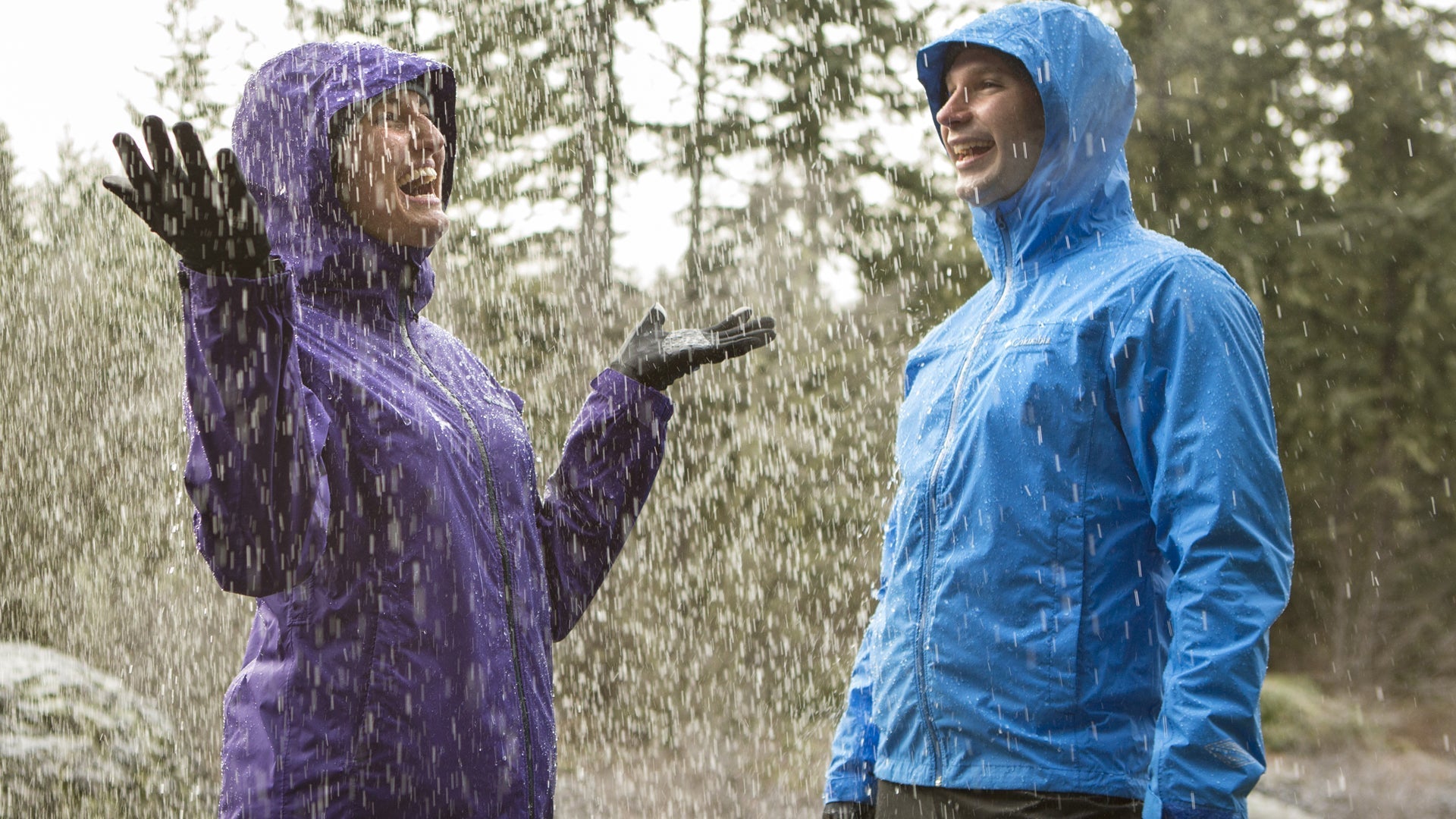
The Hawke's Bay and Wairoa region can deliver persistent rain at any time of year, and once you're deep in Te Urewera there's no shelter beyond the huts. A rain jacket rated to at least 10,000mm hydrostatic head (HH) is the minimum; 20,000mm HH is the better standard for a multi-day remote circuit.

The Peak XV Tornado (20,000mm HH, fully breathable) is our leading recommendation — it handles sustained rain without saturating through, and its breathability is critical on the physical effort of the Panekire climb where you'll be generating real heat. The Peak XV Pinnacle is a capable entry-level option if budget is a constraint.

Waterproof pack cover and dry bags for your sleeping bag and electronics are equally important. Don't rely solely on your jacket — if your pack is unprotected and you're on track in heavy rain all day, wet gear is the result. Read our NZ rain jacket guide for a full breakdown of what the ratings mean, or browse our rain jackets.

Sleeping Bag

DOC Great Walk huts on the Waikaremoana circuit are serviced and comfortable, with mattresses provided. A bag rated to -5°C is appropriate for tramping season (October to April). The One Planet Nitrous is our top pick — it packs down compact, delivers reliable warmth, and handles New Zealand's variable conditions well. The One Planet Sonder and Cocoon are equally strong choices depending on your warmth preference and budget.

Pack your sleeping bag inside a dry bag or compression sack within your pack. On a muddy, wet circuit like Waikaremoana, keeping your sleeping bag dry is a daily priority. Browse our sleeping bags or read our sleeping bag guide to compare options.

Warm Layers and Clothing

Waikaremoana sits at altitude and the bush canopy keeps temperatures cooler than open country. Nights in the huts can be cold even in summer. A merino or synthetic base layer top and leggings form the foundation of your layering system, with a fleece or insulated midlayer for evenings and rest stops.

The leatherwood scrub on parts of the track can be scratchy — a lightweight long-sleeve merino top provides both warmth and protection. Pack at least one spare set of base layers so you always have dry clothing at the end of the day, regardless of how wet the track gets.

Safety: PLB in a Remote Corner of Aotearoa

The Lake Waikaremoana Track is one of the most remote Great Walks in New Zealand. Cell phone coverage is very limited for the entire circuit, and emergency response would take significant time given the location in Te Urewera. A Personal Locator Beacon (PLB) registered with the NZ Rescue Coordination Centre is strongly recommended — carry it on your person, not in your pack.

Leave a detailed trip intentions form with someone you trust, including your expected daily itinerary, hut names, and a call-in time. Log your intentions on the DOC Outdoorsy system before departure. A first aid kit appropriate for multi-day travel is also essential — twisted ankles on the Panekire descent are among the more common incidents on this track.

The Lake: A Bonus Worth Preparing For

Lake Waikaremoana offers excellent swimming opportunities on warmer days, particularly around Marauiti and Waiopaoa areas. A lightweight quick-dry towel and a small dry bag for your phone and valuables while you swim are worth adding to your kit. Neither is heavy, and the lake at its best is a genuine highlight of the circuit.

Frequently Asked Questions

How hard is the Lake Waikaremoana Track?

The track is rated moderate to hard. Day 1 involves a sustained 600-metre climb up Panekire Bluff — the most physically demanding section of the circuit. The rest of the track is more manageable, but muddy conditions, remote terrain, and a loaded pack make this a track best suited to trampers with some prior experience. Good boots, a properly fitted pack, and poles for the Panekire section make a meaningful difference.

Do I need hiking poles for the Lake Waikaremoana Track?

Strongly recommended. The Panekire Bluff climb on Day 1 is the obvious use case, but poles pay dividends throughout the circuit on wet descents and slippery boardwalk sections. The Peak XV hiking poles are our top pick — adjustable, light, and built for NZ bush conditions. View our hiking poles range for options.

What boots should I wear on the Lake Waikaremoana Track?

Waterproof tramping boots are essential. The track is muddy in places, particularly after rain in the Te Urewera bush, and ankle support on the Panekire section is important. A moderately stiff boot with a waterproof membrane from La Sportiva or Salewa is ideal. Make sure they're broken in well before you start — new boots and a 600-metre climb on Day 1 is a painful combination.

What size pack do I need for the Lake Waikaremoana Track?

A 50–65-litre pack is the right range for four days. The Deuter Aircontact Core 50+10 is a well-balanced option — the 10-litre extender provides flexibility, and the Aircontact back system distributes load effectively on steep terrain. Fit your pack to your torso length and load it properly before you leave home.

Do I need a PLB for the Lake Waikaremoana Track?

Yes, strongly recommended. Te Urewera is genuinely remote — cell coverage is very limited throughout the circuit, and emergency response times would be significant. Register a PLB with the NZ Rescue Coordination Centre and carry it on your person. PLB hire is available from many outdoor retailers and DOC visitor centres if you don't own one.

What rain jacket should I bring to Lake Waikaremoana?

A fully waterproof, breathable jacket rated to at least 10,000mm HH is essential. For a four-day remote circuit the Peak XV Tornado (20,000mm HH) is the better choice — it handles sustained rain and the physical output of the Panekire climb without soaking through. The Peak XV Pinnacle is a solid entry-level option. Waterproof pack cover and dry bags for your sleep kit are equally important.