

Whanganui Journey Gear List 2026 — What to Pack for the River Journey

What Makes the Whanganui Journey Different

Among New Zealand's ten Great Walks, the Whanganui Journey stands completely apart. This is not a tramping track — it's a 145km paddling journey down the Whanganui River, travelling through remote gorges, past historic Māori pā sites, and deep into some of the most isolated country in Aotearoa. Most people complete the full journey over five days, staying in DOC huts or camping on the riverbank.

Because this is a river journey, the gear list looks quite different from a standard Great Walk. There are no hiking poles here. Instead, your priorities are waterproofing, warmth on the water, and paddling-specific kit. Get these right and you'll have an extraordinary experience. Get them wrong and you'll spend five cold, wet days regretting it.

Waterproofing: Your Most Important Job

Everything you bring on the Whanganui Journey needs to be waterproof or stored inside waterproof containers. Even on calm days, spray, rain, and the occasional capsize put your gear at constant risk. Dry bags and barrel bags are not optional — they're the foundation of your packing system.

A layered approach works best. Use a large barrel bag (typically 60–70 litres) as your main storage, secured in your canoe. Inside the barrel, seal your sleeping bag, spare clothing, and food inside dry bags. Keep a smaller dry bag (5–10 litres) accessible in the cockpit for items you'll need during paddling — snacks, sunscreen, a spare layer, your phone.

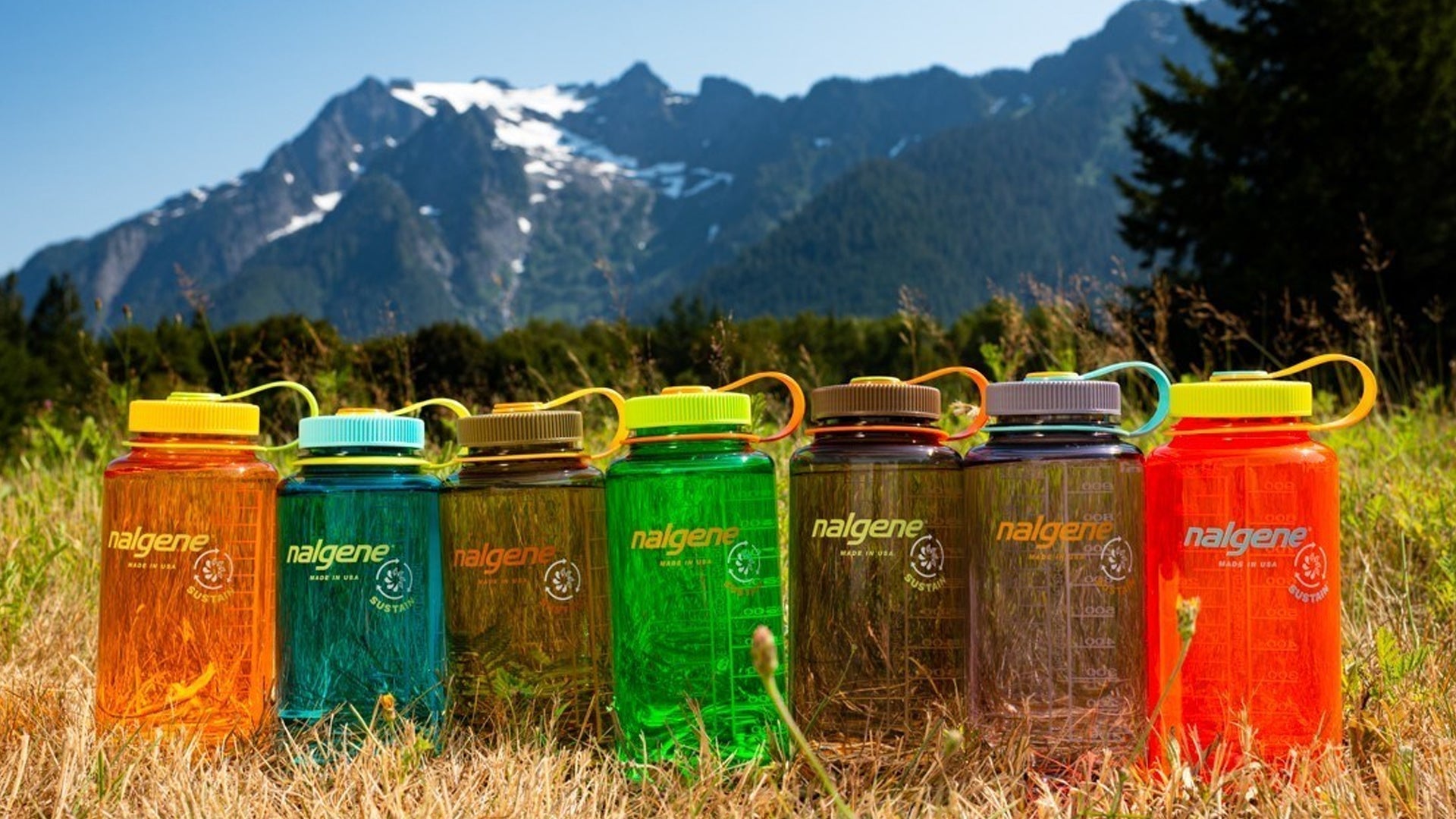
Invest in quality here. Cheap dry bags fail at seams and buckles. Look for welded construction and roll-top closures rated for full submersion. Canoe and kayak hire operators typically supply a barrel, but bring your own dry bags for internal organisation — check with your operator beforehand about what's included.

Paddle Jacket and Rain Gear

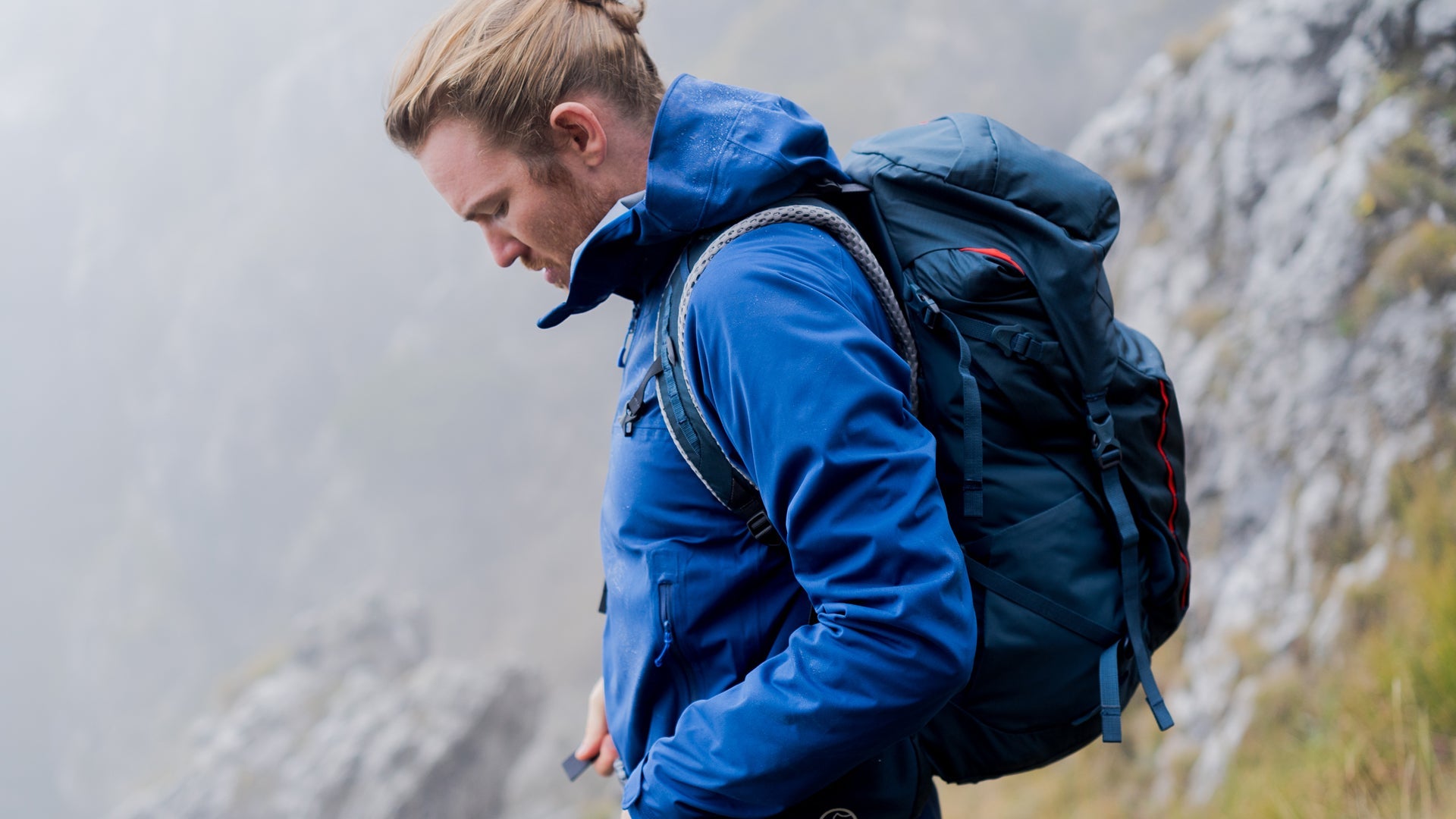
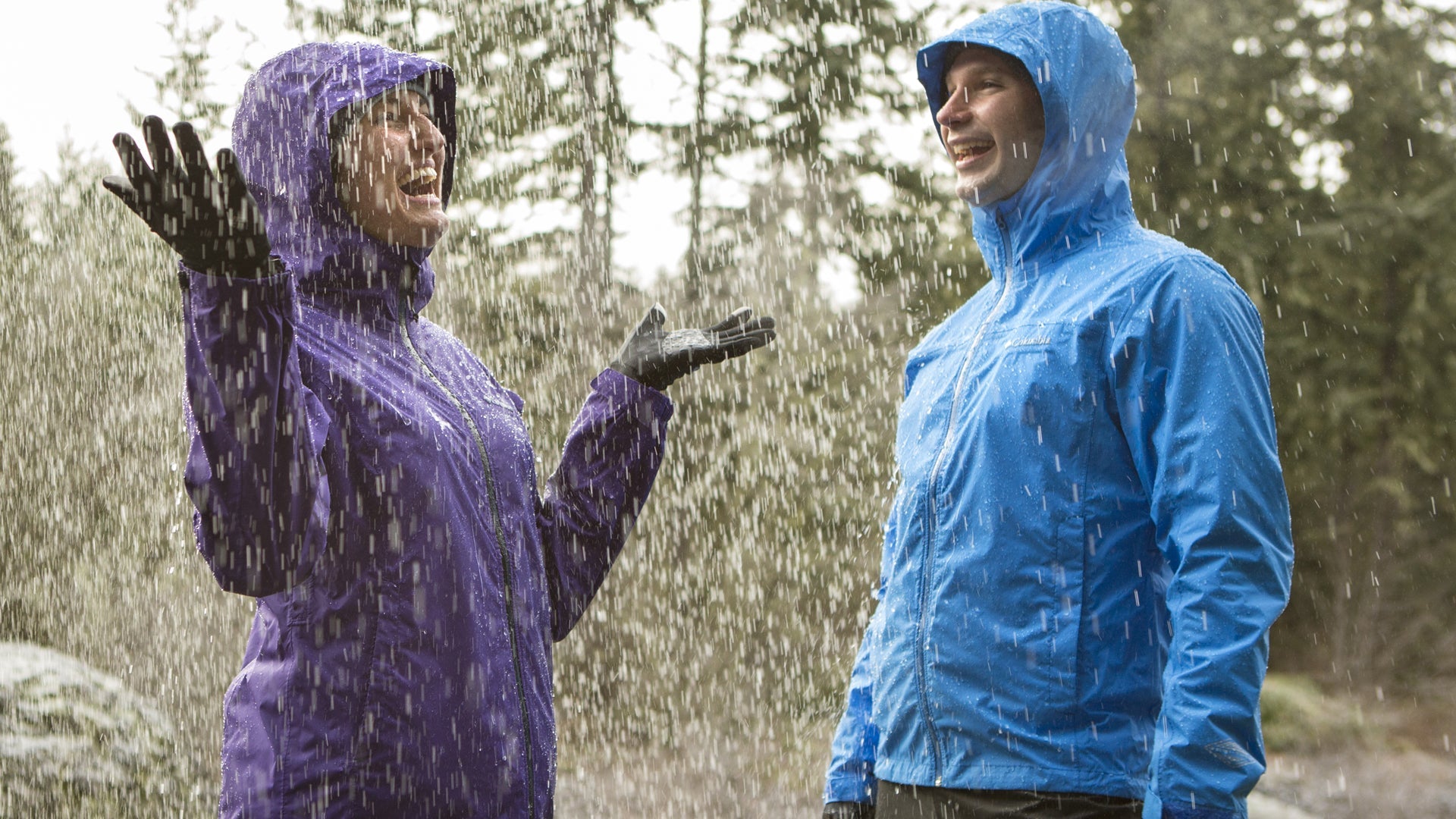
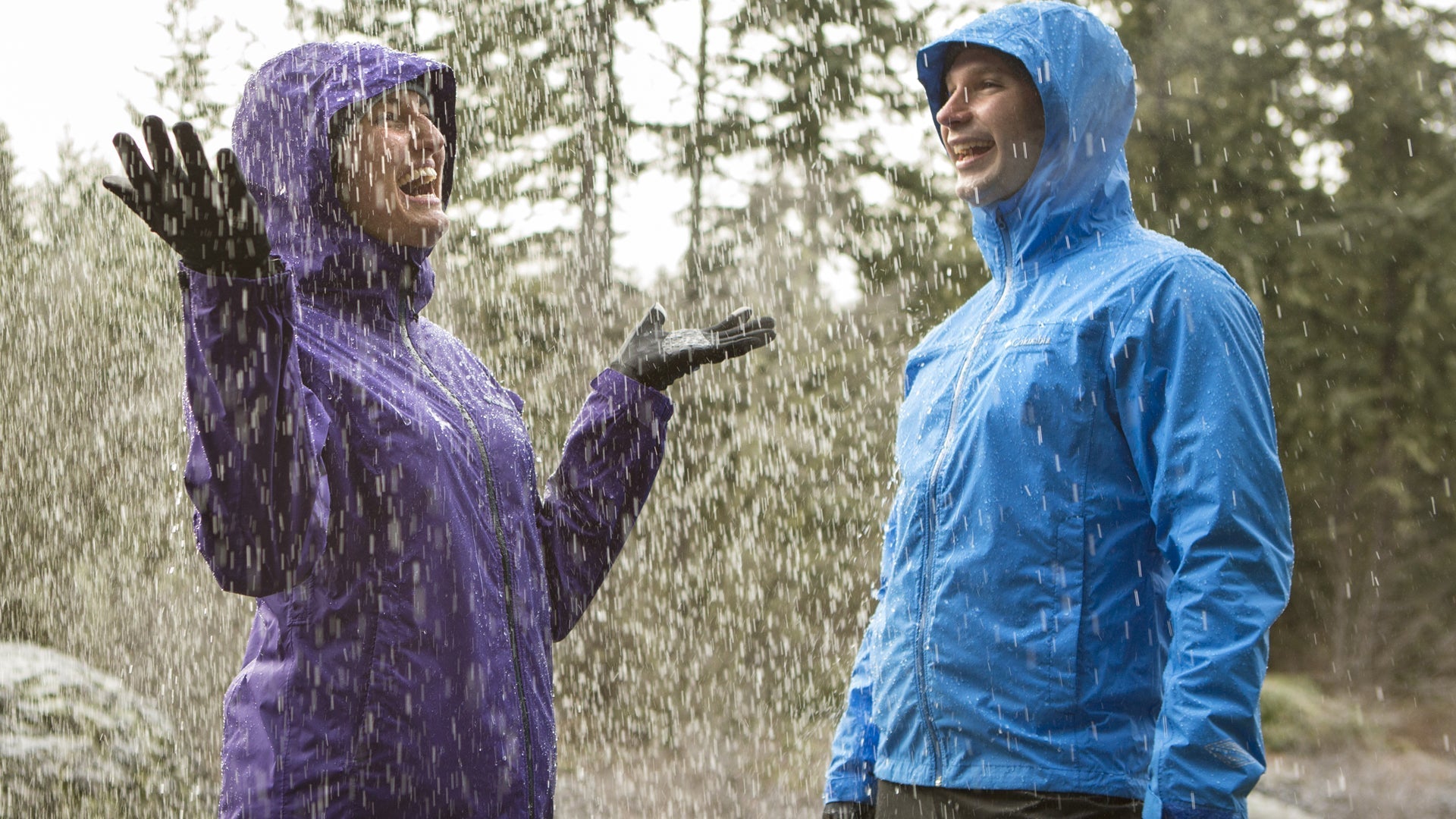
Rain is a near certainty on the Whanganui River, and the jacket you need here differs from a standard tramping shell. A fully waterproof shell rated to at least 10,000mm hydrostatic head (HH) is the minimum requirement. For a five-day remote river journey, a jacket rated to 20,000mm HH gives you a genuine safety margin when conditions deteriorate.

The Peak XV Tornado delivers 20,000mm HH waterproofing with full breathability — it performs equally well on the water and around camp. The Peak XV Pinnacle is a solid entry-level option if budget is the priority. Either way, you want a hood that fits over a beanie or paddling helmet.

Waterproof trousers or paddling pants are well worth packing. River spray soaks your legs quickly, and wet legs lose heat fast — especially if the weather closes in. Browse our rain jackets or read our NZ rain jacket guide to compare options before you head out.

Warm Layers for the River

The Whanganui Great Walk season runs from late October through to April. Summer temperatures in the gorge can be pleasant during the day, but evenings cool quickly and rainy periods can drop temperatures significantly. A quality merino or synthetic base layer is your foundation.

Merino wool is particularly well suited to river travel — it insulates even when damp, resists odour over multiple days, and manages moisture effectively. A midweight merino long-sleeve top and thermal leggings provide a strong base. Add a fleece or insulated midlayer for evenings in the huts or around camp. Avoid relying on cotton — it provides no warmth when wet and takes an age to dry.

Pack at least one full set of warm clothes sealed inside its own dry bag. If you end up soaked mid-river, dry layers waiting at the end of the day are invaluable.

Sleeping Bag

Great Walk huts on the Whanganui Journey are well maintained, with mattresses provided, so you won't be sleeping on the ground. You do, however, need your own sleeping bag.

For summer paddling, a bag rated to -5°C is more than adequate. The One Planet Nitrous is a top pick — lightweight, warm, and compact enough to pack down inside your barrel without eating up space. The One Planet Sonder and Cocoon are excellent alternatives depending on your warmth and budget requirements.

Regardless of how well your barrel is sealed, always keep your sleeping bag inside its own dry bag. Browse our full range of sleeping bags or read our sleeping bag guide to choose the right option for the river.

Footwear for Portages and Camp

You won't be covering long distances on foot, but portages — carrying your canoe or kayak around rapids or shallows — require footwear that grips wet rock and mud reliably. Trail shoes or light tramping shoes are ideal. They should be comfortable when wet and reasonably quick to dry.

A pair of camp sandals or jandals is worth keeping accessible for evenings at the huts. If your portages involve any significant scrambling or uneven riverbank terrain, a low-cut approach shoe with a robust outsole will serve you better than standard runners. View our footwear range for options suited to wet, variable terrain.

Safety on the River

The Whanganui River corridor is genuinely remote. Cell coverage is extremely limited for the majority of the journey, and river conditions can change quickly following heavy rainfall upstream — particularly in the Retaruke and upper Whanganui catchments. A Personal Locator Beacon (PLB) is strongly recommended. PLB hire is available from many outdoor retailers and DOC visitor centres if you'd prefer not to purchase one outright.

Register your PLB with the NZ Rescue Coordination Centre before departure and carry it on your person — not buried in your barrel. Leave a detailed float plan with a trusted contact: put-in point, take-out, expected hut stays, and emergency contact numbers. River operators can also advise on current conditions before you set off.

Hut and Camp Essentials

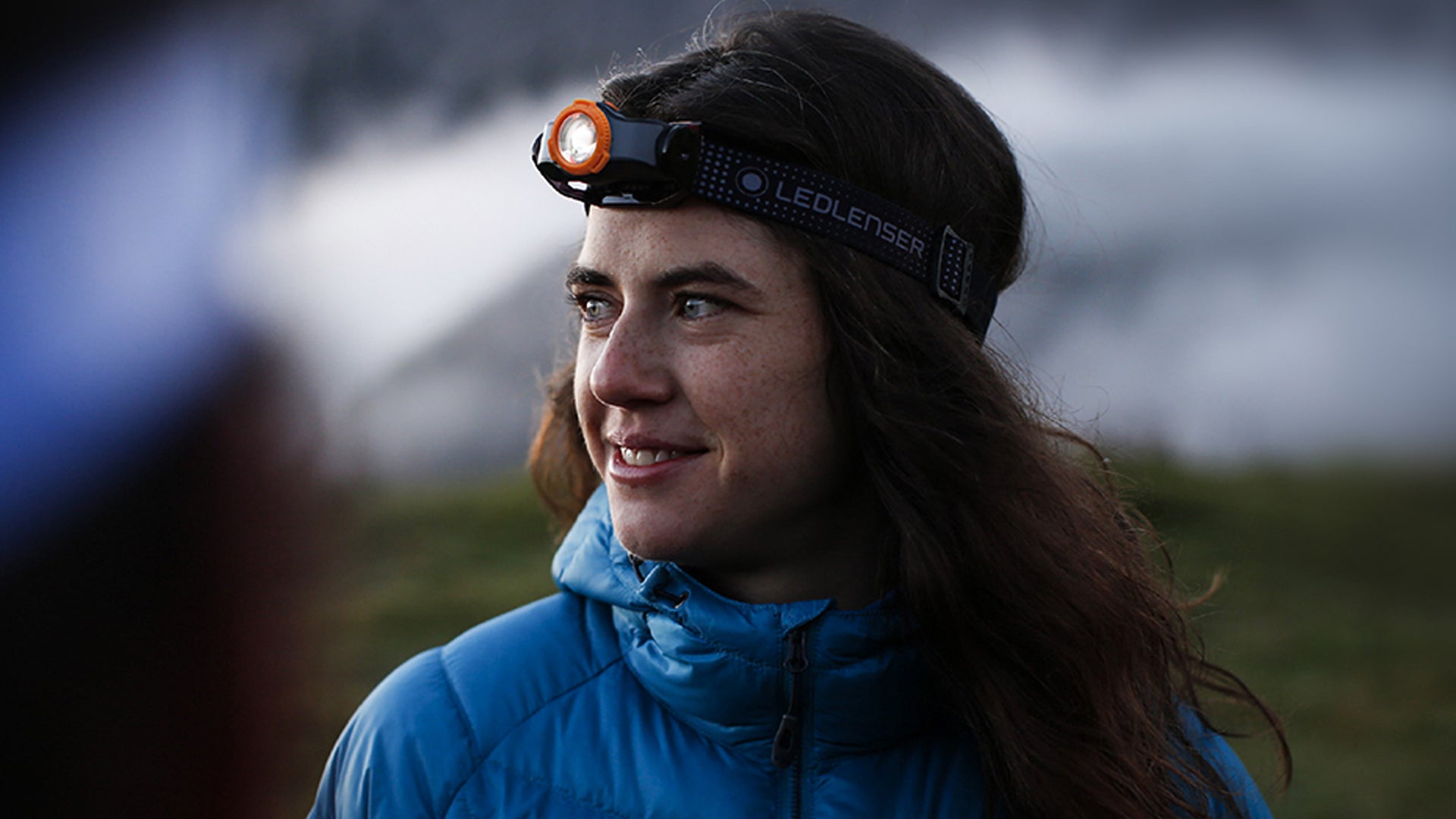
Great Walk huts on the Whanganui Journey are comfortable and well-equipped. Mattresses, toilets, and rainwater are standard, but cooking facilities vary between huts — a lightweight camp stove and fuel canister keeps you self-sufficient. Round out your kit with a headtorch, comprehensive first aid kit, camp towel, and any personal medications.

Sunscreen and insect repellent earn their weight on this journey. The river valley can be hot and exposed in summer, and sandflies are active around camp in the evenings. A sun hat and lightweight long-sleeve merino layer offer the most versatile protection — useful both on the water and at camp.

Other NZ Track Gear Guides

Planning another NZ tramp? Browse our full library of track gear guides:

Frequently Asked Questions

Is the Whanganui Journey a walking track?

No — the Whanganui Journey is NZ's only paddling Great Walk. You travel 145km down the Whanganui River by canoe or kayak over five days, with short portages as the only walking involved. Your gear priorities are completely different from a tramping track: dry bags and waterproofing take precedence over poles, gaiters, or heavy boots.

Do I need a PLB for the Whanganui Journey?

Yes, strongly recommended. The Whanganui River corridor is remote with very limited cell coverage, and river conditions can change rapidly after heavy rain upstream. Carry a PLB on your person at all times — not in your barrel. PLB hire is available from many outdoor retailers and DOC visitor centres if you don't own one.

What jacket should I take on the Whanganui Journey?

A fully waterproof shell rated to at least 10,000mm HH is the minimum. For a five-day remote river trip, 20,000mm HH is a better benchmark — the Peak XV Tornado ticks this box and doubles as excellent rain gear around camp. Waterproof trousers are also worth packing as river spray soaks your legs fast.

What sleeping bag do I need for the Whanganui Journey?

A bag rated to -5°C is sufficient for the summer season (late October to April). The One Planet Nitrous, Sonder, and Cocoon are all excellent options — packable, warm, and well suited to hut travel. Always seal your sleeping bag inside a dry bag as an additional layer of protection, regardless of how well your barrel is sealed.

What footwear is best for the Whanganui Journey?

Trail shoes or light tramping shoes work well for portages — you need grip on wet rock and mud without the weight of a full tramping boot. Camp sandals are handy for hut evenings. Stiff tramping boots are unnecessary and will be uncomfortable when wet.

Do I need to bring my own dry bags?

Hire operators typically supply a barrel for main storage, but bringing your own dry bags for internal organisation is strongly advised. A 20-litre bag for clothes and a 10-litre for your sleeping bag are a practical start. Look for welded seams and roll-top closures — they're far more reliable than budget alternatives when it matters most.