



Timber Trail Gear List 2026 — What to Pack for the Central North Island Tramp
The Timber Trail is one of the North Island's finest multi-day tramping routes — approximately 85 kilometres of beautifully formed track winding through the ancient totara and rimu forests of Pureora Forest Park in the Central North Island. Well known for its spectacular swing bridges and towering podocarp forest, it is a genuinely accessible tramp for those moving up from day walks to multi-day adventures. While the trail draws plenty of mountain bikers, it is equally popular with trampers who want a well-formed, hut-to-hut experience without the crowds or permit pressure of the Great Walks. Easily reached from Auckland or Hamilton, the Timber Trail rewards a four-to-six day pace. Here is what to pack.
Track Overview
The Timber Trail runs approximately 85 kilometres through Pureora Forest Park in the Central North Island, generally run between the Pureora end near Te Kuiti and the Ongarue end. Six good DOC huts — Pureora, Piropiro, Bog Inn, Rimu, Te Hora, and Kakaho — are spaced along the route, making hut-to-hut tramping straightforward. The trail is graded Easy to Intermediate: the track is well-formed with excellent bridging across most of the swing bridge crossings, and elevation changes are generally manageable. At lower elevation than South Island routes, the Timber Trail offers milder temperatures — but Waikato and King Country weather can deliver sustained rain, so waterproofing remains important. Hut bookings are required; check the DOC website in advance, particularly in the warmer months.
Footwear
The Timber Trail's well-formed track is forgiving underfoot compared to alpine routes, but wet conditions and rooted forest sections still demand waterproof footwear with decent grip. A mid-height waterproof tramping boot is the right call for most conditions.
The Merrell Moab 3 Mid Waterproof Boots are an excellent choice here — a comfortable, flexible waterproof boot that handles the Timber Trail's mix of formed gravel track and rooted forest path with ease. Beginner-friendly and reliable in sustained rain, they're a great starting point for trampers stepping up to multi-day routes. For trampers who prefer more support or are carrying a heavier pack, the Salewa Mountain Trainer Lite Mid GTX offers a more structured platform with excellent traction and waterproofing. Either way, break your boots in before you go — a single blister on day one can ruin the whole trip.
Browse the full range of tramping boots at Dwights to compare fit and support levels.
Pack
A four-to-six day tramp with full sleeping kit and food requires a pack in the 55–65 litre range. The Timber Trail's well-formed track and manageable elevation changes mean you can carry a comfortable load without needing a frame pack.
The Deuter Aircontact Core 50+10 (effectively 60 litres at full extension) is our top pick for this route: excellent load transfer, a ventilated back panel suited to North Island conditions, and a fit system that works well across a wide range of body types. For shorter itineraries or lighter packers, a 55-litre pack is workable. Use our pack fitting guide to dial in the fit before your trip. Always line your pack with a waterproof liner — the Pureora forests can deliver surprise downpours.
Clothing & Layering
The Central North Island is milder than the South Island mountains, but the Timber Trail still calls for a proper layering system. Rain is common, mornings can be cool, and hut evenings benefit from a warm layer.
Base layer: The Peak XV Merino Base Layer is our recommendation — moisture-wicking, naturally odour-resistant, and comfortable across a wide temperature range. Merino is well suited to multi-day tramping where you are wearing the same base for several days at a stretch.
Mid layer / insulation: A light fleece or insulated jacket for hut evenings and cool mornings. The Rab Microlight Alpine is ideal here — it packs into its own pocket, adds meaningful warmth, and is light enough that there is no reason to leave it behind. The Rab Valiance is a warmer option for those who feel the cold.
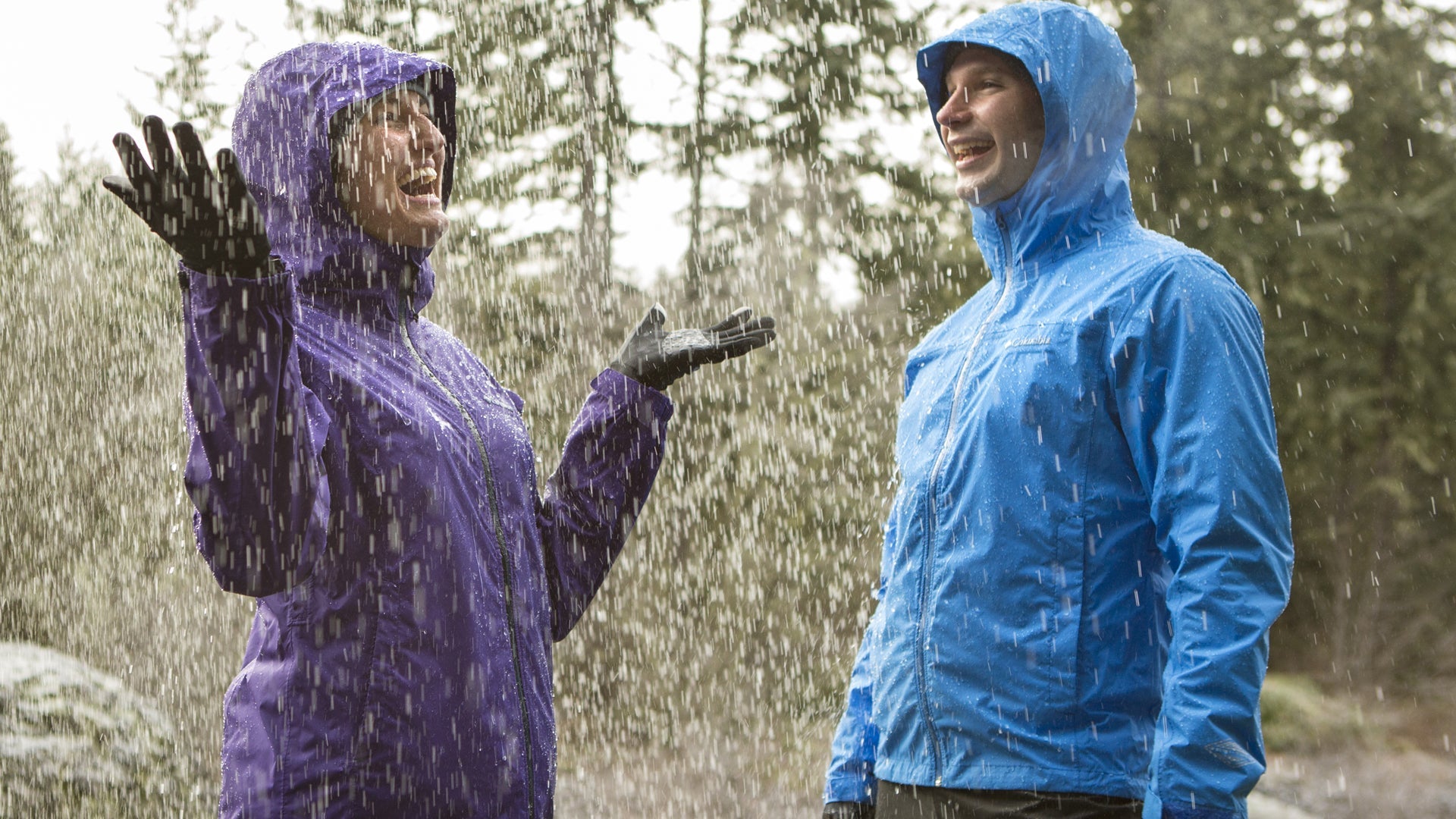
Rain jacket: A quality waterproof shell is essential. The Peak XV Pinnacle (20,000mm/20,000mm) is an excellent choice for the Timber Trail — solid waterproofing without paying for the top-end spec you might need on an alpine route. If you want to invest in kit that handles tougher conditions too, the Peak XV Tornado (20,000mm/20,000mm) is the premium step up, and the Rab Kangri GTX is a Gore-Tex alternative worth considering.
Waterproof trousers: The Peak XV Tornado Overpants are lightweight and easy to layer over your regular trousers when the rain sets in. They pack small and add little weight.
Carry a lightweight beanie, gloves, and a buff for cool mornings. Two to three pairs of merino wool socks will cover a four-to-six day trip.
Sleeping Gear
Timber Trail huts are well-maintained DOC huts with bunks and mattresses provided. An insulated blow-up sleeping mat is worth adding for comfort and warmth — DOC mattresses vary in condition and the extra insulation layer from below makes a real difference on cold nights.
For sleeping bags, the One Planet Cocoon is well suited to the Timber Trail's relatively mild conditions — a quality NZ-made down bag at an accessible price point. The One Planet Nitrous is a step up in performance and packability, and covers the full season comfortably. Given the lower elevation and warmer North Island temperatures, a bag rated to 0°C comfort is adequate for most of the year.
Cooking & Food
Timber Trail huts do not supply cooking equipment. Carry your own stove, fuel, and cookware.
The MSR PocketRocket Deluxe is a reliable, compact canister stove well suited to this kind of trip — fast to boil, stable with most pot sizes, and simple to operate. The Optimus Crux Lite is a worthy alternative at a similar weight. Both use standard isobutane canisters widely available in outdoor shops.
For a four-to-six day trip, plan a mix of dehydrated meals, instant noodles, couscous, and high-energy snacks. The Timber Trail's distances are manageable, but calorie needs remain significant — aim for 500–700g of food per person per day. Pack out all rubbish.
Navigation & Safety
The Timber Trail is well-marked and well-formed throughout. Navigation demands are low compared to alpine routes, but it is still worth carrying a downloaded NZ Topo50 map on your phone and knowing which huts you are aiming for each day.
Tramping poles are optional on the Timber Trail but worth considering for longer days with a loaded pack — they reduce fatigue and improve stability on the occasional slippery section. First-time multi-day trampers often find poles make a significant difference to enjoyment on days four and five.
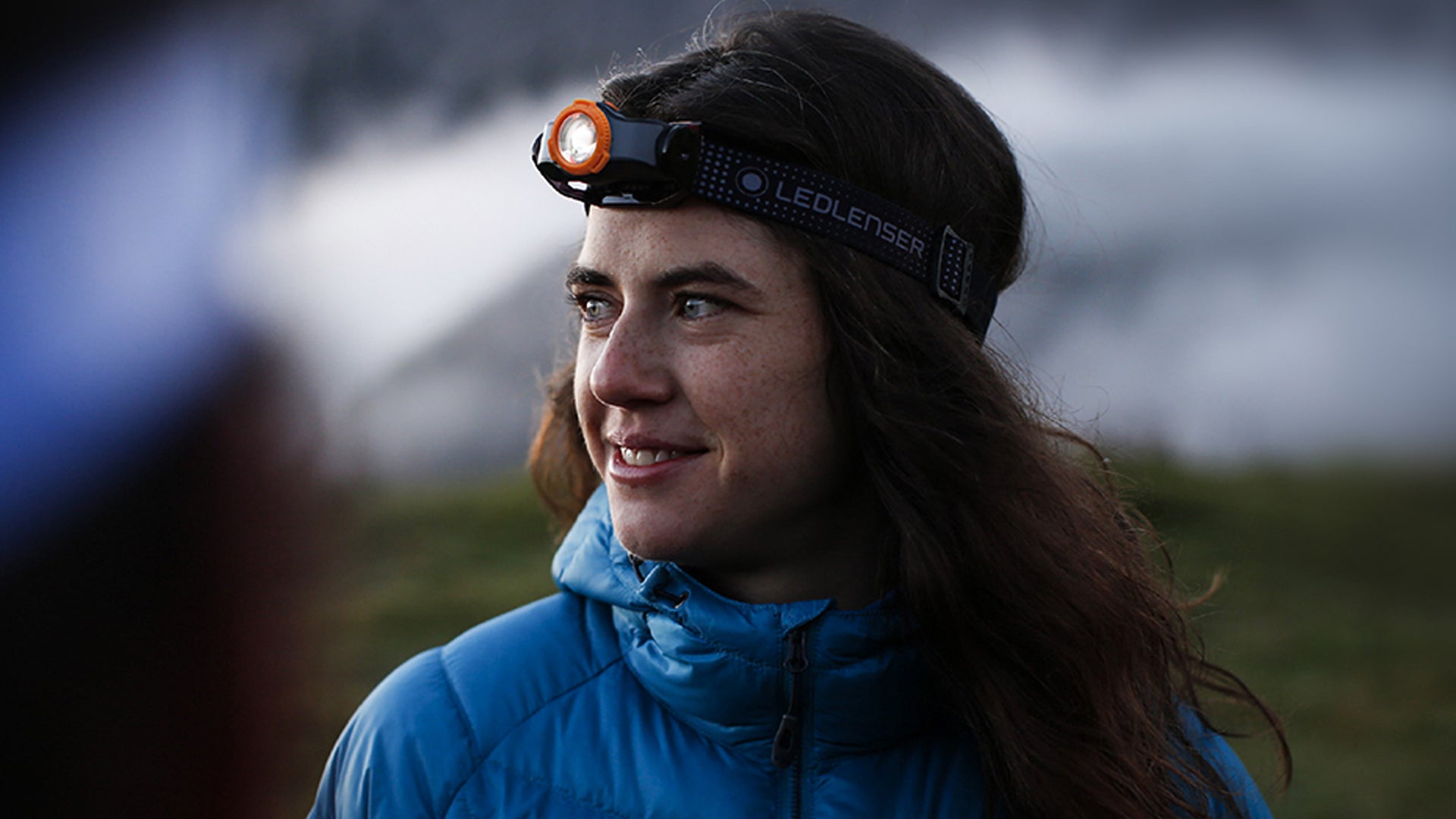
Your headlamp is essential. The Nitecore UT27 Pro (83g) is our pick — lightweight, bright, USB-rechargeable. Carry it accessible in your pack hip belt or top pocket, not buried in your main compartment.
A PLB (Personal Locator Beacon) is recommended for any multi-day tramp in New Zealand, including the Timber Trail. PLB hire is available if you do not own one. Mobile coverage is patchy in the Pureora forest. Carry a basic first aid kit, sunscreen, and insect repellent — sandflies and mosquitoes can be present in the forest.
Gear Checklist
- Tramping boots — Merrell Moab 3 Mid Waterproof Boots or Salewa Mountain Trainer Lite Mid GTX
- Camp footwear (lightweight shoes or sandals)
- Pack 55–65L — Deuter Aircontact Core 50+10
- Waterproof pack liner
- Peak XV Merino Base Layer (top and bottom)
- Lightweight fleece or softshell mid layer
- Rab Microlight Alpine or Rab Valiance insulated jacket
- Peak XV Pinnacle rain jacket (or Peak XV Tornado / Rab Kangri GTX)
- Peak XV Tornado Overpants
- Warm hat, gloves, buff
- Merino wool socks ×2–3 pairs
- One Planet sleeping bag (Cocoon or Nitrous)
- Insulated blow-up sleeping mat
- MSR PocketRocket Deluxe or Optimus Crux Lite stove
- Fuel canisters (calculate per days on trail)
- Lightweight cookset and spork
- 4–6 days food and snacks
- Tramping poles — Peak XV (optional but recommended)
- Nitecore UT27 Pro headlamp
- NZ Topo50 map (downloaded) and compass
- PLB (personal locator beacon)
- First aid kit
- Sunscreen and insect repellent
- Water purification (filter or tablets)
- Toilet trowel and waste bags