



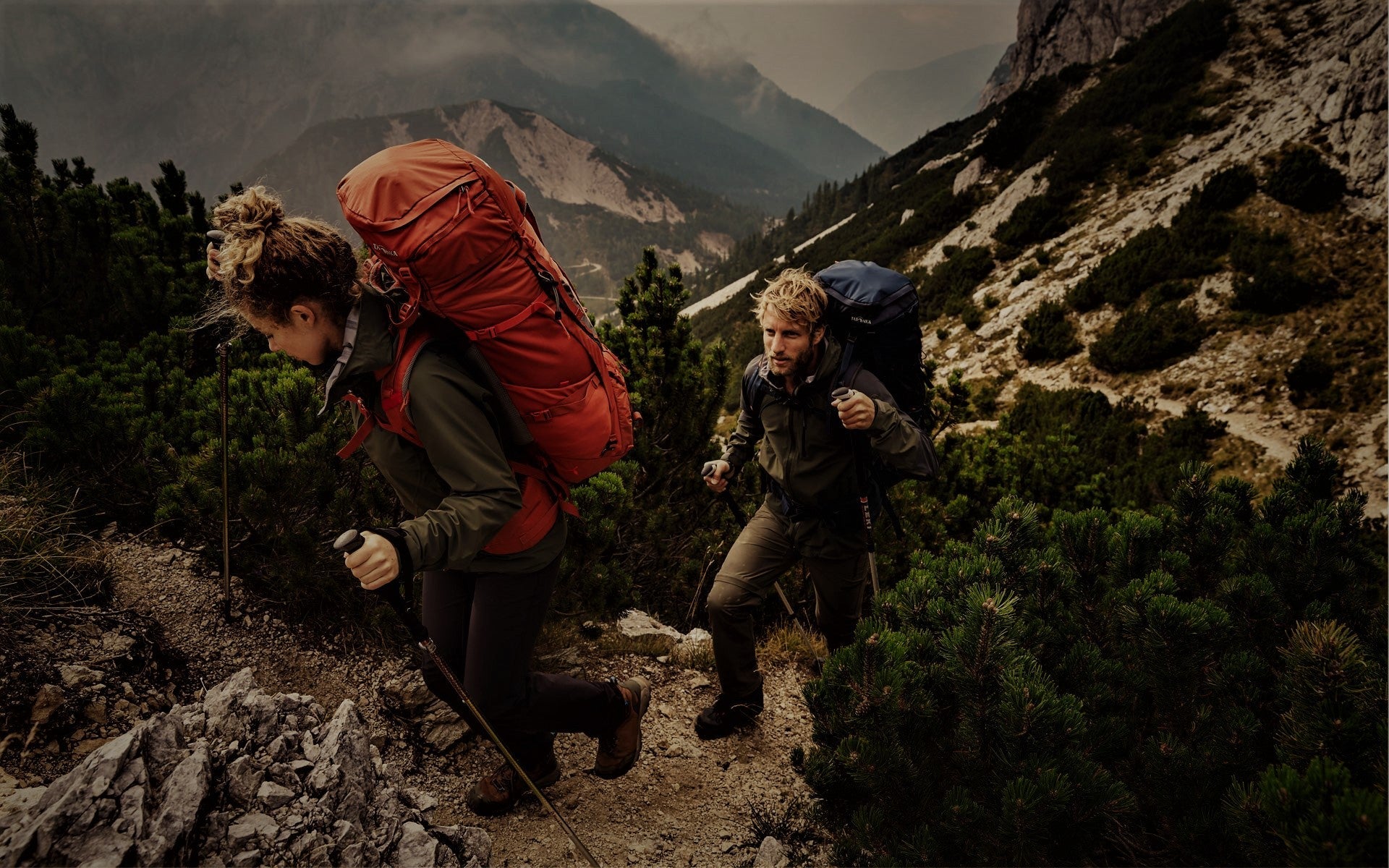
Hiking Packs
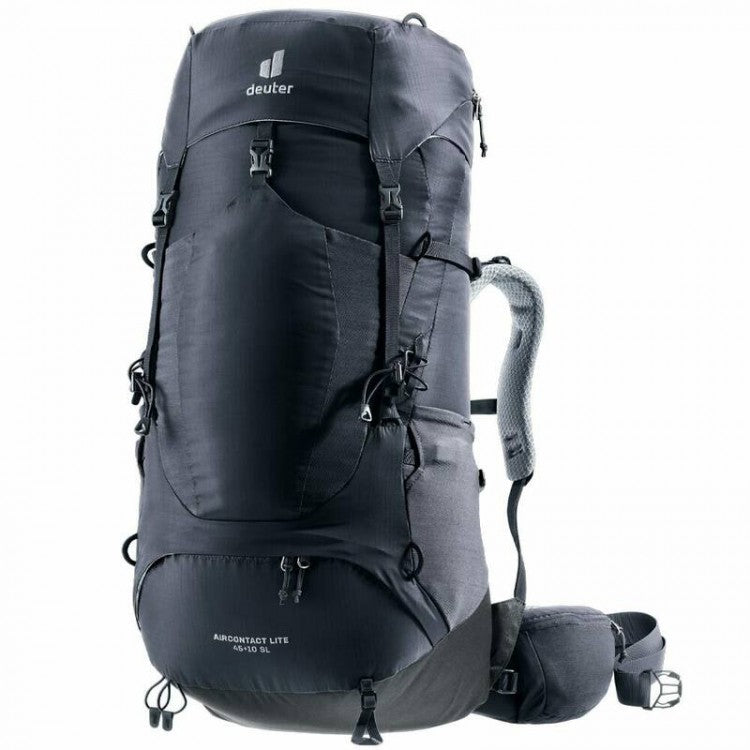

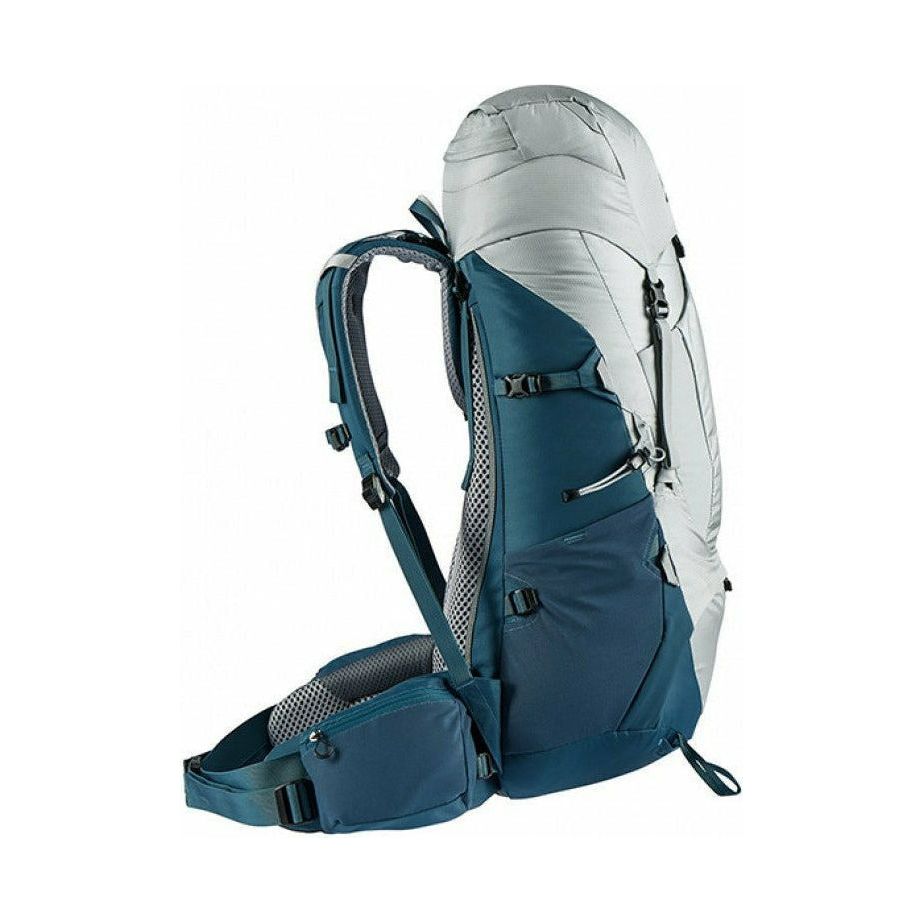
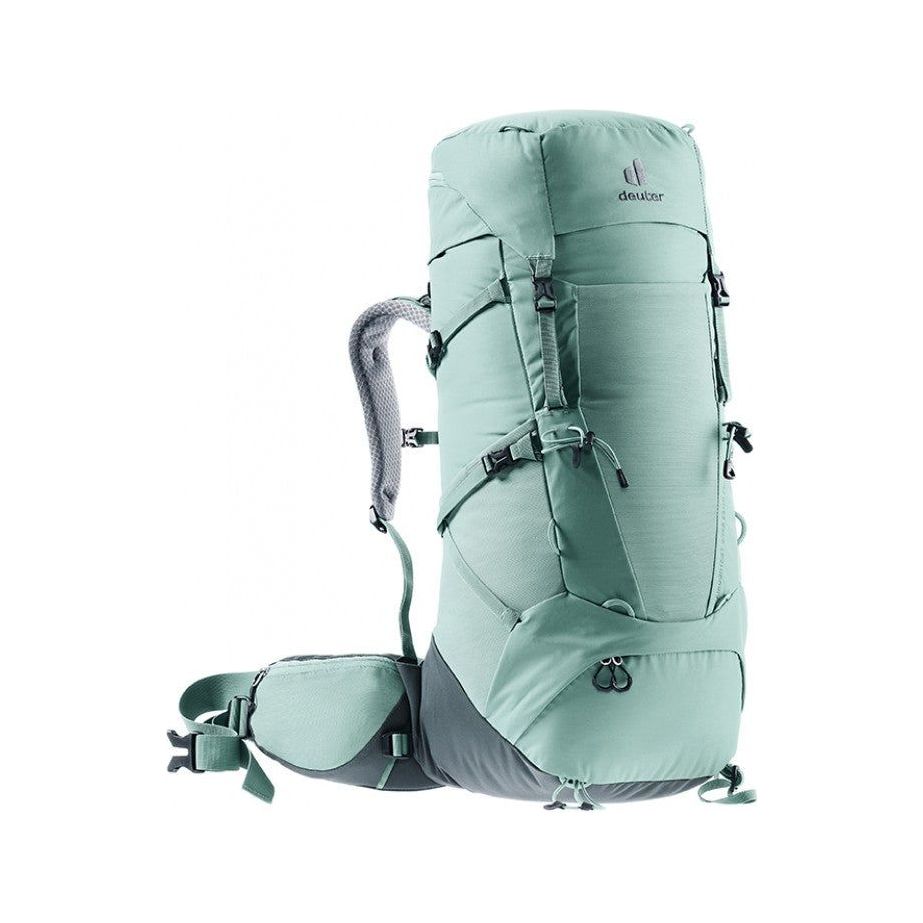
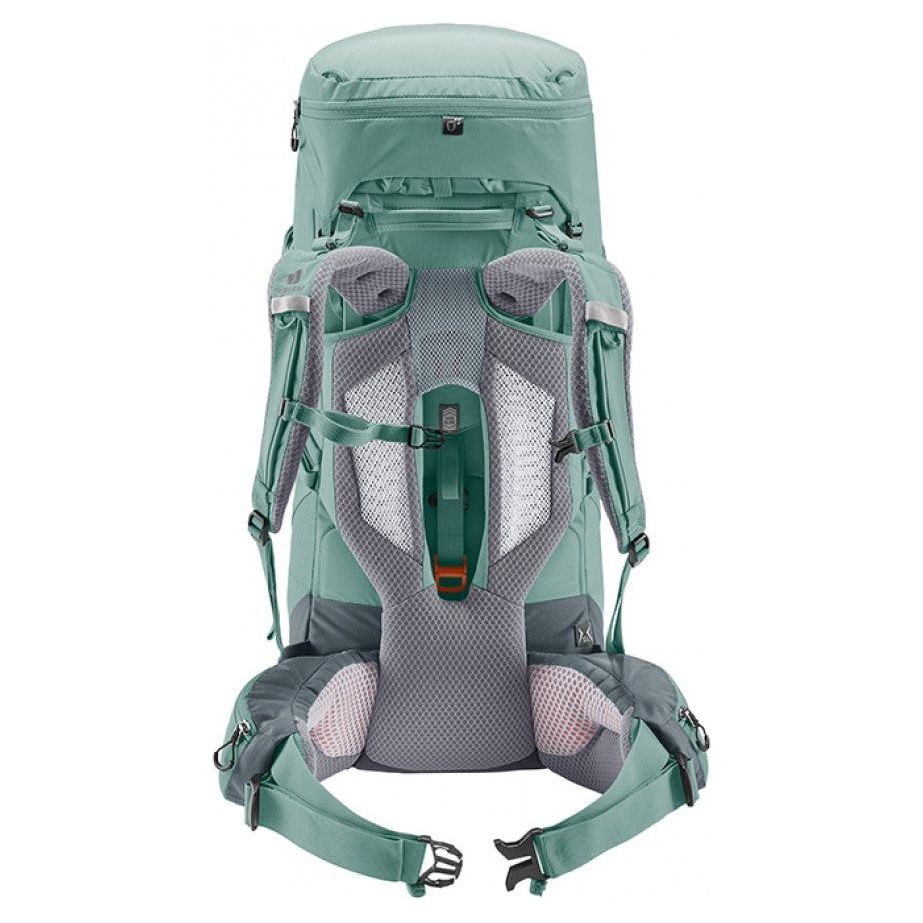
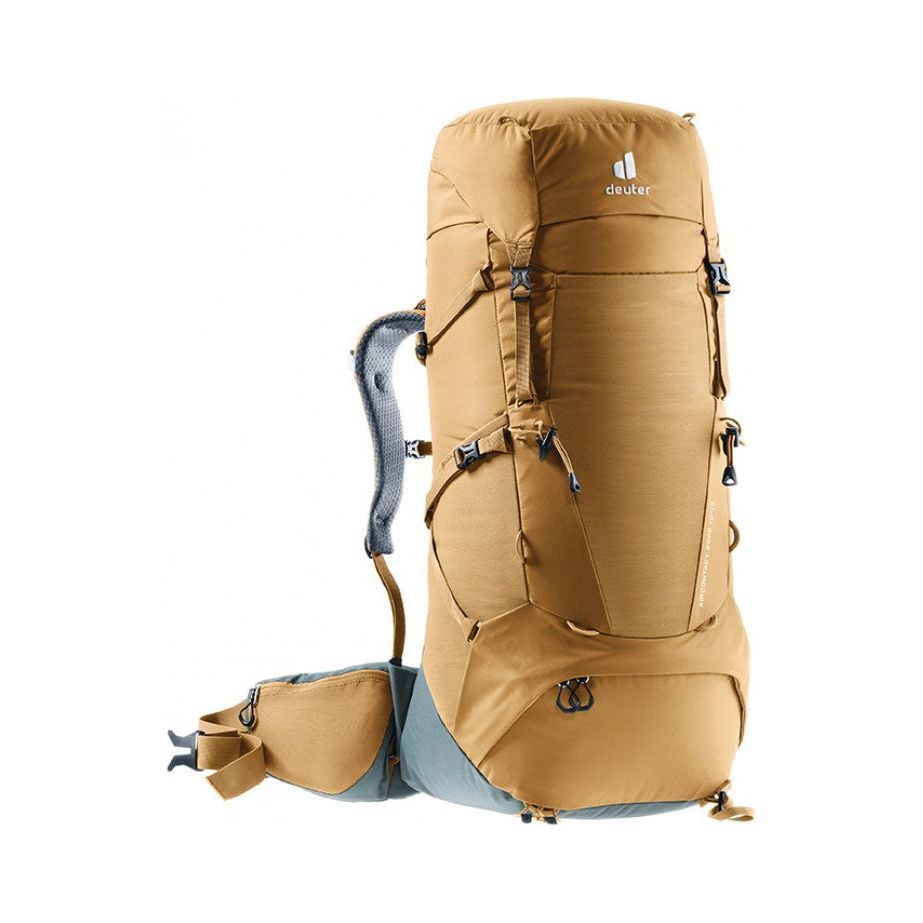
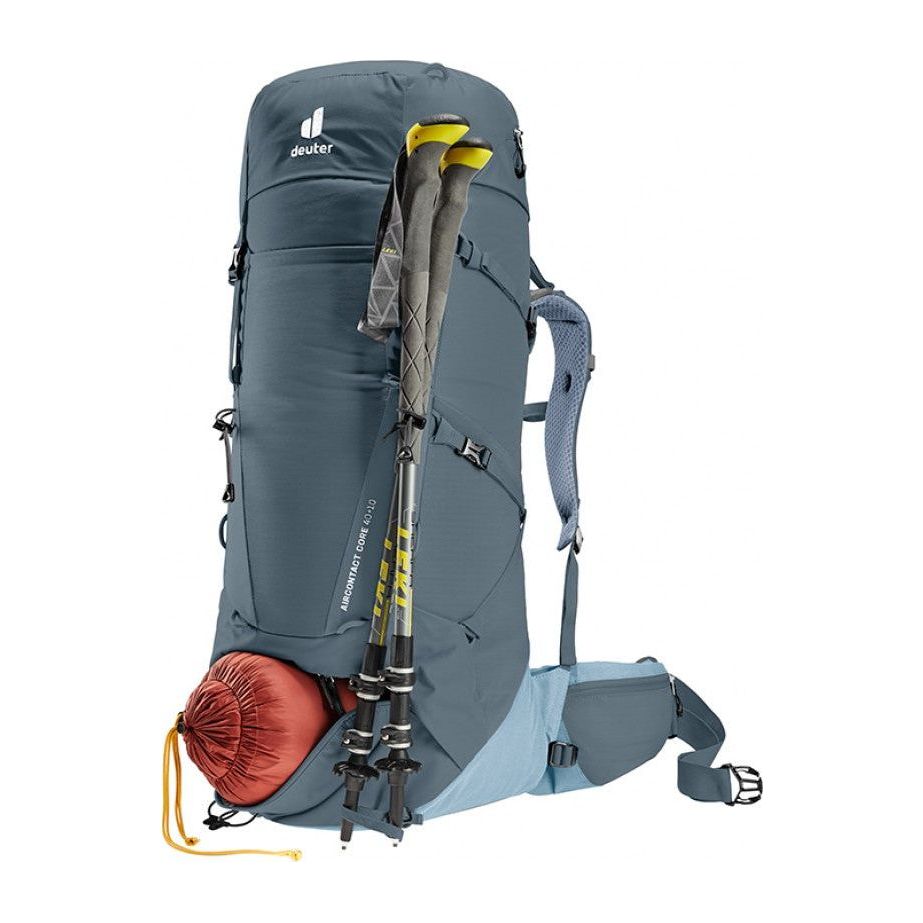
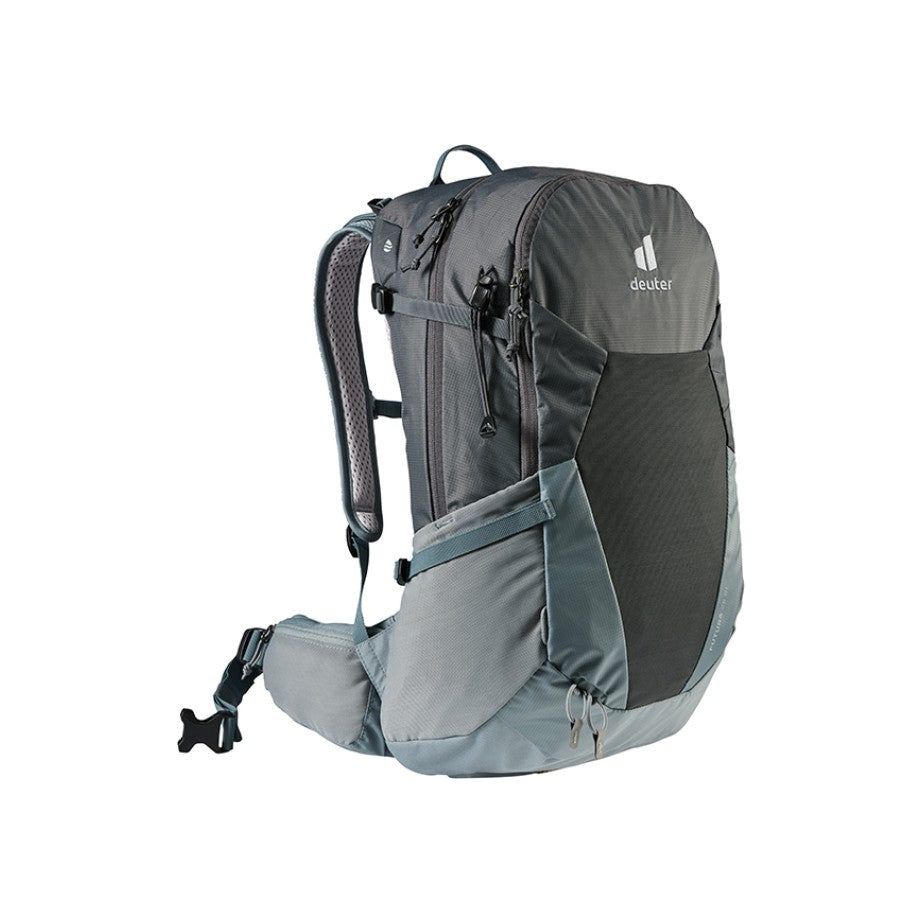
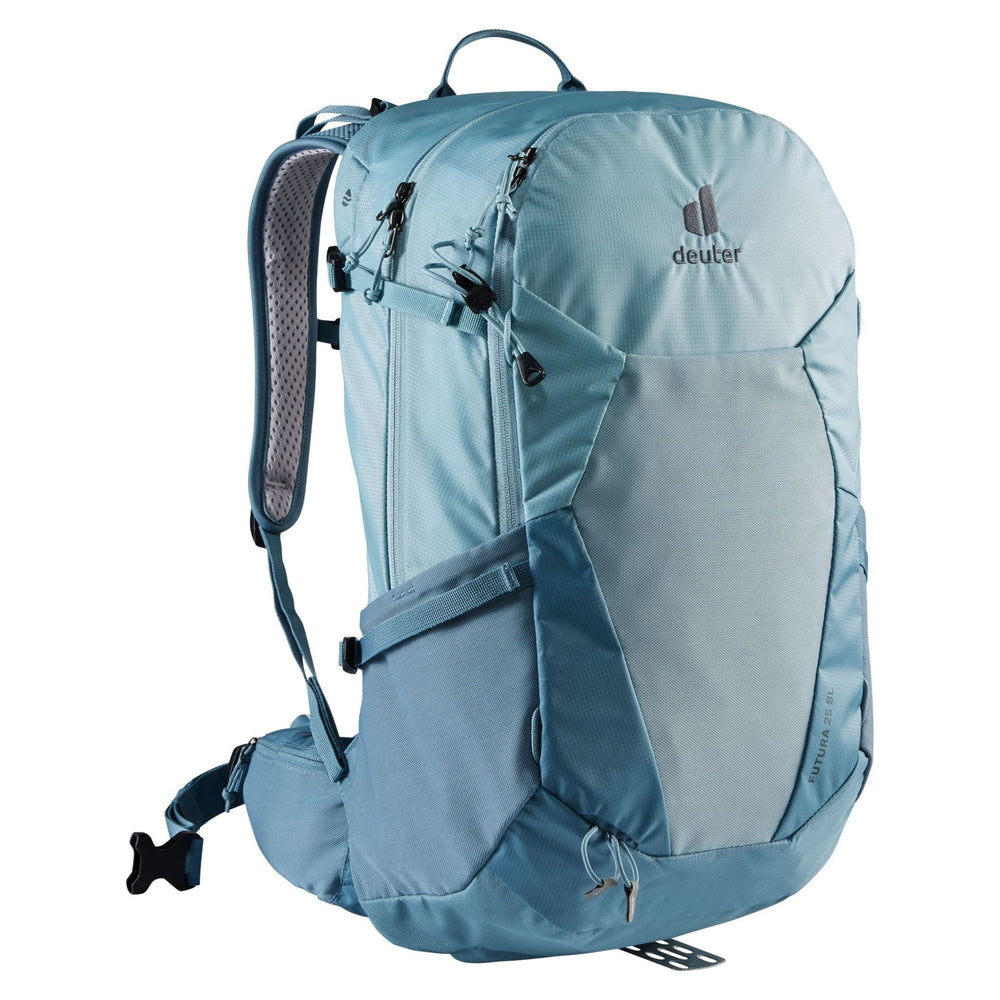
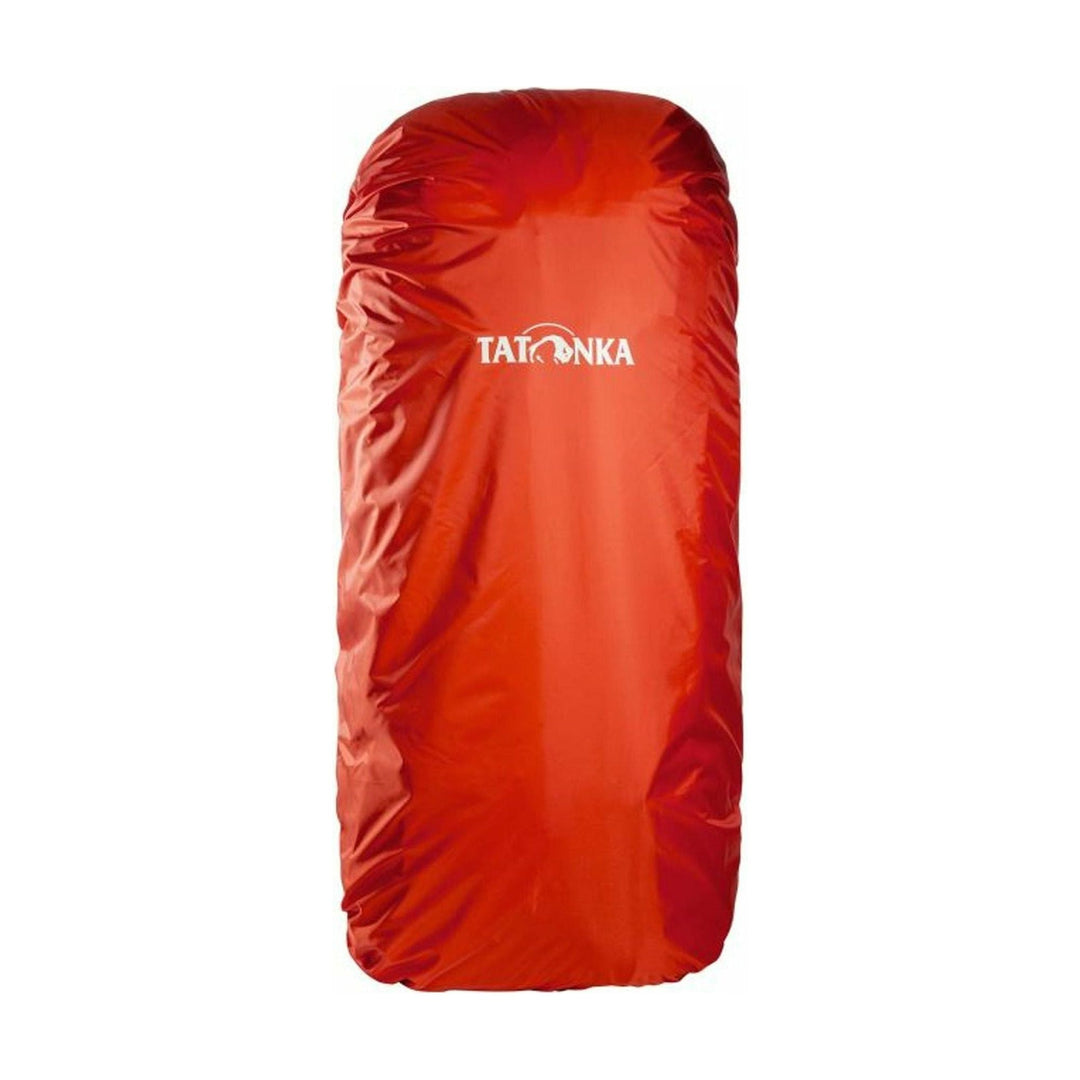
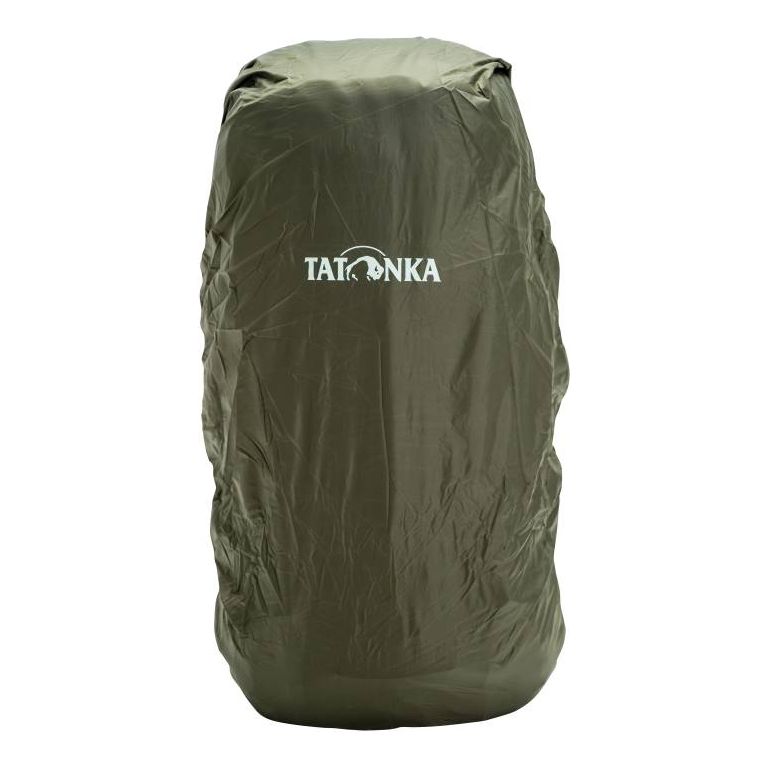
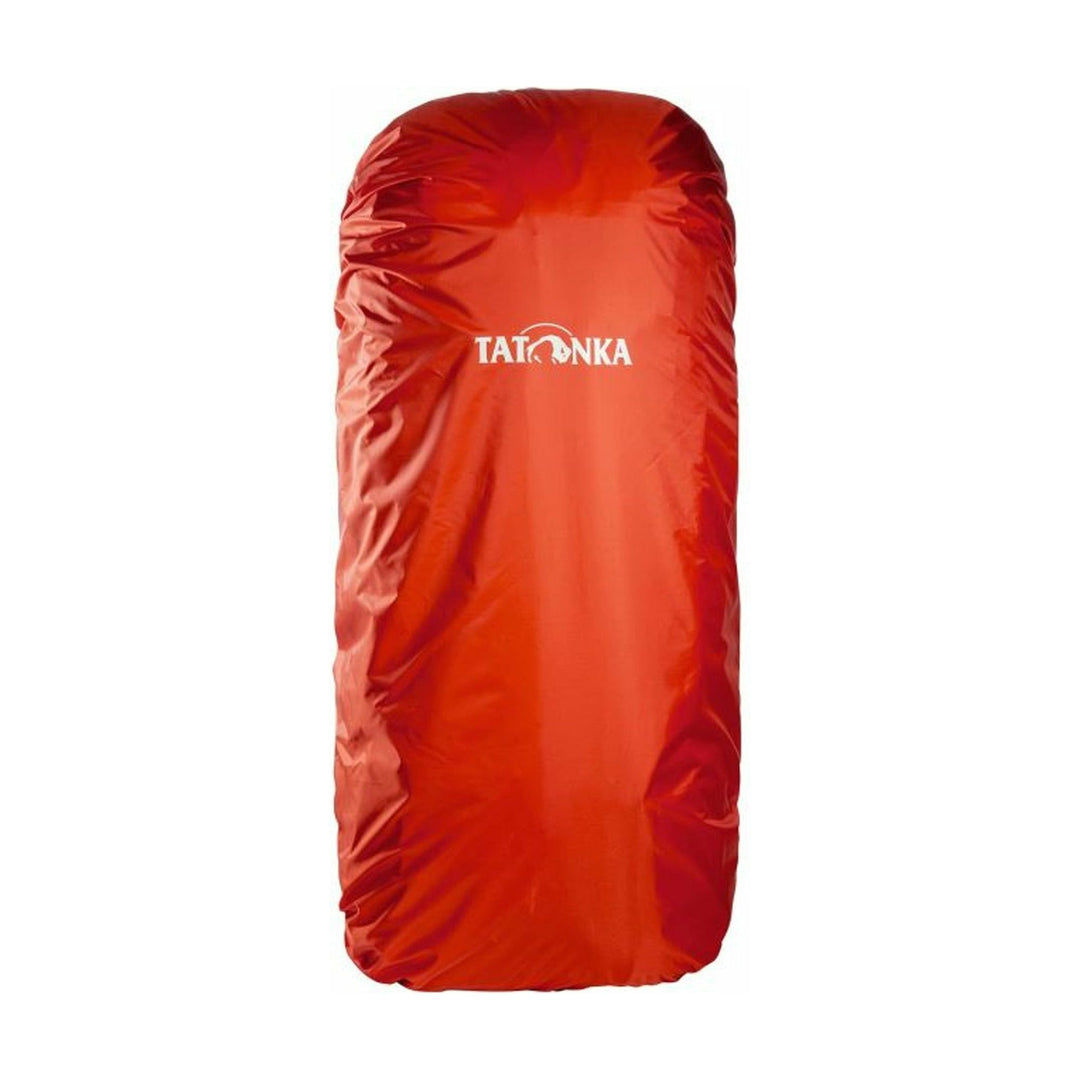
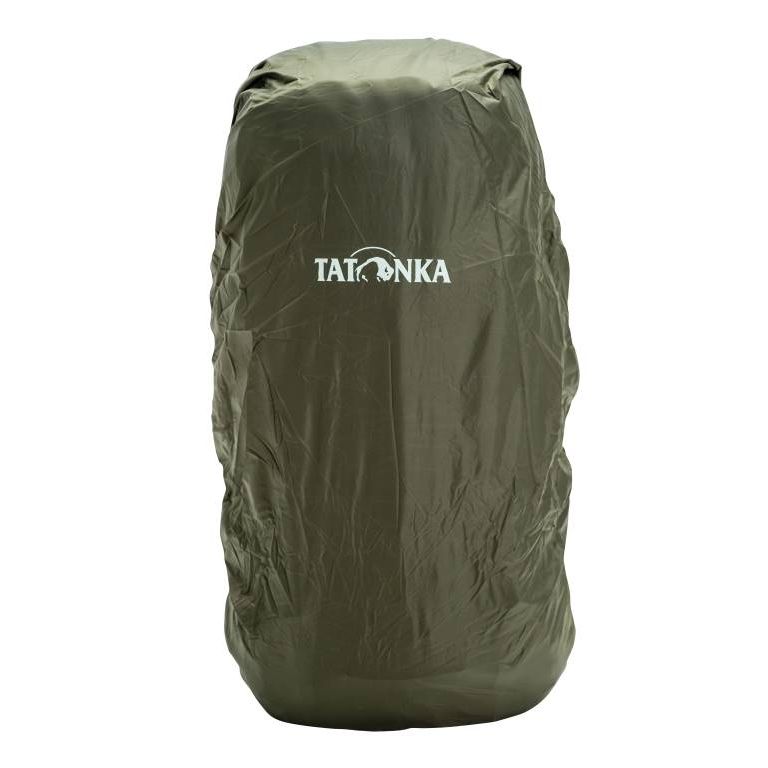
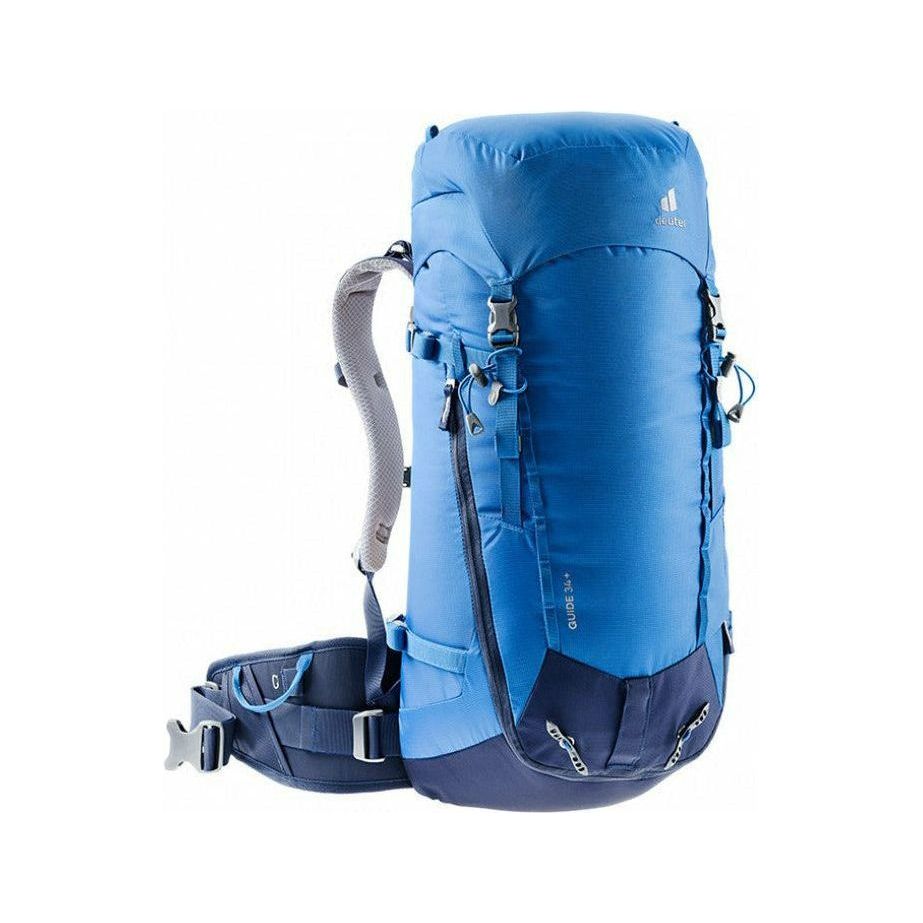
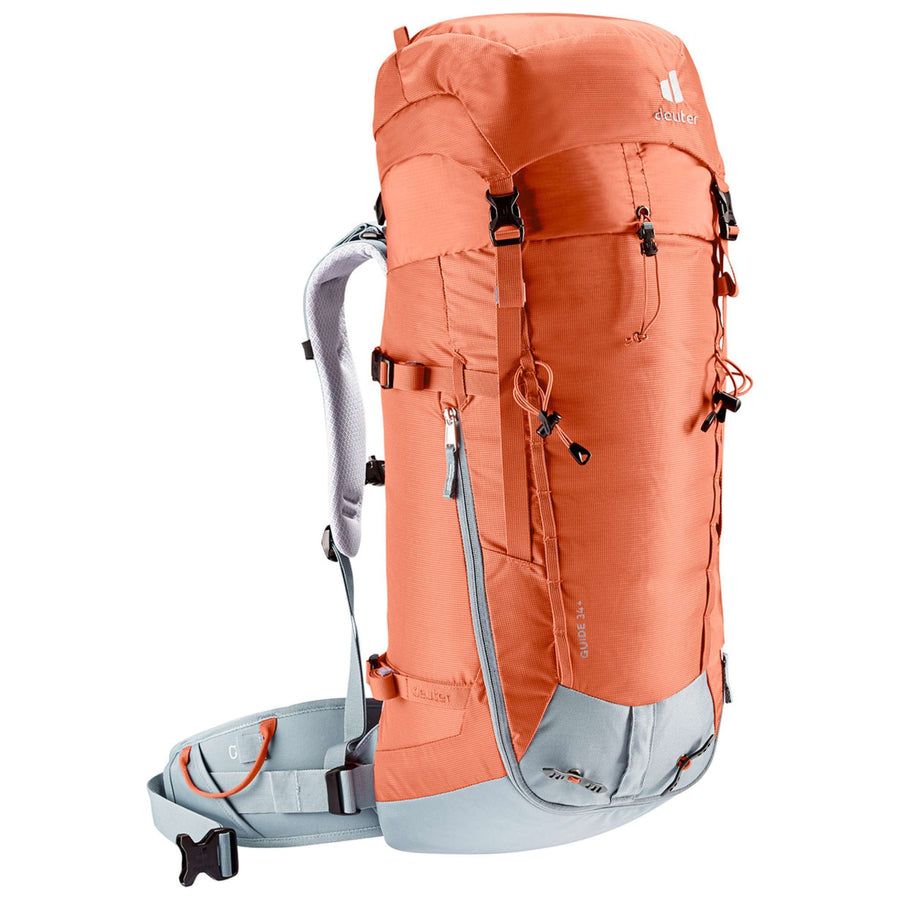
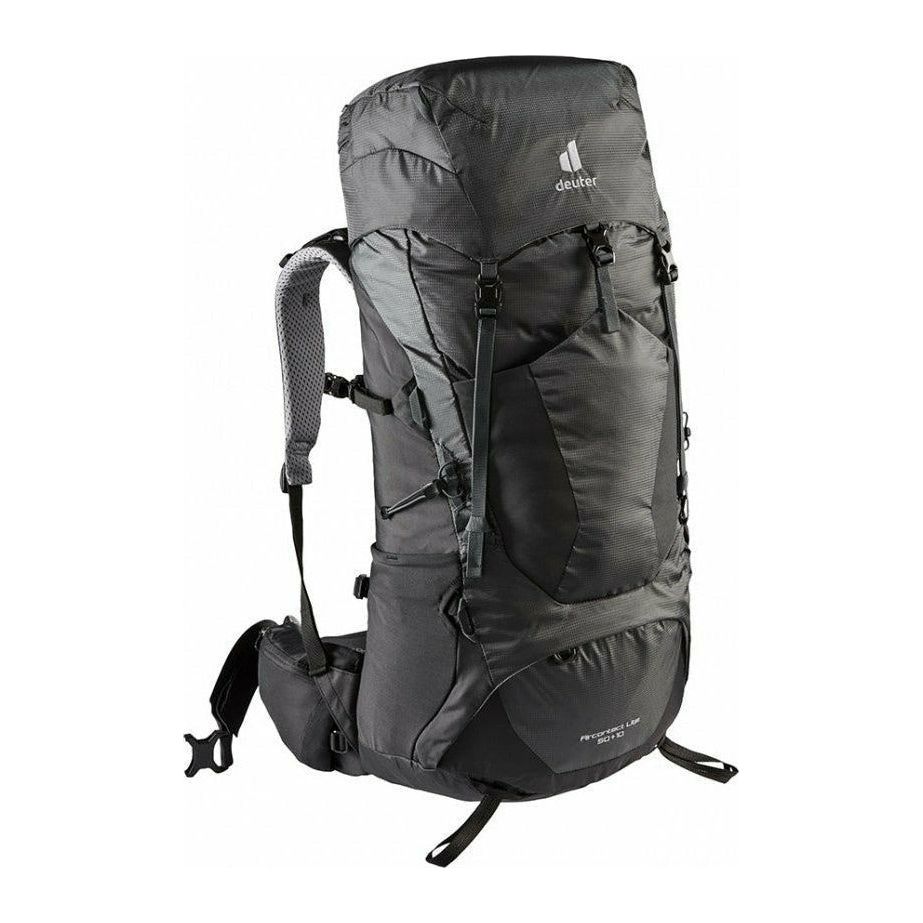
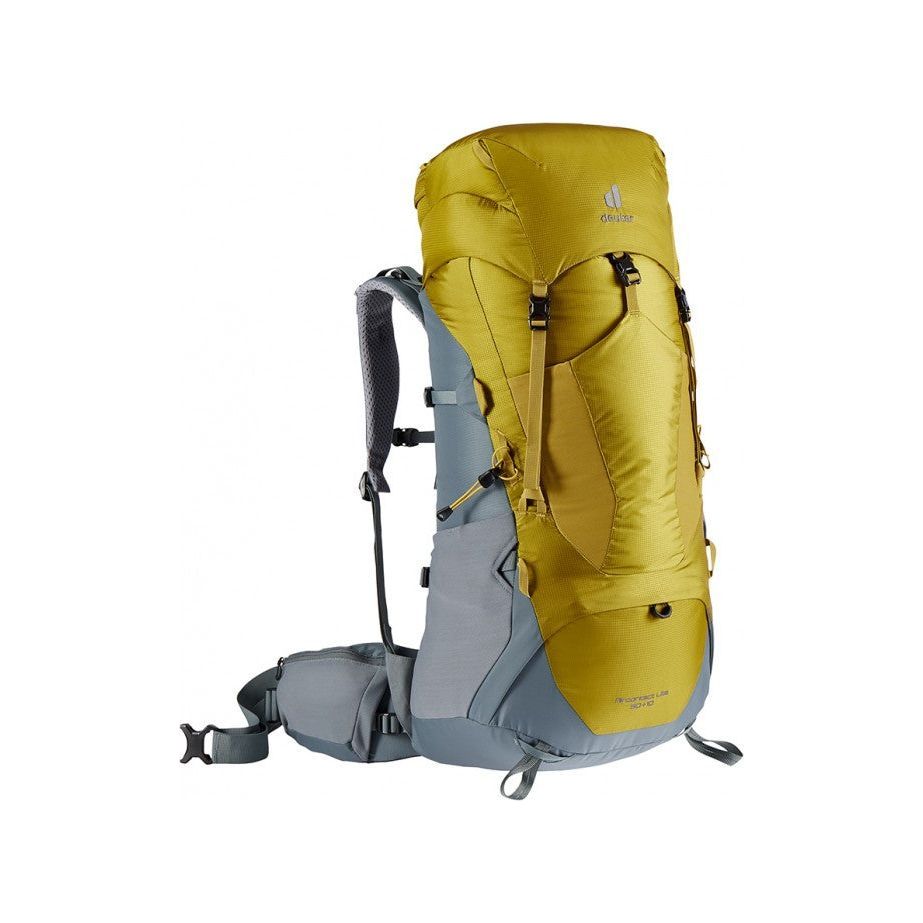


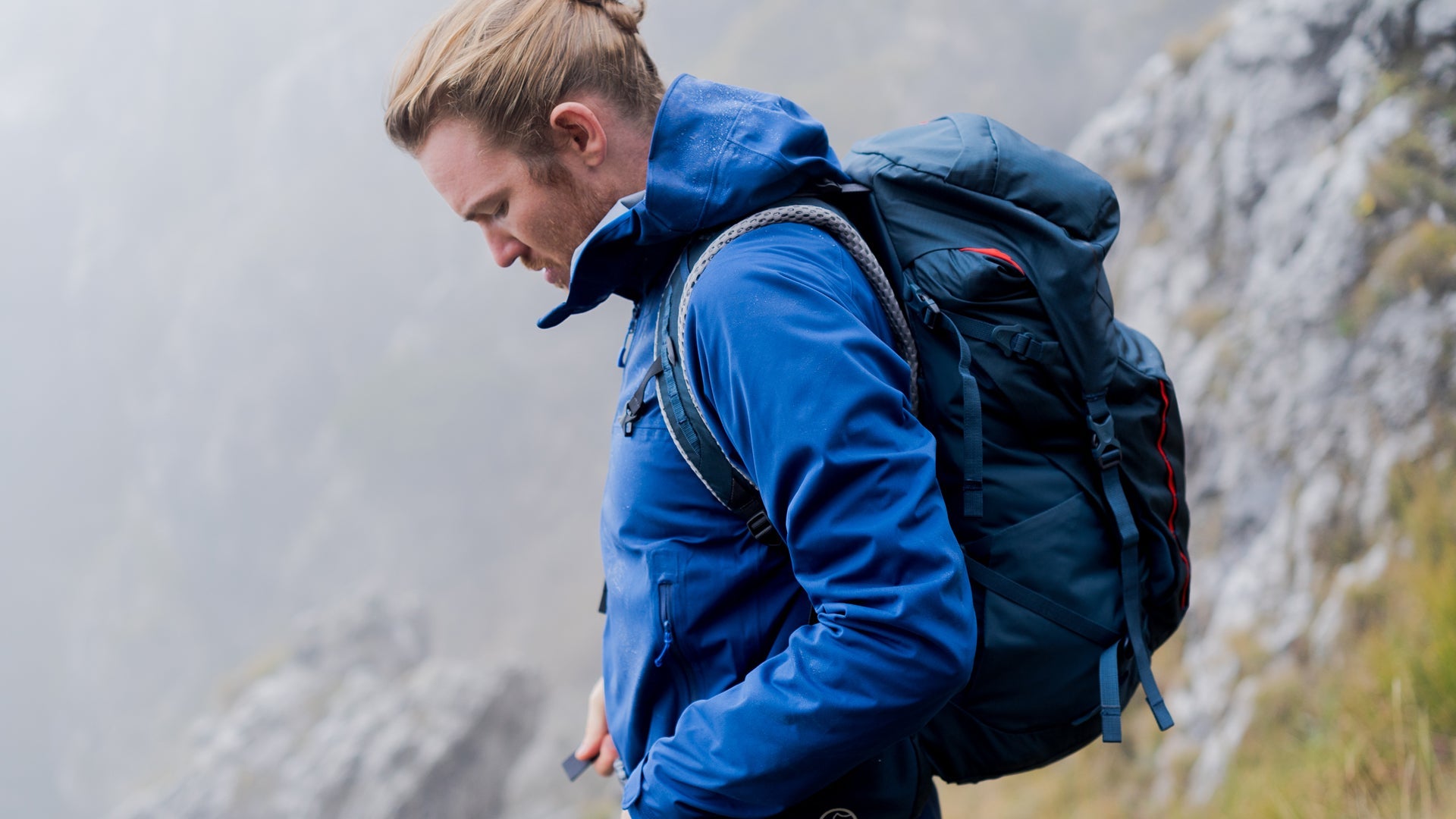
Choosing the right hiking pack matters more than most gear decisions. The right pack fits your torso, carries the weight on your hips rather than your shoulders, and holds exactly what you need for your trip — no more, no less. Get it wrong and you'll know about it by day two.
At Dwights, our hiking pack range is built around Deuter — one of the most trusted names in tramping packs, with back systems designed specifically for multi-day load carrying in variable terrain. From lightweight daypacks for day walks to 65L+ expedition packs for extended backcountry trips, the range covers every NZ tramping scenario from the Abel Tasman to the Routeburn.
Choosing the Right Pack Size
As a rough guide: 17–30L for day walks, 40–55L for multi-day hut tramping, 55–75L for camping trips with tent and sleeping gear. Don't size up unnecessarily — a bigger pack usually means a heavier pack, and most trampers overestimate how much space they need. For Great Walks on the DOC hut network, 50–65L is the sweet spot.
Back Systems: What Actually Matters
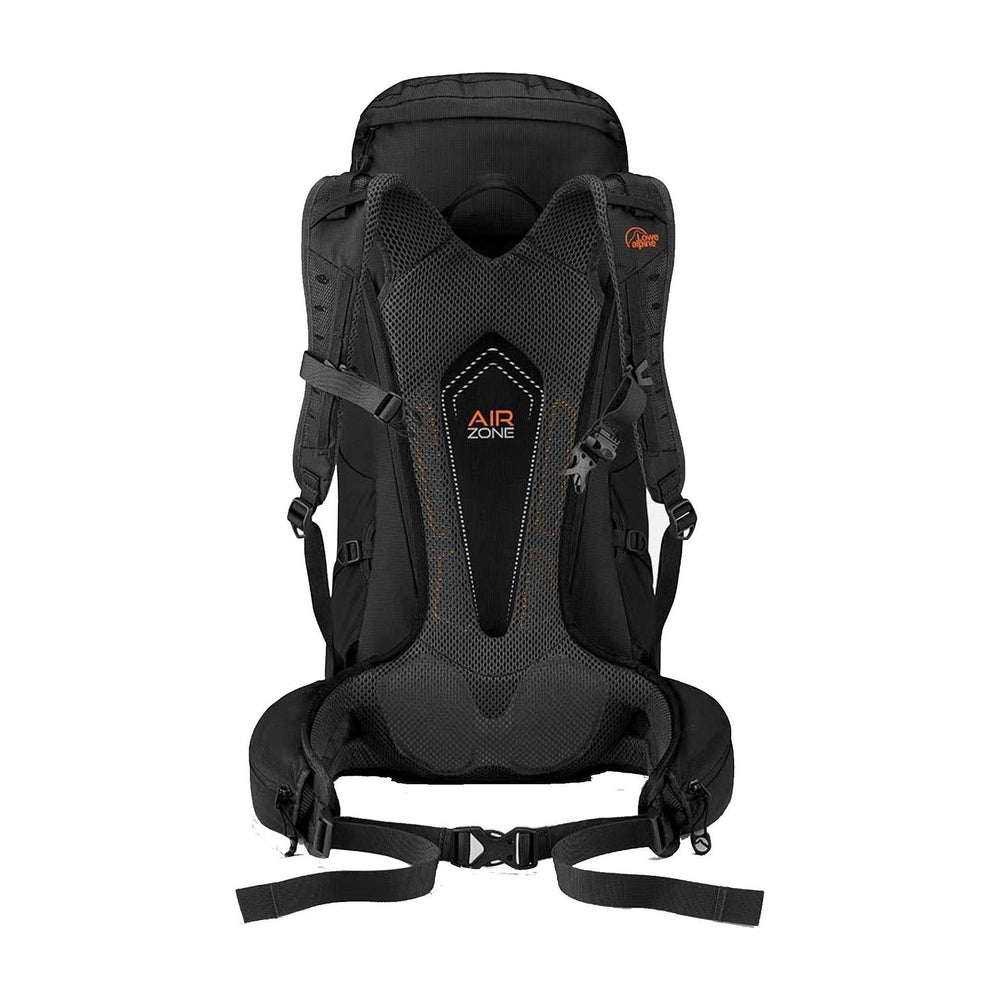
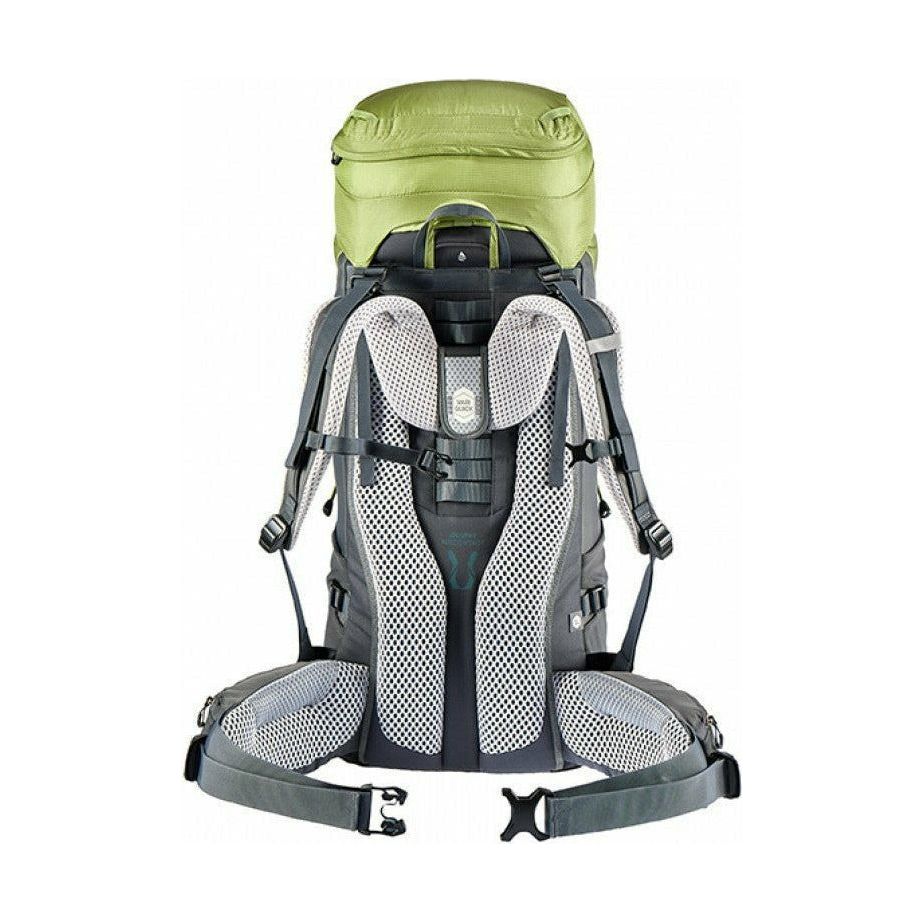
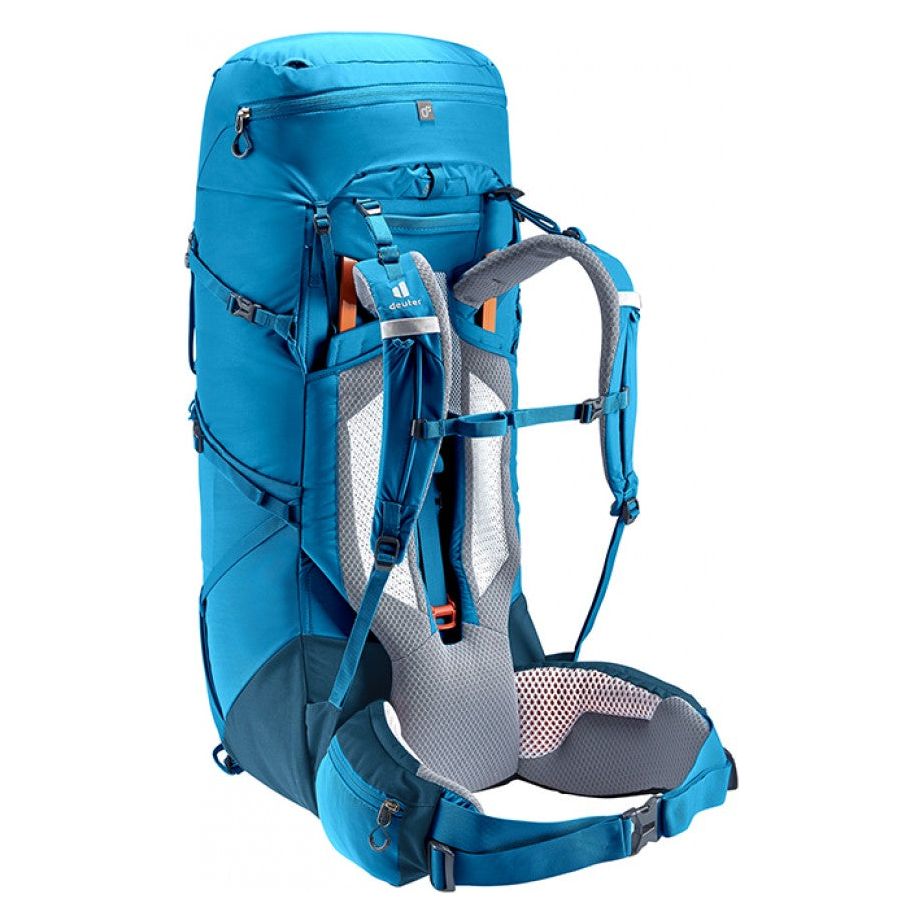
The most important spec on any pack isn't the volume — it's the back system. A well-fitted hip belt carries 70–80% of the load through your hips, not your shoulders. Deuter's Aircontact system is designed for maximum load transfer on long multi-day trips; the Futura system prioritises back ventilation for active day walking in warmer conditions. Both are adjustable for torso length, which matters more than your overall height when finding the right fit.
Hiking Pack Brands at Dwights
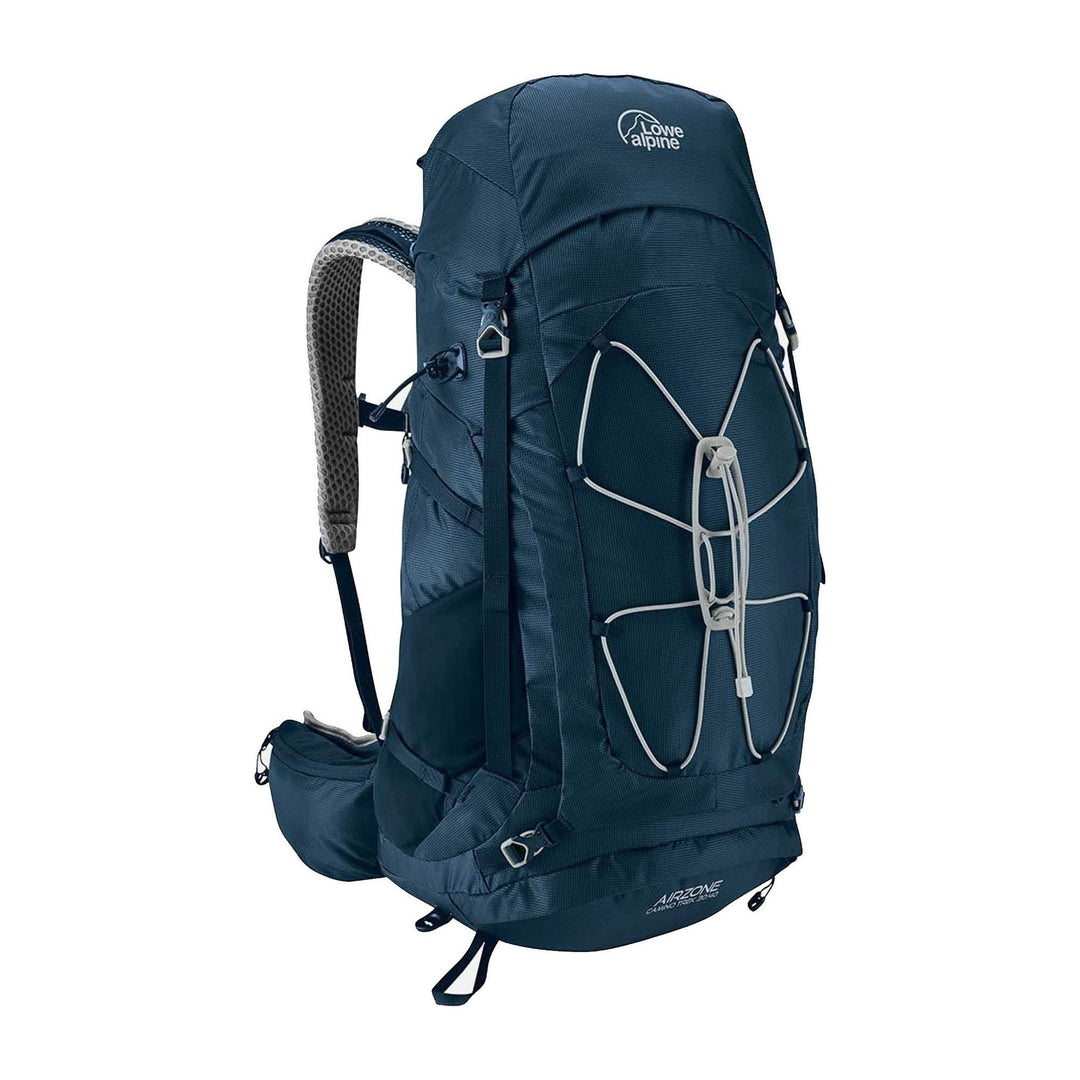
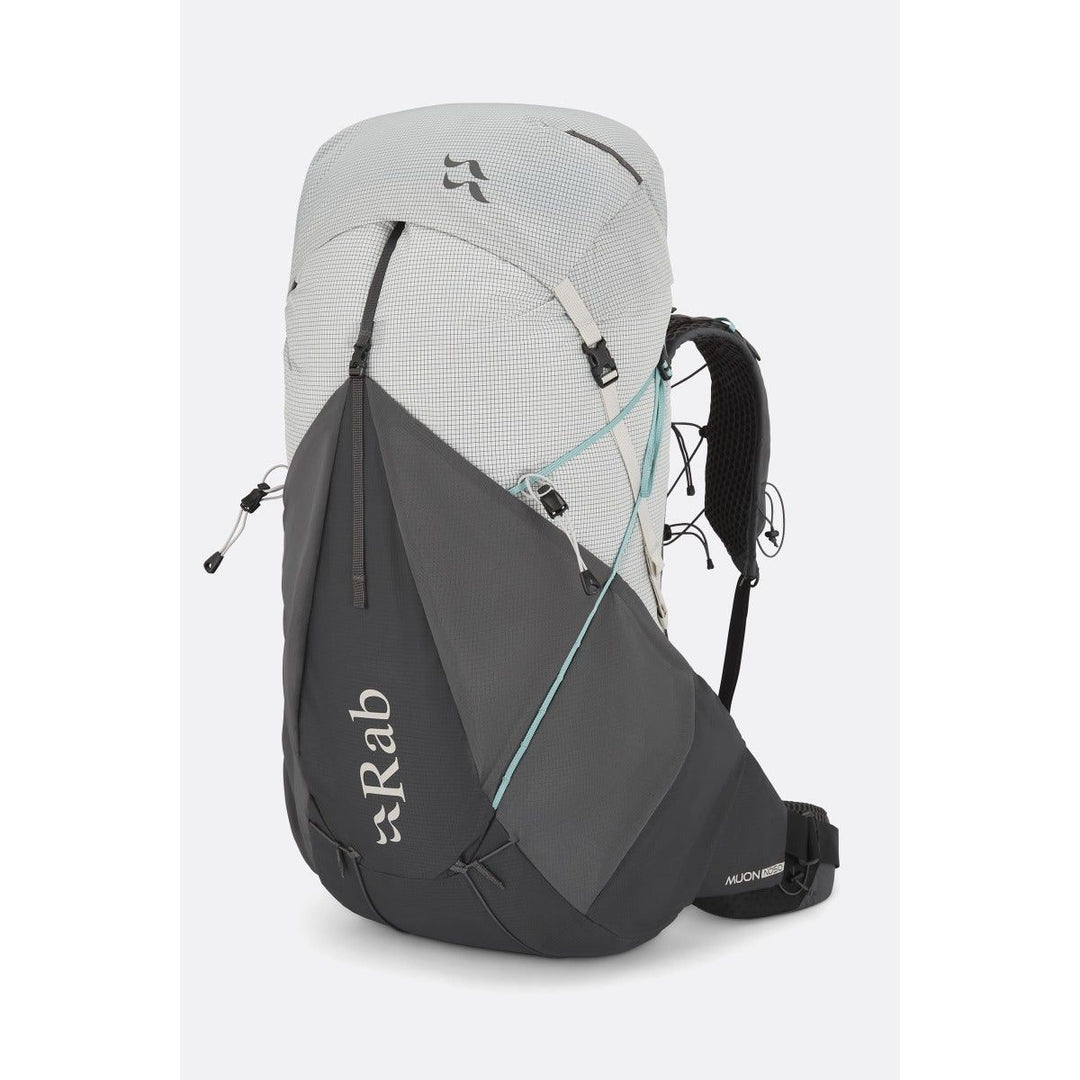
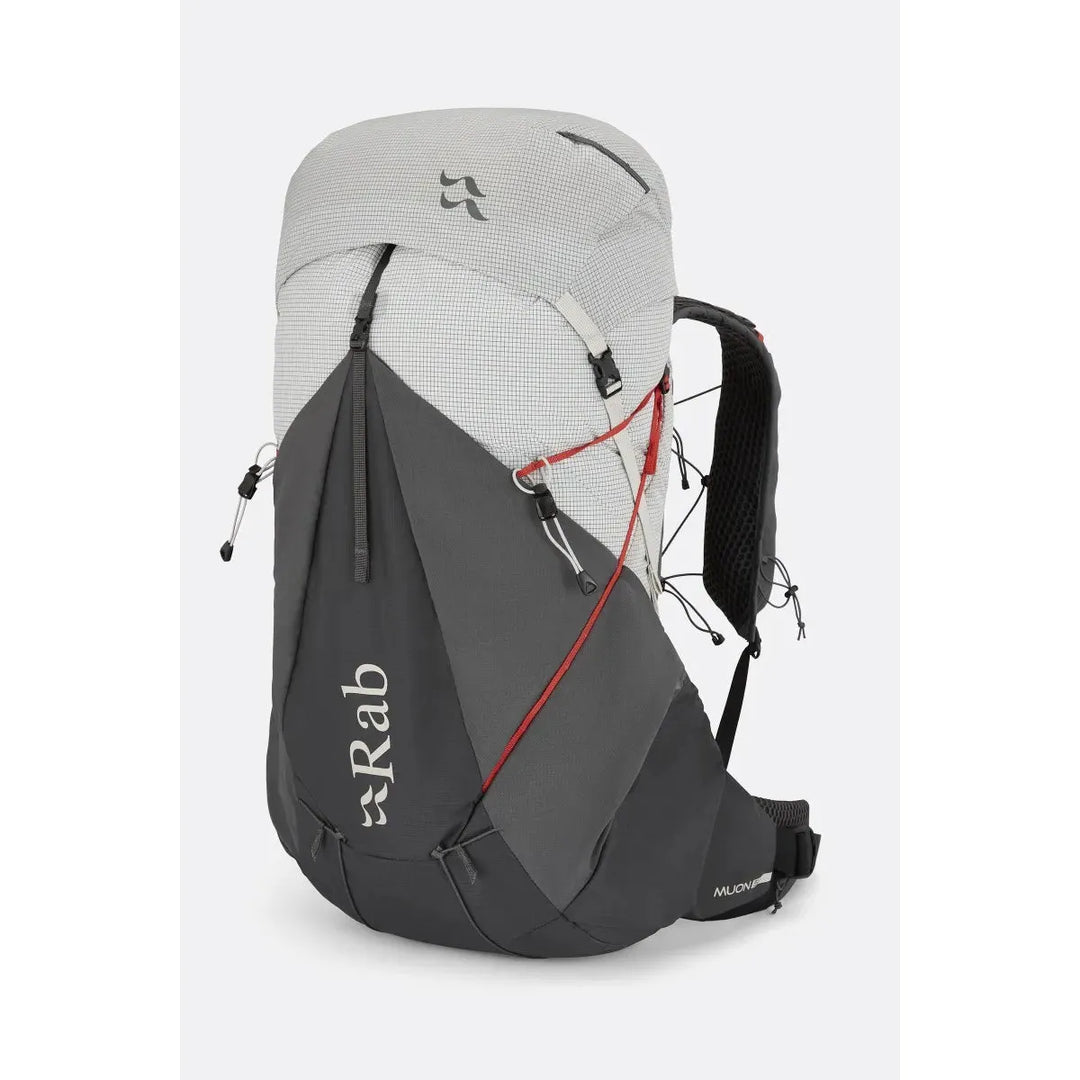
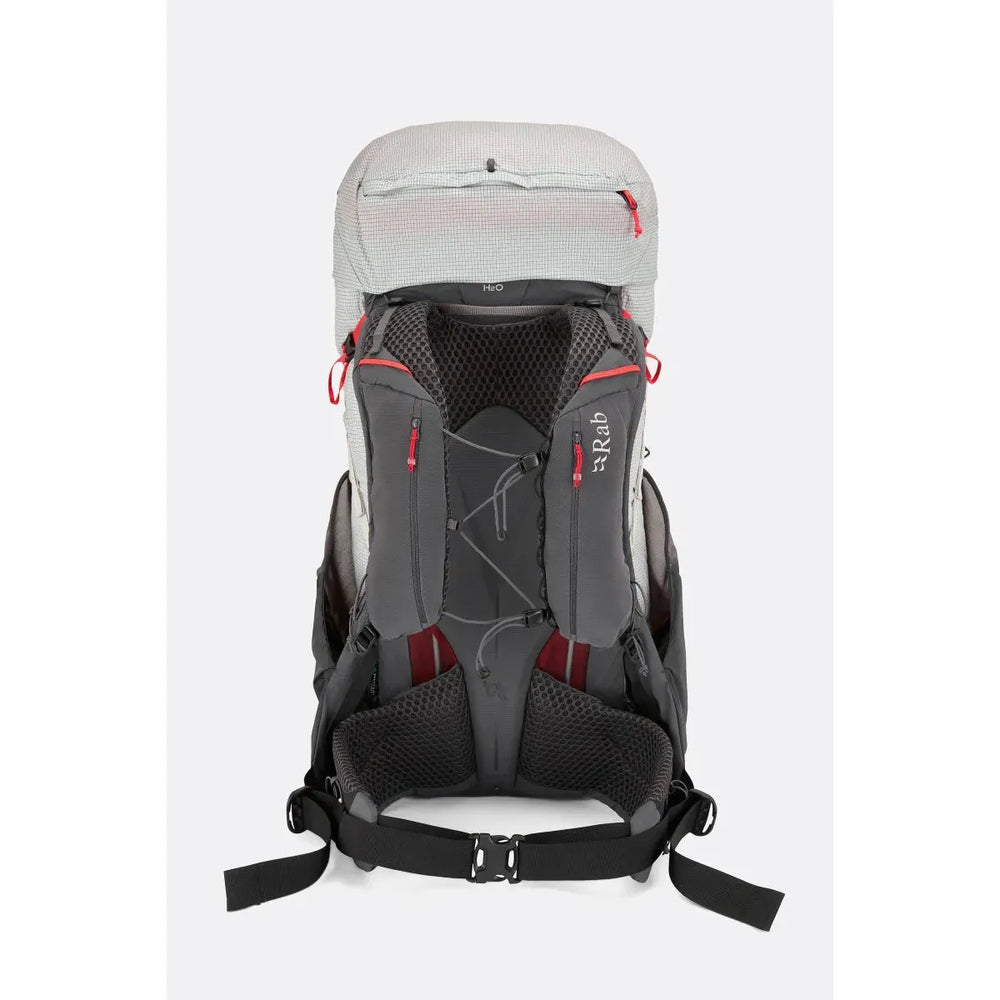
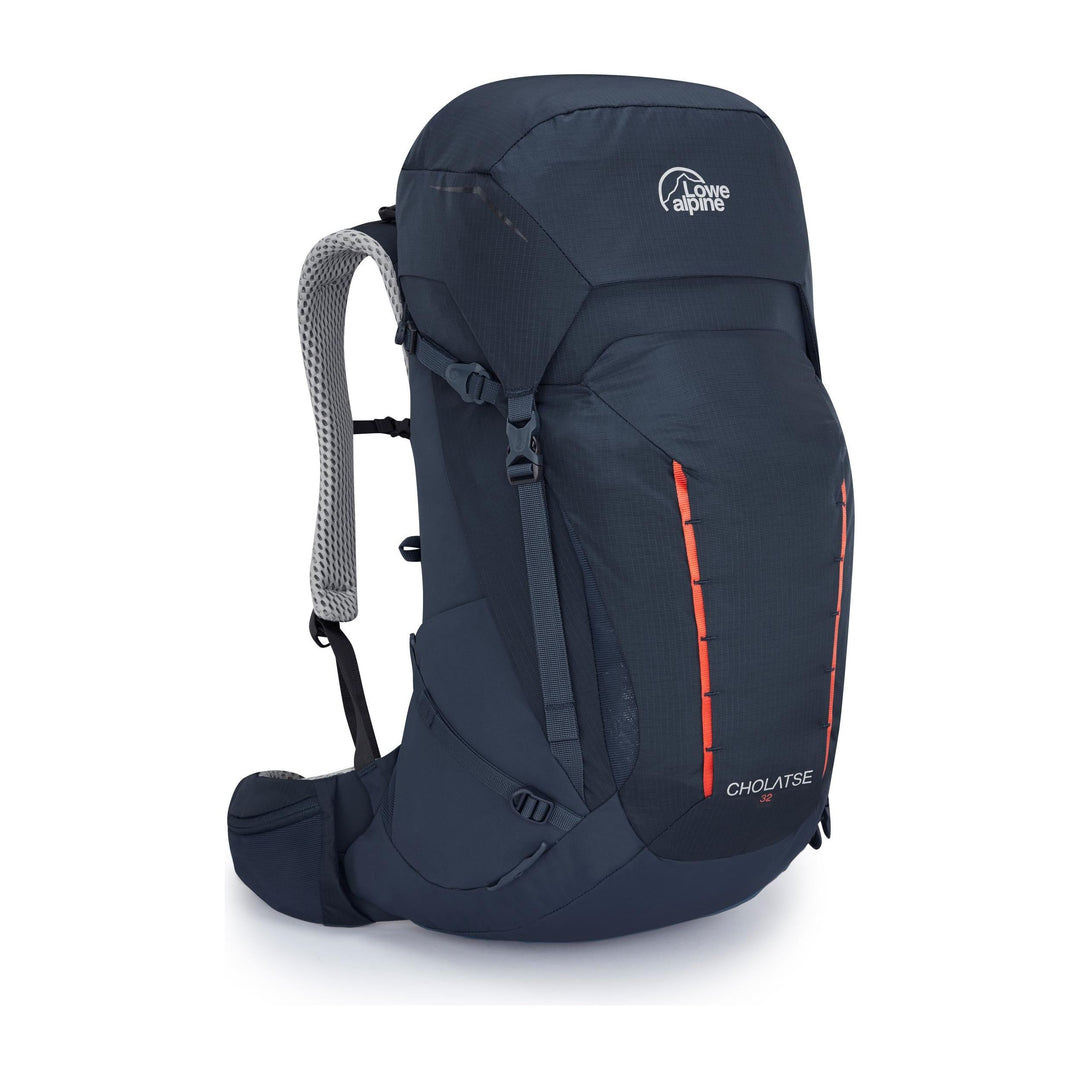
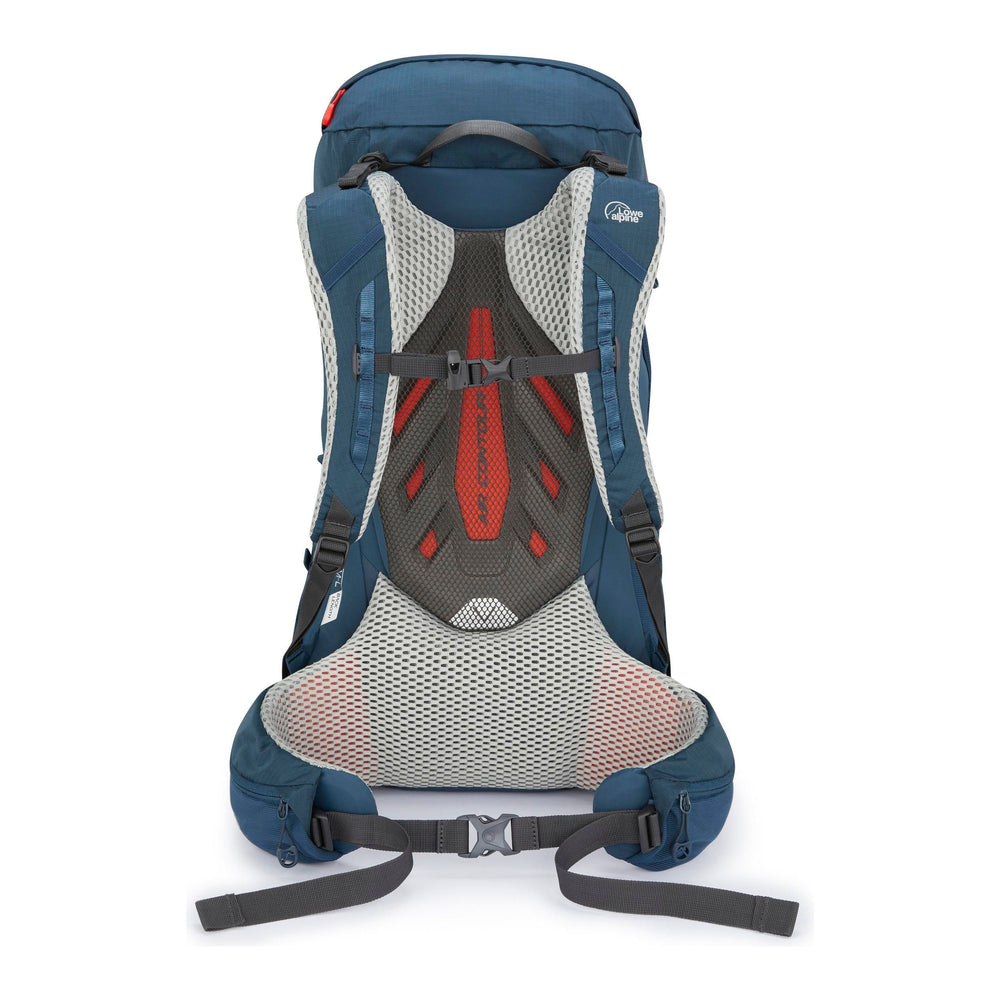
Dwights is an authorised Deuter dealer — New Zealand's leading brand for technical hiking packs. We also stock Rab and Lowe Alpine for trampers and travellers wanting a range of options across capacity, fit, and price point.
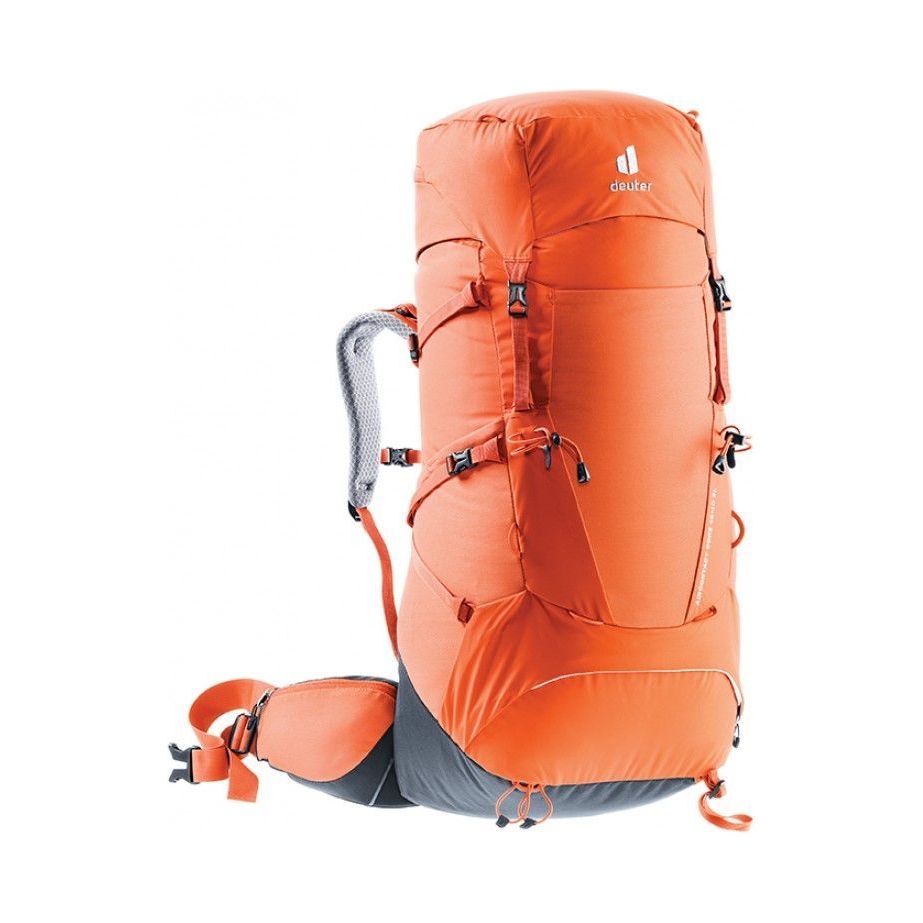
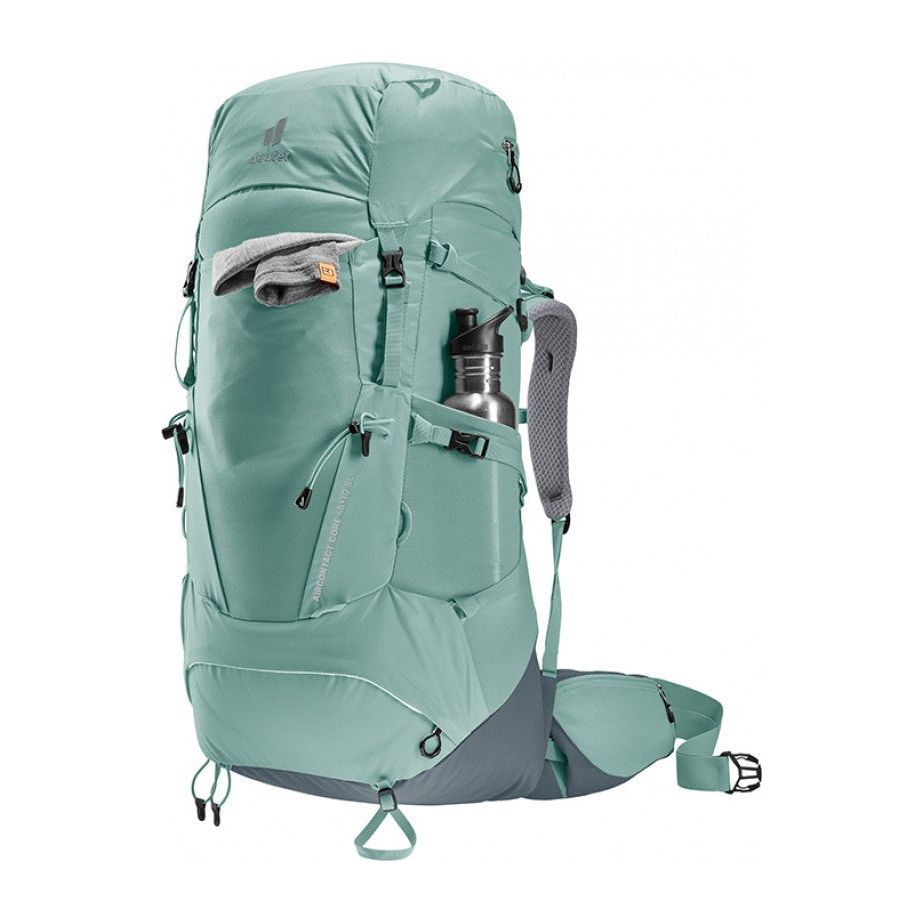
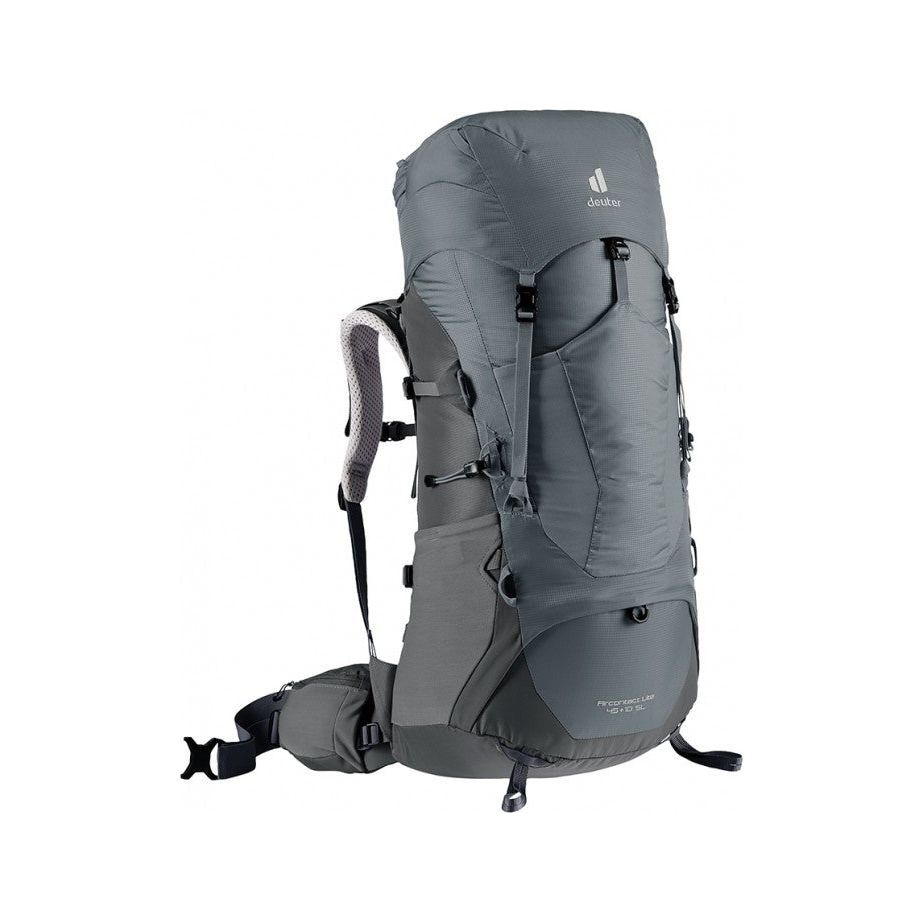
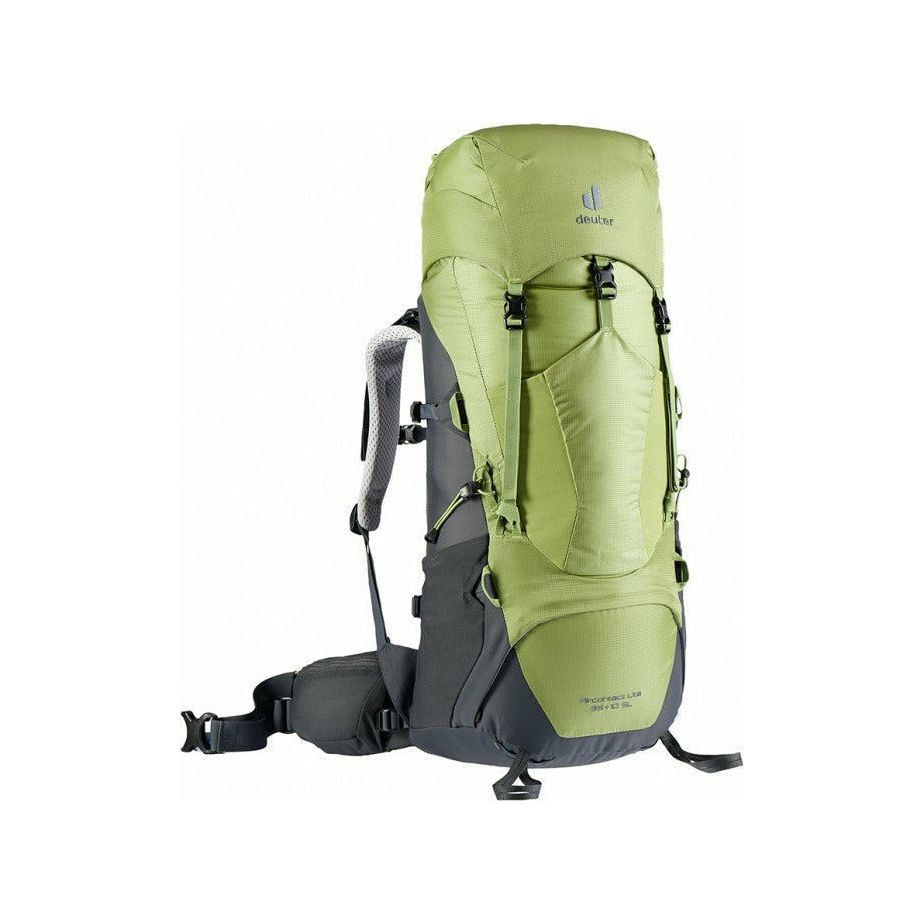
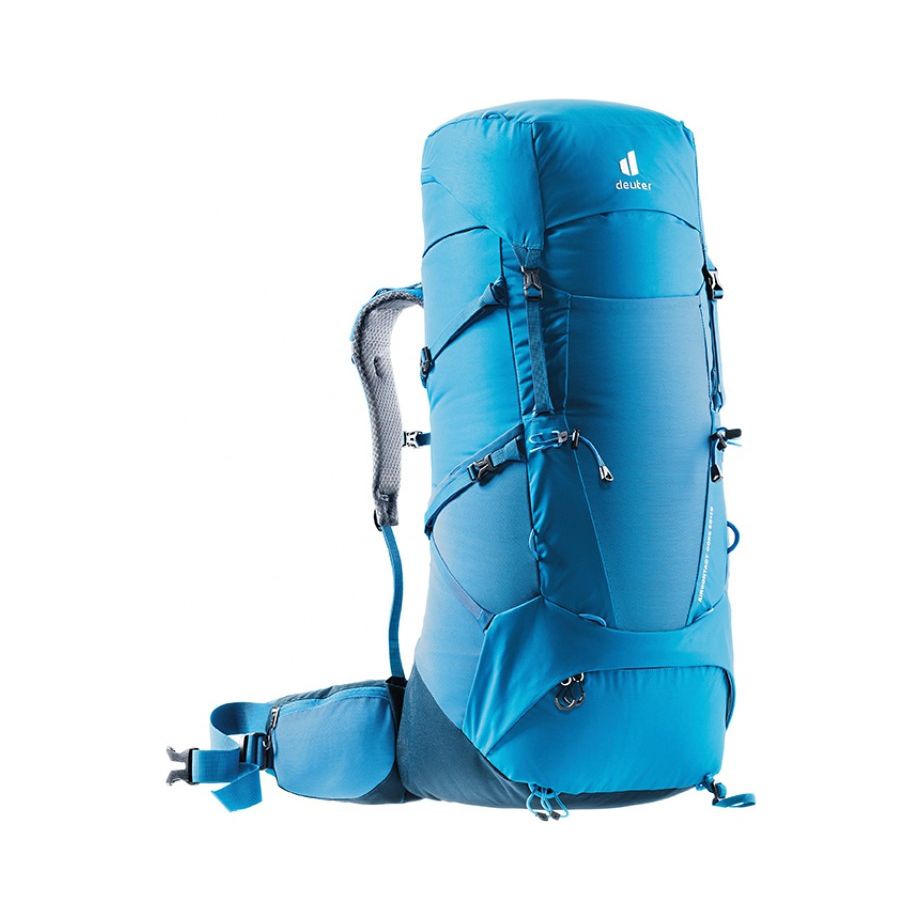
- Deuter: The Deuter Aircontact Core 55+10 and 45+10 are benchmark multi-day tramping packs with Deuter's Aircontact back system. The Aircontact Lite 45+10 is the women's-specific fit.
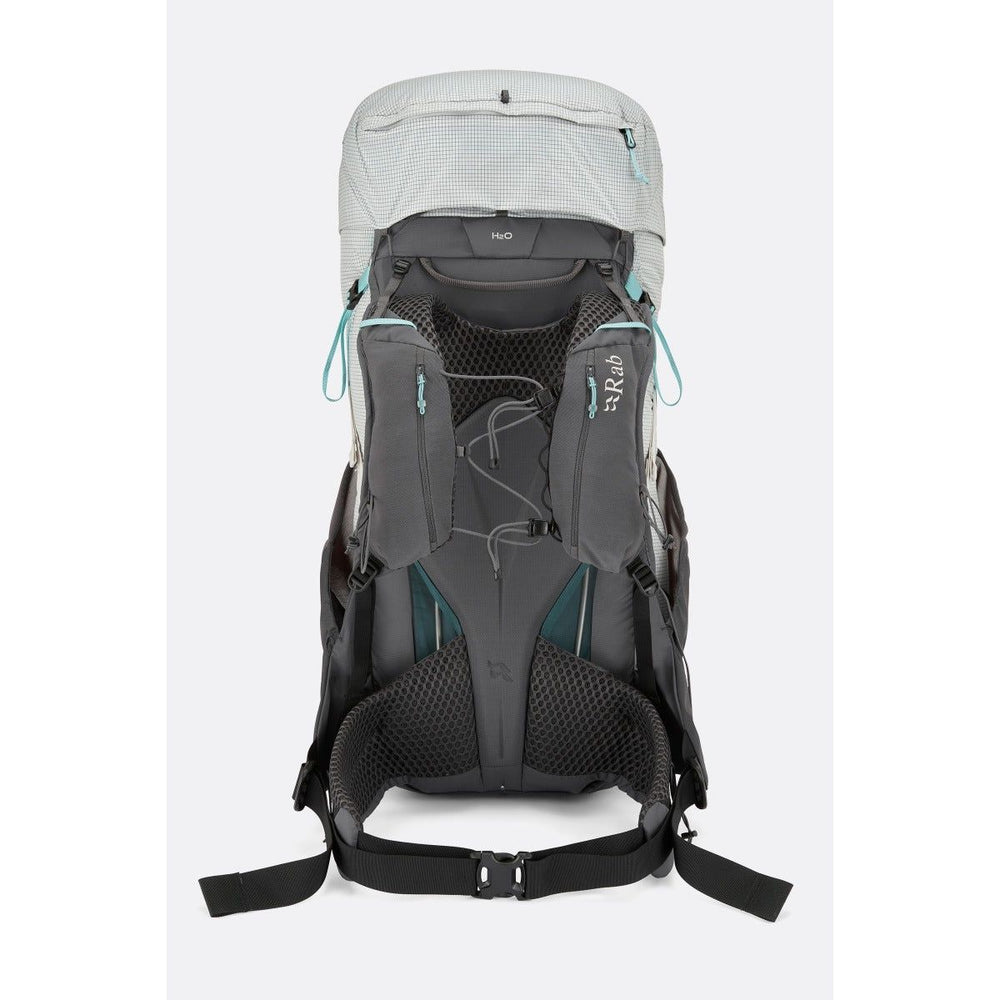
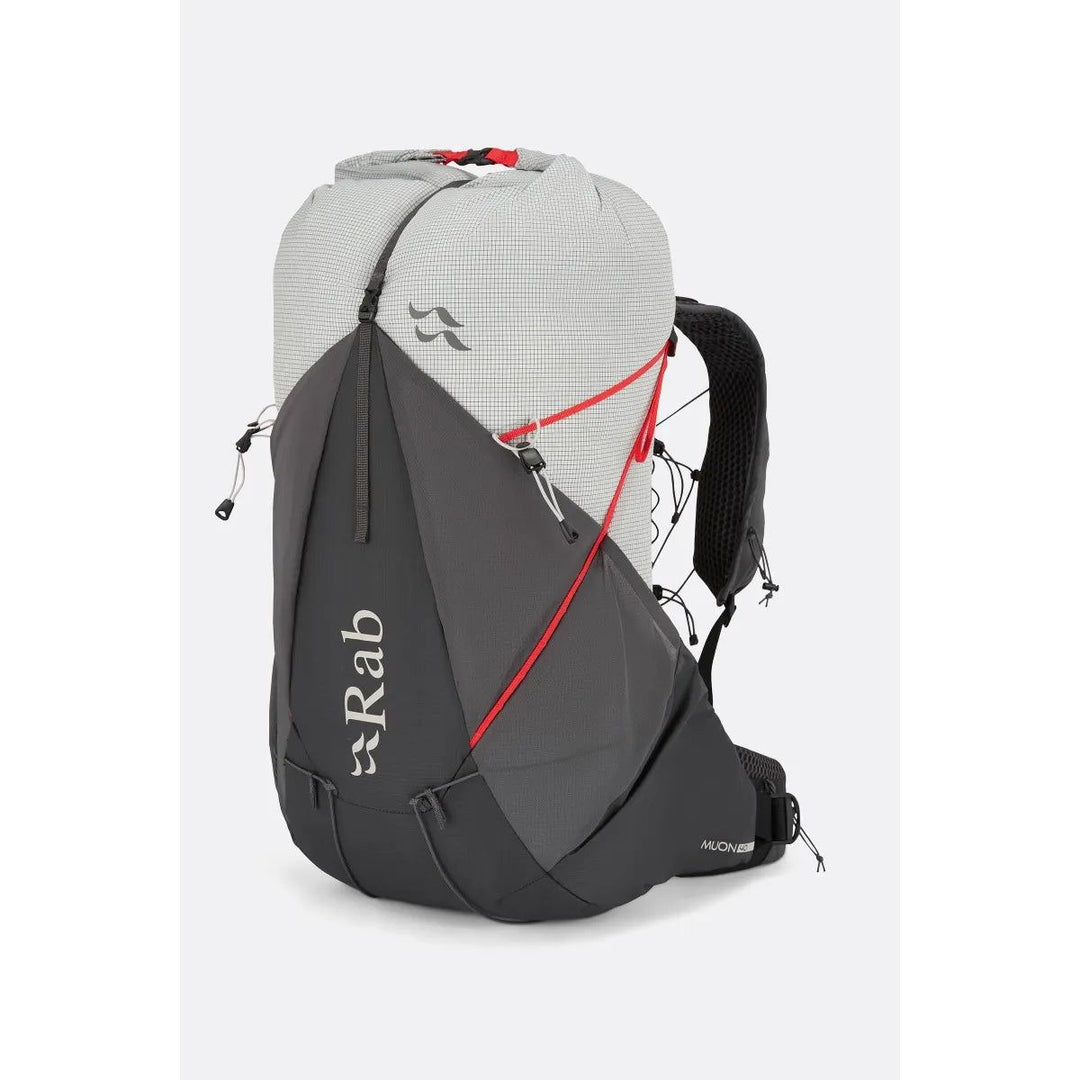
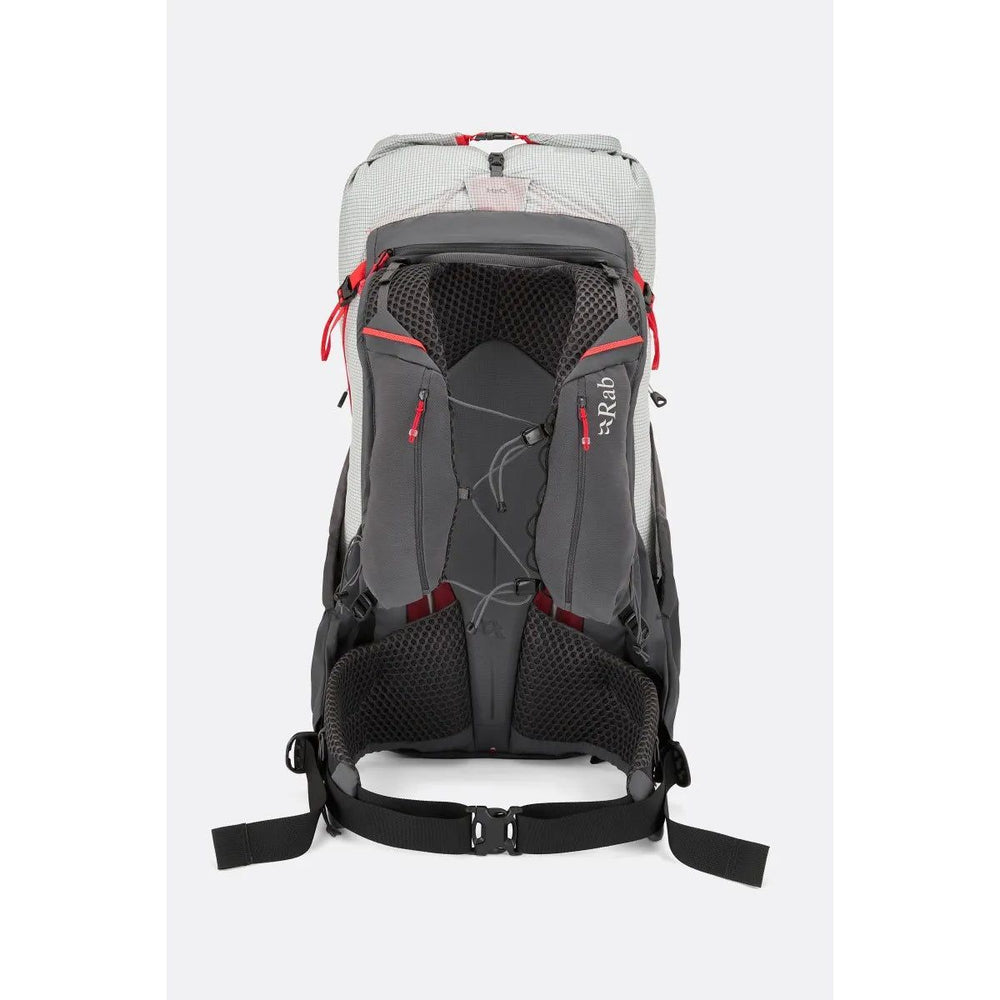
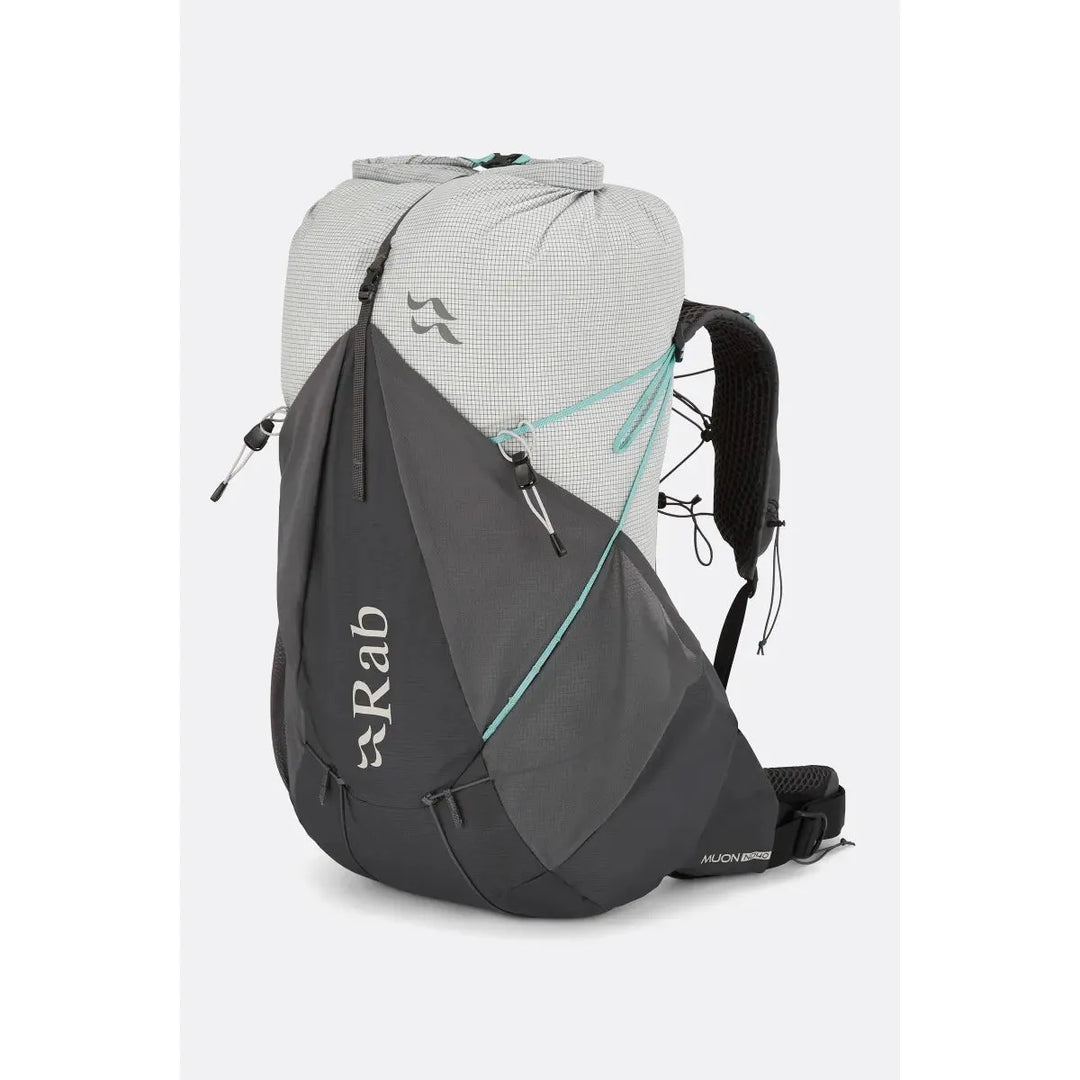
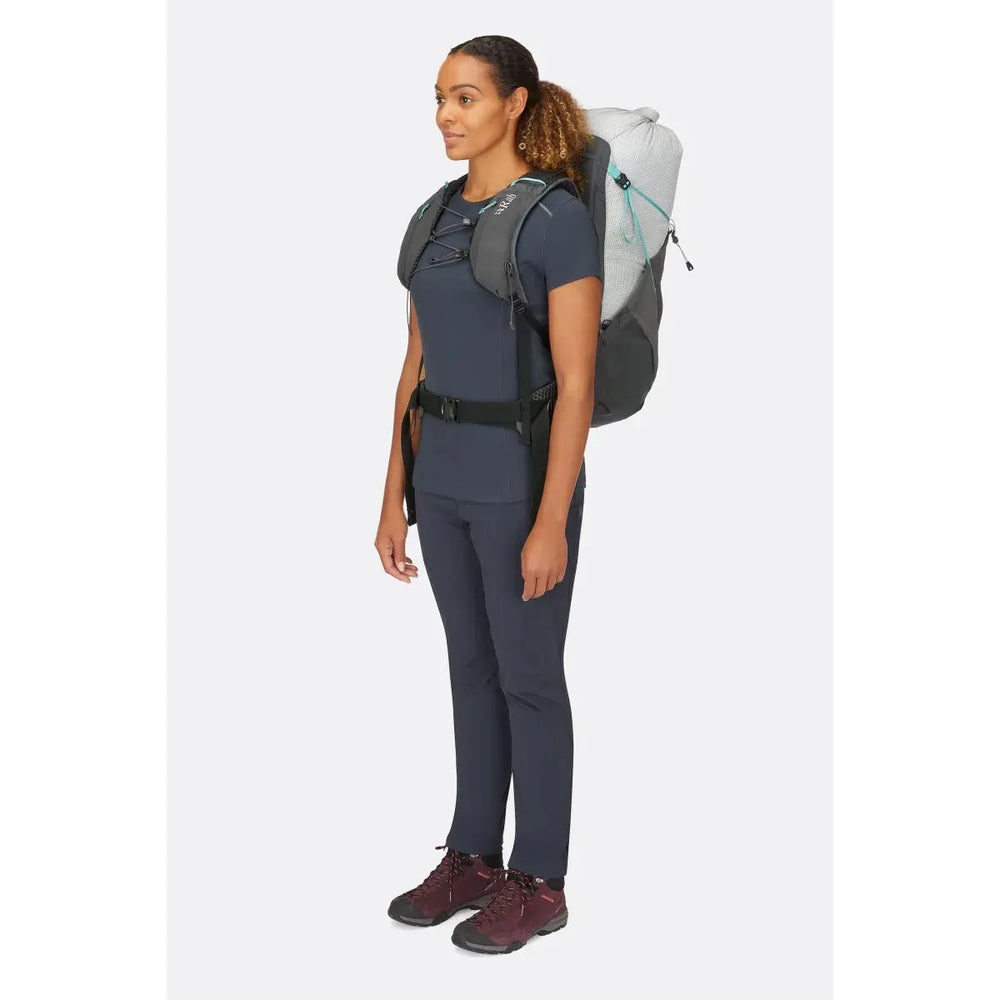
- Rab: The Rab Muon 50L is a versatile alpine and hiking pack for women.
- Lowe Alpine: The Lowe Alpine Sirac Plus 65L is a capable, well-priced option for multi-day tramping.
Frequently Asked Questions
What size backpack do I need for NZ tramping?
For day walks, a 17–30L daypack is ideal — the Deuter Speed Lite range (13L, 17L, 21L) or the Deuter Trail 22 covers most day and light overnight trips. For multi-day Great Walks or hut-to-hut tramping, you'll want 50–65L; the Deuter Aircontact Core 50+10 or Deuter Futura Pro 40 are well-matched to this. For extended expedition trips with camping gear, the Deuter Aircontact Lite 65+10 has the capacity for everything you need. As a rule: size up for longer trips, but don't go bigger than you need — an oversized pack invites overpacking.
What features should I look for in a hiking pack?
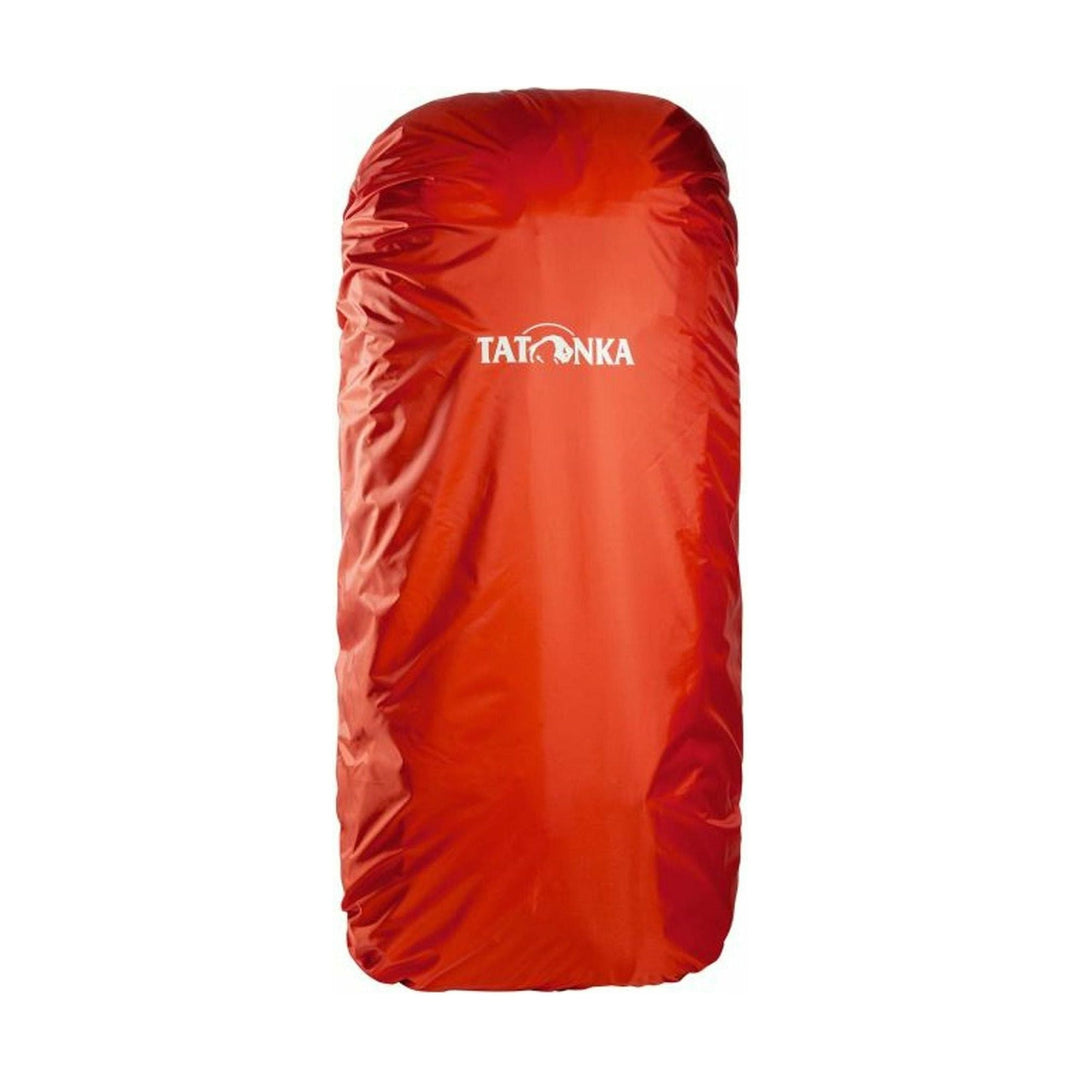
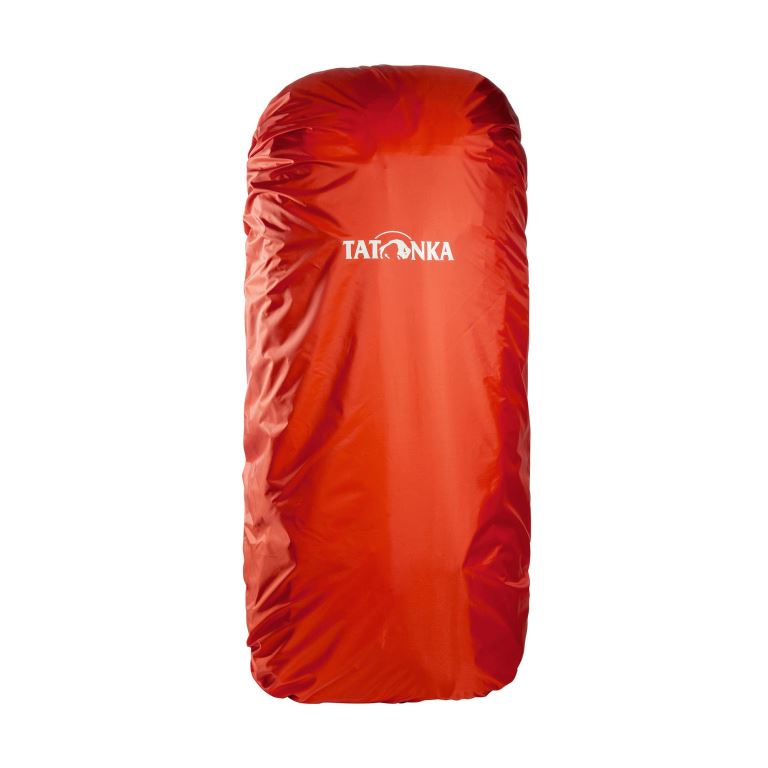
The non-negotiables are a padded, adjustable hip belt (this is where you carry the weight, not your shoulders), a ventilated back panel, and a proper framesheet or stay system to keep the load stable and close to your back. Deuter's Aircontact and Futura systems are particularly well-regarded for back ventilation and load transfer on longer NZ trips. Look for a rain cover or waterproof base — NZ weather doesn't give much warning — and check whether one is included or purchased separately. Trekking pole attachment points and a hydration sleeve are useful but secondary to fit and comfort.
What's the difference between a daypack and a multi-day pack?
Daypacks (roughly 15–30L) are lighter, simpler, and designed for a single day out — they typically lack the structured frame, load-bearing hip belt, and capacity for sleeping gear, a sleeping bag, and several days of food. Multi-day packs (40L+) have a full suspension system, padded load-lifting hip belts, and often an extendable collar for extra capacity. The Deuter Speed Lite 32 and Trail 30 sit in the middle — versatile enough for a big day walk or a light overnight. If you're only doing day walks, don't lug a 65L pack; if you're tramping the Routeburn, a daypack won't cut it.
How do I fit a backpack properly?
Start with the hip belt: buckle it so the top of the belt sits just above your hip bones and tighten until it feels snug — around 70–80% of the weight should sit here, not on your shoulders. Tighten the shoulder straps so they follow the curve of your shoulders without gaps, and clip the sternum strap at chest height. Finally, pull the load lifter straps (the short diagonal straps above the shoulder) until the pack sits close to your back without pulling the shoulder straps forward. Torso length matters more than height — if you're buying online, measure from the bony bump at the base of your neck down to your iliac crest.
What's the best pack for the Great Walks?
For Great Walks using DOC huts, you're typically carrying 3–5 days of gear without camping equipment, so a 50–65L pack is the sweet spot. The Deuter Aircontact Core 50+10 is an excellent match — well-structured back system, ample capacity, and the +10 extension gives you flexibility if you push the limits. For women, the Deuter Aircontact 50+10 SL and Aircontact 60+10 SL offer a women's-specific fit that makes a real difference over multiple days. Whatever pack you choose, pair it with a set of trekking poles — your knees will thank you on the descents.
What are the best backpacks for NZ tramping?
Deuter is our most comprehensive tramping pack range — the Aircontact Lite series (35+10 through 65+10) covers everything from weekend trips to extended backcountry expeditions, with a back system designed for sustained load carrying. The Futura Pro 40 is a strong pick for those who prefer maximum ventilation. For alpine and technical climbing, the Deuter Guide 44+ is purpose-built for rope, ice axes, and gear attachment. Browse the full hiking backpacks range to compare by volume and use case.
How do I care for a hiking backpack?
After each trip, empty the pack fully, shake out any debris, and wipe down the inside with a damp cloth — don't machine wash, as it can damage the frame and coatings. Air it out completely before storing; mould loves a damp pack stored in a dark cupboard. If the DWR (water-repellent) coating starts to bead poorly, reproof it with a spray-on DWR product. Store out of direct sunlight — UV breaks down fabrics and webbing over time, regardless of how tough a pack looks.
What's the difference between men's and women's hiking packs?
Women's packs are engineered for a different body geometry — shorter torso length, narrower shoulder width, and hip belts shaped for wider hips. It's not just a colour change; the suspension system is genuinely different. The Deuter Futura 28 SL, Aircontact 50+10 SL, Aircontact 60+10 SL, and Aircontact Lite 35+10 SL are all women's-specific designs that address this properly. If you find a unisex pack digs into your shoulders or the hip belt sits wrong, a women's-specific fit is almost certainly the fix. Browse the full hiking backpacks range to compare options side by side.
For detailed buying advice and our top picks, read the complete Hiking Backpack Guide.