


Tararua Southern Crossing Gear List 2026 — Packing for Wellington

The Tararua Southern Crossing is Wellington's most demanding and rewarding multi-day tramp — approximately 50 kilometres of exposed alpine ridge traversing the heart of Tararua Forest Park, running between Otaki Forks in the south and Waikanae or Te Marua in the north. The Tararuas are notorious among New Zealand trampers for some of the most extreme weather conditions in the country: sustained gale-force winds, heavy horizontal rain, rapid temperature drops, and thick mist that can reduce visibility to a few metres in minutes. This is a route for experienced, well-equipped trampers only. Navigation skills, sound decision-making, and gear that genuinely performs in severe conditions are not optional here. Get every element of your kit right before you go.

Track Overview

The Southern Crossing traverses the main Tararua ridge over three to four days, passing through a chain of older DOC huts — Waitewaewae, Poutaki, Alpha, Kime, and Nichols — which offer basic but reliable shelter. The huts are generally in good condition but facilities are minimal: expect bunks and a wood burner, not the comforts of a Great Walk hut. The route involves significant elevation gain, exposed ridgeline walking, and sections above the treeline where conditions can become severe at any time of year. Some sections of the ridge carry no track markers, demanding sound map and compass skills even in good visibility. Graded Advanced. Cold year-round on the tops — snow in winter and cold fronts possible even in summer. This is not a tramp to underestimate or take a shortcut on gear.

Footwear

Footwear for the Tararua Southern Crossing needs to be genuinely stiff, waterproof, and supportive. The rooted bush tracks on the approach, combined with rocky and often boggy ridgeline sections, are hard on softer boots. An ankle-height or mid-height boot with a firm midsole is the correct choice.

The Salewa Mountain Trainer Mid GTX is well-suited to the Tararuas: robust construction, a stiff sole for technical terrain, Gore-Tex waterproofing, and reliable ankle support for heavily loaded, long days. The Crispi Futura CX Gore-Tex is a solid alternative — moderately stiff with full Gore-Tex waterproofing, well-suited to the rooted and boggy Tararua terrain across three seasons. Fit matters enormously on a four-day tramp: trial your chosen boots on progressively longer day walks before committing to this route.

Explore our full range of tramping boots at Dwights, including technical options suited to advanced alpine terrain.

Pack

Three to four days of food, full wet weather gear, insulation layers, sleeping kit, navigation gear, and safety equipment adds up to a serious load. A pack in the 55–65 litre range is appropriate for most trampers on this route.

The Deuter Aircontact Core 50+10 is our recommendation: excellent load transfer through the hip belt and shoulder harness, a robust back panel, and enough capacity to carry everything you need without excess bulk. On an exposed ridgeline in Tararua weather, a well-fitted pack that does not shift or swing on your back is a genuine safety consideration. Use our pack fitting guide to get the carry right before your trip. A quality waterproof pack liner is essential — assume your pack will be soaked through.

Clothing & Layering

Clothing for the Tararua Southern Crossing needs to be the best you can afford. The weather on the Tararua ridge is serious, and substandard kit will be exposed. Do not cut corners here.

Base layer: The Peak XV Merino Base Layer is an excellent foundation — naturally temperature-regulating, moisture-wicking, and odour-resistant across several days of wear. Carry both a top and leggings weight bottom.

Mid layer / insulation: Carry a warm insulated jacket for breaks, hut evenings, and cold ridge sections. The Rab Microlight Alpine is our lead recommendation — it packs small but delivers real warmth and has a water-repellent outer that sheds light moisture. For a tramp as demanding as the Southern Crossing, the Rab Valiance (synthetic fill) is worth considering if you tend to run cold or want insulation that maintains performance when wet. Carry both if the forecast is particularly grim.

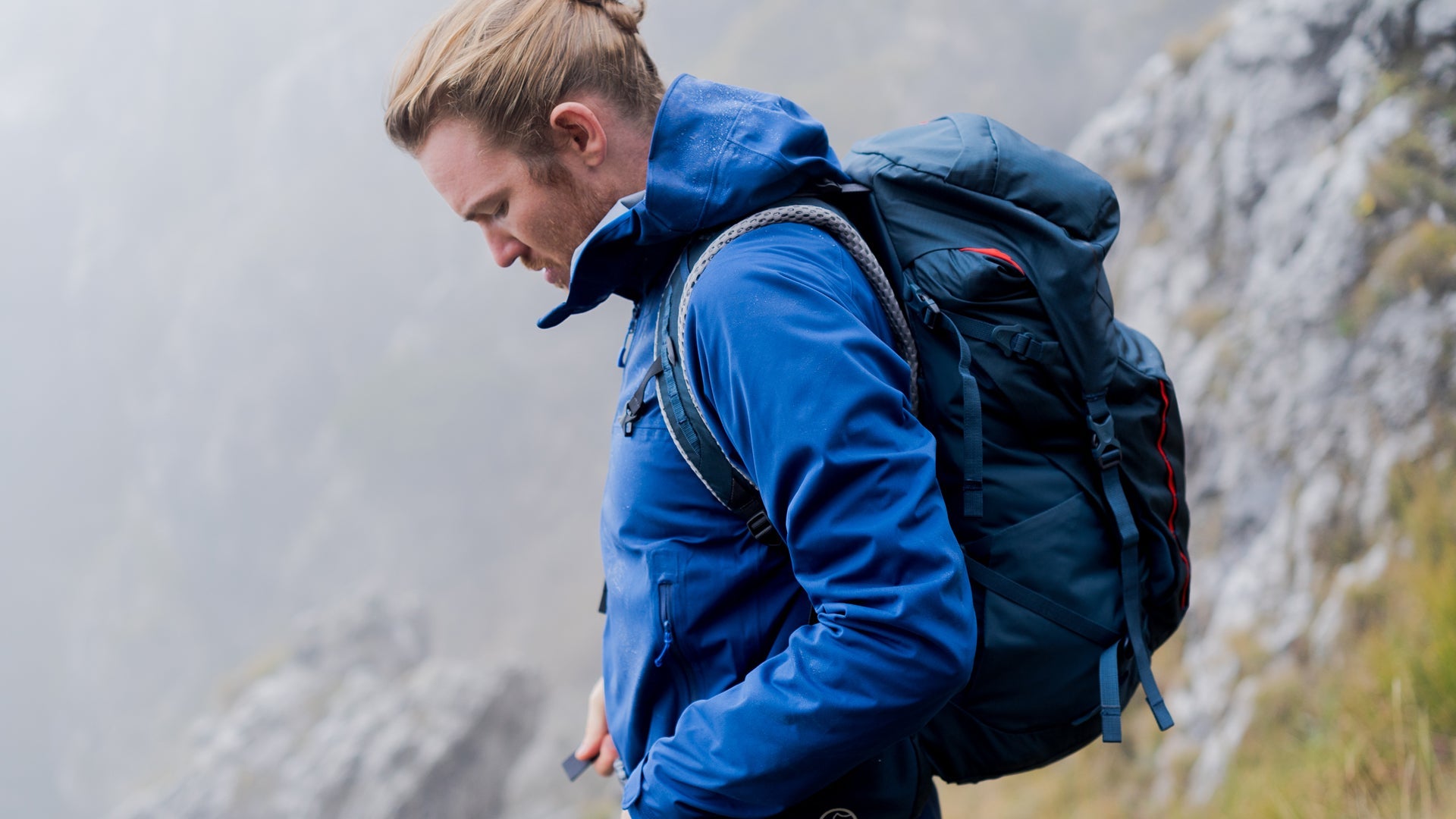
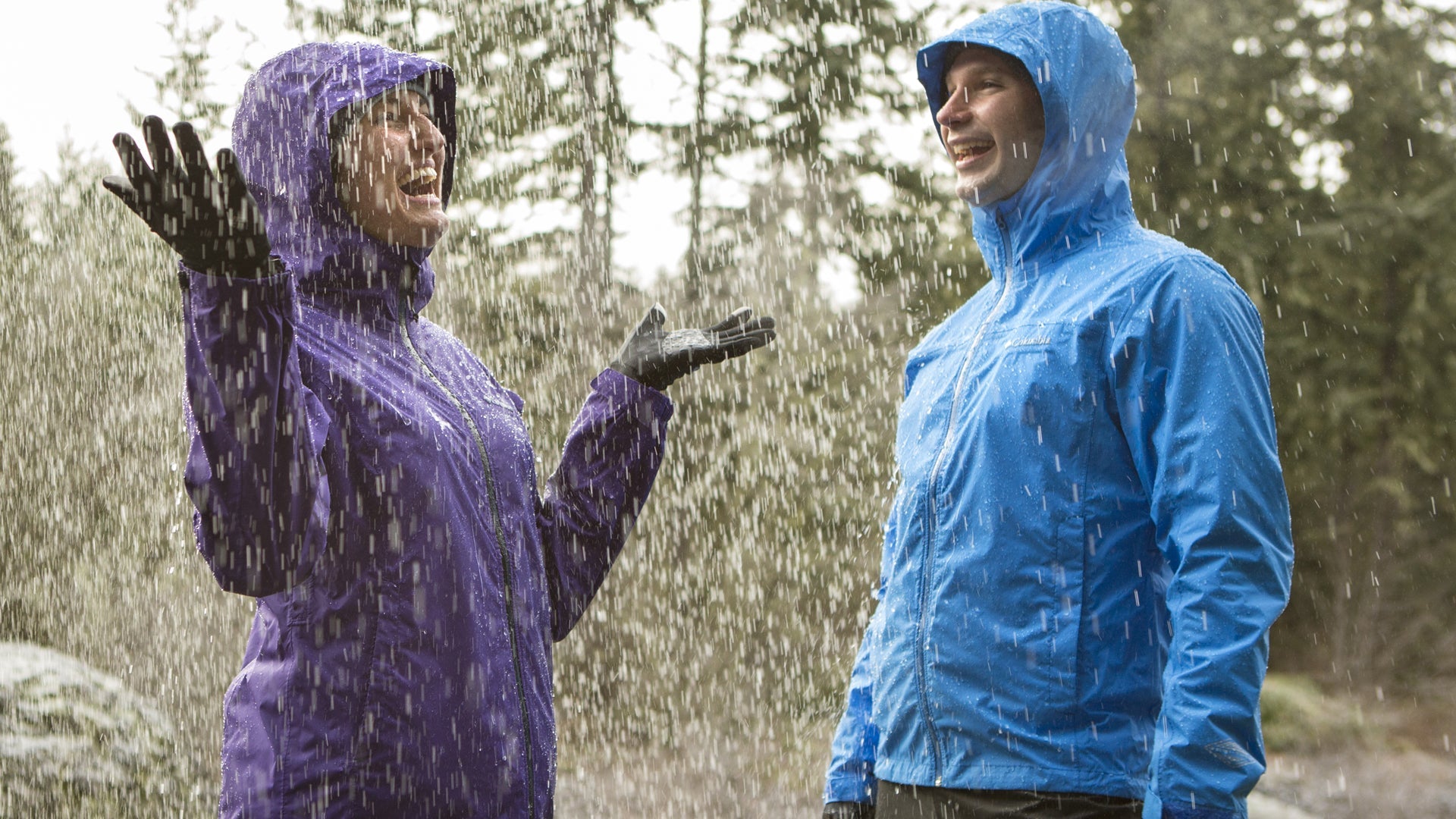
Rain jacket: The most critical item in your pack for this route. The Peak XV Tornado (20,000mm/20,000mm, fully seam-sealed) is our top recommendation — it is built for exactly this type of sustained, heavy weather. The Rab Kangri GTX is an outstanding Gore-Tex Pro alternative for those who want Gore-Tex's best waterproof membrane. Do not bring a jacket rated below 20,000mm on the Tararua ridge. Fully taped seams are non-negotiable.

Waterproof trousers: Pack the Peak XV Tornado Overpants. On the Tararua ridge in a westerly front, you will wear them every day. A lightweight pair that layers cleanly over your tramping trousers is what you need.

Additional essentials: thermal leggings, a heavyweight merino beanie, waterproof gloves or mitts, a buff or balaclava, and at least four pairs of merino wool socks. Gaiters are useful in boggy conditions on the lower approaches.

Sleeping Gear

Tararua huts can be genuinely cold, particularly at altitude in unsettled weather. An insulated blow-up sleeping mat is strongly recommended — the huts have thin foam pads on the bunks, but cold comes up from below and proper mat insulation makes a significant difference to how rested you feel for day two and beyond.

For your sleeping bag, the One Planet Sonder is our recommendation for the Southern Crossing — a warmer NZ-made down bag that handles cold hut nights comfortably. The One Planet Nitrous is a solid choice in milder conditions or for lighter packers. Given the Tararuas' cold year-round character on the tops, aim for a bag rated to at least -5°C comfort. Carry your sleeping bag inside a waterproof stuff sack.

Cooking & Food

Tararua huts do not supply cooking equipment. Carry your own stove, fuel, and pot.

The MSR PocketRocket Deluxe is a reliable choice: wind-resistant burner, efficient boil times, and compact enough to sit inside your pot during transport. The Optimus Crux Lite is an equally dependable alternative at a similar weight. Both use standard isobutane canisters. In cold temperatures, keep your fuel canister warm (inside your sleeping bag overnight) to maintain pressure and boil performance.

For a three-to-four day trip, plan for calorie-dense dehydrated or freeze-dried meals. The Tararua ridge is demanding — budget for substantial snacks between meals, particularly on the long ridge days. Aim for 600–800g of food per person per day. High-energy bars, nuts, and chocolate are easier to eat on the move than preparing food in exposed conditions.

Navigation & Safety

Navigation on the Tararua Southern Crossing is non-trivial. Map and compass skills are mandatory — do not rely solely on GPS or a phone app on this route. Sections of the ridge carry no track markers, and in mist or heavy rain, route-finding can be genuinely challenging. Carry printed NZ Topo50 map sheets for the entire route and a quality compass. Download the topographic maps to your phone as a backup.

Tramping poles are strongly recommended for the steep descents and for balance on exposed ridgeline sections in wind. Poles help significantly on boggy ground and provide a stability advantage in high wind.

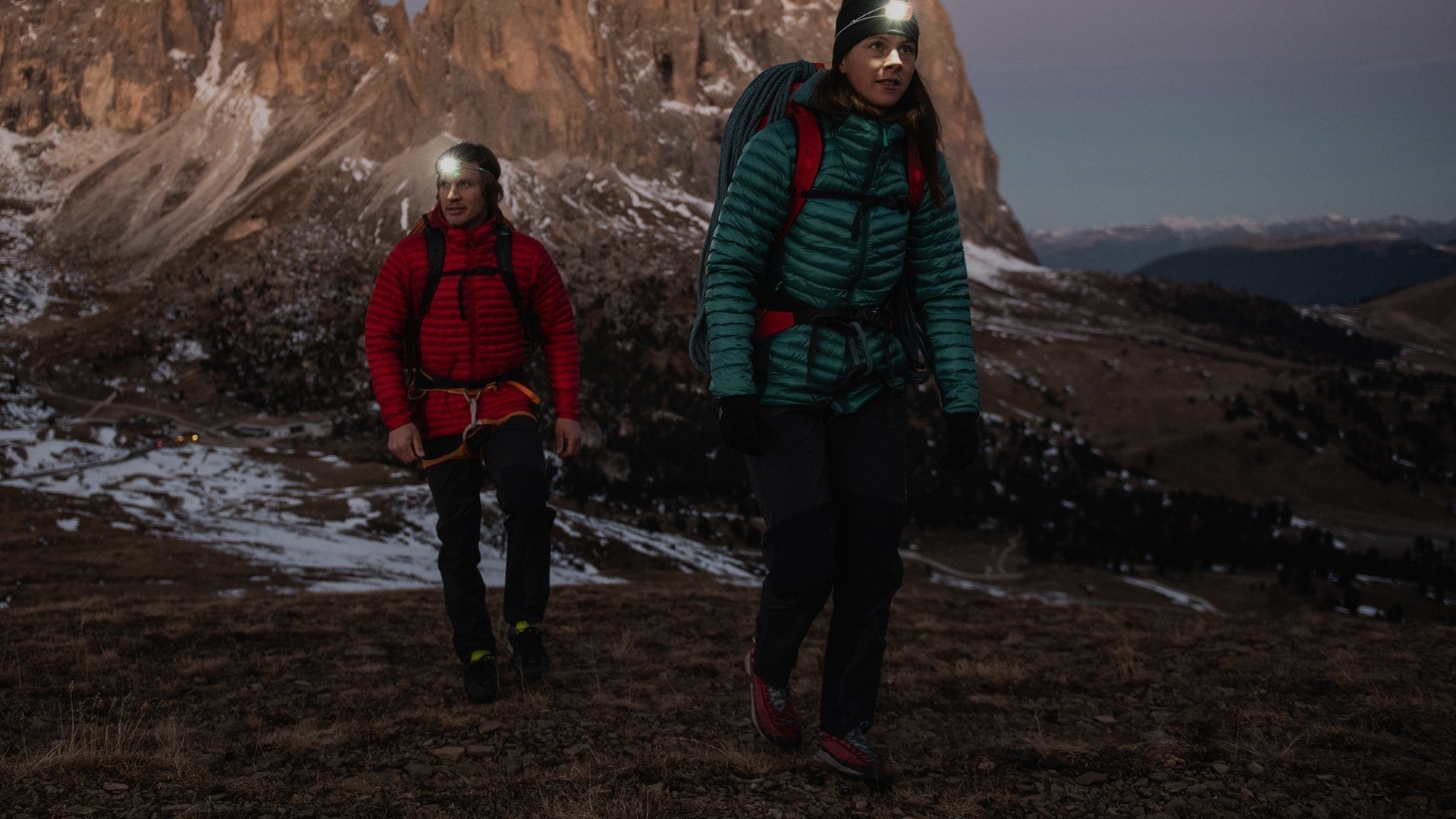
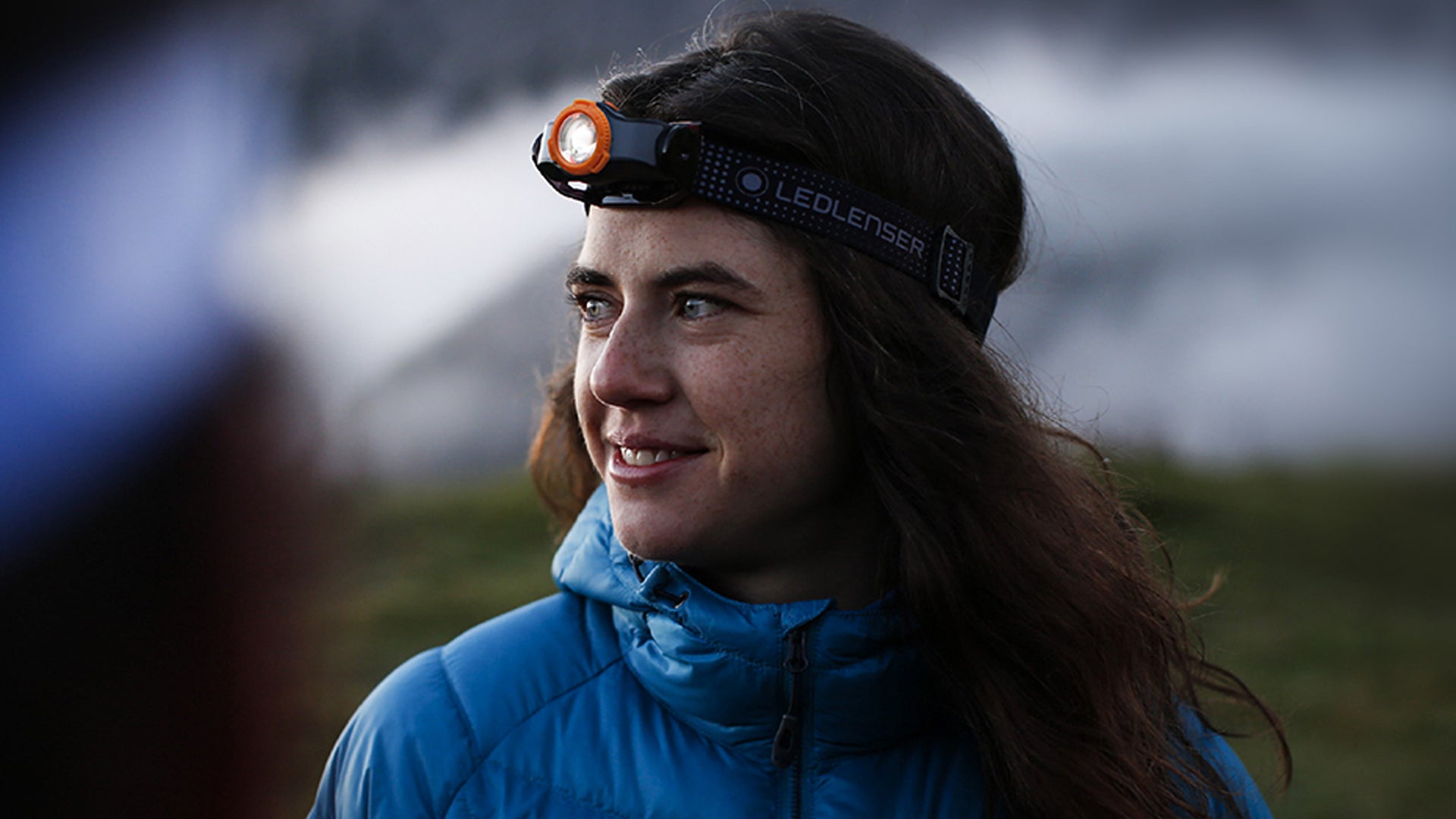
Carry the Nitecore UT27 Pro (83g) — USB-rechargeable, powerful, and light enough that there is no reason to go without. A small power bank gives you recharge capability across multiple days.

A PLB (Personal Locator Beacon) is not optional on the Tararua Southern Crossing. This is a remote, serious route and rescue conditions can be extreme. PLB hire is available if you do not own one. Mobile coverage on the ridge is unreliable. Brief someone trustworthy on your intended itinerary and expected return before you depart. First aid kit, emergency bivvy, whistle, and spare warm layers complete your safety kit. Check the MetService mountain forecast for the Tararua Range before you go — and be genuinely prepared to turn back if conditions deteriorate.

Gear Checklist

  • Tramping boots — Salewa Mountain Trainer Mid GTX or Crispi Futura CX Gore-Tex
  • Camp footwear (lightweight shoes for hut use)
  • Gaiters (optional but useful in boggy conditions)
  • Pack 55–65L — Deuter Aircontact Core 50+10
  • Waterproof pack liner
  • Peak XV Merino Base Layer (top and bottom)
  • Thermal leggings
  • Fleece or softshell mid layer
  • Rab Microlight Alpine insulated jacket (Rab Valiance for colder conditions)
  • Peak XV Tornado rain jacket (or Rab Kangri GTX)
  • Peak XV Tornado Overpants
  • Heavyweight merino beanie
  • Waterproof gloves or mitts
  • Buff or balaclava
  • Merino wool socks ×4 pairs
  • One Planet sleeping bag (Sonder or Nitrous)
  • Insulated blow-up sleeping mat
  • MSR PocketRocket Deluxe or Optimus Crux Lite stove
  • Fuel canisters (calculate per days on trail)
  • Lightweight cookset and spork
  • 3–4 days food and snacks
  • Tramping poles — Peak XV
  • Nitecore UT27 Pro headlamp and spare batteries / power bank
  • NZ Topo50 printed maps and quality compass
  • PLB (personal locator beacon)
  • Emergency bivvy
  • First aid kit
  • Sunscreen and lip balm
  • Water purification (filter or tablets)
  • Toilet trowel and waste bags