





Hollyford Track Gear List 2026 — What to Pack for Fiordland
The Hollyford Track follows New Zealand's longest flat-floored valley through the ancient podocarp heart of Fiordland National Park — approximately 56 kilometres one way from the Hollyford Road end off the Milford Road, winding through towering rainforest, past Lake McKerrow, and finishing at the wild Tasman coast at Martins Bay. Less crowded than the Milford or Routeburn tracks, the Hollyford offers a more remote and genuinely immersive Fiordland experience. Most parties take three to four days and arrange a jetboat return from Lake McKerrow — a memorable way to cap off the trip. Fiordland rainfall is among the highest in the world, the sandfly population is formidable, and the remoteness of the route demands careful preparation. Here is what to pack.
Track Overview
The Hollyford Track is graded Intermediate and runs approximately 56 kilometres from the Hollyford Road end (accessed off the Milford Road near the Homer Tunnel) to Martins Bay on the Tasman coast. Key huts along the route include Hidden Falls, Alabaster, Demon Trail, and the Pyke Lodge area (a Pyke River side trip adds an optional extra day). All huts are well-maintained DOC facilities. Most parties complete the route in three to four days and book a jetboat return from Lake McKerrow — jetboat bookings should be made well in advance through Hollyford Guided Walks or independent operators. The track does not involve significant elevation gain, following the Hollyford River valley floor for much of its length. Fiordland rainfall is extreme and persistent — waterproofing is not a matter of preference, it is a fundamental requirement. Sandflies are exceptionally bad at Martins Bay and around Lake McKerrow; insect repellent is non-negotiable.
Footwear
The Hollyford Track's forest floor can be rooted, muddy, and slippery — particularly in the sustained wet conditions that characterise Fiordland. Waterproof boots with good traction and ankle support are the right call for this route.
The La Sportiva TX5 GTX is a strong choice: a mid-height boot with Gore-Tex waterproofing and excellent traction on rooted forest trail. The agile last suits the Hollyford's relatively flat terrain well. For trampers who prefer a higher cut and more traditional tramping boot construction, the Salewa Mountain Trainer Mid GTX provides robust ankle support and outstanding waterproofing in sustained Fiordland conditions. Whatever you choose, waterproofing is the primary criterion — no boot keeps water out indefinitely in Fiordland, but starting with a quality Gore-Tex boot gives you the best chance.
Browse our full range of tramping boots at Dwights to find the right fit for this route.
Pack
The Hollyford Track is a three-to-four day route with hut accommodation throughout. A pack in the 55–65 litre range carries everything you need without excess bulk on the flat valley terrain.
The Deuter Aircontact Core 50+10 (effectively 60 litres at full extension) is our recommendation: excellent fit system, solid load transfer, and durable construction that handles the wet conditions Fiordland will subject it to. Line your pack with a waterproof liner — Fiordland rain is relentless, and a soggy sleeping bag on night one is a very poor start. See our pack fitting guide to get the harness dialled in before your trip.
Clothing & Layering
Fiordland weather demands a complete, high-quality layering system. The valley floor can be warm and humid in still conditions, then cold and lashed with horizontal rain when a front moves in — sometimes within hours. Layer for flexibility.
Base layer: The Peak XV Merino Base Layer is our choice — moisture-wicking and naturally temperature-regulating across a wide range of conditions. Merino holds its own even when damp and manages odour well across multi-day trips without laundering.
Mid layer / insulation: Carry an insulated jacket for hut evenings and cold, wet ridge-edge moments. The Rab Microlight Alpine is our top recommendation — it packs into its own pocket, is light, and delivers real warmth. The Rab Valiance synthetic fill jacket is worth considering for Fiordland conditions specifically, as synthetic insulation maintains warmth better than down when wet.
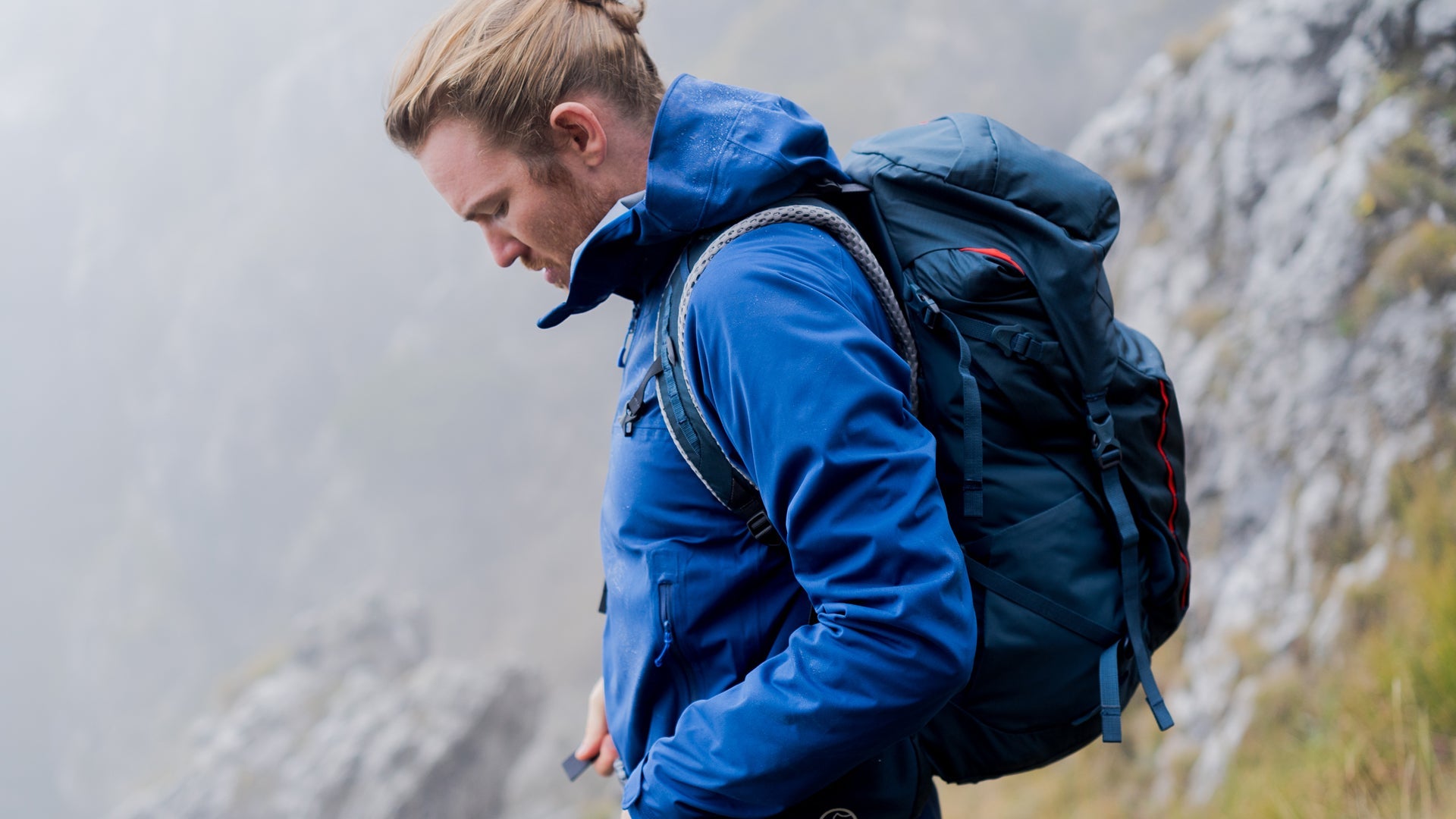
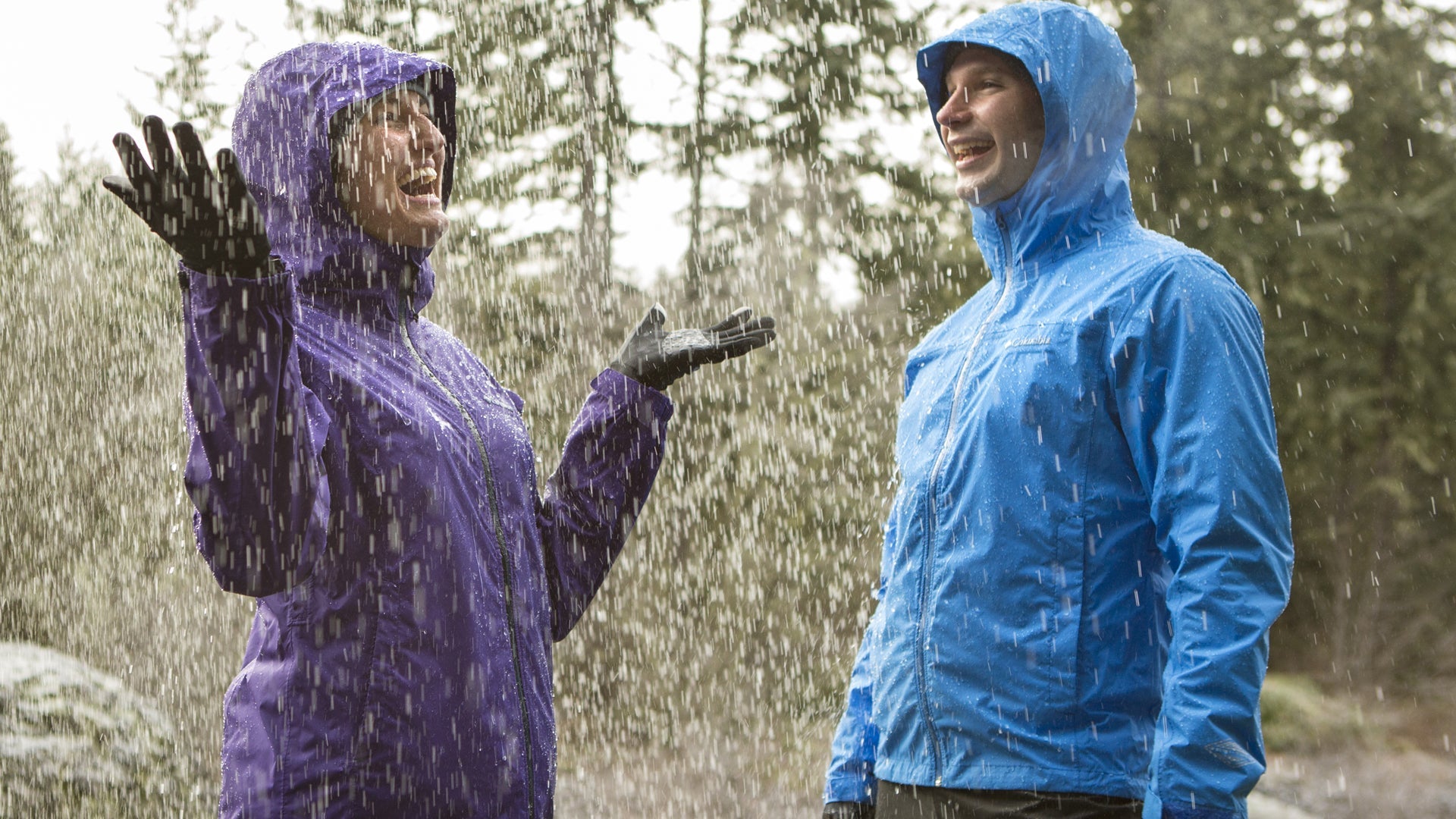
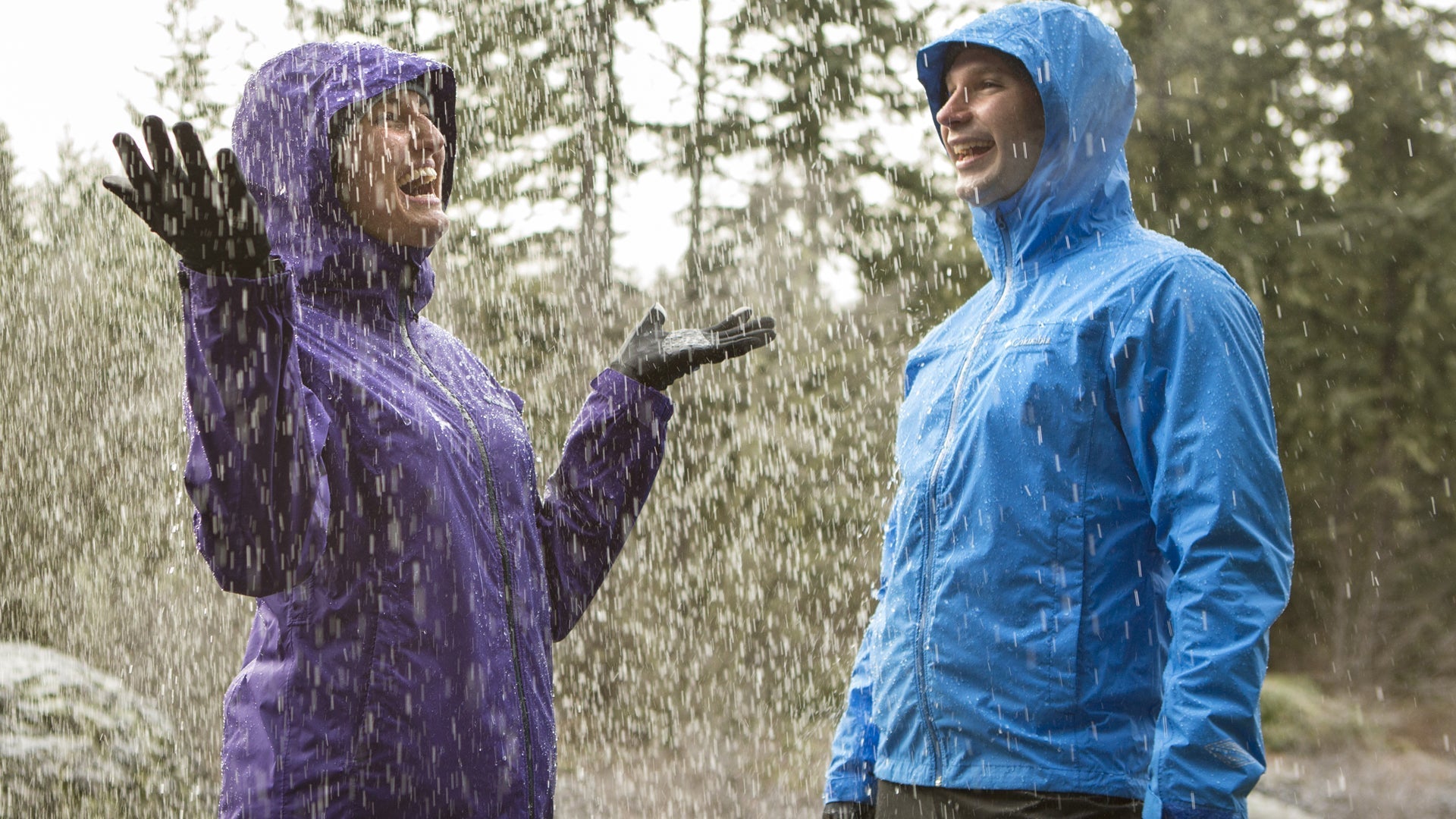
Rain jacket: This is the most critical item you will carry on the Hollyford Track. The Peak XV Tornado (20,000mm/20,000mm, fully seam-sealed) is our lead recommendation — built for exactly the kind of sustained, heavy West Coast and Fiordland precipitation you will encounter. The Rab Kangri GTX is a premium Gore-Tex alternative with excellent long-term waterproof performance. The Peak XV Pinnacle (20,000mm/20,000mm) is a capable option for a tighter budget. Do not underinvest in your rain jacket for Fiordland.
Waterproof trousers: The Peak XV Tornado Overpants are lightweight, fully waterproof, and easy to pull on when the weather arrives. You will use them on this track.
A warm merino beanie, gloves, and a buff cover you for cold hut mornings. Three pairs of merino wool socks is a minimum for a four-day trip. Carry lightweight camp shoes for hut evenings — getting your feet out of wet tramping boots matters.
Sleeping Gear
Hollyford Track huts have bunks and mattresses, so a full sleeping mat is not required. An insulated blow-up sleeping mat is recommended regardless — it adds meaningful warmth from below on cold Fiordland nights and significantly improves sleep quality.
For your sleeping bag, the One Planet Nitrous is well-suited to the Hollyford: an excellent NZ-made down bag that balances warmth and packability. The One Planet Sonder is a warmer option for those who run cold or who are travelling in winter. Keep your sleeping bag inside a waterproof stuff sack — do not rely on your pack liner alone to protect it. A dry sleeping bag in Fiordland is something you protect vigilantly.
Cooking & Food
Hollyford Track huts do not supply cooking equipment. Carry your own stove, fuel, and cookware.
The MSR PocketRocket Deluxe is our top pick — reliable, compact, and efficient. The Optimus Crux Lite is an equally good lightweight alternative. Both use standard isobutane canisters. On a three-to-four day trip, two canisters should be sufficient for a solo tramper with careful fuel use; adjust for group size.
Plan for freeze-dried or dehydrated meals with high-energy snacks between. The Hollyford's long valley floor days are not technically demanding but cover good distance — keep your calorie intake up. Include strong insect repellent in your kit and be prepared for sandflies at every meal stop near the lake and coast.
Navigation & Safety
The Hollyford Track is well-marked throughout and navigation demands are modest compared to alpine routes. Download the NZ Topo50 maps for the route to your phone as a backup, and carry a compass.
Tramping poles are useful on the Hollyford for balance on rooted and muddy sections, and reduce fatigue on longer days. They are not essential but many trampers find them worthwhile on a loaded multi-day trip.
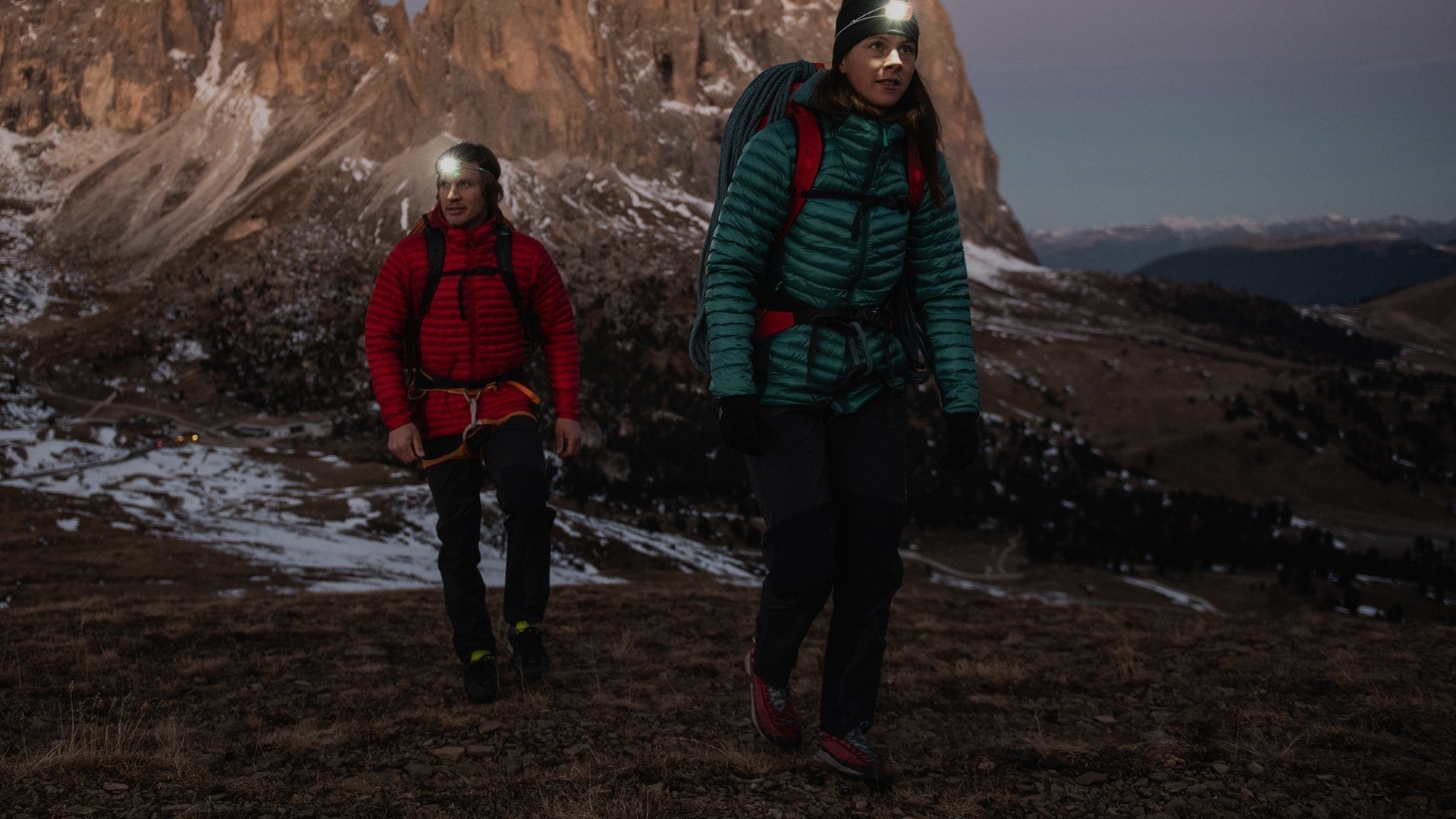
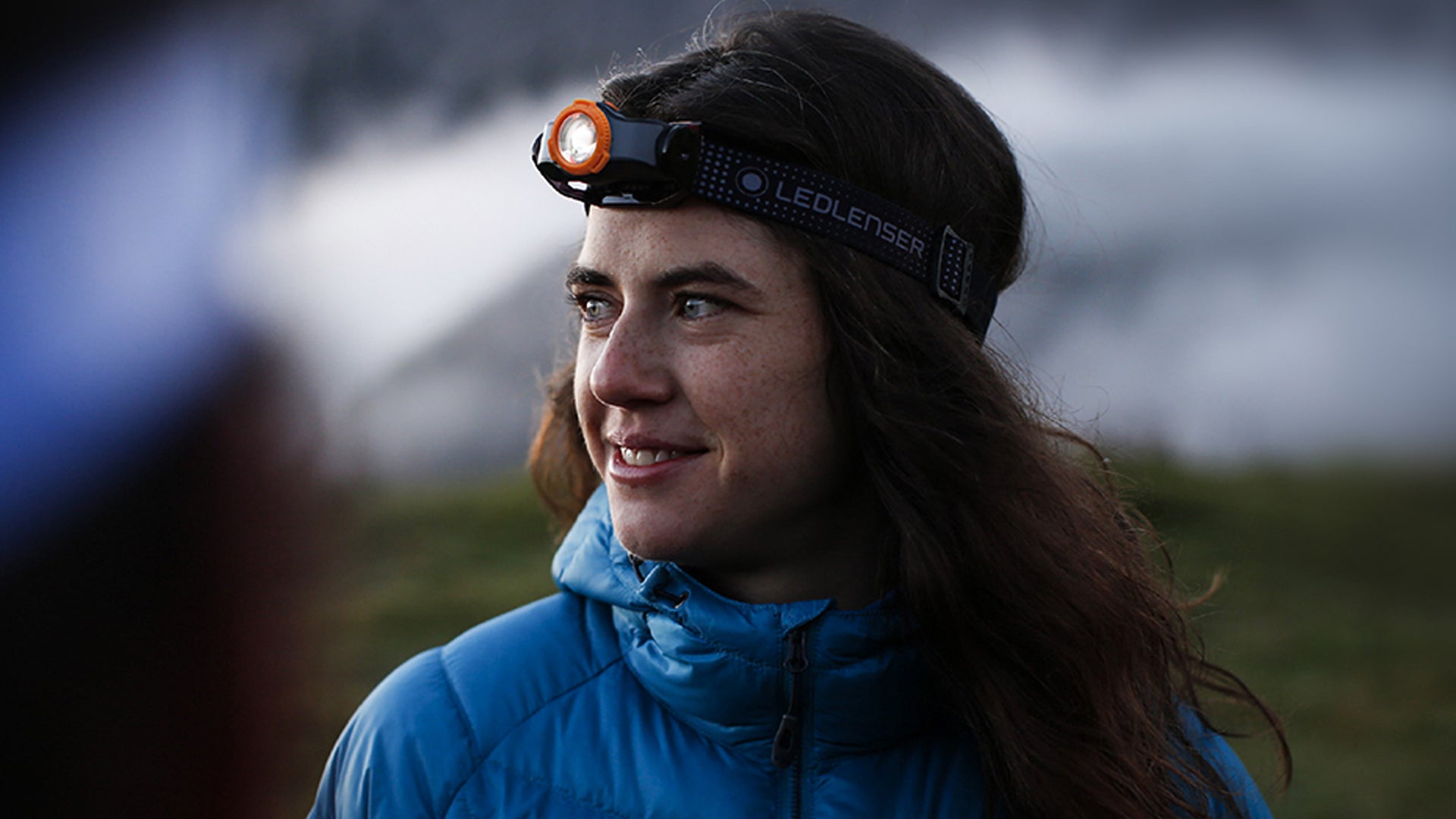
Carry the Nitecore UT27 Pro (83g) — lightweight, powerful, and USB-rechargeable. A small power bank extends your capacity across the trip.
A PLB (Personal Locator Beacon) is strongly recommended. Fiordland is genuinely remote — the Hollyford valley is isolated and helicopter access can be limited in bad weather. PLB hire is available if you do not own one. Mobile coverage is minimal along the route. Brief someone on your itinerary, jetboat booking confirmation, and expected return. First aid kit, sunscreen, and high-strength insect repellent (DEET-based) are essential kit. The sandflies at Martins Bay are legendary — do not underestimate them.
Gear Checklist
- Tramping boots — La Sportiva TX5 GTX or Salewa Mountain Trainer Mid GTX
- Camp footwear (lightweight shoes or sandals)
- Pack 55–65L — Deuter Aircontact Core 50+10
- Waterproof pack liner
- Peak XV Merino Base Layer (top and bottom)
- Fleece or softshell mid layer
- Rab Microlight Alpine or Rab Valiance insulated jacket
- Peak XV Tornado rain jacket (or Rab Kangri GTX)
- Peak XV Tornado Overpants
- Warm hat, gloves, buff
- Merino wool socks ×3 pairs minimum
- One Planet sleeping bag (Nitrous or Sonder)
- Waterproof sleeping bag stuff sack
- Insulated blow-up sleeping mat
- MSR PocketRocket Deluxe or Optimus Crux Lite stove
- Fuel canisters (calculate per days on trail)
- Lightweight cookset and spork
- 3–4 days food and snacks
- Tramping poles — Peak XV (optional but useful)
- Nitecore UT27 Pro headlamp
- NZ Topo50 map (downloaded) and compass
- PLB (personal locator beacon)
- First aid kit
- High-strength insect repellent (DEET-based)
- Sunscreen
- Water purification (filter or tablets)
- Jetboat booking confirmation
- Toilet trowel and waste bags


