


Greenstone Caples Track Gear List 2026 — What to Pack for This Queenstown Circuit

The Greenstone Caples circuit is one of the finest multi-day tramping loops in the South Island — approximately 68 kilometres connecting the Greenstone and Caples valleys in a classic loop through Mt Aspiring National Park, starting and finishing near Queenstown and Glenorchy. Graded Intermediate, it offers four to five days of beautiful valley tramping through ancient beech forest, subalpine terrain, and across the McKellar Saddle — a high point shared with the adjacent Routeburn Track. Less crowded than the Routeburn and without its permit pressure, the Greenstone Caples is genuinely popular with trampers who want a quality multi-day experience in one of New Zealand's most spectacular regions. Variable weather, some river crossings, and a subalpine saddle crossing mean that good gear selection still matters. Here is what to pack.

Track Overview

The Greenstone Caples circuit is typically completed as a loop — most parties travel up the Caples valley and return via the Greenstone, or vice versa. The route covers approximately 68 kilometres over four to five days, taking in the Caples valley's beech forest and stream crossings, the subalpine crossing of McKellar Saddle, and the long Greenstone valley floor on the return. Key huts are Mid Caples, Upper Caples, McKellar (shared with the Routeburn Track), and Greenstone — all well-maintained DOC huts with bunks, kitchen facilities, and gas cooking. McKellar Hut sits at a junction with the Routeburn Track, and its popularity reflects that. River crossings on the Caples can rise significantly in rain — assess conditions and turn back if in doubt. The subalpine terrain around McKellar Saddle is exposed and requires appropriate clothing. Weather in Mt Aspiring National Park is variable and changeable year-round.

Footwear

The Greenstone Caples mixes well-formed valley-floor track with rooted forest trail, some river crossings, and exposed subalpine terrain around the saddle. A waterproof, supportive mid-height tramping boot is the right choice.

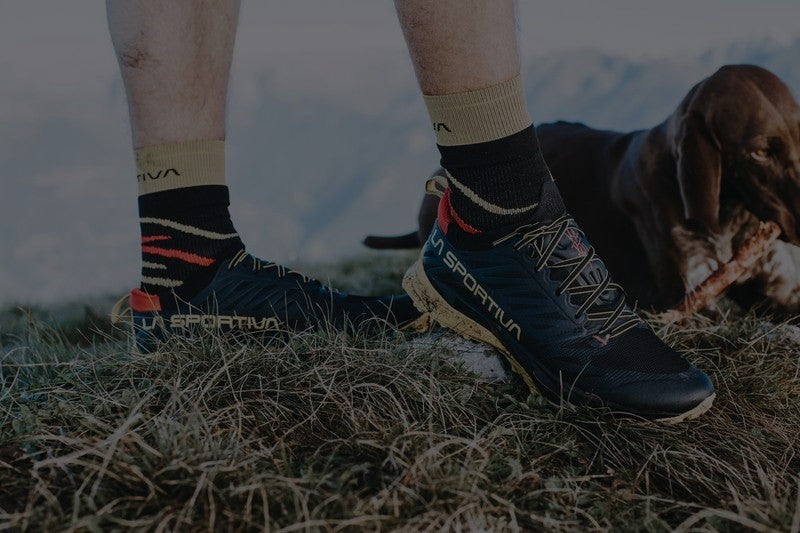
The La Sportiva TX5 GTX handles the Greenstone Caples terrain well — an agile, mid-height boot with Gore-Tex waterproofing that covers both the forest valley sections and the rockier saddle terrain without feeling heavy underfoot. The Salewa Mountain Trainer Mid GTX is a more traditional option: a stiffer sole, higher cut, and robust ankle support for trampers carrying a heavier pack or preferring more protection on river crossings and uneven terrain. Either way, waterproofing is essential — river crossings aside, the valleys can be persistently wet in unsettled weather.

Explore the full range of tramping boots at Dwights to find the right fit for your foot and pack weight.

Pack

Four to five days of food, full wet weather kit, sleeping gear, and cooking equipment typically fills a pack in the 55–65 litre range. The Greenstone Caples has no particularly demanding carry sections, but a well-fitted, comfortable pack matters across four or five consecutive days.

The Deuter Aircontact Core 50+10 (effectively 60 litres at full extension) is our recommendation — excellent load transfer, ventilated back panel, robust construction, and a fit system that suits a wide range of body shapes. Use our pack fitting guide before your trip to get the harness adjusted correctly. Line your pack with a waterproof pack liner — Queenstown weather can produce genuine downpours, and a wet sleeping bag mid-trip is a serious comfort issue.

Clothing & Layering

The Greenstone Caples calls for a versatile layering system that handles warm, humid valley conditions and cold, exposed subalpine weather at McKellar Saddle — sometimes on the same day. Build your layers thoughtfully.

Base layer: The Peak XV Merino Base Layer is our choice for this route — moisture-wicking, temperature-regulating, and naturally odour-resistant across several days of continuous wear. Both a top and a leggings weight bottom are worthwhile for the cooler sections of the trip.

Mid layer / insulation: Carry an insulated jacket for hut evenings and the McKellar Saddle crossing in cool conditions. The Rab Microlight Alpine is ideal — lightweight, packable, and genuinely warm. The Rab Valiance synthetic fill jacket is worth considering for trampers who want insulation that performs reliably in damp conditions.

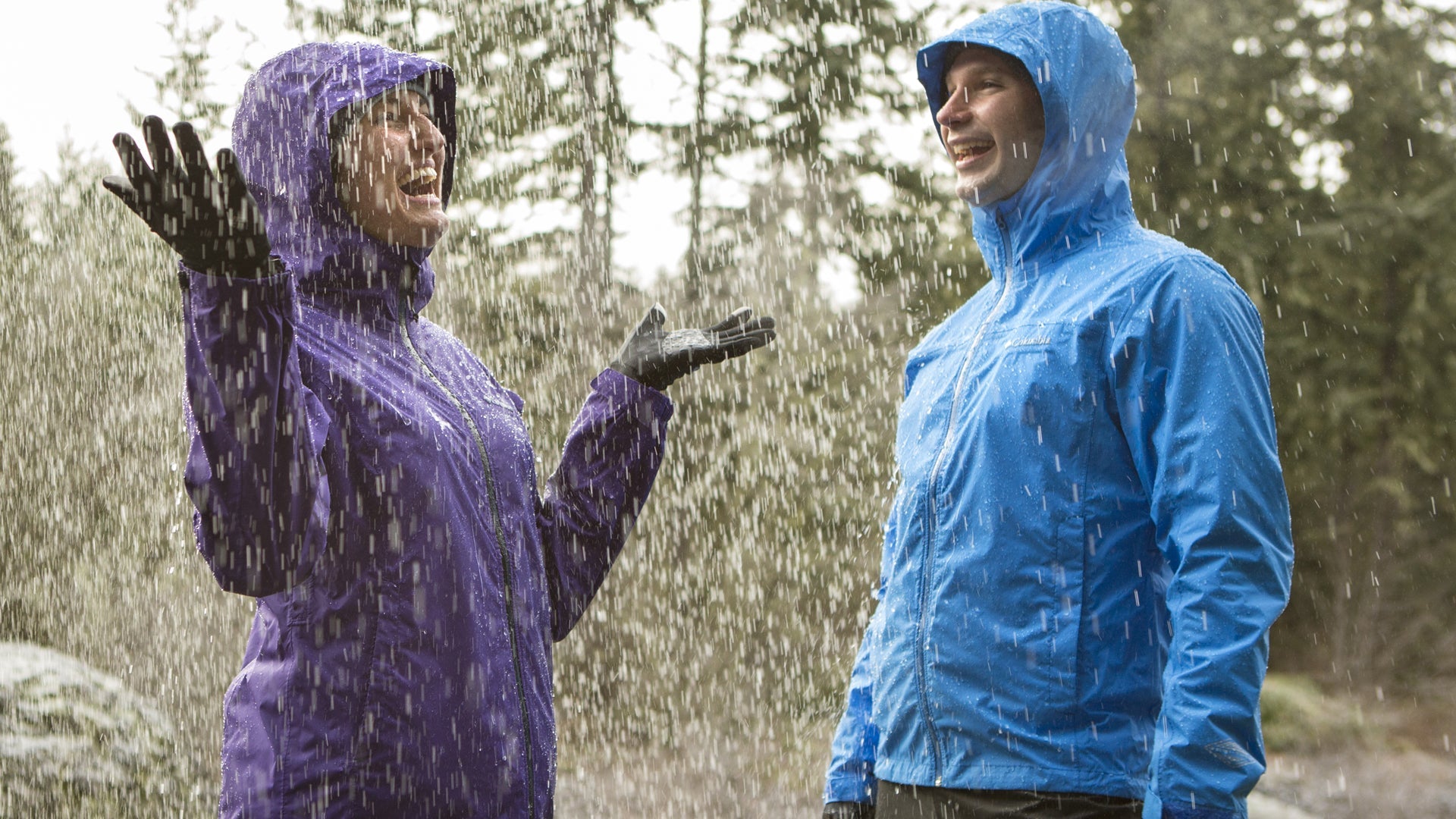
Rain jacket: A quality waterproof shell is essential for the Greenstone Caples. The Peak XV Tornado (20,000mm/20,000mm, fully seam-sealed) is our lead recommendation — serious waterproofing and excellent breathability during extended effort. The Rab Kangri GTX is a premium Gore-Tex alternative. The Peak XV Pinnacle (20,000mm/20,000mm) suits those seeking a more accessible price point without sacrificing waterproof performance.

Waterproof trousers: Pack the Peak XV Tornado Overpants for wet days on the trail and the exposed saddle crossing. Lightweight and easy to layer over your regular trousers.

A merino beanie, light gloves, a buff, and two to three pairs of merino wool socks complete your clothing. Carry camp shoes for hut evenings to give your feet a break after long days.

Sleeping Gear

Greenstone Caples huts provide bunks and mattresses. An insulated blow-up sleeping mat adds comfort and meaningful warmth from below, particularly at McKellar Hut — at altitude and exposed to the saddle's cooler temperatures, a proper mat makes a noticeable difference to sleep quality.

For sleeping bags, the One Planet Nitrous is well-suited to the Greenstone Caples — a quality NZ-made down bag with good warmth-to-weight performance for four-season tramping. The One Planet Sonder is a warmer option for colder sleepers or for trips in early or late season when the saddle nights are cold. The One Planet Cocoon suits budget-conscious trampers who still want a NZ-made bag. A bag rated to at least -3°C comfort covers the full range of conditions on this circuit.

Cooking & Food

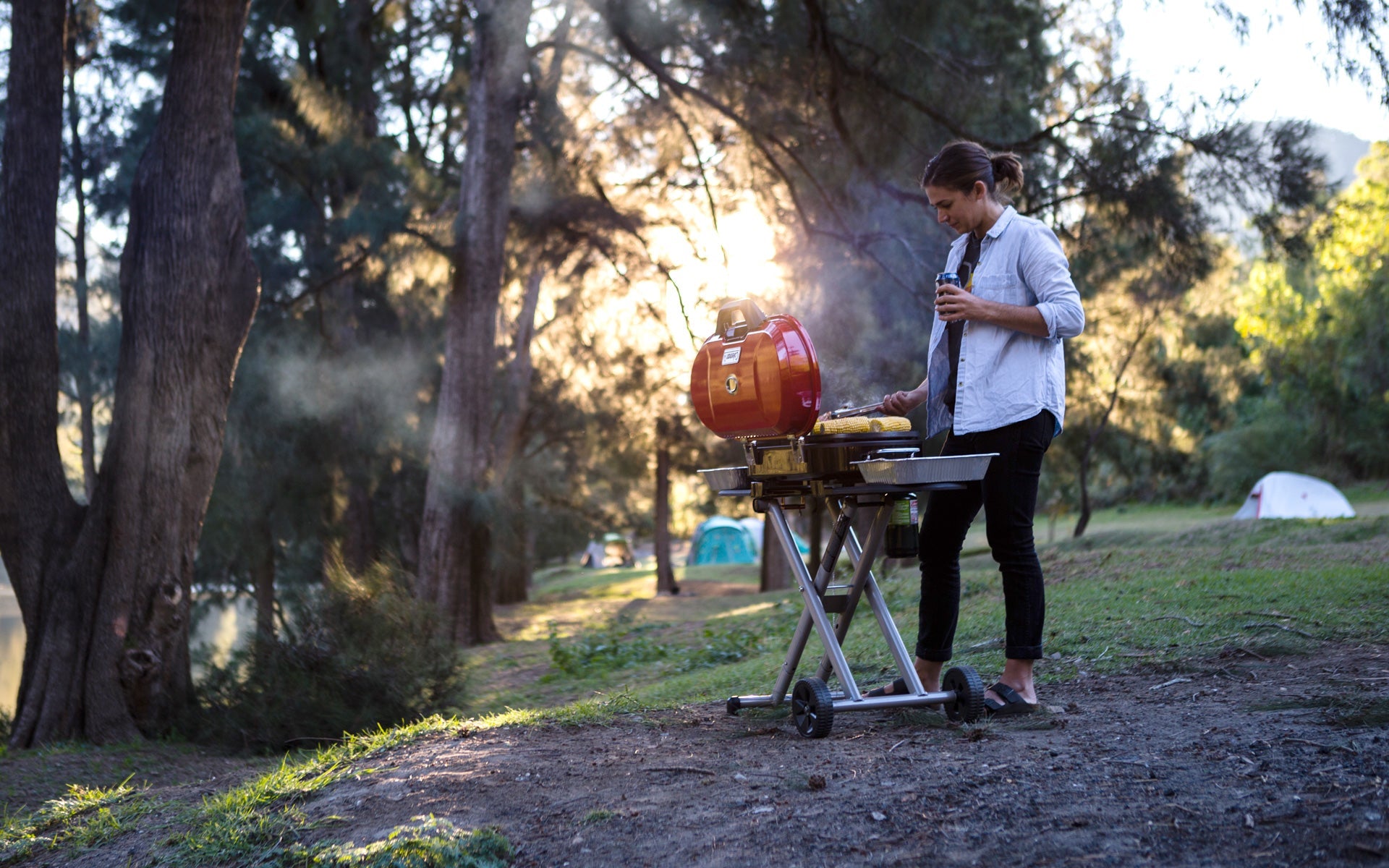
McKellar Hut has gas cooking facilities available for hut users, as do some other Greenstone Caples huts — check the current DOC hut information before departure. Carrying your own stove remains recommended, particularly as hut gas availability can vary.

The MSR PocketRocket Deluxe is a reliable, compact canister stove well-suited to this kind of trip — fast to boil and simple to operate. The Optimus Crux Lite is an equally capable lightweight alternative. Both use widely available isobutane canisters.

For four to five days, plan for a mix of freeze-dried meals, pasta, couscous, and high-energy snacks. The longer Greenstone valley days can be deceptively tiring — carry enough calories for full-distance days and pack out all rubbish.

Navigation & Safety

The Greenstone Caples is well-marked and the navigation is straightforward in good conditions. However, the McKellar Saddle crossing can become challenging in mist or heavy rain, and river crossings on the Caples should be assessed carefully after heavy rainfall. Carry downloaded NZ Topo50 maps on your phone and a compass as backup.

Tramping poles are highly recommended for the Greenstone Caples — useful for river crossings, the McKellar Saddle descent, and for managing fatigue across a four-to-five day trip. They provide stability and confidence at river crossings where pack weight affects your balance.

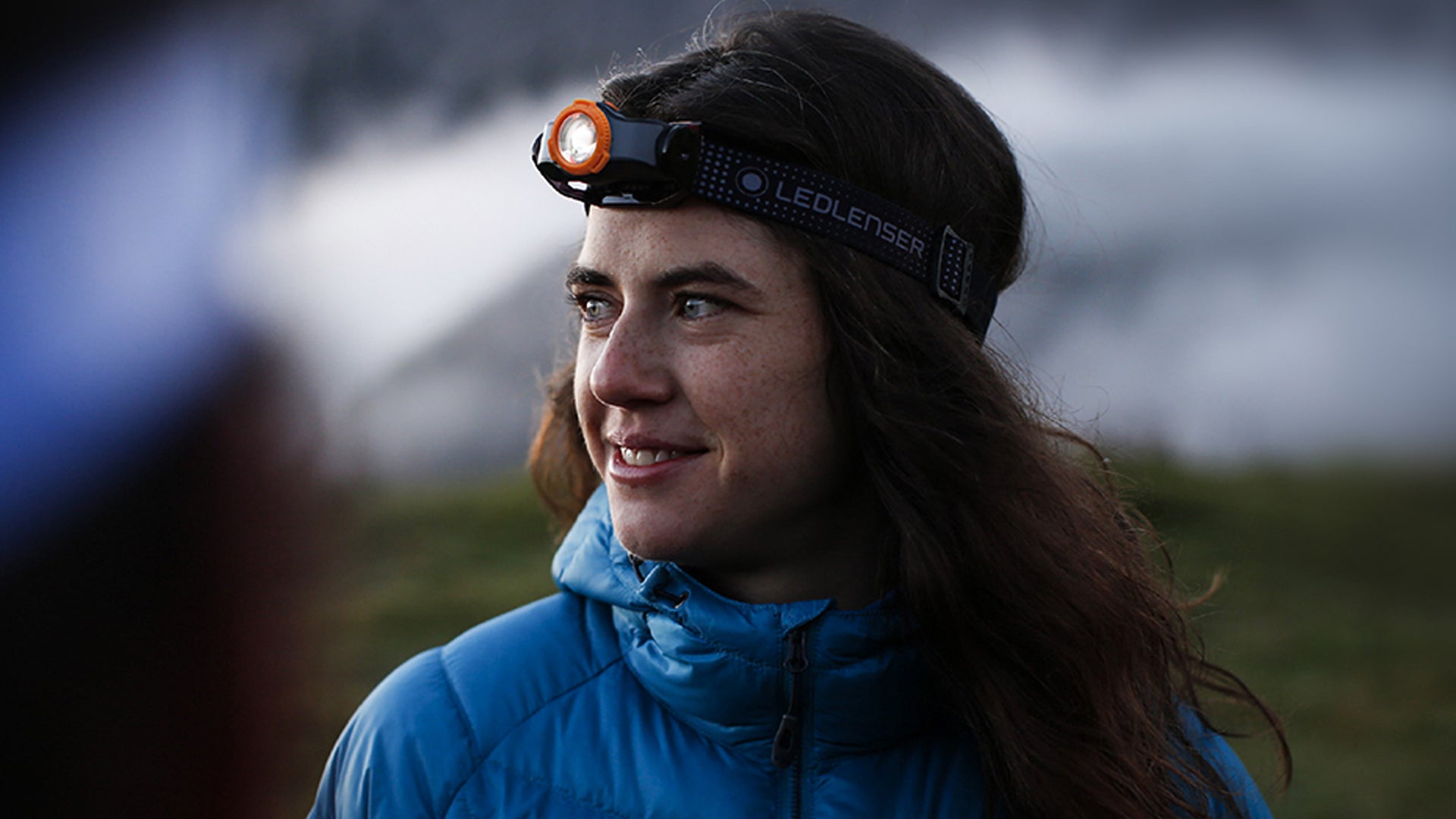
Carry the Nitecore UT27 Pro (83g) as your headlamp — USB-rechargeable, bright, and light enough to carry without compromise. A small power bank enables recharging at huts if power points are available.

A PLB (Personal Locator Beacon) is recommended for any multi-day South Island tramp. While the Greenstone Caples is less remote than some routes, weather can change rapidly and mobile coverage is limited in the valleys. PLB hire is available if you do not own one. Brief someone on your itinerary before departing. First aid kit, sunscreen, and insect repellent round out your safety kit.

Gear Checklist

  • Tramping boots — La Sportiva TX5 GTX or Salewa Mountain Trainer Mid GTX
  • Camp footwear (lightweight shoes or sandals)
  • Pack 55–65L — Deuter Aircontact Core 50+10
  • Waterproof pack liner
  • Peak XV Merino Base Layer (top and bottom)
  • Thermal leggings
  • Fleece or softshell mid layer
  • Rab Microlight Alpine or Rab Valiance insulated jacket
  • Peak XV Tornado rain jacket (or Rab Kangri GTX)
  • Peak XV Tornado Overpants
  • Merino beanie, light gloves, buff
  • Merino wool socks ×2–3 pairs
  • One Planet sleeping bag (Nitrous or Sonder)
  • Insulated blow-up sleeping mat
  • MSR PocketRocket Deluxe or Optimus Crux Lite stove
  • Fuel canisters (calculate per days on trail)
  • Lightweight cookset and spork
  • 4–5 days food and snacks
  • Tramping poles — Peak XV
  • Nitecore UT27 Pro headlamp
  • NZ Topo50 maps (downloaded) and compass
  • PLB (personal locator beacon)
  • First aid kit
  • Sunscreen and insect repellent
  • Water purification (filter or tablets)
  • Toilet trowel and waste bags