


Old Ghost Road Gear List 2026 — What to Pack for This Epic West Coast Route
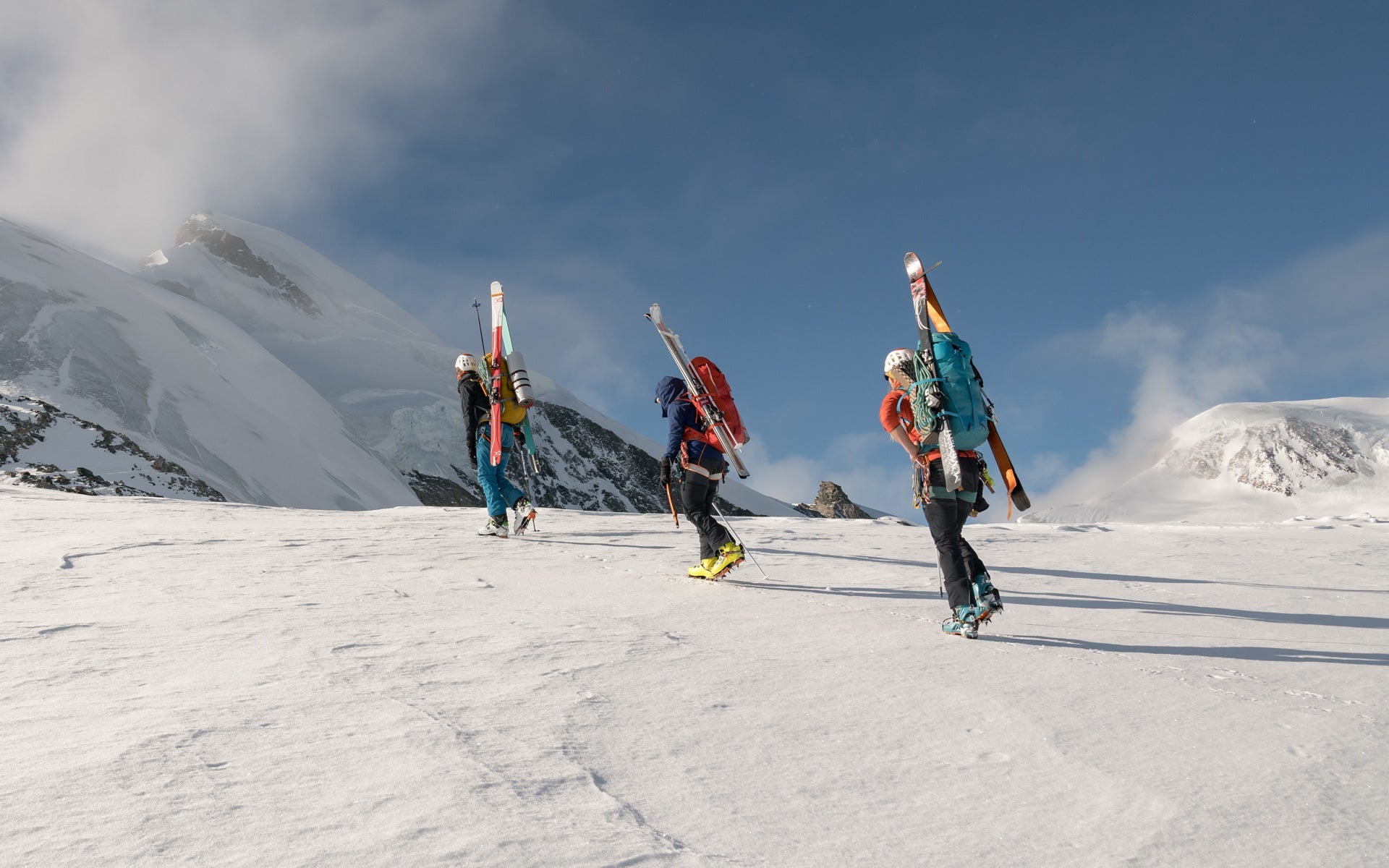
The Old Ghost Road is one of New Zealand's most dramatic multi-day routes — approximately 85 kilometres of wild West Coast terrain stretching from Lyell, near Murchison, through to Seddonville on the Mokihinui coast. Built on a network of old gold mining tracks and purpose-built trail, it winds through ancient beech forest, climbs to exposed alpine tops, and drops through remote river valleys before reaching the sea. While the trail is well known internationally as a mountain bike route, it is equally rewarding on foot, and tramping-only sections allow walkers to experience parts of the track free from wheel traffic. You will be out for four to seven days depending on your pace, and the West Coast's notorious rainfall means that getting your waterproofing right is not optional. Here is what to pack.
Track Overview
The Old Ghost Road runs approximately 85 kilometres from the Lyell Campsite at the southern end to Seddonville in the north. Seven purpose-built huts — Lyell, Ghost Lake, Stern Valley, Tararau, Goat Creek, Specimen Point, and Mokihinui Forks — are spaced along the route, all well-equipped with bunks, heating, and composting toilets. The alpine section around Ghost Lake Hut involves significant elevation gain and exposed terrain; the tops can hold snow even in summer. Graded Intermediate to Advanced, this is not a beginner's tramp. The West Coast receives some of the highest rainfall in New Zealand, and multi-day wet spells are common at any time of year. Hut bookings are essential — check the Old Ghost Road Trust's website well in advance.
Footwear
Given the wet and varied terrain, footwear is one of the most important decisions you will make for the Old Ghost Road. The track combines rooted forest paths, rocky alpine ridges, muddy river valleys, and gravelled trail sections — all of which demand a stiff, waterproof boot with reliable ankle support.
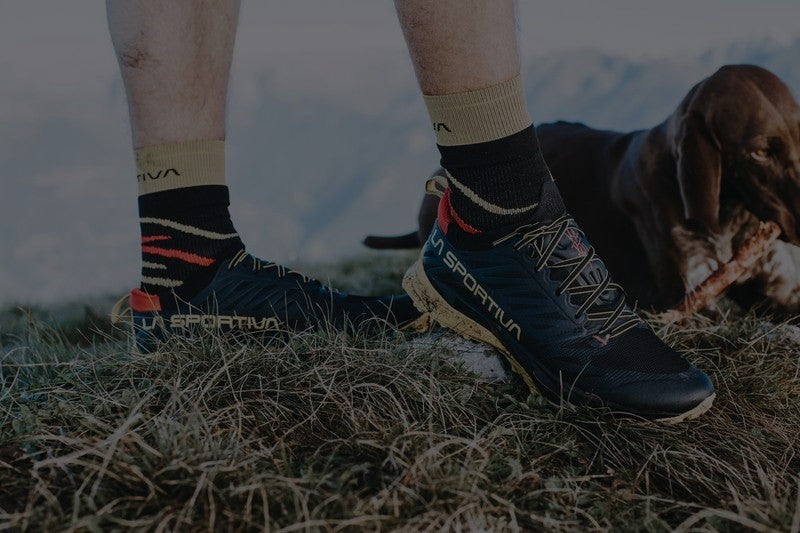
The La Sportiva TX5 GTX is a strong choice for experienced trampers: a mid-height approach-style boot with Gore-Tex waterproofing and excellent traction on both rock and wet root. For those wanting a more traditional tramping boot with a higher cut and firmer sole, the Salewa Mountain Trainer Mid GTX delivers outstanding waterproofing, robust construction, and the ankle support required on the steep and uneven sections around the tops. Carry a pair of lightweight camp shoes for hut evenings — your feet will thank you after a long day in boots.
Browse our full range of tramping boots at Dwights to find the right fit for your foot shape and pack weight.
Pack
The Old Ghost Road is a longer and more remote tramp than a typical Great Walk. You will be carrying four to seven days of food, full wet weather gear, sleeping kit, and cooking equipment — which adds up fast. A pack in the 60–75 litre range is appropriate for most trampers on this route.
The Deuter Aircontact Core 50+10 (effectively 60 litres at full extension) is an excellent foundation: well-padded hip belt and shoulder straps, a ventilated back panel, solid frame, and a load transfer system that handles heavy loads comfortably over long days. If you tend to carry more, or are stretching the trip to six or seven days, consider sizing up to a 65–75 litre pack. Whatever pack you choose, fit it properly before you go — our pack fitting guide walks you through the process. A waterproof pack liner is non-negotiable on the West Coast.
Clothing & Layering
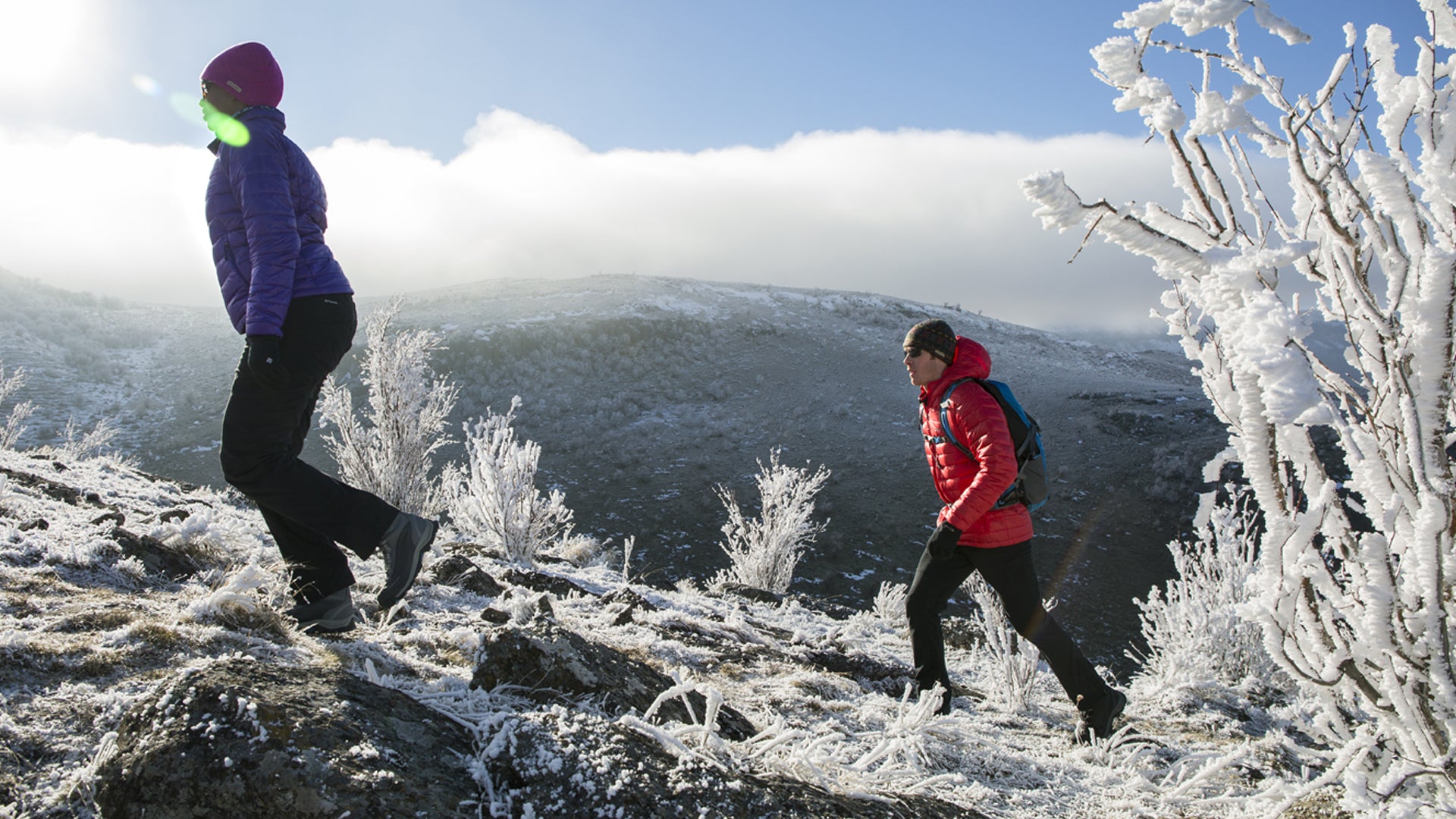
The West Coast demands a full layering system. Even in summer, the alpine tops are cold and exposed, and rain can persist for days on end. Build your system from the skin out.
Base layer: Start with a moisture-wicking base that keeps you dry when you are working hard. The Peak XV Merino Base Layer balances natural temperature regulation with durability and odour resistance — ideal for multi-day trips where laundering is not an option.
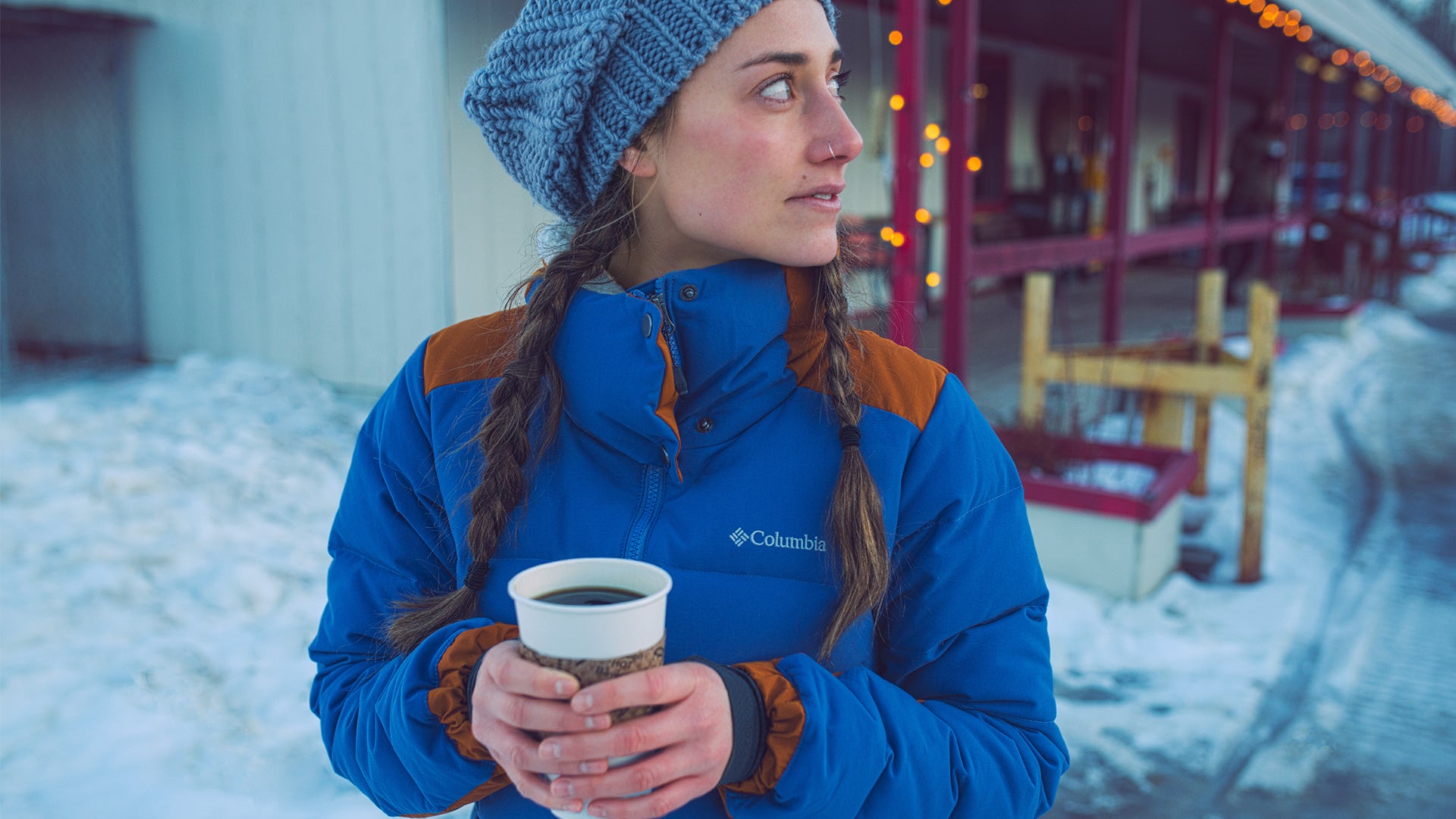
Mid layer / insulation: Carry a warm mid layer for cold mornings, evenings in the huts, and exposed ridge sections. The Rab Microlight Alpine down jacket packs small and adds significant warmth without bulk — it earns its place even in summer on the tops. The Rab Valiance is a warmer synthetic-fill alternative suited to those who run cold or who want insulation that performs when damp.
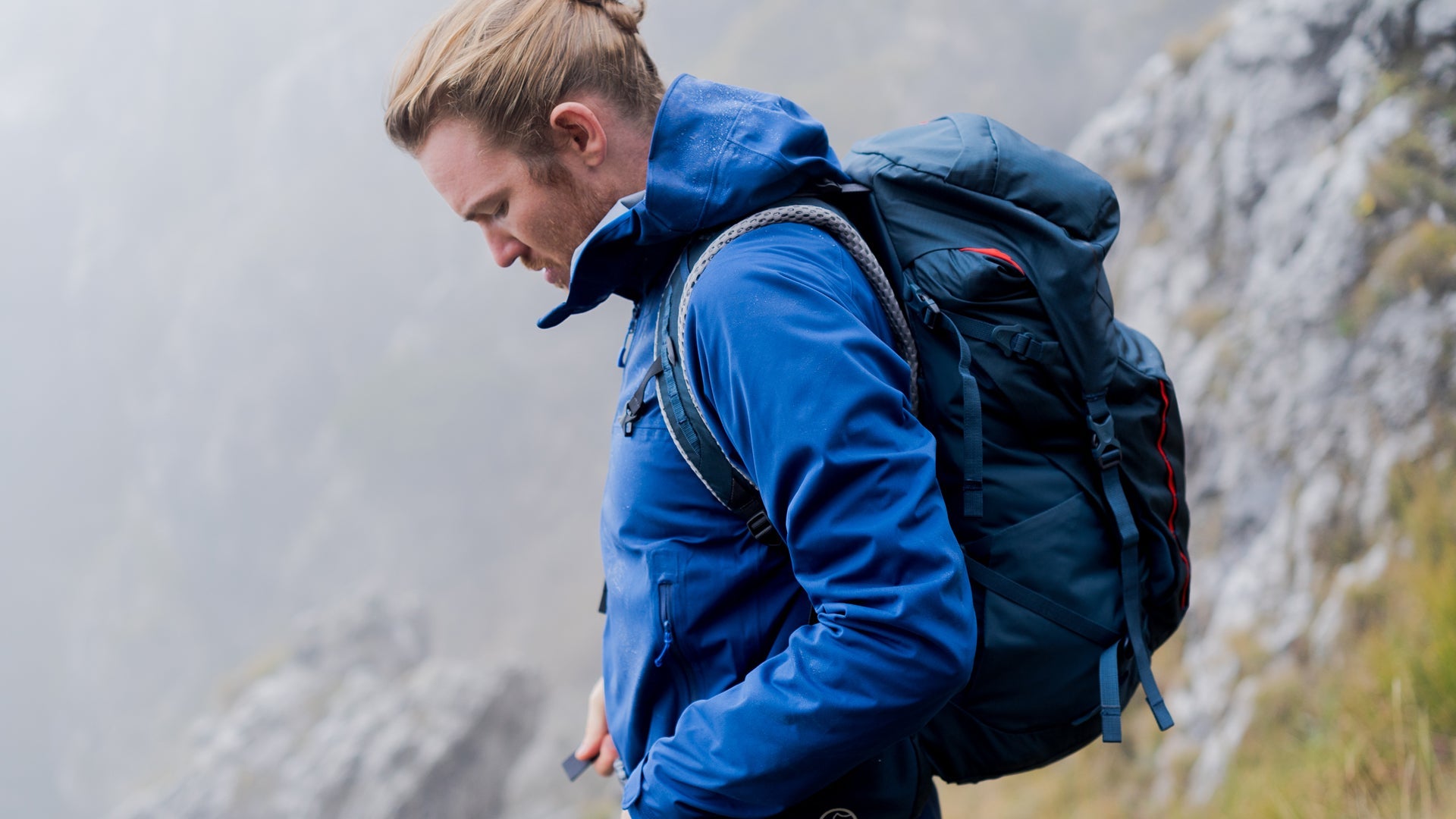
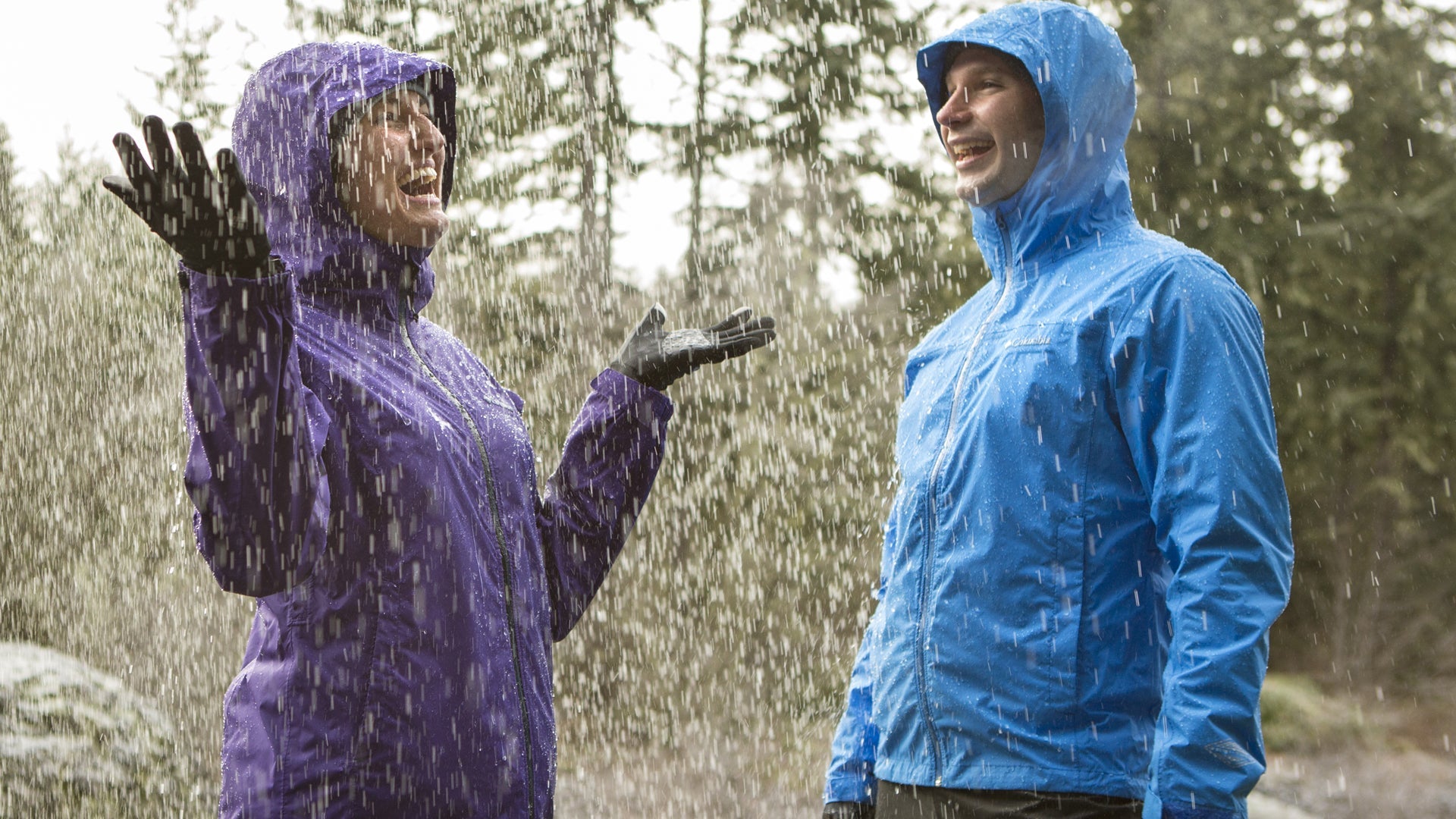
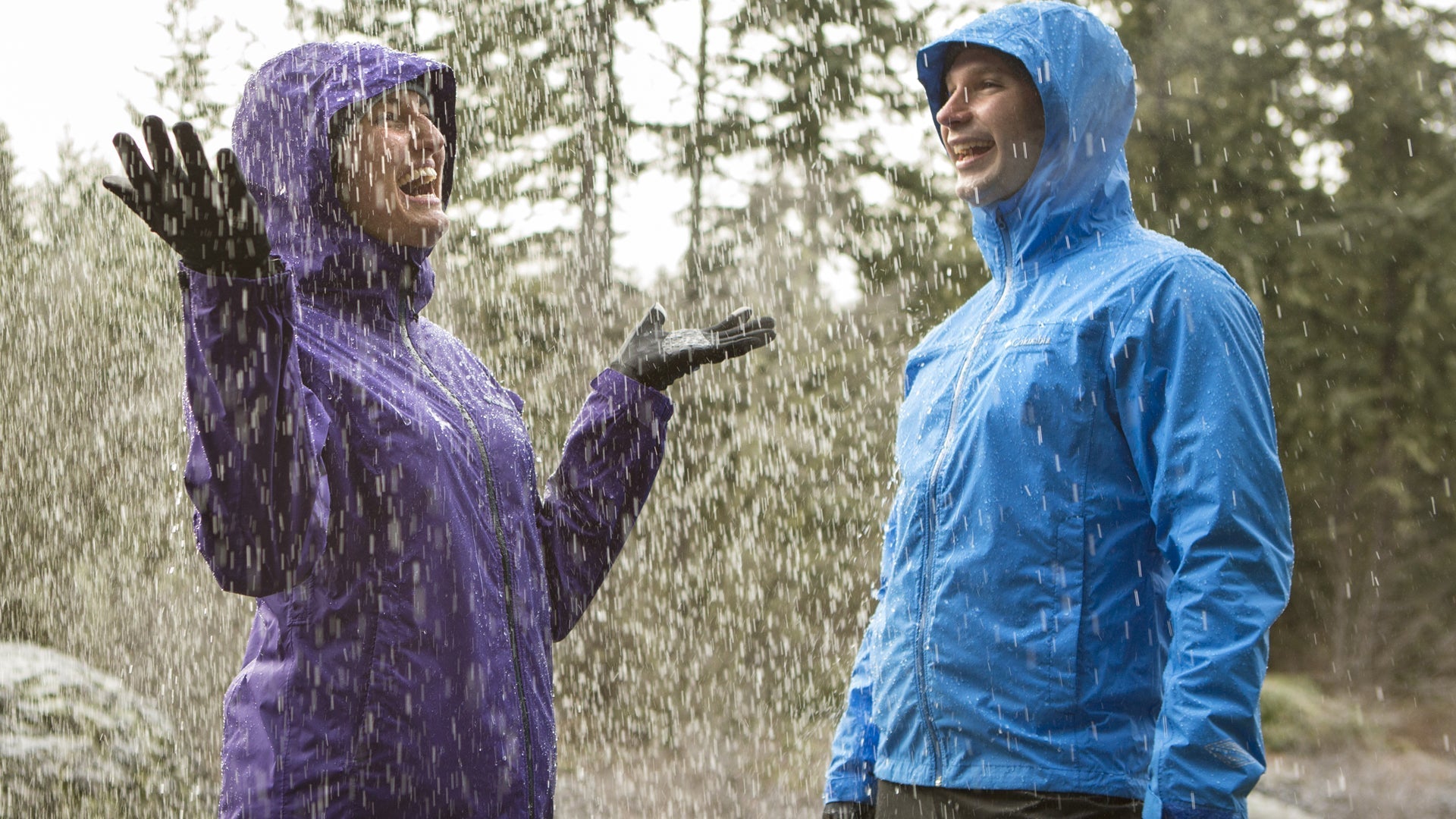
Rain jacket: This is the most critical piece of kit on the Old Ghost Road. The Peak XV Tornado (20,000mm waterproof / 20,000mm breathability) is our top recommendation for this route — fully seam-sealed, excellent breathability during sustained effort, and built for West Coast conditions. The Rab Kangri GTX is a premium Gore-Tex alternative for those wanting Gore-Tex Pro performance. The Peak XV Pinnacle (20,000mm/20,000mm) is a solid choice at a lower price point.
Waterproof trousers: Pack the Peak XV Tornado Overpants — lightweight, fully waterproof, and easy to pull on quickly when the weather turns. On the Old Ghost Road, you will use them.
Thermal leggings for cold nights on the tops, a warm merino beanie, gloves, and a buff round out your clothing. Carry three to four pairs of merino wool socks.
Sleeping Gear
All Old Ghost Road huts are serviced with bunks and mattresses, so a full-length sleeping mat is not required for hut-to-hut tramping. However, an insulated blow-up sleeping mat is worth considering — the huts at elevation can get very cold overnight, and a quality mat adds meaningful insulation beneath you that the provided foam mattresses do not.
For your sleeping bag, the One Planet Nitrous is an excellent New Zealand-designed down bag that balances warmth, packability, and weight well for this route. The One Planet Sonder is a warmer option suited to cold nights around Ghost Lake Hut and the tops. The One Planet Cocoon suits trampers on a tighter budget who still want a quality NZ-made bag. Given the alpine sections, aim for a bag rated to at least -5°C comfort.
Cooking & Food
Old Ghost Road huts are well-equipped but do not supply cooking gear. Carry your own stove, fuel, and cookware.
The MSR PocketRocket Deluxe is a compact, efficient canister stove that handles wind well — a real consideration on the exposed tops. The Optimus Crux Lite is an equally capable lightweight alternative. Both run on standard isobutane canisters. Pair with a lightweight titanium pot and a spork.
For a four-to-seven day trip, plan for freeze-dried or dehydrated meals supplemented with high-energy snacks. Aim for roughly 600–800g of food per person per day. Include plenty of calorie-dense snacks for the big climbing days around the tops — mileage on the Old Ghost Road can be deceptive.
Navigation & Safety
The Old Ghost Road is well-marked along most of its length, but sections of the alpine tops can become disorientating in mist or heavy rain. Tramping poles are invaluable on the steep descents and the long days underfoot — they reduce knee strain significantly over a multi-day trip and improve stability on wet, rooted trail.
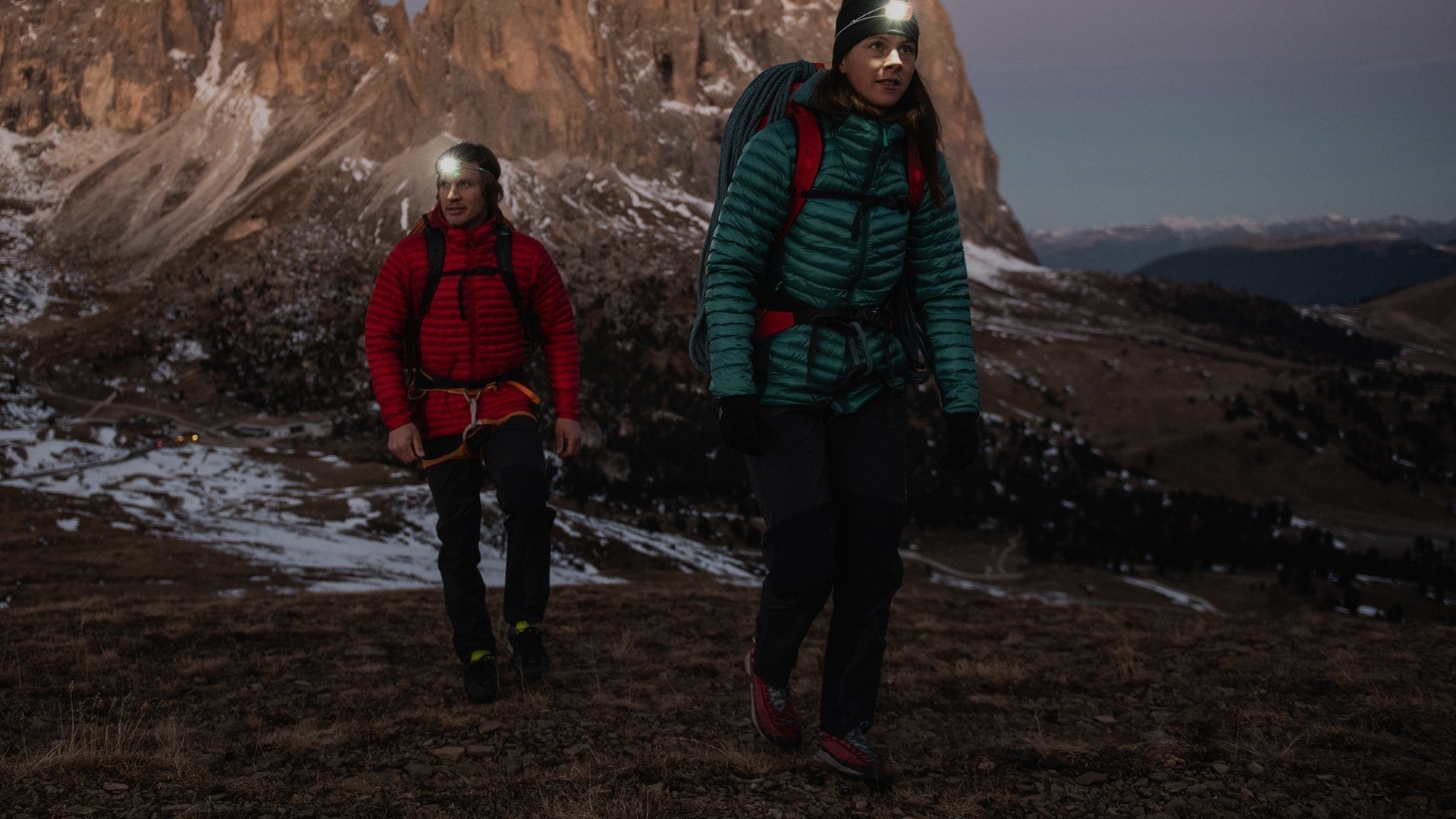
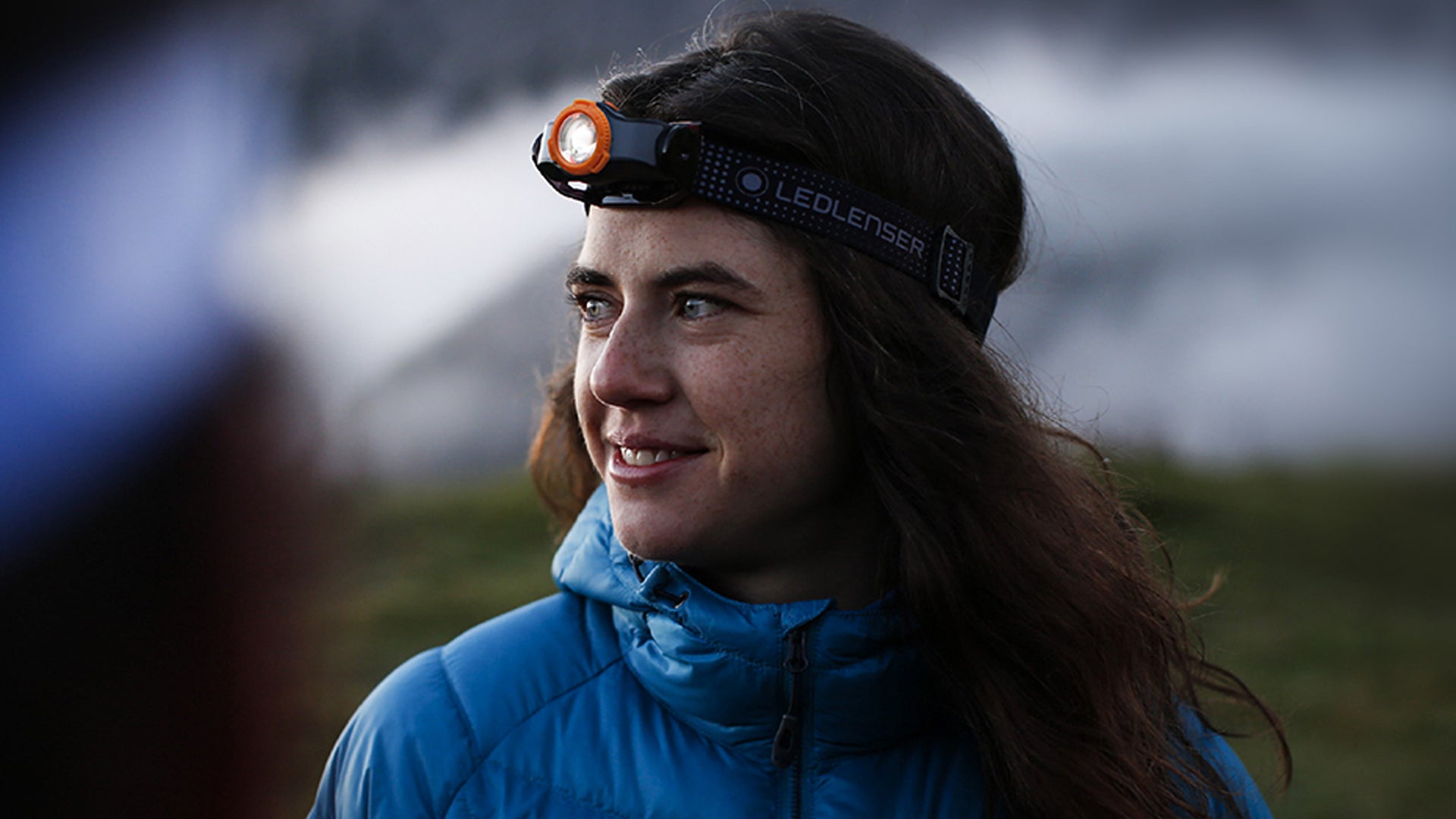
Carry the Nitecore UT27 Pro (83g) as your headlamp — lightweight, powerful, USB-rechargeable, and reliable enough for early starts and late finishes. Bring a small power bank for recharging.
Download the track to your phone using NZ Topo50 maps or the Topo Maps NZ app, and carry a printed paper map as backup. A PLB (Personal Locator Beacon) is strongly recommended for this remote route — PLB hire is available from authorised DOC service providers and outdoor retailers if you do not own one. Mobile coverage is minimal to non-existent across most of the route.
First aid kit, sunscreen, insect repellent, and a lightweight bivvy bag complete your safety setup.
Gear Checklist
- Tramping boots — La Sportiva TX5 GTX or Salewa Mountain Trainer Mid GTX
- Camp footwear (lightweight shoes or sandals)
- Pack 60–75L — Deuter Aircontact Core 50+10 or larger
- Waterproof pack liner
- Peak XV Merino Base Layer (top and bottom)
- Thermal leggings
- Fleece or softshell mid layer
- Rab Microlight Alpine or Rab Valiance insulated jacket
- Peak XV Tornado rain jacket (or Rab Kangri GTX)
- Peak XV Tornado Overpants
- Warm hat, gloves, buff
- Merino wool socks ×3–4 pairs
- One Planet sleeping bag (Nitrous or Sonder)
- Insulated blow-up sleeping mat
- MSR PocketRocket Deluxe or Optimus Crux Lite stove
- Fuel canisters (calculate per days on trail)
- Lightweight cookset and spork
- 4–7 days food and snacks
- Tramping poles — Peak XV
- Nitecore UT27 Pro headlamp
- NZ Topo50 map and compass
- PLB (personal locator beacon)
- First aid kit
- Sunscreen and insect repellent
- Water purification (filter or tablets)
- Toilet trowel and waste bags


