







Rees-Dart Track Gear List 2026 — Packing for This Classic Mt Aspiring Circuit
The Rees-Dart Track is one of New Zealand's great wilderness circuits — a roughly 70km loop through the heart of Mt Aspiring National Park that takes you from the braided flats of the Rees Valley up into high alpine terrain, over a remote saddle, and back down through the ancient beech forest of the Dart Valley. This is not a track for light packing. Intermediate to Advanced in grade, it involves river crossings, cold overnight temperatures, and weather that can change dramatically and quickly. Getting your gear right before you leave the road end at Muddy Creek is essential. This guide runs through everything you need for a safe, enjoyable 4–5 days in one of New Zealand's finest national parks.
Track Overview
The Rees-Dart Track is an approximately 70km loop, typically completed in 4–5 days. DOC grades it Intermediate to Advanced. The route travels up the Rees Valley to the Rees Saddle, crosses into the upper Dart Valley, passes through remote hut country at Dart Hut and Daleys Flat Hut, and exits via Chinaman's Bluff on the Dart Valley road — from which transport back to Glenorchy or Queenstown needs to be arranged. Key huts are Shelter Rock Hut (upper Rees), Dart Hut, and Daleys Flat Hut; all are serviced DOC huts requiring advance bookings through the Great Walks and backcountry booking system. River crossings are a feature of this track and can become dangerous after heavy rain — timing and conservative decision-making matter. The Cascade Saddle side trip from Dart Hut is a separate, advanced undertaking that requires mountaineering experience and appropriate conditions; it is not part of the standard Rees-Dart circuit and should not be attempted without specific preparation. Cold overnight temperatures and rapidly changing alpine weather are the norm, not the exception.
Footwear
Stiff, waterproof boots are essential on the Rees-Dart. You'll be crossing rivers, traversing rocky alpine terrain in the upper valleys, and covering wet beech forest track in the Dart. A stiff boot protects your feet on river-rock crossings and provides the ankle stability that tired legs need on day four. The Crispi Valdres EVO GTX is our lead recommendation for this route — a stiff technical boot with Gore-Tex waterproofing and robust construction purpose-built for demanding alpine terrain and river crossings. The La Sportiva Trango TRK GTX is another outstanding choice — a stiff trekking boot with Gore-Tex membrane, built for multi-day technical alpine use. The Salewa Mountain Trainer Mid GTX is another strong recommendation, combining a robust all-terrain build with excellent grip and reliable waterproofing across multi-day alpine use. Avoid lightweight trail runners or flexible approach shoes on this track — the river crossings and upper alpine terrain demand real support. Browse the full range at hiking boots.
Pack
A 55–65L pack is the right range for the Rees-Dart, where you're carrying full camping or hut gear, cold-weather layers, food for 4–5 days, and gear for variable alpine conditions. The Deuter Aircontact Core 50+10 is our first recommendation: the 50+10 configuration gives you 60L of usable capacity, the Aircontact back system transfers load well over long days, and the frame handles heavier loads better than frameless packs. This is one of the best-value multi-day alpine packs available. Fit your pack correctly before the trip — hip-belt fit is critical when you're carrying 15–18kg over four days of alpine terrain. Browse the full range at hiking backpacks.
Clothing & Layering
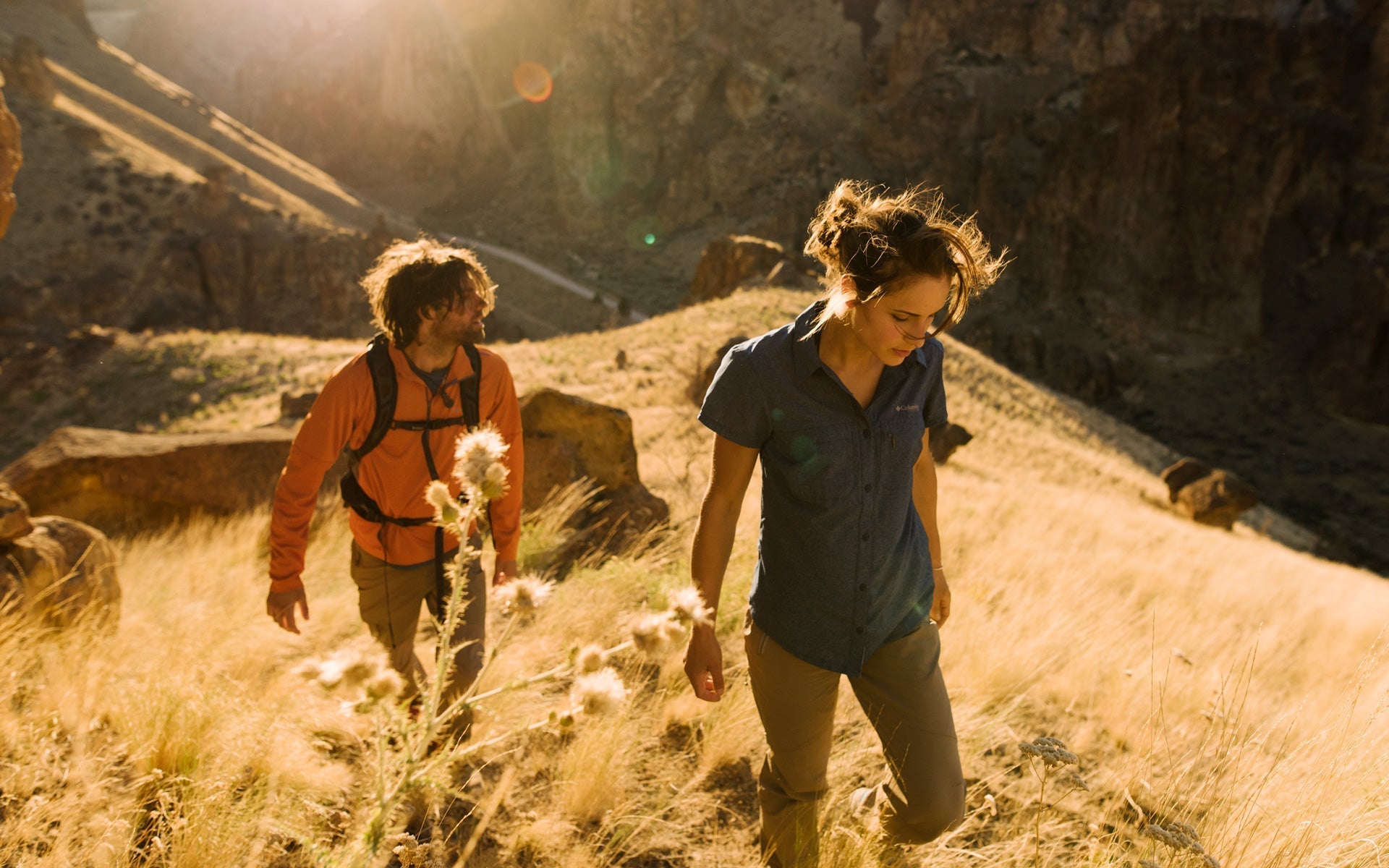
The Rees-Dart demands a complete layering system with no gaps. Cold nights, wind-exposed saddles, wet river crossings, and potential rain at any time require you to be prepared for a wide temperature range within a single day.
- Base layer: A midweight merino base layer is the right call here — thermal regulation over a wide range of effort levels, natural odour resistance for multi-day use, and comfortable when wet. The Peak XV base layer range is our go-to recommendation for NZ alpine tramping. Bring both a top and leggings for cold morning starts and hut evenings.
- Mid layer: A heavyweight fleece or insulated mid layer for hut evenings and cold saddle crossings. The Rab Microlight Alpine insulated jacket is excellent — 700-fill goose down, packable, and genuinely warm. The Rab Valiance is a great synthetic alternative if you expect sustained wet conditions. See the full range at insulated jackets.
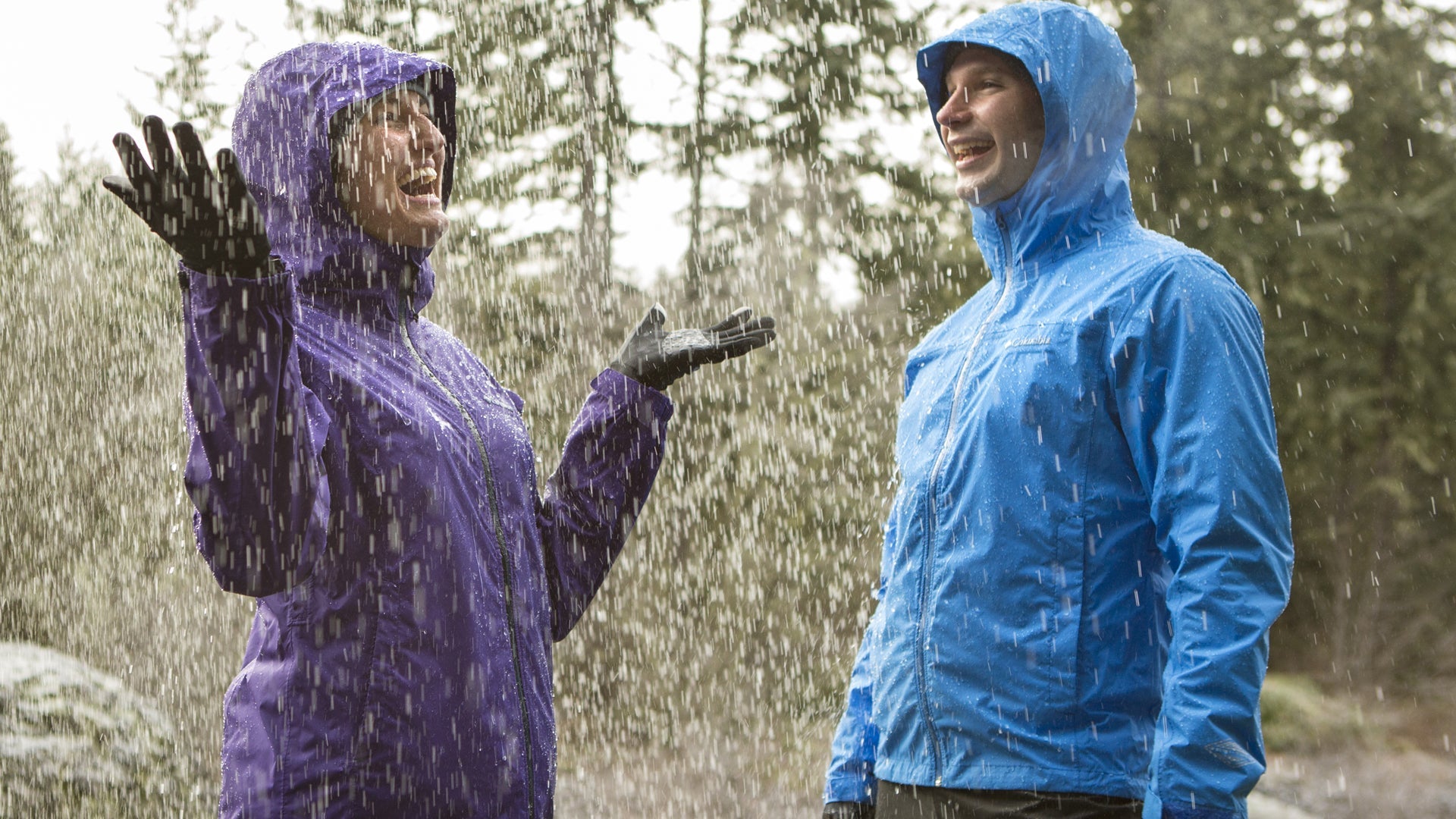
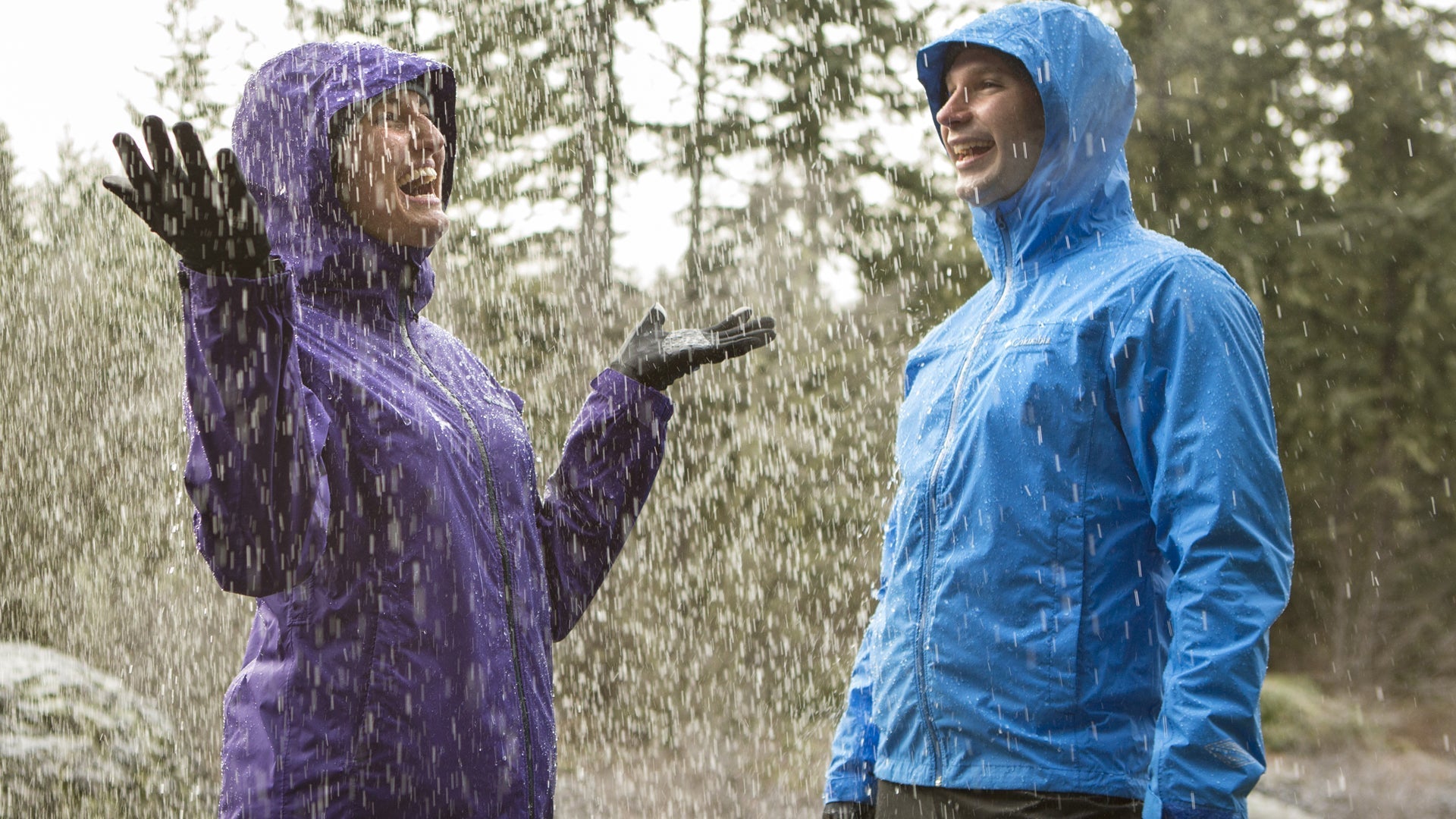
- Rain jacket: Full waterproofing is non-negotiable. The Peak XV Tornado (20,000mm/20,000mm) is the premium recommendation for an exposed alpine circuit like the Rees-Dart — a protective cut, taped seams, and reliable performance in sustained rain. Pair with Tornado Overpants to stay dry on river approach sections and rainy saddle crossings. The Rab Kangri GTX is another excellent alpine option stocked at Dwights.
Pack a warm hat, lightweight gloves, and a buff. Even in summer, the Rees Saddle and upper Dart are cold. Gaiters are worth carrying for boggy sections in the lower Dart Valley.
Sleeping Gear
Cold overnight temperatures are standard on the Rees-Dart — expect sub-5°C nights in the upper valleys even in summer, and colder in shoulder season. A sleeping bag rated to at least -5°C is the right call. The One Planet Sonder -8°C (for shoulder season) or One Planet Nitrous -1 (for summer conditions) are our top recommendations — high-quality down fill, excellent warmth-to-weight, and purpose-designed for NZ conditions. Read our sleeping bag guide for help choosing the right rating. Browse the full sleeping bag range. For sleeping mats, use an insulated blow-up mat — the insulation value (R-value) matters on cold hut floors, and a good inflatable mat packs far smaller than a foam roll. See our sleeping mat range for options with appropriate R-values for alpine use.
Cooking & Food
Huts on the Rees-Dart have no cooking facilities — bring your own stove. For alpine conditions where wind is a genuine factor, the MSR WindBurner is the most capable option: the integrated pressure regulator and windproof burner design work significantly better than open-burner stoves in exposed conditions. The MSR PocketRocket Deluxe is lighter and adequate for sheltered hut vestibules. The Optimus Crux is a budget-friendly alternative. Pack high-calorie, easy-prep food: dehydrated meals, instant oats, nut mixes, hard cheese, salami, and chocolate. You'll burn considerably more calories at altitude and in cold conditions than on a lower-altitude track. Carry a water filter — the Rees and Dart rivers are generally clean, but carry treatment capability as a backup.
Navigation & Safety
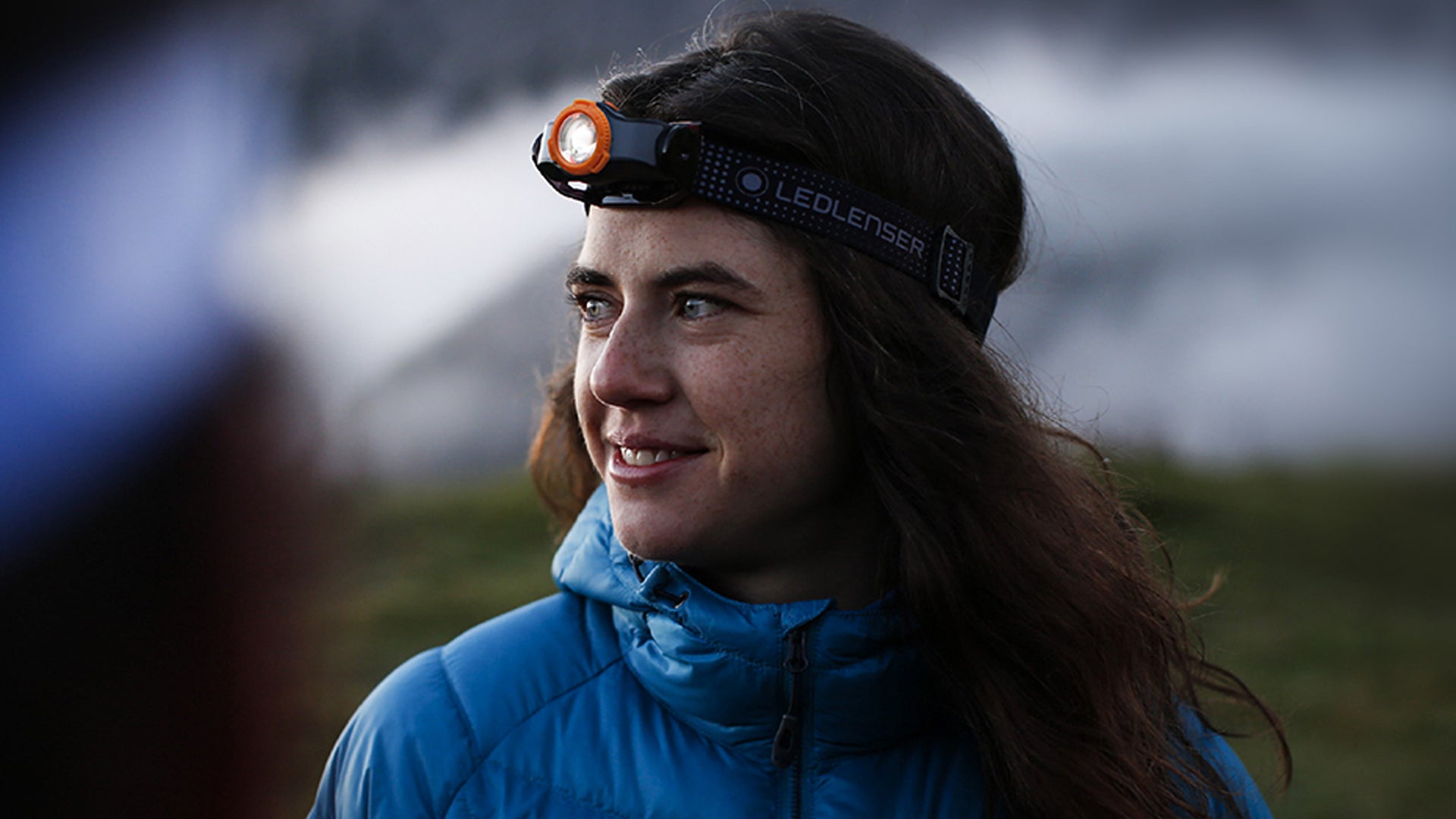
The Rees-Dart is well-marked on the lower sections but requires proper navigation capability in the upper alpine terrain and near the saddle. Download NZ Topo50 maps for the area before leaving — the NZ Topo Maps app or Gaia GPS work well offline. Carry a physical map and compass as backup; phone batteries deplete fast in cold conditions. Trekking poles are strongly recommended — the Peak XV Carbon poles are our top recommendation for an alpine circuit of this length, offering weight savings and solid performance on technical terrain. Poles are particularly useful on river crossings to maintain balance and test depth. A headlamp is essential: the Nitecore UT27 Pro (83g) from our headlamp range is our pick — lightweight and genuinely bright. Carry a PLB on any remote NZ track; PLB hire is available from Queenstown if you don't own one. Check river levels before crossing and turn back if in doubt — swollen rivers are the most common serious hazard on this track.
Gear Checklist
- Tramping boots — Crispi Valdres EVO GTX (lead), La Sportiva Trango TRK GTX, or Salewa Mountain Trainer Mid GTX (stiff)
- Deuter Aircontact Core 50+10 pack (55–65L range)
- Peak XV midweight merino base layer — top and leggings
- Heavyweight fleece or insulated mid layer
- Rab Microlight Alpine or Rab Valiance insulated jacket
- Peak XV Tornado rain jacket (premium) or Peak XV Pinnacle
- Rab Kangri GTX (alternative rain jacket)
- Tornado Overpants
- Tramping trousers (softshell or synthetic)
- Warm hat + lightweight gloves
- Buff / neck gaiter
- Merino wool socks × 3–4 pairs
- Gaiters (recommended for lower Dart sections)
- One Planet Sonder -8°C (shoulder season) or Nitrous -1 (summer) sleeping bag
- Insulated blow-up sleeping mat (high R-value)
- MSR WindBurner or MSR PocketRocket Deluxe stove
- Lightweight pot + eating utensils
- Fuel canister (sufficient for 4–5 days)
- Food for 4–5 days + emergency snacks
- Water filter + purification tablets
- Water bottles or reservoir — 2L minimum
- Peak XV Carbon trekking poles
- Nitecore UT27 Pro headlamp
- PLB (personal locator beacon)
- First aid kit
- Emergency bivvy
- Whistle
- NZ Topo50 map (offline) + compass
- Sunscreen + sun hat