

Kepler Track Packing List NZ

Kepler Track Packing List — What to Bring

The Kepler Track is a 60km loop tramp starting and finishing in Te Anau — which makes it the only Great Walk you can walk to from town. It's widely regarded as the best introduction to Great Walk tramping: well-graded, well-signed, excellent huts, and spectacular alpine terrain on the Luxmore Ridge that genuinely rewards the effort to get up there.

That said, "introductory" doesn't mean easy or gear-optional. The alpine sections above the bush line are fully exposed, and the weather can turn quickly on Luxmore Ridge. You need proper waterproofing, solid footwear, and warm layers — the same standard you'd bring to any serious four-day South Island tramp.

The Rab Microlight Alpine Jacket (RRP $399.95) is a popular choice — packable 750-fill down in a lightweight shell, suited to NZ hut-to-hut tramping.

Boots

The Kepler has a mix of terrain — beech forest on the valley sections, exposed rocky ridgeline on Luxmore, and some muddy sections after rain. You need a waterproof boot with ankle support and grip. The ridge sections are the key factor here; don't let the "introductory" label push you toward inadequate footwear.

Our pick — Mens

The Salewa Mens Mountain Trainer Mid GTX ($538.99) handles everything the Kepler throws at you. Gore-Tex waterproofing keeps your feet dry through the lower forest sections, and the technical outsole performs on the rocky ridge terrain. This is a boot that will last through multiple Great Walks seasons.

Our pick — Womens

The Salewa Womens Mountain Trainer Mid GTX ($538.99) offers the same performance in a proper women's fit. Women-specific lasts mean better fit and less likelihood of blisters developing on a four-day tramp. Getting the fit right matters enormously over 60km.

Premium alternatives

For trampers who want the most robust boot available, the Crispi Nevada Legend GTX ($799.99) is uncompromising in quality and durability.

Pack

At 60km over four days, the Kepler is the longest of the three Southland Great Walks. That means four days of food plus full clothing and sleep systems — you need 50–65L of pack volume. Pack fit is the most important factor; get it properly fitted in-store before you commit.

Our pick — Mens

The Deuter Aircontact Core 50+10 ($439.00) is the right pack for the Kepler. The Aircontact back system is one of the best load-transfer designs in the mid-range — it puts the weight where it belongs (on your hips, not your shoulders) and stays comfortable well into day three and four. The 10L expansion gives you room for extra layers or a bit of extra food.

Our pick — Womens

The Deuter Aircontact 50+10SL ($475.19) is the women's-specific version with a shorter torso length and adjusted hip belt. Properly fitted, this pack distributes load significantly better than a unisex option.

Other options

The Deuter Aircontact Core 55+10SL ($479.00) suits taller trampers who need extra torso length. For those on a tighter budget, the Lowe Alpine Mens Sirac Plus 65L ($349.99) and Lowe Alpine Womens Sirac Plus ND65L ($389.99) are capable packs at a lower price. Ultralight trampers (mens) can look at the Rab Muon 50L ($419.95) — note this is currently available in mens only.

Use a dry bag liner inside your pack regardless of which pack you choose. Rain on Luxmore Ridge is cold and heavy; a soaked sleeping bag ruins the trip.

Rain Jacket

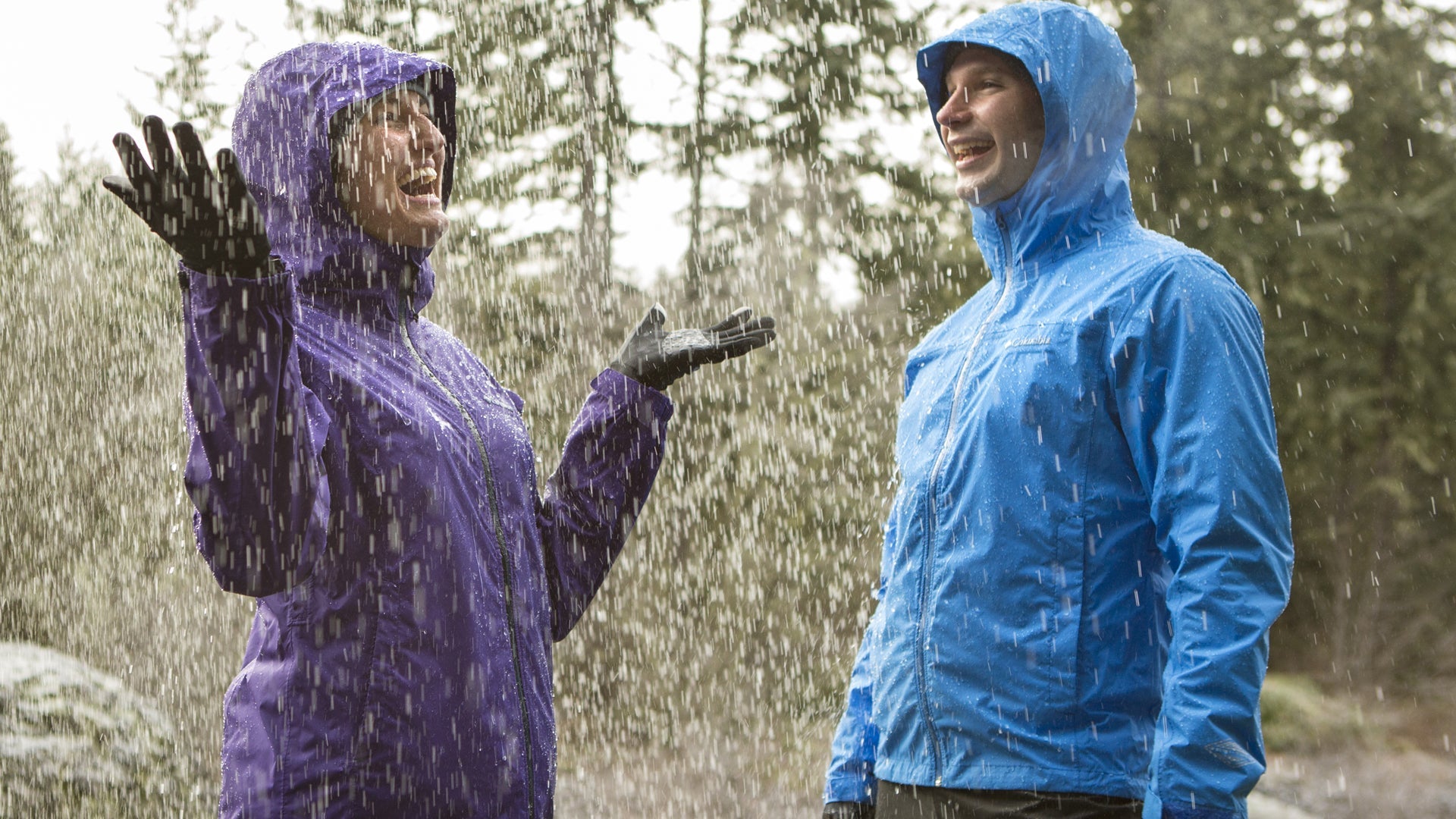
The Luxmore Ridge sections are exposed to Fiordland weather systems. When rain arrives up high, you need a jacket that stays watertight and breathable across a full day of active tramping. Half-measures in this department cost you on day two when you're wet, cold, and have two more days to go.

Our pick — Mens & Womens

The Peak XV Tornado Waterproof Jacket (Mens) ($299.99) and Peak XV Tornado Waterproof Jacket (Womens) ($299.99) are our consistent recommendation for Great Walks tramping. These are genuinely waterproof jackets built for sustained wet conditions — not festival jackets with a DWR coating. The value proposition is hard to beat.

Premium mens options

The Rab Kangri GTX Jacket ($701.96) uses Gore-Tex Pro fabric for maximum durability and breathability. If you're a regular South Island tramper, this jacket will outlast several cheaper options and perform better in the worst conditions. The Rab Kangri GORE-TEX PACLITE+ ($559.99) offers similar waterproof performance in a lighter, more packable construction. Note: the Kangri range is currently available in mens only — the Peak XV Tornado Womens is the recommended choice for women.

Insulated Layer

Pack an insulated jacket (down or synthetic) for hut evenings and cold rest stops on the ridge. The Luxmore Hut at 1,085m gets cold even in midsummer once you stop moving. Keep the insulated layer dry inside your pack — it's your warmth reserve, not your rain jacket. These are separate functions; carry both.

Sleeping Bag

Great Walks huts provide bunks with mattresses, not bedding. You need your own sleeping bag. Luxmore Hut is at 1,085m — it can be genuinely cold up there, especially in shoulder season. Don't underrate the sleeping bag.

Our picks

The One Planet Nitrous -3 ($549.99) is the right call for the main season. Comfortable to -3°C, compact, and proven across Southern Hemisphere conditions. For shoulder season (October, March–April) or cold sleepers, move up to the One Planet Cocoon -8 ($649.99) or the One Planet Sonder -8. One Planet bags are made in Australia, and the quality shows — well-stitched baffles, quality down fill, and a cut that works for most body shapes.

Sleep Mat

Optional in Great Walks huts (mattresses provided), but a lightweight mat meaningfully improves sleep quality and pulls double duty as insulation against cold hut floors or a sit pad during breaks on the ridge.

The Peak XV Hyperlite 4.9R ($199.99) at 445g packs down small and earns its place on a four-day loop. The Rab Ultrasphere 5 ($249.00) is lighter still at 345g with a higher R-value — ideal for the colder nights at Luxmore Hut.

Socks

Over 60km, socks matter more than most people expect. Wet feet cause blisters; blisters make 60km miserable. Carry three pairs minimum, rotate them daily, and choose wool over synthetics.

Gaiters

Not as essential on the Kepler as on the Milford, but useful after heavy rain and on the lower bush sections where mud accumulates. The Rab Kangri Gore-Tex Gaiters ($127.96) are worth packing if you're tramping in shoulder season or if recent rain has been heavy.

Complete Packing List

Clothing

  • Waterproof rain jacket
  • Insulated jacket (down or synthetic)
  • Mid layer (fleece or softshell)
  • Merino wool base layer tops × 2
  • Tramping trousers or convertible pants
  • Waterproof overtrousers
  • Merino wool socks × 3 pairs
  • Gaiters (recommended)
  • Warm hat and sun hat
  • Lightweight gloves
  • Camp shoes or sandals (optional)

Pack & Carry

  • Pack (50–65L) with pack liner or internal dry bags
  • Pack cover
  • Trekking poles (optional)

Sleep

  • Sleeping bag (-3°C or colder)
  • Sleep mat (optional in Great Walks huts)

Safety & Navigation

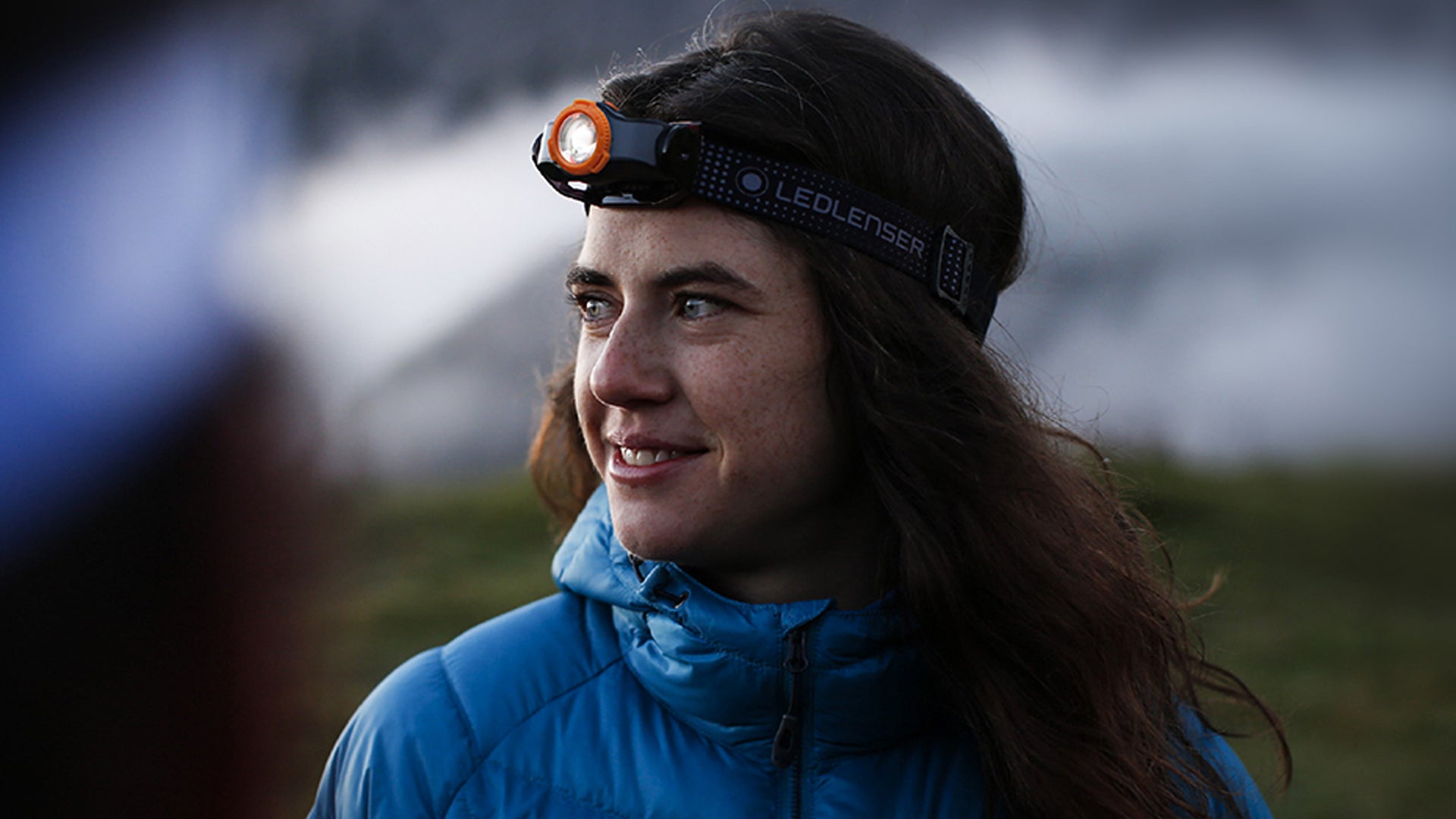
  • Headlamp + spare batteries
  • First aid kit
  • Personal locator beacon (PLB)
  • Great Walks pass and booking confirmation
  • Track map
  • Whistle

Food & Water

  • Food for 4 days (huts have cooking facilities, no food supplied)
  • Cooking stove + fuel
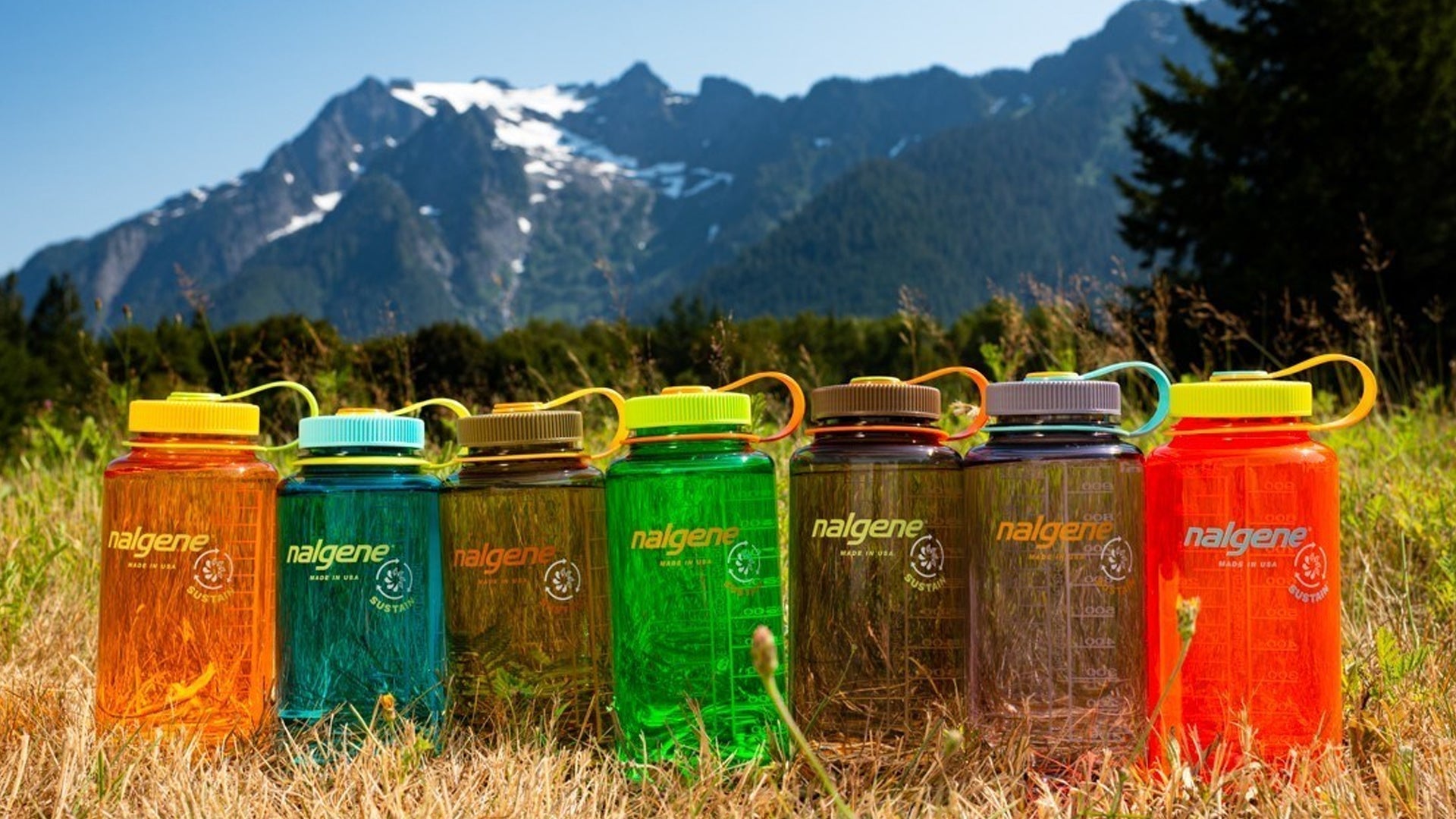
  • Water bottle or hydration bladder
  • Water filter (backup)
  • Eating utensils and mug

Toiletries & Sundries

  • Sunscreen and lip balm
  • Insect repellent (sandflies in the valley sections)
  • Hand sanitiser
  • Lightweight towel
  • Phone and charging cable
  • Earplugs

Frequently Asked Questions

How does the Kepler Track compare to the Milford Track?

The Kepler is the better starting point for first-time Great Walk trampers. It's more accessible (starts and finishes in Te Anau, no boat transfers required), slightly more forgiving in terrain, and the huts are excellent. The Milford is more remote, wetter, and arguably more dramatic — but it requires more planning and more money. Do the Kepler first, then come back for the Milford. They're different enough that comparing them misses the point — both are exceptional.

What's the best season for the Kepler Track?

The Great Walks season runs late October through April. The main season (December–February) is warmest and busiest. November and March offer a good balance of settled weather and lower hut occupancy. The Luxmore Ridge sections can retain snow into November and from April; in shoulder season, carry extra warm layers and check DOC's track conditions before you go.

How do I book Kepler Track huts?

Book through the DOC Great Walks booking system at doc.govt.nz. Huts open for bookings six months in advance for the main season, and popular dates (especially January) fill within days of opening. Set a calendar reminder and book as early as possible. Hut passes must be booked before you start the track — you cannot pay on arrival during the Great Walks season.

How heavy should my pack be for the Kepler Track?

Target 12–16kg fully loaded including food and water. The Kepler is 60km — slightly longer than the Milford — so pack weight compounds more than on a shorter tramp. Heavy packs also slow you down on the Luxmore Ridge ascent, which is the hardest section of the track. Strip out anything that doesn't serve a clear purpose. Common weight culprits: redundant clothing, full-sized toiletries, too many snacks, and footwear kept in the pack rather than worn from the start.