




Best Day Packs NZ 2026 — Top Picks for Day Walks and Hiking
A well-chosen day pack is one of those pieces of gear you stop noticing — it sits comfortably, carries everything you need without excess bulk, and gets out of the way while you focus on the trail. Get it wrong, and you notice it all day: shoulder straps that dig in, a back panel that traps sweat, a narrow mouth that makes packing and access a chore, or a volume that doesn't match the day's demands. New Zealand's day walks range from a two-hour bush circuit to a full-day alpine route with significant pack requirements — layers, rain gear, food, water, first aid, and safety kit all need to fit and be accessible. This guide covers what to look for in a day pack and our top picks for 2026, sized from 22 to 36 litres to cover the full range of NZ day hiking. See our full backpackhiking backpack guide for multi-day pack options.
What to Look for in a Day Pack
Volume: Matching Capacity to the Day
Day pack volume broadly breaks down into two brackets. 20–30 litres suits half-day and most full-day walks where you're carrying a light kit: water, lunch, a rain layer, first aid, and spare warmth. This range is ideal for NZ's well-defined day walk tracks and alpine routes where keeping weight low is a priority. 30–40 litres is better for longer days with heavier kit, overnight-ready carry (in case of unexpected changes), or trampers who carry more gear by habit. At this size, you can fit a larger lunch, extra layers, a camp stove, and even a lightweight sleeping system if needed. Resist the urge to buy a pack larger than you'll use — a half-full large pack carries less comfortably than a well-fitted smaller one.
Back Panel and Ventilation
Back panel design affects both comfort and heat build-up on warm days. Direct-contact back panels (where the pack rests flat against your back) offer better load transfer and more compact carry but less airflow. Tensioned mesh back panels — where a suspended mesh sheet creates an air gap between the pack and your back — significantly reduce sweat build-up on the back on warm days. For NZ's varied climate, tensioned mesh is a practical advantage on hot summer days, though in cold or wet weather the gap can actually make you colder. Consider the conditions you'll most commonly face.
Hip Belt and Load Transfer
For day packs in the 30L+ range, a proper hip belt matters. It transfers a meaningful portion of pack weight from your shoulders to your hips, reducing fatigue over longer days. Simple strap hip belts are adequate for lighter 20–25L loads. Padded, anatomically shaped hip belts become worthwhile at 30L+ or when you're carrying heavier loads. Check that the hip belt sits on your iliac crest (hip bone) rather than your waist — correct fit here makes a significant difference in carrying comfort.
Hydration and Organisation
Look for a dedicated hydration sleeve or reservoir compatibility if you prefer hands-free hydration on the trail. External bottle pockets that are accessible without removing the pack are useful for quick water access. Internal organisation — a padded laptop sleeve (doubles as a map/document pocket), lid pocket, and hip belt pockets — improves access to frequently needed items. On an alpine day walk where you need quick access to a rain jacket, snacks, and navigation tools, organisation saves real time.
Our Top Picks
Rab Protium 35 — Best Overall Day Pack
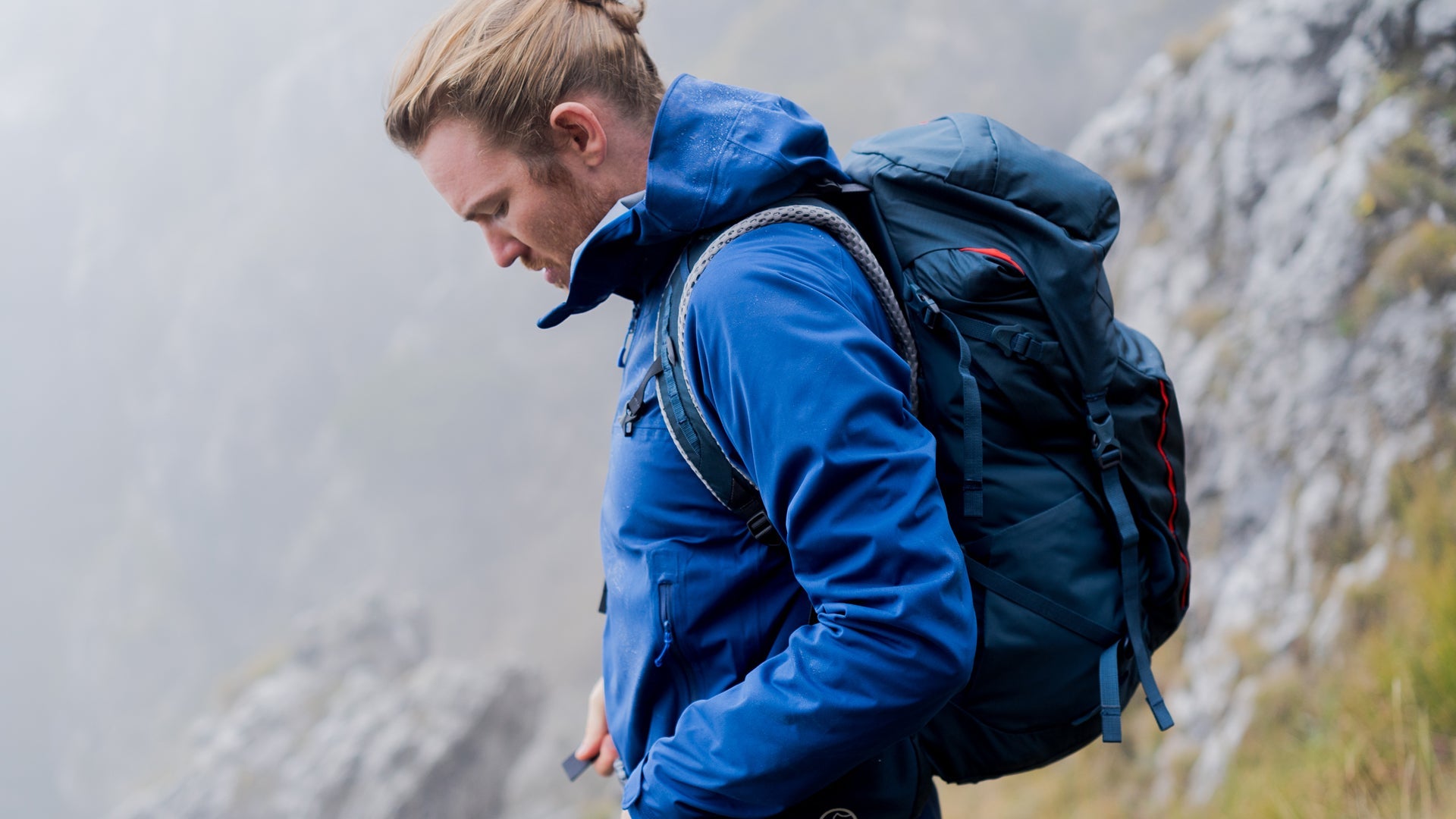
The Rab Protium 35 leads our 2026 recommendations as the most versatile and well-considered day pack in the range. At 35 litres, it sits in the sweet spot for NZ day walks that extend into longer territory — enough volume for a full day's kit plus emergency layers, but still compact and light enough not to feel excessive. The Protium 35 features a well-padded back system with good load transfer, an adjustable harness, and a sensible internal organisation layout that makes packing and access efficient on the trail. Rab's build quality is a known quantity and the Protium uses durable, lightweight materials that handle NZ's wet and rough trail conditions reliably. The hydration sleeve and external stretch pockets add practical day-hiking functionality. For trampers wanting one pack that covers full-day alpine walks, longer coastal routes, and anything in between, the Protium 35 is the recommendation.
Deuter Speed Lite 30 — Best Lightweight Technical Day Pack
The Deuter Speed Lite 30 is built for speed and efficiency — a technical day pack that prioritises low weight and streamlined carry without sacrificing a usable 30 litre volume. The Aircomfort Sensic mesh back provides a suspended carry that keeps airflow going on warm days, and the frame stays give enough structure to carry a meaningful load comfortably. At around 800g, it's one of the lighter packs in the 30L class. The Speed Lite 30 suits fast-and-light trampers, trail runners who want a bit more volume, and anyone doing alpine day routes where pack weight matters. The stretch front pocket is useful for stashing rain layers quickly, and the lid pocket provides fast access to essentials. A well-regarded, durable option from a brand with a long track record in technical packs.
Deuter Trans Alpine 30 Day Pack — Best for Longer Days and Technical Routes
The Deuter Trans Alpine 30 is a technical day pack built for active use — trail hiking, mountain biking, and longer NZ day routes where ventilation and fit under movement matter. The Airstripes back system keeps a ventilation channel running the full length of the back panel, reducing heat build-up significantly on active days. At 30 litres, it gives you room for a full day's kit including layers, food, water, and safety gear without bulk. The helmet-carry system (primarily for bikers) doubles as useful external carry for wet gear. The Trans Alpine 30 is one of the most capable and well-ventilated day packs in the Deuter range — it's the choice for NZ trampers who want a technical pack that earns its place on both trail and alpine day routes.
Deuter Futura 28 SL Womens Backpack — Best Day Pack for Women
The Deuter Futura 28 SL is purpose-built for women's body geometry — a shorter back length, narrower shoulder harness, and shaped hip belt that works with a woman's frame rather than adapting a men's fit. The Aircomfort Sensic mesh back panel delivers outstanding ventilation through a tensioned mesh system that keeps air flowing even on warm days. At 28 litres, it carries everything a full NZ day walk demands — layers, food, water, first aid, and rain gear — in a balanced, comfortable load that stays comfortable from the trailhead to the summit. The SL (Slim-Line) designation indicates the women's-specific geometry is present throughout the harness and hip belt, not just in the colour. For women who've been managing with a men's fit pack and found it uncomfortable, the Futura 28 SL is the difference that makes a full day on trail genuinely enjoyable.
Frequently Asked Questions
What size day pack do I need for NZ day walks?
For most NZ day walks, 25–35 litres is the practical range. A 25–30L pack suits shorter days and lighter kit — water, lunch, and a rain layer. A 30–35L pack gives you room for longer days with extra layers, first aid, and emergency kit. For alpine routes or days with unpredictable weather, erring toward 30–35L means you have room to carry everything you need without compromising on safety gear. For multi-day packs, see our full backpack guide.
Do I need a hip belt on a day pack?
For lighter 20–25L loads, a simple strap hip belt is sufficient — its main job is to stop the pack swaying rather than transferring load. For 30L+ packs with heavier contents, a properly padded and anatomically shaped hip belt makes a real difference to comfort over a full day. If you're regularly carrying 5kg+ in a day pack, a structured hip belt is worth prioritising.
Should I get a day pack with a frame?
Most quality day packs include either a lightweight framesheet or stay rods that give the pack structure and help with load transfer. These are different from the full frame systems in multi-day packs — they add minimal weight but meaningfully improve how a heavy load sits. For day packs carrying a full day's kit including layers, water, and safety gear, a pack with a basic frame component will carry more comfortably than a completely frameless pack.
What features matter most for NZ day hiking?
The essentials for NZ conditions: a hydration sleeve or external bottle pockets for easy water access; a top-loading or quick-access pocket for rain gear; a separate lid or front pocket for snacks and essentials; and a hip belt at least wide enough to stabilise the load. An integrated rain cover is a bonus but not essential if you're carrying a pack liner or dry bag. Breathable back panels are useful on warm days but less important in NZ's frequently cool and overcast conditions.
Featured image: Photo by Michal Klajban / Wikimedia Commons (CC BY-SA 4.0)