

Tongariro Alpine Crossing Gear List 2026 — What to Wear and Pack
Tongariro Alpine Crossing Gear List 2026 — What to Wear and Pack
The Tongariro Alpine Crossing is New Zealand's most popular one-day walk — and one of the most underestimated. Every summer, thousands of people complete the 19.4km crossing in perfect conditions and leave with memories of emerald lakes, volcanic craters, and expansive views. But every year, people are also evacuated from the track, turned back at the gate, or caught out by weather they were not prepared for. The difference is almost always gear. This guide tells you exactly what you need.
The Crossing in Brief
The Tongariro Alpine Crossing is a one-way, 19.4km walk across the volcanic terrain of Tongariro National Park, crossing between Mt Ngauruhoe and Mt Tongariro. Most walkers start at Mangatepopo car park and finish at Ketetahi. The track gains around 765m of elevation, with the steepest section — the Devil's Staircase — a direct climb up loose volcanic scree. Above the bushline, the track is fully exposed to weather for several kilometres.
Most fit walkers complete the crossing in 6-8 hours. Shuttle buses between Whakapapa Village, Turangi, and the trailheads operate through the summer season.
Why Gear Matters More Than You Think
The Tongariro Alpine Crossing has a misleading reputation as a moderate day walk. In settled summer weather it can feel straightforward. But the track rises to over 1,800m, crosses fully exposed alpine terrain above the treeline for hours, and is subject to rapid, dramatic weather changes at any time of year. Cold fronts move through Tongariro quickly — what was a clear morning can become cold, windy, and rainy within an hour on the exposed saddle between the craters.
DOC actively manages the crossing and will turn back walkers who arrive at the trailhead inadequately equipped. A waterproof rain jacket is mandatory. Cotton is not appropriate. Inadequate footwear gets people refused entry or into trouble on the volcanic terrain.
Footwear
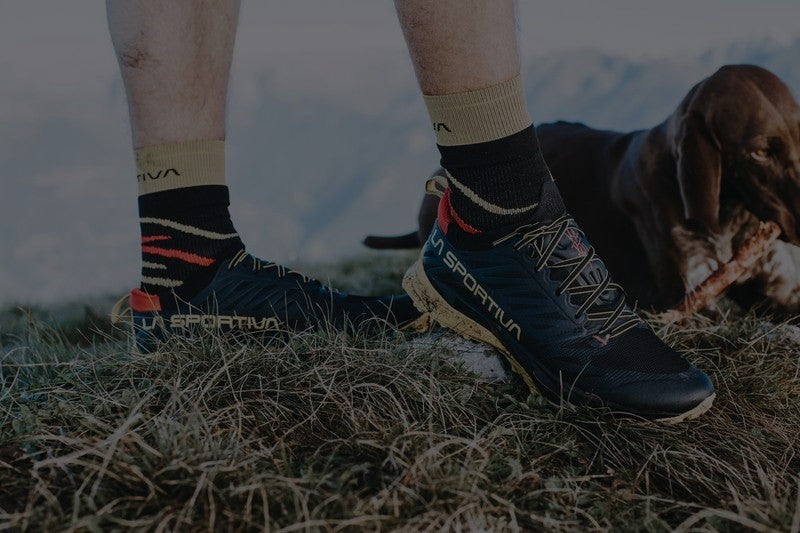
A mid-cut tramping boot with ankle support and a waterproof lining is the recommended footwear for the crossing. The volcanic terrain — loose gravel, scree, and uneven rock — demands stable footwear with good grip. La Sportiva and Salewa both offer excellent mid-cut waterproof boots suited to the crossing's terrain.
Experienced walkers regularly complete the crossing in trail runners in good summer conditions, but boots offer significantly better stability on the scree sections and protection if conditions deteriorate. If you are doing the crossing for the first time, boots are the right choice.
Do not attempt the crossing in fashion footwear, jandals, or flat-soled shoes. You will be turned back at the gate, and you would not enjoy it anyway.
Browse our hiking boots range.
Clothing Layers
Build your layers for alpine conditions, not a summer walk in the park:
- Base layer: Peak XV merino midweight base layer — moisture-wicking, comfortable against skin all day, handles the transition from sweaty climbs to cold exposed ridgeline effectively.
- Mid-layer: A 200-weight fleece or down jacket. You will not always wear it, but you will be glad it is in your pack when you stop on the exposed saddle. Stow it in the top of your pack for quick access.
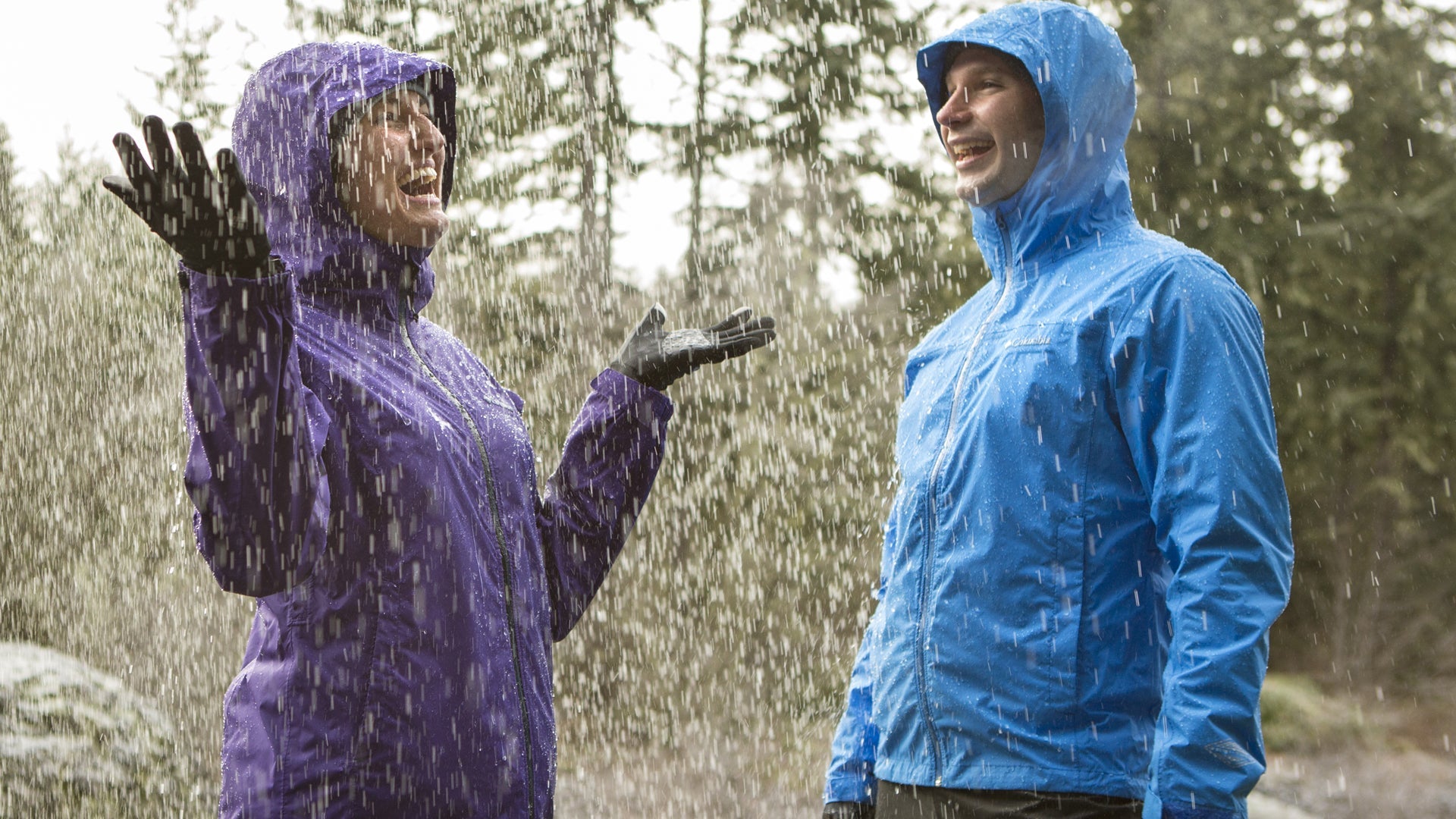
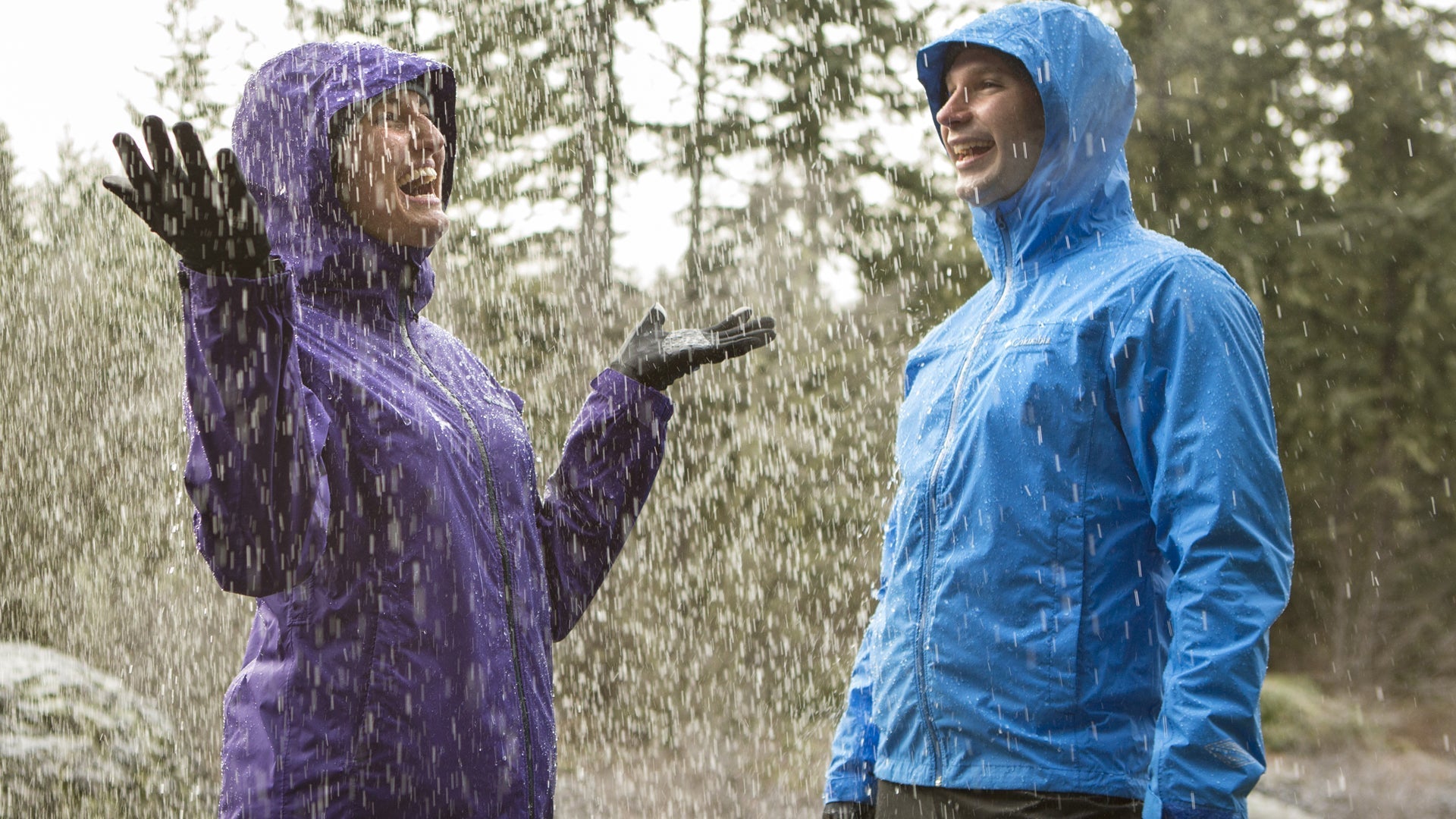
- Outer shell: A full waterproof hardshell rain jacket — mandatory. The Peak XV Tornado (20,000mm HH, breathable membrane, fully taped seams) is the right choice for the Crossing. Carry it accessible, not buried at the bottom of your pack.
- Warm hat and gloves: The saddle between craters is exposed and cold. Both are lightweight and small — never leave them out of your pack for the Crossing, regardless of the forecast.
Browse our rain jackets range and base layers.
Pack
A 20-30L day pack is ideal. Large enough to carry all your layers, food, water, and safety gear — small enough to stay comfortable on the long descent. Pack your rain jacket at the top. Keep snacks and water accessible without unpacking.
Water and Food
Carry a minimum of 2 litres of water from the trailhead. There is no reliable water source on the exposed section of the track and the springs near Ketetahi Hut are geothermally active and not safe to drink from. Most walkers carrying 2 litres find they need all of it on a warm day.
Pack enough food for a full day plus a backup emergency snack. Energy-dense options — nut butter sachets, nuts, dried fruit, energy bars — are the most practical for a day pack.
Sun Protection
This is frequently underestimated on the Crossing. The exposed volcanic terrain above the bushline reflects UV strongly, and the altitude increases UV intensity. Sunscreen (at least SPF 30, reapply after 2 hours), a sun hat with a brim, and UV-protective sunglasses are all recommended. Sunburn at altitude is fast and can be severe.
Seasonal Considerations
Summer (December-February): The primary season. Best weather likelihood, longest days. Still carry full layers — even in summer, storms hit Tongariro quickly. Most weather turnarounds happen in January and February, not July.
Shoulder season (October-November, March-April): Cooler and more changeable. Snow possible on the upper sections. A down jacket in addition to your fleece is strongly recommended. Check DOC closures and forecasts the day before.
Winter (May-September): The crossing is often closed or requires mountaineering equipment (crampons, ice axe). Not a suitable route for trampers without specific winter skills. Check DOC status carefully.