

NZ Great Walks Gear List: What to Pack for Every Track

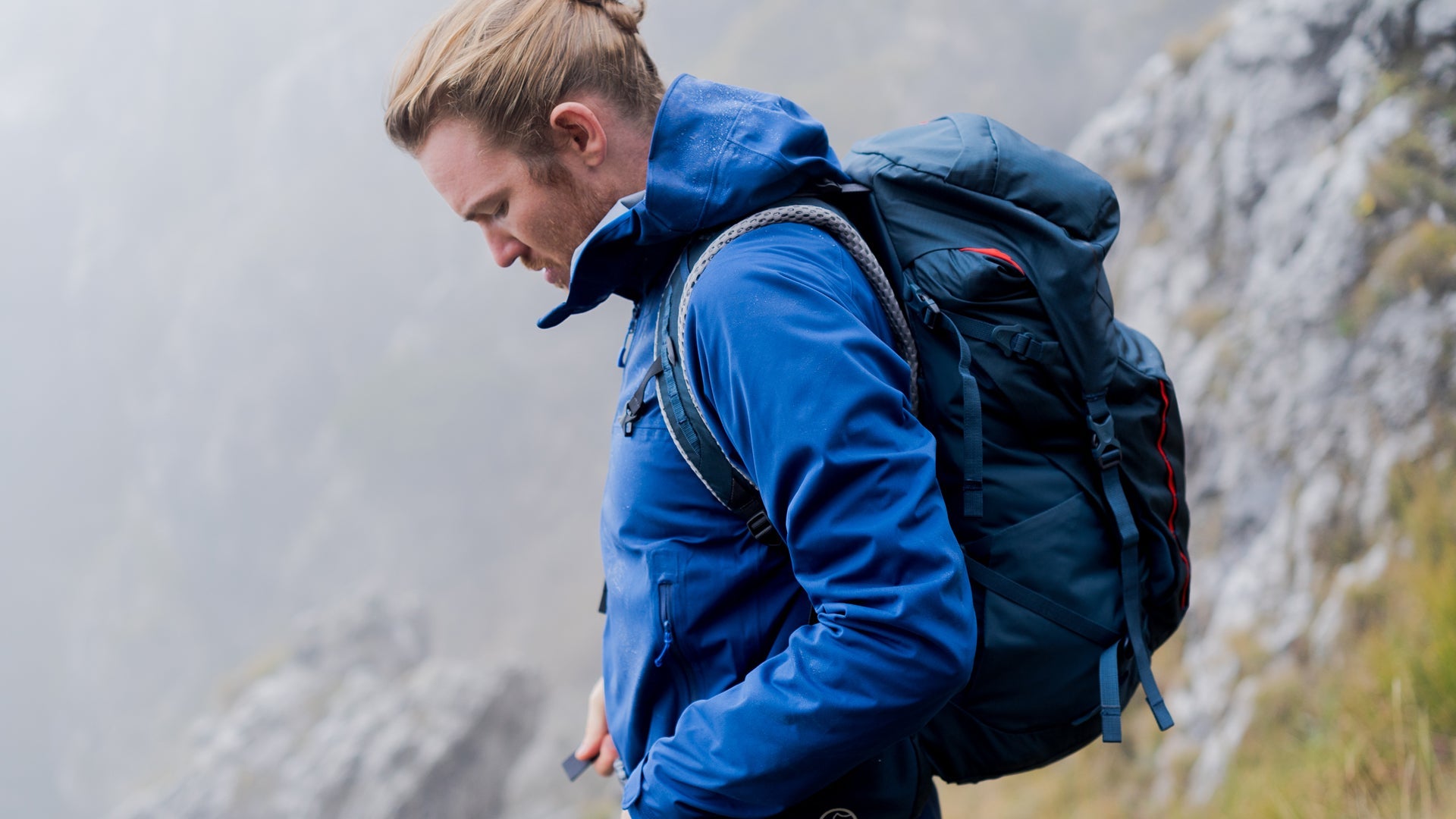
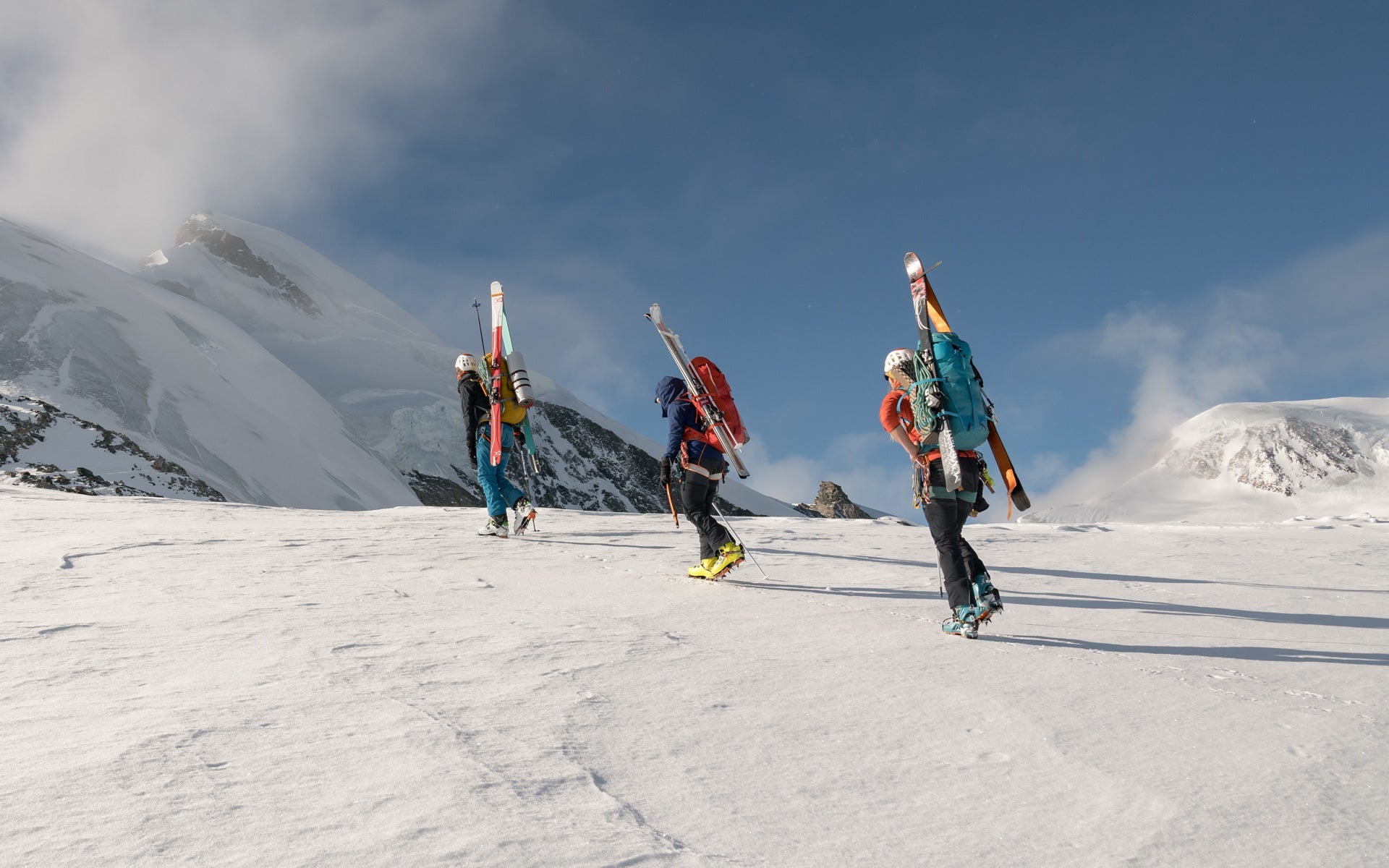
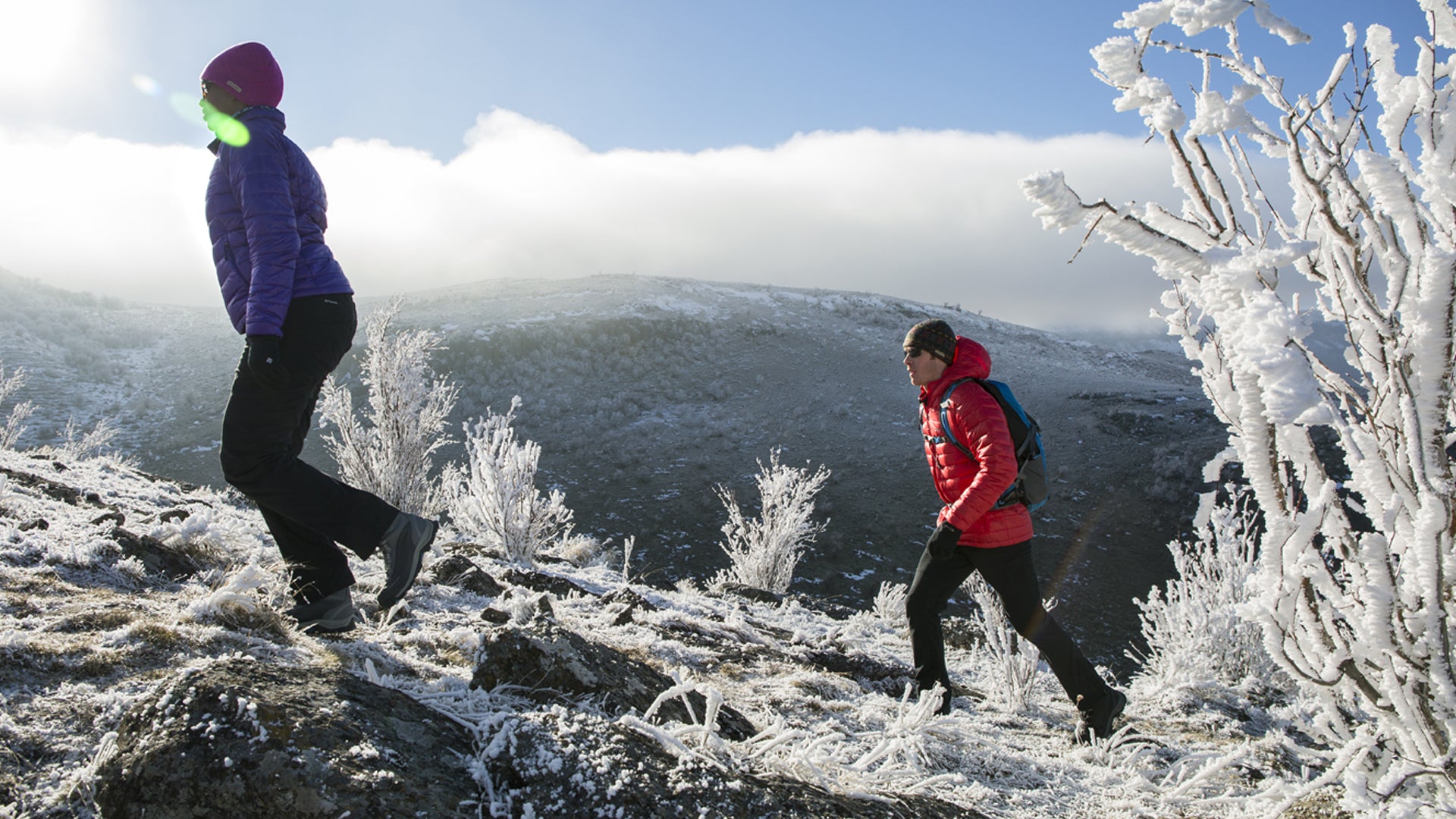
Two trampers on a mountain trail with large backpacks — NZ Great Walks gear list

Written by the Dwights Outdoors team — specialists in camping and hiking gear since 1979.

New Zealand's Great Walks are some of the finest tramping tracks on the planet. From the ancient beech forests of the Milford Track to the volcanic plateau of the Tongariro Northern Circuit, each one rewards the well-prepared and punishes the under-geared. These aren't casual day walks — you're carrying everything you need for three to six days in rapidly changing mountain weather, often in genuinely remote terrain.

The good news: you don't need to overthink it. A clear gear list, the right product choices, and a bit of pre-trip homework will set you up for the experience of a lifetime. This guide walks you through everything you need for any of New Zealand's nine Great Walks — Milford Track, Routeburn Track, Kepler Track, Heaphy Track, Abel Tasman Coastal Track, Tongariro Northern Circuit, Lake Waikaremoana Track, Paparoa Track, and the epic multi-month Te Araroa — with honest picks at every price point.


The Great Walks Gear Checklist

Before we go deep on each category, here's your at-a-glance checklist. Tick these off before you leave the trailhead car park:

  • Sleeping bag — rated to at least 0°C for most Great Walks
  • Sleeping mat — insulated, inflatable
  • Backpack — 50–70 litres for hut tramping
  • Waterproof jacket — fully seam-sealed, not just water-resistant
  • Insulating mid-layer — fleece or down jacket
  • Moisture-wicking base layers — merino or synthetic, top and bottom
  • Waterproof over-trousers
  • Tramping boots — broken in, with ankle support
  • Gaiters — especially for muddy tracks like Heaphy and Lake Waikaremoana
  • Hiking poles — highly recommended
  • Navigation — downloaded offline maps, PLB or satellite communicator
  • Headtorch — with spare batteries
  • First aid kit
  • Sun protection — sunscreen, sunglasses, hat
  • Food and cooking — lightweight stove, fuel, meals (unless the hut has a kitchen)
  • Water treatment — filter or purification tabs
  • Dry bags / pack liner

Sleep System: The Gear That Makes or Breaks Your Trip

Nothing ruins a Great Walk faster than a bad night's sleep. Get the sleep system right and everything else feels easier.

Sleeping Bag

For most Great Walks, you need a sleeping bag rated to around 0°C. Even in summer, temperatures in huts on the Routeburn, Milford, and Kepler can drop well below what most people expect — especially at altitude. Shoulder season (March–May, September–October) pushes those temps lower again.

Our top picks from the sleeping bag range:

  • One Planet Nitrous ($499–$549) — A brilliant all-round bag for Great Walks. Down-filled, compressible, and well-suited to the 0°C conditions you'll encounter on tracks like the Kepler or Tongariro Northern Circuit.
  • One Planet Sonder ($599–$699) — A step up in warmth and quality. Great for shoulder season tramping or trampers who run cold.
  • One Planet Cocoon ($699–$749) — Premium warmth, ultralight packability. If you're doing the Milford or Routeburn in late autumn, this is the bag.

Want help choosing? Read our full sleeping bag guide — it covers temperature ratings, fill power, and how to match a bag to the track.

Sleeping Mat

Most people underestimate the sleeping mat. In huts, you're sleeping on a wooden bunk — without a good mat, you'll feel every plank, and you'll lose body heat to the surface all night.

For Great Walks, we strongly recommend an insulated inflatable mat — not a self-inflating foam mat. The difference in warmth, packability, and comfort is significant.

  • Peak XV Hyperlite 4.9R ($249.99, 445g) — Our hero pick for Great Walks. Excellent R-value, ultralight at 445g, and packs down to almost nothing. Handles everything from Abel Tasman in summer to the Routeburn in autumn.
  • Peak XV MaxComfort 7.2R ($279.99) — If you're tramping in the shoulder season or simply want extra warmth underfoot, the higher R-value of the MaxComfort gives you a meaningful buffer on cold nights.

See the full range in our sleeping mats collection, or read the sleeping mat guide to understand R-values and why they matter.


Shelter: Huts or Camping?

The majority of Great Walk trampers book huts — they're comfortable, well-maintained, and social. Most Great Walk huts have gas cooking facilities, flush toilets, and drying rooms. If you've got a hut pass, you don't technically need a tent.

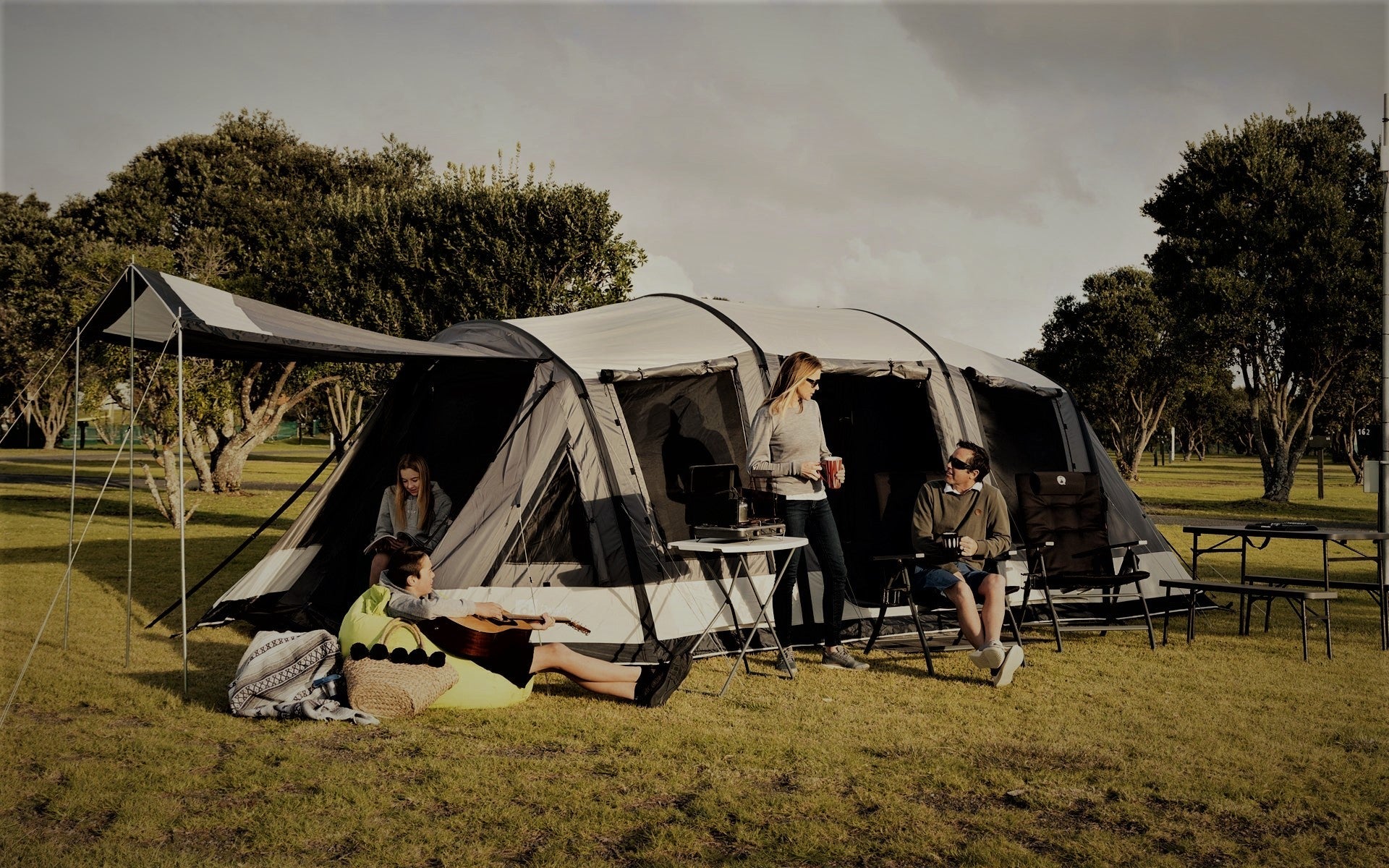
That said, some trampers prefer to camp. DOC operates designated campsites on most Great Walks, and camping opens up more flexibility with dates and track experience.

If you're camping, the Dwights Explore 2 V2 ($799) is a solid choice — a freestanding, weather-resistant two-person tent designed for NZ conditions. Browse the full hiking tents range for other options.

Even hut trampers should carry an emergency bivvy — a small, lightweight safety net if weather forces an unplanned stop.


Pack and Carry

For hut tramping on a Great Walk, you're looking at a 50–70 litre pack. Great Walks run three to five days — the Heaphy at 78km runs longer — and you need capacity for a full sleep system, clothing layers, food, and safety kit without compressing everything into a too-small bag.

  • Deuter Aircontact Lite 50+10 ($369.95) — The right starting point for most Great Walk trampers. The "+10" extension collar gives flexibility when food weight is high at the start of a trip. Excellent back ventilation and load transfer across multi-day carry.
  • Deuter Aircontact Lite 65+10 ($425.69) — If you run cold and carry extra layers, or you're tackling a longer track like the Heaphy, the extra capacity earns its keep. Also a strong choice for anyone doing back-to-back nights of camping rather than huts.

Pack smart: heaviest items (food, water, sleeping bag) closest to your back and high up. Sleep system at the bottom, rain gear and snacks at the top for easy access.


Clothing Layers

NZ mountain weather changes fast. The key is a layering system that adapts — not a single heavy jacket that leaves you sweaty when you're moving and cold when you stop.

Base Layer

Merino wool is the gold standard for tramping. It manages moisture, resists odour over multi-day wear, and regulates temperature better than synthetic in variable conditions. A merino long-sleeve top and leggings will serve you across all nine Great Walks.

Mid-Layer

A fleece or lightweight down jacket is your warmth layer when you stop for lunch, arrive at the hut, or get caught in a cold snap. Down packs smaller; fleece works better when damp. For most Great Walks, a down or synthetic insulated jacket is the smarter pick.

Waterproof Shell

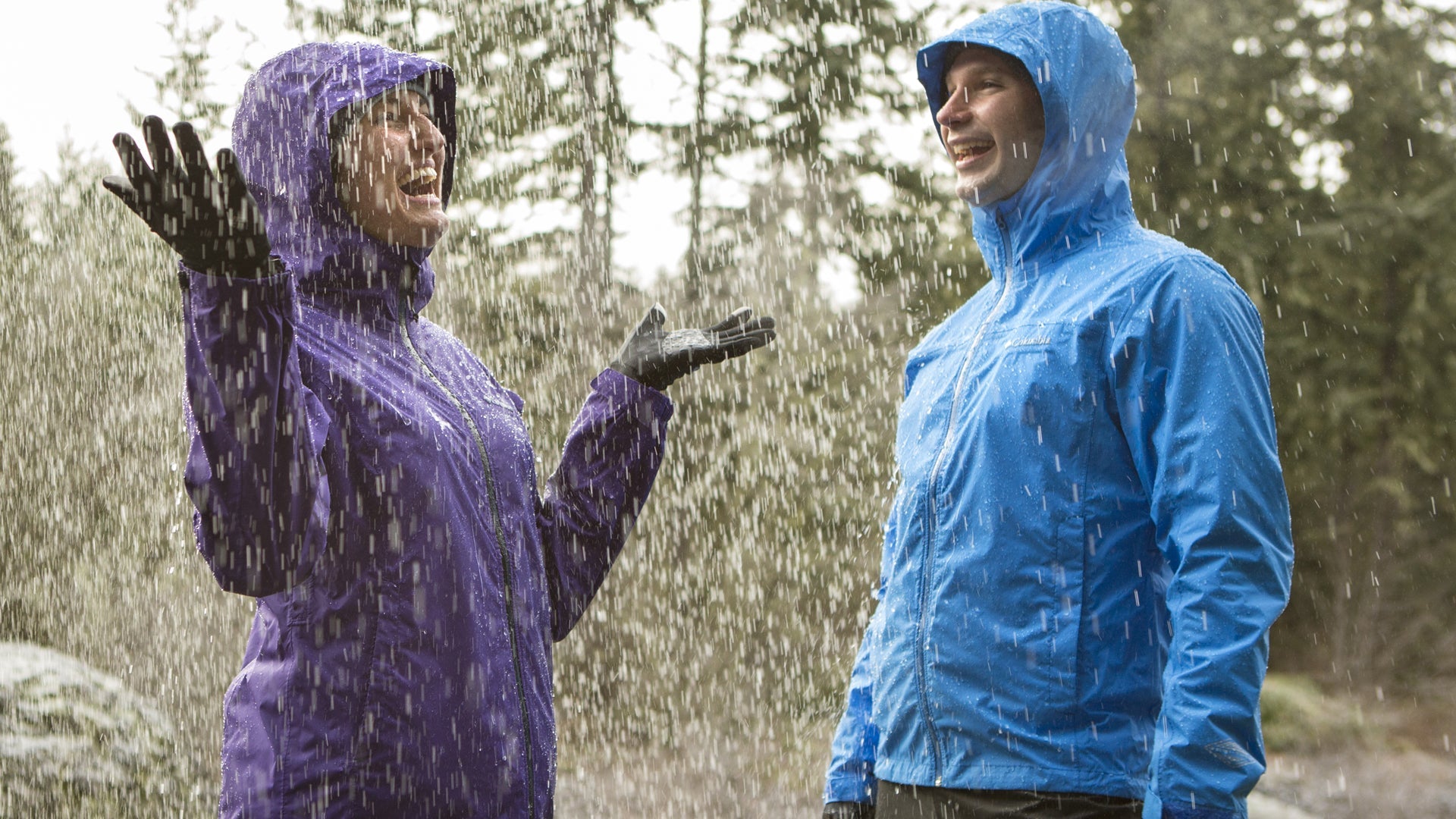
This is non-negotiable. NZ mountains produce serious rain — the Fiordland tracks (Milford, Routeburn, Kepler) average over 6,000mm of annual rainfall. Your jacket needs to be waterproof, not just water-resistant. Seam-sealed, with a proper hood.

The Rab Kangri GTX ($701.96) is a benchmark jacket for serious tramping conditions — Gore-Tex construction, excellent hood, and cut for active movement over technical terrain. Worth the investment if you're doing the harder South Island tracks.

Add waterproof over-trousers and you've got a complete wet-weather system.


Footwear: The Most Important Item You'll Buy

Everything else can be borrowed or improvised. Your boots cannot. Ill-fitting or unbroken boots will destroy your feet over 50+ kilometres of rooted track, river crossings, and steep descents.

For Great Walks, you want:

  • Ankle support — full over-the-ankle construction, not trail runners
  • Waterproofing — GORE-TEX or equivalent membrane lining
  • Aggressive tread — for the muddy, rooted sections on tracks like Heaphy and Lake Waikaremoana
  • Broken in before you go — walk them for at least 50km before the first day on-track

Pair your boots with quality merino or synthetic hiking socks (two pairs minimum per day — one on, one drying).


Hiking Poles

If you've never used poles, a Great Walk will convert you. On the steep descents of the Routeburn (Mackinnon Pass) and Milford (Giant Gate) they take a significant load off your knees. On wet roots and river crossings, they're a stability lifeline.

The Leki range ($119–$279) covers everything from entry-level aluminium poles to high-end carbon options. If your knees have any history of soreness, don't skip these.


Navigation and Safety

DOC's Great Walk tracks are well-marked and regularly maintained. However, conditions can close sections quickly — especially on Tongariro (volcanic hazard), Milford (avalanche risk in winter), and Routeburn (alpine exposure).

Essentials:

  • Offline maps — download the track on Topo50 (Land Information NZ) or the NZ Topo Maps app before you leave coverage
  • PLB (Personal Locator Beacon) — mandatory on many backcountry trips and strongly recommended on all Great Walks. Register it with RCCNZ before you go.
  • Satellite communicator — a Garmin inReach or SPOT device lets you send and receive messages from anywhere
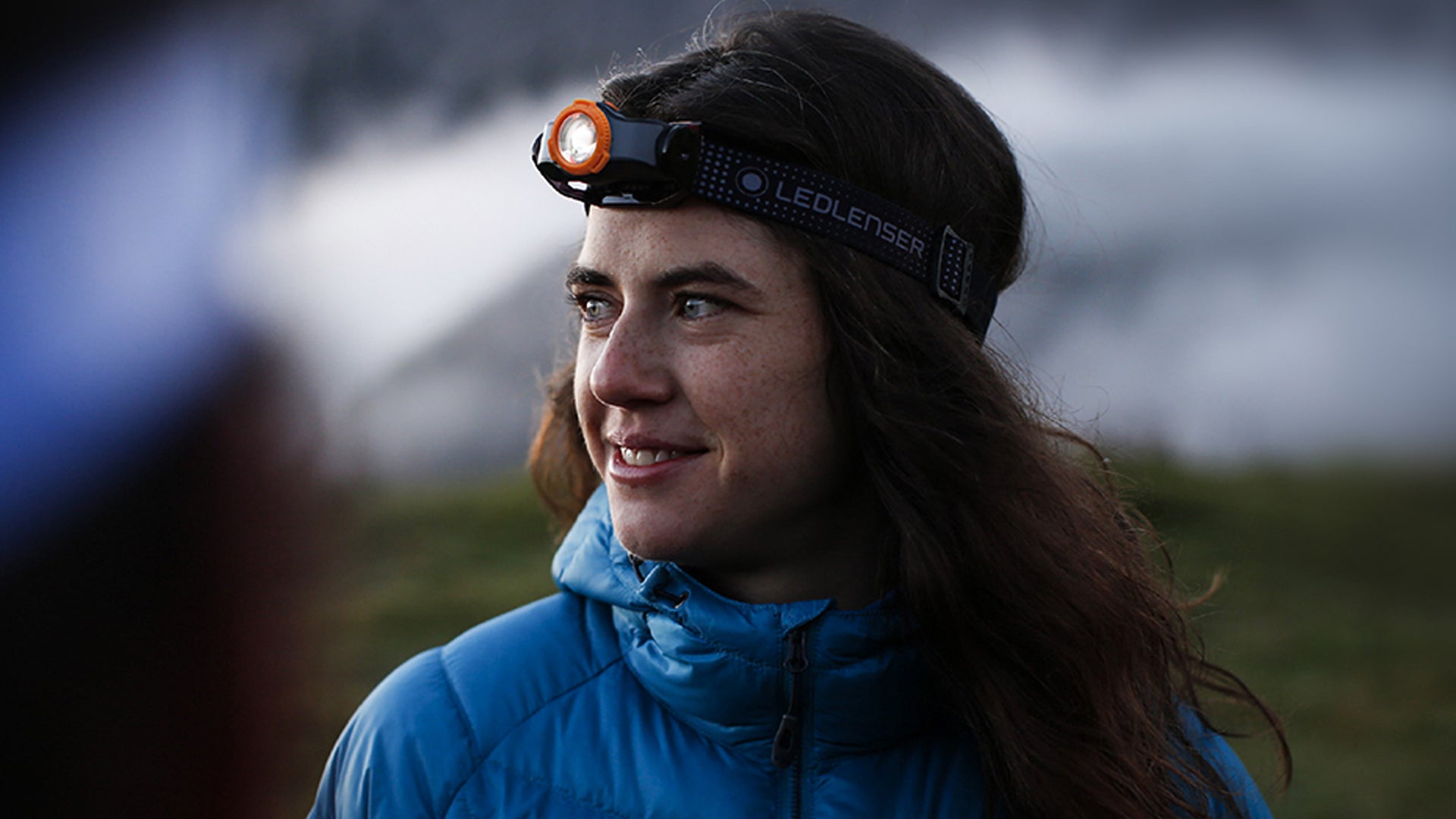
  • Headtorch — huts have lights but you'll want your own for early starts and late-night trips to the ablution block
  • First aid kit — blister treatment is the most-used item on any Great Walk

Track-Specific Tips

Milford Track & Routeburn Track

These are the big two — stunning, iconic, and genuinely demanding. Both involve significant elevation gain and Fiordland's notorious rainfall. Don't cut corners on your waterproofing here. A quality shell jacket (like the Rab Kangri GTX), gaiters, and a waterproof pack liner are essentials. Routeburn's Mackinnon Pass section gets icy in autumn — trekking poles are strongly advised.

Kepler Track

The Kepler offers the best ridge walking of any Great Walk — but that also means you're exposed to the elements above the bushline for a full day. Weather moves fast. Carry your layers accessible, not buried in your pack.

Abel Tasman Coastal Track

The most forgiving Great Walk for first-timers. Relatively flat, well-serviced, and warm in summer. You can get away with a lighter kit here — a 3-season sleeping bag, lighter pack — but don't skip the rain gear. Abel Tasman still gets weather.

Tongariro Northern Circuit

Exposed volcanic terrain with no shelter between huts. The Alpine Crossing section is NZ's most-walked single day route — but as part of the Circuit, you're crossing it with a full pack. Wind is the main hazard. A snug, adjustable hood on your shell jacket matters here.

Heaphy Track & Lake Waikaremoana

Both are muddier and more remote than the marquee South Island tracks. Gaiters earn their weight here. The Heaphy at 78km is also the longest Great Walk — pack accordingly on food weight.


Frequently Asked Questions

What sleeping bag temperature rating do I need for a Great Walk?

For summer Great Walks (December–February), a bag rated to 0°C is usually sufficient. For shoulder season (March–May, September–November), look for a bag rated to -5°C or better, particularly on the South Island alpine tracks. The One Planet Nitrous covers summer; the Sonder and Cocoon are better for colder conditions.

Do I need a tent for the Great Walks?

Not if you're booking huts. All Great Walk huts include sleeping platforms, basic kitchen facilities, and toilets. If you're on a campsite pass or prefer flexibility, the Dwights Explore 2 V2 is a reliable choice for NZ conditions.

How heavy should my pack be?

For a hut-based Great Walk, aim for 10–14kg including food and water. Above 16–18kg, the track becomes significantly harder — especially on ascents like the Routeburn or Kepler ridge. If your pack is heavy, look first at food, tent (if carrying one), and clothing duplicates to trim weight.

Are hiking poles really necessary?

Not mandatory, but they make a real difference on descents and on wet, rooted tracks. Most experienced trampers wouldn't do a multi-day track without them. Leki makes durable, reliable options across the price range — worth it for the knee protection alone.

What's the difference between a self-inflating mat and an inflatable mat?

Self-inflating mats use open-cell foam and inflate partially on their own — they're heavier and bulkier than inflatables. Inflatable mats (like the Peak XV Hyperlite and MaxComfort) use air chambers for insulation, pack down much smaller, and offer a higher R-value for the weight. For Great Walk tramping, the insulated inflatable is the better choice.

Do I need a PLB for a Great Walk?

A PLB is strongly recommended. Cell coverage is unreliable on most Great Walks, and a PLB gives you direct access to rescue services anywhere in NZ regardless of signal. If you'd prefer not to buy one outright, PLB hire is available from DOC visitor centres and outdoor gear shops near most trailheads — it's the one item where hire makes practical sense.


Ready to put your kit together? Start with the sleeping bag range, the sleeping mat collection, and the rest of the hiking gear blog for more in-depth guides. The Dwights team has been fitting trampers for Great Walks since 1979 — if you're unsure about sizing, fit, or what to prioritise, get in touch.