




Car Camping Checklist NZ 2026 — Everything You Need for a NZ Camping Trip
Featured image: Photo by Sam Genas / Wikimedia Commons (CC BY-SA 3.0)
Car Camping Checklist NZ 2026
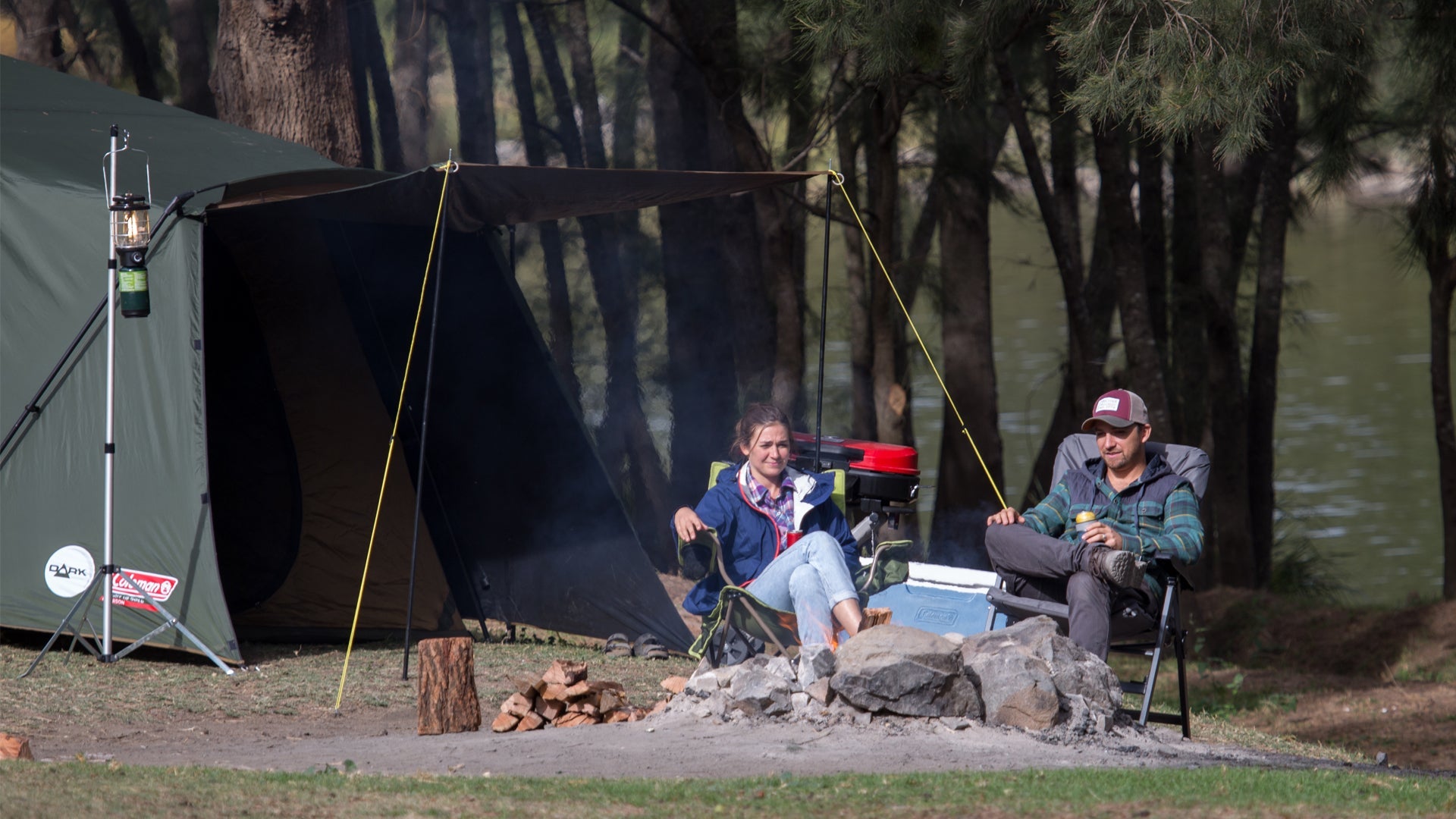
This checklist is for car camping — campgrounds, DOC campsites, and holiday parks where you drive to the site and have your vehicle nearby. For backcountry tramping where everything goes on your back, see our Tramping Checklist NZ 2026.
Car camping is one of the best ways to experience New Zealand — you can go further, stay longer, and sleep more comfortably than any motel allows. But arriving at a DOC campsite three hours from town and discovering you've forgotten your sleeping bag, your headlamp batteries, or your camp kitchen gear is a thoroughly avoidable misery.
This checklist covers every category of gear for a well-prepared NZ car camping trip. Use it to check off your kit before you leave home.
Shelter
Tent
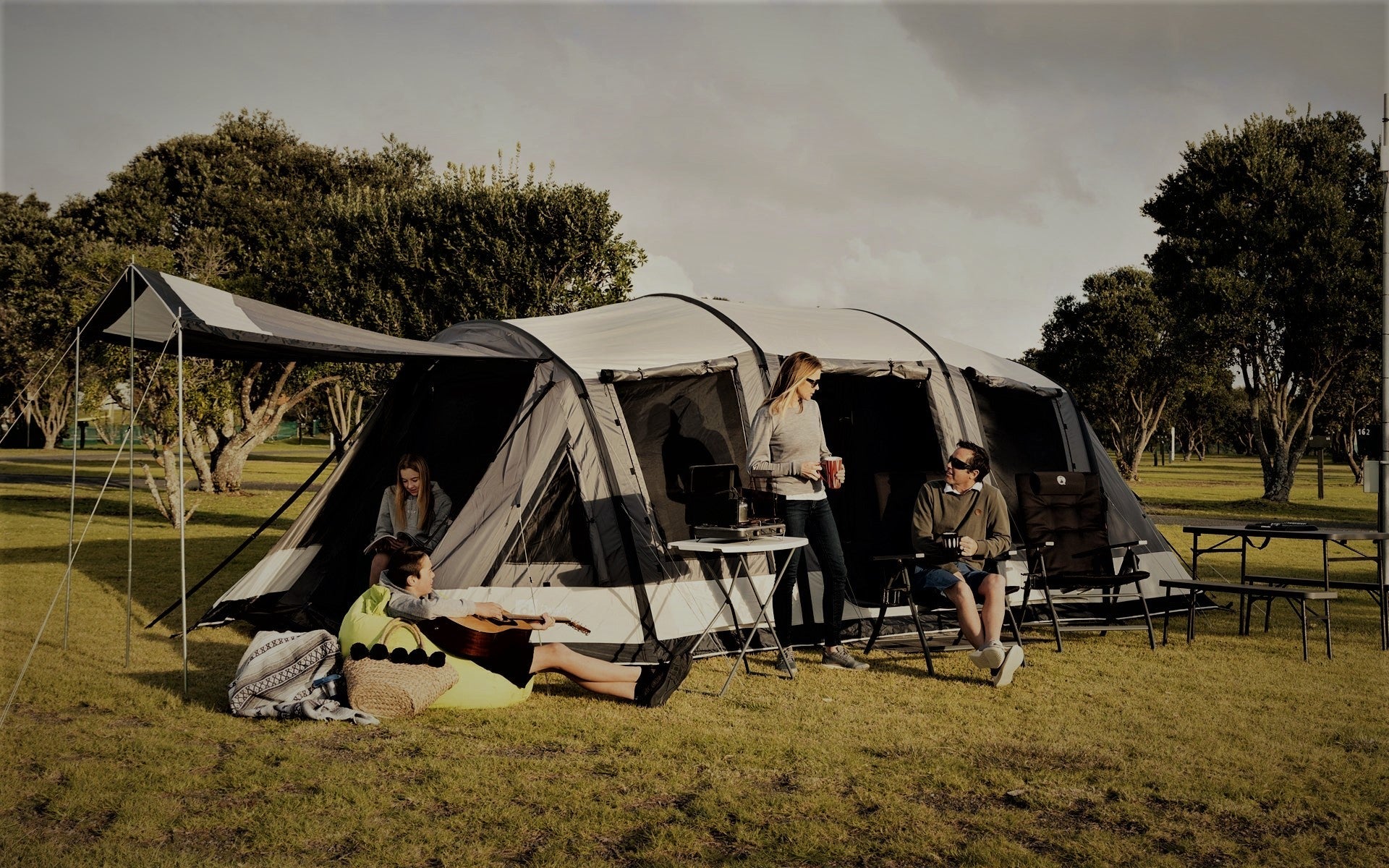
Your tent is your home for the trip. For car camping, weight is less critical than interior space and weather resistance. A few things to consider:
- Size: Go one size up from your group. A 4-person tent is comfortable for two adults; a 6-person works for a family of four with gear storage space.
- Canvas tents: For base-camp style trips where you're setting up for several nights, canvas tents offer superior insulation, condensation management, and a genuine camp feel. The Dwights Adventure range includes canvas options built for NZ conditions — worth considering if you're doing longer stays.
- Nylon/poly tents: Quick to set up, lighter to transport, excellent in NZ wind with good peg coverage. Good for 1–3 night trips.
- Peg types: Standard pegs work on grass but take extra snow pegs or wide sand pegs if you're camping on beaches or loose soil.
Gazebo or Tarp
A gazebo or large tarp creates a communal covered area for cooking, eating, and sheltering from rain while keeping the tent dry inside. In NZ, where rain can appear without warning, this is one of the best comfort upgrades for a multi-night trip.
Tent Footprint
A groundsheet or tent footprint under your tent protects the floor from abrasion and adds a layer of moisture protection. Particularly useful on rocky or gravelly campsites.
Sleeping
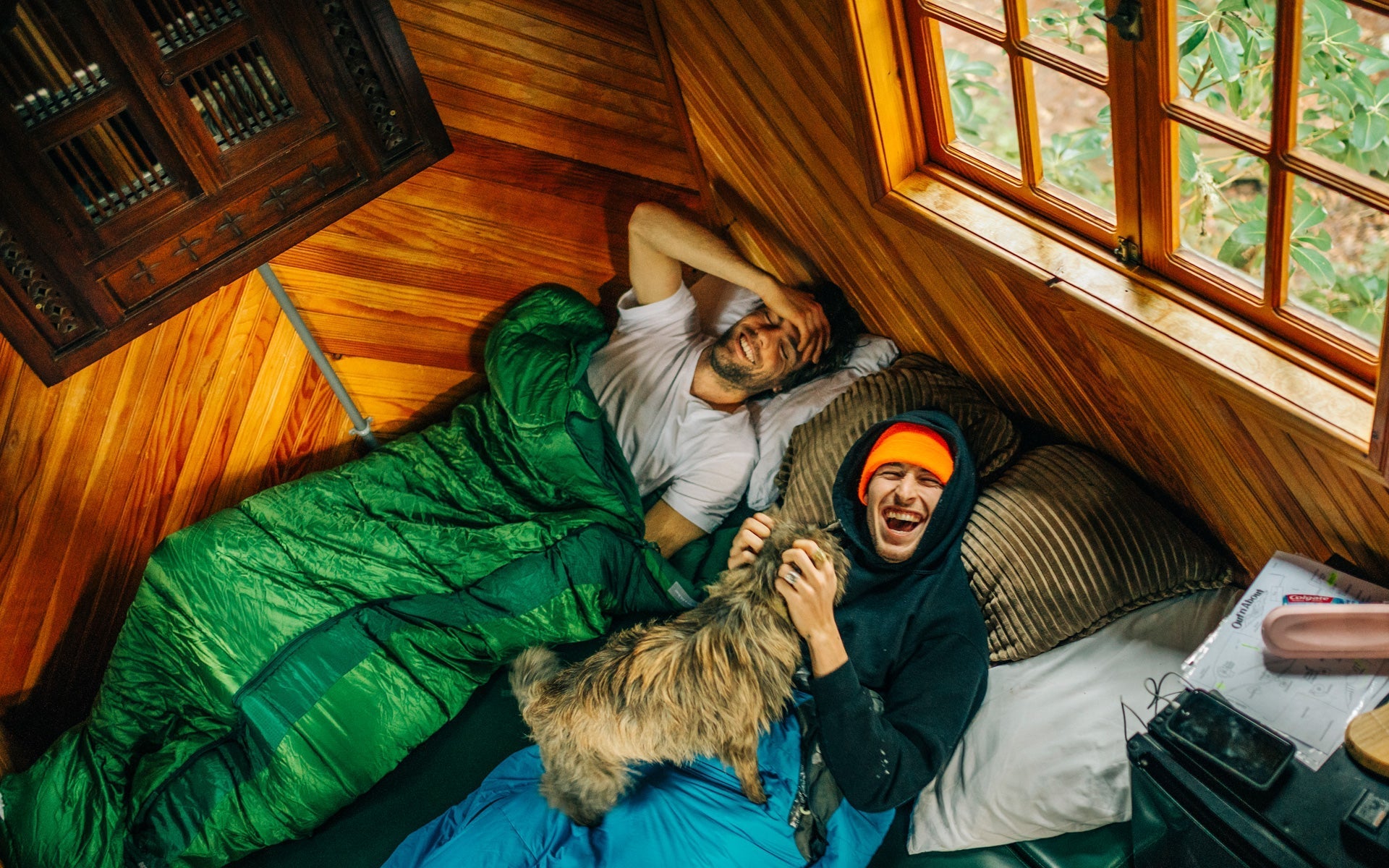
Sleeping Bag
NZ nights can be cold even in summer, particularly in the South Island, central North Island, and at elevation. Choose a sleeping bag rated appropriately for the season and location:
- Summer coastal camping: A 0°C to +5°C comfort rating is usually sufficient.
- Year-round or South Island camping: A -5°C to 0°C comfort rating provides more versatility.
The Dwights Thermoshell sleeping bag is a great all-rounder for car camping — comfortable, well-insulated, and designed for casual camping use. Note: the Thermoshell is a sleeping bag designed for car camping; it is not intended for backcountry tramping or hut-based trips. For multi-day tramping, see our sleeping bag guide for backcountry-specific options.
Sleeping Mat
Even in a tent on grass, a sleeping mat provides critical insulation from the ground and makes sleep dramatically more comfortable. A self-inflating mat or a thick inflatable mat suits car camping well — no need to worry about weight or pack size here. Browse our sleeping mats range for options.
Pillow
A camp pillow or a compressible inflatable pillow makes a surprising difference to sleep quality. Or bring one from home — it's car camping, not tramping.
Liner (Optional)
A sleeping bag liner adds warmth and keeps your bag cleaner. Silk liners are lightweight and cool in summer; fleece liners add meaningful extra warmth in cold conditions.
Camp Kitchen
Stove
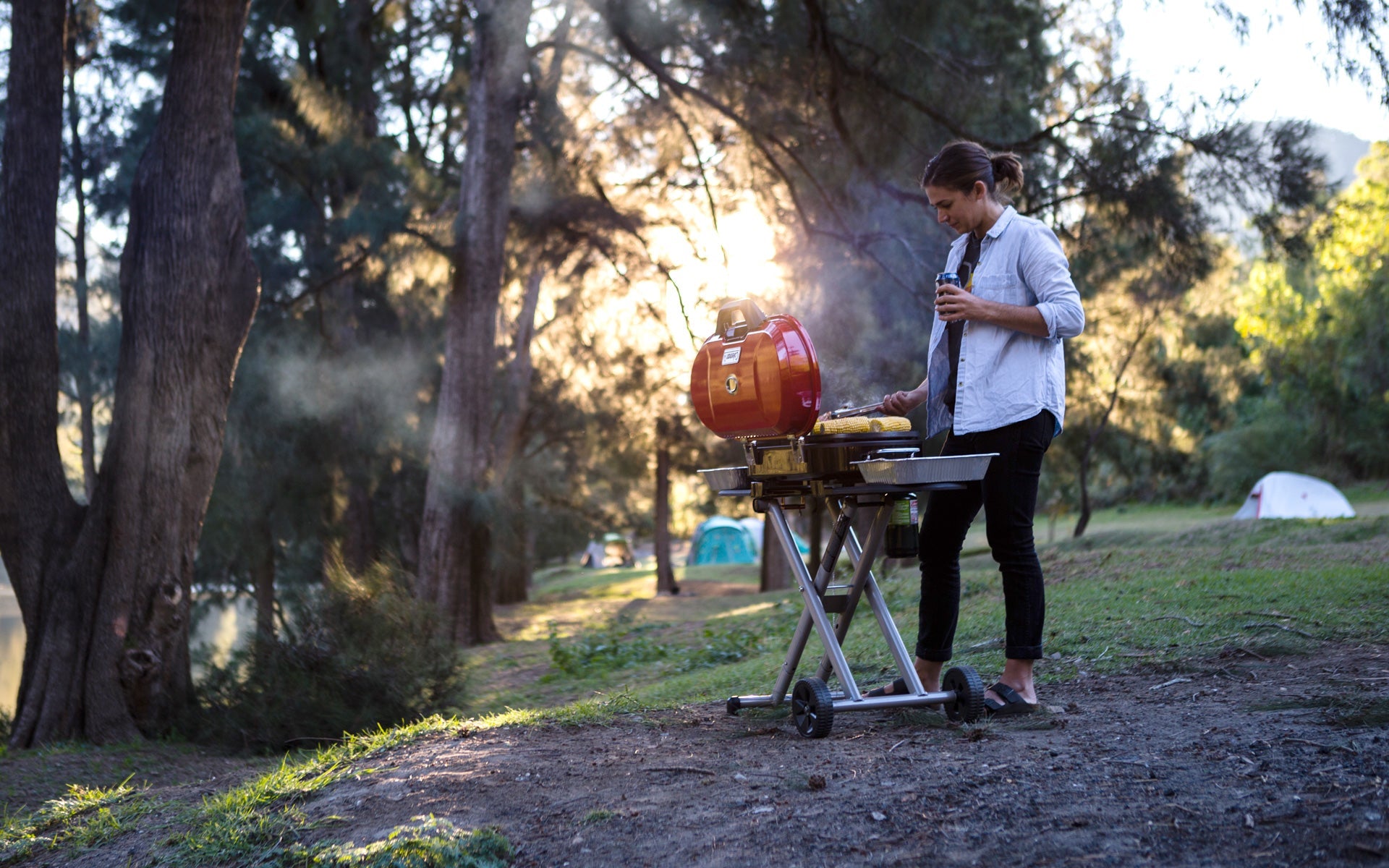
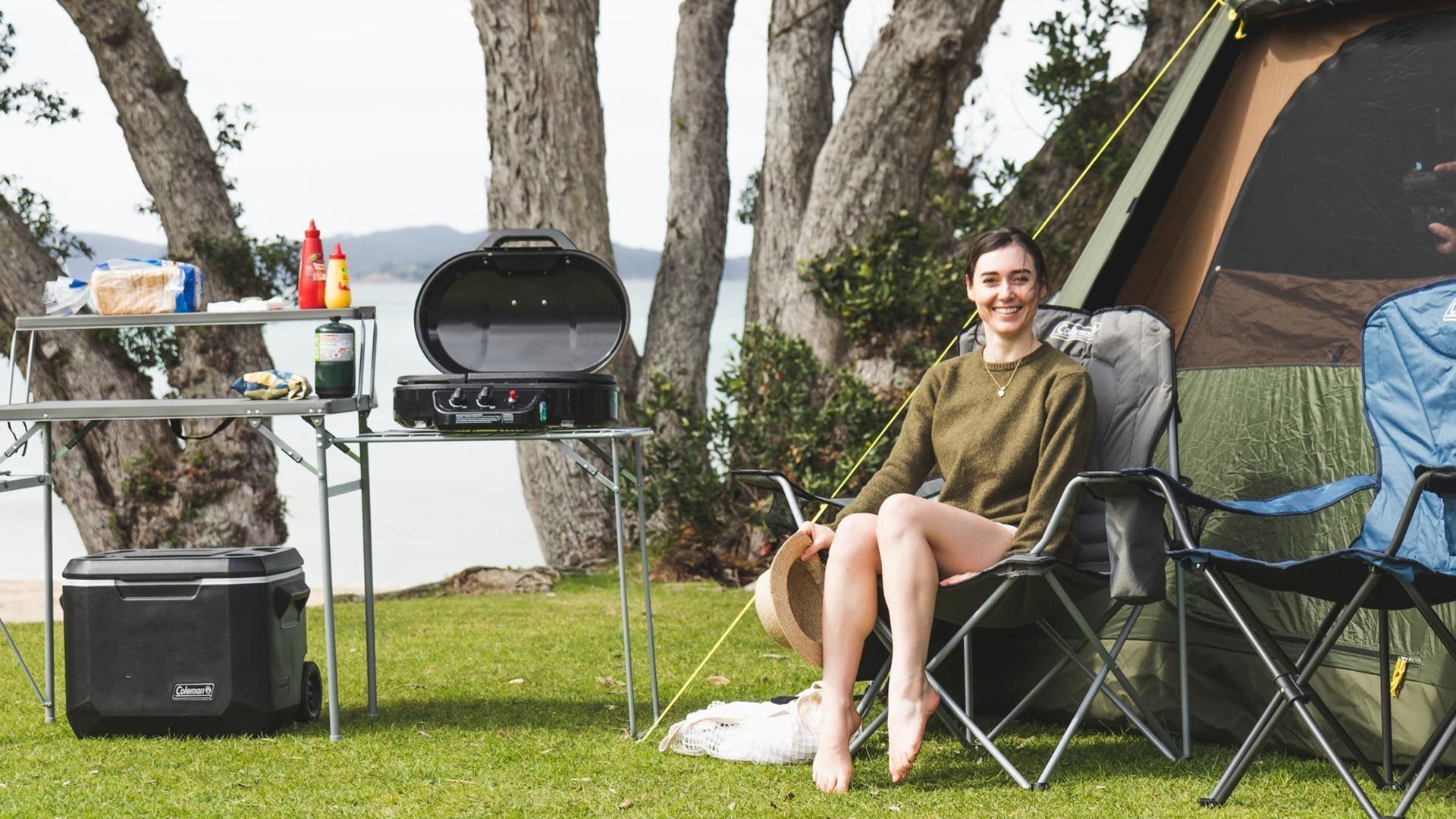
MSR and Optimus make reliable stoves for all types of camping. For car camping where weight isn't an issue, a two-burner camp stove gives you the flexibility to boil water and cook simultaneously. Check your fuel type and carry enough for the trip length — don't assume you can resupply at a rural campsite.
Cookware
- Pot set (1–2 pots adequate for most camp cooking)
- Frying pan
- Camp plates, bowls, and mugs (reusable, not disposable)
- Cutlery set
- Chopping board
- Sharp knife
- Pot grabber/heat-resistant handle
- Washing-up basin, biodegradable soap, scourer
Food Storage
- Chilly bin / cooler with ice for perishables
- Dry food storage bins or bags (sealed against mice at DOC campsites)
- Bear-hang rope if camping in areas with introduced predators or particularly bold wildlife
- Rubbish bags — pack out all waste
Lighting
Headlamp
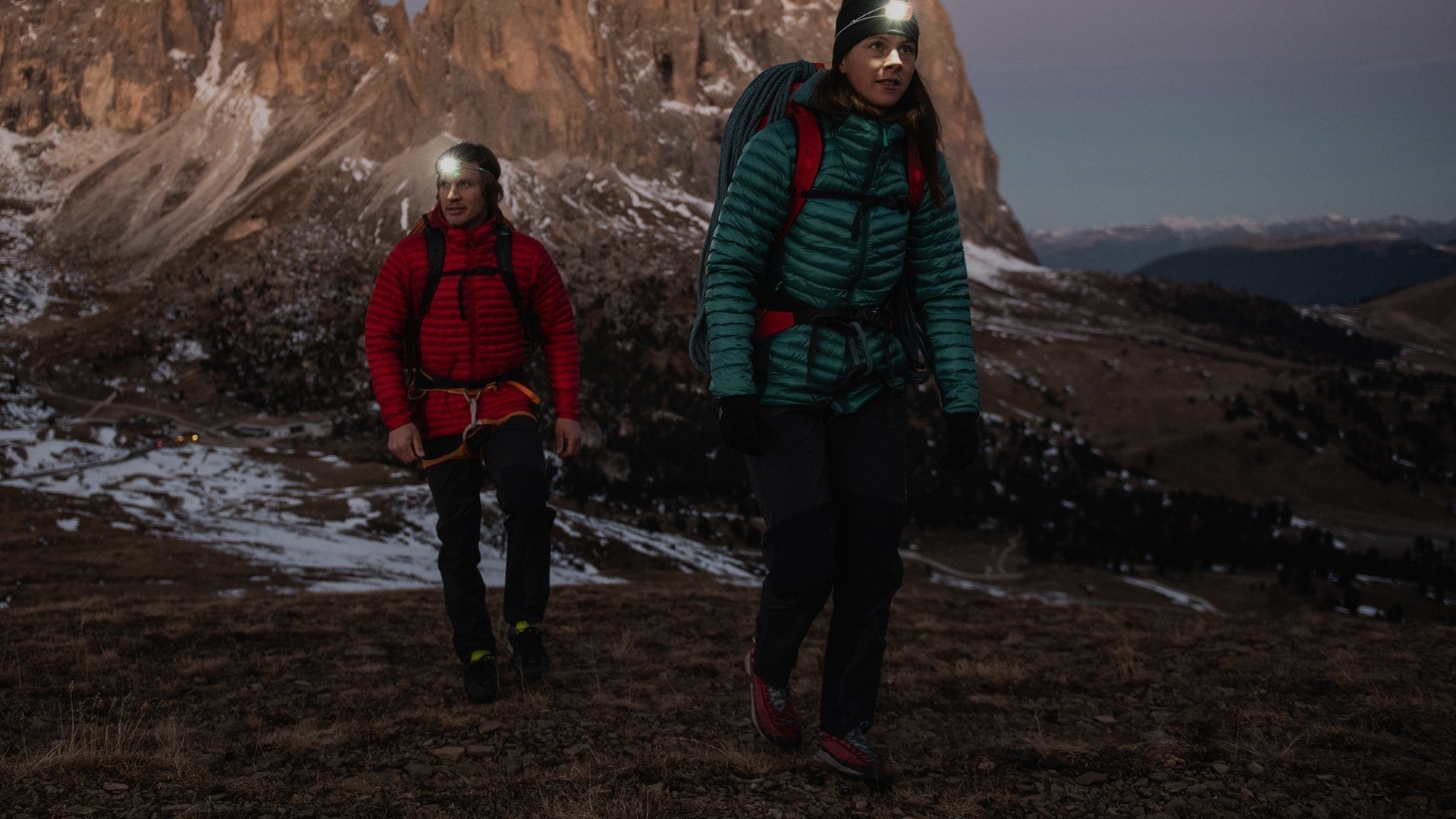
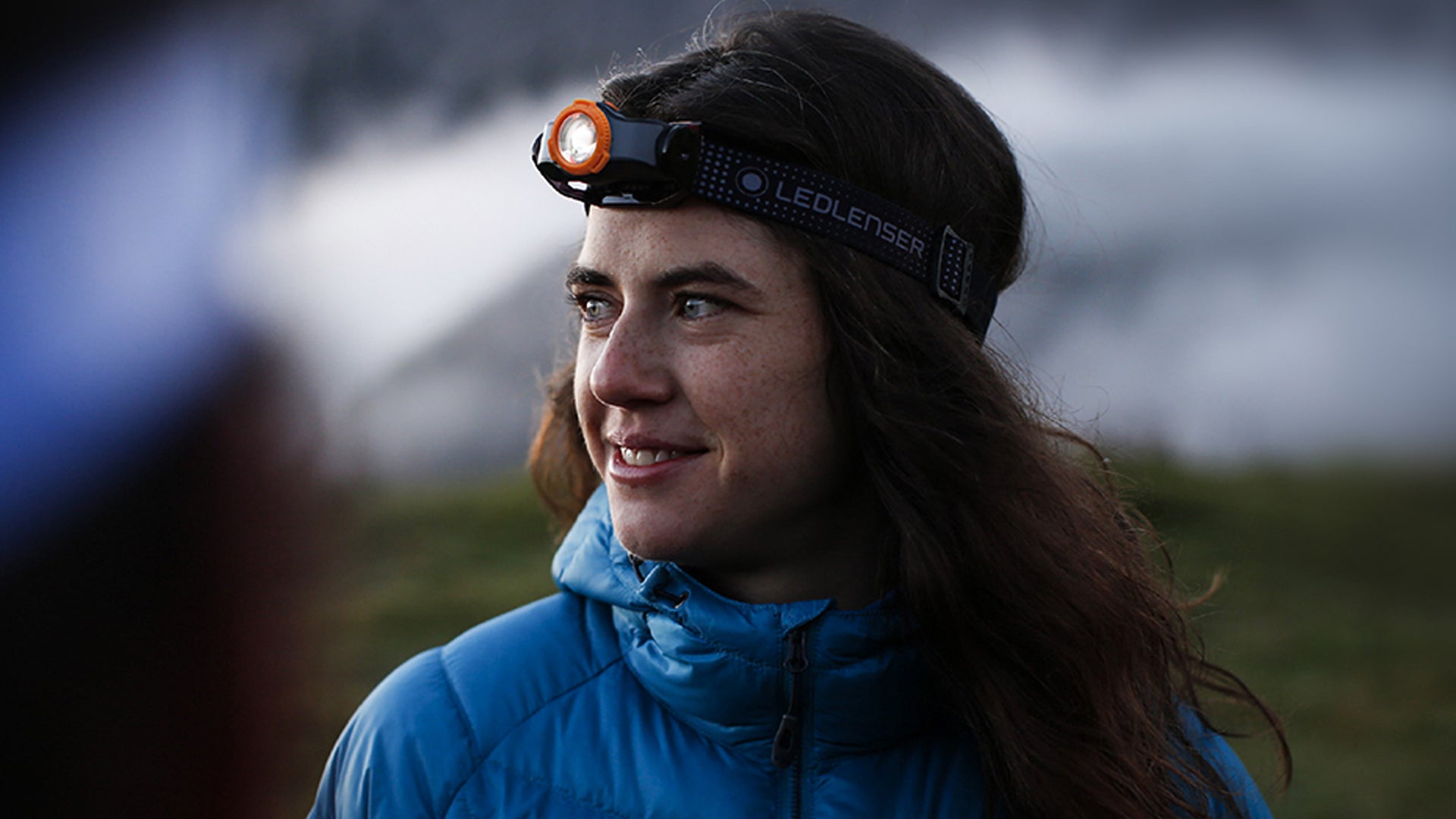
Every person in your group should have their own headlamp. Fumbling for a shared torch at 2am is exactly as frustrating as it sounds. The Nitecore UT27 Pro (83g) is a capable, lightweight option. We also stock the Nitecore HC65UHE and Ledlenser range. Check head torches for the full selection. Bring spare batteries or ensure headlamps are fully charged.
Lantern
A rechargeable camp lantern illuminates the whole tent or cooking area without the directional limitation of a headlamp. Useful for communal evenings around the table.
Spare Batteries / Power Bank
A power bank for charging devices is useful for multi-night trips where you can't plug in. Keep it in a dry bag in your car during the day.
Seating and Tables
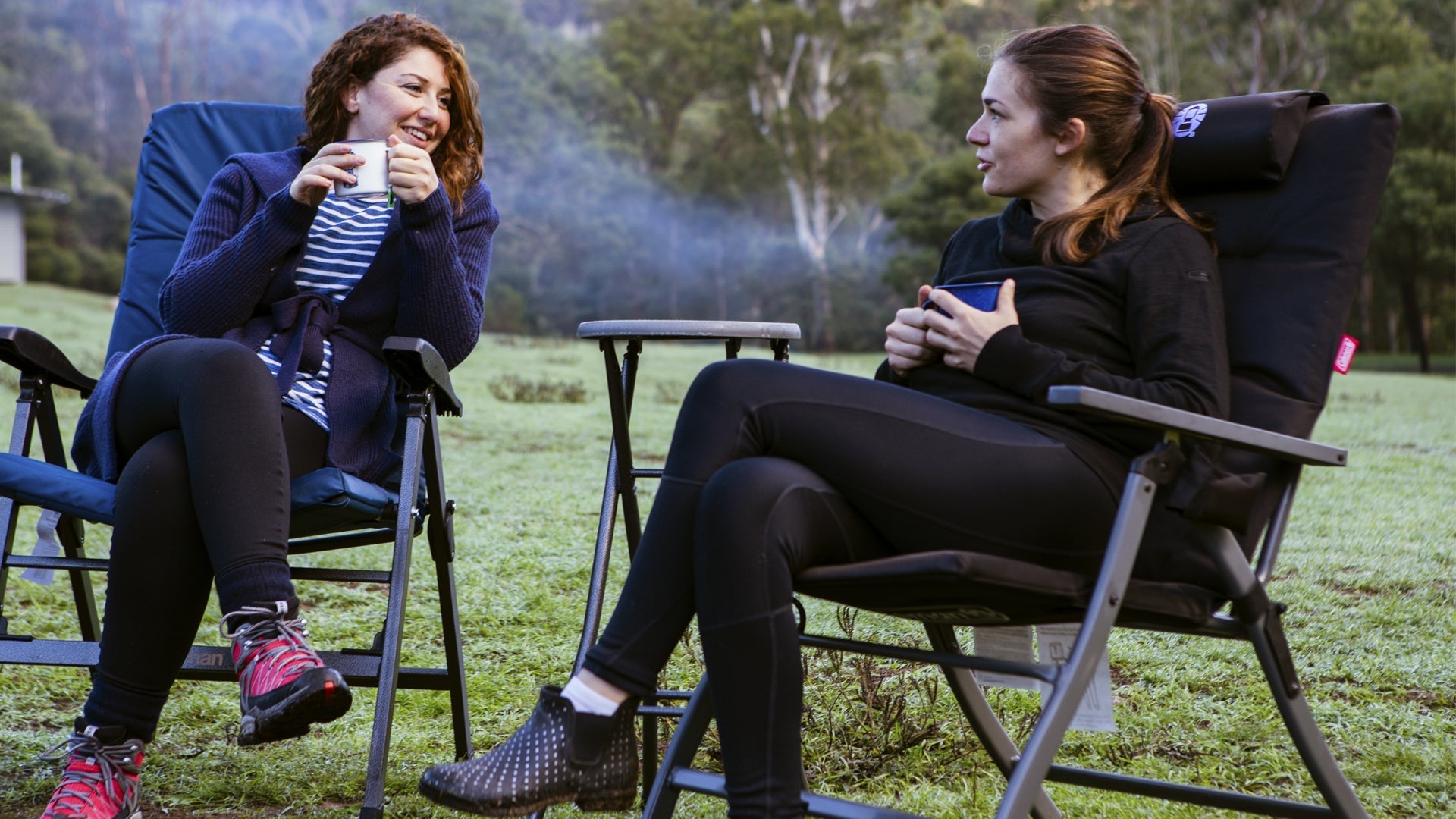
- Camp chairs (one per person — this is not the trip to stand around)
- Folding camp table
- Optional: camp kitchen stand for elevated cooking setup
Clothing — Layering for NZ Nights
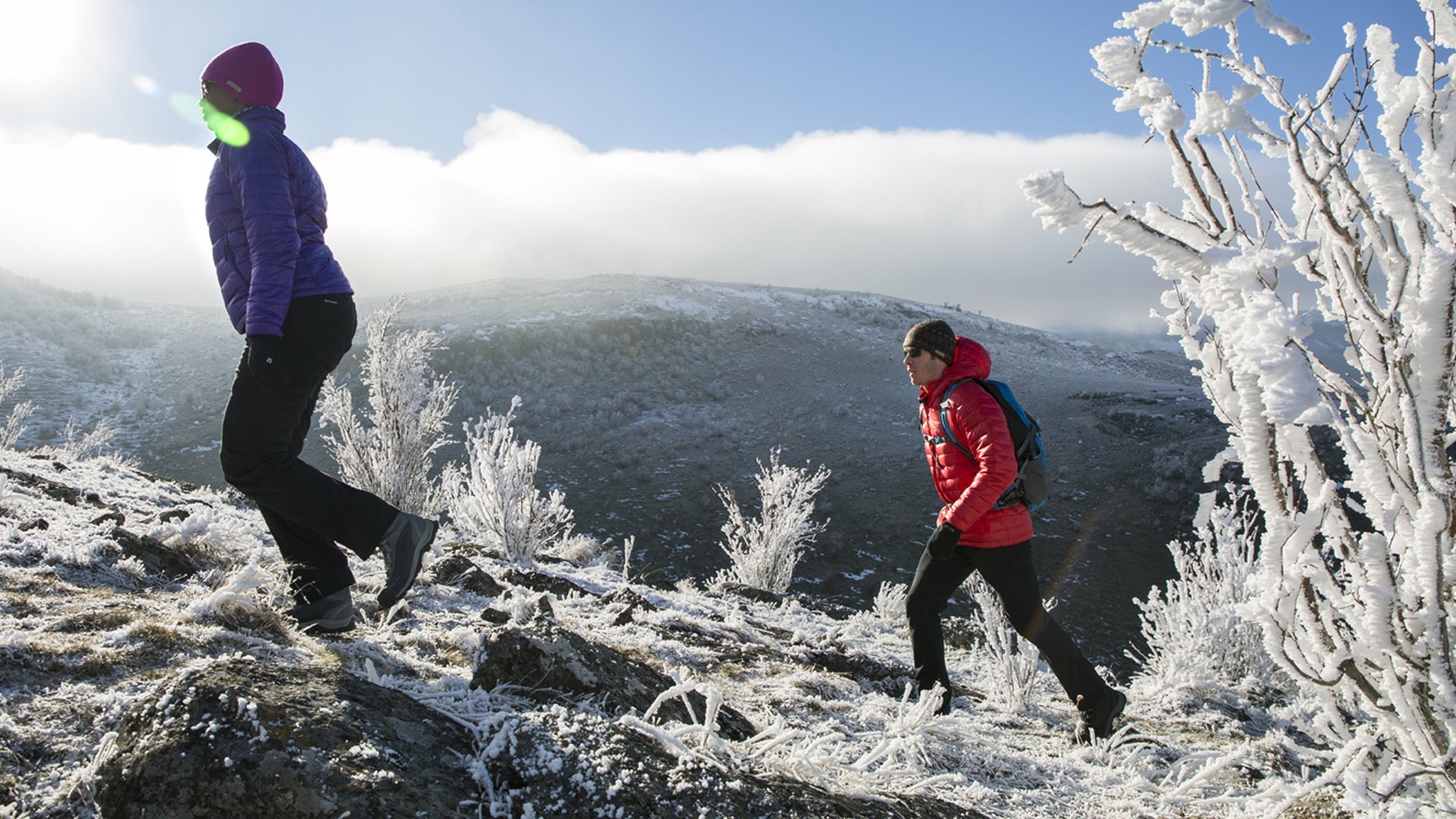
NZ nights can be cold, particularly in the South Island, at altitude, and into autumn. Don't underestimate this. Even a midsummer Queenstown night can drop to single digits. Layer up:
- Merino or synthetic base layer (top and bottom)
- Mid-layer fleece or insulated jacket
- Rain jacket — always, everywhere in NZ
- Warm beanie and gloves for cool-season trips
- Camp sandals or footwear separate from your tramping boots
Safety and First Aid
- First aid kit (comprehensive — NZ campsites can be remote)
- Sunscreen and UV-rated lip balm (NZ UV is among the highest in the world)
- Insect repellent (sandflies at West Coast and Fiordland campsites)
- Emergency whistle
- Personal Locator Beacon (PLB) — essential for remote DOC campsites. PLB hire is available if you don't own one.
- Torch backup
Leave No Trace
NZ's backcountry and DOC campsites are treasured environments. A few non-negotiables:
- Pack out all rubbish — including banana peels, apple cores, and food waste
- Use designated toilet facilities only. If none are available, bury waste 50+ metres from water sources and camp areas
- Don't wash dishes or yourself directly in streams, lakes, or rivers. Use a basin and dispose of grey water away from water sources
- No fires unless in designated fire rings in areas with a current fire permit. Check the fire ban status before you go.
- Leave your site exactly as you found it
Browse the full camping accessories range to complete your kit before the next trip.