



Best Hiking Socks NZ 2026 — Top Merino and Wool Socks for Tramping
Few pieces of gear are as consistently underestimated as hiking socks. Buy the wrong pair and you'll be managing hot spots and blisters from day one; get it right and your feet stay comfortable across a full multi-day tramp without a second thought. Good hiking socks do several things at once: they wick moisture away from skin to reduce friction, provide cushioning to absorb impact, offer structure that prevents the sock bunching inside your boot, and regulate temperature in cold and wet conditions. New Zealand's trail environments — from muddy South Island bush to exposed alpine terrain — demand a sock that performs in wet, variable conditions, and that means merino wool is almost always the right answer. This guide covers what to look for and our top picks for 2026 from Bridgedale, a brand that leads in performance hiking socks. Our lead recommendation is the Bridgedale Hike Mid Merino Per-Fit as the premium all-round choice, backed by the Explore Heavy Merino Per-Fit for winter and cold conditions, and the Hike Light Merino Per-Fit for warm-weather tramping.
What to Look for in Hiking Socks
Merino Wool vs Synthetic
Merino wool is the preferred fibre for tramping socks in New Zealand, and for good reason. It regulates temperature naturally — warm when damp, not overwhelming when dry — and crucially, it resists odour far better than synthetic fibres. On a multi-day tramp where sock-washing opportunities are limited, merino socks stay fresher for longer. Merino also has a natural softness against skin that reduces friction and hotspot development. Synthetic socks typically dry faster and are more durable, and they're suitable for warmer conditions or as liner socks. The best hiking socks often blend merino with nylon for durability and a small percentage of synthetic for structure, combining the best qualities of both.
Cushioning Weight: Light, Mid, or Heavy
Cushioning weight determines both the warmth and the impact absorption of a sock. Lightweight socks suit summer conditions, well-fitted boots on easy terrain, and trampers who run warm. They provide minimal cushioning but good feel and fast drying. Midweight is the most versatile category — suitable for most NZ tramping across three seasons, offering meaningful cushioning without excess bulk. Heavyweight socks deliver maximum cushioning and warmth, best suited to cold conditions, heavy hiking boots, or trampers who want maximum padding on long days. Matching cushioning to your boot — thicker socks in stiffer boots, thinner in flexible boots — helps achieve a consistent fit and reduces the risk of pressure points.
Liner Socks: The Blister Prevention Layer
Liner socks are thin socks worn inside your main hiking sock. Their job is to move with your skin rather than against it — friction between the liner and outer sock instead of between sock and skin. For trampers who are blister-prone, or when breaking in new boots, liner socks are one of the most effective preventive measures available. Bridgedale liner socks are thin enough to fit inside most boot systems without affecting the overall fit. Merino or silk liners are preferred over synthetics for comfort and moisture management.
Fit and Construction
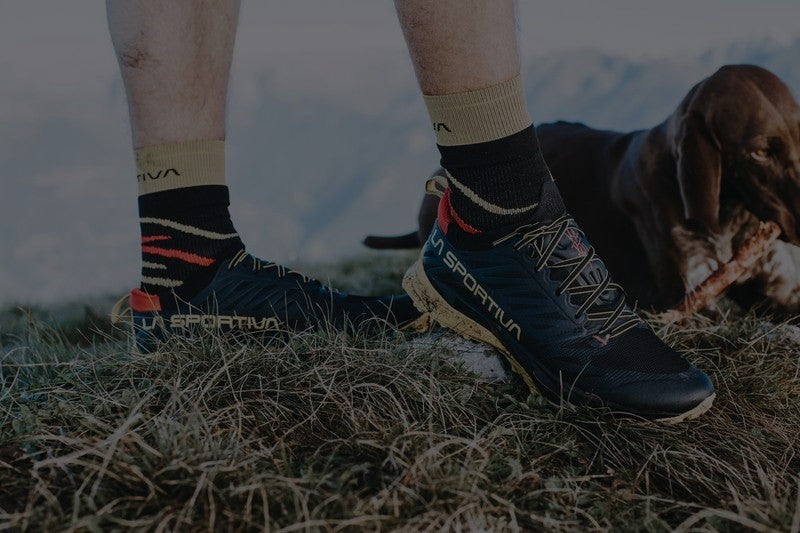
A hiking sock should fit closely without excess material that can bunch and cause hotspots. Look for reinforced heel and toe zones (the highest wear areas), a snug arch band that holds the sock in place, and a smooth toe seam. Y-heel construction — where the sock is shaped to cup the heel naturally — significantly reduces the chance of slippage and heel blisters. Always try hiking socks with the boots you'll be wearing them with, especially when buying for a specific tramping trip.
Our Top Picks
Bridgedale Hike Mid Merino Per-Fit Socks — Premium Lead Recommendation
The Bridgedale Hike Mid Merino Per-Fit is our lead recommendation for NZ tramping — the sock that covers the broadest range of conditions and delivers premium performance across multi-day use. The Per-Fit construction provides anatomical left-right shaping that holds the sock in place and eliminates bunching — a meaningful blister-prevention advantage on long days in the boot. The merino-nylon blend delivers natural temperature regulation, outstanding odour resistance, and reliable cushioning at the heel and ball of the foot. Midweight construction suits the majority of NZ trail conditions across three seasons — warm enough for cool mornings in the ranges, not overwhelming on summer afternoons. If you're buying one pair of hiking socks to cover most NZ tramping, this is it. Available in a range of sizes and colours; the Com-Fit variant offers a looser anatomical fit for those who prefer a little more volume in the sock.
Bridgedale Hike Light Merino Per-Fit Socks — Best for Warm Conditions
The Bridgedale Hike Light Merino Per-Fit is the right choice for warm-weather tramping, summer Great Walks, and days when temperatures are high enough that extra cushioning becomes a liability. The lightweight merino-nylon construction wicks moisture efficiently and keeps feet from overheating inside the boot. Thin enough to feel responsive underfoot, it still provides the Per-Fit anatomical shaping that prevents bunching and reduces friction. Dries faster than the midweight options — useful on wetter tracks or trips with limited drying time. For trampers who run warm, this is the comfortable summer option that still delivers Bridgedale's quality construction and odour resistance. Pairs best with lighter trail boots and trail runners.
Bridgedale Explore Heavy Merino Per-Fit Socks — Best for Winter and Cold Conditions
When temperatures drop into genuinely cold territory — alpine routes, winter hut trips, exposed South Island ridgelines in shoulder season — the Bridgedale Explore Heavy Merino Per-Fit is the right call. The heavy merino construction delivers maximum warmth and cushioning, keeping feet comfortable in stiff mountain boots across long cold days. The Per-Fit anatomical shaping prevents slippage and bunching even in heavy-duty conditions. The heavier cushioning also provides a meaningful buffer in stiff, heavy tramping boots — a real comfort advantage on full-day alpine approaches or rocky terrain. This is not the sock for a hot summer day walk; it's built for cold, and it performs at cold. For anyone heading into the NZ alpine in autumn, winter, or early spring, the Explore Heavy Merino Per-Fit should be in the kit. The Com-Fit variant offers a slightly looser fit for those who prefer more room in the sock.
Bridgedale Stormsock Waterproof — Best for River Crossings
The Bridgedale Stormsock uses a waterproof membrane layer within the sock construction — think of it as a waterproof lining for your foot. In river crossings or extended wet terrain, it provides a meaningful period of dryness that a standard sock cannot. Important caveat: once water gets in over the top of the sock, the waterproof membrane works against you — water stays in rather than out. For NZ river crossings, they're most effective when combined with a boot or sandal whose height keeps the sock opening above water level. They're a genuine tool for specific conditions — particularly useful in the South Island where river crossings are a regular part of backcountry tramping.
Bridgedale Liner Socks — Best Blister Prevention
Bridgedale liner socks are the simplest and most effective blister prevention tool available. Worn under any of the socks above, they create a moving layer that takes friction away from skin. They add minimal volume — most trampers find they still achieve a good boot fit with liners — and they're particularly useful when breaking in new boots or on high-mileage multi-day trips. Merino liners provide comfort and odour management; synthetic liners dry faster. Available in both options, and at a price point that makes them an easy addition to any tramping kit.
Frequently Asked Questions
Why are merino socks better for tramping in NZ?
Merino wool naturally regulates temperature, resists odour far better than synthetic fibres, and provides a soft, friction-reducing feel against skin. In NZ's frequently wet trail conditions, merino socks perform well damp — they retain warmth when wet rather than feeling cold and clammy. For multi-day tramping where you may wear the same socks for two or more days, the odour resistance of merino is a practical advantage that synthetic socks cannot match.
How many pairs of socks should I pack for a multi-day tramp?
The general guidance is two pairs of outer socks plus one to two pairs of liner socks for a week-long tramp. Many experienced trampers manage with two pairs of midweight socks, rotating them daily and washing when conditions allow. For hut-based trips, drying socks near the hut's wood burner overnight is usually possible. On wetter routes or camping trips without drying facilities, a third pair provides insurance. A pair of lightweight camp socks for hut evenings is a worthwhile comfort addition.
Do liner socks really prevent blisters?
Yes, consistently and meaningfully. Blisters form when repeated friction between skin and sock causes a shear force that separates the skin layers. Liner socks introduce a moving interface — friction happens between liner and outer sock rather than between sock and skin. For blister-prone trampers, those breaking in new boots, or anyone doing high daily distances, liner socks are among the most effective prevention measures available. They're inexpensive, add minimal weight and bulk, and have a strong track record among experienced trampers.
What thickness sock should I pair with my boots?
The correct sock thickness depends on your boot fit with the specific sock. Thicker socks can make a roomy boot fit correctly; thinner socks may be needed in a precisely fitted boot. As a general guide: lightweight socks pair well with flexible trail runners or low-cut day walkers; midweight socks suit most standard hiking boots; heavyweight socks work best in stiffer, heavier mountain boots with more internal volume. Always try socks with your actual boots before a multi-day trip to confirm the fit is consistent throughout the day.