


Camping Gear NZ — What You Actually Need
New Zealand's weather does what it wants. You can set up camp under a blue sky and be fighting horizontal rain by nightfall. Getting your camping gear right isn't about being precious — it's about staying warm, dry, and comfortable so you actually enjoy the trip.
Shelter
Your tent is your first line of defence. The right choice depends on where you're going and how you're getting there.
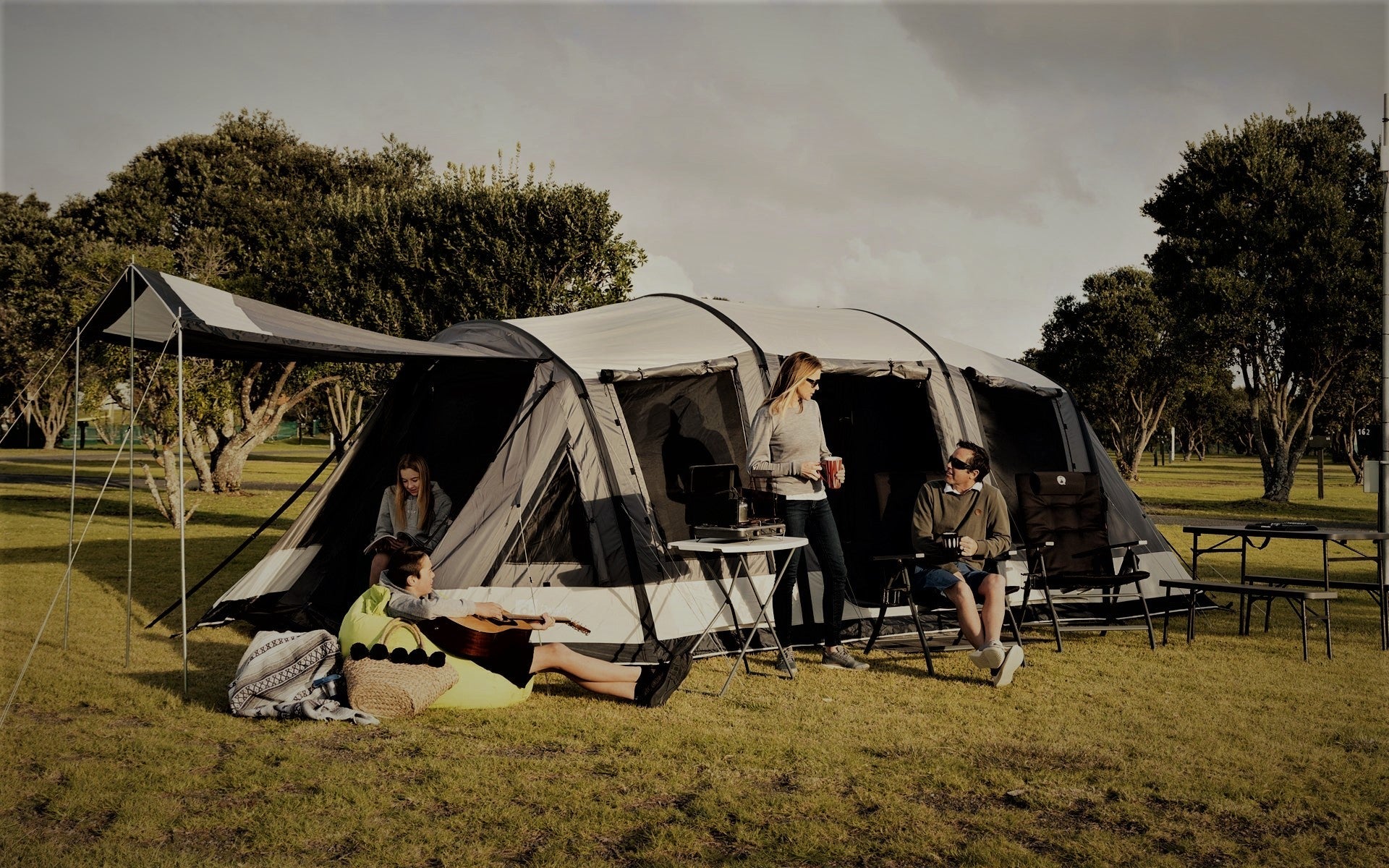
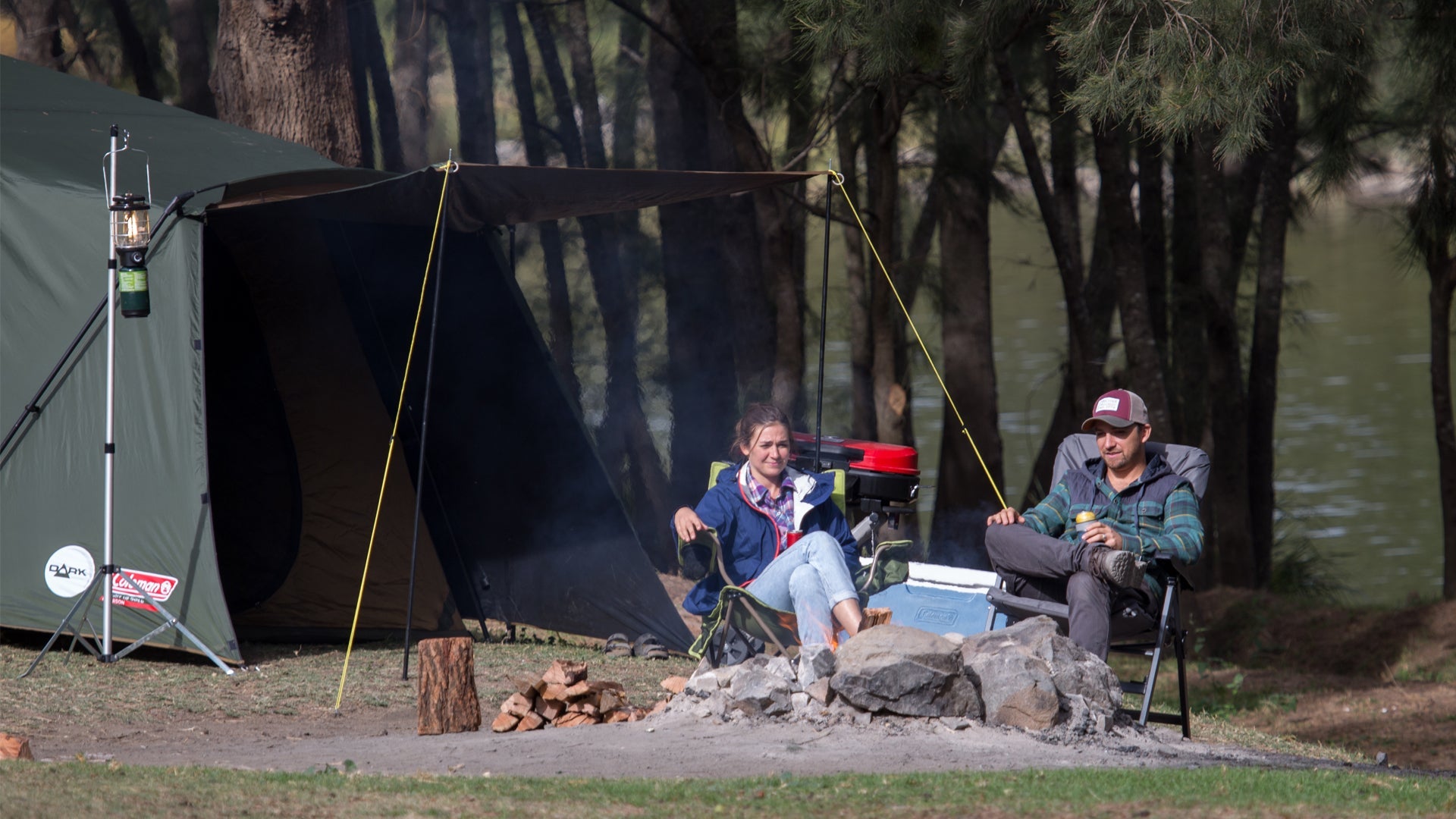
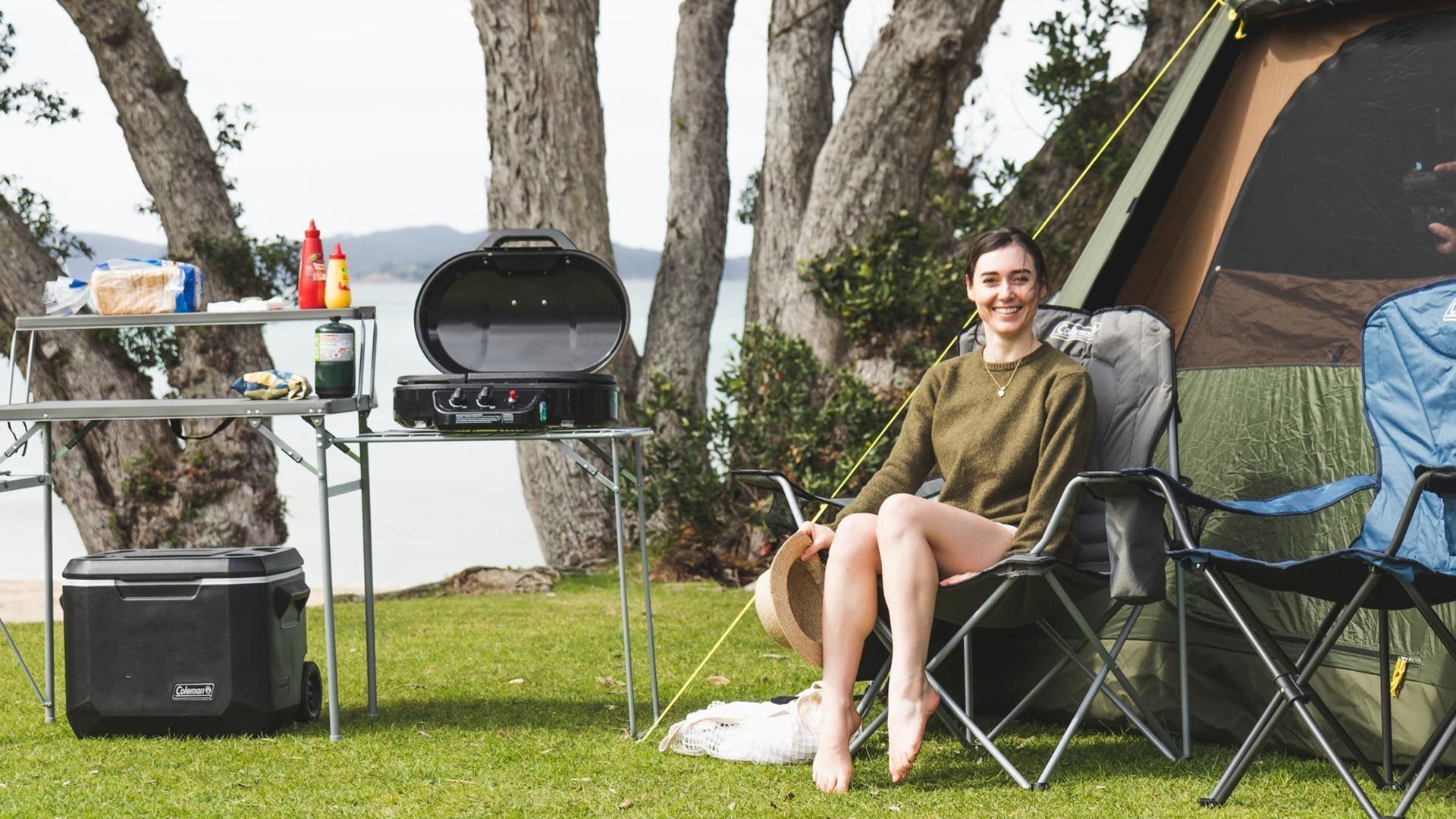
For car camping at a DOC campsite or holiday park, a larger freestanding tent works well — Coleman makes solid family options that are easy to pitch and roomy enough to actually live in for a few nights. If you're heading into the backcountry, weight and packability matter far more. MSR and Nemo both make lightweight tents built for the conditions you'll actually encounter on NZ trails — proper pole systems, solid guy-out points, and bathtub floors that keep groundwater out.
For most first-timers: buy more tent than you think you need. A cramped tent in the rain is miserable.
Sleep System
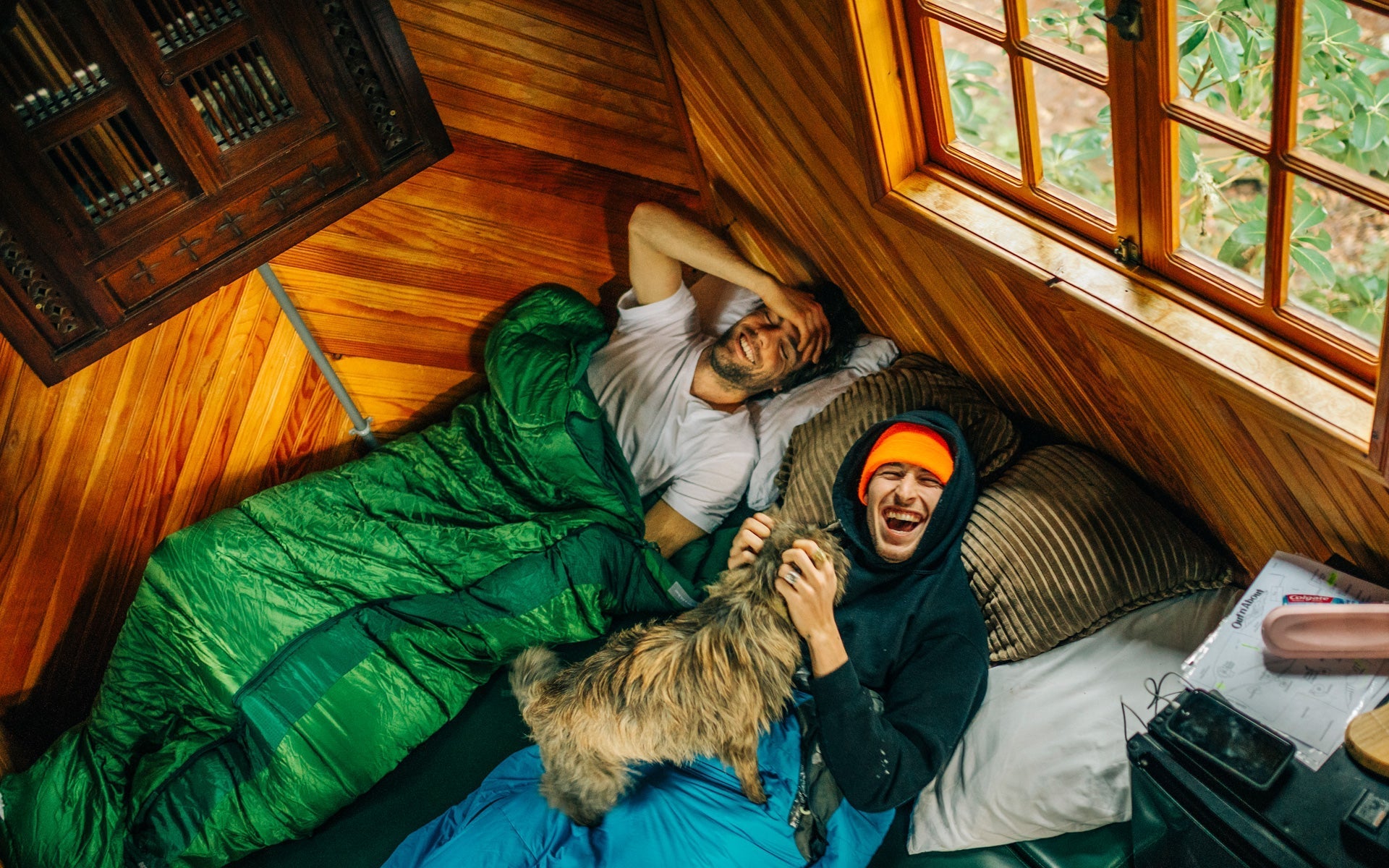
Sleeping bag and sleeping mat work as a system — get one wrong and the other can't compensate. Don't skip the mat thinking a sleeping bag alone will do it. Cold ground pulls heat directly out of your body; a sleeping bag's insulation gets compressed beneath you and loses most of its effectiveness.
Sleeping Bags
One Planet and Rab both make well-regarded sleeping bags suited to NZ conditions. Check the temperature rating and size — a bag that's too roomy will be cold; too tight and you'll lose insulation loft. Down fills pack smaller and are warmer for the weight; synthetic is better in damp conditions if you're car camping or heading somewhere reliably wet.
→ Browse sleeping bags at Dwights
Sleeping Mats
Nemo makes excellent sleeping pads across a range of insulation ratings (R-values). Self-inflating mats suit car camping; lightweight inflatable or foam options suit tramping. For NZ winters or alpine trips, don't underestimate how much the ground temperature matters.
→ Browse sleeping mats at Dwights
Cooking
You need to boil water. Everything else is optional depending on how ambitious your cooking plans are.
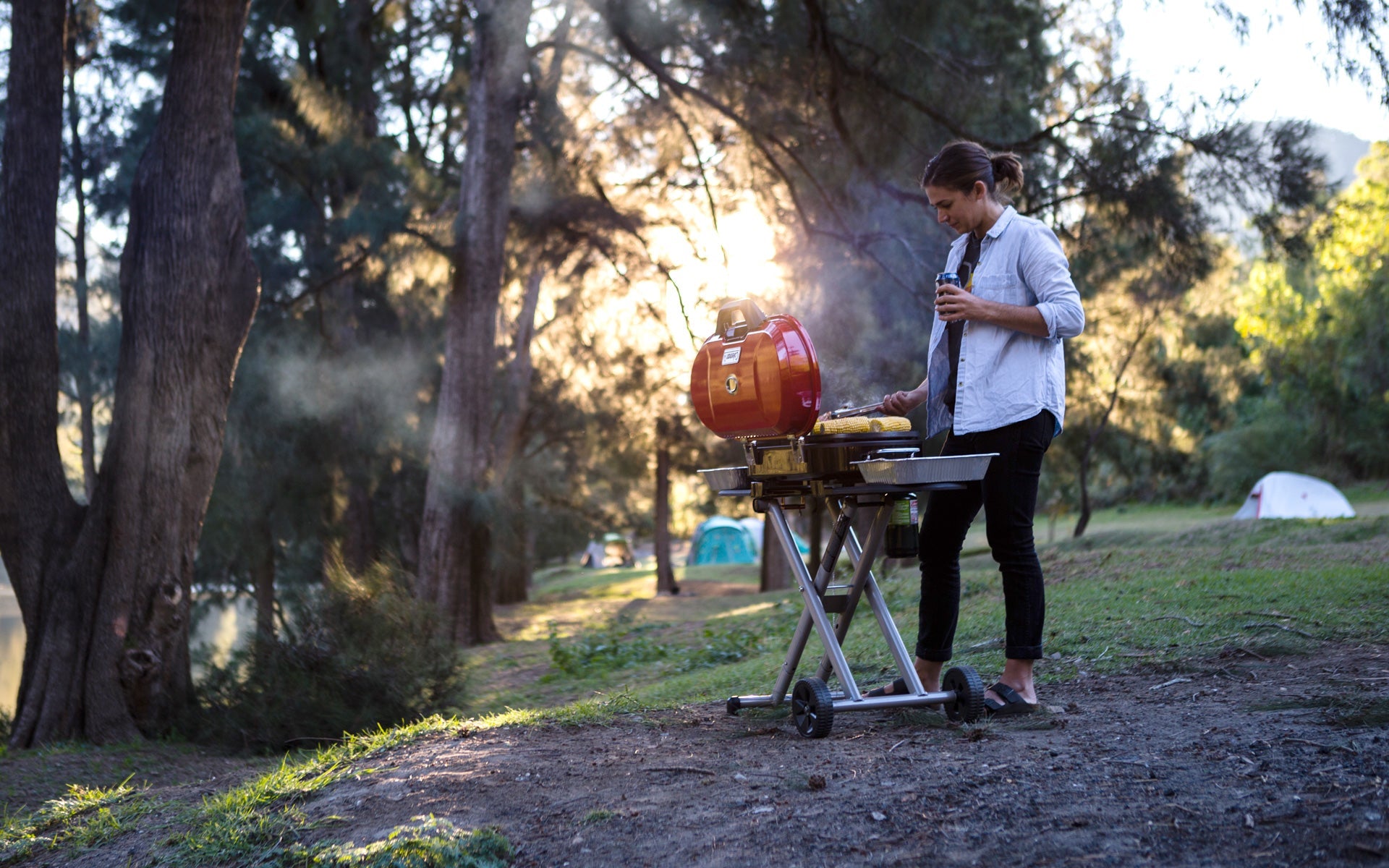
MSR is the benchmark for camp stoves and water filters — their canister stoves are reliable, their systems are field-serviceable, and they're widely used on NZ trails for good reason. For car camping, a two-burner propane stove opens up a lot more meal options.
Water treatment matters if you're anywhere other than a well-maintained campsite with a tap. Even NZ backcountry water should be treated — MSR water filters are a reliable choice. Waterborne giardia is real and not worth the gamble.
→ Browse MSR stoves, cookware, and water filters
Lighting
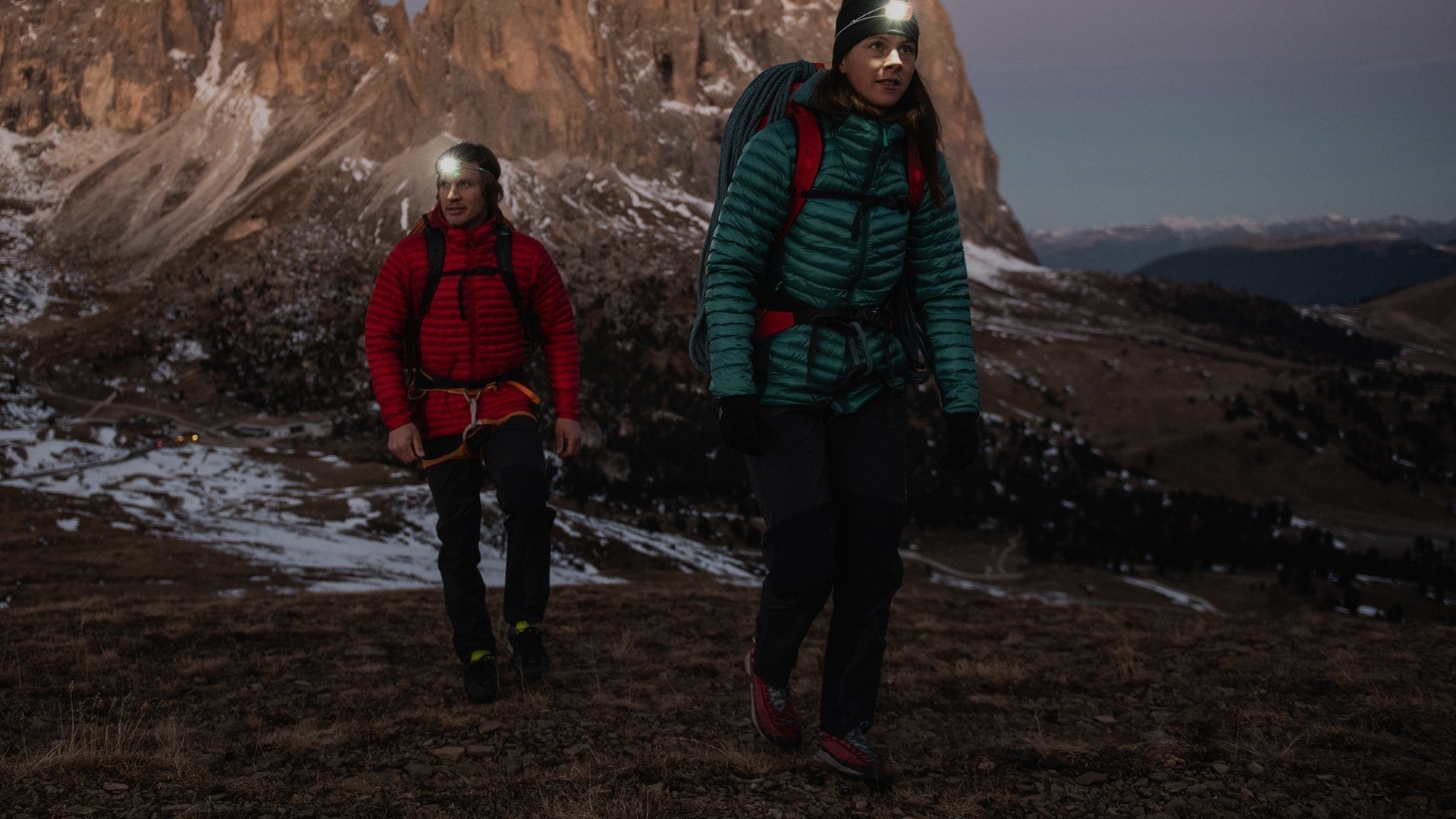
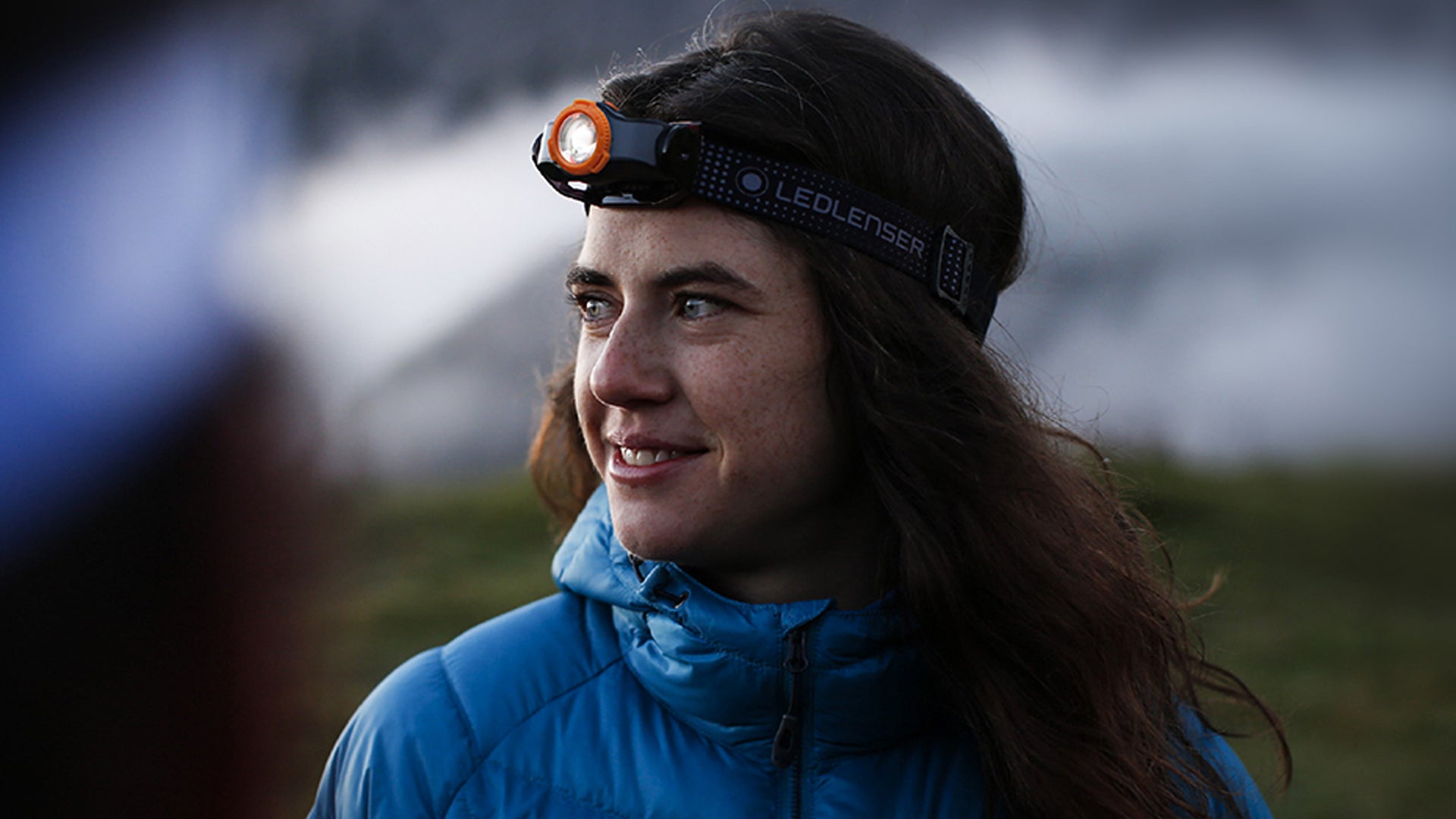
A head torch is non-negotiable. Whether you're navigating a campsite at 2am or cooking dinner when it gets dark at 5pm in winter, hands-free lighting matters. Nitecore and Ledlenser both make excellent head torches across a range of lumen outputs — more lumens isn't always better; look for a torch with a usable mid-brightness mode that won't drain batteries in two hours.
Carry a backup torch as well. Batteries die. Gear fails. Having a second light source costs little and has bailed out many a camping trip.
→ Browse head torches at Dwights
Clothing Layers
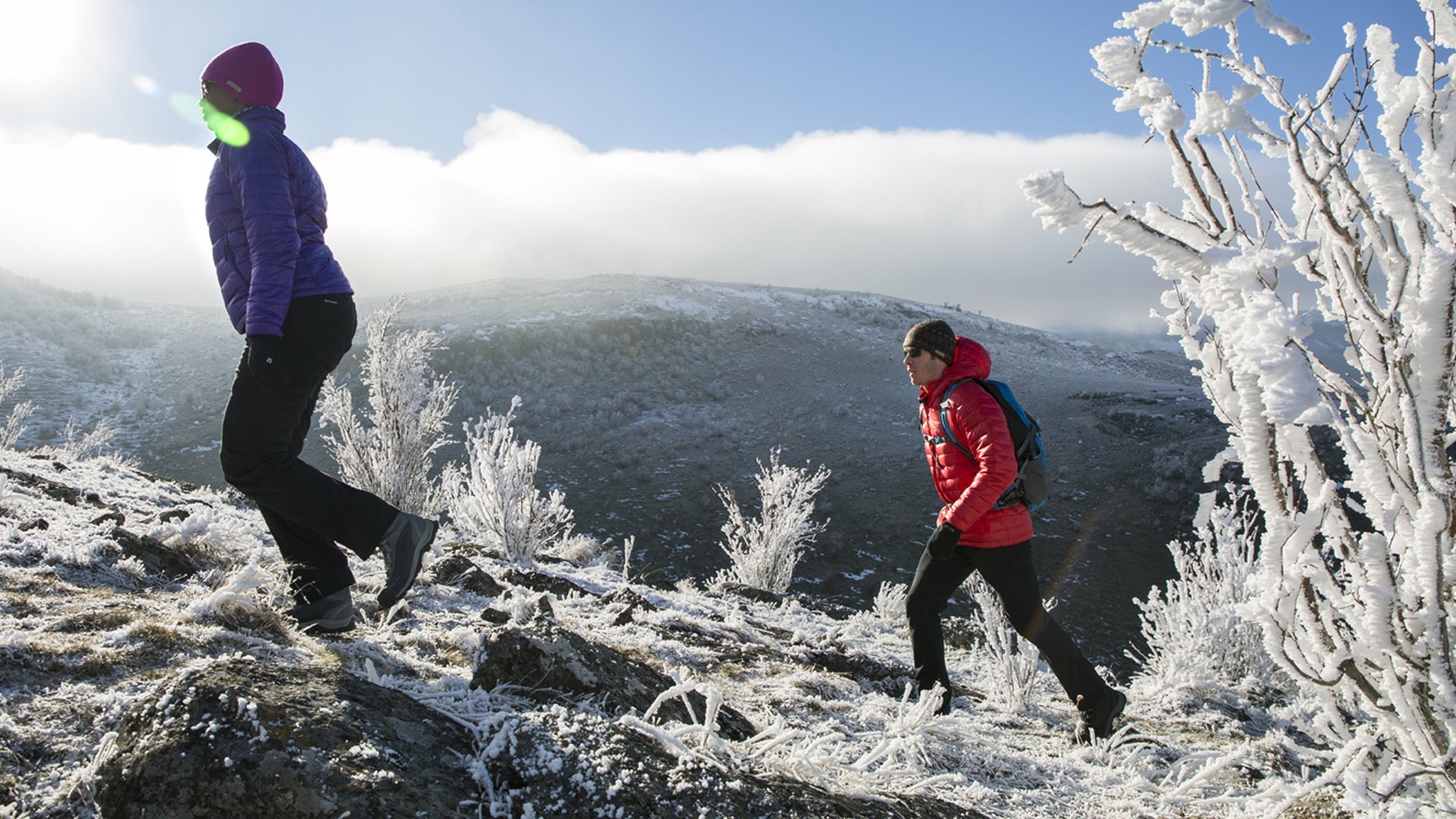
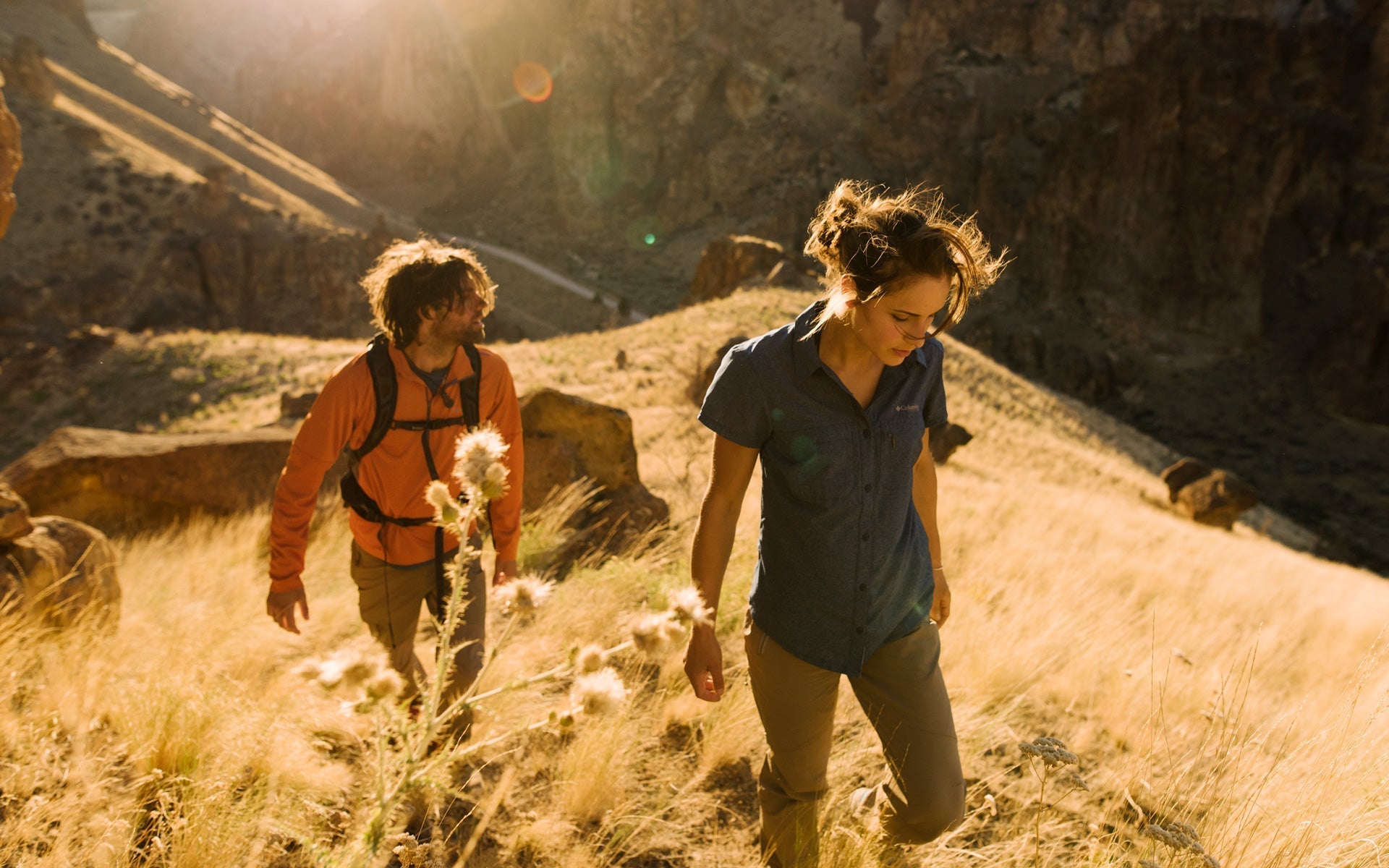
The NZ layer system is simple: base layer, mid layer, rain shell. Get these three sorted and you can handle most conditions.
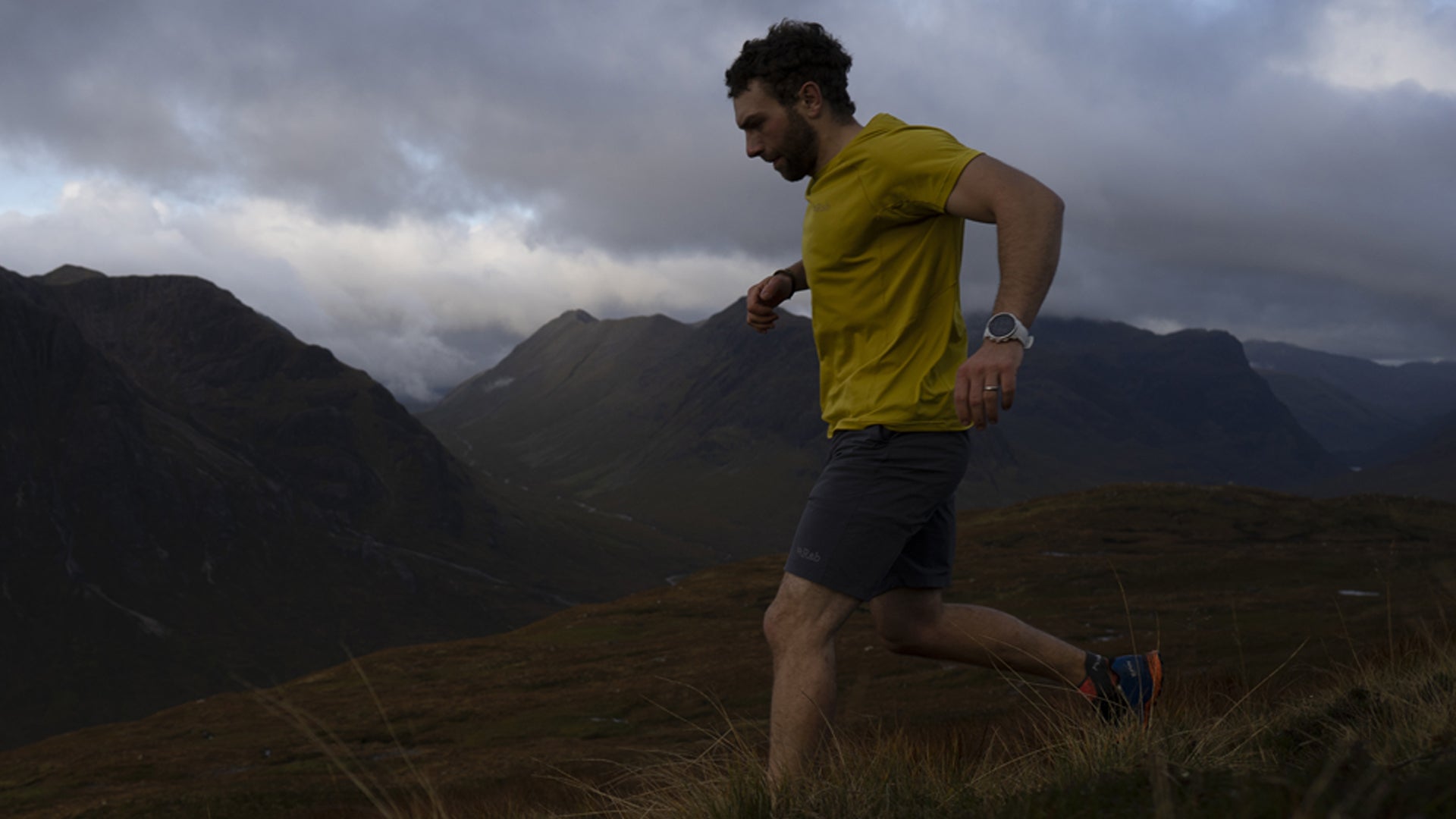
- Base layer: Merino wool is the NZ default for good reason — it manages moisture, resists odour, and stays comfortable across a wide temperature range. Peak XV, a premium NZ-designed brand, does well here.
- Mid layer: A fleece or lightweight insulating jacket. Rab makes solid mid layers that work in camp and on the trail.
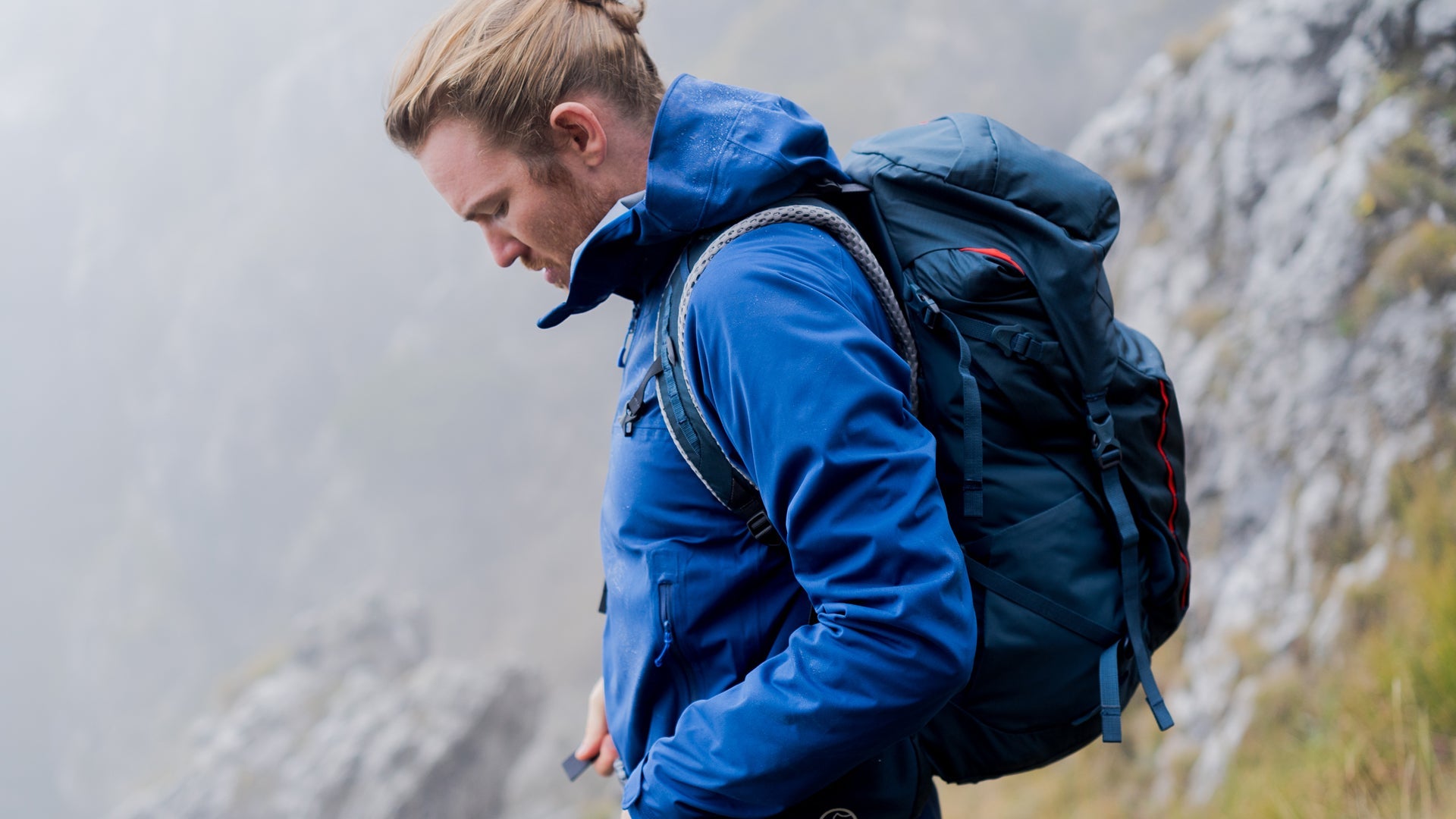
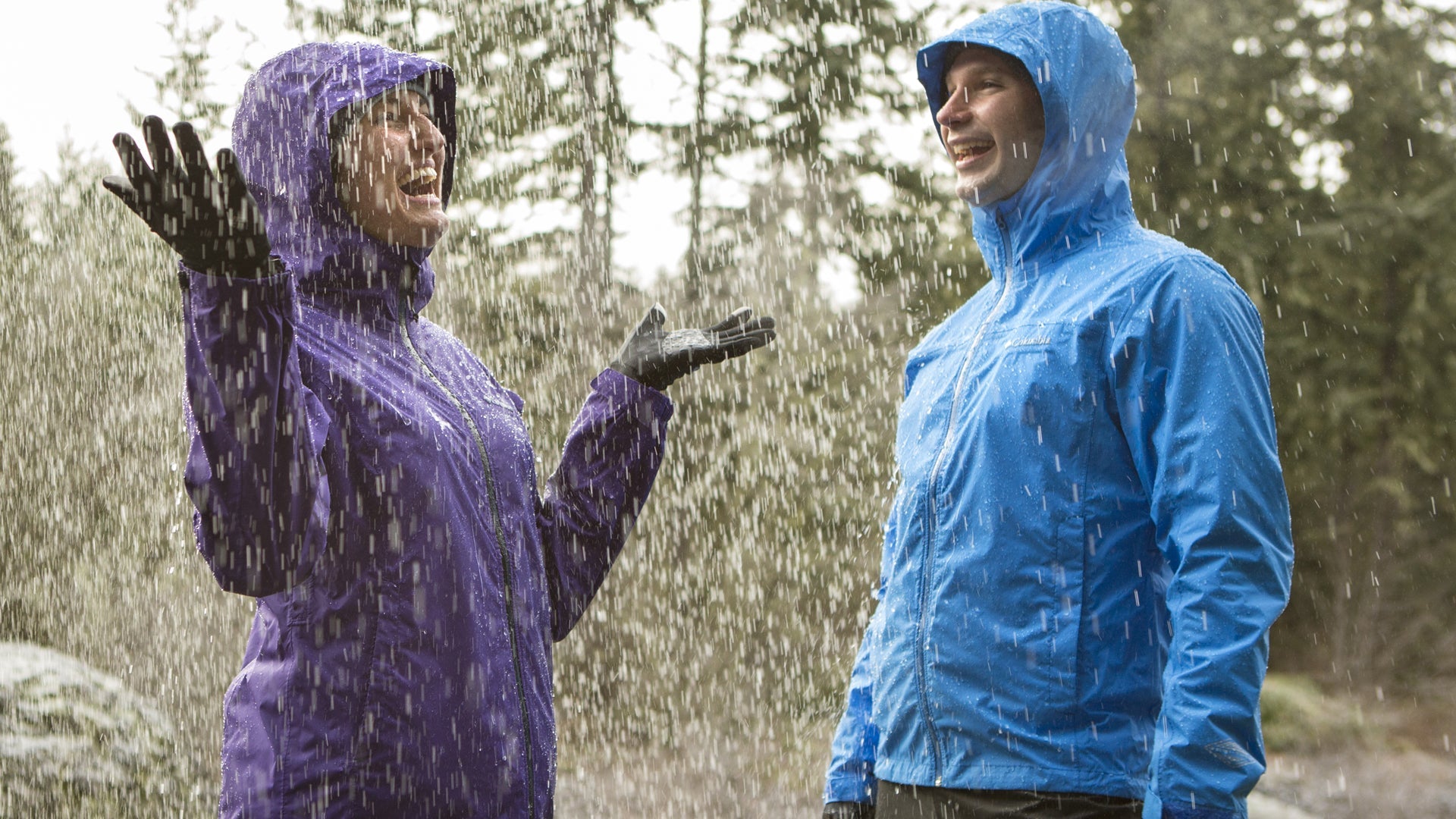
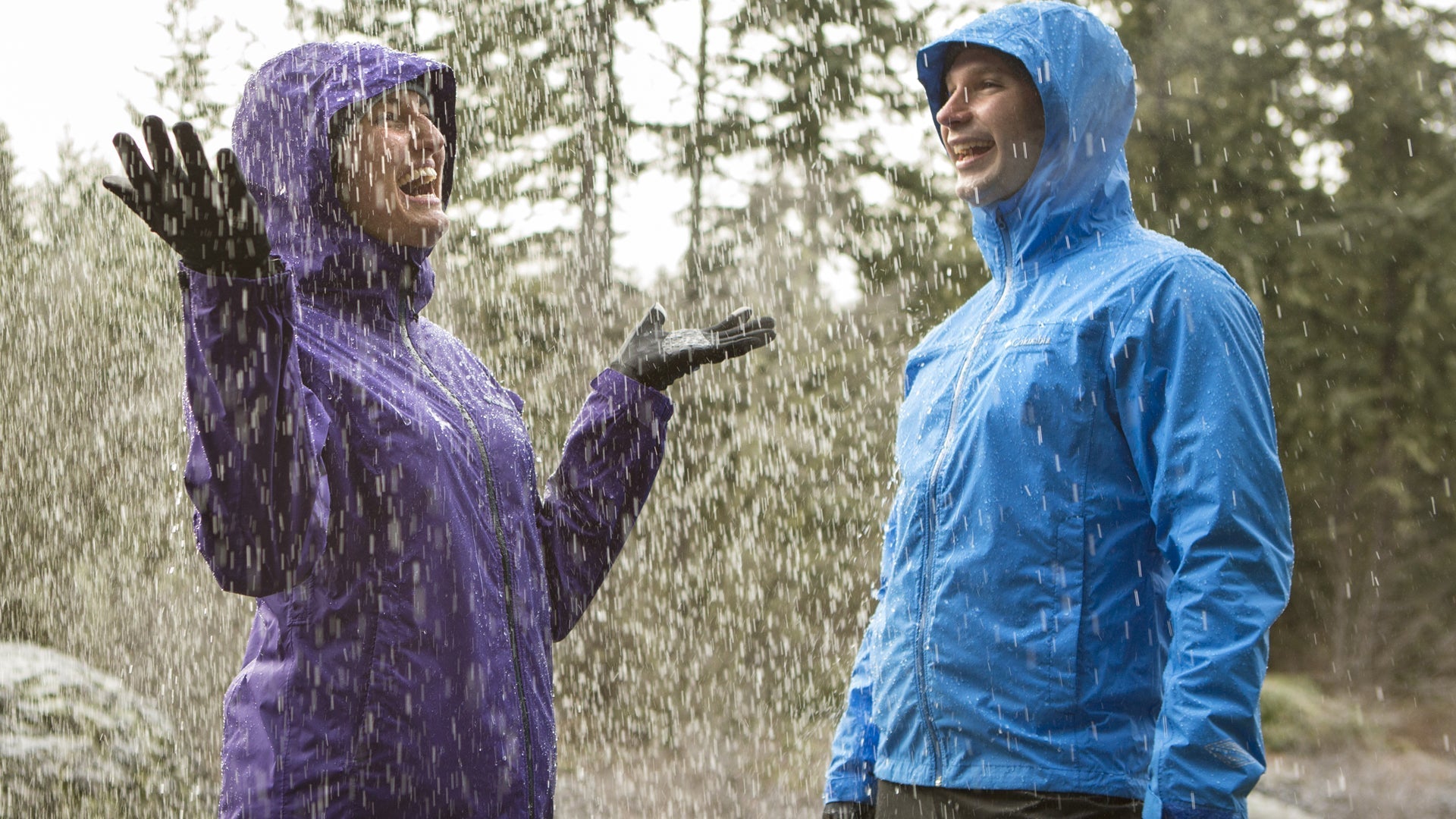
- Rain jacket: Non-negotiable in NZ. Even in summer. Look for taped seams and a proper hood.
→ Browse rain jackets at Dwights | Shop Peak XV
Car Camping vs Tramping — Know the Difference
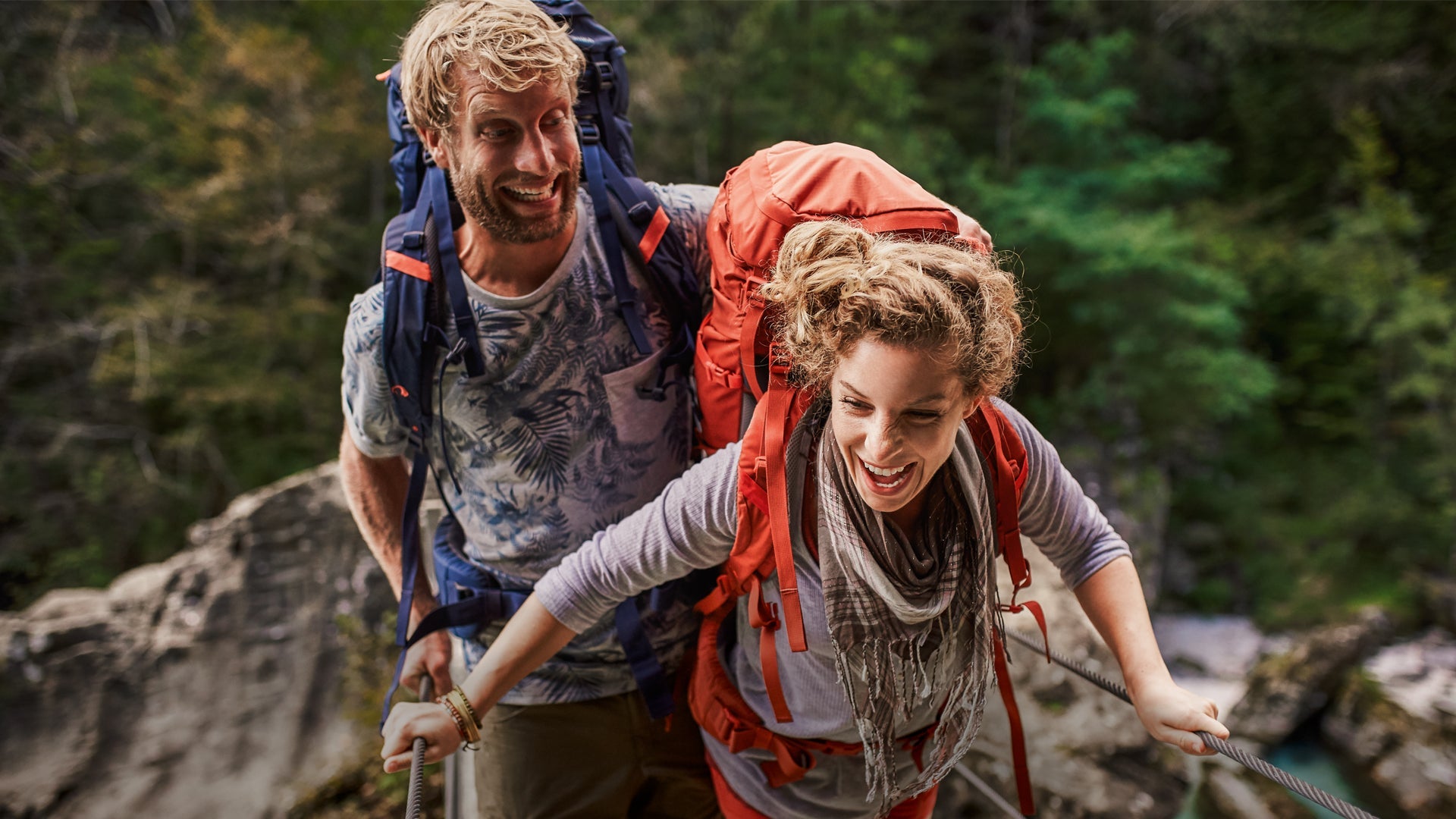
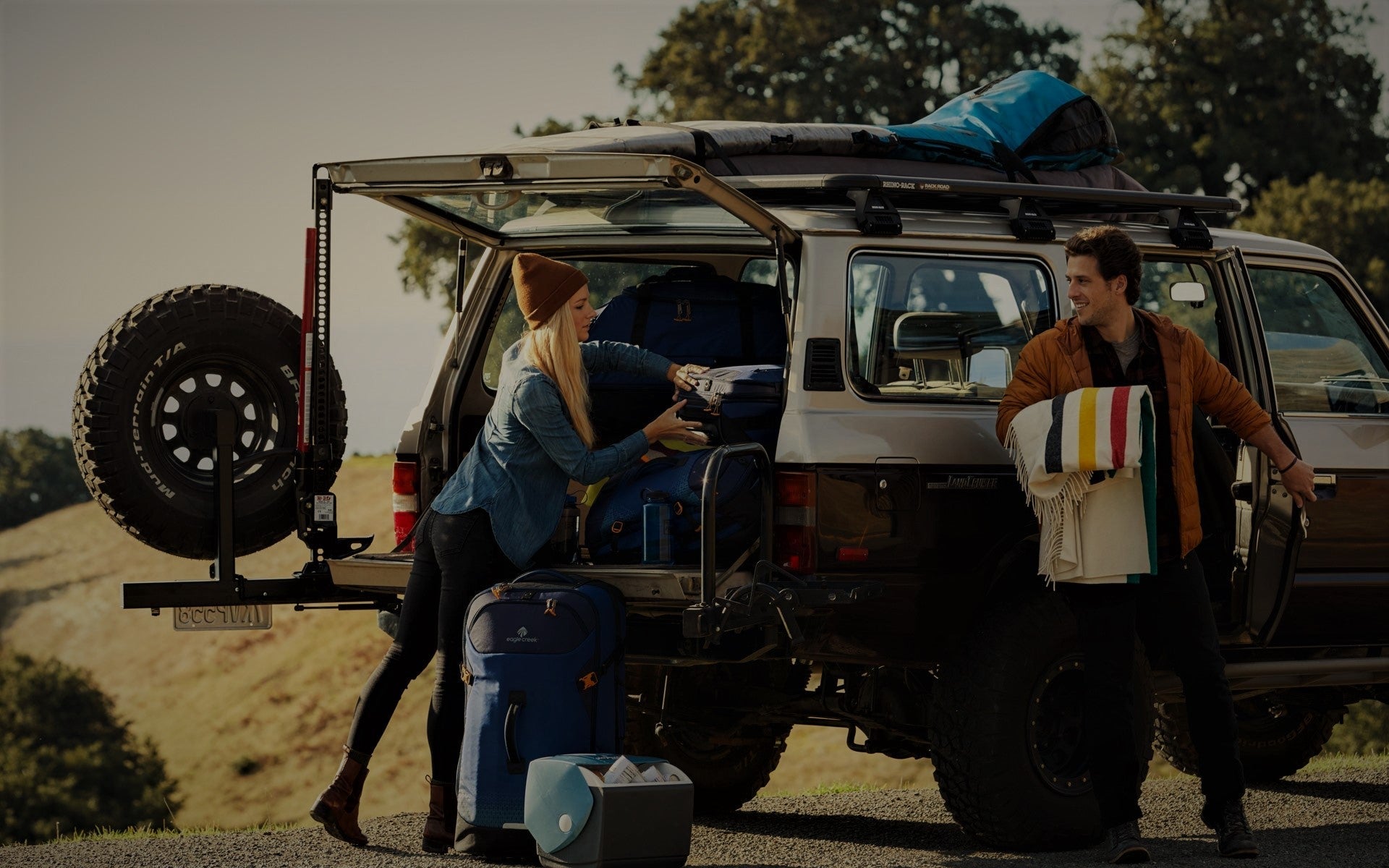
Car camping means you drive to your campsite. Weight doesn't matter much — you can bring a full-size cooler, a proper tent, and a folding chair. Tramping means you carry everything on your back, often for multiple days. Every gram counts. Your gear choices should reflect which one you're doing, because the same kit rarely works well for both. If you're doing both, start with car camping gear and upgrade to lightweight tramping-specific kit as you learn what you actually use.
For tramping, poles can also make a real difference on uneven terrain — Leki and Peak XV both offer quality options. And Sea to Summit dry bags and organisers are worth having to keep kit dry and sorted inside your pack.

