




Beginner’s Guide to Tramping in New Zealand
Start with the trip, not the shopping list
Your first tramp should build confidence. Choose a track that matches the least-experienced person in the group, then check its grade, time, terrain, access, facilities and current alerts. The official DOC walking and tramping pages and the Mountain Safety Council’s Plan My Walk tool are sensible starting points.
Begin with a short day walk. Progress to a longer day, then an overnight trip once you can plan food, clothing, navigation and an emergency response without relying on mobile reception.
Choose a suitable first route
- Read the official track description and understand the track category.
- Compare the stated time and terrain with your fitness and daylight.
- Check weather, road access, track alerts, bookings and fire restrictions.
- Identify river crossings, exposed terrain or other hazards that need skills you do not yet have.
- Set clear turnaround points before leaving.
Pack for delay and changing conditions
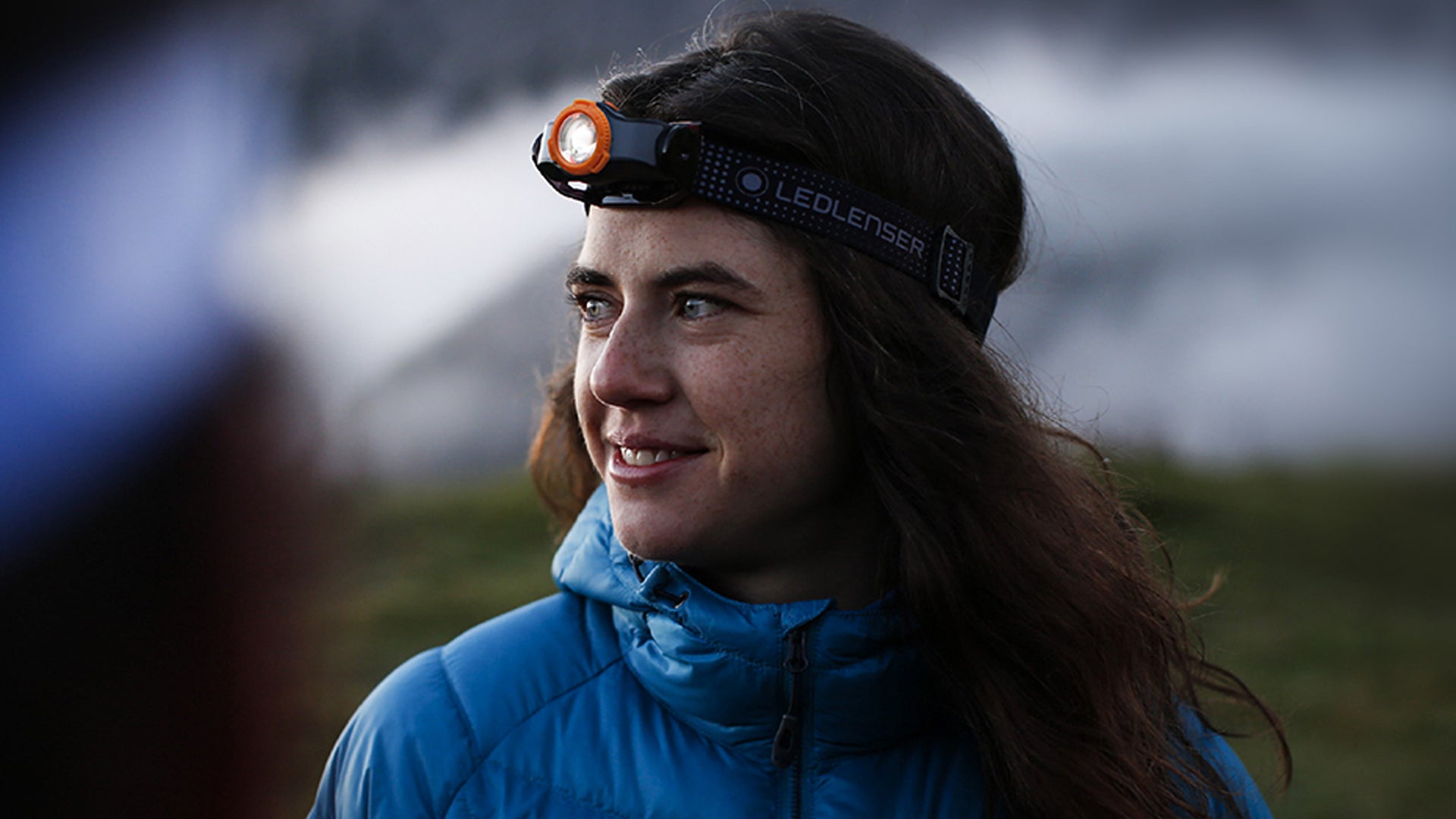
A day pack should include warm and waterproof layers, food and extra snacks, water, personal medication, first aid, sun protection, a head torch, emergency shelter, a map and a suitable way to call for help. Overnight trips add a sleeping system, more food, cooking equipment where required, hut or camping supplies and a larger safety margin.
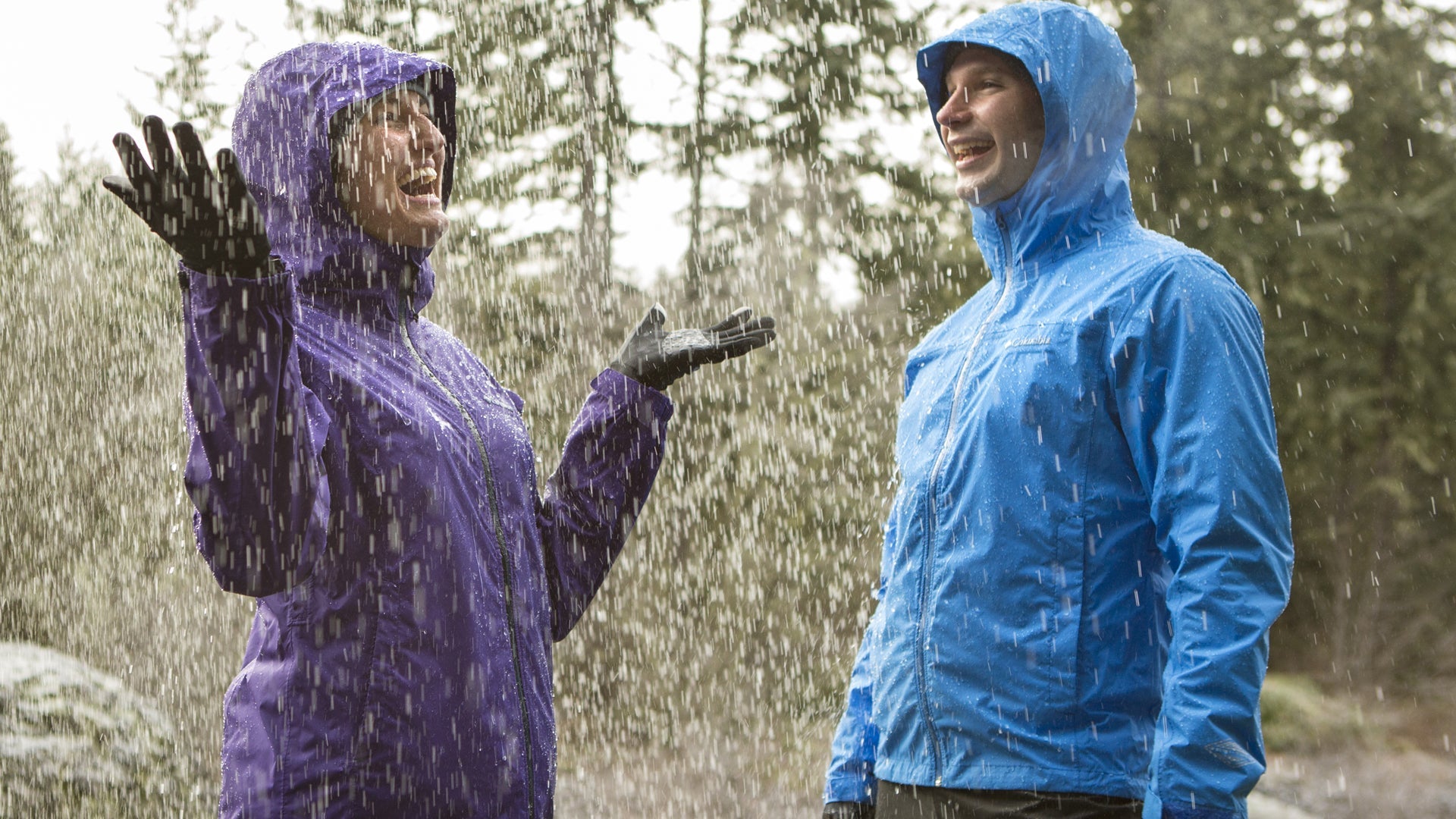
Keep critical clothing and sleeping gear dry inside a waterproof pack liner. Cotton is a poor choice for cold, wet trips; use quick-drying or insulating layers appropriate to the forecast and route.
Leave intentions and take communication seriously
Tell a trusted person exactly where you are going, who is with you, your route and when to raise the alarm. A phone can be useful but coverage is not guaranteed. Choose an emergency communication device for the remoteness and consequence of the trip, and know how to use it.
Learn skills progressively
Navigation, river safety, weather interpretation and first aid improve with instruction and practice. Do not use a general blog article as permission to attempt flooded rivers, avalanche terrain, winter alpine travel or off-track routes. Join experienced people or complete suitable training before taking on those hazards.
Build a simple, adaptable kit
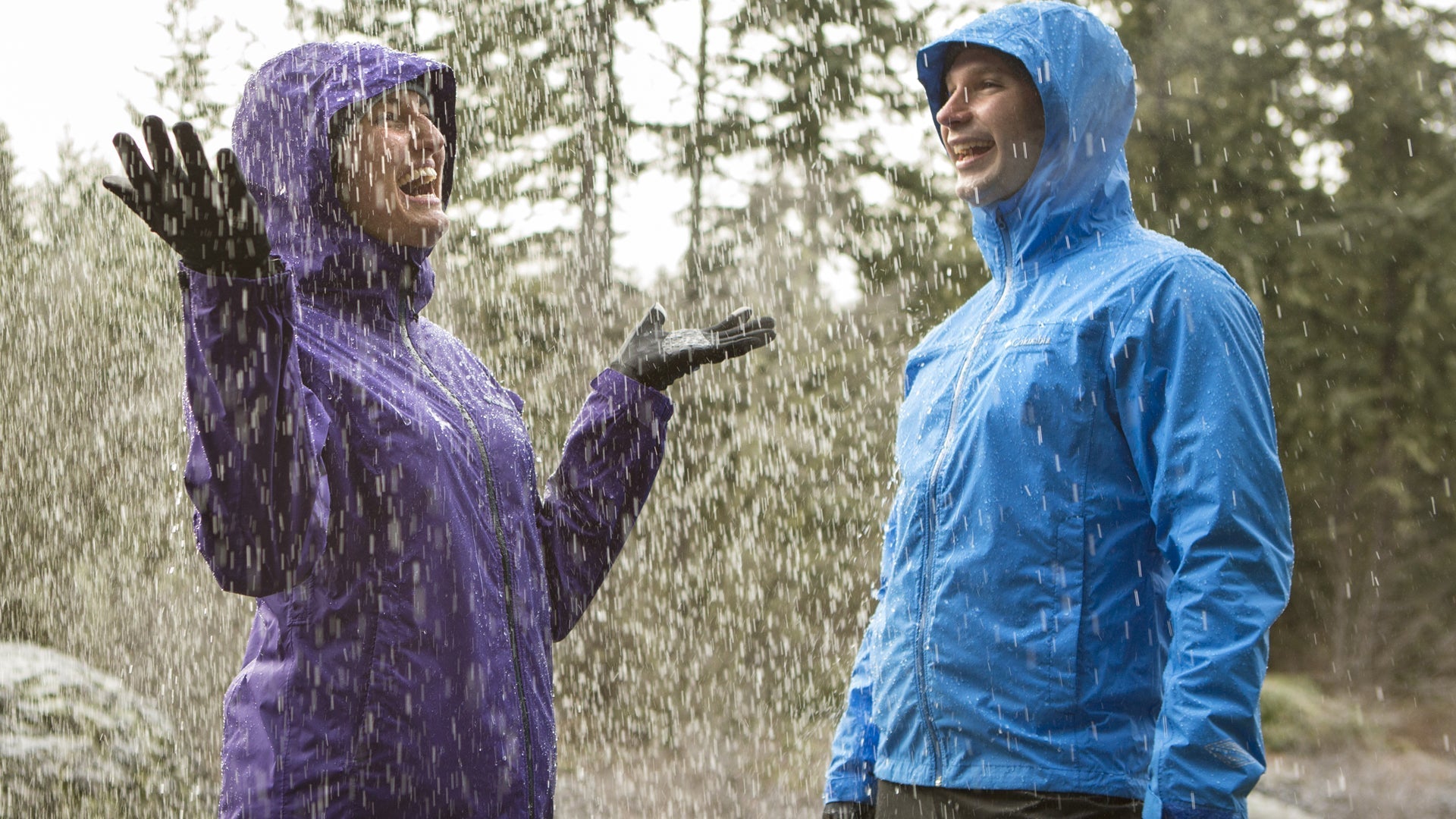
Fit and suitability matter more than rankings. Browse current hiking packs, rain jackets and hiking footwear, then test the complete system on a low-consequence walk.
Before you leave
- Recheck the official alert and forecast.
- Confirm every group member has the required clothing, food and medication.
- Share the final trip plan and alarm time.
- Turn back when conditions, time or the group no longer match the plan.
