






Hiking Boots NZ — The Complete Buying Guide
Why Your Footwear Choice Matters for NZ Tramping
New Zealand's trails are unforgiving in the best possible way. You're dealing with muddy creek crossings on the Heaphy Track, sharp scree on the Tongariro Alpine Crossing, exposed ridgelines in Fiordland where weather can turn in twenty minutes, and everything in between. The right hiking boots in NZ don't just protect your feet — they determine how far you go, how tired you are at camp, and whether that ankle holds up on the descent.
This guide cuts through the marketing noise and gives you a clear framework for choosing footwear that actually suits NZ conditions, your activity type, and how your foot moves. Whether you're shopping for your first pair or upgrading after years of tramping, browse our full hiking boots collection once you know what you're after.
Types of Hiking Footwear Explained
Trail Runners
Trail runners are lightweight, low-cut shoes with aggressive rubber outsoles designed for running and fast hiking. They're nimble, dry quickly, and put your foot close to the ground for natural movement. The payoff is minimal ankle structure, limited waterproofing (most are designed to drain fast rather than stay dry), and less protection underfoot on sharp terrain. Trail runners are excellent for experienced fast-and-light hikers on formed tracks with light packs. See our trail runners range if this style suits your kit.
Low-Cut Hiking Shoes
Low-cut hiking shoes bridge the gap between trail runners and traditional boots. They use a stiffer, more protective sole and a tougher upper, with better durability for day trips and short overnight tracks. They're lighter than mid-cut boots and feel less restrictive, but they offer minimal ankle collar height. These suit well-maintained tracks with moderate terrain and pack weights under 10–12 kg.
Mid-Cut Hiking Boots
Mid-cut boots are the workhorse of NZ tramping. The collar sits just above the ankle, giving a useful combination of support, protection, and range of motion. A moderately stiff sole handles rough ground and heavier packs without over-fatiguing your feet on full-day efforts. The Merrell Moab 3 Mid and Salomon Quest 5 are two well-known mid-stiffness examples that illustrate what a capable all-round mid-cut boot delivers. Browse our men's hiking boots and women's hiking boots to see what we carry in this category.
High-Cut Hiking and Alpine Boots
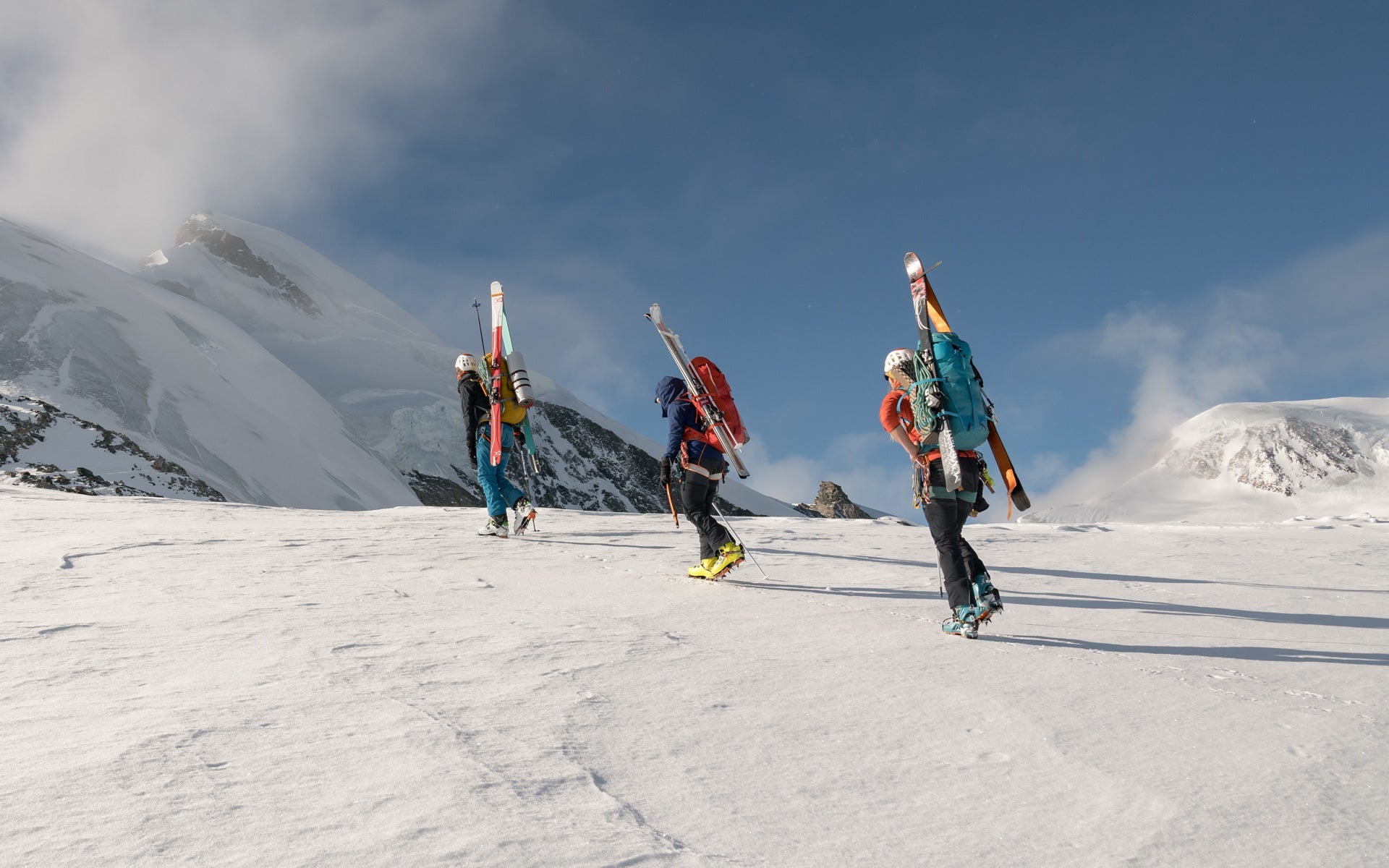
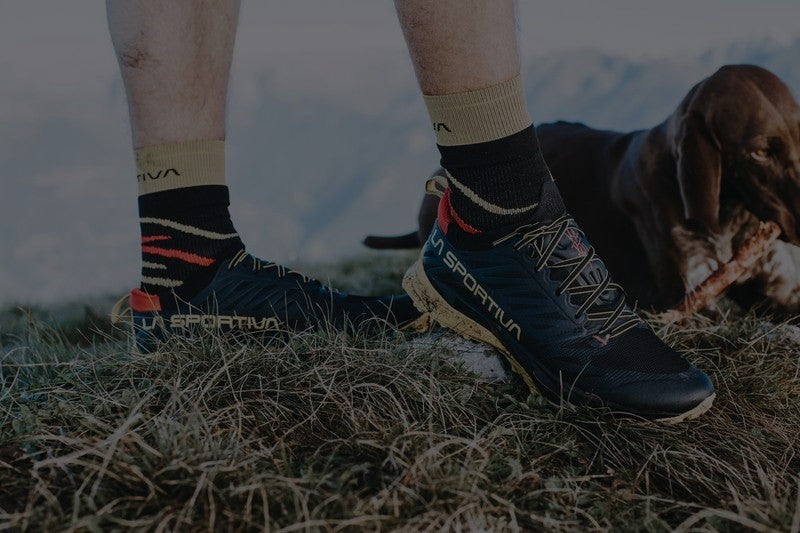
High-cut boots are purpose-built for demanding terrain: steep scree, off-track routes with heavy packs, shoulder-season snow, and technical alpine approaches. Brands like La Sportiva and Salewa lead this category with boots engineered for durability, precise foothold on exposed ground, and — in their most technical models — crampon compatibility. The sole is deliberately stiff to transmit edging force efficiently on narrow terrain. These boots are overkill on the Abel Tasman, but genuinely useful in the Southern Alps and Fiordland's more challenging corners.
Key Features to Look For
Sole Stiffness
Stiffness runs on a spectrum. A flexible sole moves naturally with your foot — ideal for trail running and easy day hikes on formed tracks. A moderately stiff sole resists torsion under load and keeps your foot stable on uneven ground without killing your stride on flat sections. A stiff sole reduces foot fatigue on technical terrain by letting you edge and kick steps without the boot folding, but adds weight and reduces ground feel. Match stiffness to terrain type and how much you're carrying.
Waterproofing
Most quality hiking boots come in waterproof or non-waterproof versions. Waterproof membranes — GORE-TEX or brand equivalents — keep your feet dry in wet bush, stream crossings, and shoulder-season snow, which covers the majority of NZ tramping conditions. The trade-off is reduced breathability; feet will run warmer in summer. Non-waterproof boots breathe better and dry faster once soaked, which suits dry summer conditions. For most NZ use, a waterproof boot is the safer default. Pair any boot with well-fitted gaiters on muddy or snowy routes to stop water and debris entering from the top.
Fit and Foot Shape (Last)
Fit is more important than any other spec. Key checks: your heel should lock with no lift when walking uphill; your toes should have roughly a thumb's width of space from the end on descents; and the boot shouldn't pinch across the width or ball of your foot. Try boots on in the afternoon when feet are slightly swollen, wearing the same socks you'd use on trail. Different brands build around different lasts (the internal foot-shaped form) — if one brand pinches, another may fit perfectly. Trying multiple options is time well spent.
Outsole Grip
Vibram remains the benchmark for traction, but many brands produce high-quality proprietary compounds. Look for deep, multi-directional lugs for loose, wet, and muddy terrain — the norm on NZ bush tracks. Harder rubber lasts longer on abrasive rock but can slip on wet roots. Softer compounds grip better across varied surfaces and wet conditions, which are the typical NZ scenario.
Midsole Cushioning and Support
EVA foam midsoles are lighter and more cushioned; polyurethane is denser and holds up better under heavier loads over time. Many boots combine both. For multi-day trips with a pack, prioritise a firmer, more supportive midsole over maximum cushion. For fast day hiking with minimal kit, a lighter, cushioned midsole reduces leg fatigue.
Upper Materials
Full-grain leather uppers are durable and mould to your foot over time but need more break-in and regular conditioning. Nubuck leather offers similar durability with a softer feel. Synthetic uppers (nylon, polyester meshes) are lighter, dry faster, and need less break-in, but typically don't last as long under hard use. Many modern boots use a hybrid — leather overlays over a synthetic base — to balance weight, durability, and comfort.
How to Choose: Activity-Based Framework
- Day hikes on formed tracks, light pack (under 8 kg): Trail runner or low-cut hiking shoe. Keep it light and move comfortably.
- Multi-day Great Walks (moderate pack, 10–14 kg): Mid-cut waterproof boot with moderate stiffness. The Routeburn, Milford, and Kepler all involve rough terrain and reliably wet conditions.
- Off-track tramping or heavier packs (15 kg+): Mid-cut to high-cut boot with a stiffer sole. Ankle support and foot protection become more important without a formed track beneath you.
- Alpine routes or technical terrain: High-cut stiff boot. Consider crampon compatibility if you're crossing snow or ice. La Sportiva and Salewa both have purpose-built options for this.
- Not sure? A mid-cut waterproof boot with moderate stiffness is the most versatile single choice for NZ conditions.
For deeper comparisons and tested recommendations, see our best hiking boots NZ 2026 roundup and our detailed hiking boot buying guide. Once footwear is sorted, check our NZ layering system guide to get the rest of your kit right.
Care and Maintenance
Clean boots after every trip. Remove mud with a soft brush and rinse with cool water — never hot water, and never dry on a radiator or in direct sun, as heat degrades adhesives and waterproof membranes. Stuff loosely with newspaper and let them dry at room temperature. Re-proof the outer fabric or leather periodically with a DWR spray or wax appropriate for the upper material; the membrane itself doesn't need treatment, but the outer needs to shed water for the system to work properly. Replace laces at the first sign of significant wear. Store in a cool, dry location away from direct UV light.
Frequently Asked Questions
Do I need waterproof hiking boots for NZ?
For most NZ conditions, yes. Trails are regularly wet from rain, dew, and stream crossings, and even summer trips can include rain. A waterproof membrane keeps feet drier for longer and reduces the risk of blisters from prolonged moisture. The exception is hot, dry summer day hikes on well-drained tracks where a non-waterproof shoe breathes better and dries fast if it gets wet.
Trail runners vs hiking boots — what's better for NZ tramping?
Both work, but for different contexts. Trail runners suit fast, experienced hikers on formed tracks with light packs. Mid-cut hiking boots are better for multi-day trips, rough terrain, heavier packs, and anyone who values more foot protection. Most New Zealanders doing Great Walks or backcountry routes are better served by a proper hiking boot.
How do I break in new hiking boots?
Wear them progressively. Start with short walks, then day hikes, before committing to a multi-day tramp. Pay attention to pressure points early so you can adjust lacing or add insoles before they become blisters. Leather boots require more break-in than synthetic; trail runners typically need very little. Wear the socks you plan to use on trail during break-in.
What's the difference between La Sportiva and Salewa?
Both are Italian brands with decades of Alpine heritage. La Sportiva is particularly well regarded in the technical climbing and mountaineering space, with some of the highest-performing alpine hiking boots available. Salewa delivers comparable performance at a slightly wider range of price points, with a strong selection of mid and high-cut boots well suited to demanding NZ terrain. Both are premium brands that hold up under hard use.
Should I size up in hiking boots?
Many people benefit from going up half a size, especially for longer trips where feet swell. The key test is downhill: if your toes contact the front of the boot on descents, go up. If your heel lifts, tighten the upper lacing or go down. Don't rely solely on size charts — foot shape variation between brands means trying boots on in person is always worth doing.
Do I need gaiters with hiking boots?
Not always, but they're very useful in specific conditions: deep mud, snow, dense scrub, and river crossings where water and debris enter from the boot's top opening. Full-length gaiters suit alpine routes and Fiordland-style terrain. Lightweight trail gaiters work well for keeping gravel and dirt out on drier tracks with lower-cut footwear.
See also: Layering System
See also: Rain Jackets Guide