




How to Layer for Tramping in NZ — The Complete Layering System Guide
How to Layer for Tramping in NZ: The Complete Layering System Guide
New Zealand weather is famously unpredictable. You can leave a sunny trailhead in a t-shirt and be soaked in horizontal rain three hours later. The classic three-layer system is the most reliable way to manage NZ's variable conditions — not by wearing more, but by wearing smarter. Understanding how each layer works and when to use it separates comfortable trampers from cold, wet ones.
Why Layering Matters in NZ
New Zealand's climate varies dramatically depending on where you are and what season you are in. Fiordland averages over 7,000mm of annual rainfall. The Southern Alps create rapid weather changes. Even on the North Island, the Tongariro Alpine Crossing sees frequent cloud, wind, and rain that make it a serious undertaking. A single heavy jacket that is ideal for standing still is useless when you are sweating on an ascent. The layering system solves this by letting you add and remove insulation in response to effort and conditions throughout the day.
Layer One: The Base Layer
Your base layer sits against your skin and has one job: move moisture (sweat) away from your body before it cools and chills you. The critical mistake is choosing a base layer that retains moisture — cotton is the worst offender and has no place in a tramping kit.
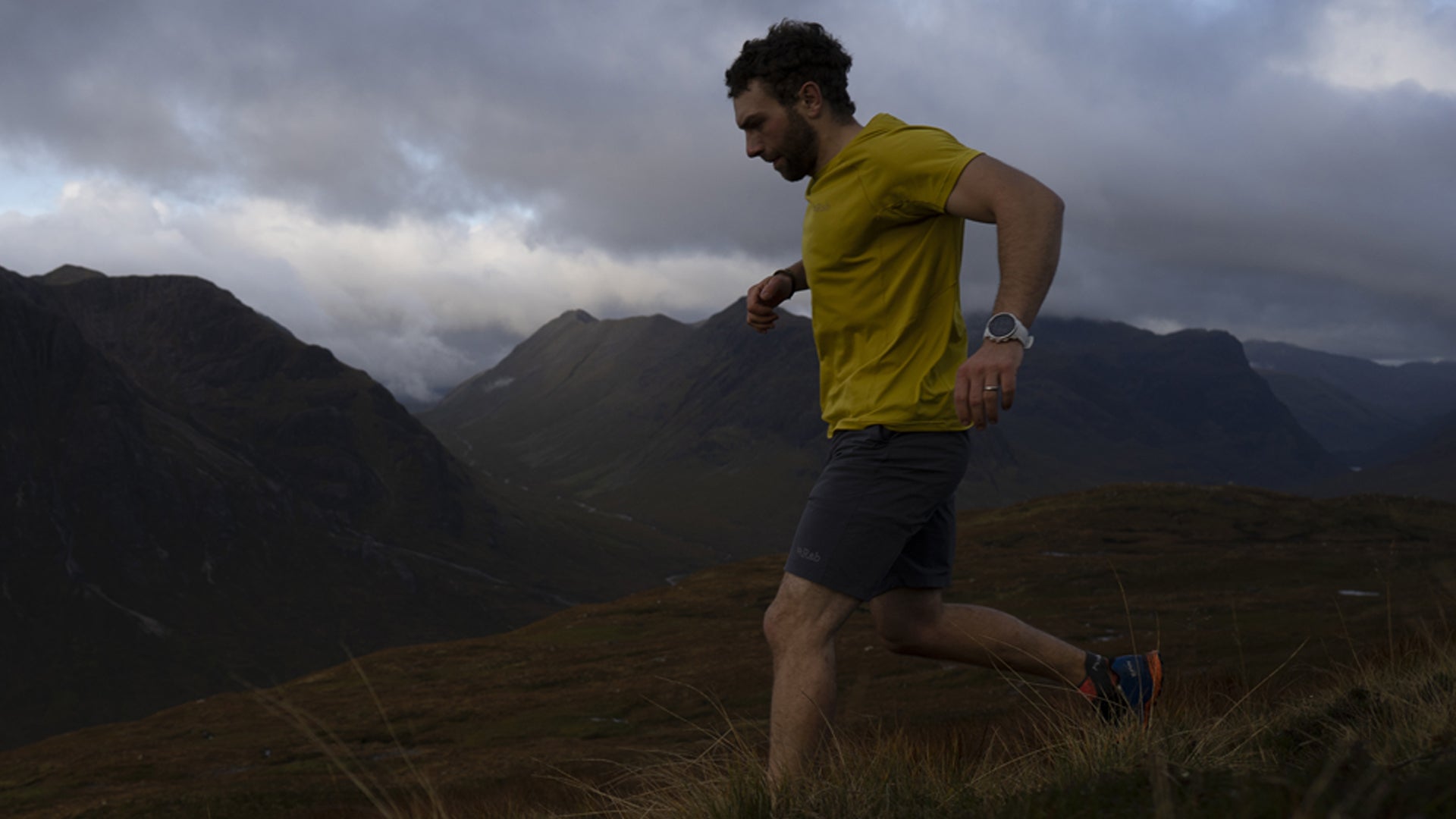
Merino wool is the preferred base layer for NZ tramping. It manages moisture effectively, stays comfortable even when damp, and resists odour naturally — allowing you to wear the same base layer for multiple consecutive days on a hut-to-hut tramp. Midweight merino (200–250 g/m²) is the all-round standard for NZ three-season tramping. Lightweight (150 g/m²) suits summer and high-output days. Heavyweight (300+ g/m²) is better for cold hut evenings and winter trips.
Synthetic base layers (polyester) dry faster than merino and are lighter at equivalent warmth. They are better for high-output trail running or fast day walks where rapid moisture transfer is the priority. The trade-off is odour accumulation after a day or two — less practical for multi-day trips.
Explore our range at base layers and merino clothing.
Layer Two: The Mid-Layer
Your mid-layer is your insulation — it traps warm air close to your body when you stop moving, cool down, or conditions deteriorate. The most important thing about your mid-layer is that it needs to be easy to put on and take off repeatedly throughout the day.
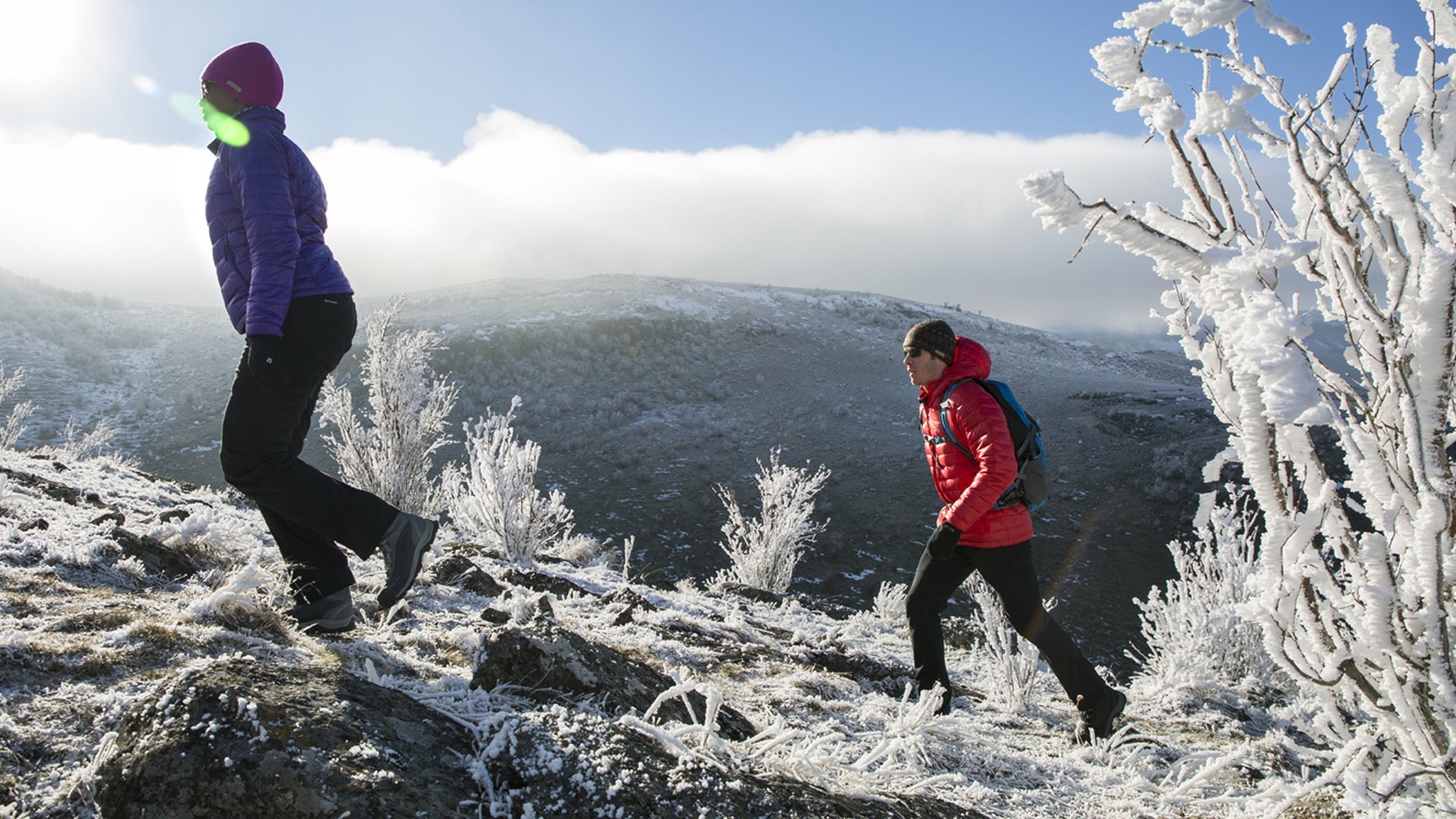
Fleece jackets are the tramping mid-layer standard. A 200-weight fleece provides reliable insulation that works even when damp and dries quickly. Fleece is breathable, durable, and handles the constant on/off cycle of active tramping better than most alternatives. The trade-off is bulk — a fleece compresses less than a down jacket.
Insulated jackets (down or synthetic fill) provide more warmth per gram and pack down far smaller than fleece. A down jacket like the Rab Microlight Alpine — 750-fill hydrophobic down — is significantly lighter and more compressible than an equivalent fleece, making it the right call when pack weight is a priority. Down performs best at rest; if you run hot and plan to wear your mid-layer while moving, fleece is usually more comfortable.
Many trampers on multi-day routes carry both: a fleece for active use and a down jacket for rest stops, summits, and hut evenings. On Great Walks with alpine sections (Routeburn, Kepler), this combination is strongly recommended.
Browse fleece jackets and insulated jackets. For full buying advice, see our rain jackets guide and insulated jackets guide.
Layer Three: The Outer Shell
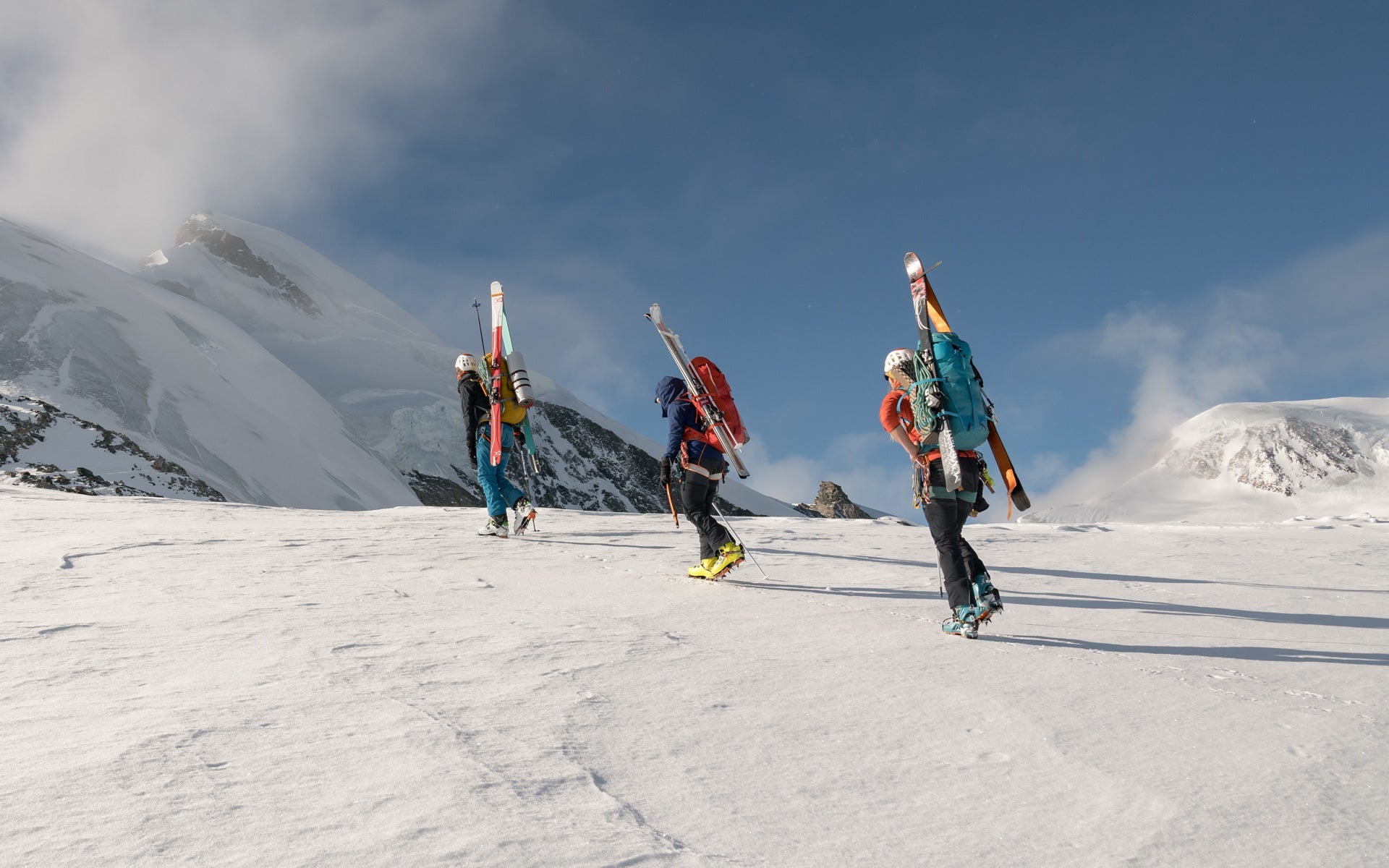
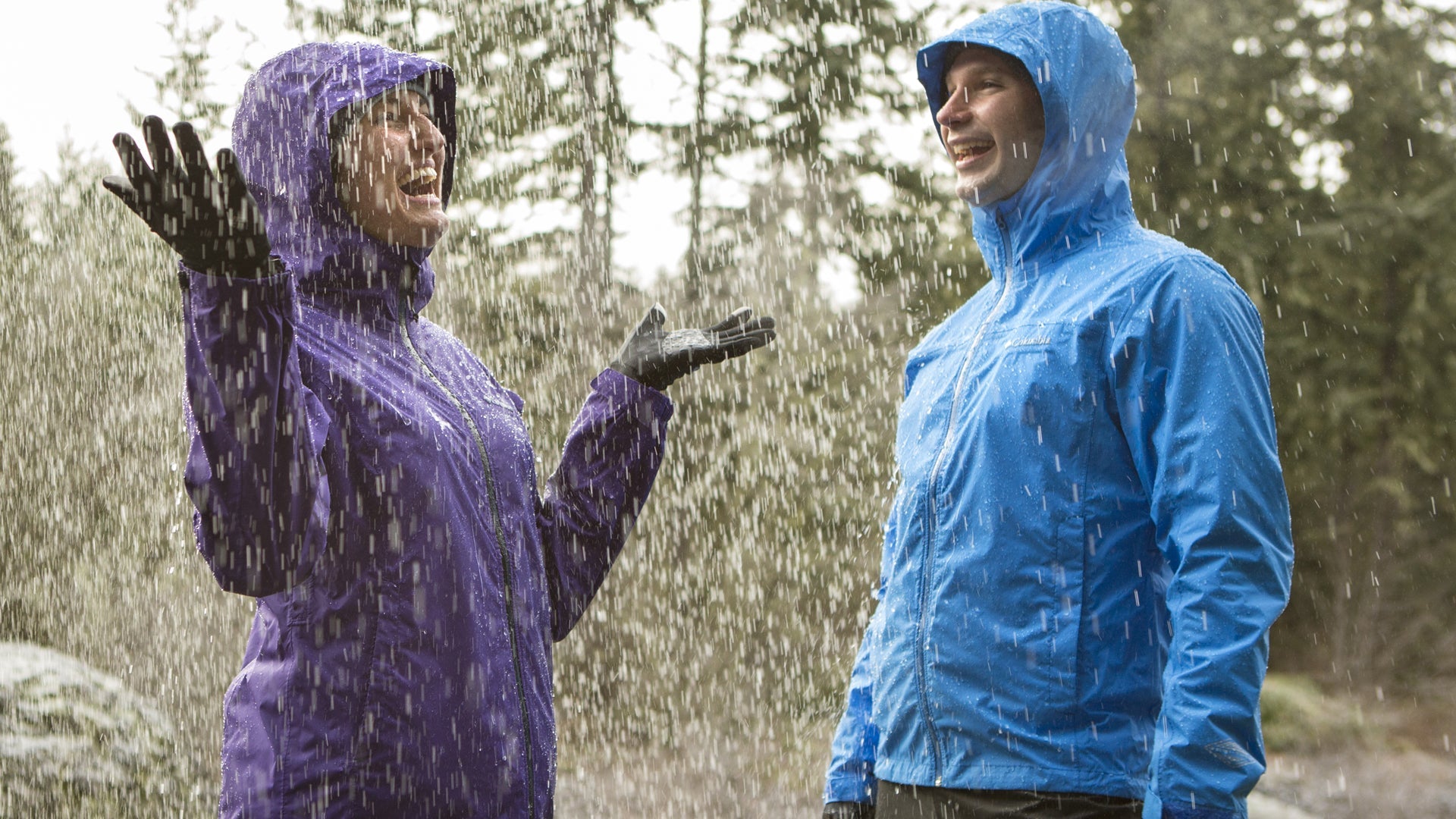
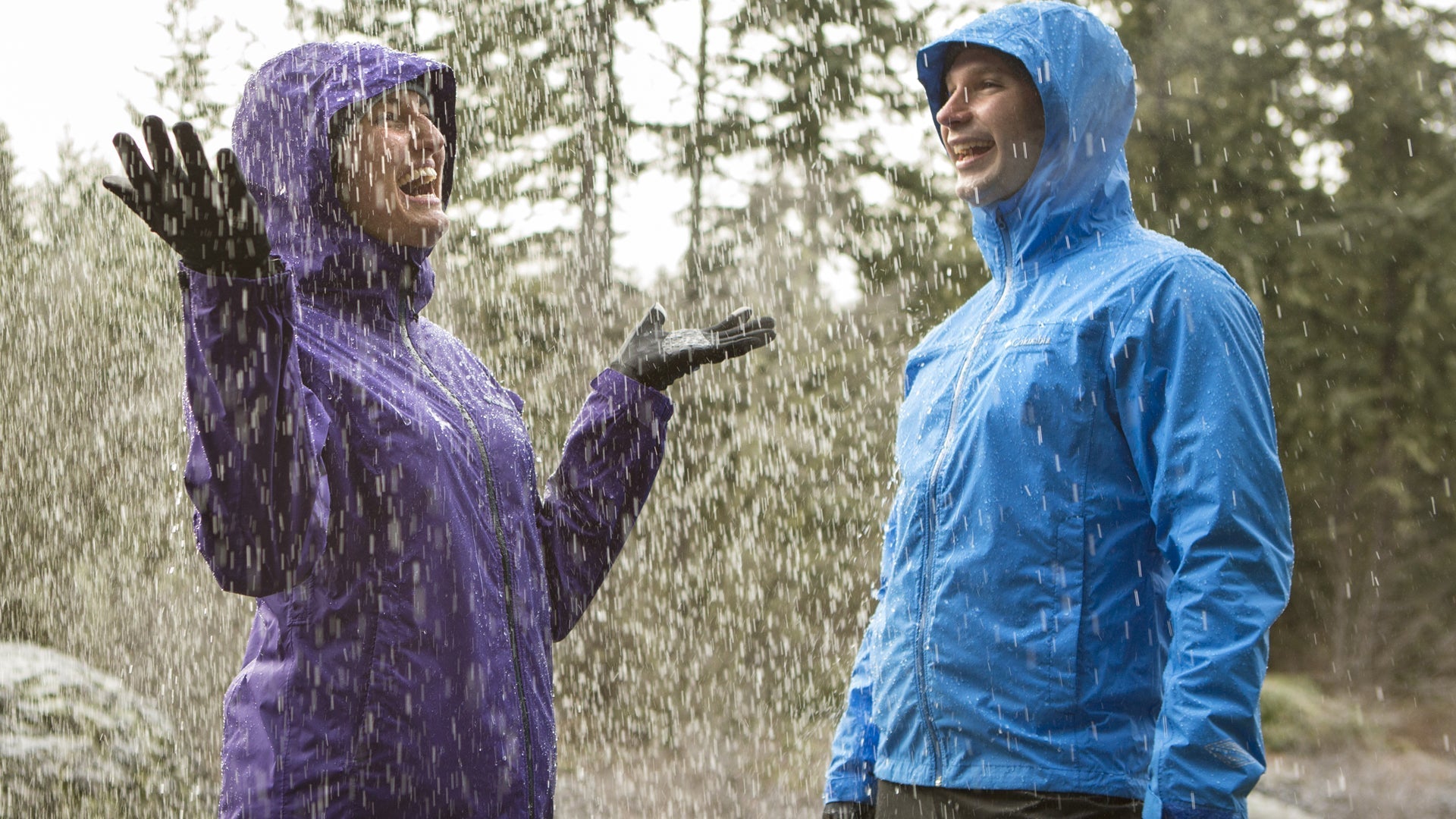
Your outer shell is your weather protection — it blocks wind, rain, and snow while allowing moisture vapour from your inner layers to escape. In NZ, where rain is frequent and often heavy, a quality waterproof shell is non-negotiable for any serious tramping.
Look for a minimum of 20,000mm waterhead and fully taped seams for genuine waterproofing. 10,000mm is adequate for light rain but insufficient for sustained NZ downpours. Breathability (measured in g/m²/24h) determines how effectively moisture escapes — more important the harder you work.
The Peak XV Tornado is our upgraded waterproof jacket — built for NZ tramping with full waterproofing and breathability at a price that makes it accessible for most trampers. The Peak XV Pinnacle is our entry-level hardshell — a solid option for less frequent use. For technical alpine terrain, the Rab Kangri GORE-TEX is the premium choice.
Always carry waterproof pants as well as your jacket — legs get just as wet as your upper body on wet trails and in long grass.
Practical Examples
Day Walk — Summer, NZ Forest Track
Lightweight merino base layer + waterproof jacket in your pack. You may not need your jacket, but carry it — NZ weather has a habit of changing.
Multi-Day Tramp — Great Walk, Spring/Autumn
Midweight merino base layer (top and bottom) + 200-weight fleece + waterproof hardshell + waterproof pants + down jacket for hut evenings and cold mornings. This is the standard kit for most Great Walks outside summer.
Alpine Tramp — Year-Round
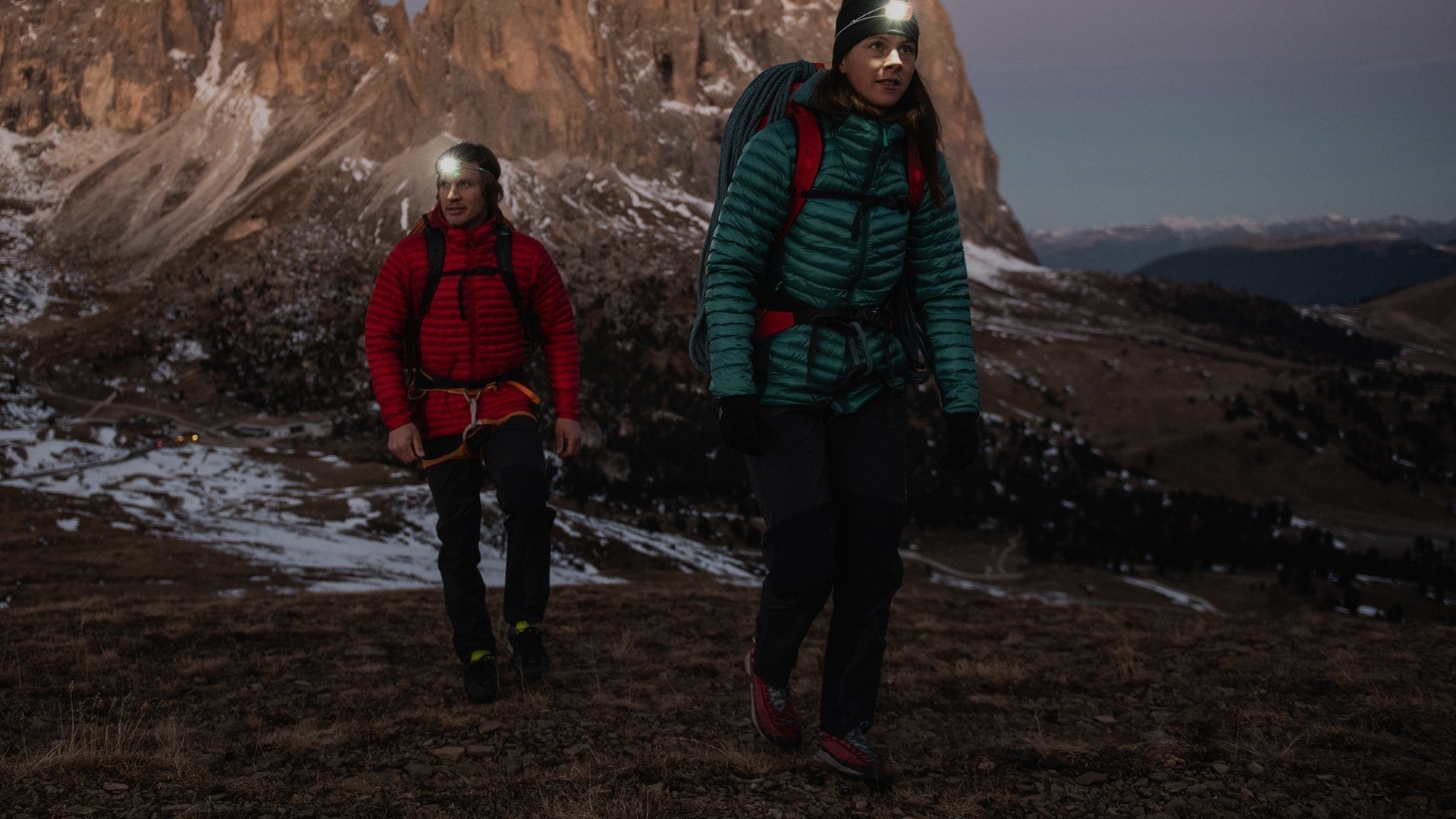
Midweight merino base layers + 200-weight fleece + down jacket + waterproof hardshell + waterproof pants + thermal hat + gloves + neck gaiter. Above the treeline, even in summer, conditions can deteriorate quickly. Over-prepared beats under-prepared on every alpine route.
Getting the Fit Right
Each layer needs to fit well enough that the next layer goes over it comfortably. A base layer that is too thick won't fit under a fitted fleece. A fleece that is too bulky won't fit under a close-cut shell. Fit your layers in order — base, then mid-layer, then shell — before any multi-day trip to make sure the system works as a whole.
Also consider zips. A mid-layer that fully zips is far easier to manage on the trail than a pullover. When you stop for five minutes and cool down, you want to be able to put it on and take it off in seconds, not fight with it over your pack.