








Best Camping Tents NZ 2026 — Inflatable, Hiking & Family Tents Compared

New Zealand camping is unlike almost anywhere else. One morning you're in sunshine on the Coromandel; by afternoon a front has rolled in off the Tasman and your tent is taking a serious beating. Even in summer, rain, wind, and cold nights are part of the deal.
The tent you choose shapes your entire experience. Get it right and you sleep dry, pack up fast, and wonder why camping felt hard before. Get it wrong and you're spending the night listening to leaks. This guide covers the best camping tents available in NZ for 2026 — with a heavy focus on the Enterprise Blackout inflatable range for car camping, and Explore V2 for trampers, plus everything you need to make the right call.
Inflatable Air Tents — The Strongest Camping Tents We Sell
If you've ever wrestled a pole tent in a campsite crosswind, you'll understand the appeal immediately. Inflatable air tents swap rigid poles for rock-solid air beams — no bent or broken poles, no threading fibreglass sections in fading light, no trying to remember which pole goes where. You connect a pump, inflate, and the structure is done in minutes.
But the real story is strength. Inflatable air tents are some of the strongest camping tents we carry — substantially stronger than pole tents. Air beam construction handles NZ wind conditions in a way that traditional rigid poles simply can't match. The downside is price: quality inflatable air tents sit at a higher price point than equivalent pole tents, and that premium is real. What you're paying for is a tent that handles a bad night without compromise.
Enterprise Blackout Inflatable Air Tents — Our Top Pick for NZ Camping
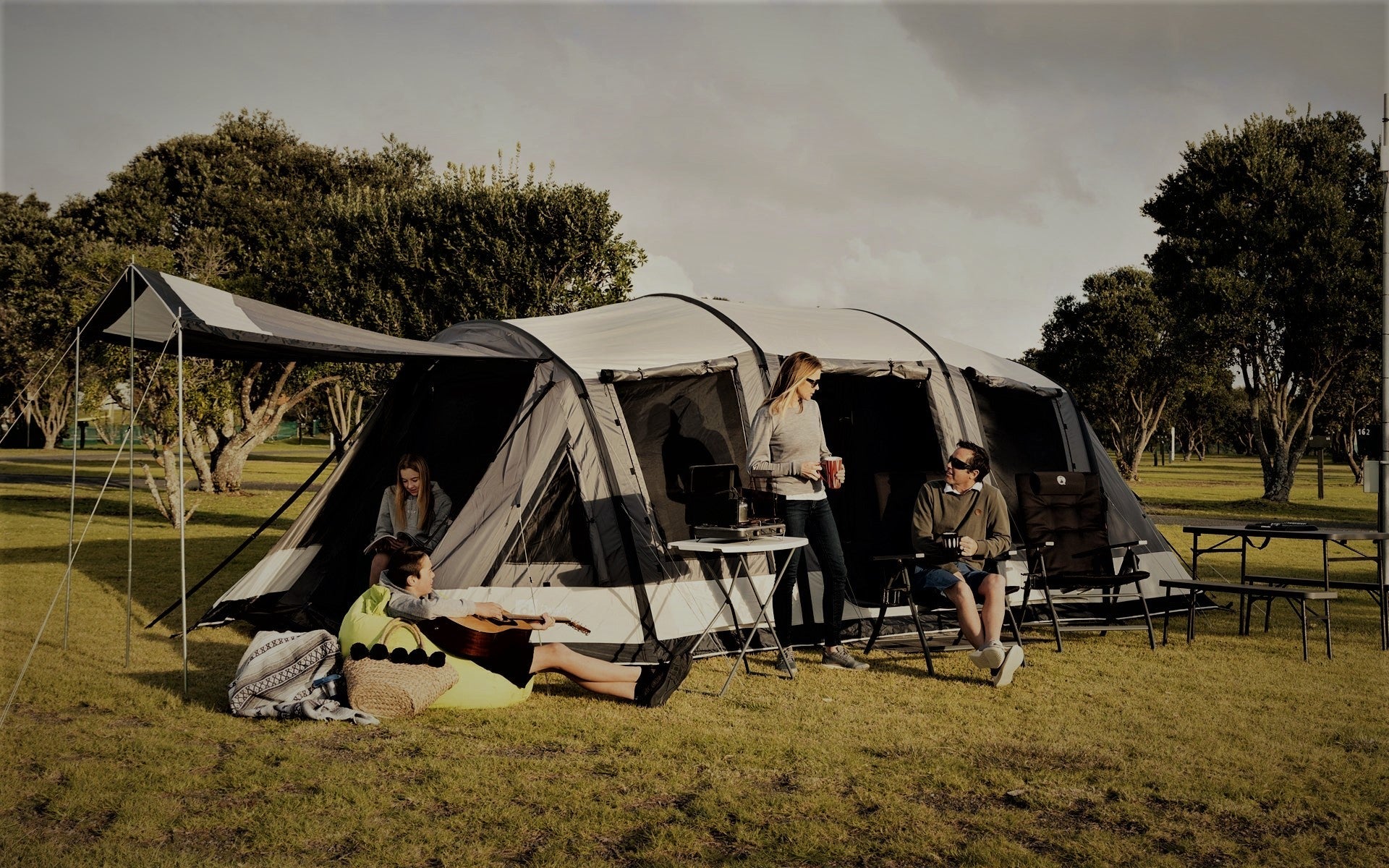
The Enterprise range is the standout recommendation for car camping and holiday park use in NZ. These are fully inflatable air tents with blackout fabric — the blackout lining blocks light effectively, which makes a genuine difference when you're trying to sleep past 6am at a Northland campsite in January. No more waking up when the sun hits the flysheet.
The waterproofing on the Enterprise range is exceptional: an 8,000mm hydrostatic head (HH) rating on the flysheet puts these well above most tents on the market. For context, 2,000mm HH is the minimum for rain protection; 8,000mm means these tents are built to handle serious sustained downpours — exactly what NZ's West Coast, Fiordland-adjacent campgrounds, and unpredictable summer fronts can produce.
- Enterprise 1 V3 Inflatable Blackout Air Tent — $1,799.99. Solo and couple option with all the Enterprise features: blackout fabric, 8,000mm HH, air beam construction. The entry point to the range.
- Enterprise 2 Blackout Inflatable Air Tent — $2,499.99. The sweet spot for couples and small families. Generous living space, full blackout coverage, and the structural strength the range is known for. One of our most popular inflatable tents.
- Enterprise 3 Blackout Inflatable Air Tent — $3,499.99. The flagship family tent. Multi-room layout with dedicated sleeping and living areas, full blackout across all compartments, and 8,000mm HH waterproofing throughout. If you're camping as a family of four or more and want to genuinely not think about the weather, this is the tent.
- Enterprise Flow Blackout Inflatable Air Tent — $2,999.99. A layout-forward option with a different internal configuration — worth comparing to the Enterprise 3 if you want a larger living area or a different room arrangement.
Bundle deals are available for the Enterprise 2 and Enterprise 3 that pair the tent with the Dwights Enterprise Inflatable Shelter — a matching inflatable gazebo that extends your covered living area. Worth considering if you camp for longer periods or in wetter locations.
Who Inflatable Air Tents Are Best For
- Families with young kids — less setup time, blackout fabric means later starts, kids can't lose poles they never touched.
- Car campers — weight is irrelevant. Get maximum living space and structural strength.
- Anyone arriving late or in rain — inflatable tents go up fast with minimal fuss.
- Campers in high-rainfall areas — the 8,000mm HH rating on the Enterprise range is the real deal for Fiordland-adjacent campsites, the West Coast, and anywhere NZ throws its worst.
Hiking Tents — Dwights Explore V2 and Adventure Ranges
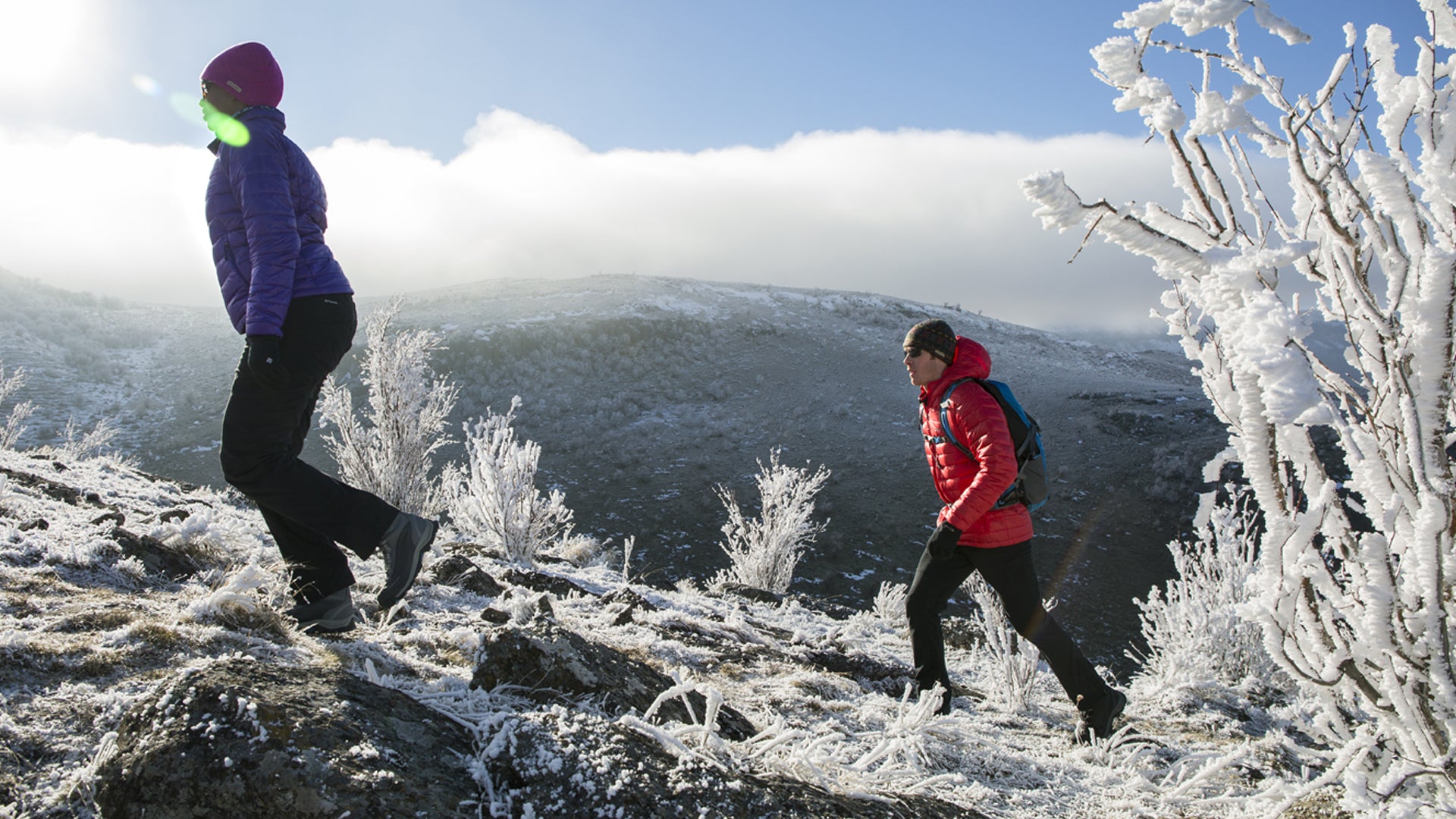
When the tent lives in your pack for five days on the Routeburn Track, every feature has to justify its weight. Dwights' two hiking tent ranges — the Explore V2 and the Adventure — cover the full spectrum from entry-level to high-performance ultralight, and they're worth understanding in detail before you decide.
Dwights Explore V2 Range — Sit Up, Stretch Out
The defining feature of the Explore V2 range is interior height. These tents are tall enough to sit up comfortably inside — and if you've spent time in a low-profile hiking tent during a long wet day on track, you'll know how much that matters. Being able to sit upright to change clothes, sort your pack, or just wait out the weather is a genuine upgrade to the multi-day tramping experience.
- Explore 1 Ultralight V2 — $699.99. Solo ultralight tent designed for trampers who count every gram without sacrificing livability. The go-to option for Great Walks and multi-day backcountry routes.
- Explore 2 — $799.99. Two-person tent with the same sit-up interior height, ideal for couples tramping together or a solo tramper who wants extra space for gear.
- Explore 3 — $899.99. Three-person capacity with full interior height — the right choice for small groups or families who tramp together regularly.
Dwights Adventure Range — Reliable Performance at a Lower Price
The Adventure range delivers solid weather protection at a price that makes backcountry camping accessible without a big upfront spend. The important thing to understand going in: Adventure tents are lower-profile than the Explore V2, meaning you cannot sit up inside. They're compact, packable, and built to handle NZ conditions, but they're designed for sleeping — not for spending extended stormbound hours inside in comfort.
- Adventure 1 — $199.99. Entry-level solo hiking tent. Hard to beat at this price for occasional trampers or anyone just starting out overnight.
- Adventure 2 — $349.99. Two-person option, well-priced for pairs heading into the backcountry on a reasonable budget.
- Adventure 3 — $349.99. Three-person capacity at the same price as the Adventure 2 — excellent value for groups or for anyone who wants more floor space.
Browse the full hiking tents range to compare specifications and find the right fit for your next tramp.
Choosing a Tent by Use Case
Weekend Car Camping at a Holiday Park or DOC Campsite
Weight is irrelevant — focus on living space, ease of setup, and weather protection. The Enterprise Blackout Inflatable Air Tent range is the top pick: air beam construction, blackout fabric, and 8,000mm HH waterproofing. The Enterprise 2 ($2,499.99) suits couples and small families; the Enterprise 3 ($3,499.99) is the flagship for families of four or more. Check the full tents range if you want to compare all options.
Multi-Day Tramping on NZ Tracks
Weight and packability matter here above almost everything else. The Explore V2 range is the better long-term investment if you're regularly overnight tramping — the sit-up height genuinely improves your experience on longer trips. The Adventure range is the right pick if you're budget-conscious or heading out occasionally. Either way, make sure your sleeping bag and sleeping mat are rated for the conditions — your tent is only one piece of a warm, dry night's sleep.
Family Campsite Holiday
Families need space, fast setup, and a tent that can handle kids. Inflatable air tents tick all three. Look for a model with a covered vestibule or living area — it keeps wet gear out of the sleeping area and gives kids a sheltered zone during a rain shower. Check our NZ camping checklist to make sure you've got everything else sorted before you leave home.
Note on tent sizing: The most accurate way to confirm a tent will fit your bedding is to check the floorplan on each product page and compare it directly with the dimensions of the bedding you plan to use. Every family's setup is different, and a floorplan comparison is always more reliable than person-count estimates.
What to Look for When Buying a Tent in NZ
Waterproofing Rating (Hydrostatic Head)
The hydrostatic head (HH) rating measures how much water pressure a fabric can resist before moisture penetrates. For NZ camping:
- Flysheet: Minimum 2,000mm HH for standard camping — the Enterprise Blackout range features an outstanding 8,000mm HH rating for high-rainfall NZ environments
- Groundsheet: Minimum 3,000mm HH — direct ground contact means higher sustained pressure and greater moisture risk
- Seams: Taped or fully sealed seams are essential for genuine wet-weather protection — stitched-only seams let water in during heavy or sustained rain
Poles vs Air Beams
Air beams are substantially stronger than traditional poles and significantly faster to set up — connect a pump, inflate, done. No threading poles, no bent sections after a windy night. The Enterprise range takes this further with 8,000mm HH waterproofing and reinforced air beam construction that makes them among the toughest camping tents available in NZ.
The tradeoff is price. Quality inflatable air tents cost more than equivalent pole tents, and that gap is real. Traditional fibreglass or aluminium poles are lighter and straightforward to repair in the field if something breaks — which is why they remain the standard for tramping tents, where weight and field-repairability matter. For car camping, air beams are the stronger, easier choice at a higher price point.
Vestibule Space
A vestibule is the covered porch area outside the main sleeping compartment. In NZ weather, it isn't a nice-to-have — it's where wet rain gear, muddy boots, packs, and cooking equipment live. When comparing tents, check vestibule dimensions alongside the main sleeping area. A tent with a generous vestibule is a fundamentally different experience to one without.
Weight and Pack Size
If you're tramping, aim for the lightest tent that still meets your waterproofing and weather protection requirements. Most tent listings quote both total weight and trail weight (fly, poles, and inner only) — use the trail weight figure for pack planning. For car camping, weight is irrelevant; prioritise space and livability instead. Our camping tent guide covers this in more detail if you want to go deeper on the spec comparisons.
Capacity vs Comfort
Manufacturer capacity ratings assume sleeping bodies packed tight with no gear. A realistic comfort rating adds one person to the stated capacity: a 3-person tent is comfortable for two adults with gear, and a 5-person tent works well for a family of four.
Frequently Asked Questions
What is the best camping tent for NZ weather?
For car camping and family use, the Enterprise Blackout Inflatable Air Tent range is the standout — air beam construction, blackout fabric, and an 8,000mm HH rating that handles whatever NZ throws at it. For trampers, the Dwights Explore V2 range delivers sit-up interior height and proven weather protection on track.
Are inflatable tents strong enough for NZ winds?
Yes — inflatable air tents are some of the strongest tents we sell, substantially stronger than traditional pole tents. There are no bent or broken poles after a stormy night, and the Enterprise Blackout range pairs this with an 8,000mm HH waterproof rating for NZ conditions.
What is the difference between the Dwights Explore V2 and Adventure ranges?
Interior height. Explore V2 tents are tall enough to sit up inside — a real advantage when you're sheltering from weather on a multi-day tramp. Adventure tents are lower profile and you cannot sit up inside. Both are capable hiking tents, but the Explore V2 is the better choice for longer trips.
What waterproofing rating do I need for camping in NZ?
Minimum 2000mm HH on the flysheet and 3000mm on the groundsheet. For high-rainfall regions like the West Coast or Fiordland, go higher. Always confirm seams are taped or fully sealed — stitched-only seams won't hold up in sustained heavy rain.
How much does a good camping tent cost in NZ?
Entry-level hiking tents like the Dwights Adventure 1 start from $199.99. The Explore 1 Ultralight V2 is $699.99. Inflatable air tents sit at a higher price point but deliver real setup and structural advantages for families. More spend generally equals lighter weight, better waterproofing, and more livable interior space.
Can I use an inflatable tent for tramping?
Inflatable air tents weigh more than dedicated hiking tents, making them best suited to car camping and family campsites rather than long-distance tramping. For multi-day backcountry trips, the Dwights Explore V2 or Adventure ranges are the right choice.
What size tent do I need for a family of four?
Capacity ratings assume bodies packed tight with no gear. For a family of four, a 5- or 6-person tent gives realistic sleeping space plus room for bags. Vestibule size matters too — a covered porch keeps muddy boots and wet gear out of the sleeping area.
What is the best tent for NZ Great Walks like the Milford Track?
Weight is everything on the Great Walks — you carry your shelter every day. The Dwights Explore 1 Ultralight V2 ($699.99) is purpose-built for this: light and tall enough to sit up inside, which matters after a long day on track. Pair it with a sleeping bag and sleeping mat rated for the temperatures you'll encounter.