










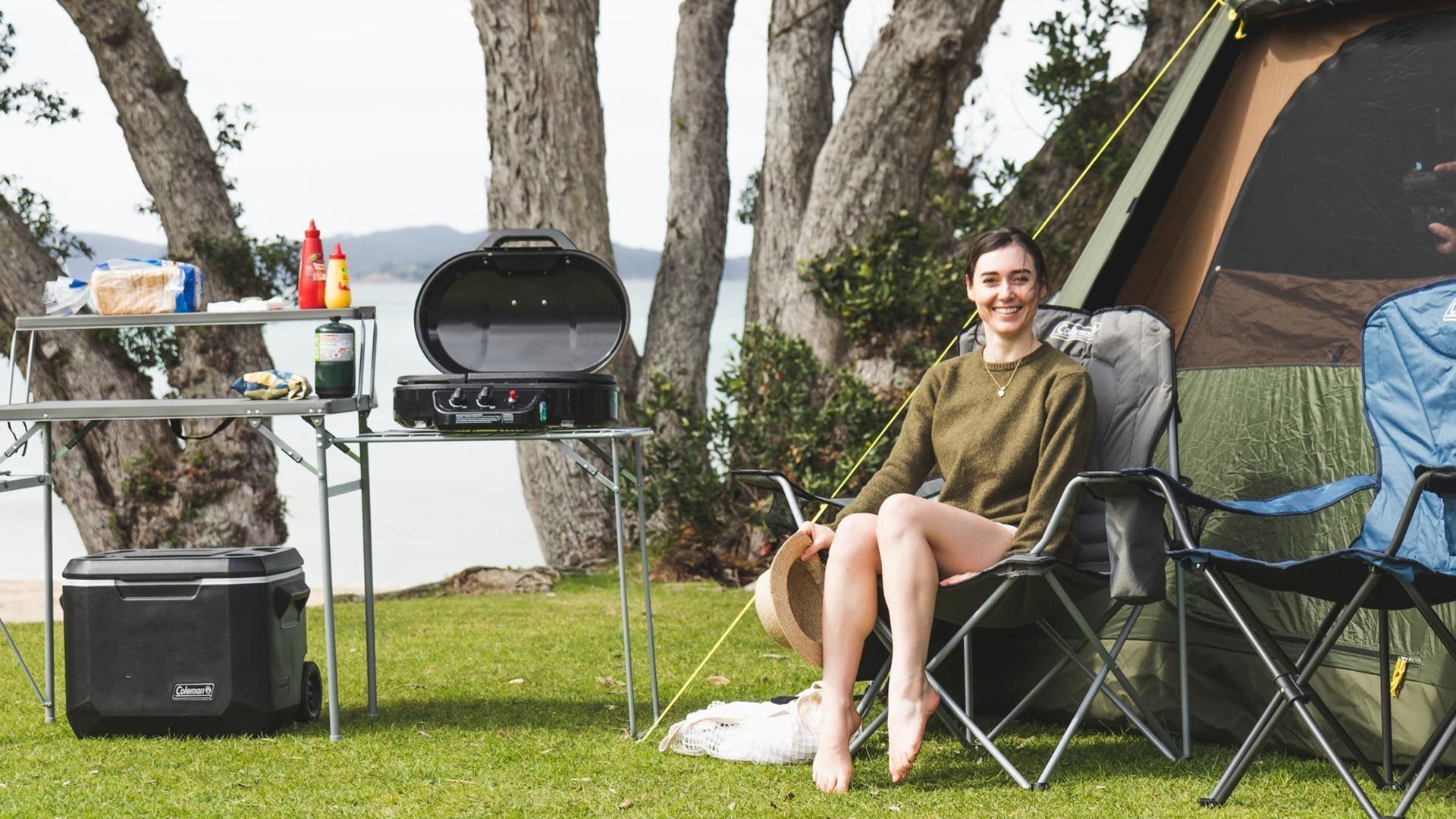
The Complete Camping Tent Guide for NZ

New Zealand is one of the best places on Earth to sleep under the stars — and one of the least forgiving when the weather turns. From the exposed ridgelines of the Tararuas to the muddy beech forest floors of Fiordland, the conditions you'll encounter here demand gear that's genuinely up to the job. Choosing the right tent isn't just about comfort; it's about staying dry, warm, and safe when a front rolls in at midnight with 80 km/h gusts and horizontal rain.
This guide covers everything you need to know: tent types, key specs, NZ-specific considerations, and honest recommendations for every use case — from weekend Great Walk trips to multi-day alpine missions. Browse our full tent range once you know what you're after.
Types of Tents: What's Actually Out There
Walk into any outdoor shop and you'll find tents marketed at every conceivable niche. Strip away the marketing and most fall into three practical categories for New Zealand use.
Hiking and Ultralight Tents
Designed to be carried on your back, these tents prioritise weight and packability without sacrificing weather protection. They're the go-to for tramping, Great Walks, and any trip where every gram counts. Materials like silnylon, Dyneema, and aluminium alloy poles keep weight down while maintaining structural integrity in rough conditions.
Our own Dwights Explore V2 series sits squarely in this category. The Explore 1 V2 ($699), Explore 2 V2 ($799), and Explore 3 V2 ($899) are built specifically with NZ tramping in mind — sub-2 kg construction, freestanding design, and a hydrostatic head rating that handles sustained NZ downpours. If you want ultralight performance without paying import-brand prices, these are the starting point. See the full hiking tent collection or read our in-depth best ultralight hiking tents guide for a detailed comparison.
For trampers on a tighter budget, the Dwights Adventure range delivers solid trail performance at a much lower price point. The Adventure 1 ($199), Adventure 2 ($349), and Adventure 3 ($349) are built for 3-season use, making them ideal for anyone doing their first overnight trip or sticking to well-maintained tracks where conditions are more predictable.
At the premium end, the MSR Hubba Hubba LT series ($924–$1,294) and Nemo Dragonfly OSMO ($806–$949) represent the current high watermark for ultralight double-wall design. The OSMO fabric used in Nemo's range is worth noting: it manages moisture between the fly and inner better than most materials, which matters enormously on humid Fiordland nights.
Family Dome Tents
Larger, heavier, and designed for groups, family dome tents trade packability for living space. They work beautifully for campground trips, festival weekends, and car camping where weight is irrelevant. The extra headroom and separate sleeping bays make a real difference when you're spending multiple days in camp with kids.
One important note: no tent — regardless of construction — is designed for permanent outdoor installation. UV radiation degrades every fabric and seam over time. Even the most robust family tent will need to be stored away from direct sunlight between uses.
Inflatable Air Tents
Inflatable tents use air-filled beams instead of traditional poles. The setup time drops dramatically — most can be pitched in under five minutes — and they collapse and pack away just as quickly. For families who spend more time fumbling with pole sleeves than actually camping, this is a genuine quality-of-life upgrade.
Inflatable tents are the strongest tents we sell. The air beam technology disperses load across the entire structure rather than concentrating it at rigid pole joints — which means they flex and recover rather than snap in adverse conditions. A quality inflatable handles campground conditions, including wind and rain, with confidence. If your camping involves kids, campgrounds, or anyone who finds tent setup a frustrating experience, check out our inflatable air tent range. These are the highest-ROI tents we stock for family camping: less faff, more enjoyment.
Key Specs to Understand Before You Buy
Tent marketing can be opaque. Here are the numbers and terms that actually matter.
Hydrostatic Head (HH)
Hydrostatic head measures how much water pressure a fabric can resist before it leaks, expressed in millimetres. A rating of 1,500mm is the bare minimum for rain; 2,000mm is reasonable for NZ conditions; 3,000mm+ is what you want on the West Coast or anywhere that sees sustained heavy rainfall. Most quality hiking tents run 3,000–5,000mm on the fly and 5,000–10,000mm on the floor, where pooling water creates the most pressure.
Don't assume a higher number always means a better tent — fabric weight, seam taping quality, and construction all matter as much as the raw rating.
Double-Wall vs Single-Wall Construction
Double-wall tents have a separate inner (usually mesh or light fabric) and a waterproof fly. The air gap between them dramatically reduces condensation inside — critical in NZ's humid conditions. The inner stays relatively dry even when the fly is soaking wet.
Single-wall tents are lighter and faster to pitch but manage condensation poorly unless you're in dry, cold alpine conditions. For most NZ tramping, double-wall is the right default.
Pole Materials
Aluminium alloy poles (DAC or similar) are the standard for quality hiking tents — light, strong, and they bend rather than snap under load. Fibreglass poles are heavier and weaker; they're common in budget family tents and fine for campground use, but not what you want on an exposed ridgeline. Carbon fibre poles are the lightest option and appear in premium ultralight designs, but they're brittle under point loads and expensive to replace.
Seasonality Ratings
- 3-season: Spring through autumn. Handles rain and moderate wind, not designed for snow load or sustained sub-zero temperatures. The right choice for most NZ tramping, including Great Walks.
- 4-season / alpine: Built to handle snow, ice, and high-wind environments. Heavier and more robust. Necessary for winter travel in the Southern Alps, Ruapehu, or any exposed alpine terrain in winter.
- 3–4 season (convertible): Some tents sit between these categories — solid enough for early winter use with the right layering strategy, but not a true mountaineering shelter.
Footprints and Groundsheets
A footprint is a custom-cut groundsheet that protects the tent floor from abrasion and puncture. Some tents include one (MSR Elixir 2/3/4 comes with a footprint); for others it's an optional extra. On rocky NZ campsite ground — or DOC hut platforms with grit — a footprint meaningfully extends your tent's lifespan.
Packed Weight vs Trail Weight
Packed weight includes all components (stakes, stuff sacks, repair kit). Trail weight is typically just the tent body, fly, and poles. Manufacturers sometimes advertise trail weight; pay attention to which number you're comparing across brands.
NZ-Specific Considerations
New Zealand's weather doesn't follow the playbook. A few things worth understanding before you commit to a tent.
Wind Is the Bigger Problem Than Rain
Most people fixate on waterproofing, but in NZ — especially the South Island — wind is the primary structural challenge. A tent that handles 40 km/h gusts fine will behave very differently at 80+ km/h. Look for: low-profile design, multiple guy-out points, robust pole architecture (dome or geodesic rather than tunnel in exposed sites), and good stake points. A tent with excellent HH ratings but a sail-like profile will still have a bad time on the Kepler or Routeburn in a westerly.
DOC Hut Platforms and Campsite Surfaces
Many DOC campsites are gravel, packed dirt, or wooden platforms. Wooden platforms are common on Great Walks — you'll need short pegs or platform-specific anchors rather than traditional tent stakes. Some tents include platform-friendly guy-out options; check before you head out, or pack a few short screw pegs as backup.
Great Walks: What's Appropriate
The Great Walks are well-formed tracks with reliable campsite infrastructure, but the weather on routes like the Milford, Routeburn, and Heaphy can turn extreme without much warning. A 3-season tent is appropriate for Great Walks between October and April. Shoulder season (May, September) warrants a more robust 3–4 season option. Winter crossings of the Routeburn and Milford are technical trips requiring genuine alpine shelter.
Whatever you bring, it needs to be self-standing — you won't always have ground stakes available, and some designated camping areas restrict pegging into the surface.
UV and Storage
The New Zealand UV index is among the highest in the world. All tent fabrics degrade under prolonged UV exposure — fly fabrics, inner mesh, and particularly seam tape. This doesn't mean tents are fragile; it means leaving one pitched in your backyard for months will shorten its life significantly. Always store tents clean and dry, loosely packed in a cool, shaded location.
Humidity and Condensation Management
Fiordland, Westland, and the ranges east of them see extraordinary rainfall and humidity. In these conditions, condensation on the inside of a tent fly is essentially unavoidable. Good ventilation (mesh inner panels, strategic vents in the fly) and double-wall construction reduce the problem; they don't eliminate it. Factor this into your sleeping system — a damp-resistant sleeping bag or liner matters as much as the tent itself.
Recommendations by Use Case
Rather than a ranked list, here are honest recommendations matched to specific NZ scenarios.
First-Time Tramping / Weekend Hikes
If you're new to overnight tramping and not sure how committed you'll be, the Dwights Adventure 2 ($349) is the right starting point. It's light enough to carry comfortably, handles standard NZ 3-season conditions, and won't sting you badly if you end up preferring huts. Once you're hooked and doing longer trips, the Explore V2 series is the logical upgrade path.
Regular Trampers and Great Walks
The Dwights Explore 2 V2 ($799) is our core recommendation for regular solo and paired tramping. Ultralight construction, freestanding design, solid weather performance, and priced to reflect its actual value rather than an import premium. For those who prefer tried-and-tested international benchmarks, the MSR Hubba Hubba LT 2 ($1,024) and Nemo Dragonfly OSMO 2 ($949) are both excellent — the Nemo's OSMO fabric is a meaningful advantage in humid southern conditions.
If you prefer single-occupancy, the MSR Elixir 2 ($593) offers strong value with a footprint included, while the Nemo Hornet Elite OSMO 2 ($999) pushes the boundary of how light a genuinely weatherproof two-person tent can be.
Family Camping and Campgrounds
For families at campgrounds, inflatable air tents are the standout recommendation. Fast setup, generous space, and no pole-threading frustration make a real difference when you're setting up with kids in fading afternoon light. View our full inflatable tent range for current options.
4-Season and Alpine Winter Use
If you're planning winter travel in the Southern Alps, Tongariro/Ruapehu in winter, or any exposed high-country tramping between May and September, you need a genuine 4-season tent. The MSR Access series — 1-person ($1,325), 2-person ($1,494), 3-person ($1,664) — is the benchmark here. It's a serious investment, but it's the right tool when the weather can genuinely be life-threatening. Don't cut corners on 4-season shelter.
Bikepacking
Bikepacking tents need to pack small (they go in frame bags or handlebar rolls), weigh little, and pitch quickly at the end of a long day. The Nemo Dragonfly Bikepack 1 ($899) and Bikepack 2 ($1,099) are designed specifically for this use case — narrower packed dimensions, smart attachment-point design, and lightweight enough that they don't wreck your climbing performance. If you're routing gravel adventures across the South Island's back roads, these are worth the investment.
Tent Care and Storage
A well-maintained tent lasts a decade or more. A neglected one fails inside three seasons. The basics aren't complicated.
After Every Trip
- Dry completely before packing away. Packing a damp tent is the single fastest way to destroy the waterproof coating and grow mildew into the seams. If you can't dry it at camp, set it up at home as soon as you return.
- Shake out debris. Grit and sand act as abrasives against the floor coating every time the tent moves. A quick shake before packing costs nothing.
- Wipe poles clean. Mud and salt (near coastal tracks) accelerate corrosion on aluminium pole joints.
Seam Care and Re-Waterproofing
Seam tape degrades over time — typically 3–5 years with regular use. When you notice water beading less well on the fly, or seams starting to peel, it's time to re-seal. Seam sealer (McNett/Gear Aid products are widely available) is a straightforward DIY job. Re-waterproofing spray restores the DWR (durable water repellency) coating on the fly fabric itself.
Storage
Store loosely — not compressed in its stuff sack. The foam and synthetic materials in the tent floor and inner cope poorly with prolonged compression. A large mesh bag or cotton storage sack is better for long-term storage. Keep it somewhere cool, dry, and away from direct sunlight. Garages and under-house storage work; hot, sunny sheds do not.
Repairs on the Track
Carry a basic repair kit: a few metres of tenacious tape (sticks to wet fabric), a spare tent pole section or splint, and a couple of spare guylines. Most trail-side damage can be stabilised enough to complete a trip.
Frequently Asked Questions
What hydrostatic head rating do I need for NZ conditions?
For most NZ tramping, a fly rated at 3,000mm HH or higher is appropriate. The West Coast and Fiordland are particularly wet environments — look for 3,000mm minimum, and ideally 5,000mm+ on the tent floor. Budget tents often rate the fly at 1,500–2,000mm, which is technically waterproof but will start leaking under sustained heavy rain or when the fabric is aged.
Can I use a 3-season tent on Great Walks?
Yes — for summer and early autumn (November through April), a quality 3-season tent handles Great Walk conditions comfortably. The tracks have established campsites with reasonable shelter, and conditions during this window are generally manageable. For shoulder season travel (May, September/October), choose a tent with strong wind architecture and a high HH rating. Winter crossings require full 4-season shelter.
What's the difference between the Dwights Explore V2 and Adventure ranges?
The Explore V2 range ($699–$899) is our ultralight series — lighter fabrics, lighter poles, a more technical design, and crucially, a taller peak height that lets you sit up fully inside. That extra headroom makes a real difference on multi-day trips when you're sheltering from rain, getting changed, or just unwinding at camp. The Adventure range ($199–$349) uses more conventional materials and is lower profile — solid for shorter trips and well-maintained tracks, but you'll be crawling rather than sitting upright. If you're just starting out or doing occasional trips, the Adventure range is excellent value. If you're clocking up weekends and multi-day trips regularly, the Explore V2 pays off in comfort as much as weight savings.
Are inflatable tents sturdy enough for NZ camping?
For campground and family camping, absolutely — inflatable tents are the strongest tents we sell. Air beam technology flexes under load rather than snapping, making them more resilient in adverse conditions than traditional pole tents. They're not designed for exposed alpine tramping, but for campground and family camping they're both easier to set up and more robust than most people expect. See our inflatable air tent collection for current models.
Do I need a footprint / groundsheet?
It's worth having, especially on rocky NZ sites. A footprint protects the tent floor from puncture and abrasion, which extends its waterproof life significantly. Some tents include one (MSR Elixir 2/3/4 comes with a footprint); for others it's an optional extra worth buying. On DOC campsites with gravel or compacted surfaces, it makes a real difference. On soft grass or sand, it's less critical — but still useful as an additional moisture barrier.
Ready to find the right tent? Browse our full tent collection, explore hiking and ultralight tents, or head to the Dwights tent blog for more in-depth gear guides tailored to NZ conditions.