




Best Sleeping Bags NZ 2026 — Top Picks for Tramping & Camping

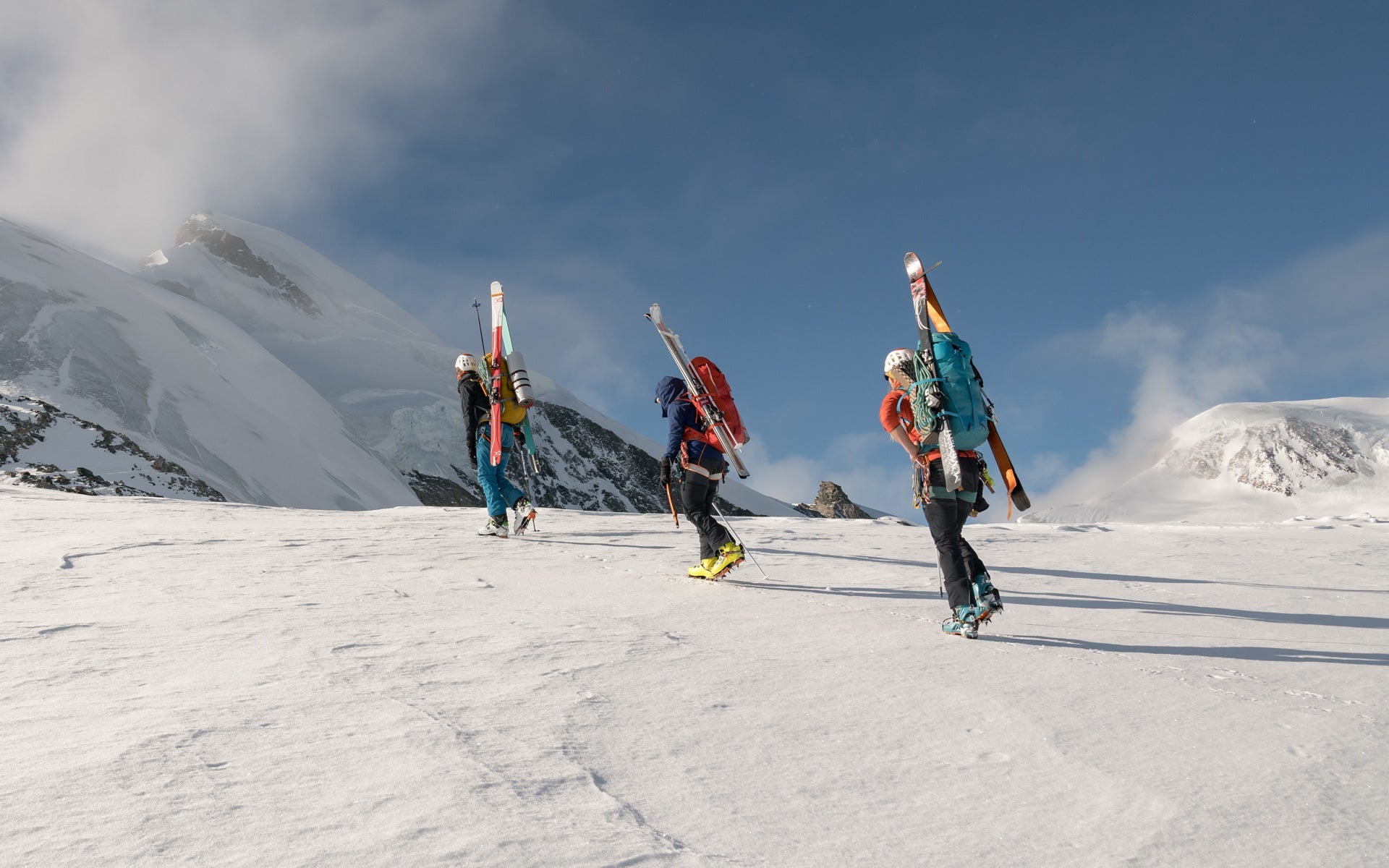
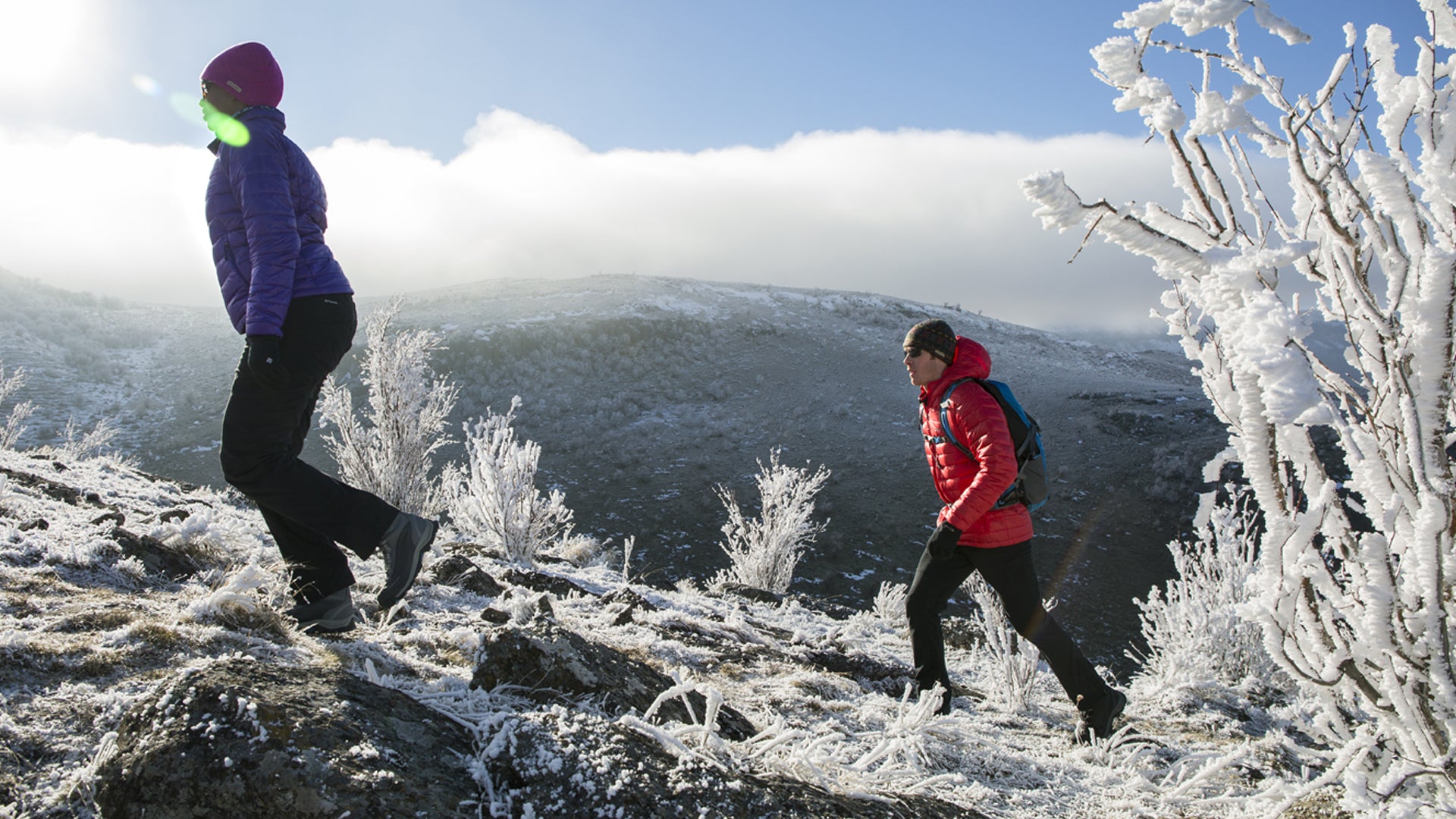
New Zealand's weather doesn't play by the rules. You can leave the Tongariro Alpine Crossing in sunshine and be in a full whiteout by the time you hit the ridgeline. A West Coast tramp can dump 200mm of rain in 24 hours. Fiordland is cold, wet, and indifferent to your gear choices. This is why picking the right sleeping bag matters more here than almost anywhere else — "close enough" can mean a long, miserable night in a DOC hut wondering why you went cheap.
Whether you're ticking off the Great Walks, heading into the Tararuas for a weekend, or doing a family car camping trip over summer, the right bag is the difference between waking up rested and waking up hypothermic. This guide covers the best sleeping bags in NZ for 2026 — organised by use case, with no filler.
Browse the full range at sleeping bags NZ.
Best Sleeping Bags for NZ Tramping & Hut Use
For huts and multi-day tramping, you need a bag that packs small, handles dampness, and actually keeps you warm to its rated temperature. Down is the right call for most trampers — lighter, more compressible, and more comfortable for extended trips. The bags below lead our picks for three-season and shoulder-season tramping in NZ.
One Planet Nitrous — The Benchmark Three-Season Bag
Price: $499–$549
The One Planet Nitrous is our best-seller for good reason. It's the bag most NZ trampers should buy. Hydrophobic down treatment means it handles the inevitable humidity in huts and rain-soaked pack pockets far better than untreated down. Packable, well-constructed, and genuinely warm for three-season use across most of the country — including the Southern Alps and the Tararuas.
If you're doing the Routeburn, Milford, or Kepler Track, this is the bag. If you're heading into the backcountry off-season and want a bag that won't let you down, start here.
One Planet Sonder — For Cold Sleepers & Shoulder Season
Price: $599–$699
The Sonder sits a step warmer than the Nitrous. If you know you run cold, or you're pushing into shoulder season — early autumn in Fiordland, late spring in the Southern Alps — the Sonder's extra warmth is worth the price premium. It's not a winter-specific bag, but it handles conditions that would leave a lighter three-season bag struggling.
One Planet Cocoon — Winter Huts & South Island Conditions
Price: $699–$749
The warmest of the three-season One Planet lineup. The Cocoon is purpose-built for cold South Island nights — think Nelson Lakes in May, Lewis Pass huts in June, or anywhere in Fiordland where temperatures drop hard overnight. If you're a year-round tramper who spends serious time in high country, the Cocoon is the bag to have.
One Planet Bush Lite — Alpine & Expedition
Price: $849–$1,019
When the conditions get serious — glacier approaches, alpine traverses, high-altitude winter camping — the Bush Lite steps up. This is not a casual weekend bag; it's built for genuine alpine use in NZ's most demanding environments.
Rab Neutrino Pro — Premium Hydrophobic Down
Price: $1,091
The Rab Neutrino Pro is one of the best expedition-grade sleeping bags available in NZ. Hydrophobic down, outstanding warmth-to-weight ratio, and a construction pedigree that holds up in serious mountain conditions. If budget isn't the constraint and you want the best, the Neutrino Pro earns its price tag.
See the full tramping sleeping bag range or check our sleeping bag guide for help choosing the right temperature rating for your trips.
Whatever bag you choose, pair it with a quality sleeping mat. Sleeping bag insulation compresses under your body weight, so your mat provides the ground insulation. A $700 bag on bare ground is colder than a $300 bag on a good mat.
Best Sleeping Bag for Car Camping NZ
Car camping has completely different requirements. Weight and pack size don't matter — you're walking to the boot and back. What matters is warmth, value, and durability across years of family use.
Dwights Thermoshell -8 — Best Value Car Camping Bag
Price: $129.99
The Dwights Thermoshell -8 is a synthetic, heavy-duty car camping bag rated to -8°C. It's bulky and heavy — nowhere near suitable for tramping or huts — but for car camping in New Zealand, that doesn't matter. What matters is that it keeps you warm across a wide temperature range at a price that won't hurt. Synthetic fill means it handles moisture well and dries fast if it gets damp.
For families doing school holiday camps, summer festivals, or regular campground trips, the Thermoshell -8 is the smart buy. Tough, warm enough for NZ nights, and easy to replace when it eventually wears out.
One Planet Sac — The Car Camping Step-Up
Price: $259
If you want more quality in a car camping bag — better materials, better finish, more comfort — the One Planet Sac is worth the upgrade. Still not a tramping bag, but a step up from entry-level for people who camp regularly and want a bag that'll last a decade.
Best Kids Sleeping Bag NZ
Dwights Kids Thermopod -8
Price: $119.99
Kids sleep cold and they move around. The Dwights Kids Thermopod -8 is sized right for children, rated to -8°C, and built to take the punishment that kids dish out over years of camping. Synthetic fill means parents don't have to stress about it getting wet or dirty — it washes well and dries fast.
At $119.99, it's solid value for a bag that keeps a kid warm through a NZ autumn night, and durable enough to be passed down when they grow out of it.
Best Ultralight & Quilt Option
One Planet Quest Pro Quilt — For Experienced Trampers Cutting Weight
Price: $449–$479
Quilts aren't for everyone. If you move around in your sleep, a quilt will drive you mad. But for experienced trampers who sleep still and want to strip weight from their pack, the One Planet Quest Pro Quilt is excellent. No bottom insulation (because your mat handles that), which means less weight and less bulk for the same functional warmth.
The Quest Pro Quilt suits experienced trampers doing fast-and-light trips — off-track routes in the Southern Alps, or long Fiordland traverses where every gram counts. Not recommended as a first sleeping bag; it rewards people who already know how they sleep.
How to Choose a Sleeping Bag in NZ
For a full breakdown, see our sleeping bag guide and our article on down vs synthetic sleeping bags. The short version:
Temperature Ratings: ISO Comfort vs Limit
EN/ISO-rated bags give you two key numbers: comfort (the temperature at which a cold sleeper sleeps comfortably) and limit (the lowest temperature a warm sleeper can endure). Most men sleep to the limit rating; most women should buy to comfort.
In NZ, don't underestimate how cold huts get overnight — especially in the South Island. A bag rated to 0°C comfort is a sensible minimum for three-season tramping.
Down vs Synthetic
Down is lighter, more compressible, and more comfortable for multi-day use. Hydrophobic-treated down handles NZ's wet conditions far better than untreated down. Synthetic is heavier and bulkier but cheaper, easier to wash, and performs better when wet — right for car camping bags like the Dwights Thermoshell.
Fill Power
Fill power measures down quality — how much volume one ounce of down occupies. Higher fill power (700+, 800+, 900+) means more warmth for less weight. Premium bags like the Rab Neutrino Pro and One Planet range use high fill power down to keep pack weight low without sacrificing warmth.
Frequently Asked Questions
What temperature sleeping bag do I need for NZ tramping?
For three-season tramping across most of New Zealand — including DOC huts on the Great Walks — a bag with a 0°C comfort rating is a solid baseline. If you're heading into the South Island high country, Fiordland, or tramping in shoulder season, look at bags rated to -5°C comfort or warmer. The One Planet Nitrous covers most three-season use; the Sonder and Cocoon suit colder conditions.
Is a down sleeping bag OK in NZ's wet weather?
Modern hydrophobic-treated down handles NZ conditions well — much better than older untreated down. Bags like the One Planet Nitrous, Sonder, and Cocoon use hydrophobic down that retains loft even when exposed to humidity. That said, keep your bag in a dry bag inside your pack and hang it to air in huts. Synthetic bags (like the Dwights Thermoshell) are better when wet, but they're heavier and bulkier — better suited to car camping than tramping.
What's the difference between the One Planet Nitrous, Sonder, and Cocoon?
The Nitrous ($499–$549) is the lightest of the three — a classic mummy shape designed for three-season tramping where warmth-to-weight is the priority. The Cocoon ($699–$749) is essentially a warmer Nitrous: same mummy construction, but with a full down hood and more insulation for cold South Island huts and shoulder-season conditions. The Sonder ($599–$699) sits at a similar warmth level to the Cocoon but with a different design philosophy — it's less of a mummy shape and has a full-length zip that runs through the footbox, allowing it to open out flat like an L-shape. That makes it a better option for people who find mummy bags restrictive or want the flexibility to use it as a quilt on warmer nights.
Can I use the Dwights Thermoshell for tramping?
No. The Dwights Thermoshell -8 is a car camping bag — it's synthetic, heavy, and bulky. It's excellent value for what it is, but it's not designed for tramping or hut use. For tramping, look at the One Planet range or the Rab Neutrino Pro.
Do I need a sleeping mat if I have a good sleeping bag?
Yes — always. Sleeping bag insulation compresses under your body weight and provides almost no warmth beneath you. Your sleeping mat is what keeps you off the cold ground. A good bag on a bad mat is still cold. Match your bag with an appropriate mat for the conditions.