



Trail Running for Beginners NZ: How to Start (and Actually Enjoy It)
Trail Running for Beginners NZ: How to Start (and Actually Enjoy It)
Trail running in New Zealand is one of the best ways to get into the hills quickly, cheaply, and without a full expedition kit. It's also a sport with a steep learning curve if you approach it wrong — sore knees, the wrong shoes, and biting off too much too soon are the classic beginner mistakes.
Here's a practical guide to getting started the right way.
Why Trail Running in NZ Is Genuinely Good
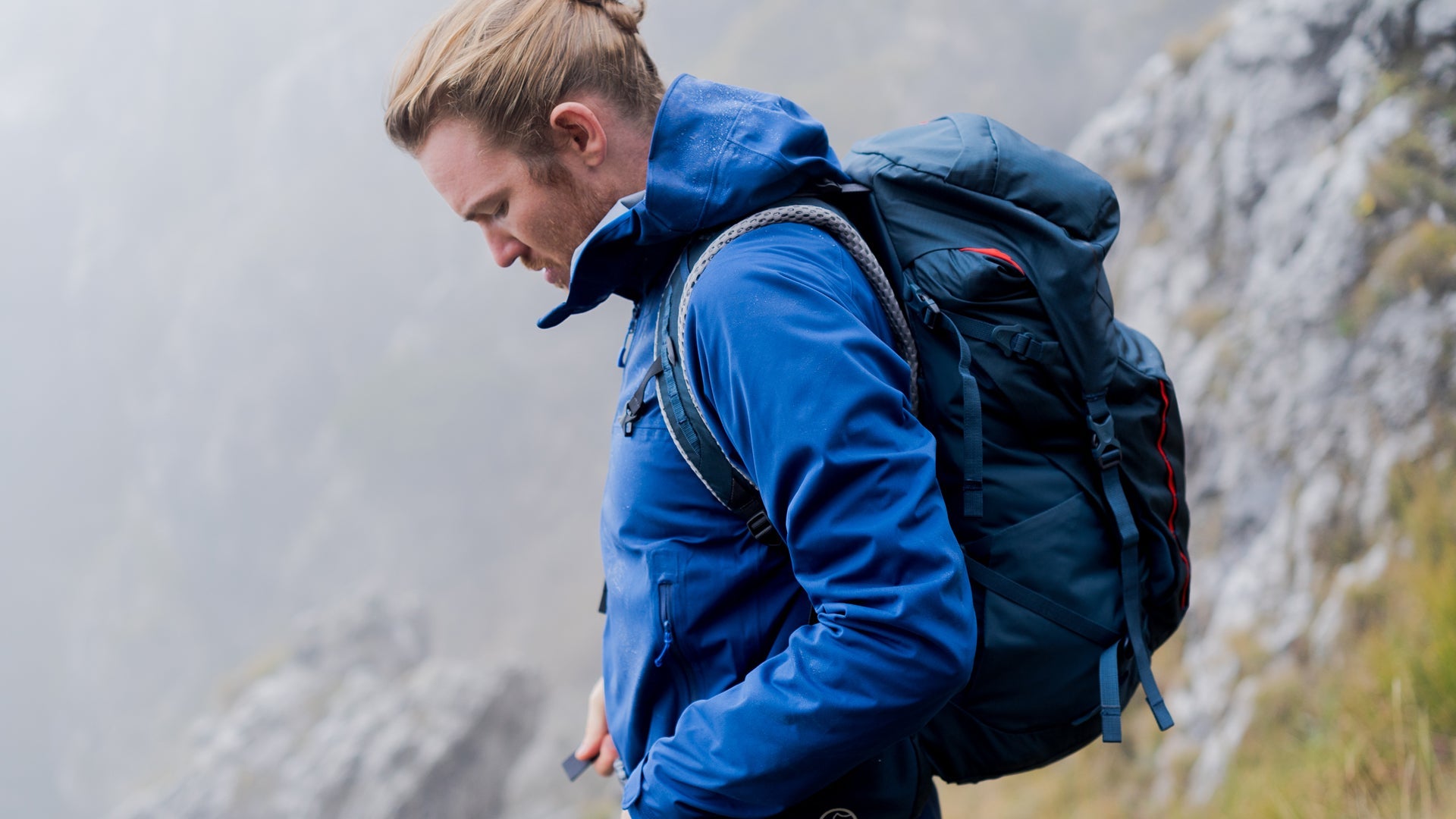
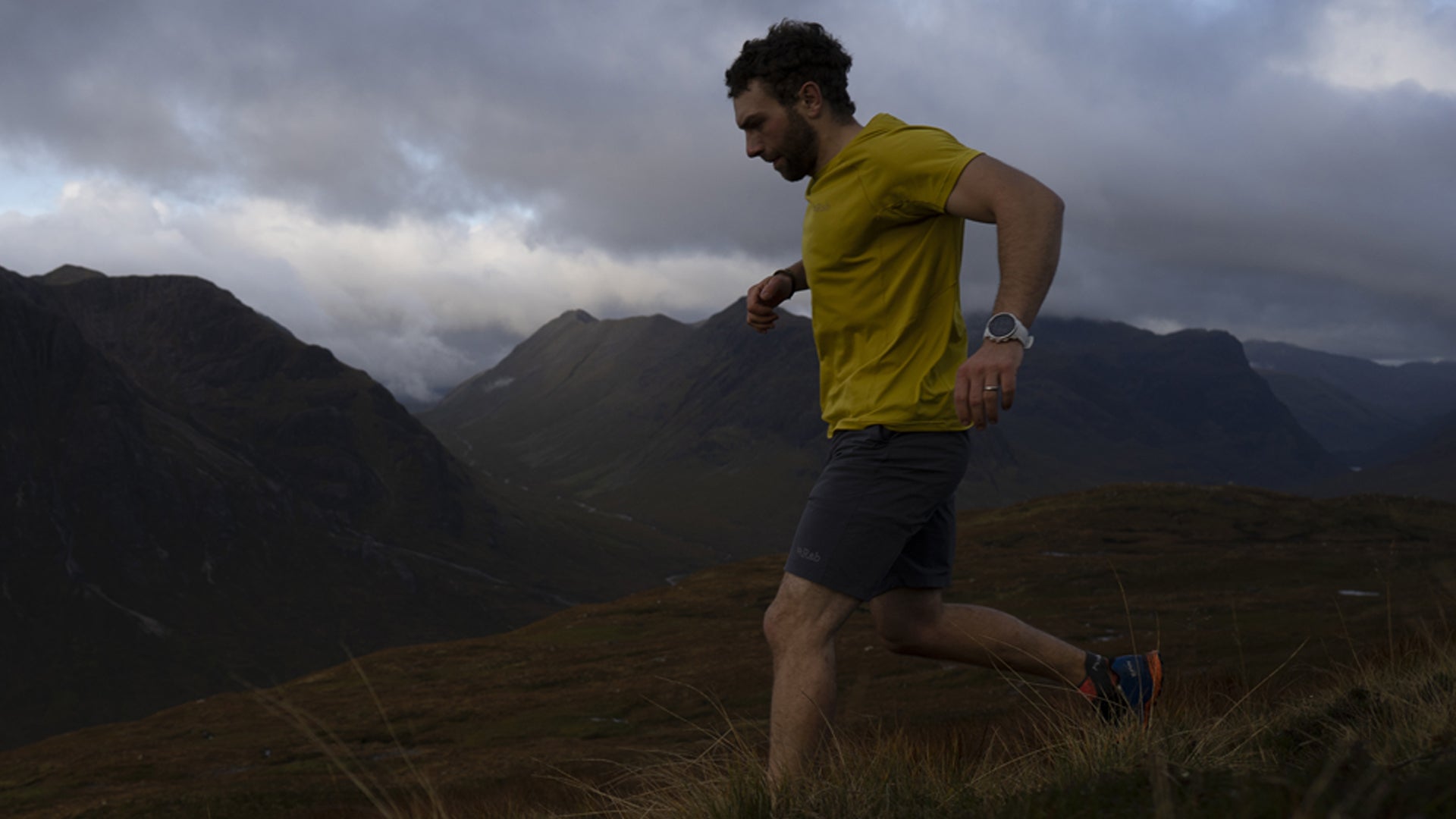
Most major NZ cities have trail access within 20–30 minutes. The Waitakere Ranges from Auckland, the Port Hills from Christchurch, the Remutakas from Wellington — you don't need to travel far to get off road. NZ's trail infrastructure is well-maintained, and the scenery makes a 45-minute run feel like an adventure rather than a workout.
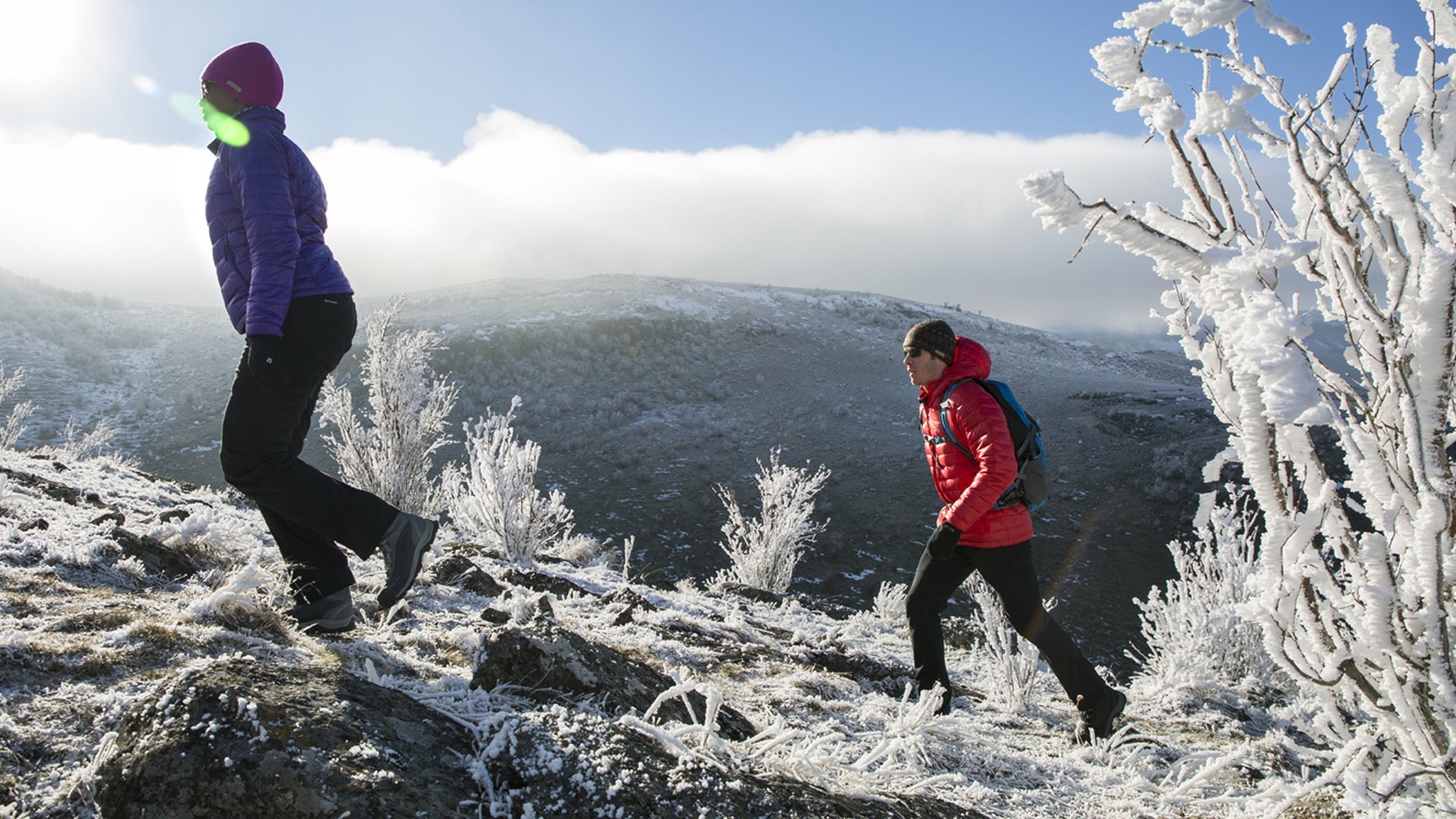
The flip side: NZ weather is unpredictable, the terrain can turn nasty fast, and even day trails can become serious situations if you're underprepared. Trail running demands more kit awareness than road running.
Start With the Right Shoes
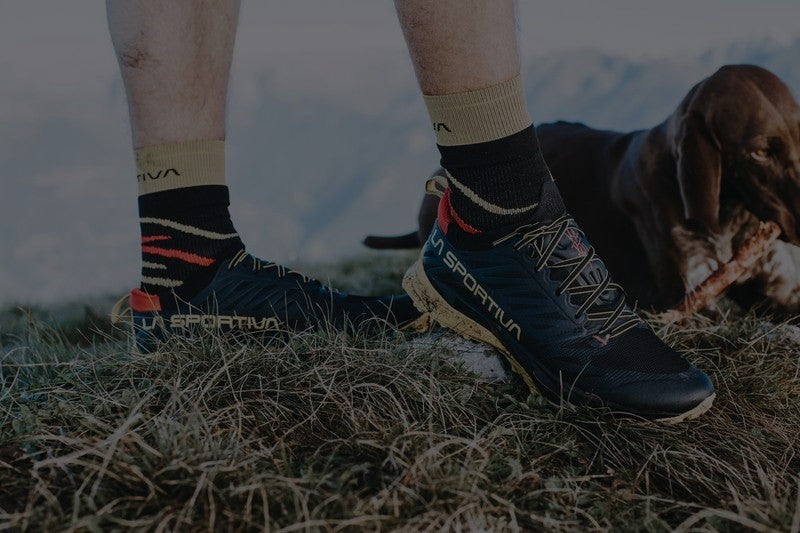
This is where most beginners cut corners — and pay for it. A road running shoe on muddy NZ trails has almost no grip and will get you into trouble on descents. Trail running shoes have proper lugged soles and lower profiles specifically designed for off-road movement.
Two entry-level La Sportiva options worth your attention:
The La Sportiva Prodigio 2 ($299.95) is a well-cushioned, versatile trail shoe — good for mixed terrain and longer distances where comfort matters. It's approachable for road runners making the switch because it's not aggressively low-profile.
The La Sportiva Bushido III ($329.95) is more aggressive — stiffer, more responsive, with better grip on technical terrain. If you know you'll be running rooty, rocky trails regularly, the Bushido III handles that better. It rewards runners who want to feel the trail rather than be cushioned from it.
Either is a solid starting point. The Prodigio 2 is more forgiving; the Bushido III is more capable when terrain gets technical.
Build Up Gradually — Seriously
The most common beginner mistake is running road distances on trail from day one. Trail running uses your stabilisers, ankles, and calves differently than road running — even fit road runners will feel it in the first week.
Start with 20–30 minute runs on moderate trails, walking uphills if needed (elite trail runners walk the steep bits — it's efficient, not a failure). Build to an hour over 4–6 weeks before pushing harder. Your joints will thank you.
Elevation gain matters more than distance. A 10km run with 500m of climb is far harder than a flat 10km road run. Use apps like Strava or Komoot to track elevation, not just distance.
Essential Gear Beyond Shoes
Pack/vest: Even short trails benefit from a small running vest. You want capacity for water, a light rain layer, snack, and a phone. 5–8L is plenty for runs under 2 hours.
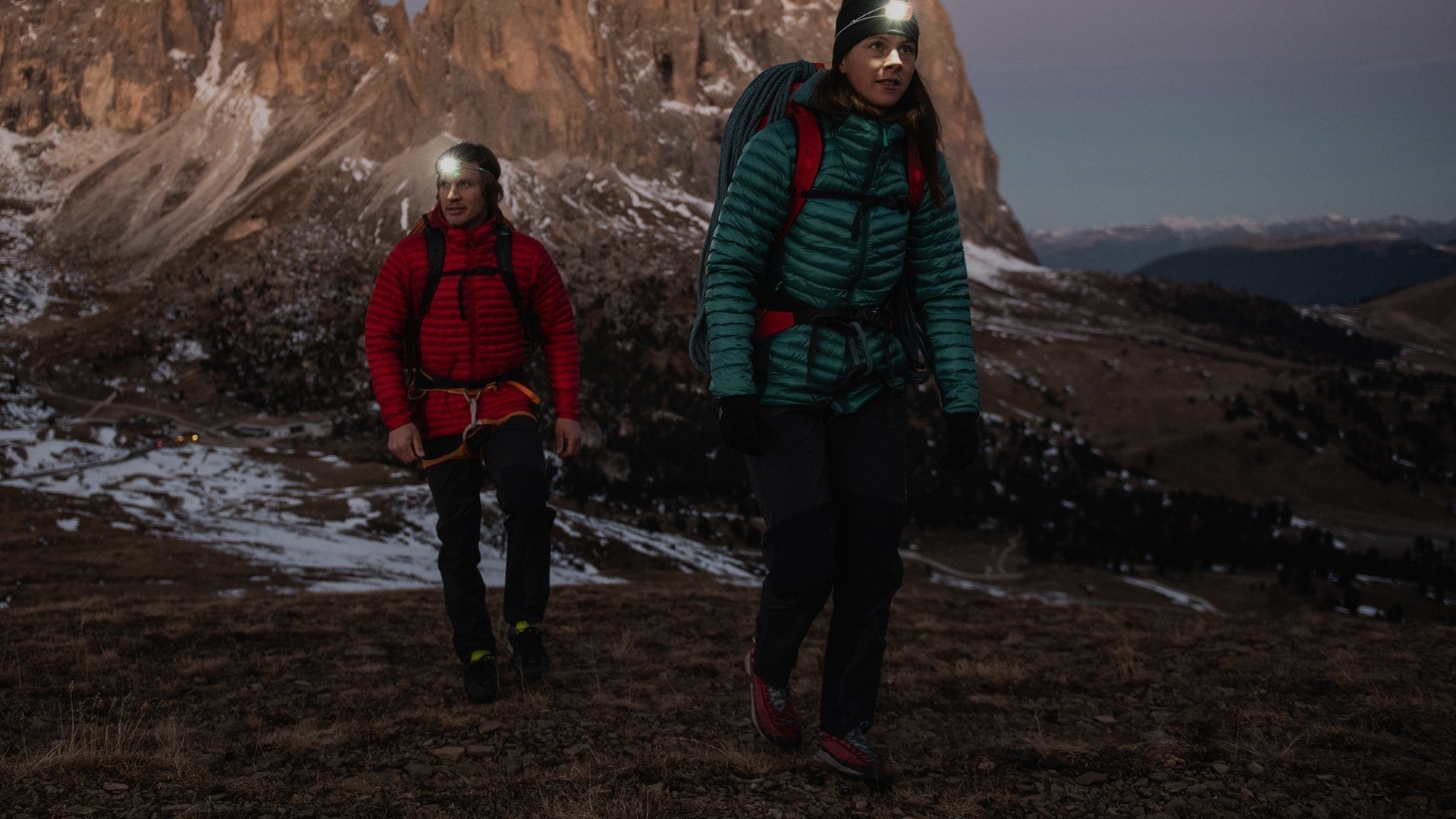
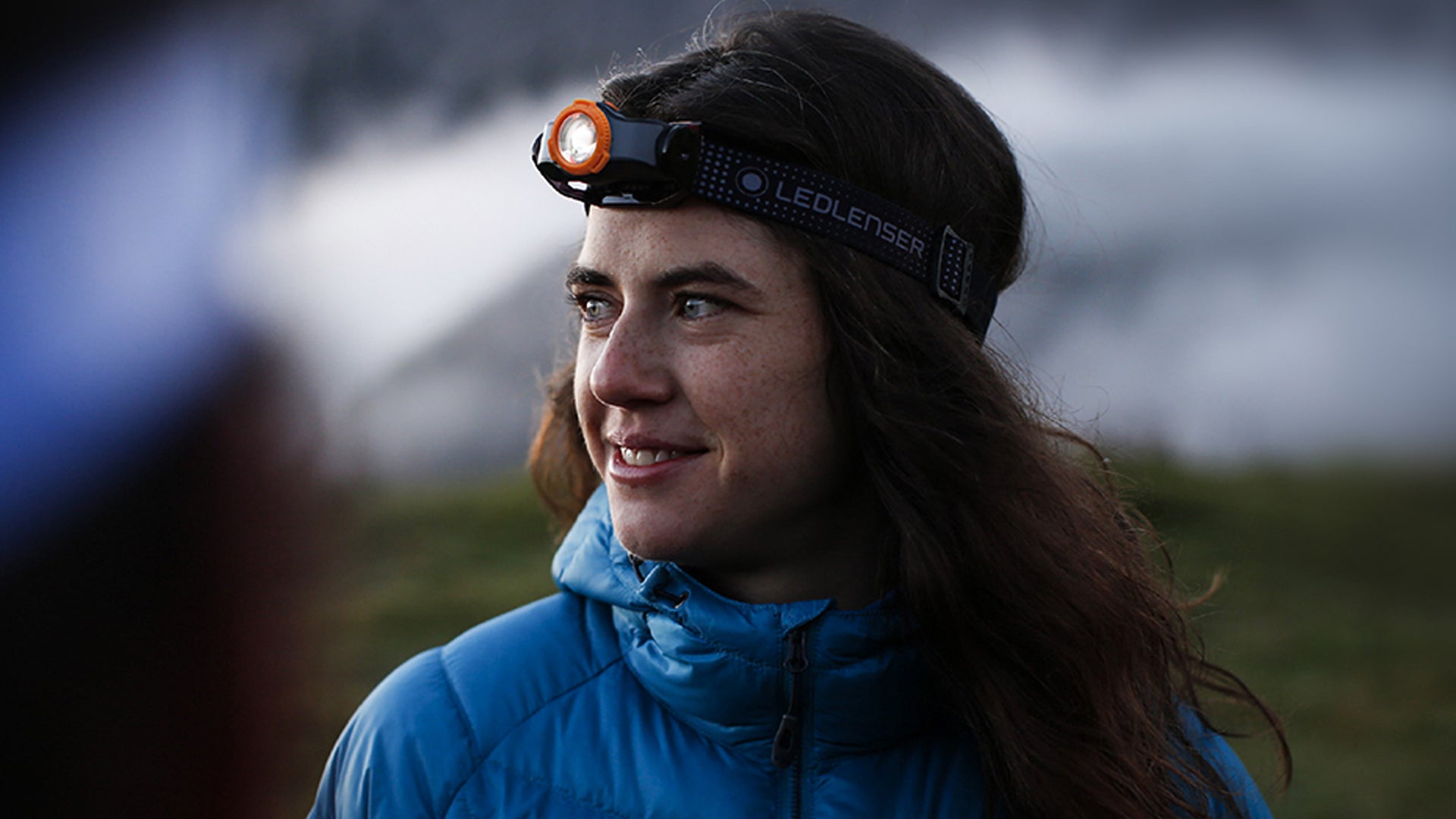
Headtorch: Pre-dawn starts are one of trail running's genuine pleasures. A quality headtorch makes it possible safely. Nitecore makes excellent lightweight torches — check our headtorch range for options that won't bounce on your head or die mid-run. Look for 400+ lumens and a runtime of at least 2 hours.
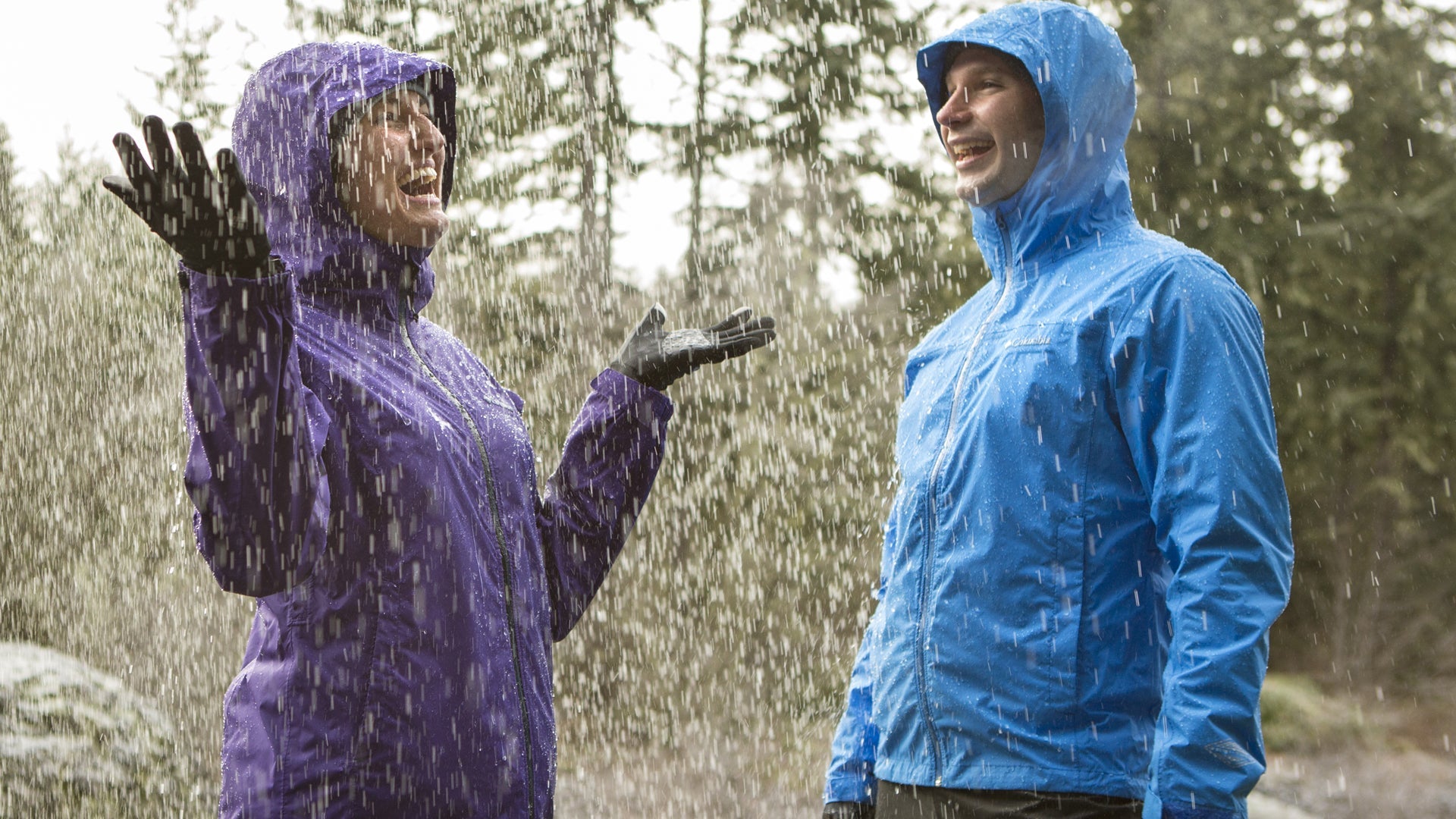
Rain layer: NZ weather requires it. Something packable that fits in your vest pocket — not your heavy tramping hardshell. You want something you'll actually bring.
Navigation: Download offline maps before you go. Cell coverage on trails is patchy. Apps like Topo50 or Gaia GPS with downloaded maps are free insurance.
Where to Start in NZ
For beginners, look for well-marked, well-used trails with good cell coverage and short bail-out options:
- Auckland: Woodhill Forest, Waitakere foothills (Cascade/Falls circuit)
- Wellington: Makara Peak Mountain Bike Park has marked trails, Belmont Regional Park
- Christchurch: Port Hills — Rapaki or Crater Rim walks are excellent intro terrain
- Queenstown: Queenstown Hill, Tiki Trail — both manageable with great views as reward
Start on trails you'd be happy walking — you can always run them later. First time out, walk anything that feels uncertain. There's no shame in it.
Join a Club
Trail running clubs exist in most NZ cities and are generally welcoming. Running with experienced people on local trails accelerates your learning faster than anything else. They know where the muddy patches are, what to carry, and how to pace on climbs.
Browse the full La Sportiva trail running range to find the right shoe for where you're heading.
Frequently Asked Questions
Do I need special shoes to start trail running?
Yes, for anything beyond groomed paths. Road running shoes have smooth soles with no grip for off-road terrain — on NZ's muddy or rooty trails they're unsafe on descents and will wear out quickly. Proper trail shoes with lugged soles are non-negotiable once you're running real terrain.
How fit do I need to be to start trail running in NZ?
You don't need to be particularly fit — trail running builds fitness as you go. If you can walk comfortably for an hour, you can start trail running. The approach is run what you can, walk the rest. Walking uphills is normal and efficient even for experienced runners.
What's the difference between trail running shoes and road running shoes?
Trail shoes have lugged rubber soles for grip on mud, roots, and rock. They're typically lower profile (less stack height) for better ground feel, more durable uppers for abrasion resistance, and often have rock plates to protect against sharp terrain. Road shoes are cushioned for pavement and will slip on wet roots or mud.
How do I deal with NZ weather on trail runs?
Always carry a packable rain layer regardless of the forecast — NZ weather changes fast. Check the MetService mountain forecast for your region before heading out. For anything over an hour, carry extra food and water beyond what you think you'll need.
Is trail running dangerous for beginners?
No more than tramping, if you're sensible. Tell someone where you're going and when you'll be back. Carry a phone with offline maps. Don't push into remote terrain alone until you're confident. Most trail running injuries are ankle rolls from moving too fast on unfamiliar terrain — slow down until you know the trails.
What should I carry on a short trail run?
At minimum: water, phone, a snack, light rain layer, and a charged headtorch if there's any chance of being out at dusk. For anything over 90 minutes in remote terrain, add a first aid kit, emergency bivvy, and more food. A small running vest (5–8L) carries all of this comfortably.
How do I find trail running routes near me in NZ?
Strava's route builder shows popular trails in your area. TrailForks is good for mixed-use trails. The DoC website has day walk routes that double as trail running terrain. Local running clubs are the best source for insider knowledge — most have regular group runs on public trails.