








Rain Jacket vs Poncho for NZ Tramping: What Actually Works
Rain Jacket vs Poncho for NZ Tramping: What Actually Works
The poncho debate comes up every season. They're cheap, they pack small, they cover your pack — so why does almost every experienced NZ tramper end up reaching for a rain jacket instead?
The answer is NZ weather itself. This is a practical breakdown of both options so you can make an informed call rather than learn the hard way on the Routeburn in a westerly.
Why Rain Jackets Win for NZ Conditions
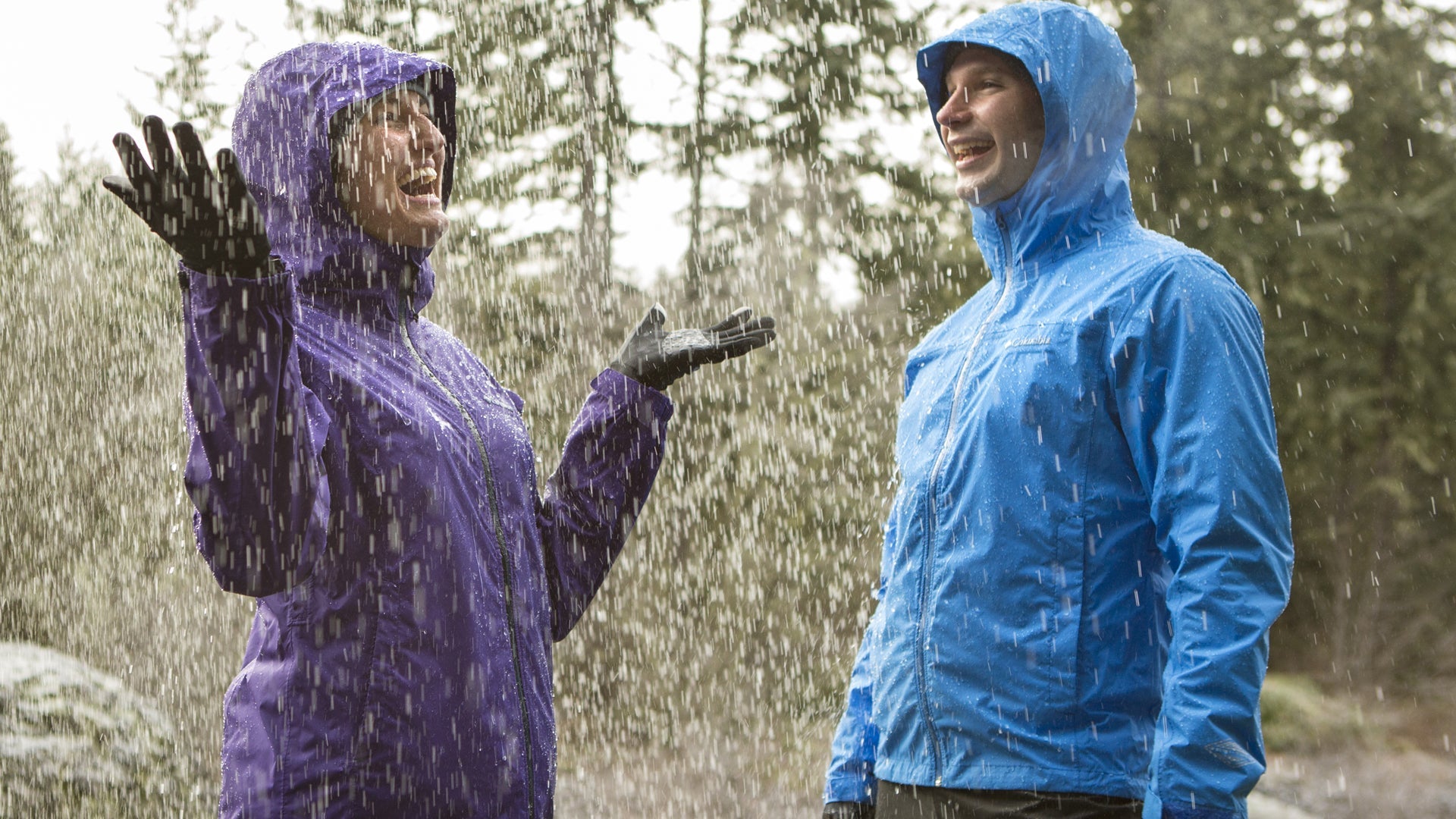
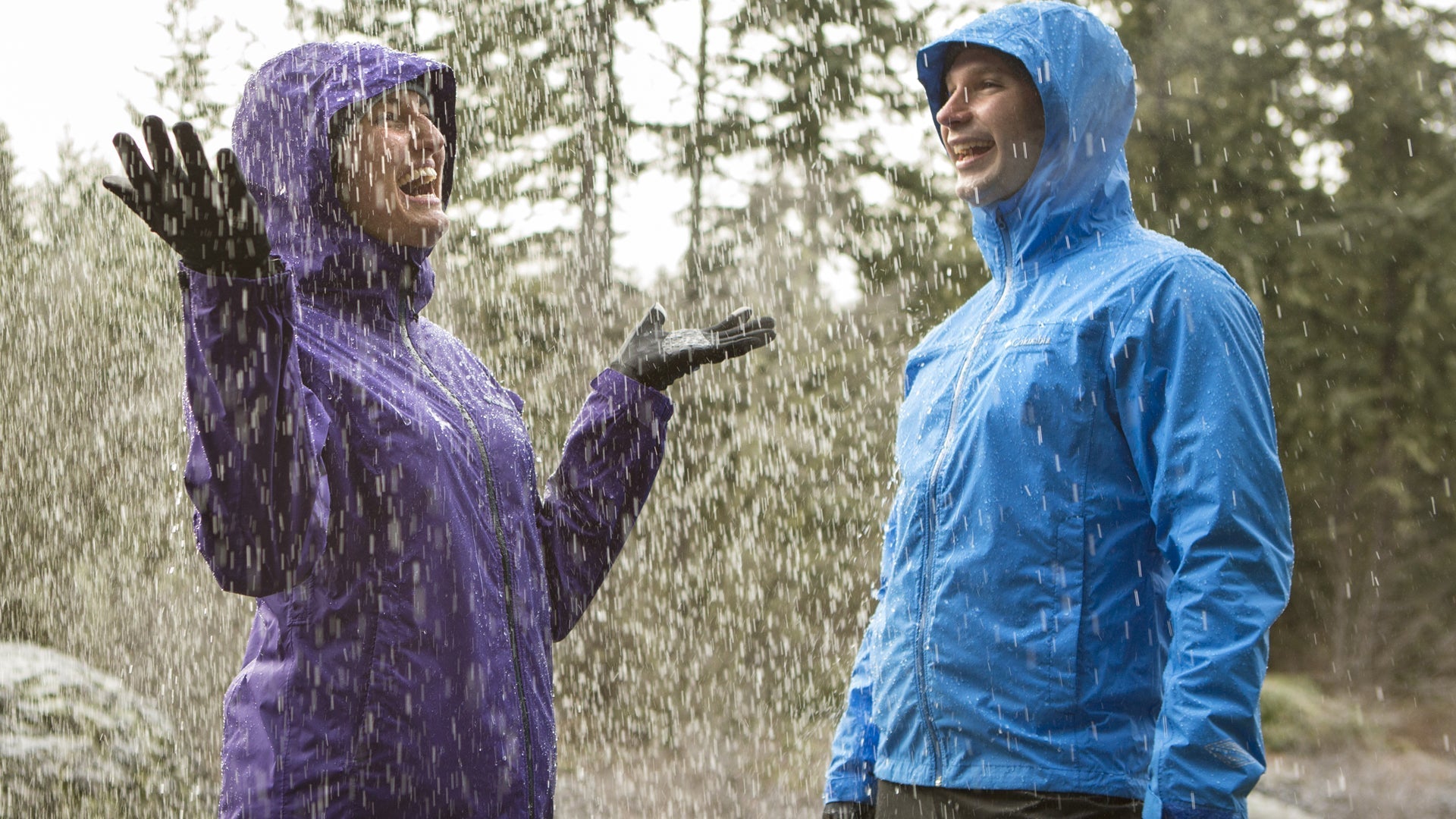
New Zealand's weather is driven by fronts that bring wind alongside rain. Lots of wind. A poncho in 40km/h gusts on an exposed ridgeline isn't weather protection — it's a sail. It flaps, it lets wind and rain in underneath, and it makes movement on technical terrain genuinely difficult and potentially dangerous.
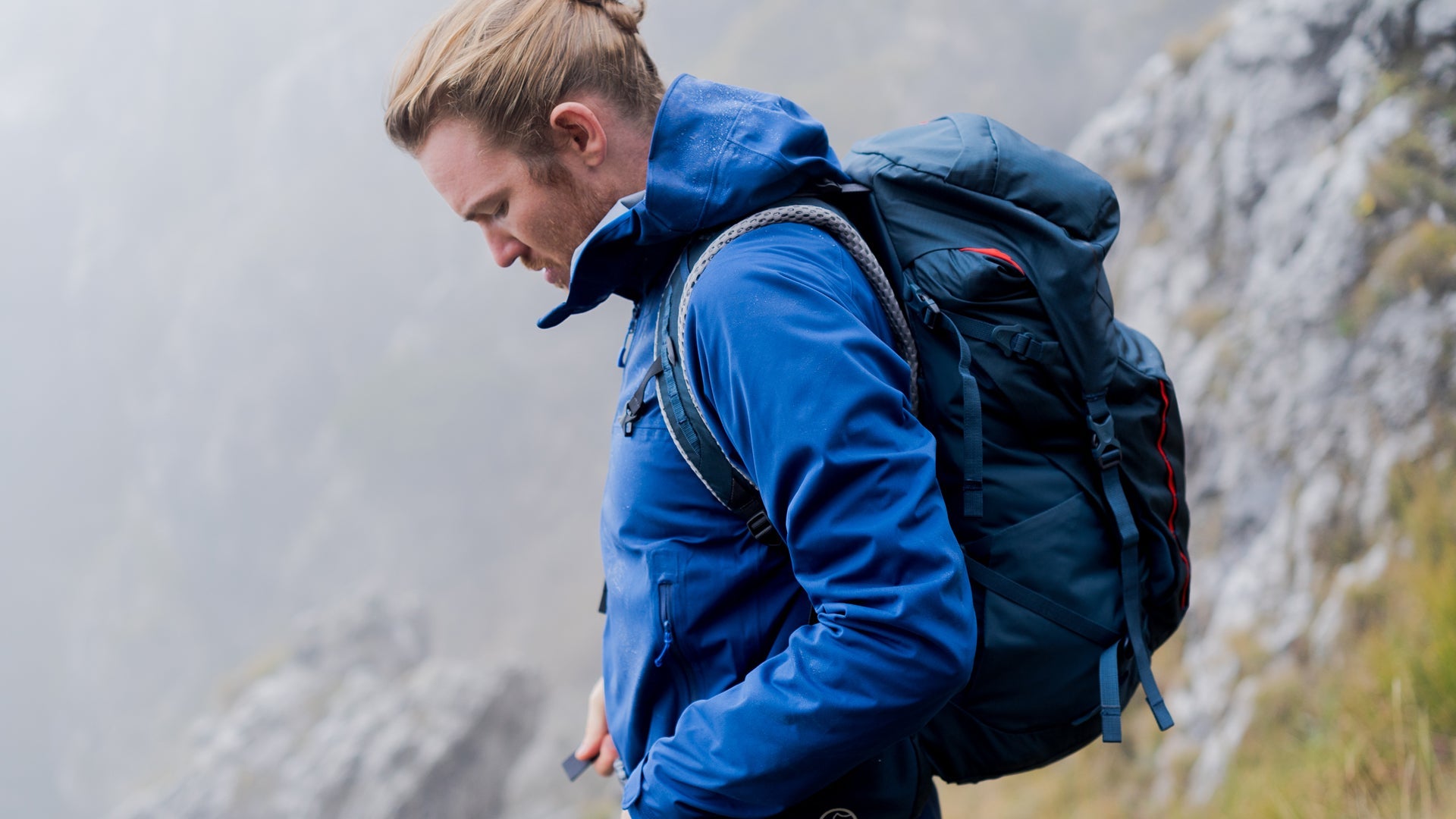
A well-fitted rain jacket stays where you put it. It seals at the wrists and hem, moves with your body, and keeps functioning in the conditions where you actually need it.
For multi-day tramping with a pack, rain jackets work better full stop. Ponchos are designed to cover both you and your pack, but in practice the fit is compromised — they're too wide, they restrict your arms, and on steep descents where you need balance and freedom of movement, they work against you.
The Case for Ponchos (It Exists)
Ponchos do have a genuine use case. On a dry-weather day walk where you're carrying almost nothing and want insurance against a brief shower, a poncho packs smaller and lighter than any hardshell, and the ventilation underneath means you're less likely to overheat on a warm day.
For budget-conscious beginners doing low-stakes walks, a quality poncho is better than a cheap, non-breathable rain jacket. A non-breathable jacket in NZ will soak you in sweat as fast as the rain soaks you from outside.
If you do want a poncho as a lightweight backup or day-walk option, the Sea to Summit Tarp Poncho 70D ($119.99) is the quality option — proper waterproof tarp construction, lightweight, and far more durable than cheap ponchos.
But for anything resembling a serious tramp — overnight, exposed terrain, wind, or sustained rain — a poncho is a compromise that may leave you regretting the decision.
What to Look for in a NZ Rain Jacket
The key specs that matter:
- Fully seam-taped: Critical. Untaped or critically-taped seams let water in at the stitching. Fully taped means every seam is sealed.
- Waterproof rating: 10,000mm is the minimum for serious NZ rain. 20,000mm+ for alpine or extended trips.
- Breathability: A waterproof-but-not-breathable jacket is miserable on the uphills. Look for breathability ratings alongside waterproofing.
- Hood: A helmet-compatible, wired brim hood is worth having — it stays put when the wind hits and actually keeps rain off your face.
- Packability: For day trips, something that stows in its own pocket matters. For multi-day trips, the extra weight of a proper hardshell is worth it.
Our Top Pick: Peak XV Tornado ($349.99)
The Peak XV Tornado ($349.99) is the standout for most NZ trampers. It's fully seam-taped, uses a proper hardshell waterproof-breathable construction, and is built specifically for active outdoor use rather than urban commuting. The fit accommodates layering without being baggy, the hood is properly designed for mountain conditions, and the price sits at the accessible end of quality hardshell territory.
If you want lighter and more packable and your trips are less technical, the Peak XV Pinnacle ($299.99) is a solid step down in weight and bulk — still genuinely waterproof, still breathable, just not the same level of construction for sustained alpine conditions.
At the top end, the Rab Kangri GTX ($899.95) uses GORE-TEX Pro fabric — the benchmark for alpine performance. If you're doing serious mountaineering, exposed alpine routes, or anything where your jacket is the difference between staying dry and hypothermia risk, the Kangri is worth the investment. For most day and overnight trampers, the Peak XV Tornado delivers the key performance at a much more accessible price.
Jacket Care Makes a Big Difference
A common misunderstanding: people think their jacket has "stopped working" when actually the DWR (Durable Water Repellent) coating has degraded. DWR makes water bead off the outer fabric — when it fails, the outer gets "wet out" and feels like it's soaking through, even though the membrane is still intact.
Re-treat your jacket with a DWR spray or wash-in treatment every season, or whenever water stops beading off the surface. This extends the life of any waterproof jacket significantly and keeps it performing as designed.
Browse men's rain jackets, women's rain jackets, or the full rain jacket range at Dwights.
Frequently Asked Questions
Is a poncho good enough for NZ tramping?
For low-stakes day walks in mild conditions, yes. For anything with wind, sustained rain, exposed terrain, or overnight trips, a rain jacket is significantly better. NZ's wind-driven rain makes ponchos impractical for most tramping situations — they gap at the sides in wind and restrict movement on technical ground.
What makes a rain jacket "waterproof" vs just "water resistant"?
Waterproof jackets have a membrane layer (like GORE-TEX or similar proprietary fabrics) that blocks water while allowing some vapour out. Water resistant jackets rely only on a DWR coating — they'll handle light drizzle but fail in sustained rain. For NZ tramping, you want a proper waterproof membrane, not just a treated finish.
What does fully seam-taped mean and why does it matter?
Seams are where two pieces of fabric are sewn together — they create small holes that water can penetrate. Fully seam-taped means every seam inside the jacket has a waterproof tape bonded over it, sealing those holes. Critically seam-taped only tapes the most exposed seams. In heavy NZ rain, fully taped is what keeps you dry.
How much should I spend on a rain jacket for tramping?
For a serious waterproof with full seam-taping and breathability, expect to pay $300–$500 for a quality mid-range option. Budget jackets under $150 are often not genuinely waterproof in sustained rain, or lack breathability (meaning you get wet from sweat instead of rain). The Peak XV Tornado at $349.99 sits in the sweet spot.
Can I use a running rain jacket for tramping?
Sometimes. Running rain jackets are built for short bursts and typically aren't fully seam-taped or rated for sustained exposure. They're excellent for trail runs where you carry them as insurance against a shower. For multi-day tramping with sustained rain, use a proper hardshell.
Do I need to waterproof my rain jacket regularly?
Yes. The DWR coating that makes water bead off the outer fabric degrades over time and with washing. When water no longer beads off the surface, re-treat with a wash-in or spray-on DWR treatment. This is separate from the membrane waterproofing and makes a noticeable difference in how well the jacket performs and breathes.
What's the difference between GORE-TEX and other waterproof membranes?
GORE-TEX is the most established and well-tested waterproof-breathable membrane — it has a strong track record in alpine conditions and a quality guarantee. Other membranes (various brand-specific fabrics) can perform comparably at similar price points. GORE-TEX Pro, as used in the Rab Kangri GTX, is the premium tier for serious alpine use. For most NZ trampers, quality non-GORE-TEX membranes perform very well at lower price points.