




La Sportiva Boulder X vs TX4: Which Approach Shoe Should You Buy?

La Sportiva Boulder X vs TX4: Which Approach Shoe Should You Buy?

Two of La Sportiva's most popular approach shoes, and the question comes up constantly: Boulder X or TX4 Evo? They're both sticky-rubber technical shoes built for where trail meets rock — but they're not the same shoe, and choosing wrong is frustrating.

Here's a direct comparison so you can pick the right one for your feet and your terrain.

The Short Answer

  • Boulder X — wider fit, more versatile, better for all-day comfort and trail-to-rock transitions
  • TX4 Evo — narrower, stiffer, more precise on technical rock

If you're not sure which you are, read on.

La Sportiva Boulder X ($279.95)

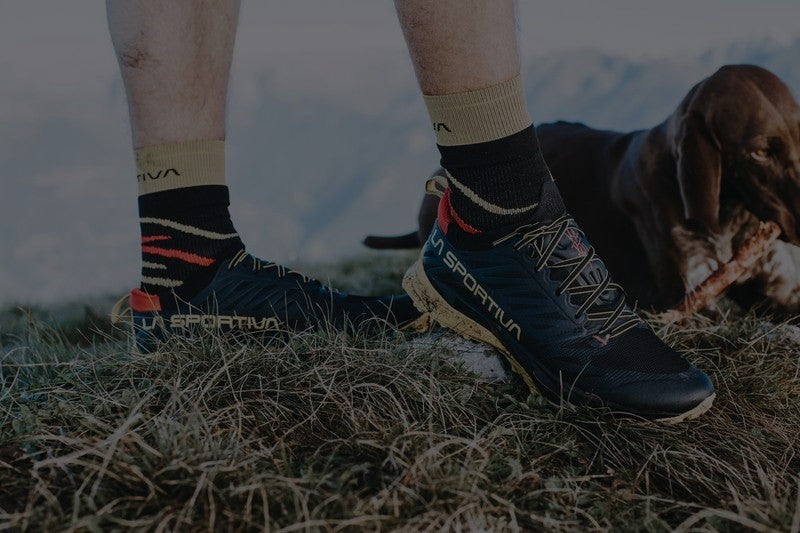
The Boulder X is La Sportiva's more accessible approach shoe. The fit is noticeably wider across the forefoot — if you've ever found La Sportiva shoes tight or cramped, this is the one to try. It uses a dual-compound Vibram sole with Impact Brake System technology, which provides grip on descent without sacrificing traction on the way up.

The Boulder X is happy on trail, dirt, and moderate scrambling. It's not the most precise edging shoe, but most people aren't doing technical routes where that distinction matters. What it is: a comfortable, capable shoe that doesn't punish you at the end of a long day.

The Boulder X Mid ($397) adds ankle height for anyone wanting a bit more support — still the same wide, versatile platform, just taller.

Who should buy the Boulder X: Trampers with normal-to-wide feet, people who want one shoe that covers trail, approach, and light scrambling without specialising too hard, or anyone who finds other La Sportiva shoes uncomfortably narrow.

La Sportiva TX4 Evo ($369.99)

The TX4 Evo is La Sportiva's precision approach shoe. The fit is narrower and more locked-down, which might sound like a negative — but on technical terrain it's a genuine advantage. A precise fit means you feel exactly where you're placing your foot, which matters when you're edging on small holds or crossing wet slabs.

The sole is stiffer than the Boulder X, and the Vibram Mega-Grip rubber is specifically formulated for technical rock — it's one of the stickiest compounds on the market. On dry rock, it's noticeably better than most alternatives. On wet rock, it's still good, though no rubber is magic on polished wet surfaces.

The TX4 Evo ST ($349.95) is a narrower-last variant, often preferred by those with slimmer feet or women's sizing preferences.

Who should buy the TX4 Evo: Anyone doing technical scrambling routes, approach to climbing, or rocky terrain where precision matters more than comfort over distance. Also for people who specifically have narrow feet and find the Boulder X sloppy-feeling.

Side-by-Side

Feature Boulder X TX4 Evo
Price $279.95 $369.99
Fit width Wide/regular Narrow/precise
Sole stiffness Moderate Stiff
Best terrain Trail + light scramble Technical rock + approach
All-day comfort High Moderate
Rock precision Good Excellent

What About Waterproofing?

Neither the Boulder X nor TX4 Evo standard versions are waterproof. For NZ conditions with regular stream crossings and wet bush, that's worth considering. The TX5 Gore-Tex ($429.99) is the waterproof step-up in the TX family if you need it.

The Bottom Line

If you're uncertain, the Boulder X is the safer default — more forgiving fit, more versatile use case, lower price. If you're specifically after technical performance on rock and have narrow feet, the TX4 Evo earns its extra cost.

Try both if you can. La Sportiva fit varies enough across models that trying them on matters. See the full range at La Sportiva at Dwights or browse all boots.

Frequently Asked Questions

Which is better for wide feet — Boulder X or TX4?

Boulder X, clearly. It has a noticeably wider toe box and a more accommodating last. The TX4 Evo is built narrow and precise — if you have wide feet, it will be uncomfortable and you won't get the performance benefit anyway.

Is the TX4 Evo good for NZ tramping tracks?

It depends on the track. For technical, rocky routes like parts of the Routeburn, Tongariro, or Fiordland day walks, yes — the TX4 Evo is excellent. For long muddy tracks with sustained pack weight, the Trango series is a better fit.

Can I use approach shoes for multi-day tramps?

Technically yes, but with caveats. Neither the Boulder X nor TX4 Evo is designed for heavy packs over multiple days — they lack the ankle support and cushioning of a proper tramping boot. For a single light overnight with a small pack on good terrain, they're fine. For Great Walk-style multi-day trips with full gear, look at the Trango series.

What's the difference between TX4 Evo and TX4 Evo ST?

The ST variant uses a narrower last, originally developed for the women's fit but popular with anyone wanting a more snug feel. The standard TX4 Evo is slightly wider. Both use the same sole and construction otherwise.

Are La Sportiva approach shoes good on wet rock?

Vibram Mega-Grip (used on the TX4 Evo) is among the better rubbers on wet rock, but all approach shoes have limits. On polished wet slabs, caution is required regardless of what you're wearing. The TX4 Evo's stiff sole also helps you trust smaller placements more precisely.

Which La Sportiva approach shoe lasts longer?

Both are well-constructed and should give you solid use with proper care. The TX4 Evo's stiffer sole can wear unevenly if used heavily on abrasive surfaces. The Boulder X's more casual use pattern often means it sees less concentrated wear on technical terrain. Either way, rinse and dry after each use.