



How to Choose a Sleeping Bag NZ — Temperature Ratings, Fill and What Matters
New Zealand's backcountry is varied enough to demand proper thought before you buy a sleeping bag. A summer Great Walk from Queenstown is an entirely different proposition to a winter alpine bivvy on the Olivine Ice Plateau, and getting the bag wrong — too warm, too cold, or too heavy for the trip — can ruin a perfectly good adventure. This guide covers what the numbers actually mean, which fill types suit NZ conditions, and which bags from our range suit which trips.
NZ Conditions — What You're Actually Dealing With
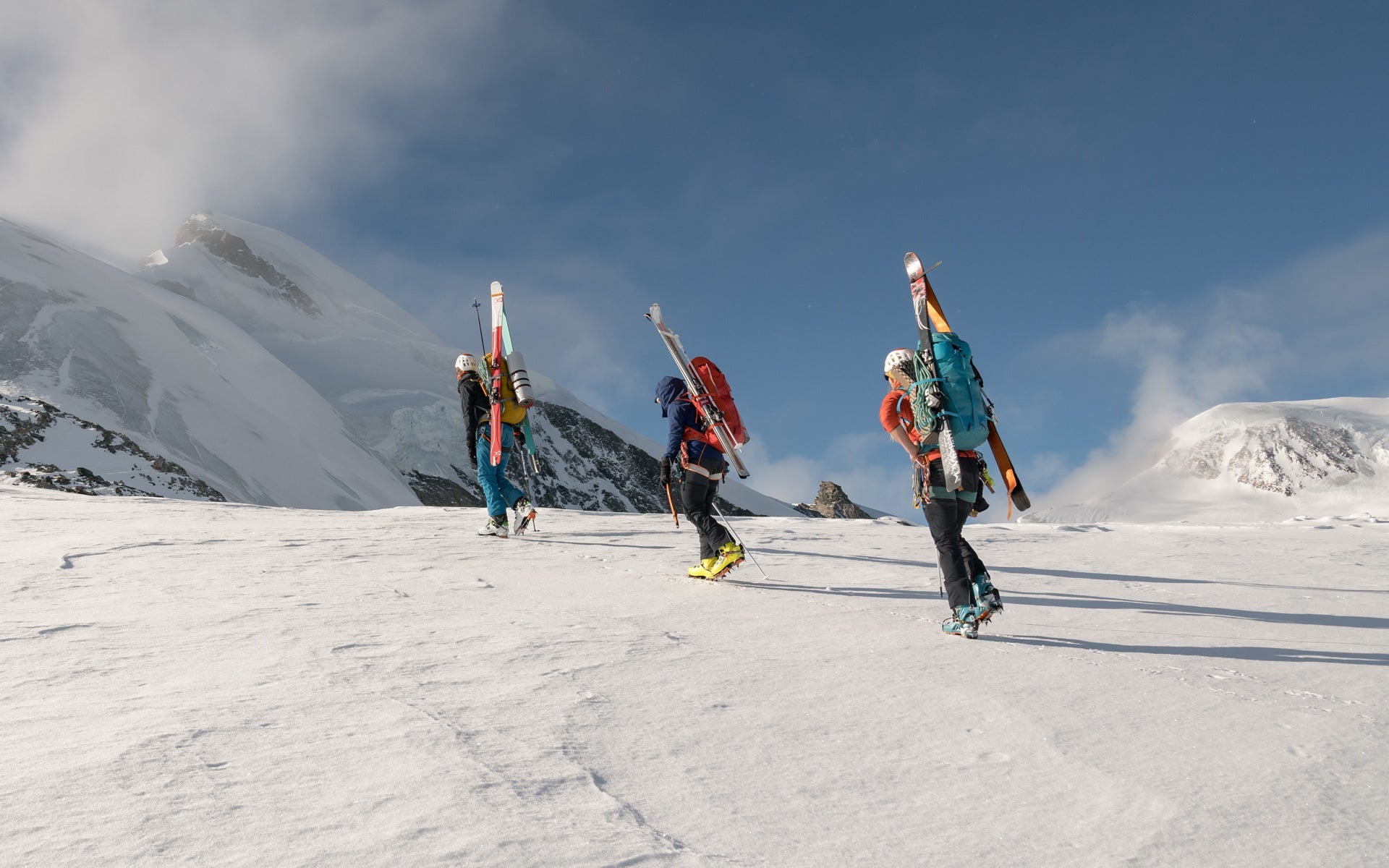
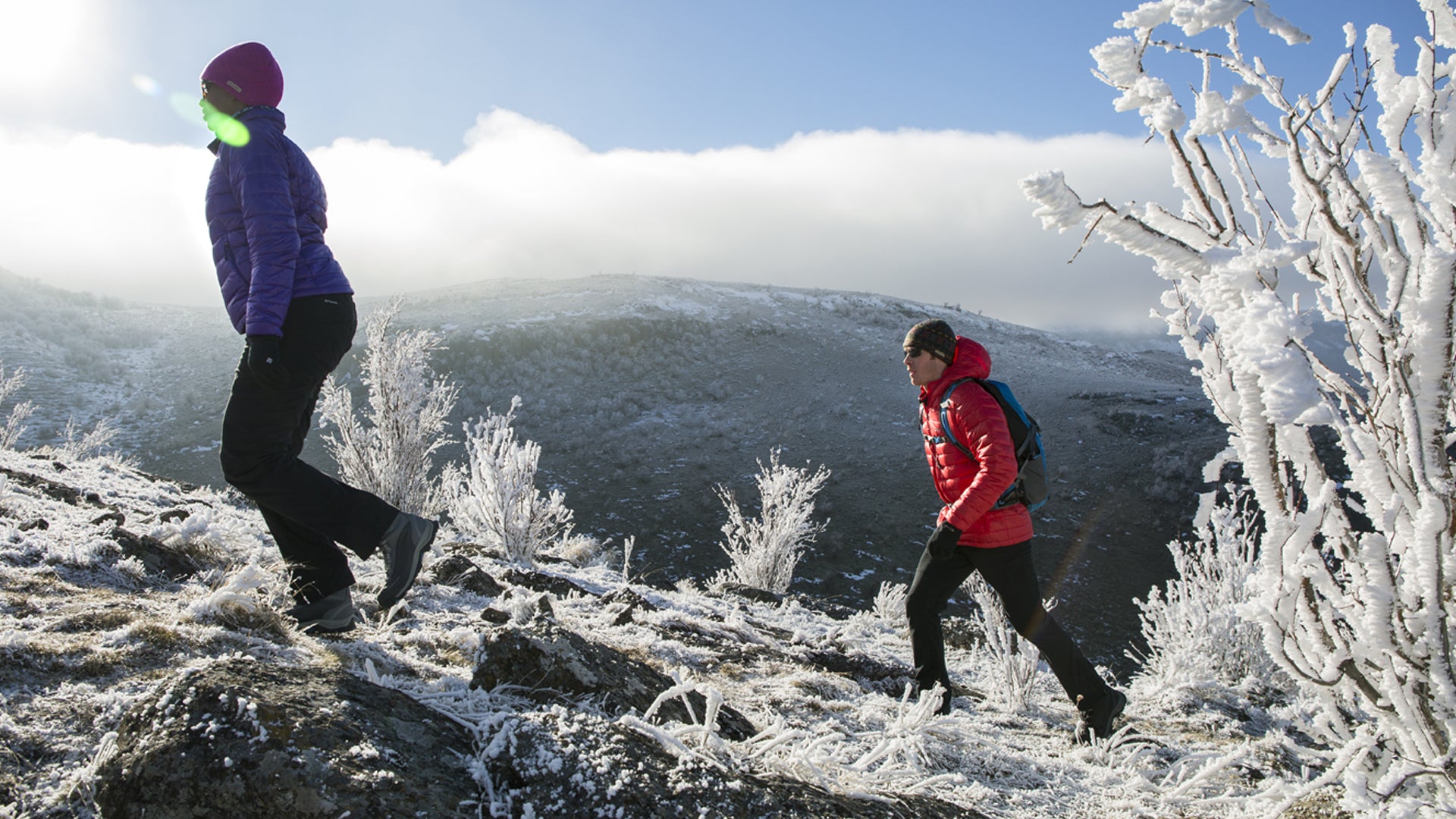
New Zealand's climate is famously unpredictable. Even in summer, temperatures can drop sharply at altitude, huts can be draughty, and rain events push moisture into the air. In winter, the South Island high country gets genuinely cold — sub-zero overnight is common above 1,000 metres — and the North Island's volcanics offer their own cold surprises. A few key realities to plan around:
- Summer Great Walks (Milford, Routeburn, Abel Tasman) usually sit between 5°C and 10°C overnight at hut level — a -1°C to +2°C bag is appropriate for most trampers.
- Year-round South Island high routes and alpine bivvies can hit -10°C or colder at altitude.
- Hut stays allow a slightly lighter bag than wild camping, where you lose ground insulation.
- Humidity is high in many NZ ranges — relevant for down fill performance (more on that below).
Temperature Ratings Explained
Sleeping bag temperature ratings can be confusing. Before diving into specific bags, it's worth understanding what the numbers actually represent. We cover this in detail in our article on sleeping bag temperature ratings explained — read that alongside this guide for a full picture.
In short: EN/ISO temperature ratings use three figures — upper limit (too warm), comfort (comfortable for a standard woman), and lower limit (comfortable for a standard man). The number on the bag's label is typically the lower limit. Most people should choose based on the comfort rating and add a buffer for cold sleepers or exposed conditions.
Fill Types — Down vs Synthetic
For a reliable synthetic option in milder conditions, the Rab Radeon Synthetic Sleeping Bag (6°C) is a solid choice for summer camping and hut trips where sub-zero temperatures aren\'t expected.
Down Fill
Down sleeping bags compress smaller, weigh less, and last well with proper care. For New Zealand tramping — where pack weight directly affects how far and how enjoyably you can travel — down is typically the preferred choice. The fill power rating (600, 700, 800, 900+) tells you how lofty the down is: higher fill power means more warmth per gram.
The traditional drawback of down is wet performance — saturated down loses most of its insulation. Most quality down bags now use hydrophobic down treatment (like Nikwax Hydrophobic Down) to improve wet resilience, which is particularly relevant in NZ's damp conditions. Still, protecting your bag in a dry bag inside your pack remains good practice.
Synthetic Fill
Synthetic bags insulate when damp and dry faster than down — useful in consistently wet environments or for people who don't trust themselves to keep a bag dry. The trade-offs are weight and pack size: a synthetic bag rated to the same temperature as a down bag will be heavier and bulkier. For most multi-day tramping in NZ, this makes them harder to justify unless wet conditions are severe or cost is a factor.
Shape — Mummy vs Semi-Rectangular
Mummy Shape
Mummy bags taper from shoulders to feet, reducing dead air space and improving thermal efficiency. They weigh less, pack smaller, and warm up faster. For tramping and backcountry use, mummy is the right shape in almost all cases.
Semi-Rectangular
More room to move, which some people sleep better in — but more dead air means more energy needed to heat the bag, more weight, and more bulk. Better suited to car camping or hut stopovers where weight isn't a factor.
Weight and Packability
Every gram in your pack is a gram you carry. On a short Great Walk with a hut booking, a slightly heavier bag might not matter. On a week-long route with significant elevation gain, the difference between a 600g and a 1,200g sleeping bag is felt in your knees and hips by day three. For serious tramping, aim for the lightest bag that genuinely covers your expected temperature range — adding a buffer layer inside the bag (sleeping with a merino top) is far lighter than carrying a bag rated 5°C colder than you need.
Our Sleeping Bag Recommendations by Use
Lightweight Tramping — One Planet Nitrous Range
The One Planet Nitrous (near full-length side zip, stops short of footbox) range (available in +2°C, -1°C, and -3°C ratings) is the lead recommendation for lightweight NZ tramping. These bags use high fill-power hydrophobic down and a mummy cut to deliver genuine warmth in a very packable form factor. The -1°C and -3°C options cover most South Island summer tramping and North Island year-round conditions comfortably. If you're weight-conscious and doing Great Walks or multi-day routes in summer, start here.
Mid-Weight Tramping — One Planet Sonder Range
The One Planet Sonder (features an L-shaped zipper through the footbox — opens fully flat) range (-3°C, -5°C, -8°C, -10°C) steps up the warmth for cooler conditions — shoulder-season tramping, higher routes, or trampers who sleep cold. The -8°C and -10°C options cover serious South Island three-season tramping and most winter hut stays. Slightly heavier than the Nitrous, but the warmth-to-weight ratio remains strong for the rating.
Warmer and Shoulder Season — One Planet Cocoon Range
The One Planet Cocoon (near full-length side zip, stops short of footbox) range (-5°C, -8°C, -11°C) sits in a slightly different design profile — warmer, more generously cut, and suited to people who prioritise comfort over minimum weight. Good option for hut tramping in cooler months or for those who prefer a little extra room inside the bag.
Expedition and Alpine — One Planet Bungle Range
When winter alpine bivvies, expedition use, or genuinely extreme cold is in the picture, the One Planet Bungle range (-12°C, -15°C, -17°C) is built for it. These are serious bags — heavy and warm. If you're climbing in the Southern Alps in winter or heading to altitude where temperatures drop well below zero, the Bungle range is the right shelf to look at.
Ultralight Premium — Rab Mythic Range
For trampers who prioritise pack weight above everything else and are willing to invest in premium kit, the Rab Mythic range (180g and 360g fill weights) uses 900+ fill power down to deliver extraordinary warmth in a genuinely tiny pack size. These are ultralight specialist bags — best suited to experienced trampers who understand how to manage them in the field and aren't going to leave them stuffed in a wet pack.
Down Performance — Rab Neutrino Pro Range
The Rab Neutrino Pro range (300, 500, 700, 900 fill weights, roughly corresponding to +2°C through to -16°C equivalent ratings) offers a strong all-round down performance option across the warmth spectrum. Nikwax Hydrophobic Down and a boxwall construction deliver good warmth retention and improved wet resilience — a sound choice for trampers who want the Rab brand experience across a range of NZ conditions.
Car Camping — Dwights Thermoshell -8
The Dwights Thermoshell -8 is a budget-friendly option suited to car camping, campsite stays, and occasional hut overnights where weight doesn't matter. To be clear: it is not a tramping bag. It's heavy, bulky, and not designed for multi-day packs. But for a family car camping trip or a casual campsite stay, it does the job at a low price.
For Kids — Dwights Kids Thermopod -8
The Dwights Kids Thermopod -8 is a compact, kid-sized sleeping bag for camping with children. A practical choice for family camping trips — not a backcountry tramping bag, but well-suited to the campsite context.
NZ-Specific Considerations
Hut Tramping vs Bivvy/Wild Camping
DOC huts provide a roof, walls, and usually a sleeping platform — you lose less body heat to the ground than in a tent. This means you can often get away with a bag rated 2–3°C warmer than you'd need in a tent or bivvy. If you're always staying in huts, factor this in; if you wild camp at all, rate conservatively.
Great Walks vs Backcountry Routes
Great Walks run through managed huts with good shelter. A One Planet Nitrous -1°C or -3°C suits most summer Great Walks. Backcountry routes — especially high routes in the South Island — require a more conservative approach: the Sonder -5°C or -8°C is more appropriate for three-season South Island backcountry.
Humidity and Wet Gear
Keep your bag in a dry bag inside your pack. NZ weather can fill a pack with moisture through rain or a river crossing. Hydrophobic down treatment helps, but it's not waterproofing — prevention beats cure.
Conclusion
For most NZ trampers, the One Planet Nitrous range (-1°C or -3°C) covers summer tramping and Great Walks confidently. Step up to the Sonder for shoulder-season or higher routes, the Cocoon for comfort-focused hut tramping, and the Bungle for serious alpine and winter use. Ultralight specialists should look at the Rab Mythic; those wanting strong down performance across ratings will find the Rab Neutrino Pro hard to beat.
Not sure which rating covers your planned route? Check our detailed guide on sleeping bag temperature ratings, or ask the team at Dwights — we're happy to help you match the bag to the trip.


