





Best Softshell Jackets NZ 2026 — Stretch, Breathable & Wind-Resistant
Softshell jackets occupy a unique sweet spot in the New Zealand tramper's wardrobe. They're not a hardshell — they won't keep you dry in a downpour — and they're not a fleece, which would soak through in drizzle. A softshell is that confident middle layer that shrugs off wind and light rain, breathes as you climb, and moves with you rather than against you. For active tramping, ridge walking, alpine scrambling, or just heading out on a brisk Wellington morning, a good softshell is often the jacket you'll reach for first.
This guide covers what softshell jackets actually do, how to choose the right one, and which options from our range suit different needs — from high-output hiking to everyday town use.
Softshell vs Hardshell vs Fleece — What's the Difference?
Understanding the difference between these three jacket types saves you money and keeps you comfortable:
- Hardshell jackets use a waterproof-breathable membrane (like Gore-Tex) to keep you fully dry in heavy rain. They're stiffer, less stretchy, and breathe adequately — but they're your go-to when the weather is properly bad.
- Fleece jackets are warm, highly breathable, and comfortable — but they have almost no wind or rain resistance. A wet fleece is a cold fleece.
- Softshell jackets sit between the two. They're typically made from stretch-woven fabric with a DWR (durable water repellent) finish, offering good wind resistance, light rain protection, and far better breathability and stretch than a hardshell. The trade-off: they're not fully waterproof in heavy or sustained rain.
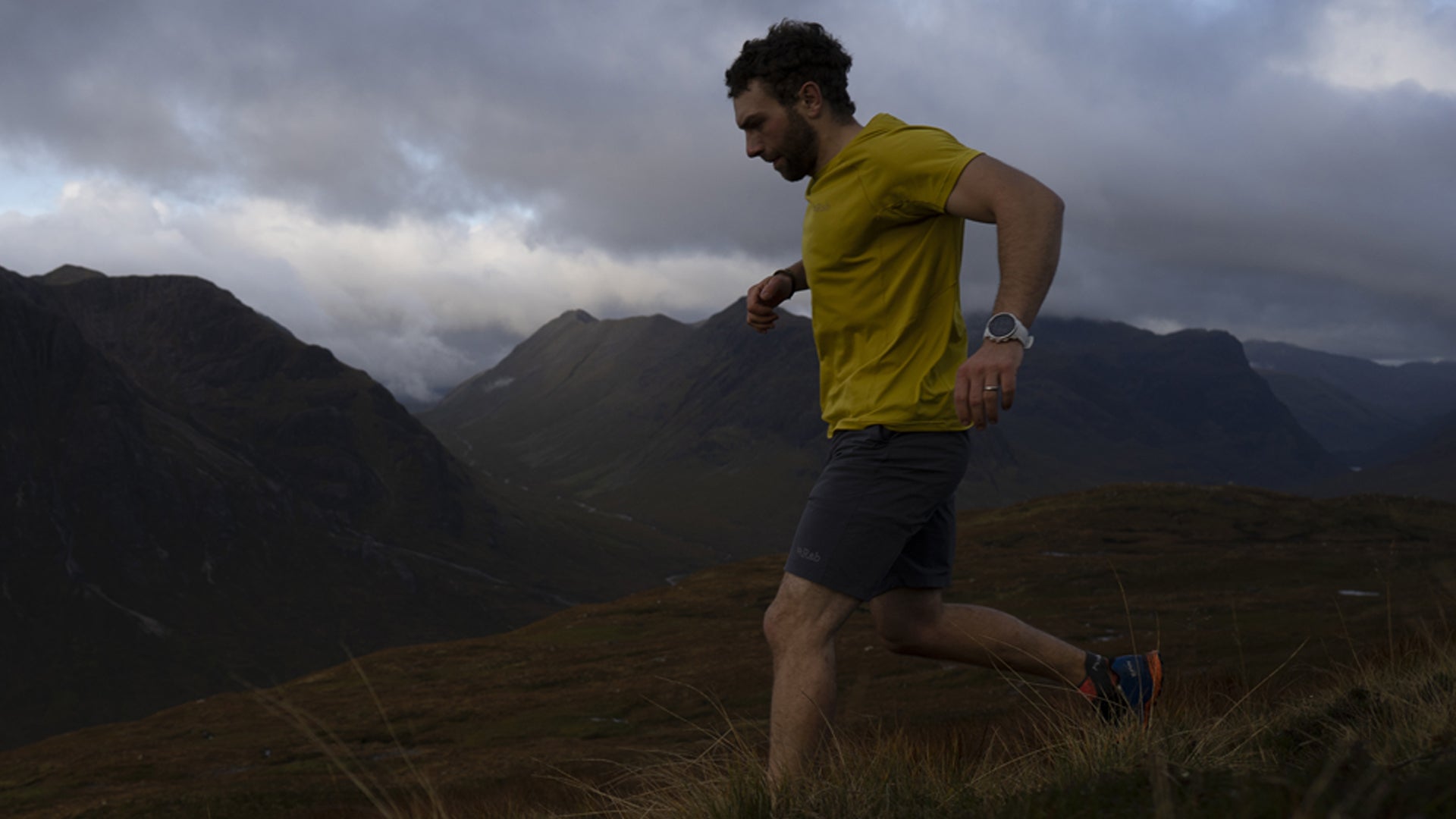
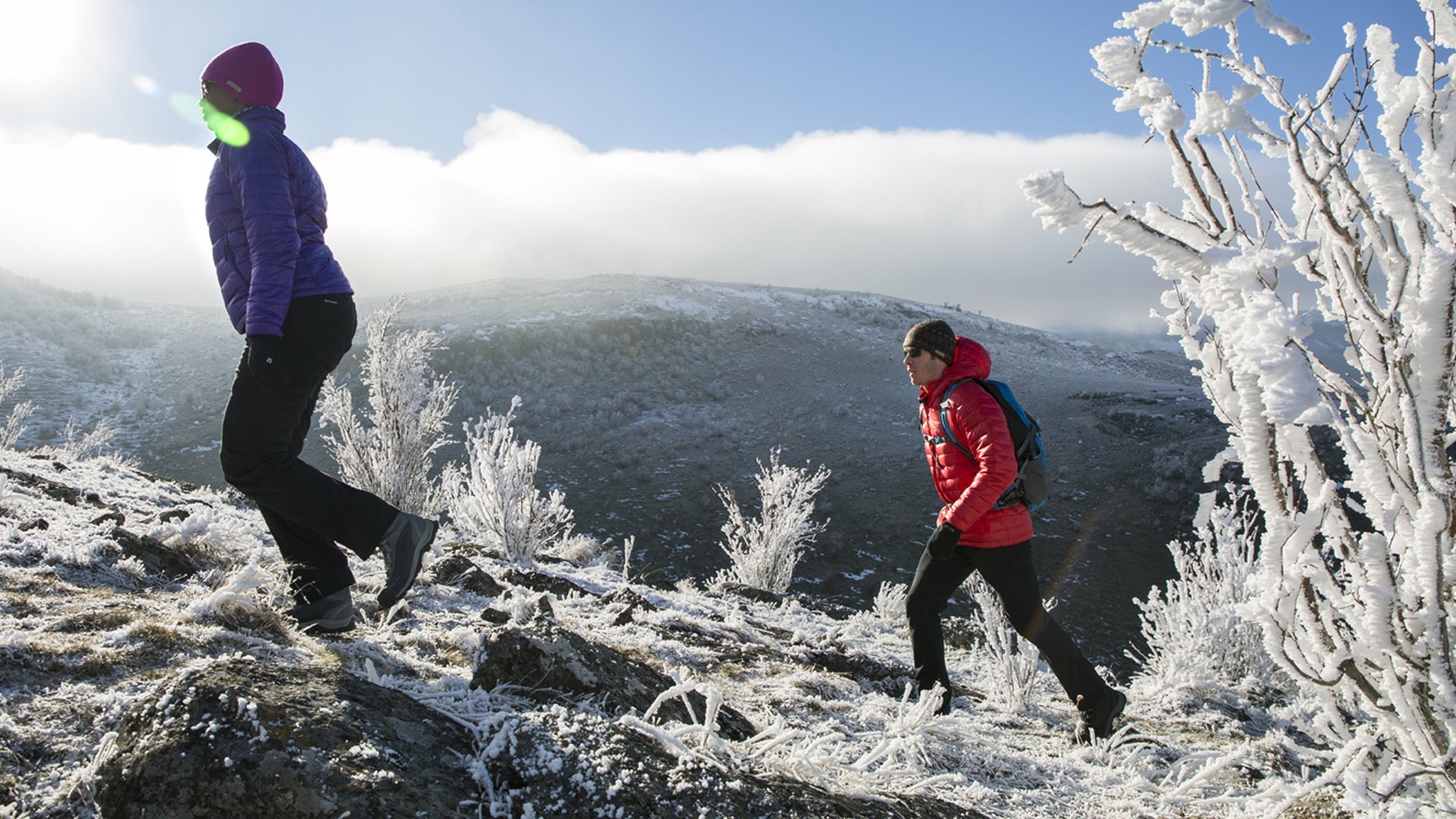
In New Zealand conditions — where weather can swing from calm to gusting in an hour — a softshell excels as an active layer when you're moving hard and sweating, when it's breezy but not bucketing, or as an outer layer in dryer alpine conditions.
For Active Hiking — The Rab Borealis Jacket
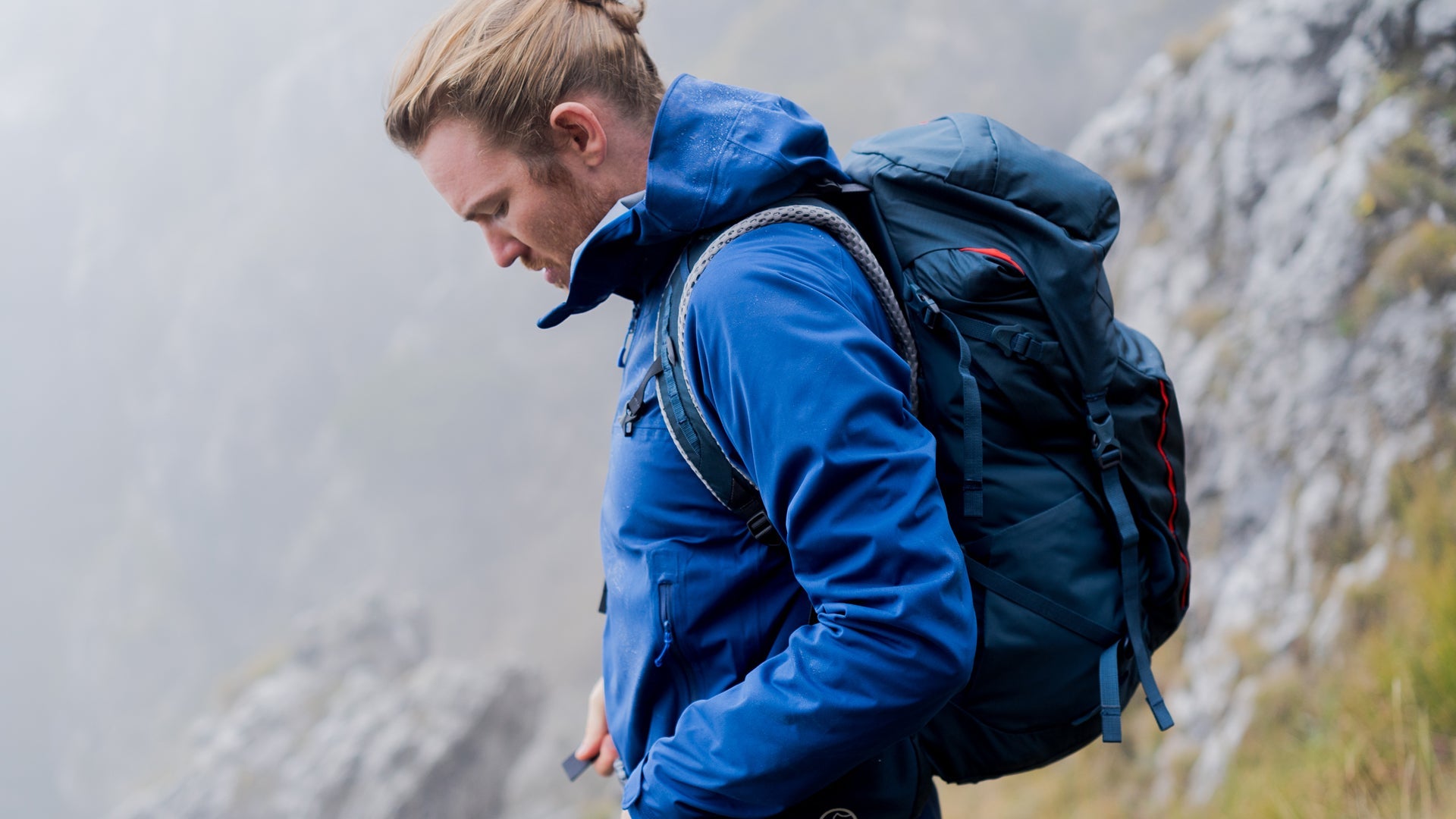
If you want one softshell that handles the widest range of active tramping days in New Zealand, the Rab Borealis Jacket (mens) is the lead recommendation. Built from Polartec Power Shield Pro fabric, it offers serious wind resistance without sacrificing breathability, and the mechanical stretch means it moves naturally with your body — no binding across the shoulders when you're pulling yourself up a scramble.
The Borealis Jacket is cut for active movement: articulated patterning, clean pocket layout, and enough coverage without bulk. It handles brisk ridge conditions confidently and breathes well enough to stay comfortable under a pack. For most NZ day and multi-day hikes, this is the softshell to shortlist first.
For Alpine and Technical Use — Rab Borealis Alpine Hooded Jacket
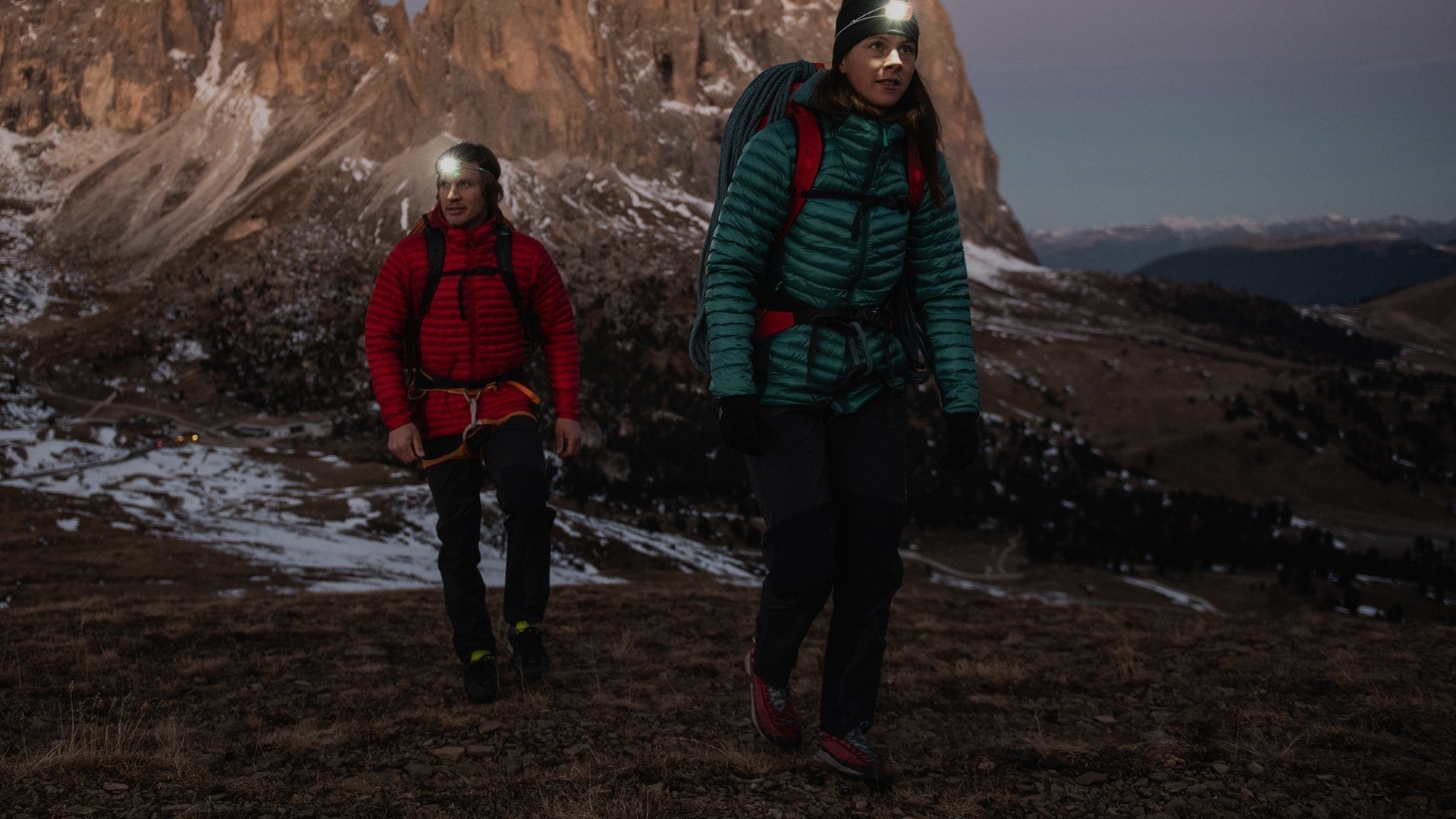
When conditions step up — Tongariro crossing in a westerly, a high route with exposed ridgelines, or early-season alpine travel — the Rab Borealis Alpine Hooded Jacket (available in mens and womens) adds a helmet-compatible hood and a technical cut that integrates well with a harness if needed. The hood makes a real difference when wind picks up, and the closer fit reduces flutter in gusts.
The Alpine Hooded variant uses the same Polartec Power Shield Pro construction as the Borealis Jacket but is shaped around the demands of more technical terrain. If you're venturing above the bushline regularly or spending time on snow and rock, this is the more considered choice. It's built around Polartec Power Shield Light, a lighter-weight variant that prioritises moisture dump over weather protection. If you're moving fast and generating significant body heat, it prevents the clammy overheating you get when a denser softshell can't keep up. Best paired with a packable hardshell for when the weather turns.
For Everyday Use — Rab Borealis Hoody
The Rab Borealis Hoody (mens and womens) applies the Borealis platform to a more relaxed, everyday-friendly cut with an integrated hood. It works well on the trail but equally feels at home on the walk to work on a cold morning or layered under a hardshell on a winter weekend.
The Borealis Hoody sits slightly lower in the technical range than the Alpine Hooded Jacket — it's less focused on harness compatibility or storm hood performance — but for anyone who wants a versatile softshell that travels from trail to town without looking out of place, it's an excellent choice. It uses a stretch waterproof membrane — genuinely waterproof, not just DWR-treated — while retaining far more stretch and softness than a conventional hardshell. It's heavier and less breathable than a pure softshell, but it handles sustained rain that would soak through any DWR-only jacket.
Don't Forget Your Legs — Rab Incline AS Softshell Pants
Softshell performance doesn't have to stop at the waist. The Rab Incline AS Softshell Pants offer the same wind resistance and stretch comfort as a softshell jacket, making them a strong choice for alpine environments, ski approaches, or any cold-weather activity where waterproof overtrousers feel like overkill but you want more than standard hiking pants. They pair naturally with any of the Borealis range.
Softshell Buying Guide — What to Look For
Stretch and Fit
Softshell fabric should have meaningful stretch in multiple directions. Two-way stretch is the minimum; four-way stretch is better for technical movement. Look for articulated patterning — pre-shaped elbows and shoulders — that reduces binding when your arms are raised or extended. A jacket that fights your movement drains energy over a long day.
Breathability
This is where softshells genuinely outperform hardshells. A good softshell fabric moves moisture vapour efficiently — you heat up less, cool down less sharply, and don't get the sweaty build-up that leads to chilling when you stop. If you're buying for high-output activities, prioritise breathability above wind resistance.
Wind Resistance
New Zealand ridge conditions can be savage. A softshell should be windproof or highly wind-resistant — meaning the fabric blocks wind without letting a cold blast through when you stop moving. Tightly woven face fabrics like those in the Polartec Power Shield range handle this well.
Water Resistance
All softshells are DWR-treated to shed light rain and drizzle. Refresh your DWR periodically (warm tumble dry after washing helps) to maintain performance.
Hood or No Hood?
For alpine and exposed ridge use, a hood is worth having. For everyday use and lower-altitude tramping, hood-free options keep the profile cleaner and often compress more compactly. Many softshells — like the Borealis Jacket — offer a hood option separately or as a distinct model.
Conclusion
The right softshell for New Zealand conditions depends on what you're doing and how hard you're moving. The Rab Borealis Jacket is the most versatile starting point for general tramping.
Questions about which softshell suits your plans? Get in touch with the team at Dwights — we're happy to help you make the right call before you're on the hill wishing you had.


