



Hiking Boot vs Hiking Shoe — What's the Difference for NZ Tramping?
The terms "hiking boot" and "hiking shoe" are sometimes used interchangeably, but they describe distinctly different products with different strengths. Understanding the difference helps you choose the right footwear for your specific NZ tramping use case.
The Core Difference — Ankle Height
Hiking boot: Collar extends above the ankle, providing varying degrees of lateral ankle support. Mid-cut boots sit at the ankle; high-cut boots extend above it. The ankle structure resists rolling on uneven terrain.
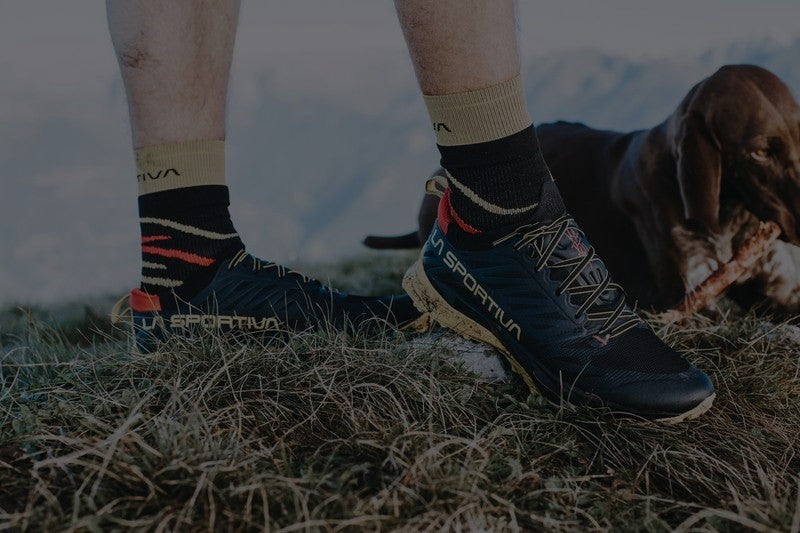
Hiking shoe: Low-cut, like a running shoe — the collar sits below the ankle, providing no meaningful lateral ankle support. Maximum freedom of movement and minimum weight.
Note: This is a different question to hiking boots vs trail running shoes — see our dedicated comparison guide. Trail running shoes are a subset of hiking shoes optimised for running pace.
Mid-Cut Boots vs Low-Cut Shoes
Mid-Cut Hiking Boots — When to Choose
With a loaded pack. Ankle support becomes meaningfully important when carrying 12kg+. The force of a heavy pack amplifies the torque of foot placement on uneven ground — ankle support reduces fatigue and injury risk.
Technical terrain. Rocky, loose, and off-track NZ terrain involves frequent uneven foot placements where ankle support makes a real difference.
First-time and occasional trampers. Ankle strength builds over years of regular use. Trampers who go out occasionally benefit more from ankle support than experienced, daily users.
At Dwights: Crispi Futura CX GTX (RRP $719.00), Crispi Nevada Legend GTX (RRP $849.00), Salewa Mountain Trainer Mid GTX (RRP $549.99), Asolo TPS 520 Wide Fit GTX (RRP $559.99), Merrell Moab 3 Mid (RRP $329.99).
Low-Cut Hiking Shoes — When to Choose
Light loads on well-formed tracks. Without a heavy pack, the ankle support argument weakens considerably. Experienced trampers on well-formed Great Walk tracks often prefer the lighter, more agile feel of a hiking shoe.
Day walking. For day walks with a daypack, a quality hiking shoe provides adequate support and protection for most NZ conditions.
Experienced trampers with strong ankles. Ankle strength from years of regular tramping reduces the practical benefit of ankle support. Experienced trampers make an informed choice to trade support for weight.
At Dwights: Salewa Mountain Trainer Lite GTX Shoes (RRP $399.99), Salewa Alp Trainer 2 GTX (RRP $399.99), Merrell Moab 3 Waterproof Shoes (RRP $299.99), Merrell Moab 3 Mid Waterproof (RRP $329.99).
The Sole Stiffness Question
A boot's stiffness is as important as its height. A stiff sole transfers load efficiently across uneven terrain and protects the foot from fatigue on rocky ground. A flexible sole feels comfortable on flat ground but tires the foot faster on prolonged rocky terrain.
Crispi and Salewa's Mountain Trainer range use stiffer soles suited to demanding NZ terrain. Merrell's Moab 3 uses a more flexible sole suited to general use. La Sportiva's technical shoes use aggressive rubber with moderate stiffness.
For most NZ multi-day tramping with a standard pack: a stiffer sole is the right choice, regardless of cut height.
Frequently Asked Questions
Should I start with a hiking shoe or a hiking boot?
For most people starting tramping in NZ: a mid-cut hiking boot. The ankle support compensates for developing ankle strength and technique, and the stiff sole manages foot fatigue better on demanding terrain. Once you've built experience and ankle strength, you can make an informed decision about moving to lighter footwear.
Can I do the Great Walks in hiking shoes?
Yes — for experienced trampers on well-formed Great Walks with a manageable pack weight. The Abel Tasman, Queen Charlotte, and Tongariro are particularly suitable for hiking shoes. The Milford, Routeburn, and Heaphy — with their more demanding terrain and longer daily distances — are better suited to mid-cut boots for most trampers.
How do I know if I need ankle support?
If you've rolled or sprained your ankle on the trail, ankle support is worth having. If you're a new tramper, start with ankle support until you've built confidence and technique. If you're an experienced tramper who has never rolled an ankle and regularly trains your ankles — hiking shoes are a legitimate choice for appropriate terrain.
Frequently Asked Questions
What is the difference between a hiking boot and a hiking shoe?
A hiking boot extends above the ankle, providing ankle support and protection for rough terrain and heavy pack loads. A hiking shoe (low-cut) ends below the ankle — lighter and more agile, but less protective. For NZ tramping with a full pack on uneven tracks, boots are generally the right choice. Shoes suit day walks, trail running, and approach terrain where speed and weight matter more than support.
When should I wear hiking shoes instead of boots for NZ tramping?
Hiking shoes are appropriate for: light day walks on well-formed tracks, trail running, approach terrain to alpine routes, and experienced trampers with strong ankles on lower-risk terrain. For multi-day Great Walk tramping with a loaded pack, boots are the safer and more comfortable choice for most people.
Are trail running shoes suitable for NZ Great Walks?
For fit, experienced trail runners with strong ankles and a light pack, trail running shoes (like La Sportiva Bushido III or Ultra Raptor III) are usable on Great Walks. For most trampers, especially those new to multi-day trips or carrying a full pack, a mid-cut boot provides better support and protection.
Do hiking boots prevent ankle injuries?
A high-cut boot provides meaningful ankle support and reduces the risk of rolling an ankle on rough terrain — particularly under a heavy pack load. It doesn't make injury impossible, but the support is a genuine benefit on technical NZ terrain. Strengthening exercises and good foot placement matter too.
How do I choose between hiking boots and shoes for NZ?
Consider your typical pack weight, terrain, and ankle history. Heavy pack + rough terrain + limited ankle strength = boots. Light pack + formed tracks + experienced trail legs = shoes may work. When in doubt, go with mid-cut boots — the weight penalty over shoes is small and the support benefit is real.
Where can I buy hiking boots and shoes in NZ?
Dwights stocks hiking boots and approach shoes from Salewa, Crispi, La Sportiva, Merrell, and Ridgeline. Browse at /collections/hiking-boots.