







Hiking Boot Buying Guide NZ — How to Choose the Right Boots for NZ Trails
Featured image: Photo by arbyte / Wikimedia Commons (CC BY-SA 3.0)
How to Choose Hiking Boots for NZ Trails
The right hiking boot can make a multi-day tramp genuinely enjoyable. The wrong one will have you hobbling back to the trailhead with blisters, sore knees, or worse. NZ's terrain is diverse — from manicured Great Walks tracks to West Coast mud wallows to technical alpine routes — and the boot that suits one environment may be wrong for another.
This guide covers the key factors: stiffness, waterproofing, fit, care, and what to prioritise for different NZ conditions.
Stiffness — The Most Important Variable
Boot stiffness refers to the flex resistance of the midsole and upper. It's the single most important factor in matching a boot to your intended use.
Flexible (Low Stiffness)
Flexible boots feel almost like trail running shoes with ankle support. They're light, require minimal break-in, and are comfortable from the first day. They work well for:
- Easy day walks on formed tracks
- Summer walking on well-maintained paths
- Lighter loads (under 8kg total pack weight)
The limitation: flexible boots don't protect your feet when carrying heavier loads on rough or uneven terrain. Over distance, this leads to foot fatigue and ankle strain.
Moderately Stiff (Mid Stiffness)
The sweet spot for most NZ trampers. Moderately stiff boots provide enough torsional rigidity to support your feet under a loaded pack on varied terrain, while still flexing naturally during movement. These are the right choice for:
- NZ Great Walks
- Multi-day hut trips carrying a 12–18kg pack
- Varied terrain including rooted tracks, stream crossings, and gravel
- Most North Island and northern South Island tramping
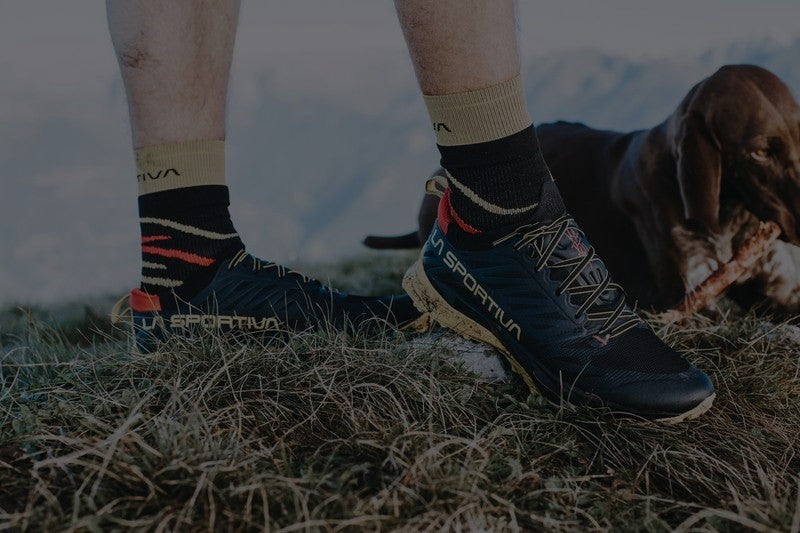
Good options in this category include the Merrell Moab 3 Mid Waterproof — a reliable, beginner-friendly boot with broad appeal for Great Walks and well-formed tracks — and the Salomon Quest 5 Gore-Tex, which adds a bit more structure and durability for longer or heavier-loaded trips. The Salewa Mountain Trainer Mid GTX and La Sportiva TX5 Gore-Tex are strong choices for those wanting more technical capability in a mid-stiffness boot.
Stiff (High Stiffness)
Stiffer boots are designed for carrying heavy loads on technical terrain, scrambling, or routes where crampon compatibility is needed. They require a longer break-in period but pay dividends on demanding ground. The right choice for:
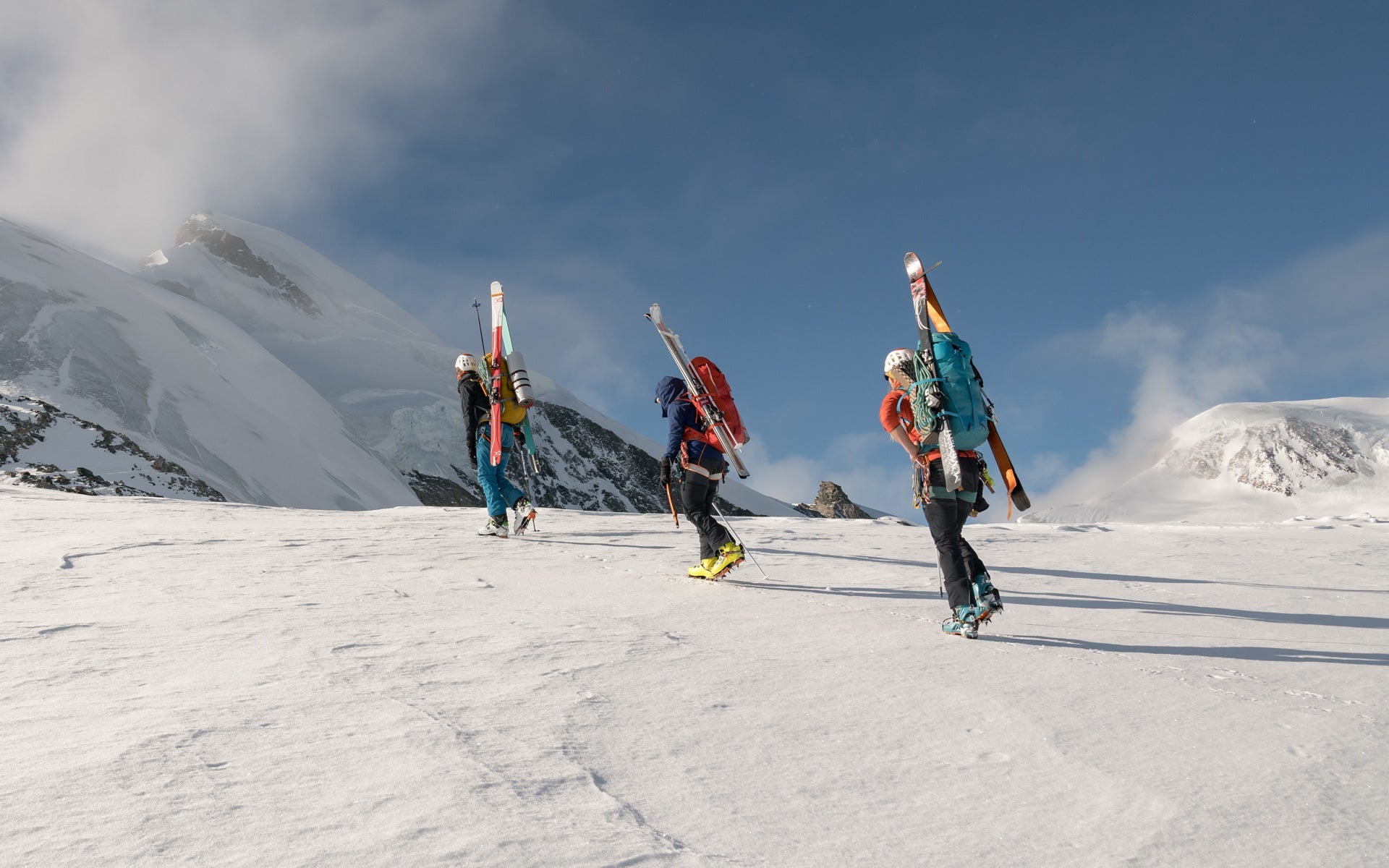
- Alpine routes (Southern Alps, Tararua high routes)
- Technical off-track tramping
- Heavy pack loads (18kg+)
- Scrambling or mixed terrain
The La Sportiva Trango TRK GTX, Salewa Alp Trainer 2 Mid GTX, and Crispi Valdres EVO GTX are capable stiff-category options for NZ alpine use.
Waterproofing — Gore-Tex vs Proprietary Membranes
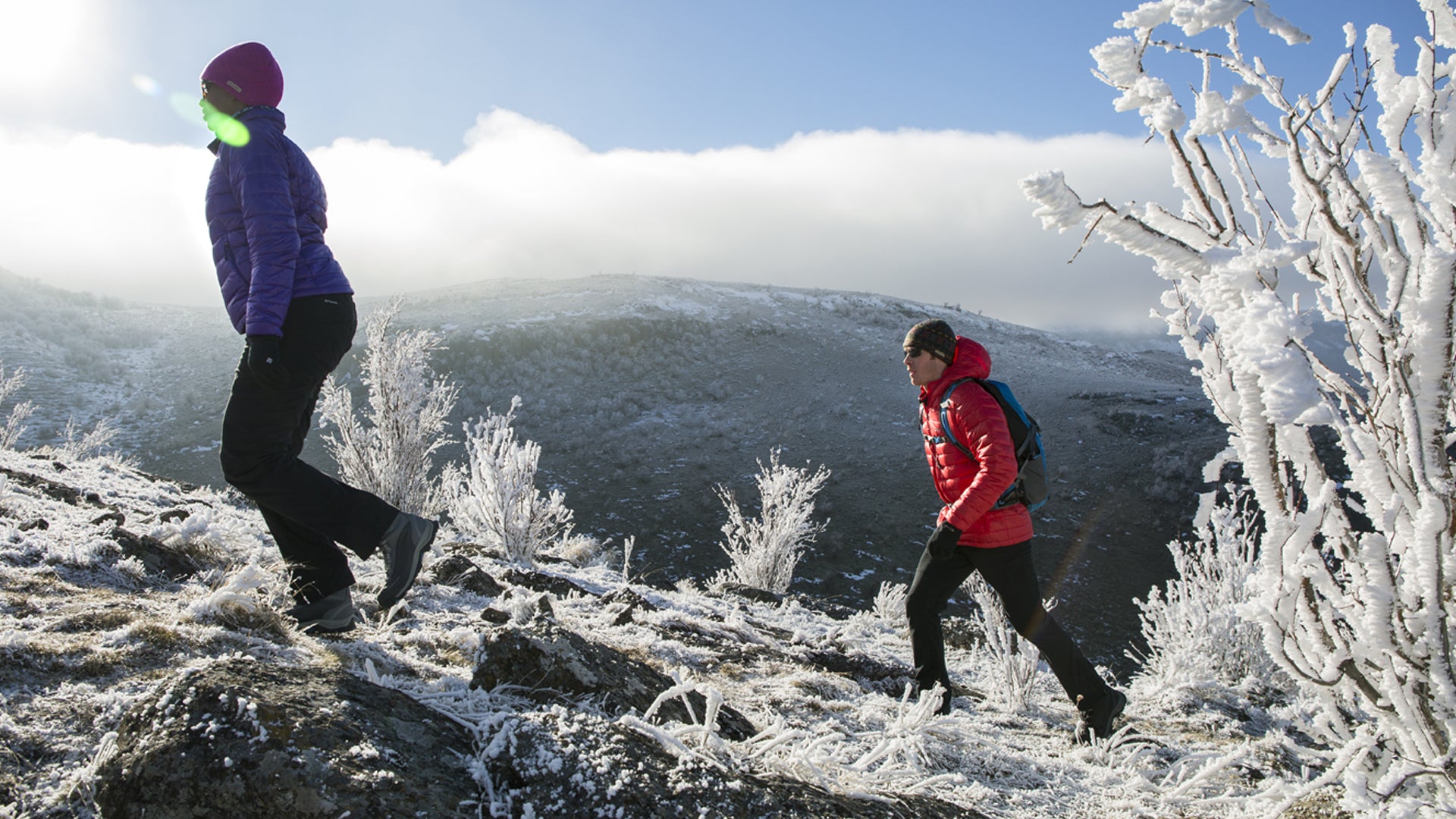
NZ trails are wet. Seriously wet. Even on a clear day, morning dew and wet vegetation will soak unprotected boots by mid-morning. A waterproof membrane is not a luxury here — it's standard kit for multi-day tramping.
Gore-Tex
Gore-Tex is the industry benchmark for boot waterproofing. The expanded PTFE membrane is highly waterproof and breathable, and Gore-Tex has strict licensing standards, meaning a boot with a GTX label meets consistent performance criteria. Gore-Tex is available in different grades — standard Gore-Tex, Gore-Tex Extended Comfort, and Gore-Tex Surround — each optimised for different use cases.
Proprietary Membranes
Some brands use their own waterproof membranes. These can be excellent, but performance varies more than with Gore-Tex, and it's harder to compare across brands without independent testing. Treat manufacturer claims with appropriate scepticism and check user reviews for real-world performance.
When Waterproofing Is a Priority
On the West Coast, in Fiordland, and on any NZ track that involves stream crossings or prolonged wet bush, waterproofing is your top priority. Even with a waterproof boot, you'll eventually get water in on a full river crossing — but a waterproof boot keeps your feet dry in everything short of a full submersion.
Fit — The Non-Negotiable
No amount of technical specification matters if the boot doesn't fit your foot. Poor fit causes blisters, black toenails, hot spots, and foot fatigue. Here's how to assess fit properly:
Heel Lock
Your heel should sit firmly in the heel cup with minimal lift when you walk forward. Heel lift is the primary cause of blisters on the back of the heel and Achilles. To check: lace the boot firmly, then try to lift your heel. There should be very little movement.
Toe Box Width
Your toes should have room to splay naturally. A boot that's too narrow will compress the forefoot, causing hot spots and numbness over distance. If you have wider feet, look specifically for wide-fit options — La Sportiva and Salewa both offer wide lasts in select models.
Toe Clearance
There should be roughly a thumbnail's width of space between your longest toe and the end of the boot. On steep downhills with a loaded pack, feet slide forward — without this clearance, toes jam into the front and you'll have bruised or black toenails by day two.
Volume Fit
Some people have high-volume feet (deep through the arch and instep); others have low-volume feet. A boot that fits in length but is too tight across the top causes pressure points. Try boots with your tramping socks, and pay attention to how the lacing lies.
Break-In Period
Even well-fitting boots require some break-in time. The upper needs to soften and mould to your foot shape, and your feet need to adapt to the new footbed and flex pattern. General guidance:
- Flexible boots: Minimal break-in required. A few shorter walks are sufficient.
- Mid-stiffness boots: Allow two to four weeks of regular shorter walks before a multi-day trip.
- Stiff boots: Can take four to six weeks of progressive use. Don't take new stiff boots on a week-long tramp without first breaking them in thoroughly.
Never take brand-new boots straight onto a multi-day tramp. This is one of the most common mistakes we see.
Care and Maintenance
Looking after your boots correctly preserves waterproofing and keeps the materials performing well. Key habits:
- After every trip: Remove mud and debris with a brush and water. Remove insoles and allow to air dry naturally — never force-dry near a heat source, which can damage adhesives and materials.
- Leather uppers: Apply a leather conditioner or wax periodically to keep the leather supple. Nikwax Leather Wax is a reliable option.
- Synthetic uppers: Clean with warm water and a soft brush. Apply a DWR spray treatment when the outer fabric starts to wet out.
- Laces: Replace laces when they show significant wear — a broken lace on day three of a five-day tramp is avoidable with a $5 replacement pair in your kit.
- Storage: Store boots in a cool, dry location out of direct sunlight. Don't store them compressed in a bag for extended periods.
NZ Terrain Contexts at a Glance
- Great Walks (Milford, Routeburn, Kepler, Abel Tasman, etc.): Mid-stiffness boot with full waterproofing. La Sportiva or Salewa mid-category.
- Alpine routes (Southern Alps, Tararua tops): Stiffer boot with robust waterproofing and crampon compatibility if needed.
- West Coast mud and river crossings: Waterproofing is the priority. Choose Gore-Tex construction and a moderately stiff to stiff upper that won't collapse in deep mud.
- Easy day walks and formed tracks: A flexible boot or well-fitting trail shoe is fine. The Merrell Moab 3 Mid or Salomon Quest 5 GTX are great entry points.
Browse our full range of hiking boots — including Merrell, Salomon, La Sportiva, Salewa, and Crispi options for NZ conditions.