





Beginner's Guide to Tramping in New Zealand — Everything You Need to Know
New Zealand Is Made for Tramping — And So Are You
There are few places on earth where you can walk from a beach through ancient podocarp forest, across an alpine pass, and back to a cosy hut for the night — all in one day. New Zealand is that place. The Department of Conservation (DOC) maintains over 14,000 kilometres of tracks, nearly 1,000 backcountry huts, and nine internationally famous Great Walks. It is one of the most accessible tramping networks in the world.
If you're new to tramping — whether you've just moved to New Zealand, you're visiting, or you've always meant to get out there and never quite started — this guide is for you. We'll cover what tramping actually is, how to pick your first track, what gear you need, how the hut system works, and how to stay safe. By the end, you'll have everything you need to take that first step.
No experience required.
What Is Tramping? (And How Is It Different from Hiking?)
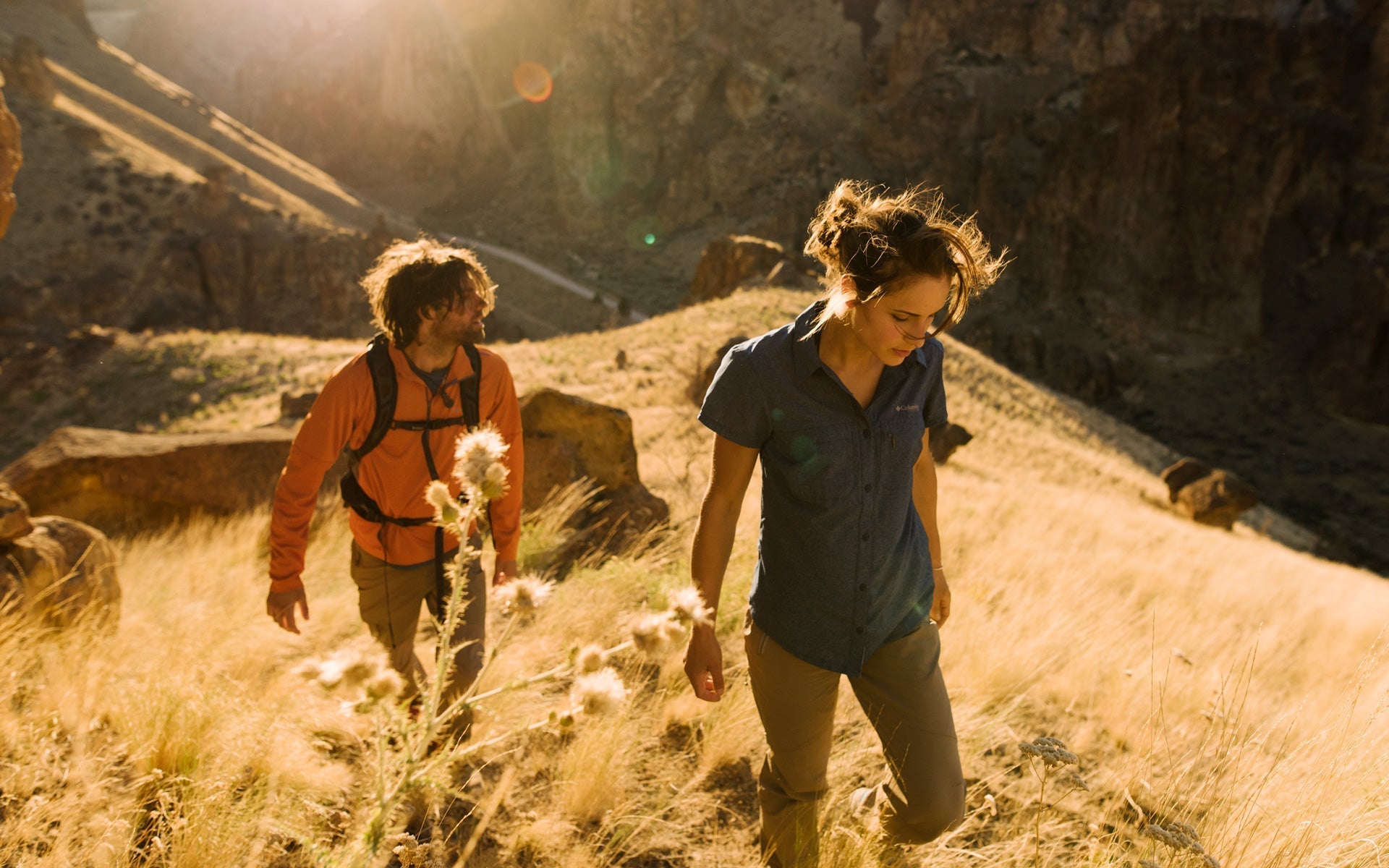
In New Zealand, tramping is the word for what much of the world calls hiking or trekking. It covers everything from a half-day walk on a well-graded track to a week-long backcountry expedition with river crossings and route-finding. The word tramping stuck partly because early tracks through dense bush required real effort — you were literally tramping through it.
There are three broad categories you'll encounter:
- Day walks: Out and back or loop walks completed in a single day. No overnight gear required. Great starting point.
- Overnight trips: One night in a hut or campsite. You'll carry a pack with sleeping gear, food, and extra clothing, but the distance and commitment are manageable for most beginners.
- Multi-day tramps: Two or more nights on track. The Great Walks fall into this category. More planning required, but deeply rewarding.
Start with day walks. Build confidence and fitness. Then try an overnighter. There's no rush, and the tracks will still be there.
How Fit Do You Need to Be?
Honestly? It depends entirely on the track you choose — and that's the good news. New Zealand's DOC network includes tracks graded from easy (flat, wide, well-formed) to demanding (steep, rough, navigation required). There is something appropriate for every fitness level.
For an easy day walk on a DOC-maintained track, you need roughly the same fitness as a moderately brisk walk around your neighbourhood. If you can manage an hour of walking without stopping, you can do most beginner-grade tracks.
For an overnight trip with a loaded pack (typically 10–15 kg), you'll want some basic cardiovascular fitness — a few weeks of regular walking will get you there if you're starting from scratch. Your legs will be tired at first. That's normal. It gets easier fast.
The one mistake beginners make is overestimating their first track. Be conservative. A shorter walk that you finish feeling good is far better than an ambitious one that leaves you exhausted and miserable. Pick something rated Easy or Easy-Moderate, complete it, feel great, and step up from there.
Where to Start: Best Tracks for Beginners
Day Walks Worth Starting With
DOC grades its tracks across five categories: Easy, Intermediate, Advanced, Expert, and Specialist. For your first few times out, stick to Easy and low Intermediate.
Some good options around the country:
- Abel Tasman Coast Track day sections (Nelson/Tasman): Beautiful coastal scenery, golden beaches, well-maintained track, mostly gentle grades. You can walk a section and water-taxi back. Hard to beat for a first taste of NZ tramping.
- Routeburn Track day sections (Queenstown/Fiordland): The lower sections from the Routeburn Flats end are accessible and spectacular. Save the full track for when you've built some fitness.
- Kepler Track day section — Luxmore Hut (Te Anau): The climb to Luxmore Hut is steep but well-graded and utterly spectacular above the bushline. You can day-walk this without the full Great Walk booking.
- Tongariro Alpine Crossing — a note on expectations: This is one of NZ's most famous walks and it will come up in every "must-do" list. It's also genuinely challenging — 19.4 km, significant elevation gain, alpine weather that changes fast. Not a beginner walk. Come back to it once you've done a few trips and have proper gear. Many people underestimate it and get into trouble.
- Local DOC walks near you: Every region has short, well-maintained tracks. Use the DOC website (doc.govt.nz) and filter by region and difficulty. You may have something excellent within an hour of home.
First Overnighter Recommendations
For your first night in a hut, choose a track that's well-marked, well-maintained, and has Great Walk or serviced hut facilities — you want a positive experience, not a survival exercise.
- Abel Tasman Coast Track: The most forgiving Great Walk for beginners. Warm, relatively low elevation, stunning coast. Huts are well-equipped and comfortable. Bookings open well in advance — plan ahead.
- Queen Charlotte Track (Marlborough Sounds): Not a DOC Great Walk but equally popular, with water transport options and a range of accommodation including huts and lodges. The ability to send your pack ahead by boat makes it very beginner-friendly.
- Heaphy Track (Kahurangi National Park): Longer (4–6 days) but relatively gentle for a Great Walk. Beautiful diversity of terrain.
- Lake Waikaremoana Great Walk (Te Urewera): Quieter than the South Island Great Walks, with forest and lake scenery. A solid first overnight for North Island-based trampers.
For a full rundown of all nine Great Walks and how to choose between them, see our NZ Great Walks Guide.
How to Use DOC's Website to Find Tracks
Head to doc.govt.nz, go to Parks & Recreation → Tracks & Walks. You can filter by region, track grade, duration, and facilities (huts, toilets, carparking). Each track has a description, grade explanation, and notes on conditions. Use it. It's the best resource available.
The DOC Hut System Explained
One of the things that makes tramping in New Zealand genuinely special is the hut network. Rather than camping every night (though that's an option), you can often stay in a hut — a basic shelter with sleeping platforms, a wood burner or gas heater, and usually running water. Some are very basic; others are remarkably comfortable.
What's Provided in a Hut?
Most DOC huts provide:
- Sleeping platforms (you bring your own sleeping bag and mat)
- A water supply (tank or stream, with a filter or boiling recommended)
- A toilet (long drop or flush, depending on the hut)
- Basic cooking facilities (some have gas cookers; most require you to bring your own stove)
- A logbook and sometimes basic information about the area
Great Walk Huts vs Backcountry Huts
Great Walk huts are the top tier. They have flush toilets, gas cookers, drying rooms, and hut wardens during the season. Some have solar lighting and proper ventilation. They're genuinely comfortable places to spend a night. They're also more expensive and must be booked in advance during the Great Walk season (roughly October to April).
Backcountry huts vary enormously. Standard huts have mattresses, a water supply, and a toilet. Basic huts may have little more than four walls and a roof. Serviced huts sit between the two — they often have heating and more maintained facilities. Costs are lower, and many operate on a first-come, first-served basis with hut tickets or a hut pass.
Booking and Payment
Great Walk huts must be booked online via the DOC booking system. Bookings open approximately six months before the season starts — popular huts on the Milford Track or Routeburn sell out within hours. Set a calendar reminder.
For backcountry huts, you can either:
- Buy hut tickets (each ticket = one night in one hut), available from DOC offices, some outdoor retailers, and online
- Get an Annual Hut Pass if you plan to tramp frequently — it covers unlimited nights in Standard and Basic huts for 12 months
Always pay your hut fees. The system works because trampers support it.
Hut Etiquette
A few basics that everyone appreciates:
- Keep noise down after 9 pm — people start early
- Clean up after yourself in the kitchen
- Leave firewood stacked as you found it (or better)
- Sign the intentions book and hut logbook
- Don't monopolise bench or drying space
- Be friendly. Huts are genuinely social places, and you'll often share great conversations with people you'd never otherwise meet
Essential Gear for Beginners
You don't need expensive gear to start tramping. You need appropriate gear — the right things for the conditions and duration of your trip. Here's what matters.
The 10 Essentials for NZ Tramping
- Navigation (map and/or GPS, downloaded offline maps)
- Sun protection (sunscreen, sunglasses, hat)
- Insulation (extra layers — more than you think you need)
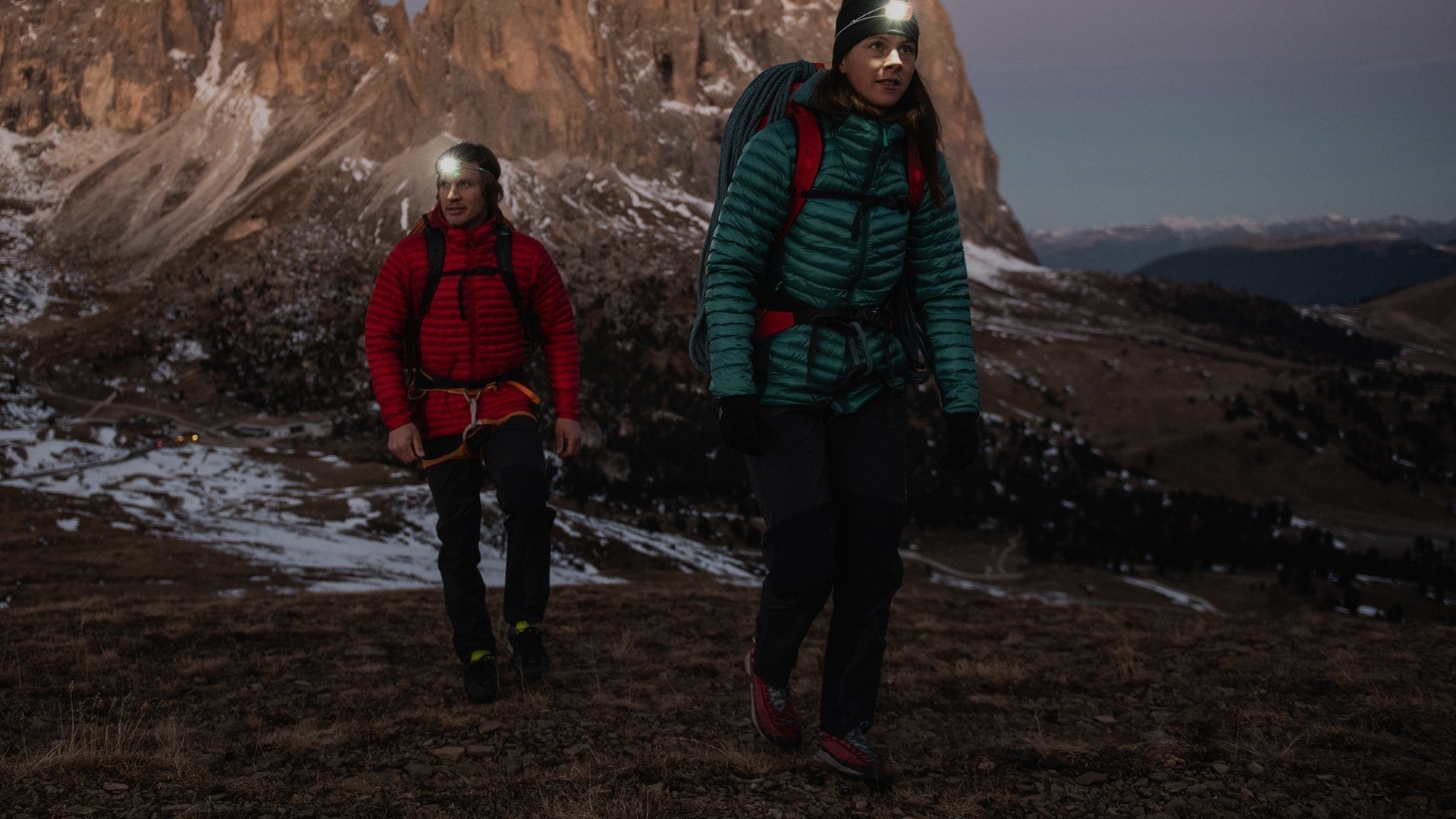
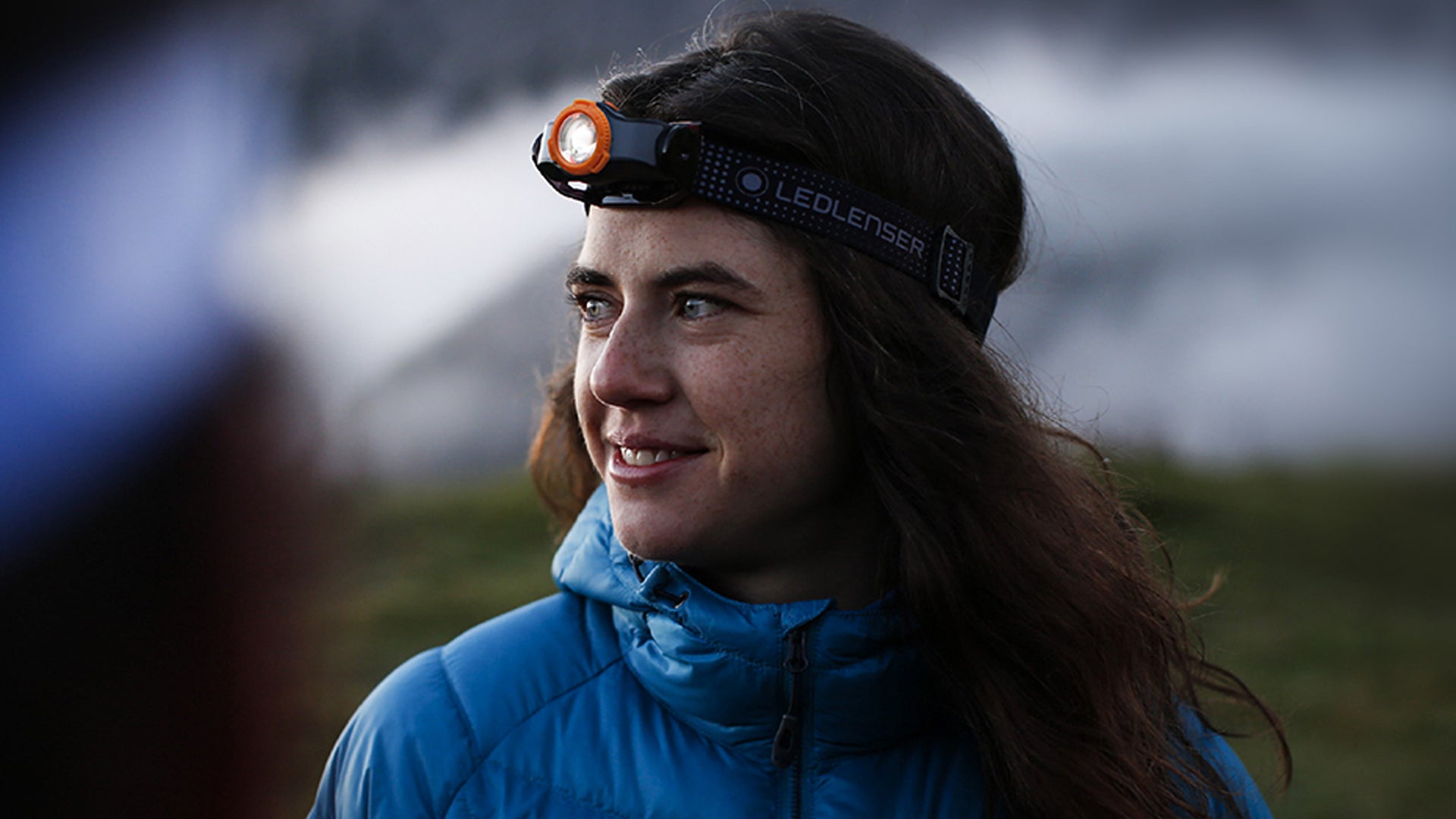
- Illumination (headtorch with spare batteries)
- First aid kit
- Fire starting (lighter, matches in a waterproof bag)
- Repair tools and knife
- Nutrition (extra food beyond what you plan to eat)
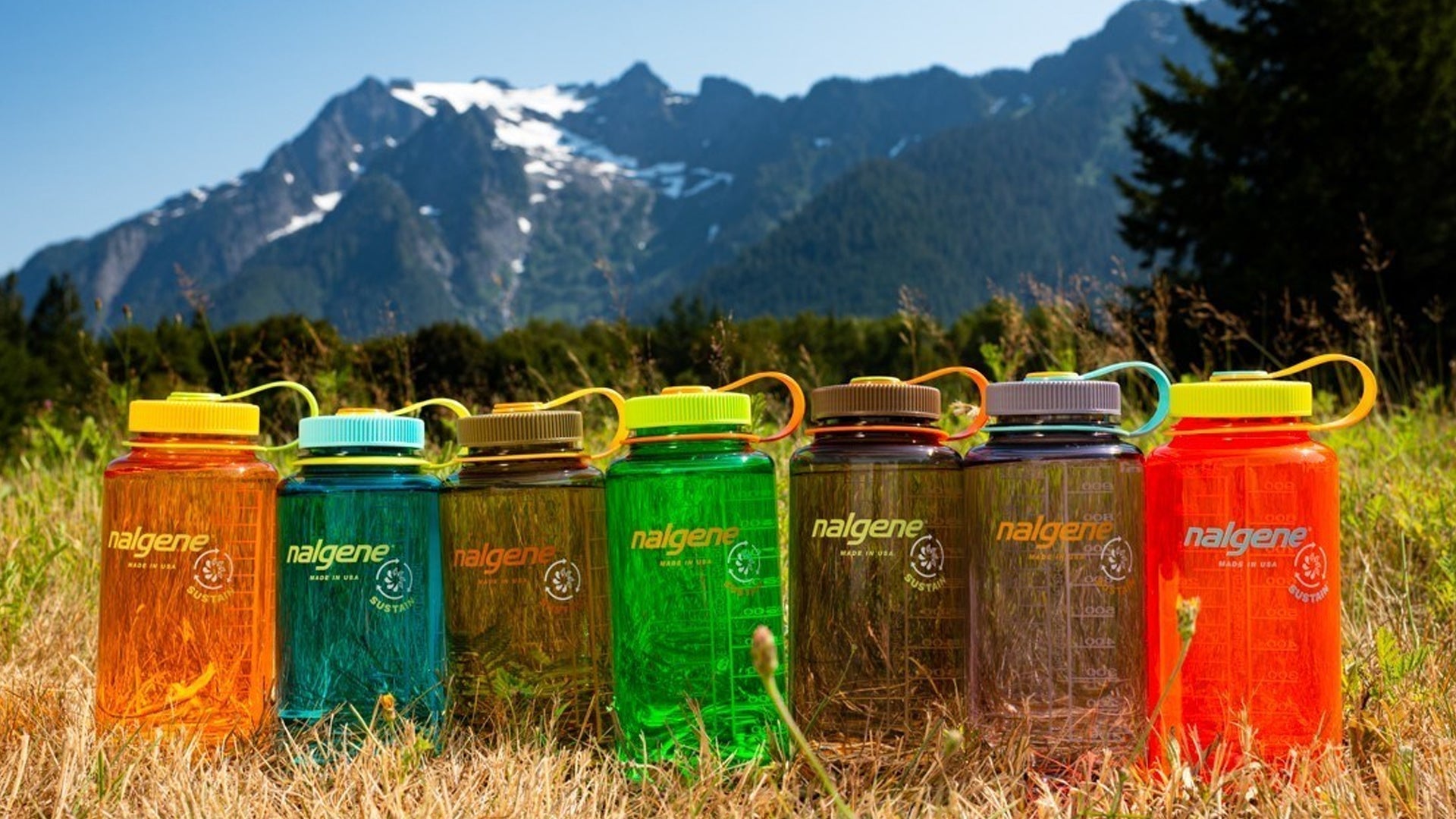
- Hydration (water bottles or bladder, plus purification method)
- Emergency shelter (lightweight bivvy bag or emergency blanket)
What to Wear: The Layering System
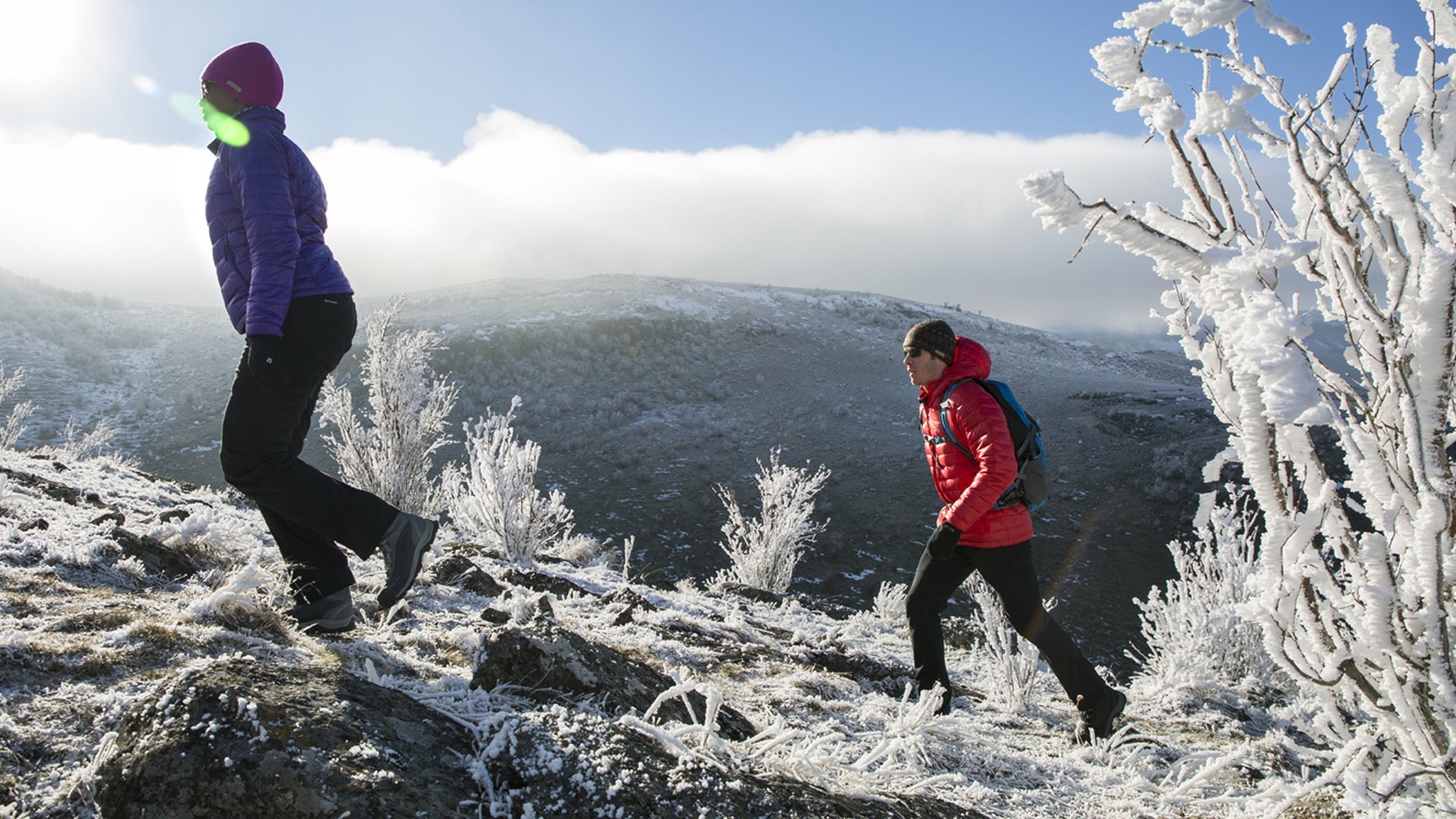
NZ weather is notoriously changeable. It can be sunny at the trailhead and snowing at the top. The solution is layers you can add or remove as conditions change:
- Base layer: Next to skin. Wicks moisture away. Merino or synthetic. Peak XV merino base layers are excellent for temperature regulation and odour resistance on multi-day trips.
- Mid layer: Insulation. Fleece or down jacket. Keeps you warm when you stop moving.
- Outer layer: Waterproof shell. See below.
For a detailed breakdown of the layering system — including what fabrics work in NZ conditions — see our complete layering guide for NZ tramping.
Footwear: Trail Runners vs Boots
This one causes more debate than it should. Here's the practical answer:
- Trail runners work well for well-graded tracks in dry conditions, especially for lighter loads and day walks. They dry faster when wet and many experienced trampers swear by them.
- Hiking boots are better for rougher terrain, heavier loads, multi-day trips, and anywhere with significant mud, river crossings, or rocky ground. The ankle support matters when your pack weighs 14 kg.
For your first overnight or any trip with a full pack, boots are the safer bet. Whatever you choose, never break in new footwear on track. Wear them around town first. Blisters will ruin a trip faster than anything else.
See our guide to best hiking boots for NZ tramping, or browse the full range at Dwights.
Rain Gear
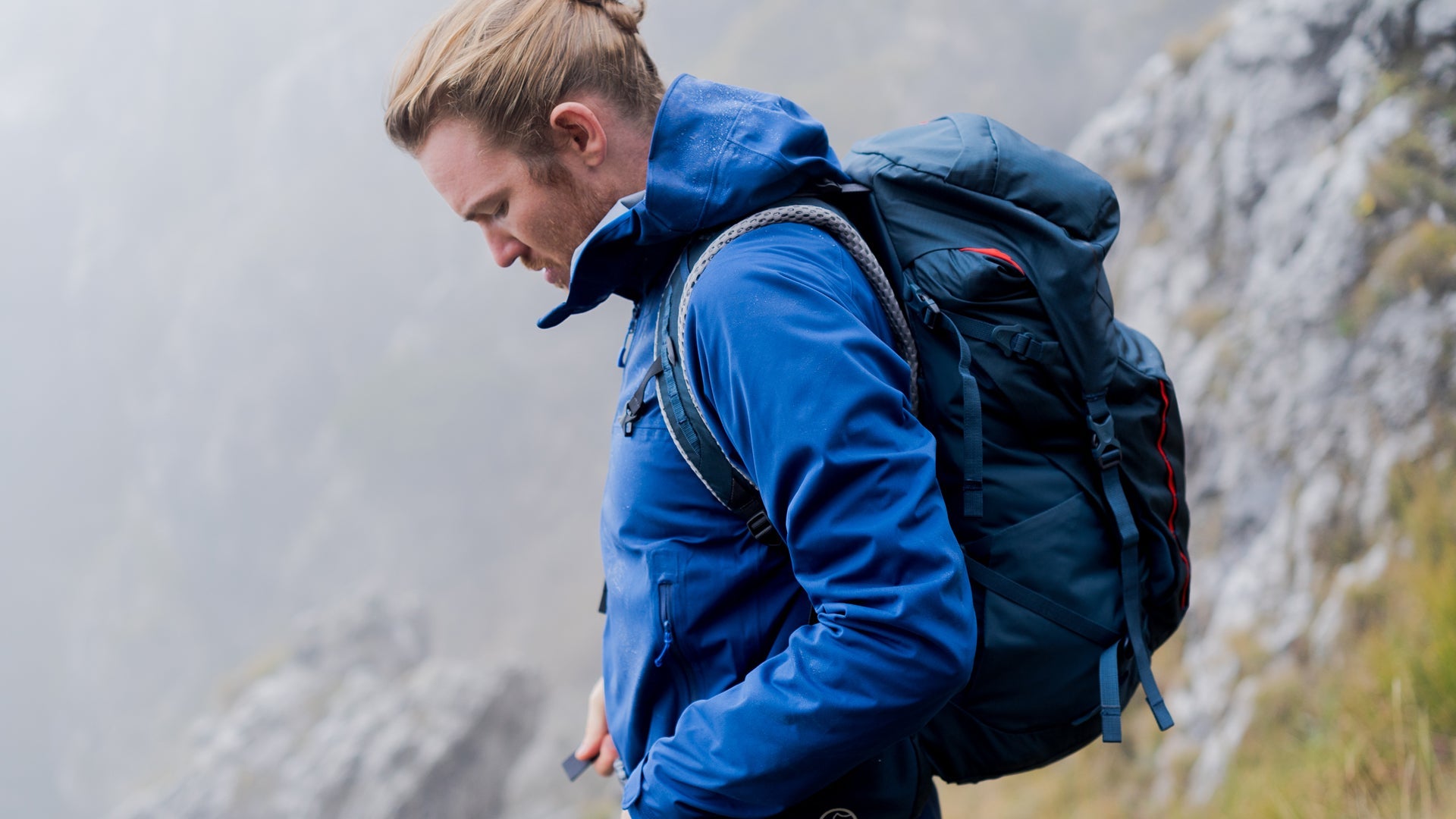
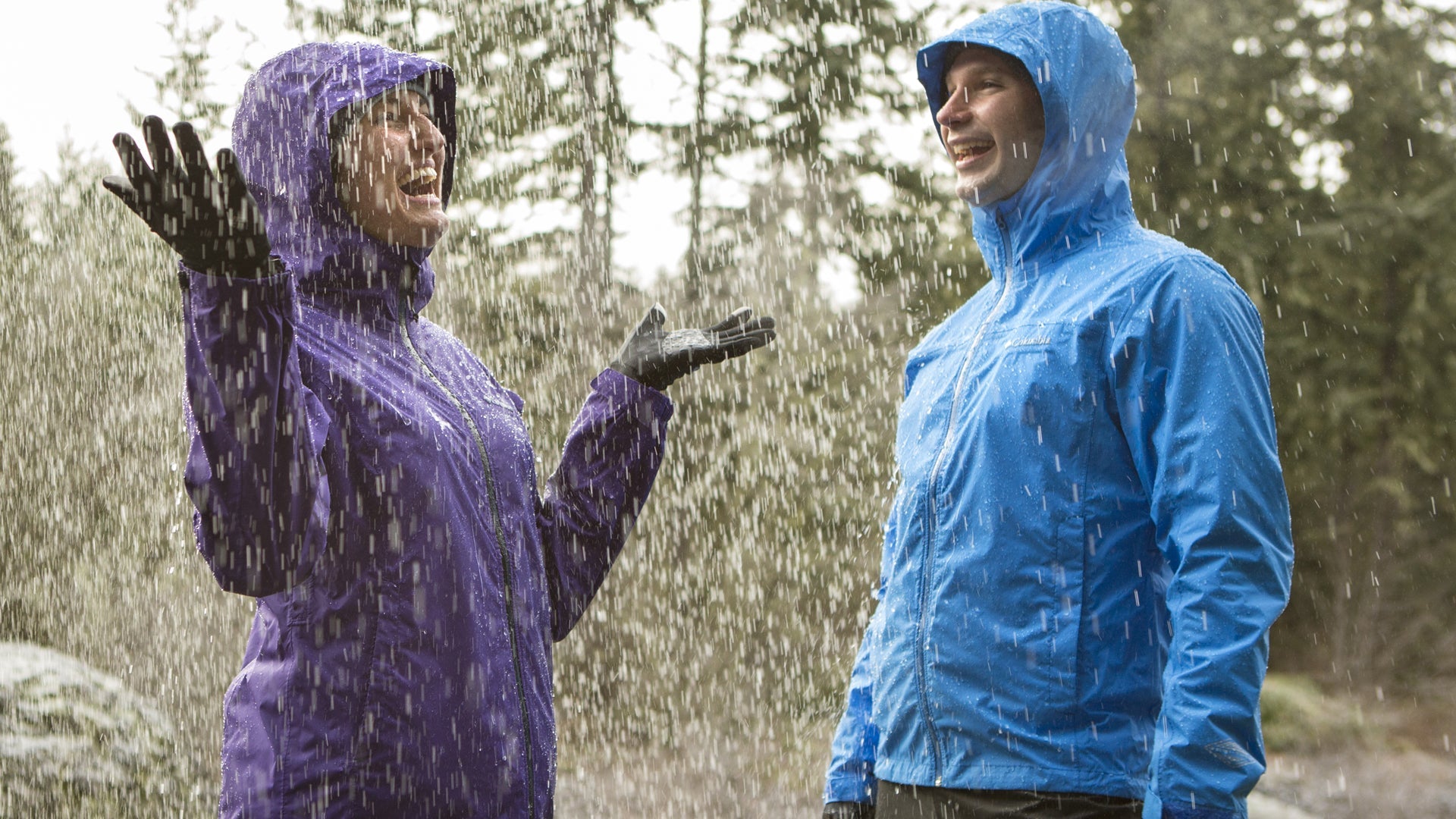
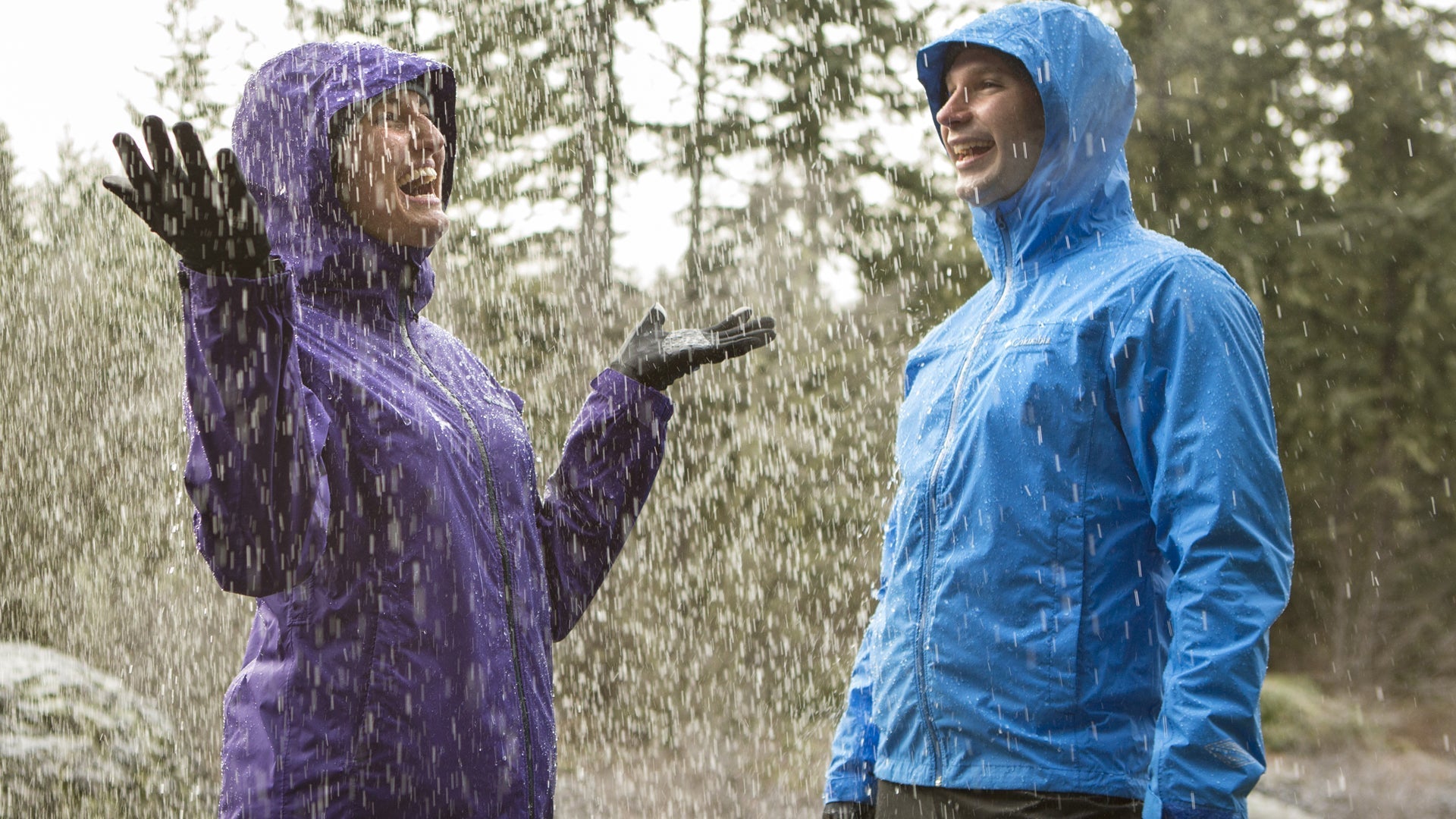
Non-negotiable in New Zealand. Even on a clear day, carry a waterproof jacket. The West Coast can receive over 5,000 mm of rain per year; Fiordland averages even more. You will get rained on eventually, and being wet and cold is how mild conditions become dangerous ones.
Look for a jacket with sealed seams and a reliable waterproof-breathable membrane — something that keeps rain out while letting sweat vapour escape. A hood that fits over a helmet or beanie is useful. Explore rain jackets at Dwights to find the right option for your style of tramping.
Pack: What Size Do You Need?
Pack size comes down to trip length:
- Day walks: 15–25 litres. Enough for water, food, a rain layer, and emergency kit.
- Overnighters: 35–50 litres for most people.
- Multi-day Great Walks: 50–70 litres. You need room for a sleeping bag, sleep mat, camp clothes, food for multiple days, and all your safety gear.
For overnight and multi-day trips, the Deuter Aircontact Core 50+10 is a strong choice — a 50-litre main compartment with a 10-litre extender, solid back system, and load transfer that makes a heavy pack feel manageable. See the full range of tramping packs. For guidance on what goes where inside the pack, check our how to pack your tramping pack guide.
Navigation
On well-marked tracks like the Great Walks, your phone with an offline map (Topo50 via NZTopo or a similar app) is usually sufficient. Download the maps before you leave — cell coverage is unreliable in the backcountry.
For less-maintained tracks or any off-track travel, a physical 1:50,000 topographic map and the ability to use a compass are important. Don't rely solely on your phone battery.
Food and Water
Water is generally plentiful on NZ tracks. Most huts have tank water, and streams are common — but always treat water from open sources (tablets, filter, or boiling). Giardia exists in NZ waterways.
For food, focus on calorie-dense, lightweight options: nuts, dried fruit, salami, hard cheese, crackers, instant noodles, freeze-dried meals. Always carry more than you think you'll need. Our tramping food and nutrition guide goes deeper on this.
Safety Basics
Leave Your Intentions
Before every trip — including day walks — tell someone where you're going and when you expect to be back. If you don't return, they can raise the alarm. You can also register your intentions at adventuresmart.nz, which connects directly to Search and Rescue.
This takes five minutes and costs nothing. Do it every time.
Weather Awareness
Check metservice.com and the DOC track conditions page before you go. Mountain weather in New Zealand can deteriorate rapidly. If a weather warning is issued for your area, delay the trip. No view is worth a dangerous situation.
On track, watch the sky. If it darkens suddenly or the wind picks up significantly in alpine terrain, turn back. It's always the right call.
River Crossings
Many backcountry tracks in NZ include unbridged river crossings. This is one of the most significant hazards for trampers. The key rule: if in doubt, don't cross. Rivers in flood can rise quickly and become impassable or dangerous within hours of heavy rain.
If you must cross, look for the widest, shallowest point. Unclip your pack hipbelt and sternum strap so you can ditch it if you fall. Use a trekking pole or stick for a third point of contact. Never cross alone if avoidable.
Great Walk tracks use swing bridges for almost all crossings — one of the many reasons they're ideal for beginners.
Personal Locator Beacons (PLBs)
A PLB is a small emergency device that, when activated, sends a distress signal with your GPS coordinates to Search and Rescue. In remote areas, they are strongly recommended — and on some routes, effectively essential.
For day walks on well-maintained tracks near towns, a PLB isn't strictly required. For any overnight trip in remote terrain, carry one. You can hire PLBs from DOC offices and many outdoor retailers if you're not ready to buy. See our guide to best PLBs for NZ tramping when you're ready to get your own.
What to Expect on Track
Trail Markers
DOC tracks are marked with orange triangles nailed to trees. In open terrain above the bushline, cairns (stacked stones) or marker poles take over. On Great Walks, the marking is excellent. On older backcountry tracks, markers can be faded or spaced far apart — another reason to have a downloaded topo map.
Swing Bridges and Track Conditions
Swing bridges are everywhere in NZ tramping and are generally safe — but most are rated for one person at a time. Cross one at a time and don't bounce (it's tempting; resist).
Track conditions change with the seasons. Summer (December–February) offers the most reliable weather and longest daylight hours. Spring (September–November) and autumn (March–May) can be excellent but expect more variability. Winter tramping is for experienced trampers only on alpine routes — short days, snow and ice on exposed sections, and cold snaps can make easy summer tracks genuinely hazardous.
Wildlife and Hazards
New Zealand has no snakes, no dangerous spiders (beyond the rare katipō on some beaches), no bears or big predators. The wildlife you'll actually encounter:
- Sandflies: The bane of Fiordland and the West Coast. Tiny biting flies that are fiercely persistent. Carry insect repellent with DEET. They're annoying but not dangerous.
- Kea (South Island alpine areas): Intelligent, curious mountain parrots that will attempt to dismantle your pack or steal your lunch if given the chance. Charming and destructive in equal measure.
- Wētā: Large native insects that look alarming but are harmless. They may turn up in huts or under logs.
The main hazards in NZ tramping are weather, rivers, and terrain — not animals.
Leave No Trace
NZ's backcountry is protected and fragile. A few principles to follow:
- Pack out all rubbish (including orange peels and apple cores — they don't break down quickly and attract pests)
- Stay on the formed track to avoid damaging vegetation
- Use hut toilets; if caught short on track, go 70+ metres from water, tracks, and camp
- Don't feed wildlife
- Keep noise down, especially at night
Your First Tramping Checklist
Before you head out, run through this list. For a more detailed version including optional items and gear weights, see our full tramping checklist for NZ.
- Waterproof pack or pack liner
- Waterproof jacket (and waterproof pants for overnight+)
- Insulating mid layer (fleece or down)
- Moisture-wicking base layer
- Warm hat and gloves
- Tramping boots or trail runners (broken in)
- Merino or wool socks (2+ pairs for overnight)
- Headtorch and spare batteries
- First aid kit
- Navigation (downloaded offline maps, compass if needed)
- Water bottles or bladder (minimum 1.5L capacity)
- Water purification (tablets or filter)
- Food + emergency snacks
- Sleeping bag and sleep mat (overnight+)
- Hut tickets or pass / Great Walk booking confirmation
- PLB (remote or overnight trips)
- Intentions lodged (AdventureSmart or with a contact at home)
- Sunscreen, sunglasses, sun hat
- Insect repellent (especially for Fiordland and West Coast)
- Trekking poles (optional but useful on steep terrain)
Frequently Asked Questions
Do I need hiking boots for tramping in NZ, or are trail runners okay?
Both work, depending on the track. Trail runners are fine for well-graded tracks in good conditions with a lighter day pack. For overnight trips, rough terrain, or anywhere muddy, boots offer better grip and ankle support. The most important thing is that your footwear fits well and is broken in before you head out.
Do I need to book DOC huts in advance?
It depends on the hut. Great Walk huts must be booked in advance via the DOC booking system, and they sell out fast (sometimes within hours of opening). Backcountry huts generally operate first-come, first-served with hut tickets or a pass. Always check the specific track's requirements on doc.govt.nz before you go.
What's the difference between a Great Walk and a regular tramping track?
Great Walks are DOC's nine flagship multi-day tracks — they feature well-maintained surfaces, serviced huts with gas cookers and flush toilets, hut wardens during season, and more consistent marking. Regular tramping tracks vary enormously in quality, facilities, and difficulty. Great Walks are the best starting point for first overnighters because the infrastructure is reliable and the experience is more forgiving.
Is tramping in New Zealand safe for beginners?
Yes, on appropriate tracks with appropriate preparation. New Zealand has no dangerous wildlife, an excellent rescue service, and a well-maintained track network. The main risks are weather, river crossings, and getting cold and wet — all of which are manageable with the right gear, good planning, and conservative decision-making. Start on easy, well-marked tracks, check the forecast, leave your intentions, and carry a PLB on remote trips.
What's the best time of year to go tramping in NZ?
Summer (December to February) is the most reliable: stable weather, long days, warm temperatures, and all Great Walk huts operating. Autumn (March to May) can be spectacular — quieter tracks, golden colours, and often settled weather, though you need to be prepared for colder nights. Spring (September to November) is variable. Winter is best avoided for alpine or high-altitude routes unless you're experienced and properly equipped.
Do I need a PLB for a day walk?
For easy day walks on popular tracks close to towns, a PLB isn't strictly necessary. For any remote track, an overnight trip, or anywhere with limited cell coverage, a PLB is strongly recommended. It's small, lightweight, and could save your life. You can hire one before you're ready to buy.
Ready to Get Out There
Tramping in New Zealand is one of the best things you can do here — and it's far more accessible than most people assume. You don't need to be super fit, you don't need the most expensive gear, and you don't need years of experience to start enjoying some of the most remarkable landscapes on the planet.
Start small. Pick an easy DOC day walk near you, get the basics sorted, and see how you feel at the end of it. Chances are you'll be planning your next trip before you've finished driving home.
The tracks are there. The huts are waiting. And the orange triangles will show you the way.

