




Base Layers NZ — How to Choose the Right Merino & Synthetic Base Layer
Why Your Base Layer Is the Most Important Piece of Kit You'll Buy
Everything else in your layering system depends on what's closest to your skin. A base layer that traps moisture against your body will leave you cold and clammy the moment you stop moving — which in New Zealand's changeable mountain weather can turn a manageable situation into a genuinely risky one. Choose right, and your base layer regulates temperature, wicks sweat efficiently, and keeps you comfortable across wildly different conditions in a single day.
New Zealand's weather demands versatility. You might start a morning on the Tongariro Crossing in mist and finish it in sharp sun, or spend three wet days in Fiordland where nothing fully dries. The right base layer in NZ handles that range. This guide covers fabric types, weights, fit, and how to choose for your specific activities. Browse our full base layers collection to see what's in stock.
Base Layer Fabric Types
Merino Wool
Merino wool is the benchmark for all-round base layer performance, and it's particularly well suited to NZ conditions. Fine merino fibres are naturally odour-resistant — bacteria that cause smell don't thrive in wool — which means you can wear a merino base layer for multiple days without the unpleasant results you'd get from synthetic. Merino regulates temperature across a wider range than synthetic, staying warm when damp and cooling as you heat up. It's also soft against skin, which matters when you're wearing it for eight hours straight on a multi-day tramp.
The trade-off is durability. Merino is more susceptible to abrasion and pilling than synthetic, and it takes longer to dry once fully saturated. It also costs more. Peak XV produces high-quality merino base layers designed specifically for the demands of outdoor use in NZ conditions — see the full Peak XV range for options across weights and styles. Our best merino base layers NZ 2026 guide covers specific recommendations.
Synthetic
Synthetic base layers — typically polyester or nylon — wick moisture away from skin very efficiently and dry faster than merino. They hold up better to abrasion and repeated washing, making them more durable for high-wear applications like climbing, skiing, or trail running where fabric stress is higher. They're usually less expensive than merino at comparable weights.
The downsides: synthetics retain odour after heavy use, so multi-day trips without washing get uncomfortable faster. They also don't regulate temperature as naturally as wool, tending toward either too warm or too cool rather than that merino sweet spot. Peak XV also offers synthetic options for high-output activities where rapid drying and durability are the priority.
Merino Blends
Blend base layers combine merino's temperature regulation and odour resistance with synthetic's durability and faster drying. A typical blend might be 80–85% merino with 15–20% nylon or polyester. You get most of merino's benefits with meaningfully better abrasion resistance and reduced drying time. For most NZ trampers who want a single versatile base layer, a quality merino blend is often the smartest choice. Check our men's thermal tops and bottoms and women's thermal tops and bottoms for blend options across the range.
Base Layer Weights Explained
Lightweight (Under 150 gsm)
Lightweight base layers are thin, breathable, and best suited to high-output activities in mild to moderate temperatures. They wick sweat rapidly and are comfortable when you're working hard. Think trail running, fast-paced day hikes in spring and autumn, or as a warm-weather travel layer. They provide minimal insulation on their own — their strength is moisture management, not warmth.
Midweight (150–200 gsm)
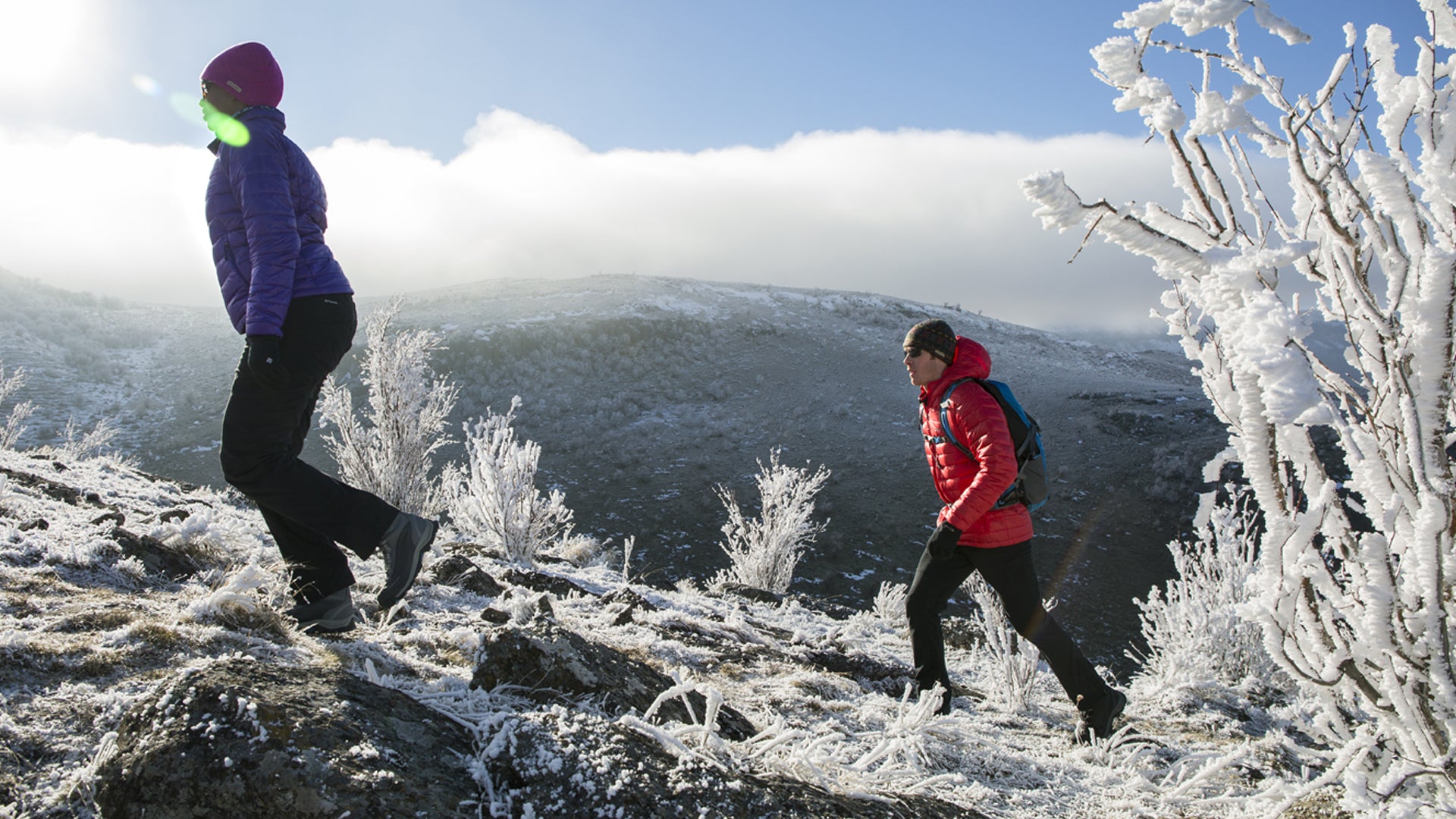
Midweight is the most versatile category and the right choice for most NZ trampers. Enough warmth to handle cool mornings and evening camp, enough breathability to stay comfortable on the uphill. A midweight merino base layer works across three seasons and suits everything from Great Walks to multi-day backcountry routes where pack weight forces you to choose one layer that does most jobs.
Heavyweight (Over 200 gsm)
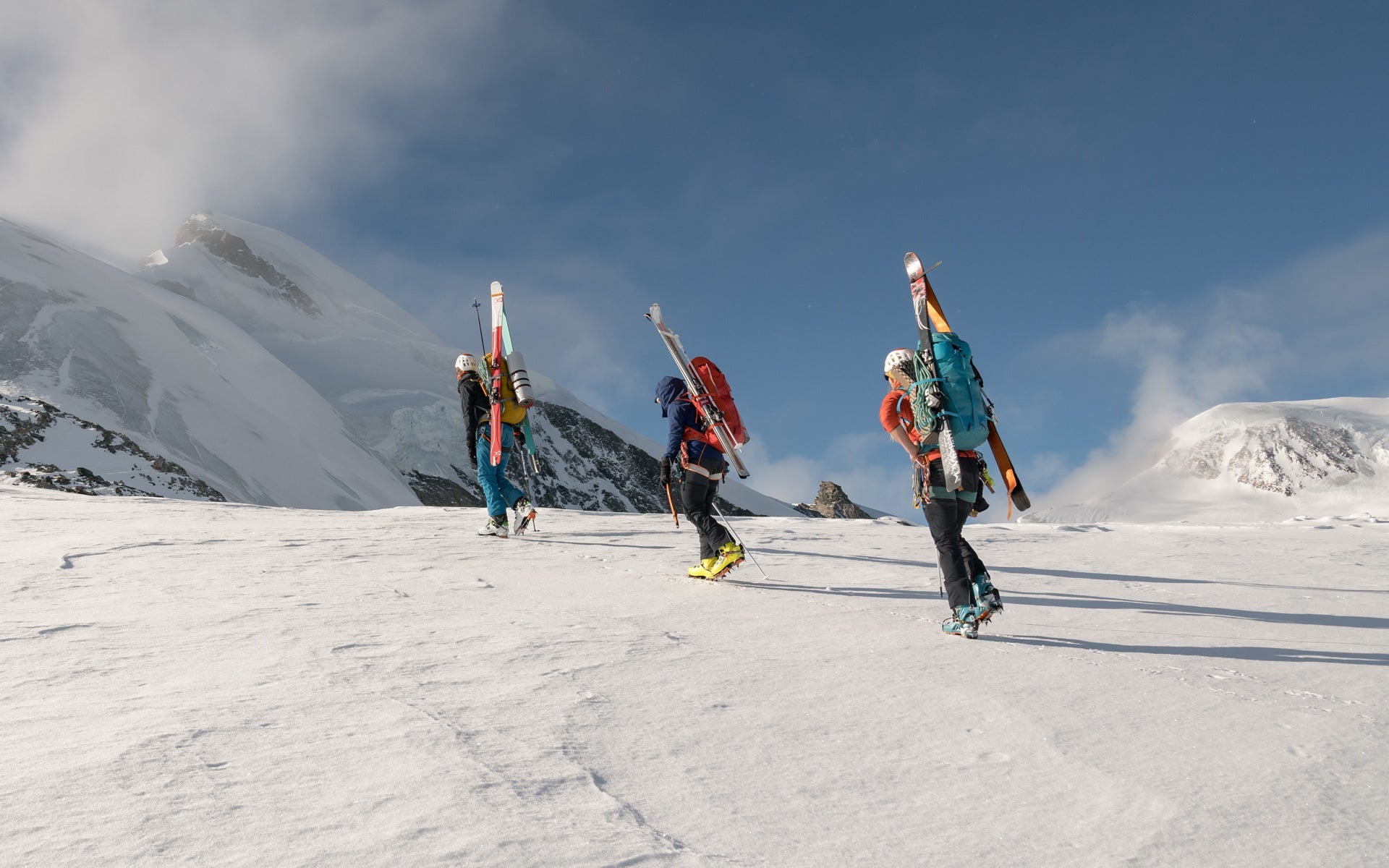
Heavyweight base layers are thermal layers designed for cold conditions with lower activity output. Winter camping, overnight hut trips in the Southern Alps, ski touring — anywhere you're spending significant time standing still or sleeping in cold temperatures. They're too warm for sustained uphill effort but excellent for rest stops, cold campsites, and sub-alpine conditions. Layered under a mid-layer, a heavyweight base layer extends your comfortable temperature range considerably.
Key Features to Look For
Fit
Base layers work by staying in contact with skin to move moisture away efficiently. A loose-fitting base layer creates an air gap that reduces moisture transfer and bunches under outer layers. The correct fit is close but not compressive — you should be able to move freely without restriction, but the fabric should maintain skin contact when you raise your arms or twist. Check sleeve length and torso length: a base layer that rides up on the move is constantly annoying over a full day.
Flatlock Seams
Flatlock stitching lies flat against skin rather than creating a raised ridge. On a garment worn for eight hours under a pack with shoulder straps, the difference between flatlock and standard seams is significant. Any quality base layer designed for active use should use flatlock construction at least at the shoulder and underarm seams.
Neckline and Collar Options
Crew necks are the most versatile for layering. Zip necks let you dump heat fast on hard uphills without removing layers — very practical for NZ's variable terrain where you're climbing steeply then dropping into a cold valley. A half-zip base layer is one of the most useful single garments for tramping in changeable conditions.
Micron Count (Merino)
Merino wool is measured in microns — the diameter of the fibre. Lower micron counts (15–17.5 µm) are finer, softer, and less likely to cause irritation, but more delicate. Mid-range (18–19 µm) balances softness and durability well for active use. Higher counts (20+ µm) are more durable and better for high-wear applications. Most quality outdoor merino base layers sit in the 17–19 µm range.
How to Choose: Activity-Based Framework
- High-output summer day hiking: Lightweight merino or synthetic, crew neck or zip neck. Peak XV lightweight merino handles sweat well and won't turn antisocial on the second day.
- Multi-day Great Walks (spring/autumn): Midweight merino blend. Versatile enough for cold mornings and warm afternoons, and stays fresh over multiple days without washing.
- Winter tramping or alpine routes: Midweight or heavyweight merino as a base, with a proper mid-layer over the top. The base layer's job is skin management; warmth comes from above.
- Trail running or fast hiking: Lightweight synthetic for maximum moisture transfer and quick drying. Odour matters less on single-day efforts.
- Hut-to-hut travel: Midweight merino blend — the standard choice for most NZ trampers, and what Peak XV's core range is built around.
See our best base layers NZ 2026 guide for specific tested picks, and our NZ layering system guide for how to build a complete kit around your base layer.
Care and Maintenance
Merino base layers require more care than synthetic. Wash on a wool or delicate cycle in cool water with a wool-specific detergent — standard detergents strip the natural lanolin and accelerate fibre breakdown. Turn inside out before washing to reduce surface pilling. Do not tumble dry; lay flat or hang to dry away from direct heat and sunlight. Synthetics are more forgiving — a regular cool machine wash is fine — but avoid fabric softeners, which clog the fibres and reduce moisture-wicking performance. Store base layers clean; washing before long-term storage prevents odour compounds from setting in.
Frequently Asked Questions
Is merino wool worth the extra cost for NZ tramping?
For multi-day trips, yes. The odour resistance alone makes merino significantly more practical when you can't wash between days — a quality merino base layer stays comfortable for three to four days in a way that synthetic simply doesn't. The temperature regulation is also better suited to NZ's variable conditions. For single-day efforts or high-abrasion use, synthetic is a perfectly valid and cheaper choice.
How do I know which base layer weight to choose?
Start with the conditions at your lowest activity point — rest stops, camp, cold mornings — rather than at peak exertion. You can always unzip or remove a layer when working hard, but you can't add warmth a layer doesn't have. Midweight suits most three-season NZ use. Go lightweight if you run hot or are doing high-output summer activities; go heavyweight for winter or alpine conditions.
Can I use a cotton thermal as a base layer for tramping?
No. Cotton holds moisture against skin rather than wicking it away, which dramatically increases chill factor when you stop moving or get rained on. In cold or alpine conditions, wet cotton against skin is a genuine hypothermia risk. Merino and synthetic base layers are mandatory for any serious outdoor use in NZ.
Should my base layer be tight or loose?
Close-fitting but not compressive. The layer needs to maintain contact with skin to move moisture effectively, but shouldn't restrict movement or circulation. If you can fit a fist between the fabric and your torso, it's too loose for efficient moisture management on active pursuits. If it feels constrictive on full arm raises, it's too tight.
Can I wear the same base layer for the entire trip without washing?
With merino, yes — for most practical trip lengths. A quality merino base layer (particularly Peak XV's higher-micron options) stays odour-neutral and comfortable for several days of active use without washing. Synthetic base layers become noticeably unpleasant after two or three days of sweating. If you're doing a longer trip and packing light, merino is the practical choice.
What's the difference between a base layer and a thermal layer?
The terms are used interchangeably but have a loose distinction in practice. "Base layer" typically refers to any garment worn next to skin for moisture management, across all weights. "Thermal" often implies the heavier weights designed primarily for warmth rather than wicking. In the Peak XV range, both function as base layers — the distinction is weight, not construction philosophy.
See also: Fleece Jackets Guide
See also: Insulated Jackets