



Trail Runners


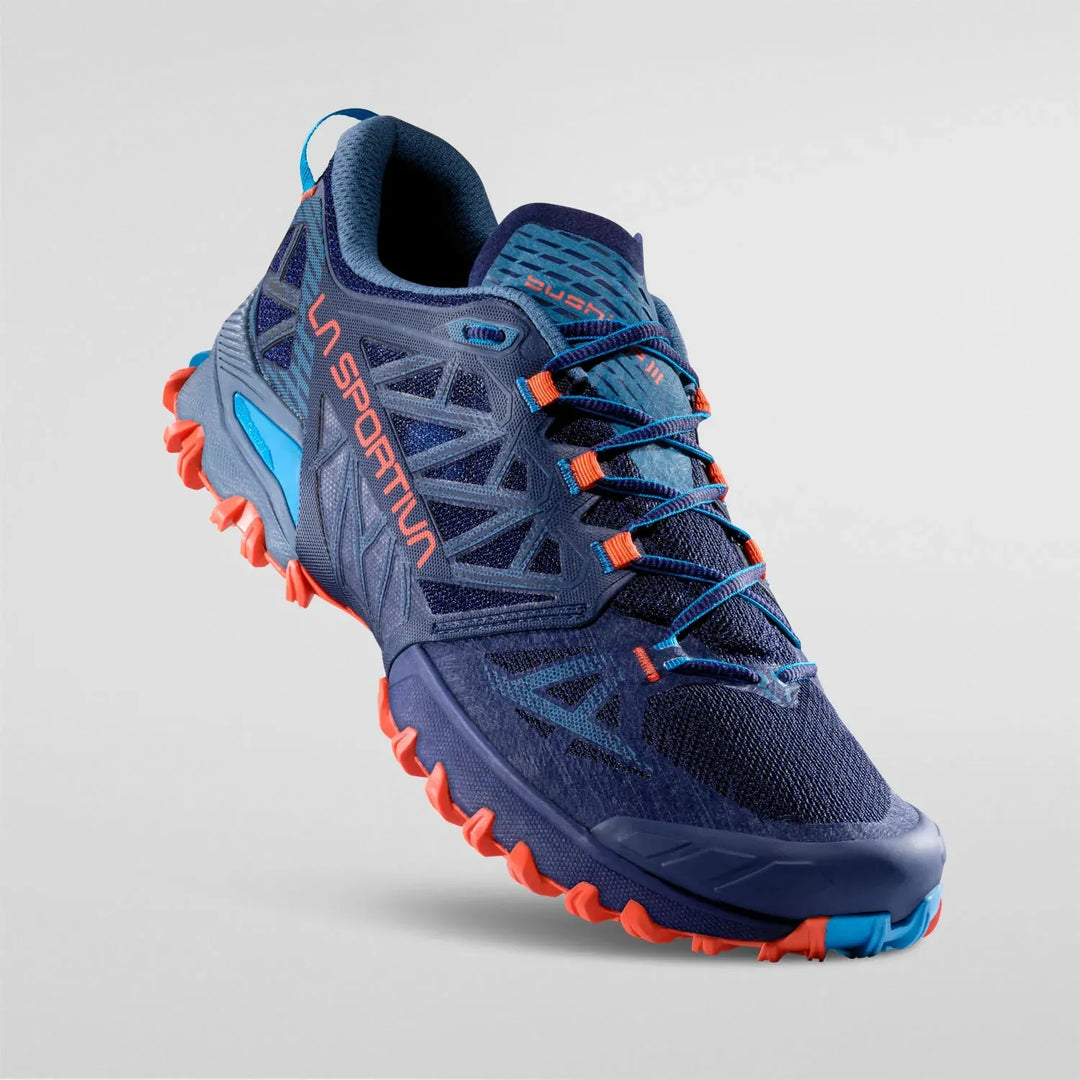
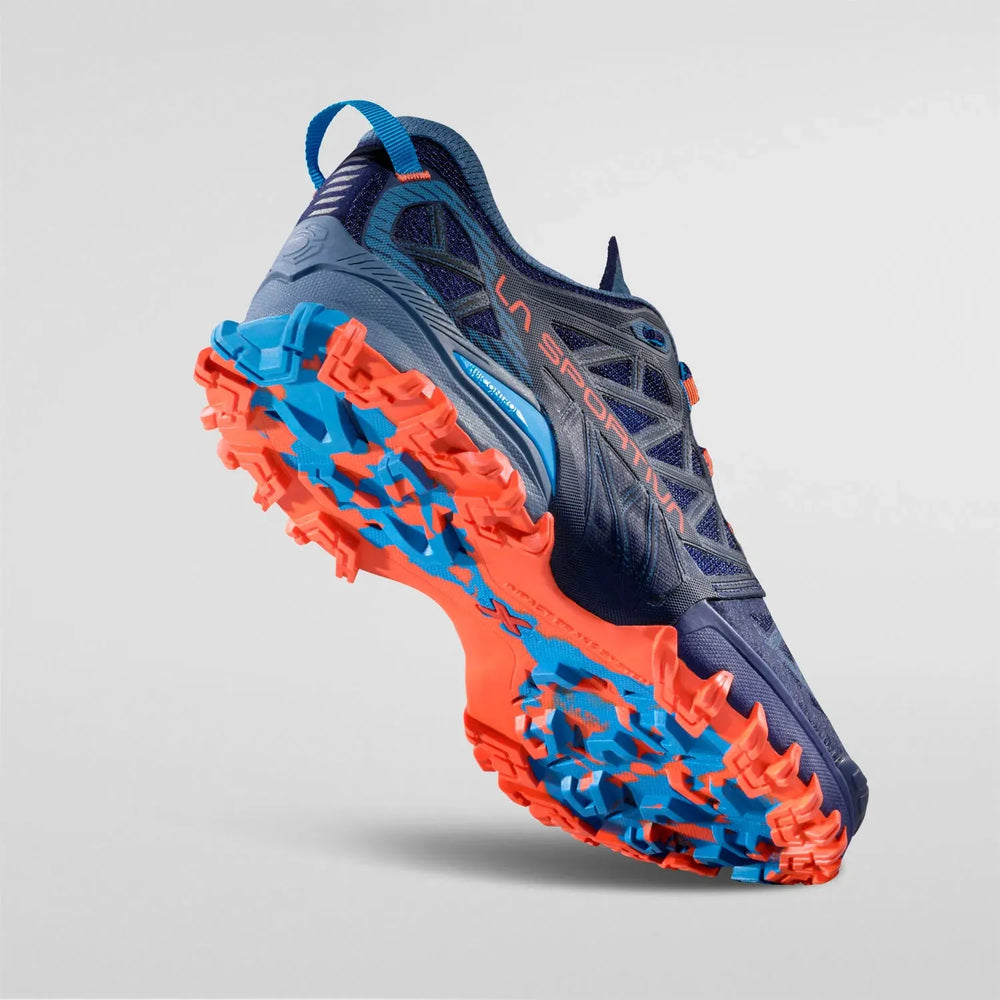
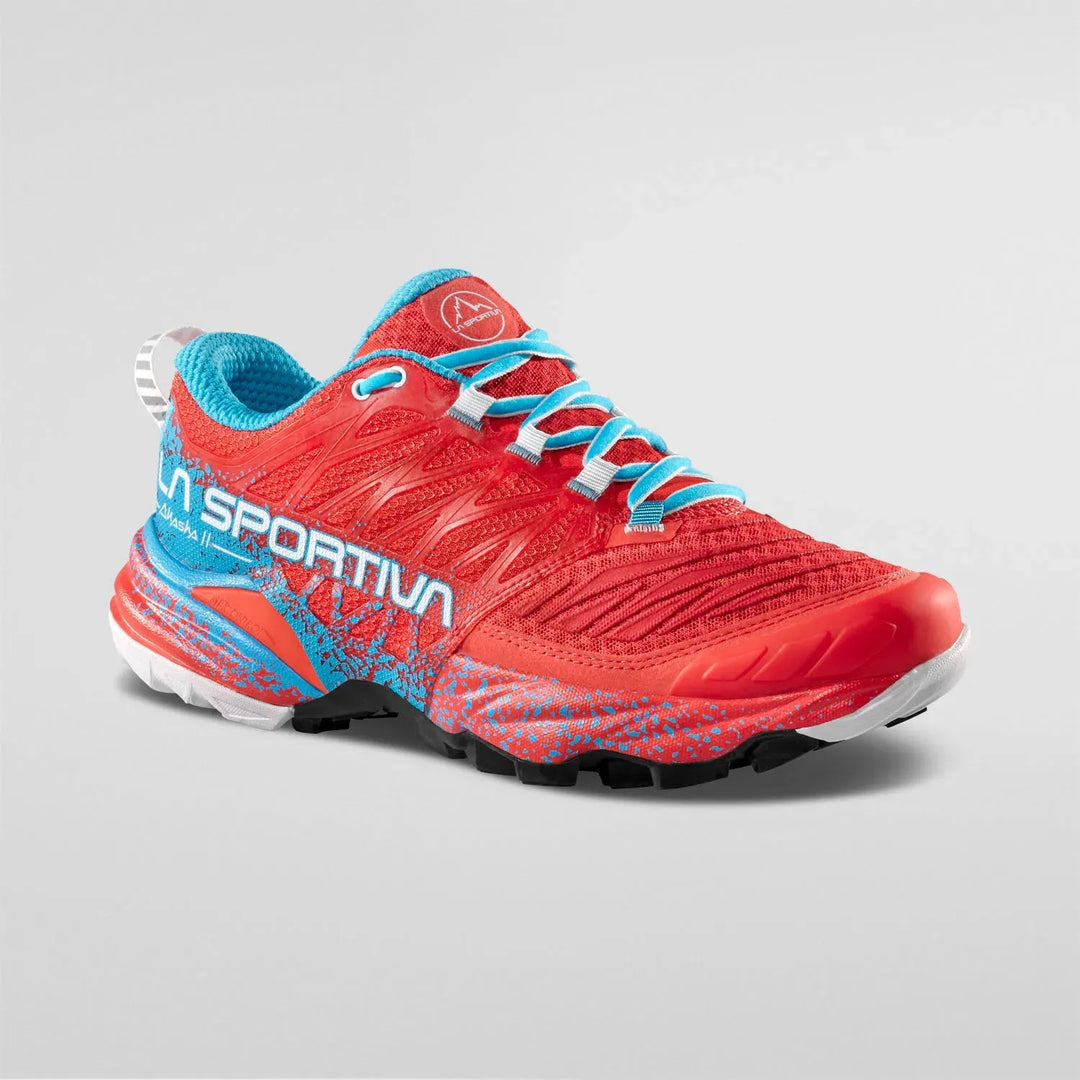
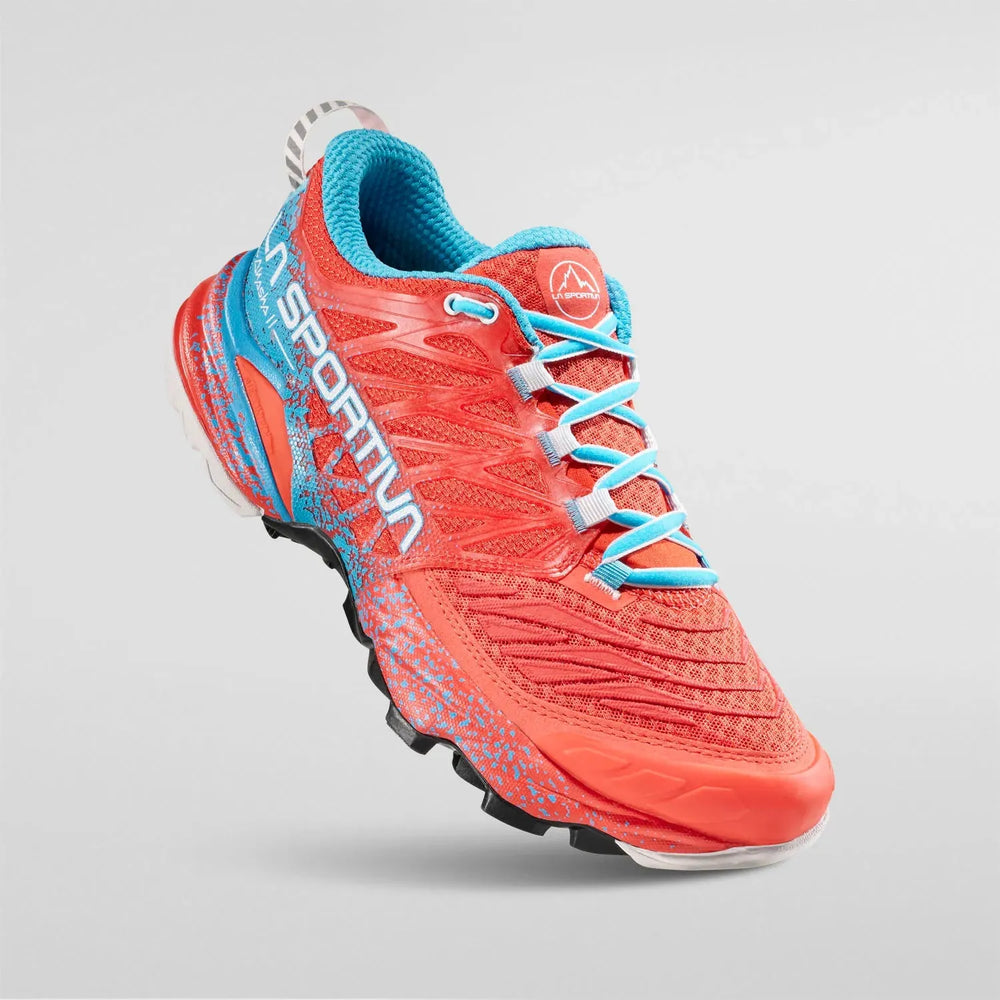
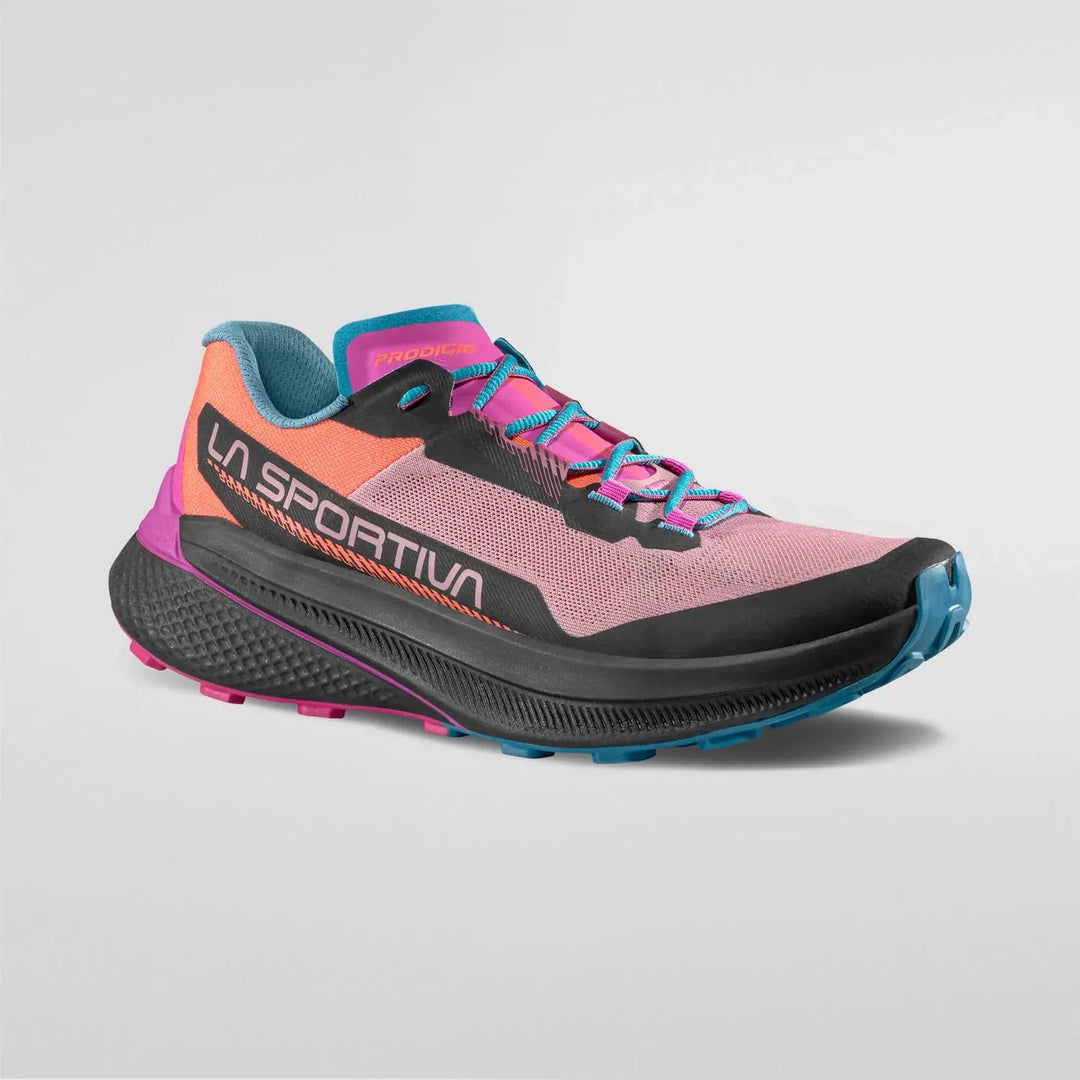
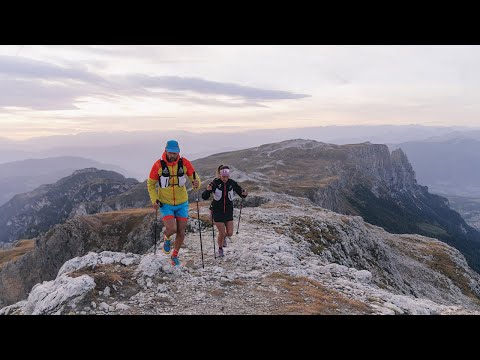
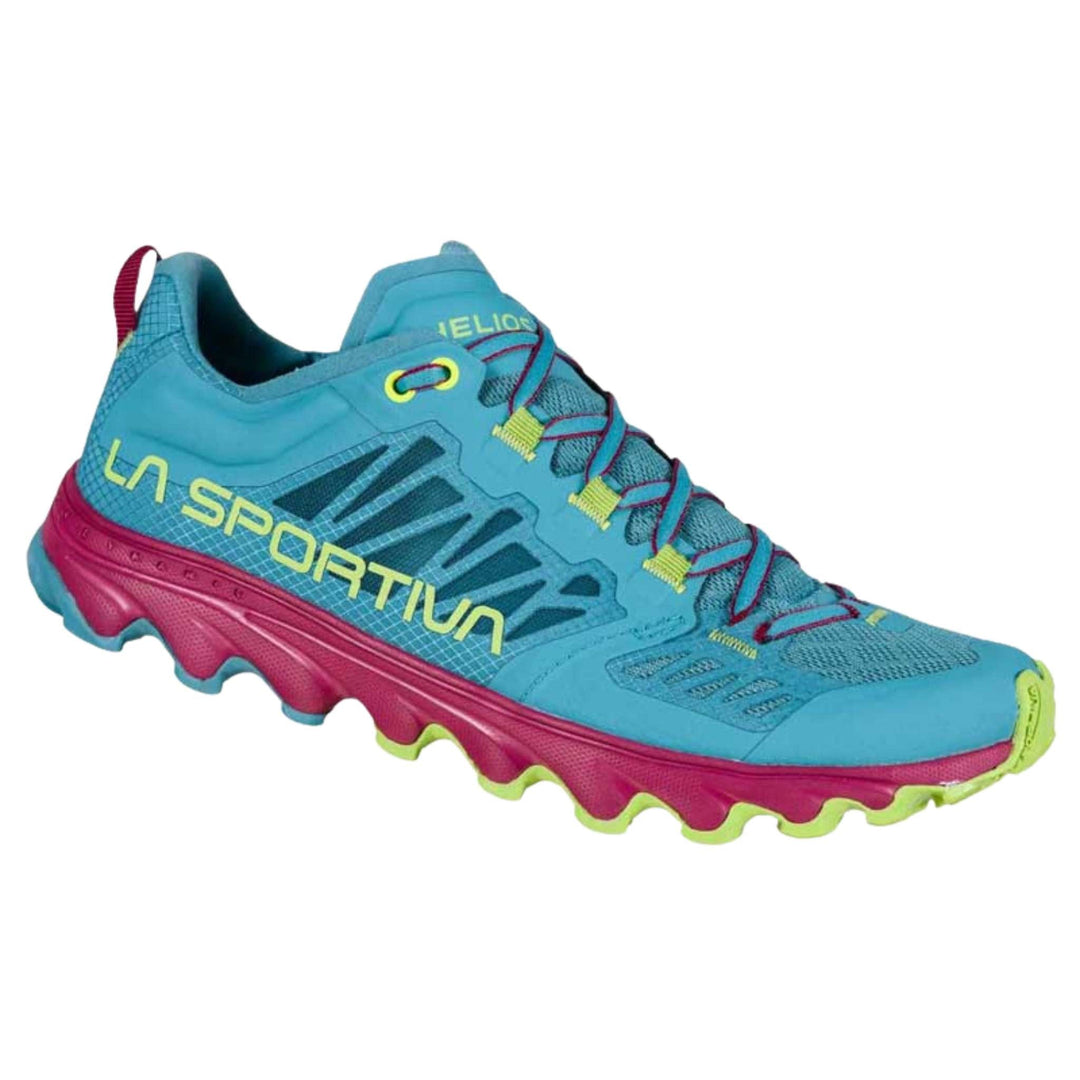
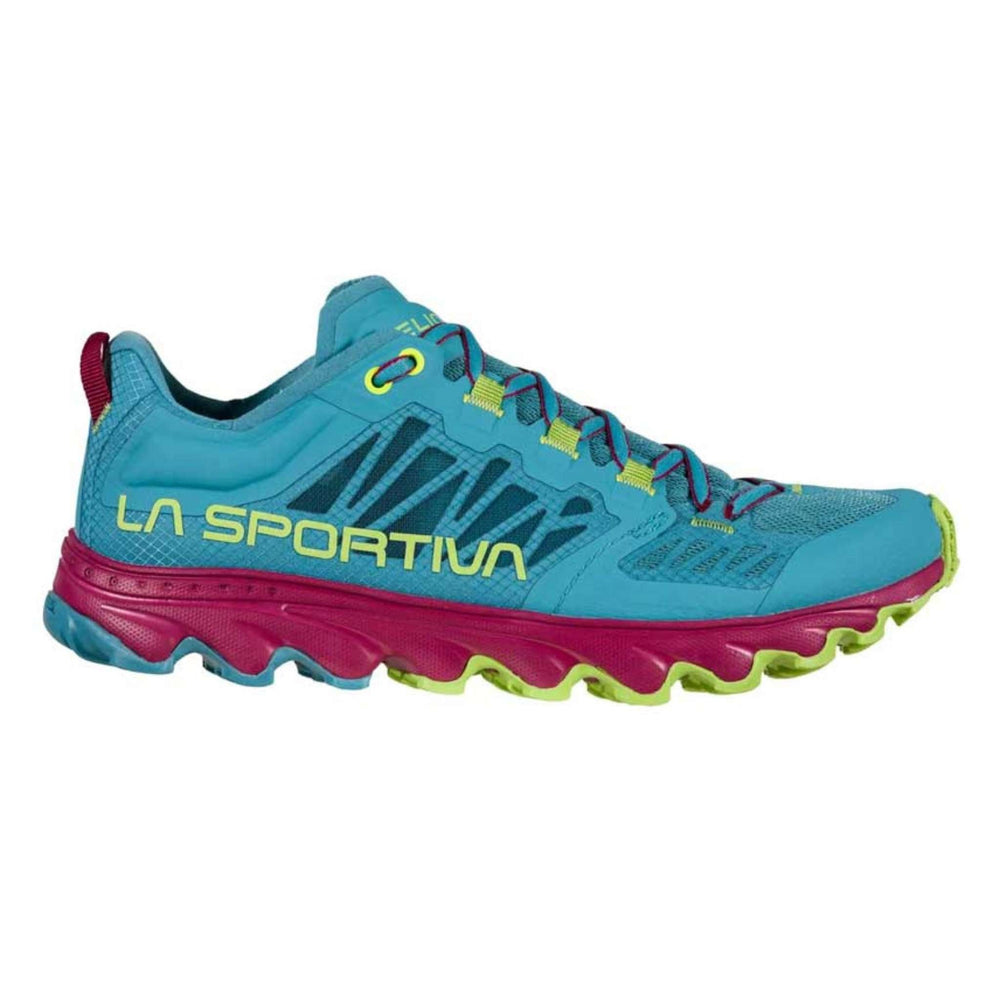
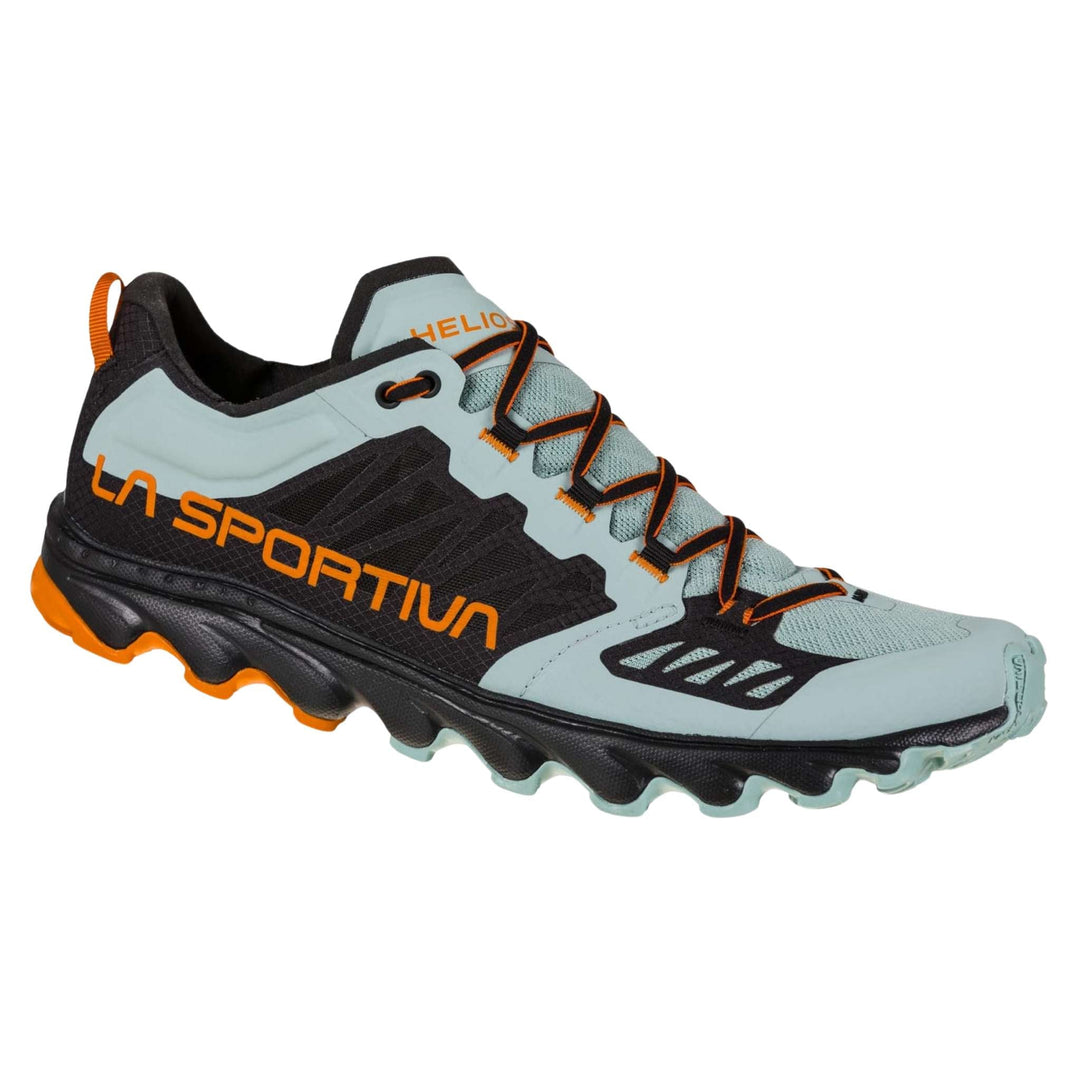
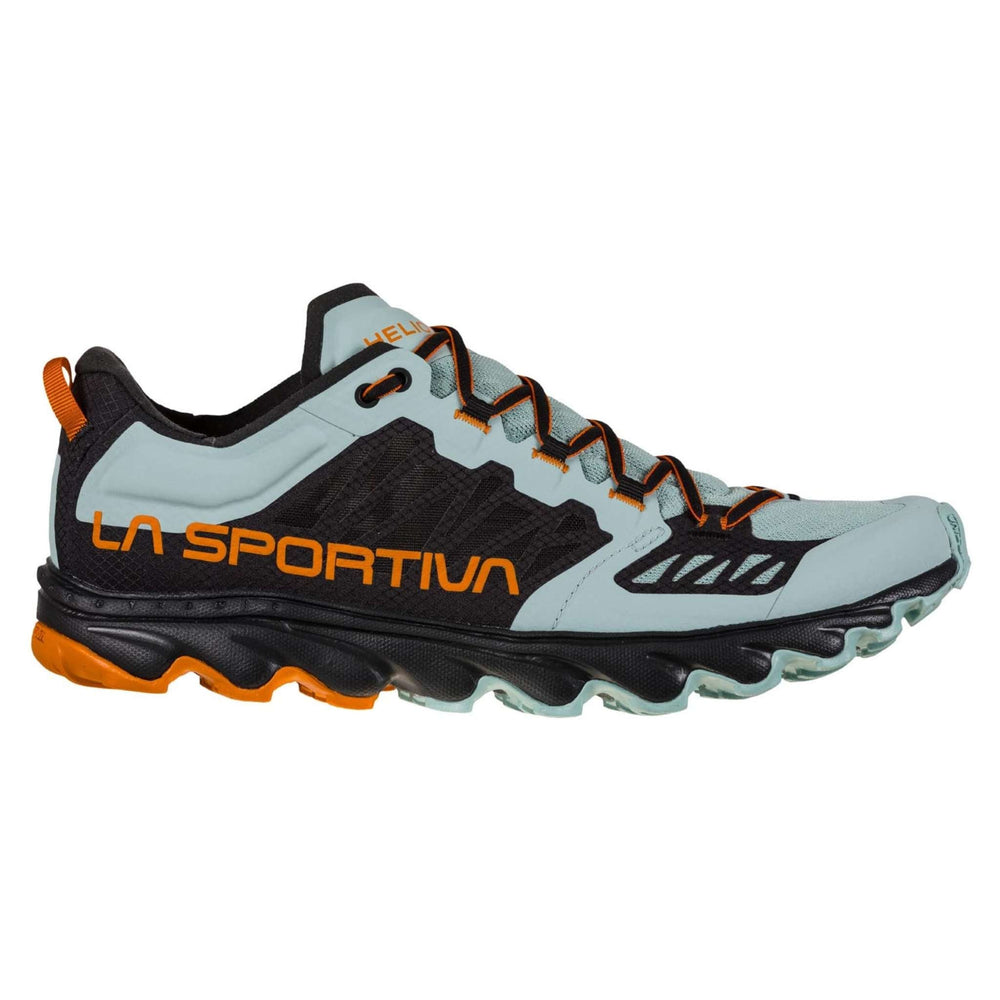
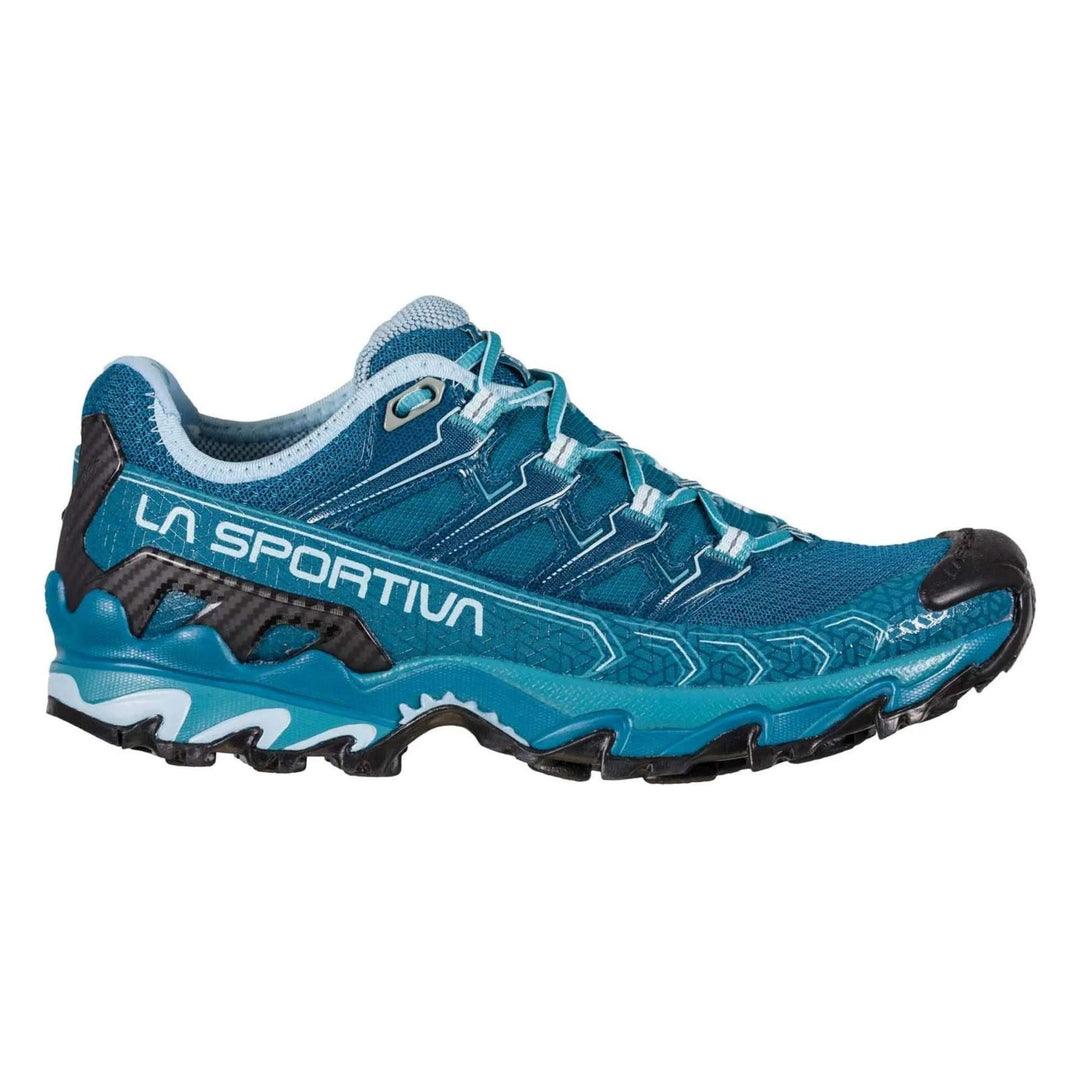
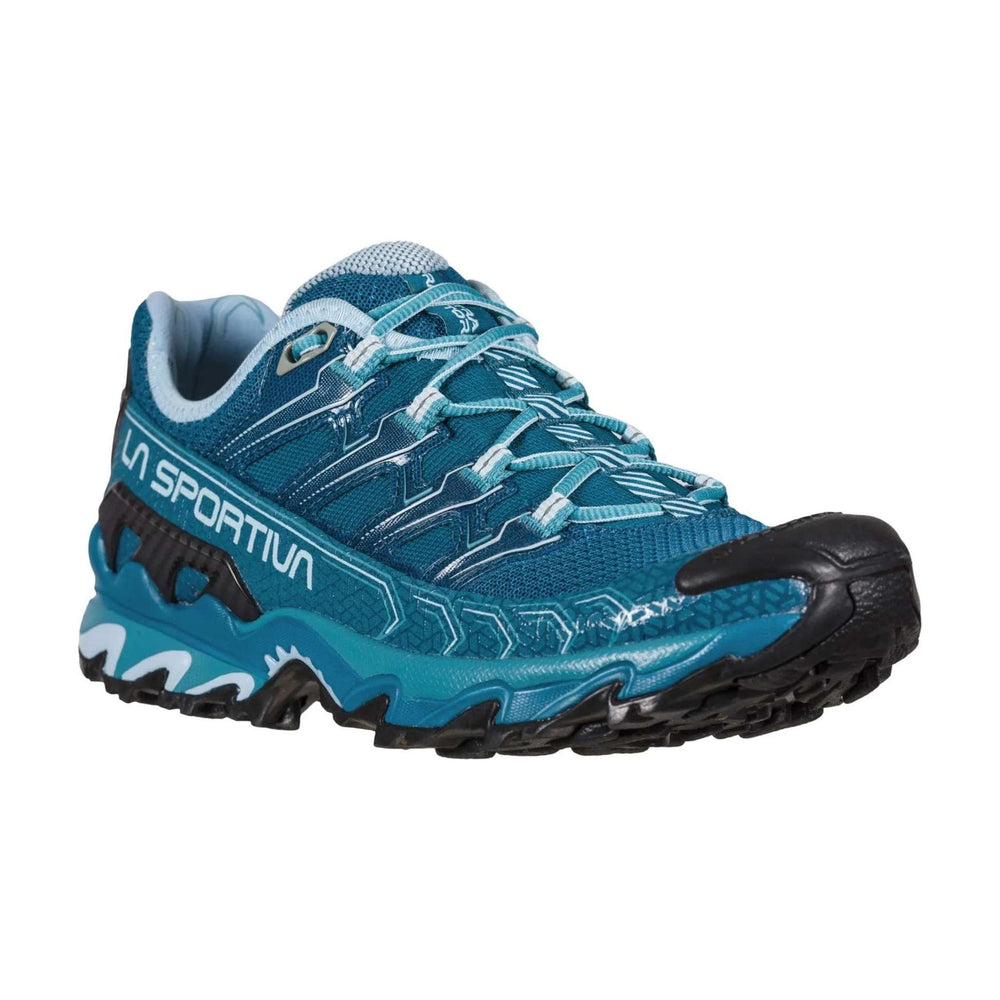
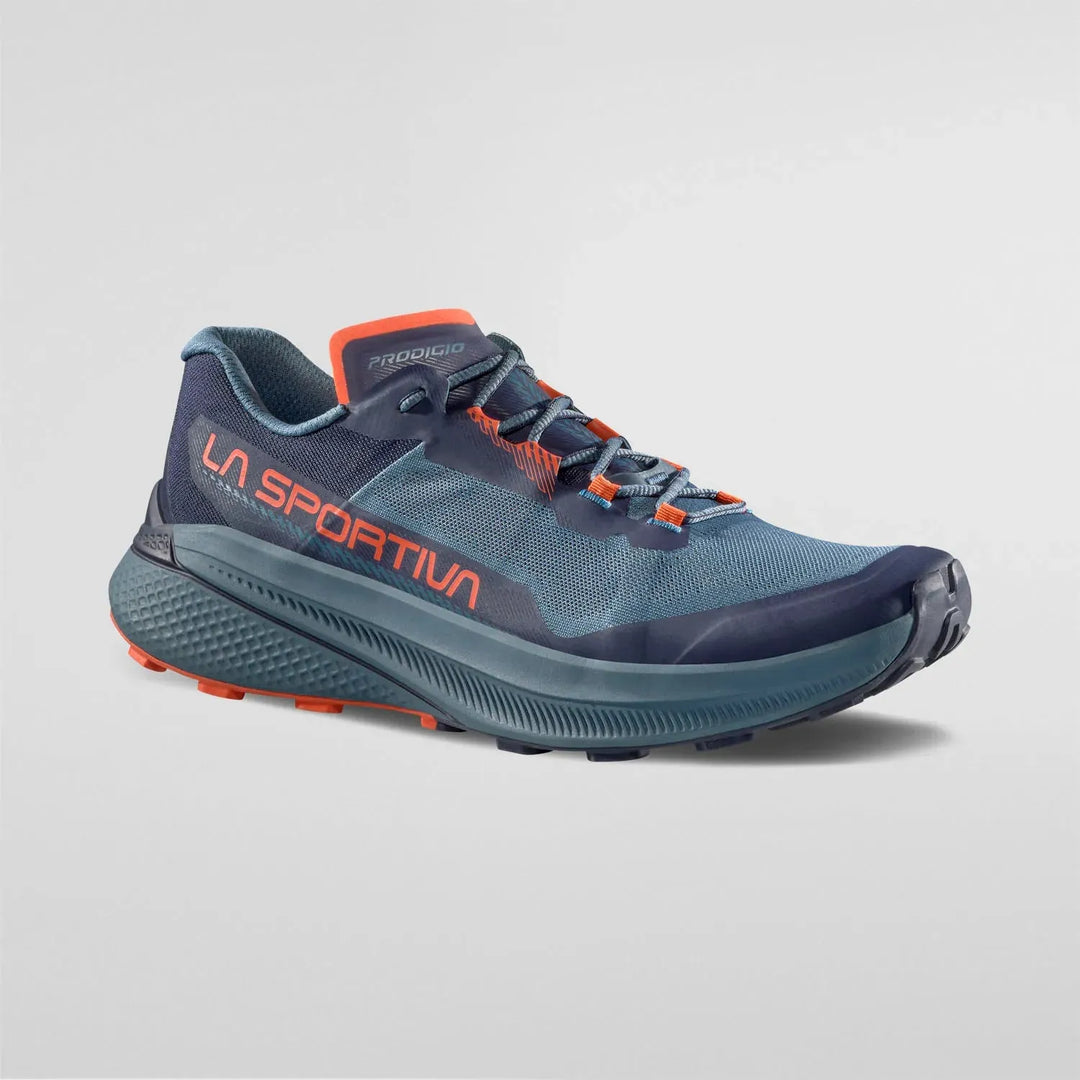
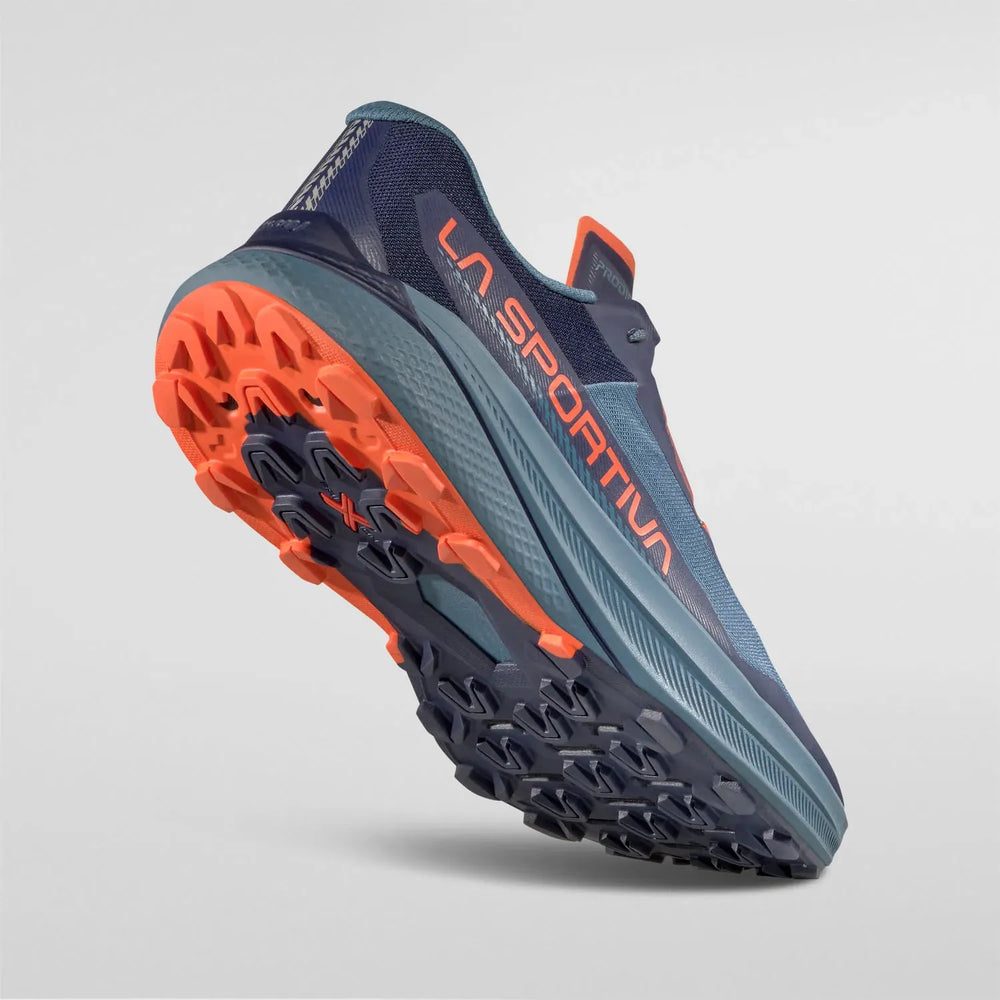
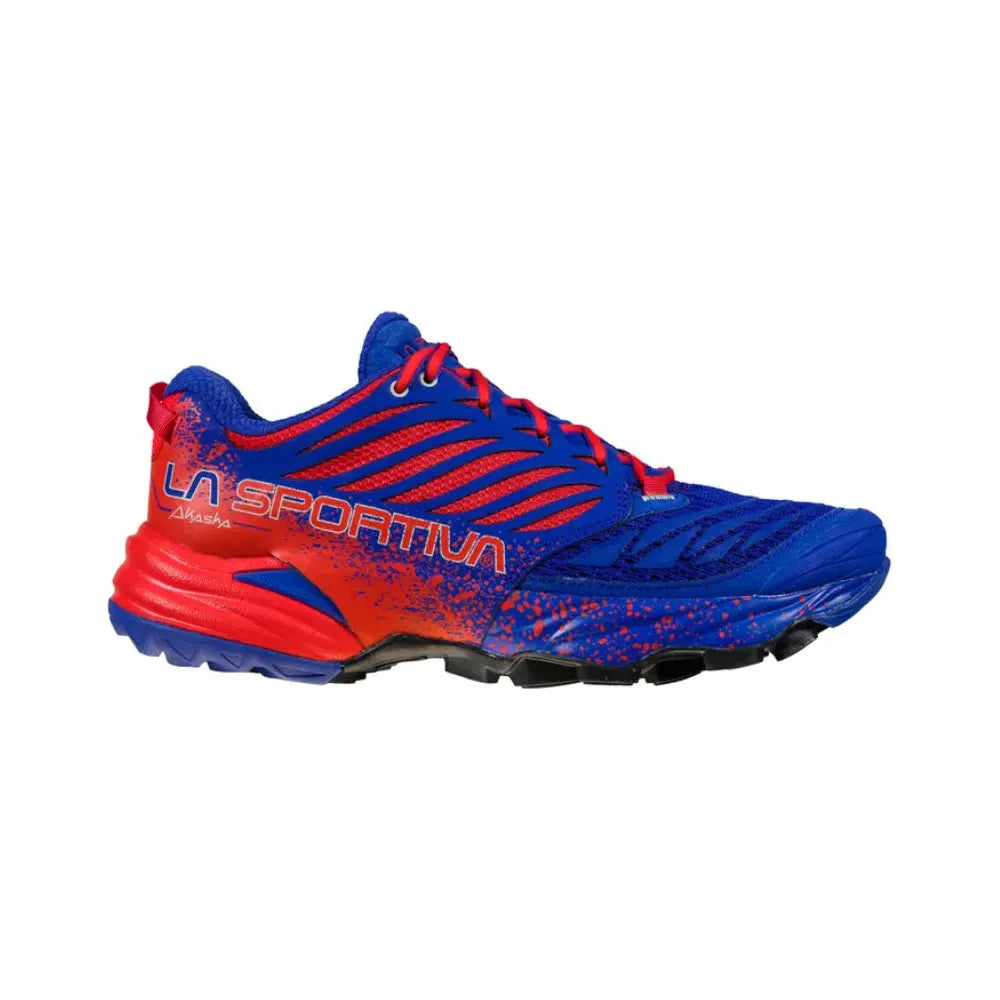
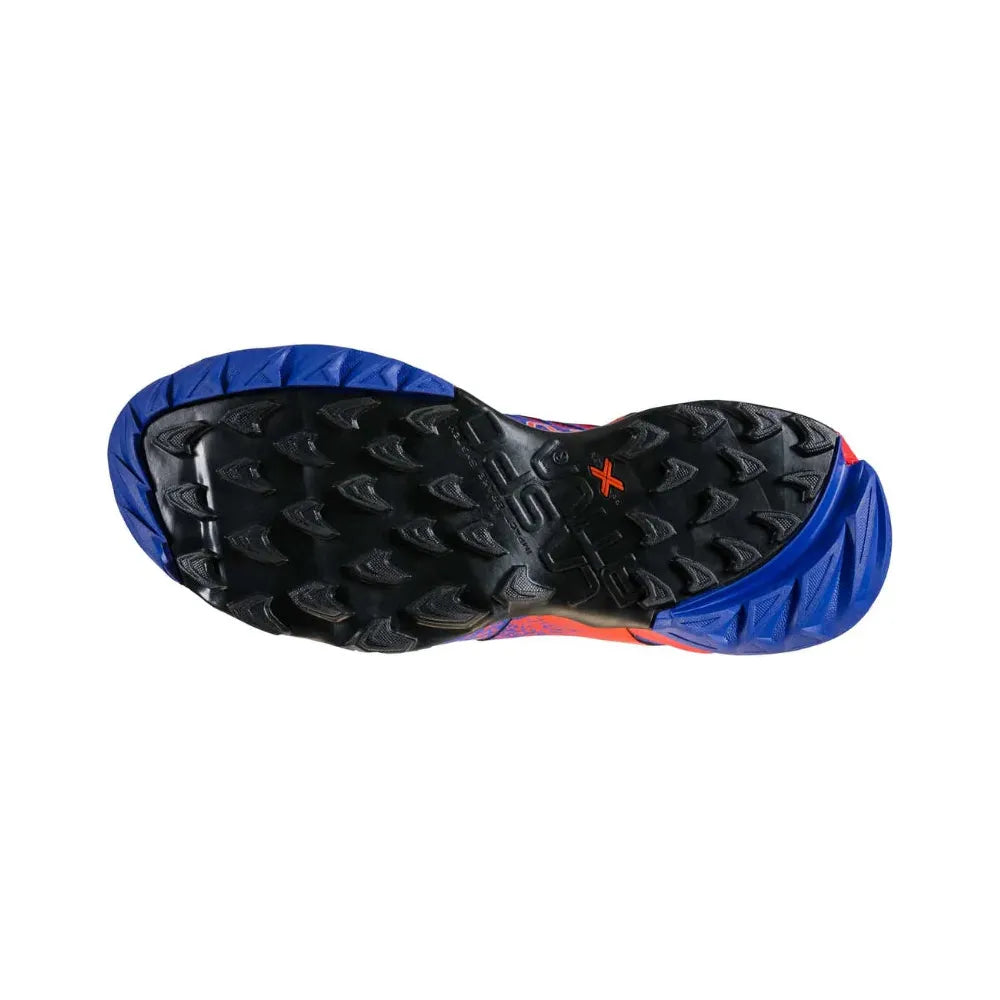
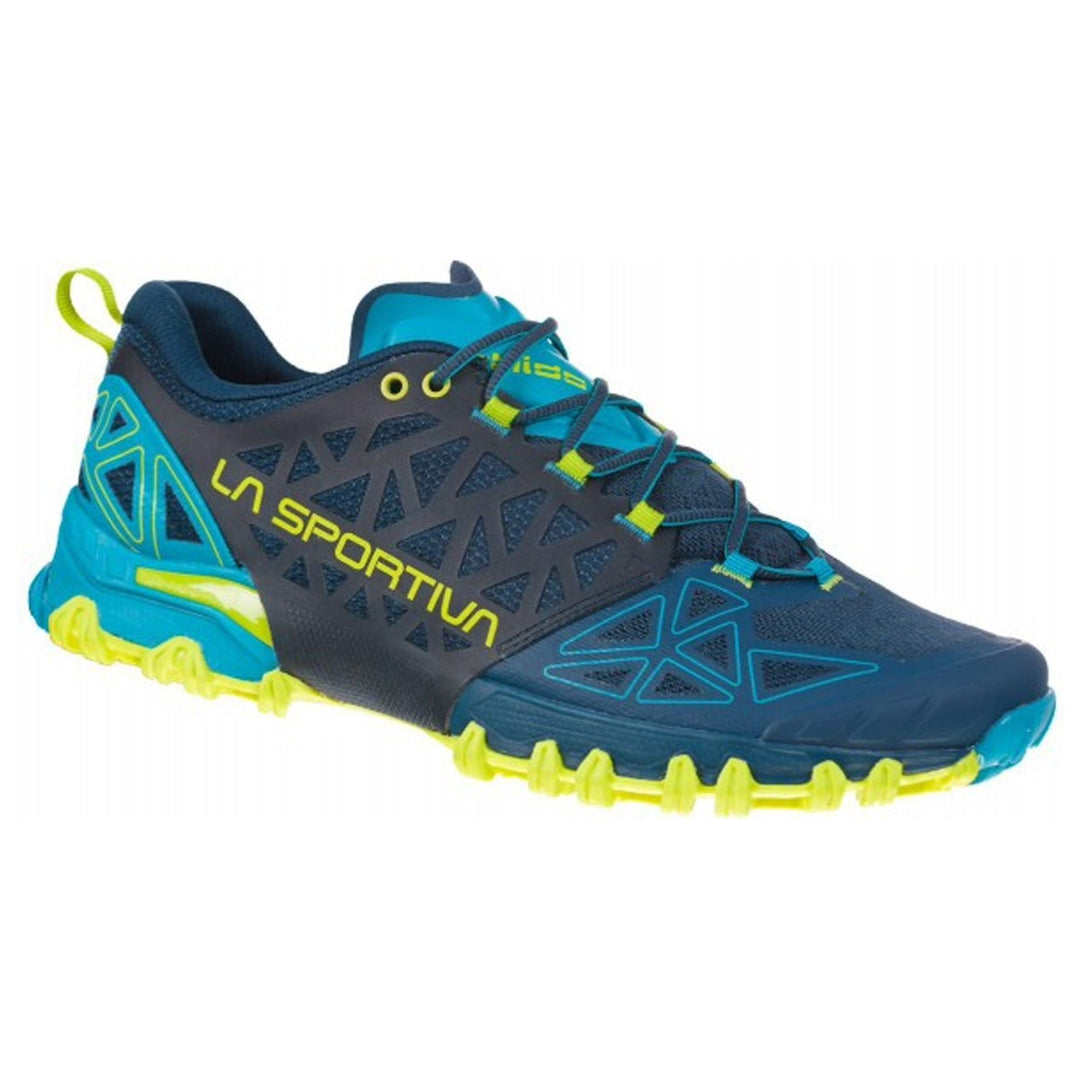
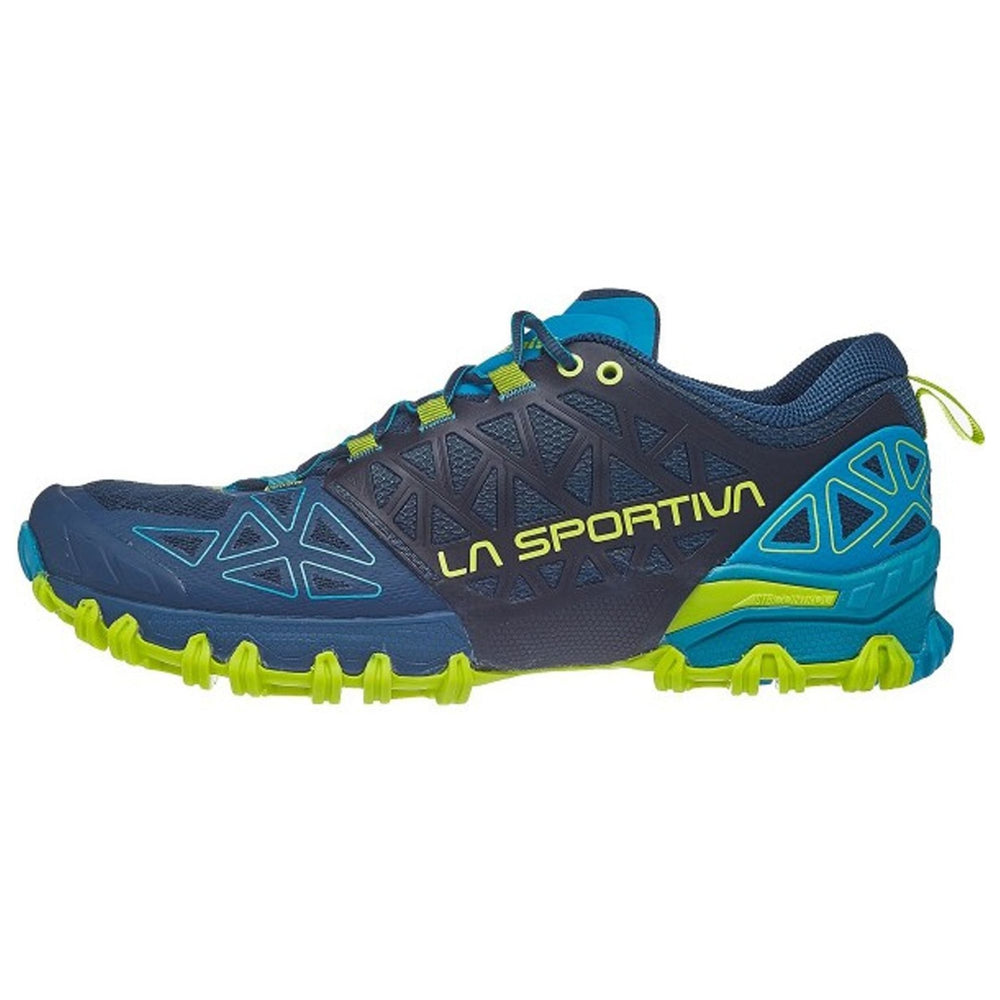
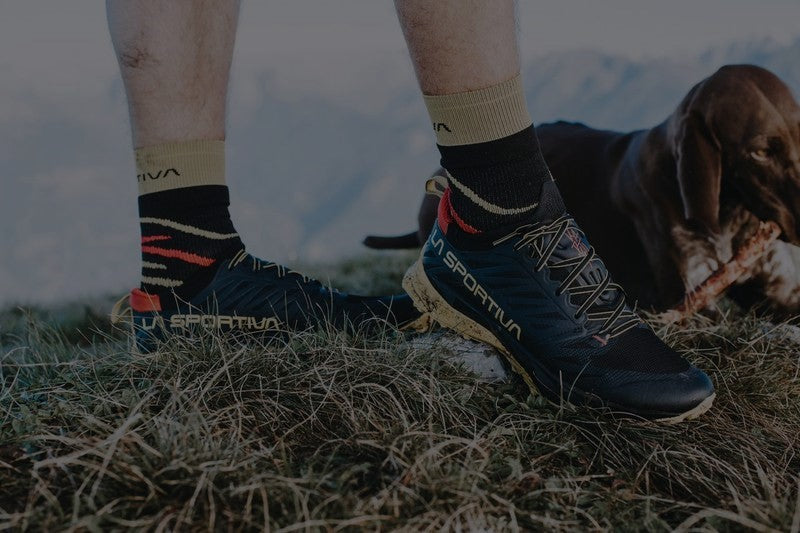
Trail running in NZ is a different proposition to road running. Roots, mud, wet rock, loose scree, and rapid terrain changes demand a shoe built for grip, protection, and stability — not just cushioning. The right trail runner makes technical NZ terrain feel manageable; the wrong one ends your run fast.
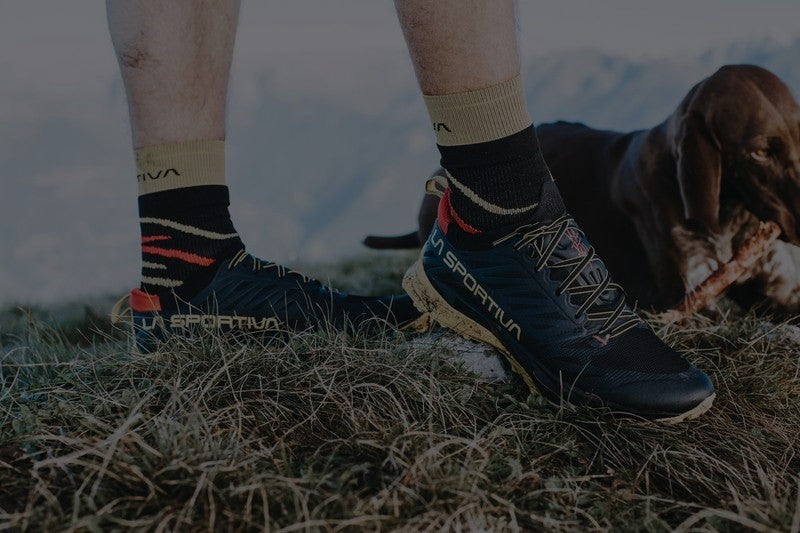
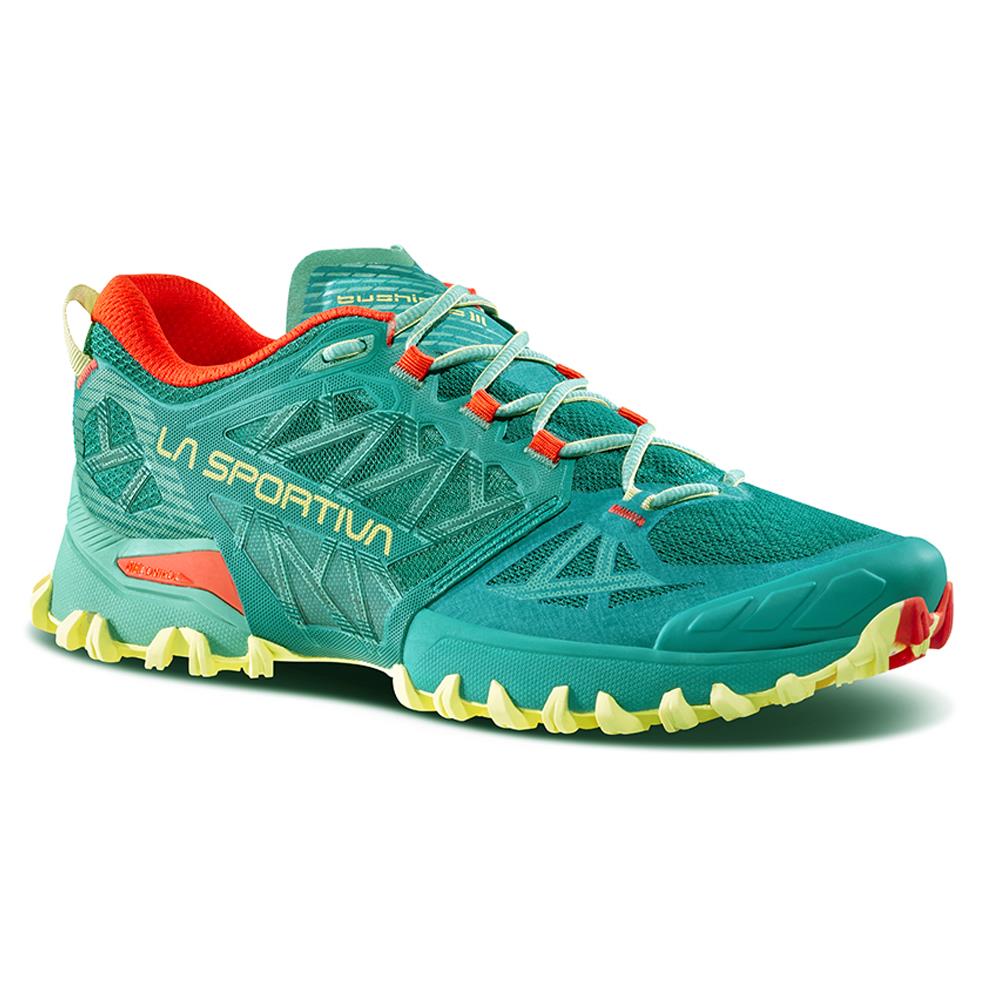
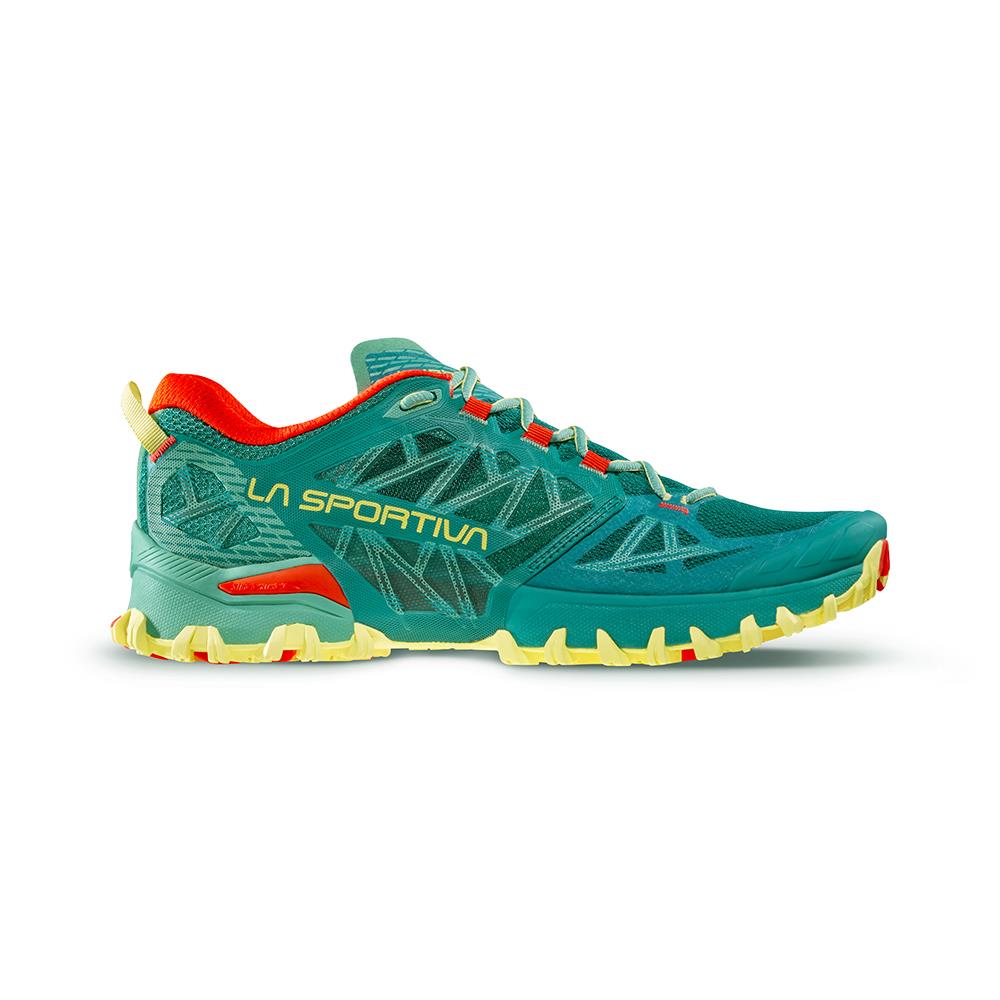
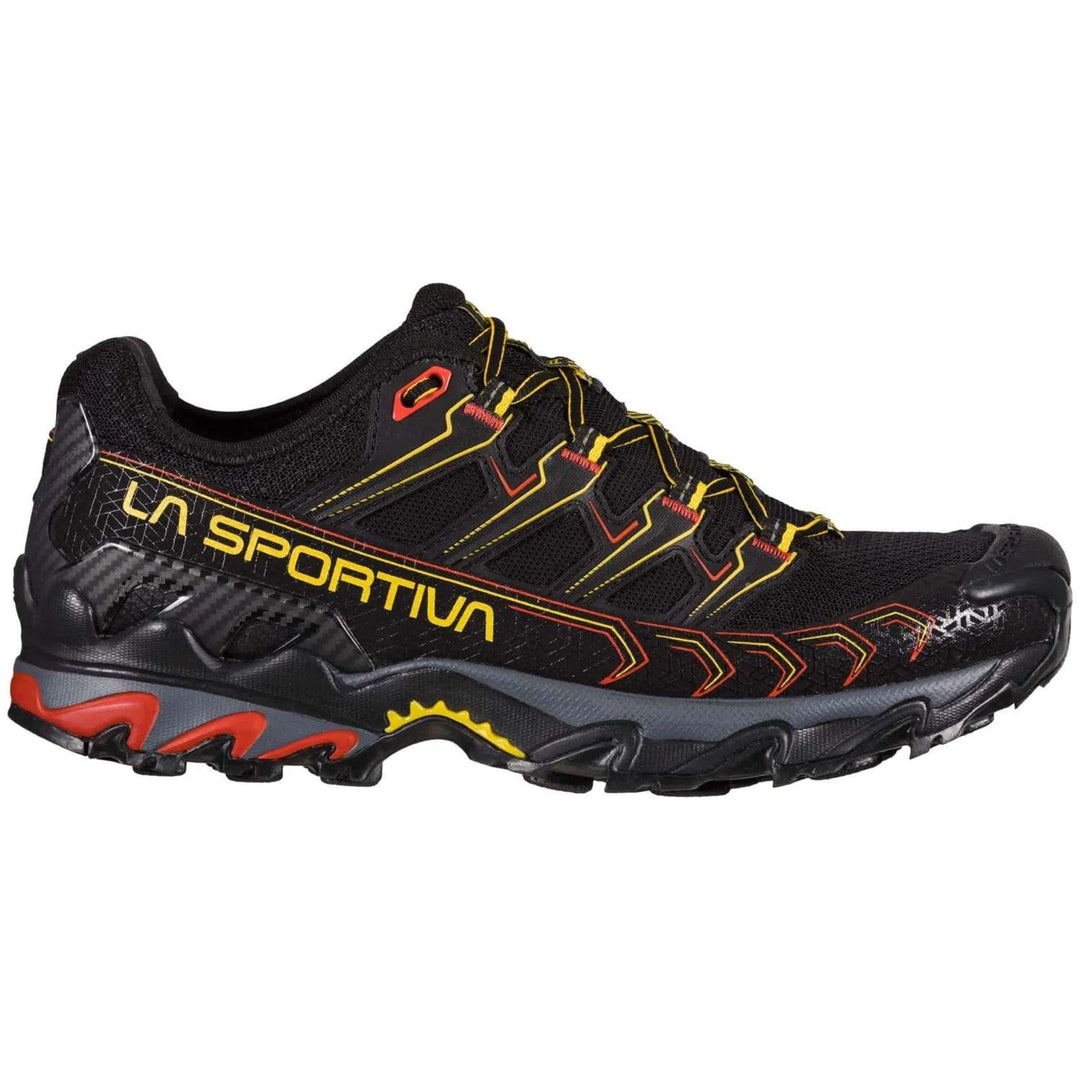
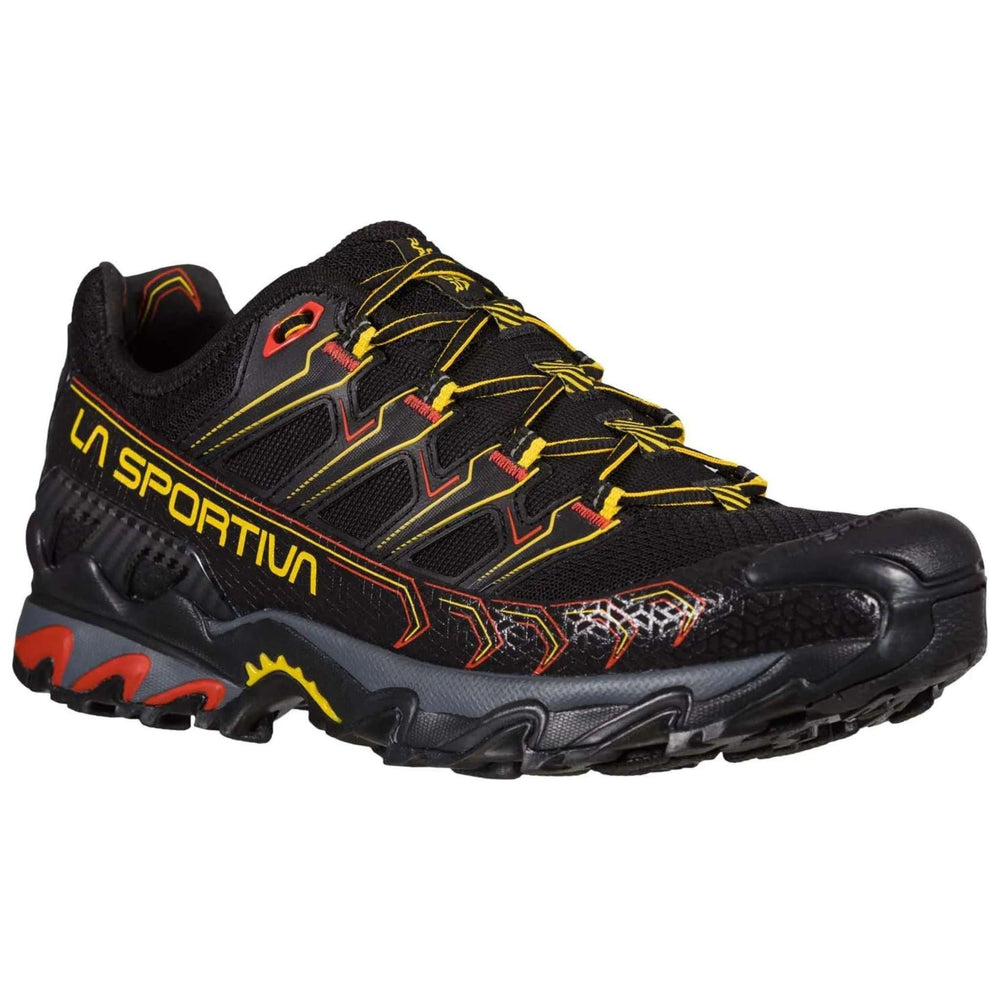
Our trail running range is led by La Sportiva — Italian-engineered with serious technical credentials across a range of NZ terrain types. The Ultra Raptor and Bushido are our standout picks, covering everything from fast and light fell-running to technical alpine approaches.
Choosing the Right Trail Runner
- Grip/outsole: The most important spec for NZ trails. Lugged outsoles with deep, widely-spaced lugs shed mud and grip wet rock far better than shallow tread. Vibram or Contagrip outsoles are the benchmarks.
- Stack height and drop: Lower drop (0–6mm) promotes a more natural forefoot strike and works well for experienced runners on technical terrain. Higher drop (8mm+) provides more cushioning and is easier on the ankles for longer distances and less technical trails.
- Waterproofing: GTX (GORE-TEX) versions are worth considering for NZ's wet conditions, though they run warmer. Non-GTX versions drain and dry faster — a real advantage if you're crossing streams frequently.
- Rock plate: A stiff midsole or rock plate protects the foot on sharp, rocky terrain. Essential for technical alpine routes; less important on soft forest tracks.
Frequently Asked Questions
What's the difference between trail runners and hiking boots for NZ tramping?
Trail runners are lighter, lower-profile, and faster — they suit experienced trampers who move quickly and pack light. They provide less ankle support and, in non-GTX versions, less waterproofing. Hiking boots provide more support, durability, and protection — better for heavier loads, technical terrain, and trampers who benefit from the extra ankle stability. For well-formed NZ tracks with a light pack, trail runners are a fully legitimate choice. For off-track travel, heavy loads, or if you're newer to multi-day tramping, a mid-cut hiking boot is the safer pick.
What are the best trail runners for NZ trails?
La Sportiva leads our range for technical terrain. The Ultra Raptor is our top pick for demanding NZ conditions — a robust, high-traction shoe built for technical and muddy terrain with excellent ankle protection. The Bushido is the faster, more agile option for experienced runners on technical trails who prioritise grip and ground feel over cushioning. Both handle NZ's wet roots, mud, and rock exceptionally well. Come in-store if you want to discuss the right model for your specific terrain and pace.
Do I need waterproof trail runners in NZ?
It depends on your terrain and preference. GTX (GORE-TEX) versions keep your feet dry in light rain and damp conditions, which is genuinely useful in NZ. The trade-off is they run warmer and don't drain quickly when you cross a stream — in wet backcountry travel, wet feet inside a waterproof shoe stay wet. Many experienced NZ trail runners prefer non-GTX shoes and simply accept wet feet, prioritising quicker drying. For casual trail running in drier conditions, GTX is a comfortable upgrade.
How much grip do I need for NZ trails?
More than you think, especially in the wetter months. NZ native bush trails are frequently muddy, rooted, and wet underfoot — shallow road-running tread offers almost no security on this terrain. Look for lugged outsoles with deep, widely-spaced lugs that actively clear mud rather than pack it. Vibram and Contagrip outsoles are the performance benchmarks. For dry, groomed gravel tracks, moderate lug depth is fine; for genuine bush and alpine terrain, go as aggressive as you can.
How do I choose the right trail runner fit?
Trail runners should fit snugly through the heel and midfoot with enough room in the toebox that your toes don't hit the front on downhill sections — a thumb's width of space at the front is the standard guide. Your foot swells during a run, so fit with this in mind. Try shoes on in the afternoon when feet are naturally larger. If you're between sizes, go up rather than down for trail running — toe strike on descents in a too-small shoe causes significant discomfort and blisters.
How long do trail runners last?
Most trail runners are designed for 500–800km of use before the midsole cushioning and outsole grip degrade meaningfully. NZ terrain — particularly on rocky alpine routes — accelerates outsole wear. Check the tread depth periodically; when lugs have worn down noticeably, grip on wet terrain degrades sharply. Rotating between two pairs extends the life of both and gives the midsole time to decompress between runs.
Not sure which model suits your terrain? Get in touch — our team runs these trails and can point you in the right direction.