














How to Choose a Gazebo or Camp Shelter
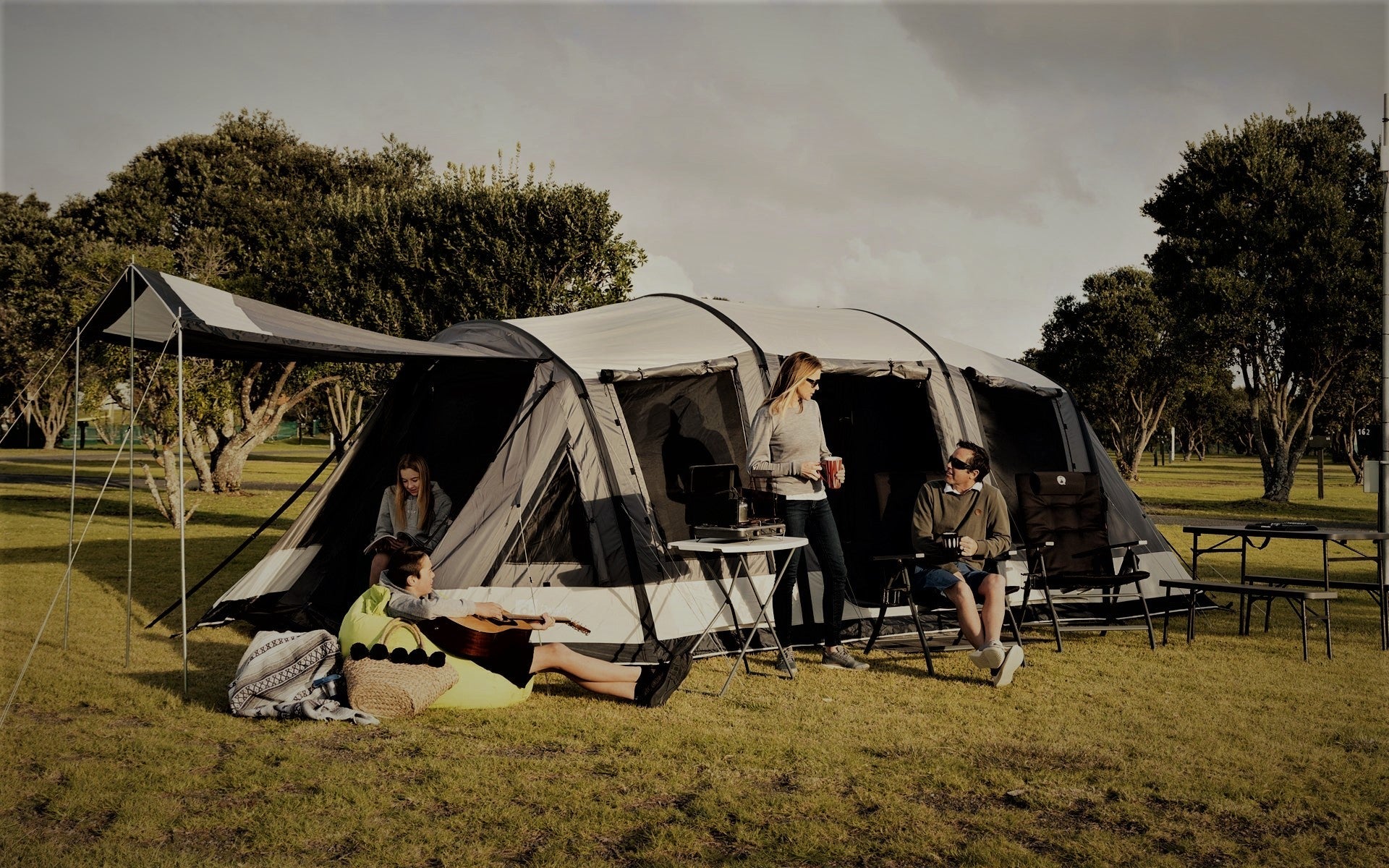
A gazebo creates shade and covered living space, but the right model depends on where it will be used, how it will be transported and how securely it can be anchored. Start with those constraints rather than the advertised floor area.
Measure the usable site
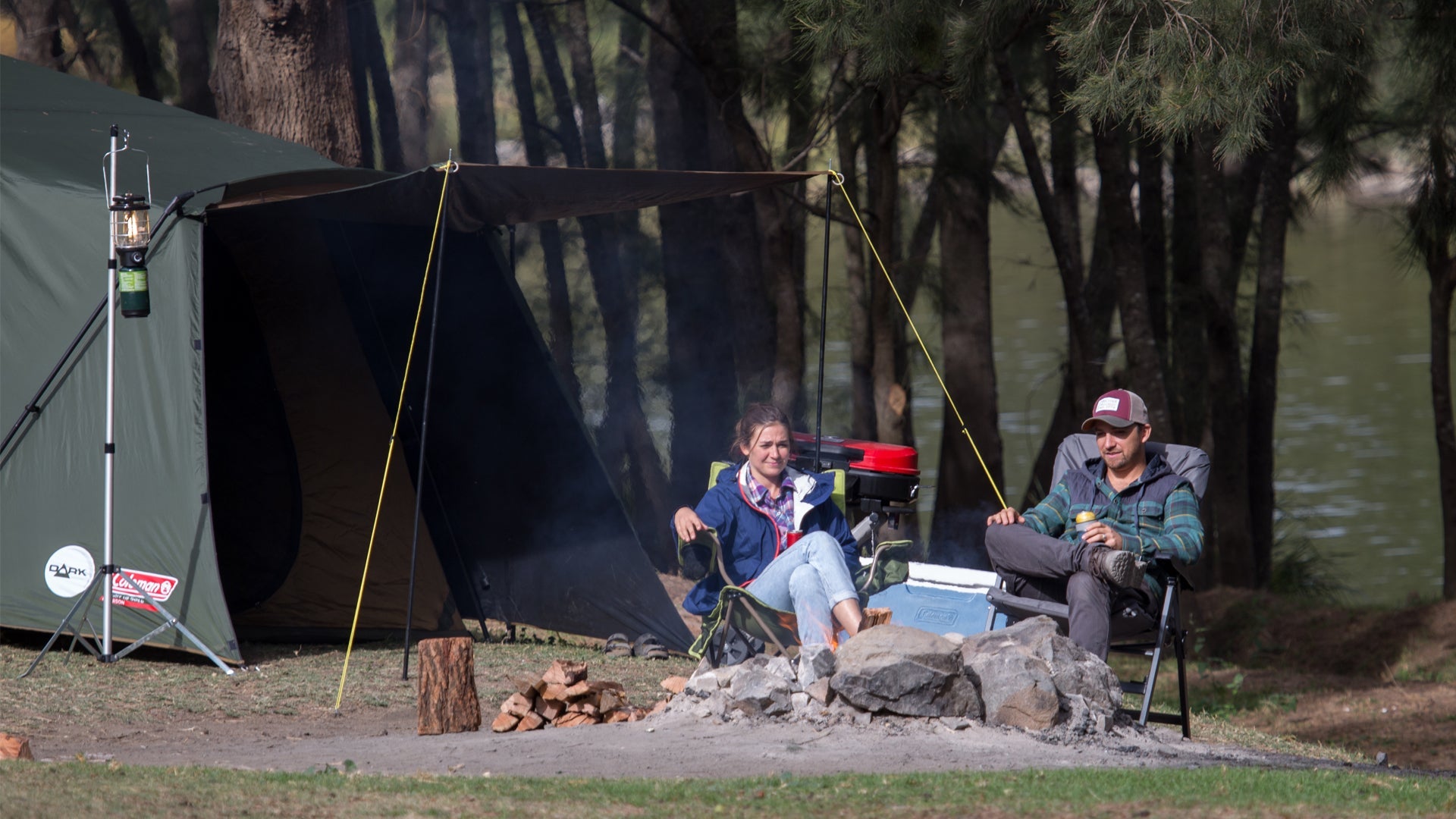
Check the full footprint, including guy lines, pegs and space needed to open the frame. A nominal three-metre shelter needs more than a three-metre square once it is anchored. Confirm campsite or event rules and keep clear of roads, fire sources, overhead hazards and access routes.
Choose the structure for the job
- Pop-up gazebo: fast for events and vehicle-based camping, but the folded frame can be long and heavy.
- Poled shelter: may pack into a smaller shape, with a more involved setup.
- Screen shelter: prioritises insect protection and airflow rather than enclosed weather protection.
- Vehicle awning or shelter: useful when the vehicle forms part of the setup; compatibility and attachment instructions matter.
Check the packed size and setup method
Compare the packed length, total weight and whether one person can safely control the frame. Practise before the first trip. Keep fingers clear of folding joints and follow the manufacturer’s sequence; forcing a partly aligned frame can damage it.
Anchoring is part of the shelter
Use every anchoring point required by the manufacturer and choose fixings suitable for the surface. Pegs for firm soil may not suit sand or very soft ground. Weights must be attached as instructed and cannot turn a lightweight shelter into a permanent structure.
Wind conditions can change quickly. Know the manufacturer’s weather limits and lowering or pack-down procedure. Remove walls if the instructions require it, and dismantle the shelter before conditions exceed its intended use. Never leave a temporary shelter unattended when changing weather could make it unsafe.
Plan walls, shade and rain management
Solid walls add privacy and rain protection but also catch more wind. Mesh walls improve insect protection while retaining airflow. Check how rain drains from the roof, whether water can pool and whether adjacent tents or walkways receive the runoff.
Dry and inspect it after use
Dry the canopy, walls, frame and storage bag before long-term storage. Remove soil and salt according to the care instructions, and inspect joints, feet, webbing and fabric before the next setup.
Browse shelters and gazebos after confirming the footprint, transport and anchoring requirements.


