






Head Torches NZ — The Complete Buying Guide
Head Torches NZ — The Complete Buying Guide
A head torch is among the most important pieces of safety equipment in your tramping pack. It is also one of the easiest pieces of gear to underestimate. New Zealand's conditions create specific requirements that set our tramping context apart from other countries: remote hut networks that can only be accessed with adequate lighting, river crossings where failing light dramatically increases risk, DOC huts where shared etiquette demands red light, and remote routes where battery resupply is a genuine planning consideration.
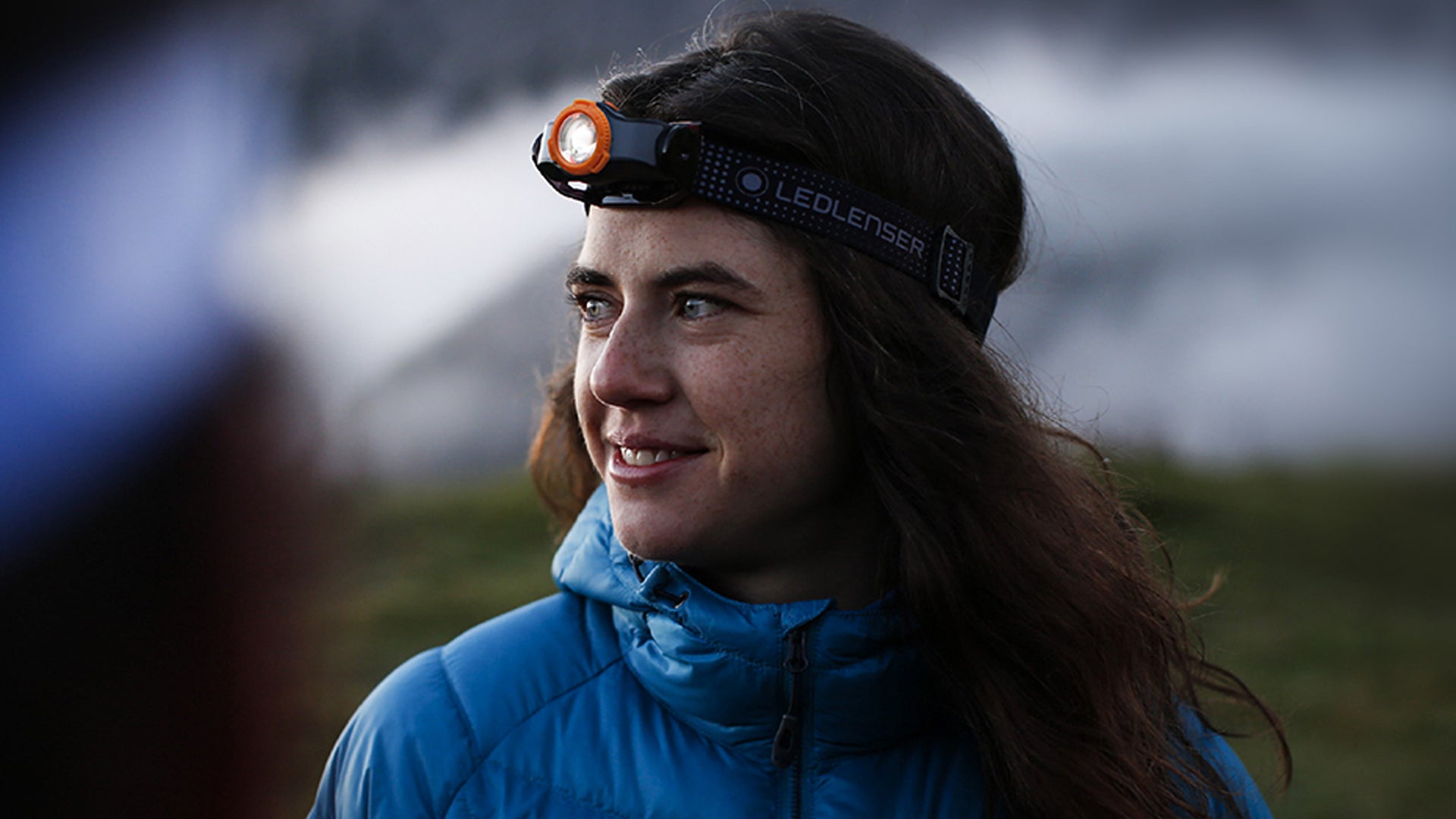
This guide covers everything you need to choose the right head torch for NZ tramping — lumens, beam types, battery systems, waterproofing, and specific recommendations from our range.
Understanding Lumens and Real-World Brightness
Lumens measure total light output. The marketing numbers — 1,000 lumens, 1,600 lumens — are typically the maximum output on a fresh battery for a short burst. Real-world tramping use looks very different. Most trampers run their torch on low or medium settings for the majority of their time, reserving high output for navigation on technical terrain or scanning for track markers in the dark.
- 100–200 lumens: In-hut use, camp tasks, reading, and cooking. The practical floor for any tramping kit.
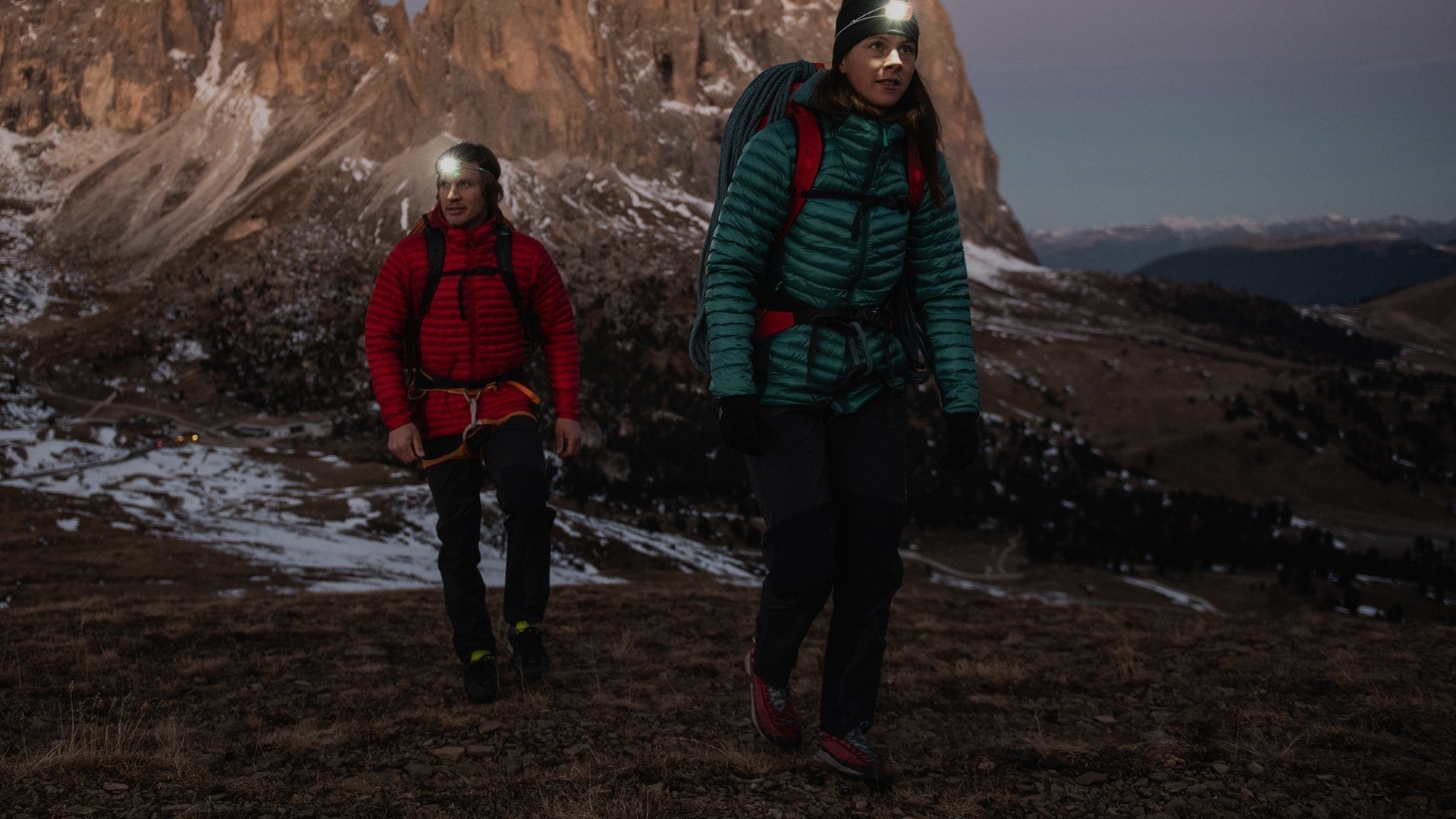
- 200–400 lumens: The tramping sweet spot. More than sufficient for track navigation at night, early morning starts before dawn, and hut-to-hut travel in the dark. The Nitecore UT27 Pro operates comfortably in this range for most tasks.
- 400–600 lumens: High-output for technical terrain, fast travel, or scanning wide areas. Runtime at full brightness shortens significantly at this level.
- 600+ lumens: Specialist applications — search and rescue, trail running, technical alpine work. Overkill for most NZ tramping but the Nitecore HC65UHE delivers serious output for those who need it.
Beam Types: Flood, Spot, and Adjustable
Beam type is as important as lumen output in day-to-day use:
- Flood beam: Wide, diffuse light — ideal for close-up tasks. Cooking, reading topo maps, moving around a hut, searching your pack. In a shared DOC hut, a focused flood beam minimises the area you illuminate, which matters at 5am when others are still sleeping.
- Spot beam: Concentrated beam that throws light a long distance. Useful for picking out track markers, navigating at night, and scanning ahead in the dark.
- Adjustable beam: The best tramping head torches — both Nitecore and Ledlenser — allow you to shift between flood and spot either via a lens adjustment or separate mode. This versatility on a single torch is far more practical than carrying separate lights.
Ledlenser's Advanced Focus System is particularly notable here — a simple push-slide mechanism allows smooth, stepless beam adjustment from broad flood to tight spot. For trampers who want precise beam control, this sets Ledlenser apart.
Battery Options: Rechargeable vs Alkaline for NZ Conditions
Battery choice is a more consequential decision in NZ than in most tramping contexts. The network of remote DOC huts and backcountry routes means that battery failure on a multi-day trip without hut power is a genuine risk.
USB-C Rechargeable
Convenient, economical over time, and increasingly the standard for performance head torches. Works perfectly for popular Great Walks with serviced huts (Milford, Kepler, Routeburn, Abel Tasman — all have power), short overnight missions, and trips where you know you will have charging access. Nitecore's USB-C integration is clean and reliable, with accurate battery indicators on most models.
Alkaline-Compatible (AAA/AA)
The practical choice for remote tramping. AAA batteries are available at virtually every petrol station, dairy, and small-town supermarket in NZ — making resupply straightforward even on the most remote routes. For the Dusky Track, Stewart Island's North West Circuit, the Kahurangi, or any off-track adventure where DOC hut power is not guaranteed, alkaline compatibility is a meaningful safety consideration.
Dual-Compatible Systems
Some Nitecore models accept both a USB-C rechargeable cell and standard alkaline batteries — giving you the economy and convenience of recharging at home, with the field flexibility of dropping in fresh alkalines when recharging is not possible. For NZ trampers who do a mix of serviced-hut Great Walks and remote backcountry, this is the most versatile option.
Waterproof Ratings for NZ Conditions
NZ rain is persistent and can be heavy. A head torch that fails in the wet is not just inconvenient — on a remote route, it is a hazard.
- IPX4: Splash-resistant from any direction. The baseline for tramping — covers standard NZ rain, stream crossings, and general wet-weather use.
- IPX6: Protection from high-pressure water. Covers sustained heavy rain, waterfall spray, and significant stream crossings.
- IPX7: Full submersion to 1 metre for 30 minutes. Covers virtually every river crossing scenario in NZ. If you are crossing braided Canterbury rivers or Fiordland streams, IPX7 is worth the premium.
- IPX8: Submersion beyond 1 metre. Found on specialist dive or water-sport lights — generally overkill for tramping.
All the head torches from Nitecore and Ledlenser stocked at Dwights meet at least IPX4. Most exceed it.
Weight and Headband Comfort
A head torch that feels weightless in the shop starts to register after four hours on the trail. For multi-day tramping, keep total weight under 100g. The headband design matters equally — it should stay secure on steep terrain where your head angle changes constantly, and be comfortable without pressure points during long descents. Width and padding vary between models; if you plan extended night use, it is worth trying before you buy.
Our Recommendations
Nitecore UT27 Pro — Best for NZ Tramping
83g, dual-beam design with a main forward beam and a secondary top beam for close-range tasks. USB-C rechargeable. Multiple brightness modes with practical runtimes at each level. The UT27 Pro covers every tramping scenario in a single compact unit and is our first recommendation for serious NZ tramping and fast trail use.
Nitecore HC65UHE — High-Output Choice
Maximum lumen output in a robust, USB-C rechargeable build. Designed for trampers who need the brightest beam available — technical terrain at night, search and rescue work, or routes that require maximum visibility. Heavier than the UT27 Pro but unmatched in raw output.
Ledlenser — Precision and Runtime
Ledlenser head torches are engineered for beam quality and long runtimes. The Advanced Focus System gives smooth, stepless adjustment from flood to spot. Popular with trampers who prioritise consistent, reliable performance and precise beam control over a long trip. An excellent choice for extended multi-day routes.
Packing and Using Your Head Torch
Always pack your head torch accessible — a top-lid pocket or hip-belt pocket means it is within reach if you are caught out after dark unexpectedly. Test your batteries or charge level before every trip. For multi-day tramps, always bring a spare battery set or charging cable even if your primary system is rechargeable.
On river crossing routes, store your head torch in a dry bag or ziplock inside your pack rather than a mesh side pocket. On night navigation, use the flood beam for close terrain reading and switch to spot when scanning for markers at distance. In shared huts, switch to red mode as soon as you enter to avoid disturbing sleeping trampers.
Browse our full range of head torches, pair your torch with a quality hiking pack, or read our Best Headlamps NZ 2026 article for detailed model comparisons.