











Sleeping Mats & Pillows
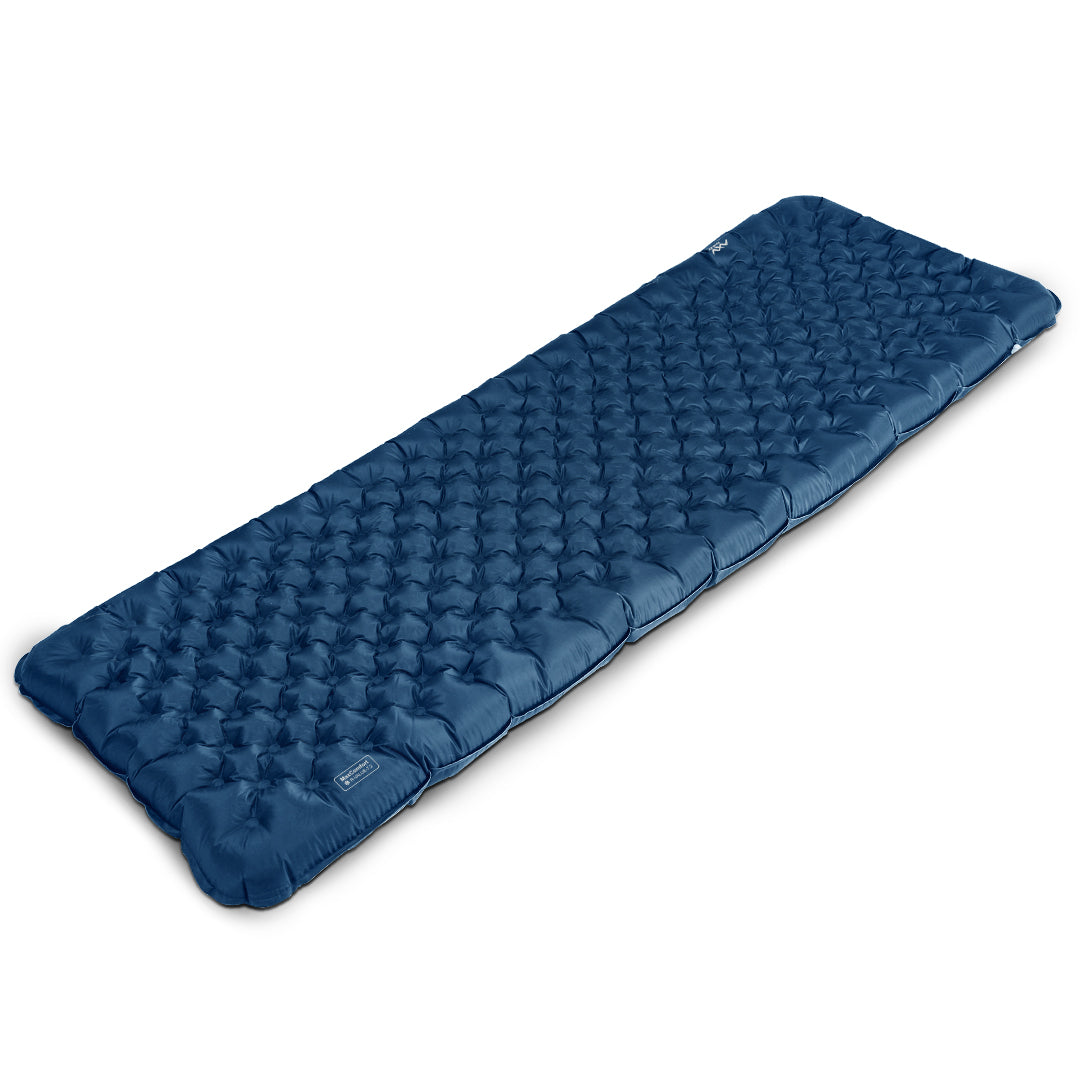
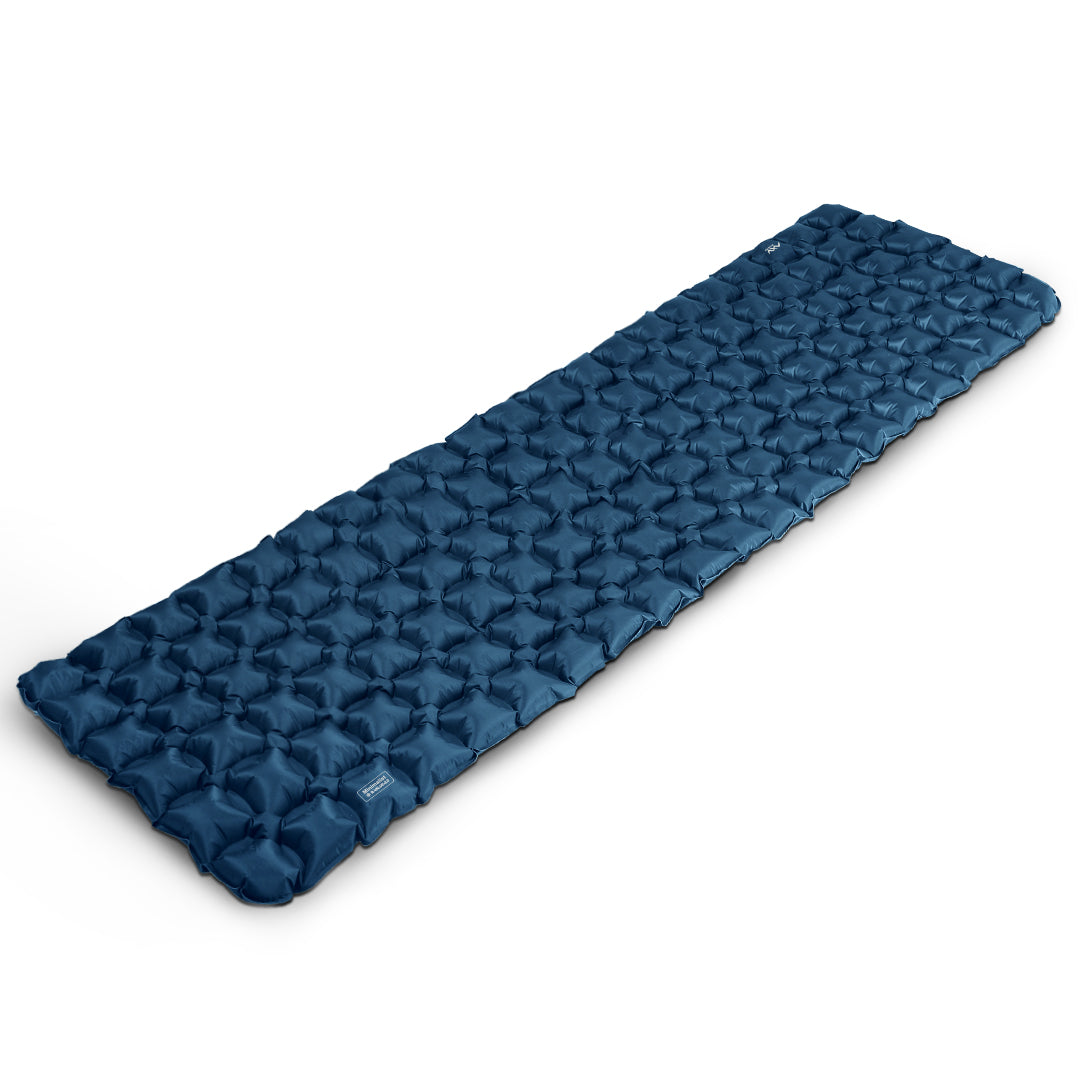


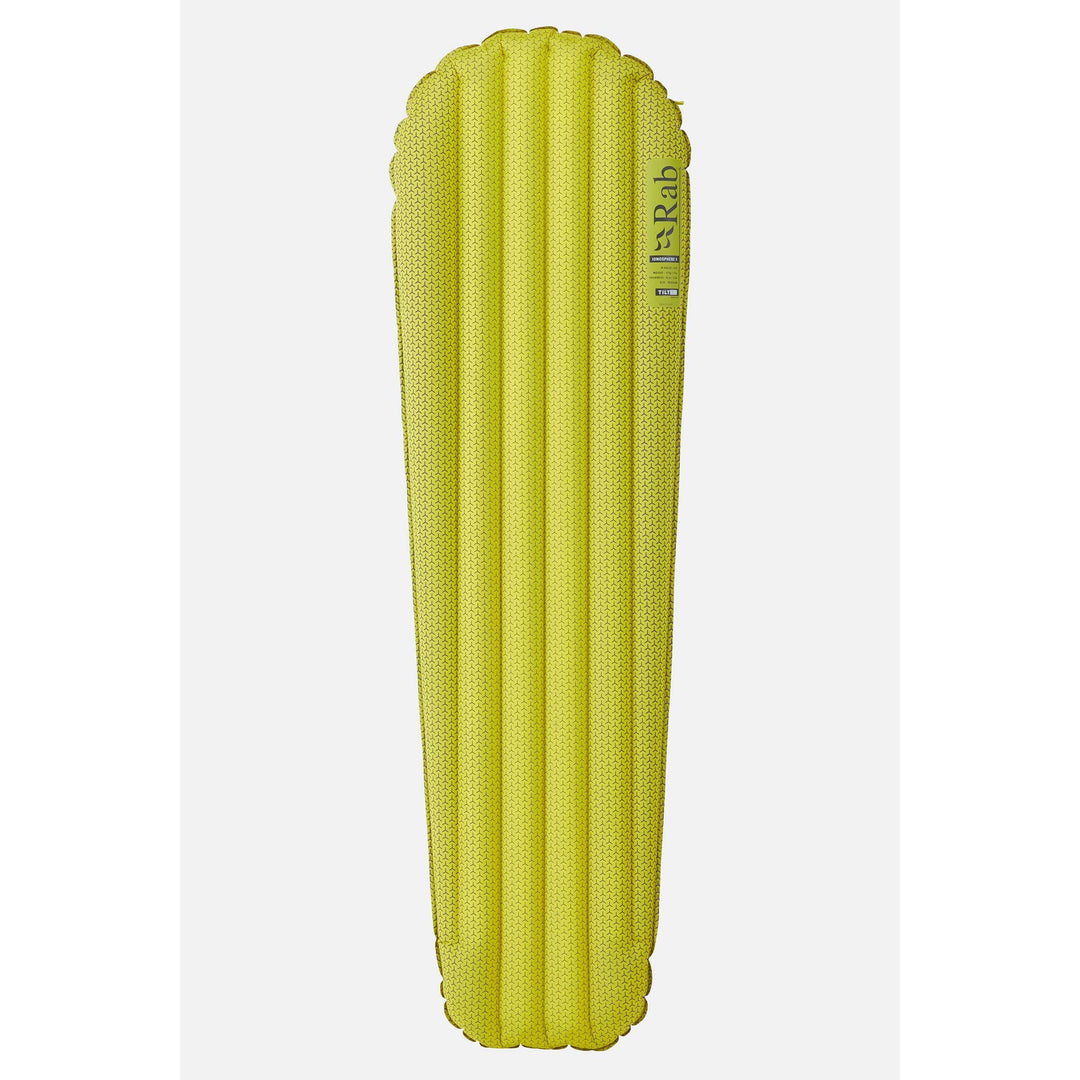
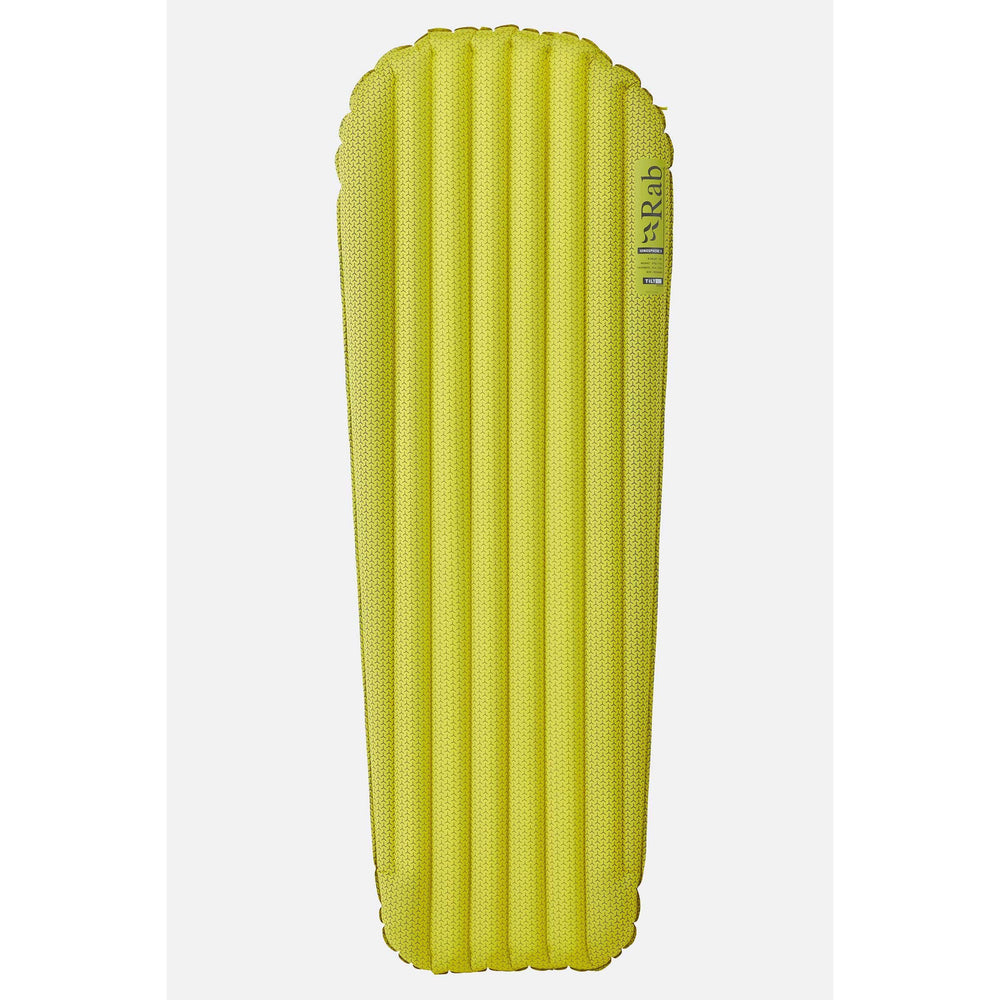
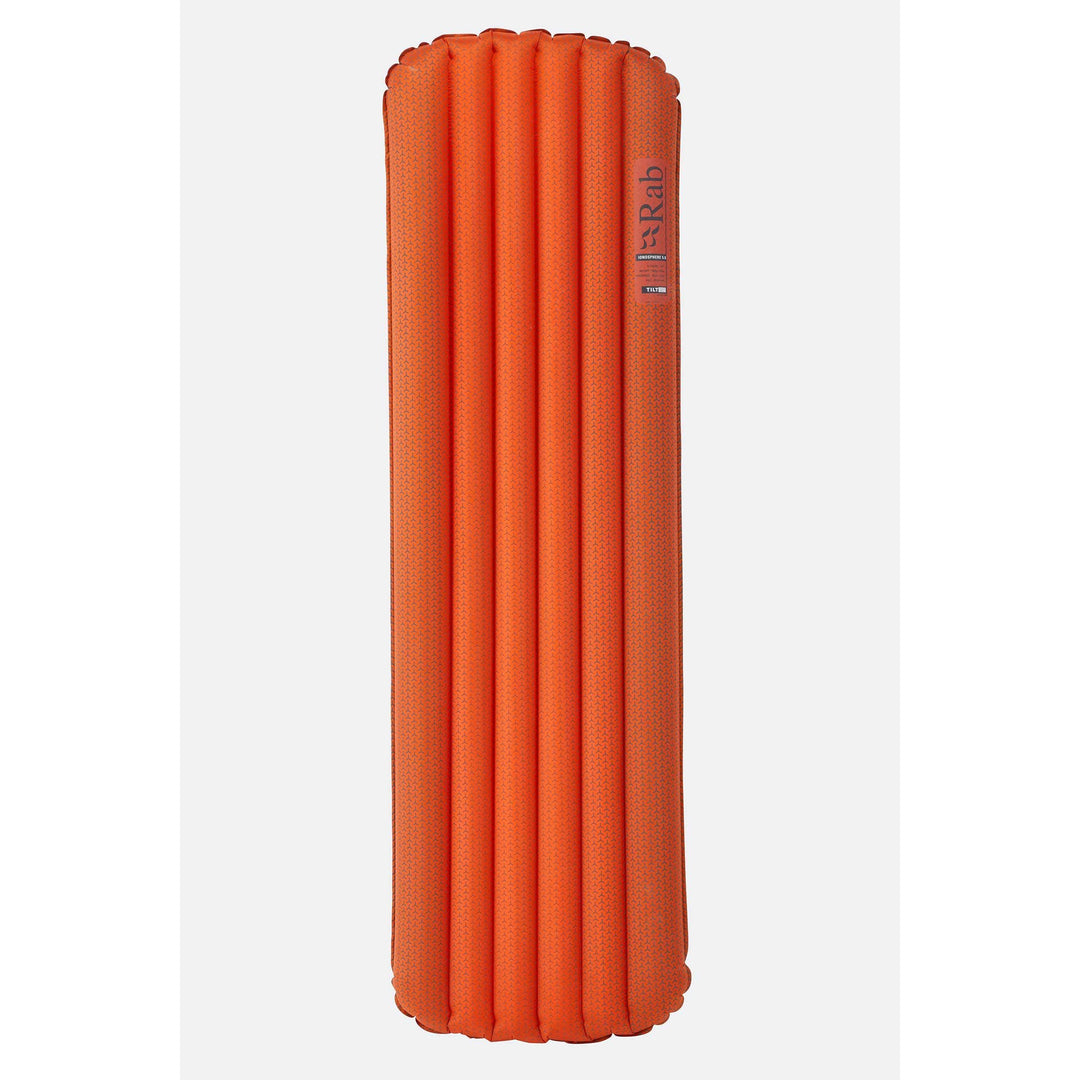
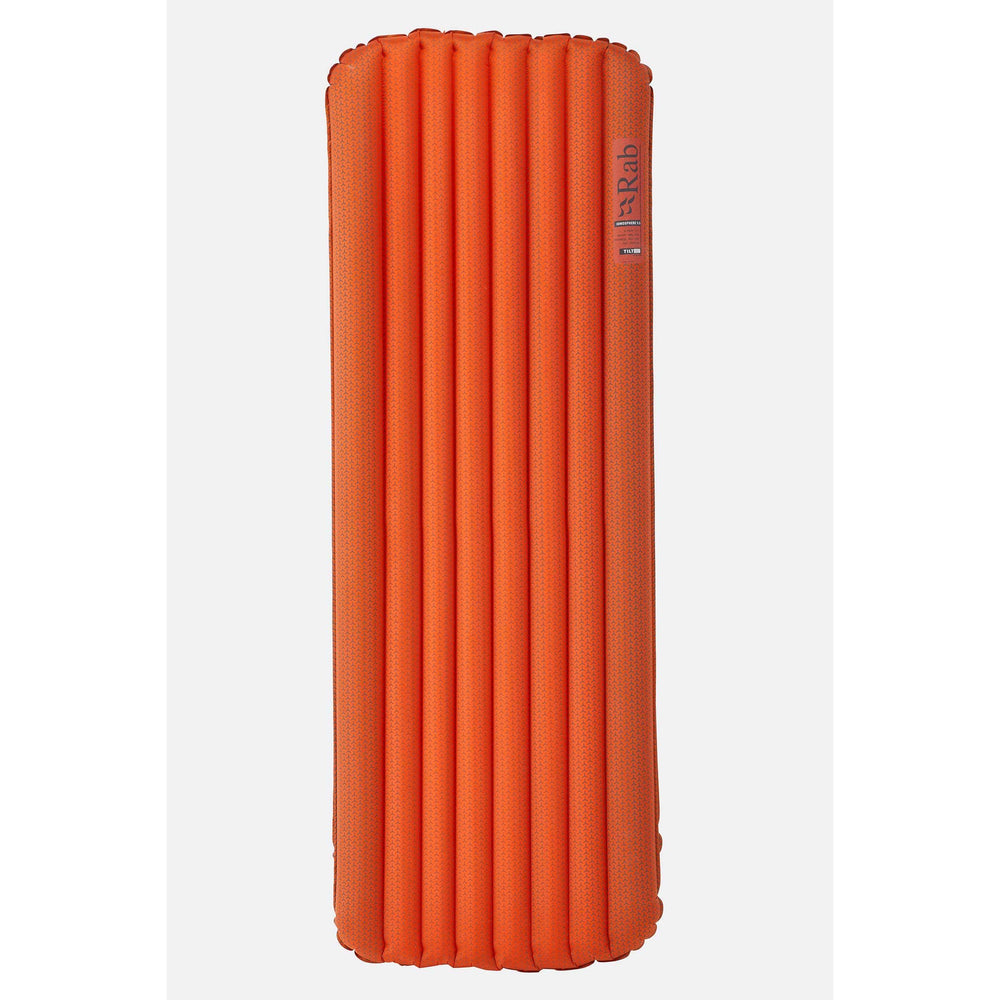
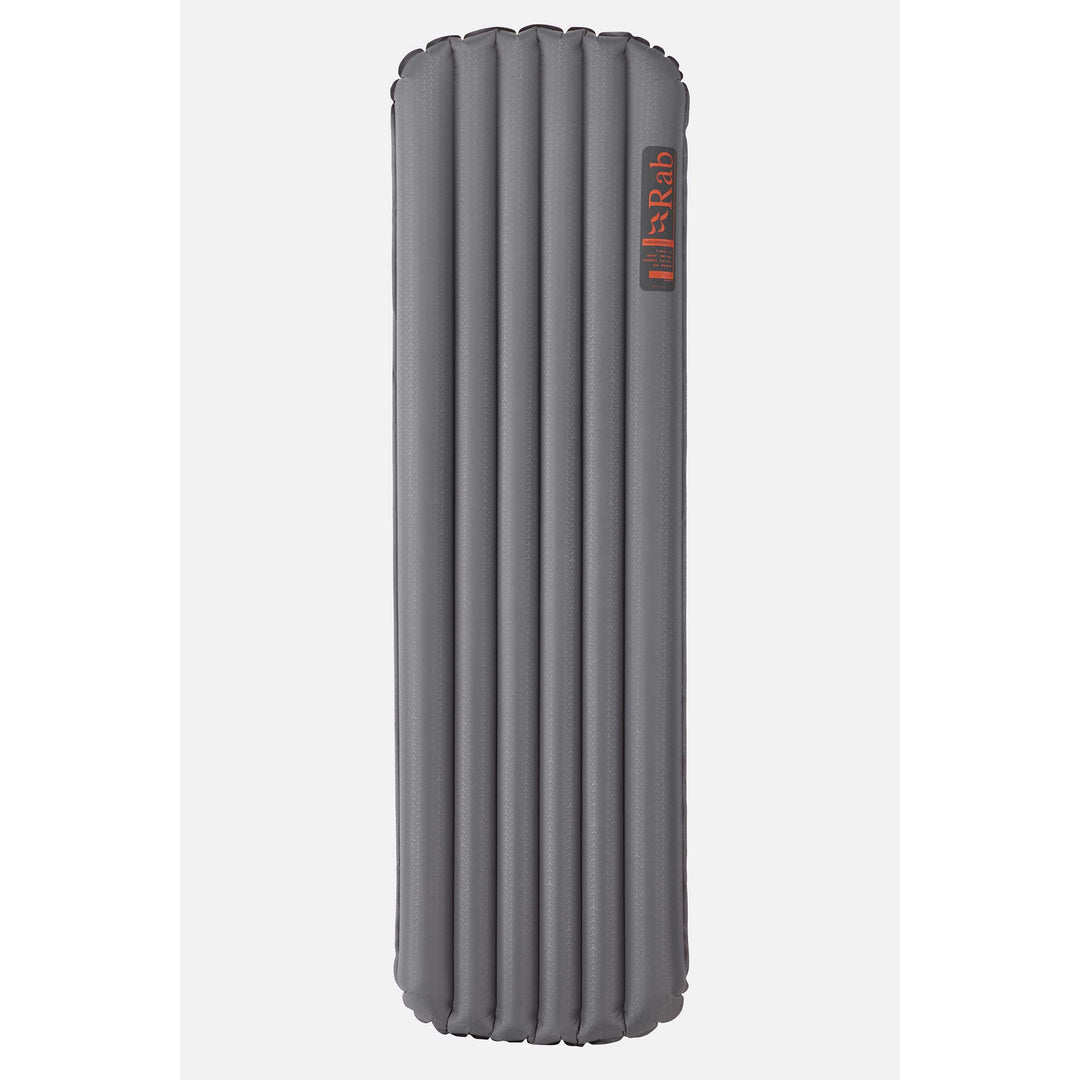
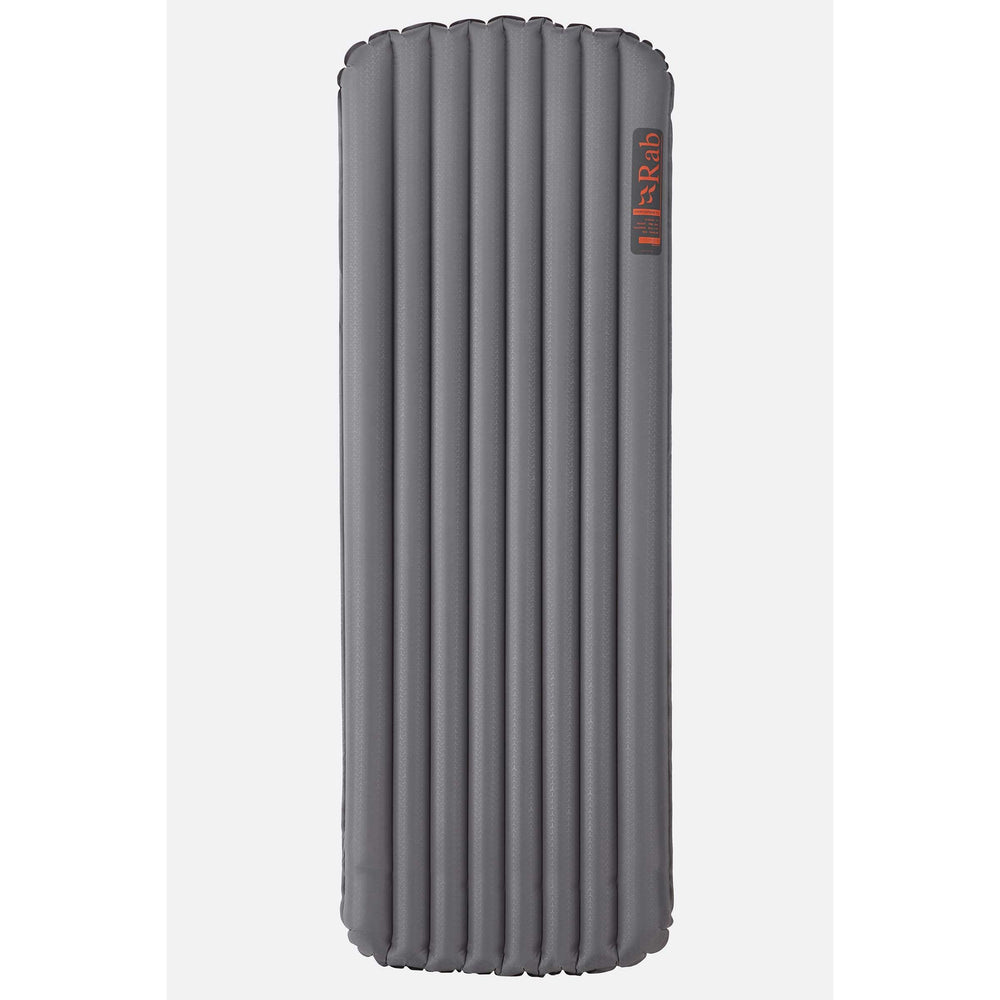
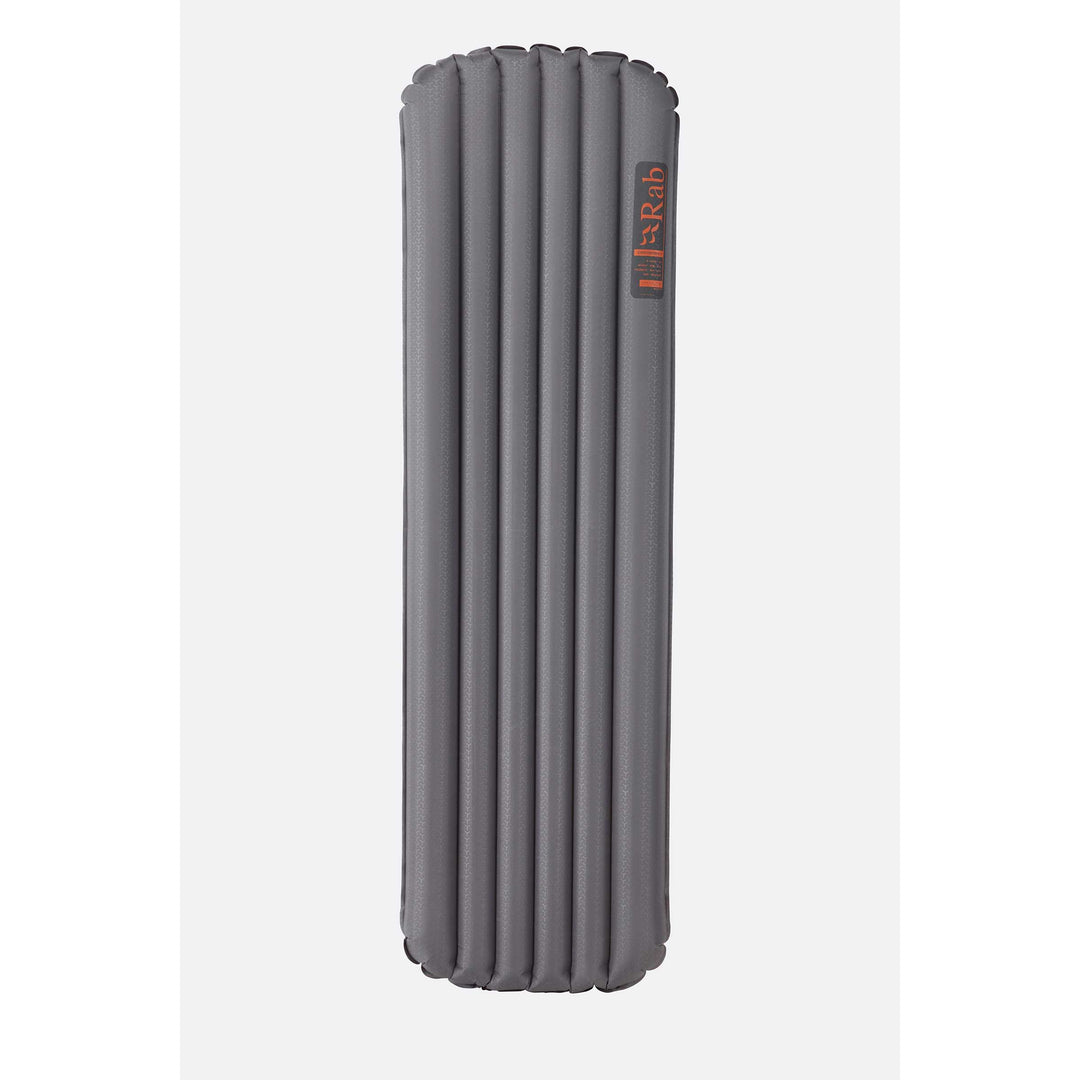
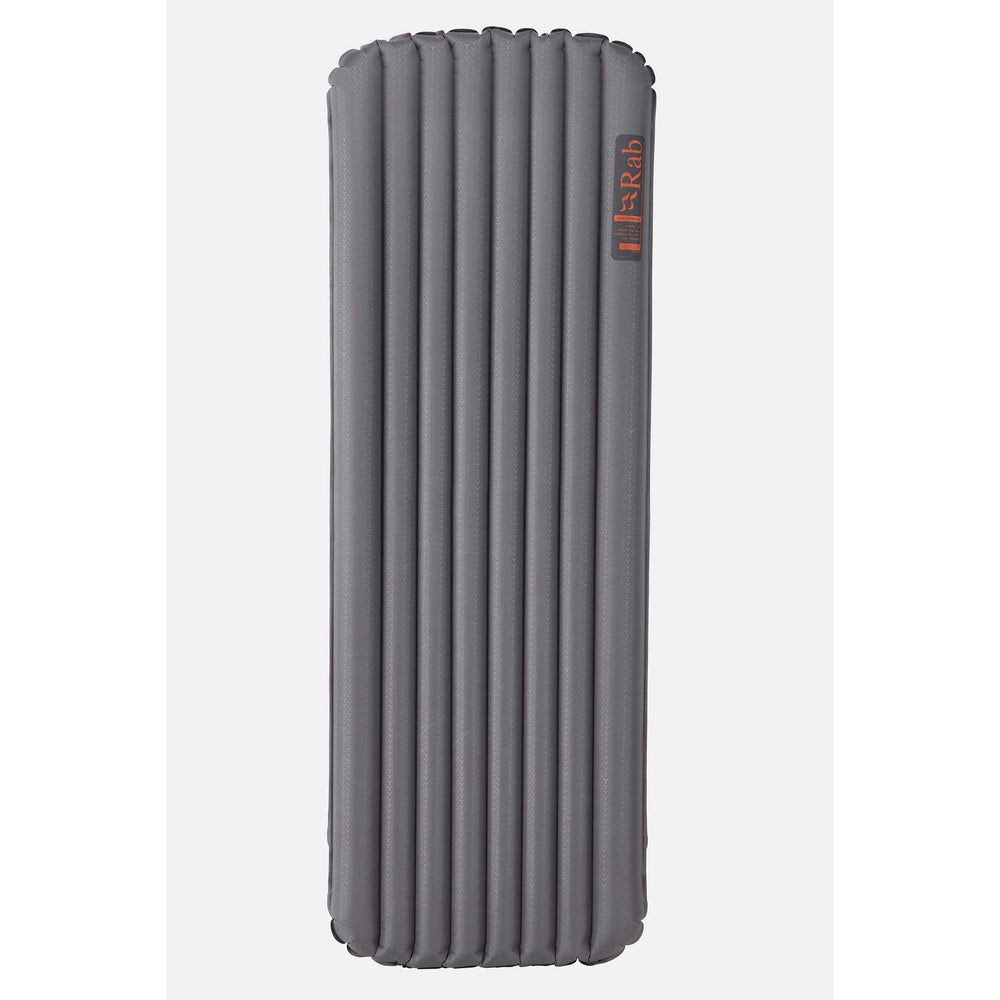
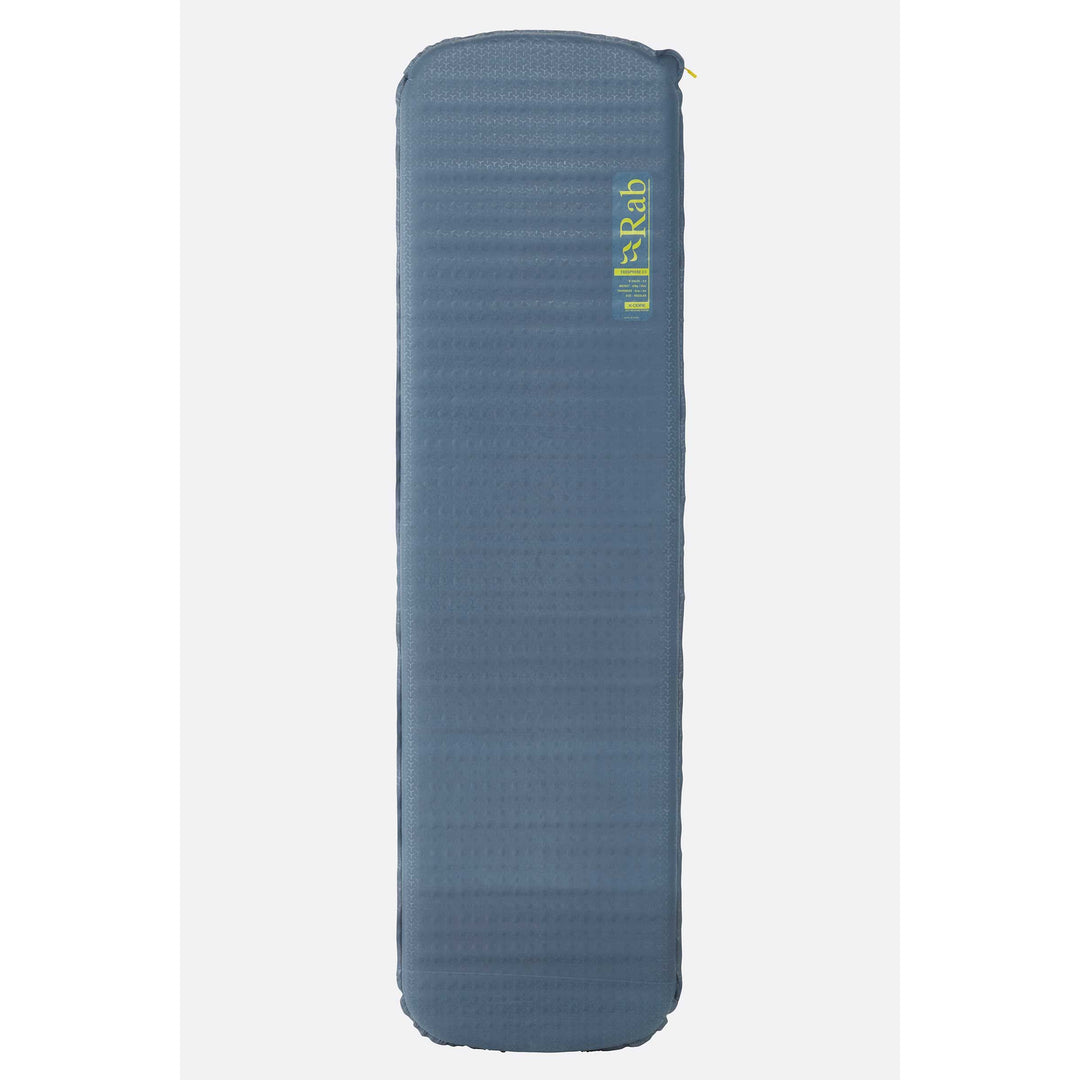
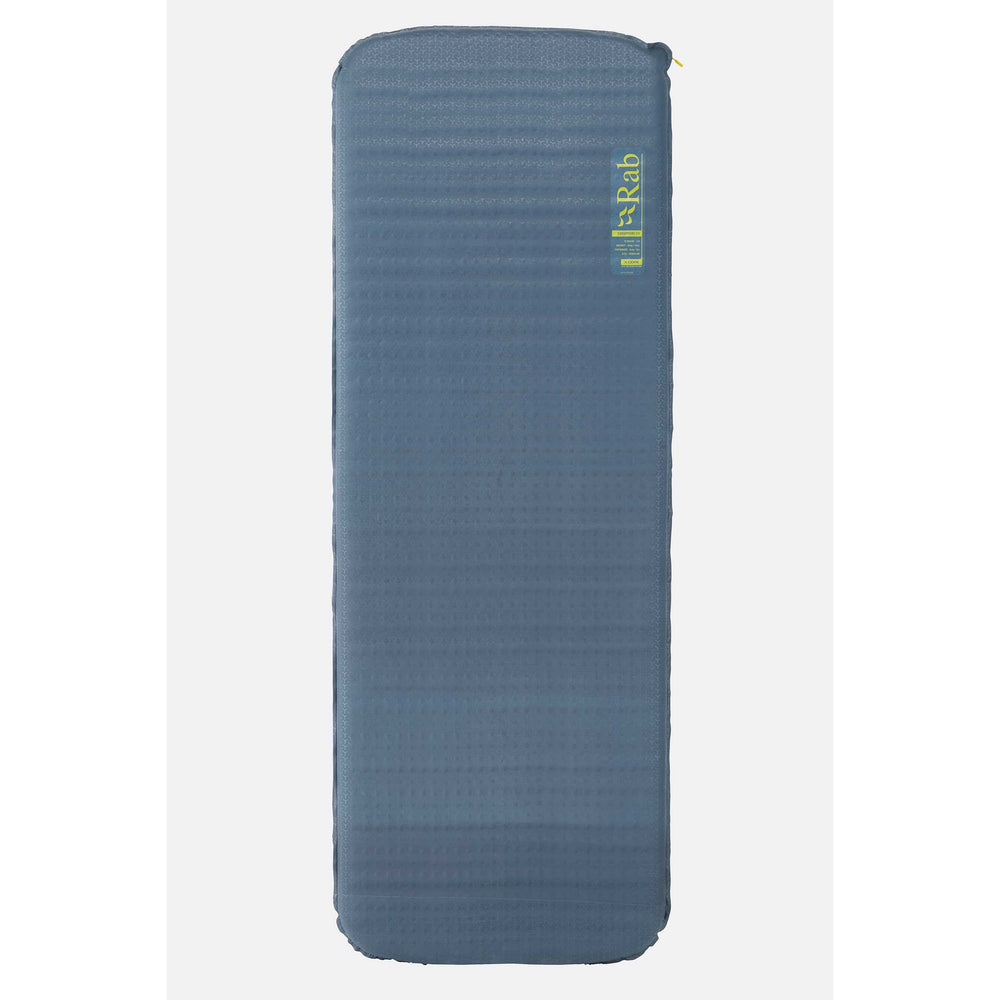
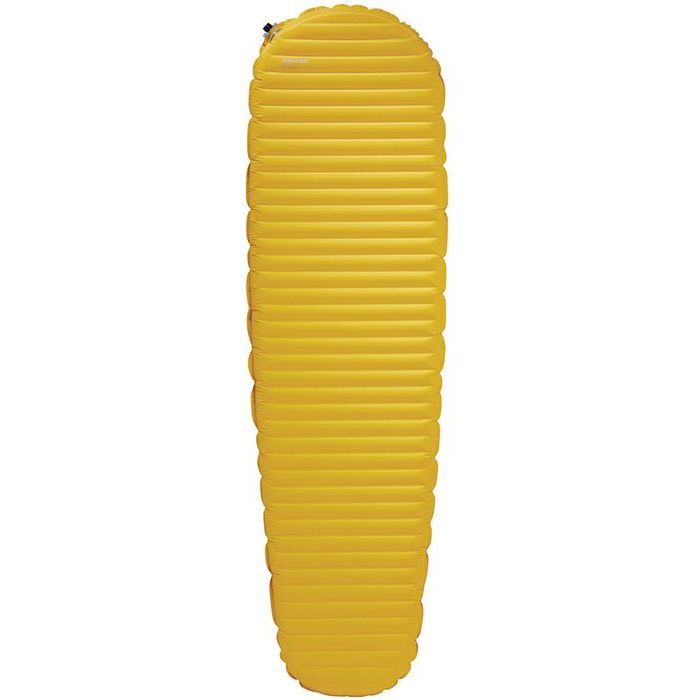
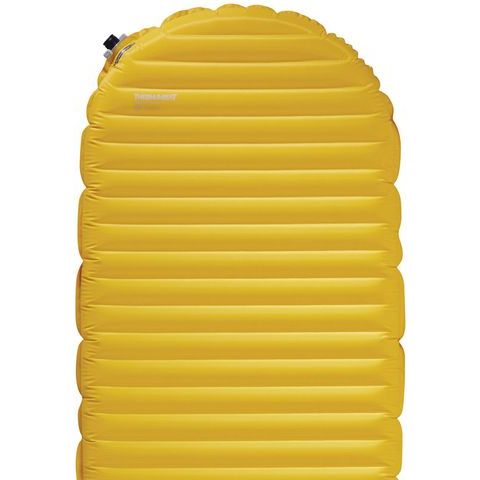
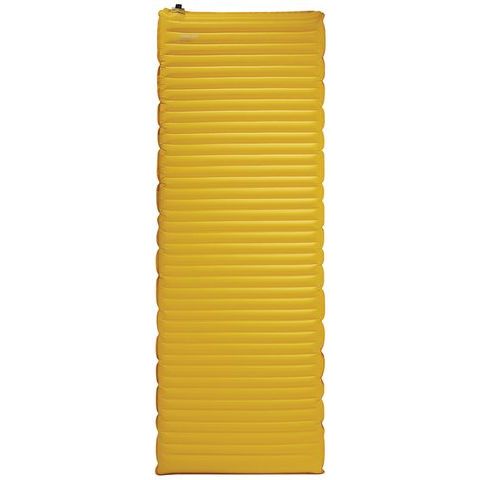
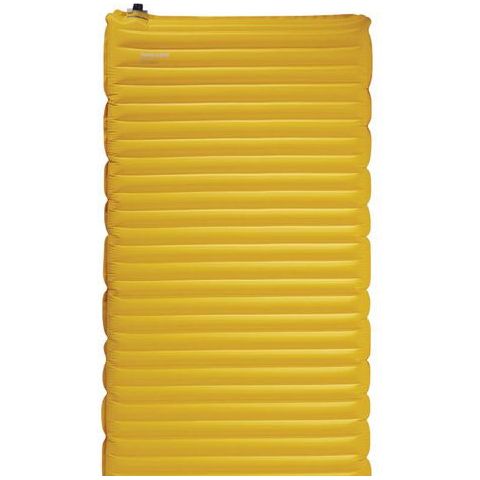
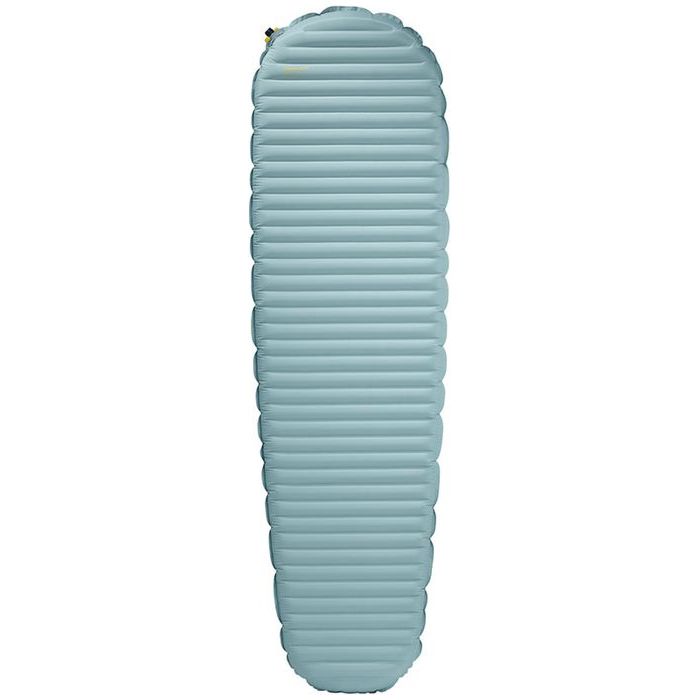
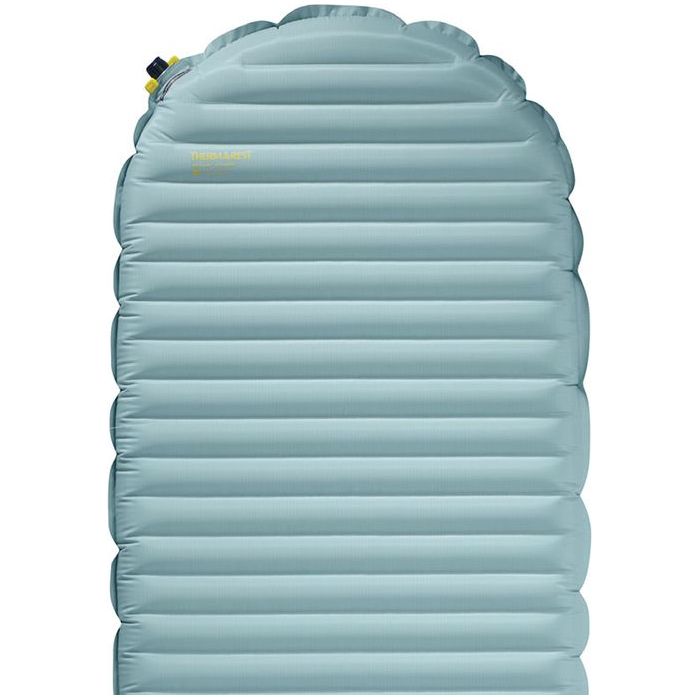
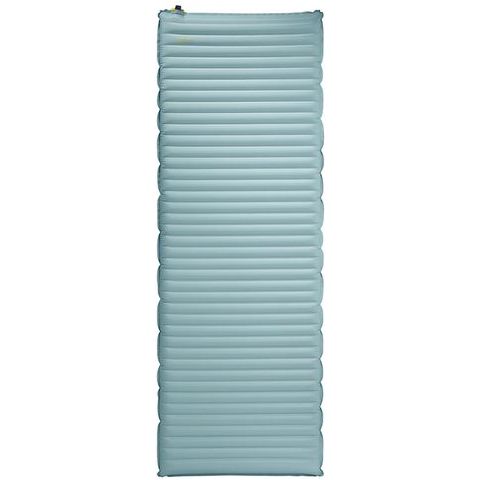
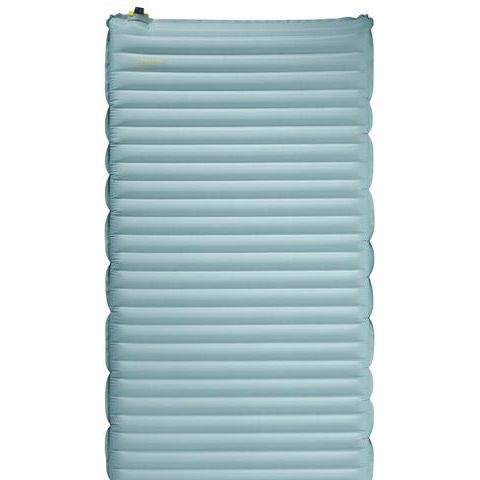
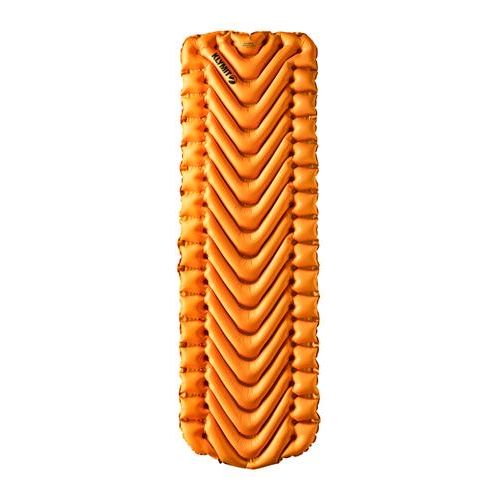
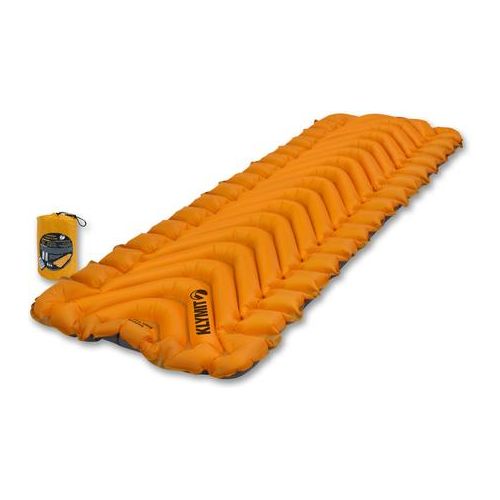
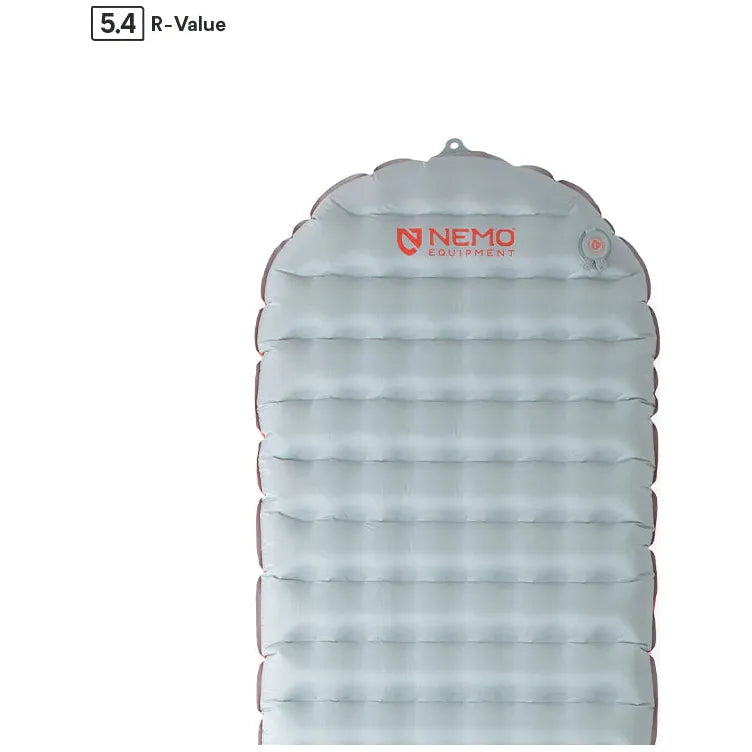
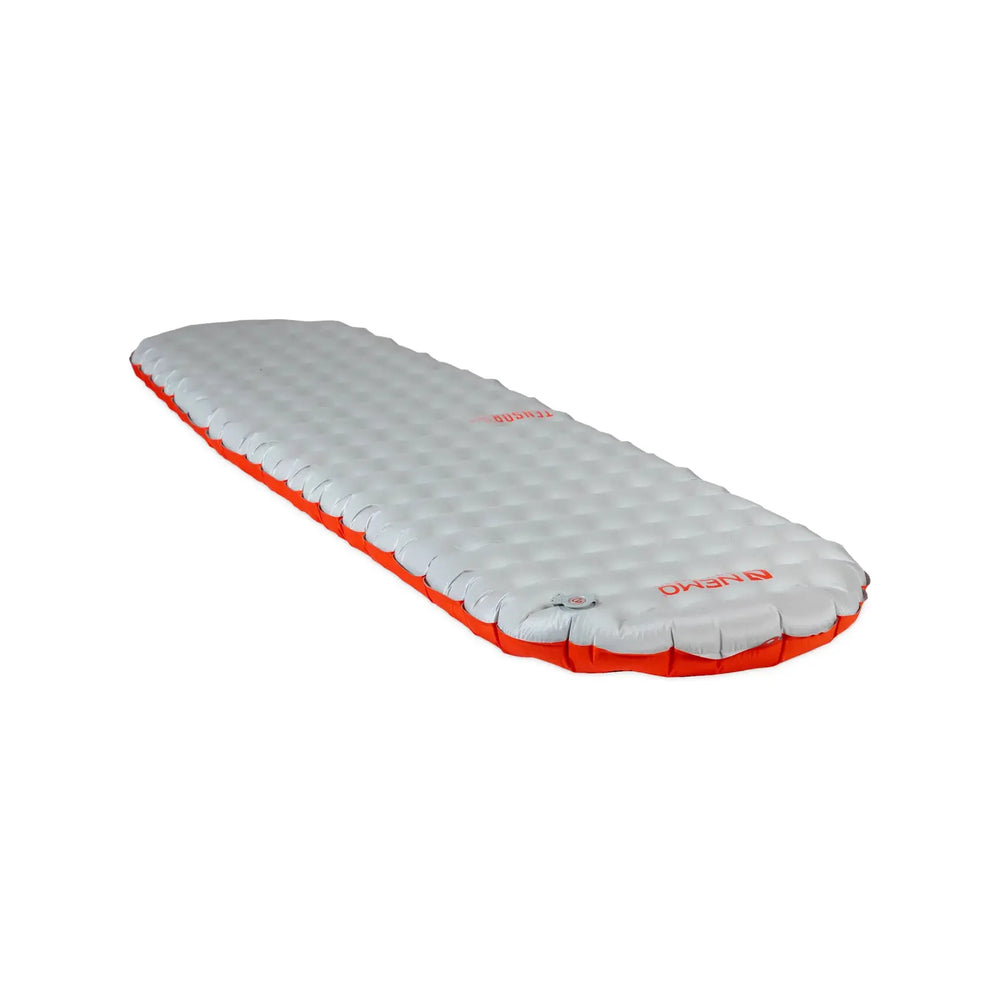
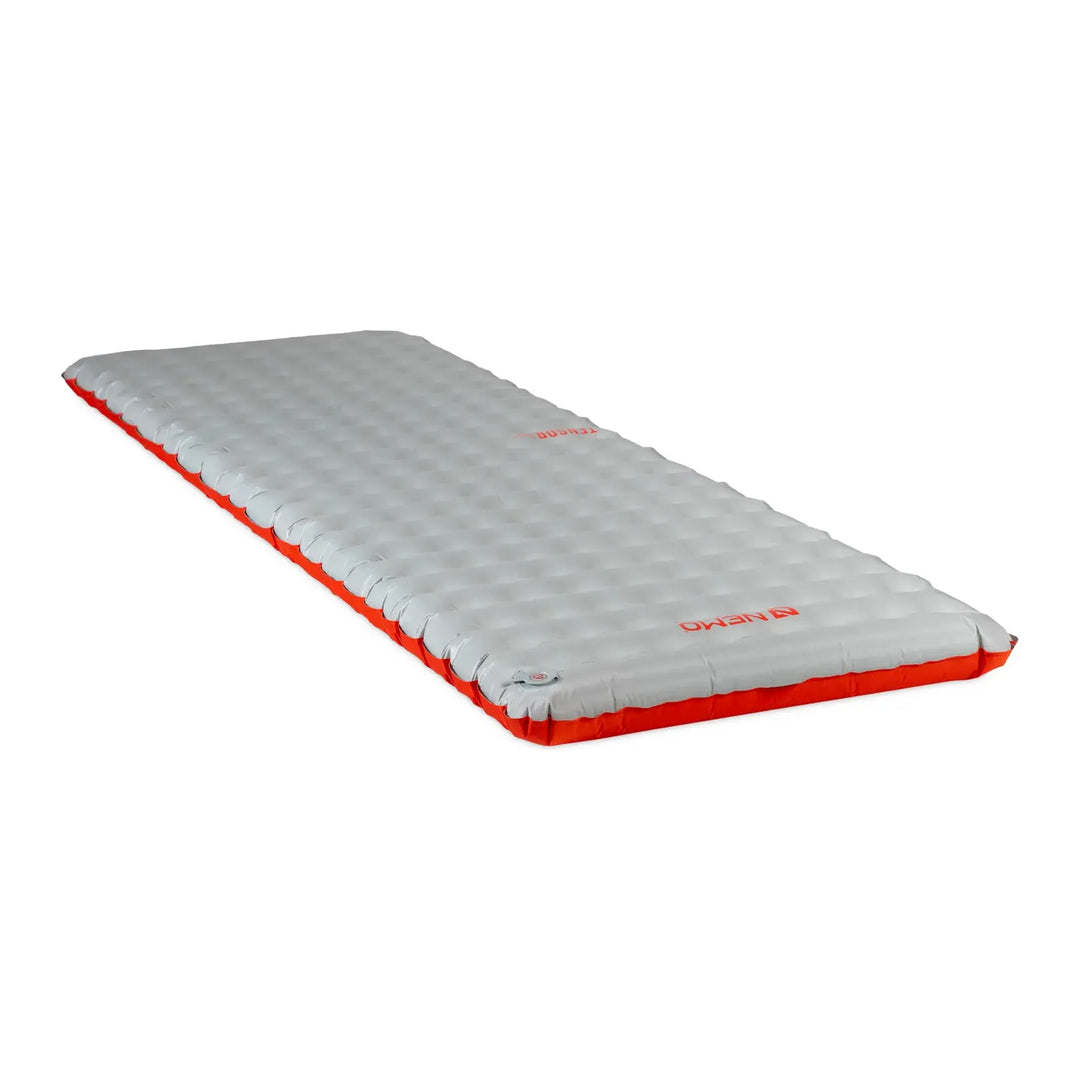
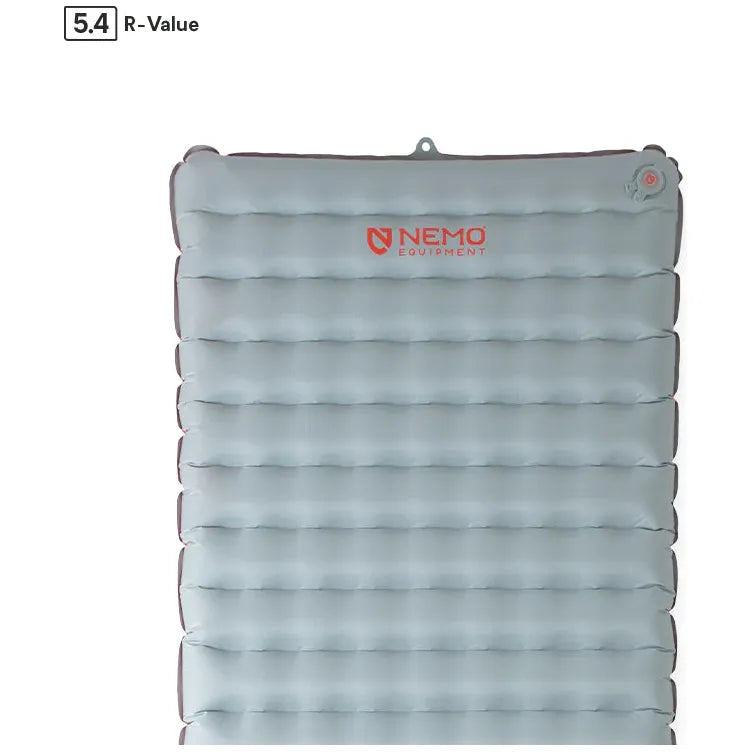
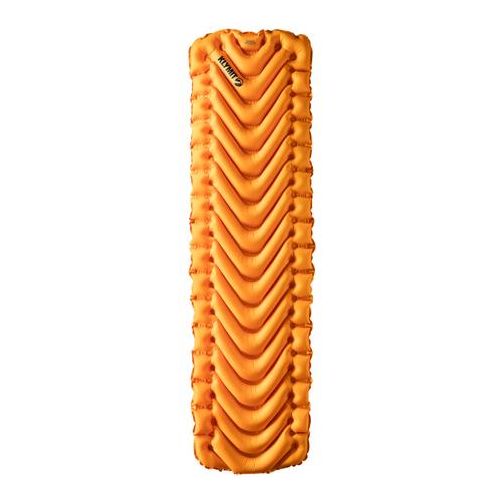
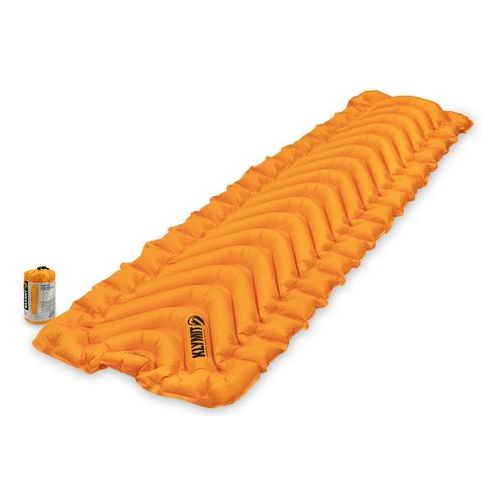
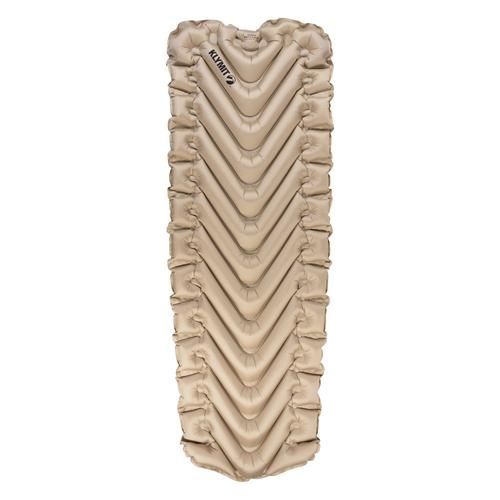
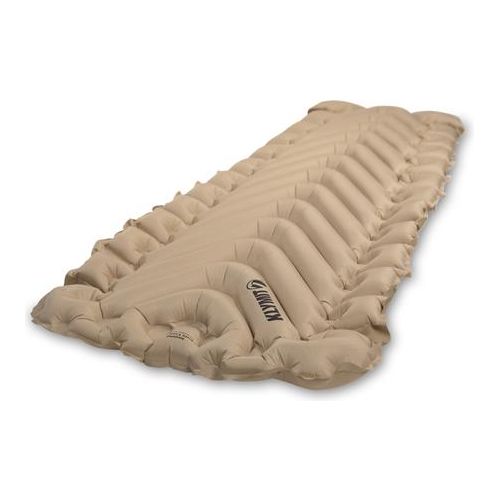
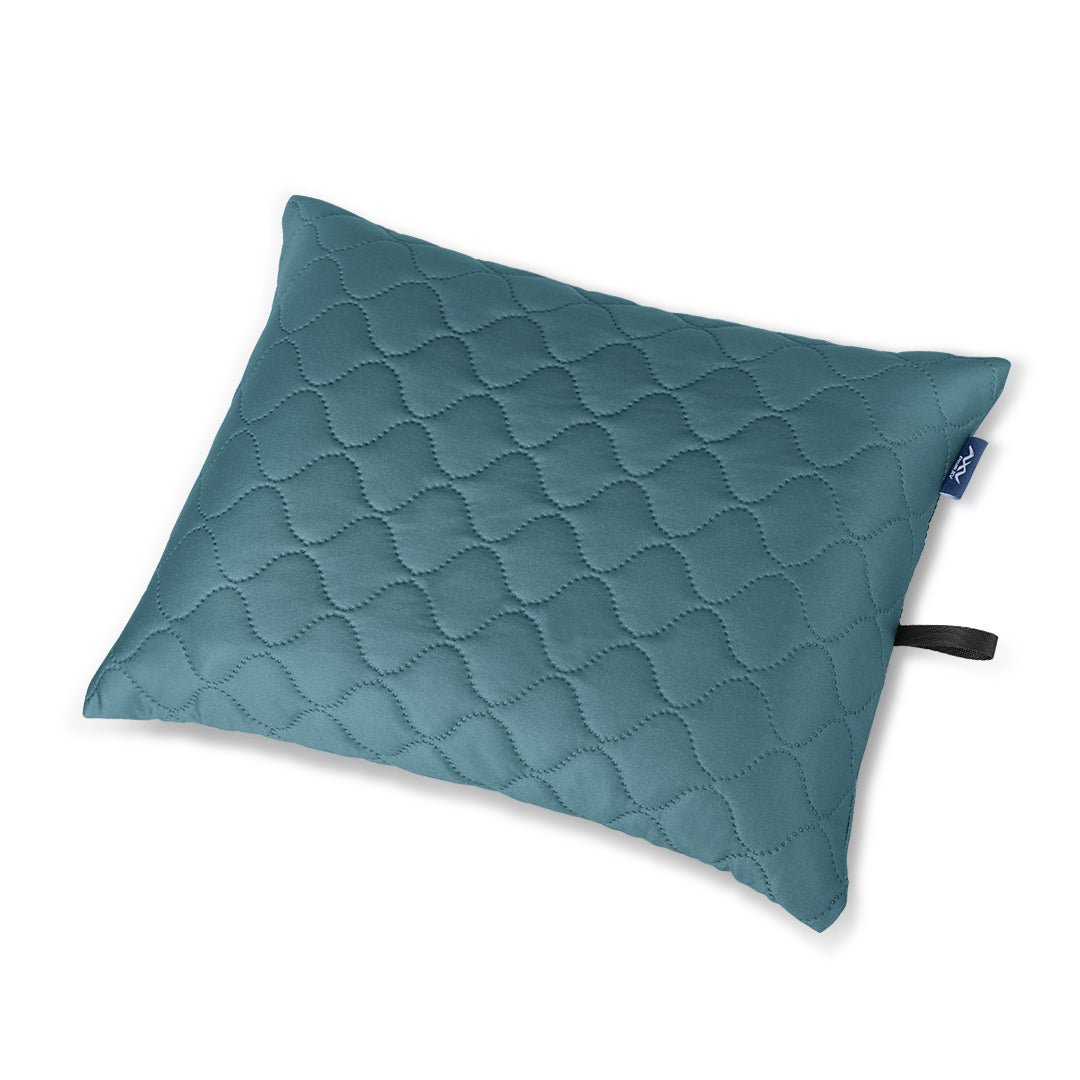
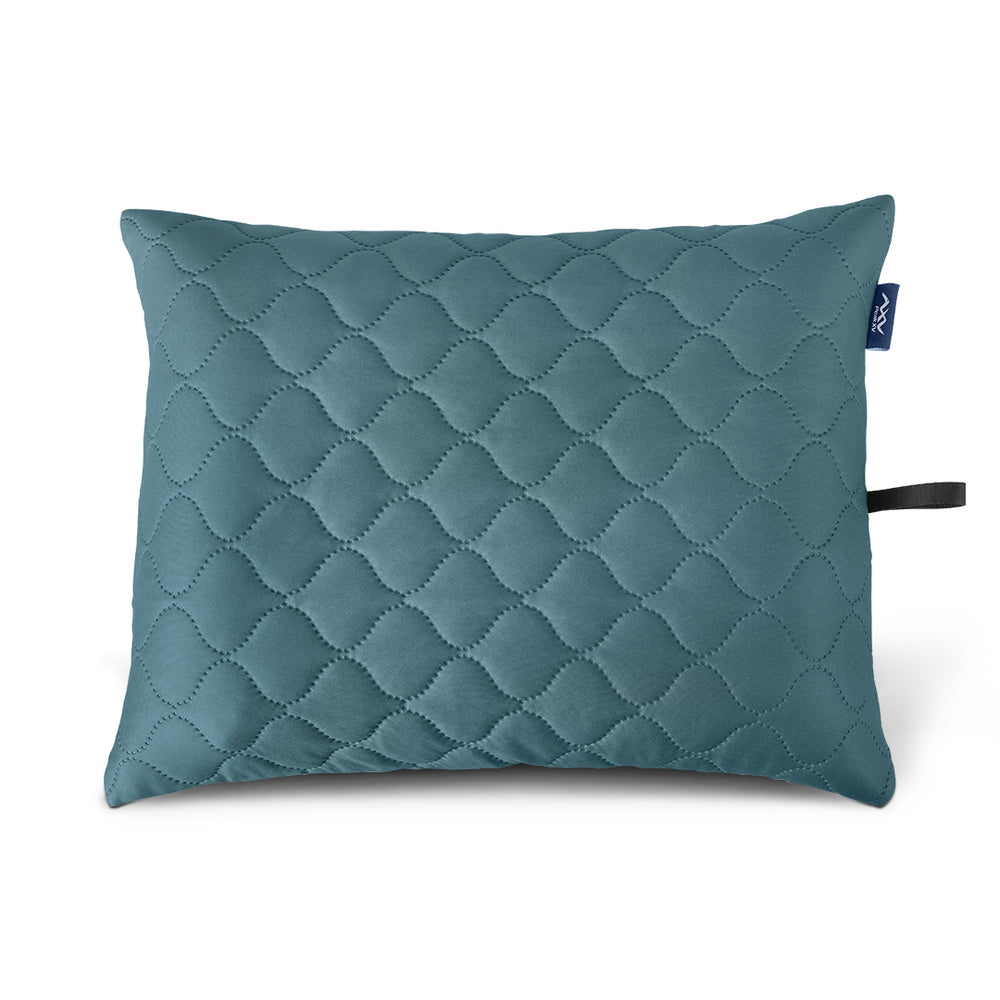
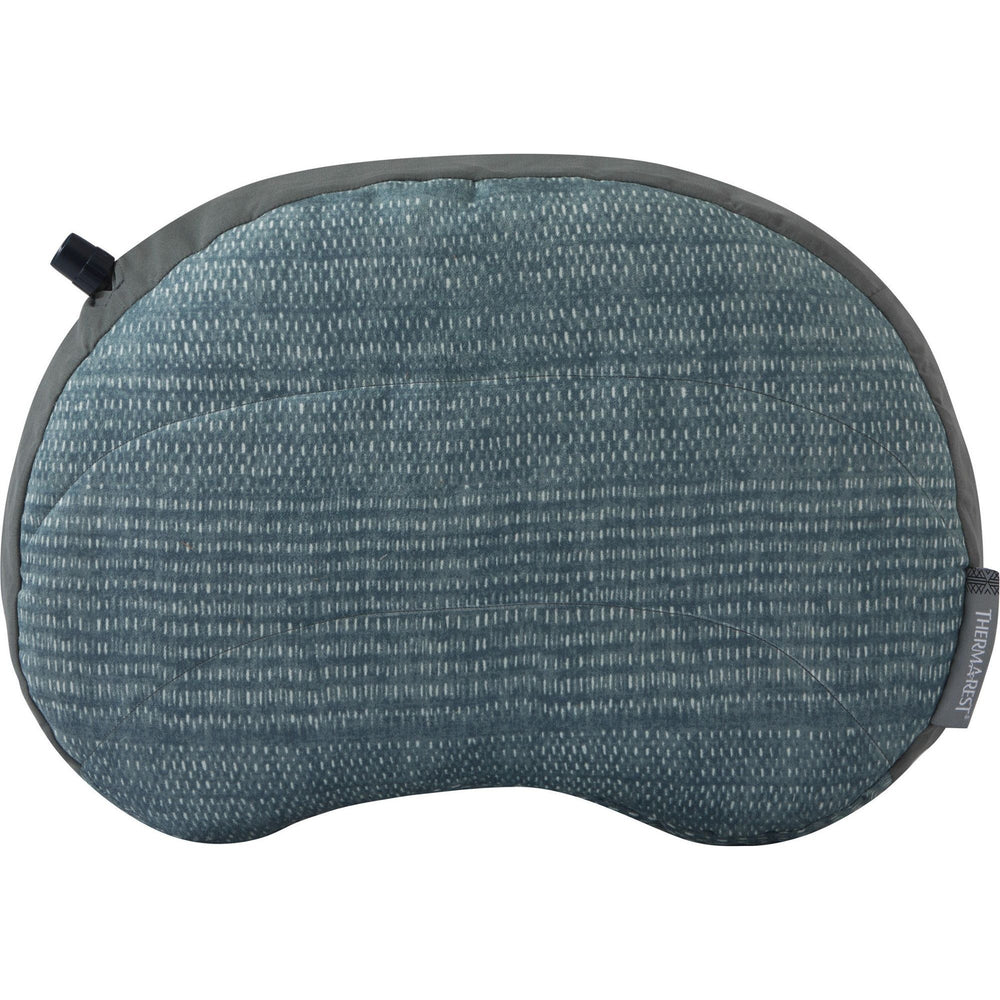
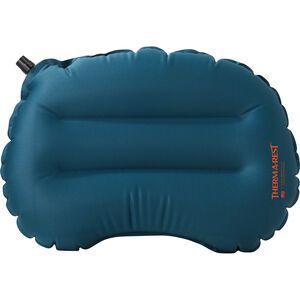
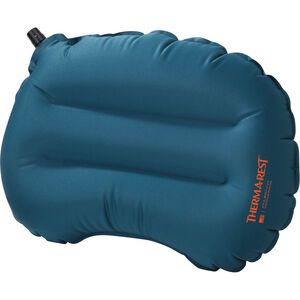
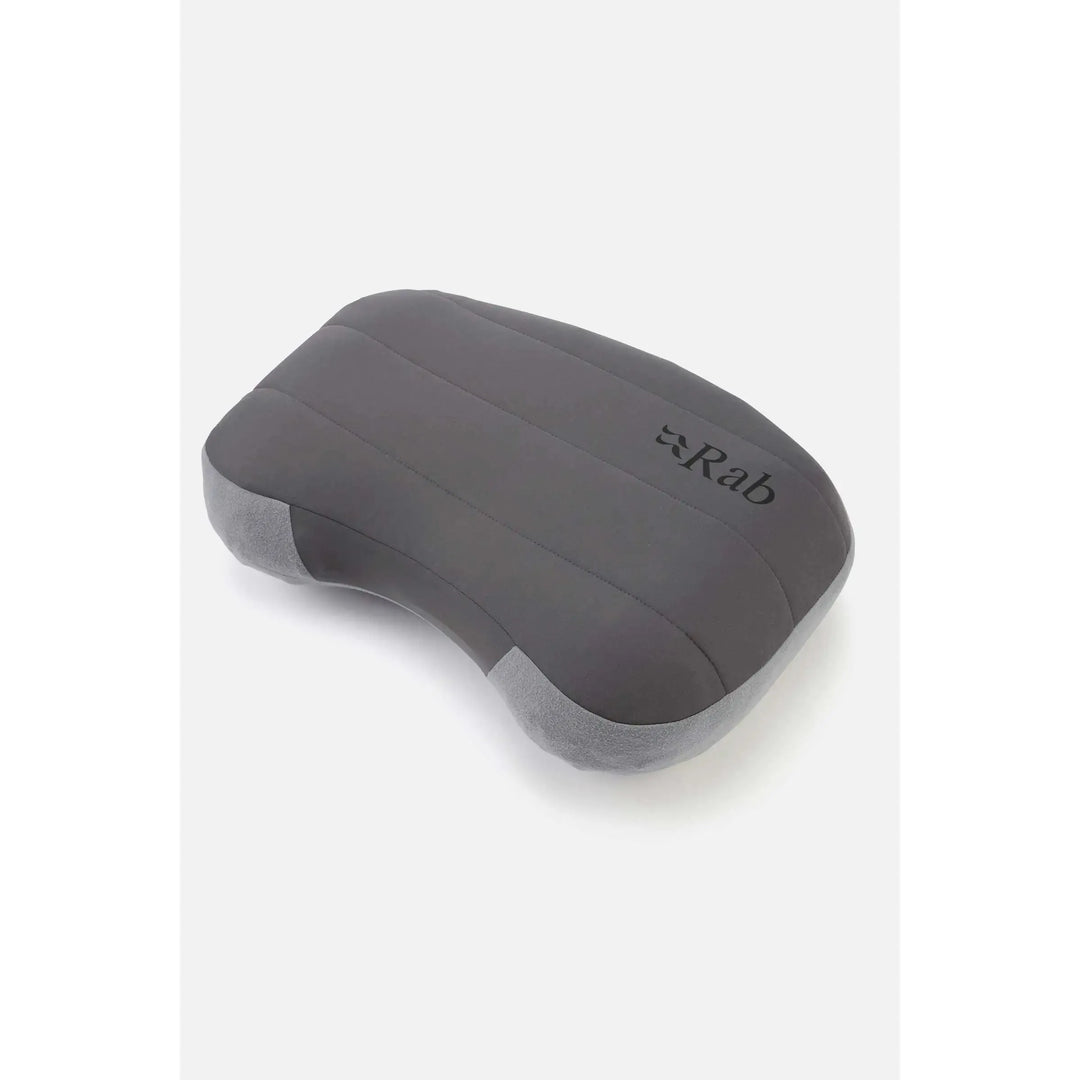
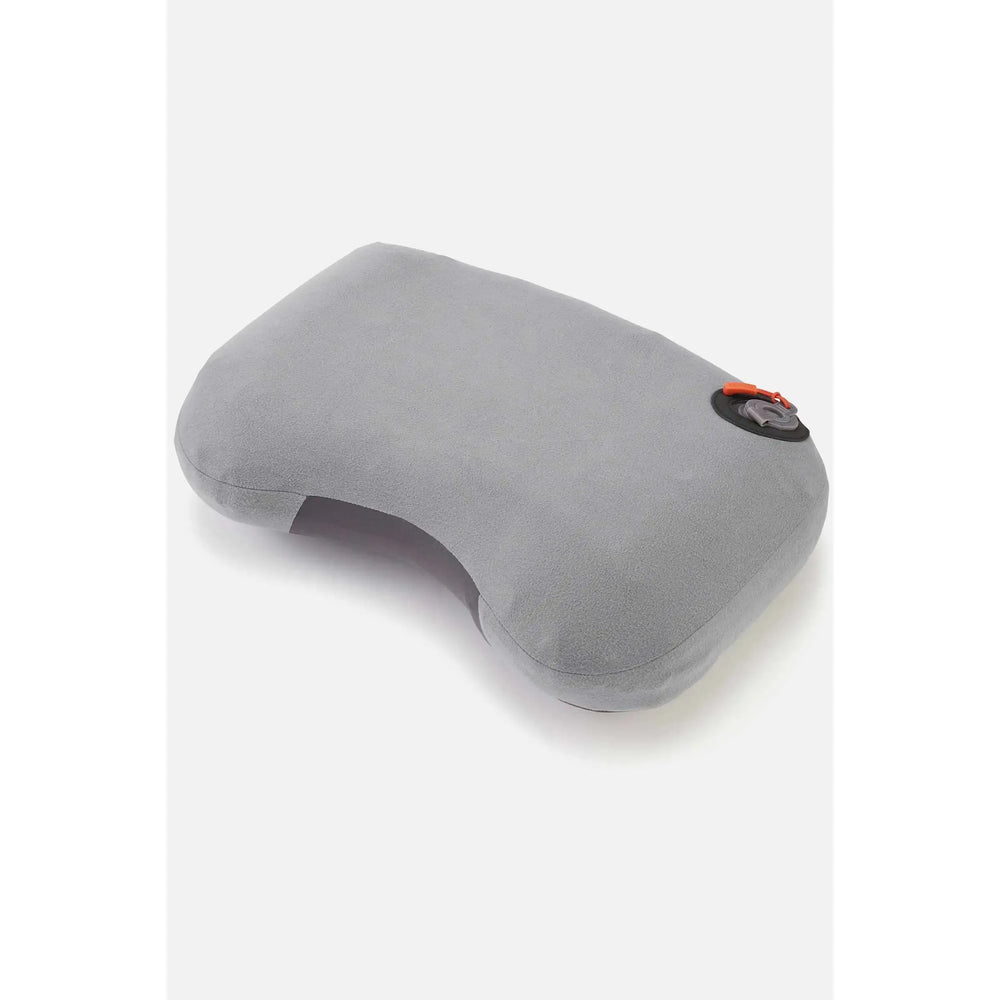
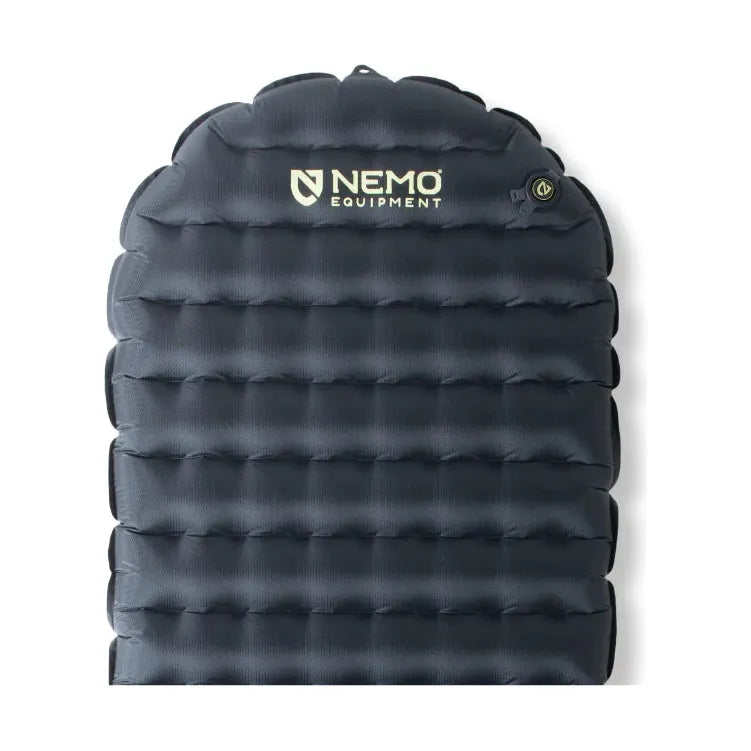
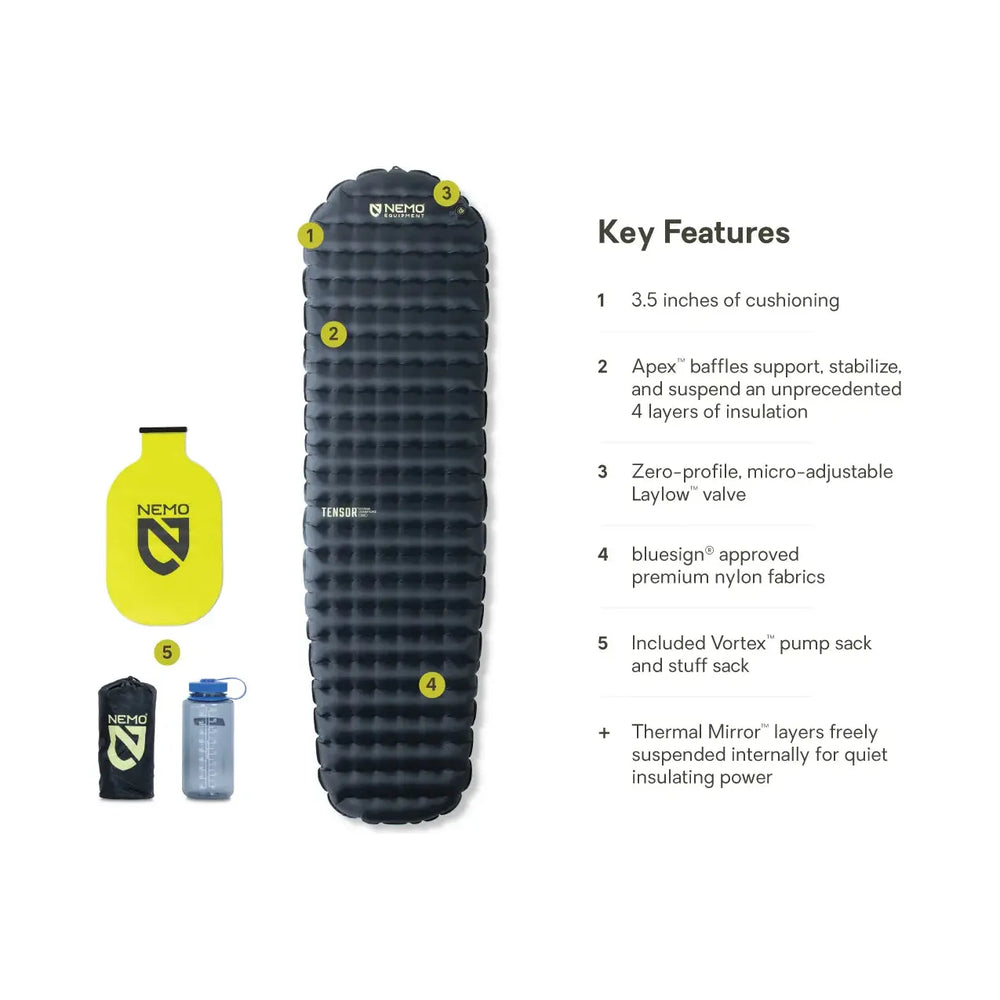
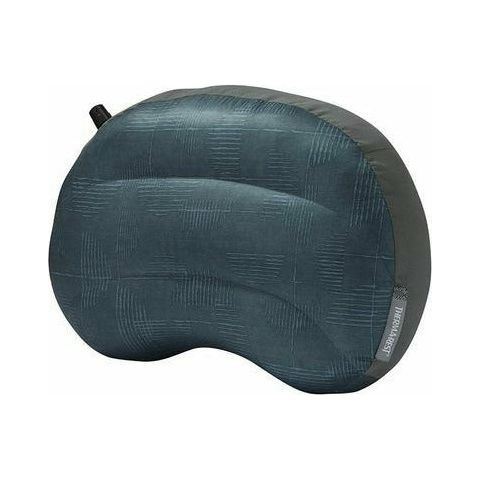
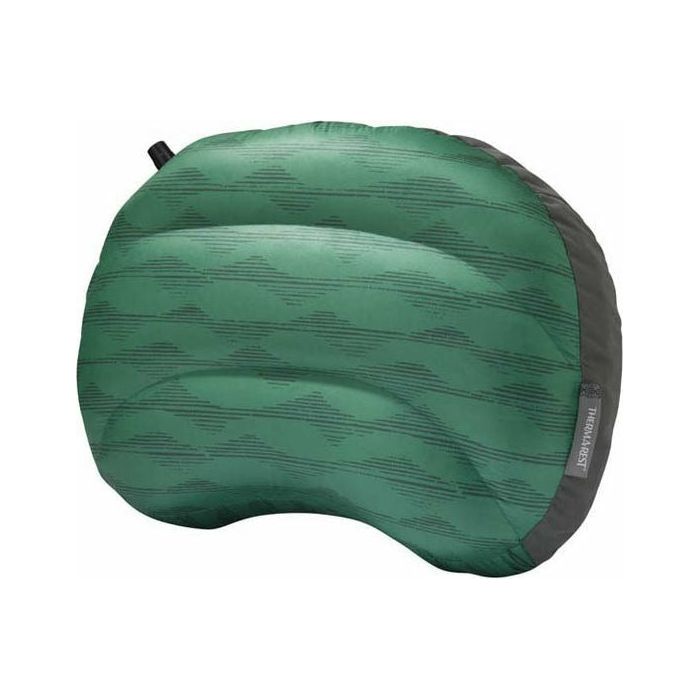
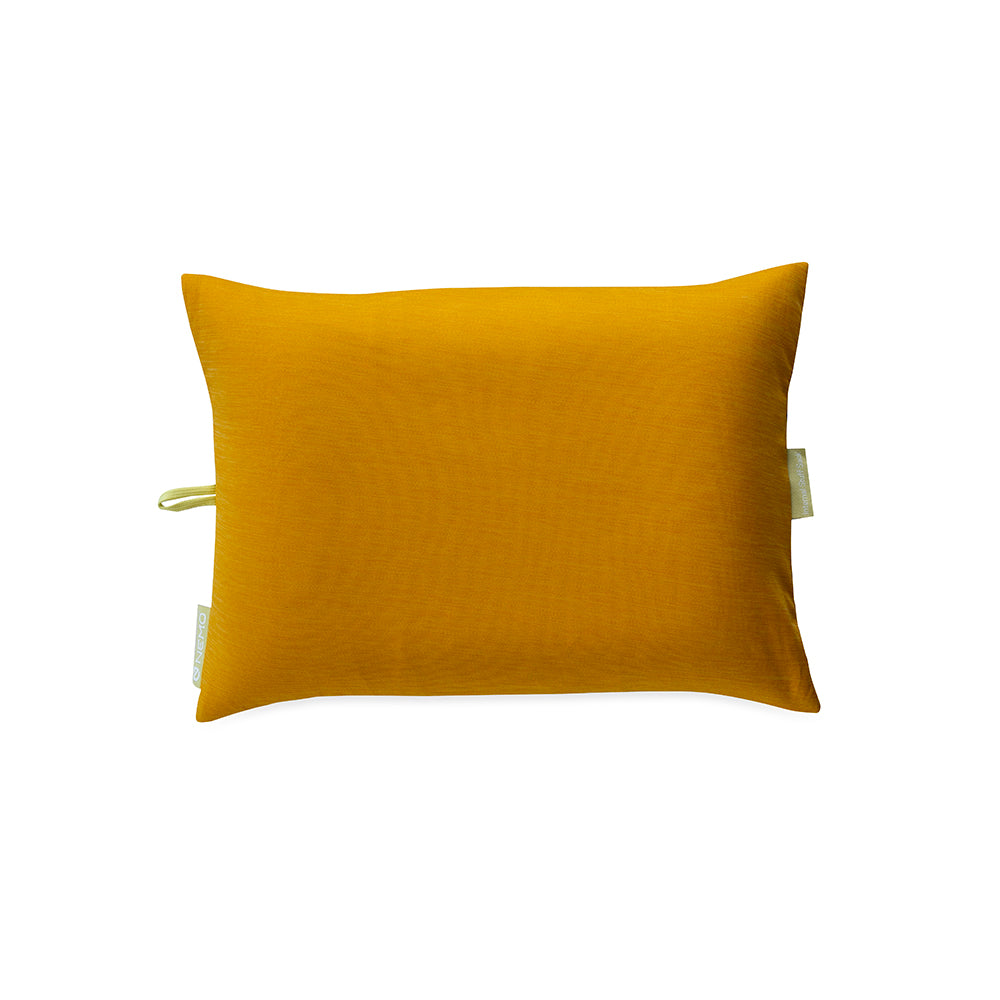
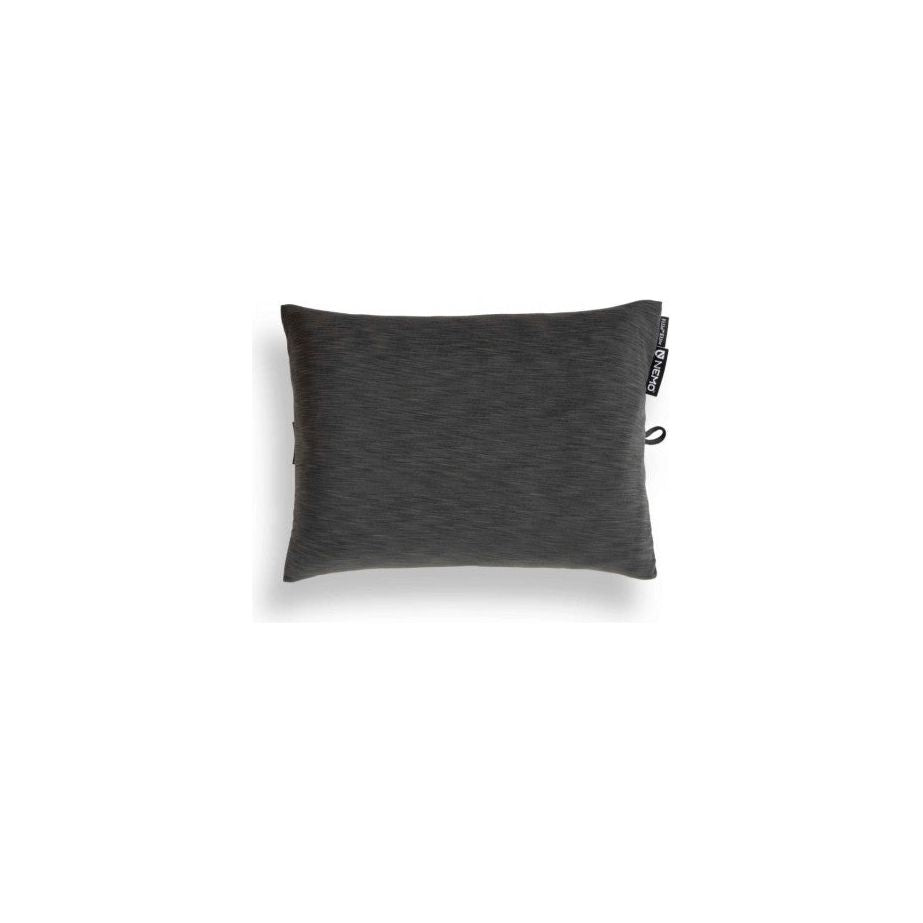
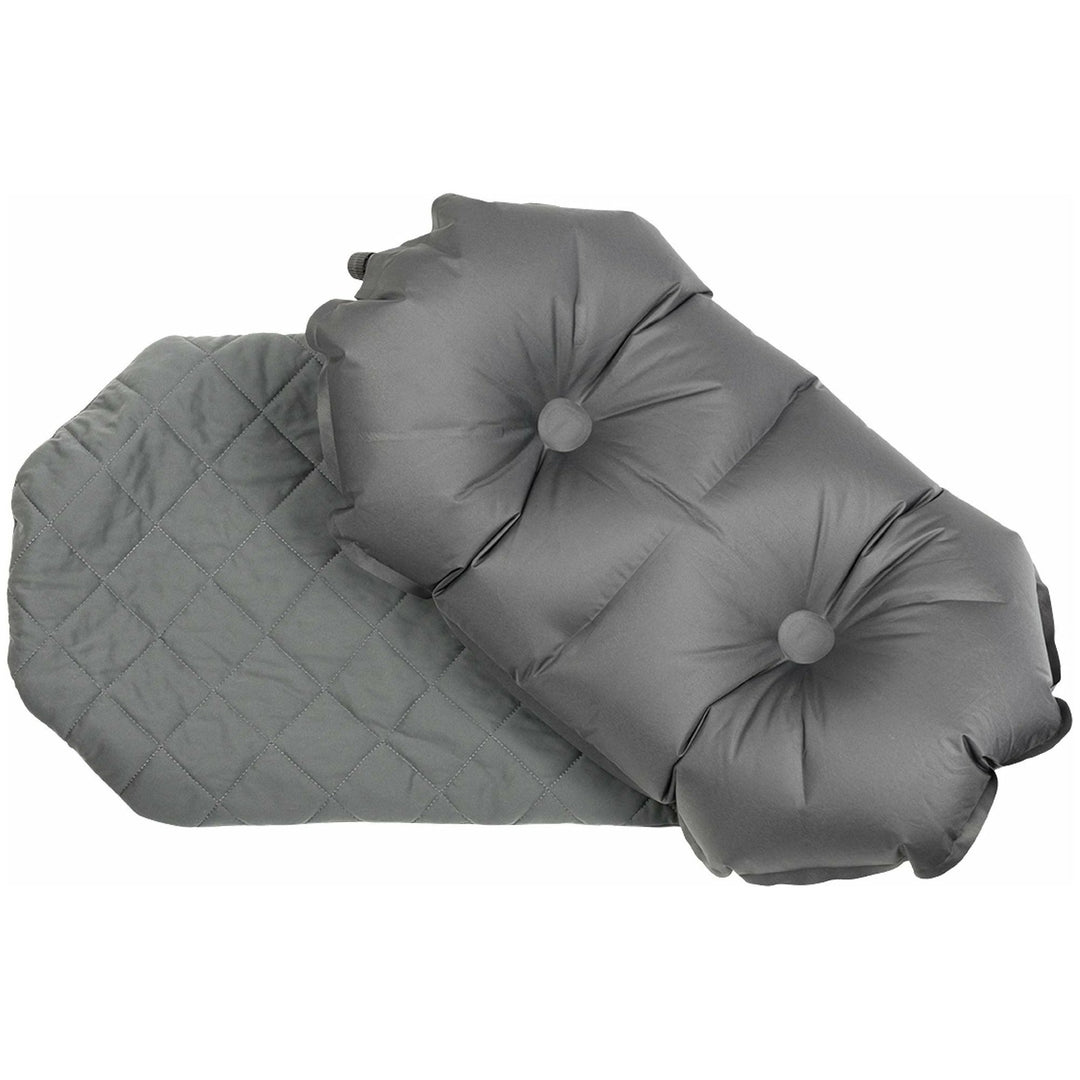
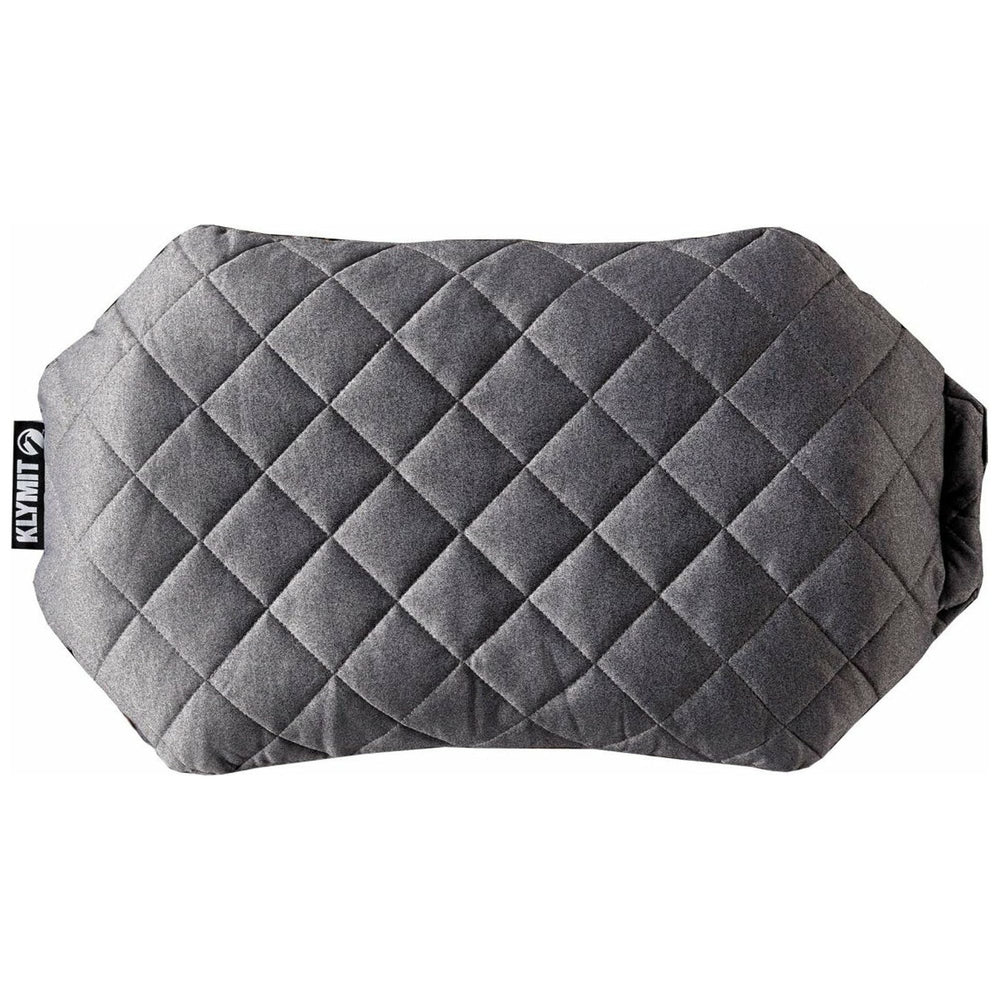
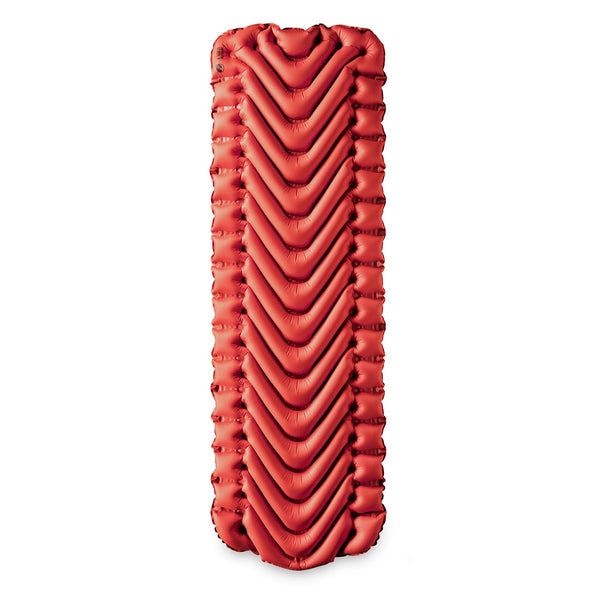
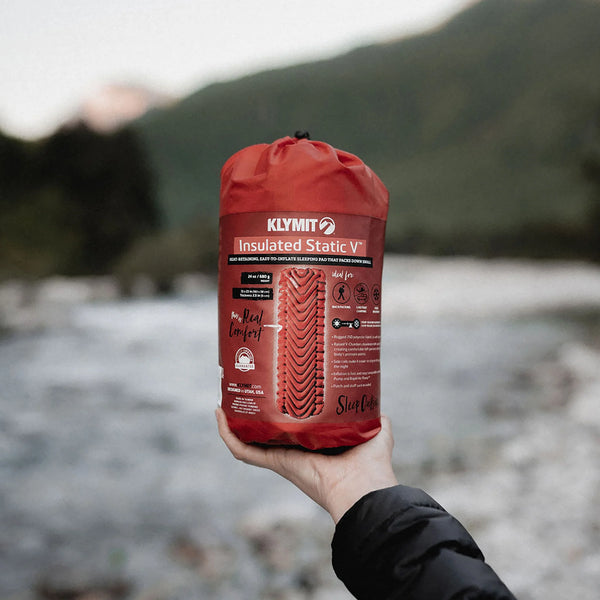
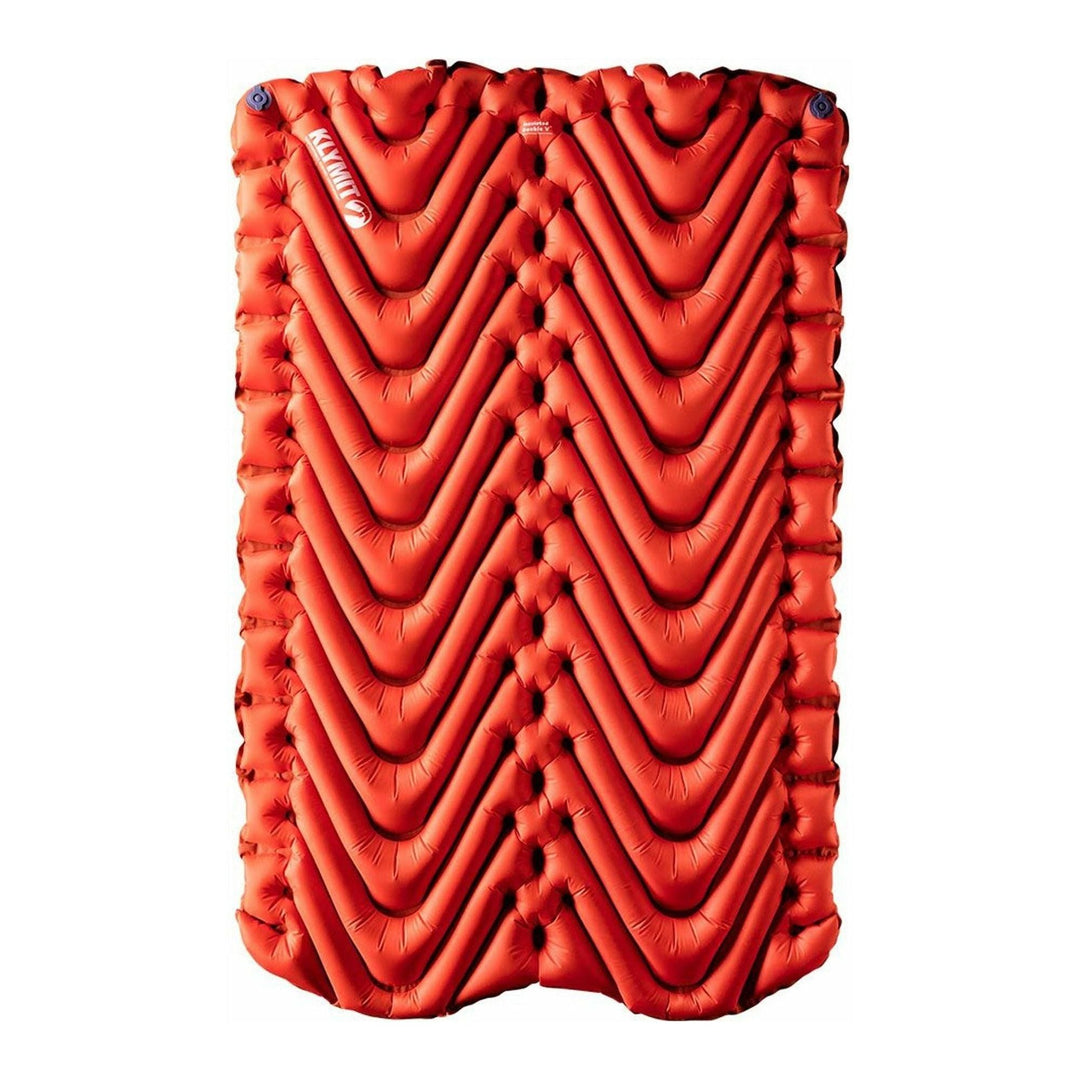
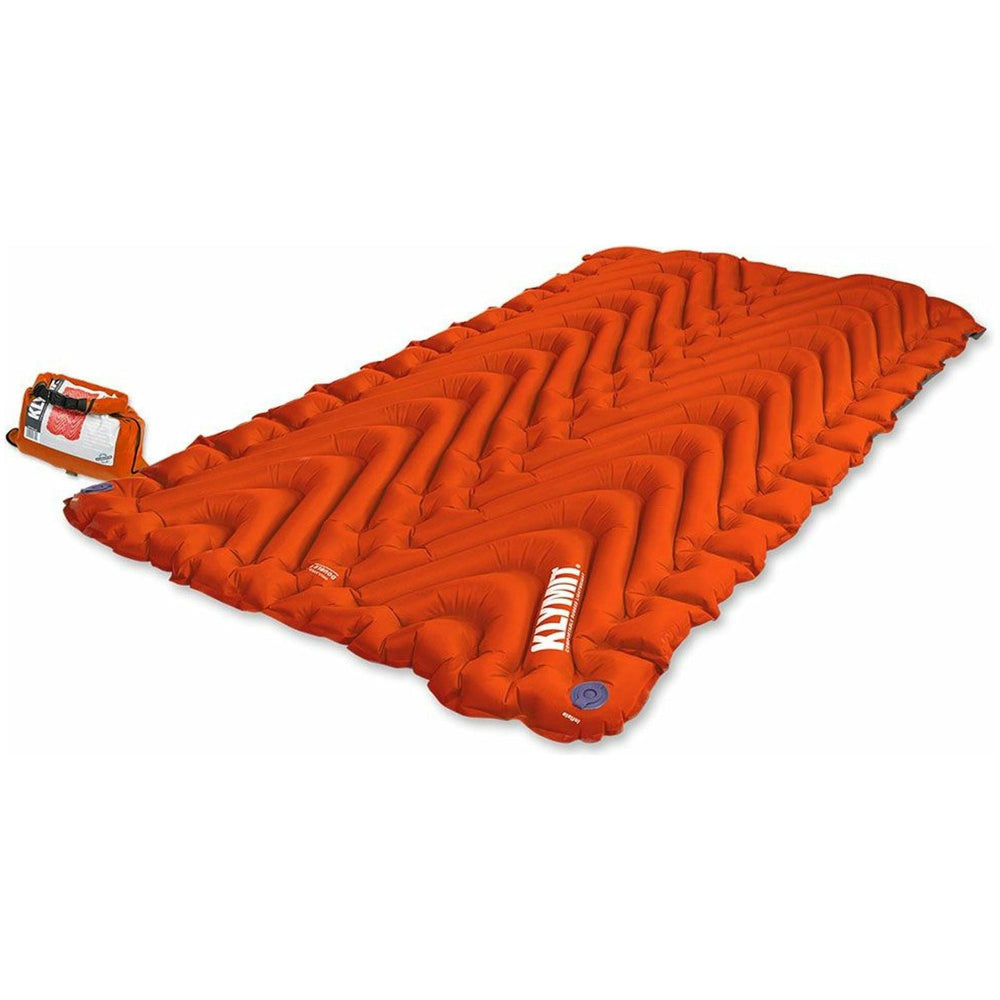
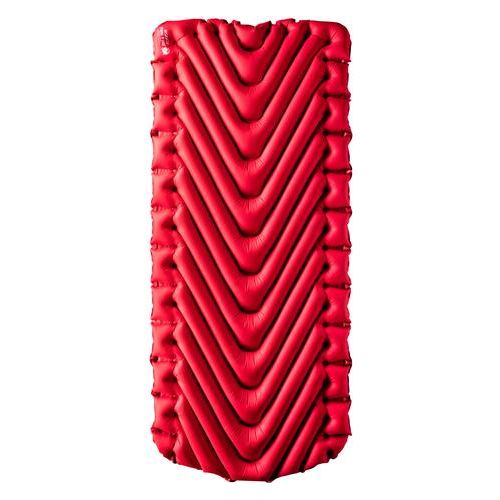
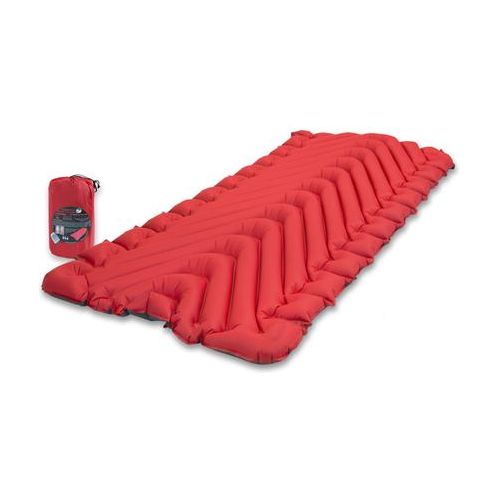
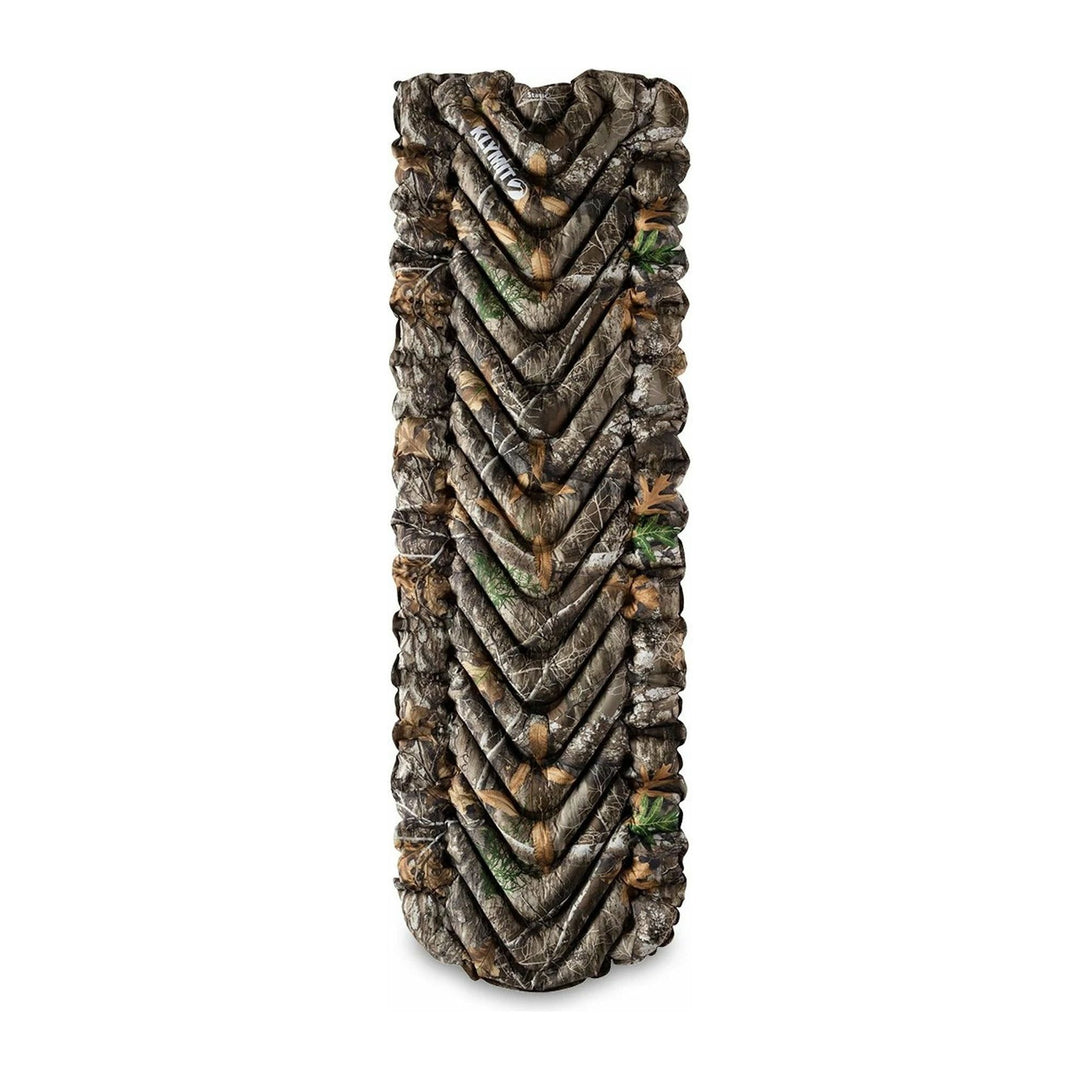
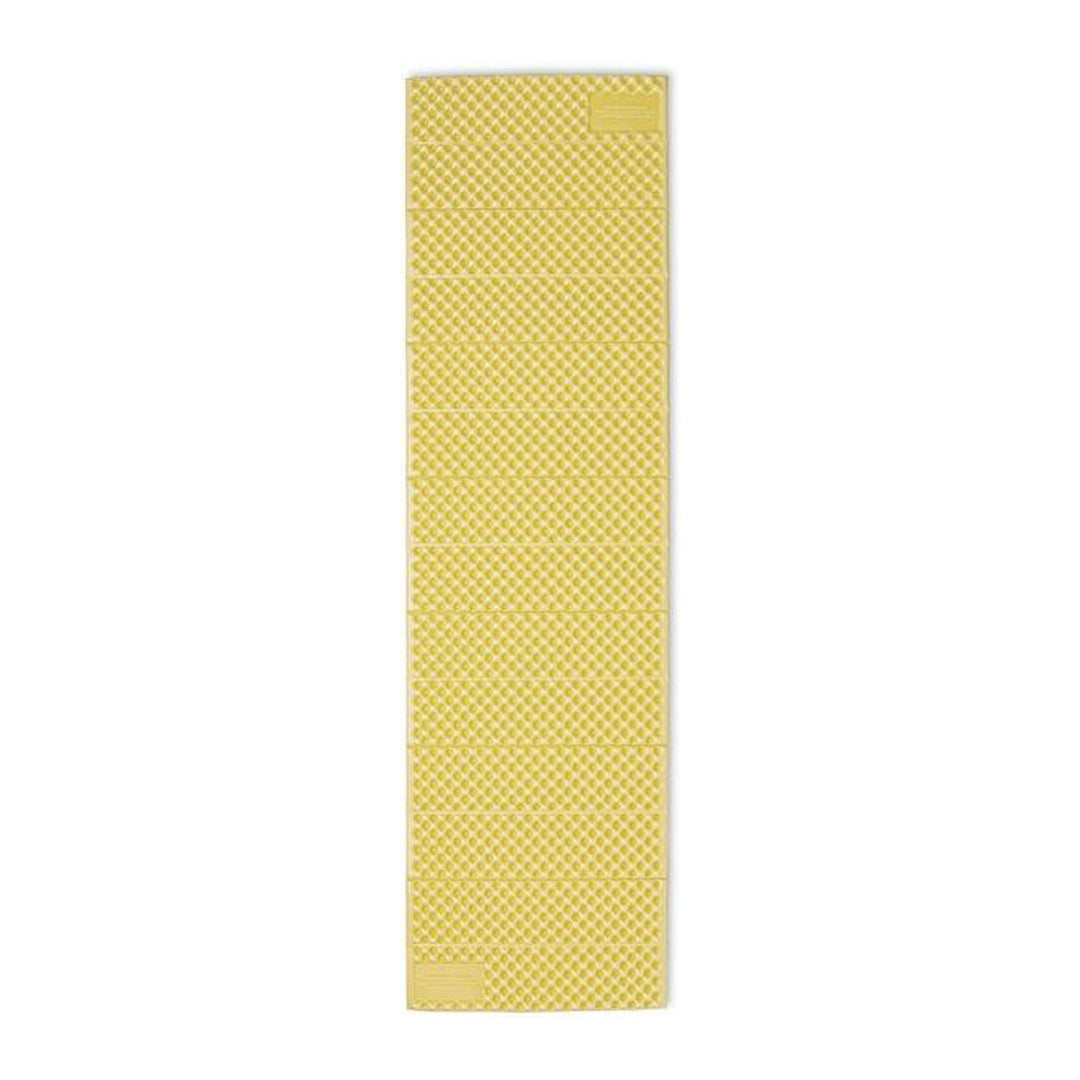
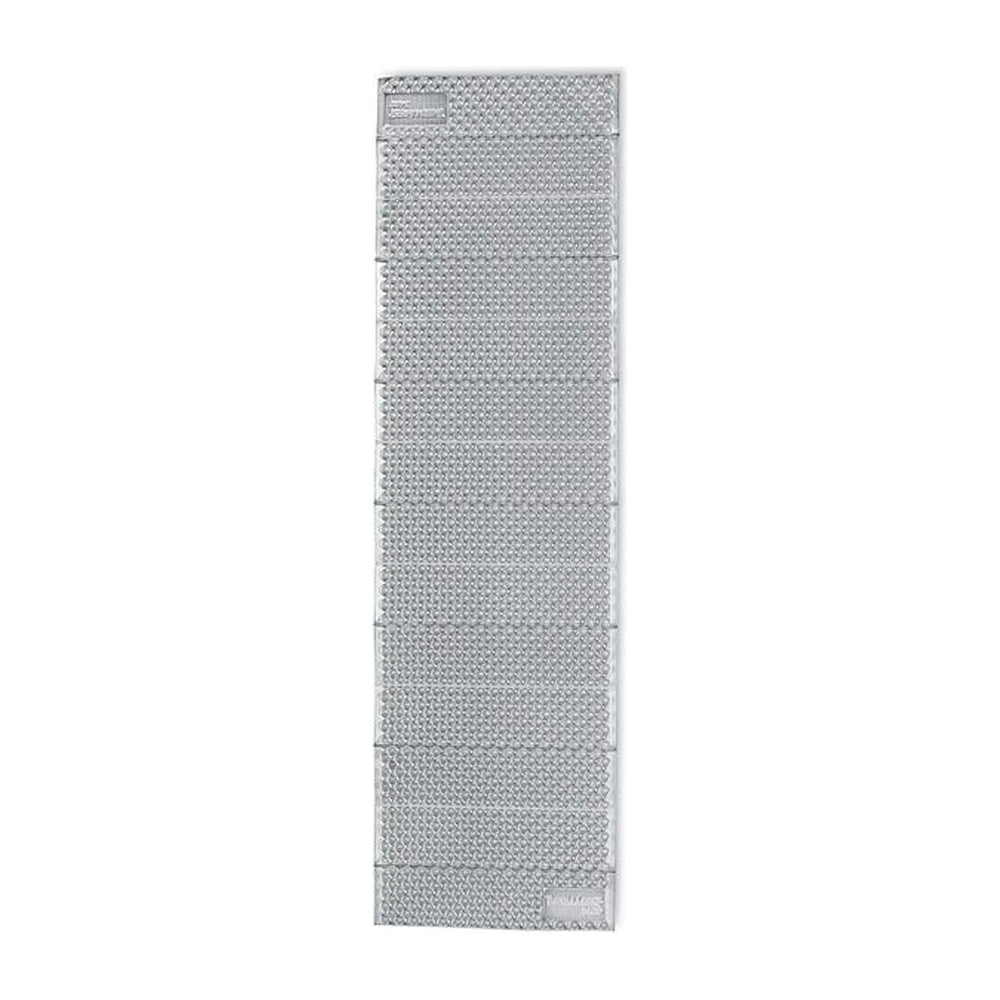
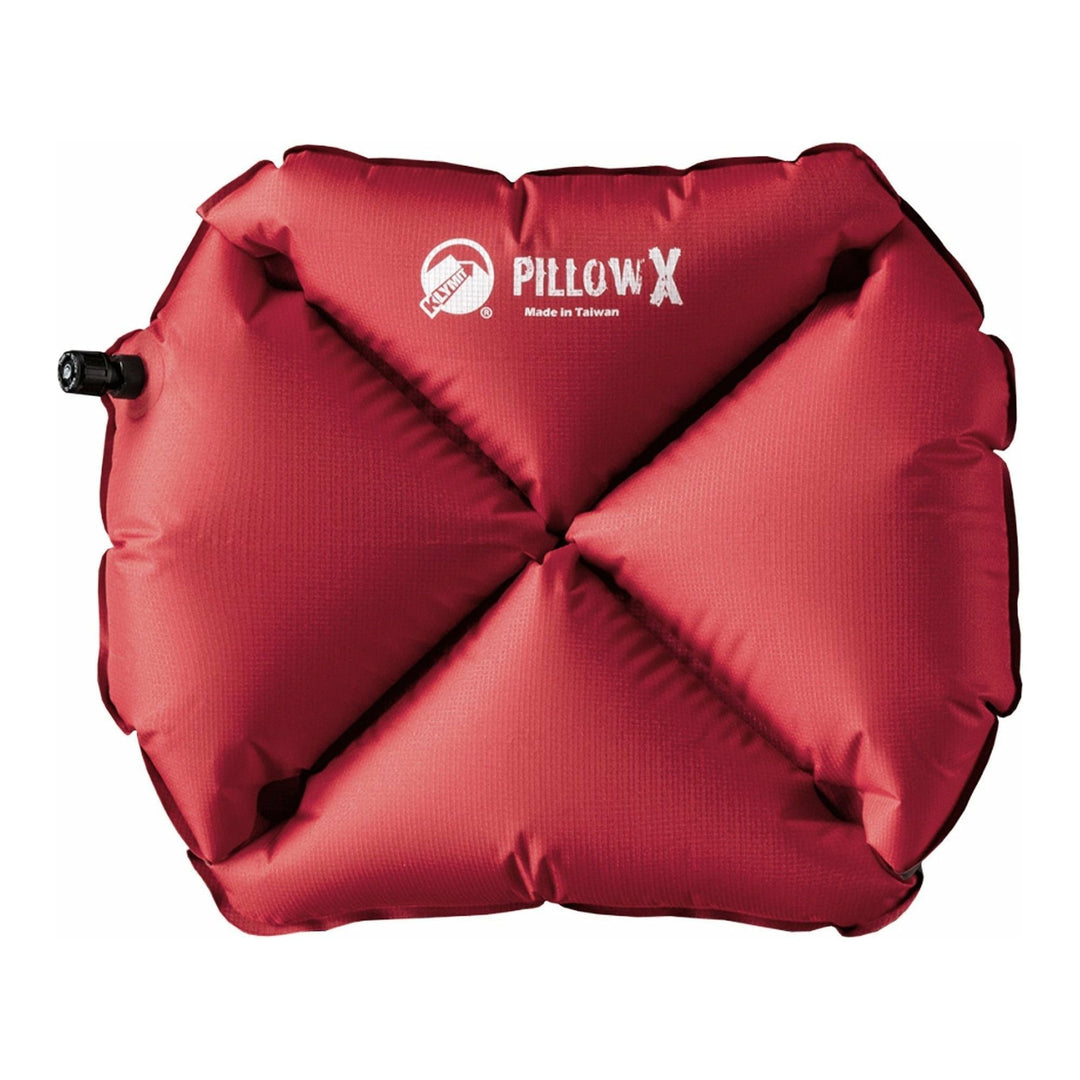
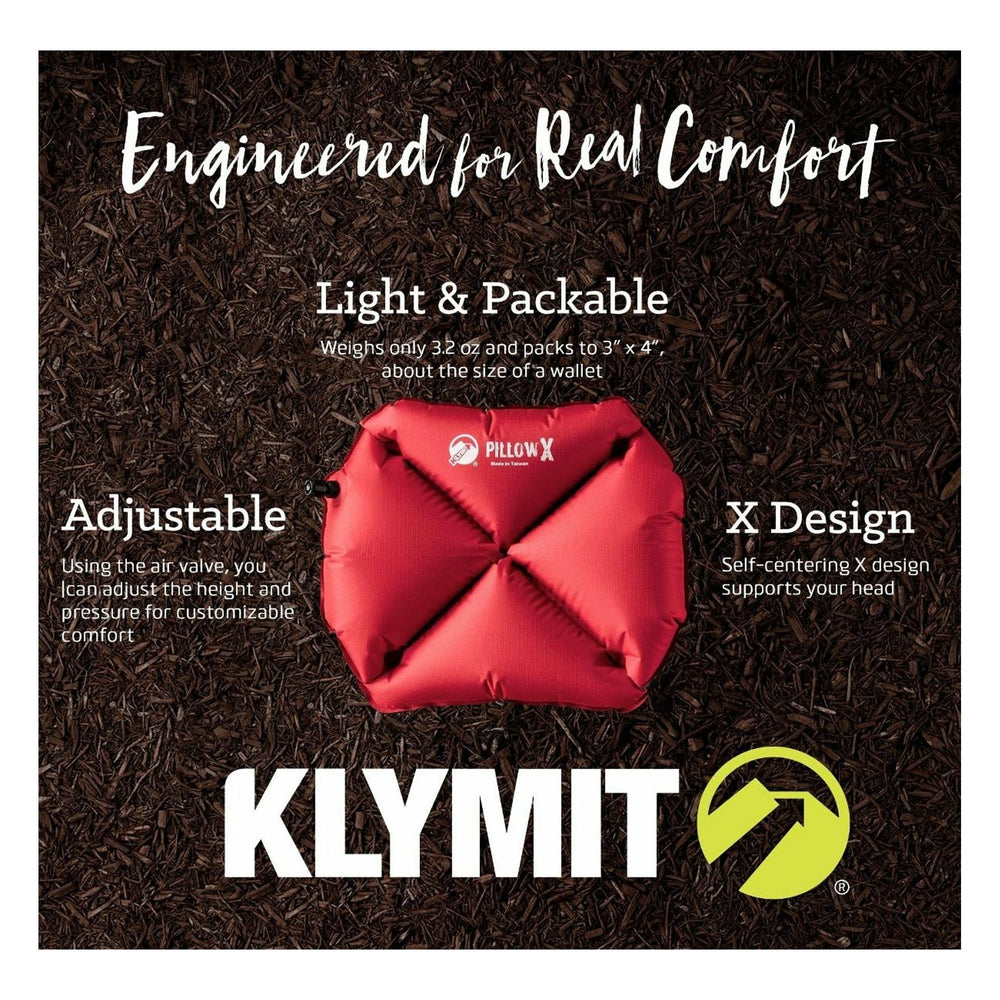
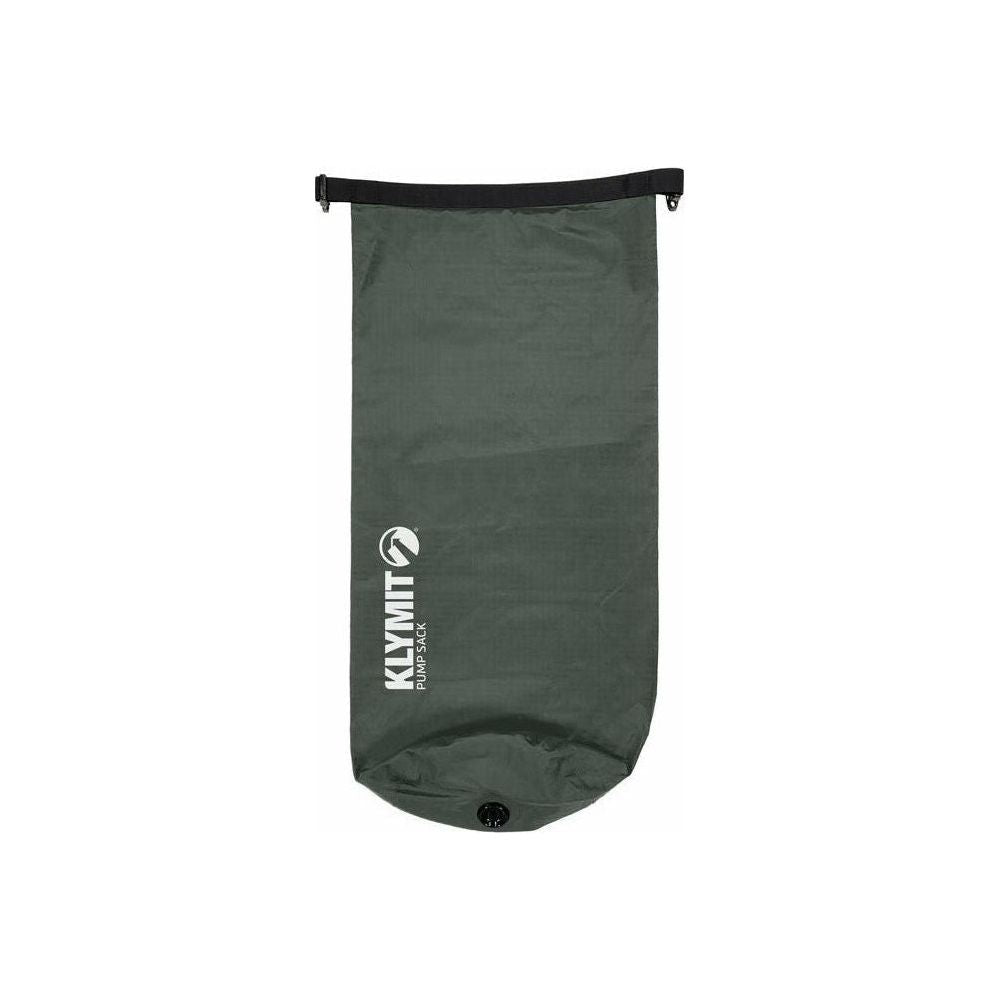
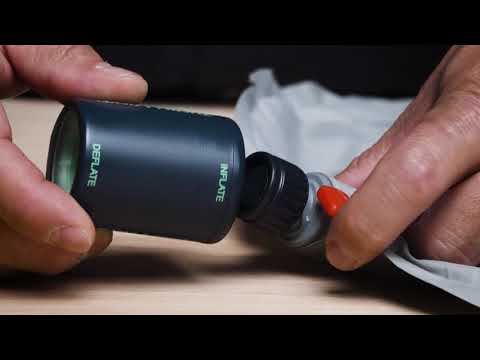
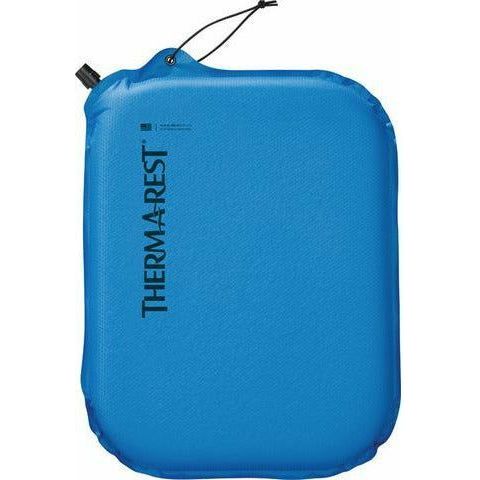
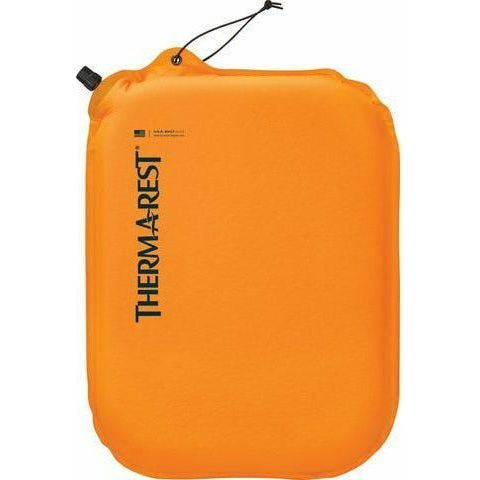
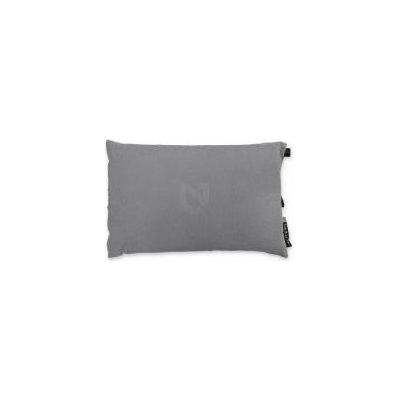

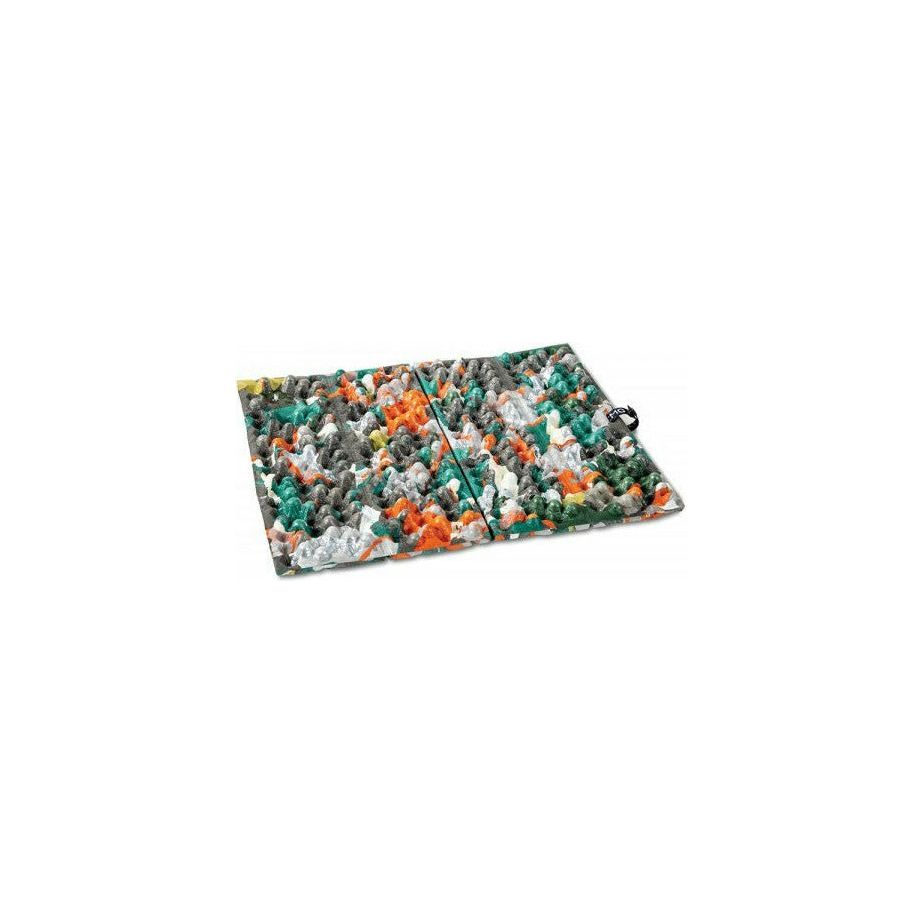
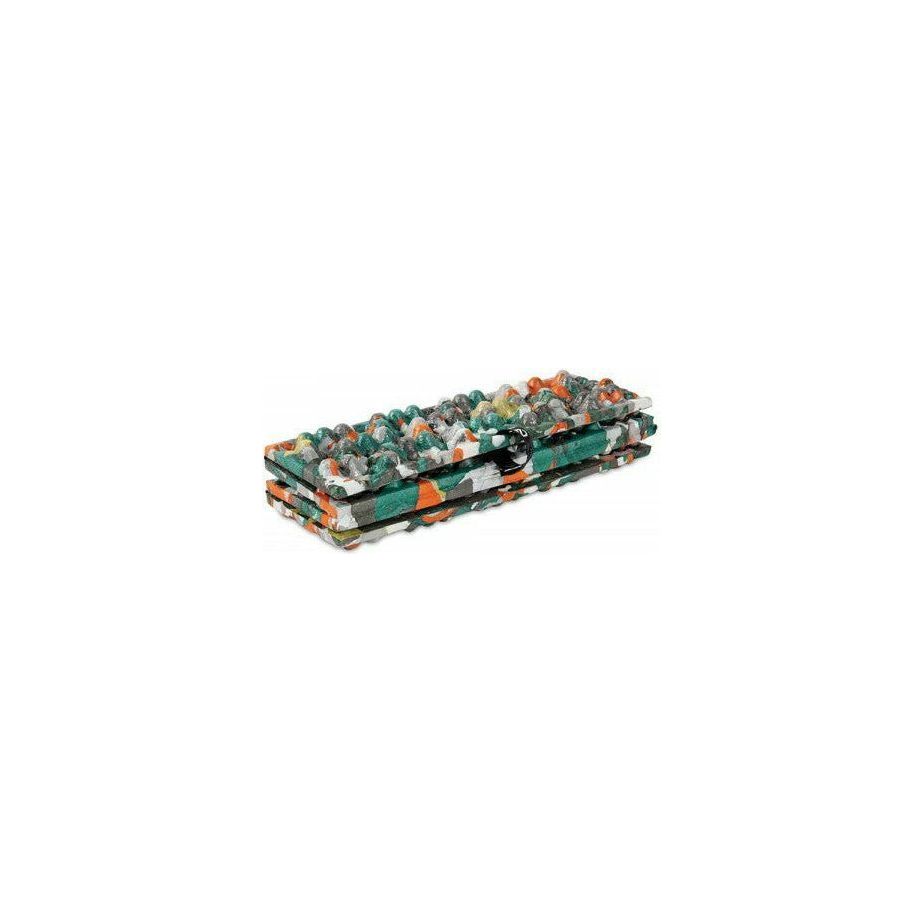
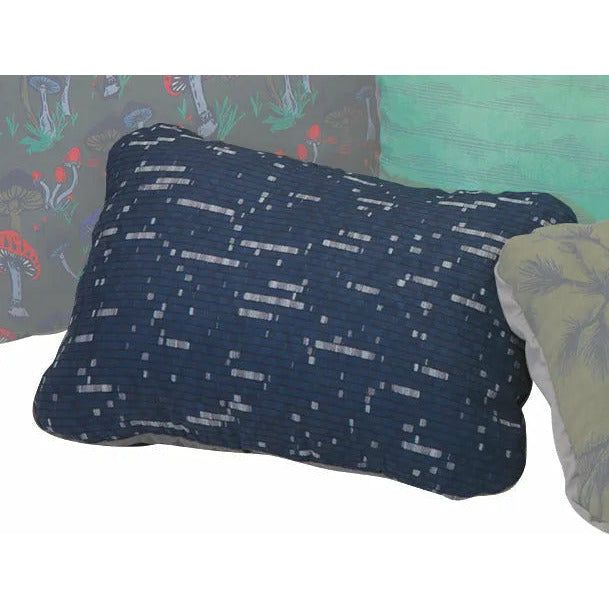
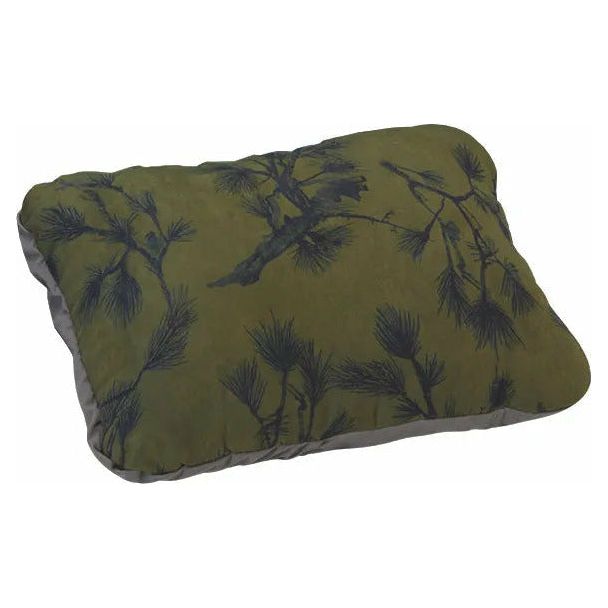
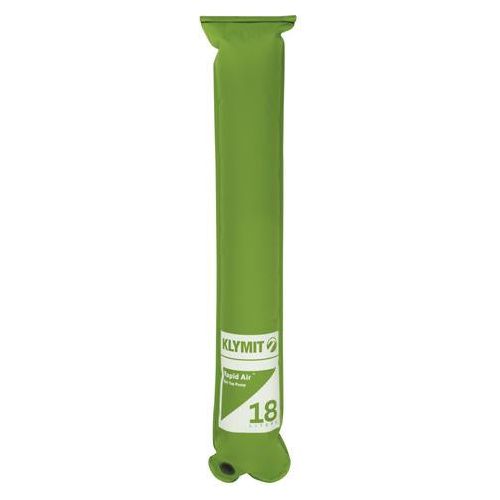
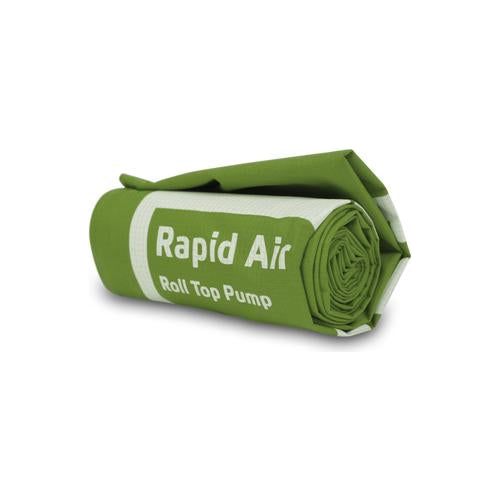
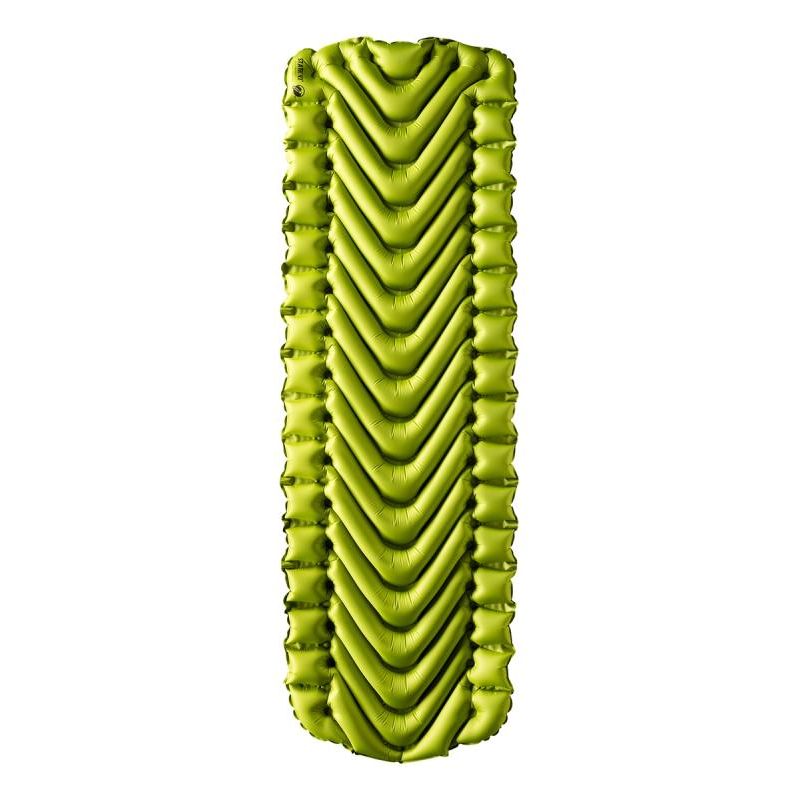
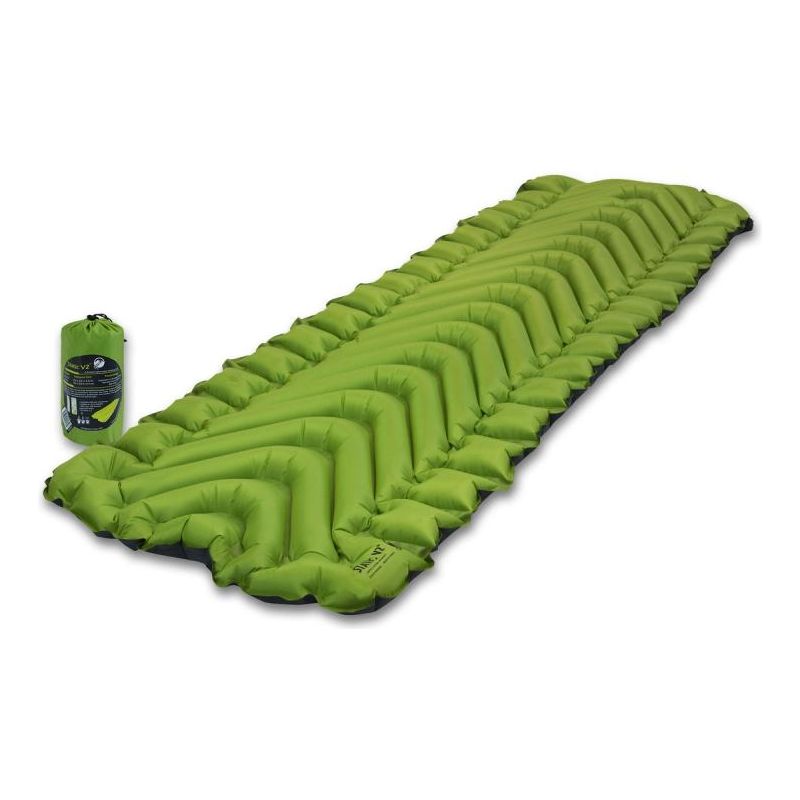
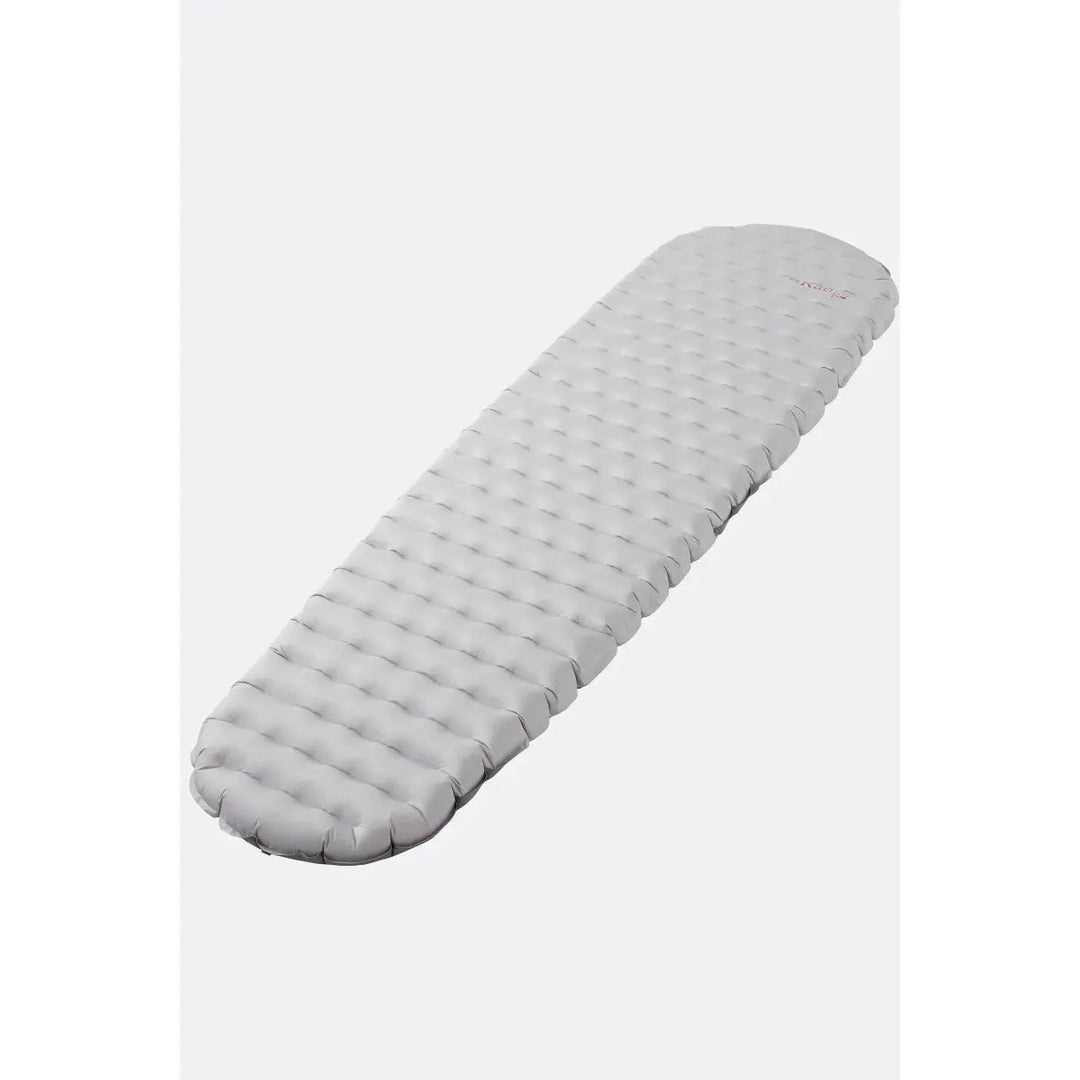
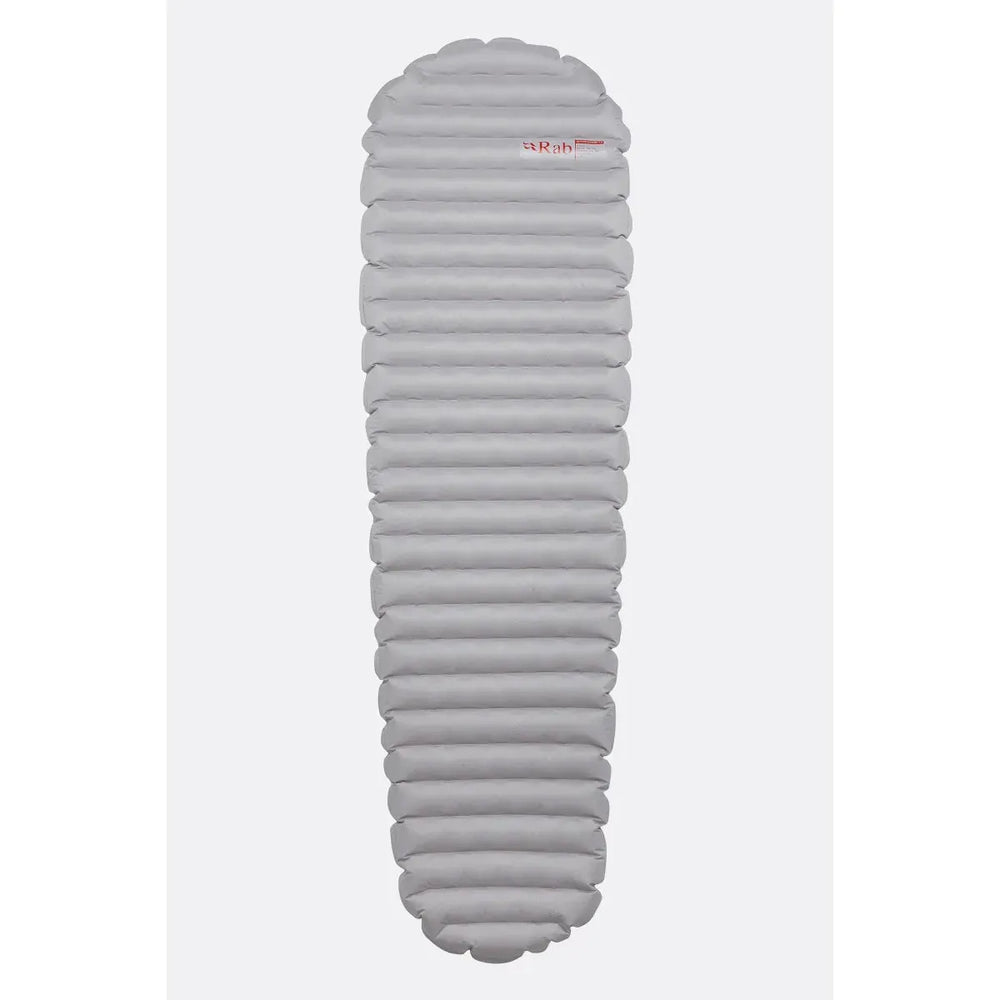
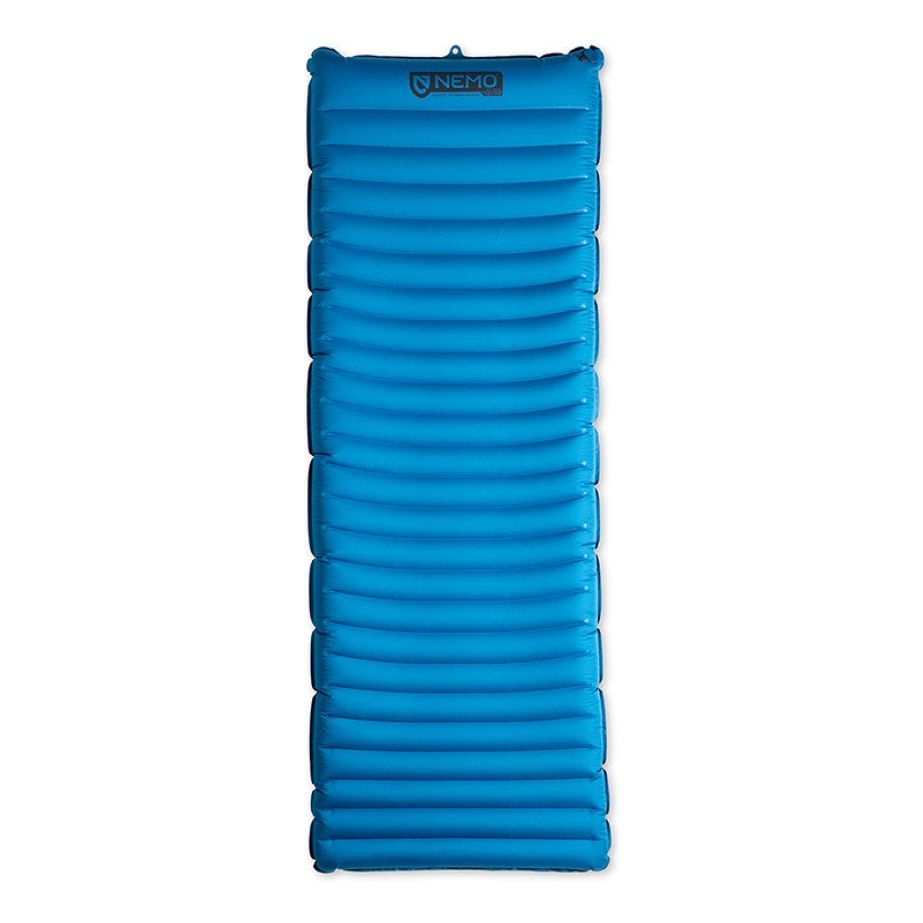
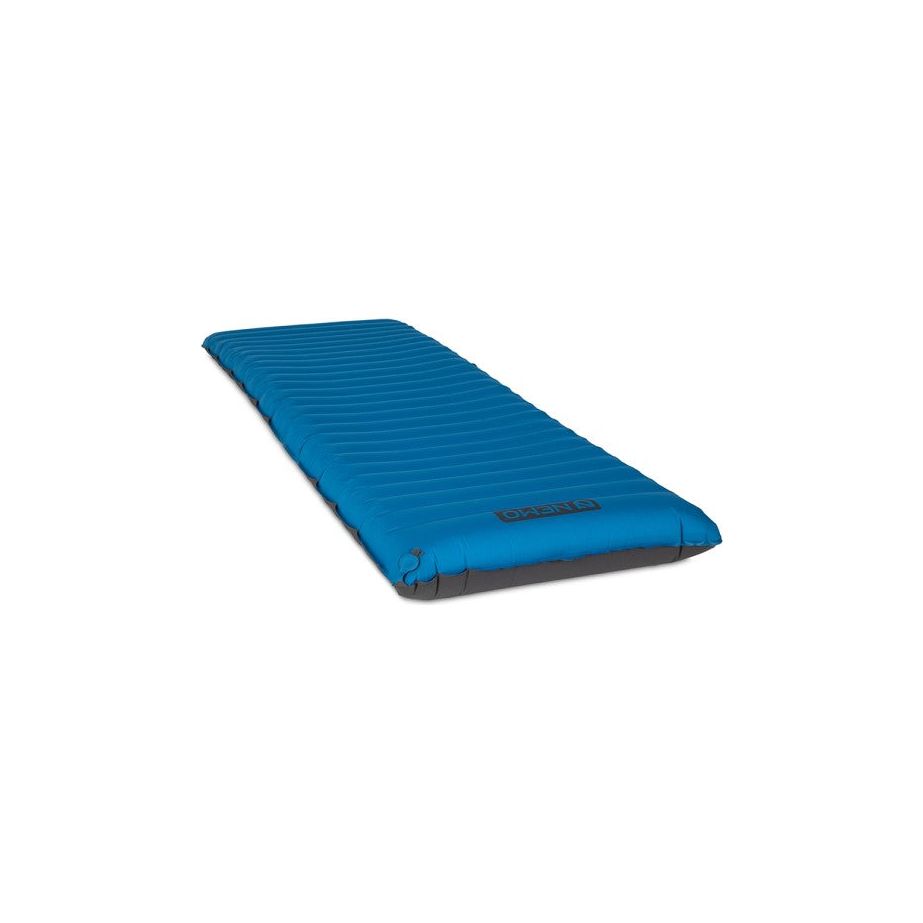
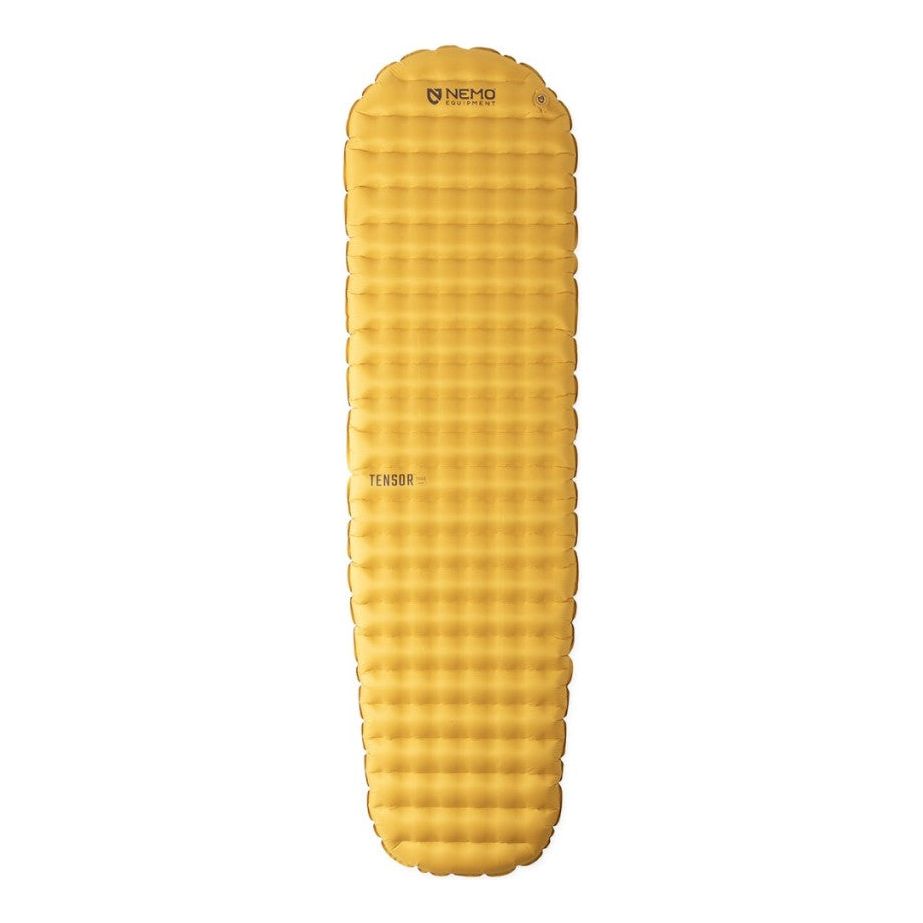

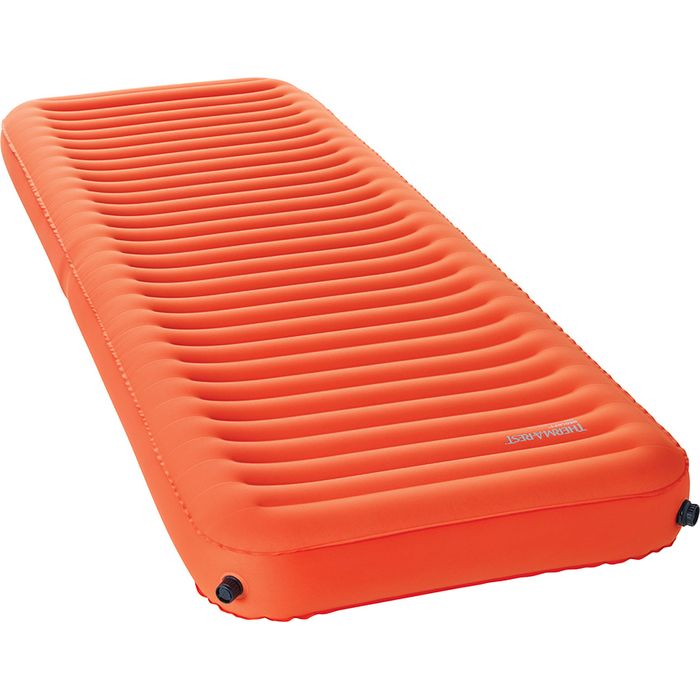
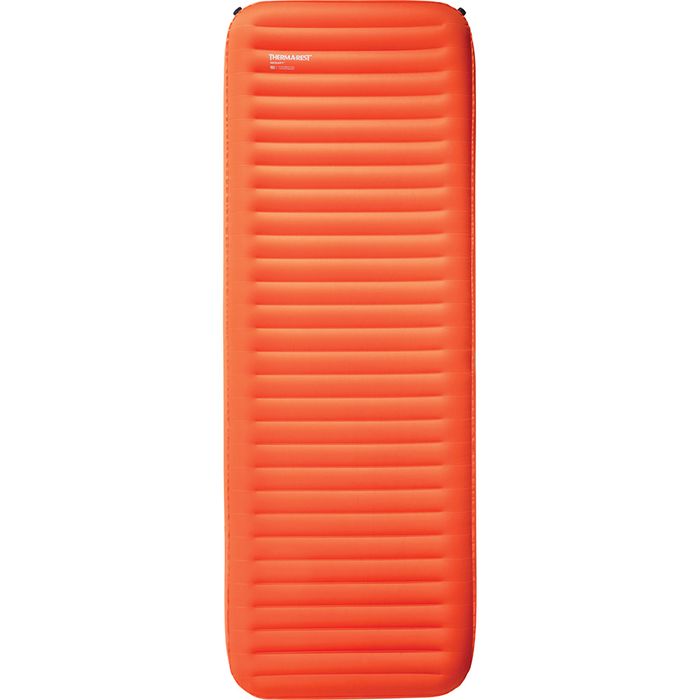
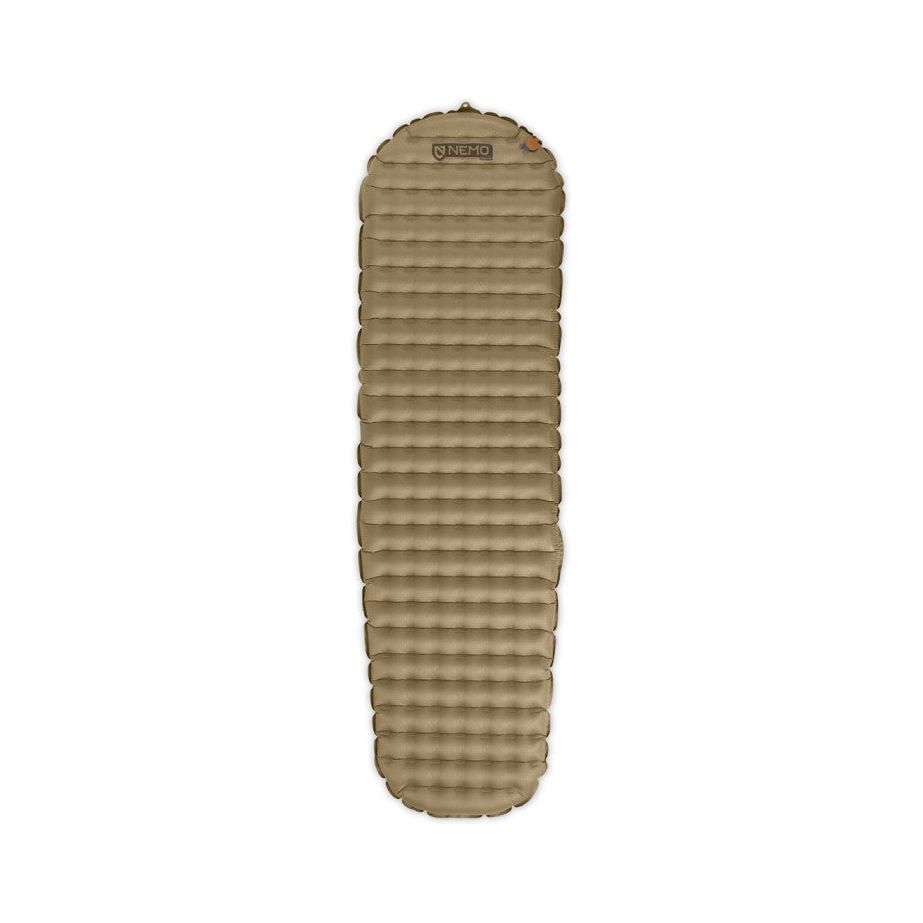
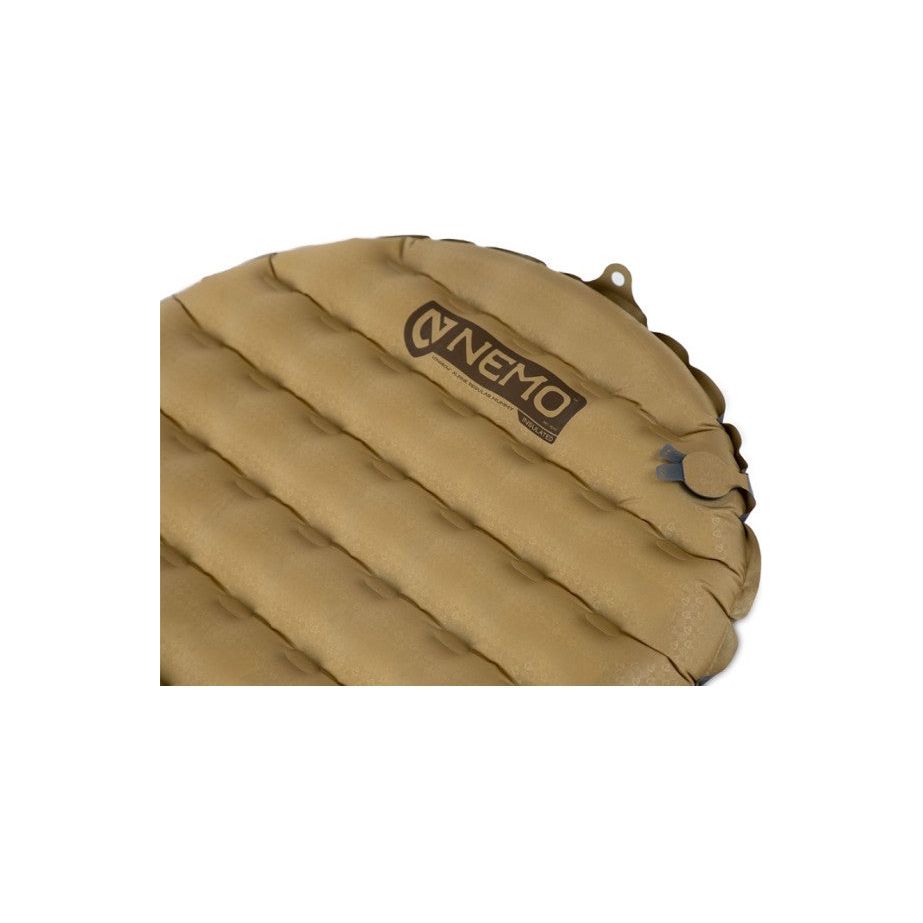
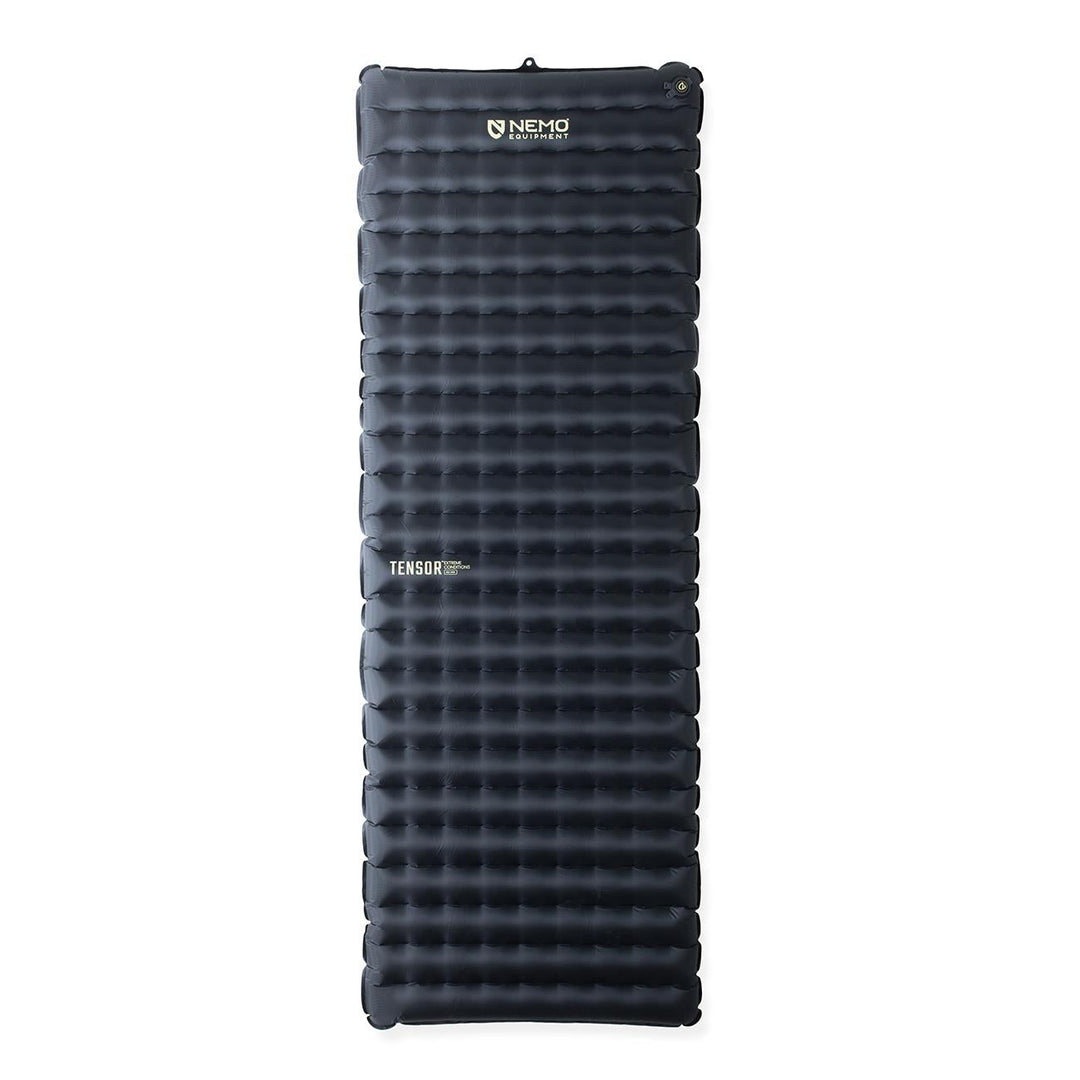
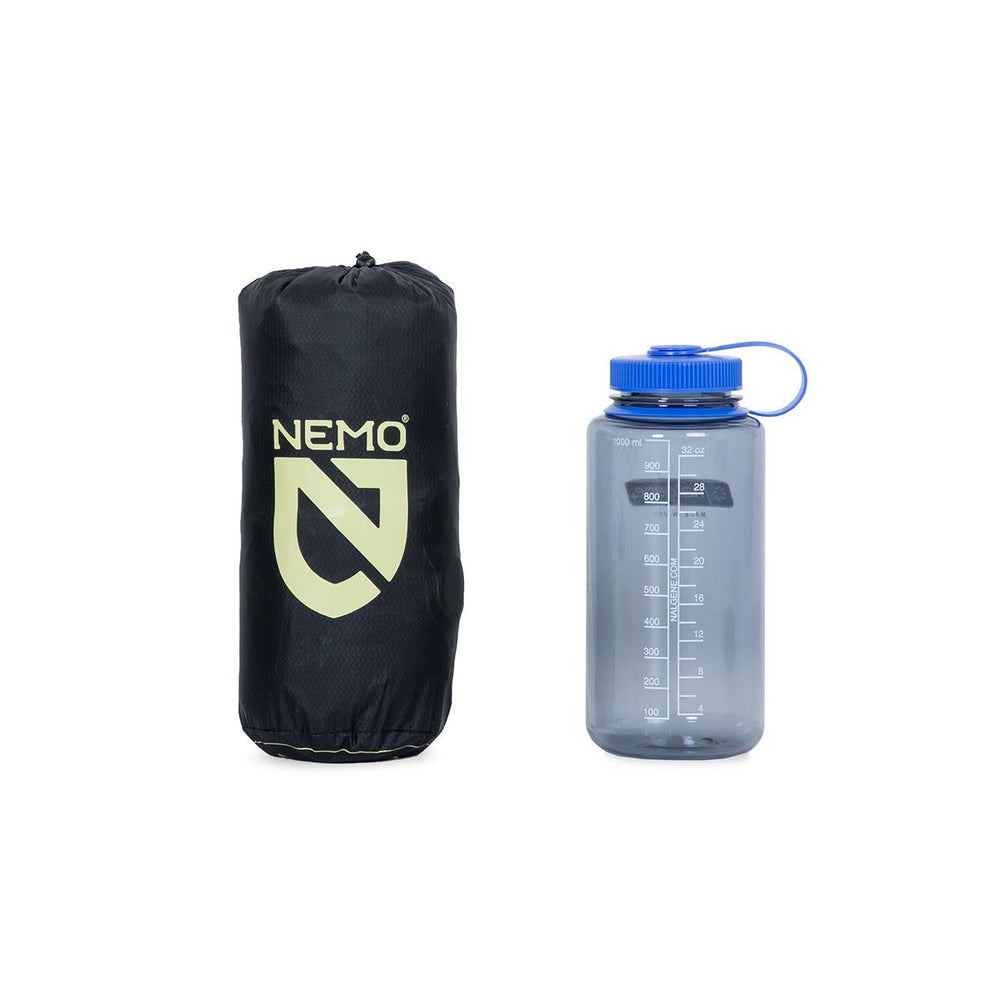
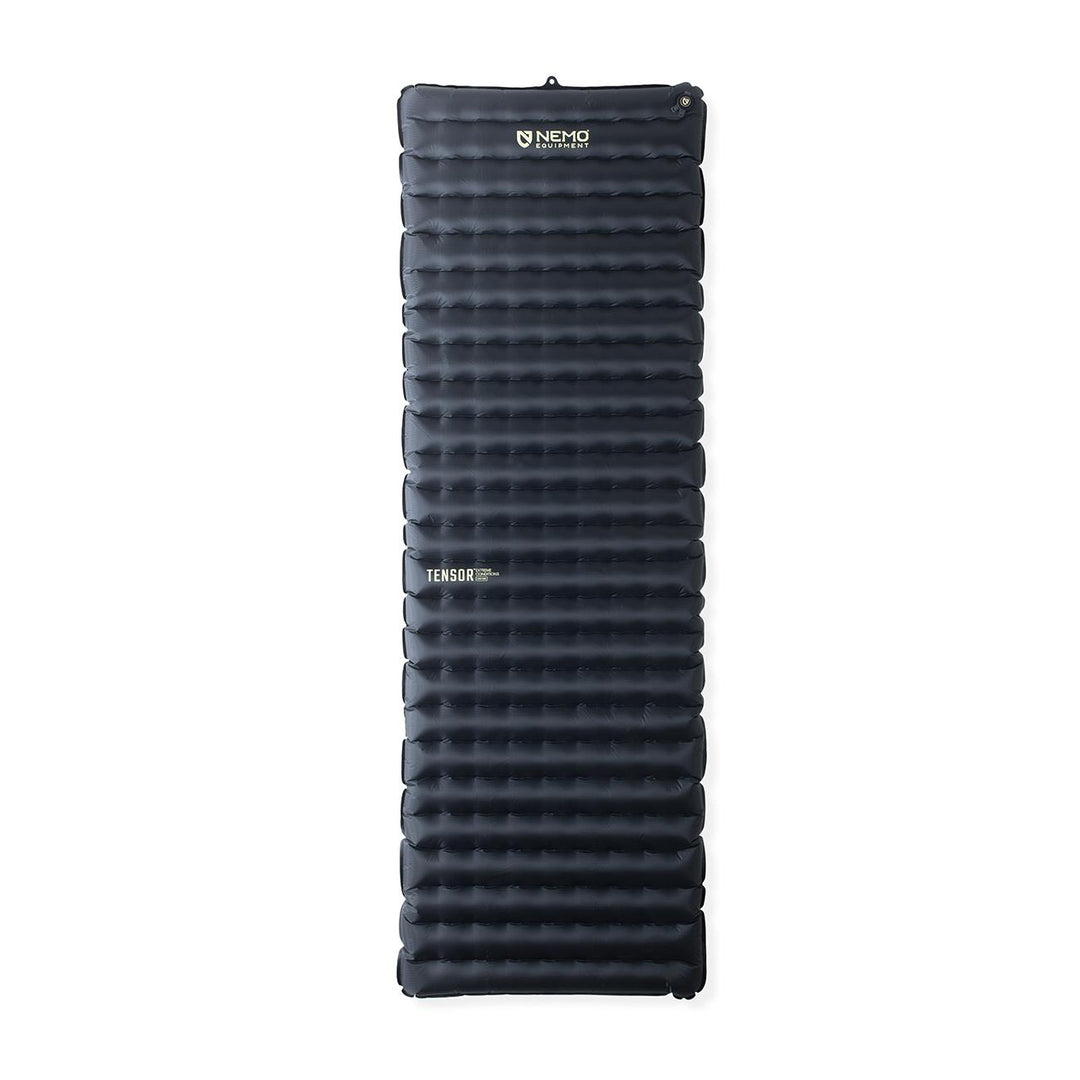
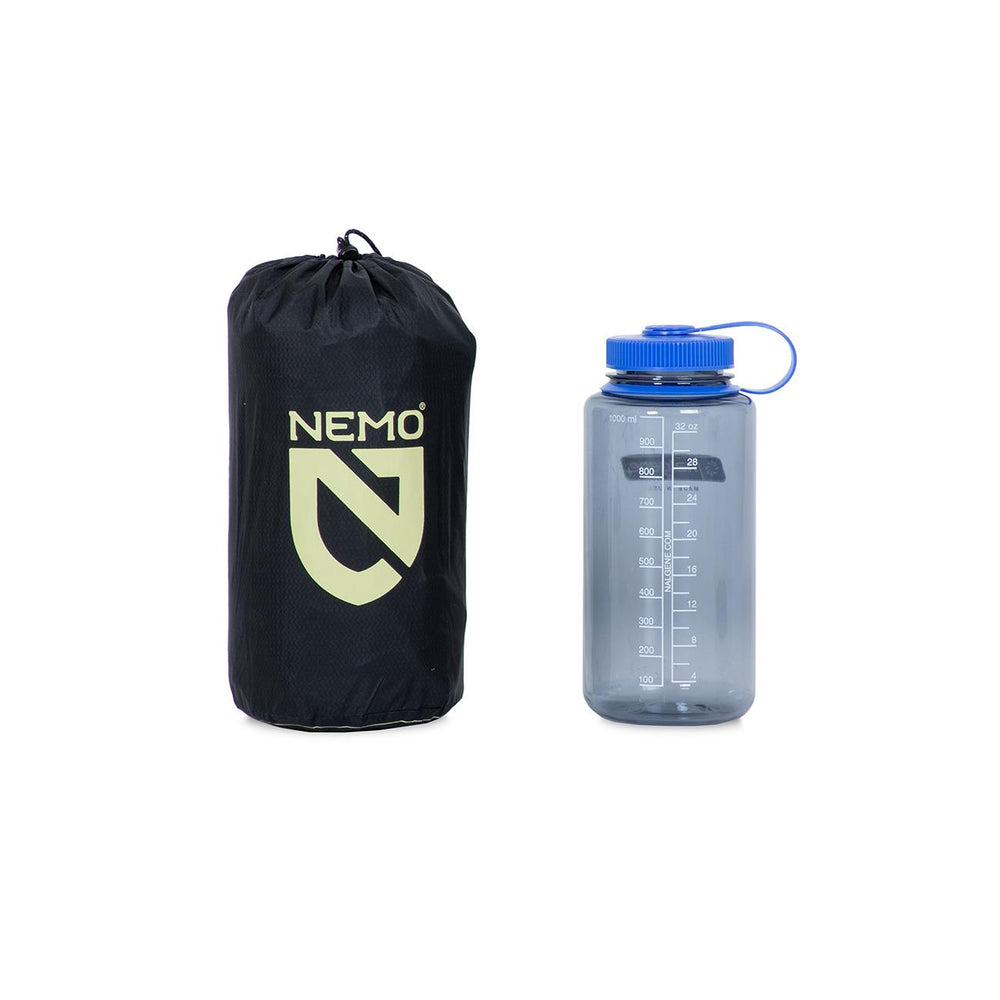
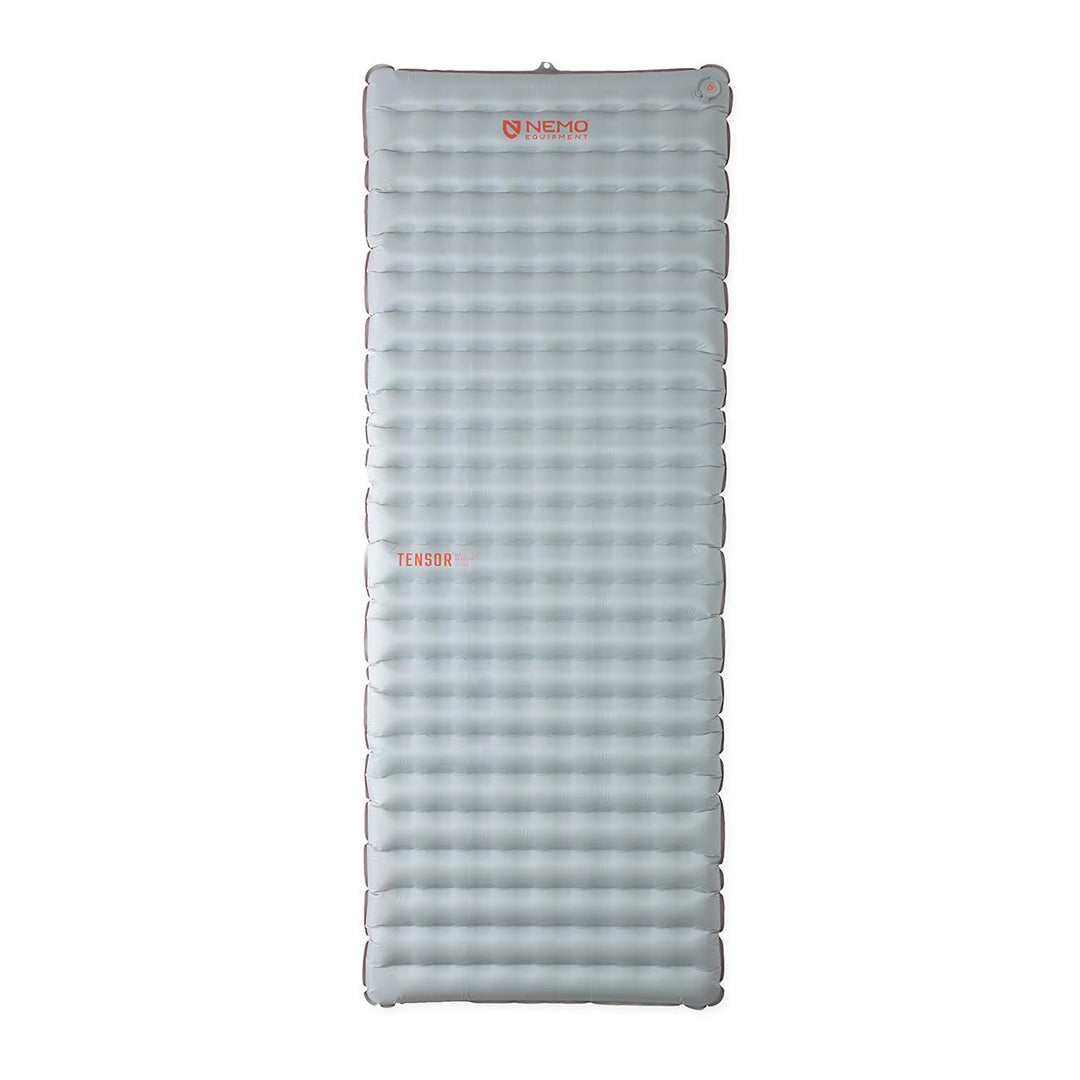
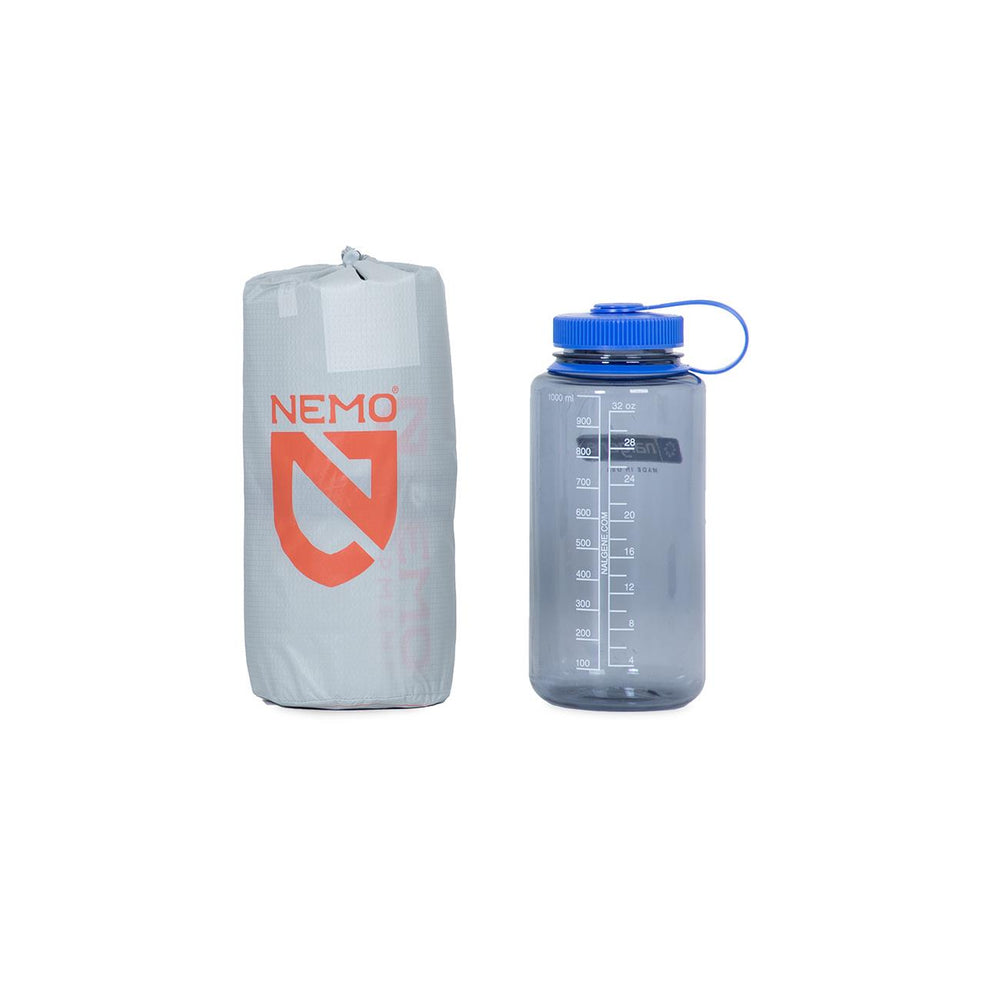
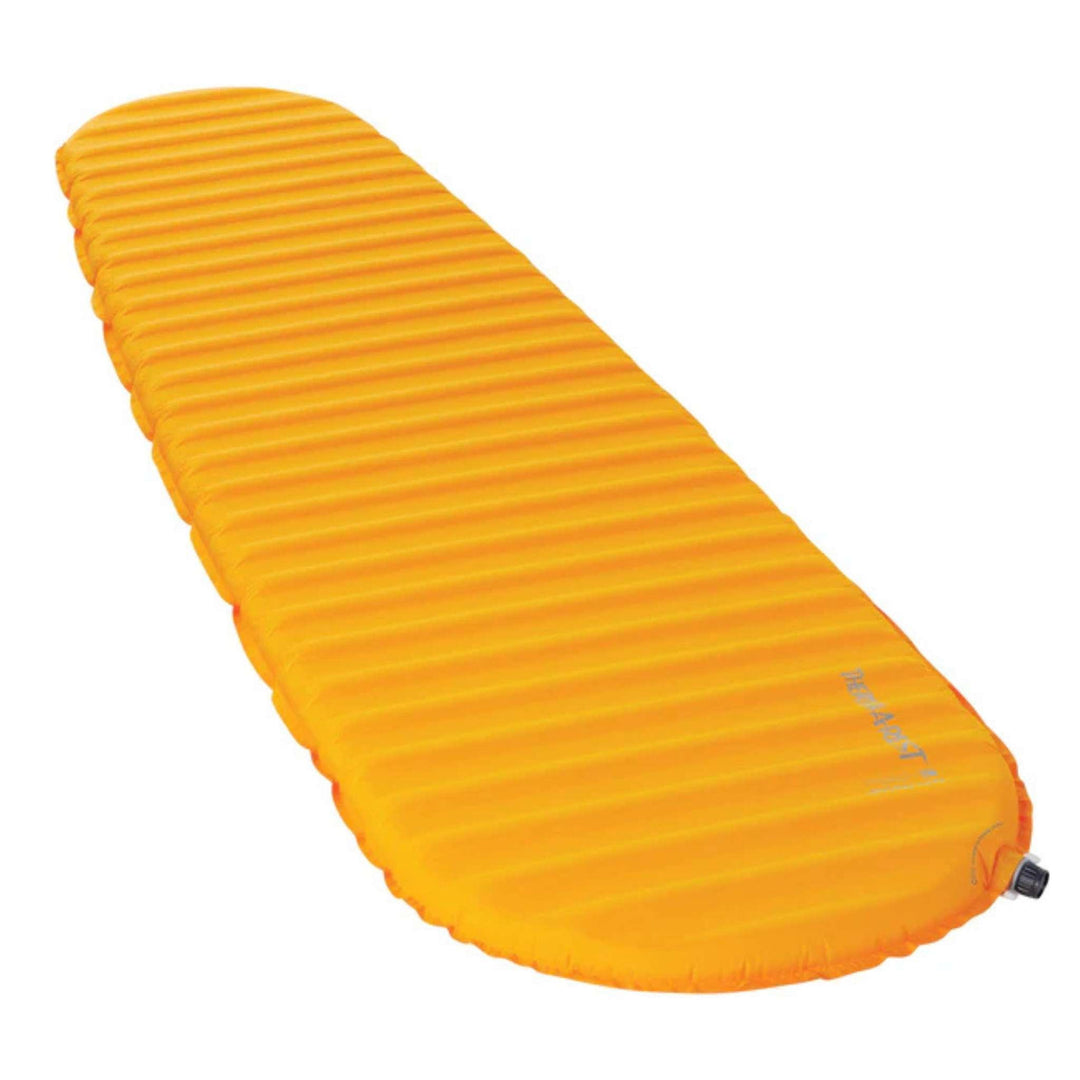
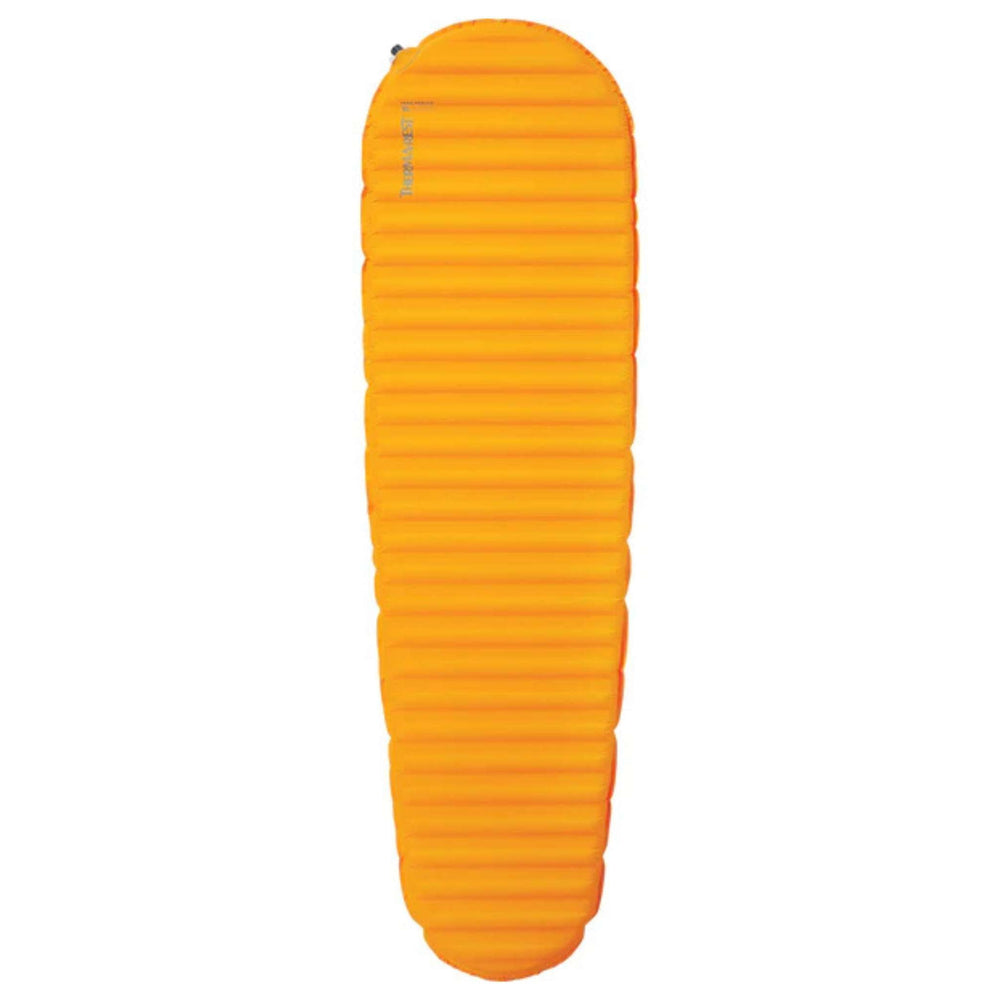
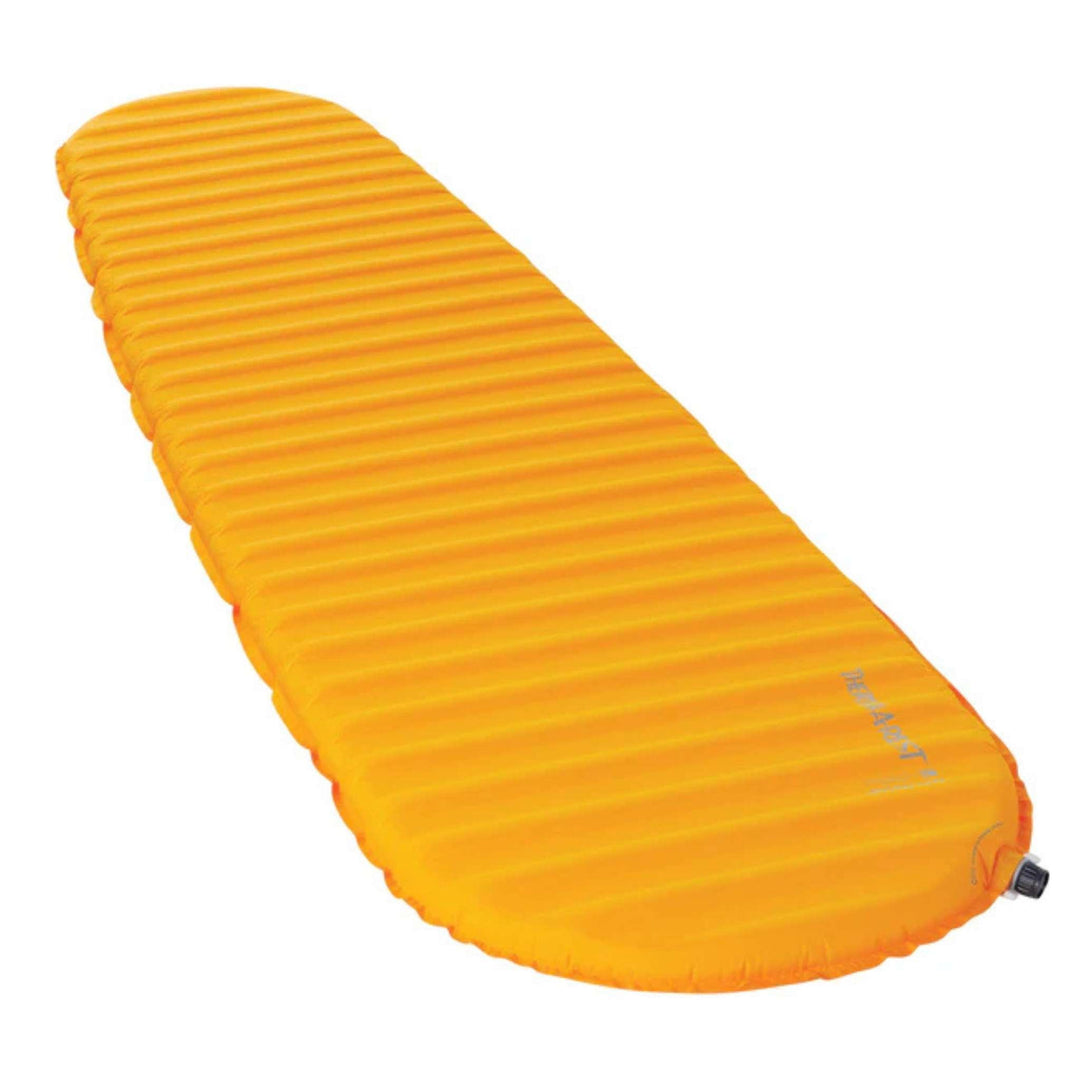
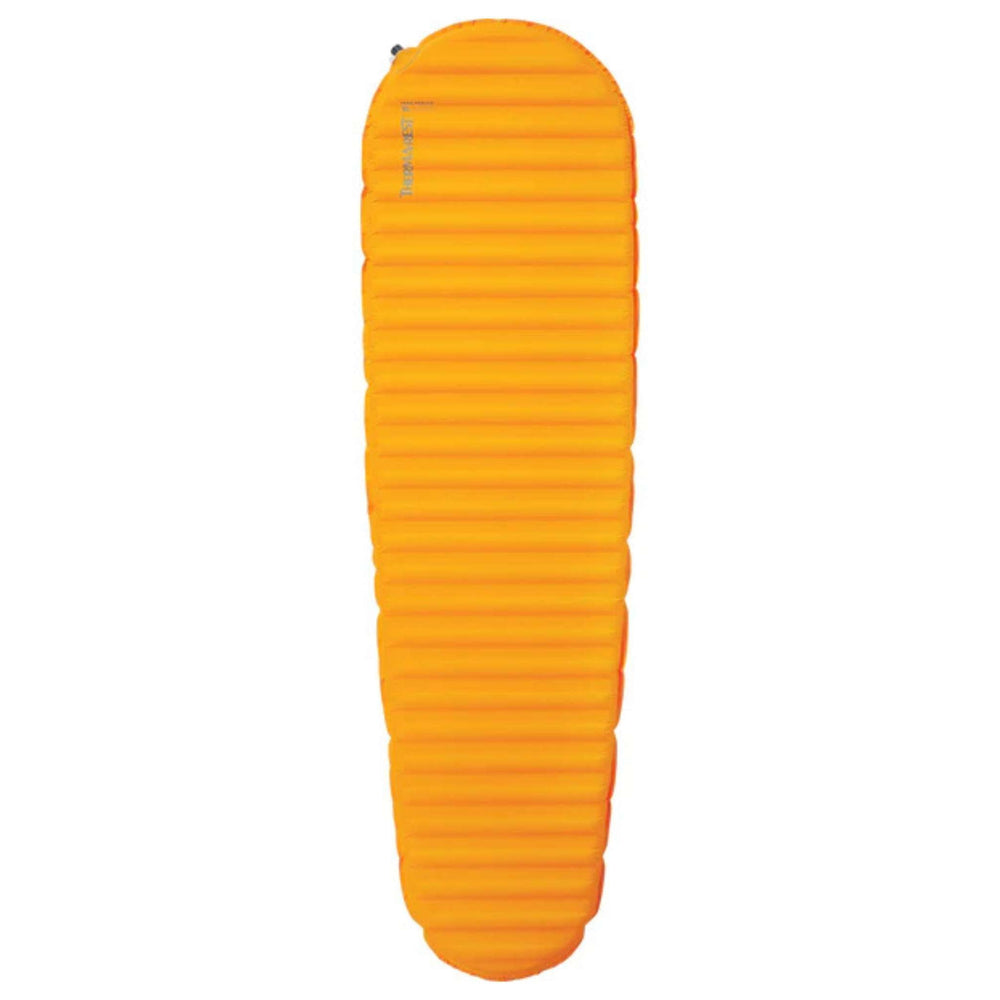


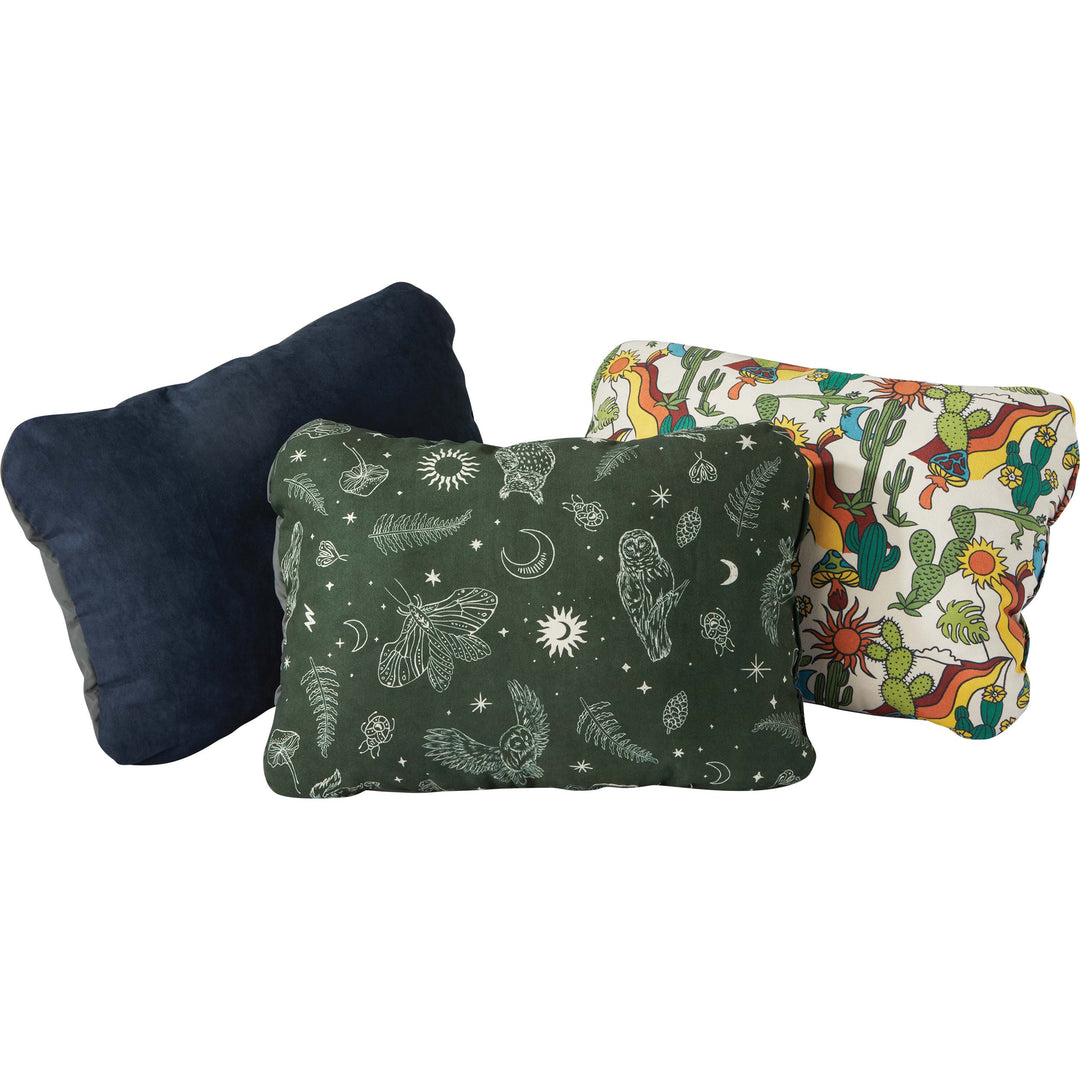
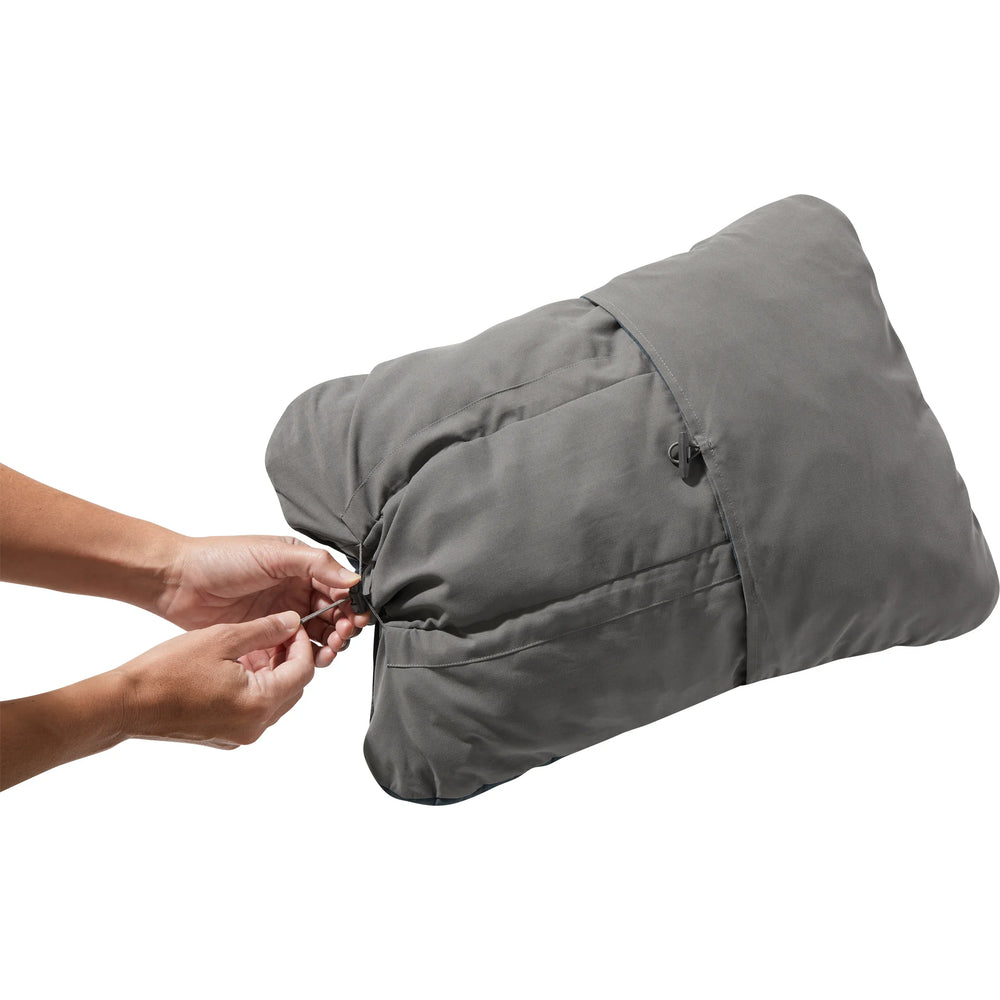
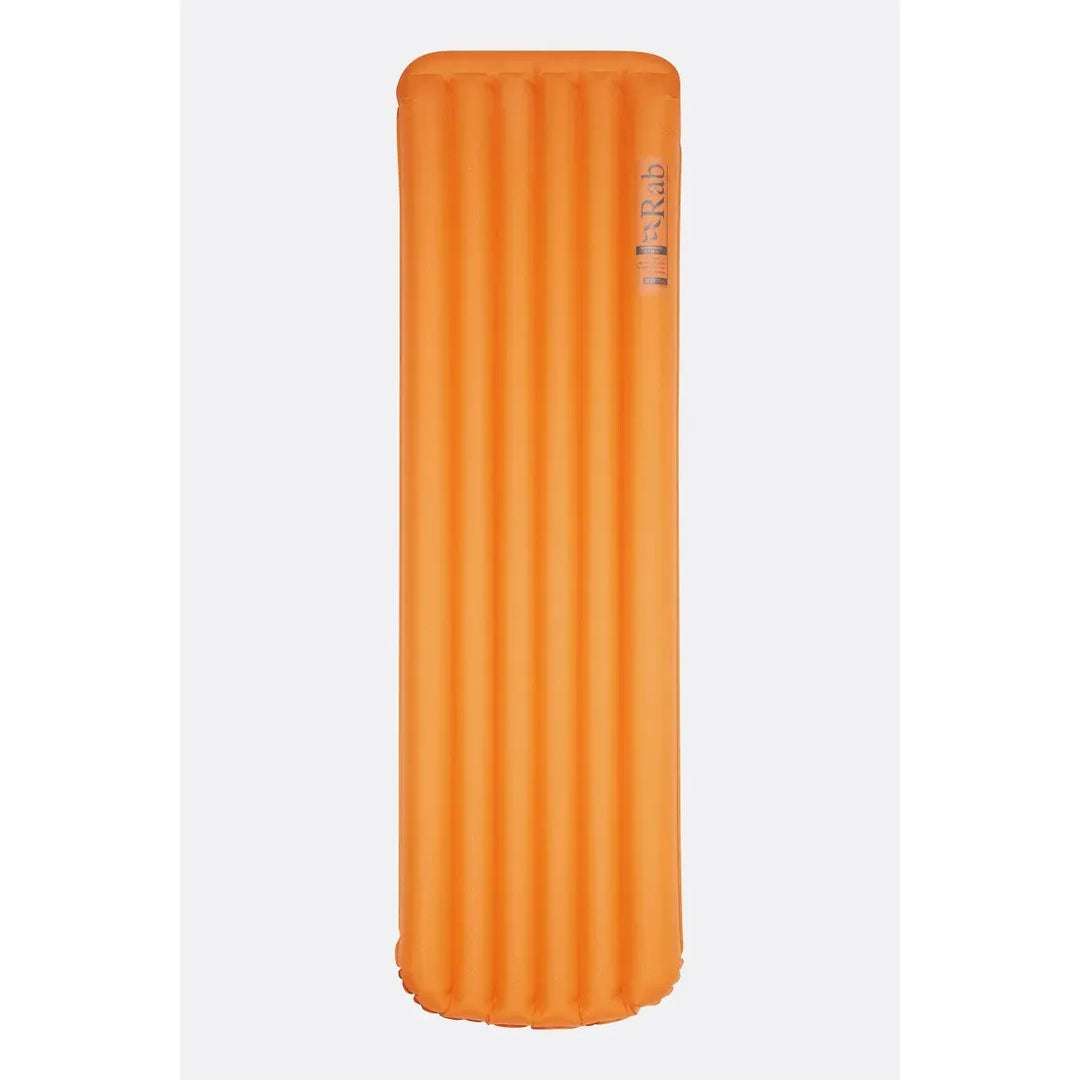
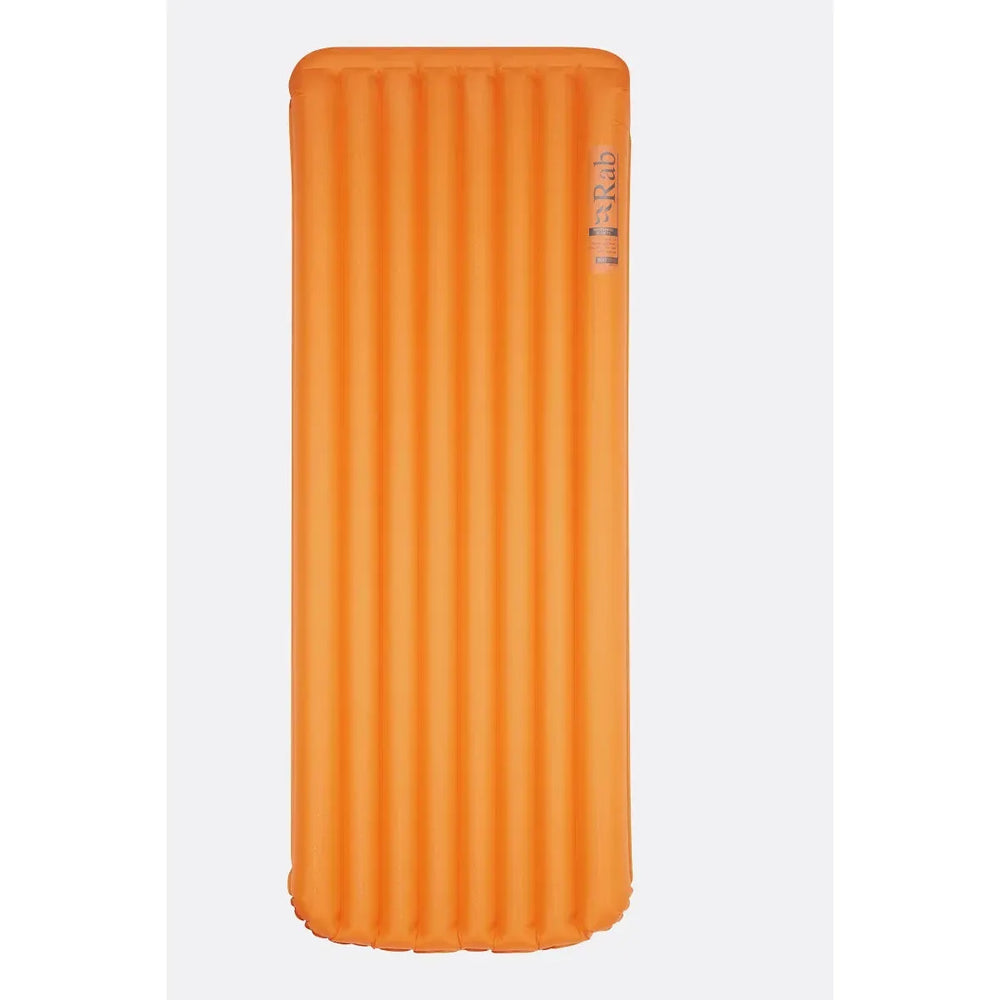
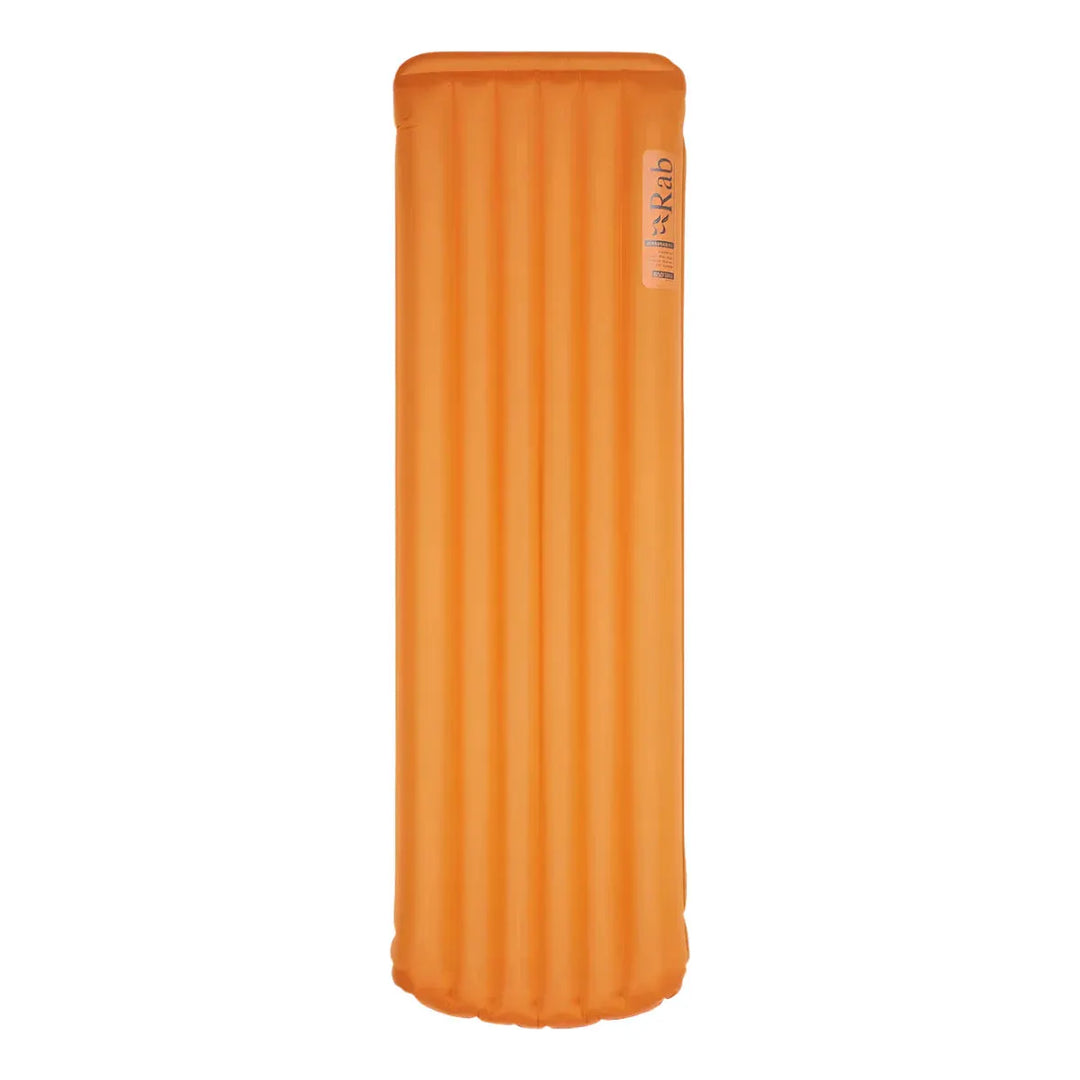
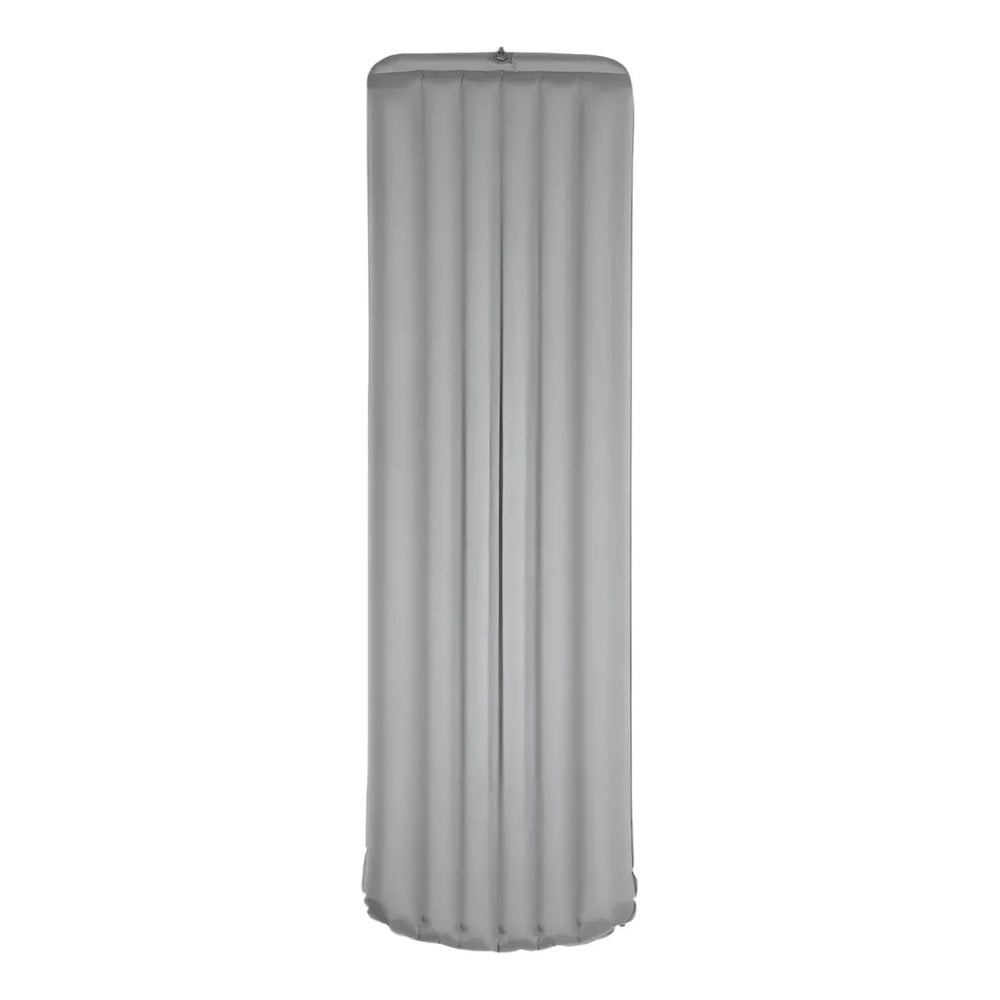
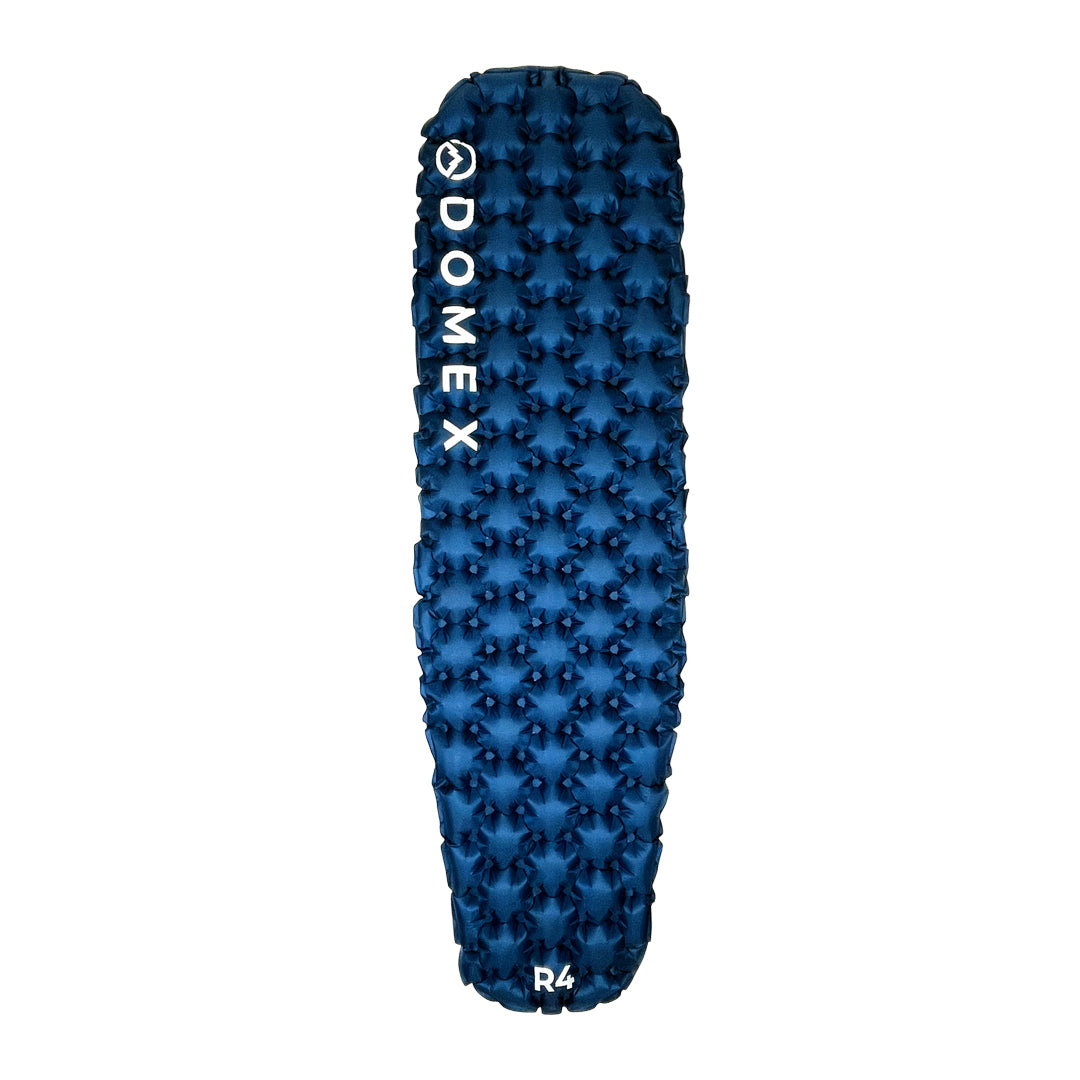
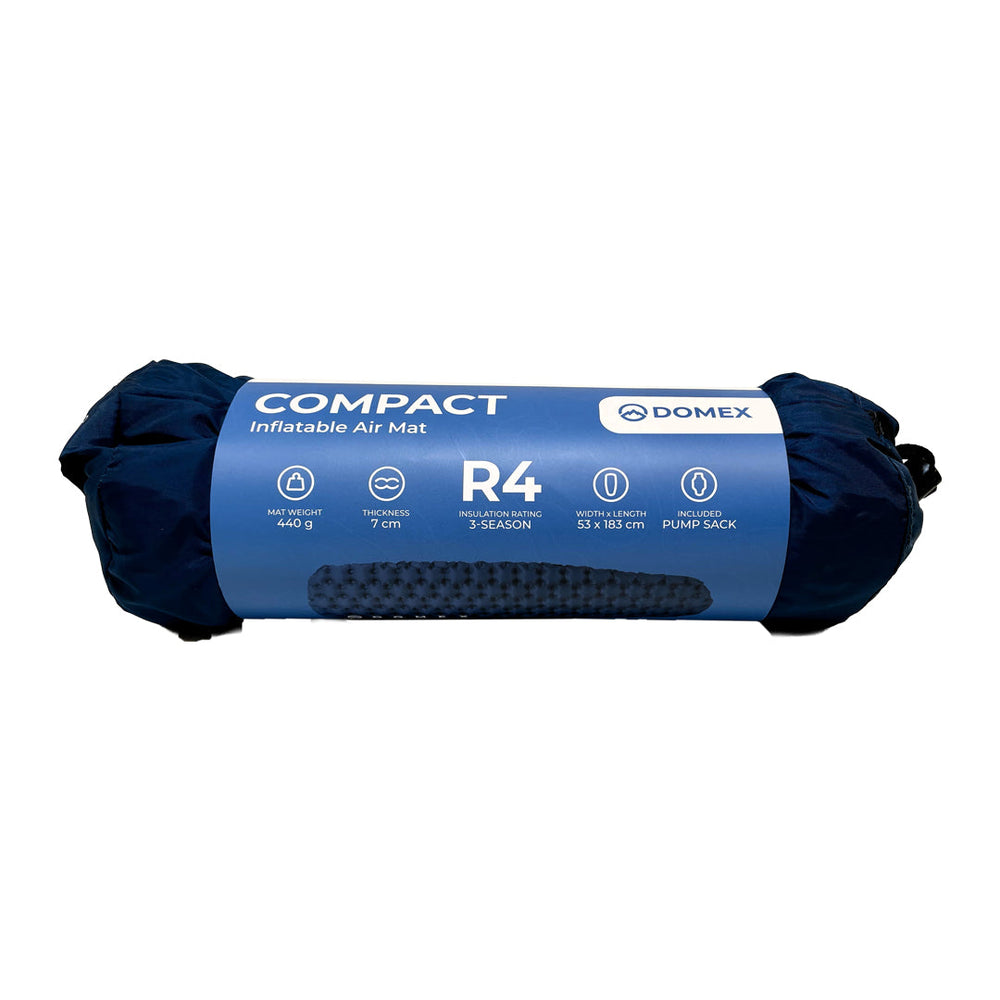
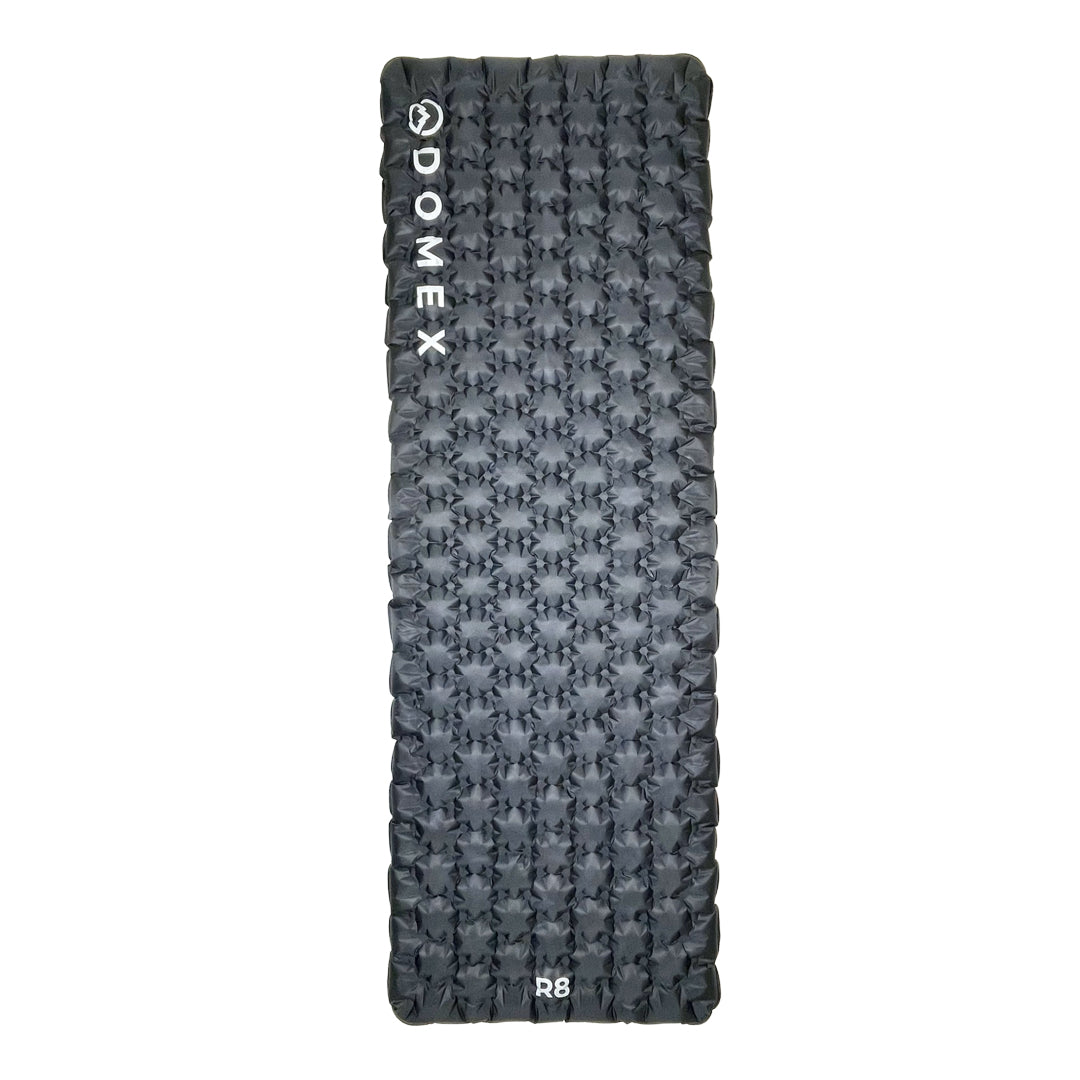
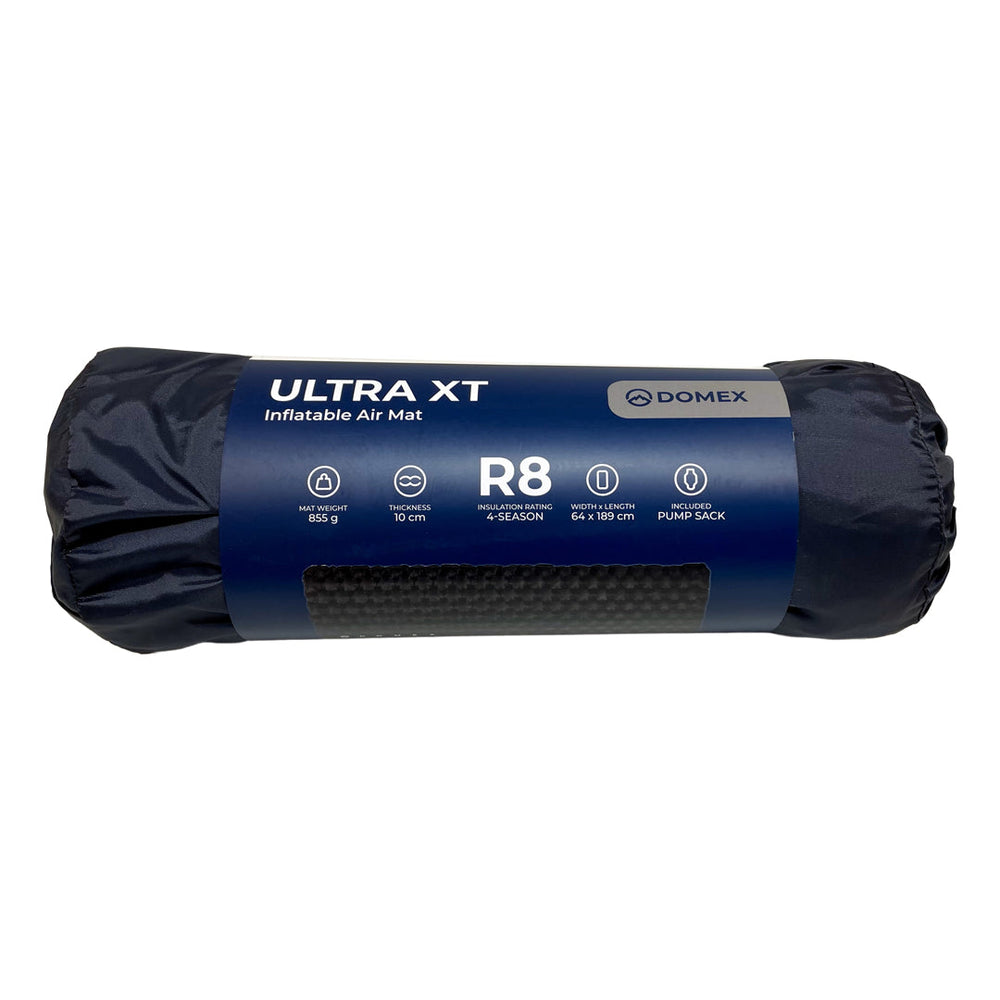


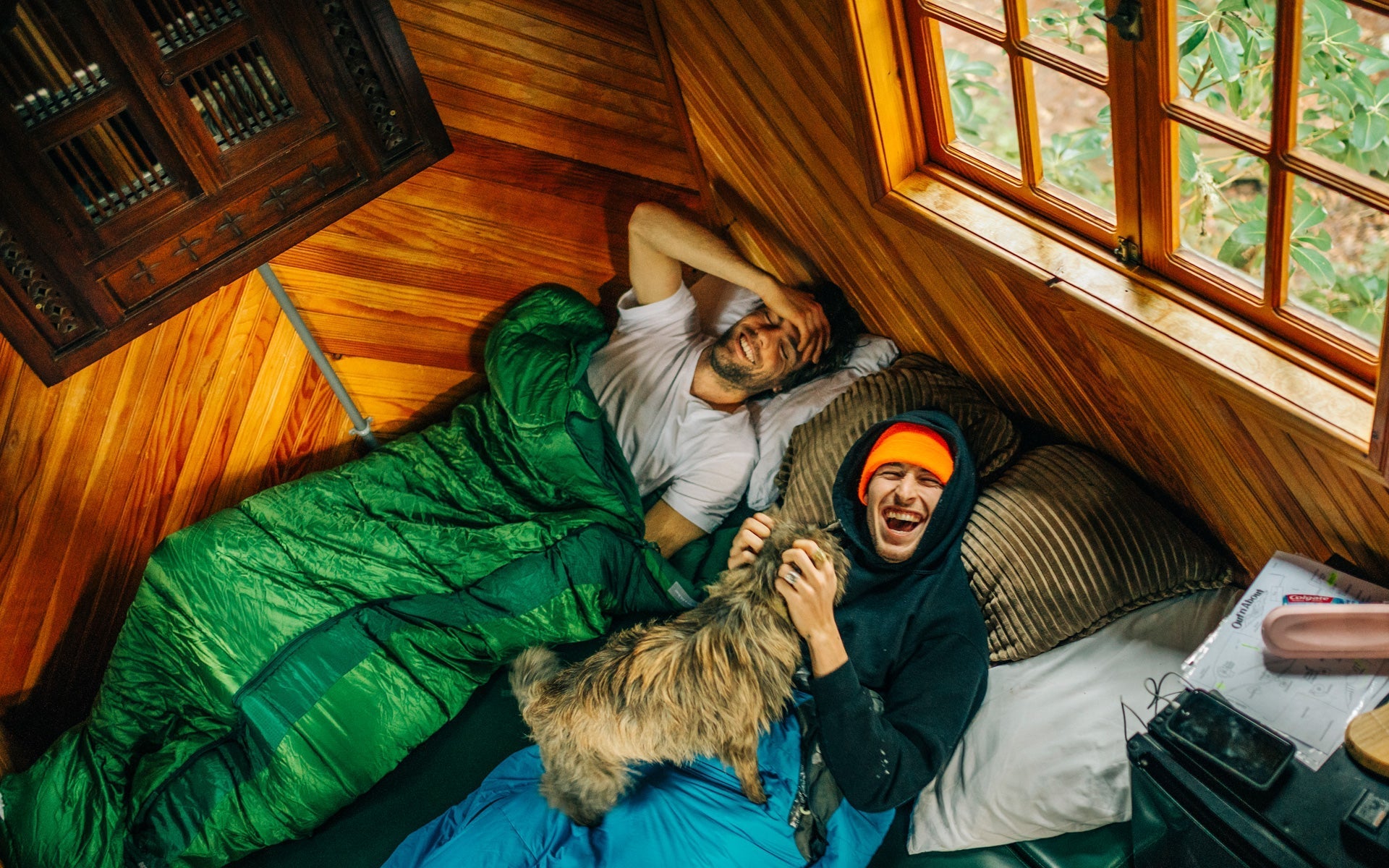
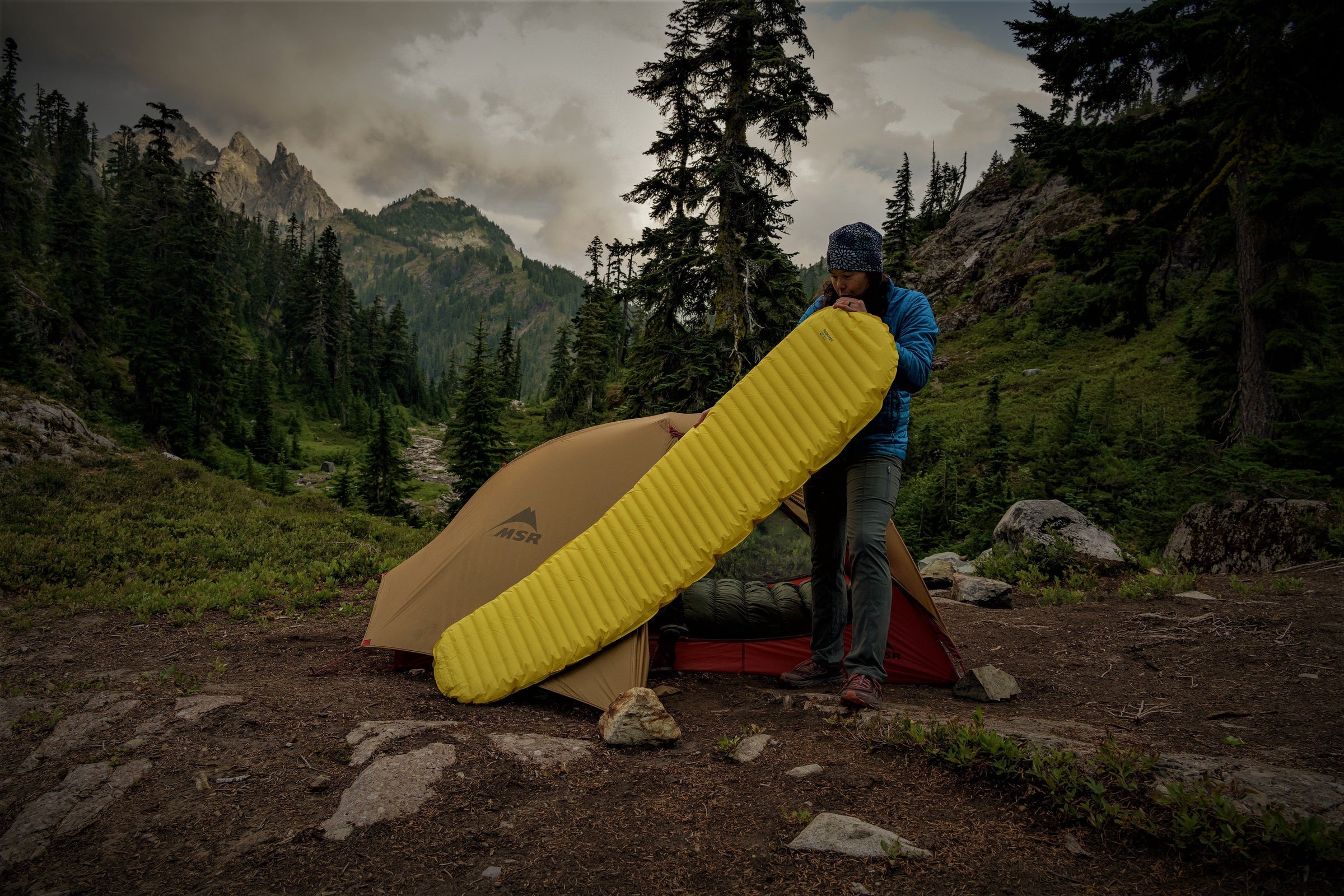
A sleeping mat is not optional for tramping — it provides critical insulation from the cold ground and cushioning for sleep. A quality sleeping bag loses most of its insulating ability when compressed against the cold ground beneath you; a sleeping mat solves this. In NZ's mountain huts and backcountry campsites, a good mat is as important as your sleeping bag.
Our sleeping mat range covers inflatable pads, self-inflating mats, and foam mats suited to everything from ultralight Great Walk tramping to car camping.
Sleeping Mat Types
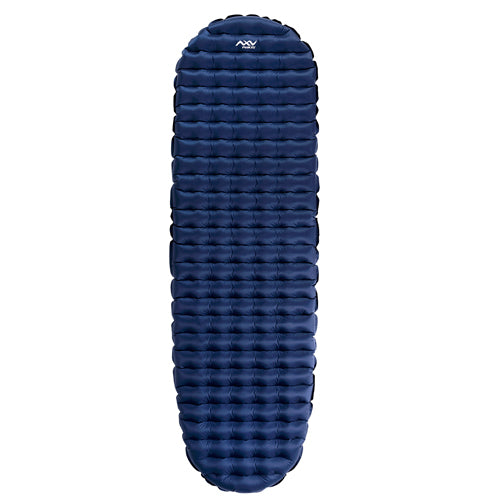
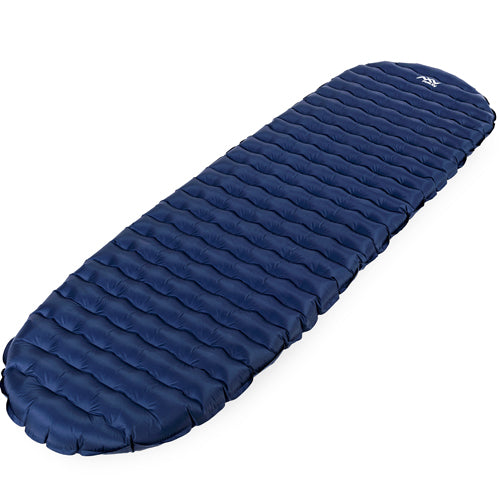
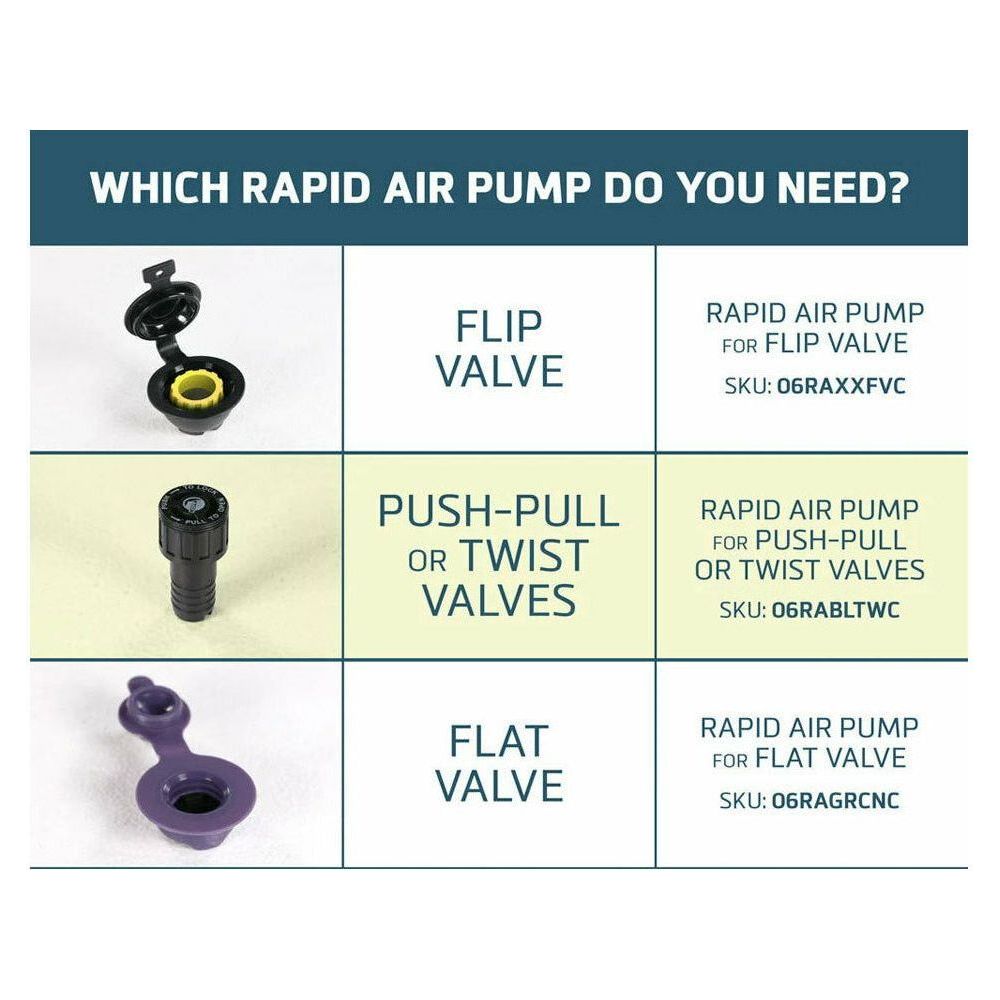
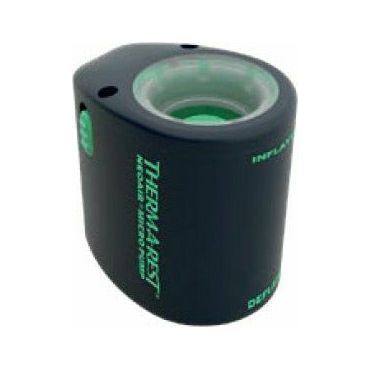
- Inflatable sleeping pads: The lightest and most packable option. Inflate by mouth or pump sack — compact to a small stuff sack. Best warmth-to-weight ratio. Brands like Klymit and Thermarest lead this category.
- Self-inflating mats: Open-cell foam partially inflates on its own — top up by mouth. More comfortable than inflatable pads for some sleepers; slightly heavier and bulkier. Good for car camping and casual overnight use. See our self-inflating mats range.
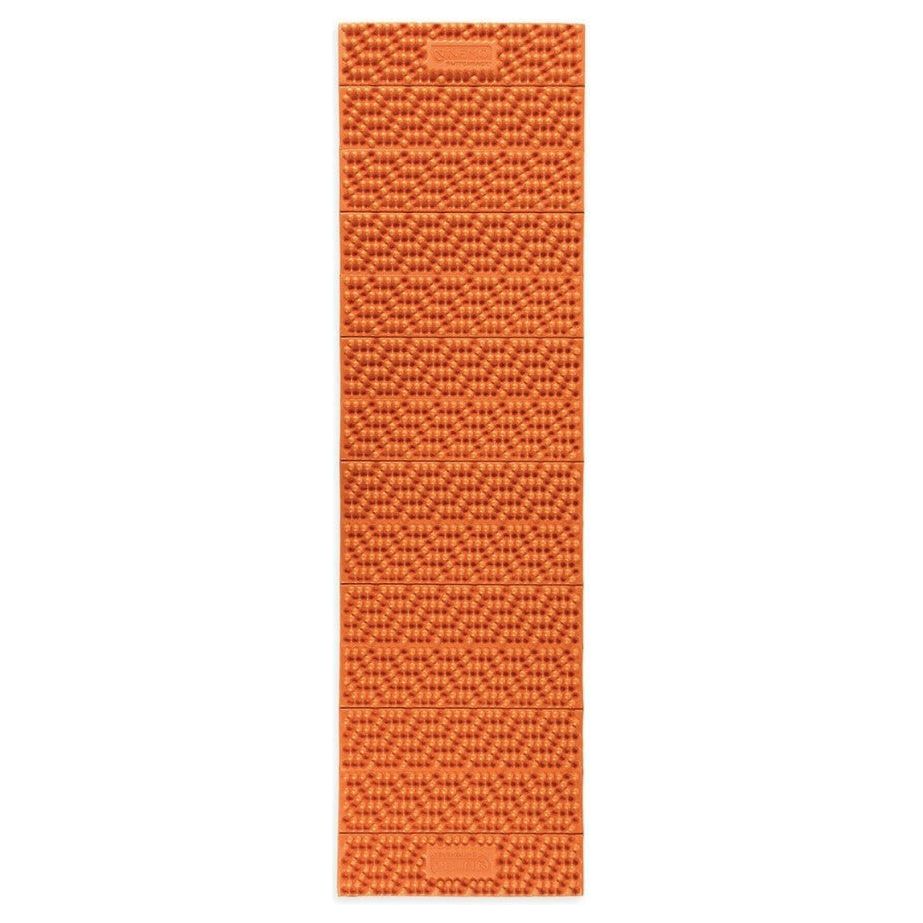
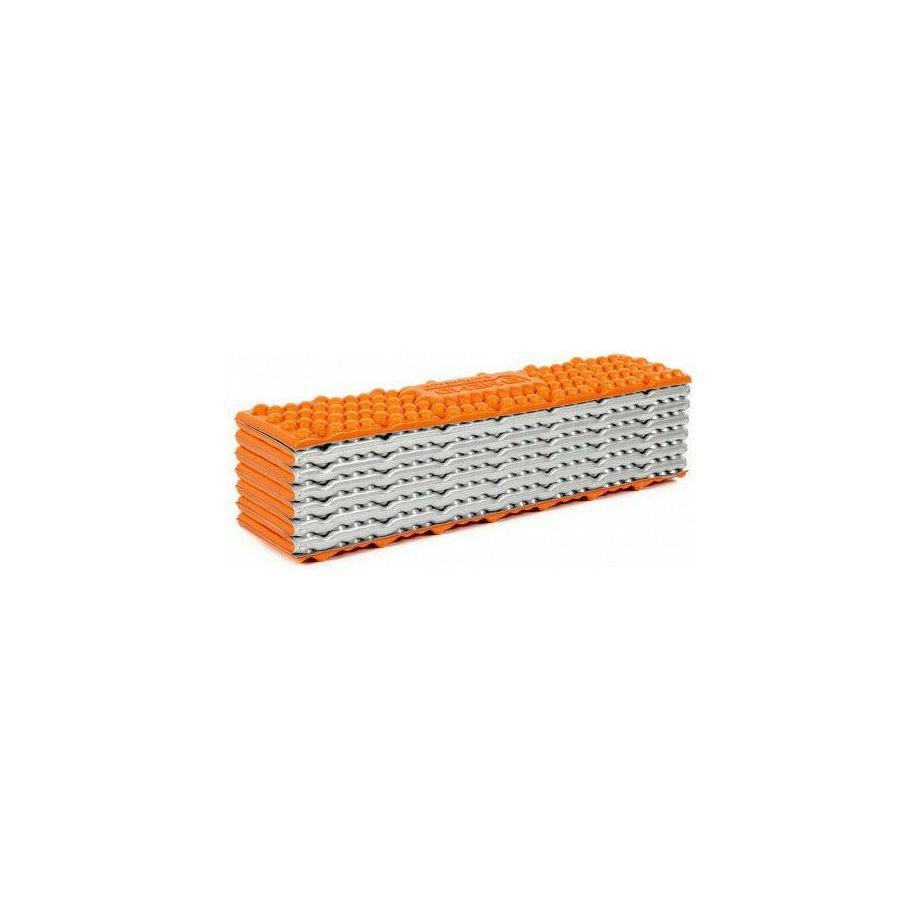
- Closed-cell foam mats: The most durable option — can't be punctured. Heavier and bulkier but bomb-proof. Often used as a backup or in combination with an inflatable pad in alpine conditions.
Understanding R-Value
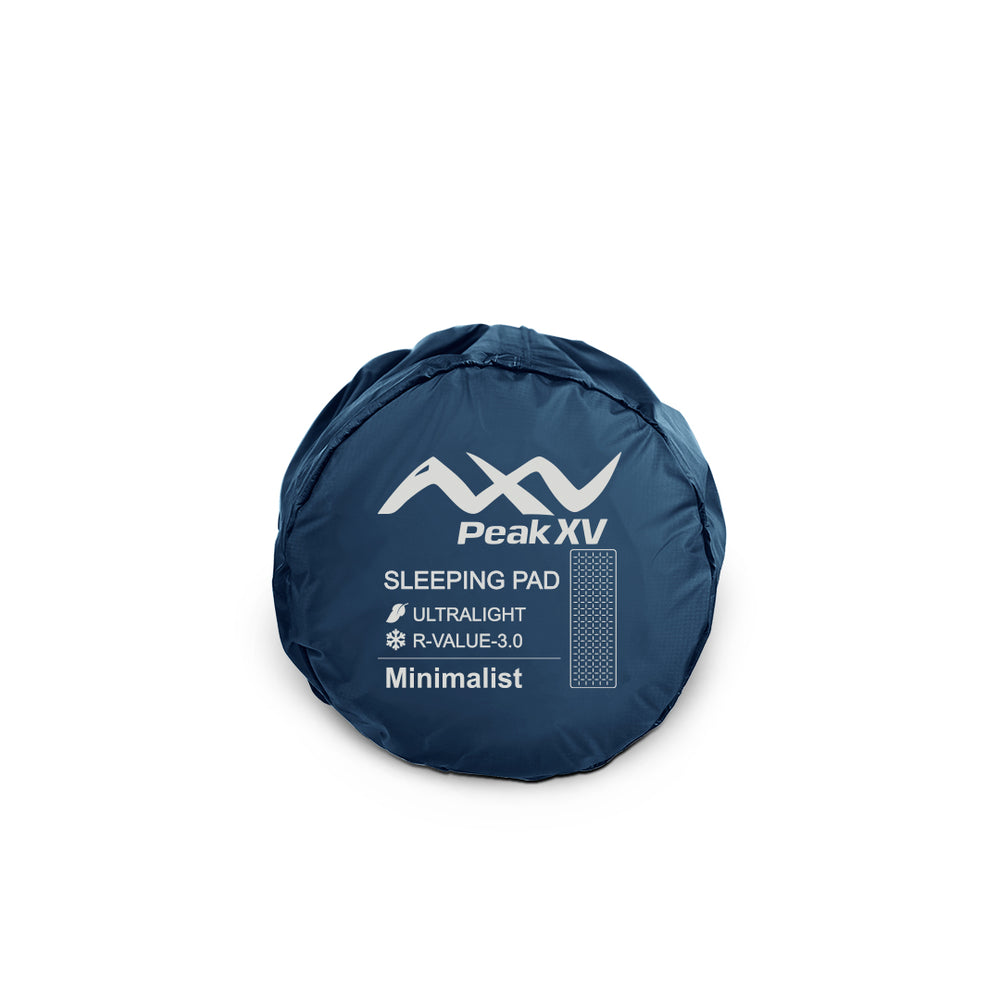
R-value measures insulation from the cold ground. Higher R-value = warmer. For NZ three-season tramping in huts, R2–R3 is adequate. For camping on cold ground in shoulder season or alpine conditions, R4+ is recommended. For winter camping, R5+. Cold ground is the most overlooked source of heat loss for trampers — don't underestimate this spec.
Frequently Asked Questions
Do I need a sleeping mat for tramping in NZ huts?
Yes — DOC huts provide mattresses on sleeping platforms, so you don't need a mat for hut sleeping on most Great Walks. However, for camping sections, backcountry huts without mattresses, and any tramping that involves tent camping, a sleeping mat is essential. Even in huts with mattresses, many trampers carry a lightweight inflatable pad for comfort and hygiene. Check the specific hut facilities on the DOC website before your trip.
What R-value sleeping mat do I need for NZ tramping?
For three-season camping on NZ's Great Walk campsites and backcountry huts (spring through autumn), R2–R3 is adequate for most trampers. For South Island alpine routes, shoulder season camping, or anywhere you'll be on cold ground consistently, R4 provides a meaningful comfort improvement. For winter camping or extended alpine use, R5+ is recommended. If you run cold or sleep on cold ground frequently, err toward a higher R-value — it's harder to compensate for an inadequate mat than to vent a warm sleeping bag.
How do I care for an inflatable sleeping mat?
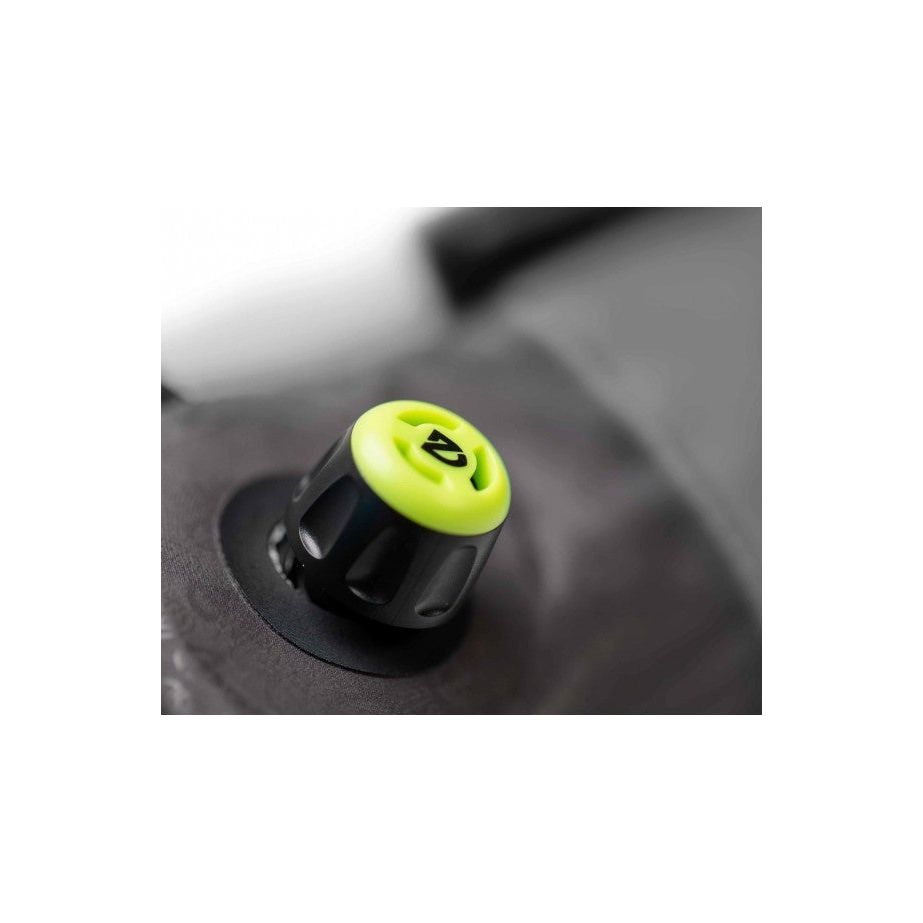
Store unrolled and loosely — not compressed in its stuff sack long-term. Inflate fully and inspect for slow leaks periodically. Clean with a damp cloth and mild soap; avoid harsh chemicals. Dry completely before storing. Carry a patch kit on every trip — small punctures are easy to fix in the field. Keep the valve clean and dry; grit in the valve is the most common cause of slow leaks on otherwise undamaged pads.