







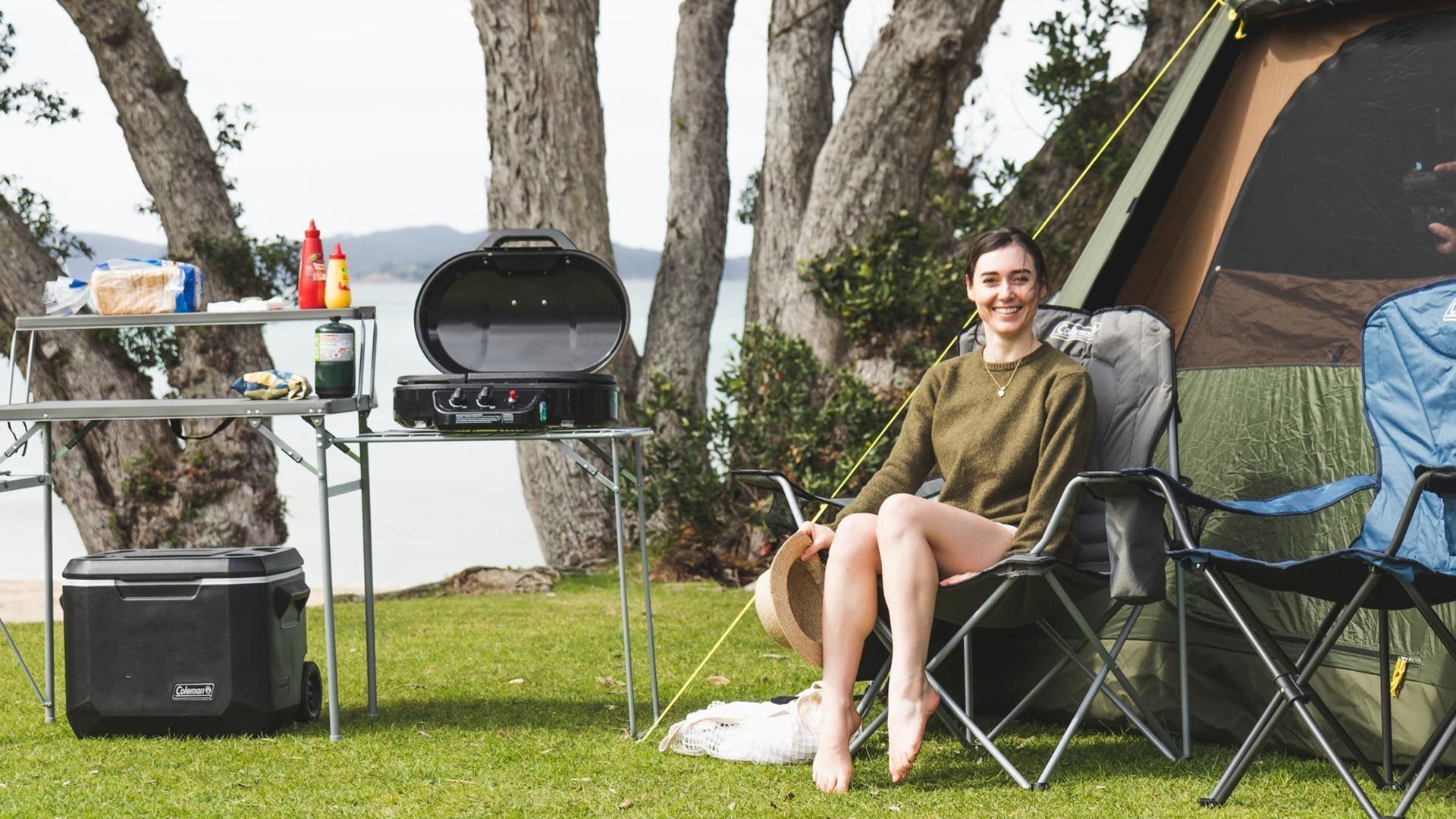
Shelters & Gazebos
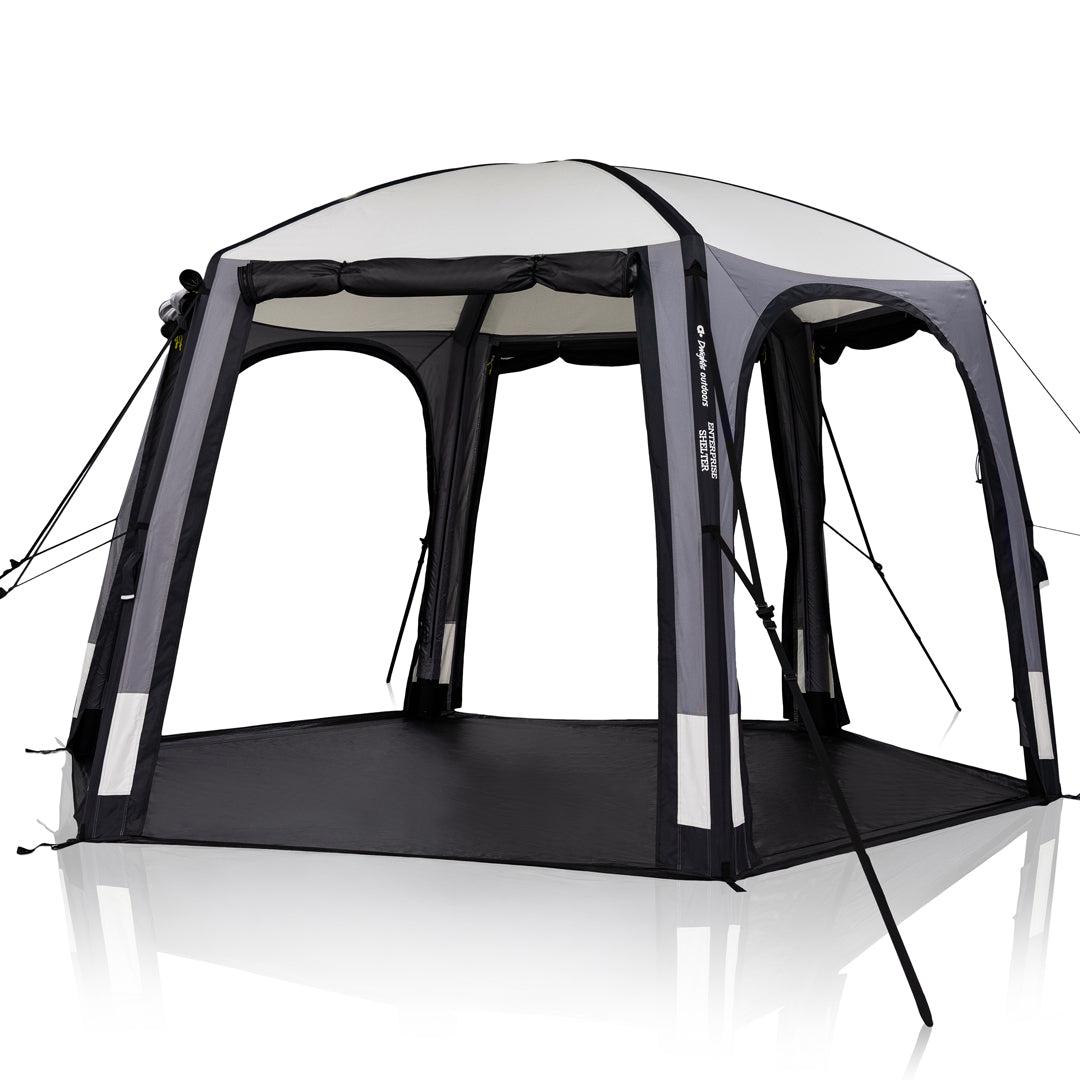
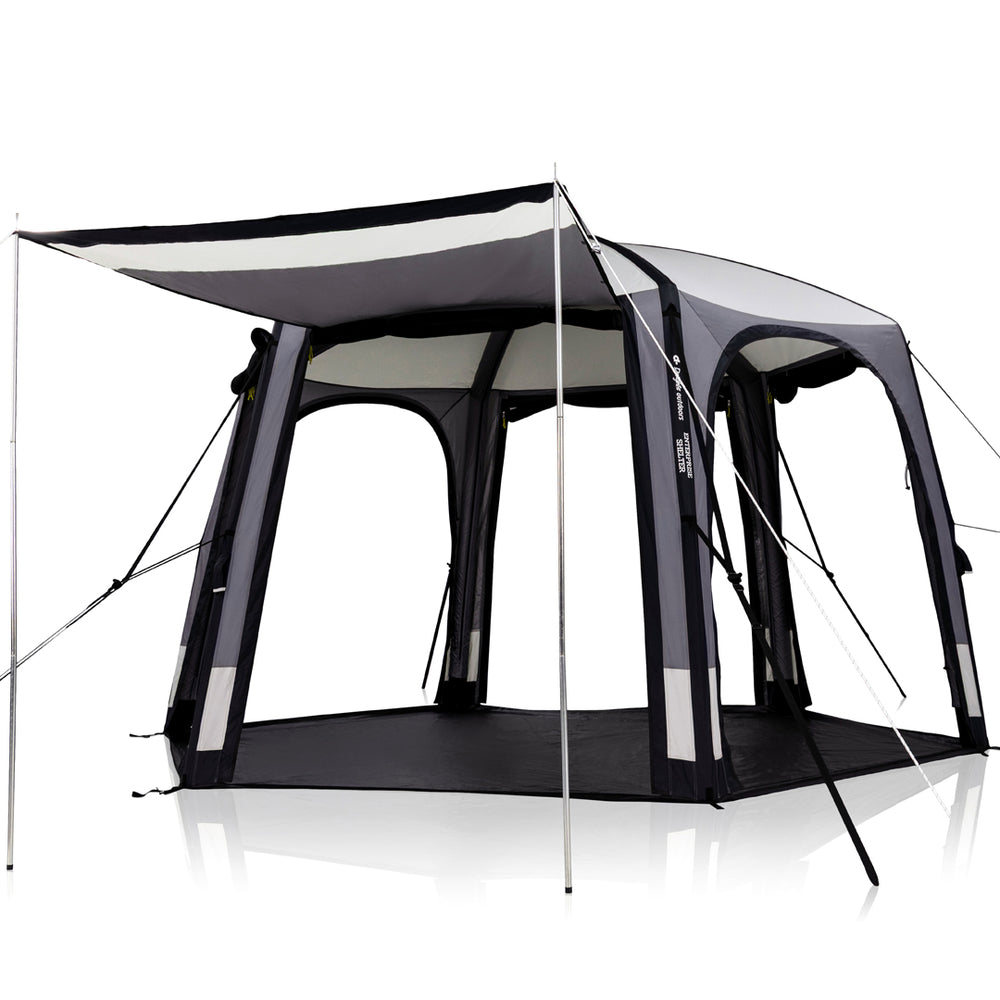


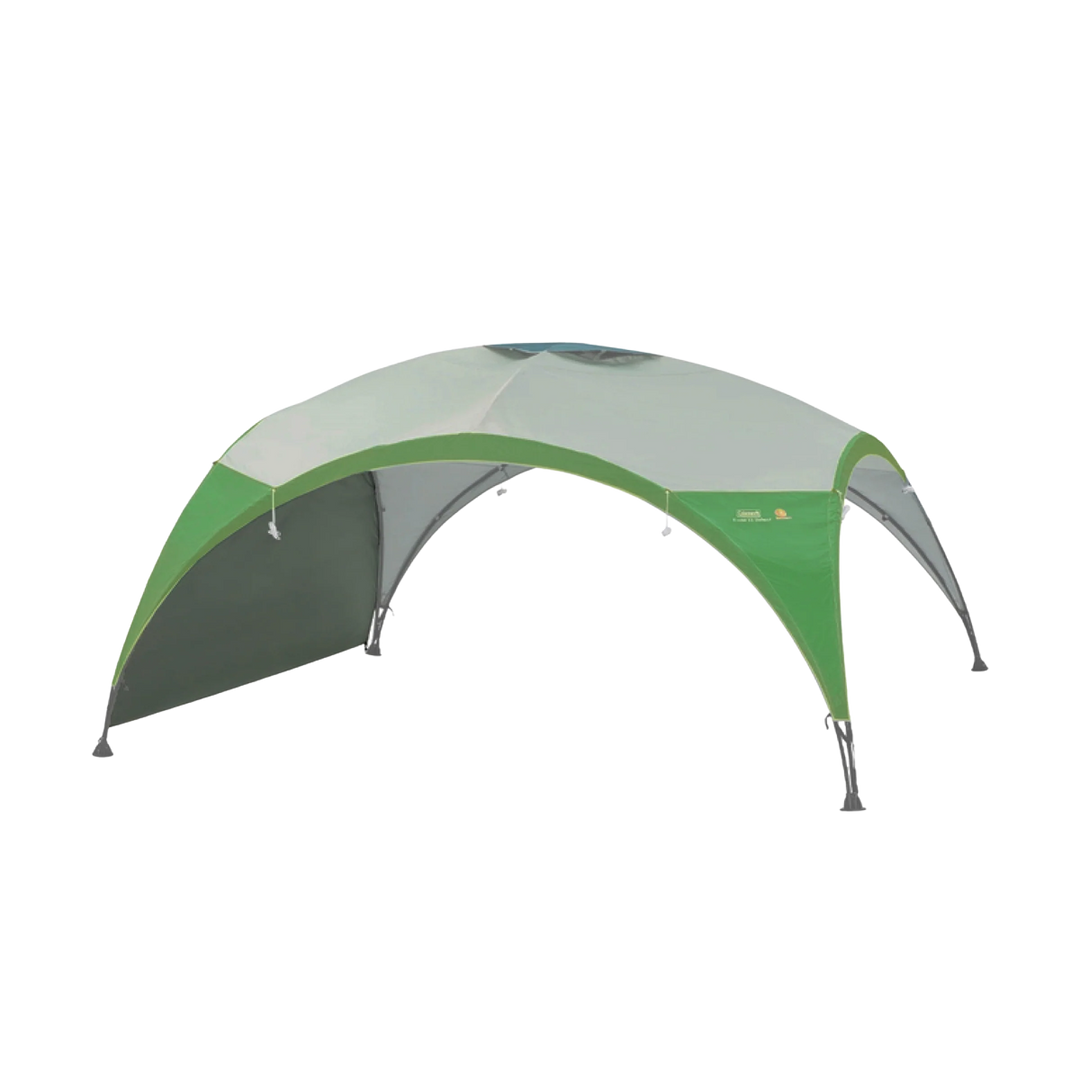
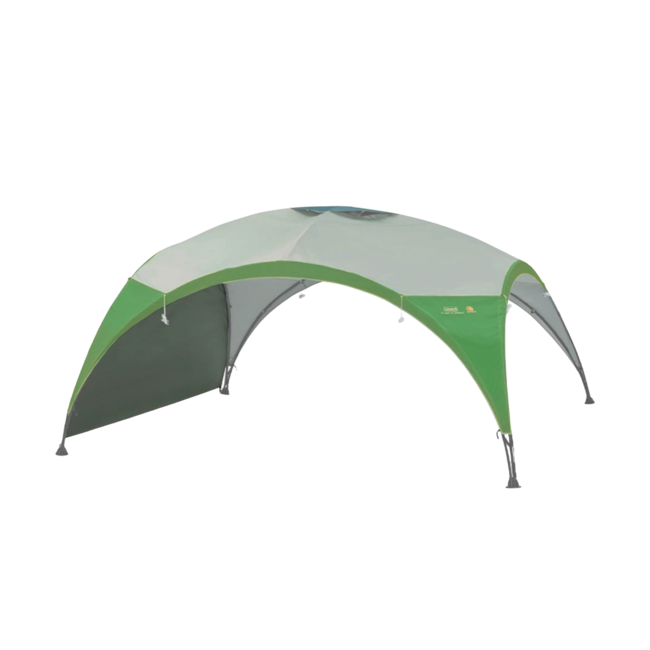
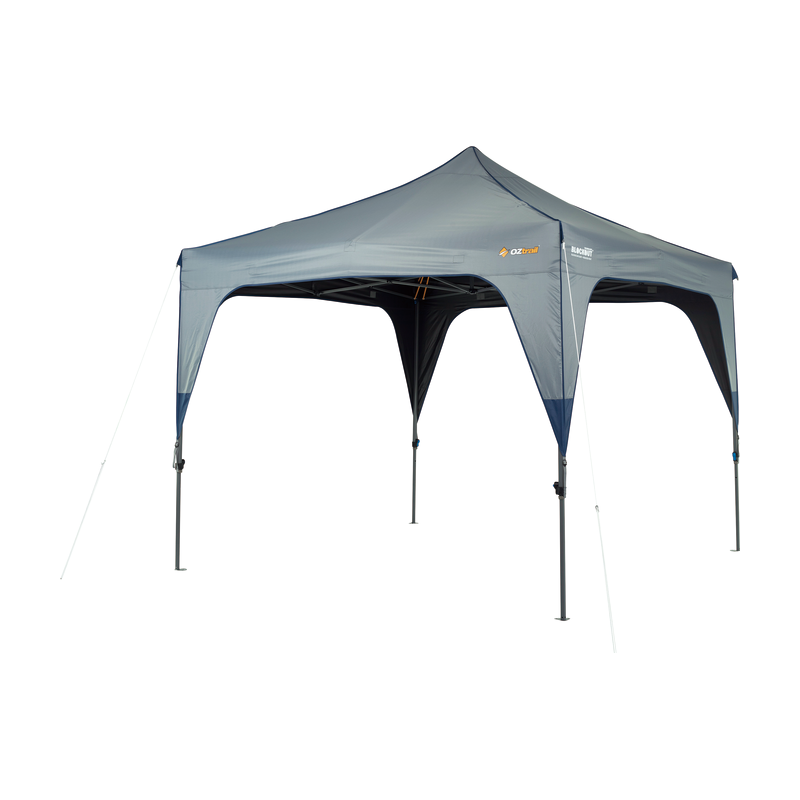
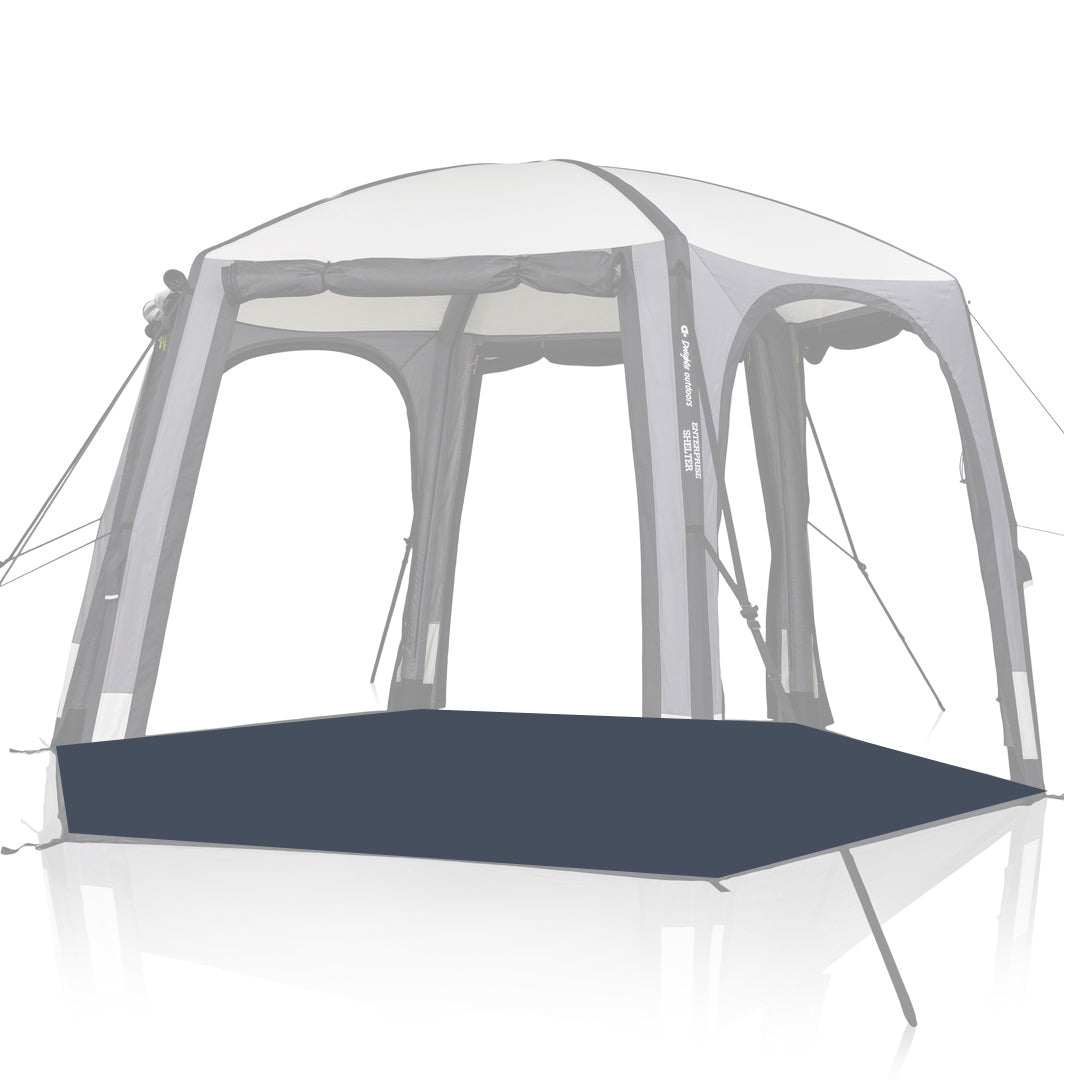
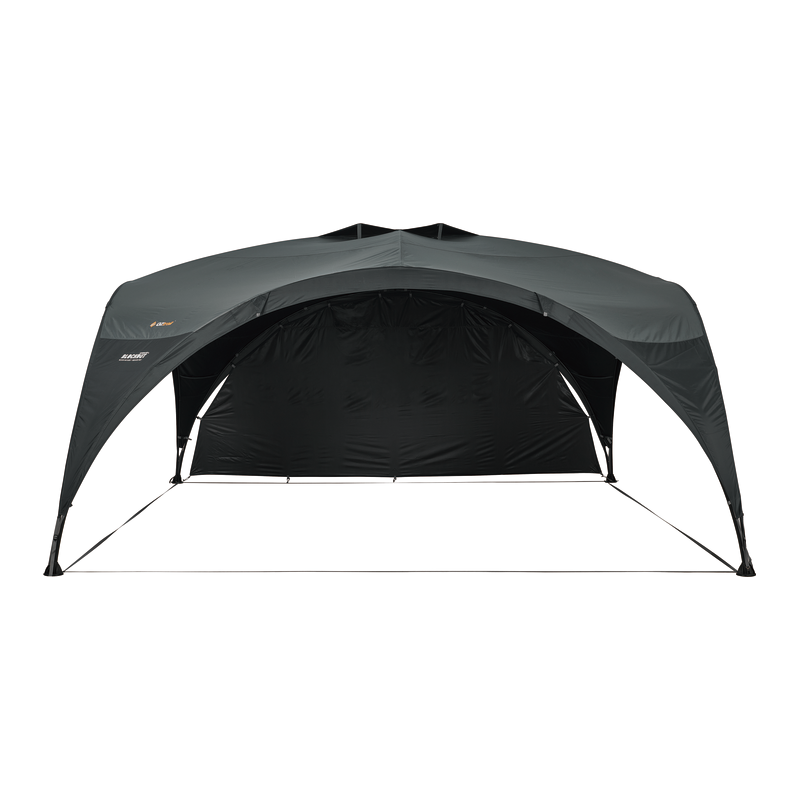
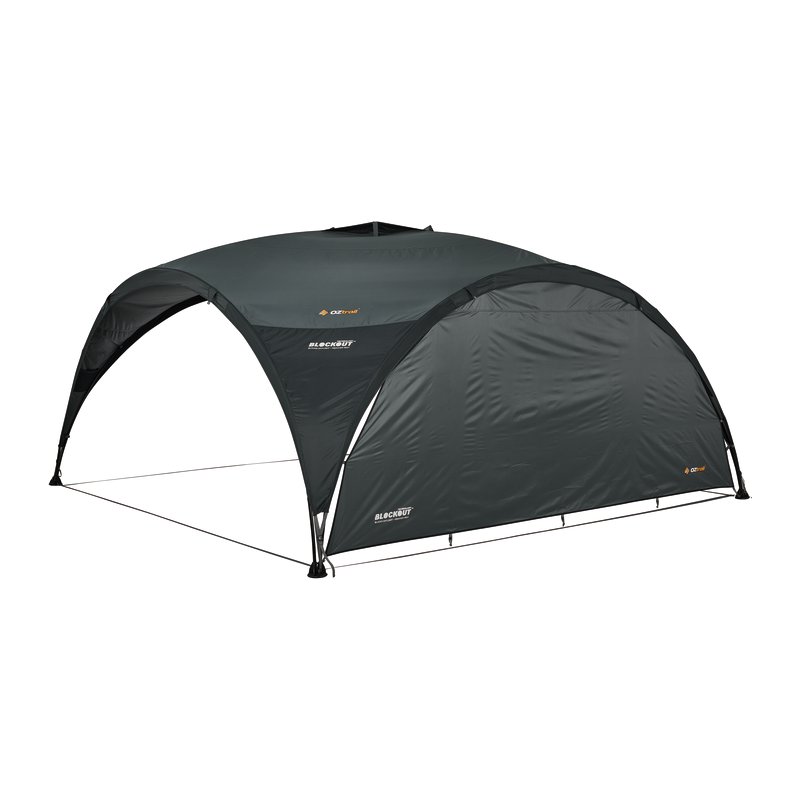
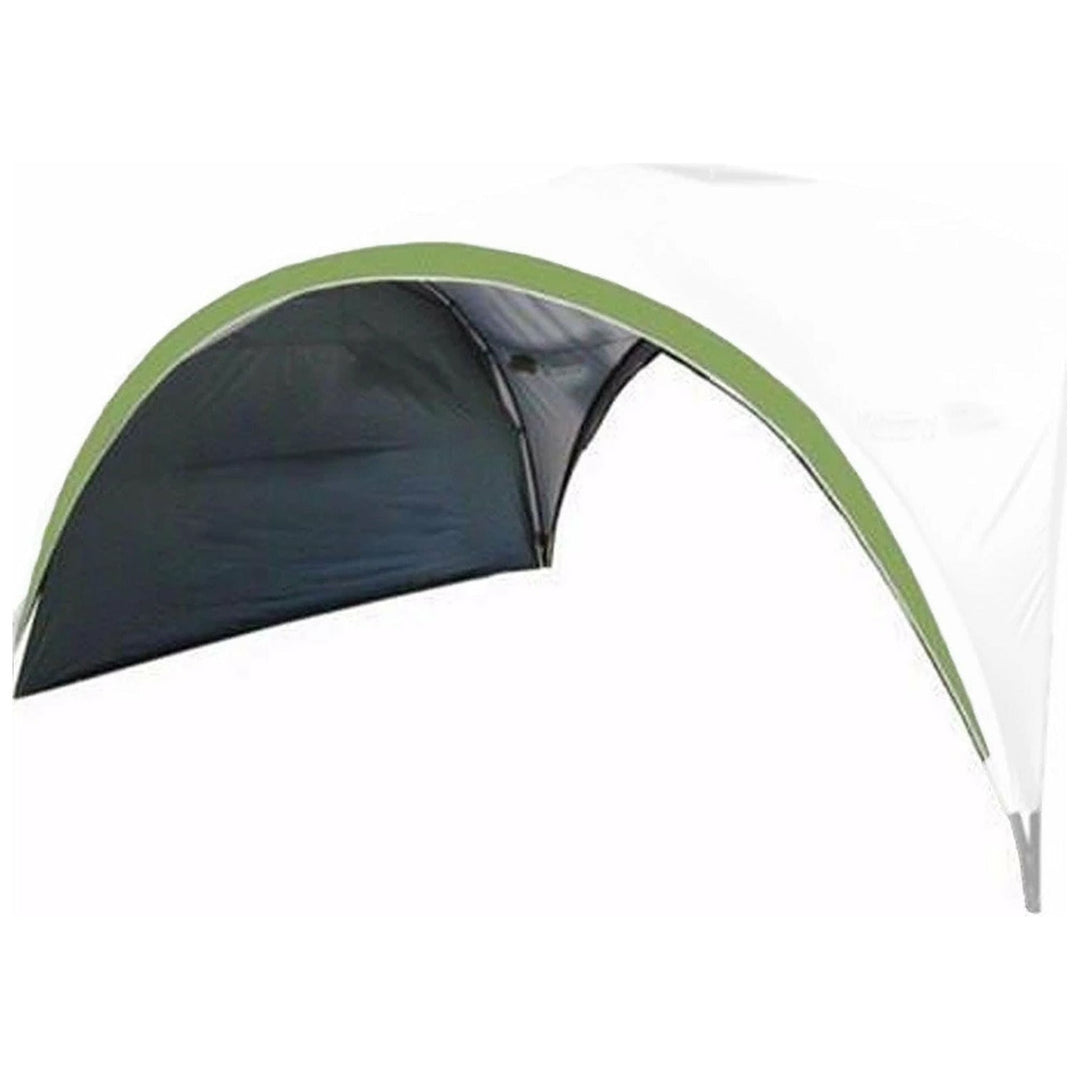
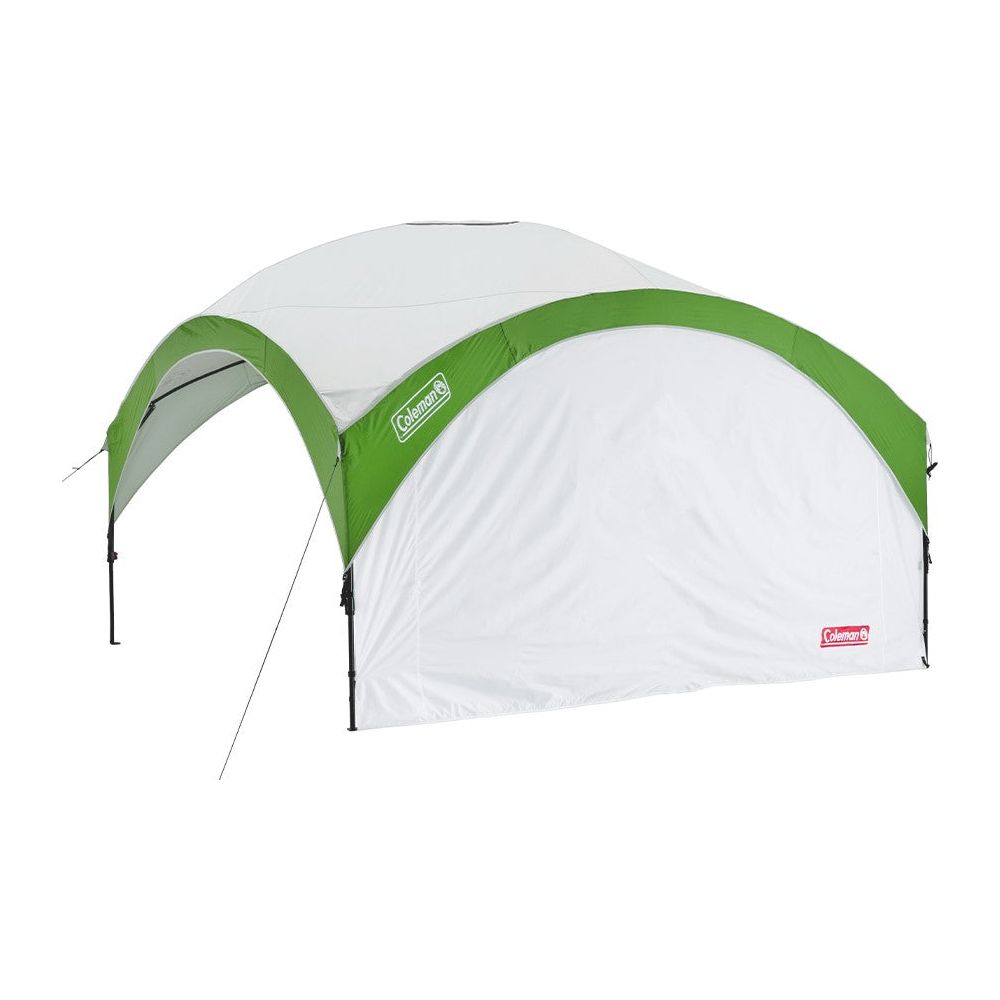
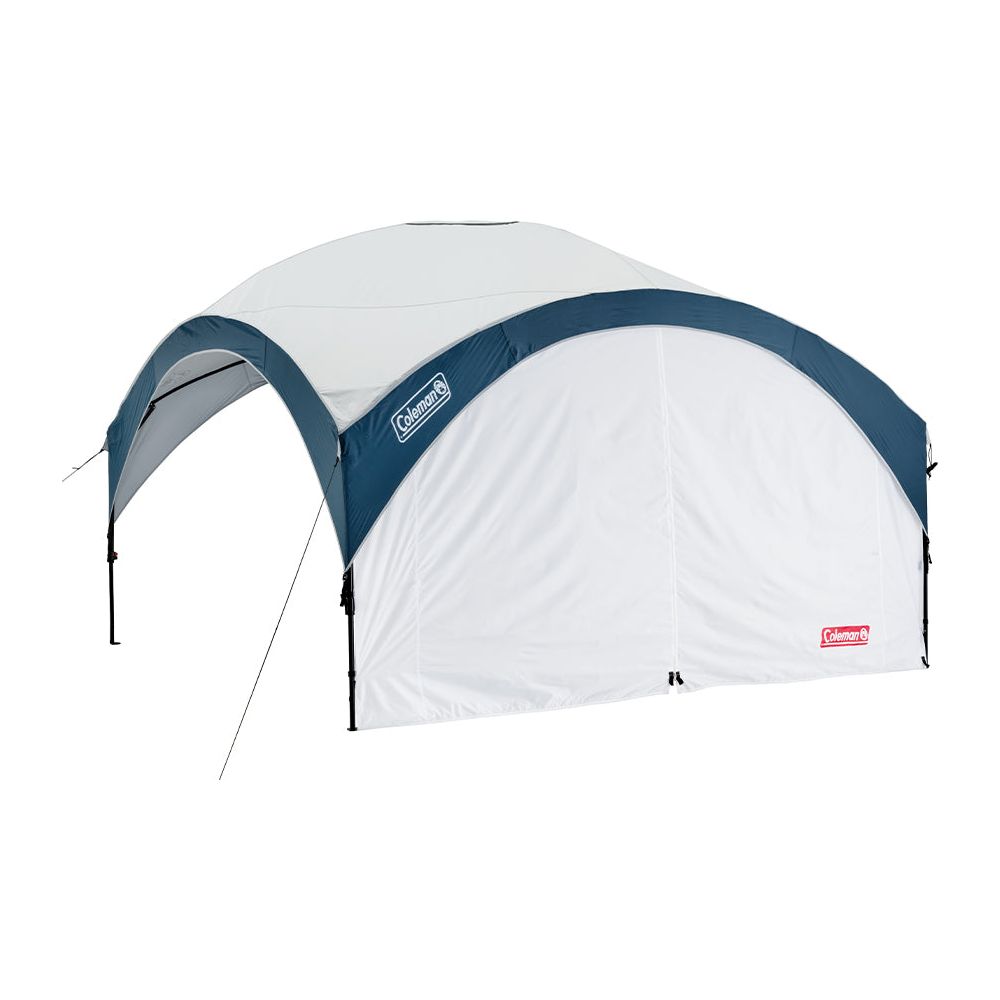

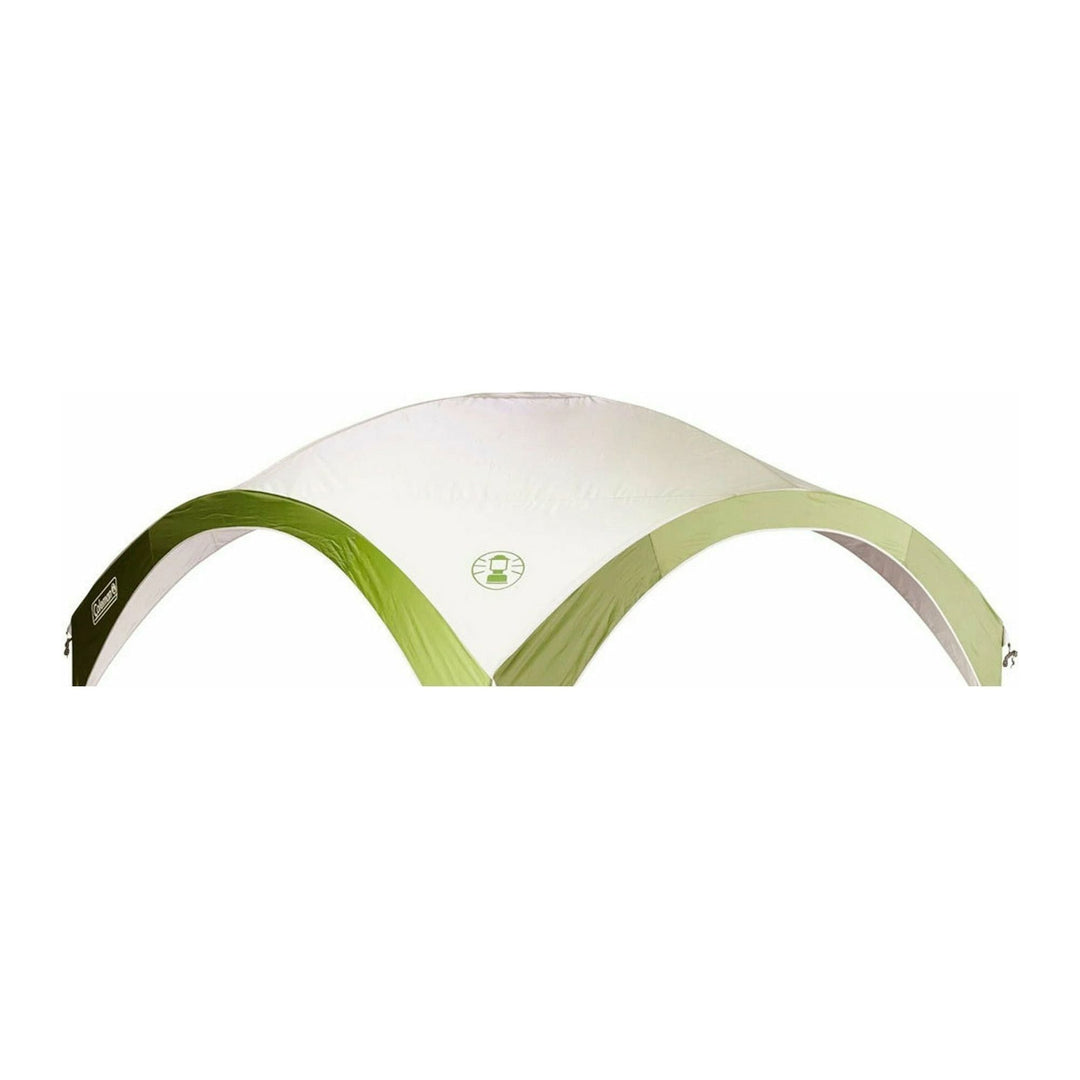

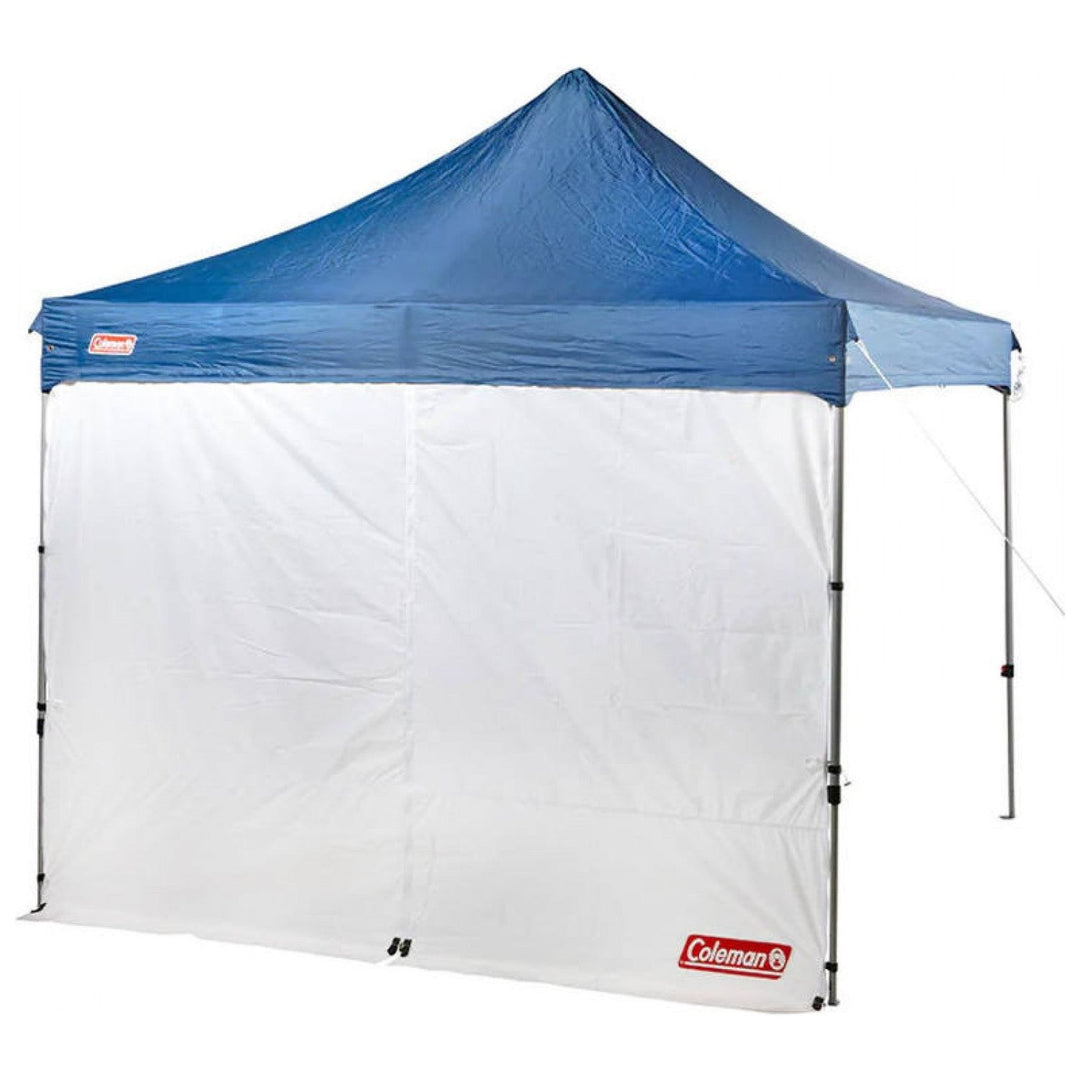
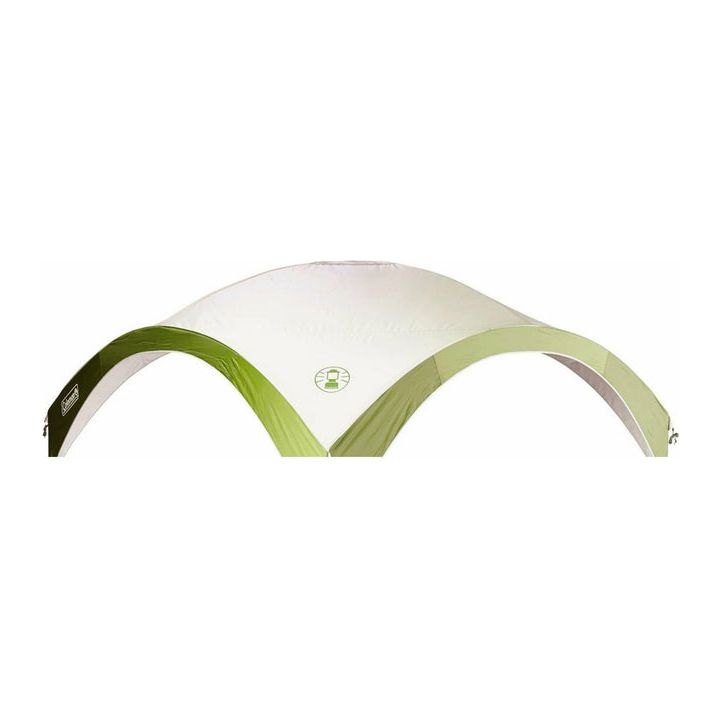
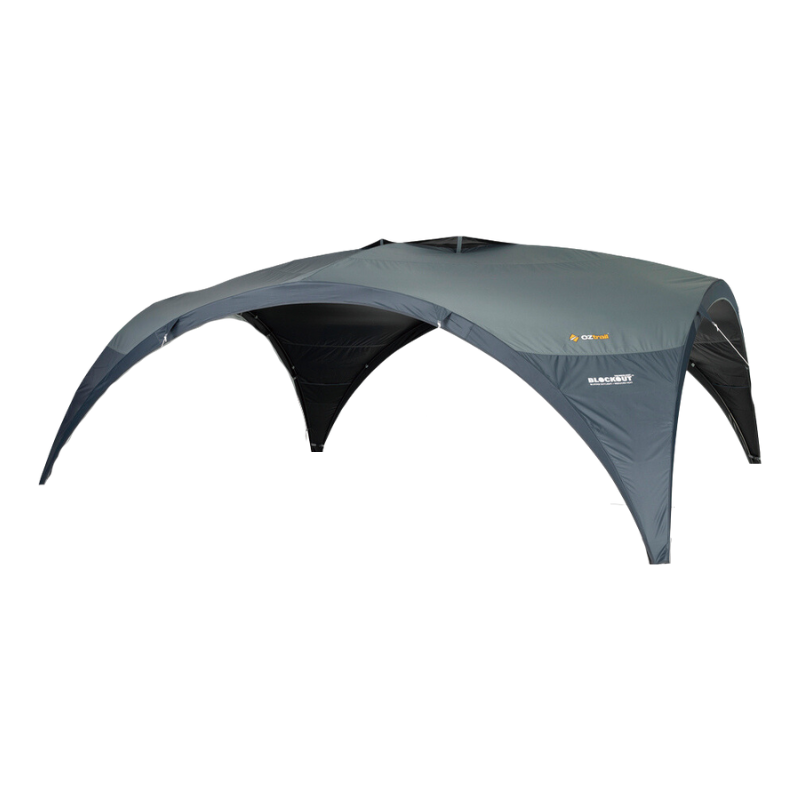
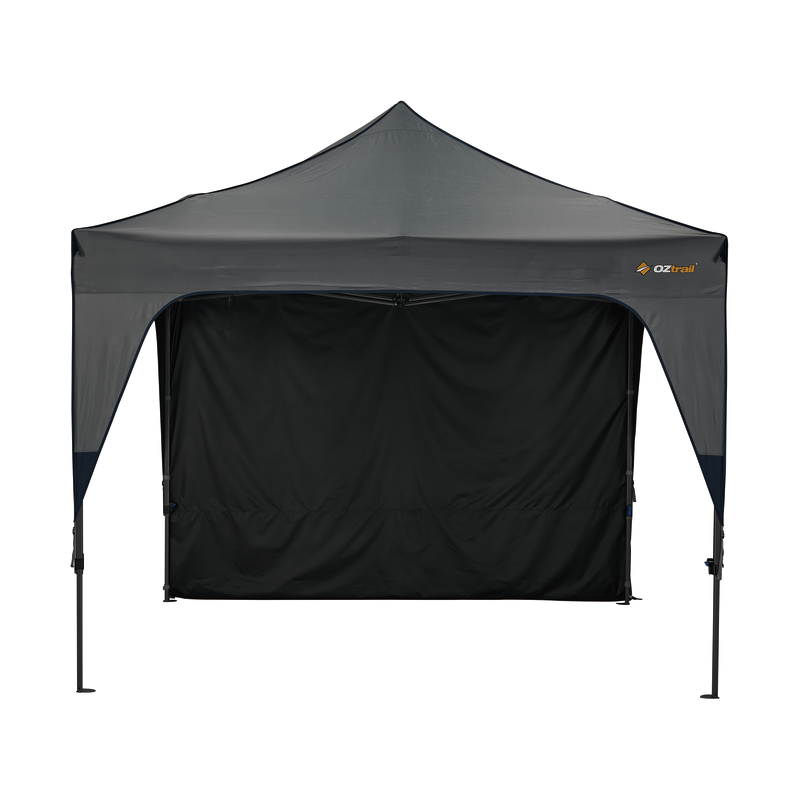
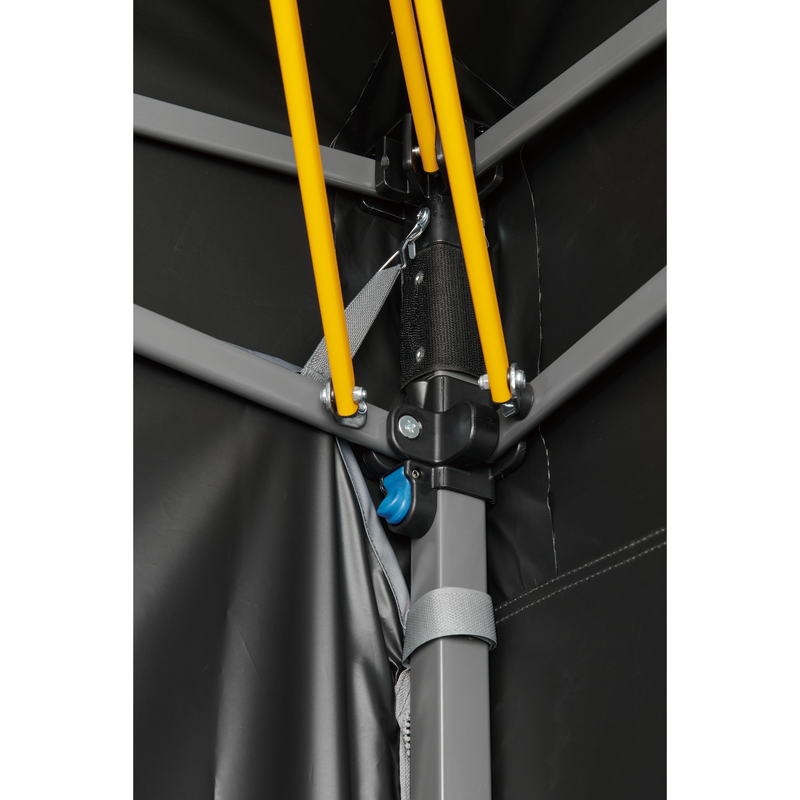
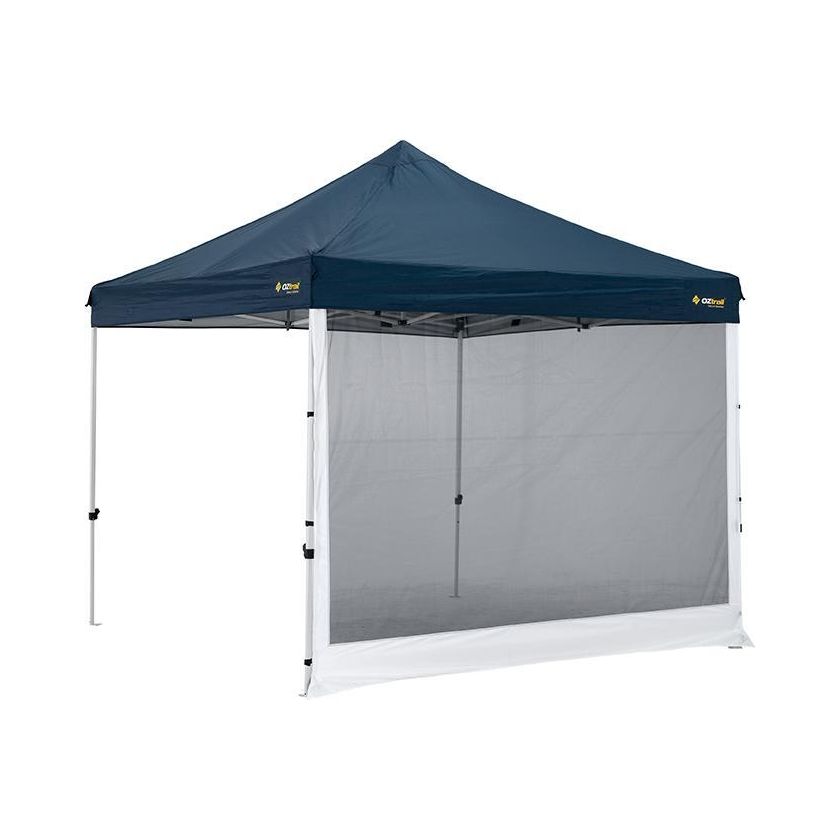
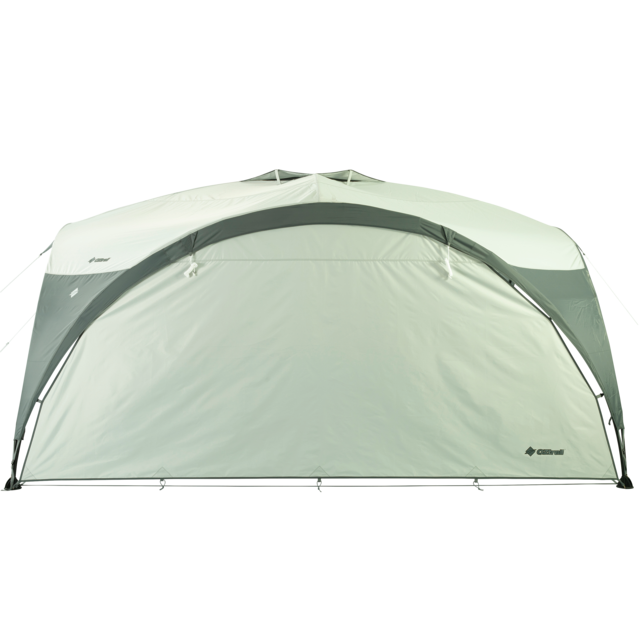

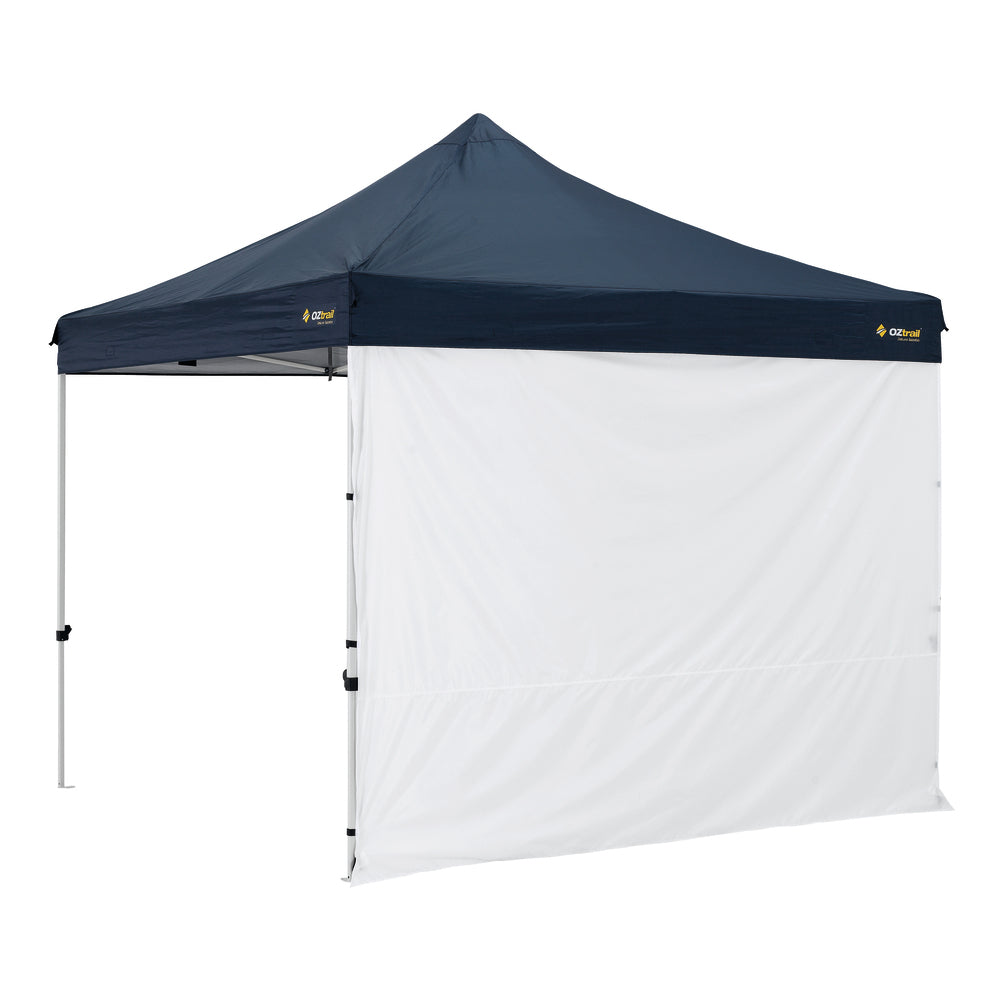
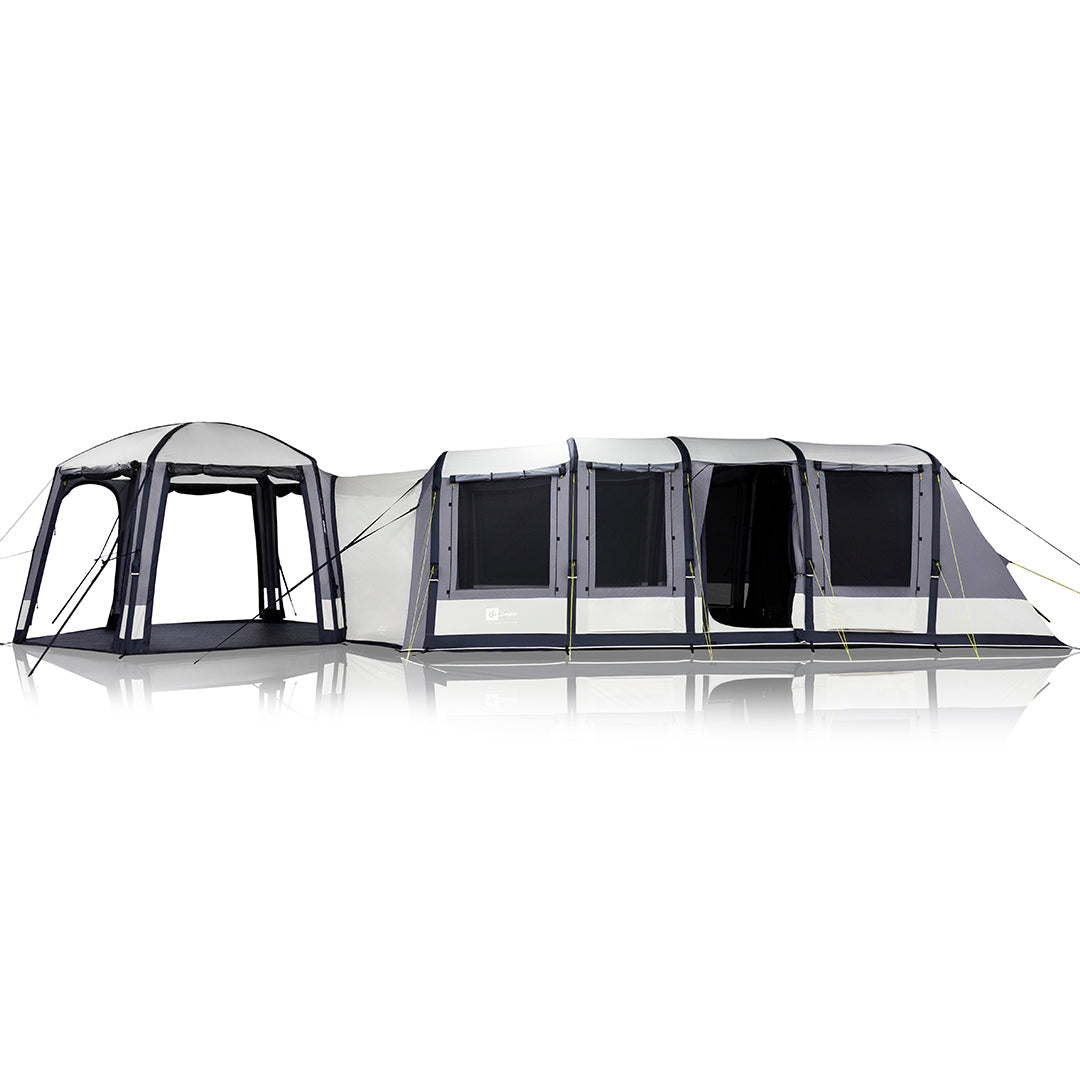
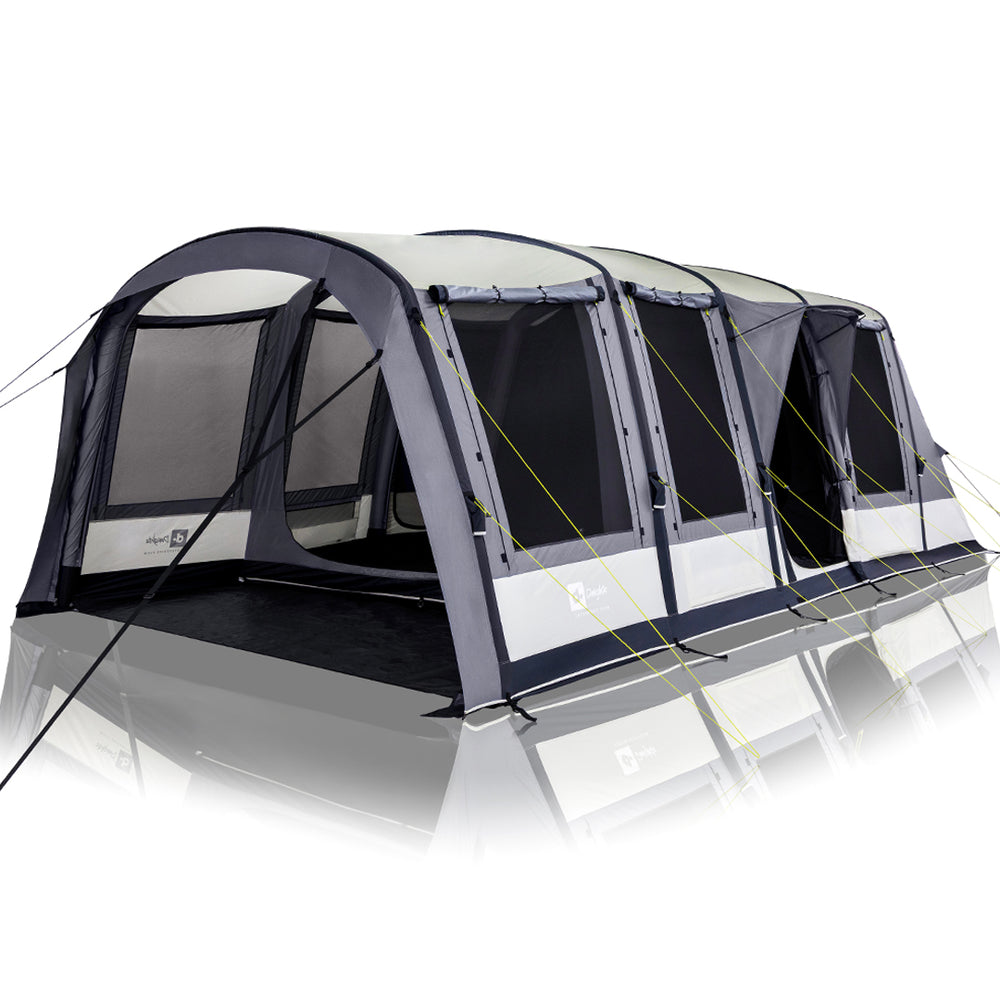
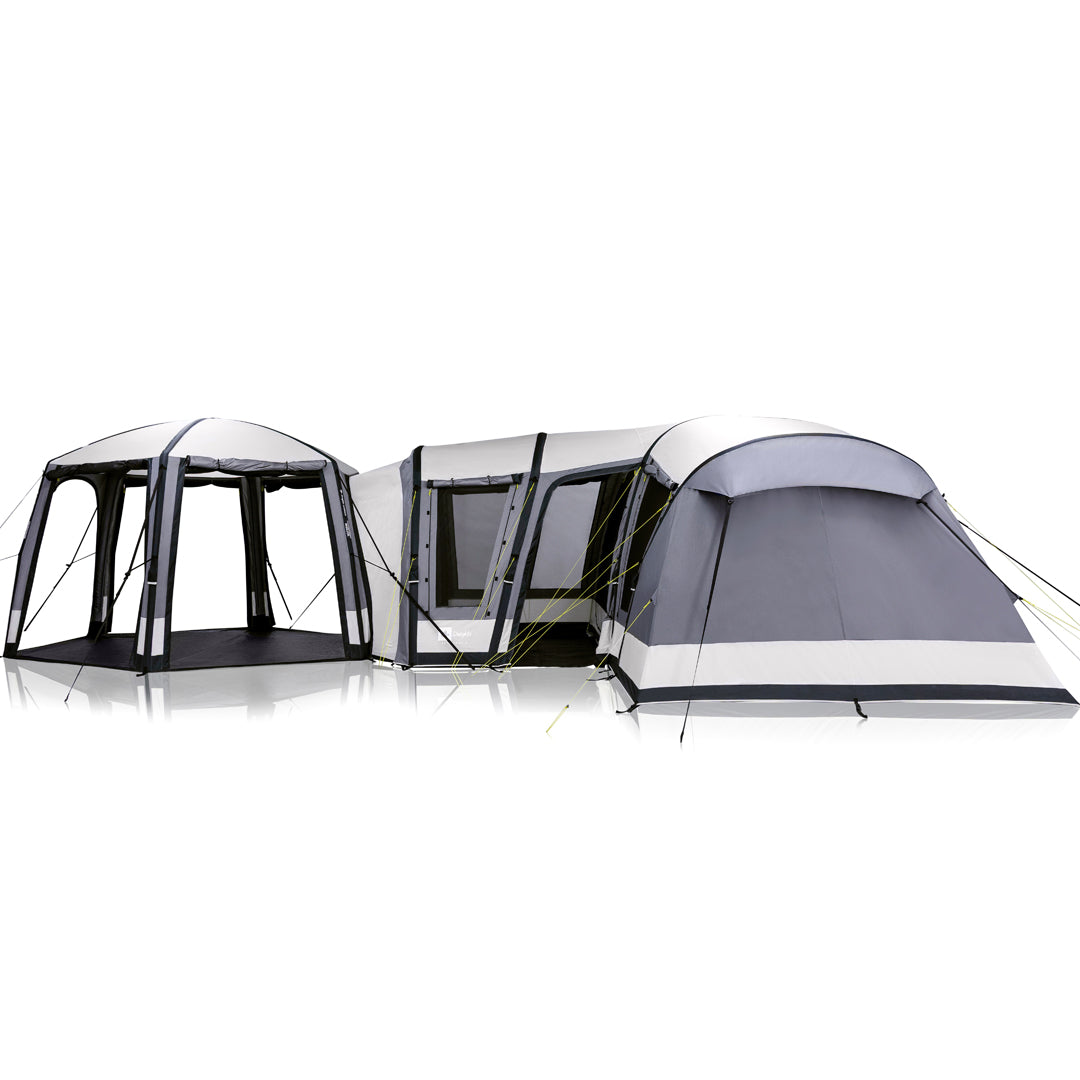
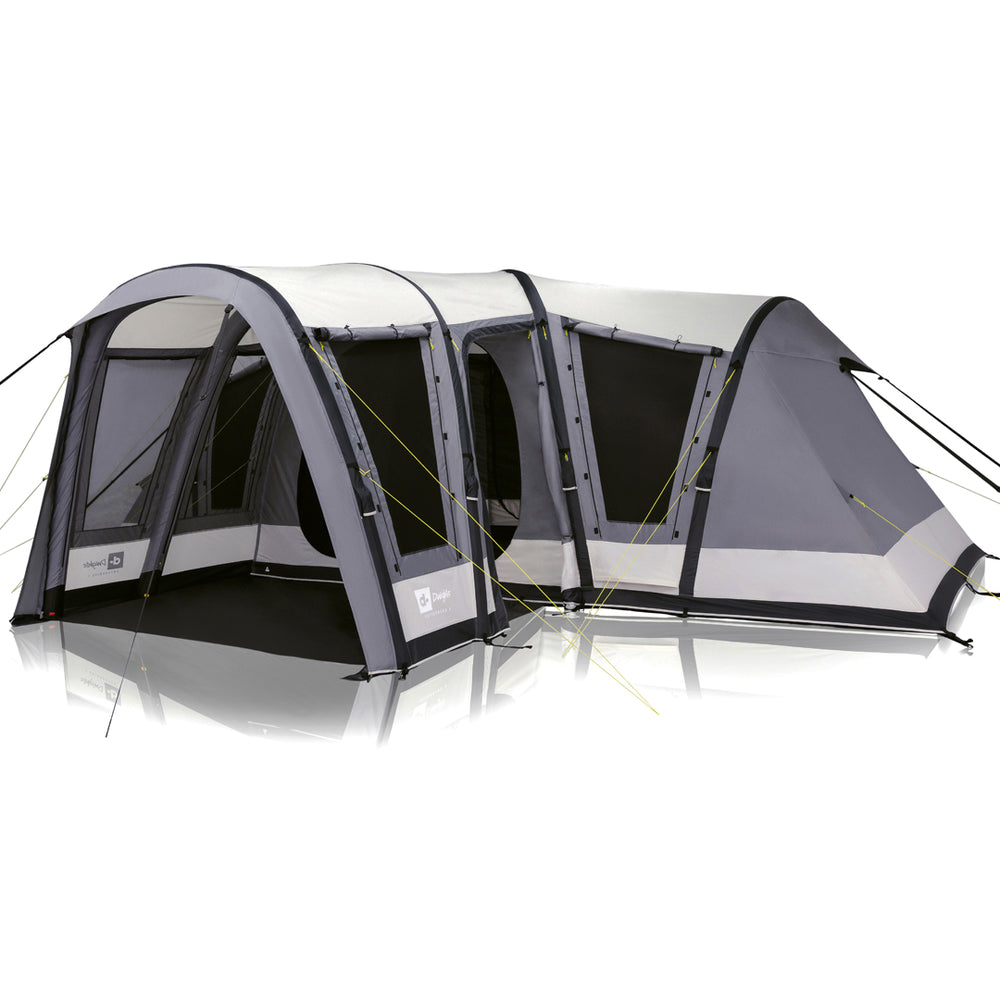
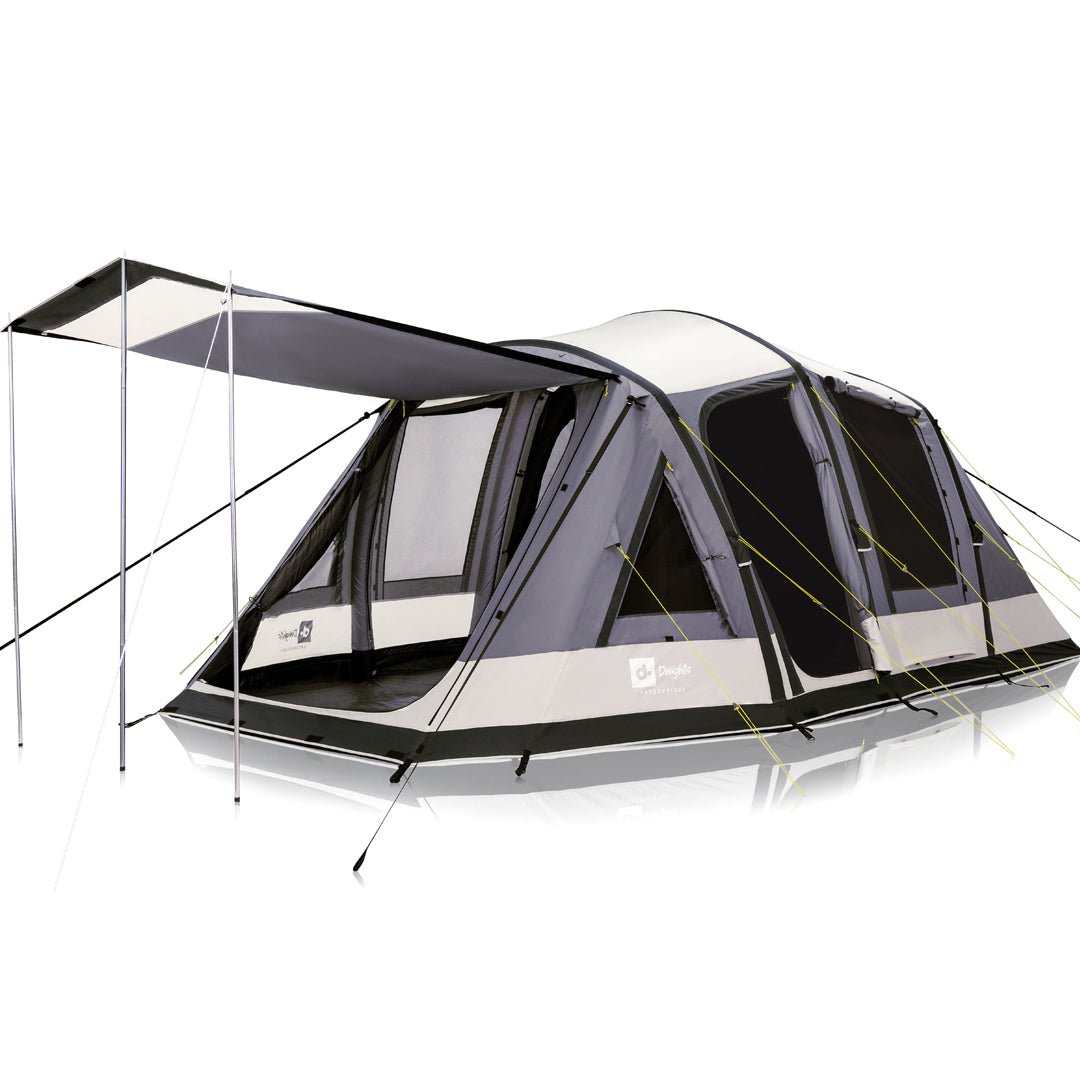
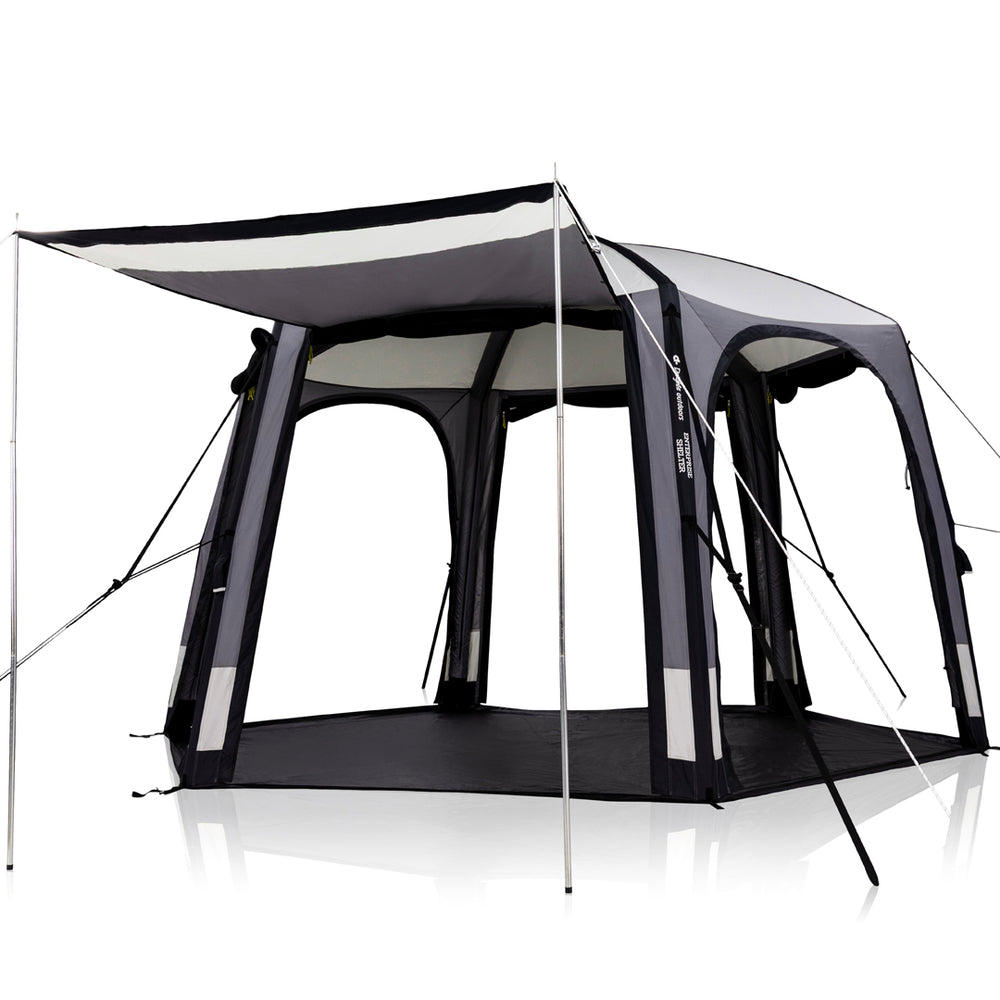
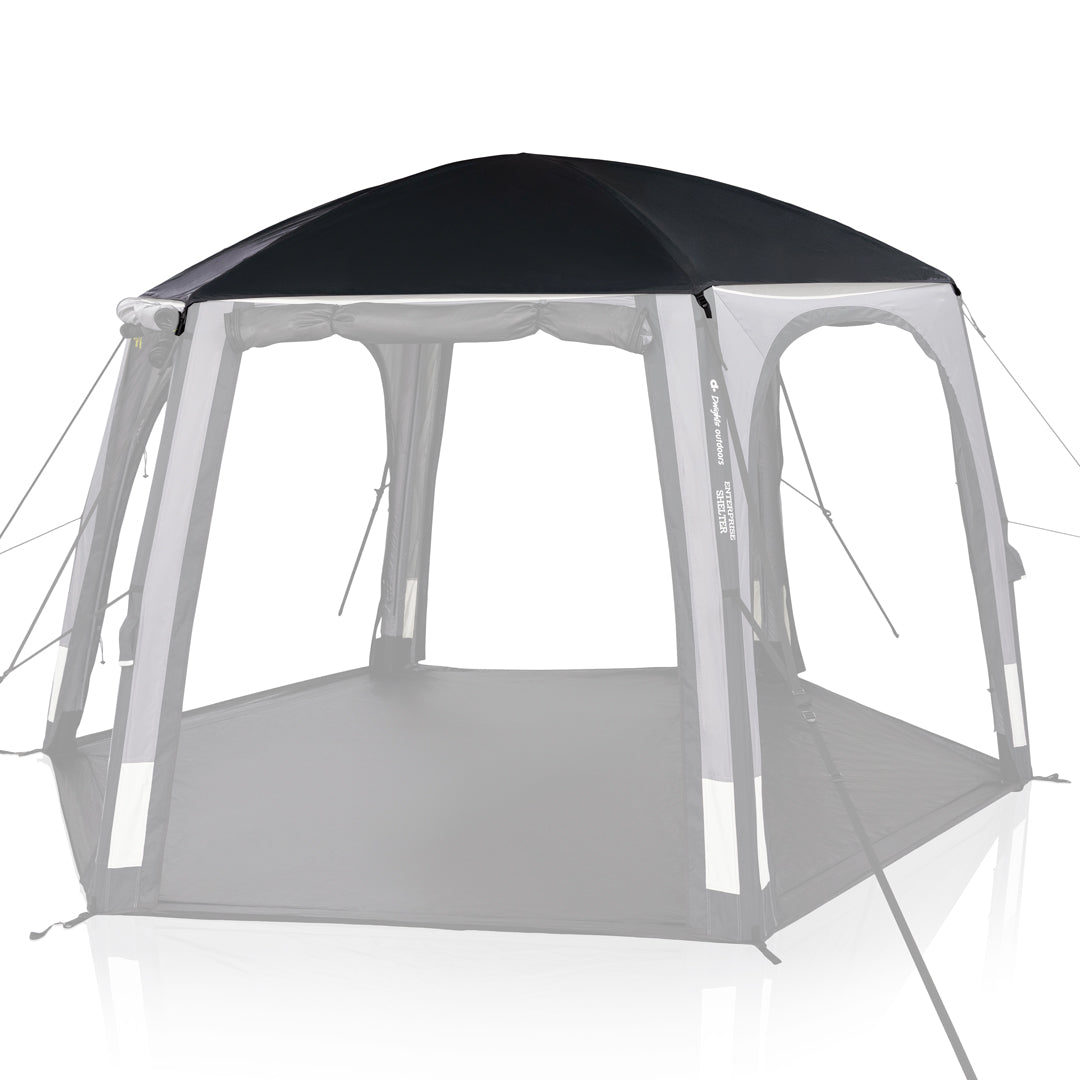

When it comes to camping shelters and gazebos, Dwights-branded options are our first recommendation — designed specifically for NZ conditions, tested over decades, and built to a standard you won't find in a supermarket tent. Coleman and OZtrail round out the range as solid, proven backup options for those after a more entry-level price point.
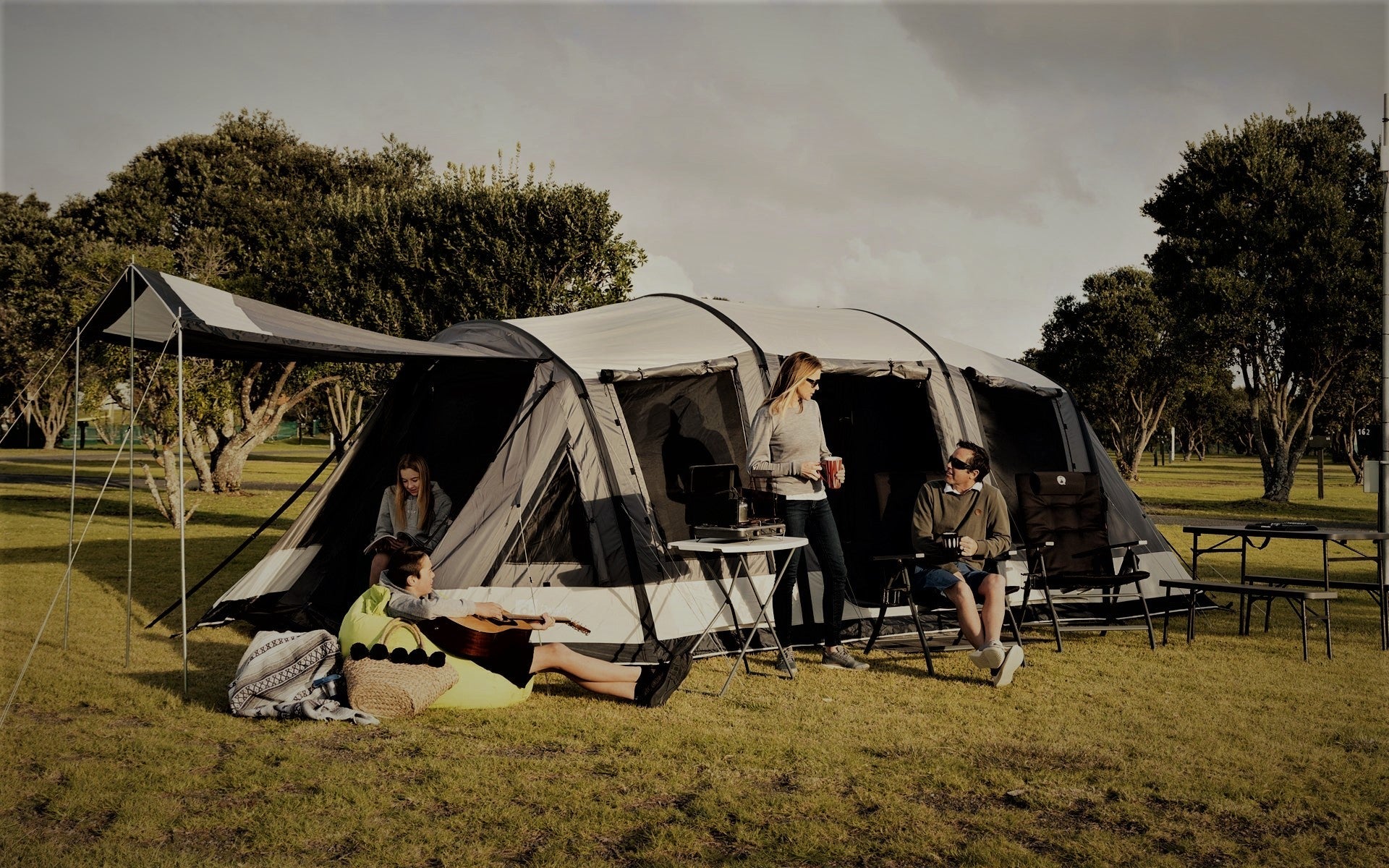
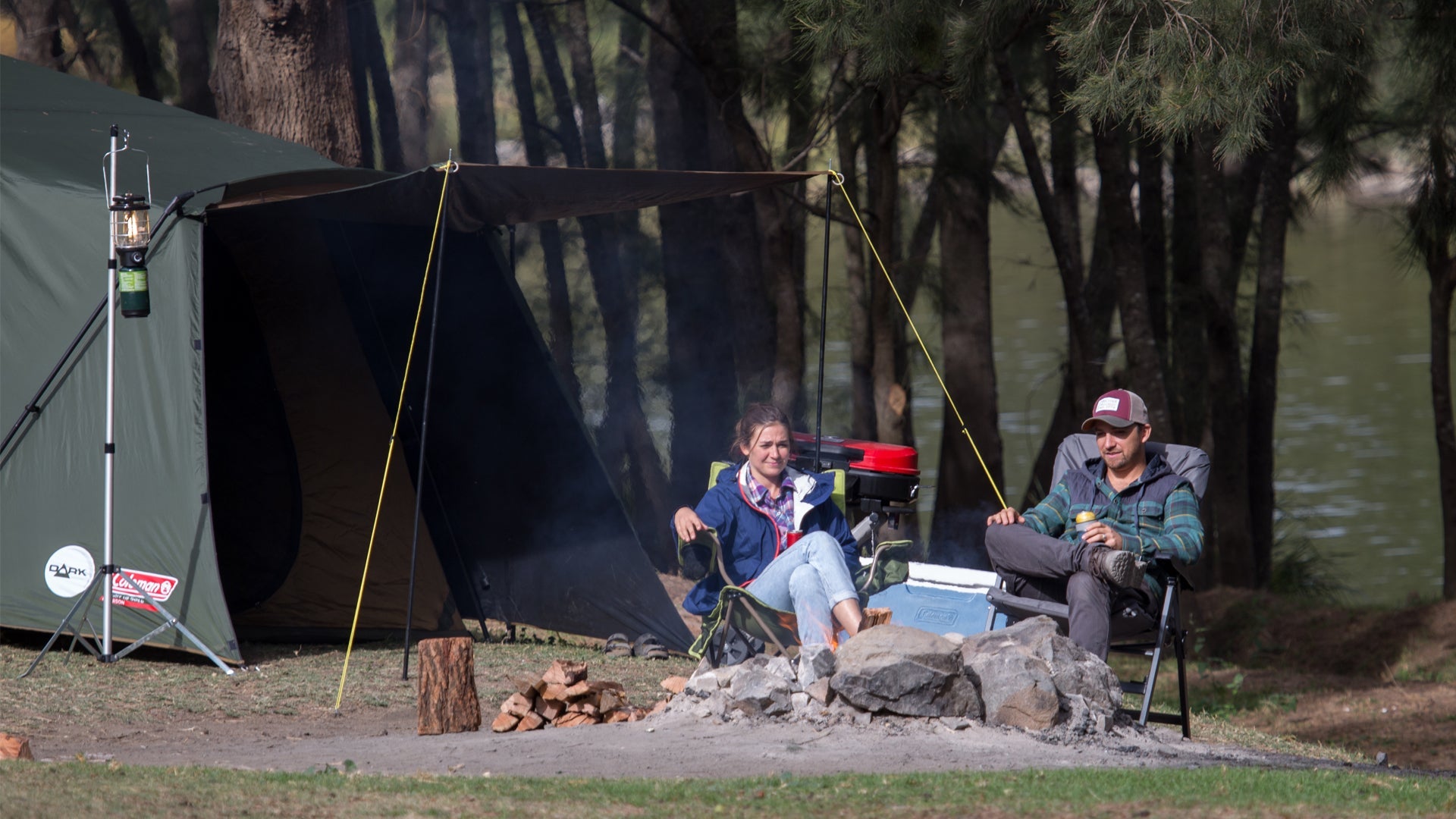
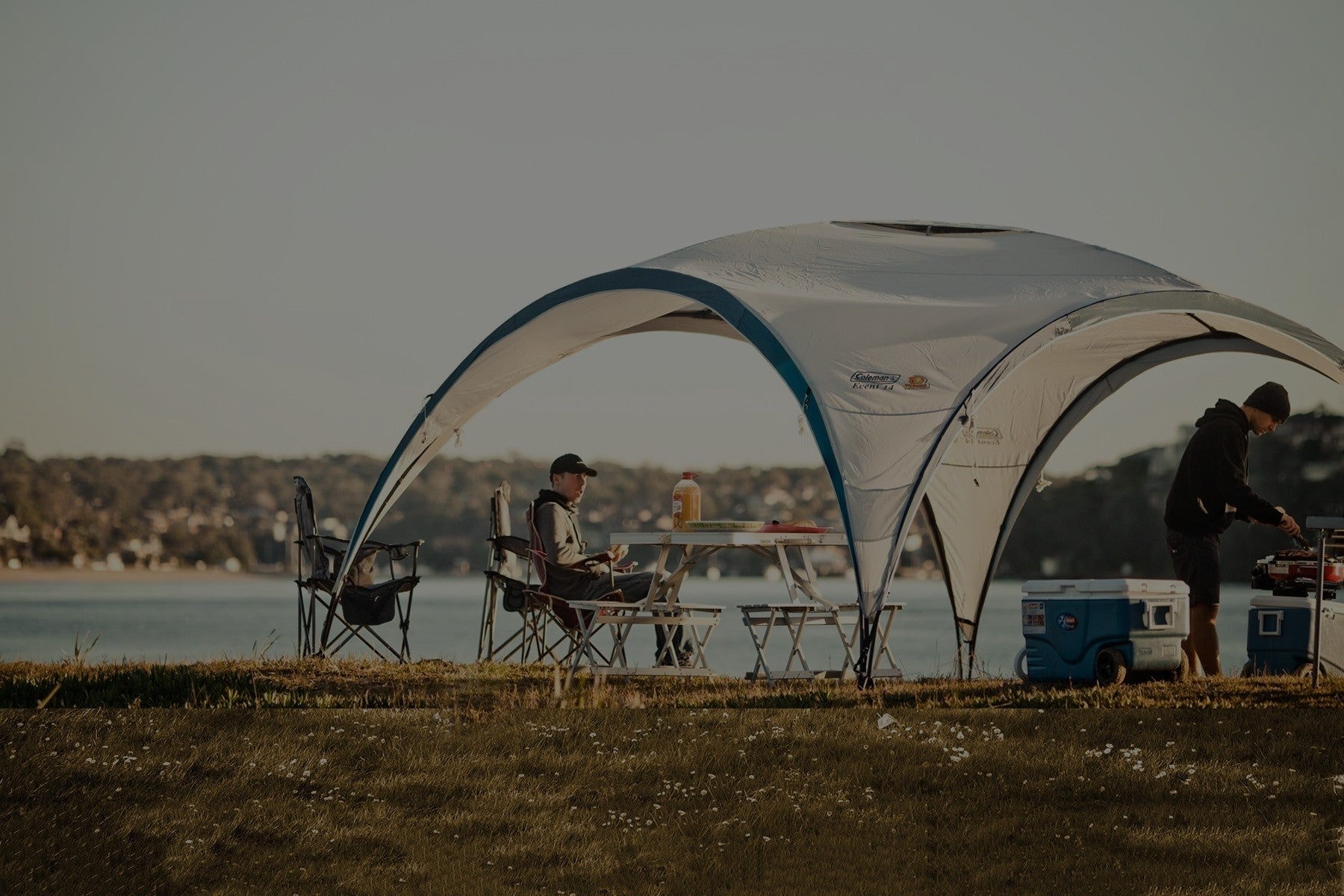
A gazebo transforms a campsite into a proper base. Covered space for cooking, eating, and sheltering from rain or sun makes a meaningful difference on a multi-day camping trip — especially in NZ where weather can turn in an afternoon. Our range covers family-sized 4.2x4.2m options through to compact 3x3m shelters for couples, plus heavy-duty models for events and markets.
Picking the Right Size
As a guide: a 3x3m gazebo suits 2–4 people for shade and light cooking. A 4.2x4.2m comfortably covers 6–8 people with a camp kitchen setup and room to move. If you're running an event or market stall, look at our heavy-duty 3x6m options. When in doubt, go bigger — covered space fills up fast at camp.
Important: Gazebos and shelters are designed for sun and light rain protection. They are not tents — take them down in strong wind and never leave them unattended in a forecast storm. Wind damage is not covered under guarantee.
Frequently Asked Questions
What size gazebo do I need for camping in NZ?
For most family or group camping trips, a 4.2x4.2m (14ft) gazebo is the most popular choice — it comfortably covers a dining area, camp kitchen, and several chairs without taking over your site. Smaller 3x3m options suit couples or solo campers, while larger groups may want to look at connecting two shelters. Browse our full range on the Shelters & Gazebos collection page to compare sizes side by side.
How do I anchor a gazebo in NZ wind?
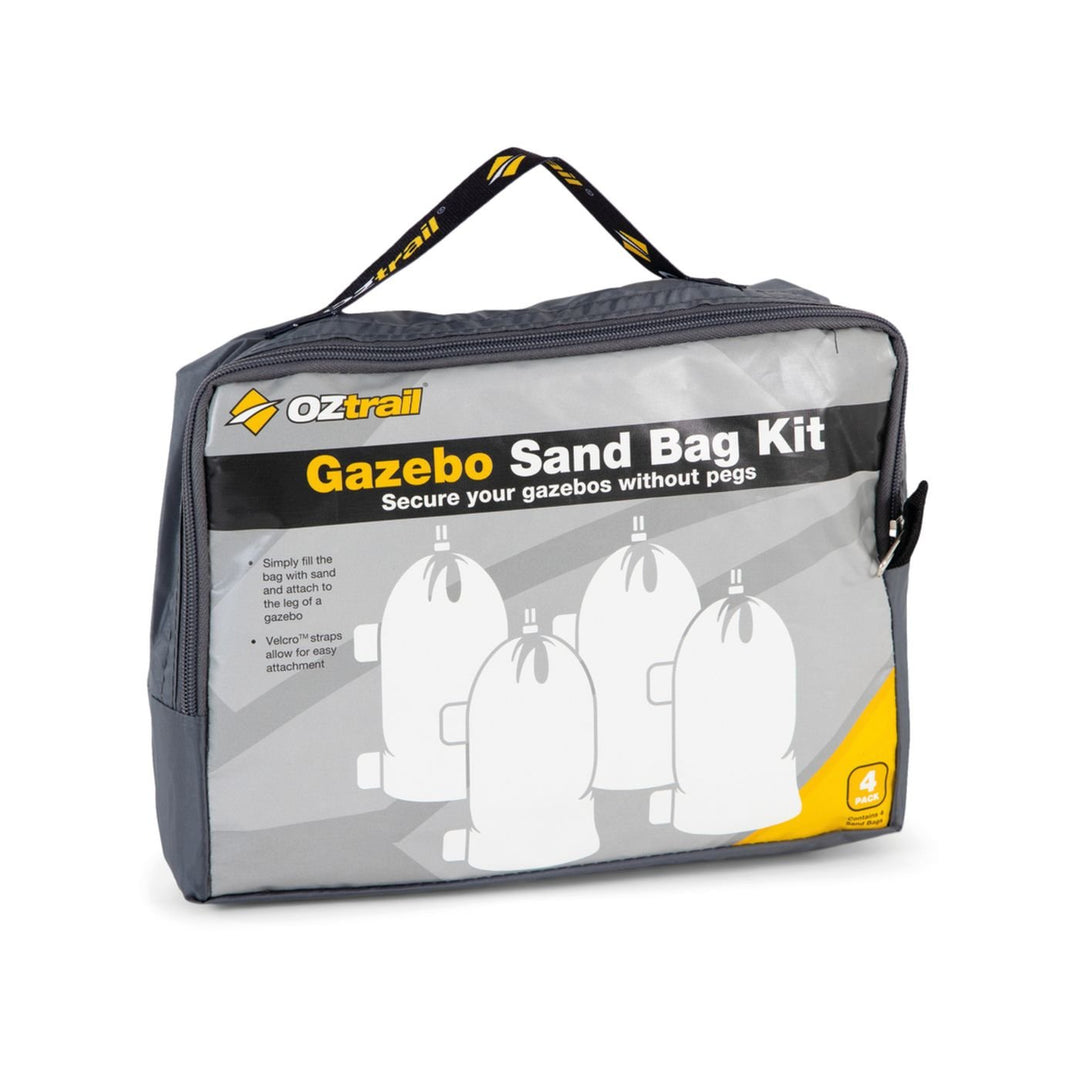
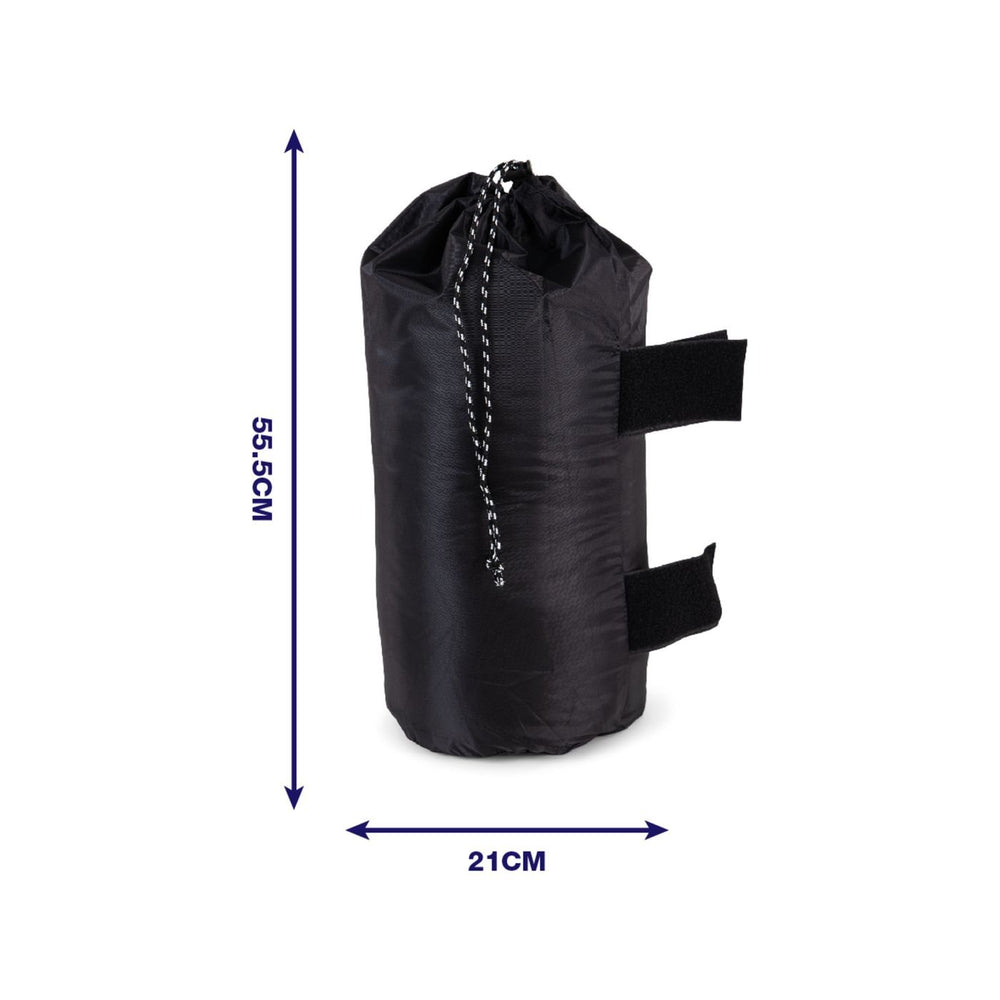
New Zealand conditions — especially on exposed coastlines, alpine sites, and the South Island — can be seriously gusty, so anchoring properly is non-negotiable. Use all guy ropes and peg every leg with heavy-duty pegs driven at a 45° angle into the ground. On hard or sandy ground, add sandbags or water-weight bags to the base of each leg for extra hold. Never leave a gazebo unattended in strong winds; take it down if a storm is forecast.
What's the difference between a gazebo and a shelter?
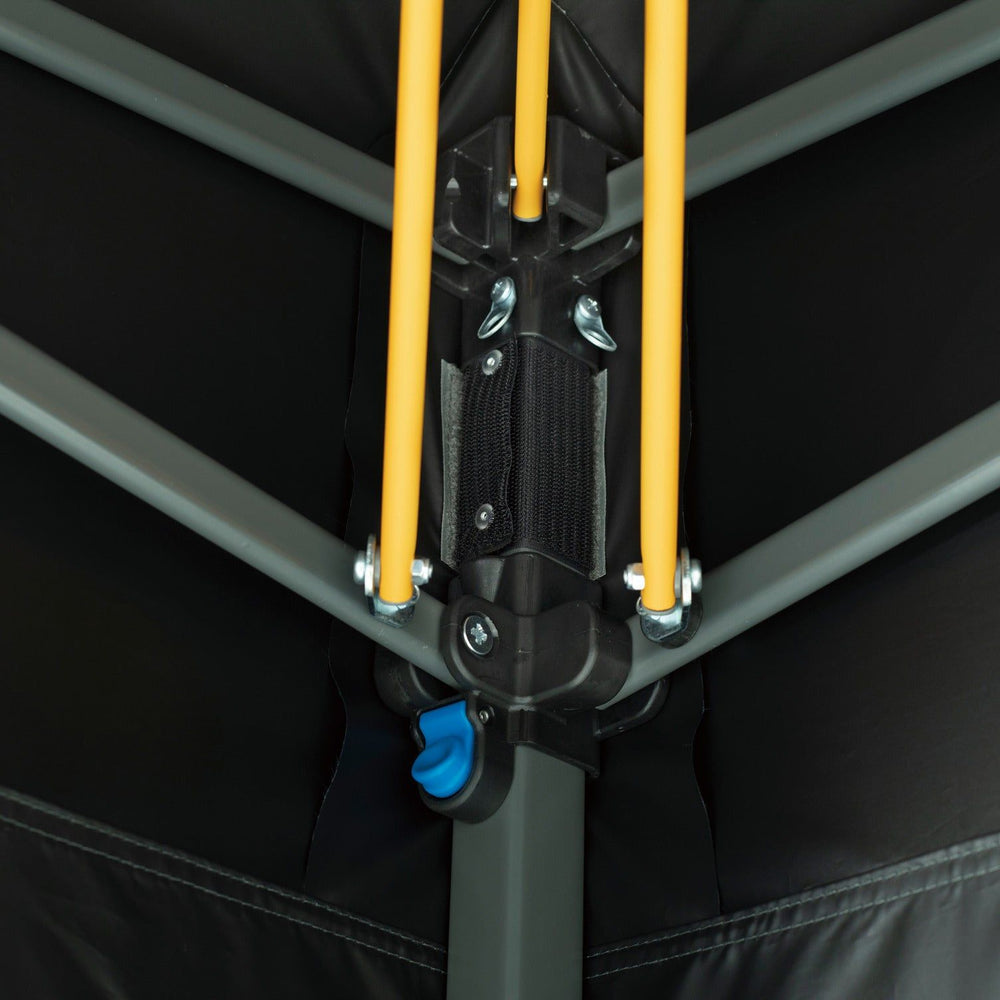
A gazebo typically features a dome-style roof on a steel frame, designed for shade and rain cover during camping trips and outdoor events. A shelter is a broader category that includes tarps, awnings, and screen rooms — generally lighter and more packable, but less structural. If you need a defined covered space at camp that stands on its own, a gazebo is the better pick. Neither is designed for permanent outdoor installation — prolonged UV exposure will degrade the fabric and frame over time, so pack it away when not in use.
How do I care for a gazebo to make it last?
After each trip, wipe down the 150D polyester fabric with a damp cloth and allow it to dry completely before packing away — storing it damp is the fastest way to cause mildew and fabric degradation. Clean the steel frame joints with a dry cloth and check for rust spots; treat any nicks with a touch of metal paint. Store the gazebo in its bag in a dry, cool place out of direct sunlight. Periodically re-apply a DWR (durable water repellent) spray to maintain the fabric's water resistance.
Can I use a gazebo at a DOC campsite?
Yes — gazebos are permitted at most DOC campsites, though rules vary by site and season, so it's worth checking the specific DOC campsite page before you go. Stick to designated areas, avoid hammering pegs into tree roots, and pack out everything you bring in. At busy sites, be considerate of space and set up away from neighbouring campers. Check out our camping advice blog for more tips on getting the most out of DOC sites.
What fabric weight should I look for in a gazebo?
150D (denier) polyester is the sweet spot for camping gazebos — it's thick enough to block UV and handle light to moderate rain, while still being manageable to pack and carry. Lighter fabrics (e.g. 70D or 90D) are less durable and more prone to tearing under wind load. For NZ conditions where weather can turn quickly, 150D is the minimum we'd recommend; heavier options exist but add significant weight and bulk.
How many people does a 4.2x4.2m gazebo fit?
A 4.2x4.2m gazebo covers roughly 17.6 square metres, which comfortably fits 6–8 people seated around a table with room to move. If you're using it purely for shade or standing cover (like a camp kitchen), you could squeeze in more. For a seated family dinner or group of friends with camp chairs and a table, it's the ideal size without feeling cramped.
Are gazebos waterproof?
Most quality camping gazebos, including those with 150D polyester roofs, are water-resistant rather than fully waterproof — they'll handle steady rain and keep you dry, but sustained downpours at steep angles can eventually find the seams. Look for taped or sealed seams and a high hydrostatic head rating (1500mm+) for better wet-weather performance. Reproof the fabric once a year with a DWR spray to maintain water resistance over time.