




















Airbeds
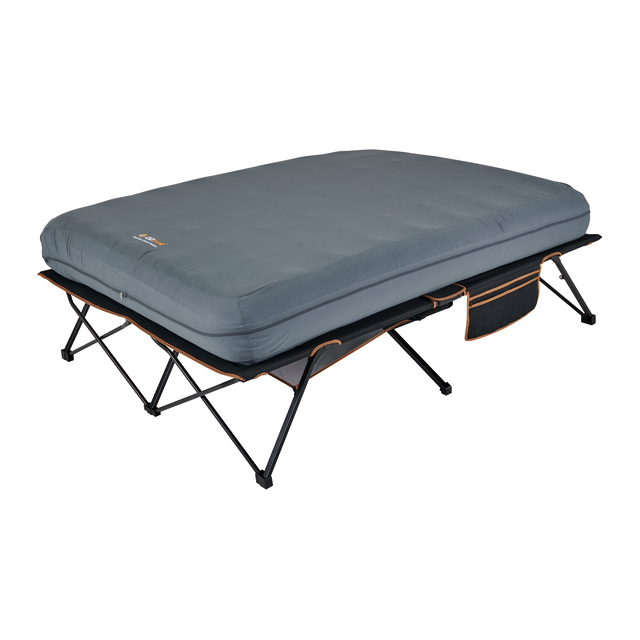
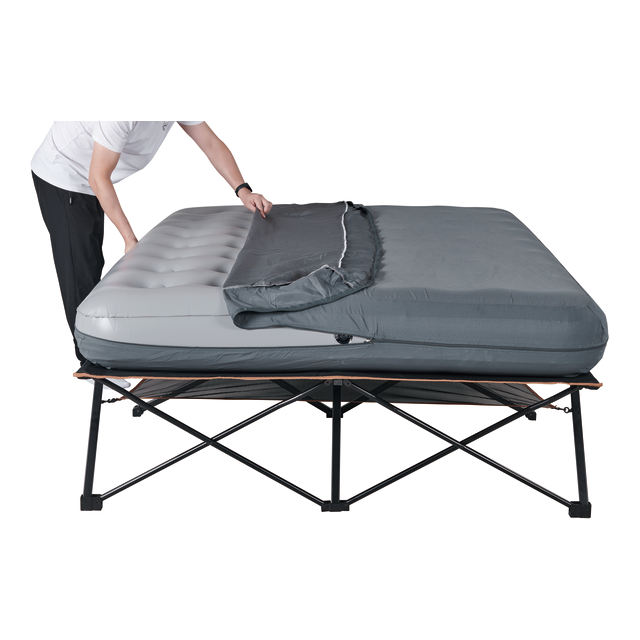


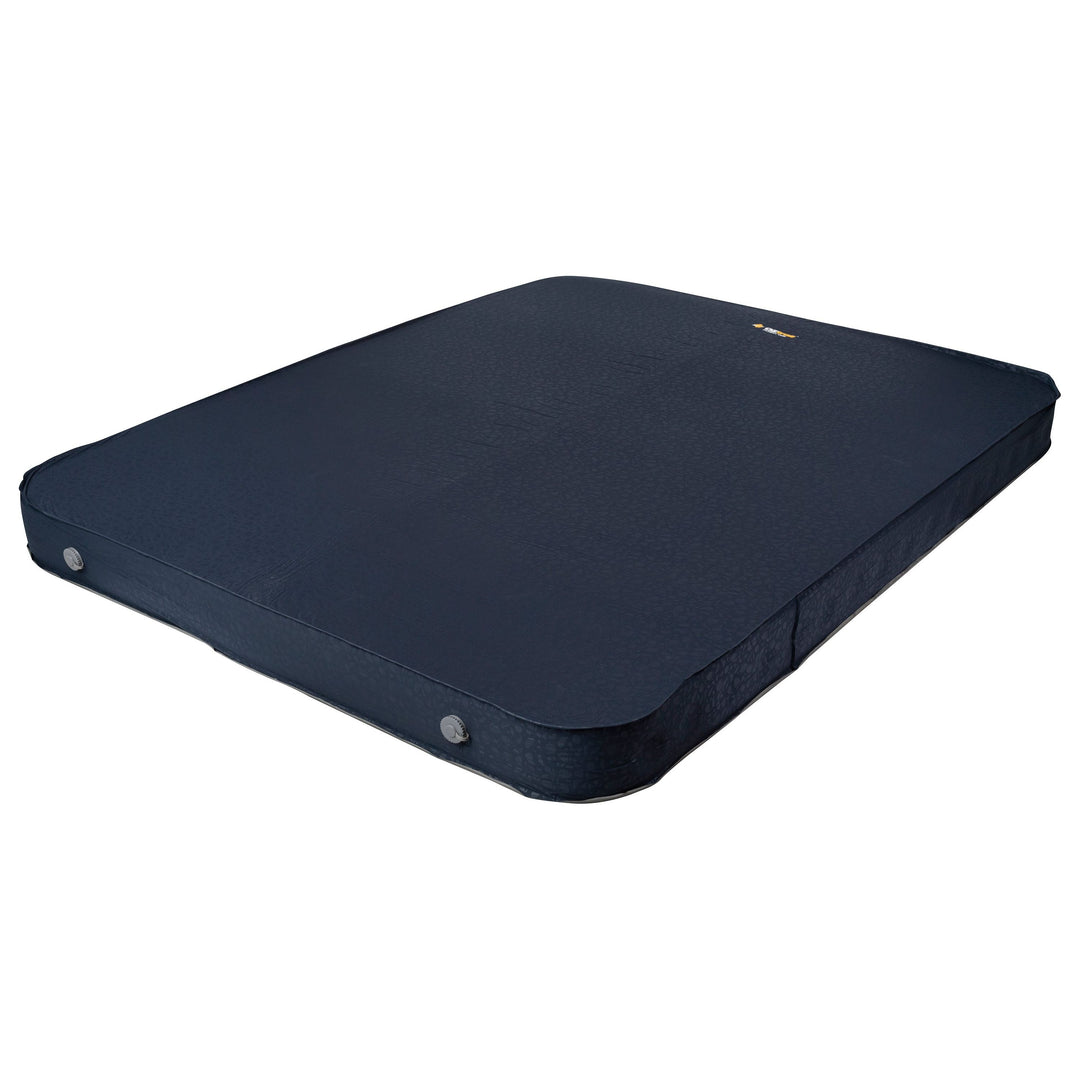
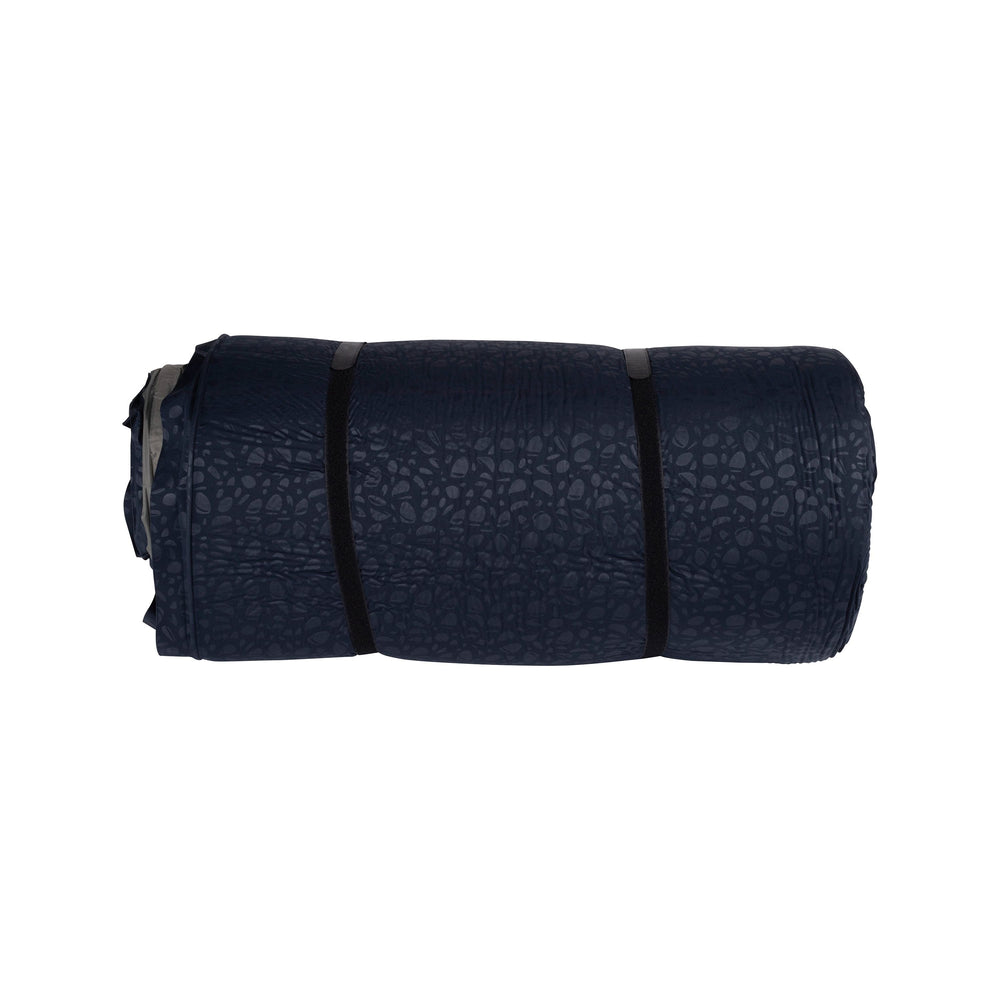


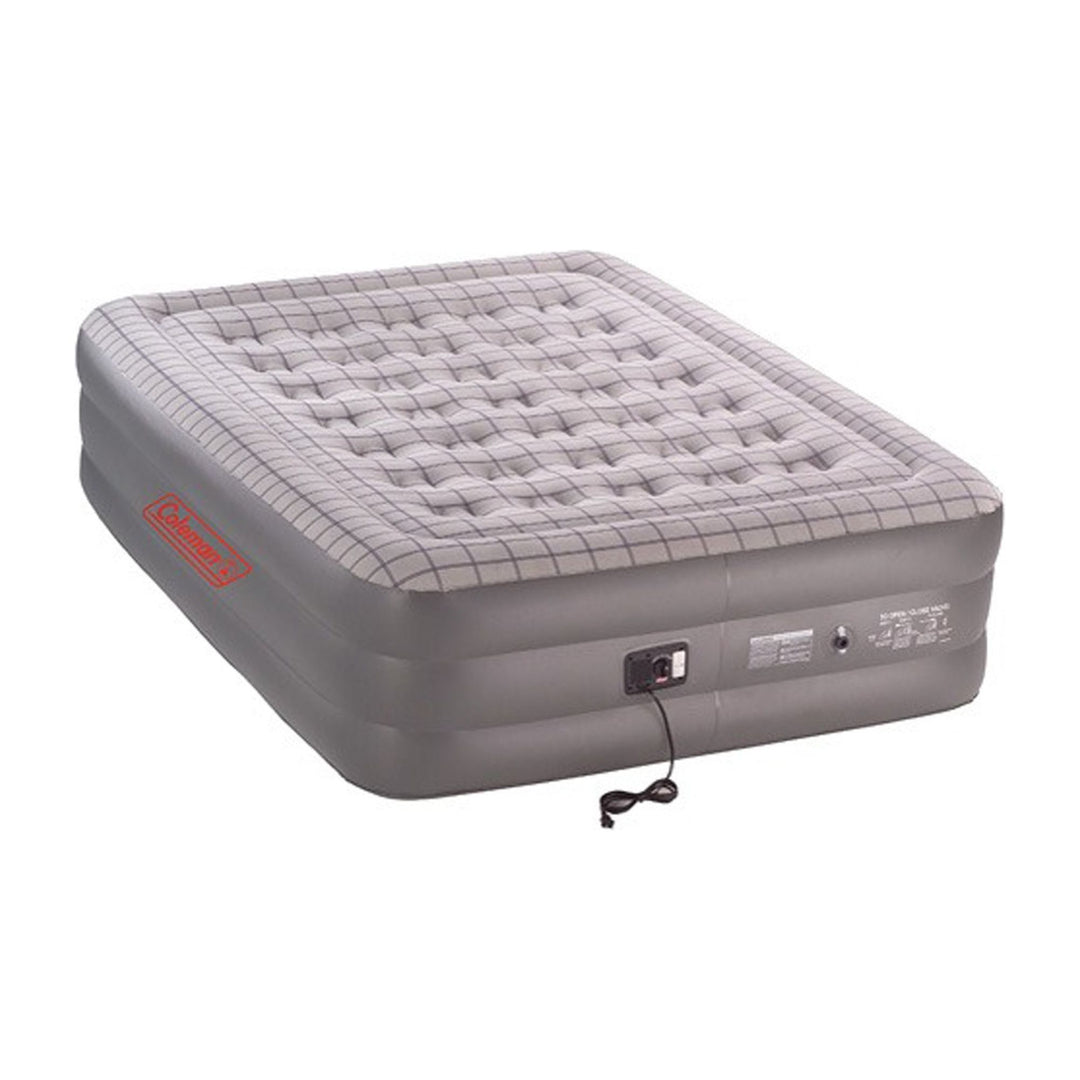
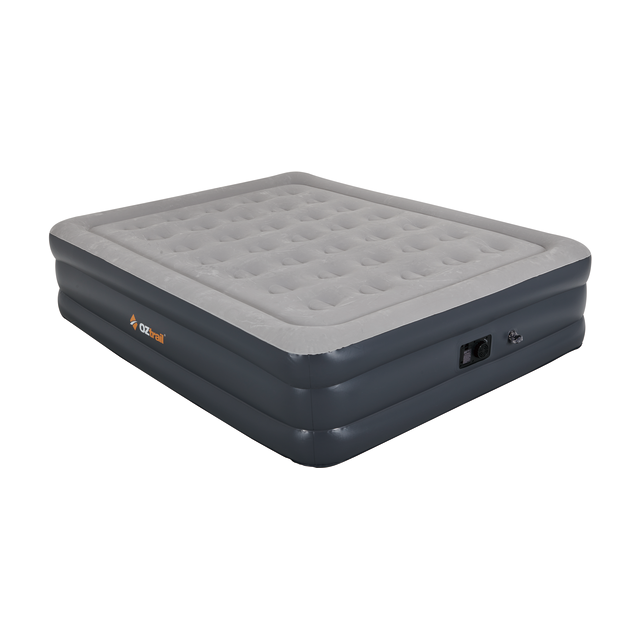
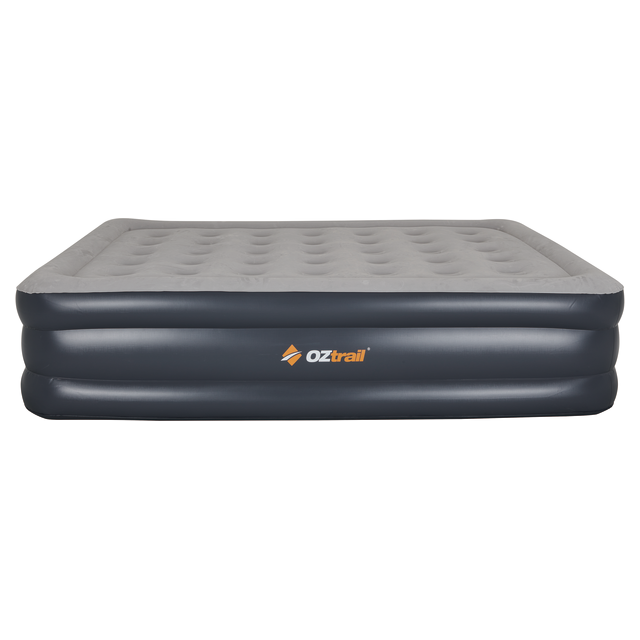
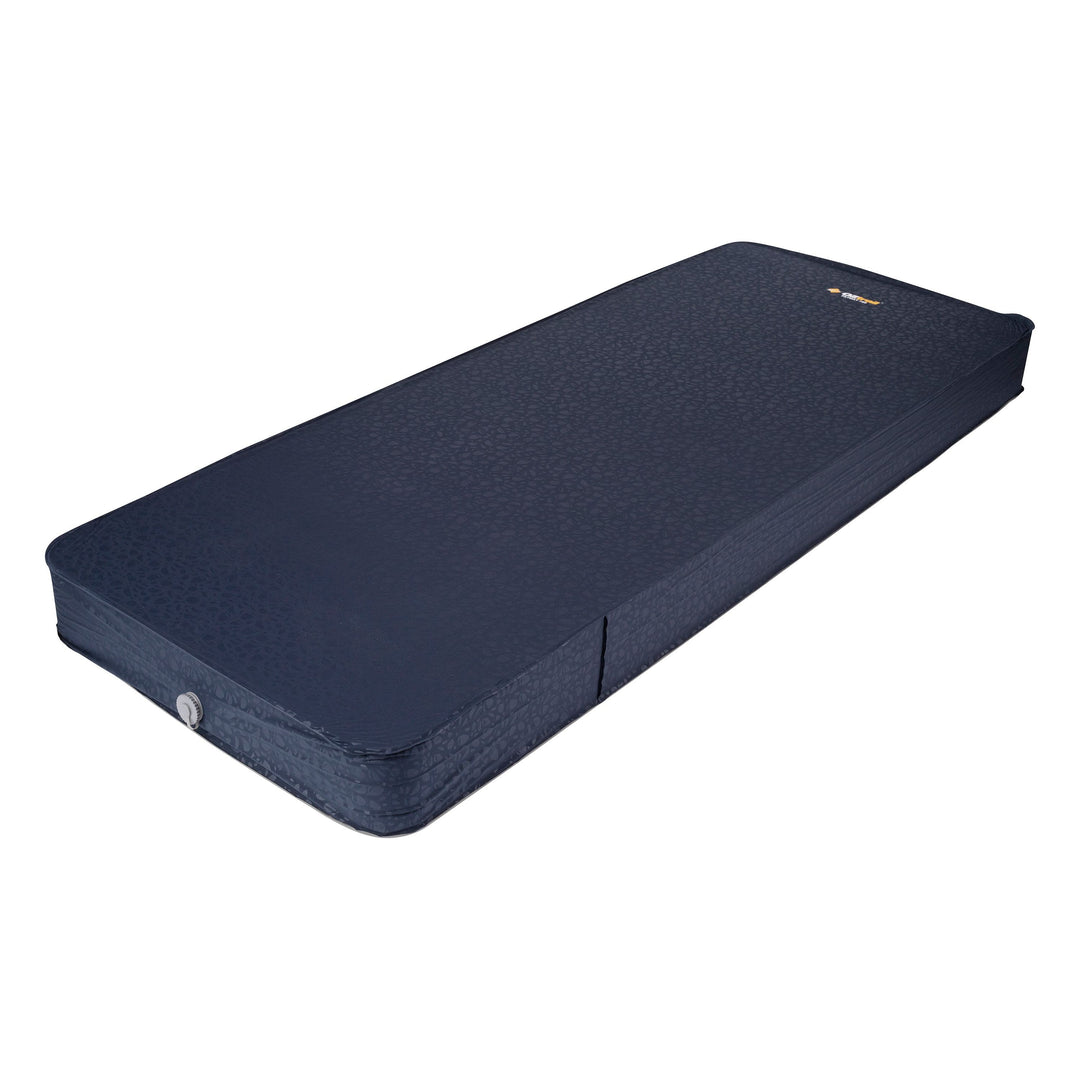
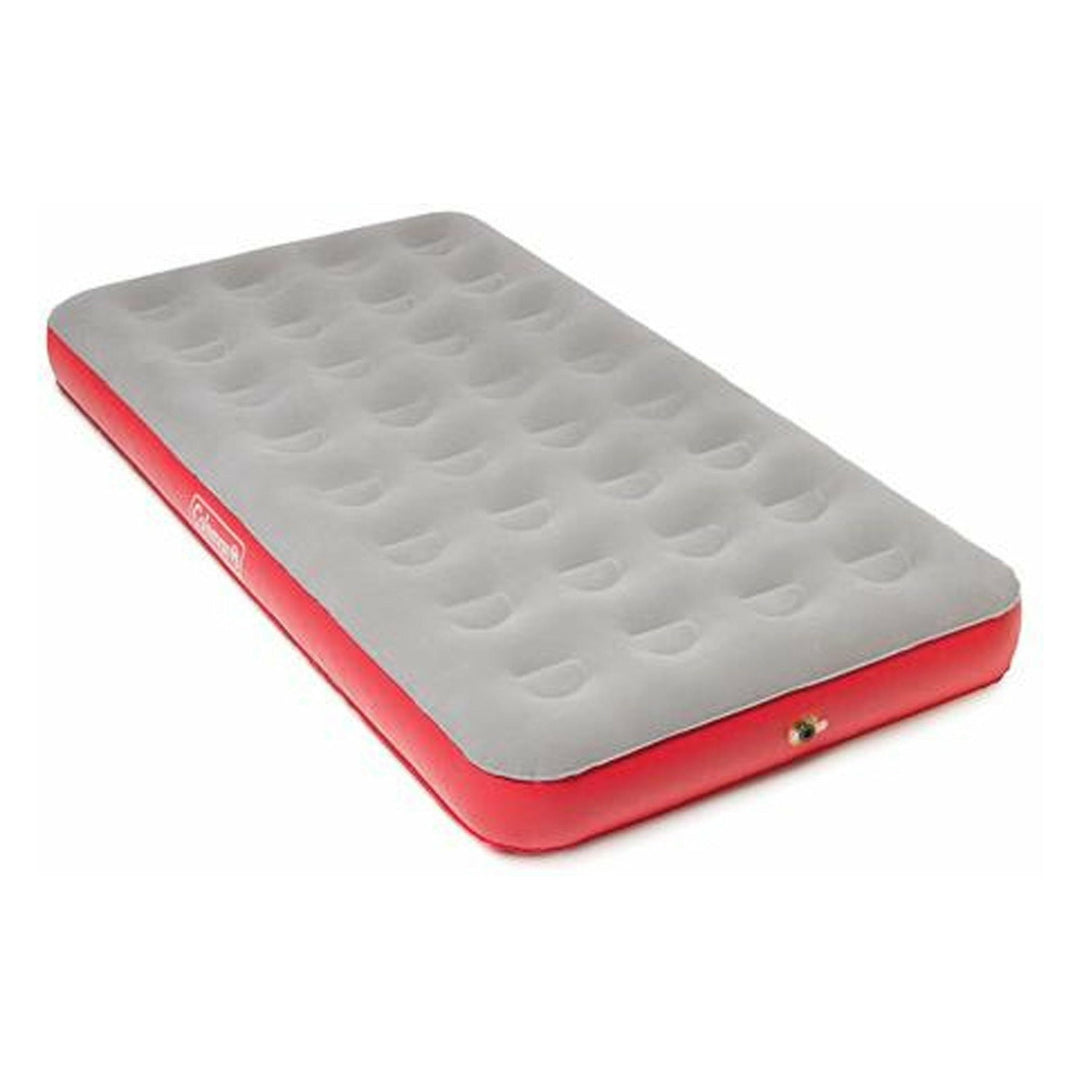
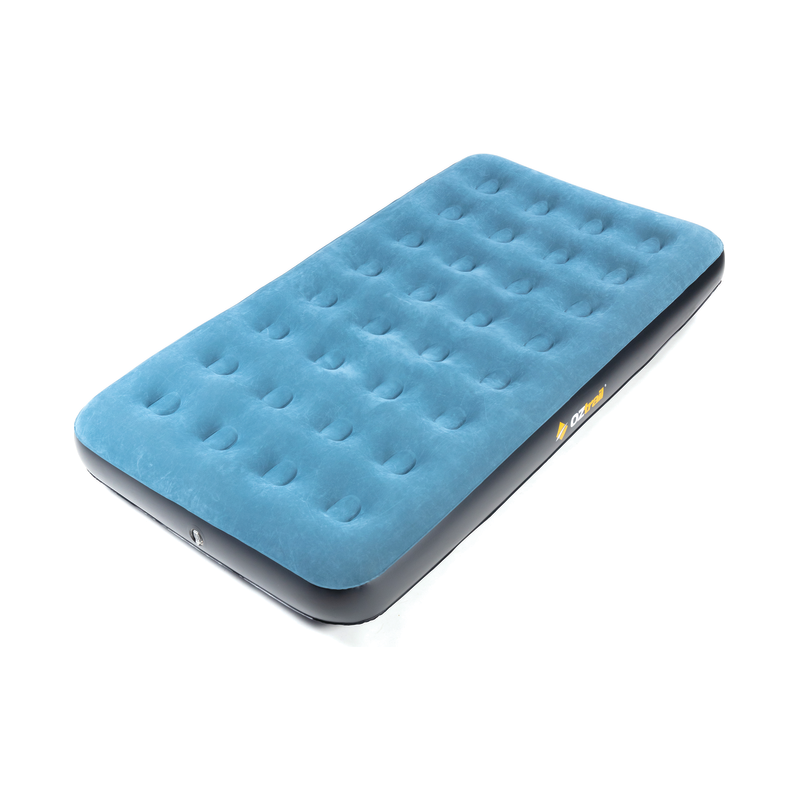
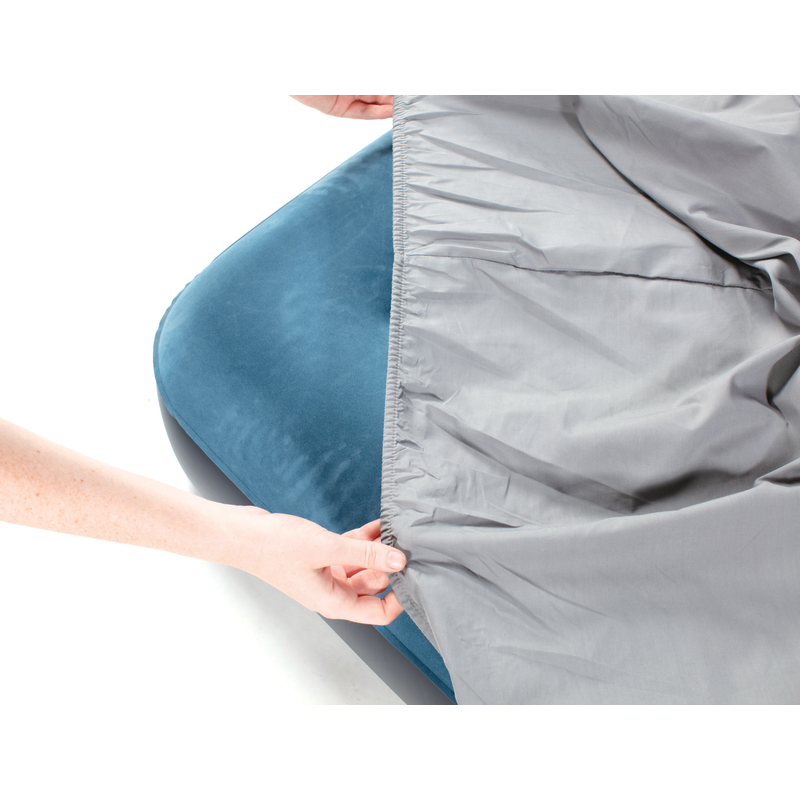
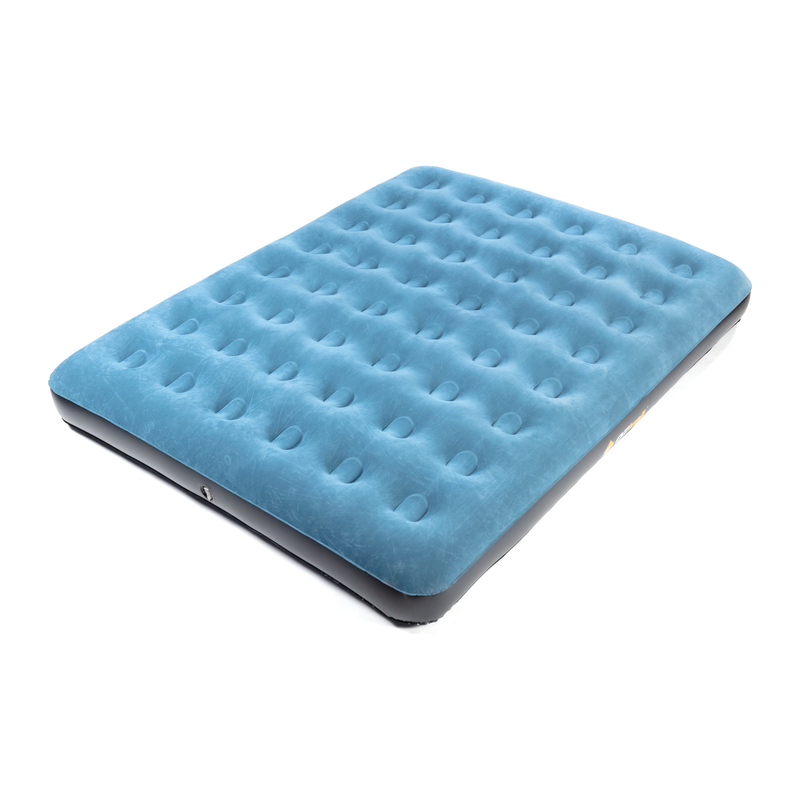
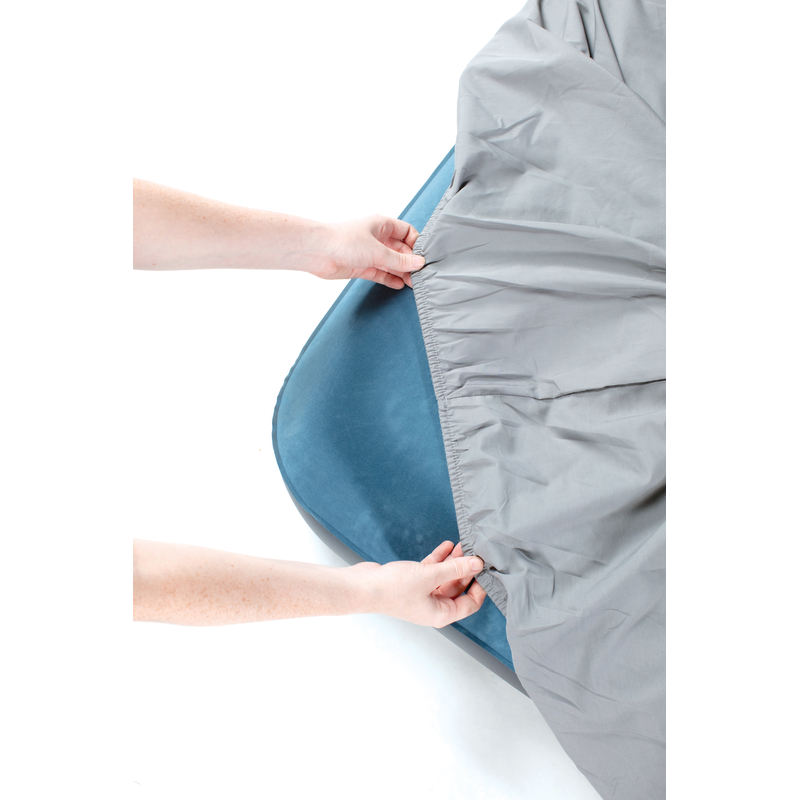
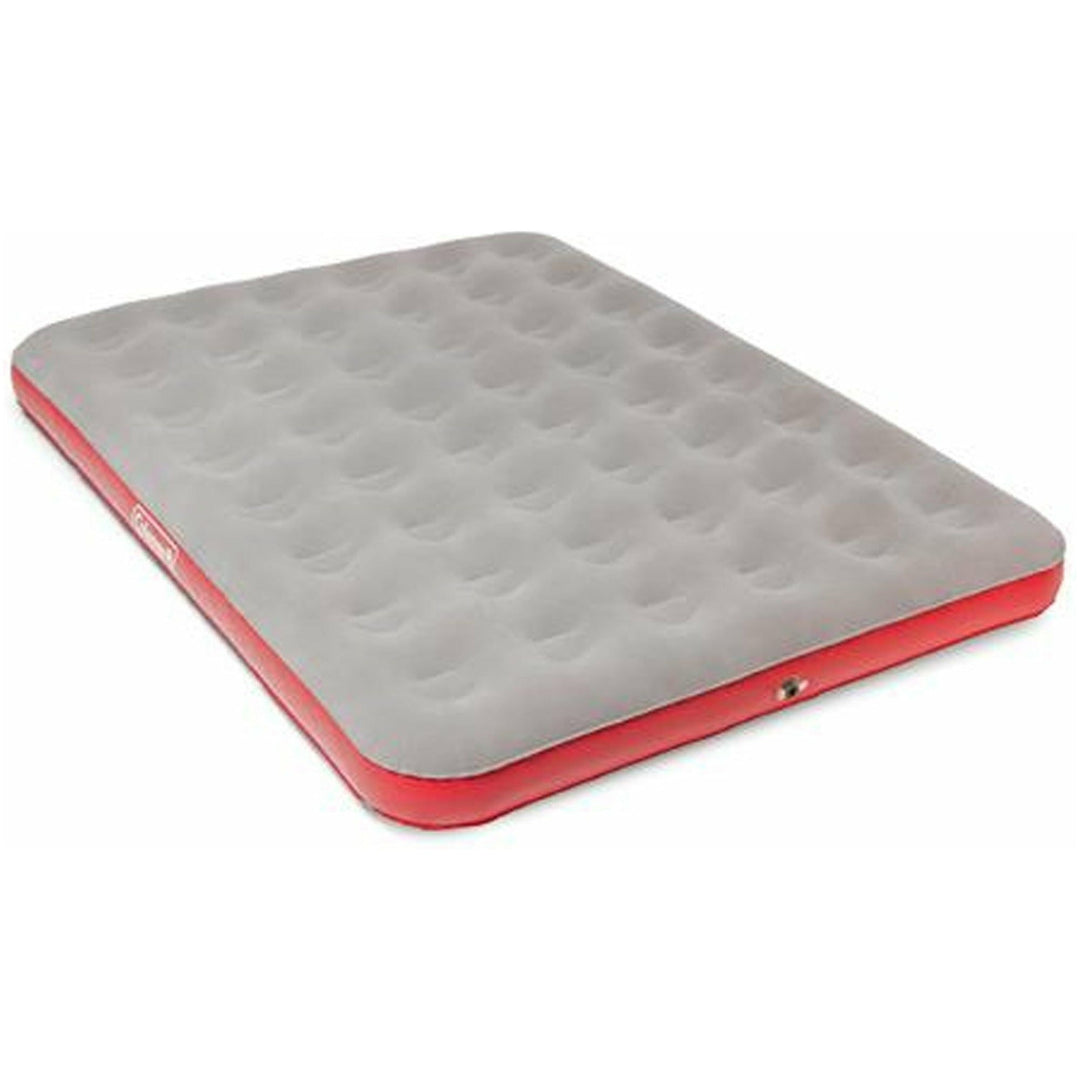
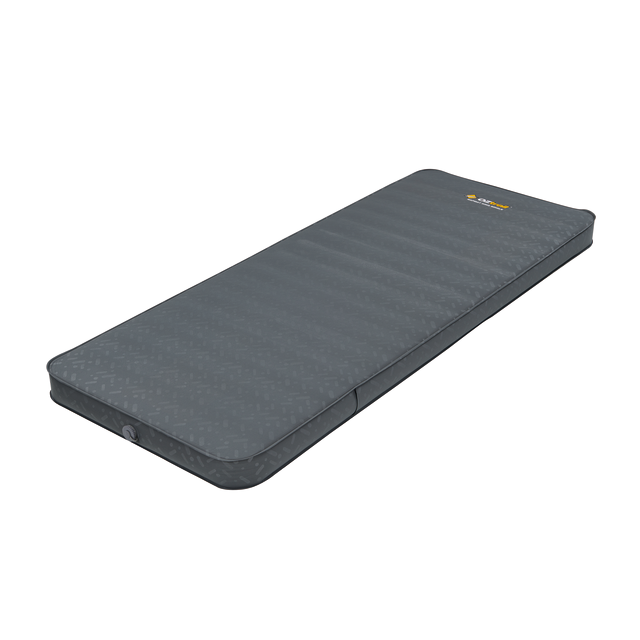
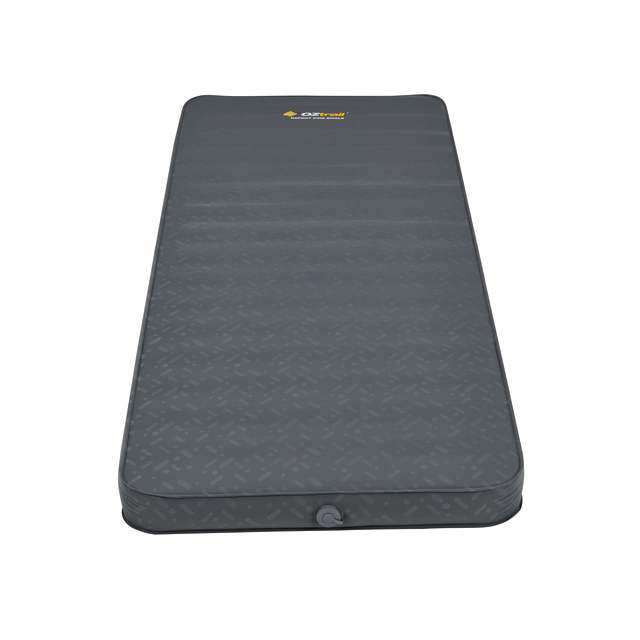
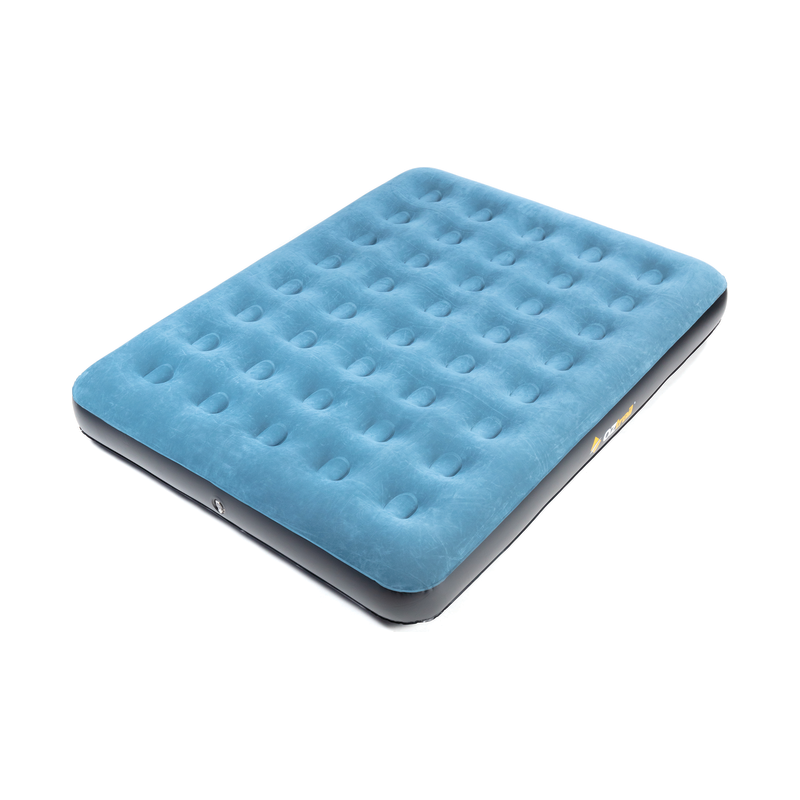
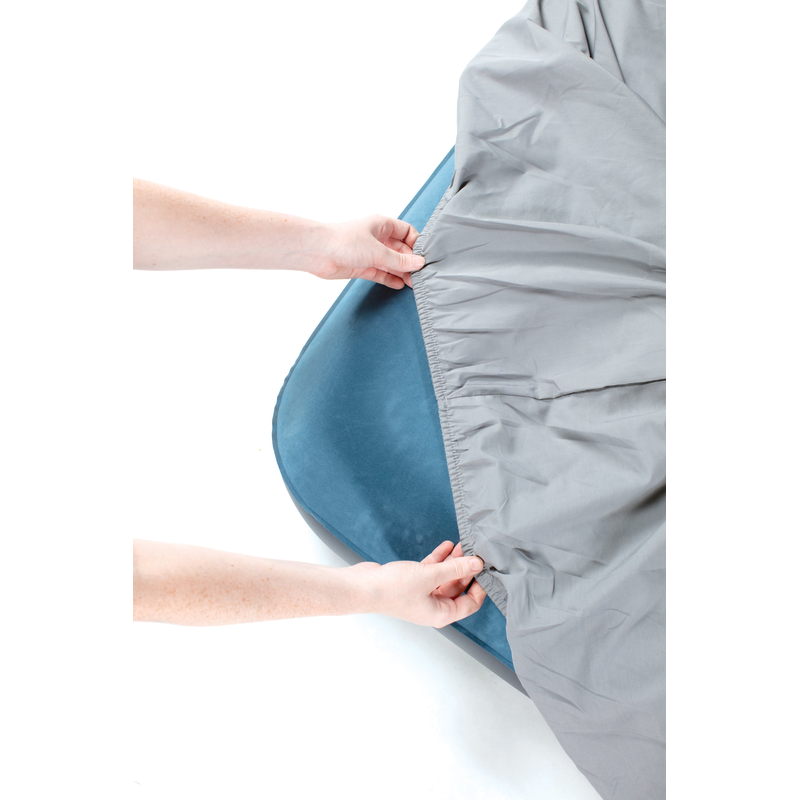
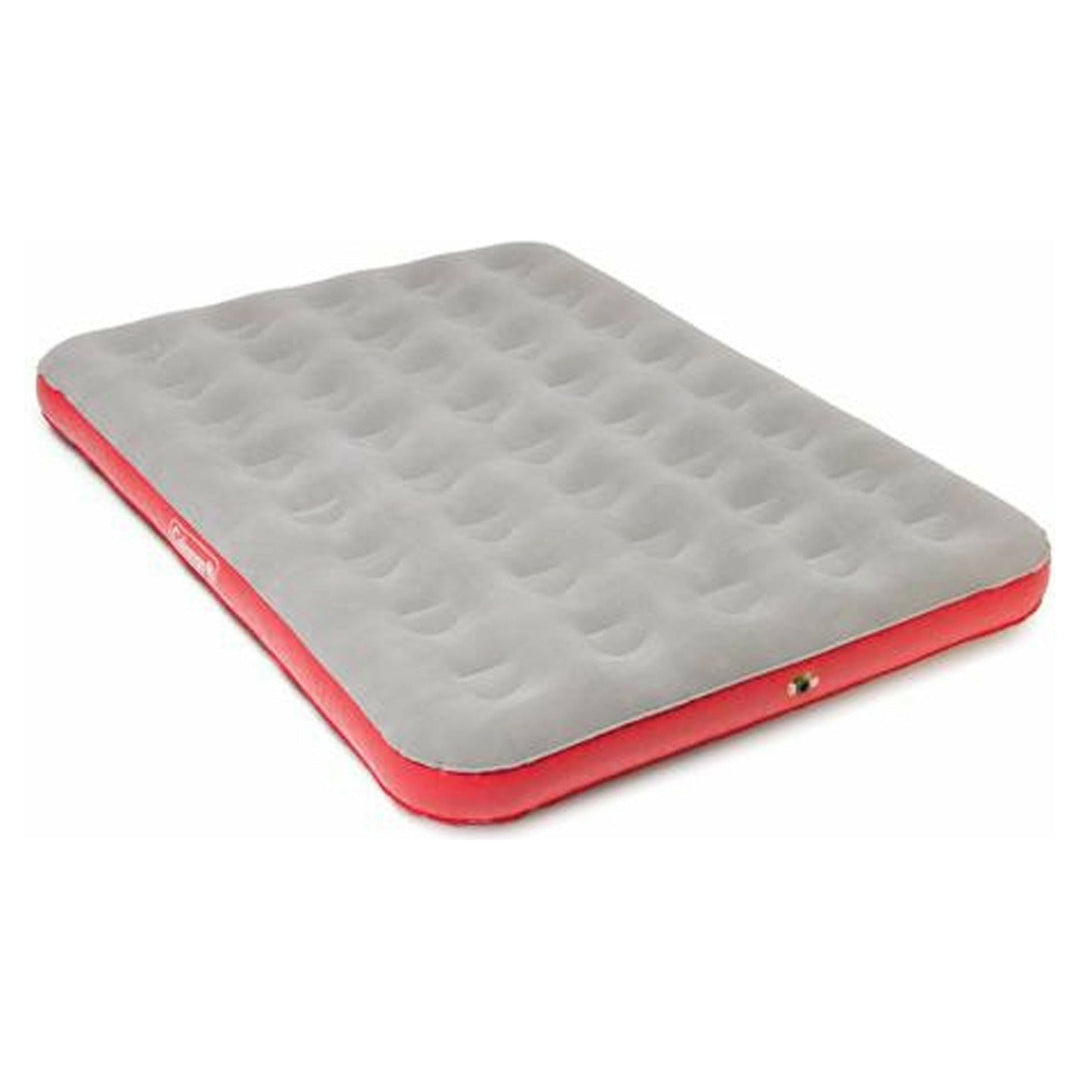
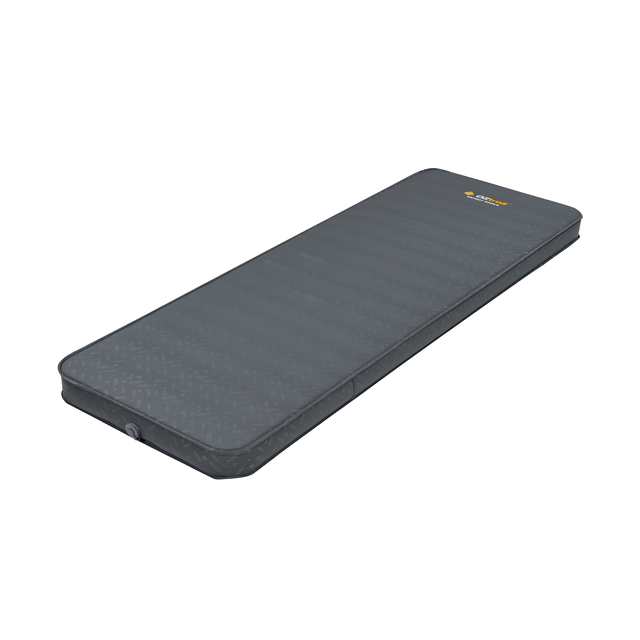
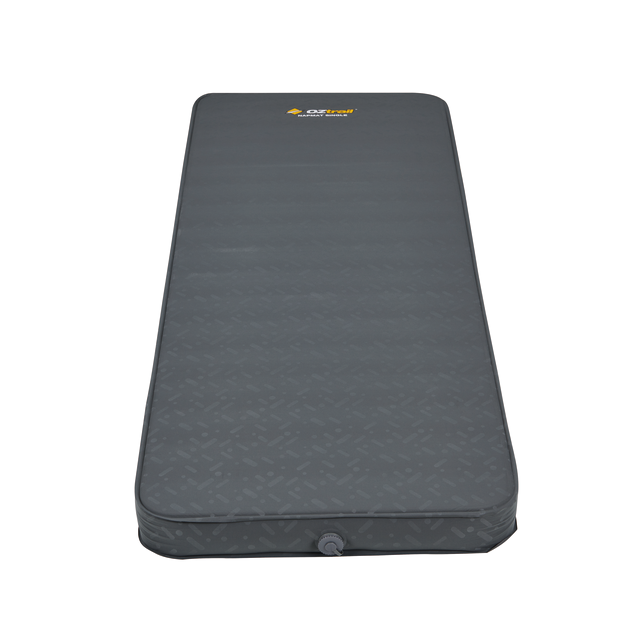
Self-inflating mats and inflatable airbeds sit between dedicated tramping sleeping mats and full pump-up airbeds — they partially inflate themselves when you open the valve, with a quick top-up by mouth to reach your preferred firmness. No pump required, more compact than a full airbed, and more comfortable than a basic foam mat.
Self-inflating mats are popular for car camping and casual overnight trips where you want more comfort than a foam mat but more packability than a full pump-up airbed. They work well on a stretcher frame or directly on the ground.
Self-Inflating vs Pump-Up Airbeds
- Self-inflating mats: Open foam core partially inflates on its own — top up by mouth. Lighter and more packable than pump-up options. Good insulation from the ground. Best for camping where you're carrying the mat a short distance or need something compact.
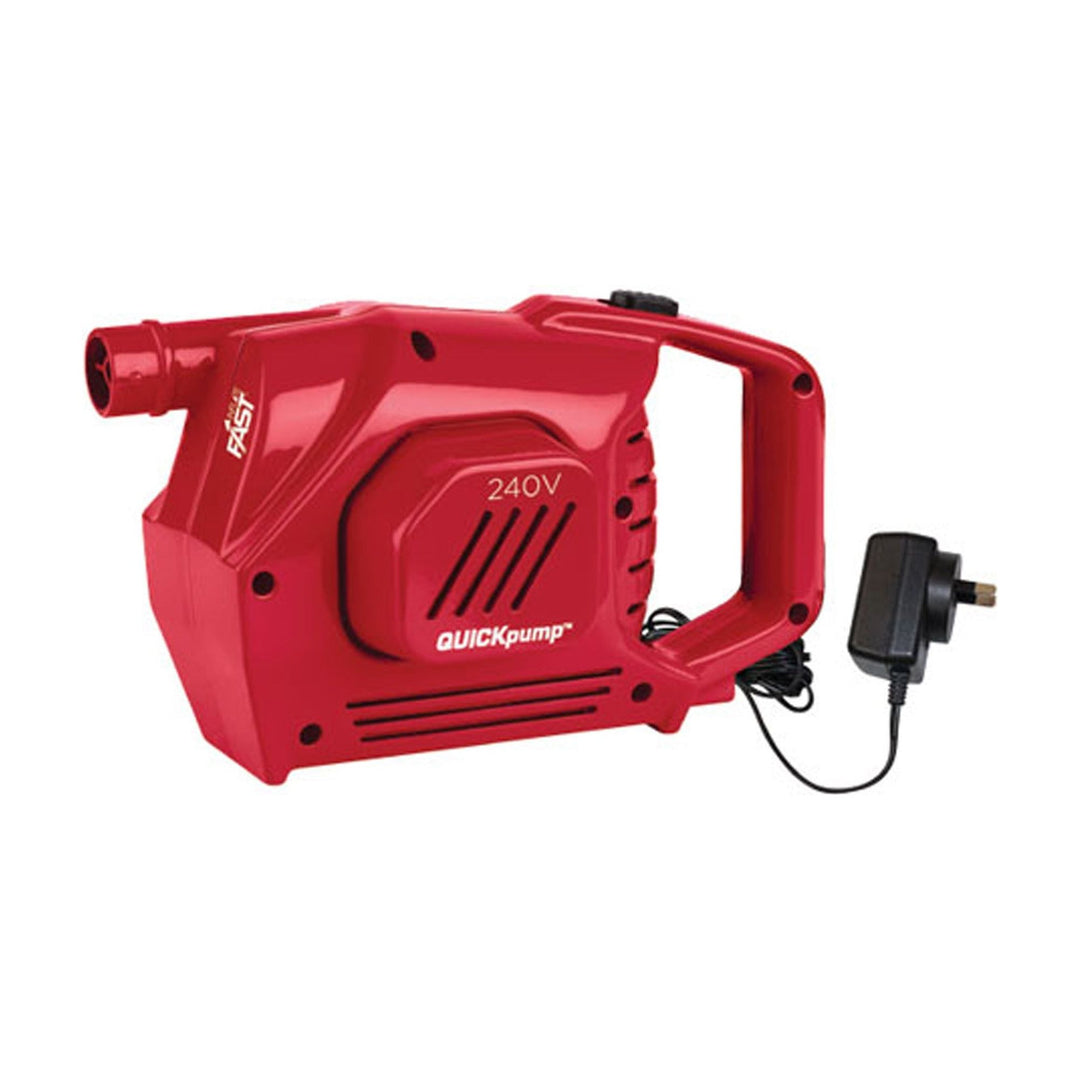
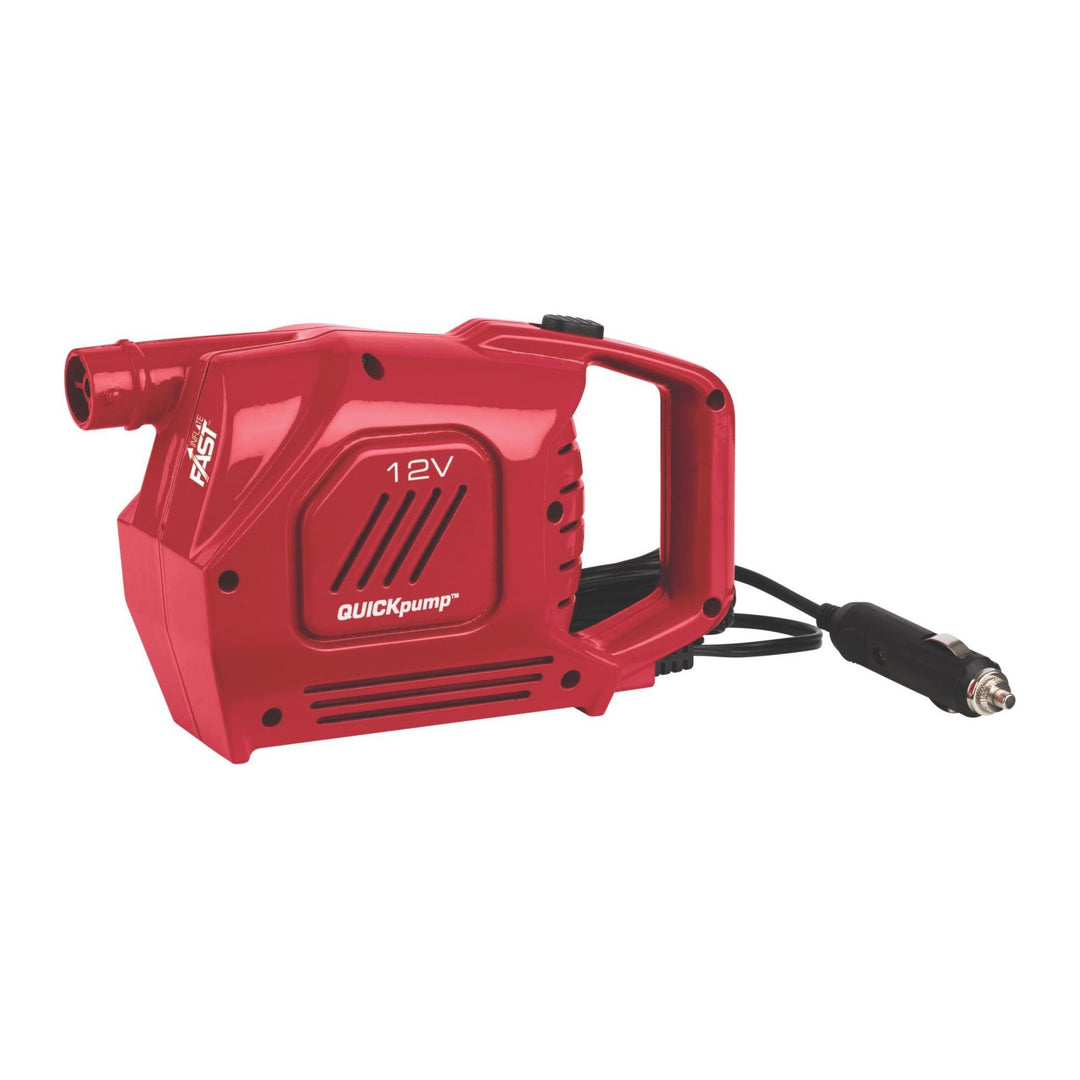
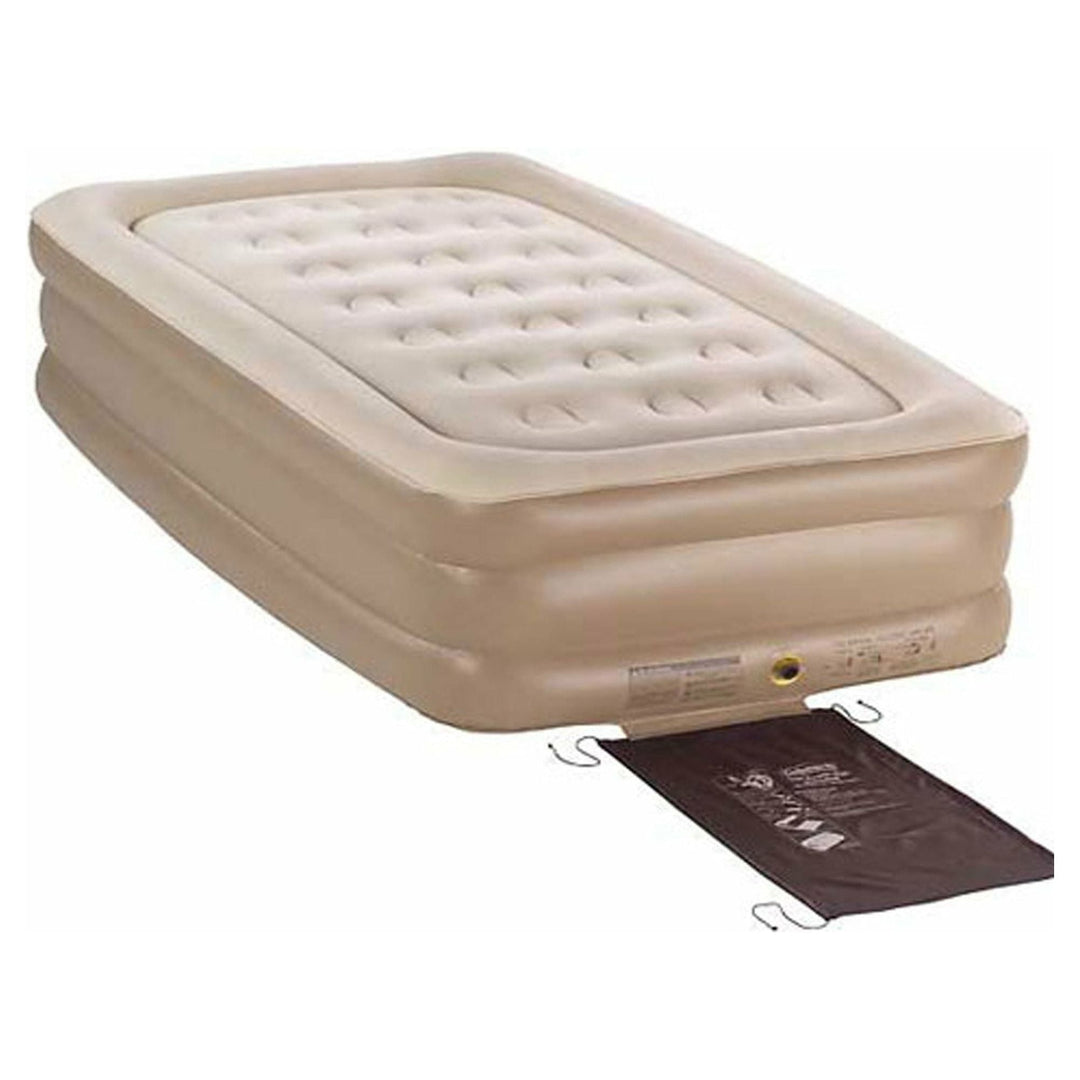
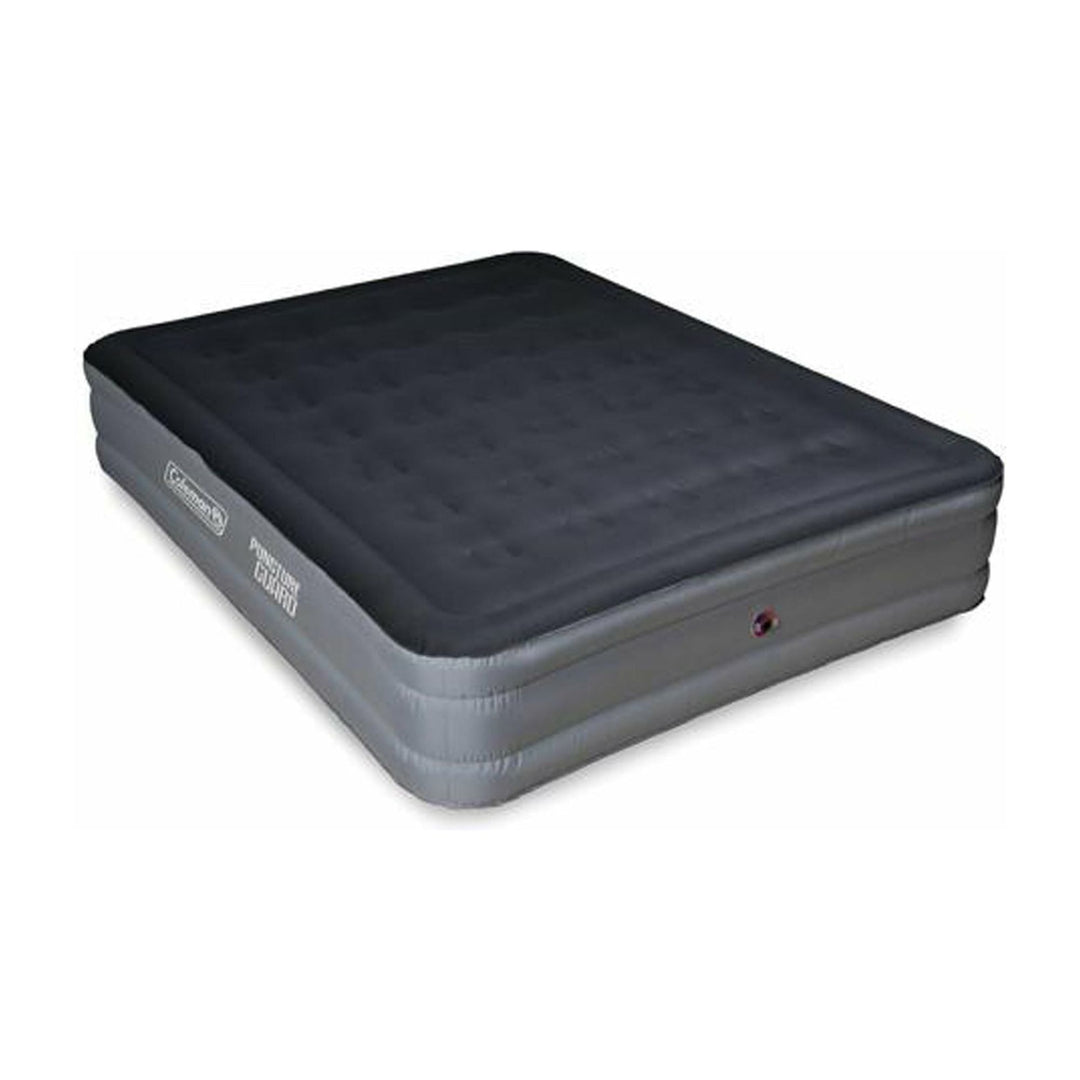
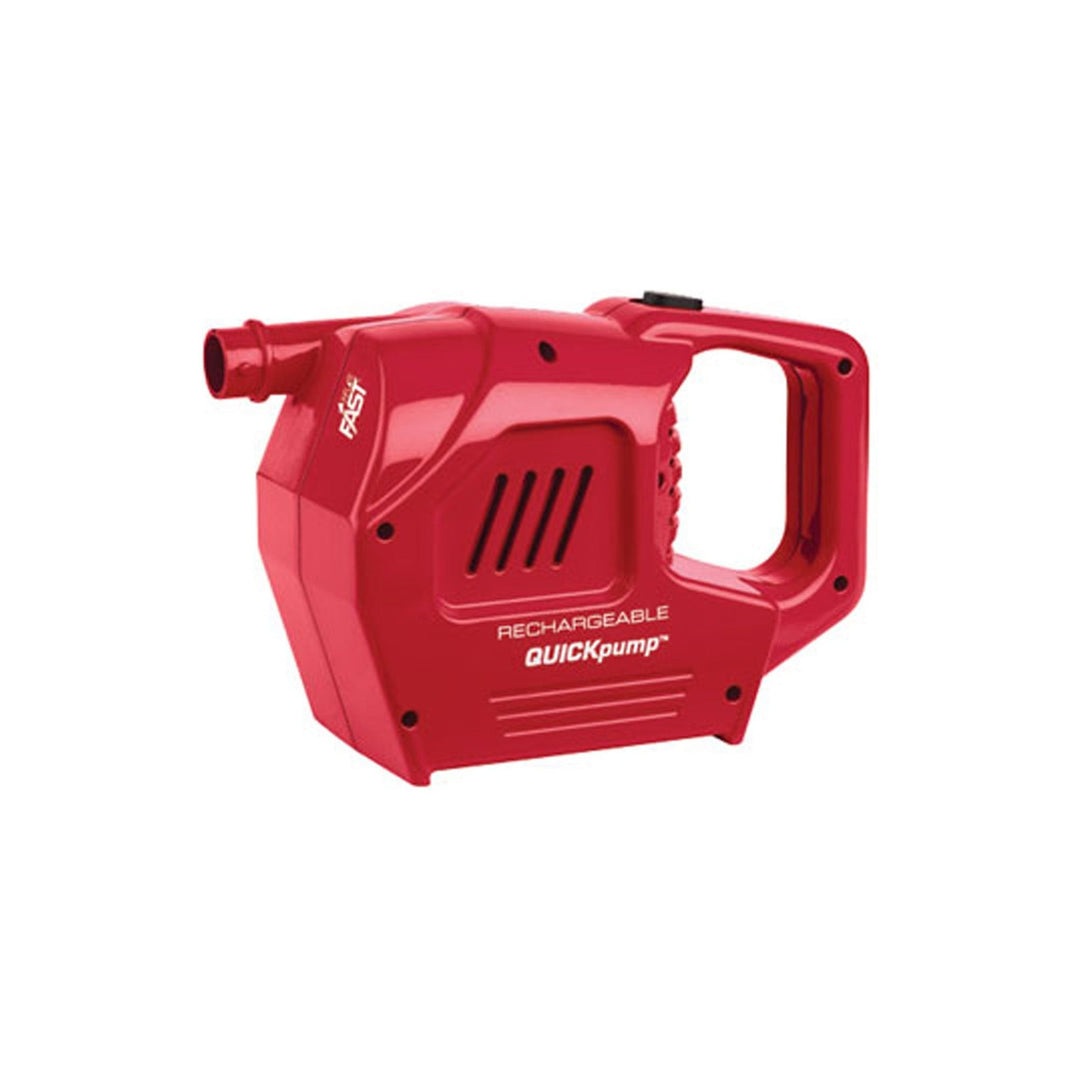
- Pump-up airbeds: Maximum comfort for car camping — queen and double sizes available. Require a pump (electric or foot). Heavier and bulkier but closest to sleeping on a real mattress. See our airbeds and stretchers range for full options.
What to Look For
- Thickness: Thicker mats (5–10cm) provide more comfort and insulation. Thinner mats (2.5–4cm) pack smaller and suit warmer conditions.
- R-value: Measures insulation from the ground. Higher R-value = warmer in cold conditions. For NZ three-season camping, an R-value of 2–4 is adequate; for alpine or winter use, aim for R4+.
- Size: Single, king single, and double options available. Match to your tent's internal dimensions — a large mat in a small tent leaves no room for gear.
Frequently Asked Questions
How do self-inflating mats work?
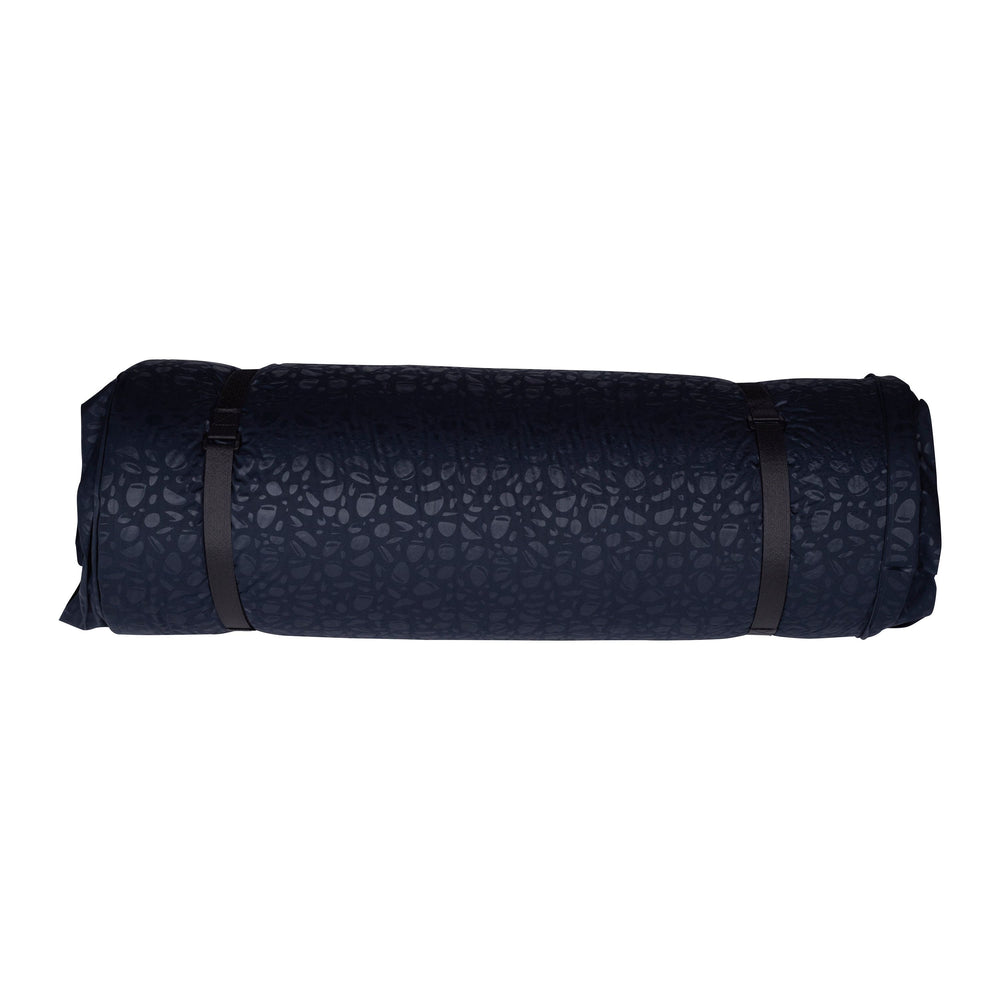
Self-inflating mats have an open-cell foam core that expands and draws in air when you open the valve. After 5–15 minutes they reach partial inflation — top up by mouth to your preferred firmness, then close the valve. To pack down, open the valve and roll the mat tightly from the foot end to force air out, then close the valve before unrolling. The more consistently you roll tightly from the same end, the better the mat packs.
Are self-inflating mats good for NZ camping?
Yes — for car camping and casual overnight trips they're a practical middle ground between a basic foam mat and a bulky pump-up airbed. They provide decent ground insulation (important on cold NZ nights), pack reasonably small, and require no pump. For tramping, ultralight inflatable sleeping mats are generally preferred for their superior packability — see our sleeping mats range. For campsite use, self-inflating mats offer a good comfort-to-pack-size ratio.
How do I care for a self-inflating mat?
Store the mat unrolled with the valve open — keeping it rolled and compressed long-term degrades the foam core and reduces self-inflation performance. After each trip, air it out fully before storing. Clean with a damp cloth and mild soap; avoid harsh chemicals. If the mat stops self-inflating as well as it used to, leaving it fully open for several hours (or days) usually allows the foam to recover. Check the valve periodically for debris or damage.