



















Inflatable Air Tents
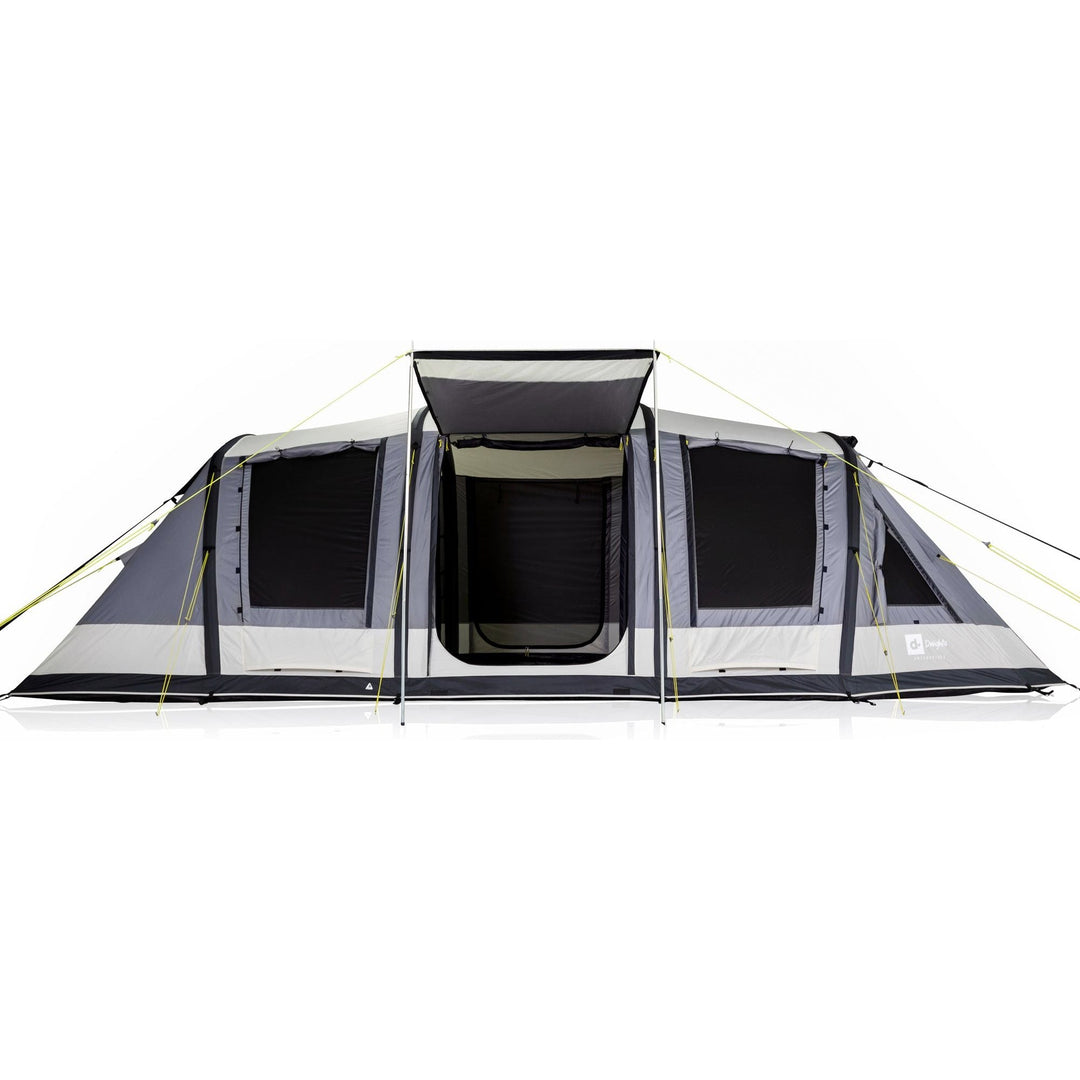
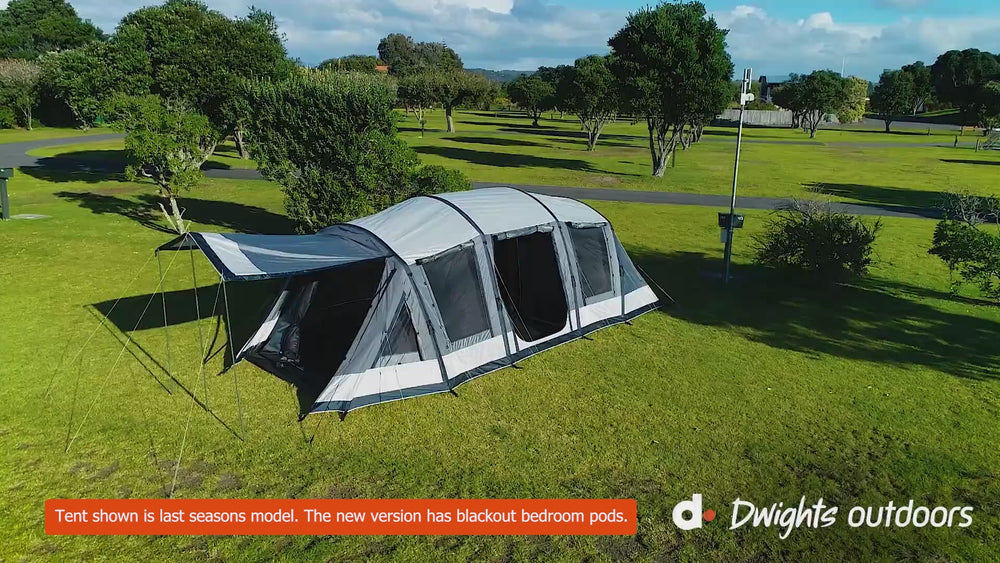
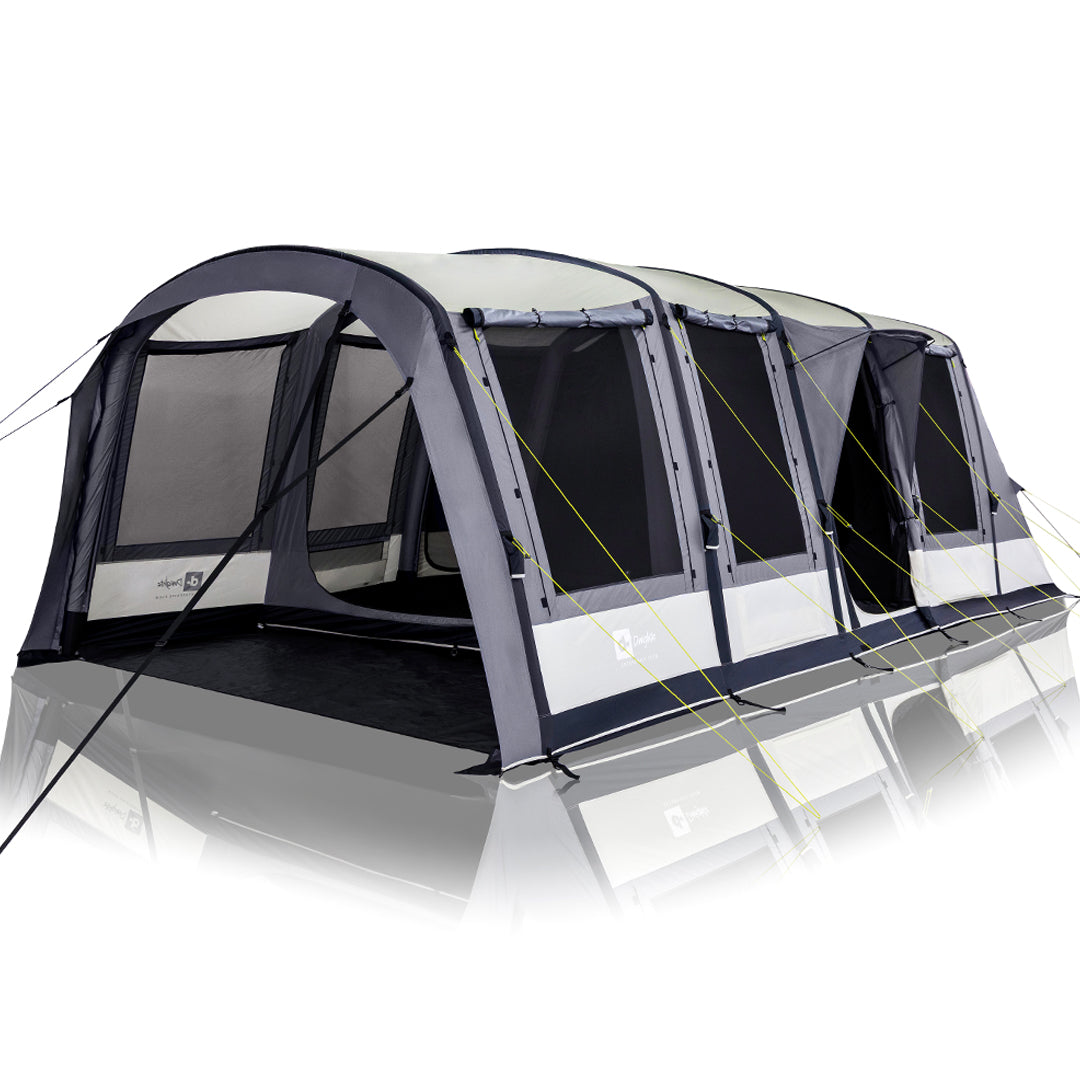
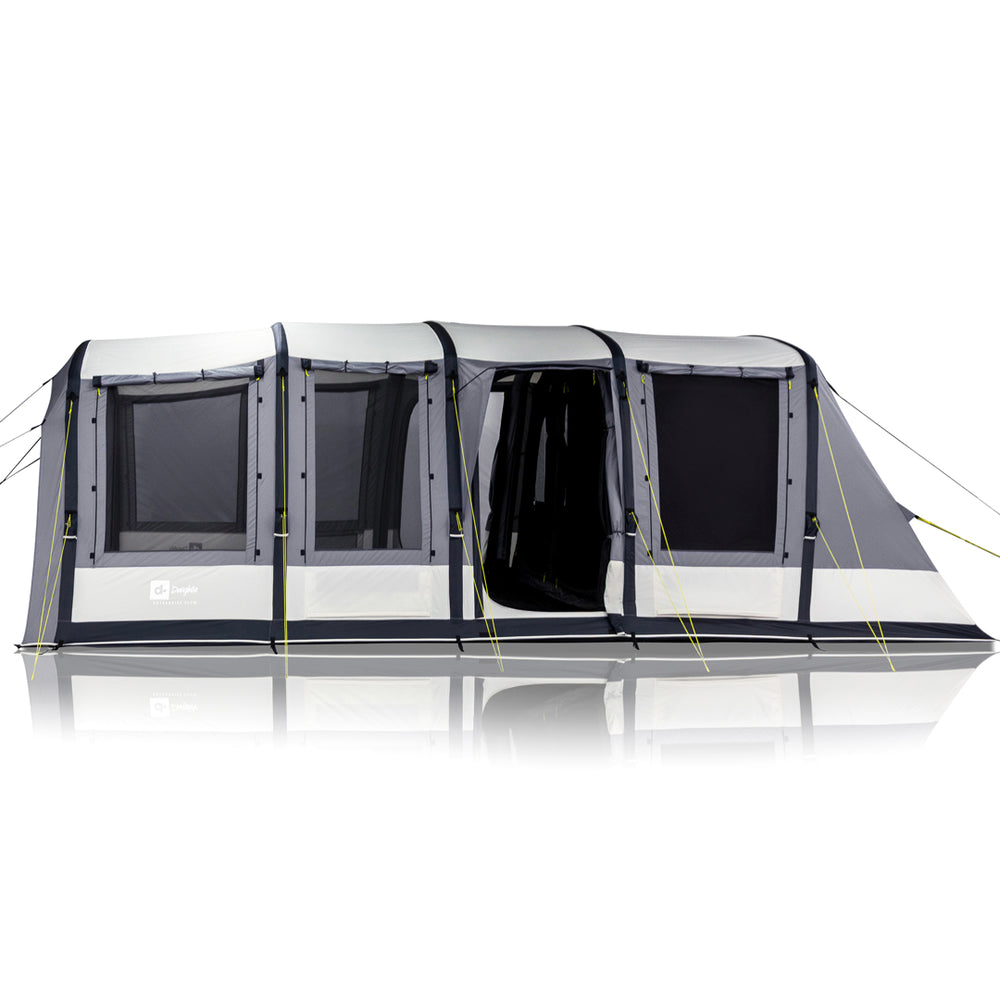
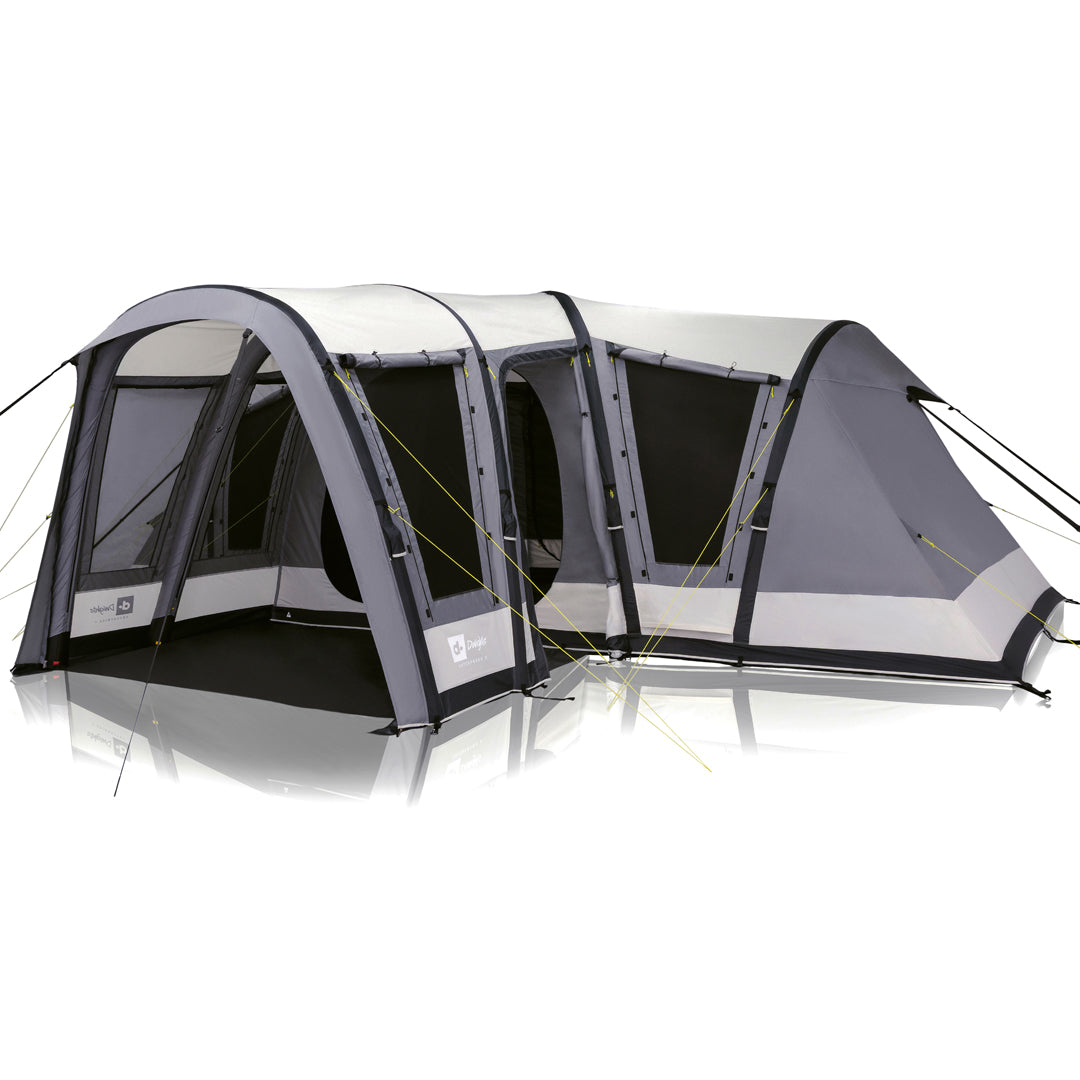
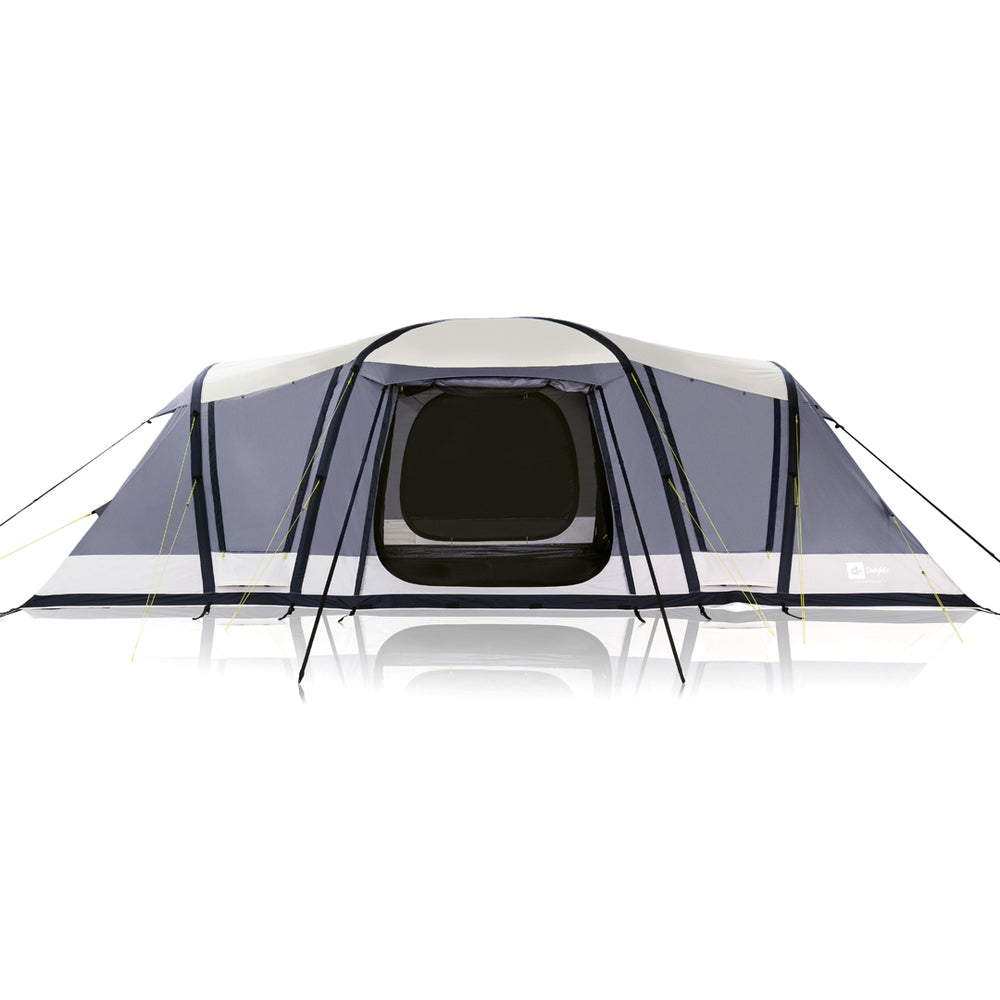
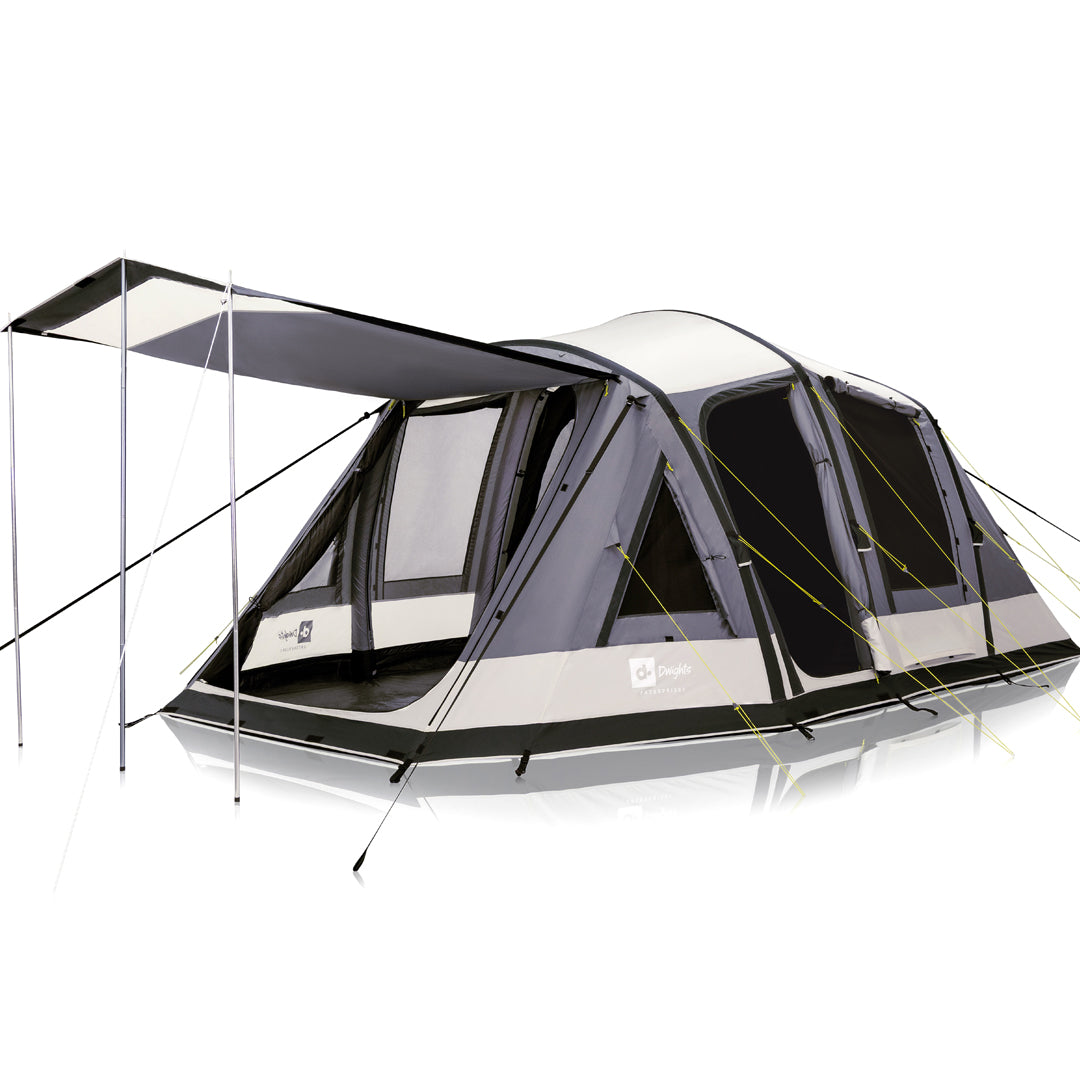
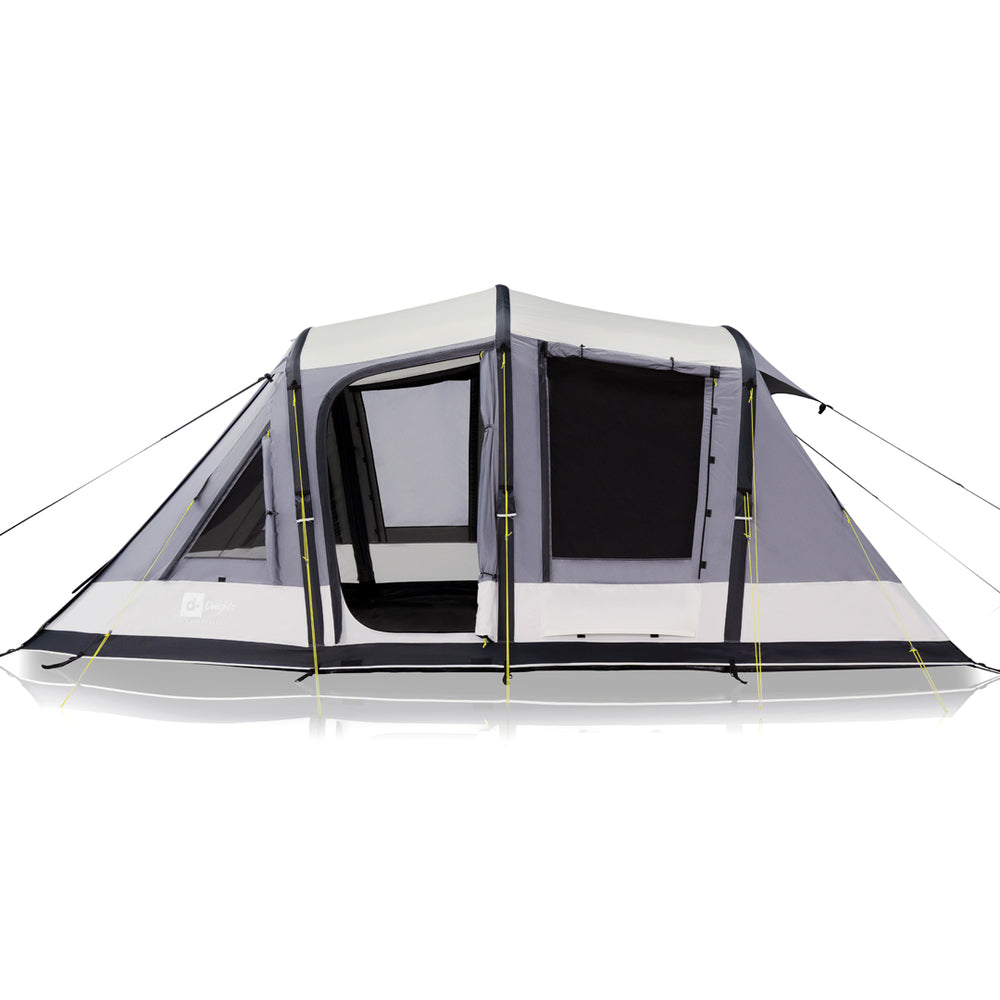
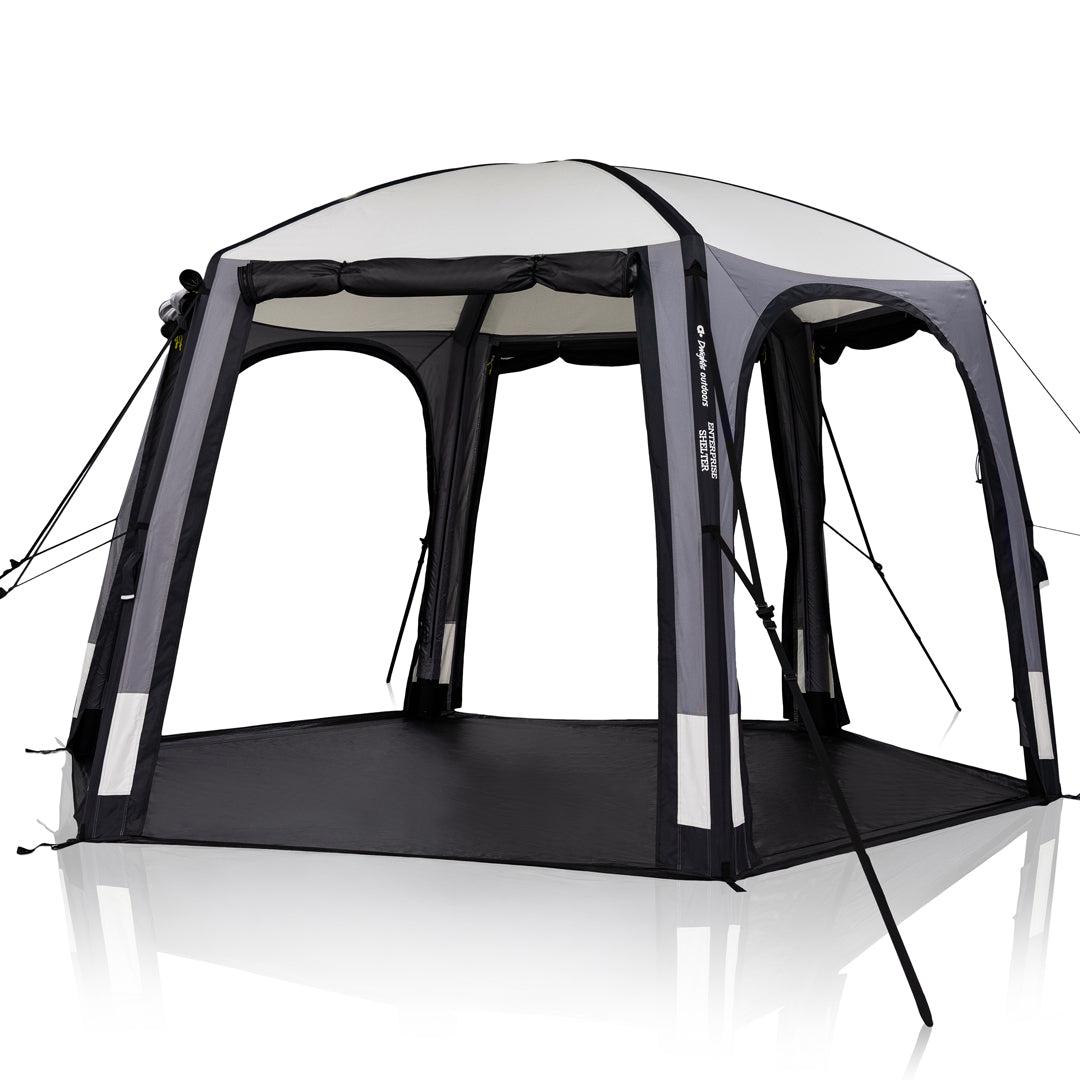
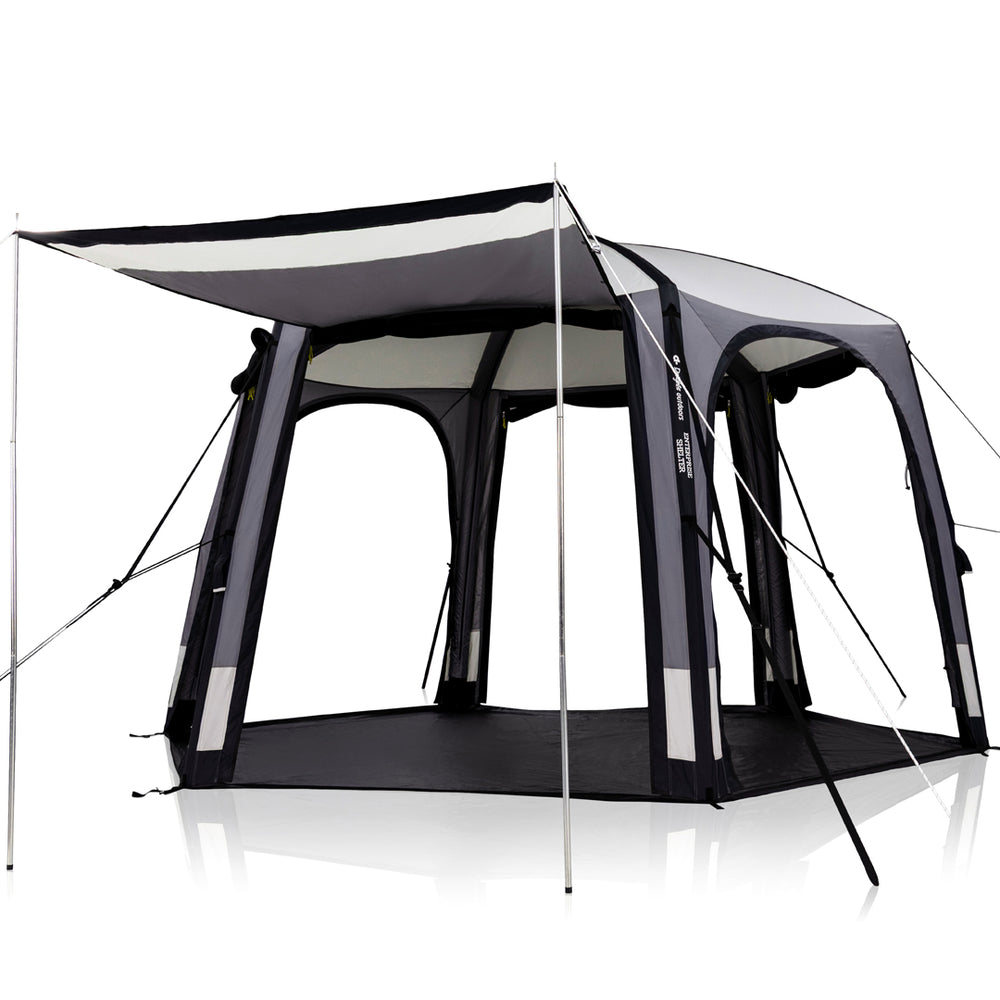
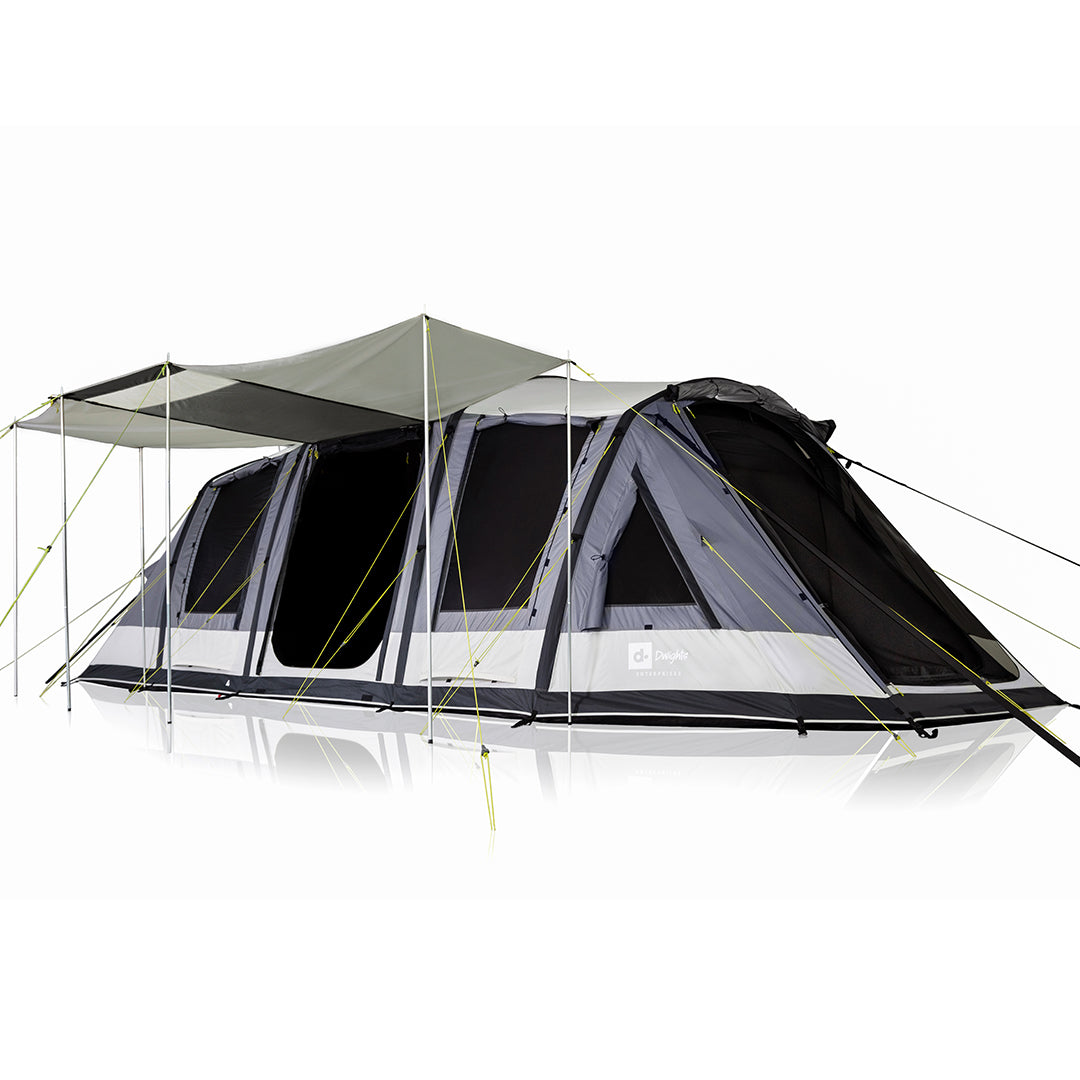
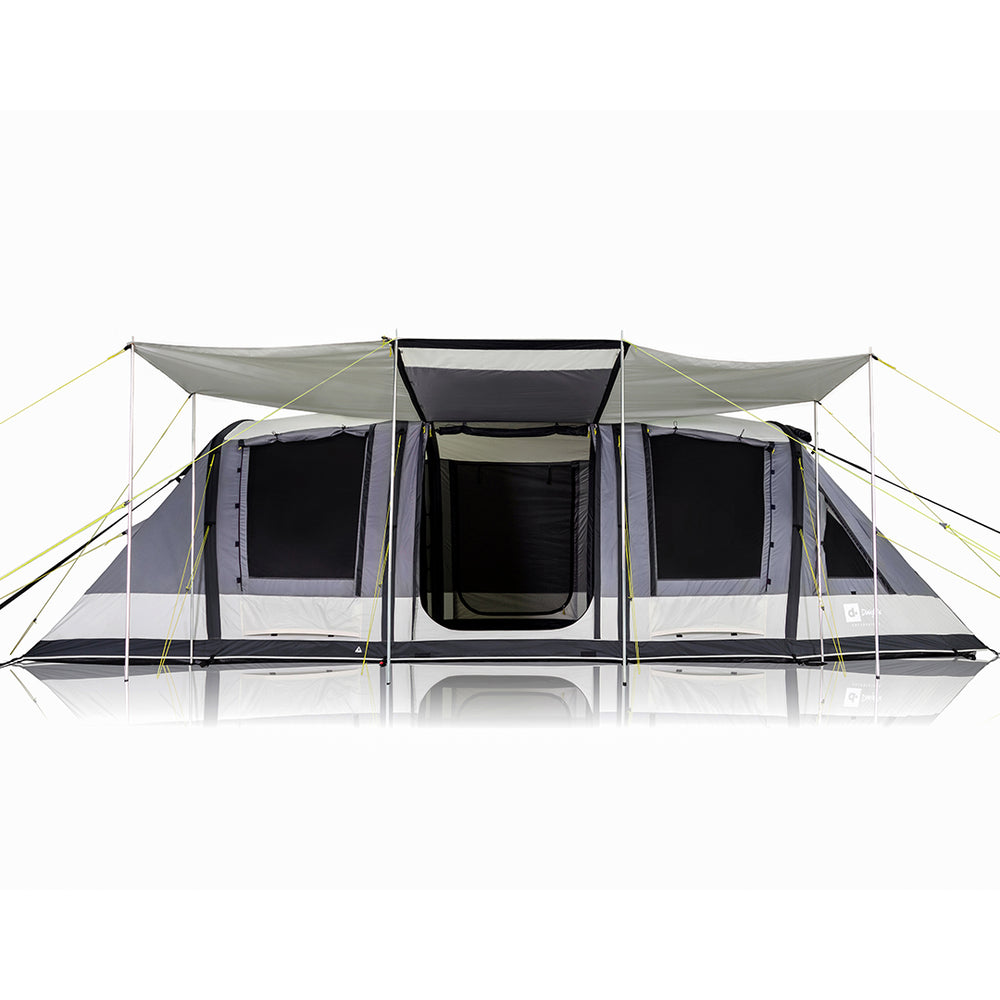
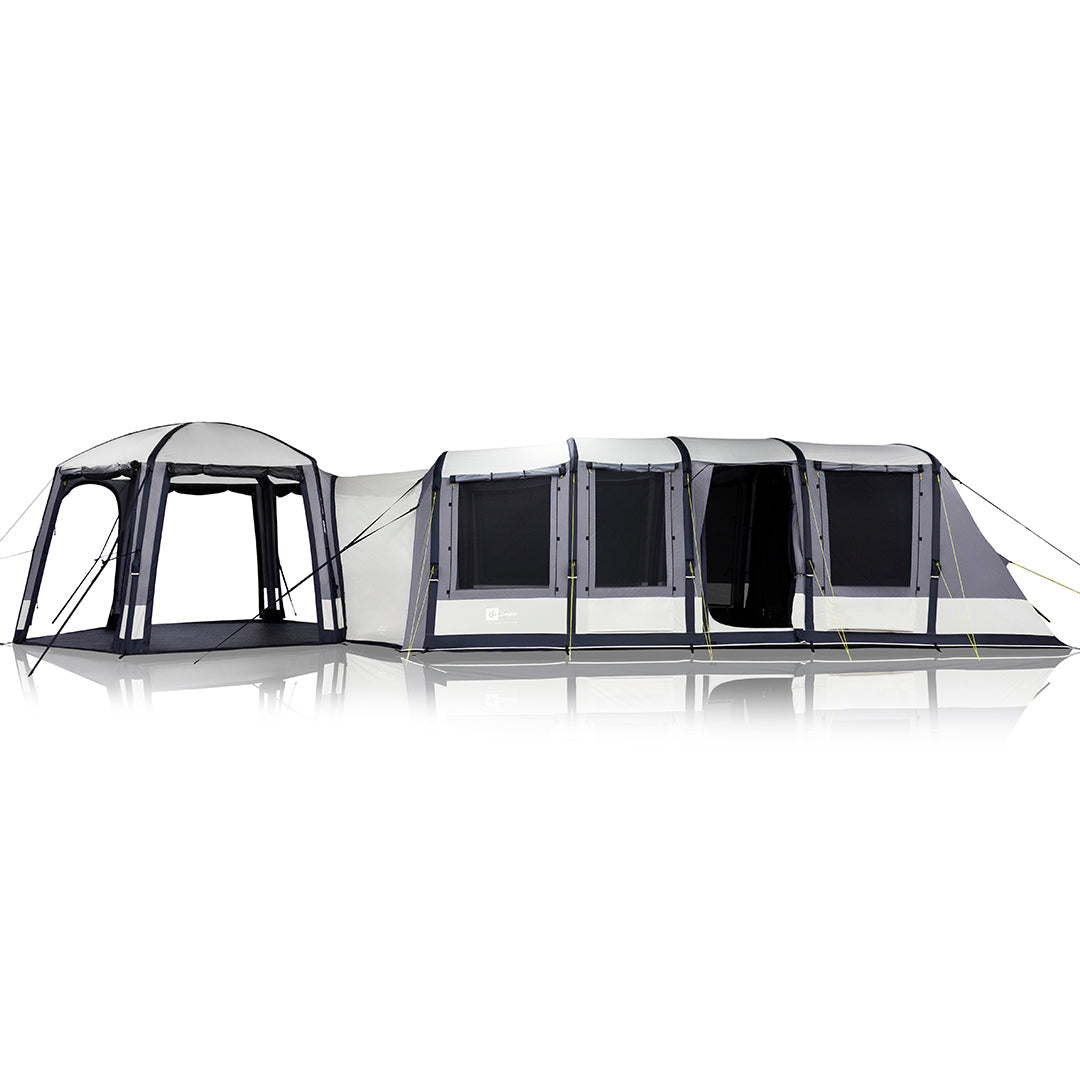
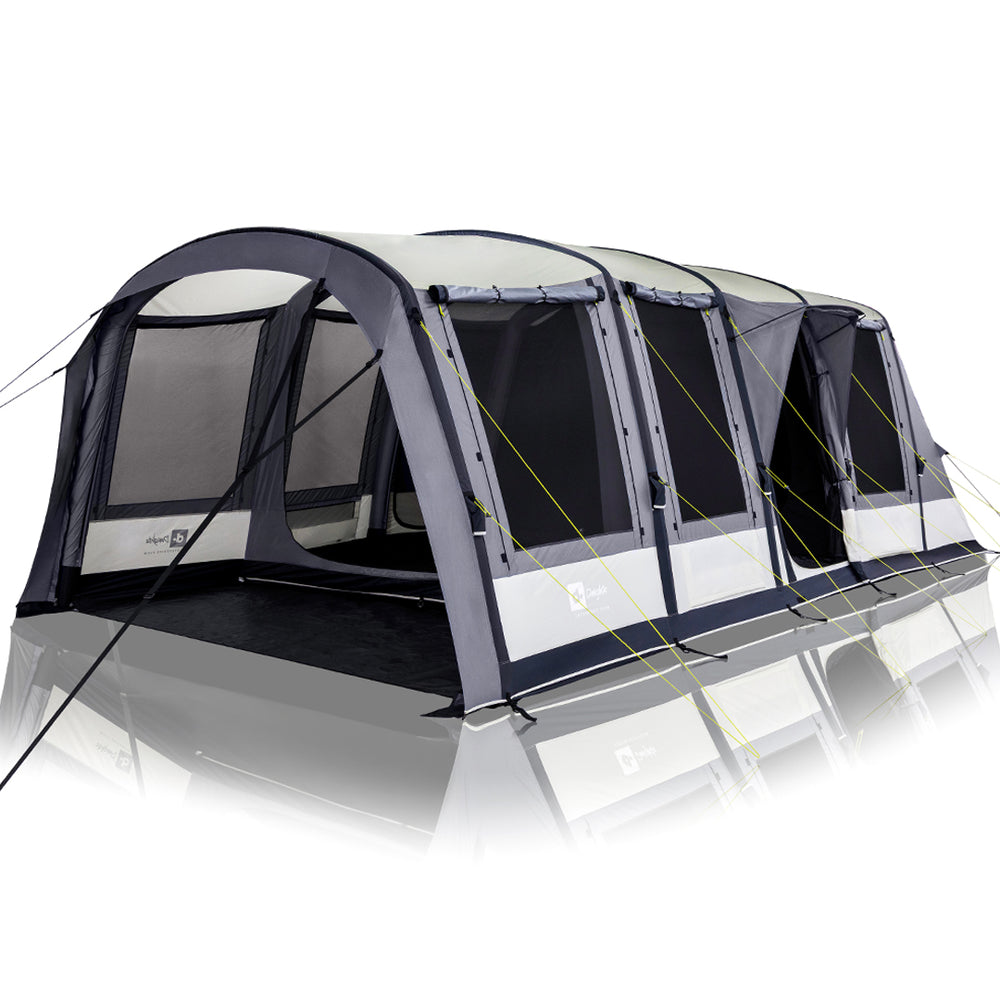
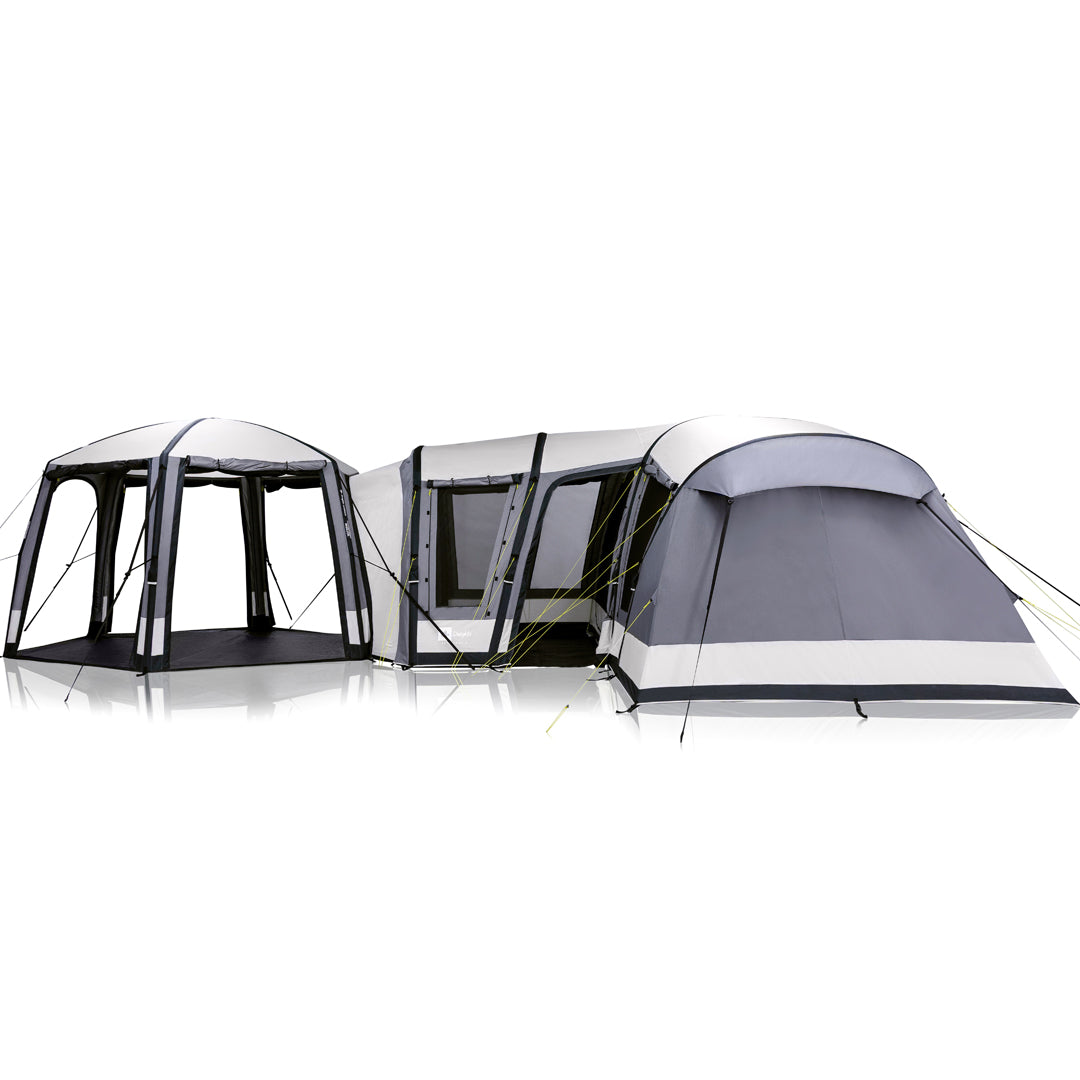
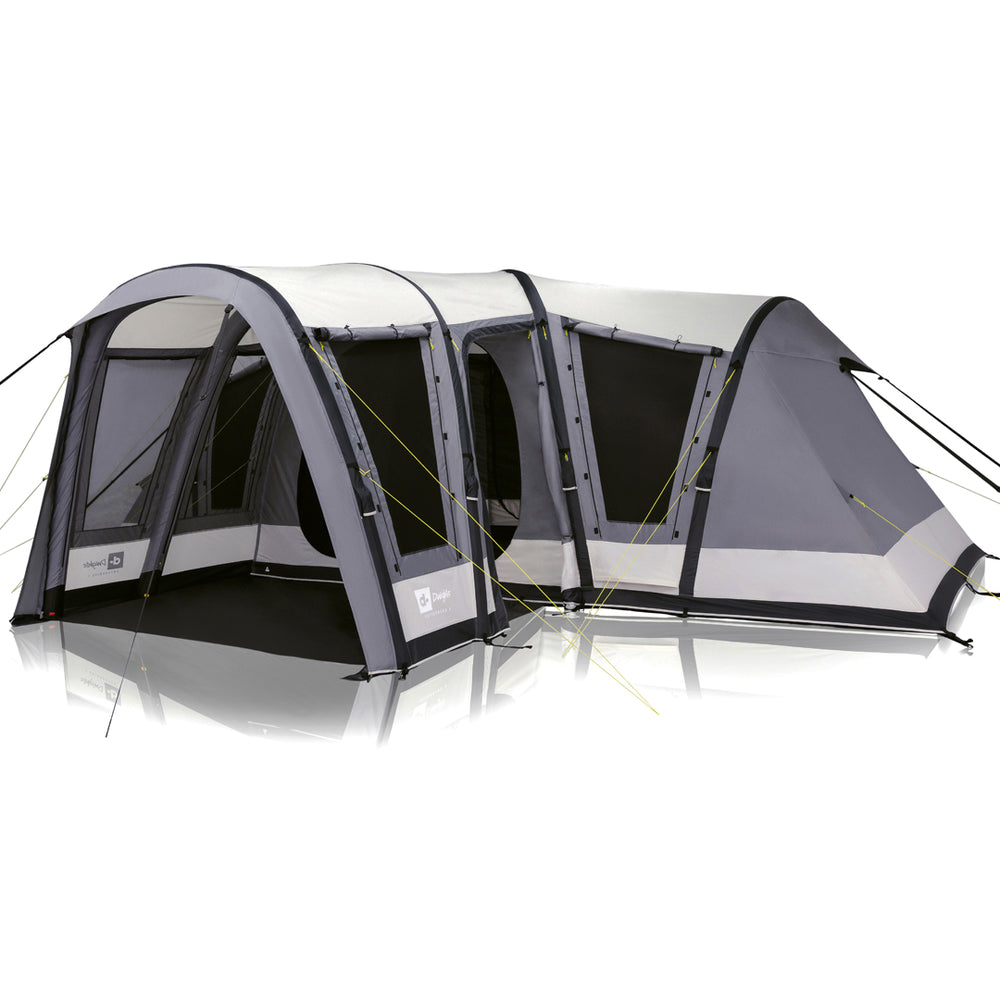
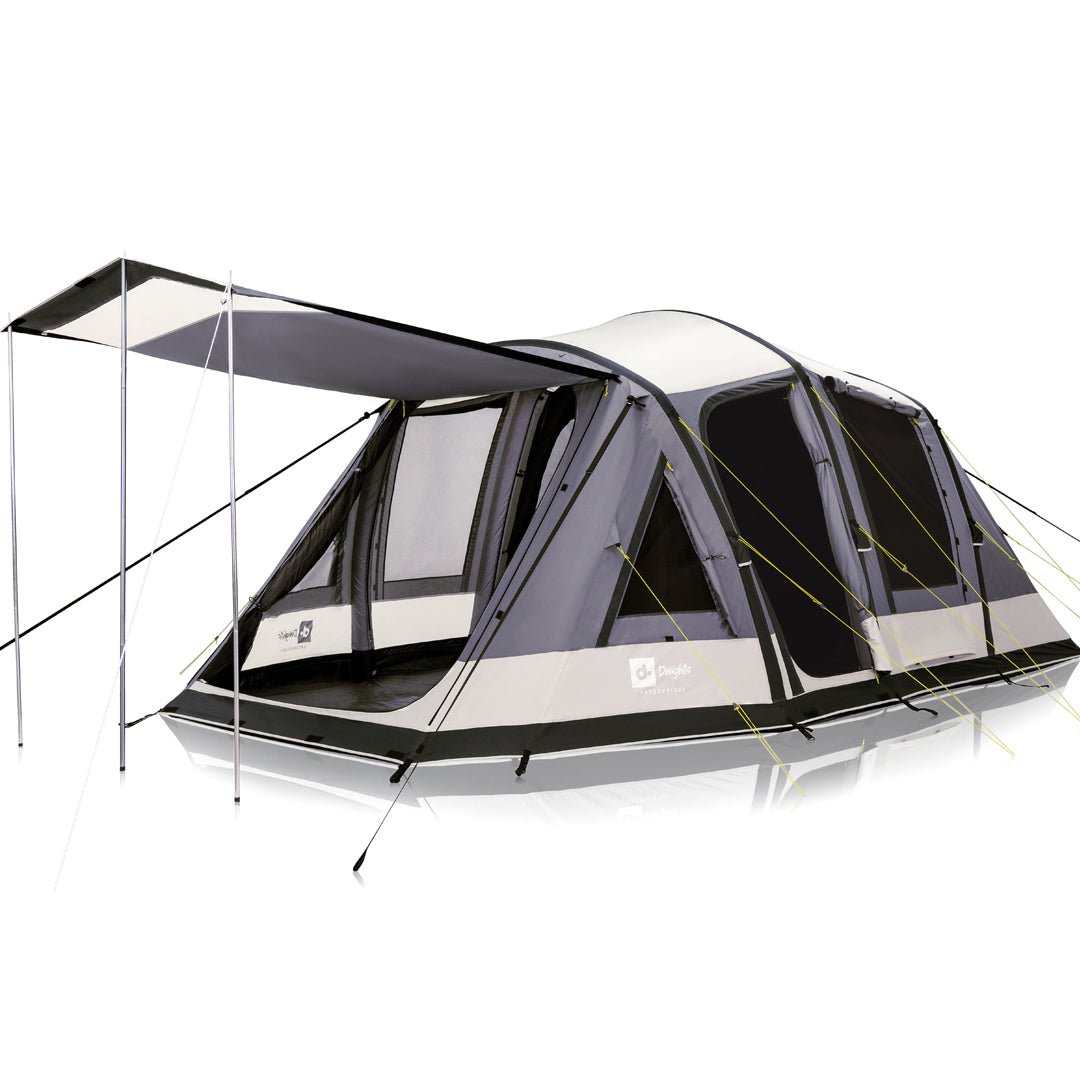
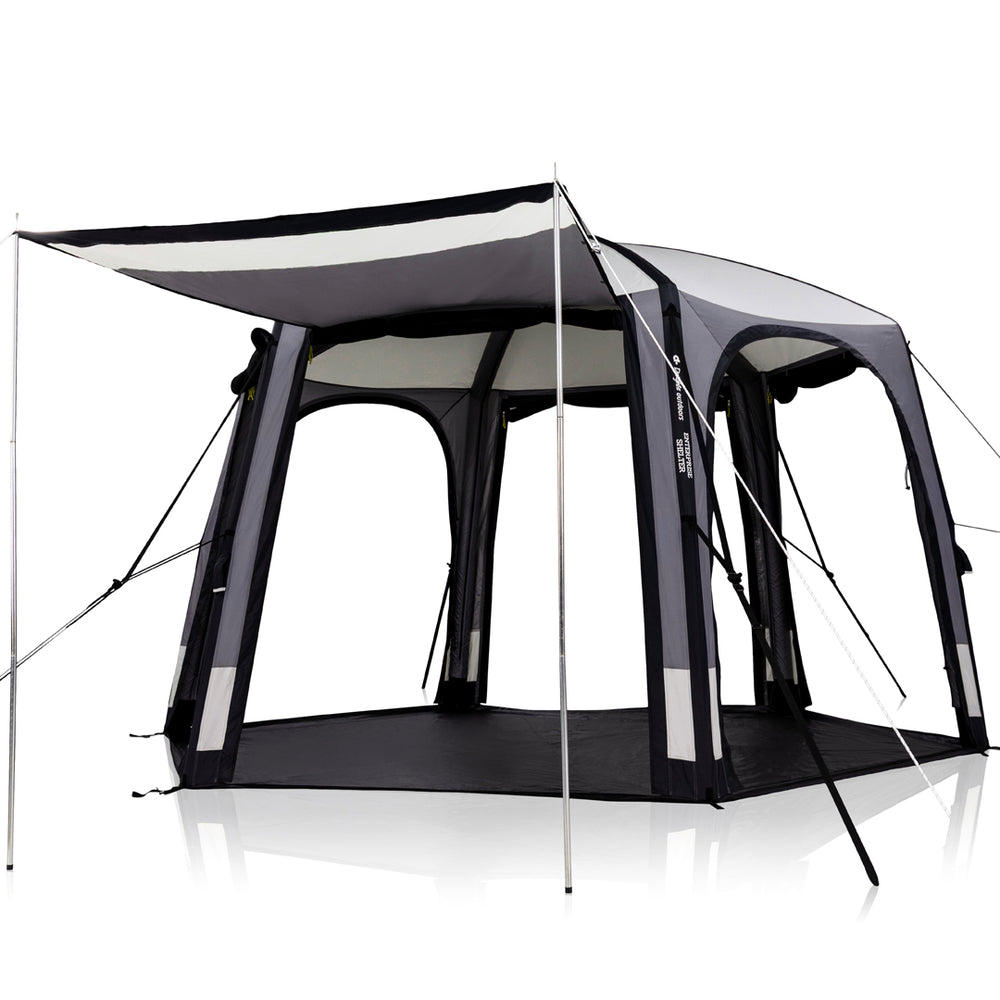
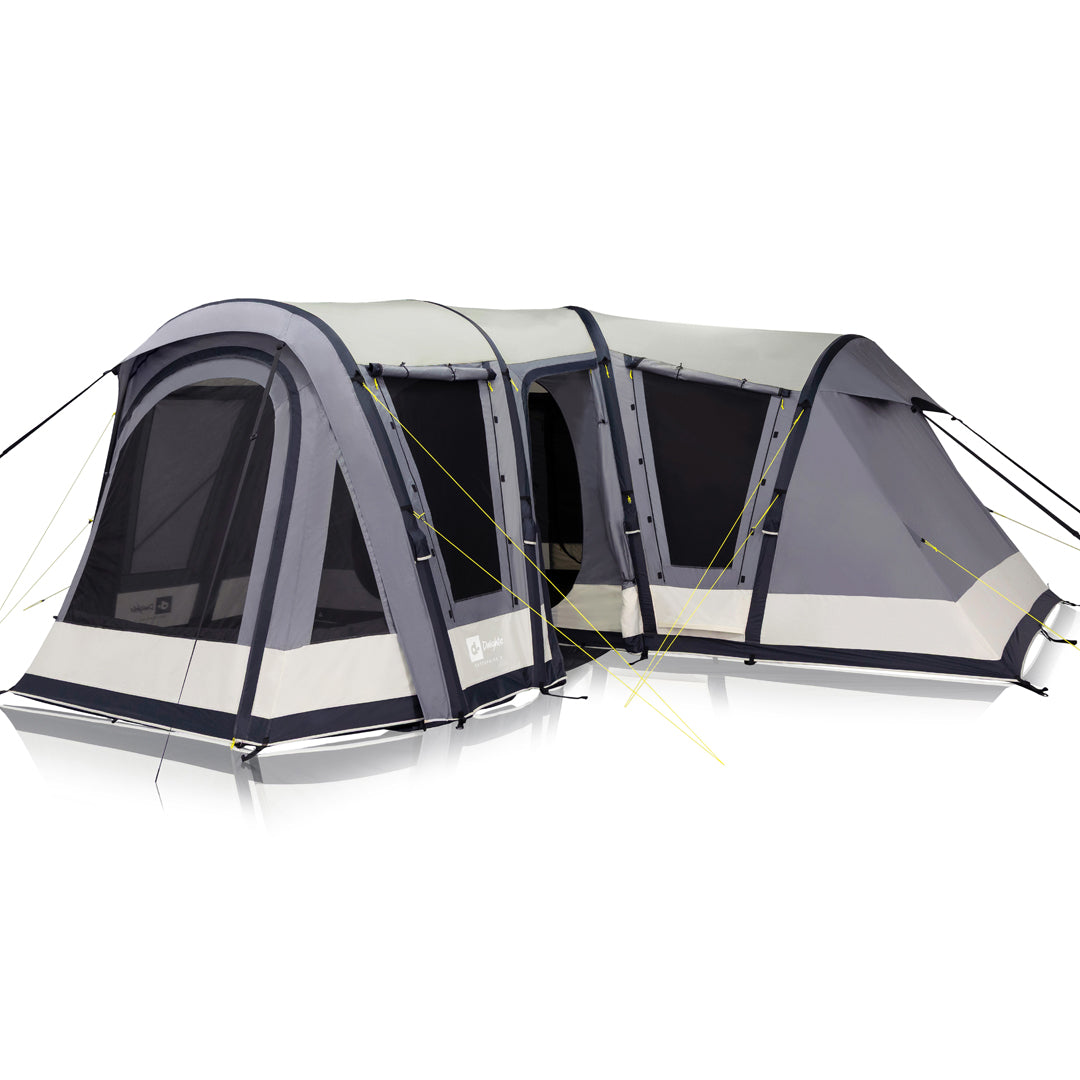
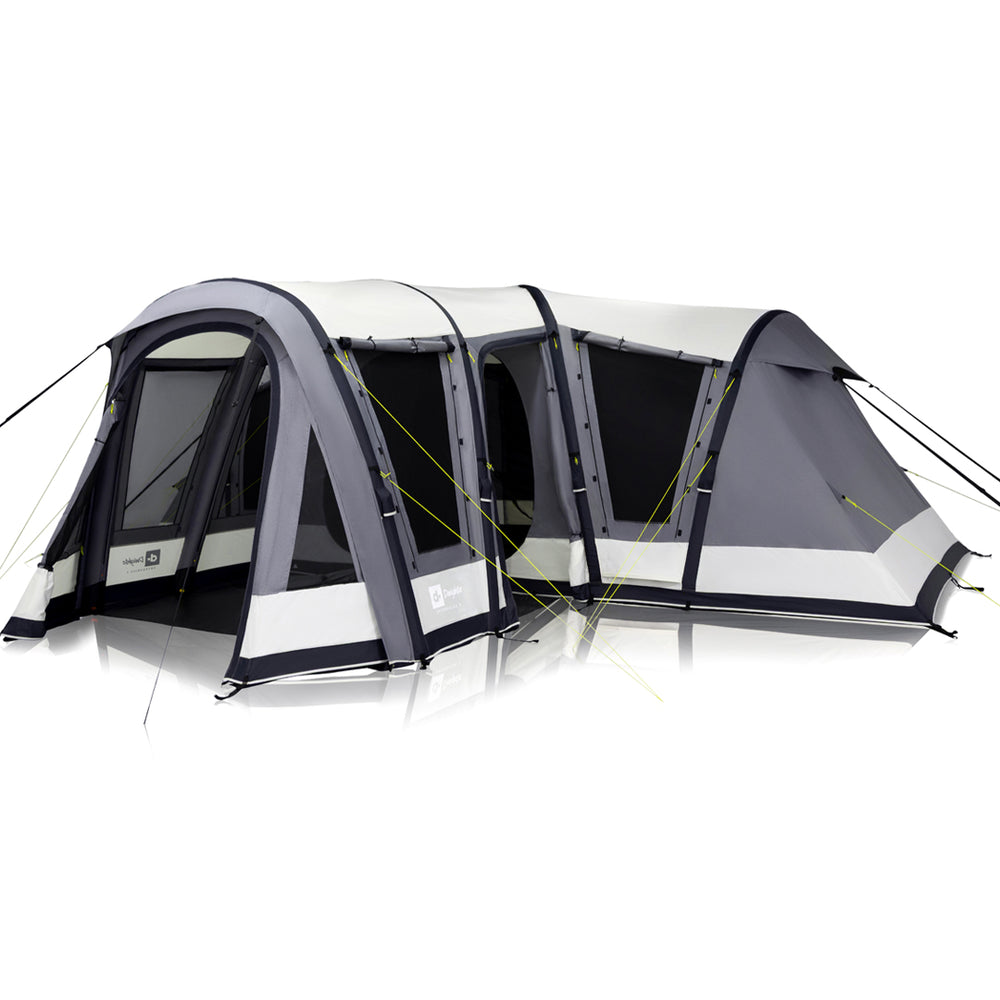
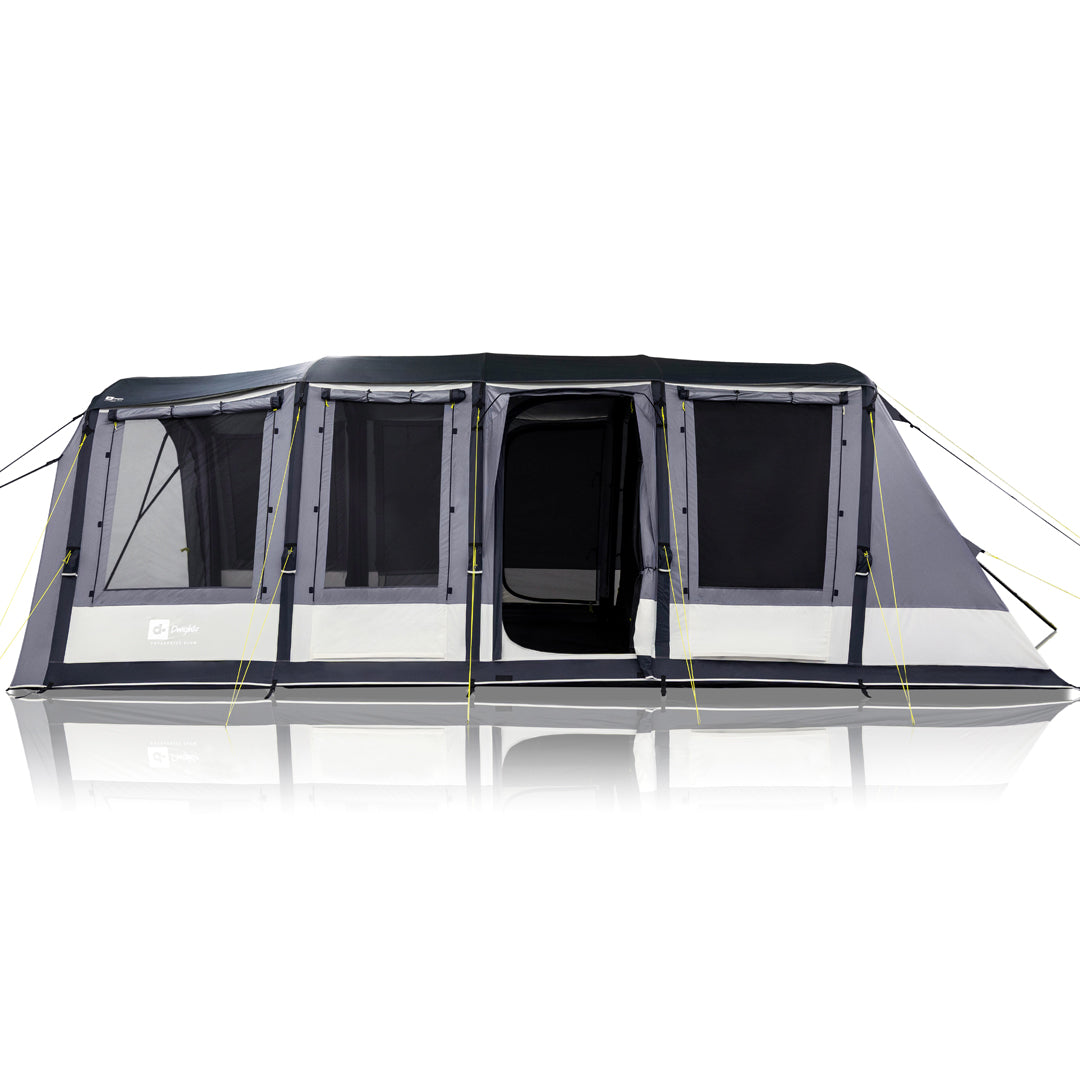
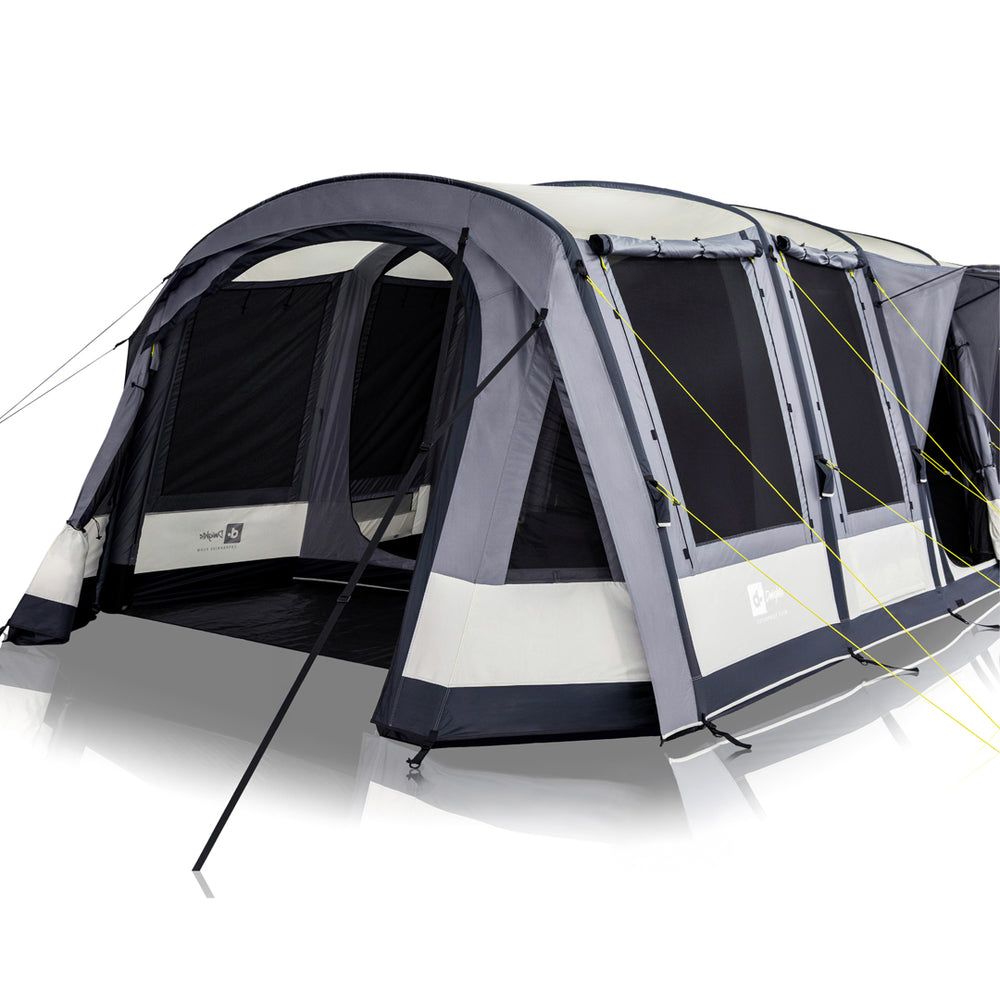
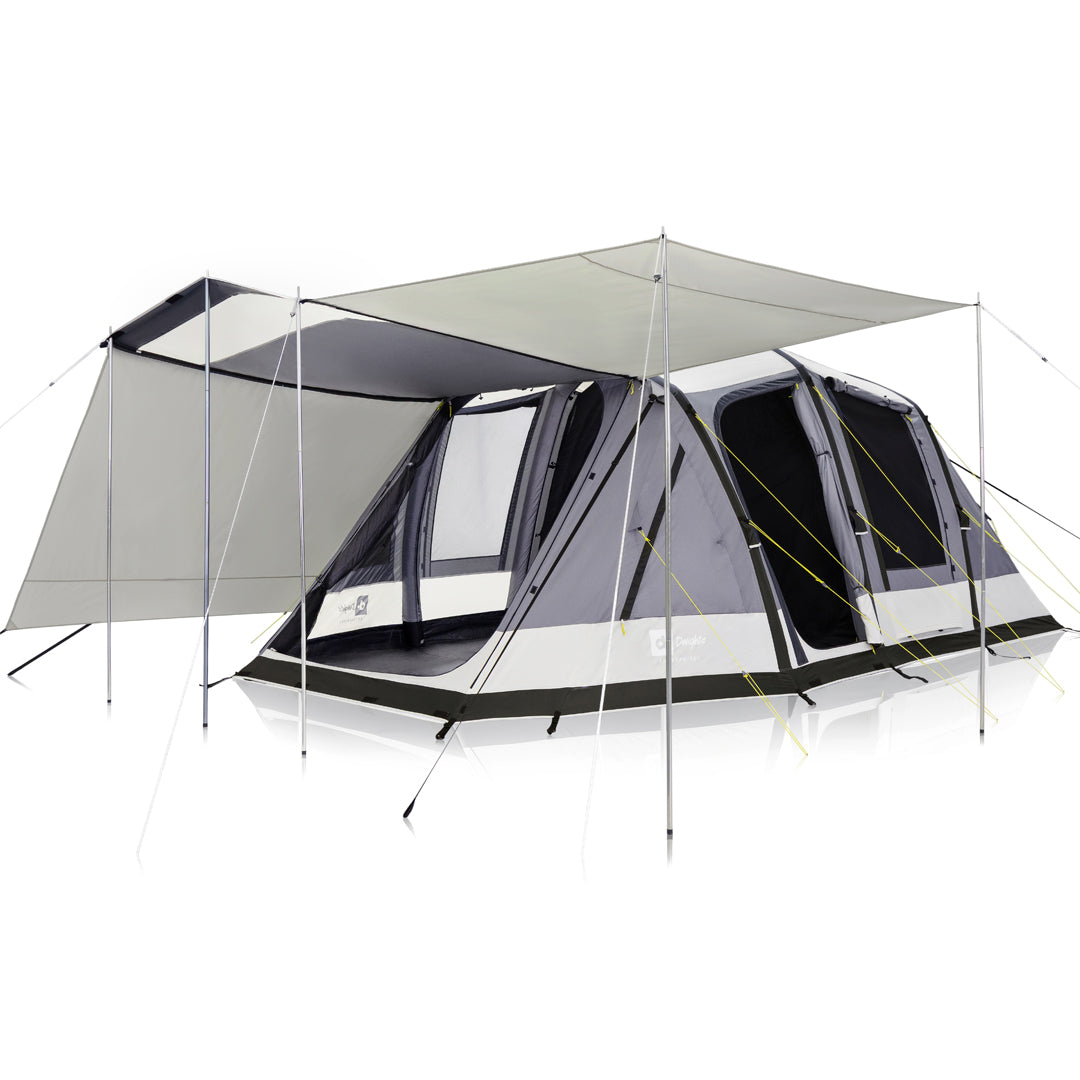
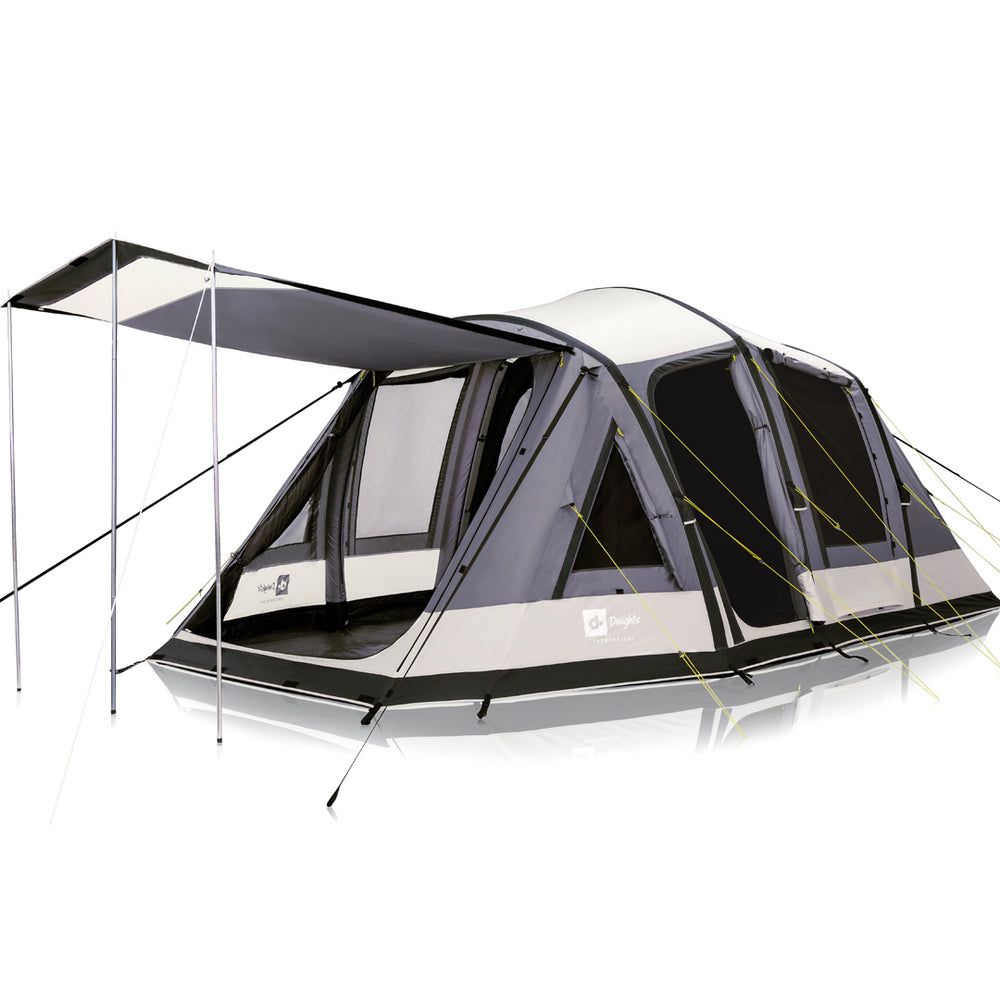
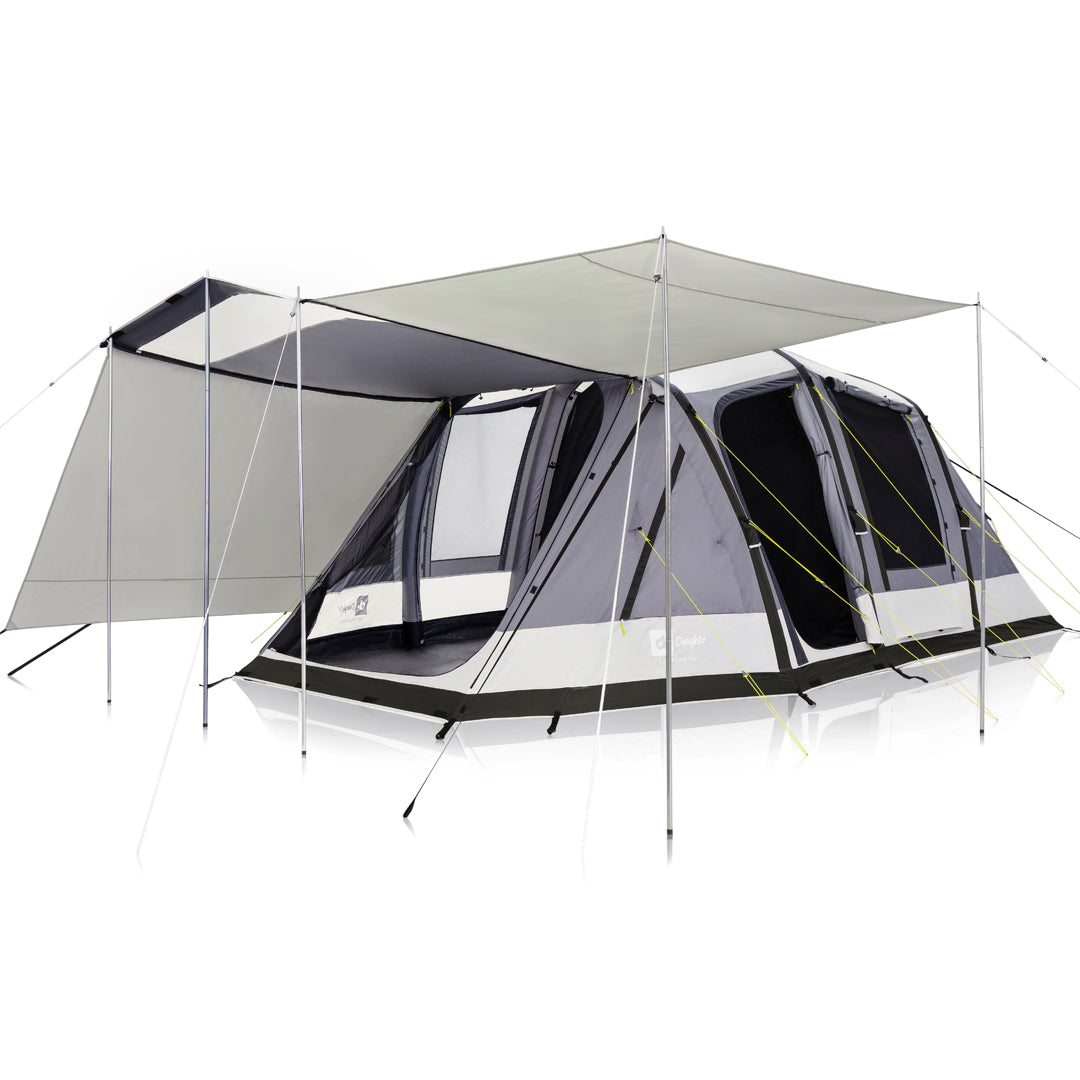
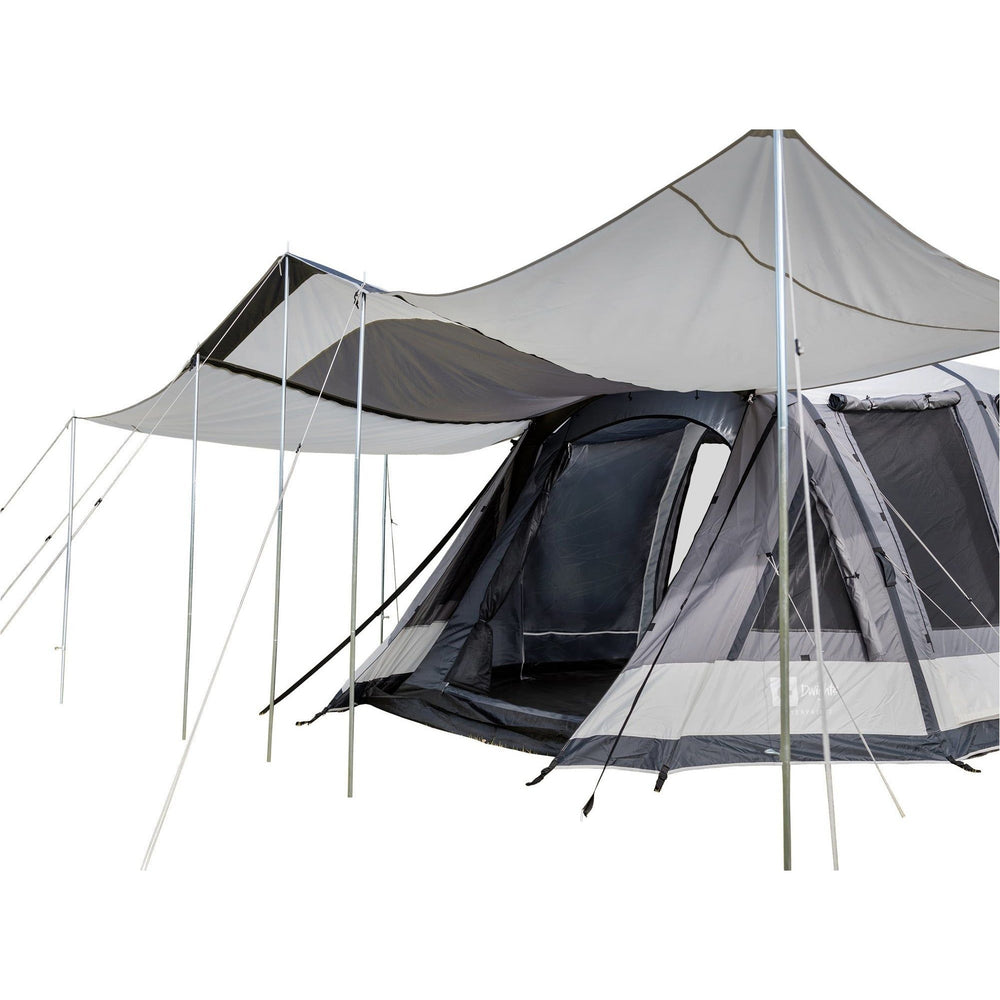
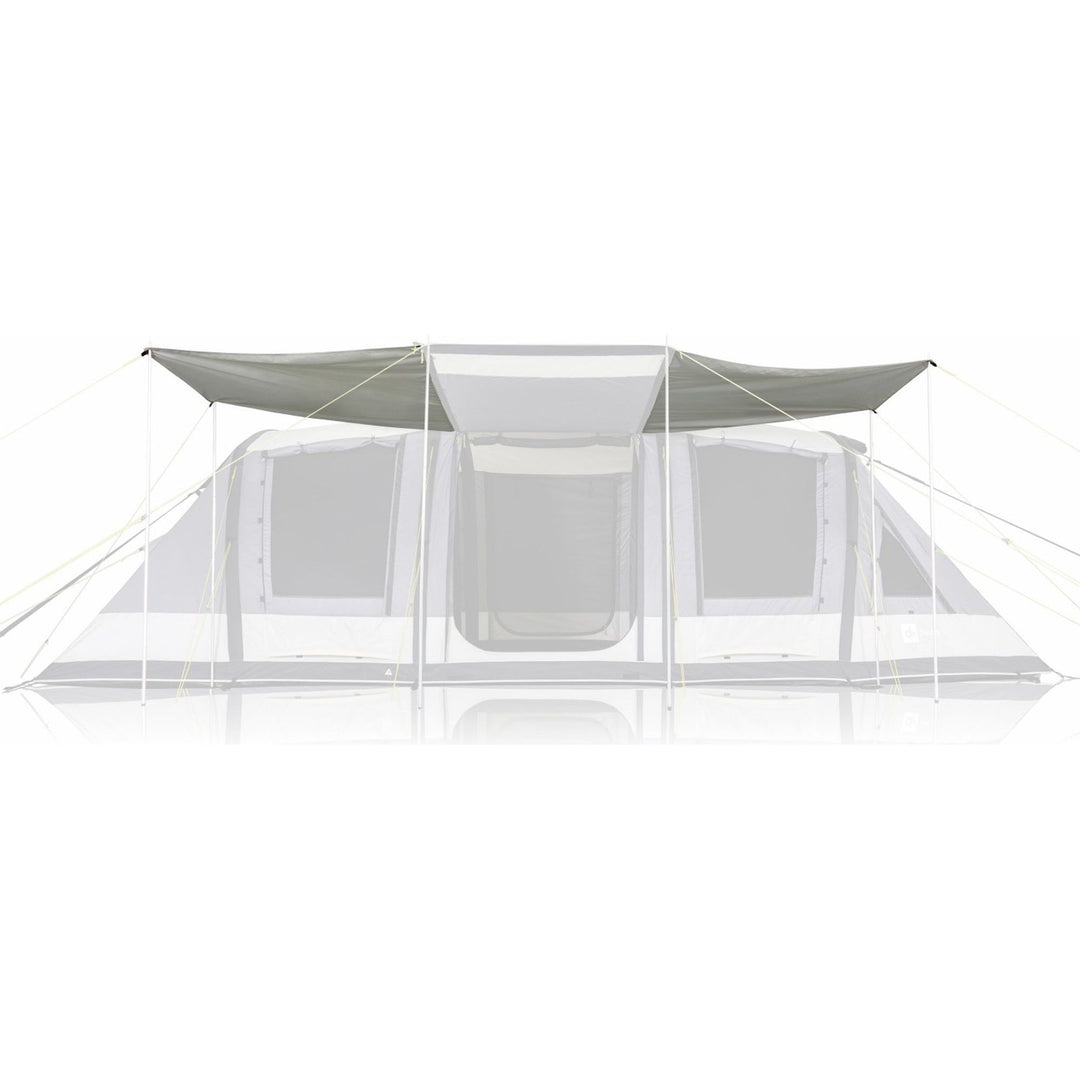
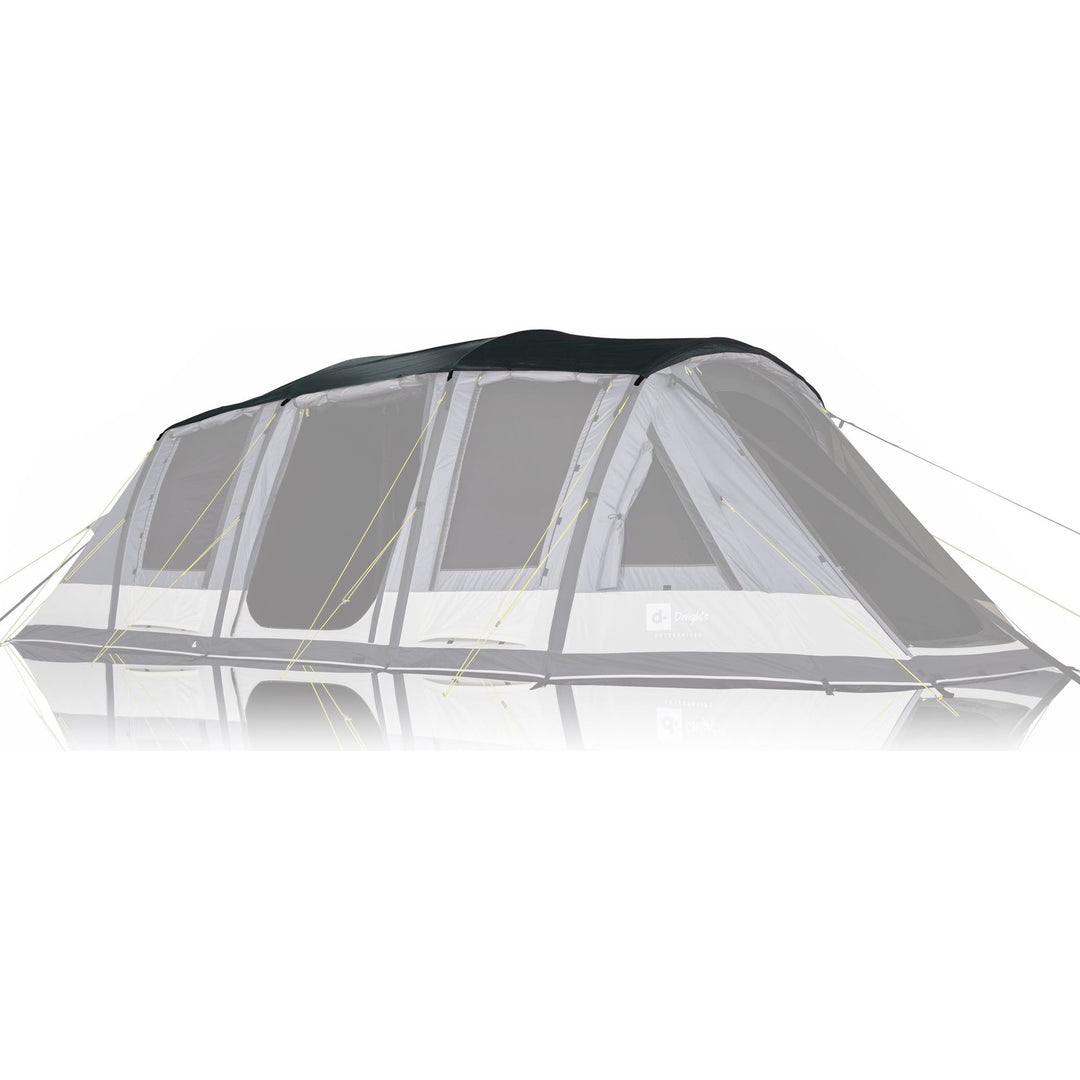
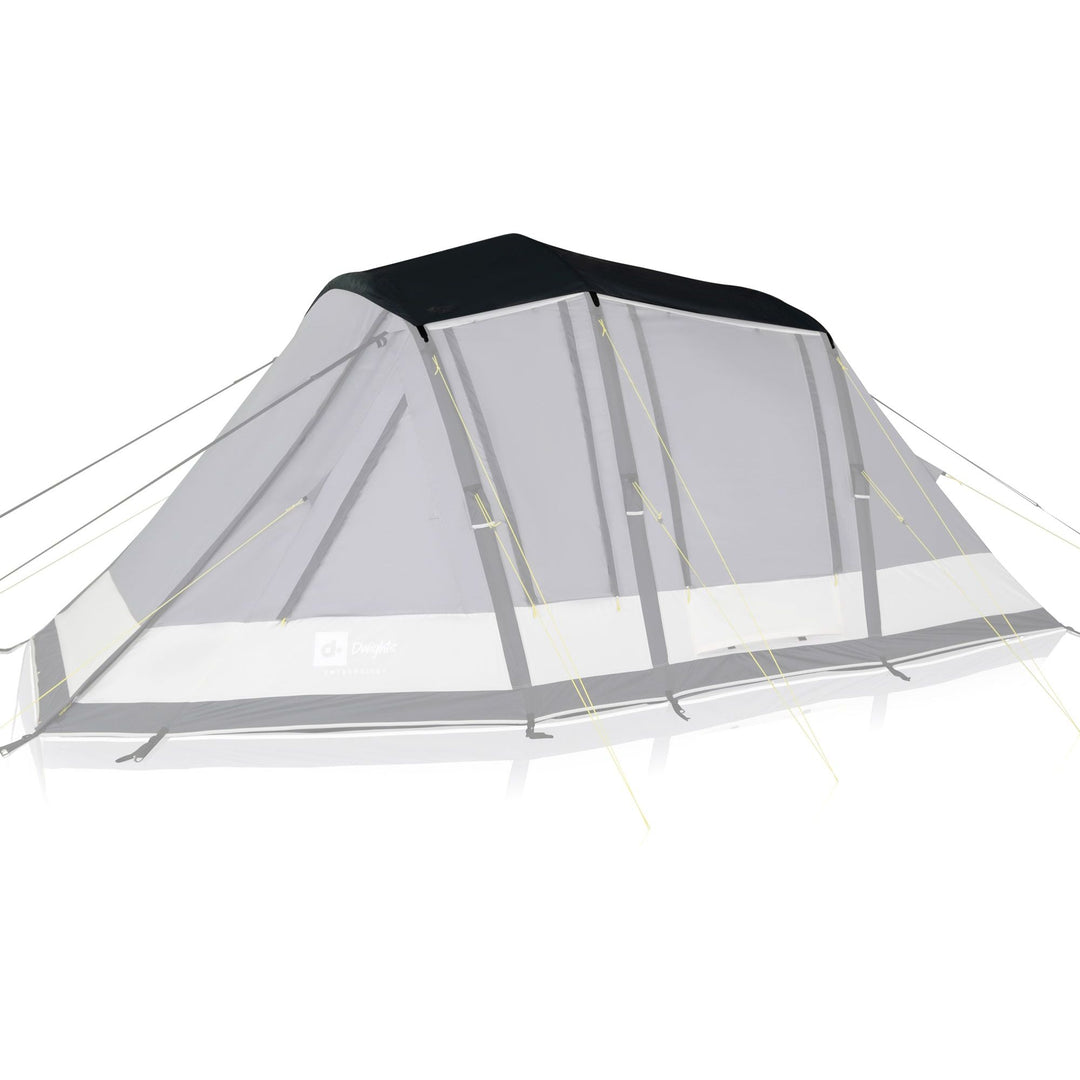
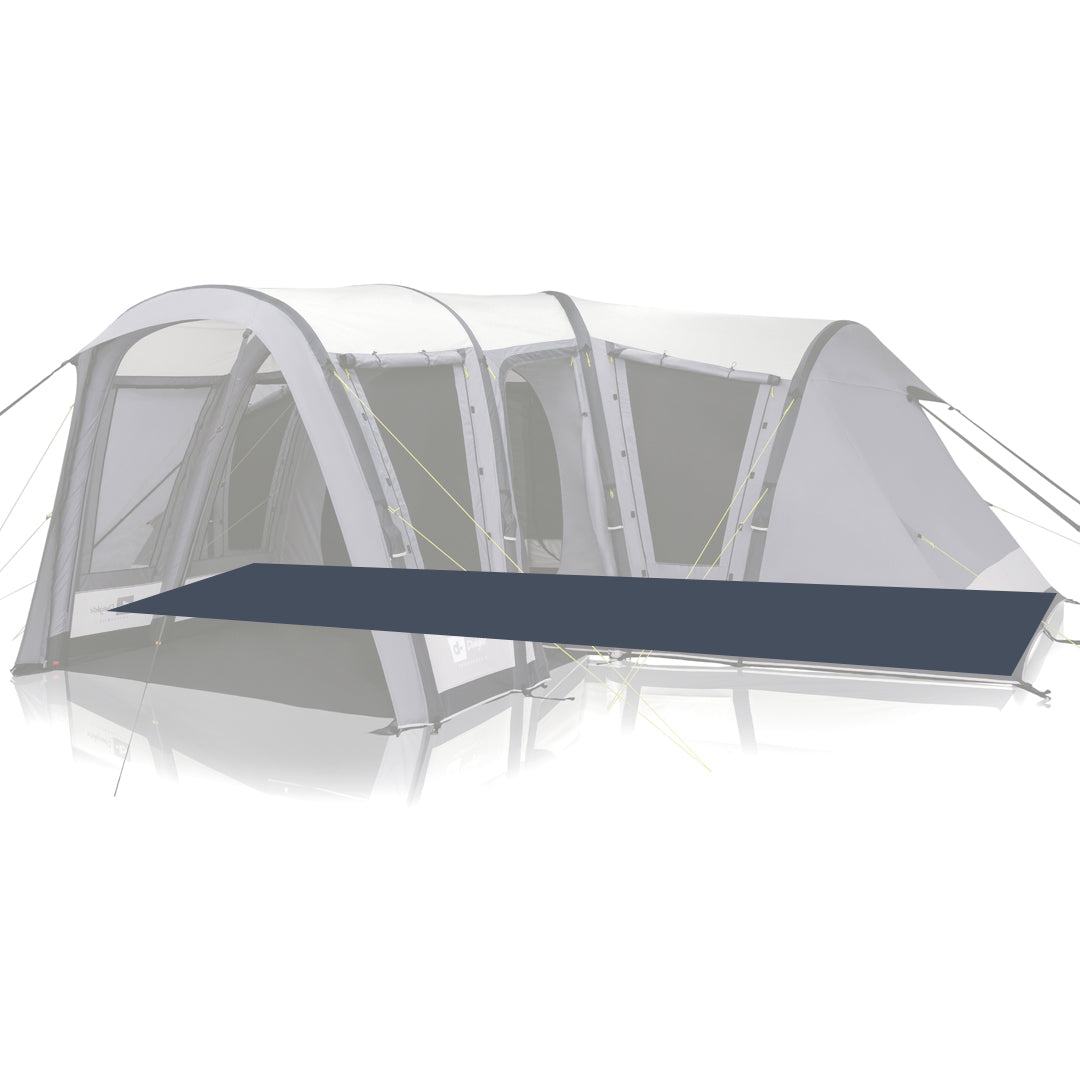
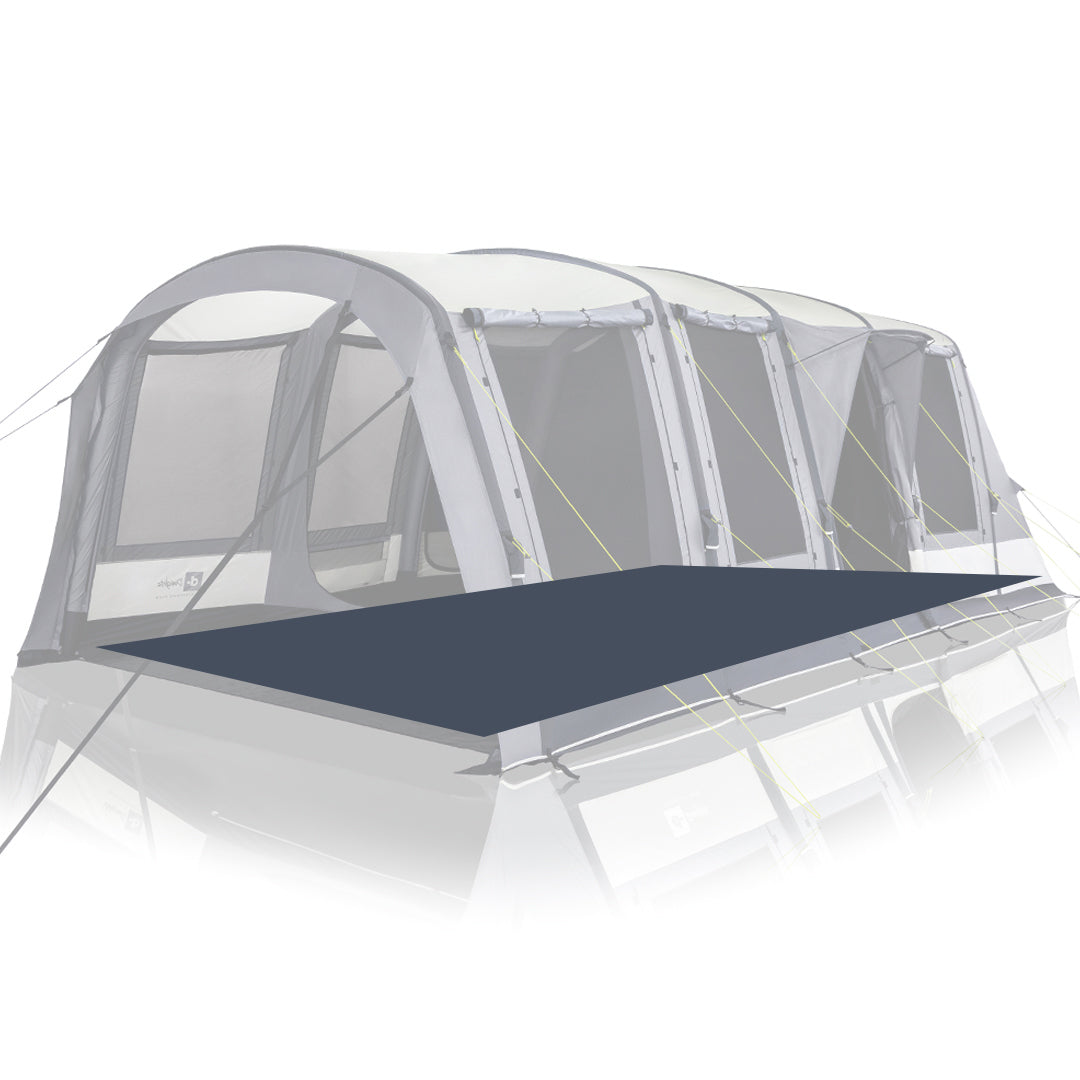
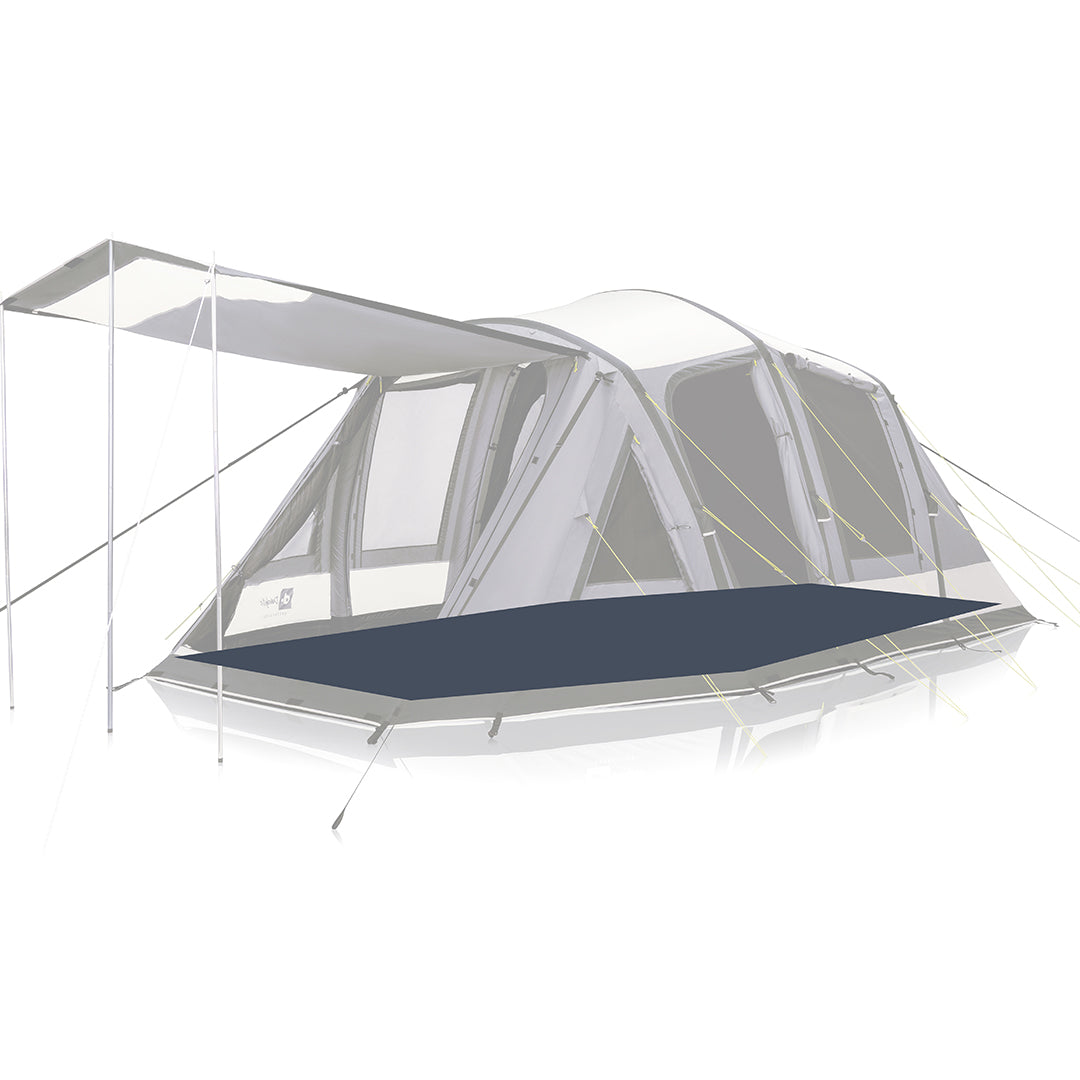
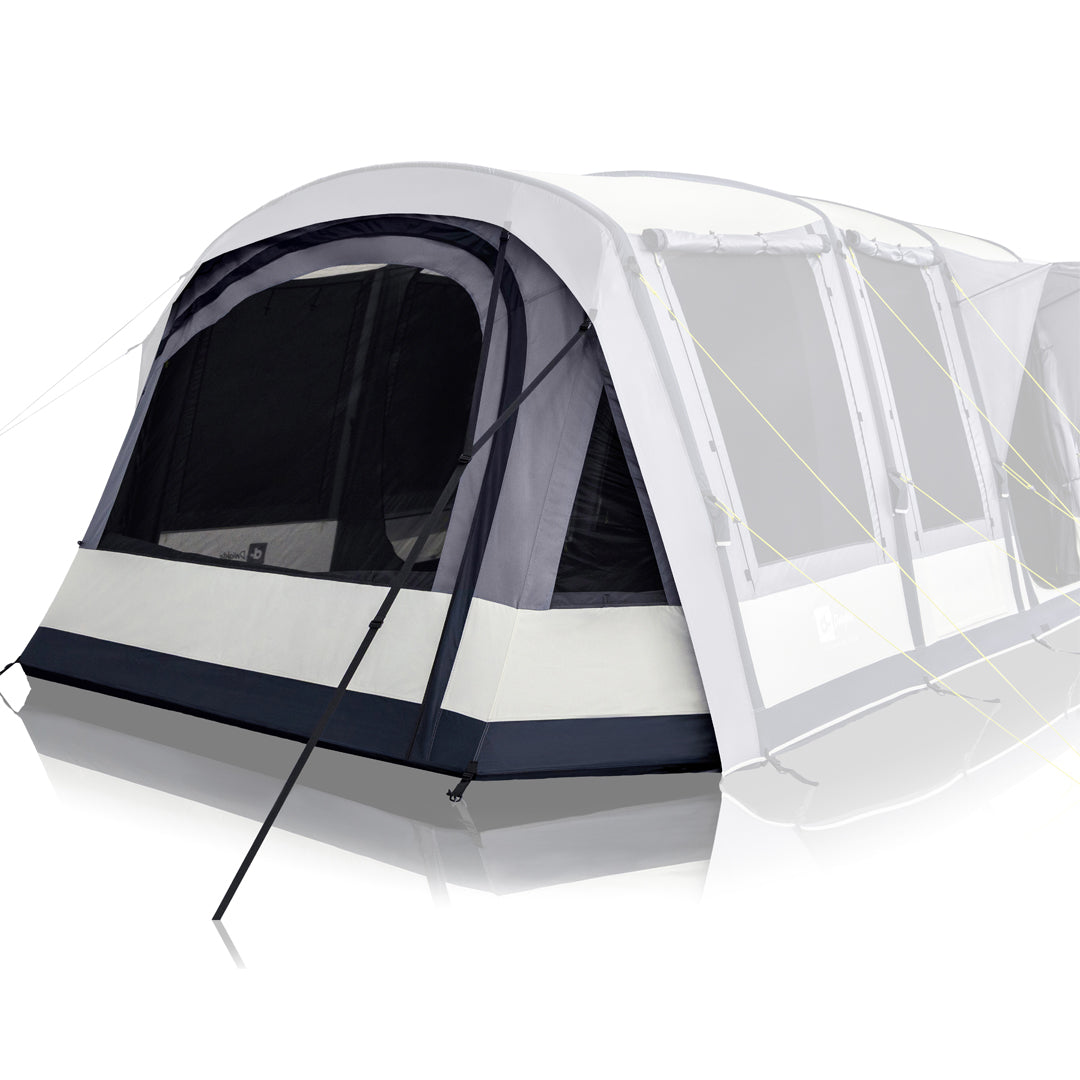
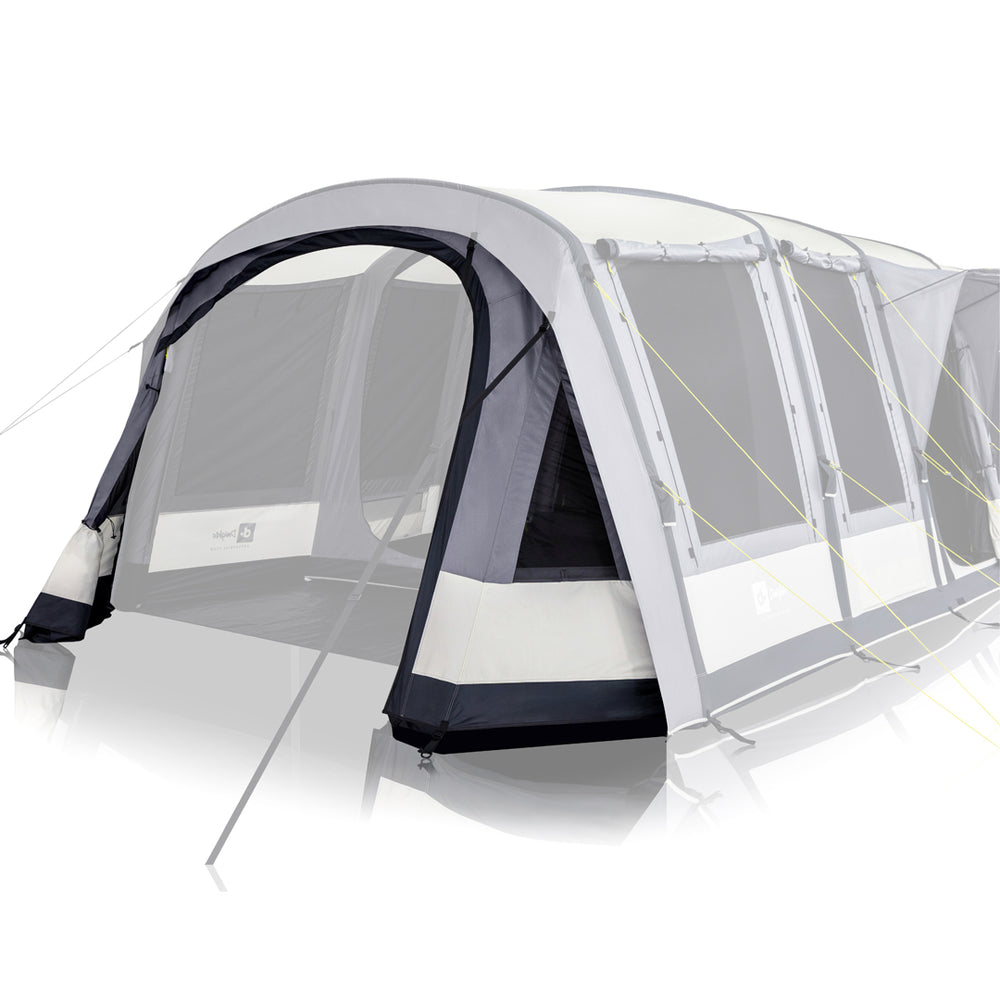
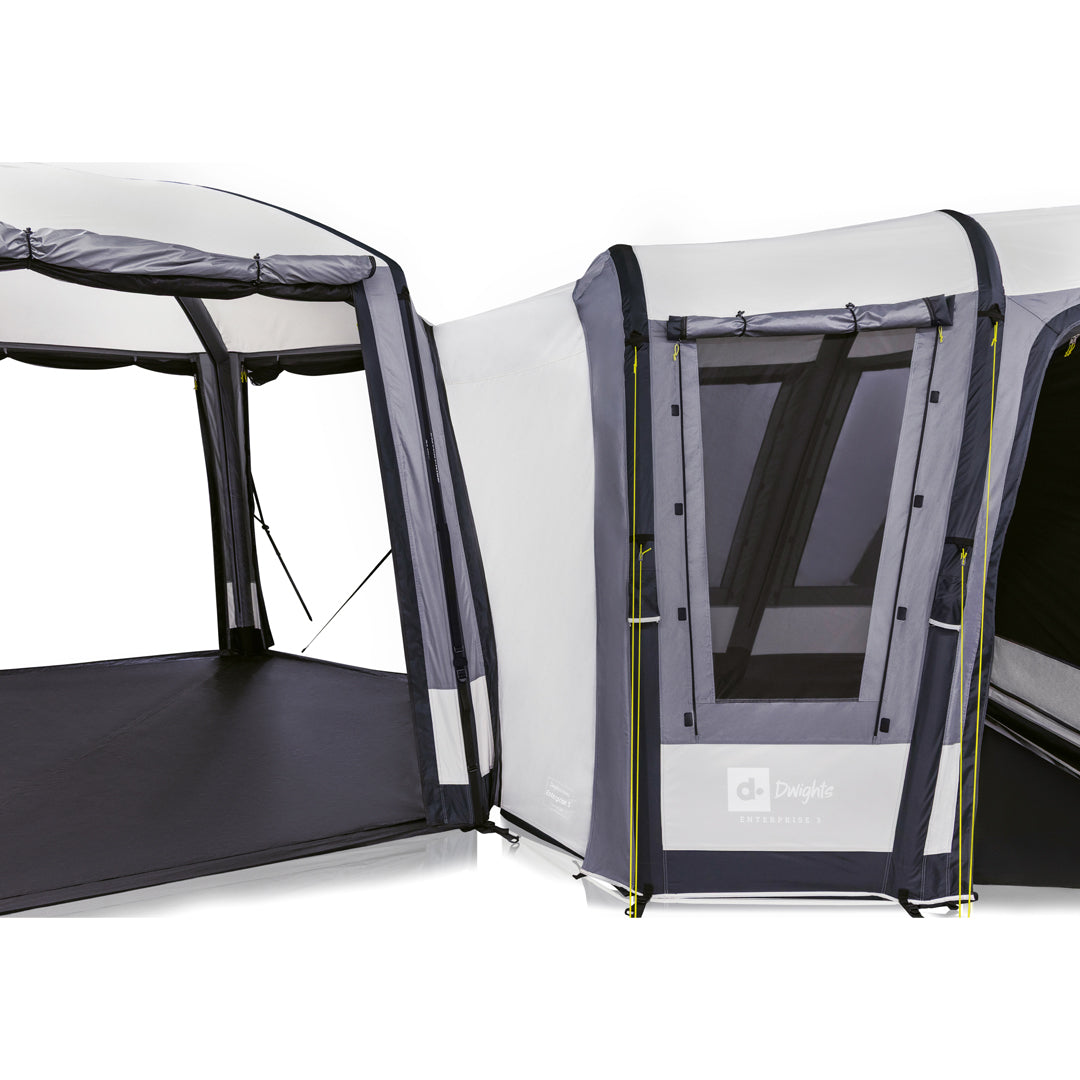
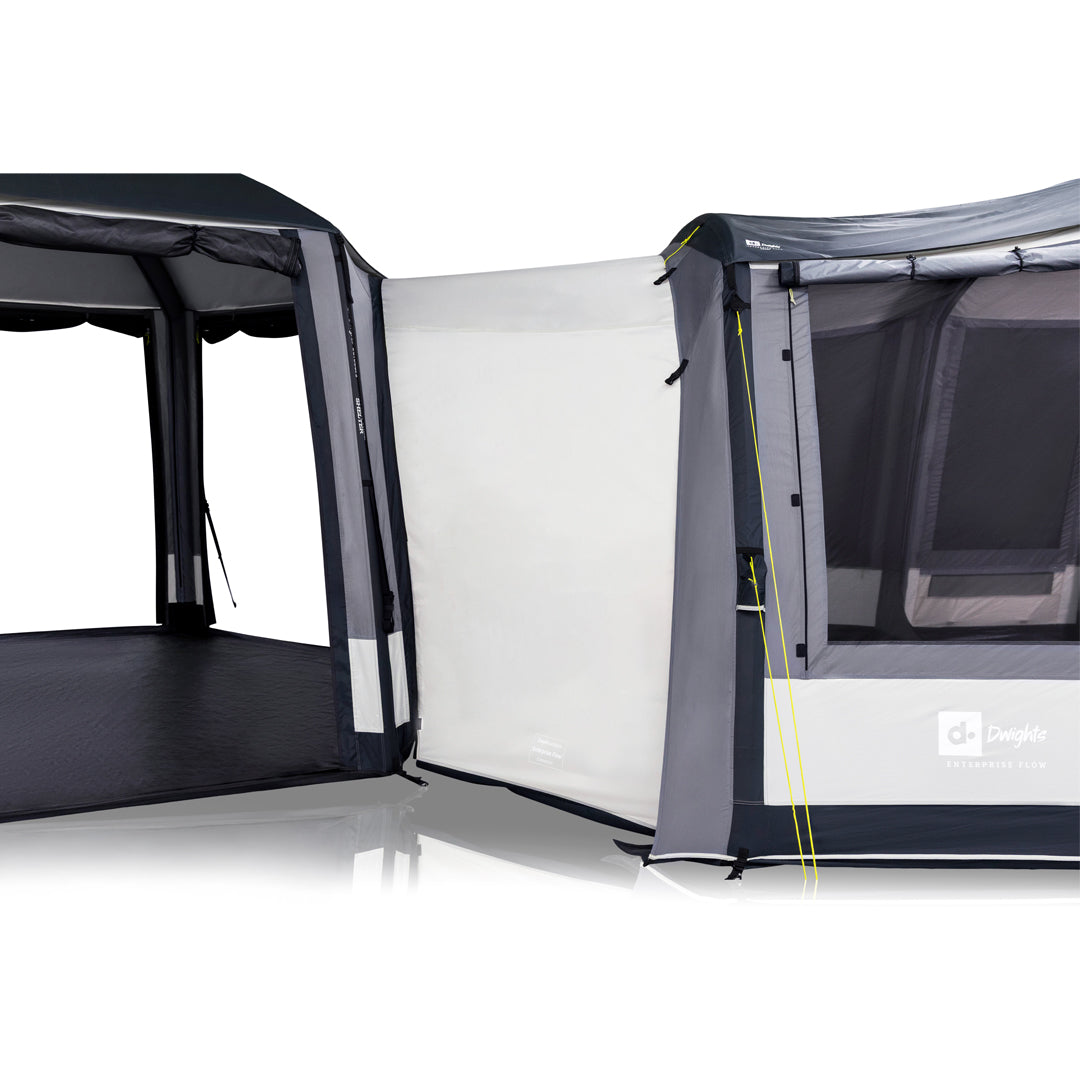


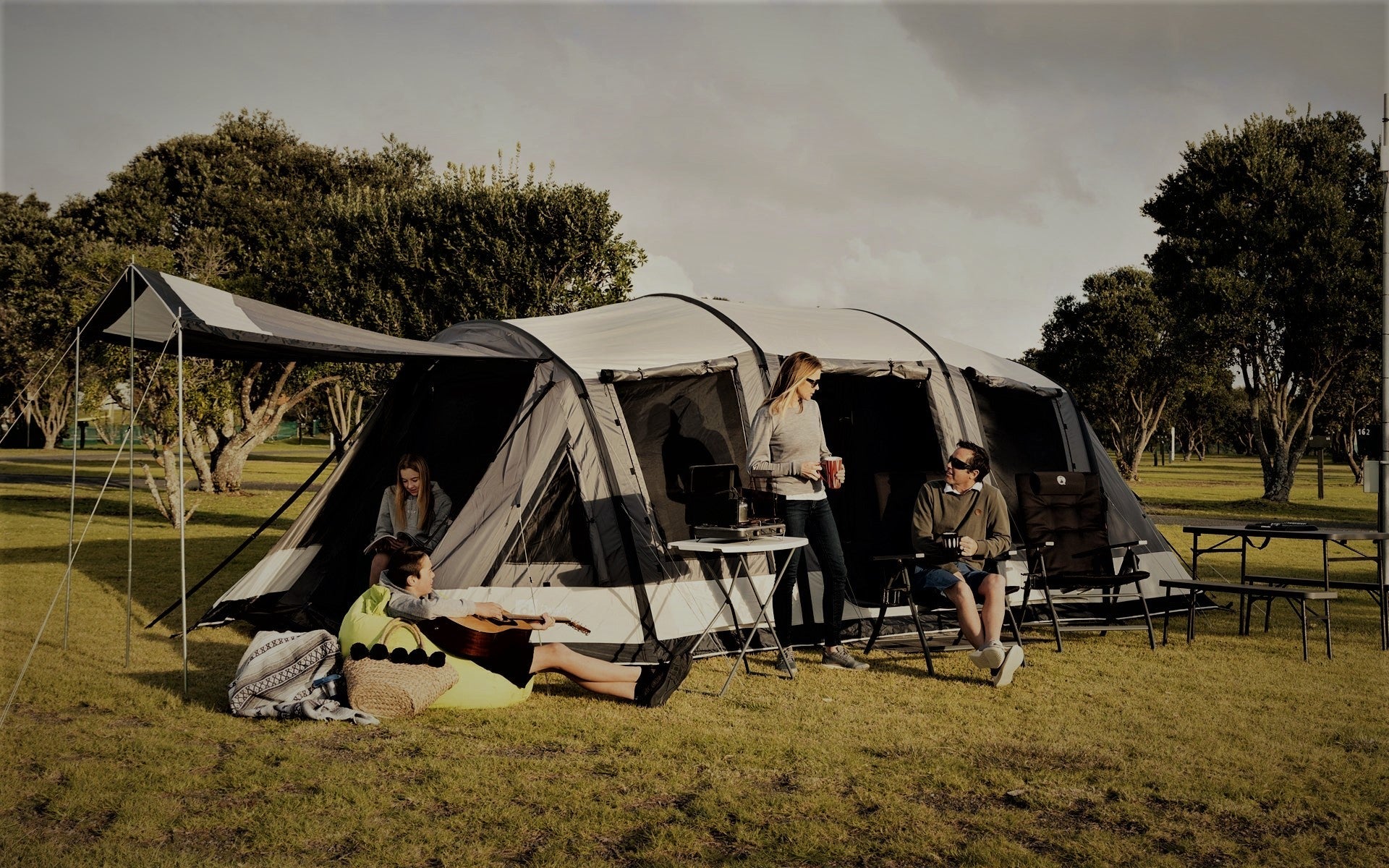
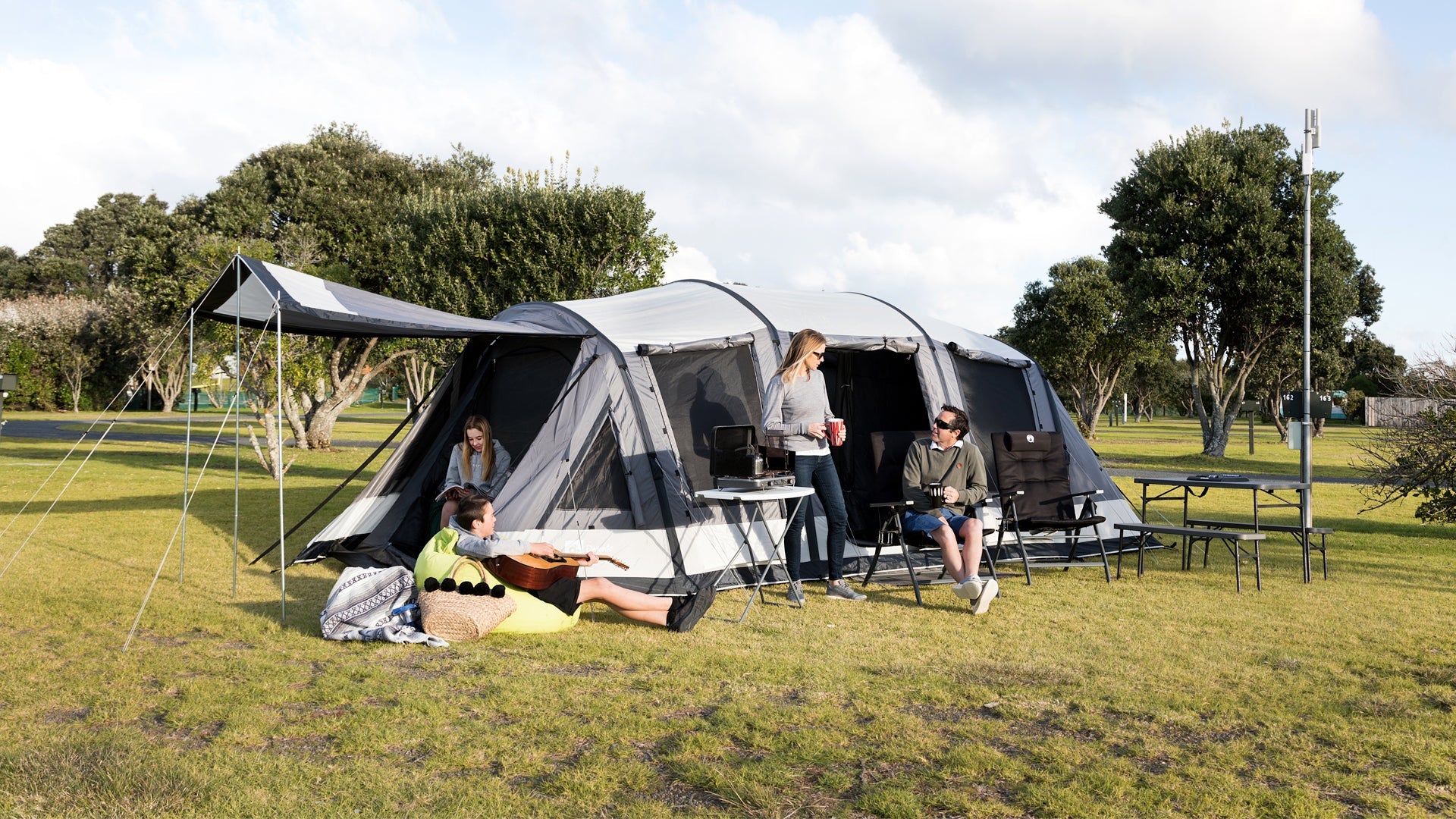
Inflatable air tents have overtaken traditional pole tents as our best-selling tent category — and once you've used one, it's obvious why. No poles to assemble, no threading through sleeves in the dark or rain: pump it up, peg it down, done. For families and regular campers, it's a genuine quality-of-life upgrade.
Structurally, inflatable tents are stronger than pole tents. Where fibreglass or alloy poles can snap under sustained wind load, air tubes flex and absorb that load — they don't fail suddenly. A single tube losing pressure won't collapse the tent; the remaining tubes hold the structure. Our range is built on Dwights-branded inflatable designs — developed and tested for NZ conditions over decades.
Choosing the Right Inflatable Tent
- Size up: A "4-person" inflatable tent comfortably sleeps 2–3 with gear. For a family of four, look at 6–8 person options with a dedicated living area or porch.
- Porch/vestibule space: NZ camping means wet weather. A covered porch to store boots, wet jackets, and gear is not optional — it's essential for a comfortable trip.
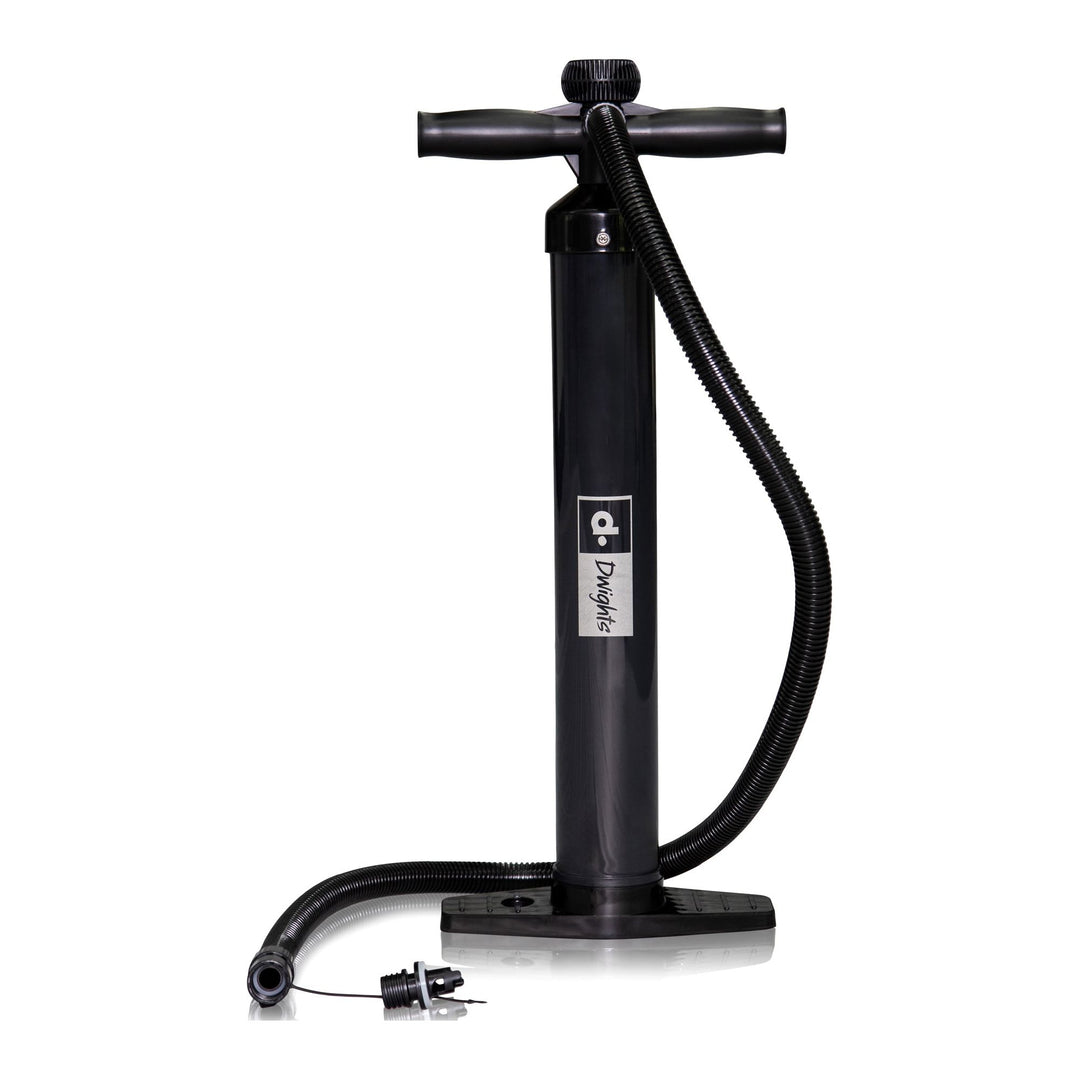
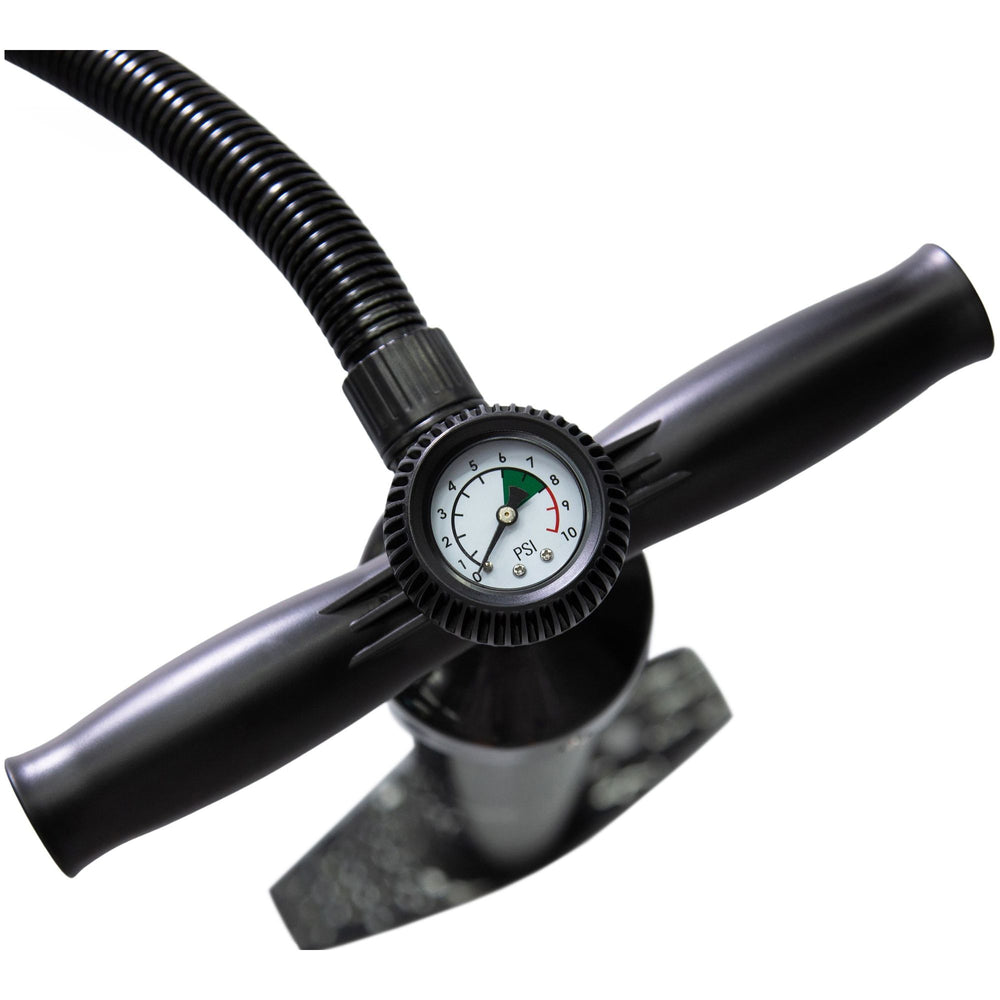
- Pump included: All our inflatable tents include a pump. Check whether it's a hand pump or a high-volume foot pump — foot pumps are faster for larger tents.
- Waterproofing: Look for taped seams and a hydrostatic head rating of 3000mm or higher on the fly. Our range exceeds this standard.
Frequently Asked Questions
Are inflatable tents stronger than pole tents?
Yes — inflatable tents are structurally stronger than pole tents in most real-world conditions. Where fibreglass or alloy poles resist wind load rigidly and can snap under sustained pressure, air tubes flex and absorb that load without failing. A puncture in a single tube doesn't compromise the tent — the remaining tubes hold the structure while you patch it. For camping and family trips, inflatable tents are the more durable choice.
How long does it take to pitch an inflatable tent?
Pumping up takes 5–10 minutes depending on the tent size and pump type — foot pumps make quick work of it. From there, pegging out and running the guy ropes adds another 10 minutes or so, and it's straightforward once you've done it once. Total setup is quicker than most pole tents of comparable size, and there's no fiddly pole assembly to deal with.
What happens if an inflatable tent gets a puncture?
A puncture in a single tube doesn't collapse the tent — the remaining tubes hold the structure. Locate the leak (soapy water works well), dry the area, and apply the repair patch included with every Dwights inflatable tent. The repair takes a few minutes and the tent is fully functional again. Carry the patch kit on every trip.
Can I use an inflatable tent in NZ wind?
Yes — air tents handle wind exceptionally well. Because the tubes flex rather than resist, they absorb gusts that would stress or snap rigid poles. Peg all points thoroughly and use all guy ropes; in severe conditions, add extra pegs at the corners for additional hold. As with any tent, take it down if a storm-force forecast is confirmed.
What size inflatable tent do I need?
Go one size above your actual group number as a rule of thumb — a "4-person" tent is a tight fit for four people with gear. A couple wanting room to move comfortably should look at 4-person models; a family of four will be much more comfortable in a 6-person tent with a separate living area. Consider how many nights you're camping: for longer trips, the extra space is worth the additional packed size.
Are inflatable tents waterproof enough for NZ rain?
Our inflatable tent range is built for NZ conditions with hydrostatic head ratings of 3000mm or higher on the fly, taped seams, and waterproof groundsheets. NZ rainfall can be sustained and heavy — particularly on the West Coast and in Fiordland — but our range handles it well. Maintain the DWR coating by reproofing annually with a spray-on treatment, and always dry the tent fully before storing.
How do I care for an inflatable tent?
Always dry the tent fully before packing — store it damp and you'll find mould and degraded coatings by the next season. Inflate and leave to dry at home after every trip. Store loosely rather than compressed tightly in its bag. Periodically reproof the fly with a DWR spray when water stops beading cleanly. Keep the patch kit with the tent bag so it's always there when you need it.
Do inflatable tents work on hard or rocky ground?
The tent itself works fine — the challenge is pegging. On hard or rocky ground, standard steel pegs may not drive in fully. Carry a peg mallet and a few sand pegs or Y-profile pegs which grip better in varied ground conditions. On wooden DOC campsite platforms, use freestanding configuration with guy ropes tied to platform rails where permitted, rather than relying on peg anchors.
Need help choosing? Get in touch — our team has decades of camping experience.