






Head Torches
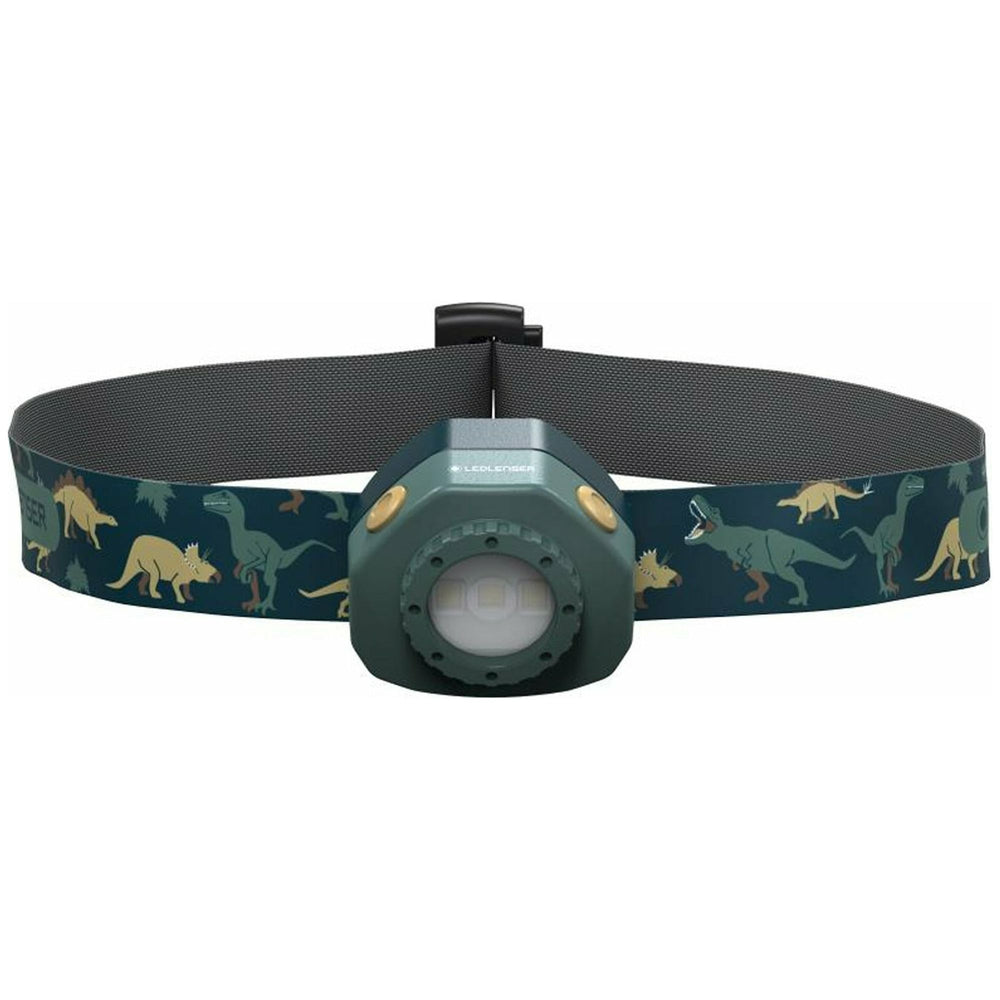
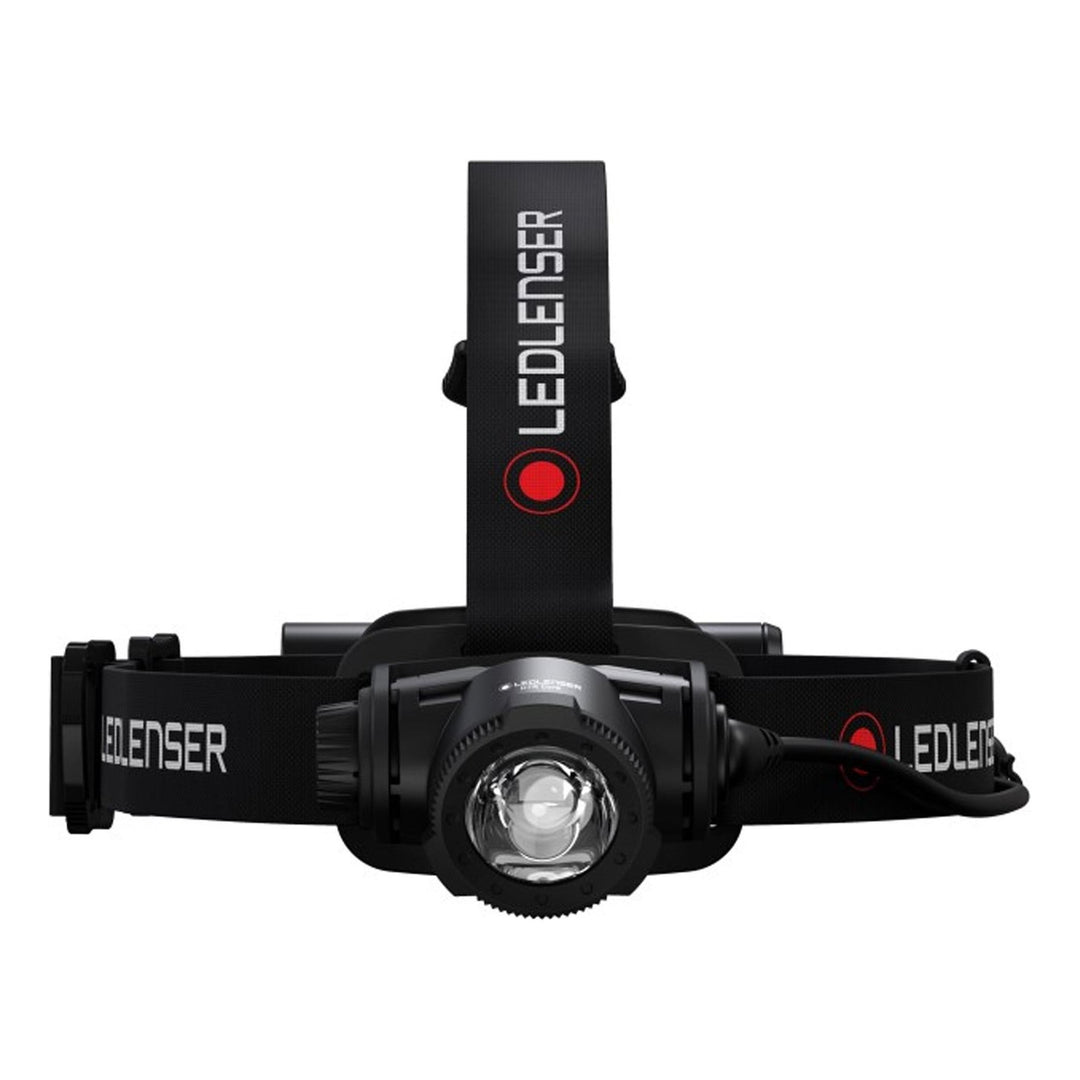
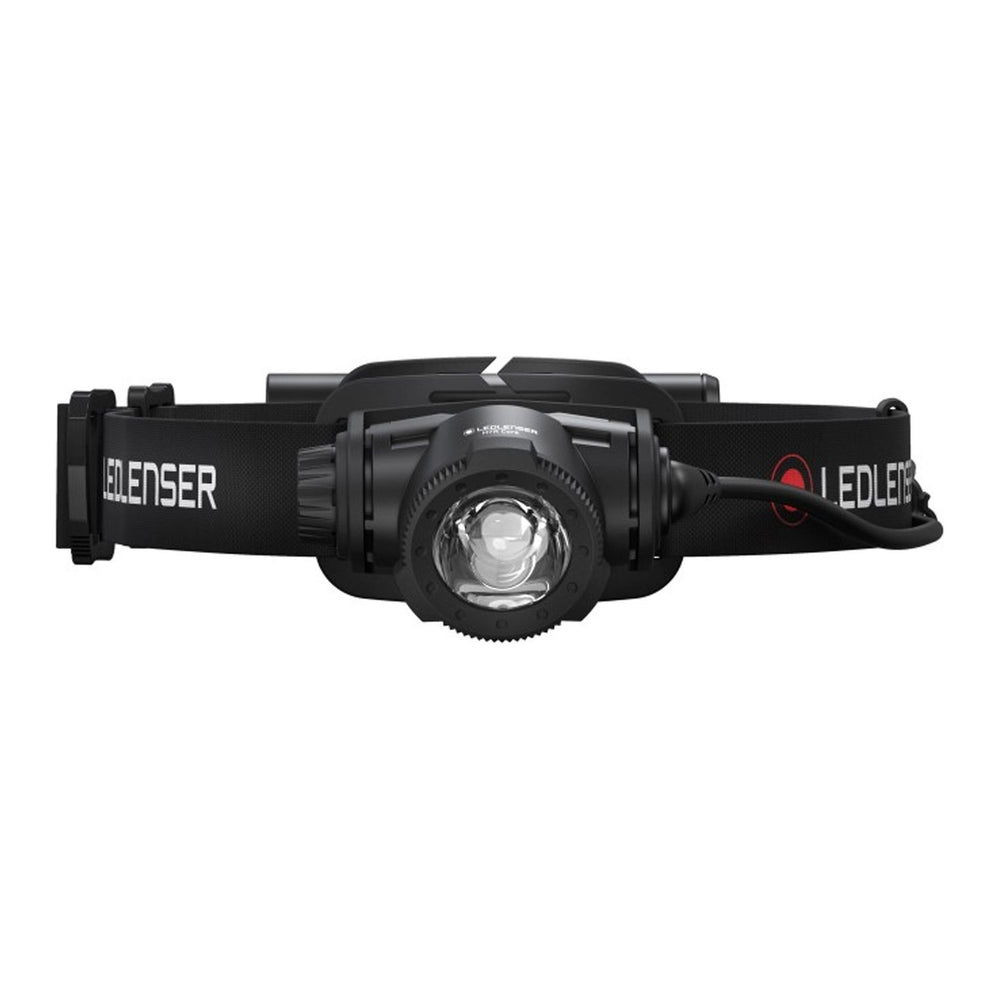
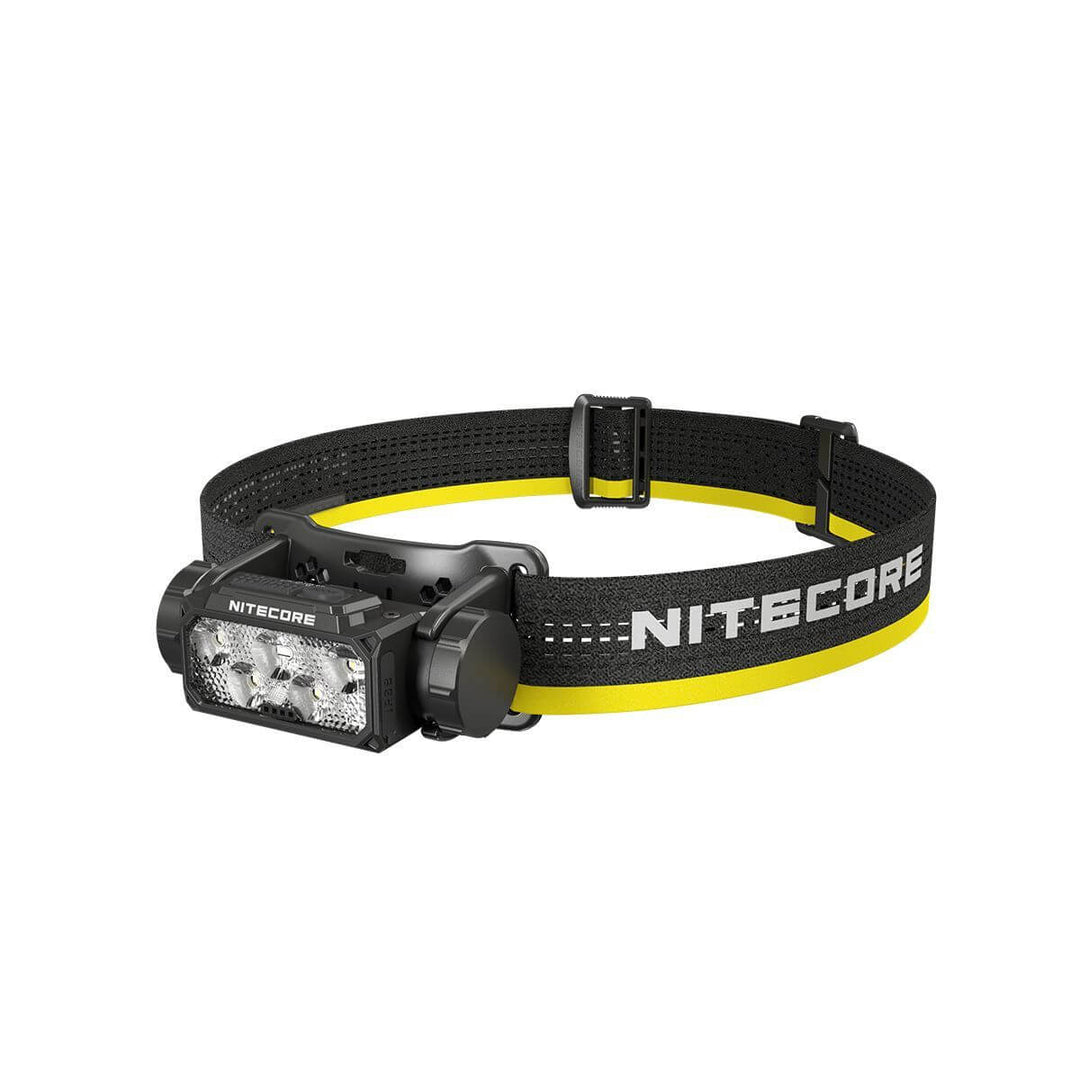
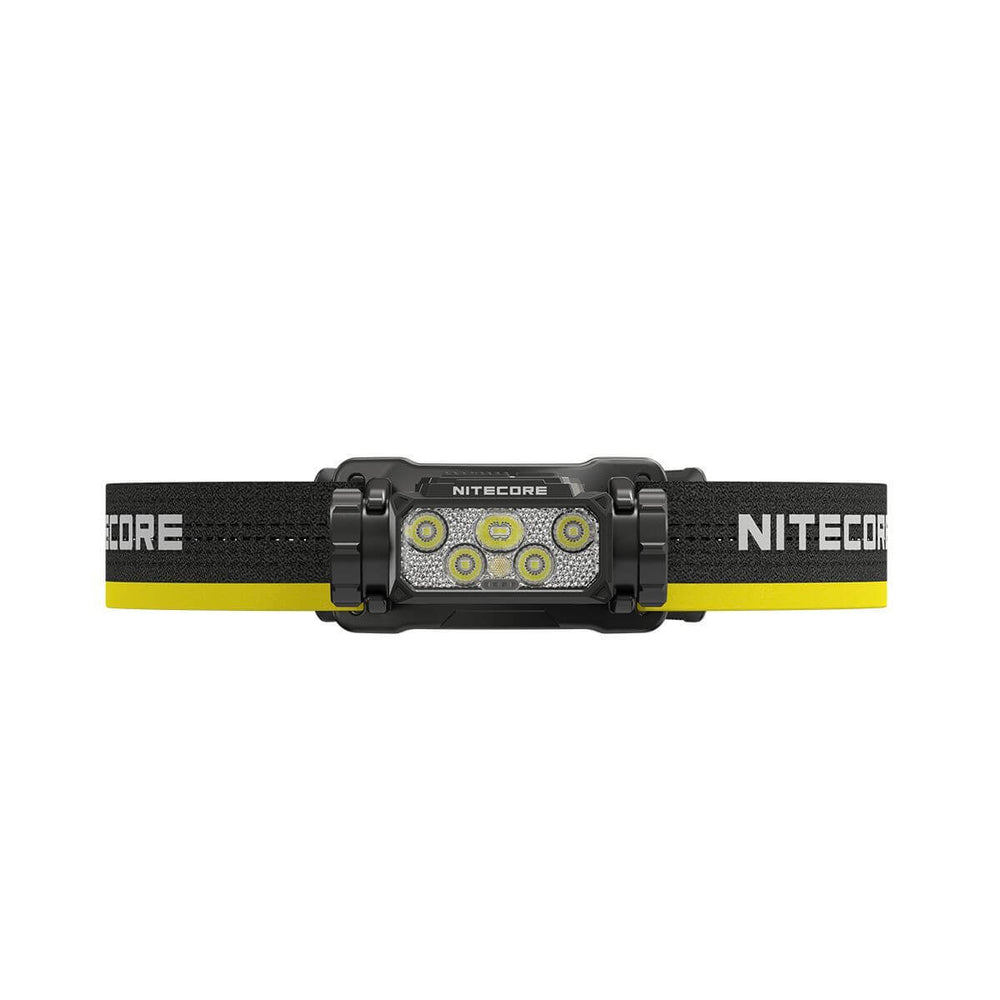
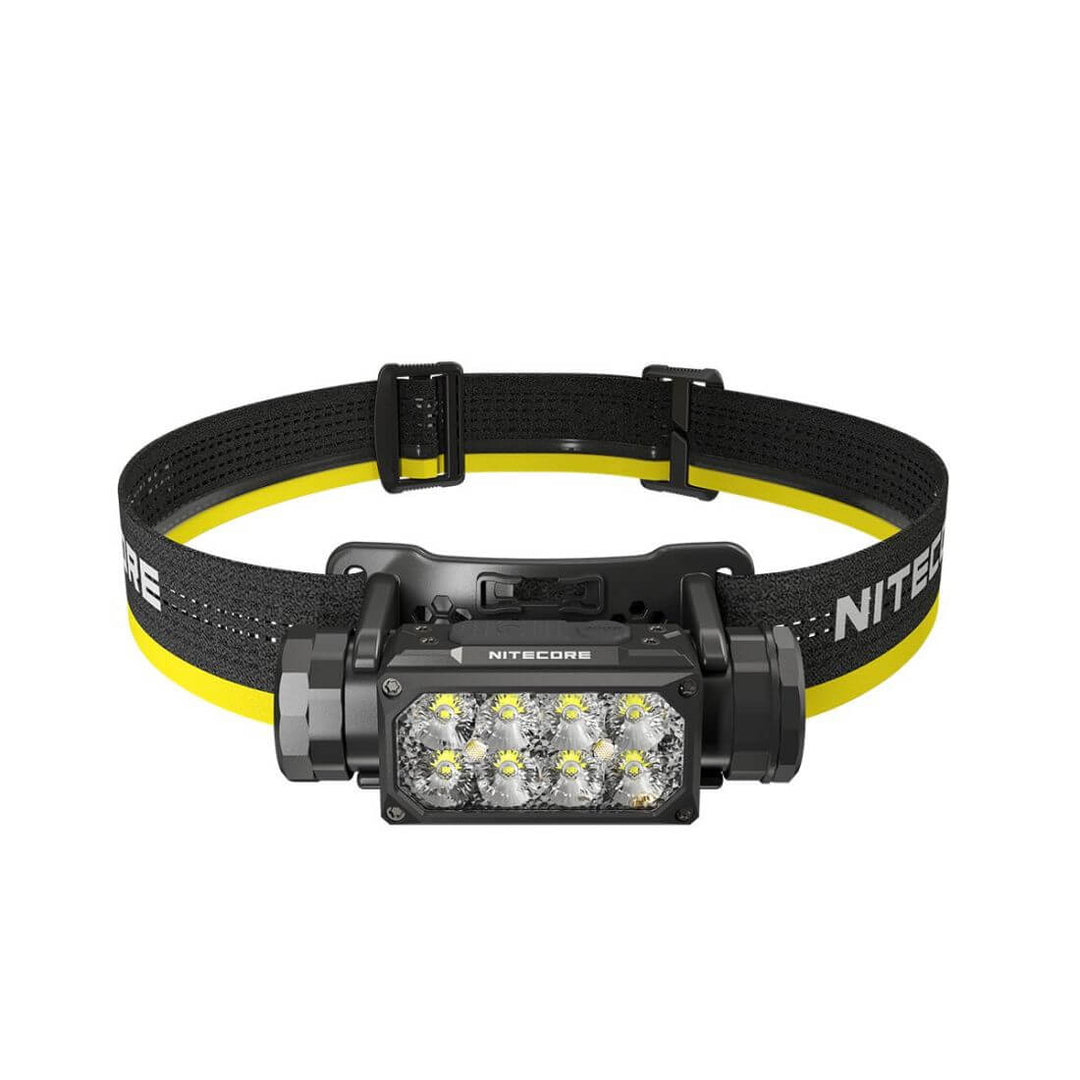
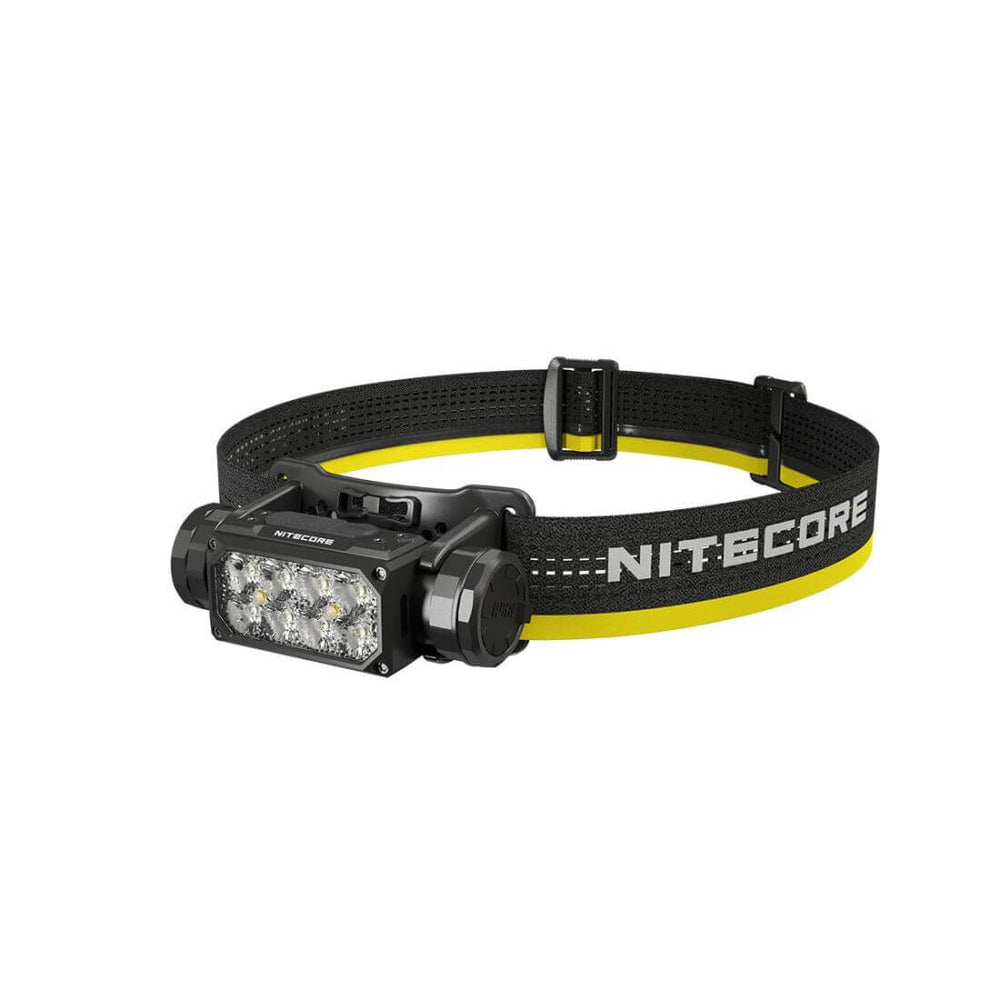
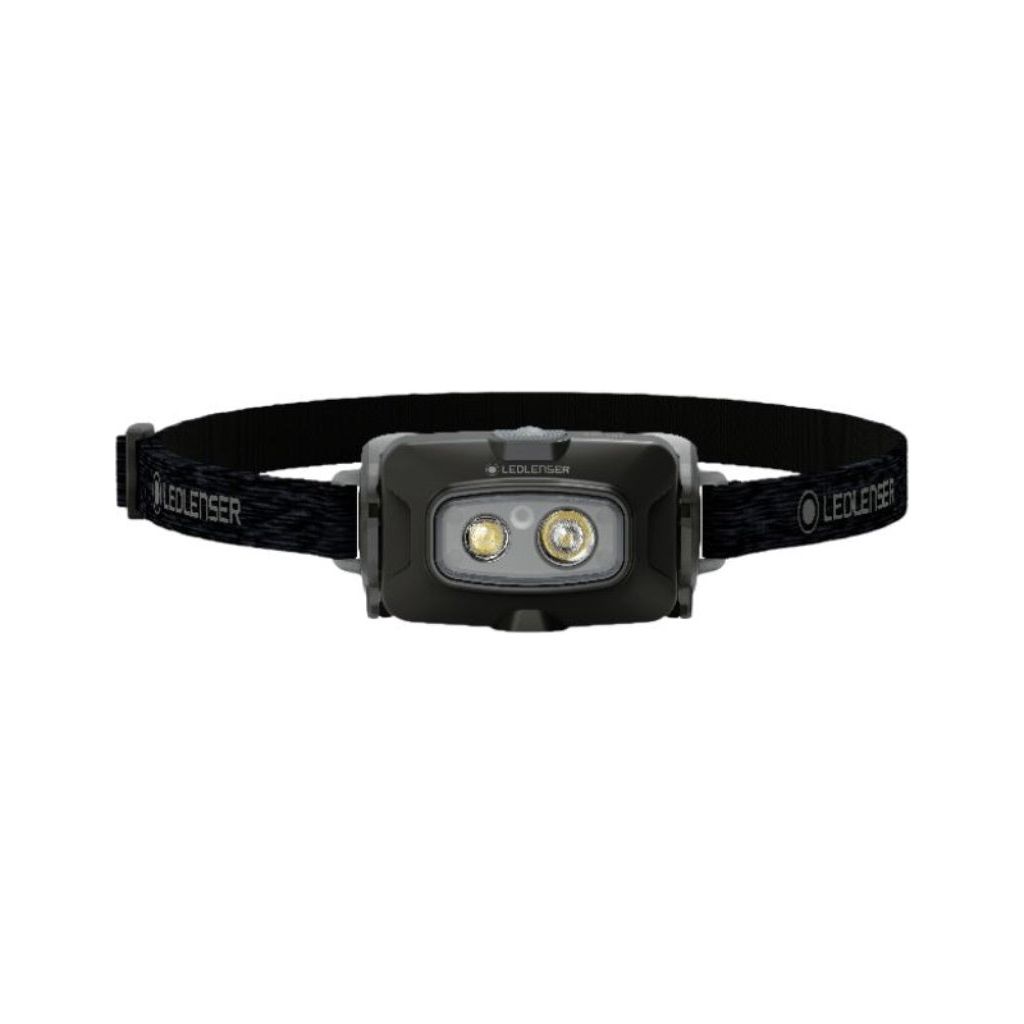
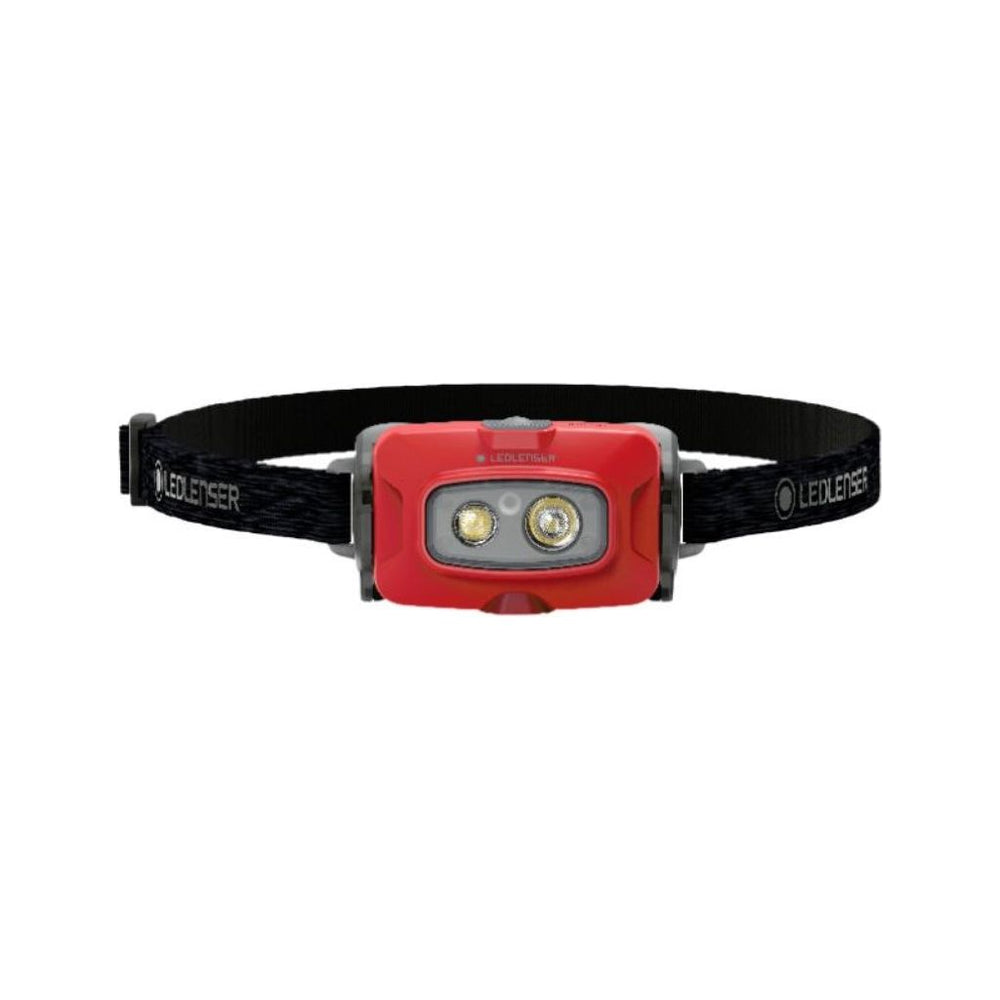
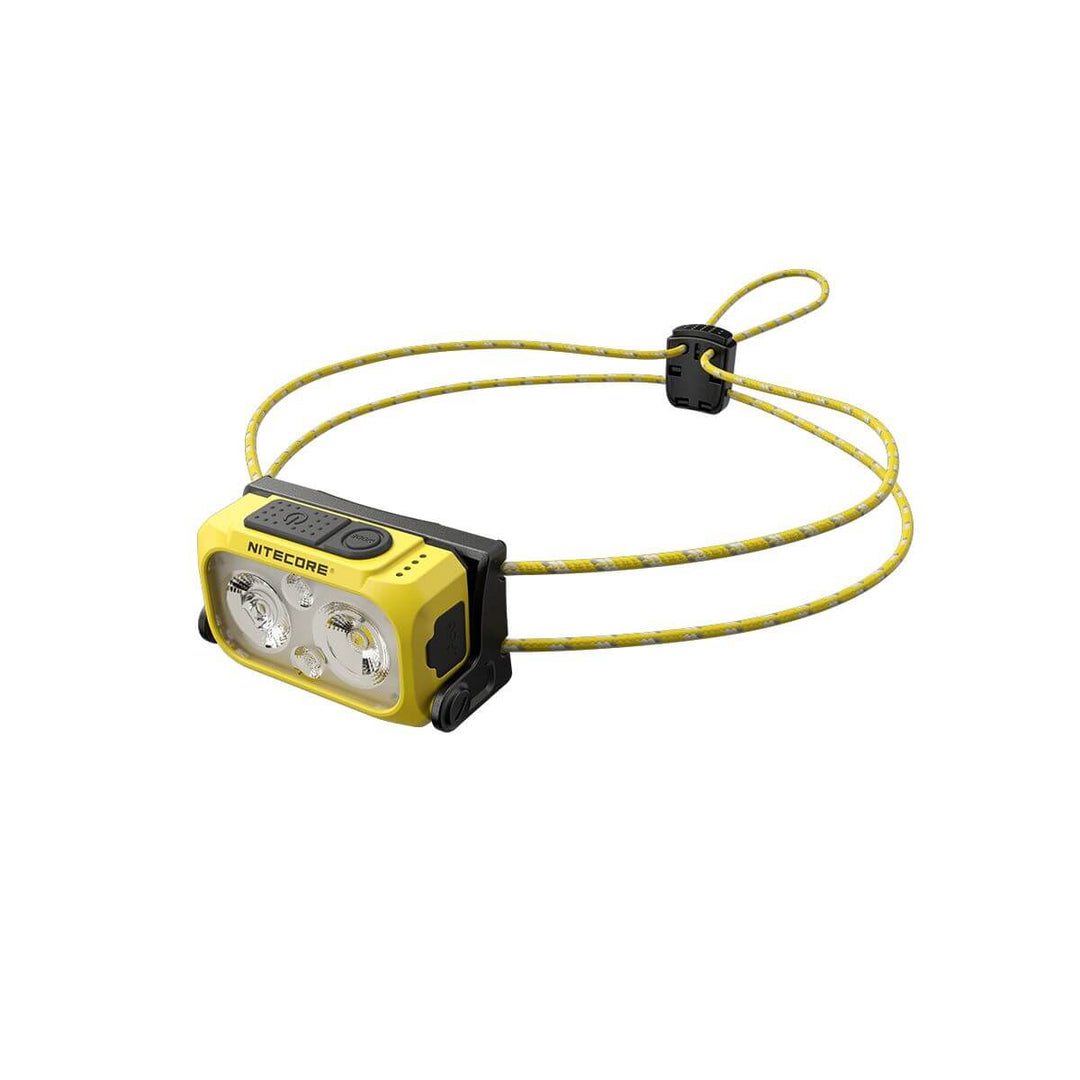
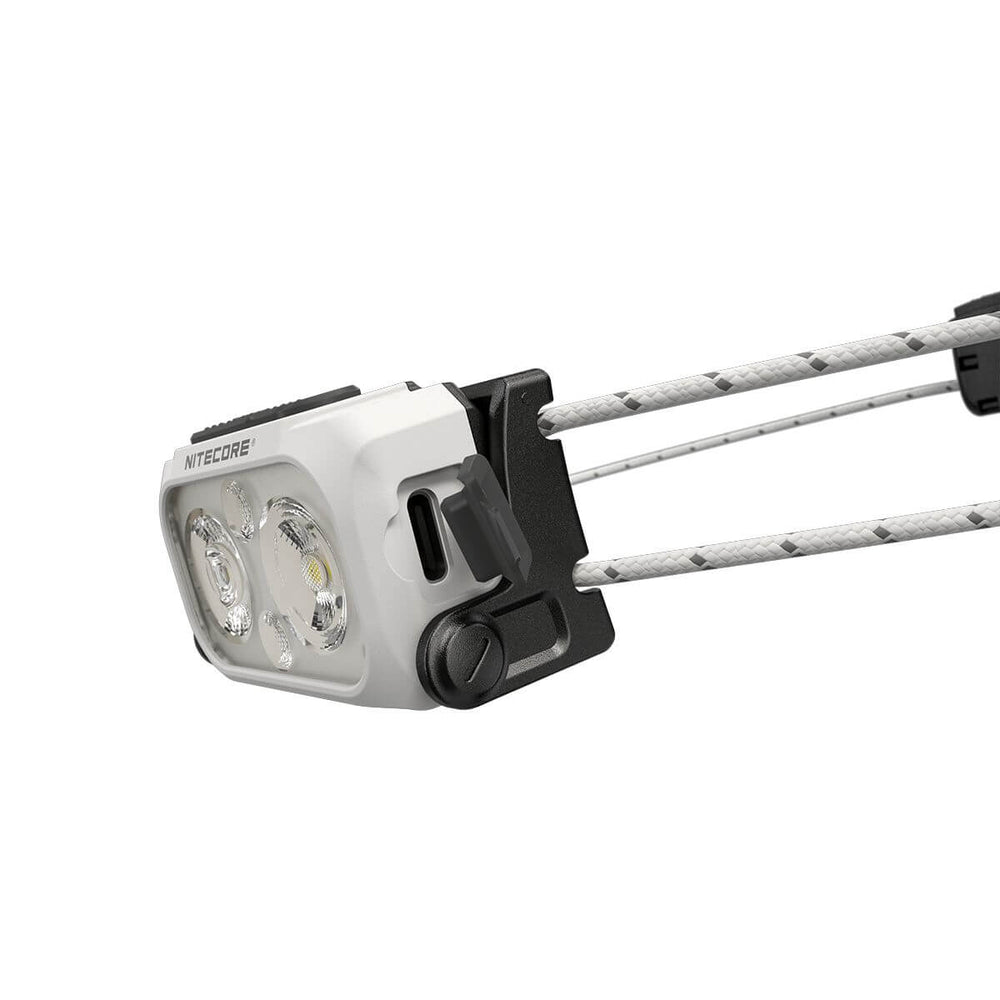
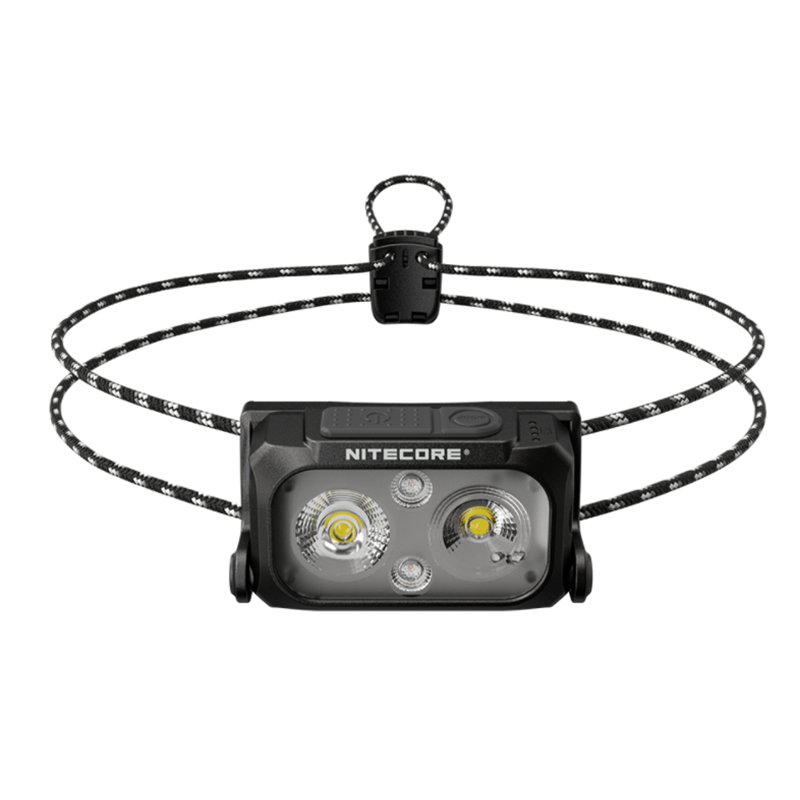
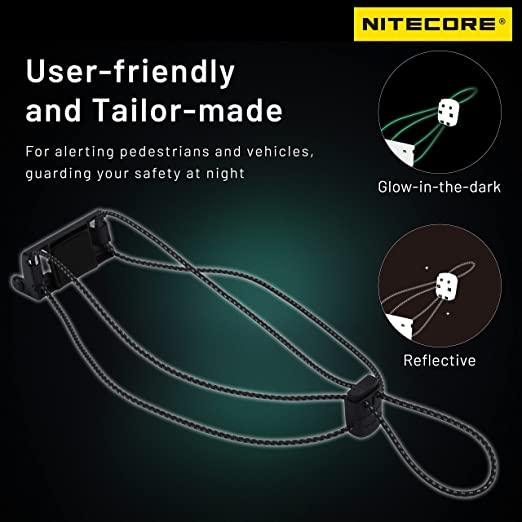
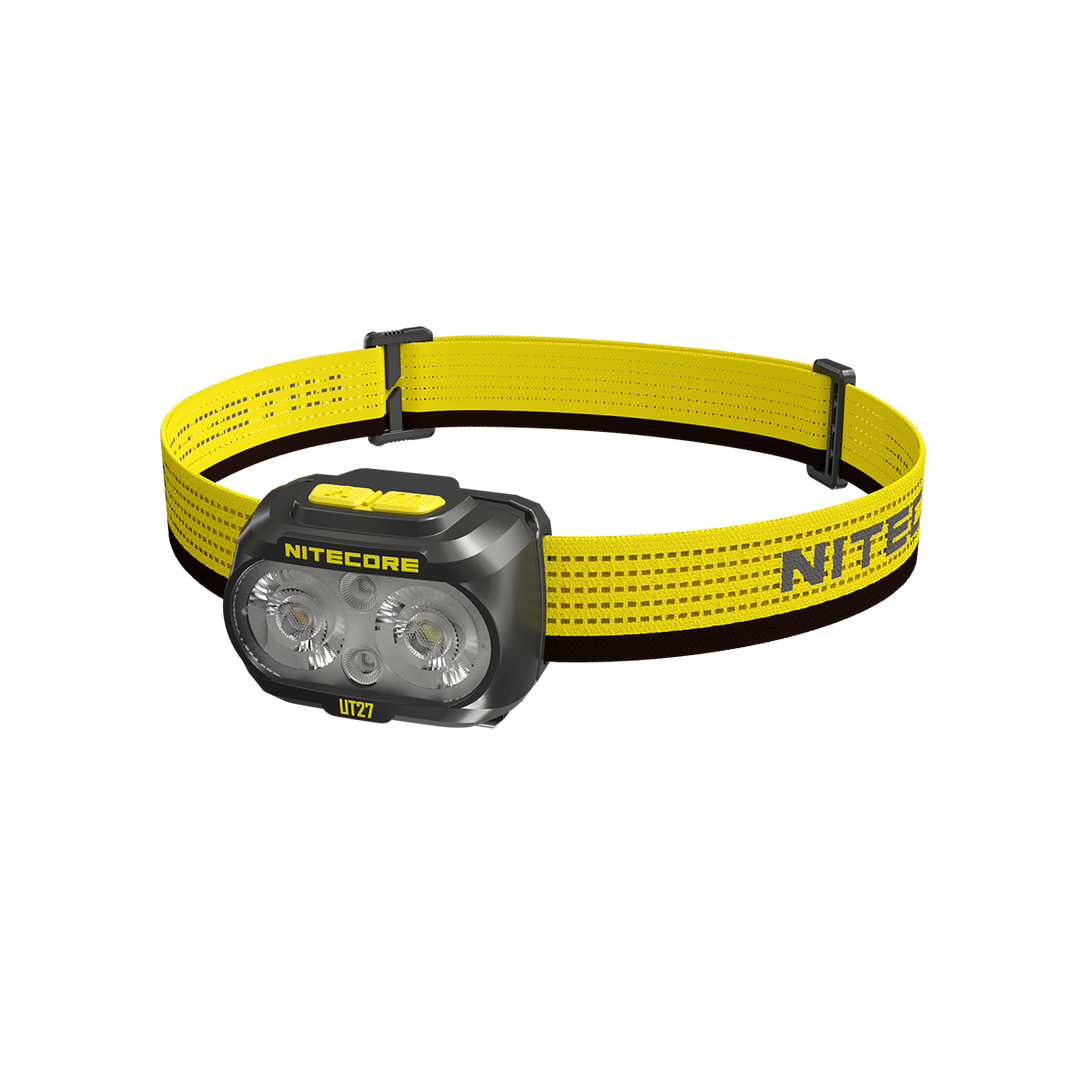
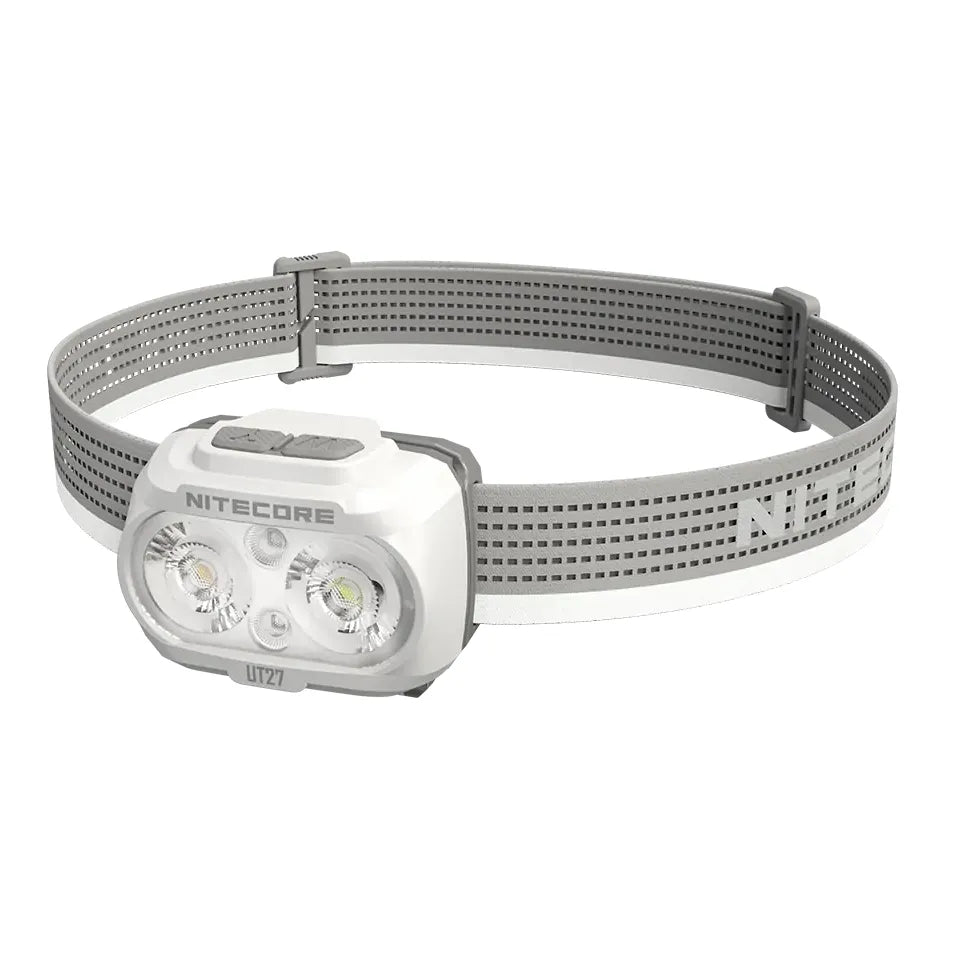
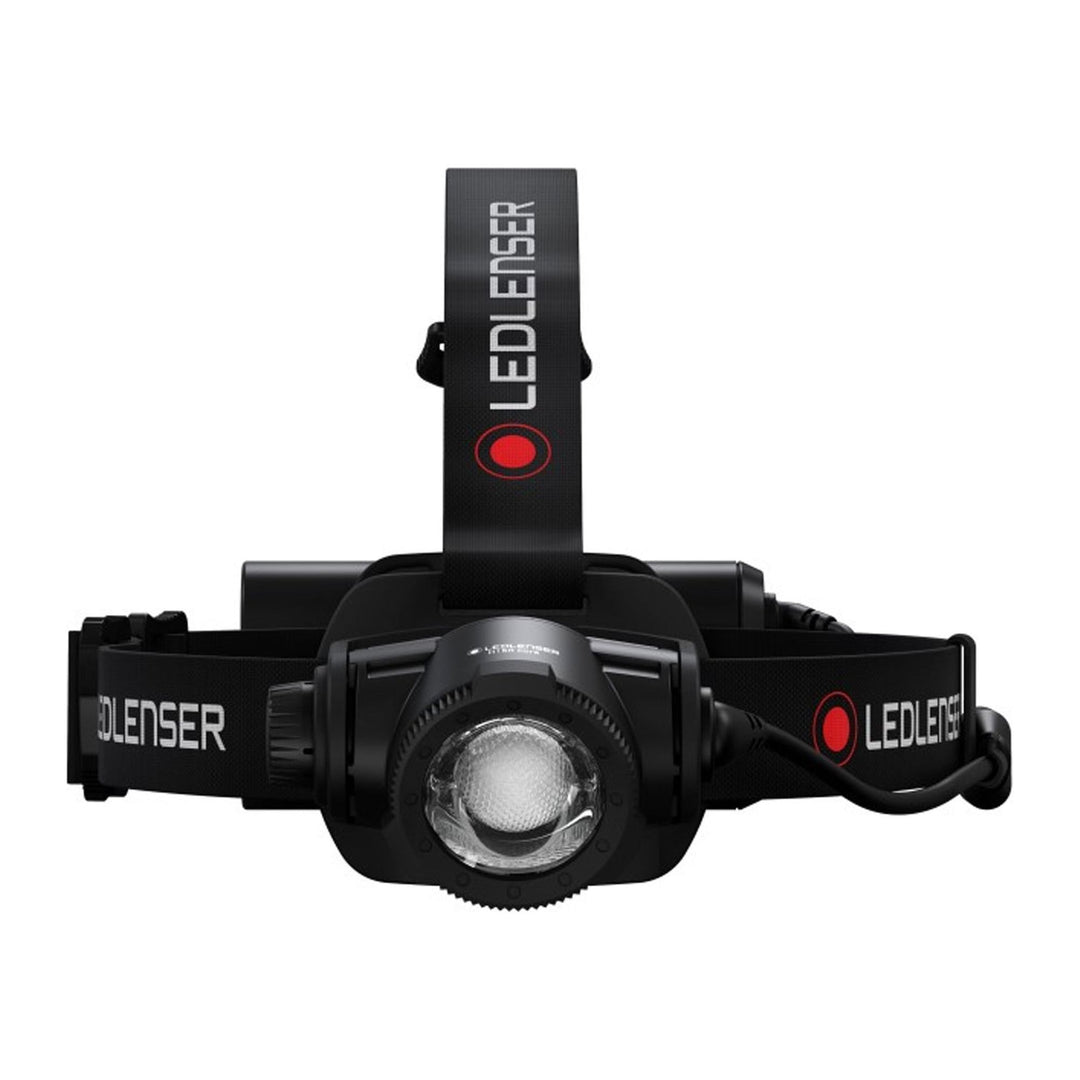
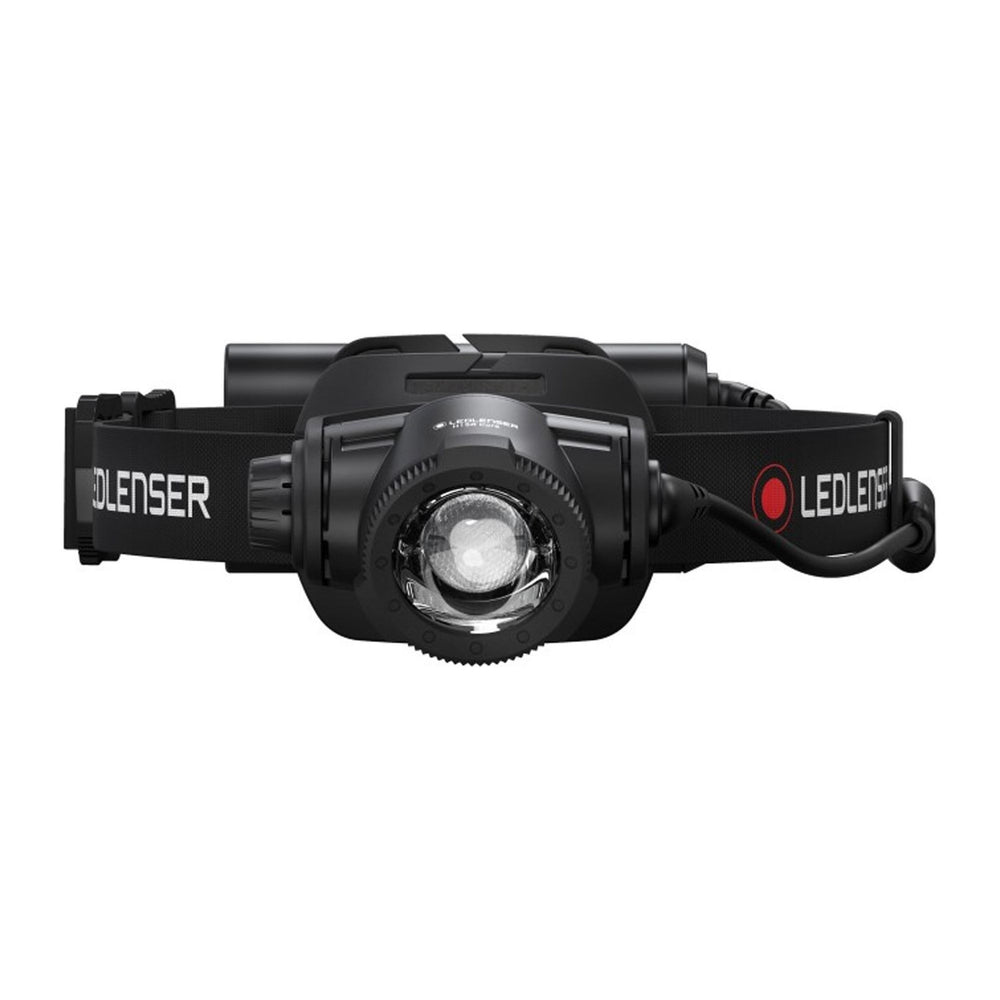
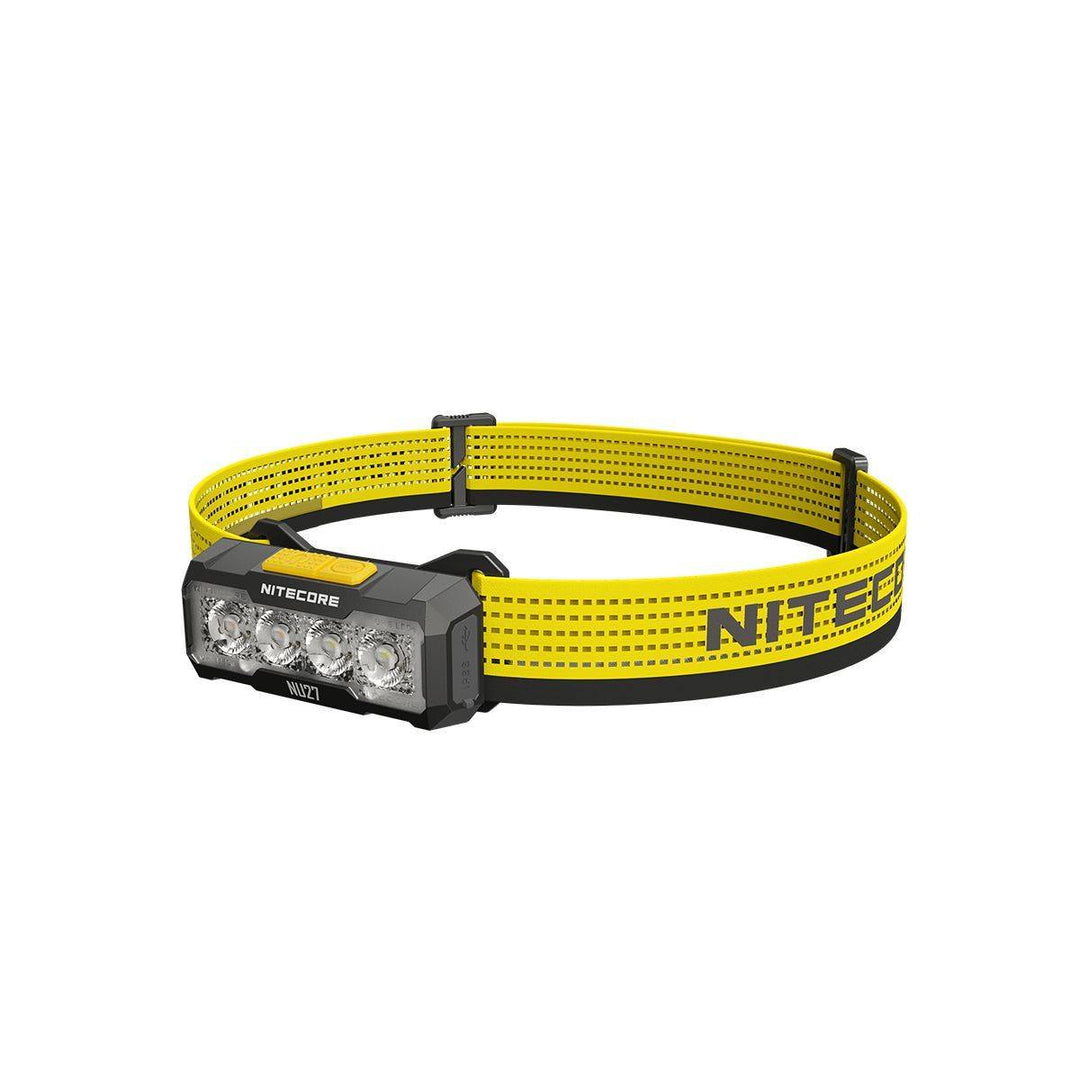
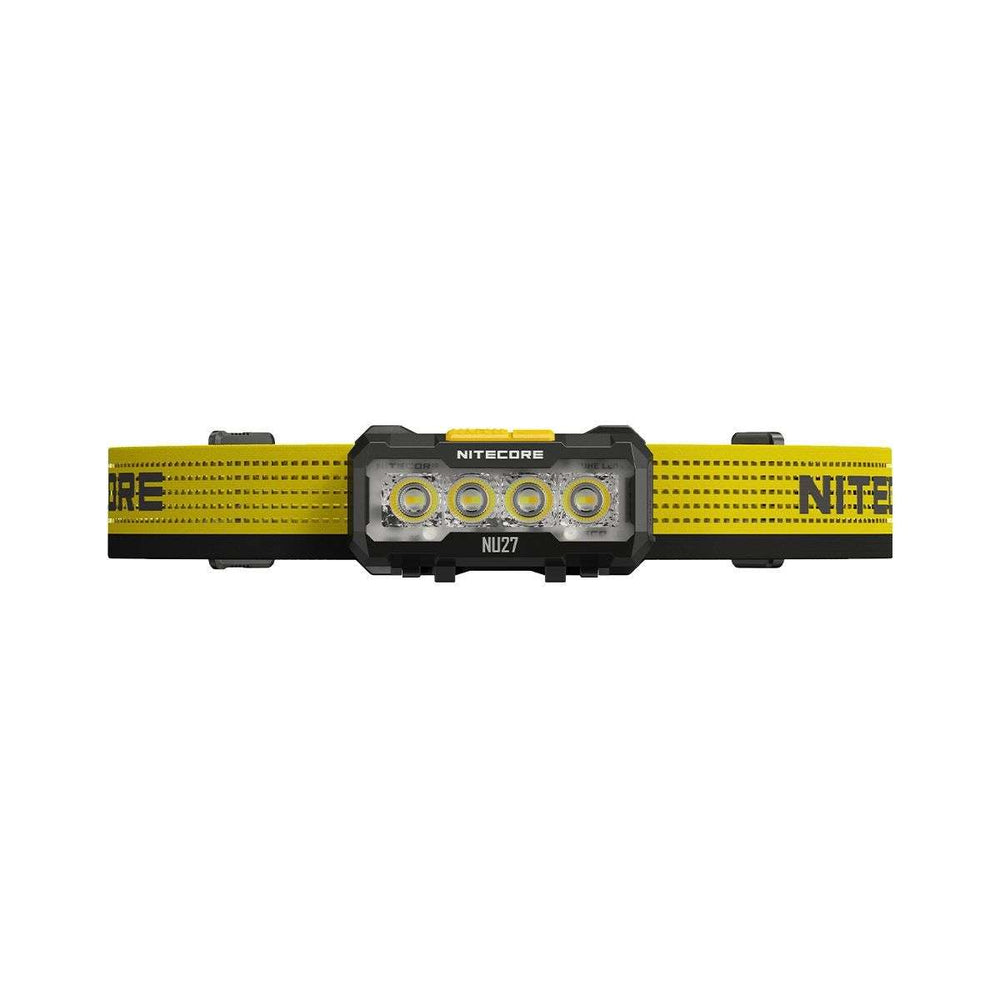
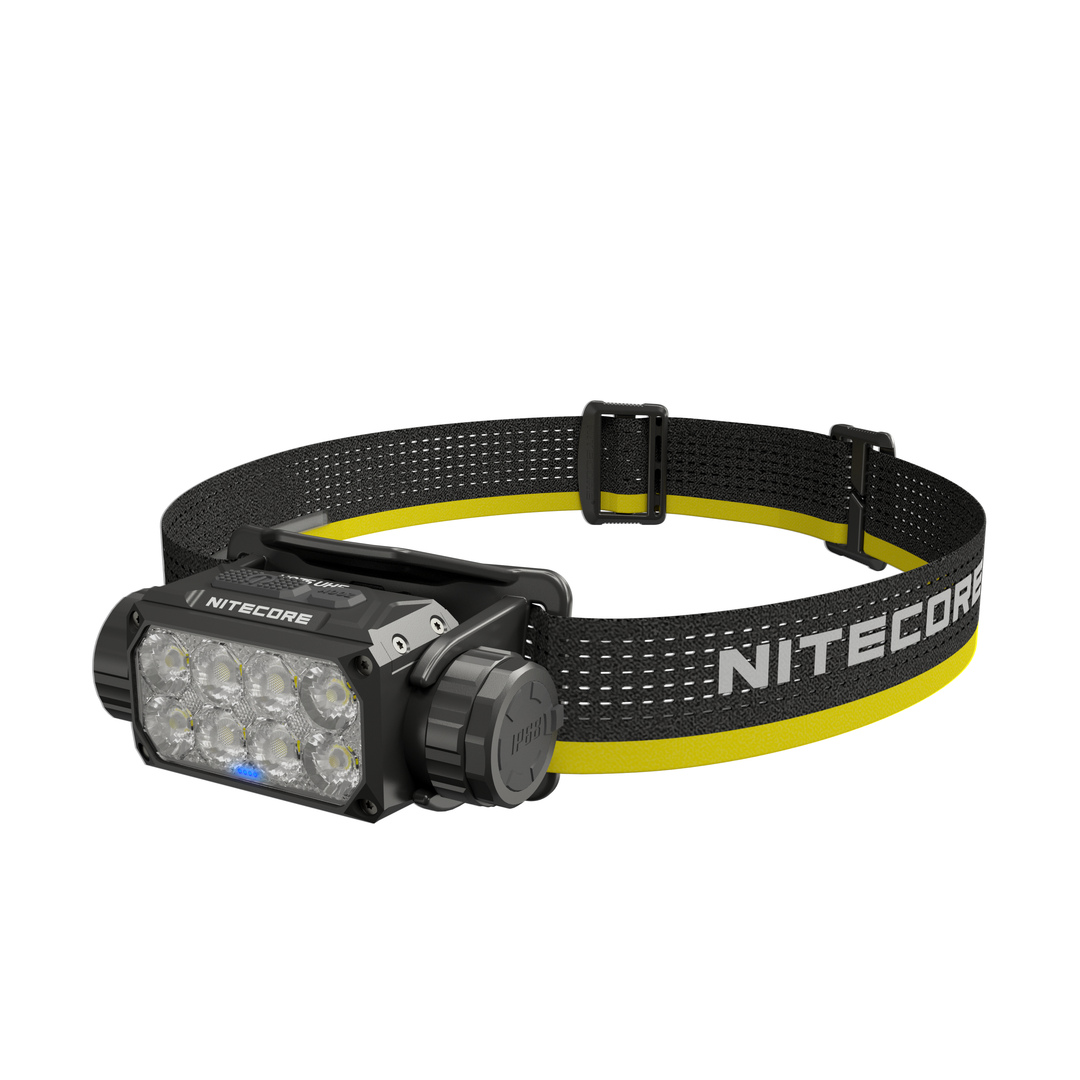
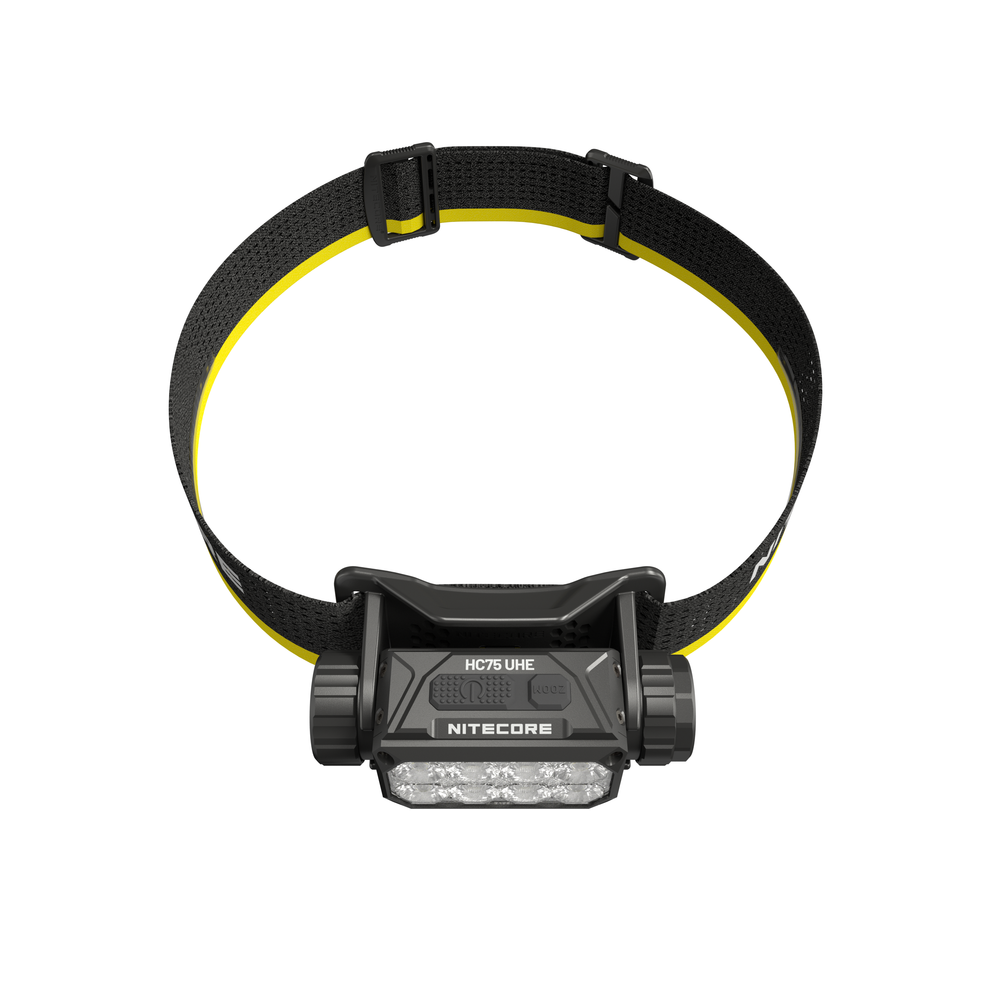
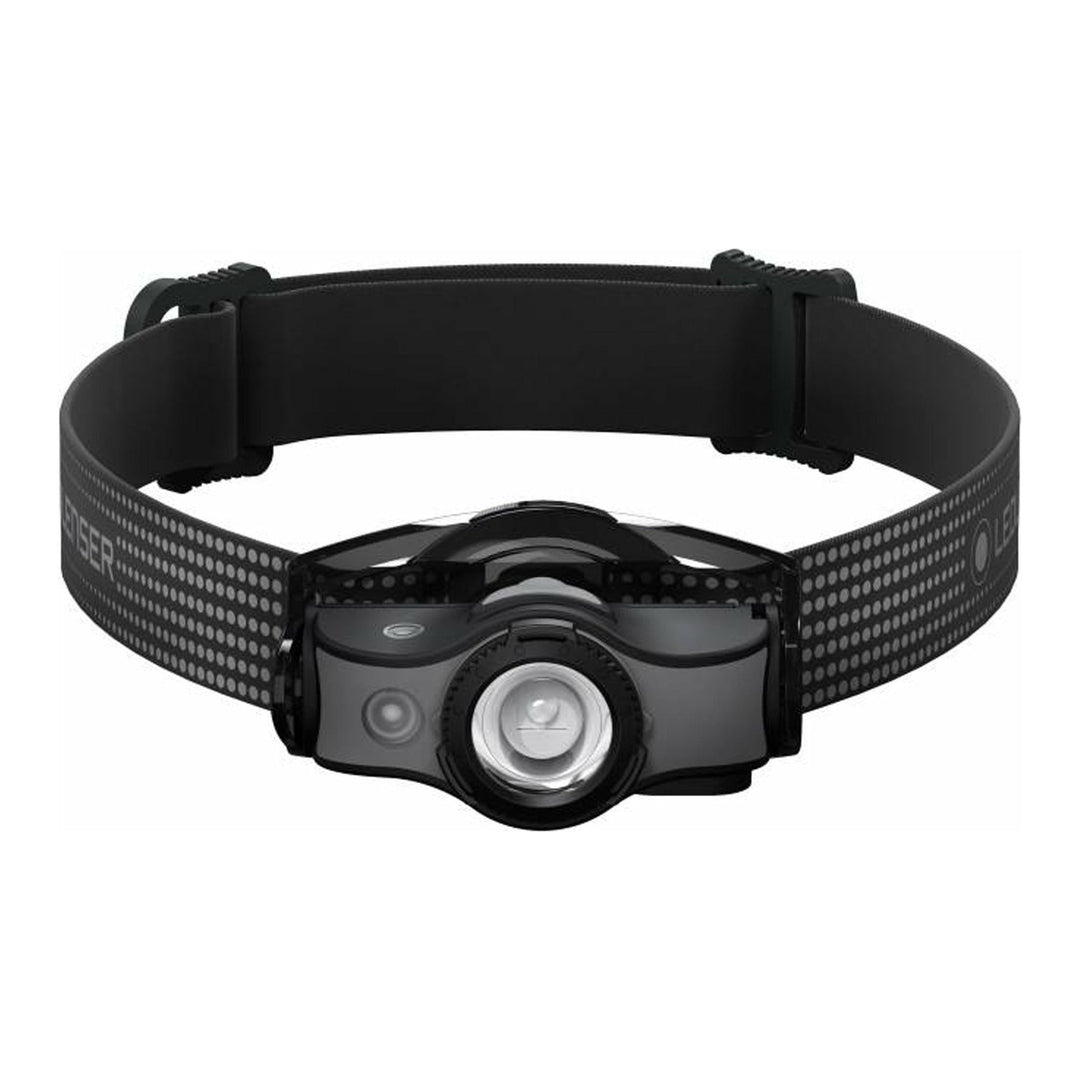
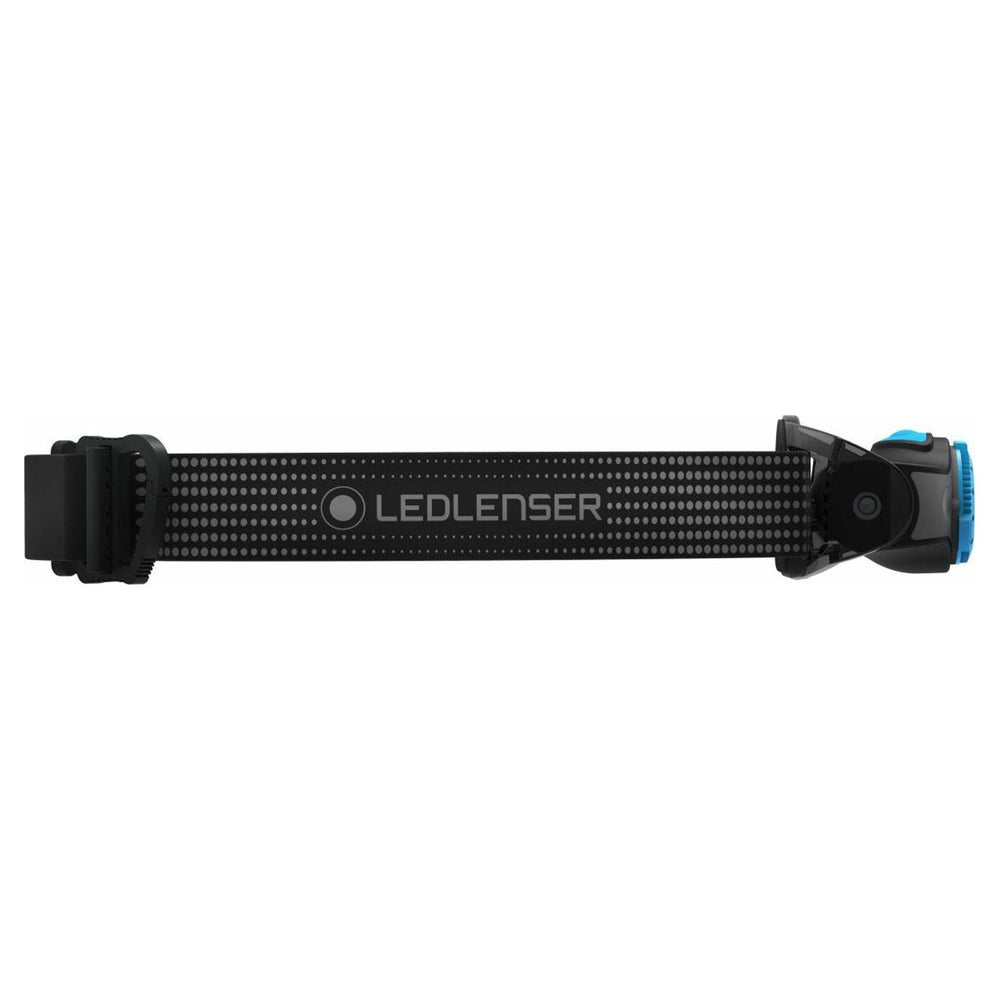
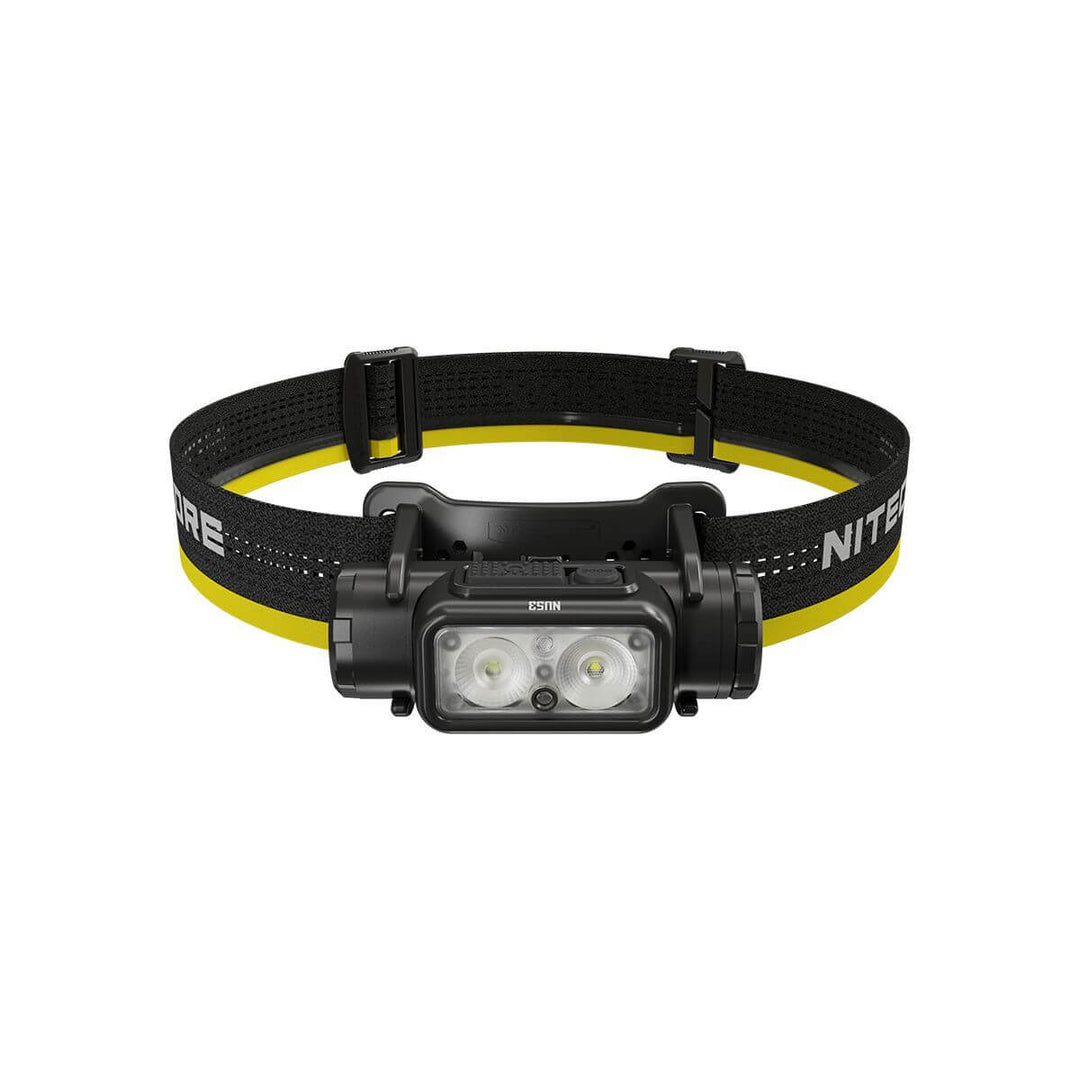
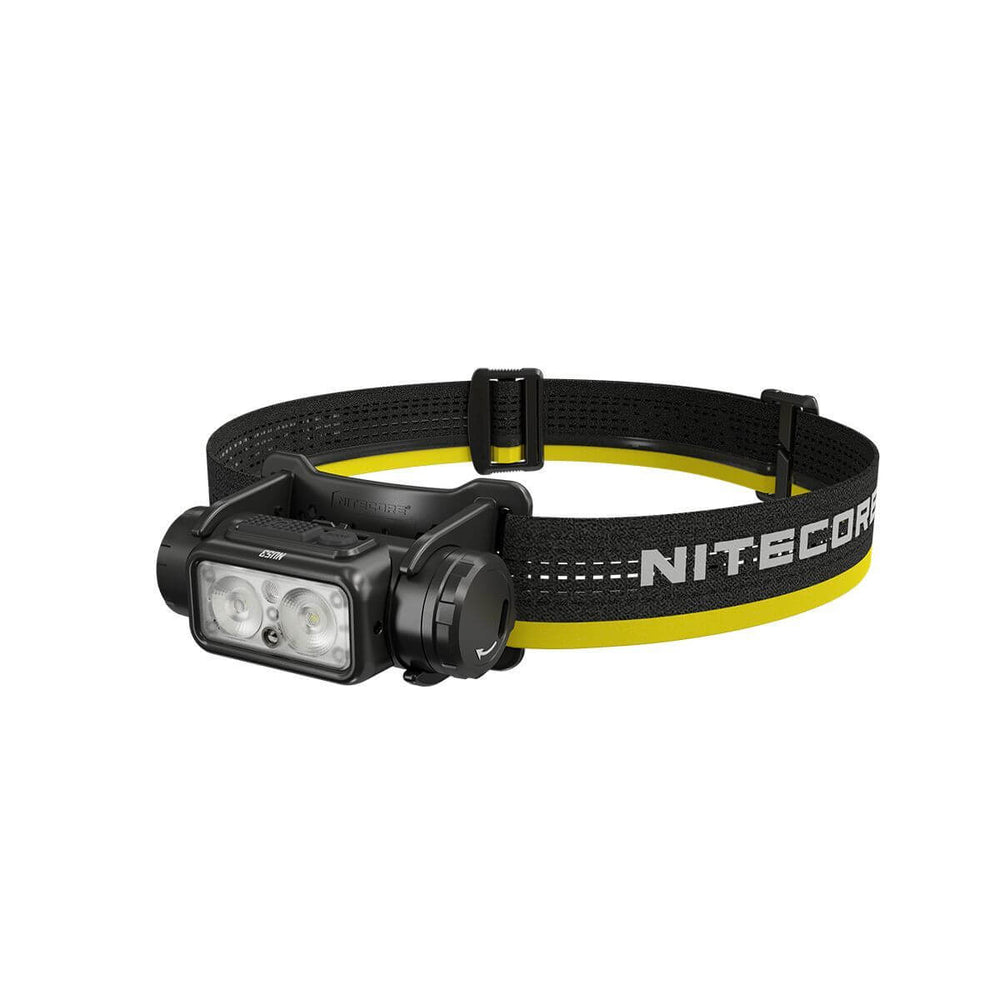
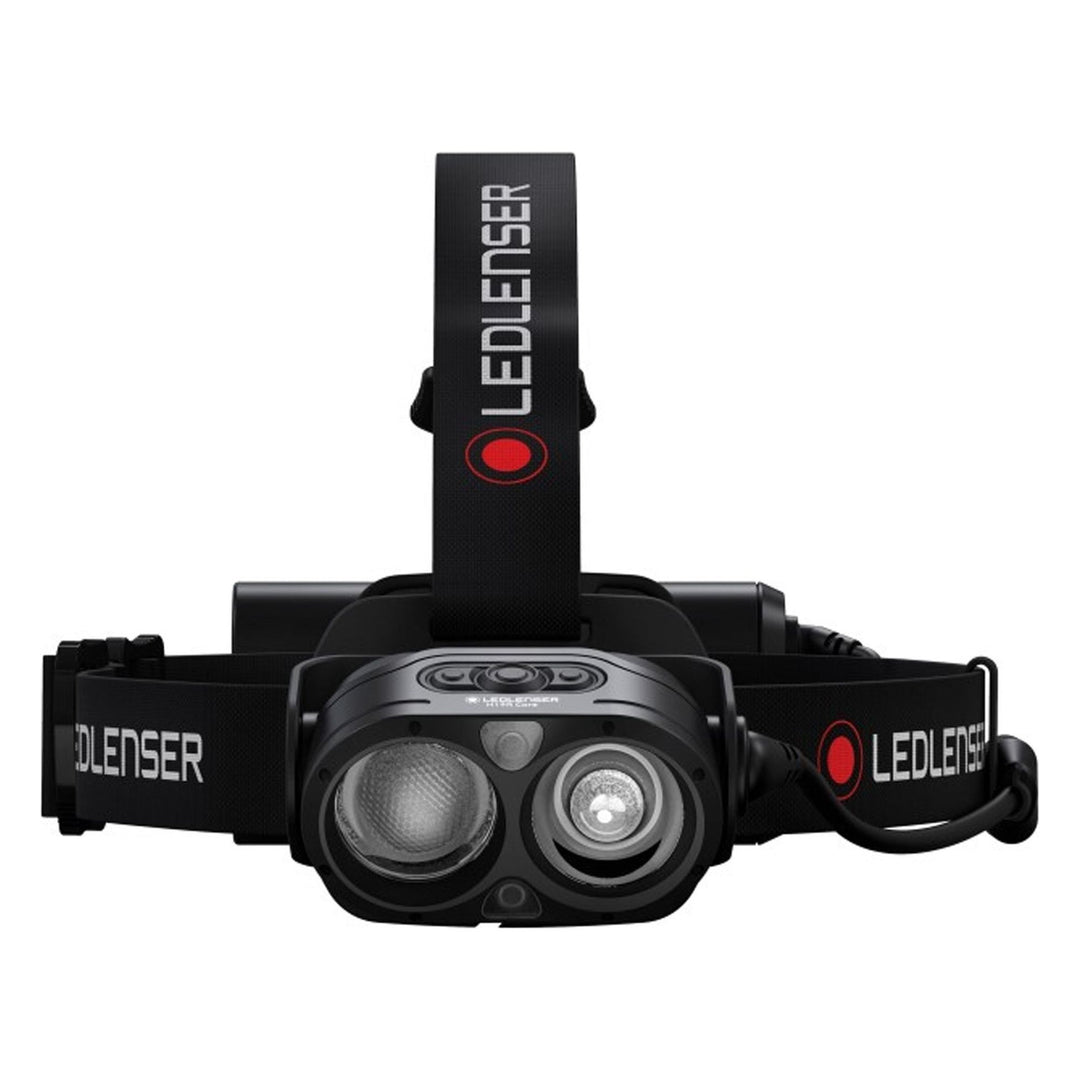
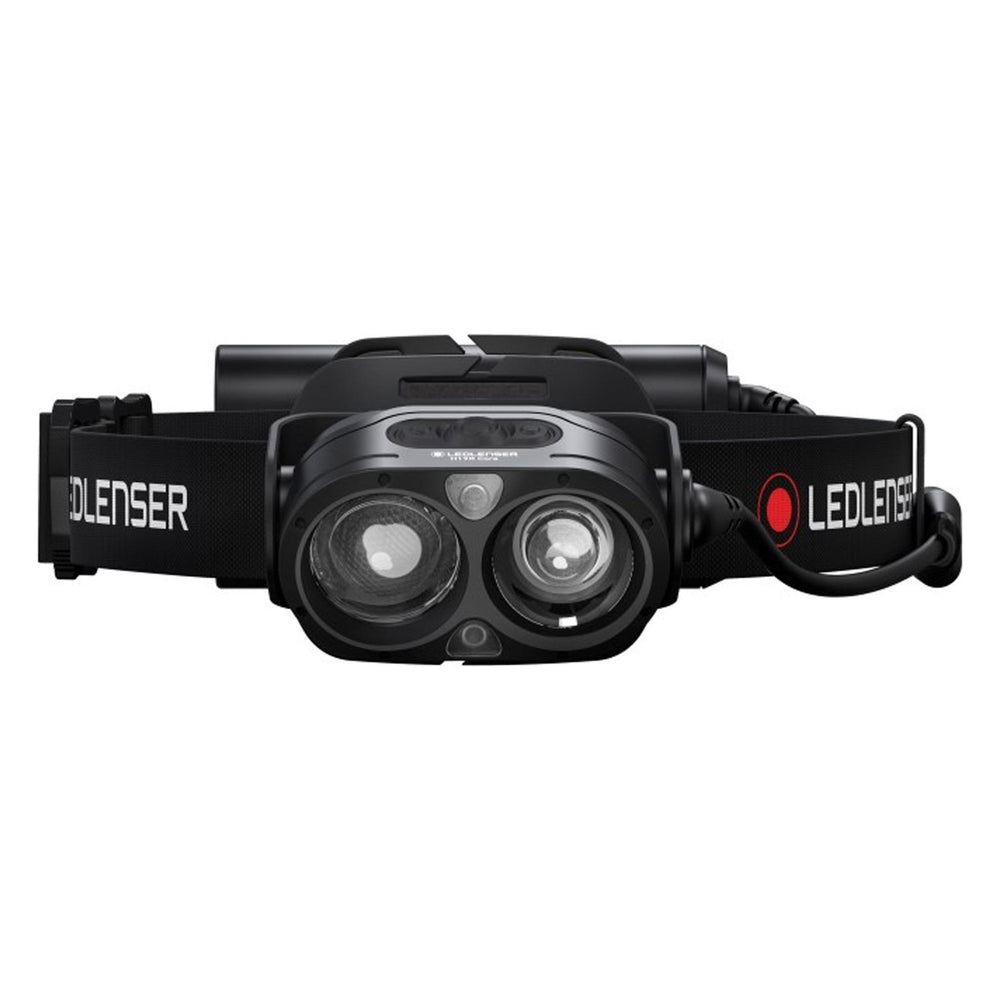

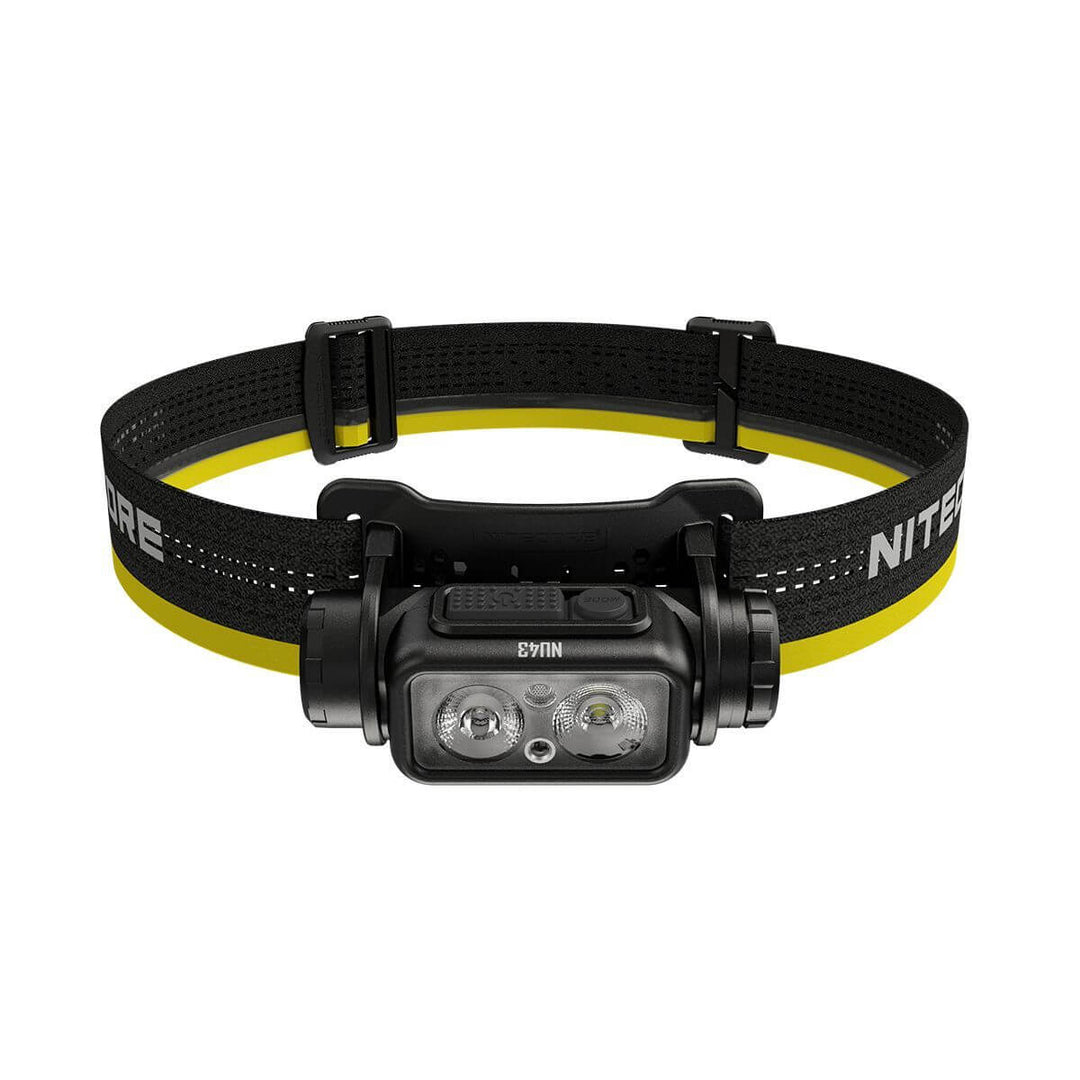
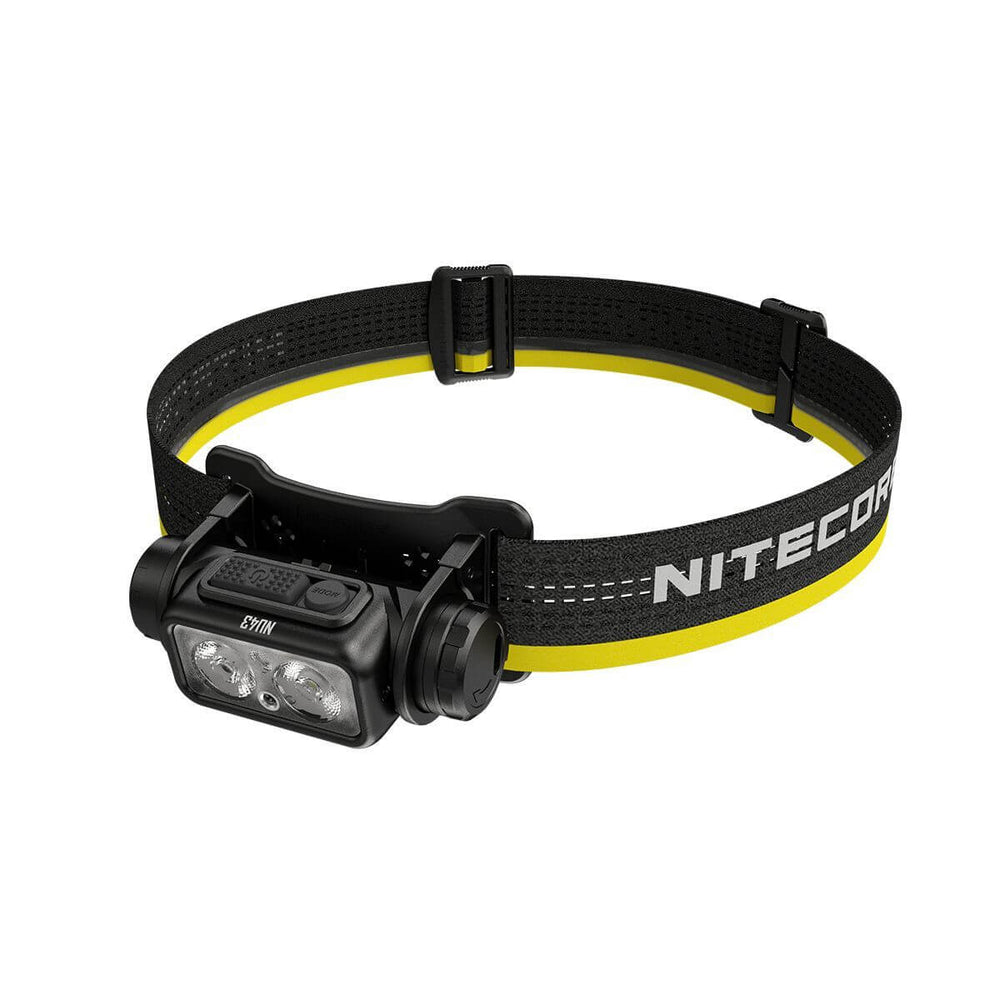
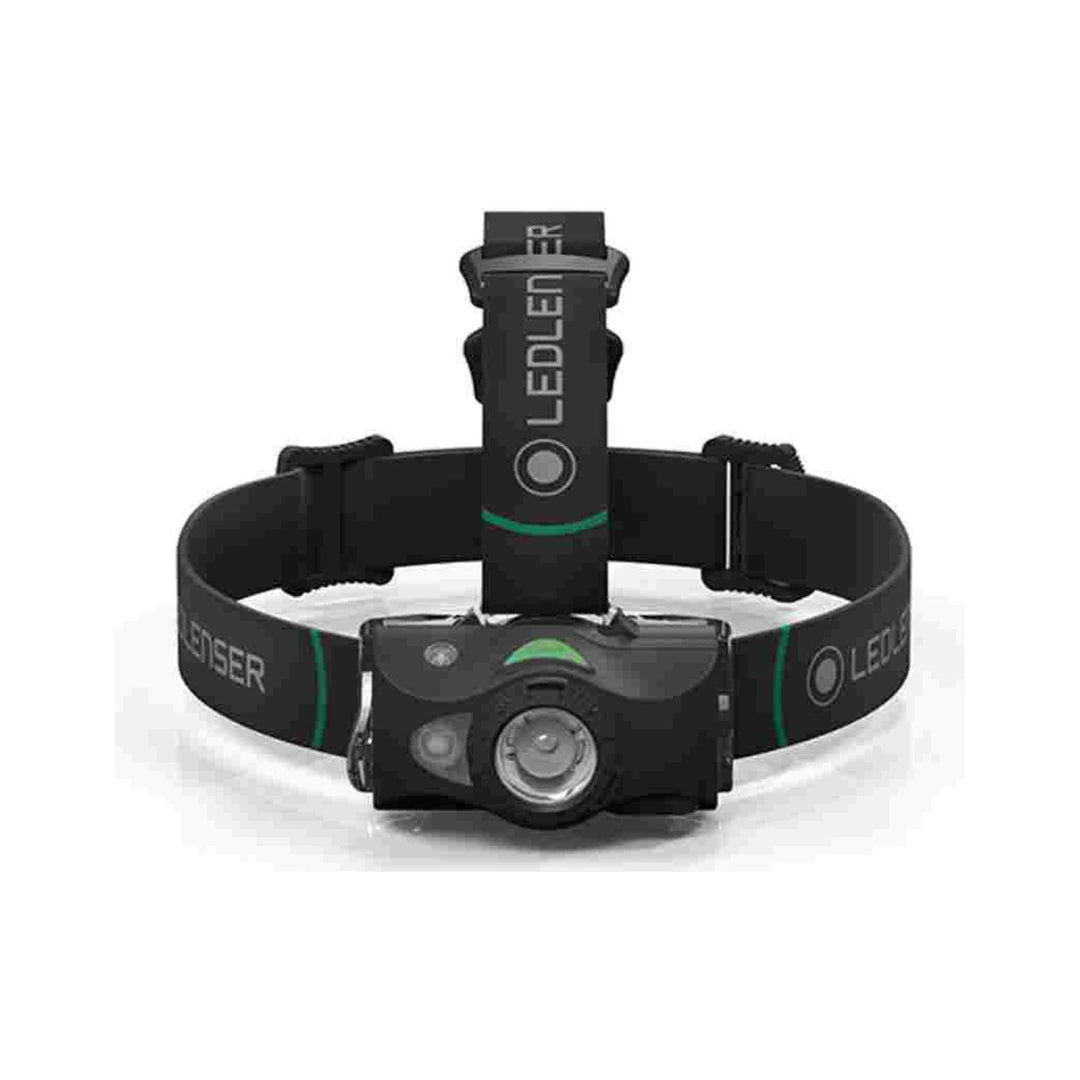
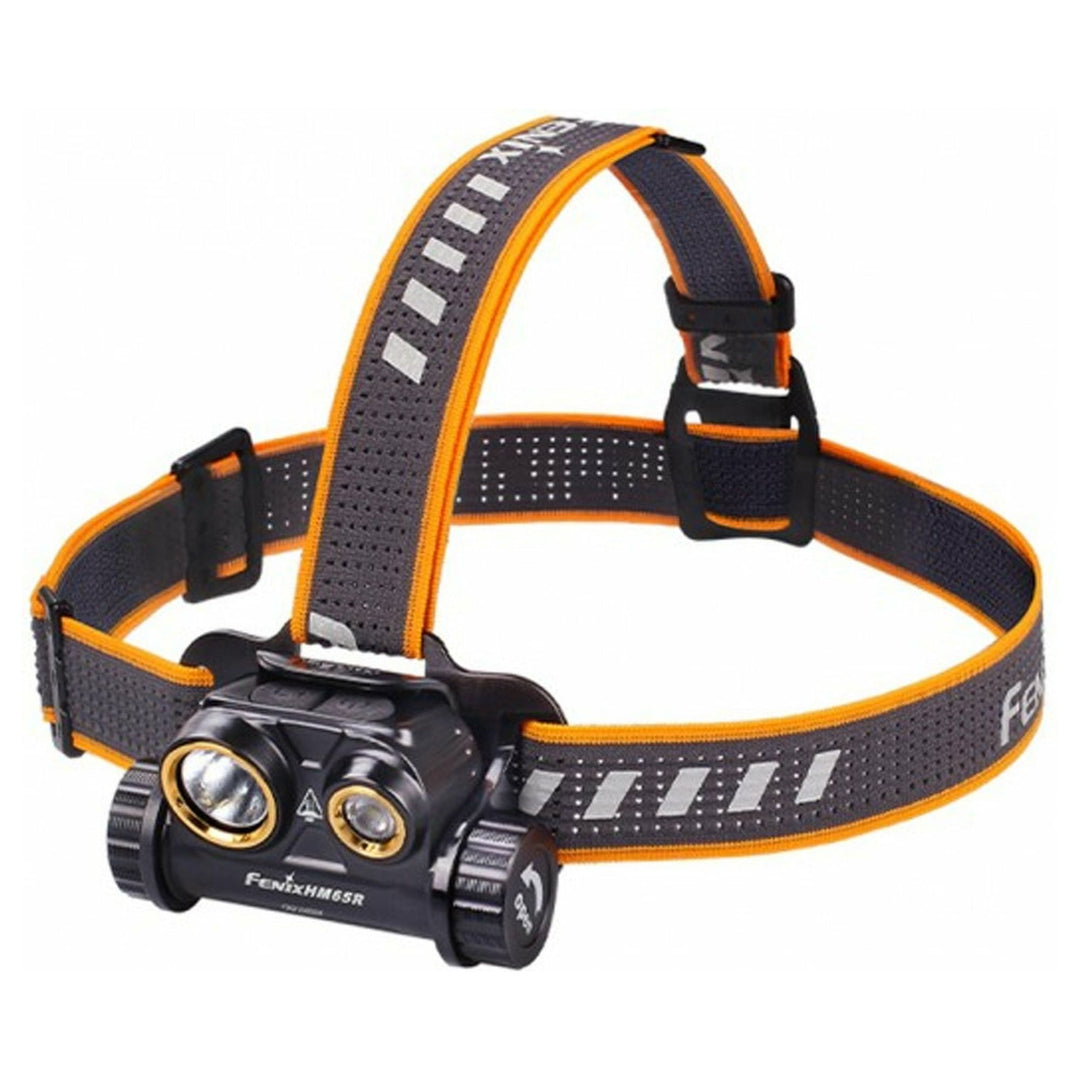
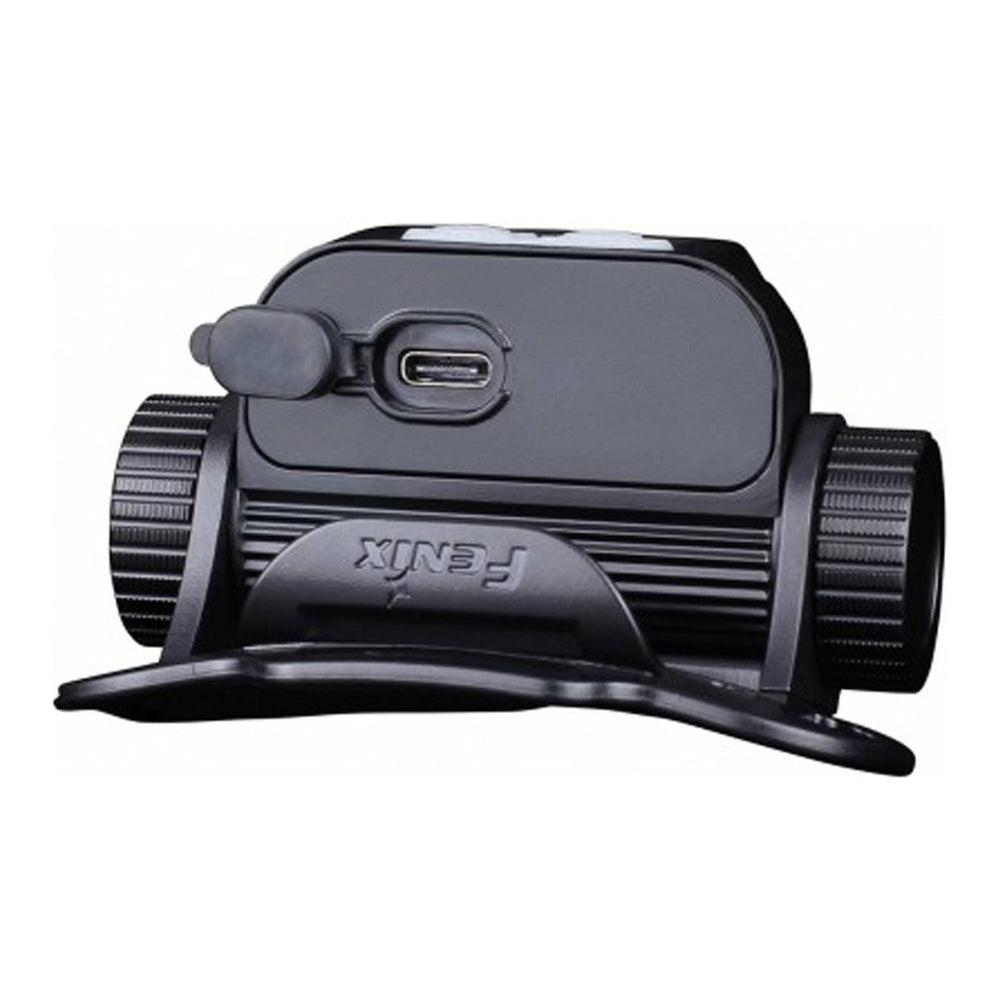
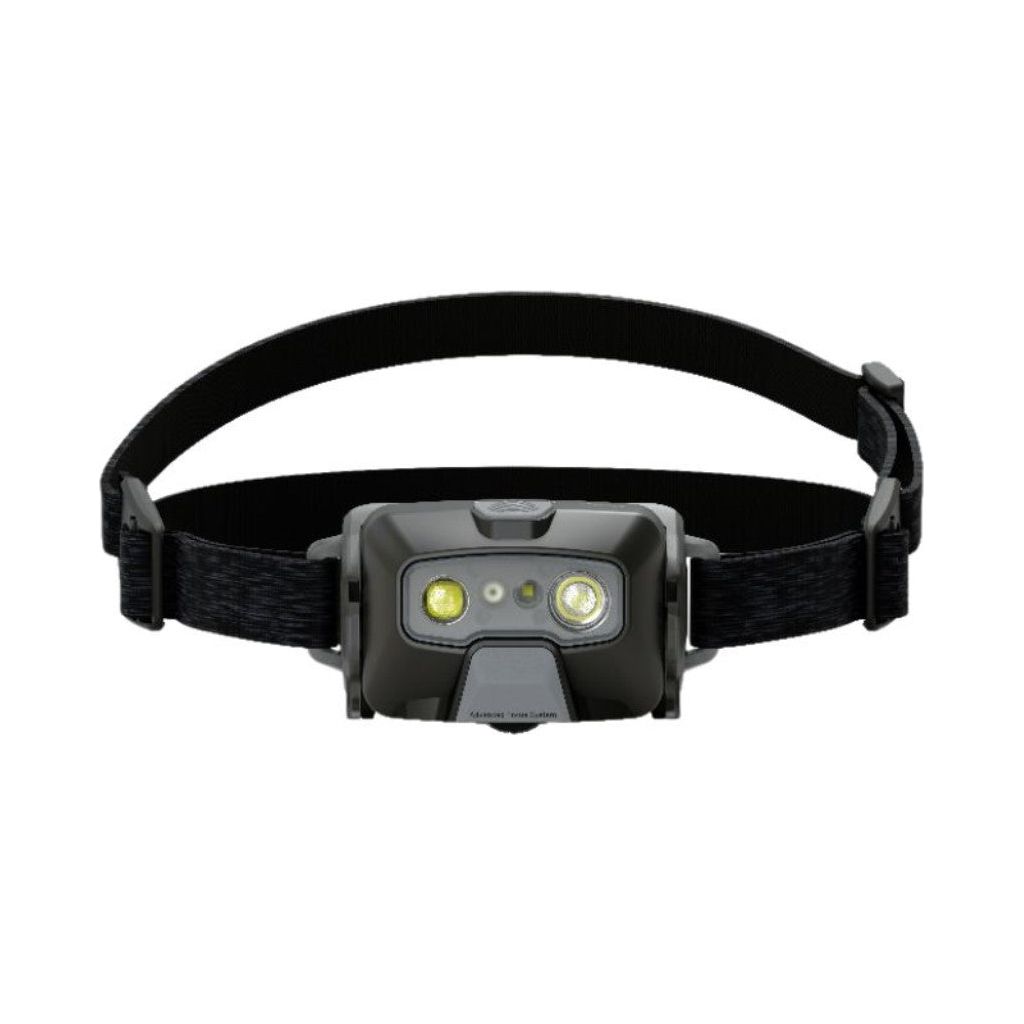
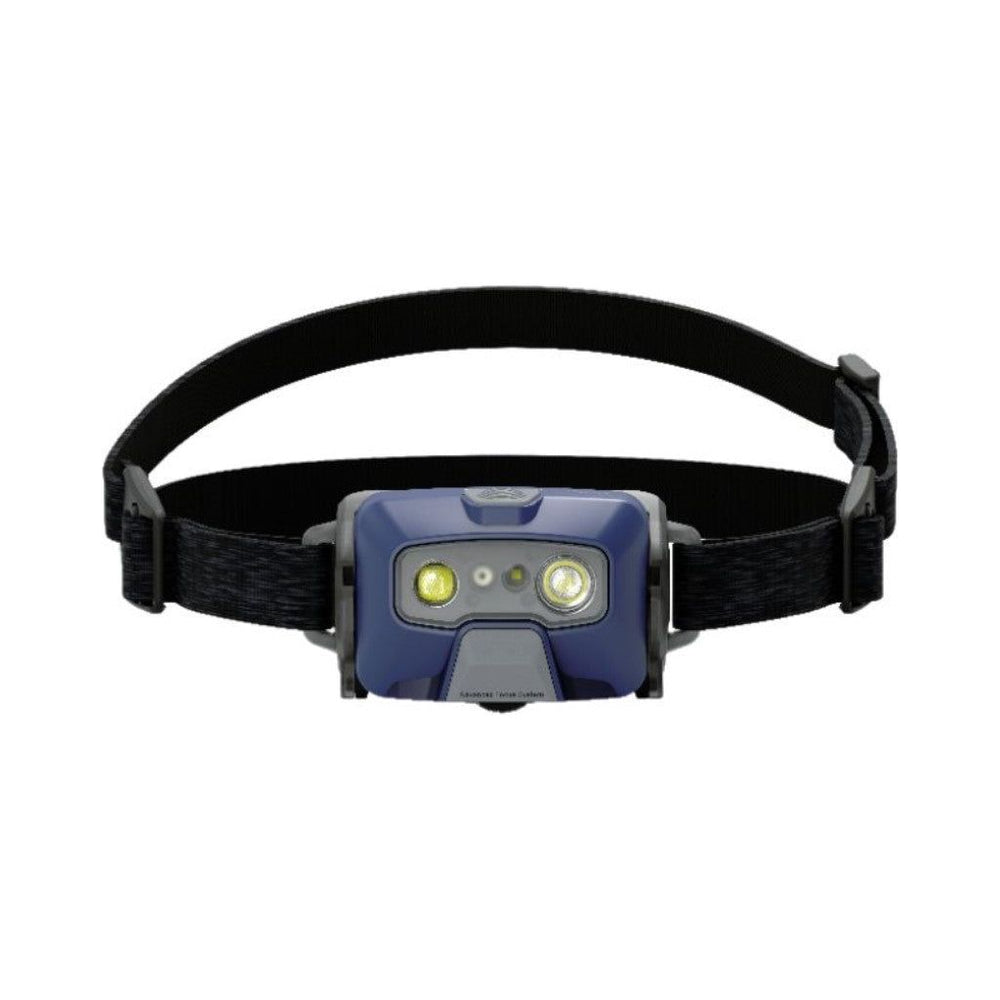
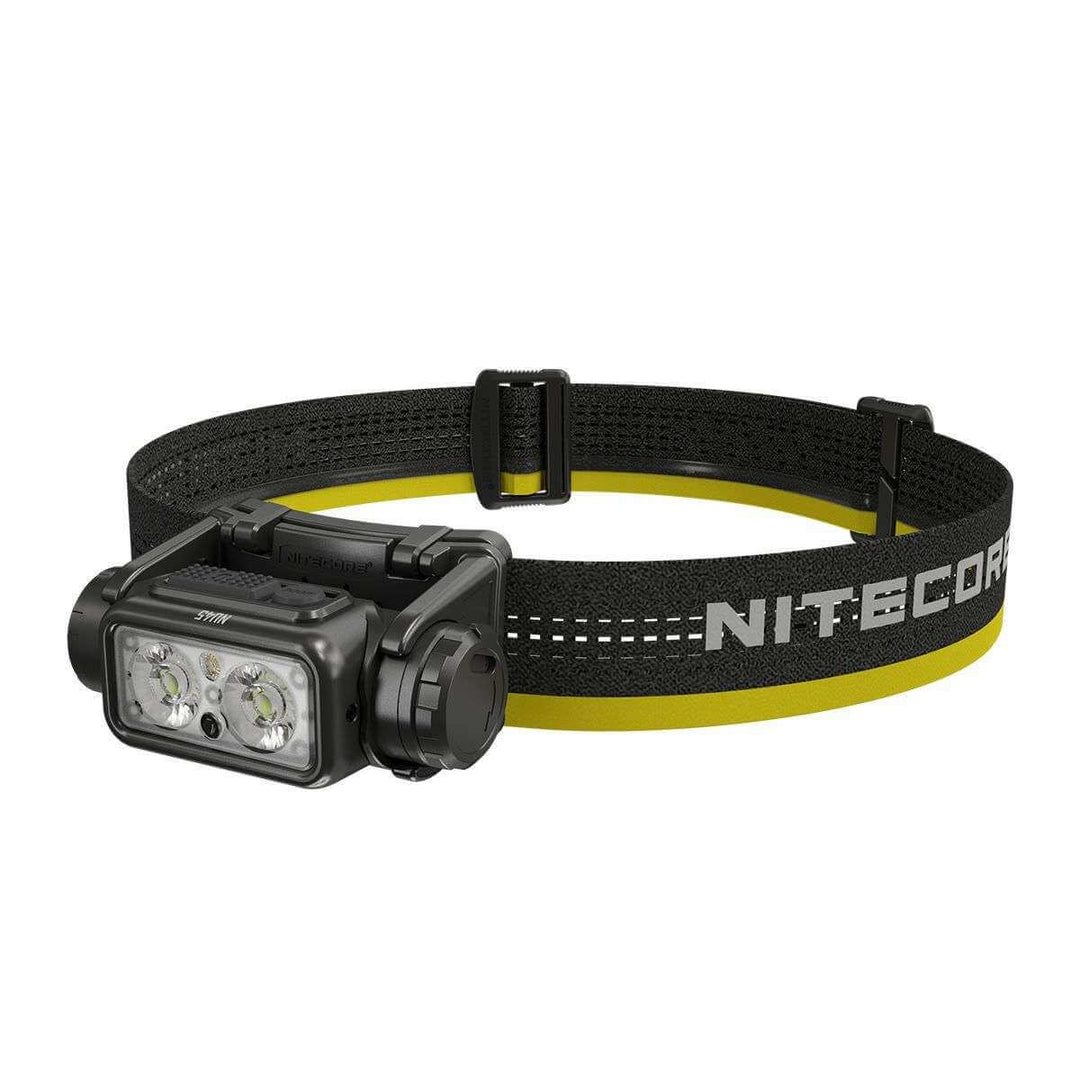
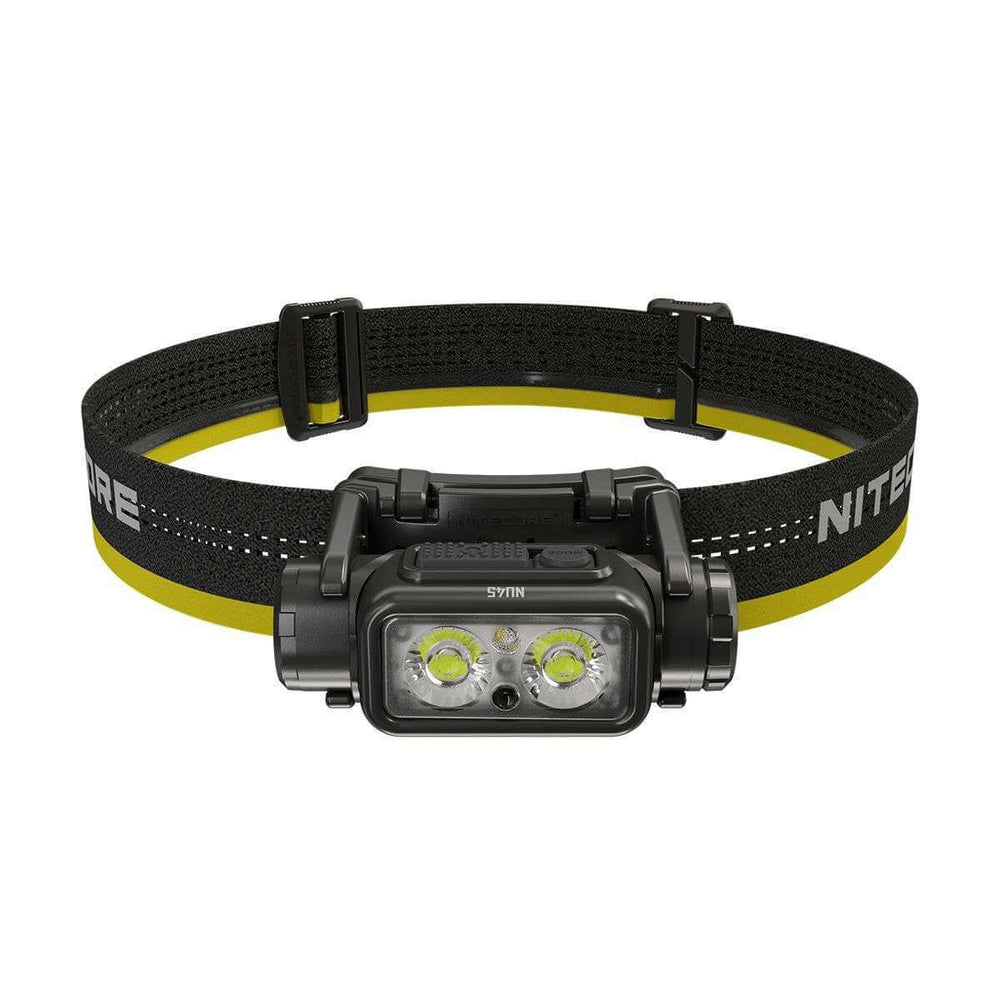
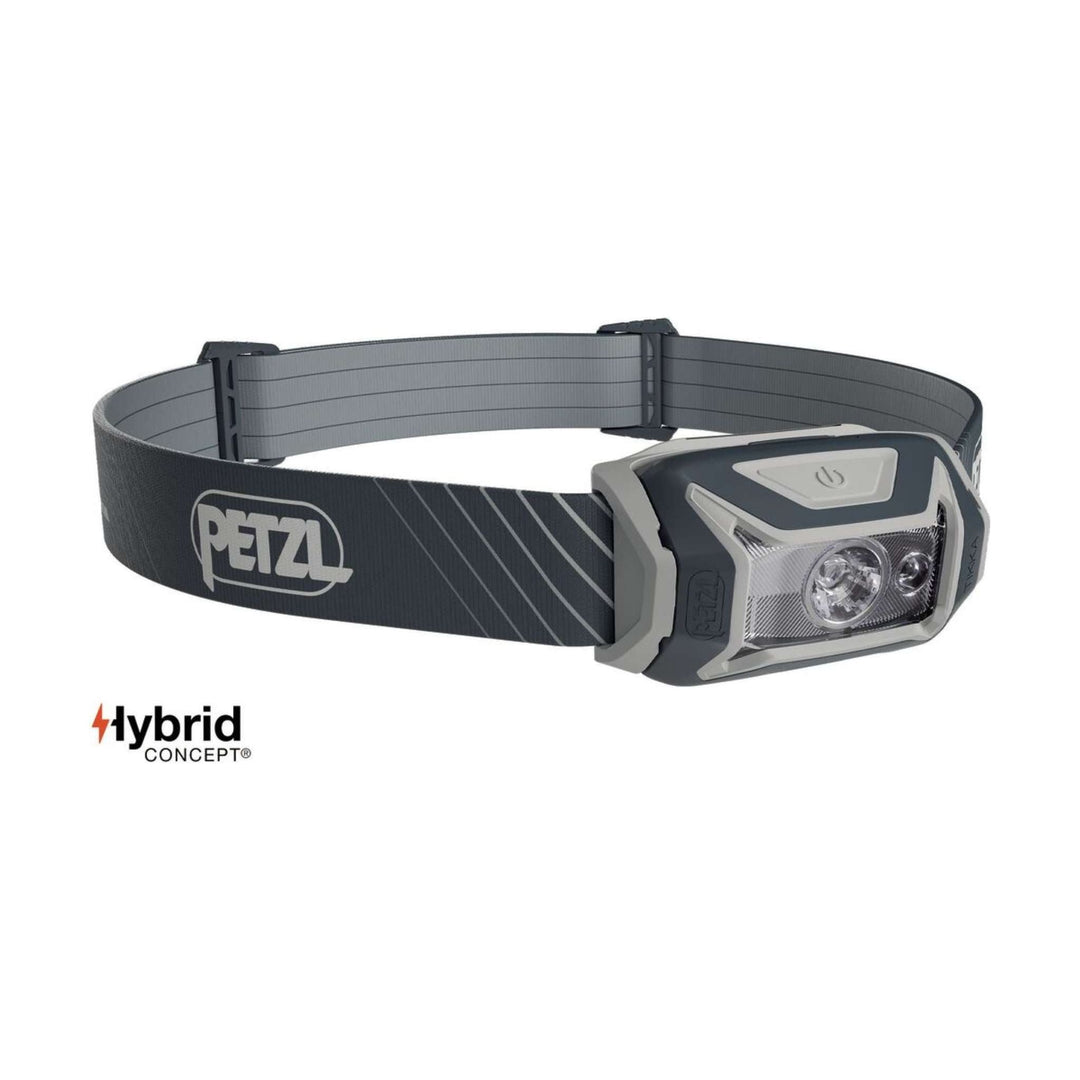
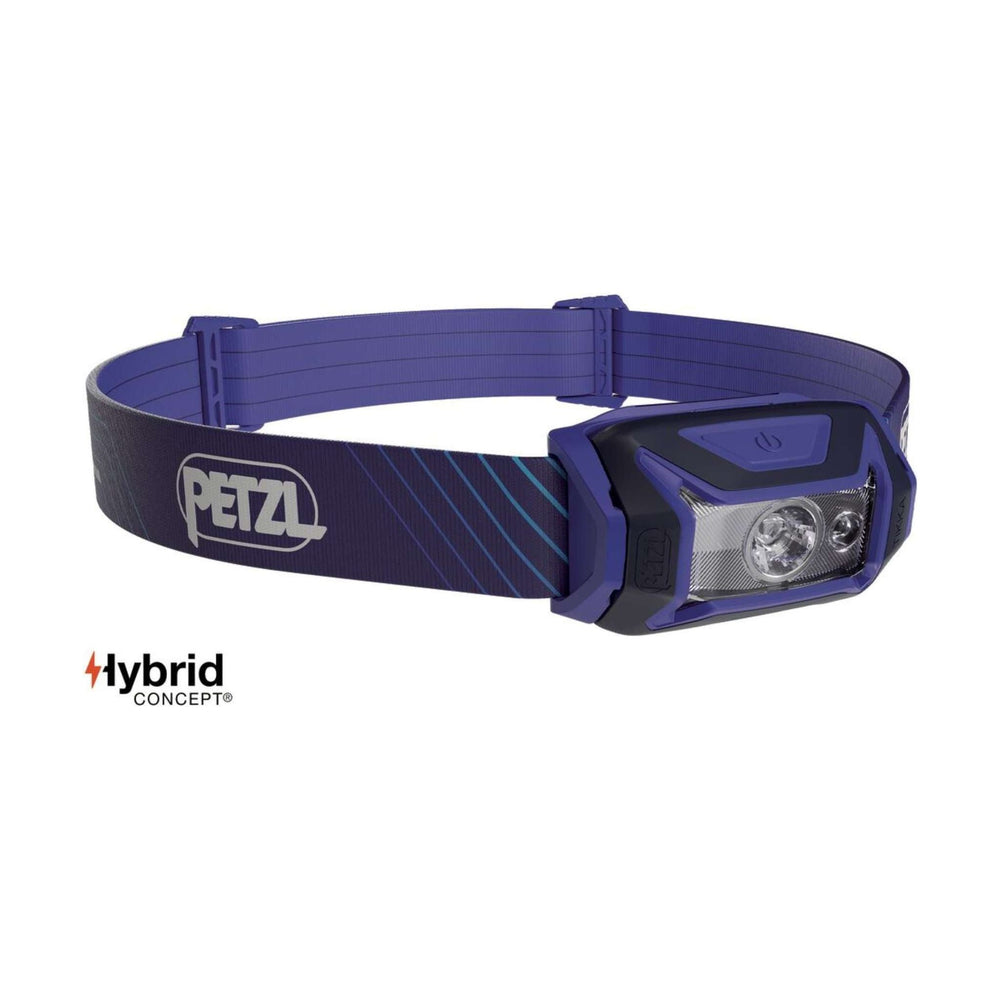
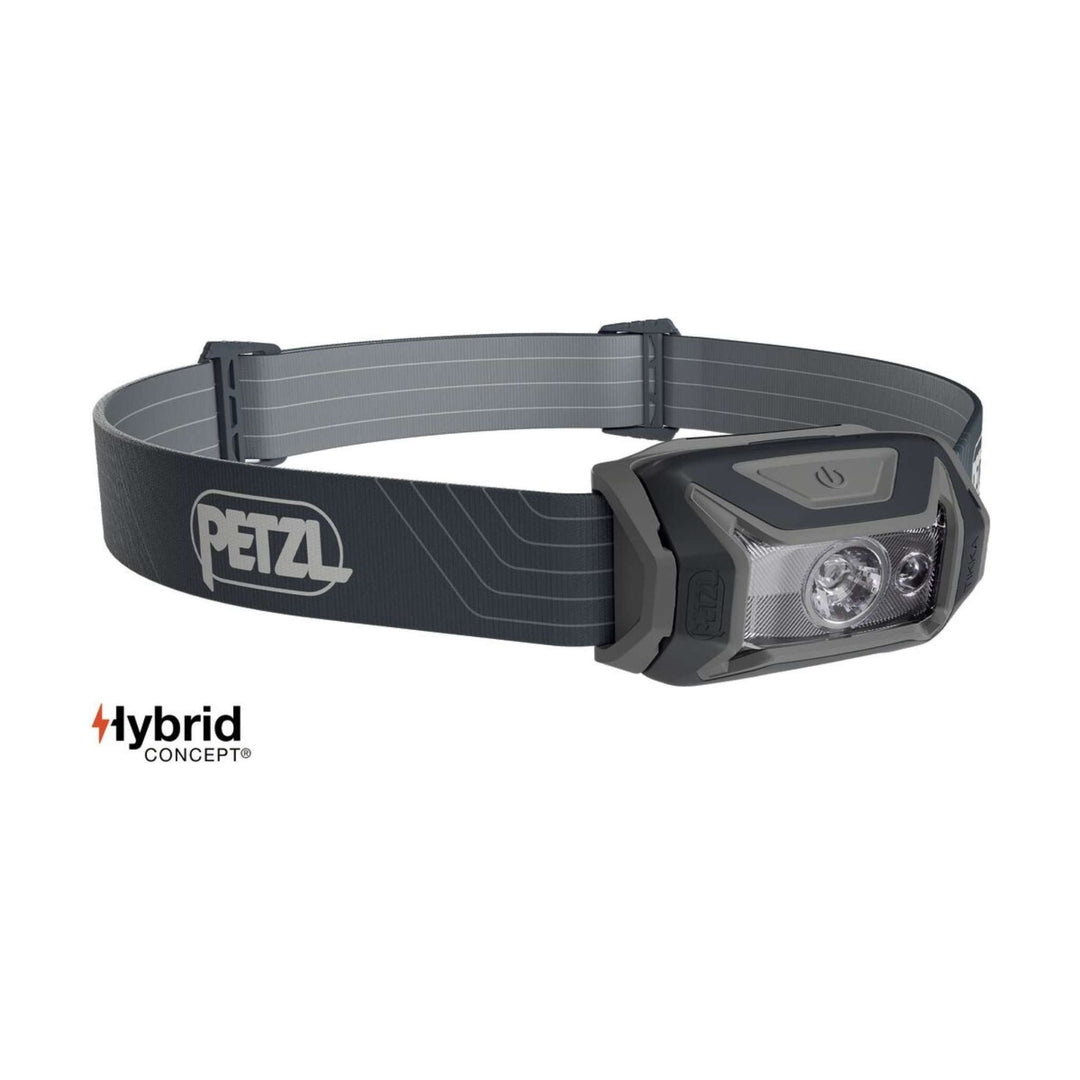
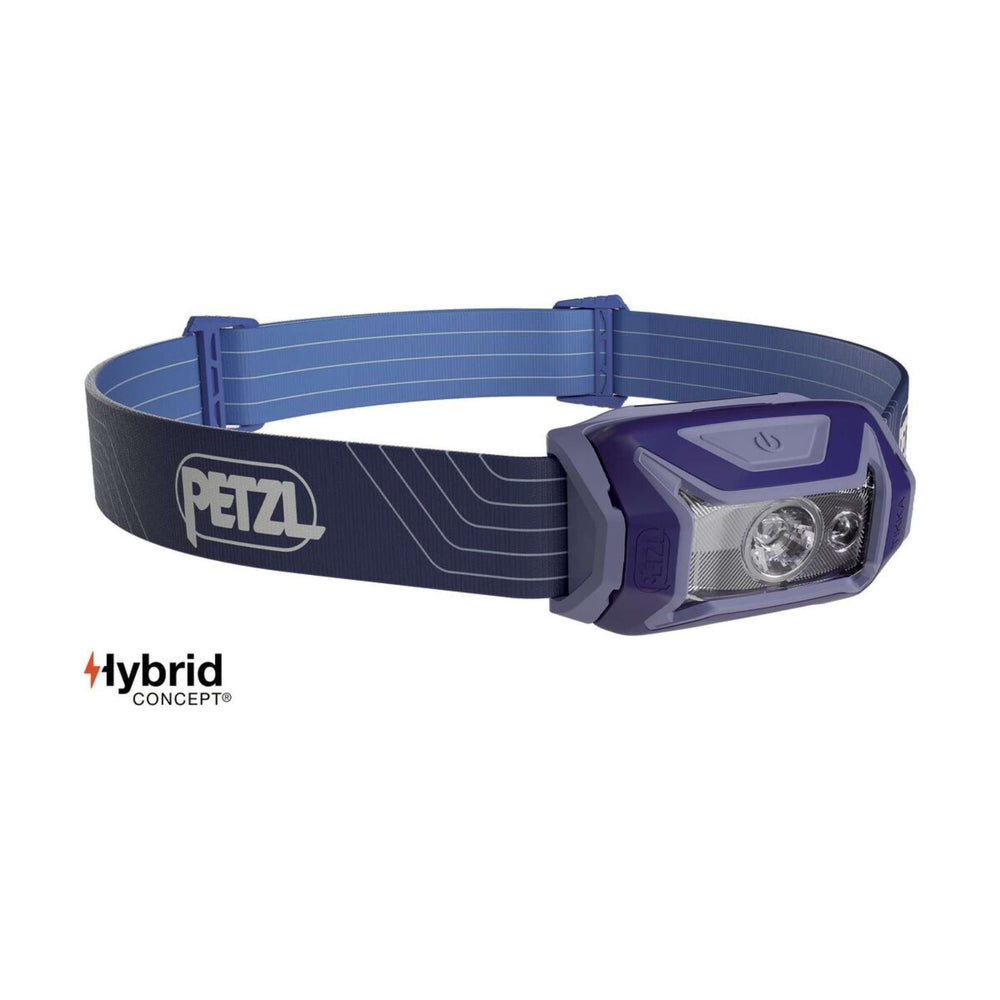
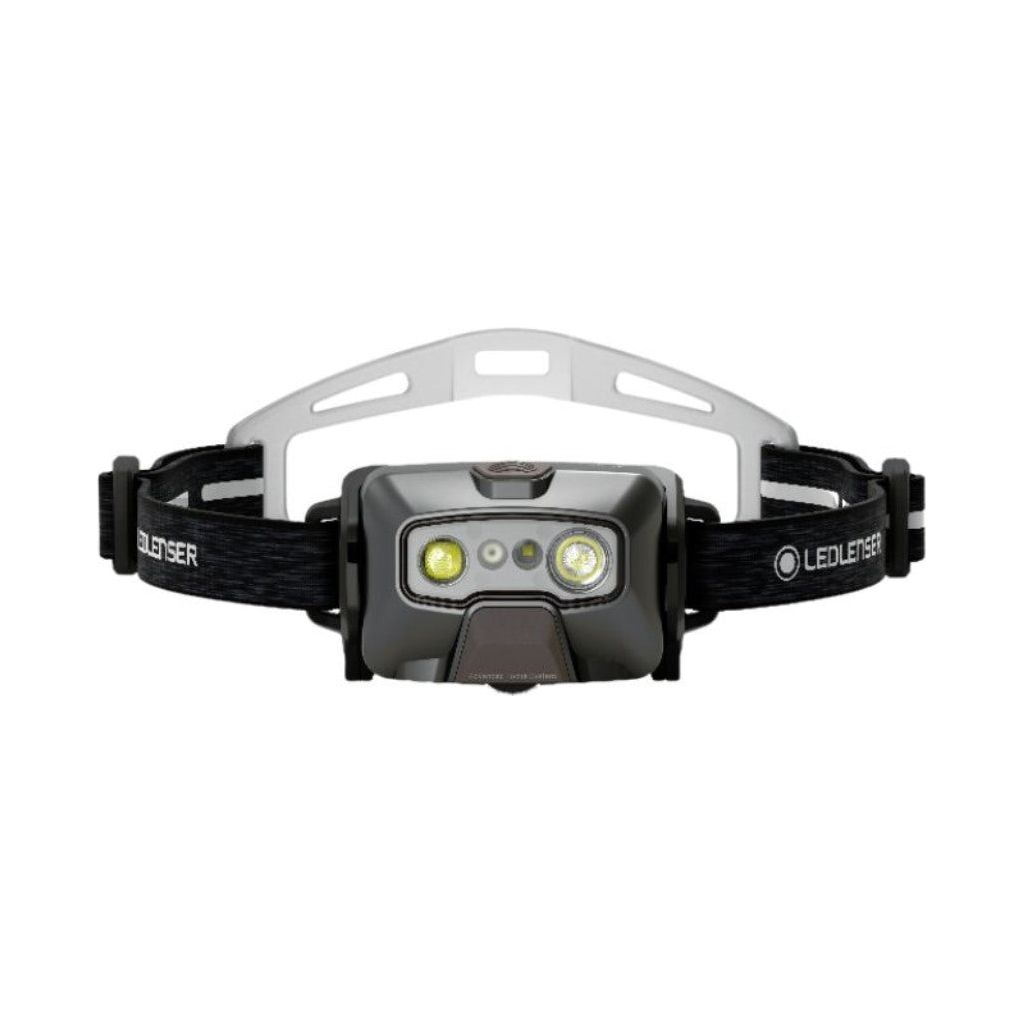
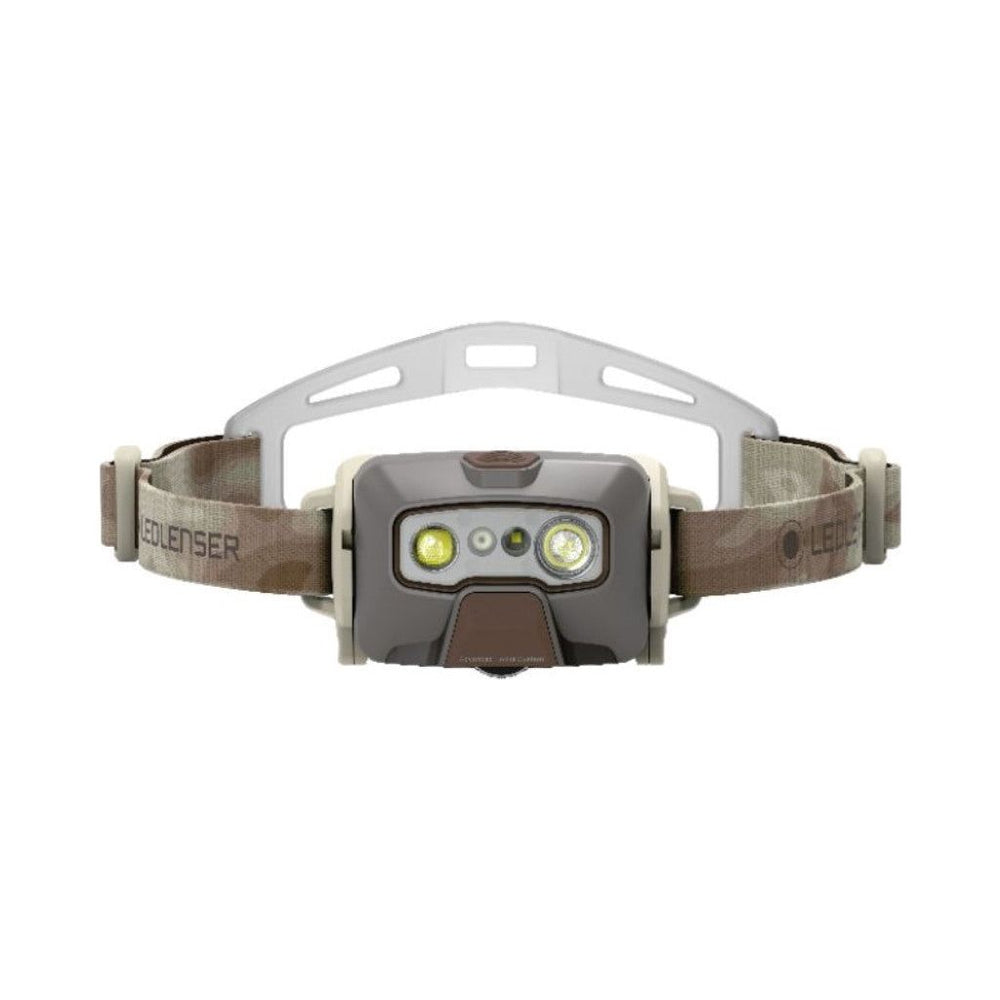
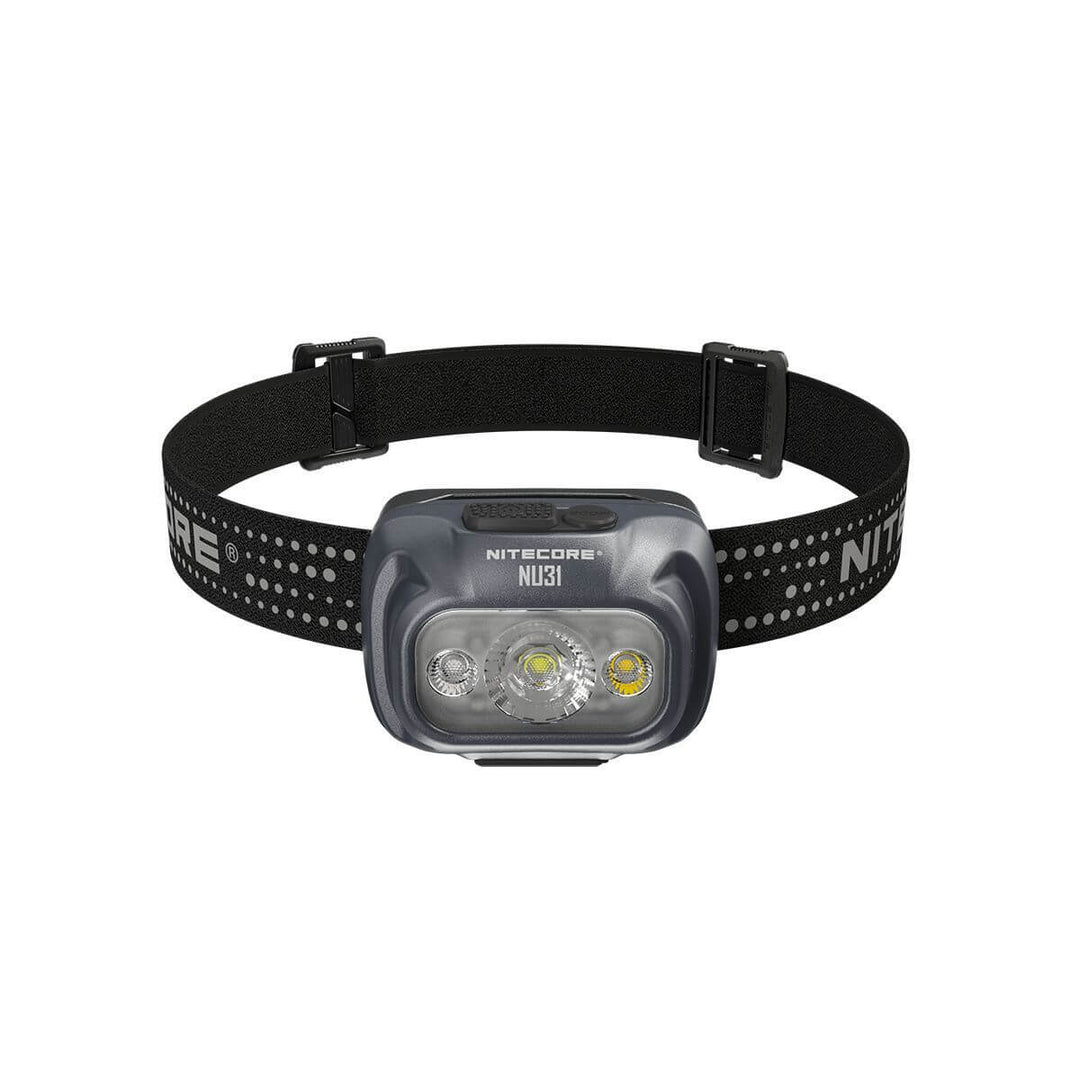
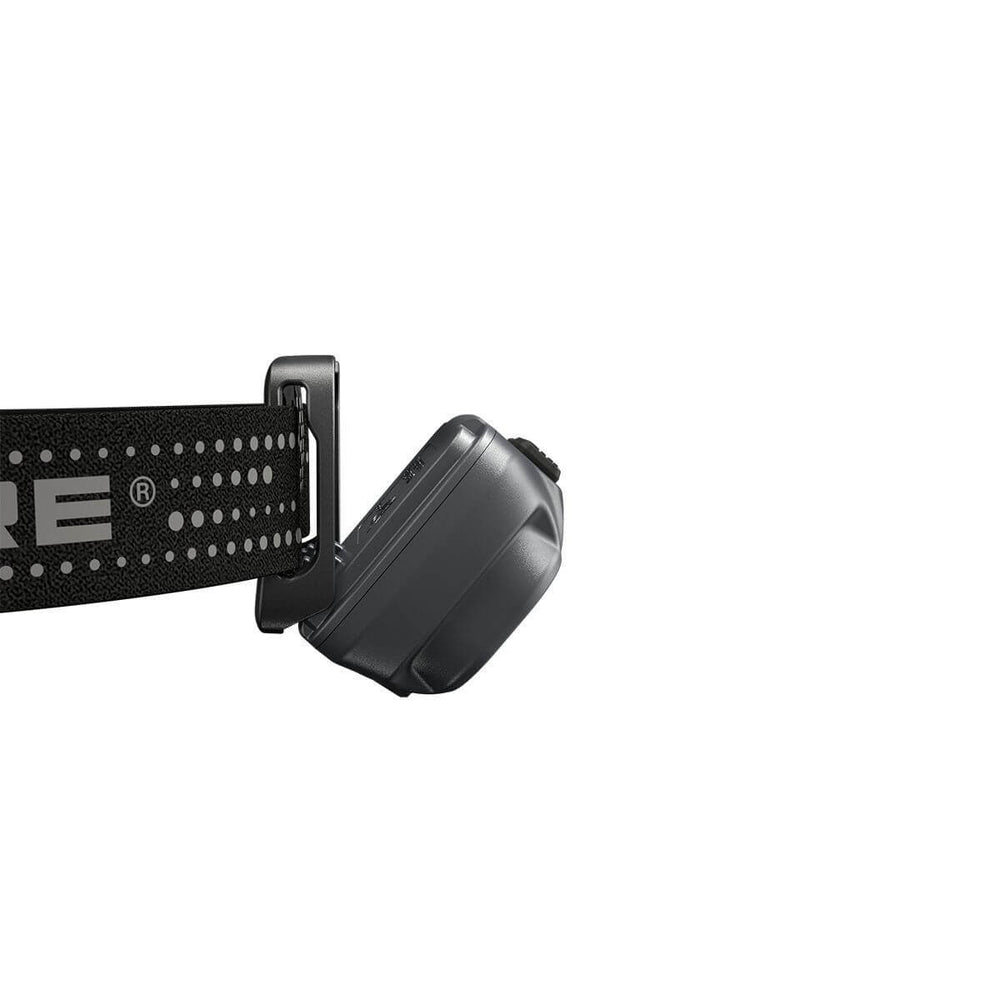
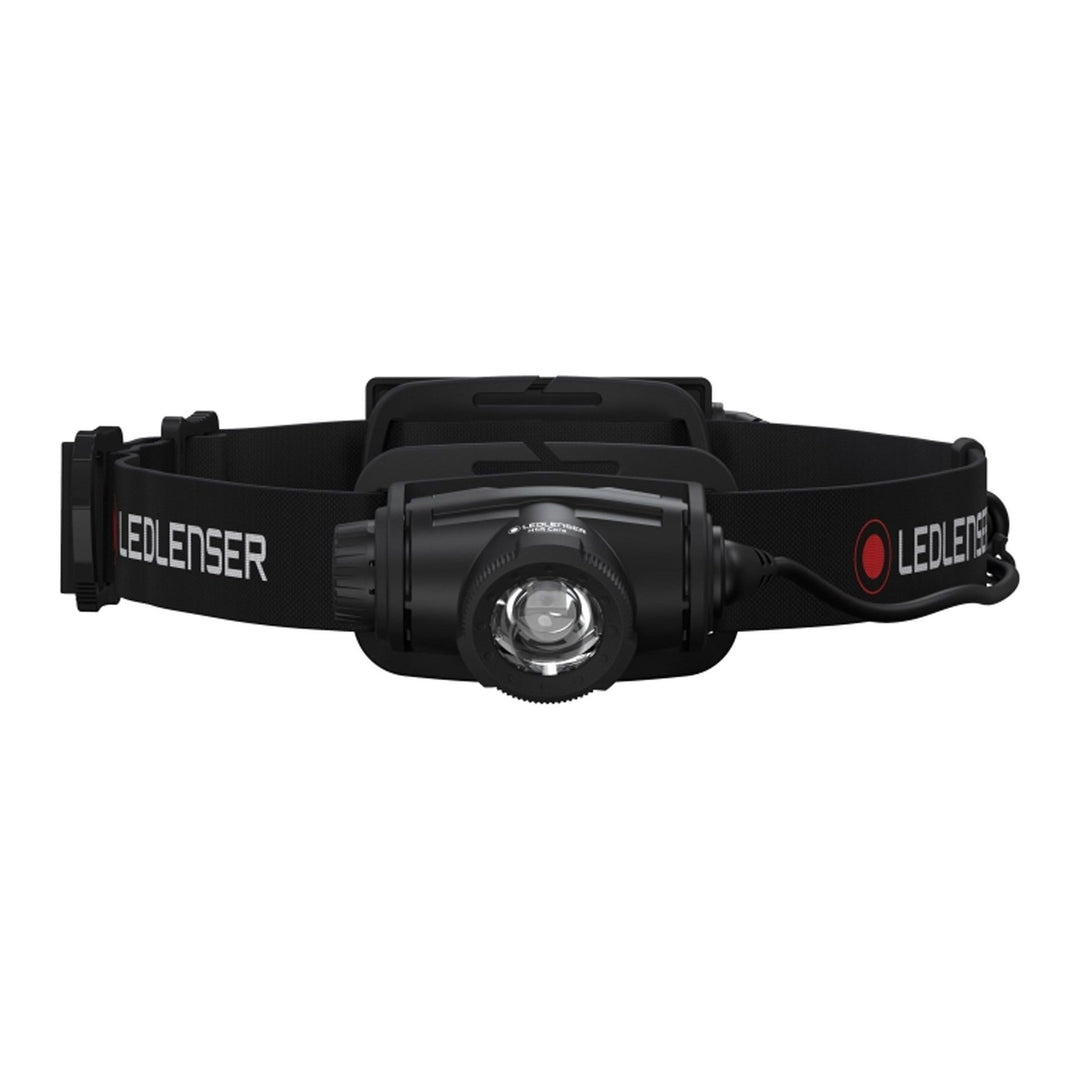
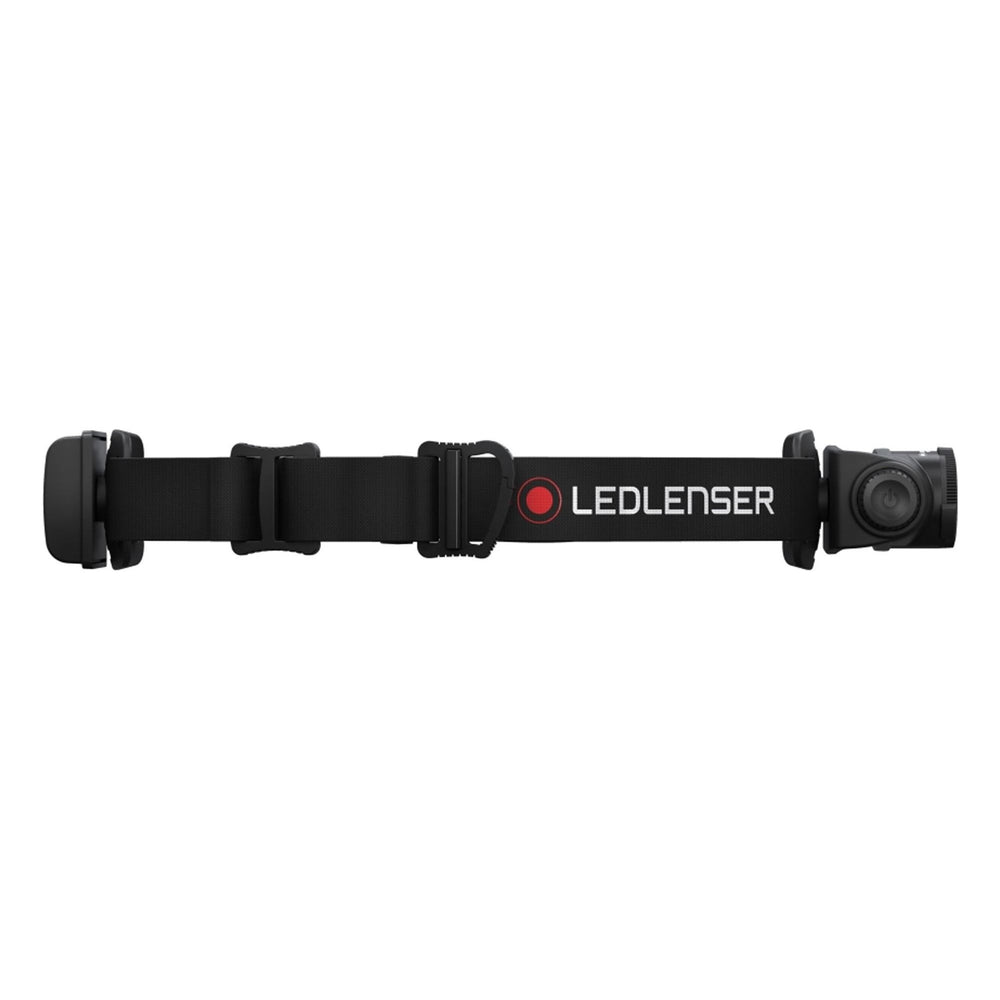
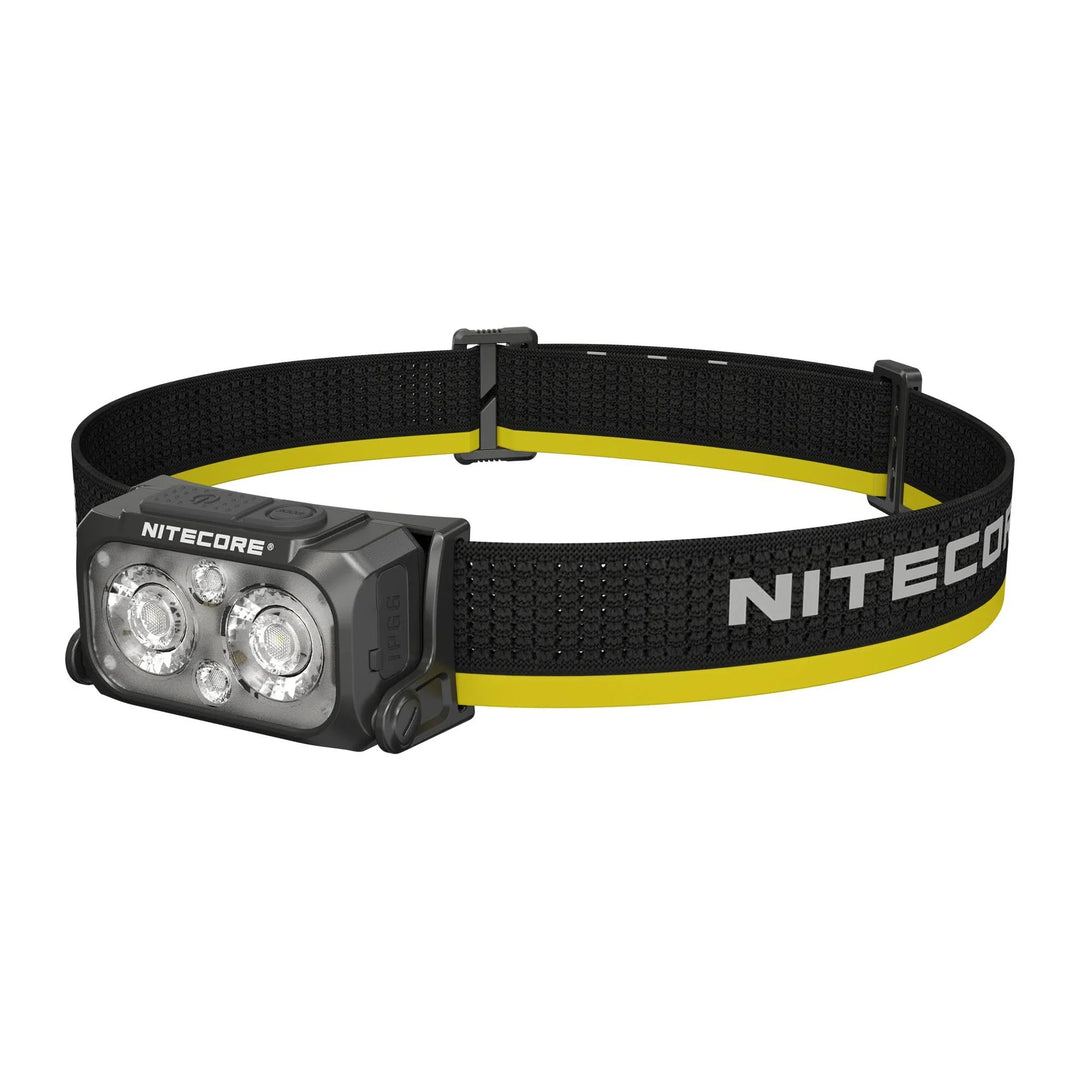
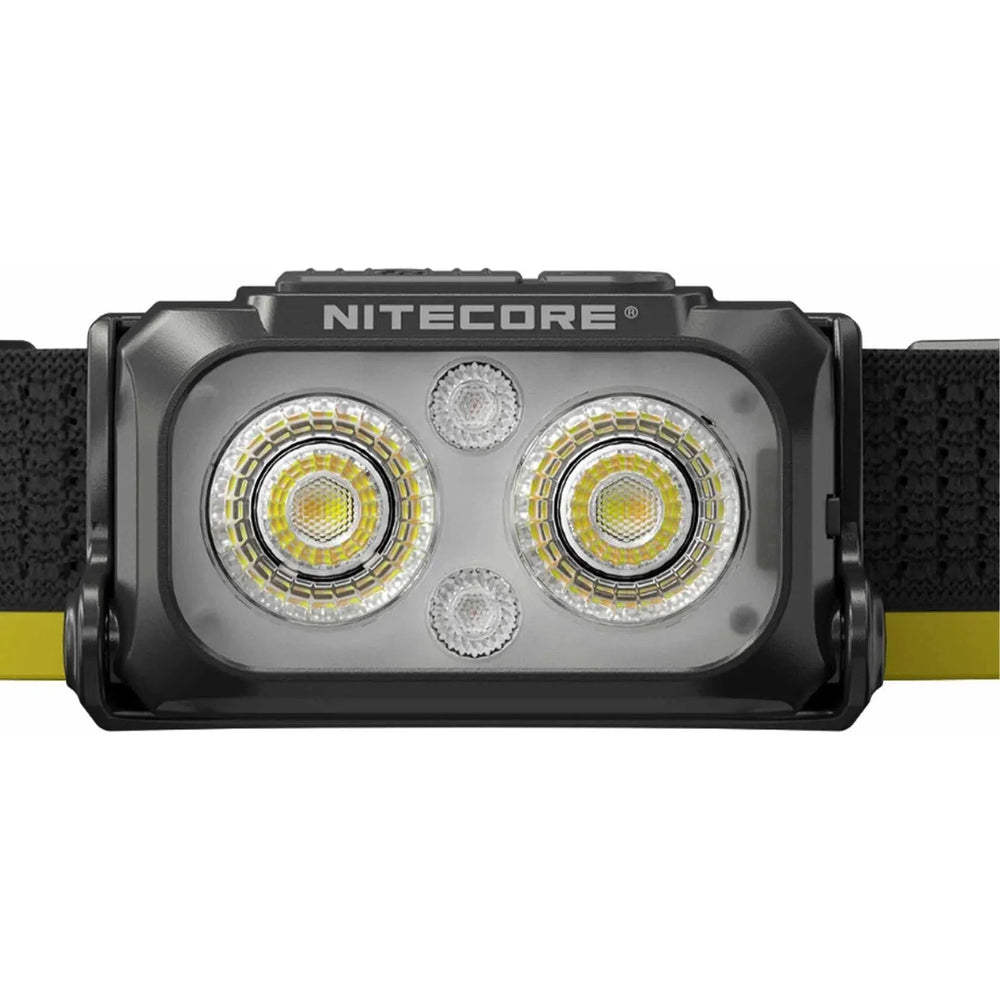
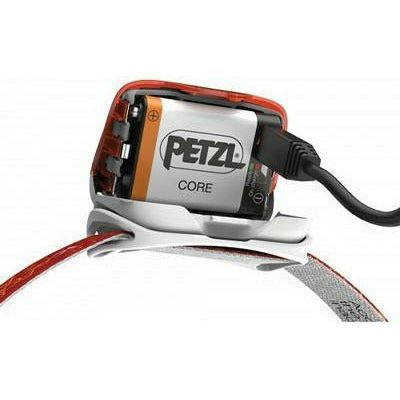
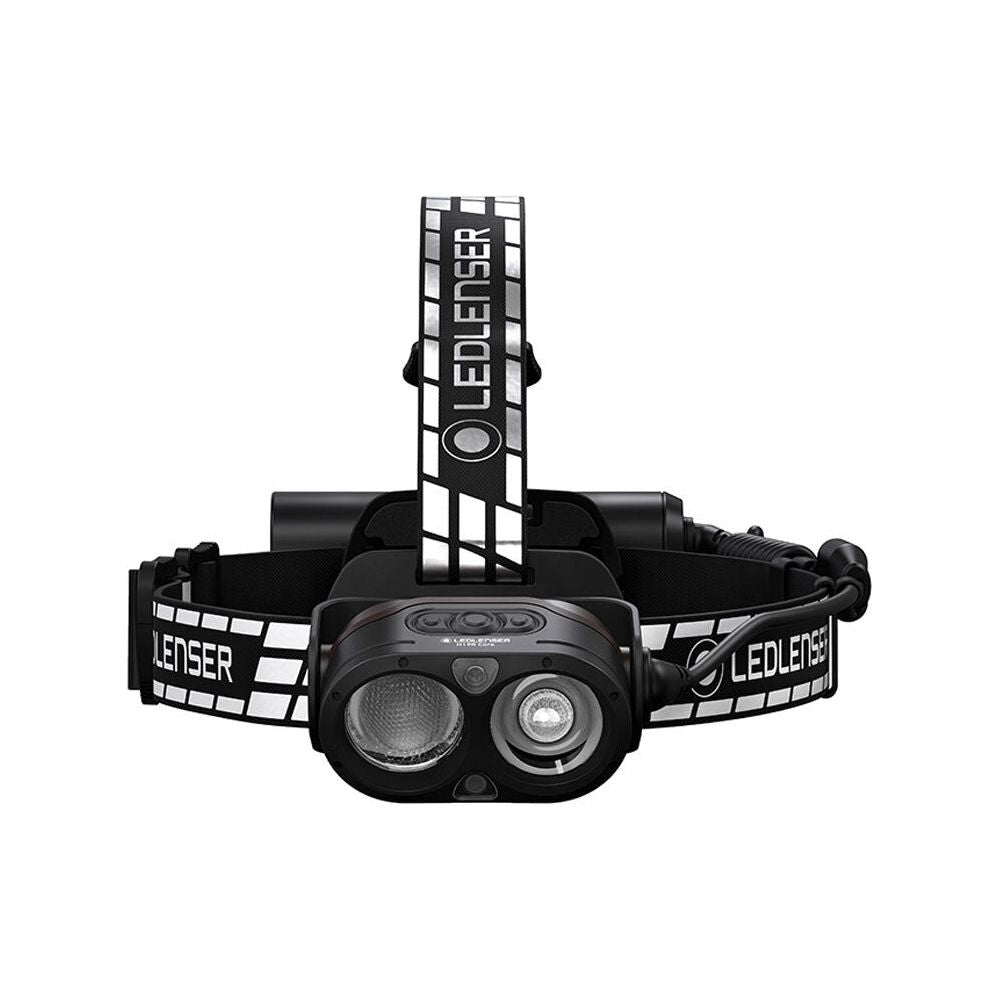
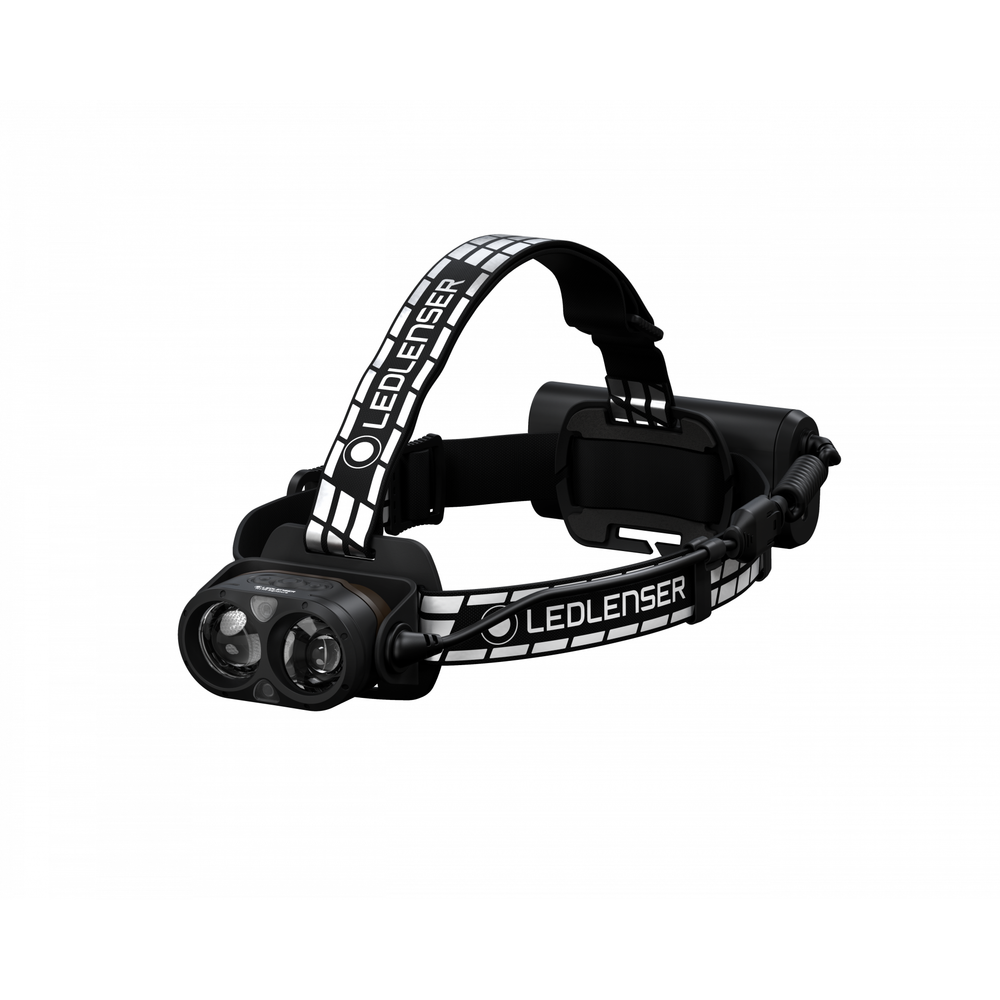
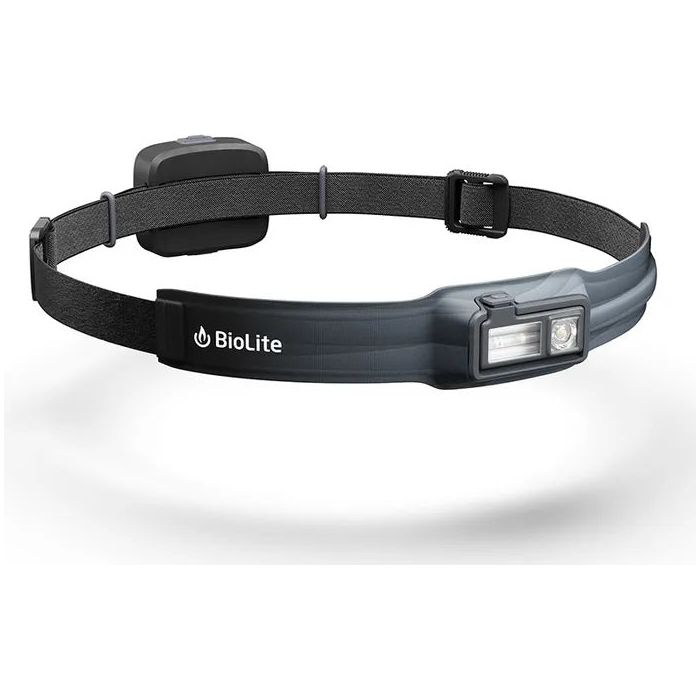
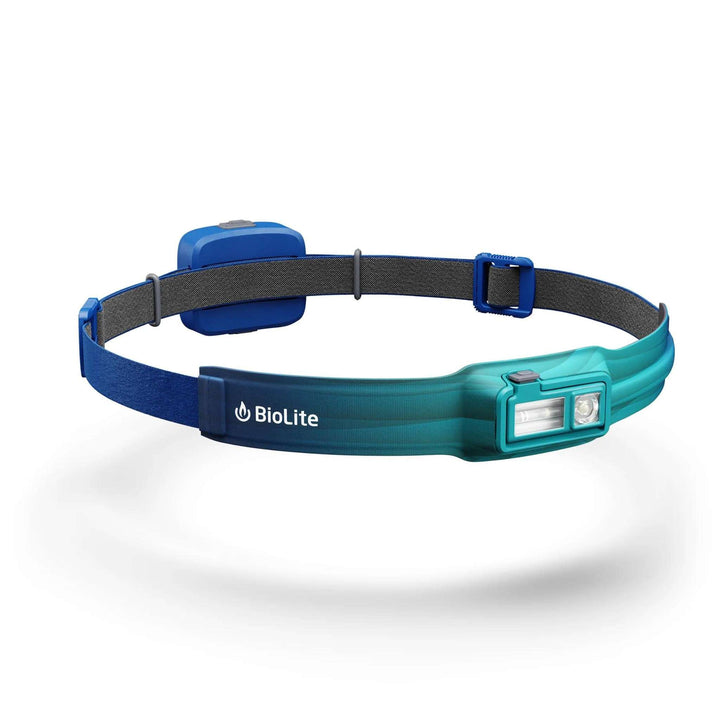
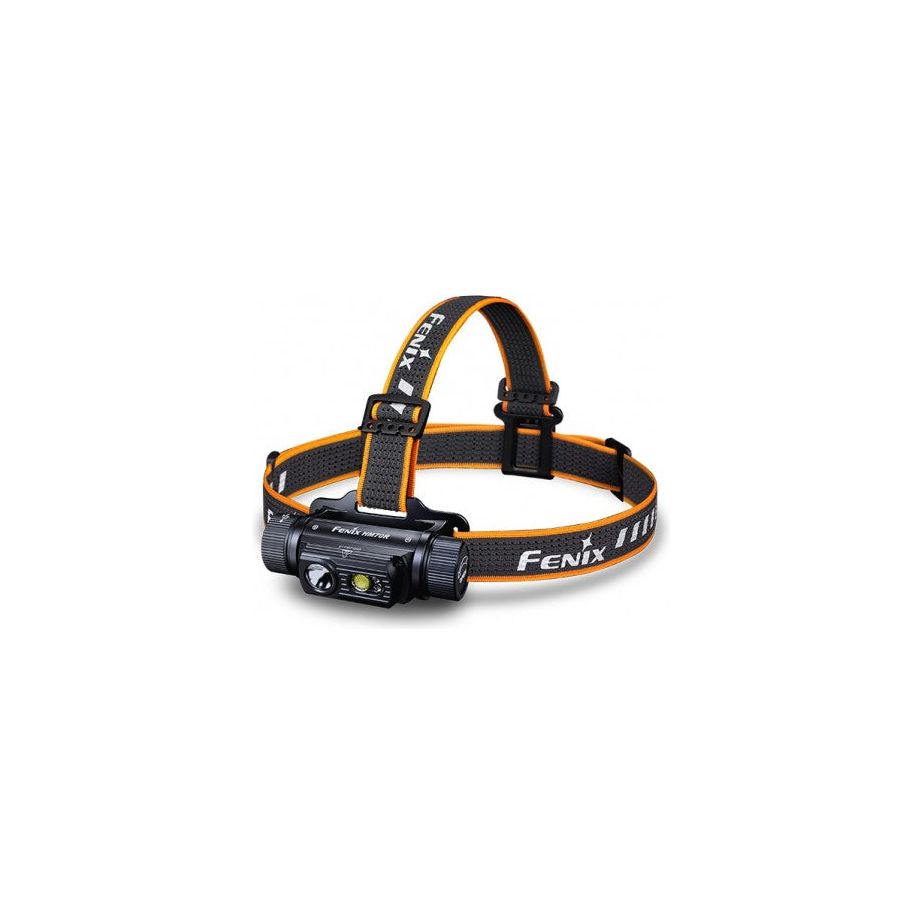
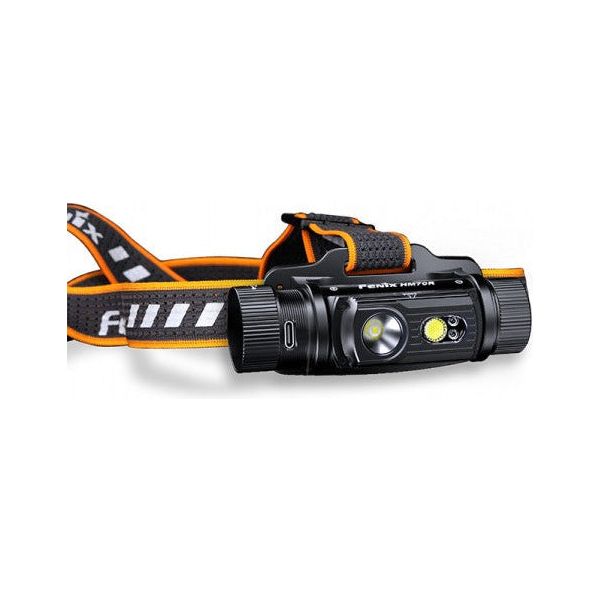
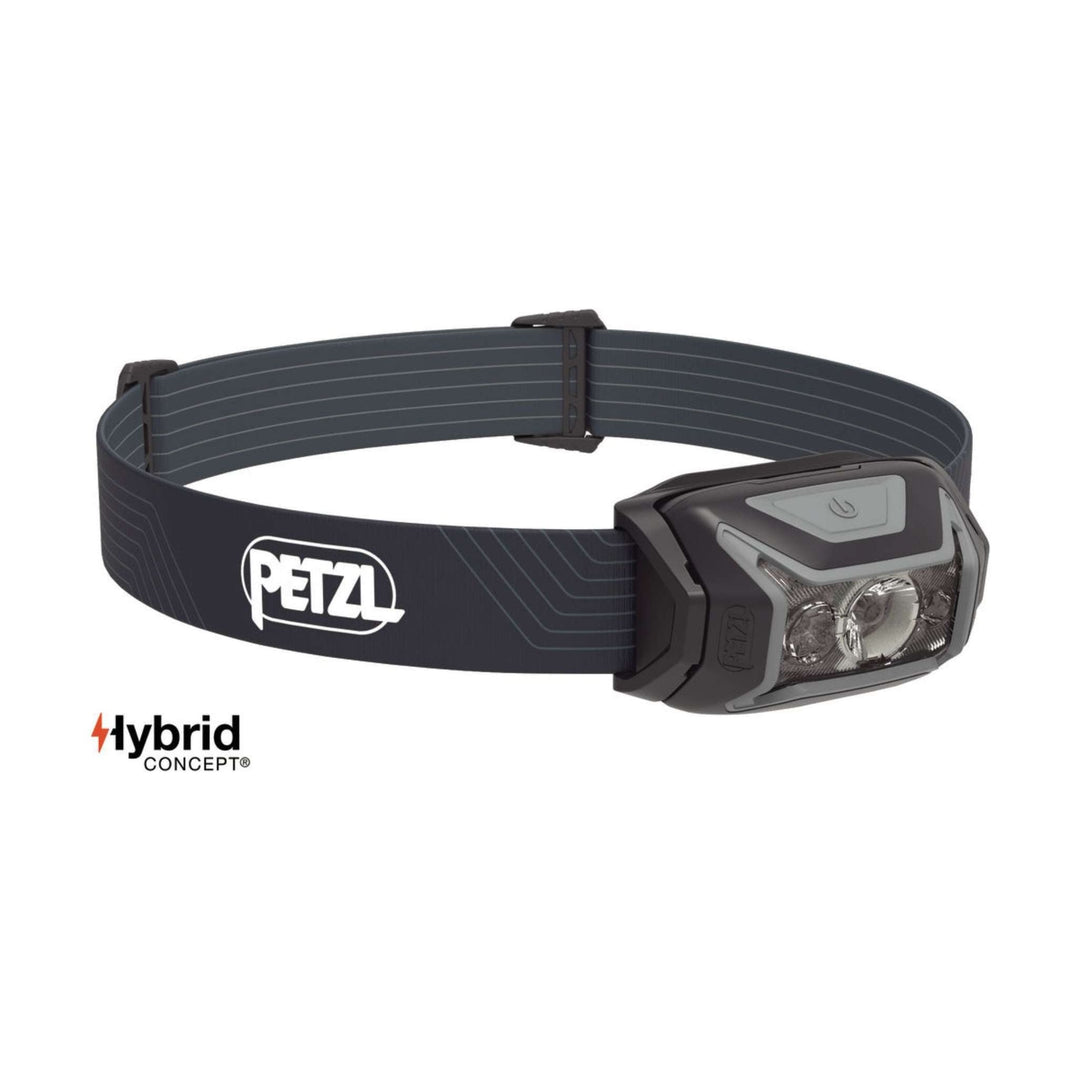
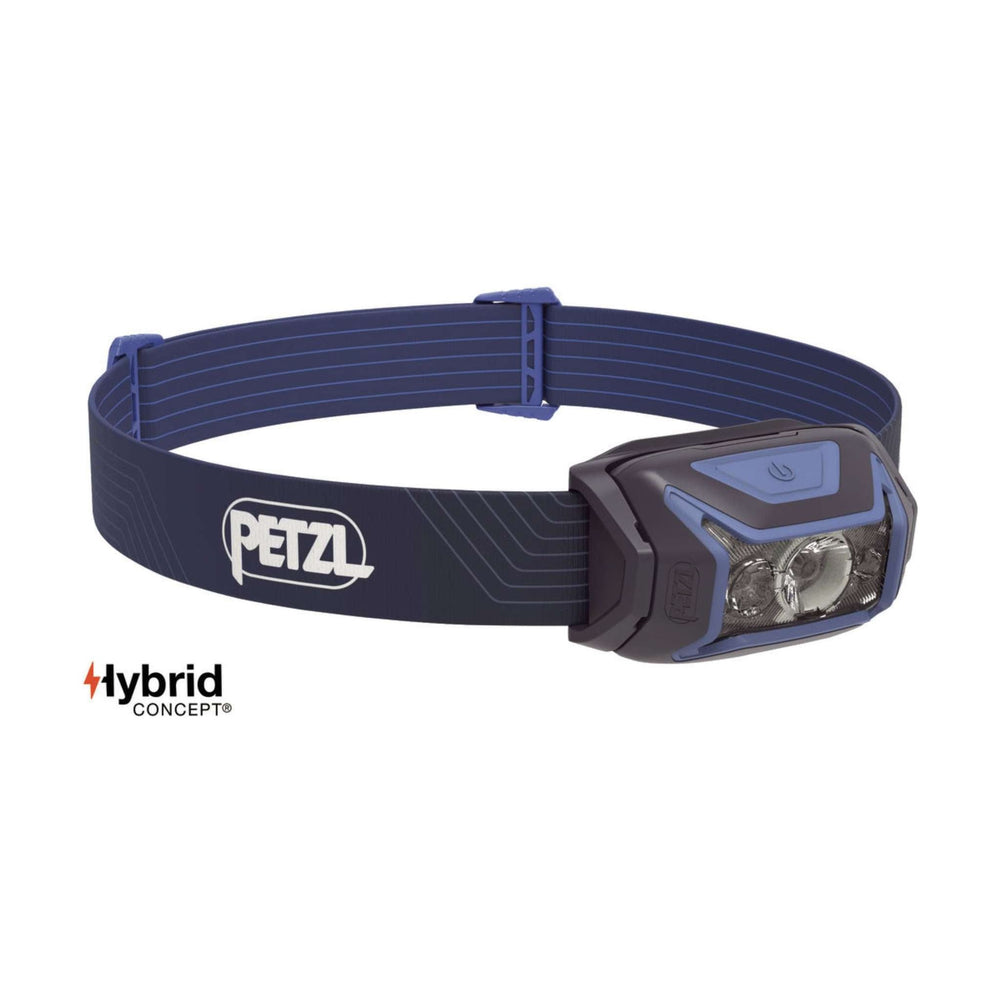
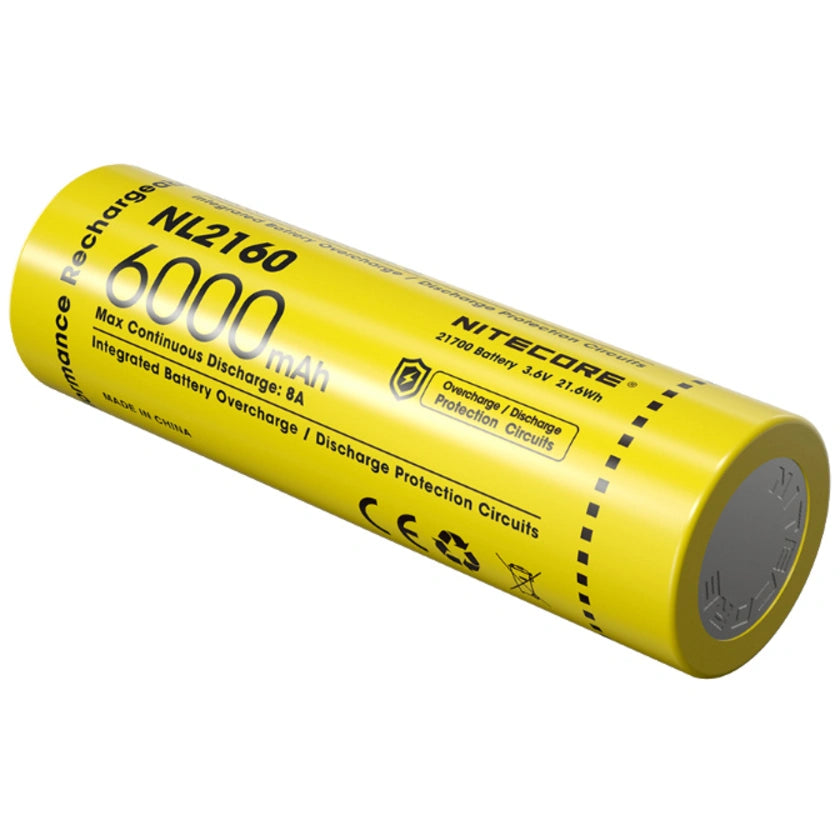
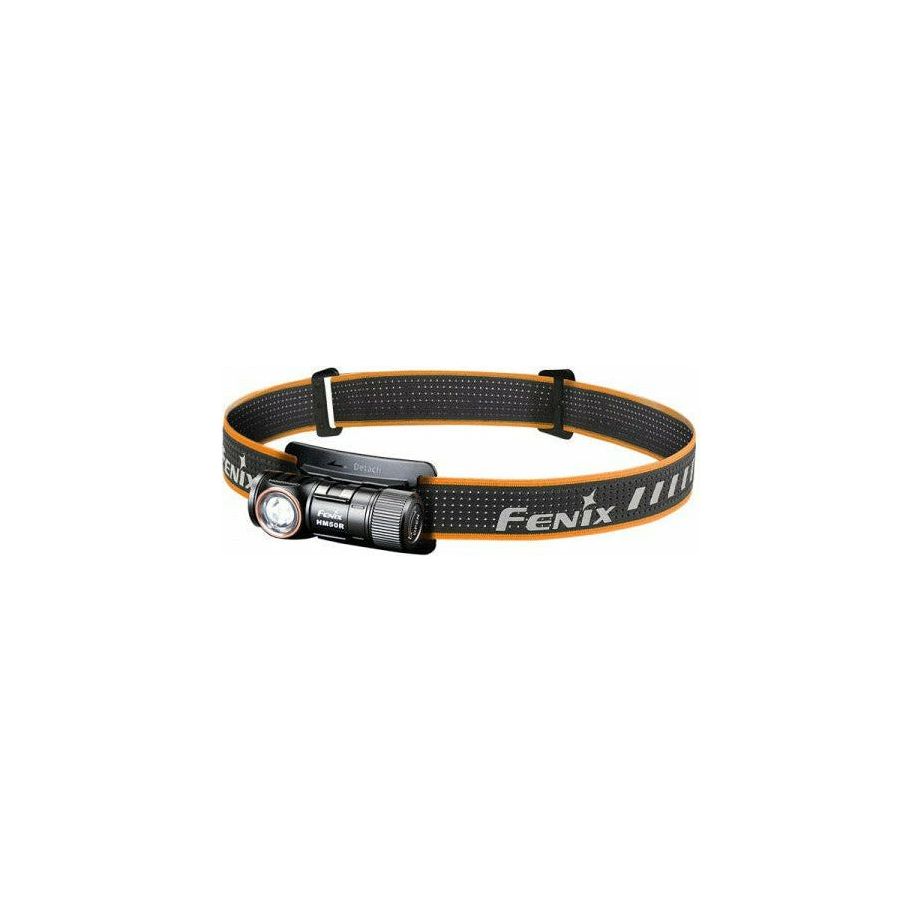
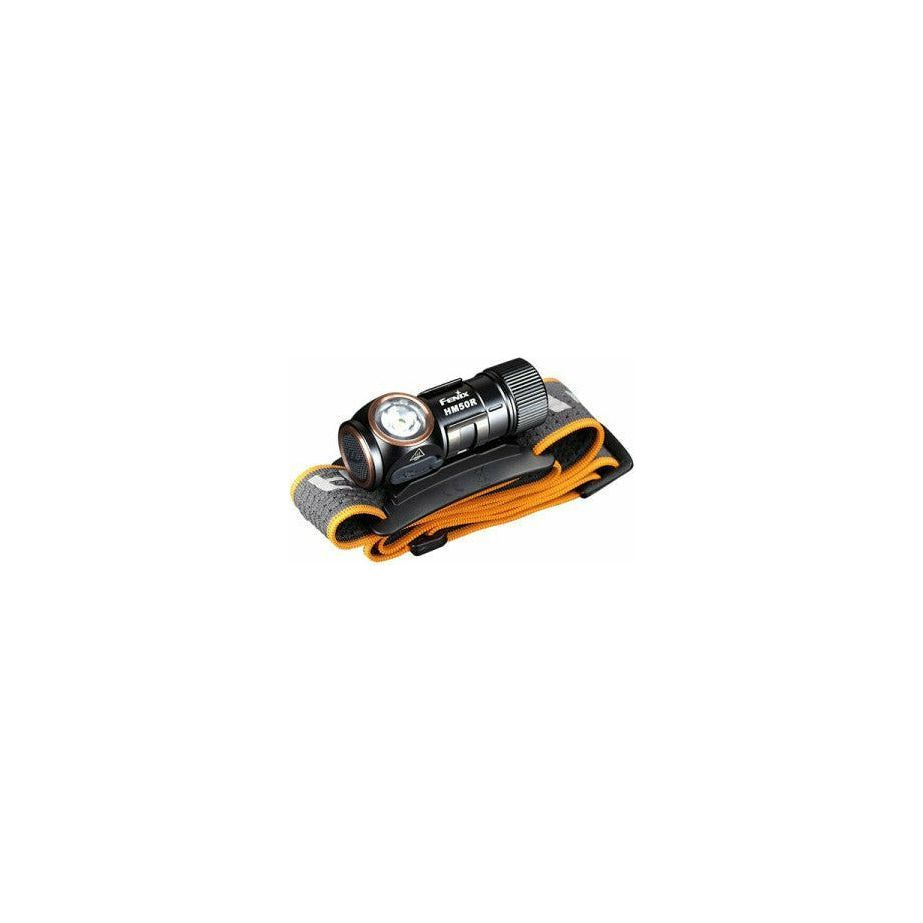
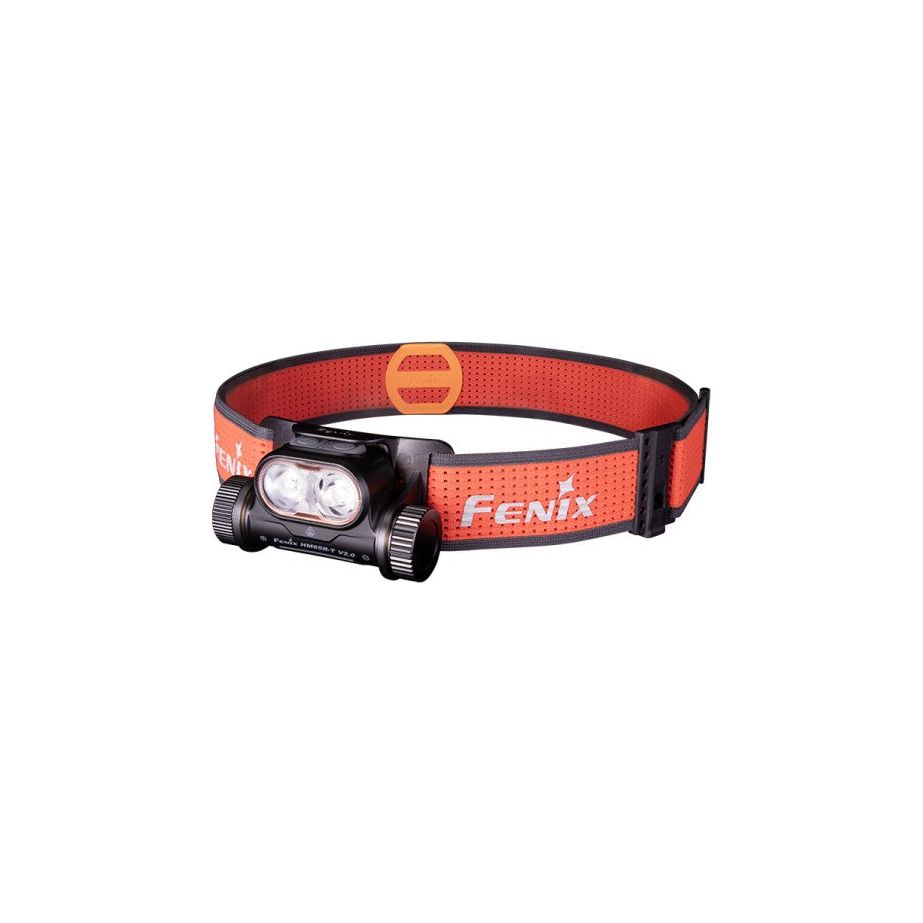
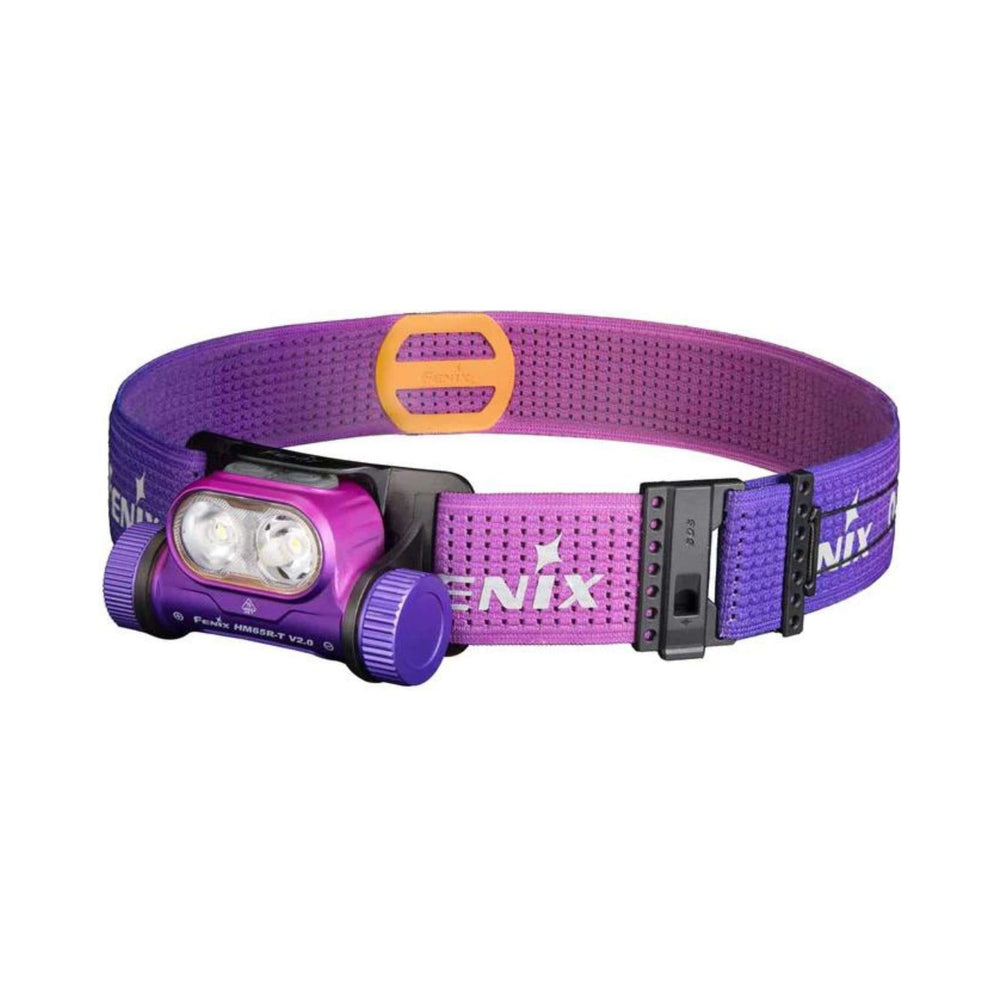
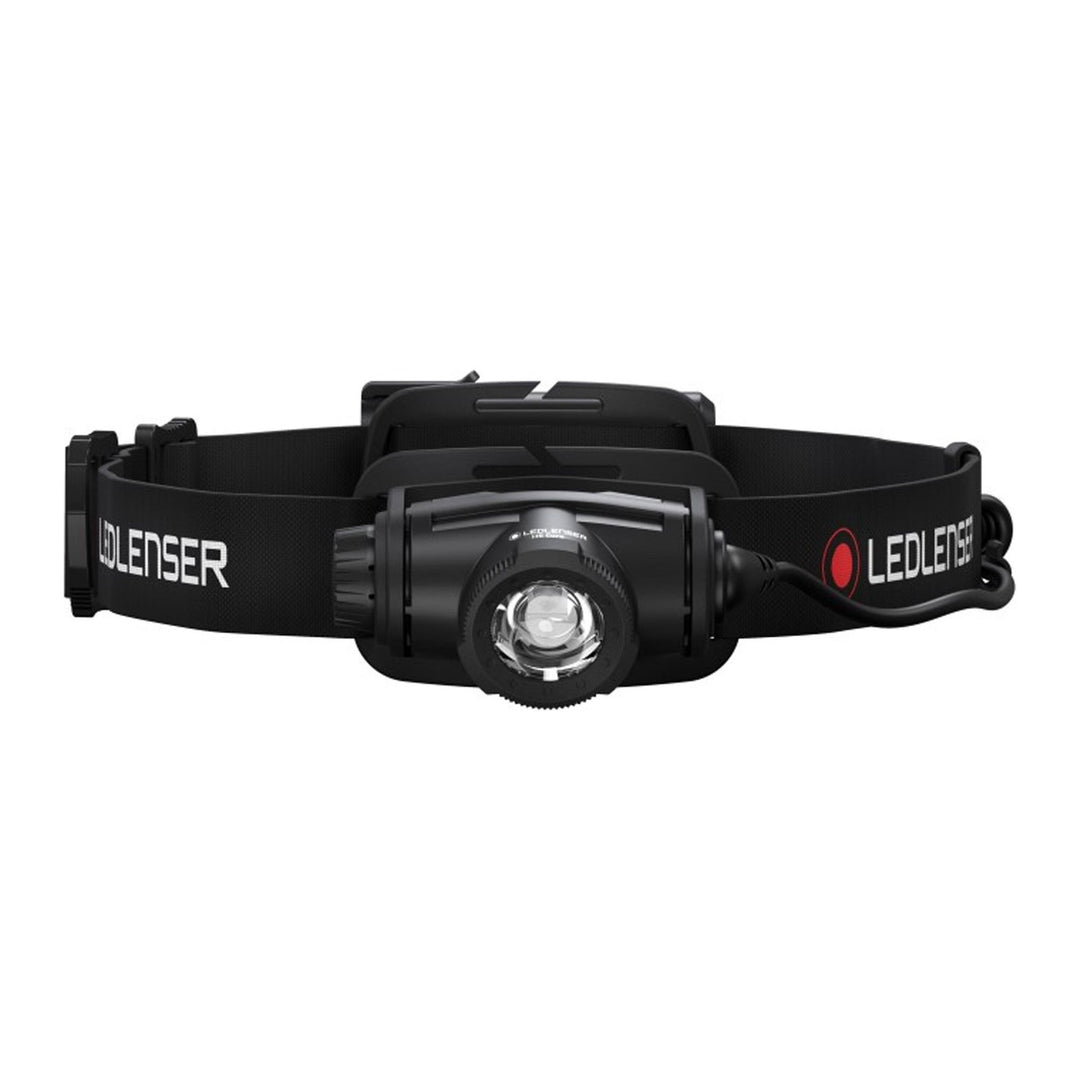
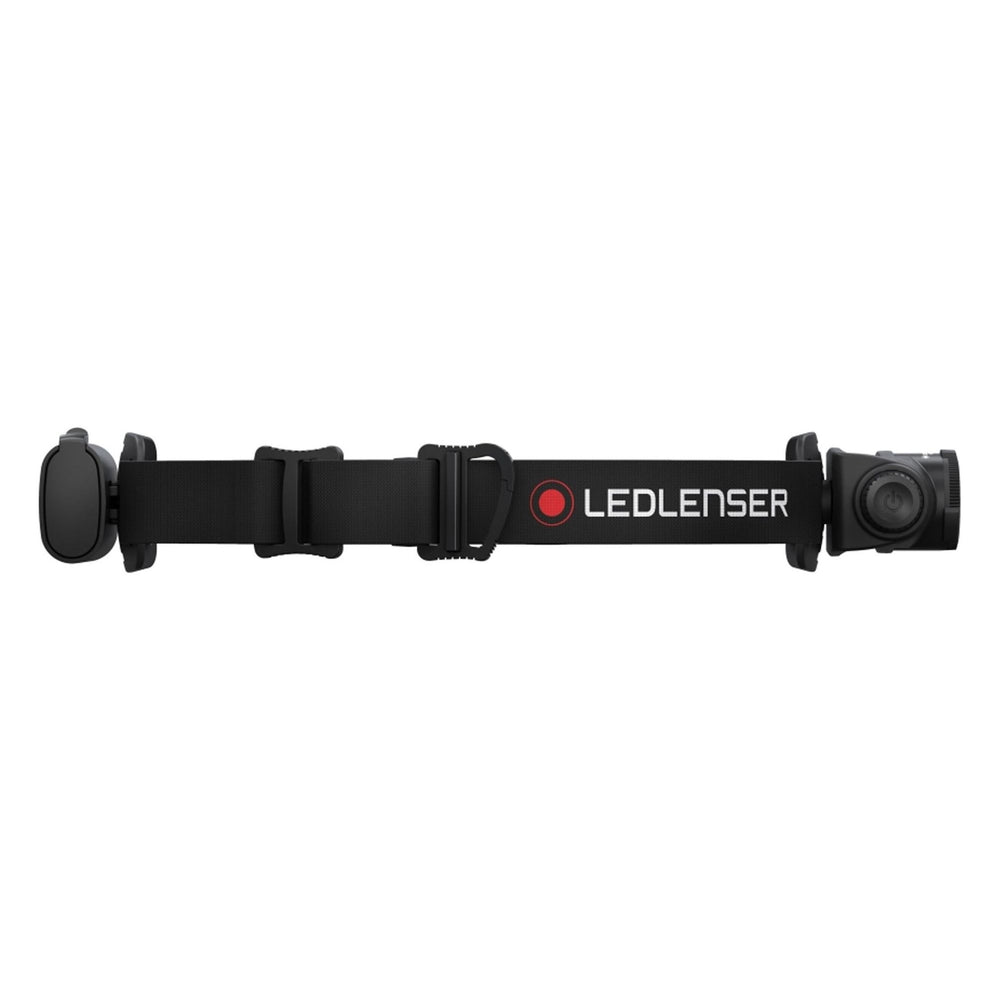
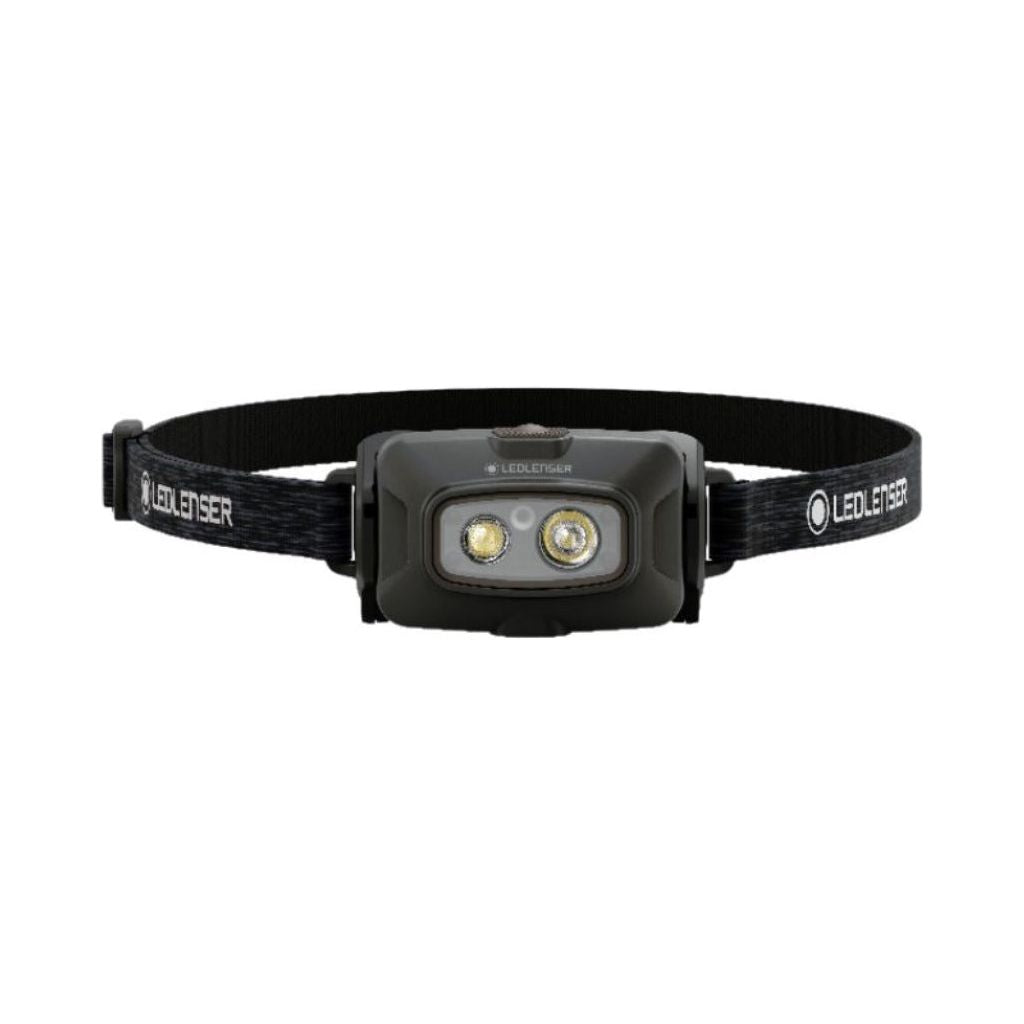
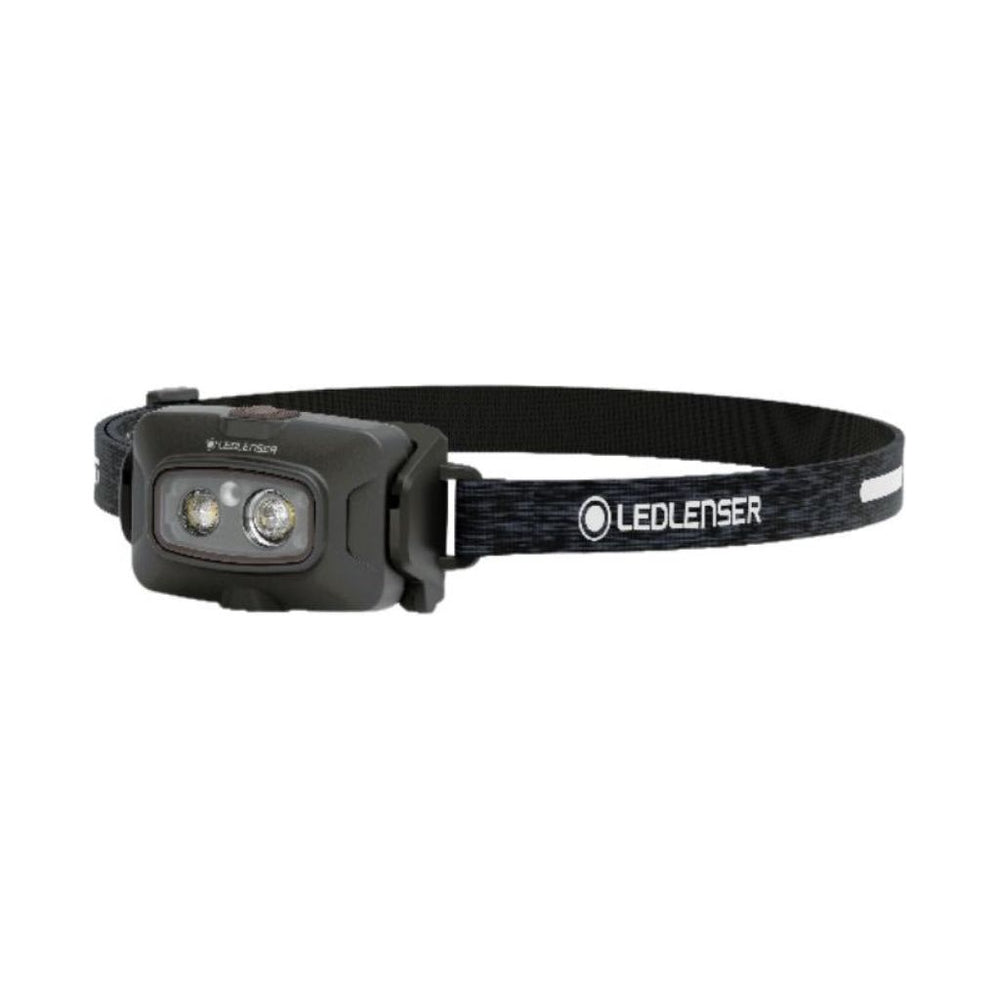
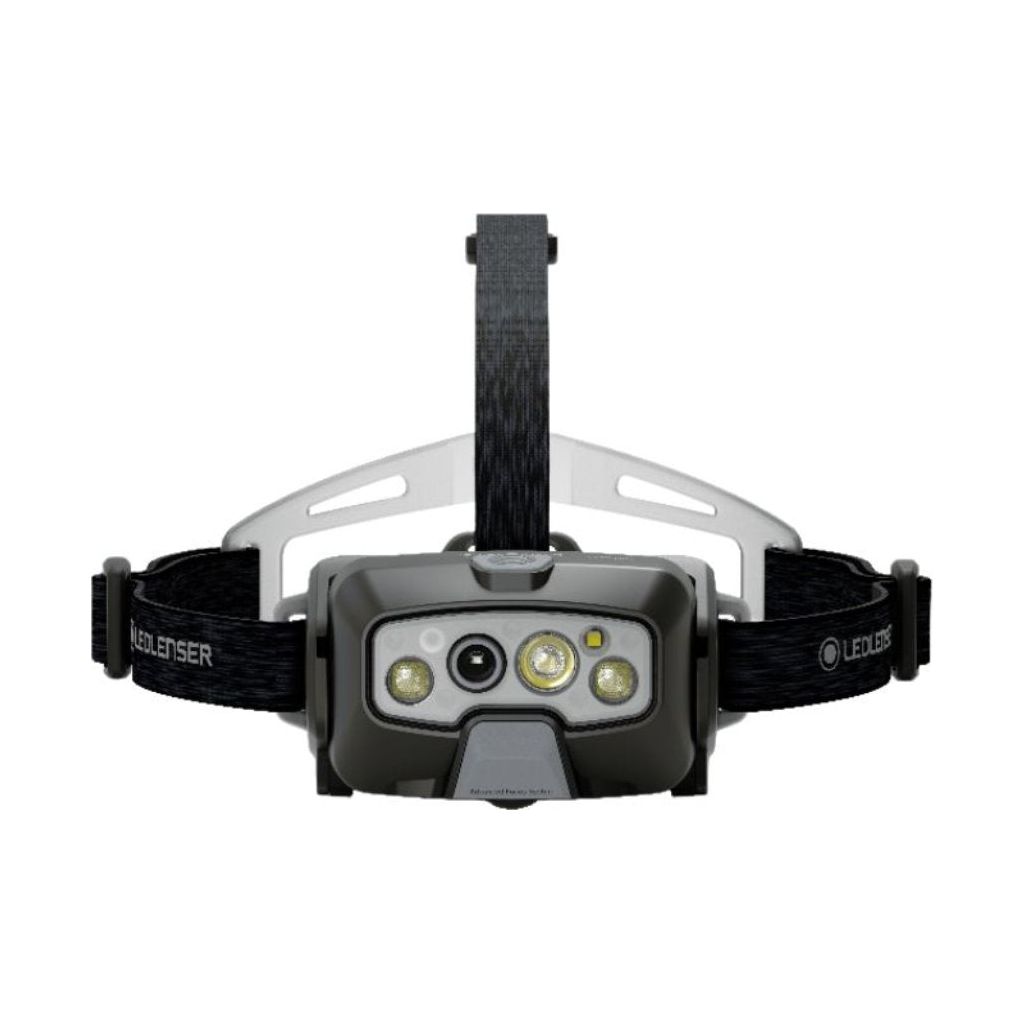
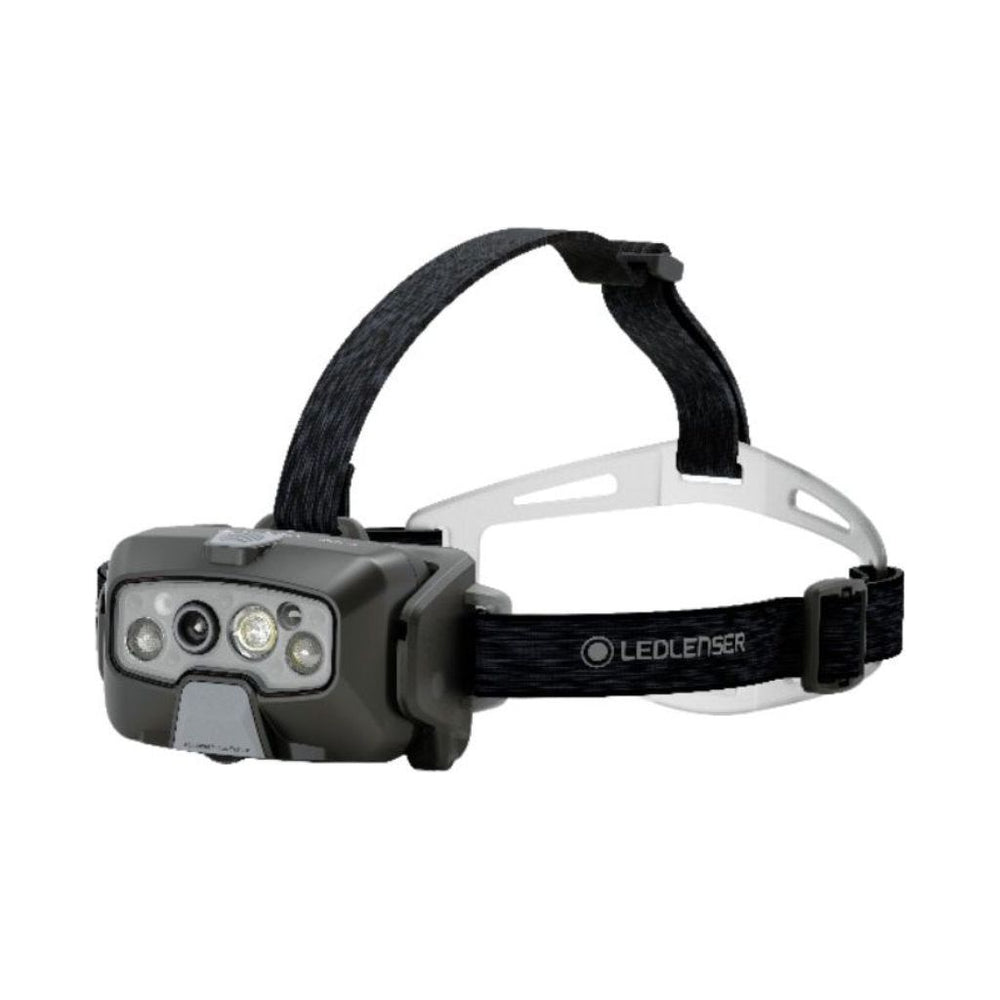
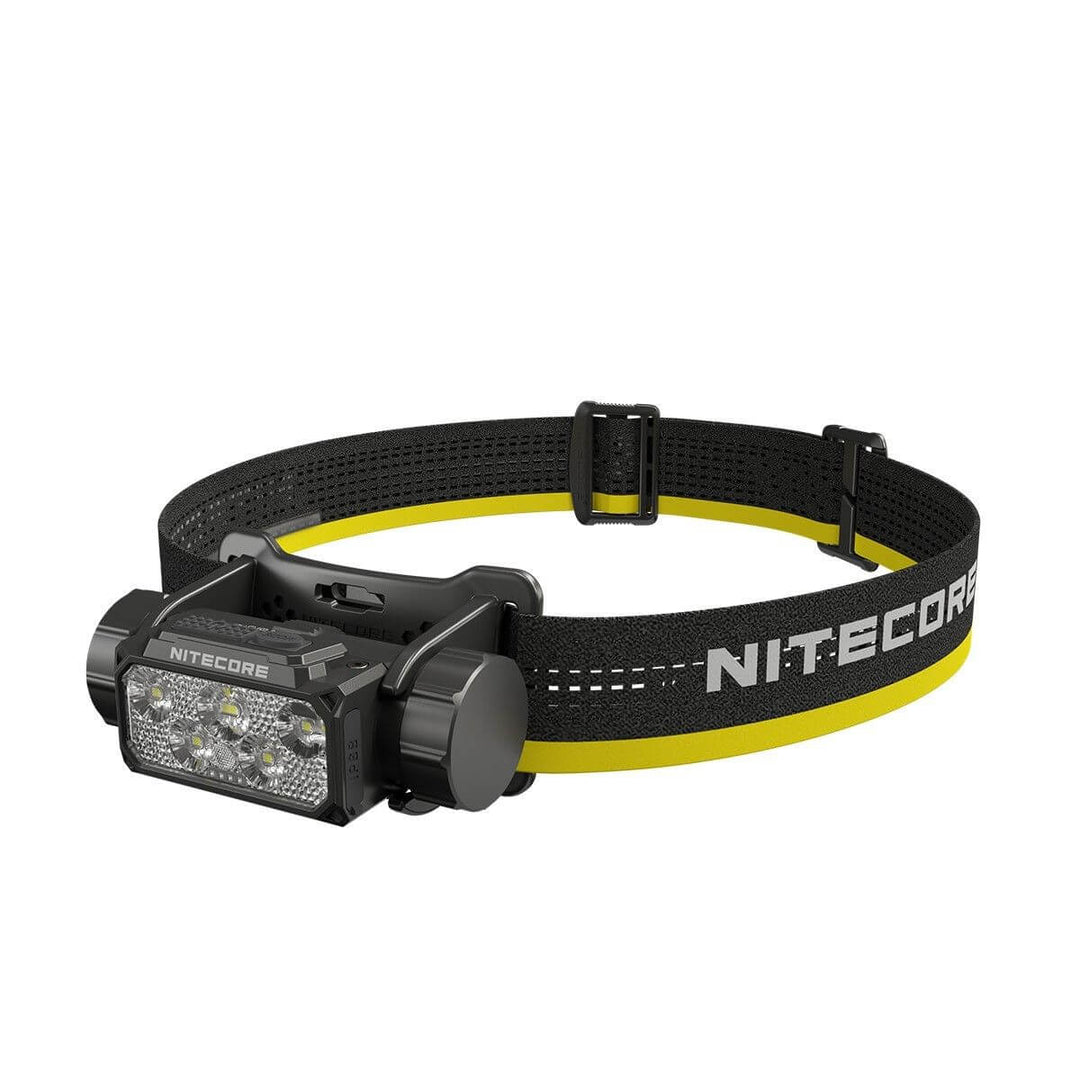
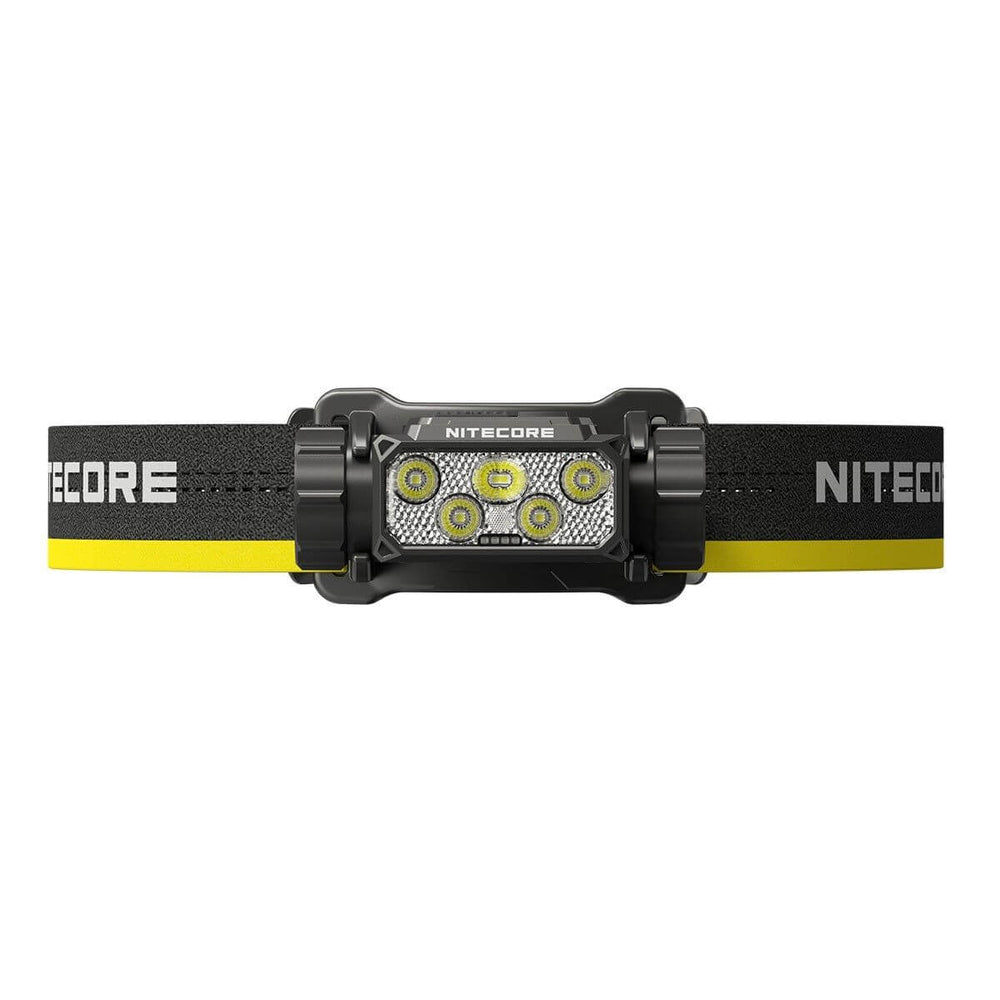
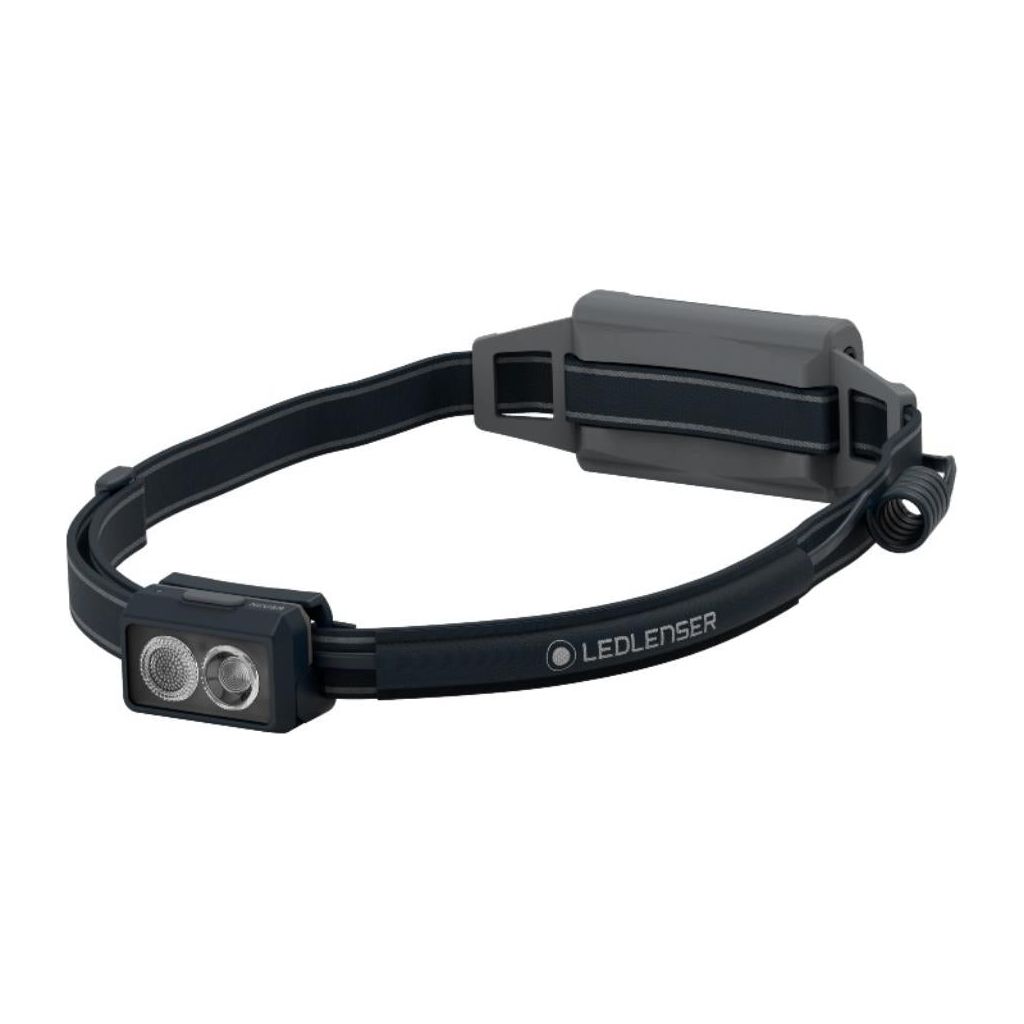
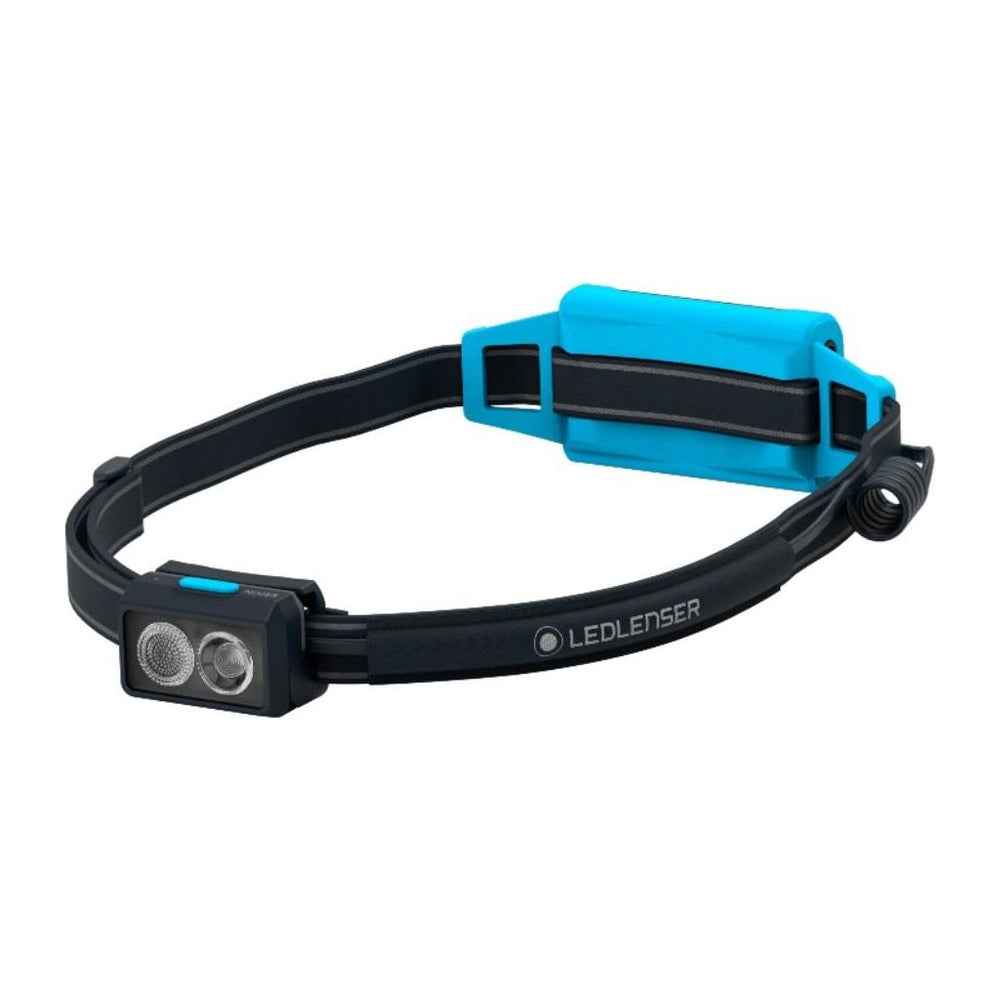
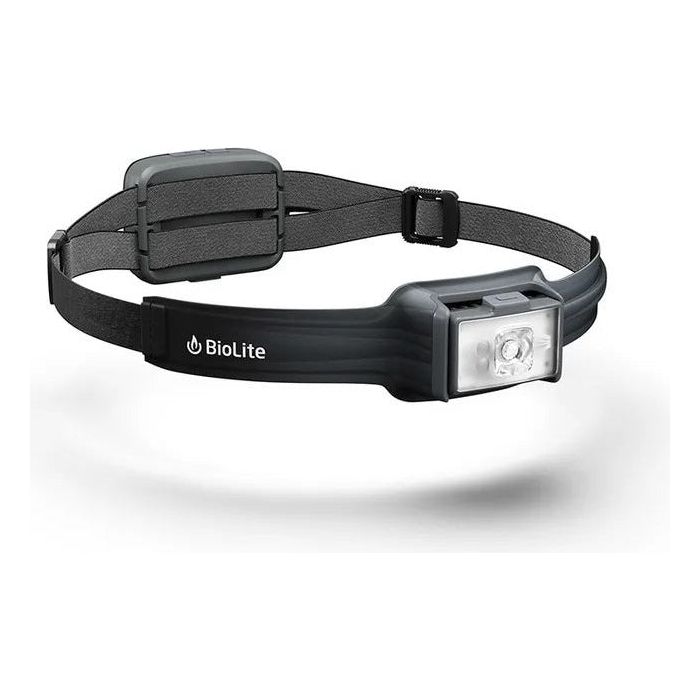
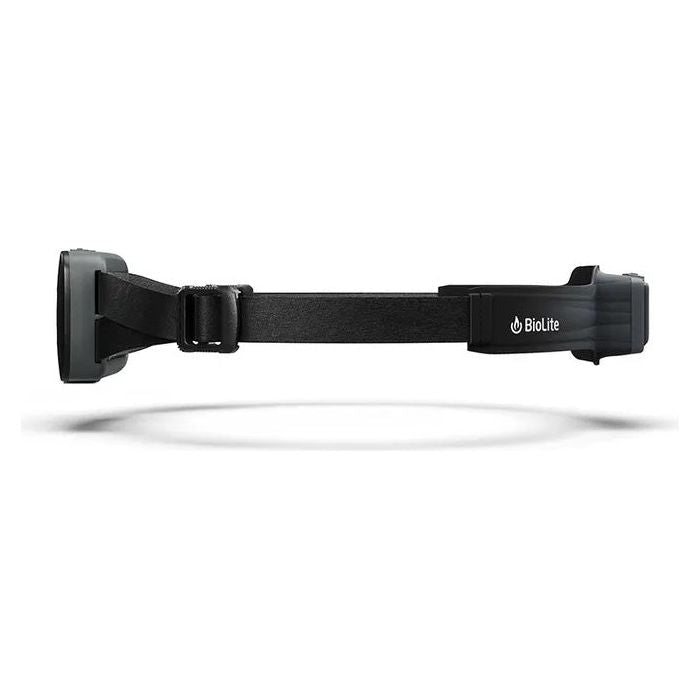
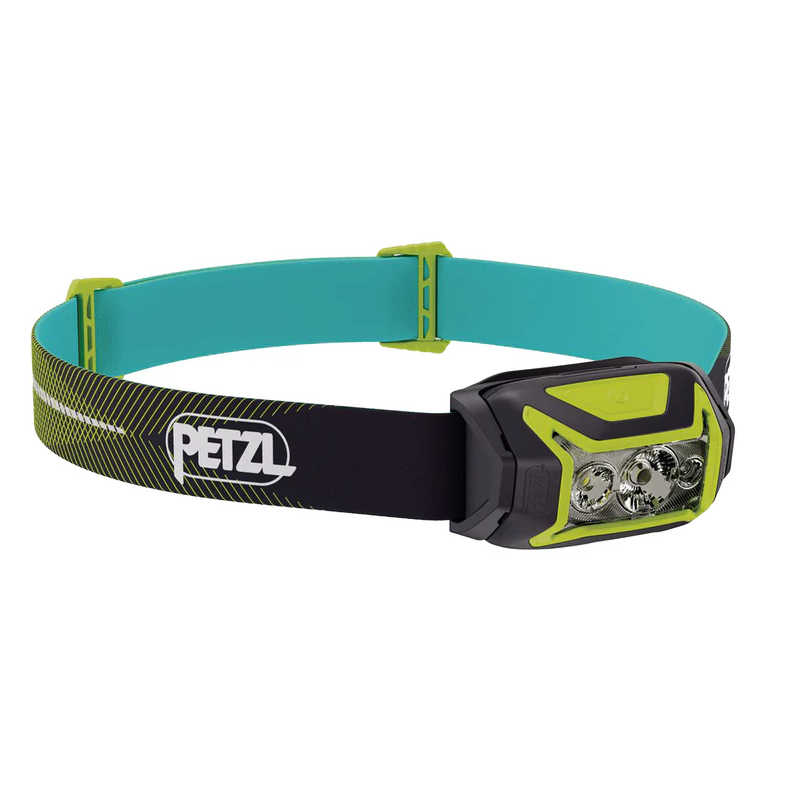
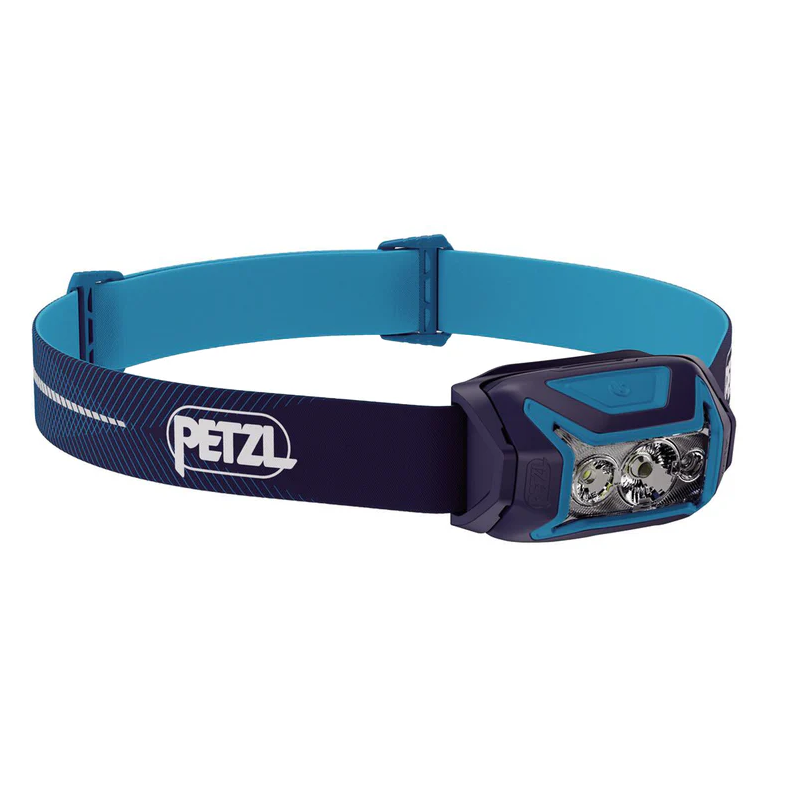
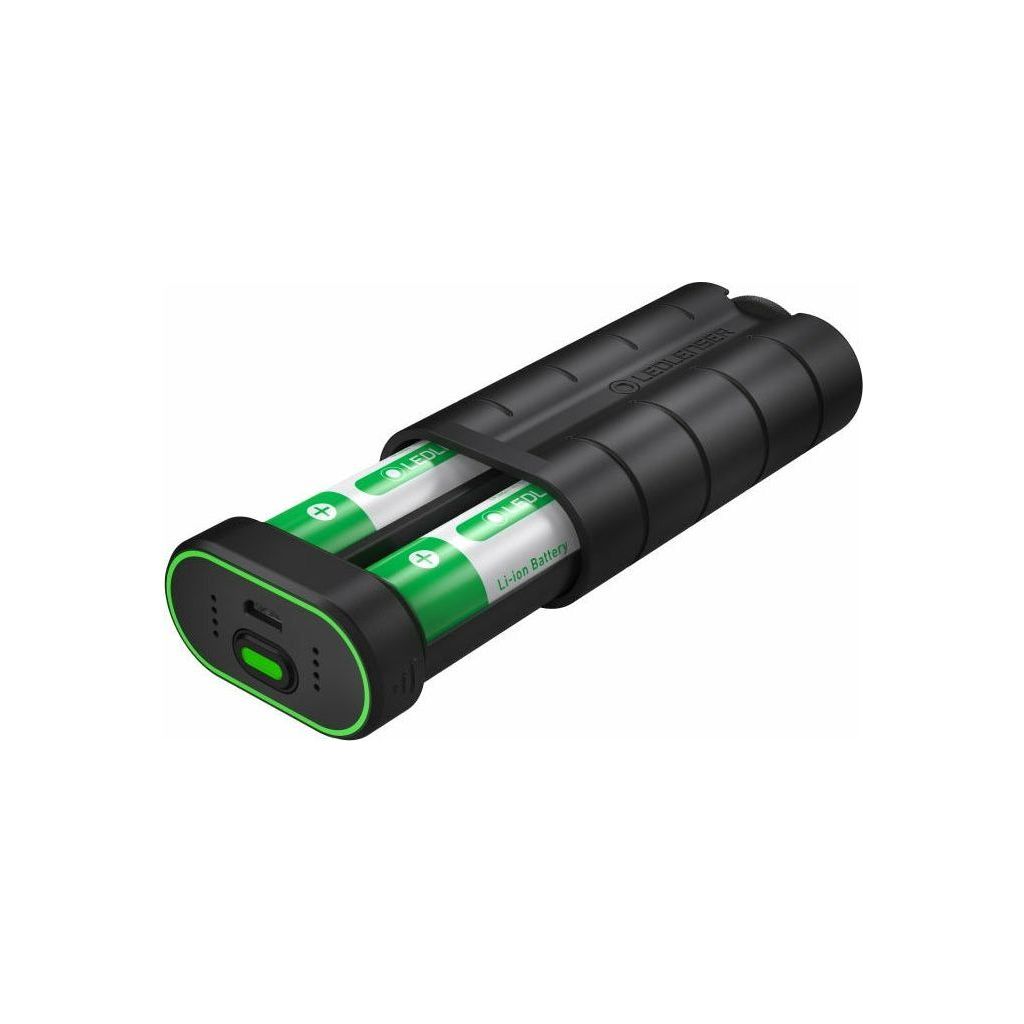
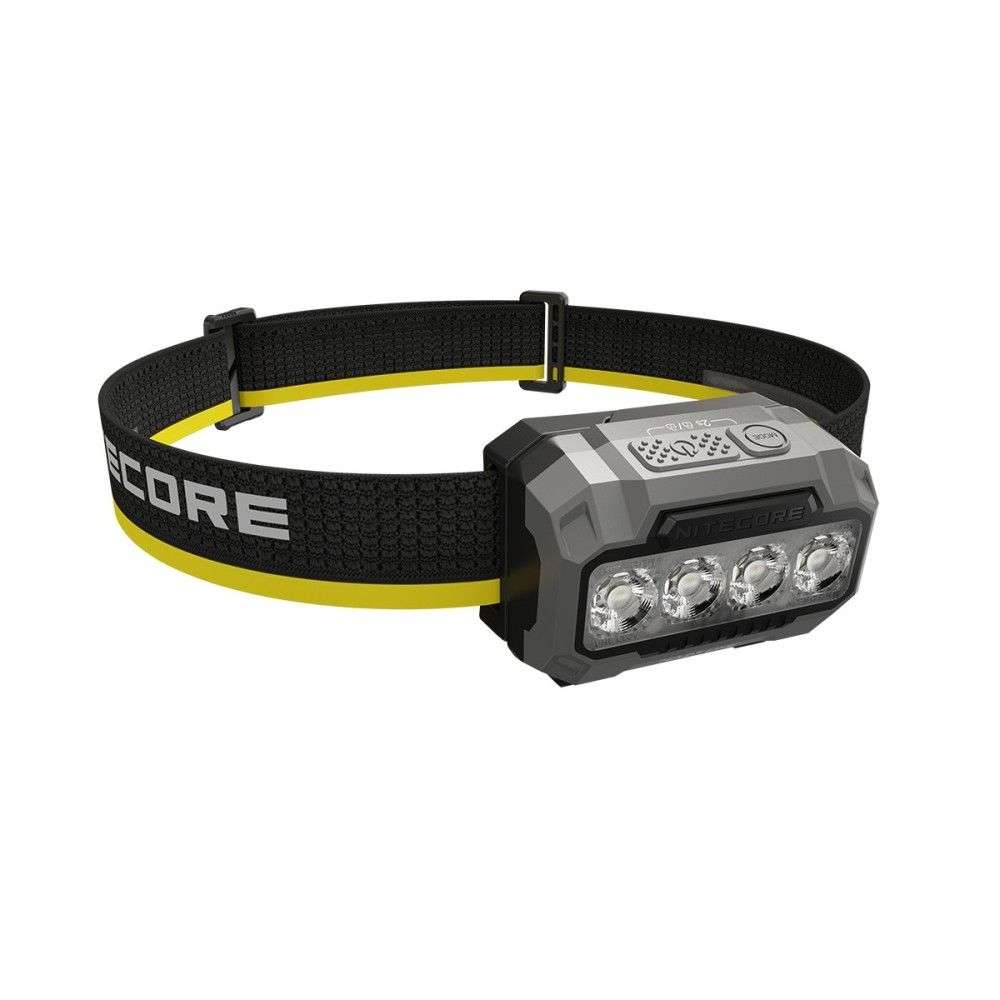
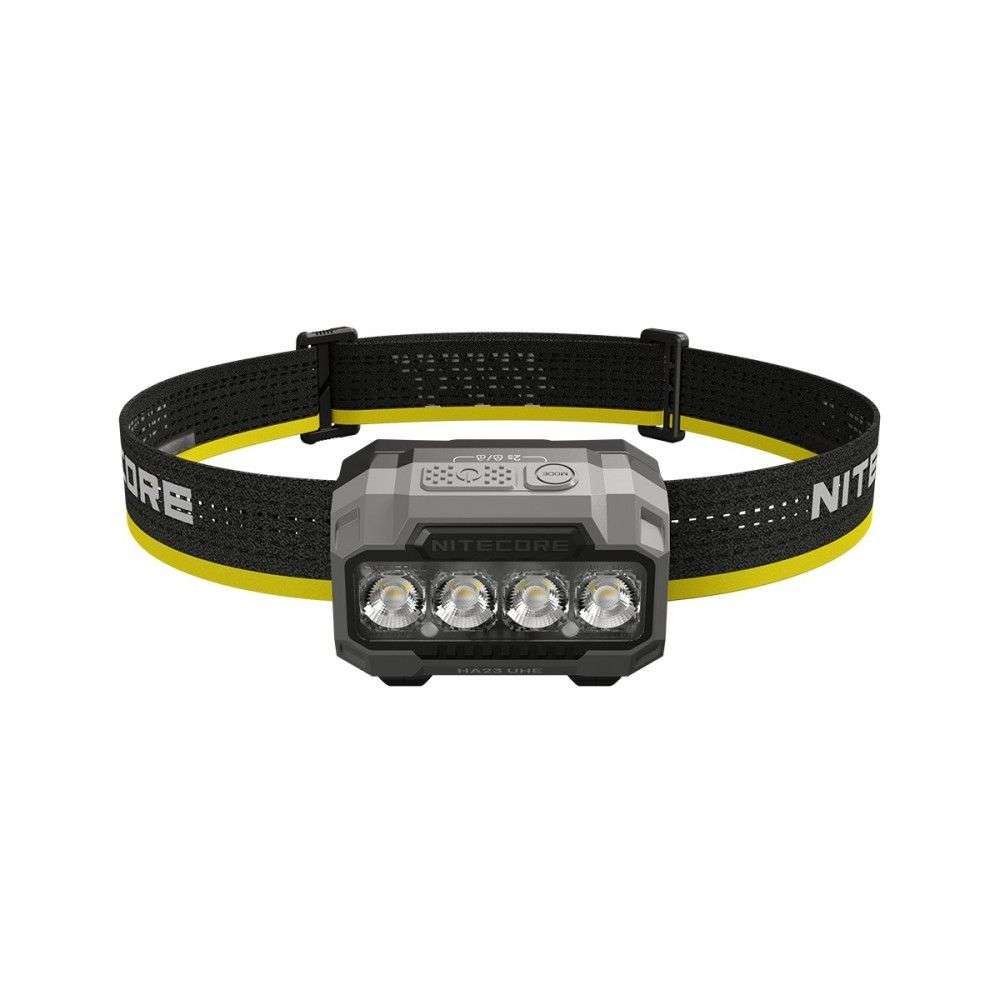
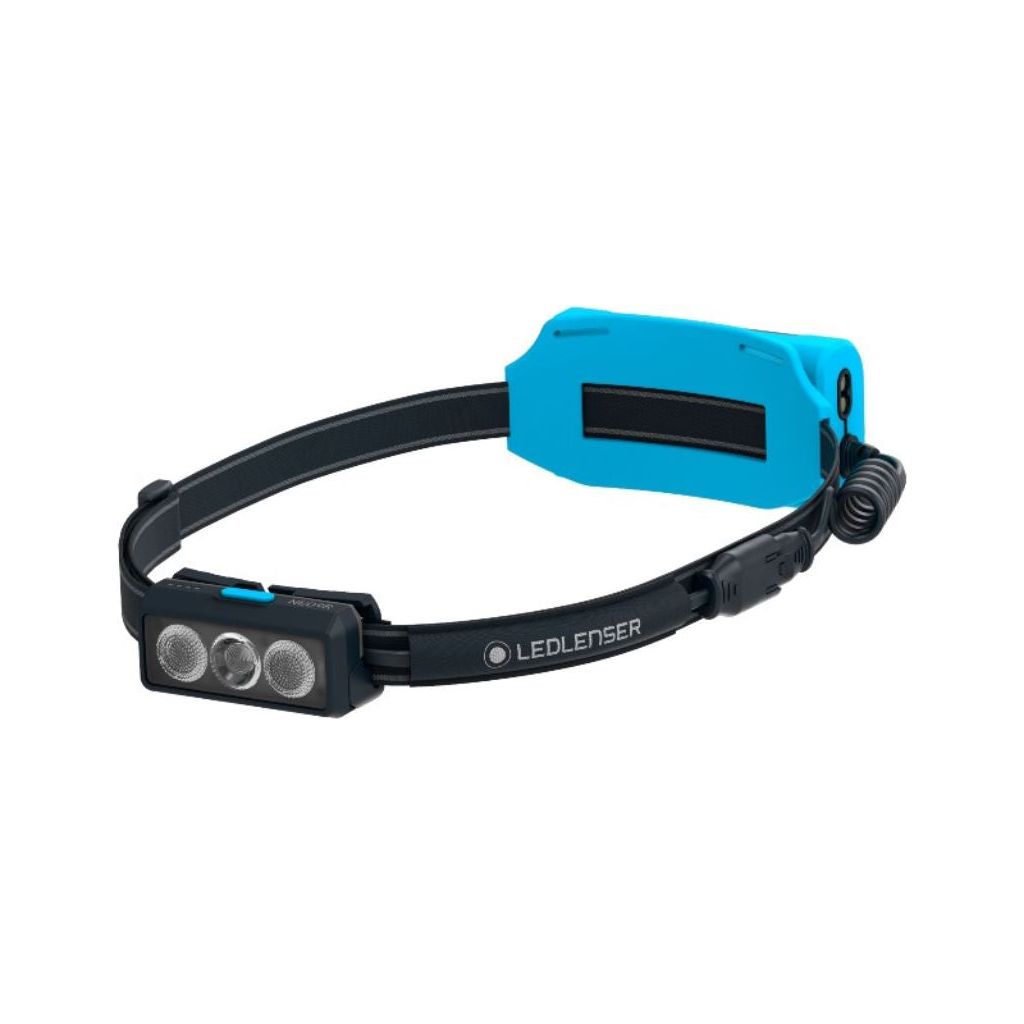
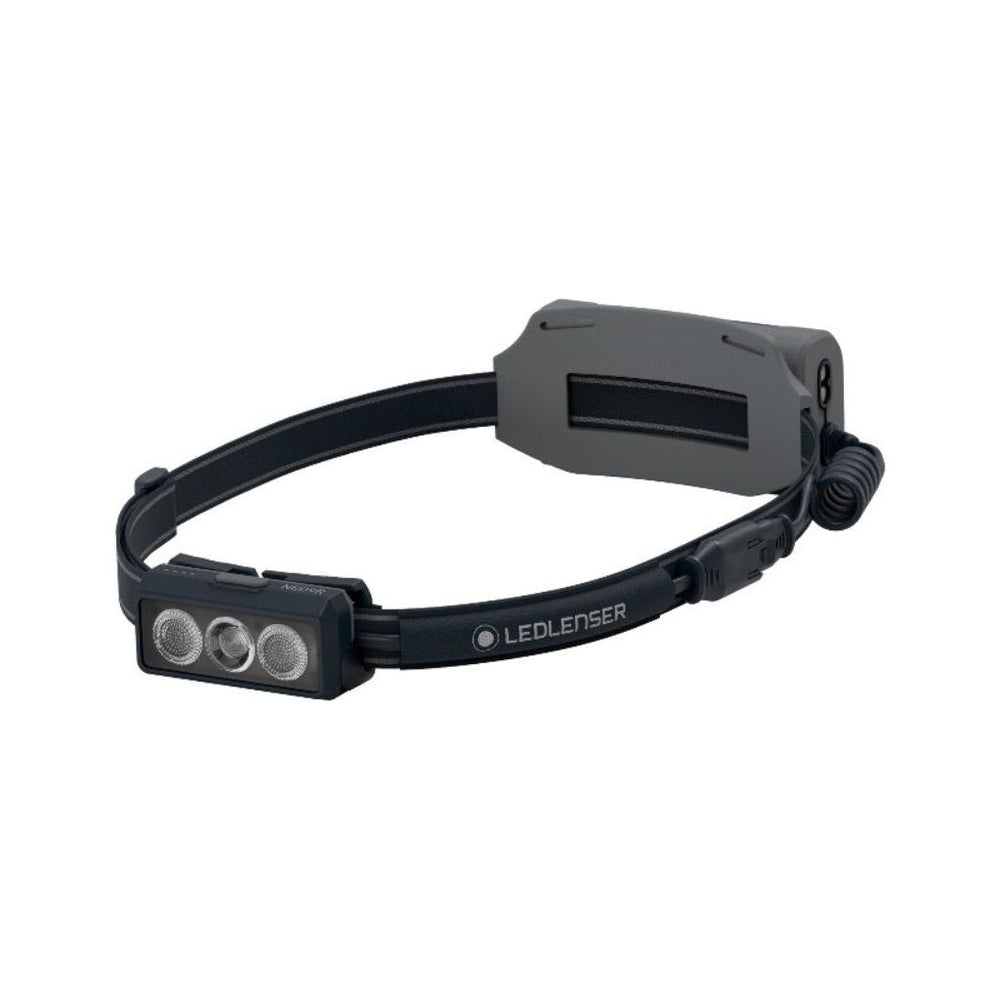
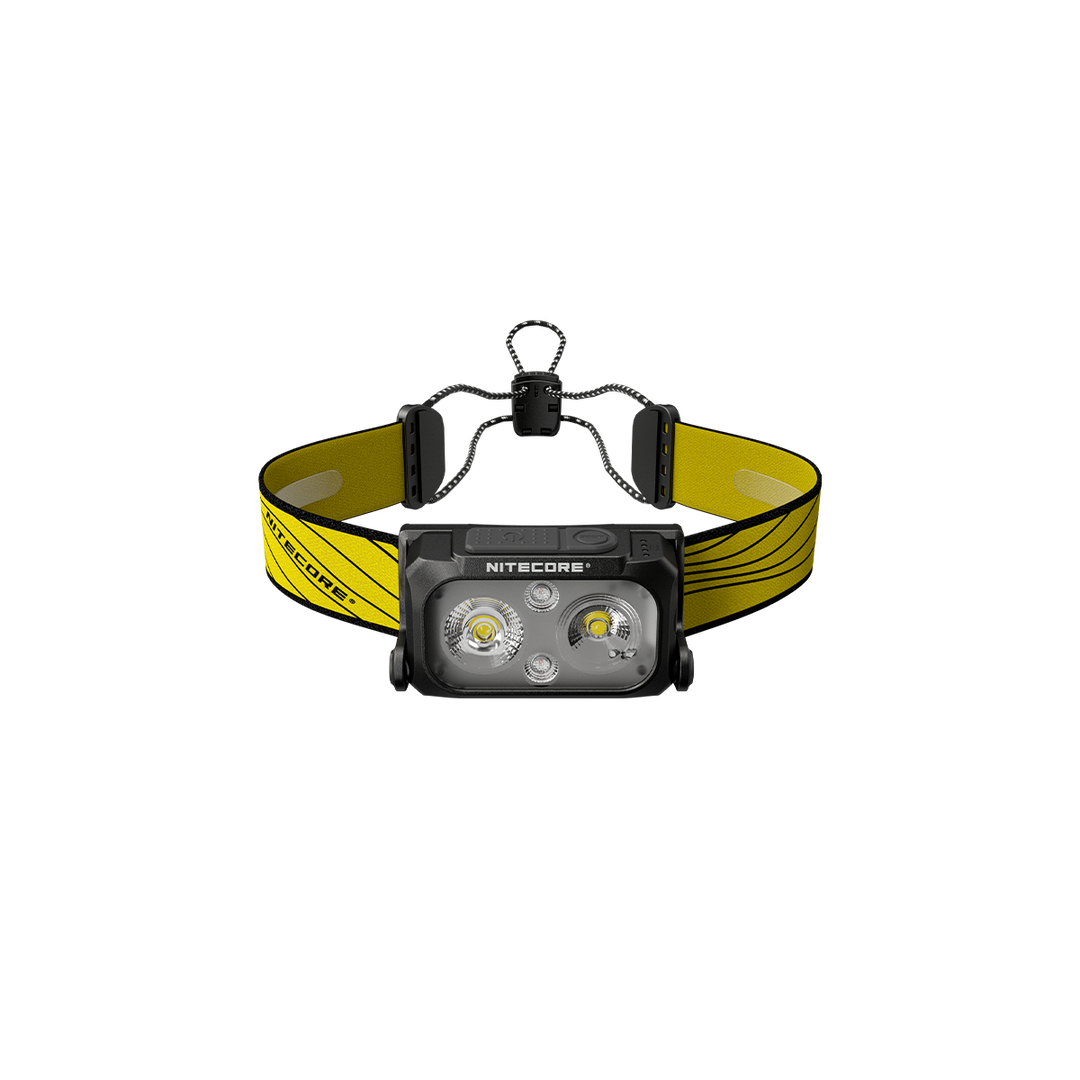
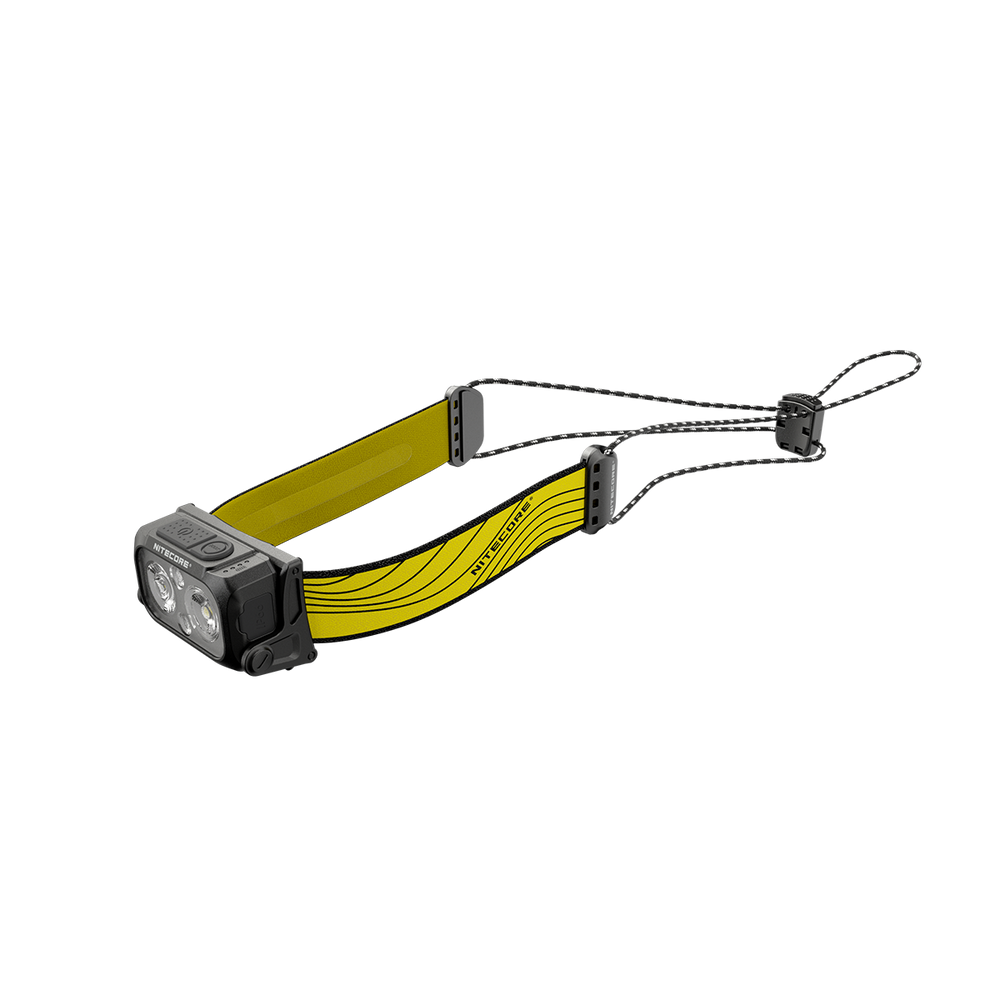
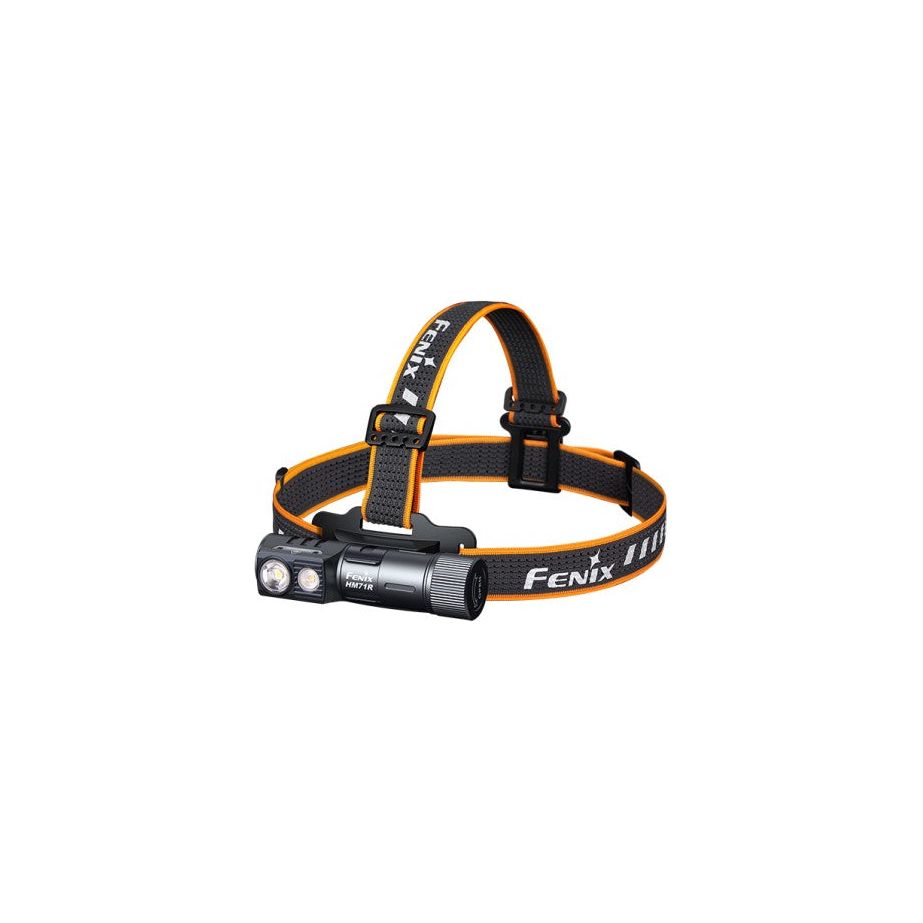
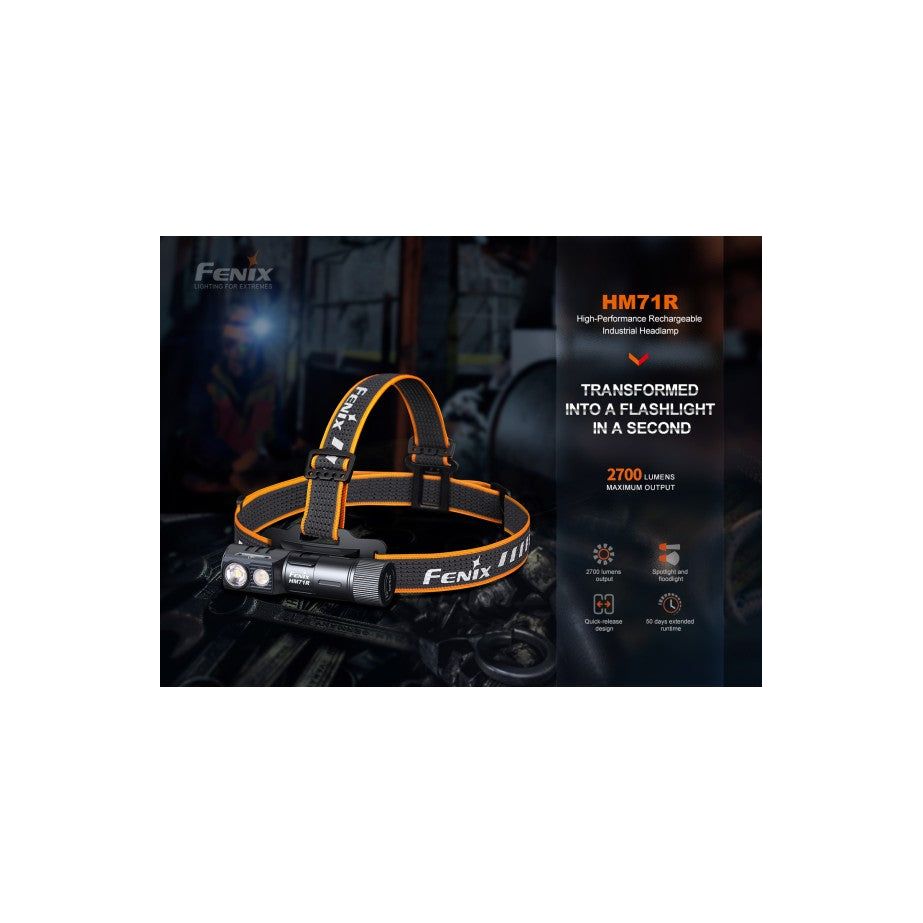
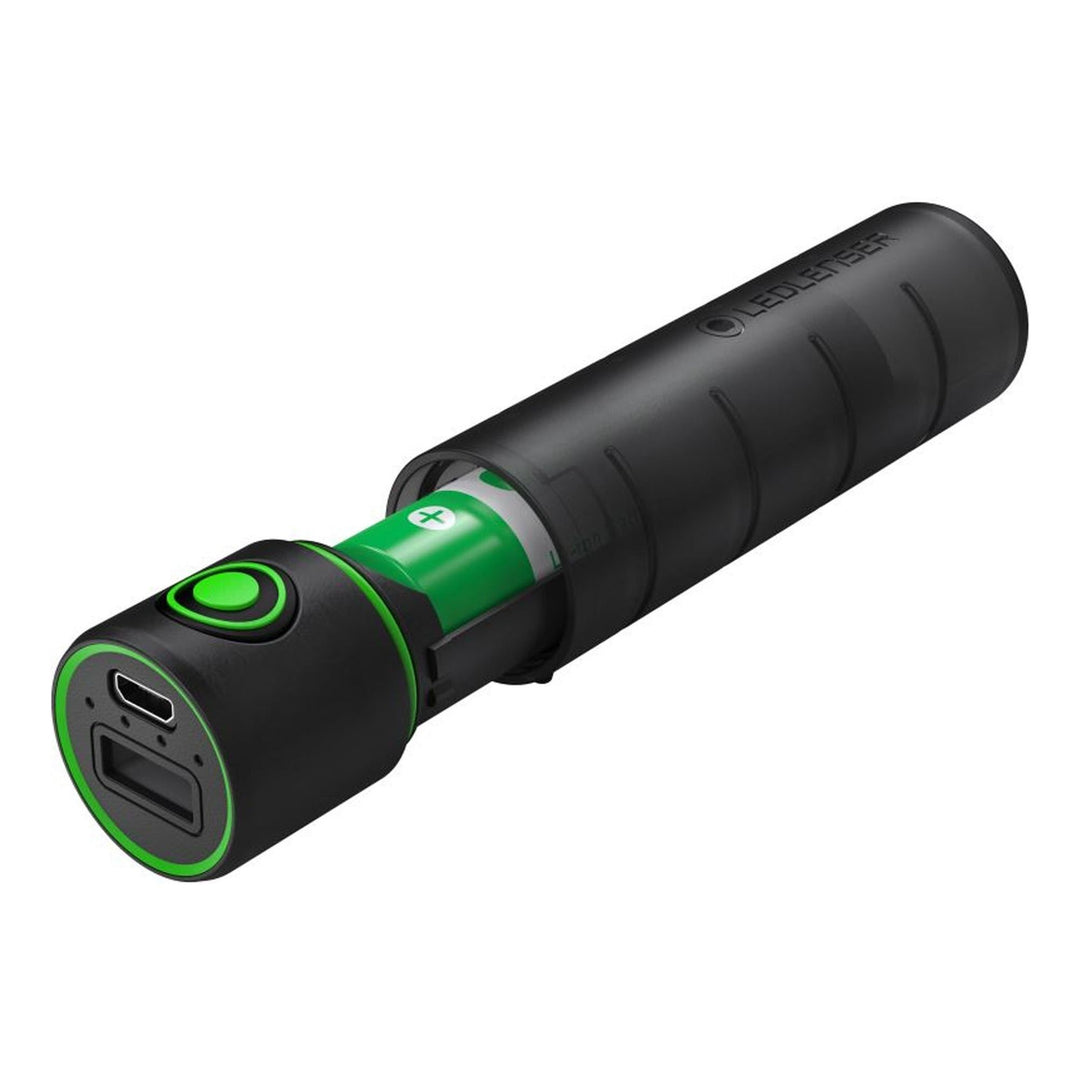
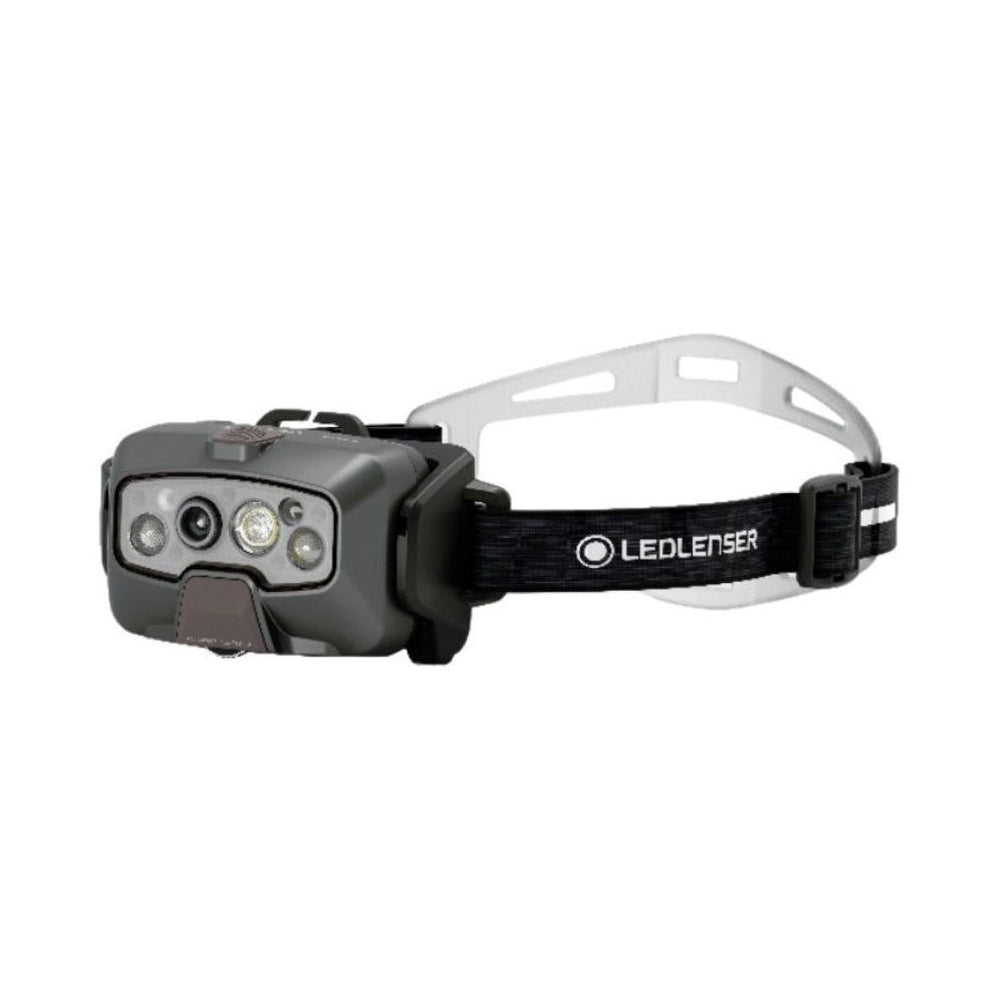
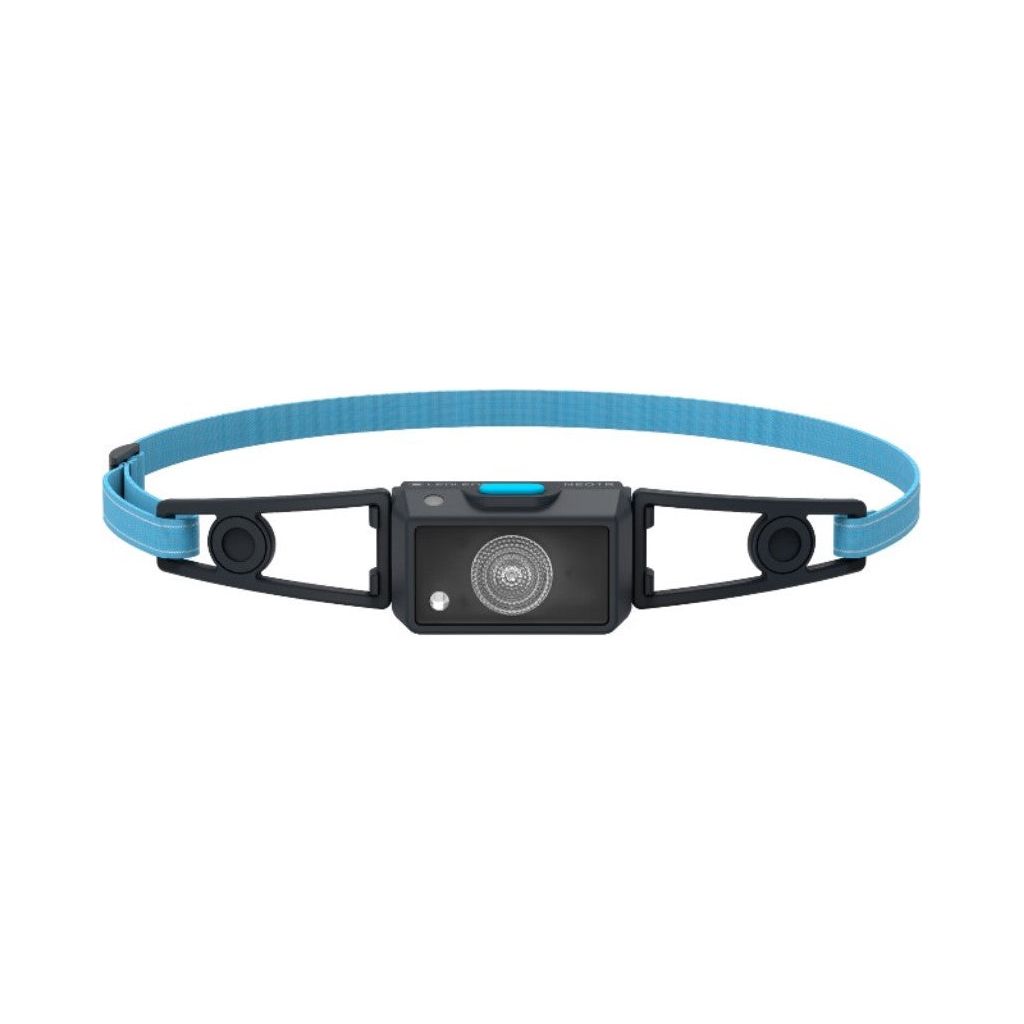
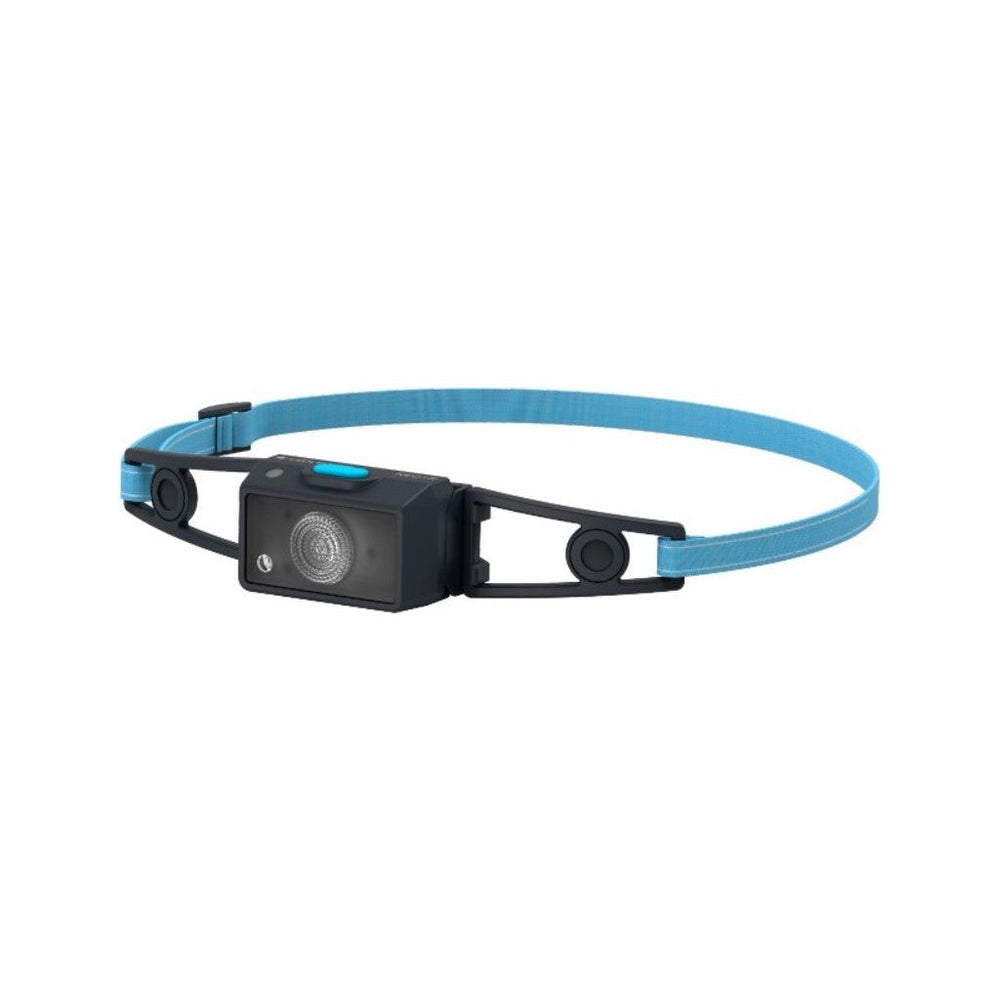
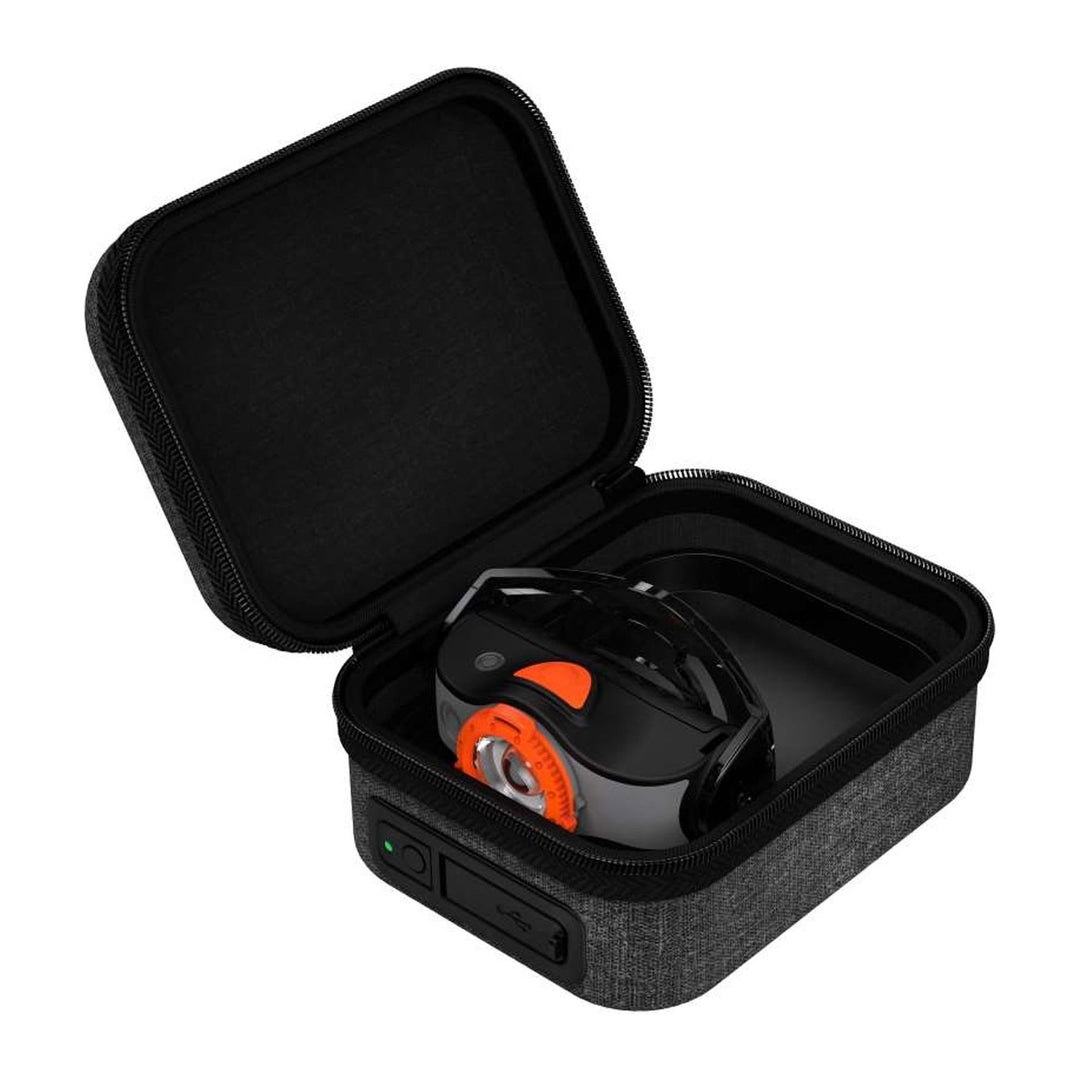
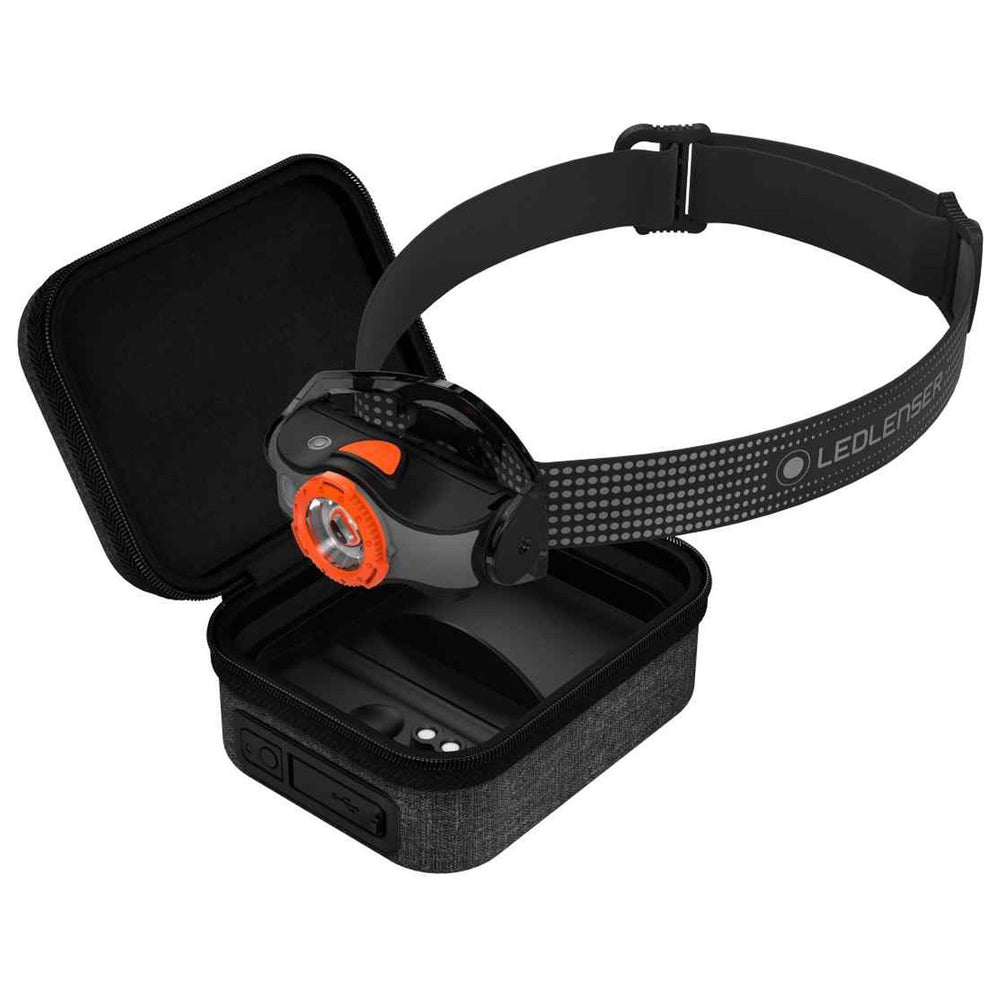
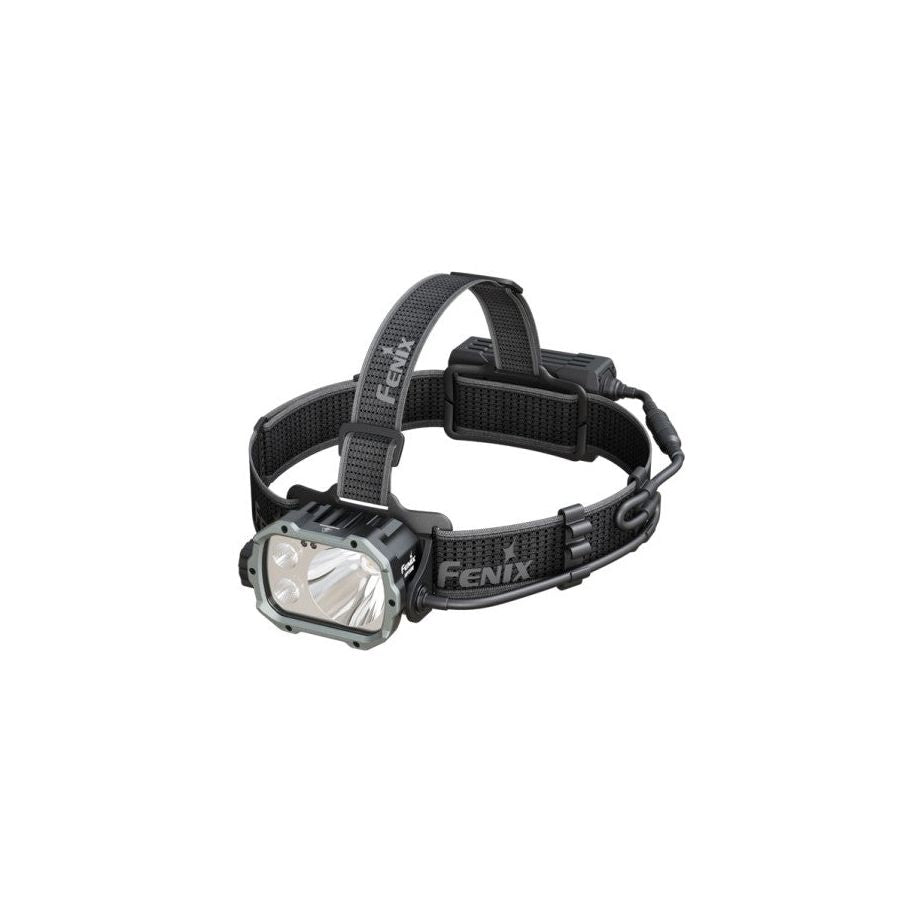
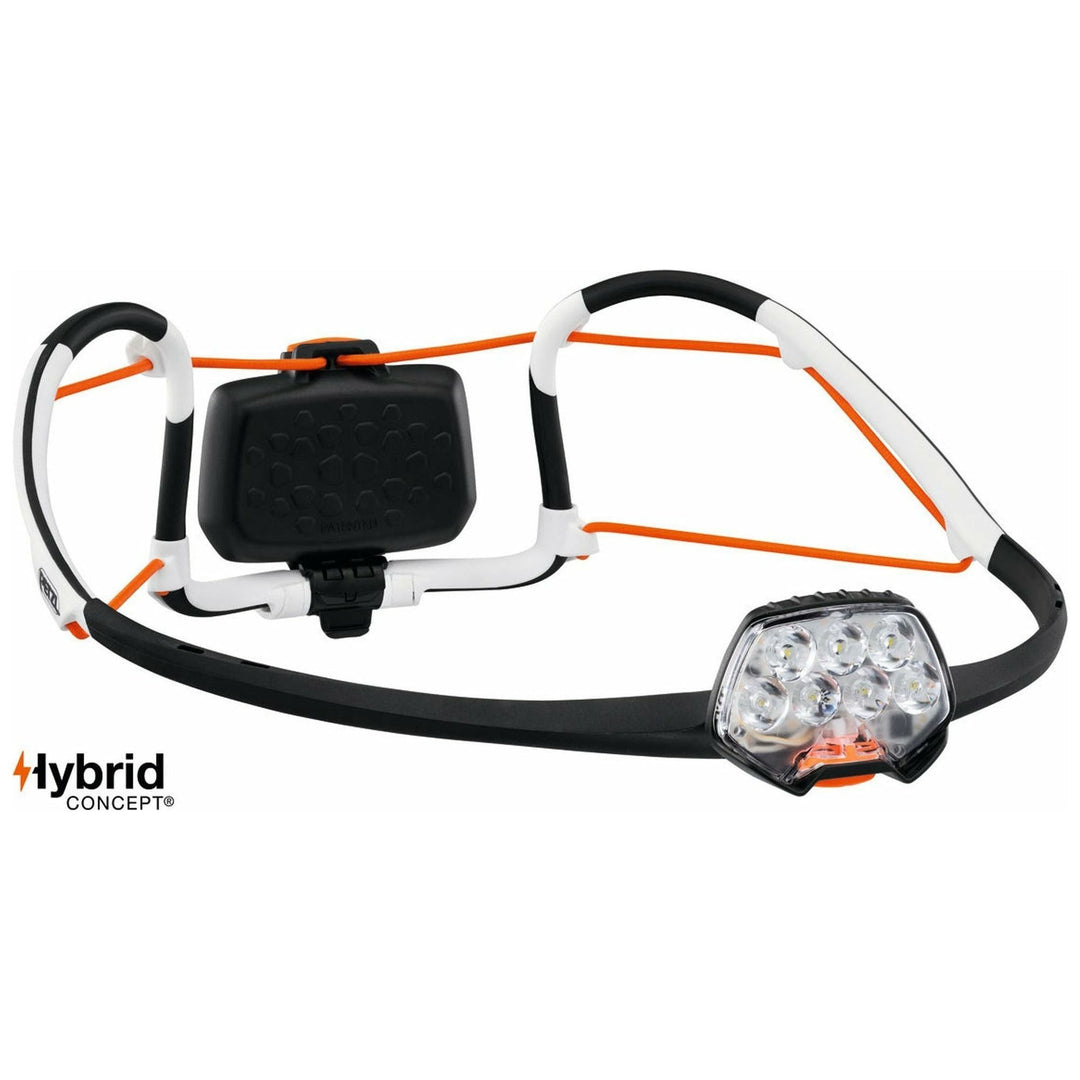
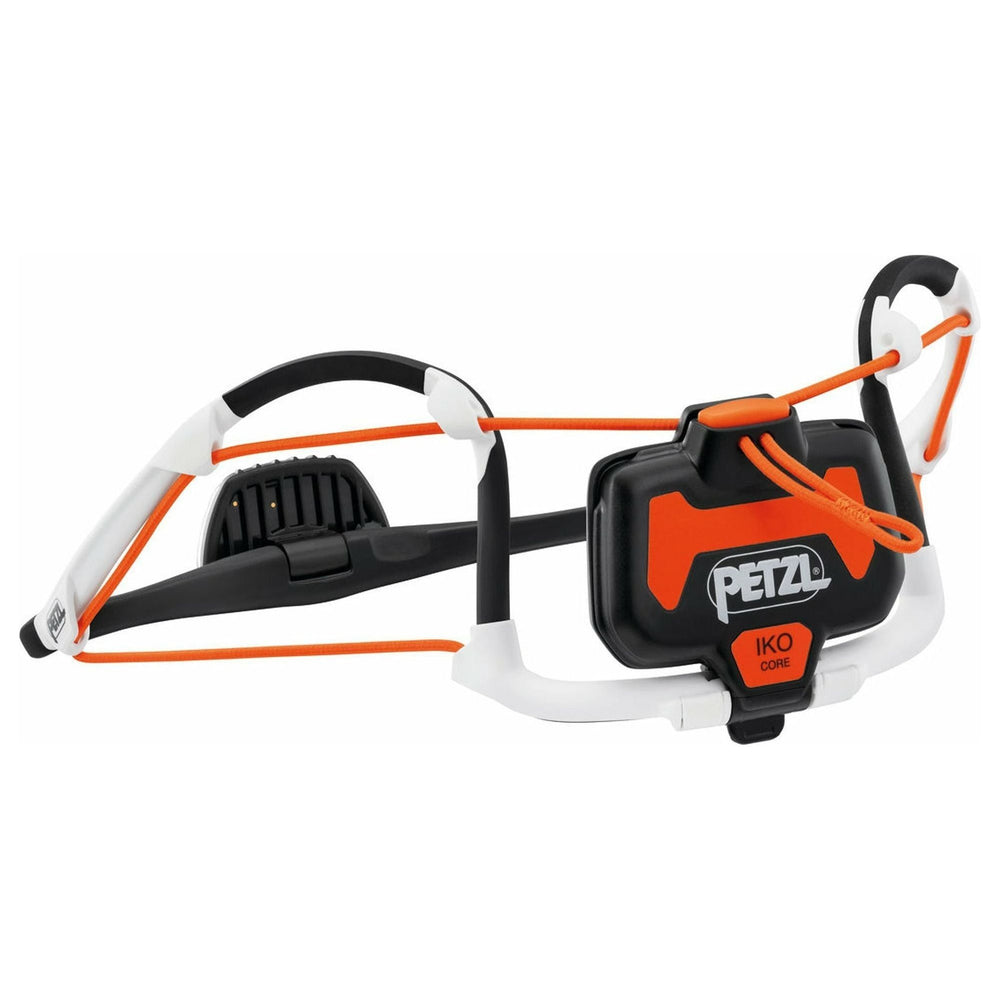
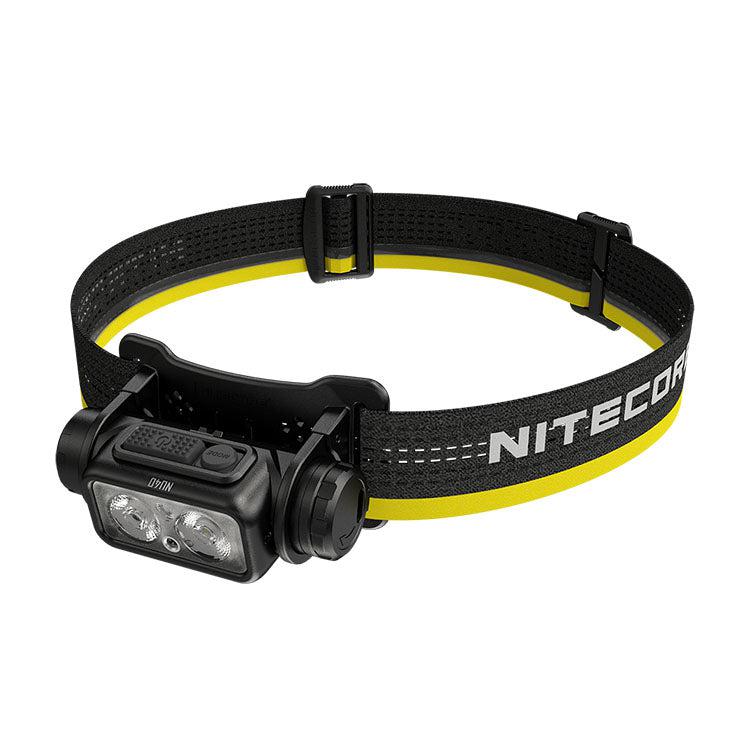
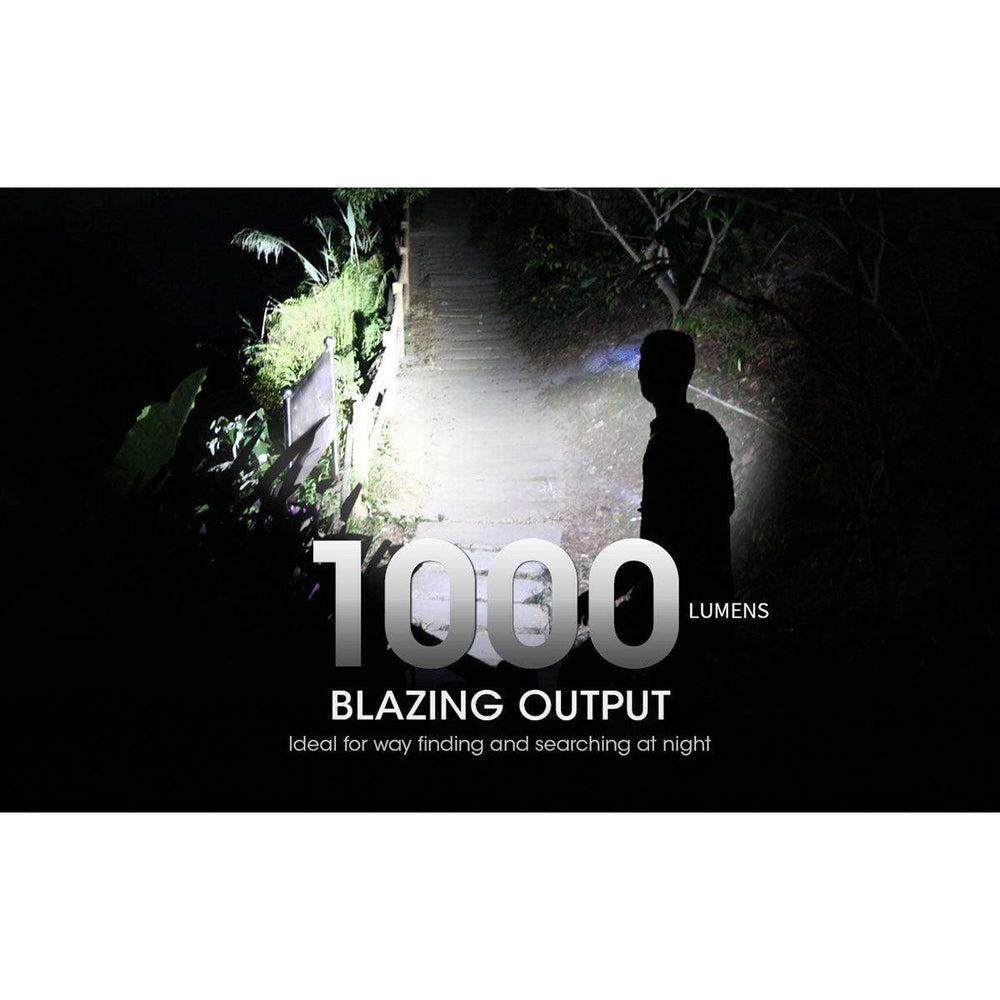
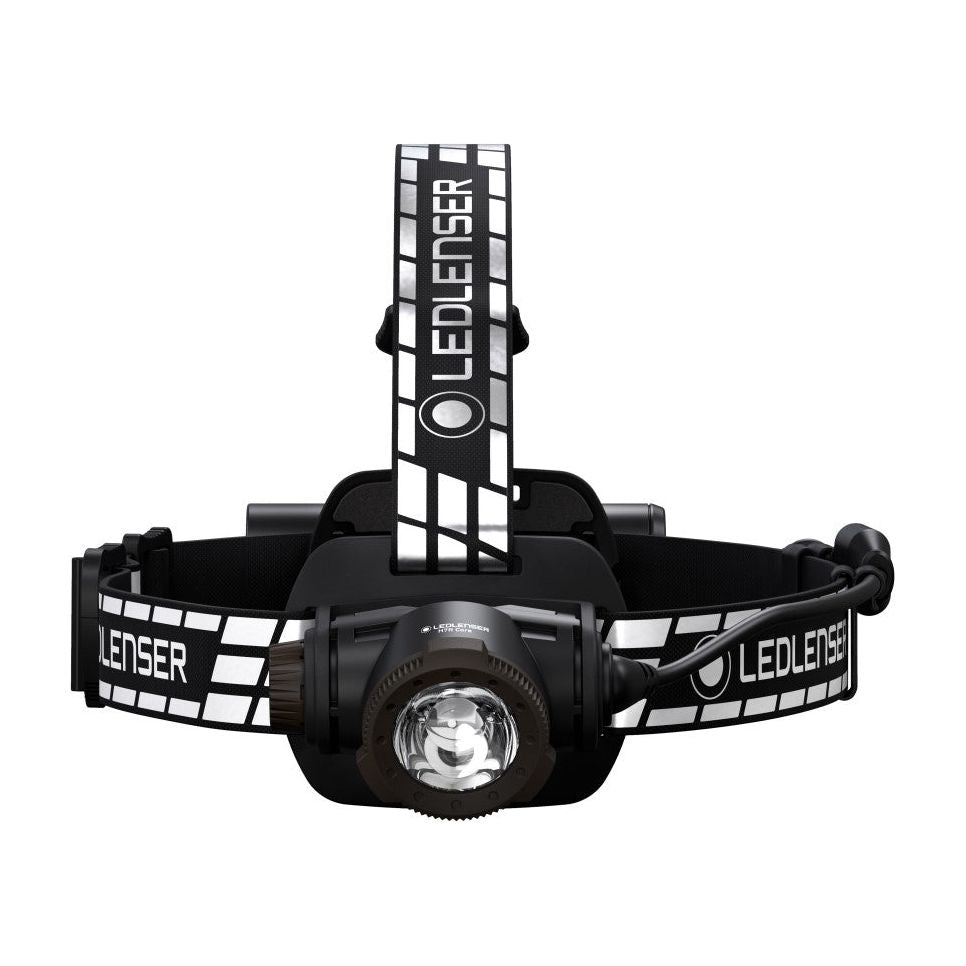
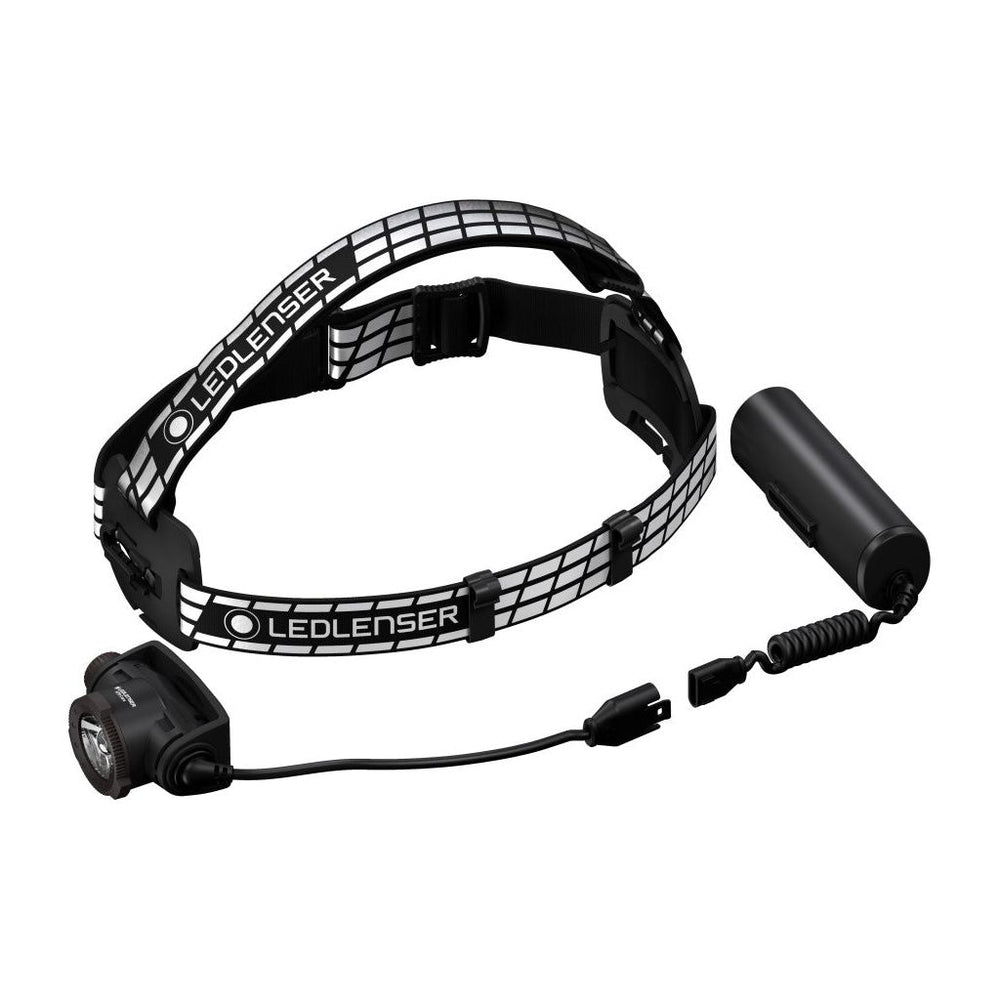
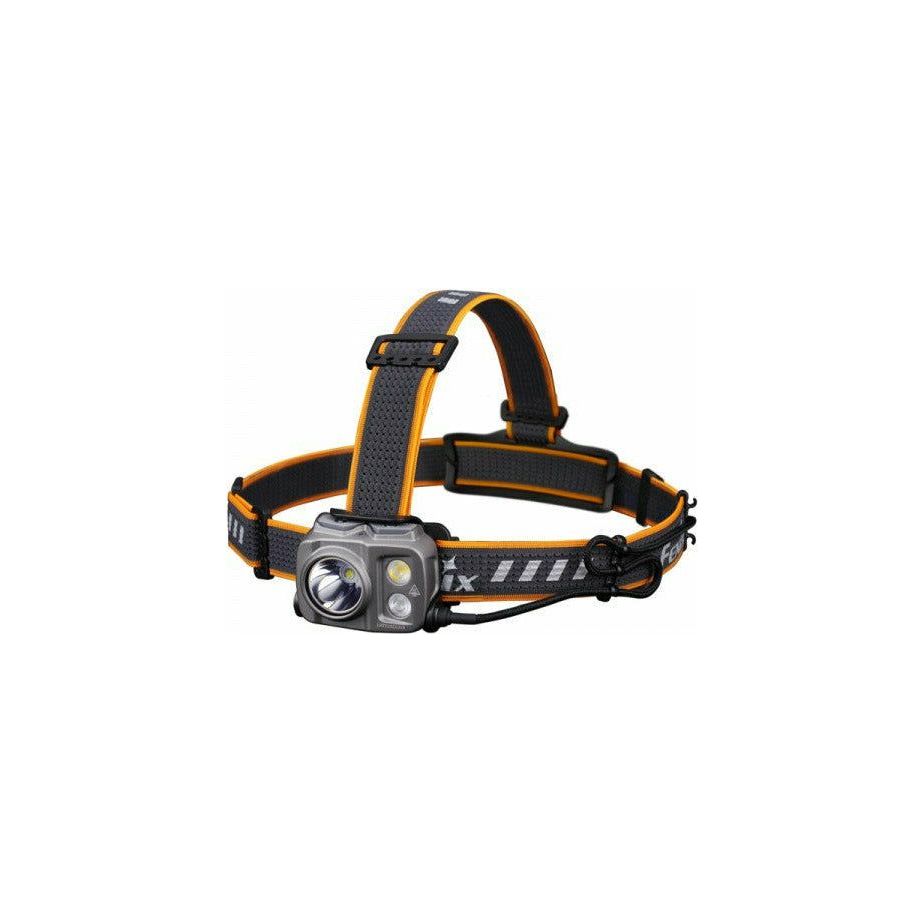
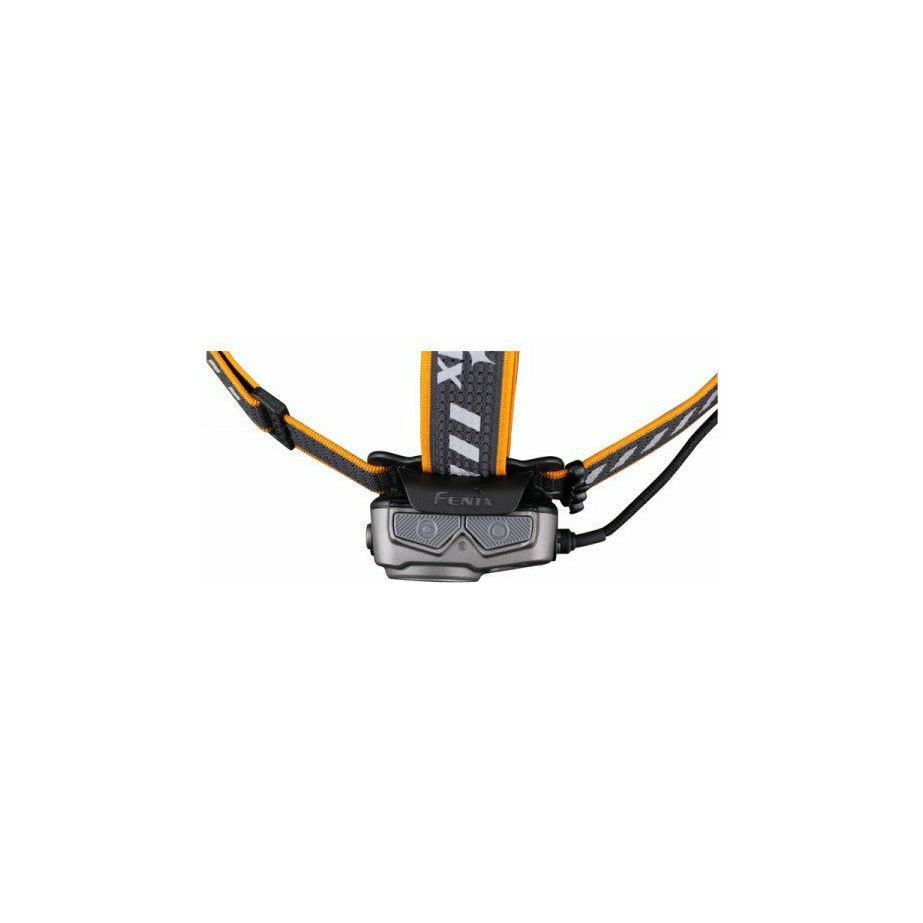
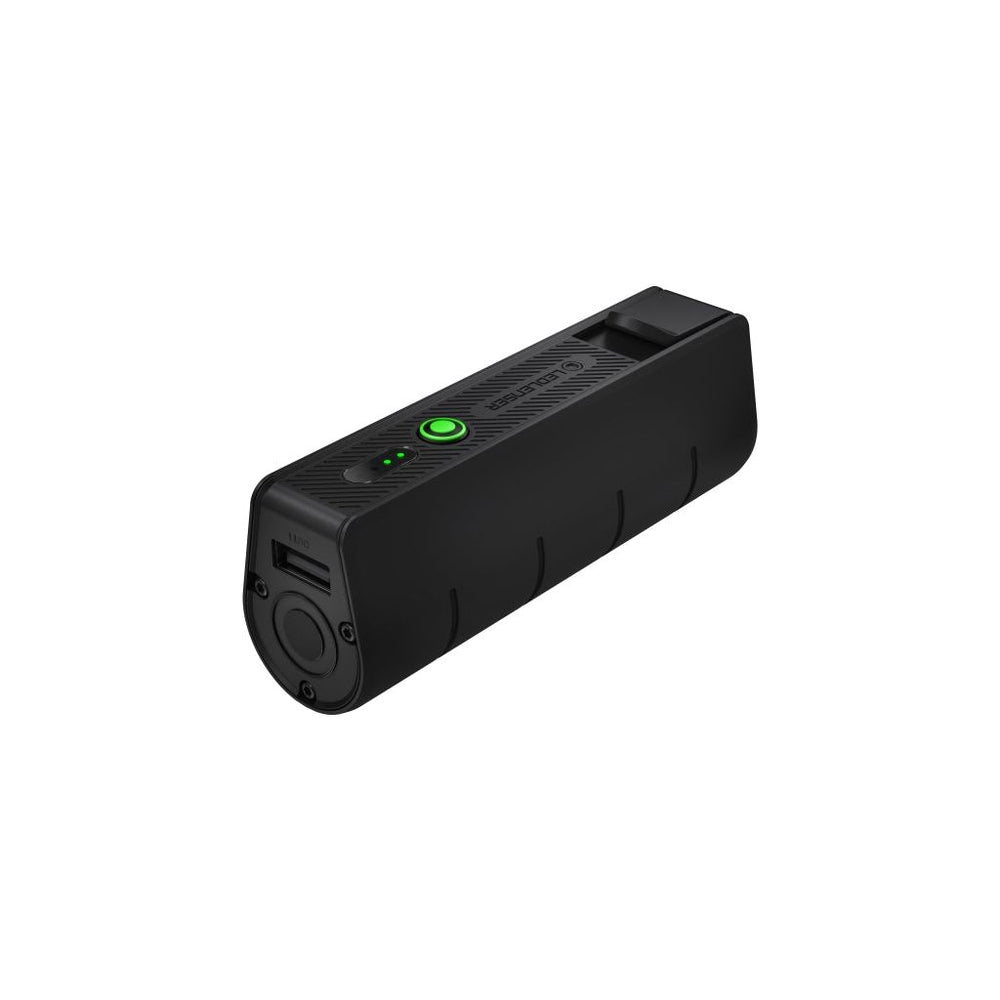
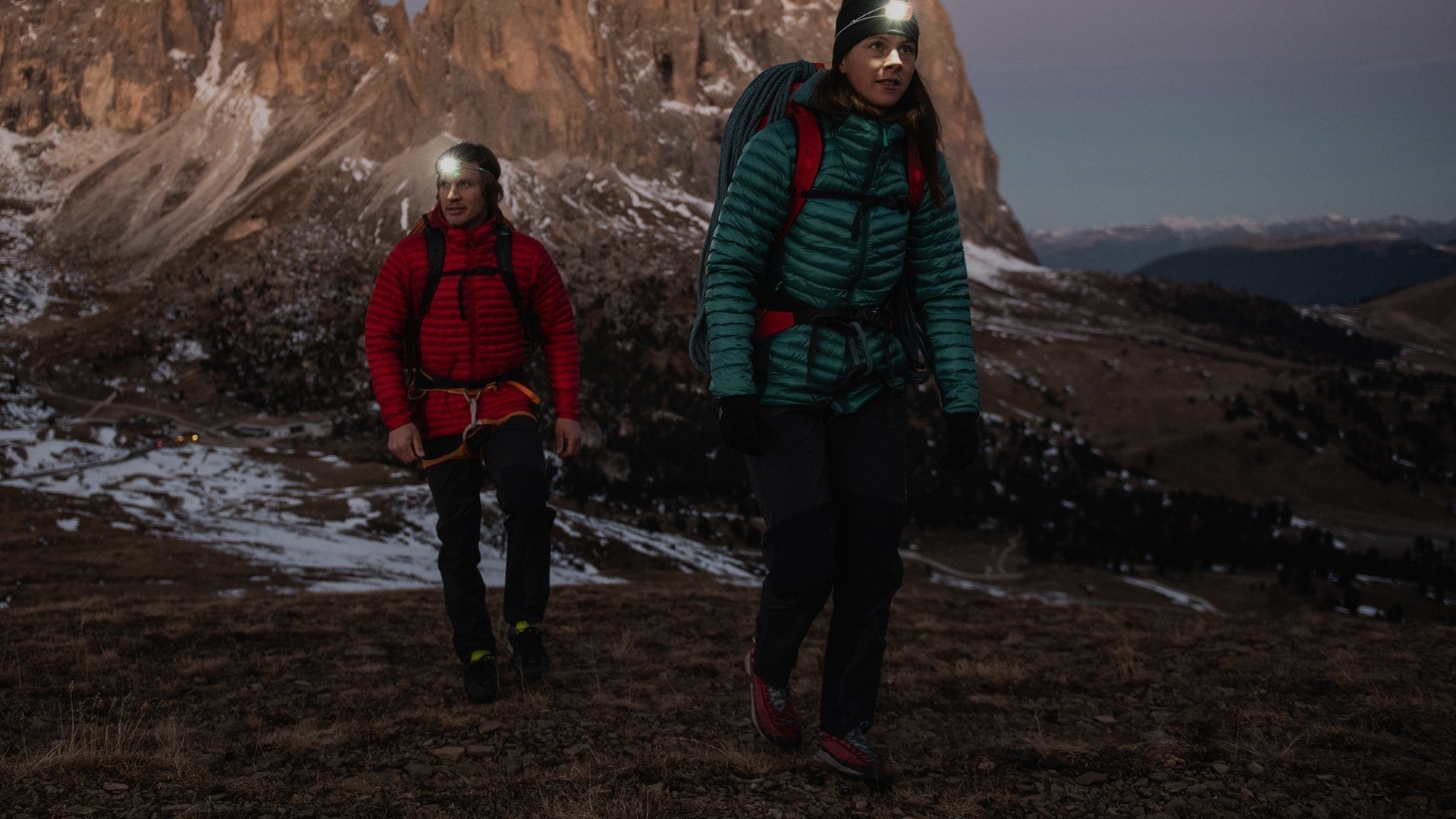
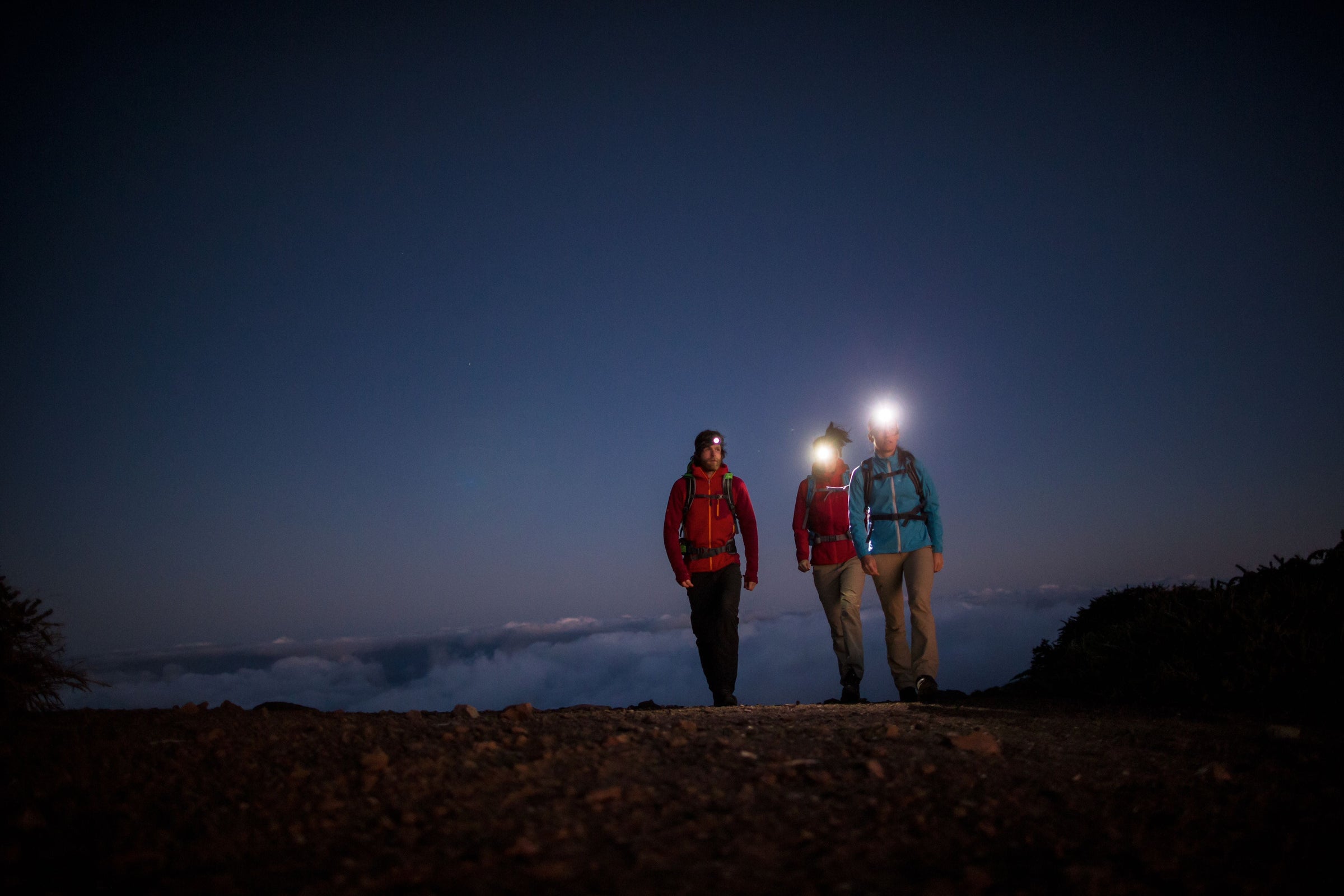
A reliable head torch is as essential as your boots for tramping in New Zealand. Early starts on the Kepler Track, late arrivals at a DOC hut, night navigation on a hut-to-hut traverse, or simply reading a map by the light of your camp — a quality headlamp keeps your hands free and your path lit.
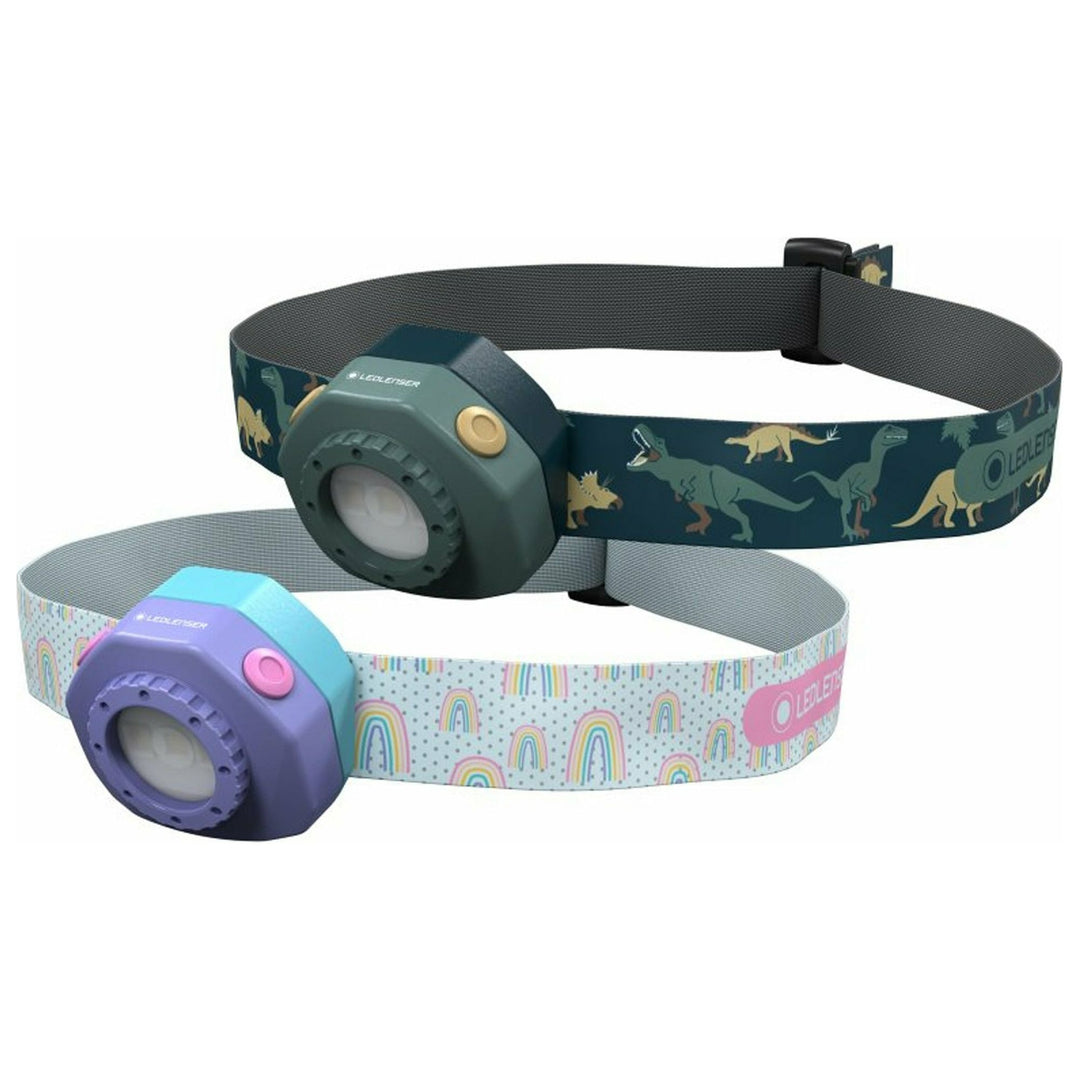
Our head torch range is led by Nitecore and Ledlenser. Nitecore is known for high-output, lightweight designs with strong battery efficiency — popular with trampers who want serious performance in a compact package. Ledlenser produces precision-engineered head torches with excellent beam quality and long runtimes, trusted by outdoor professionals across NZ and internationally.
Understanding Lumens
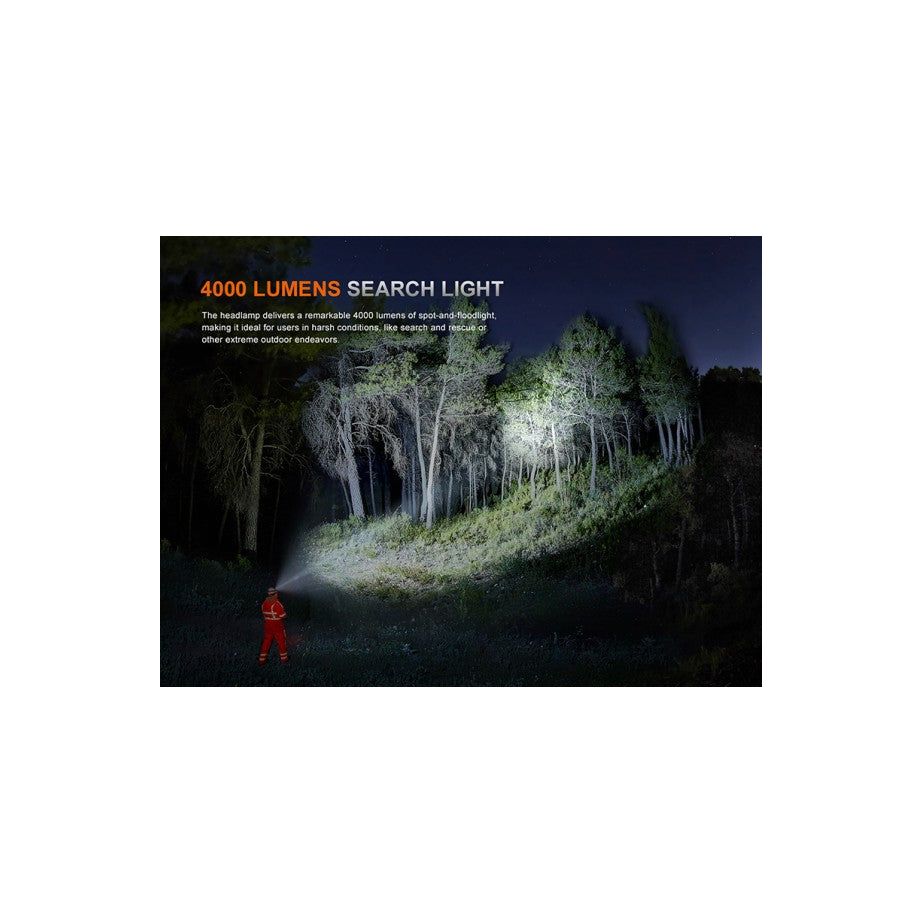
Lumens measure total light output. More lumens mean a brighter beam, but raw brightness is not the only thing that matters — beam shape, battery runtime, and weight all play into real-world performance. For most NZ tramping, 200–400 lumens is a practical high-end output. Ultra-high-lumen torches (700–1,000+ lumens) are impressive but burn through batteries fast and are only useful for specific technical uses.
Beam Distance and Type
A wide flood beam is useful close up — around camp, in huts, and for map reading. A focused spot beam throws light further down a trail, useful when navigating at night. The best tramping head torches from Nitecore and Ledlenser offer adjustable beams or a combined flood-spot profile that covers both use cases.
Battery Options for Tramping
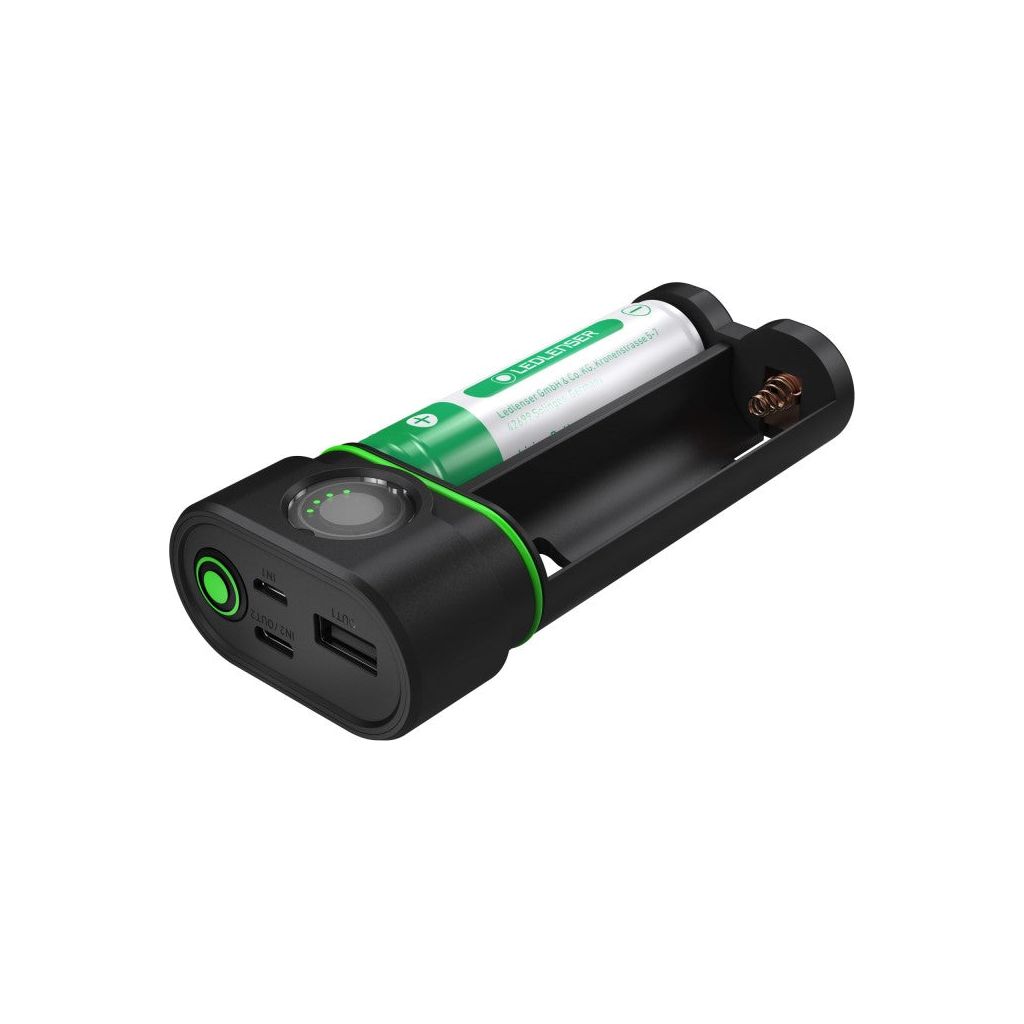
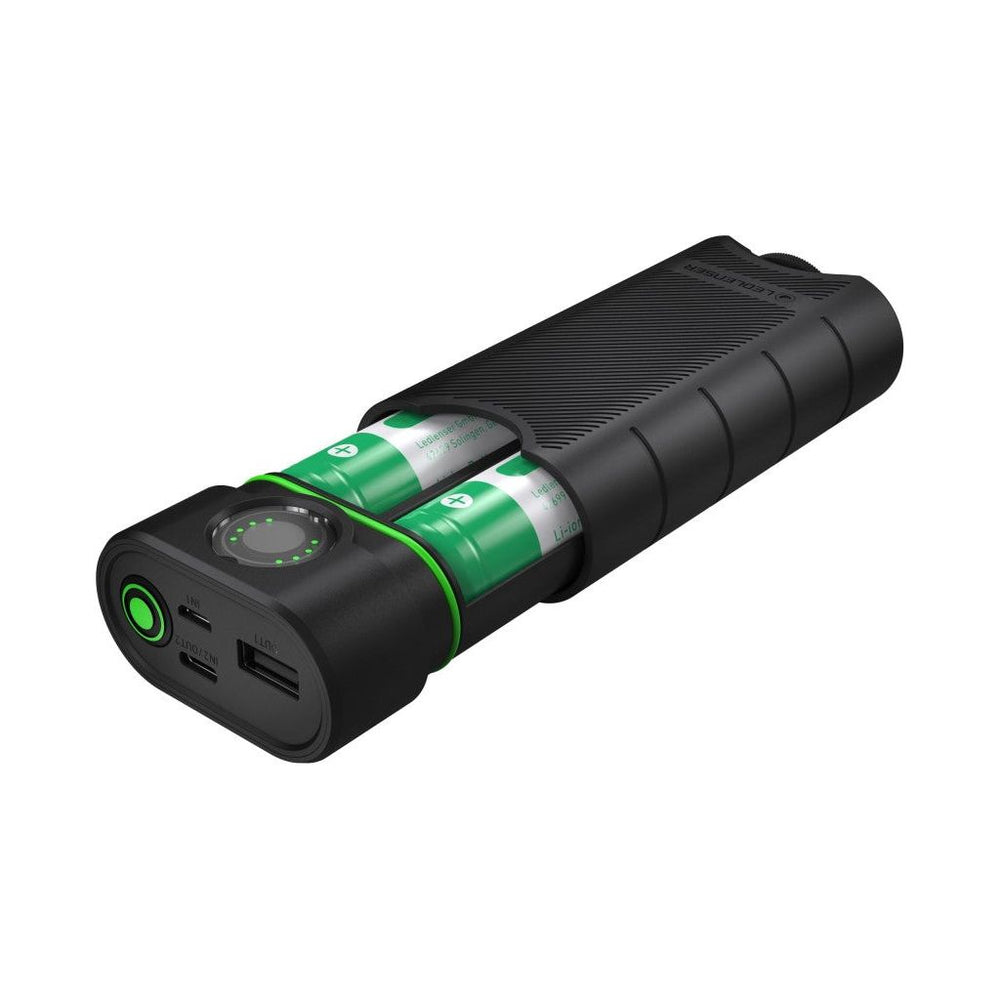
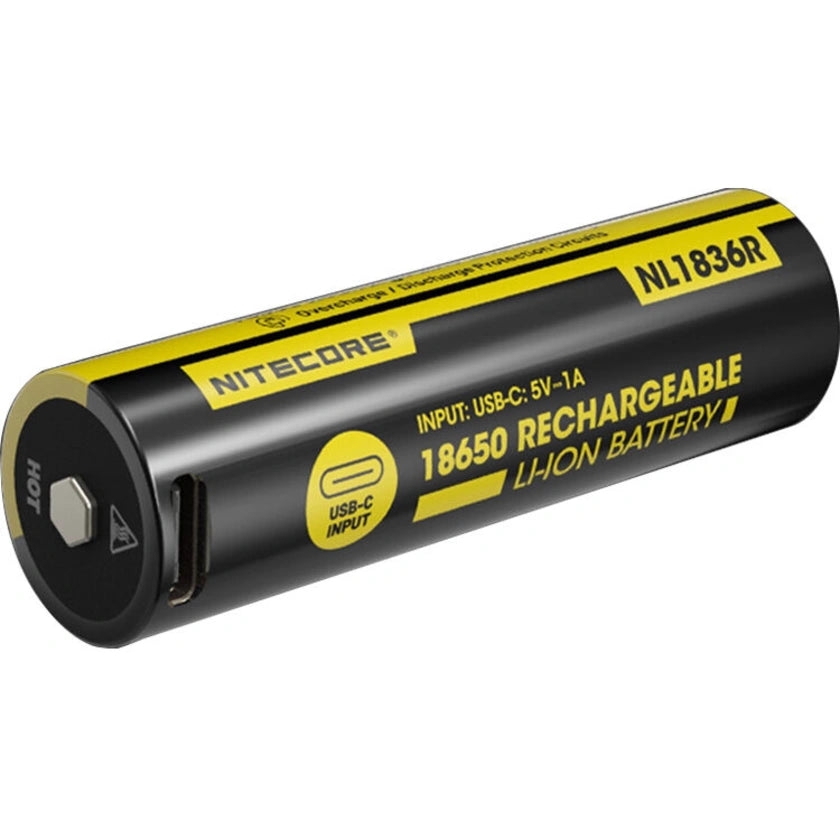
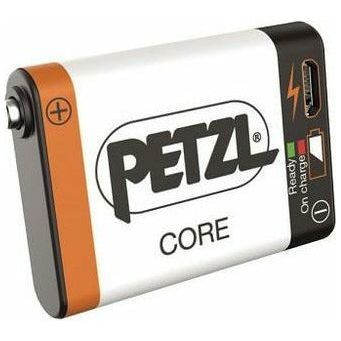
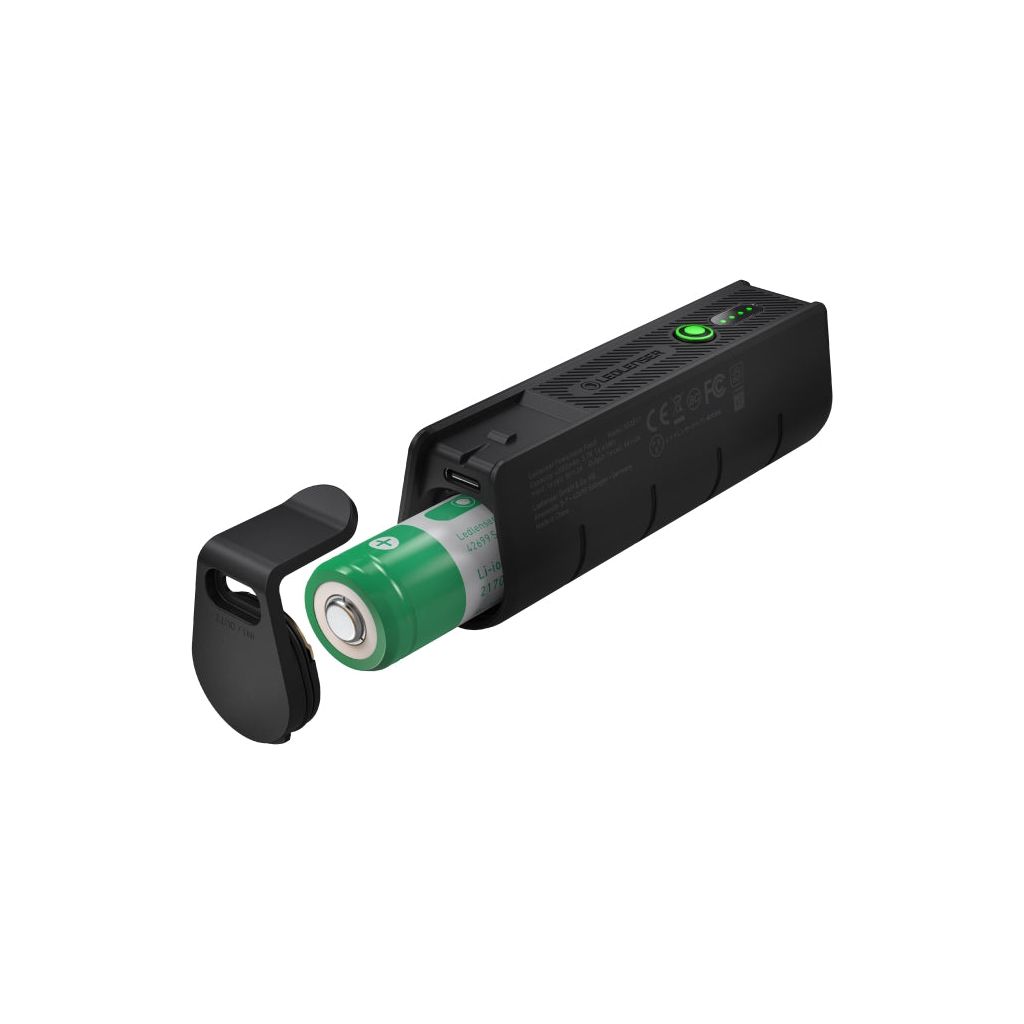
Rechargeable USB-C head torches are convenient for trips with hut power or short overnight missions. For remote multi-day tramps — particularly in Fiordland, the Kahurangi, or the Southern Alps — a head torch that accepts standard AAA or AA alkaline batteries is more practical. You can resupply at huts or pick up batteries in any small town. Some Nitecore models accept both rechargeable and standard alkalines, making them a versatile choice for NZ conditions.
Waterproofing and Durability
NZ rain is not gentle. A head torch rated to at least IPX4 will handle typical tramping conditions. For river crossings or Fiordland-level conditions, IPX6 or IPX7 gives extra peace of mind. All models in our range meet IPX4 minimum.
Red Light Mode
Red light preserves your night vision and avoids disturbing others in a shared hut — one of the most underrated features in a tramping head torch. All Nitecore and Ledlenser models at Dwights include red light mode.
Frequently Asked Questions
How many lumens do I need for tramping in NZ?
For most NZ tramping — night walks to huts, early starts on multi-day tracks, or navigating camp in the dark — a head torch in the 200–400 lumen range is plenty. If you plan to move fast over technical terrain at night, or need to light up a river crossing, 500+ lumens is useful. For casual camping and in-hut use, 100–200 lumens is sufficient. Most modern head torches offer multiple brightness modes so you can conserve battery on lower settings.
What is the difference between flood and spot beam modes?
A flood (wide) beam spreads light broadly, making it ideal for close-up tasks like cooking, reading maps, or moving around camp. A spot (focused) beam throws light further down the trail, useful for navigation on a track at night. Many quality head torches from Nitecore and Ledlenser offer both modes or a hybrid beam that blends the two. For tramping, a head torch with both flood and spot capability gives you the most versatility.
Should I use rechargeable or alkaline batteries in my head torch?
Both have merits for NZ tramping. Rechargeable head torches (USB-C charged) save money and reduce waste over time, but you need a power source to recharge — a limitation on multi-day tramps without hut power. AAA or AA alkaline models can be topped up with fresh batteries from any DOC hut, petrol station, or supermarket, making them more practical for remote trips. Some Nitecore models accept both rechargeable cells and standard alkalines, giving you the best of both options.
Why is red light mode important for camping and tramping?
Red light mode preserves your night vision — white light causes your pupils to contract, and it takes 20–30 minutes to fully readapt to the dark. Red mode is also far less disruptive to others in a shared DOC hut. Use red light for in-hut navigation, reading, and any close task where you do not need to see far. Nitecore and Ledlenser head torches include a dedicated red mode on their main tramping models.
What waterproof rating should I look for in a tramping head torch?
Look for at least IPX4 (splash-resistant from any direction) for tramping — this covers most NZ rain and stream splashes. IPX7 (submersible to 1 metre for 30 minutes) is better for river crossings and very wet conditions. For general tramping use, IPX4 is the minimum; IPX6 or IPX7 gives extra confidence in Fiordland-style downpours.
What is the best head torch for overnight tramping in NZ?
For overnight and multi-day tramping, look for a head torch with 200–400 lumens on high, a good flood-spot combo beam, red light mode, a runtime of at least 40 hours on low, and a secure, comfortable headband. Weight matters on a long tramp — keep it under 100g where possible. The Nitecore and Ledlenser tramping ranges are popular choices among NZ trampers for balancing performance, battery flexibility, and weight.
Read our complete Head Torches NZ buying guide for detailed advice on lumens, beam types, battery options, and top picks.