














Dome Tents
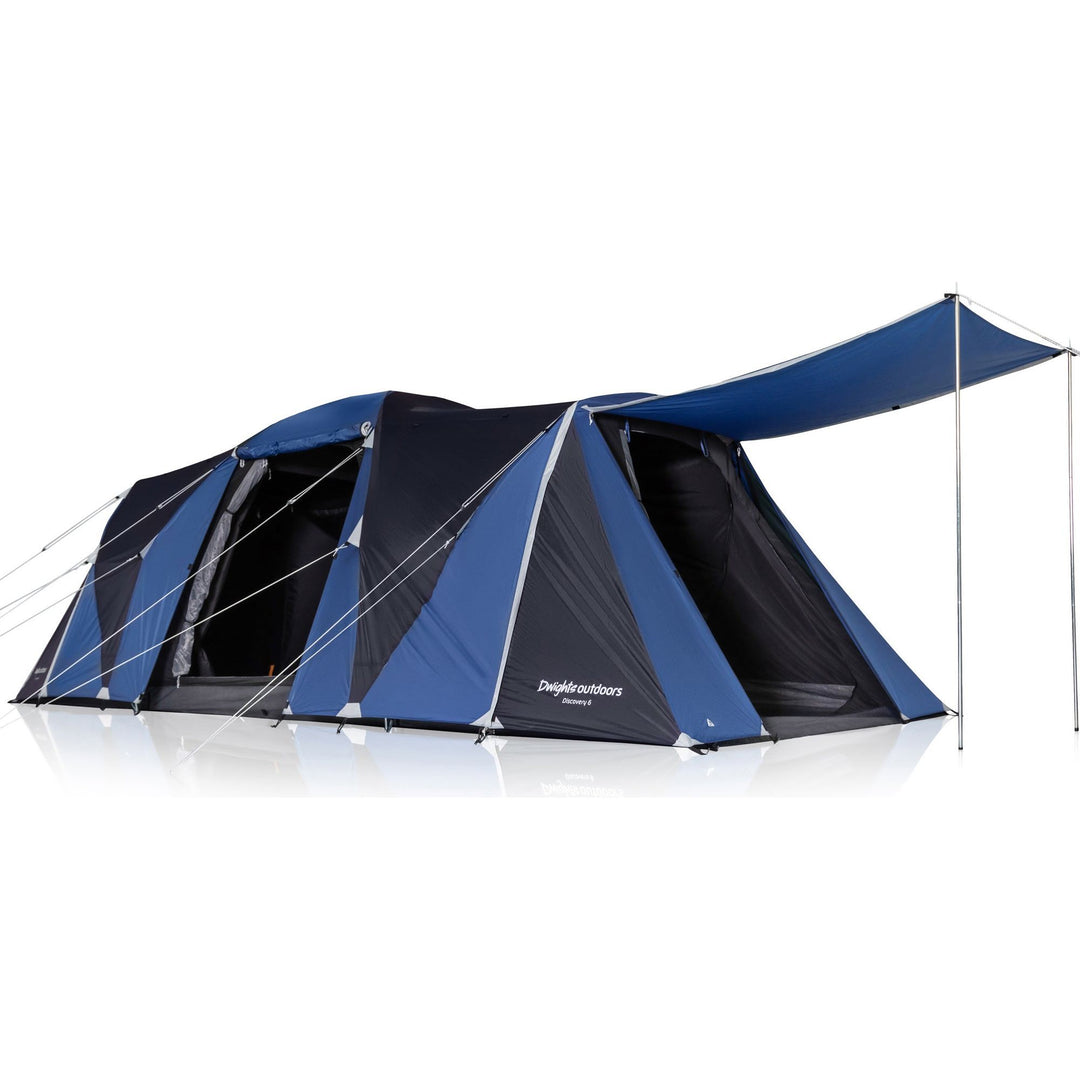



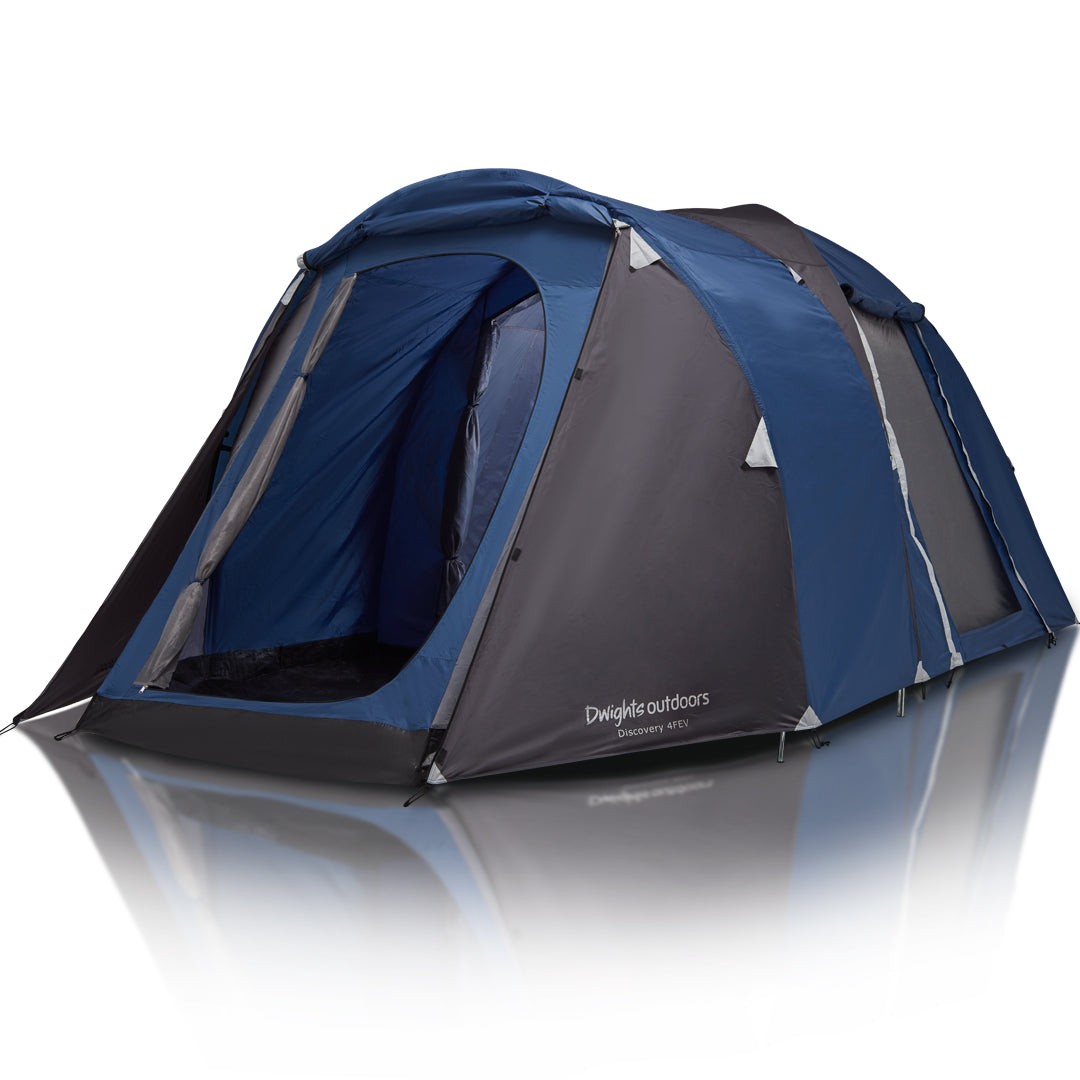

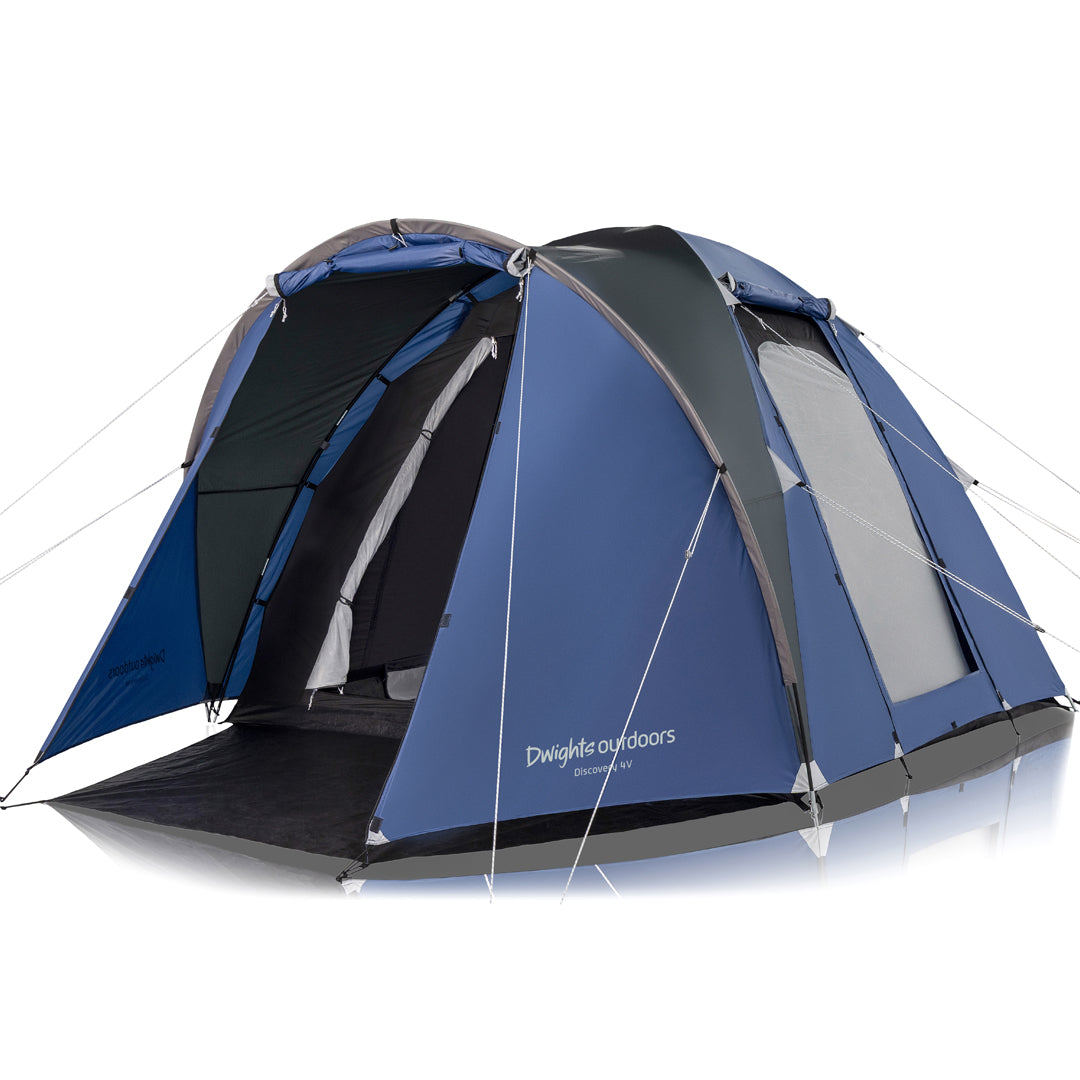
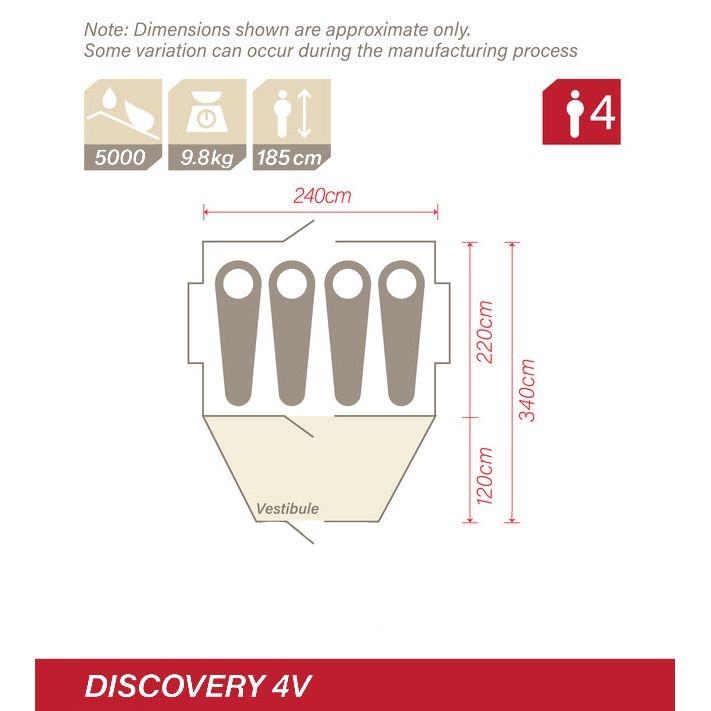
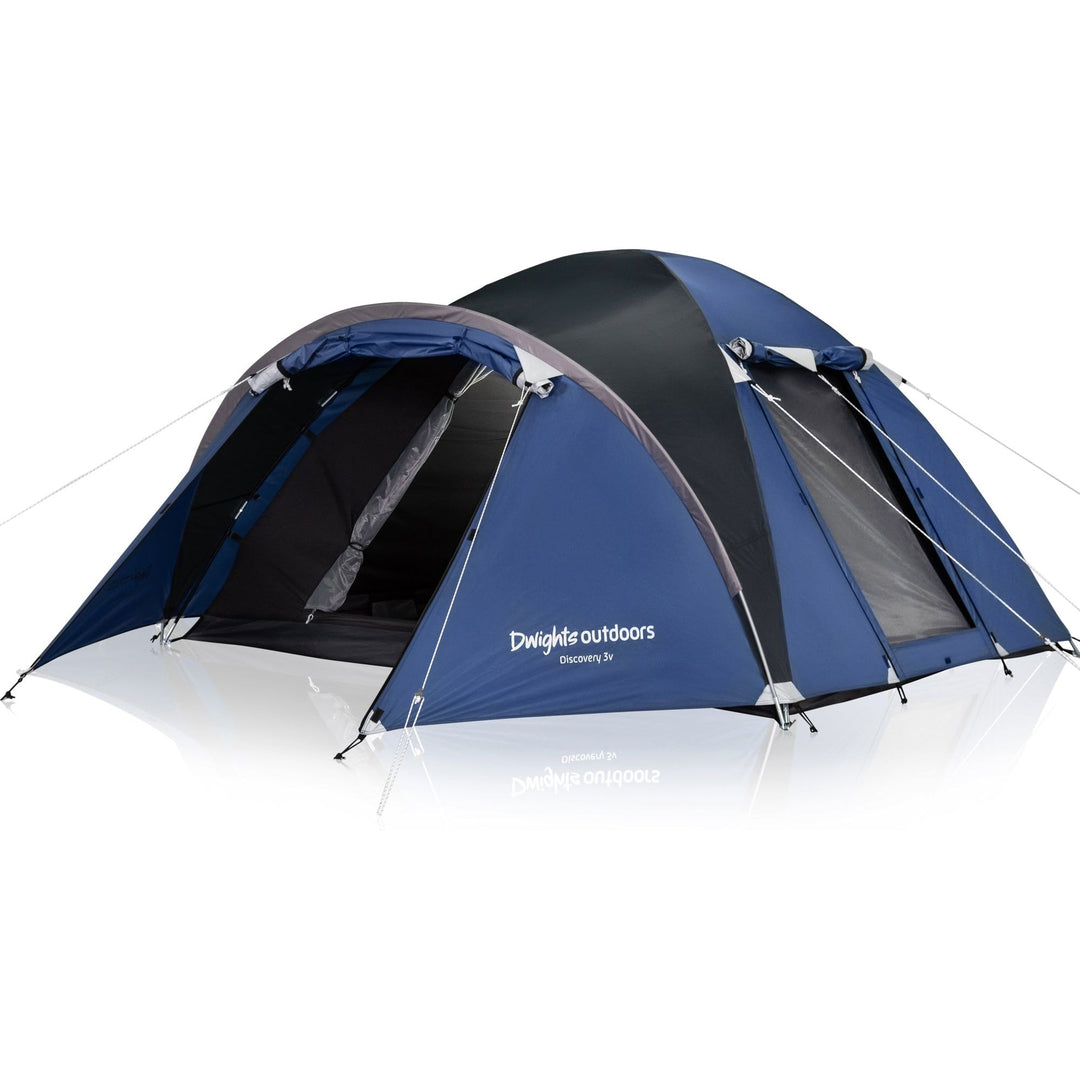
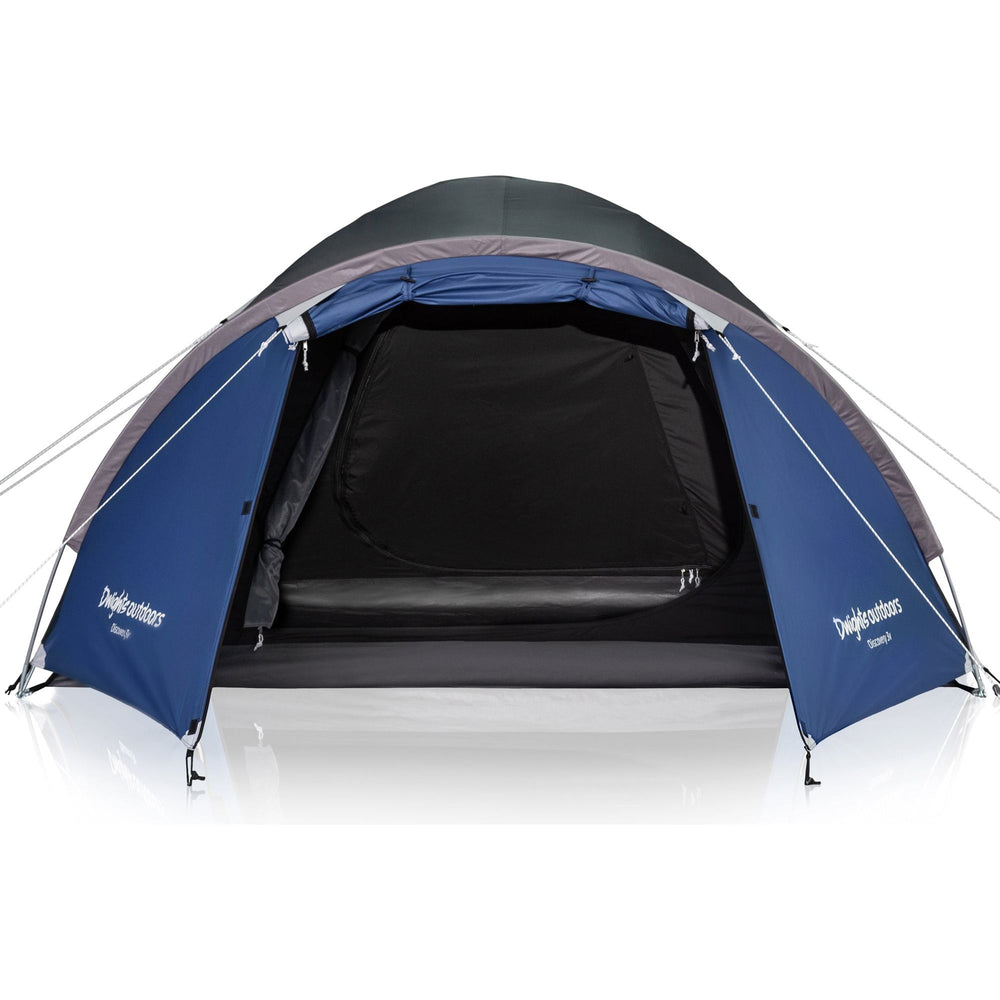
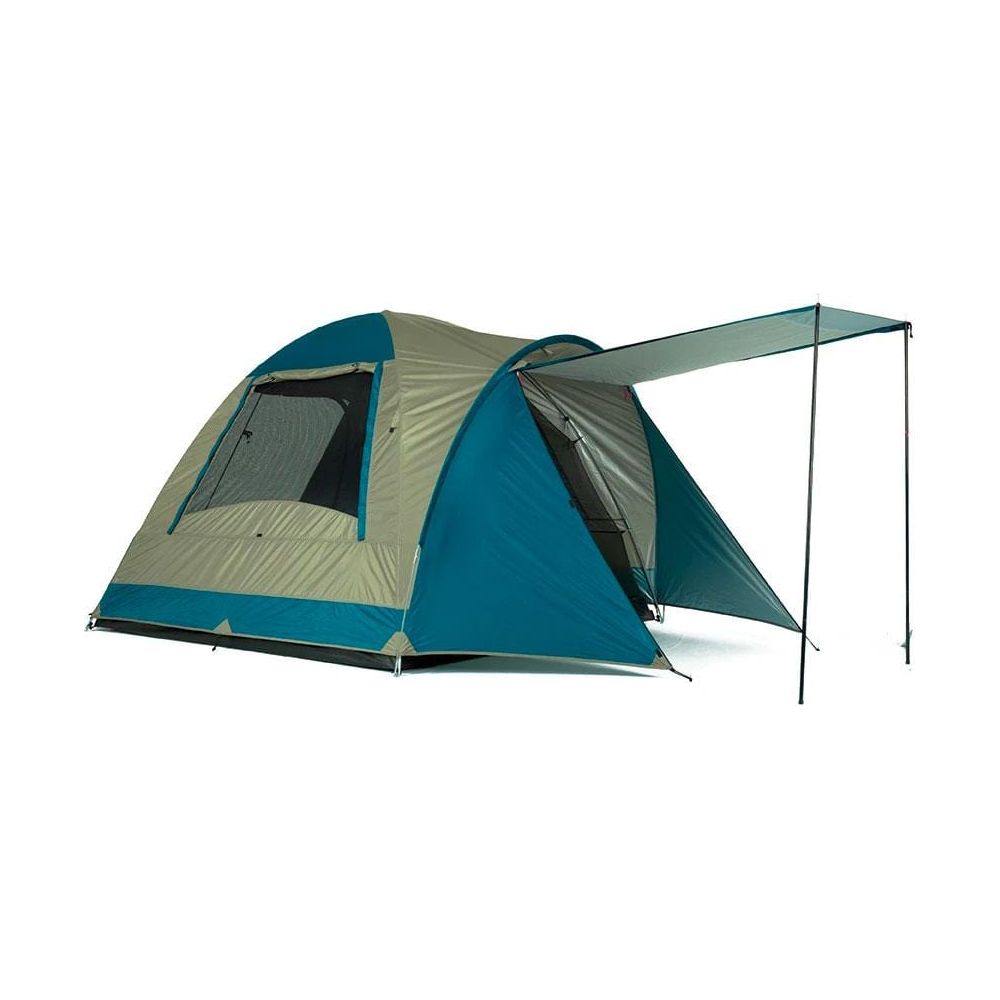
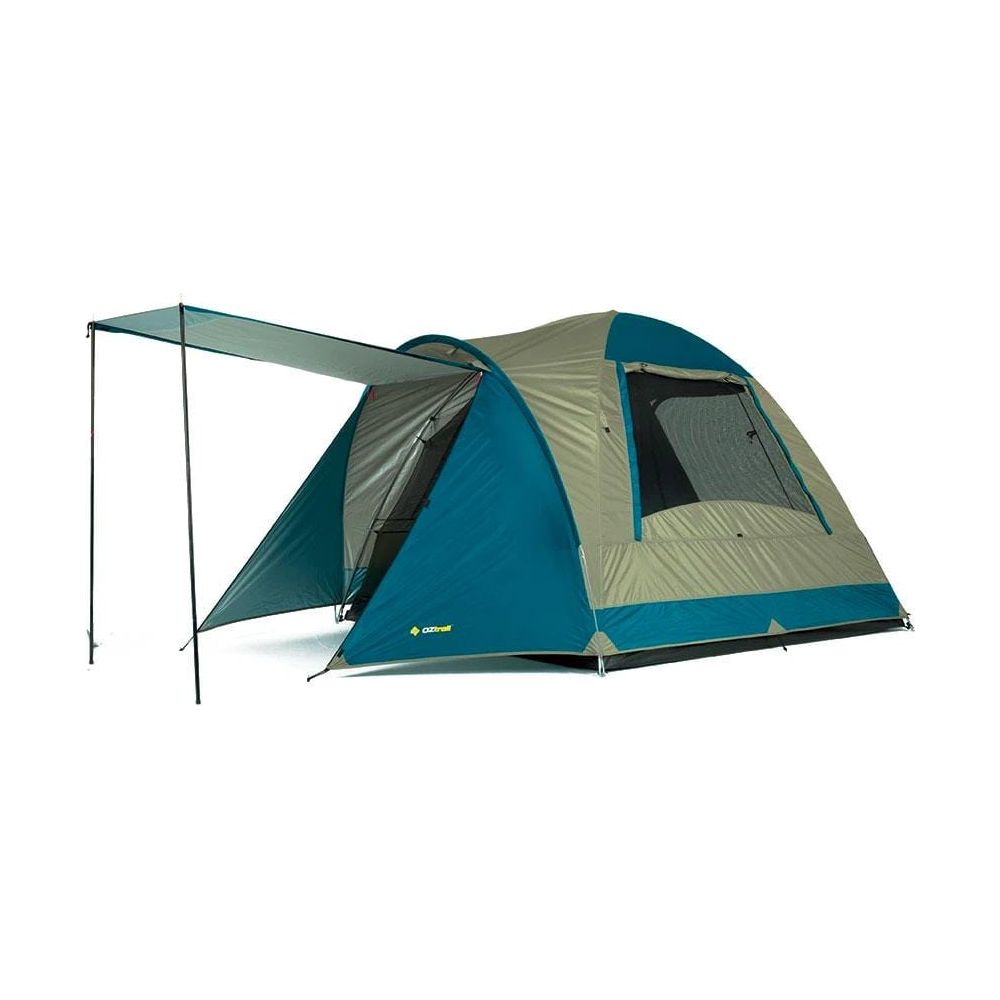
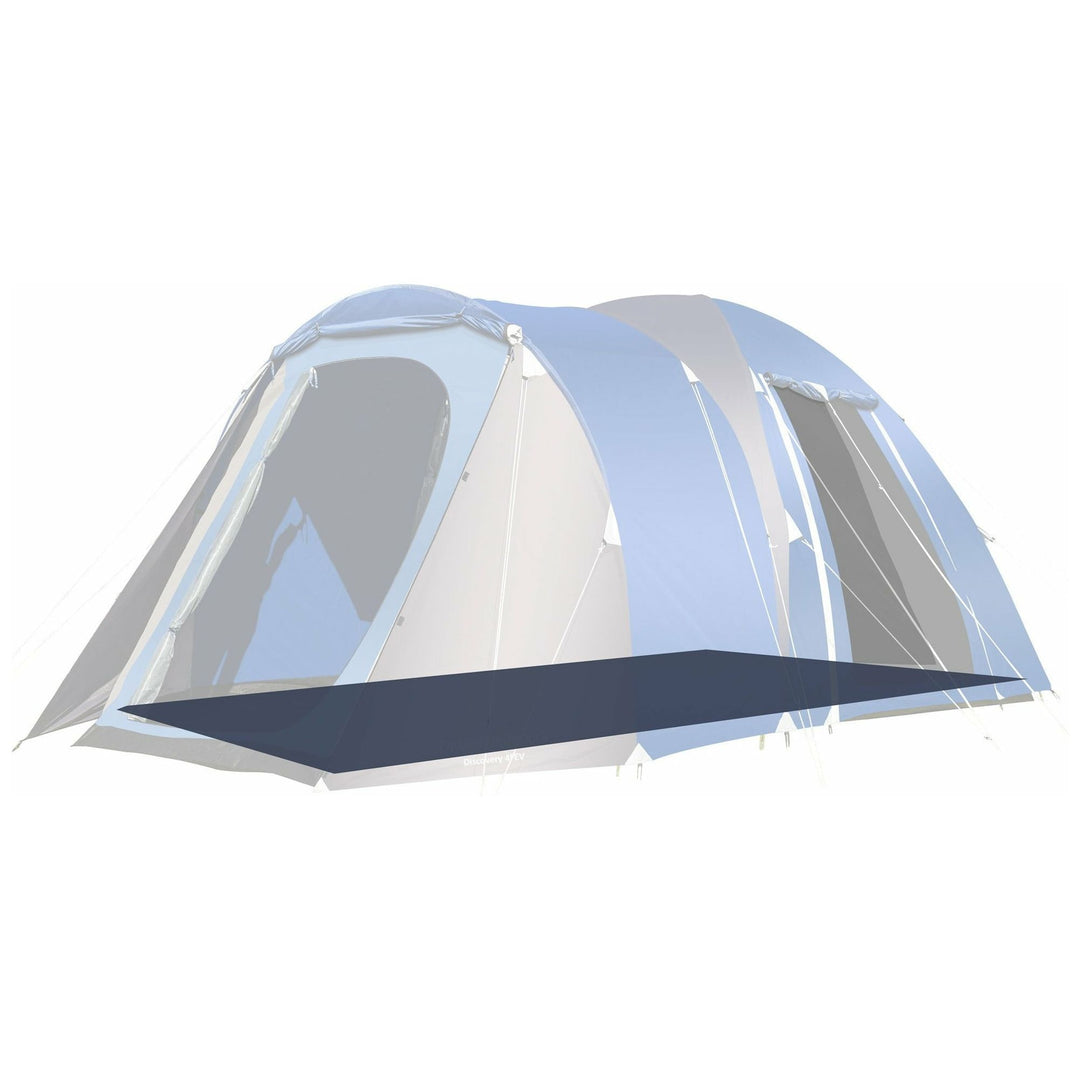
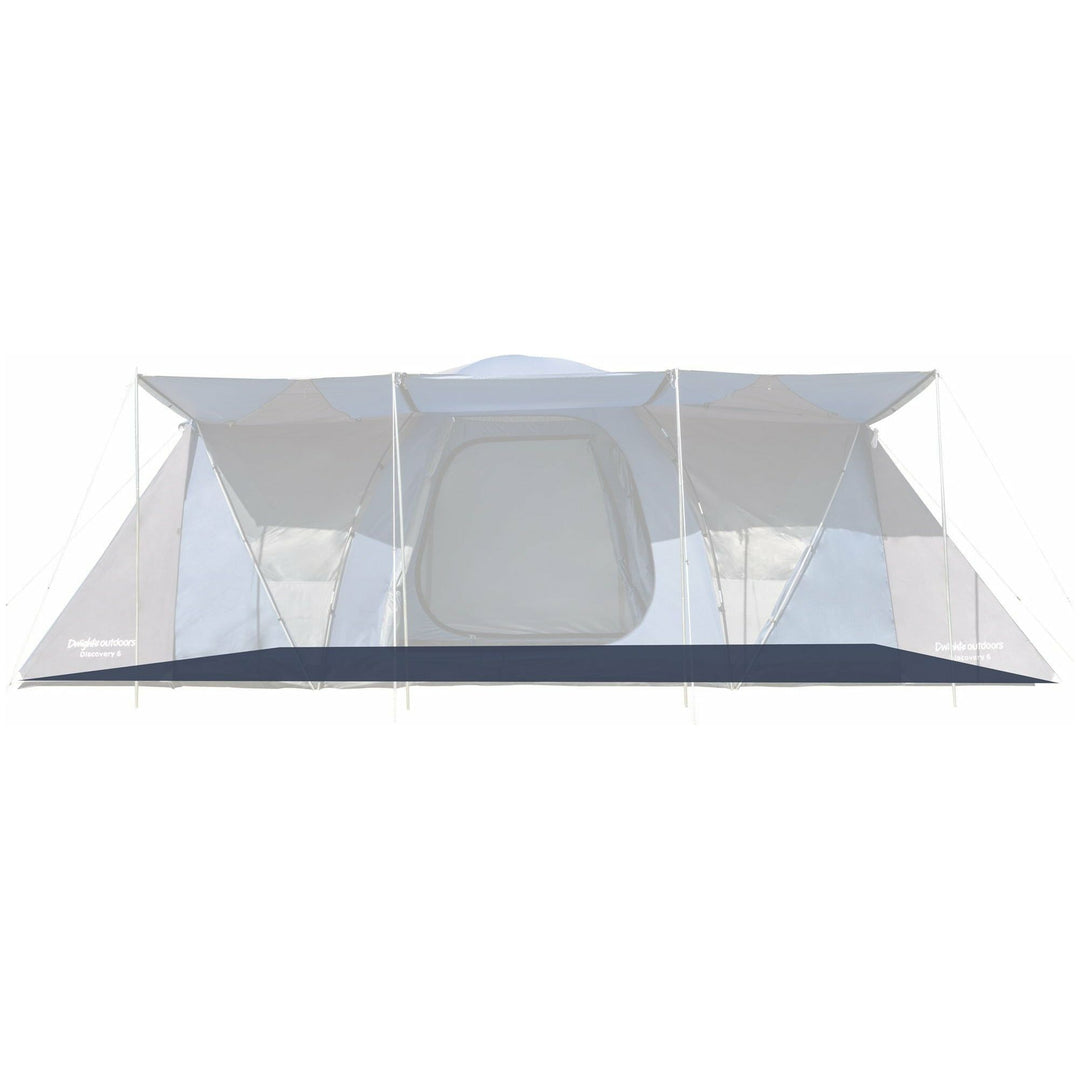
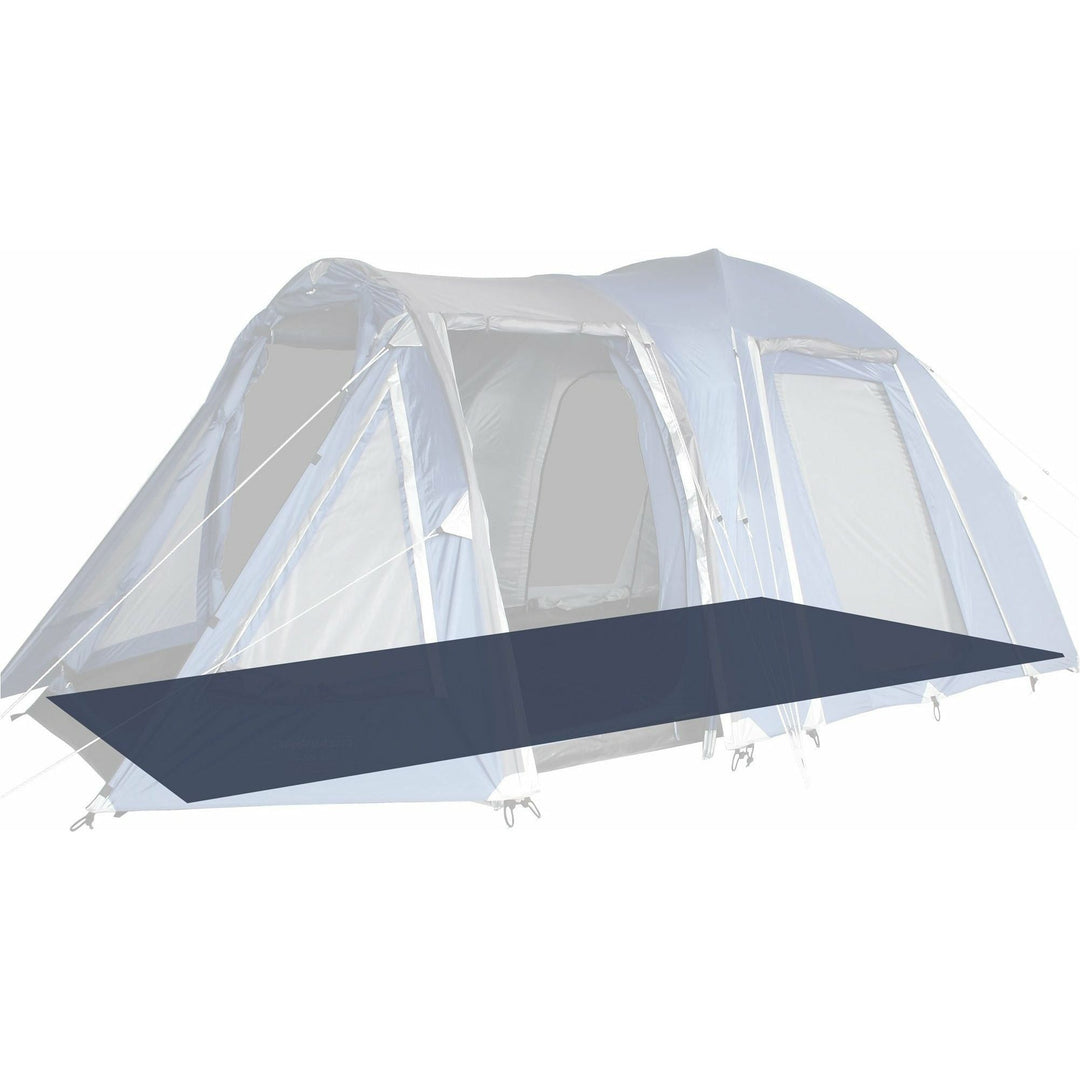
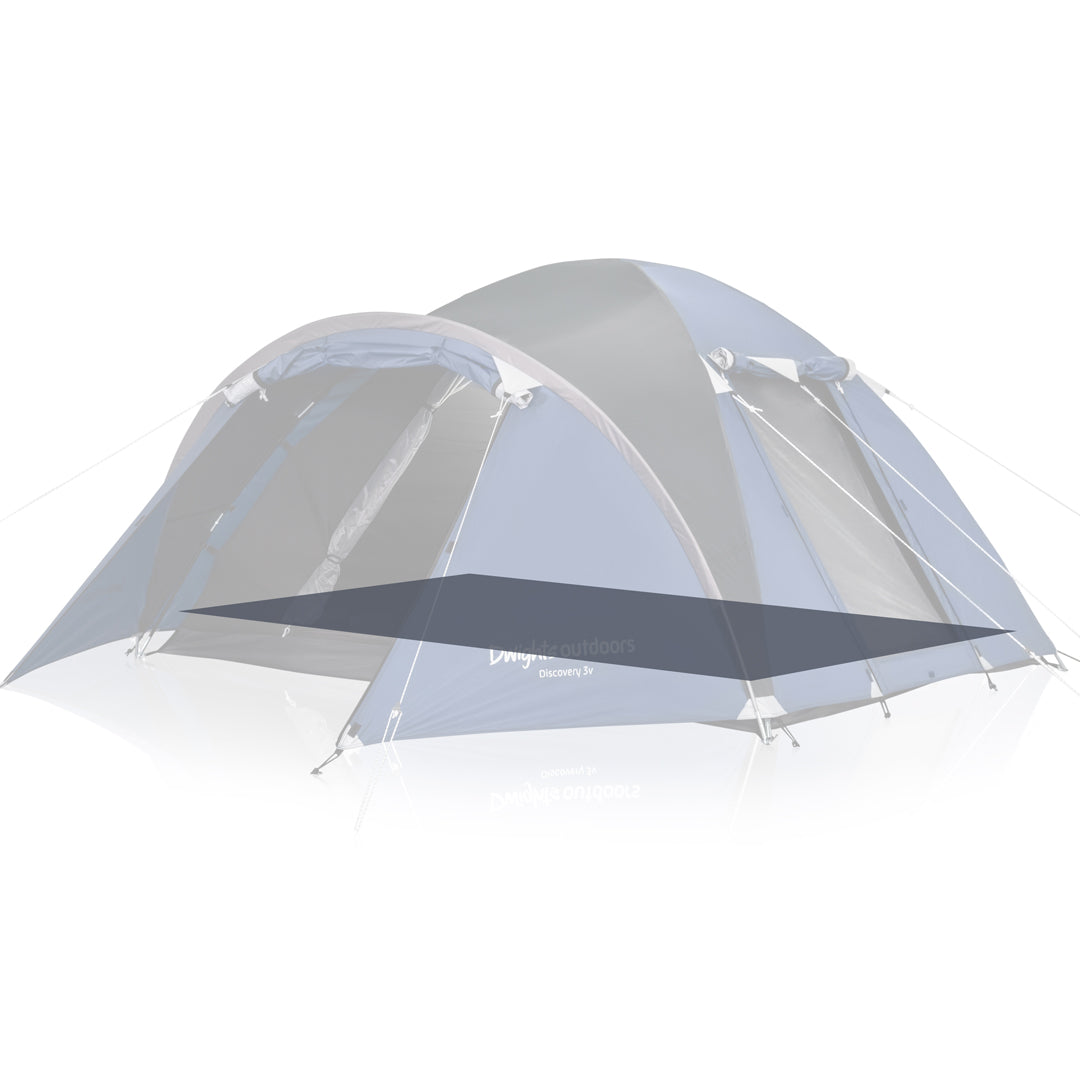
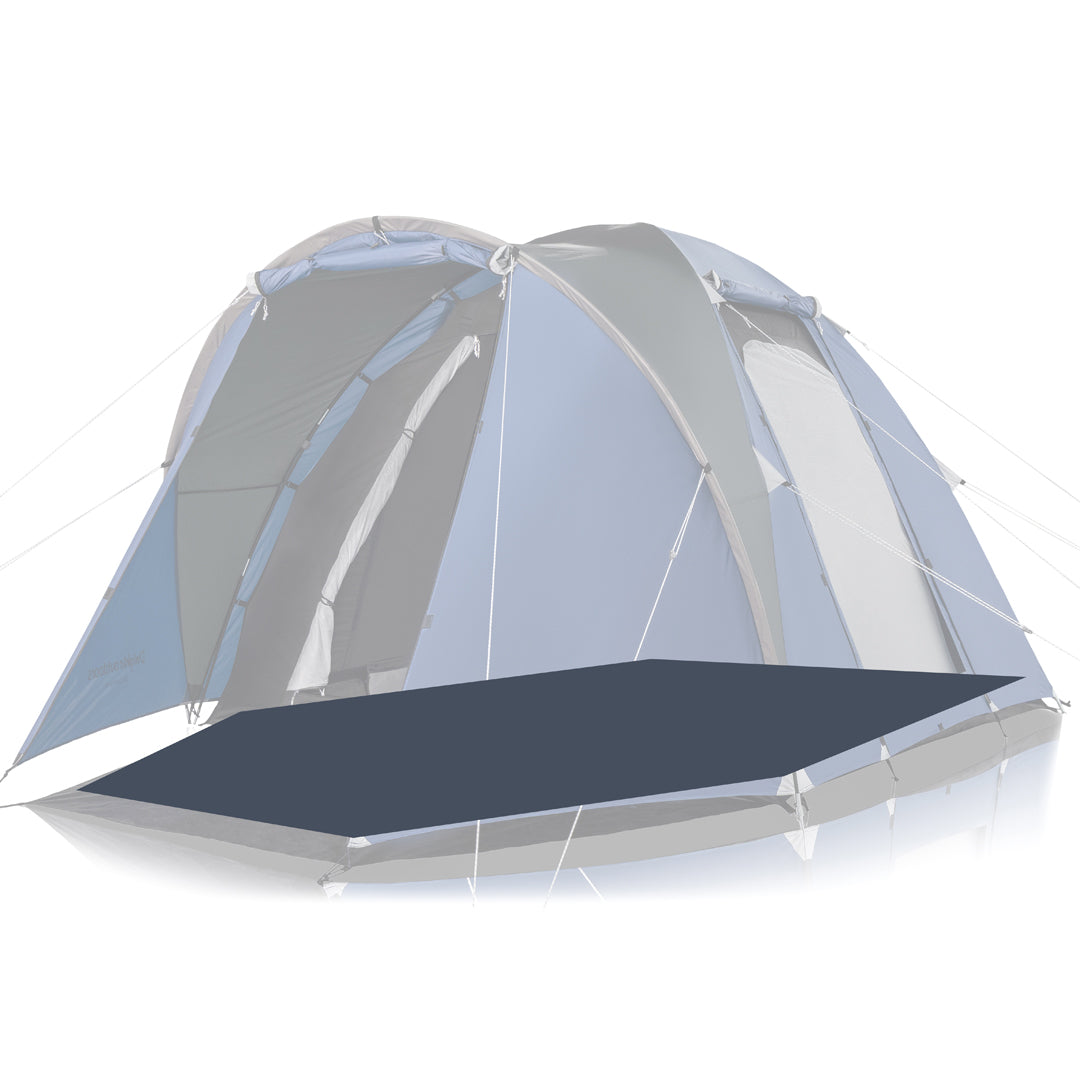
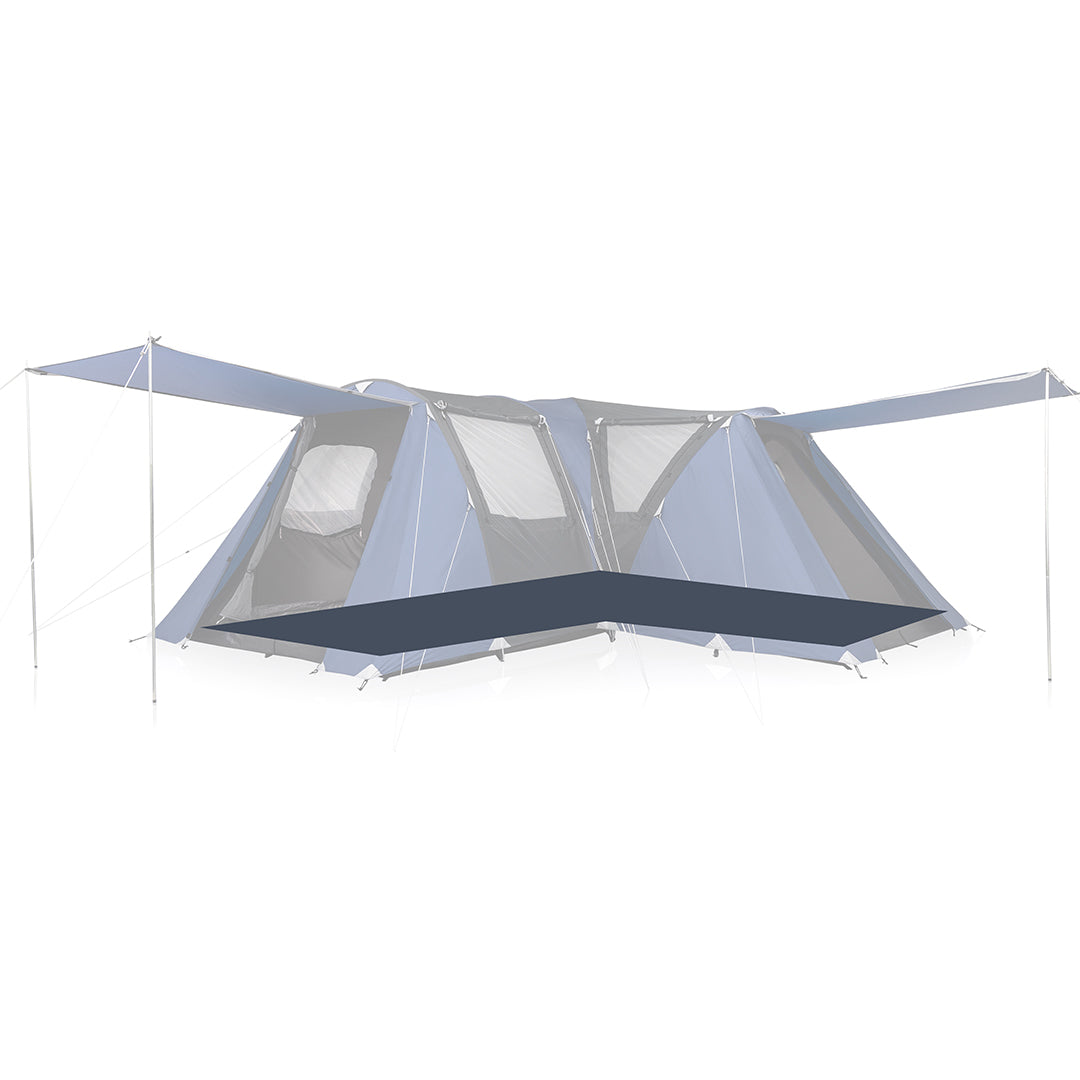
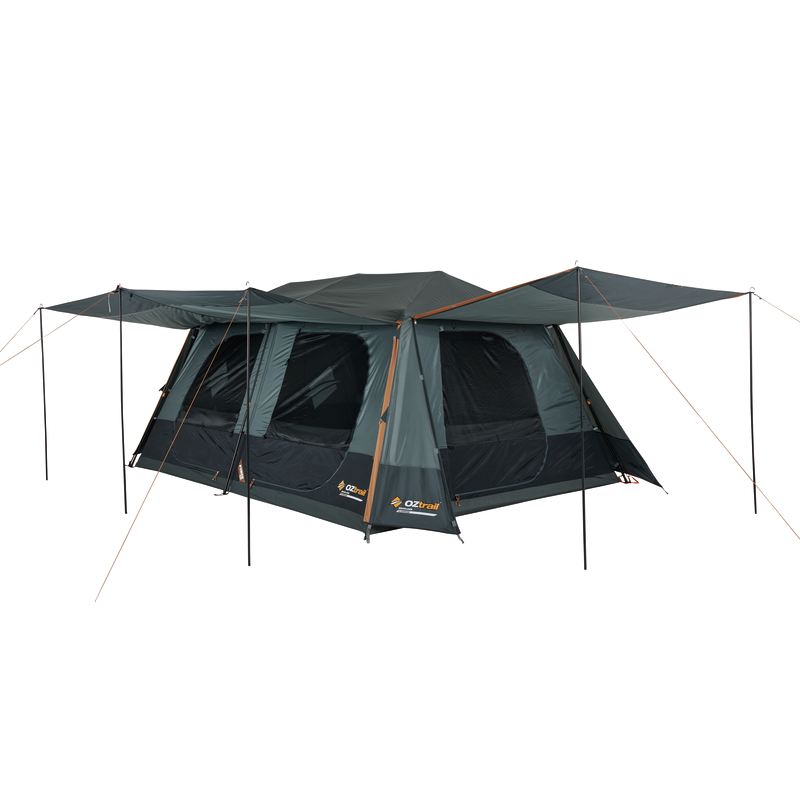
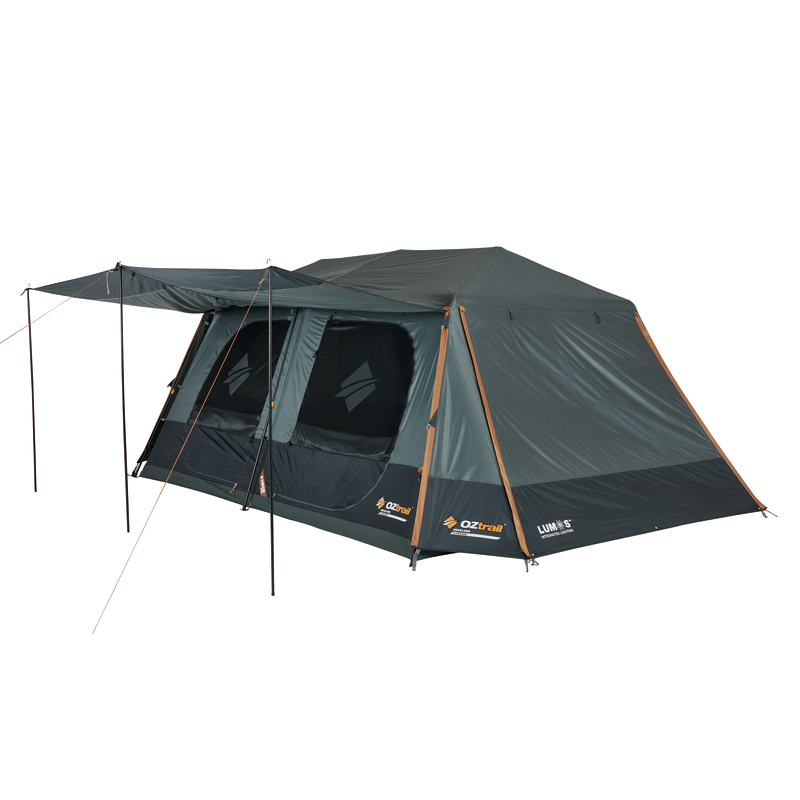
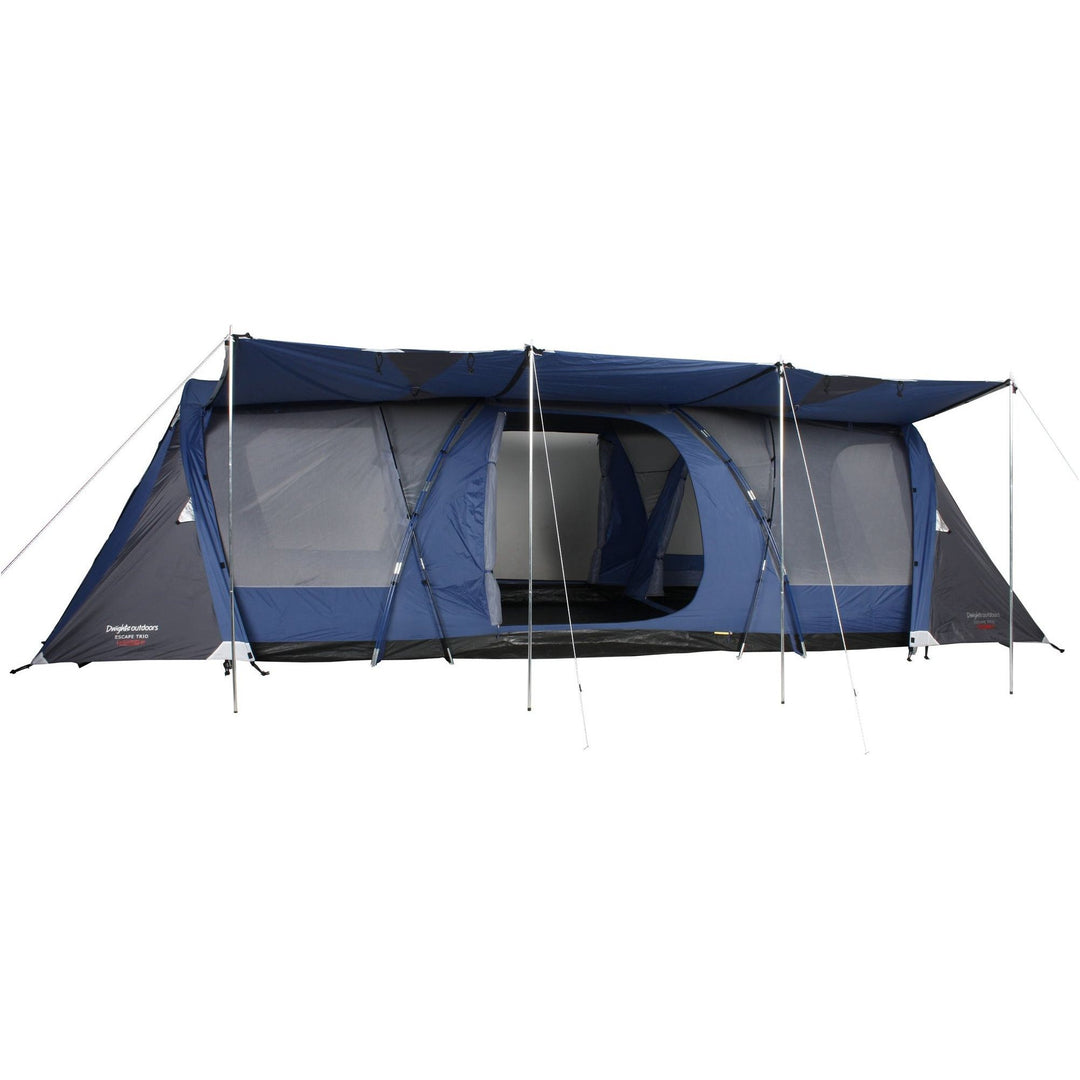

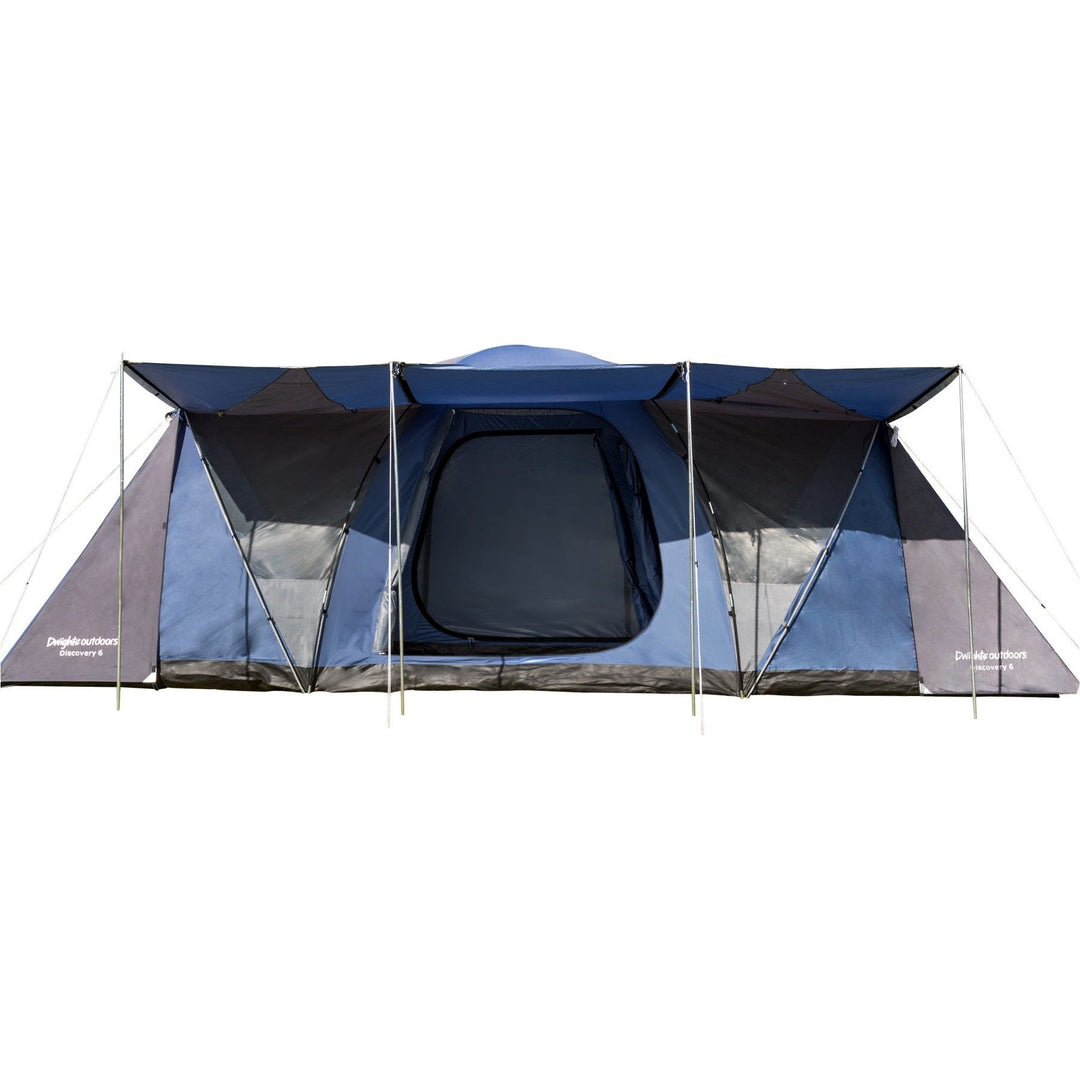
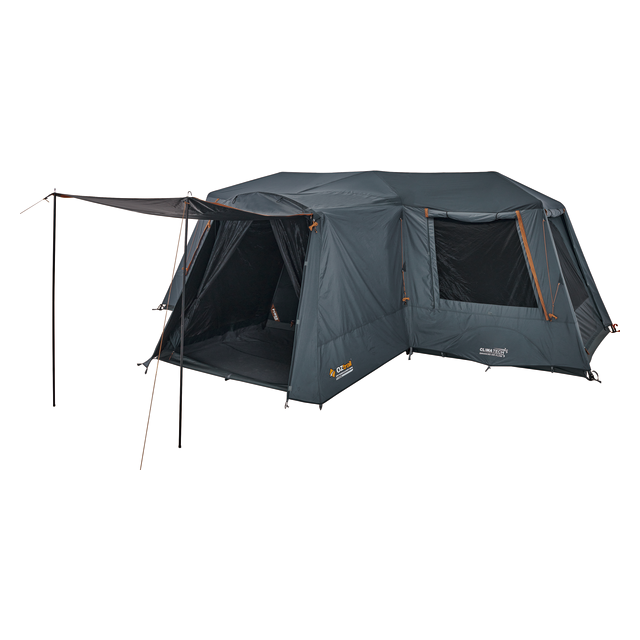
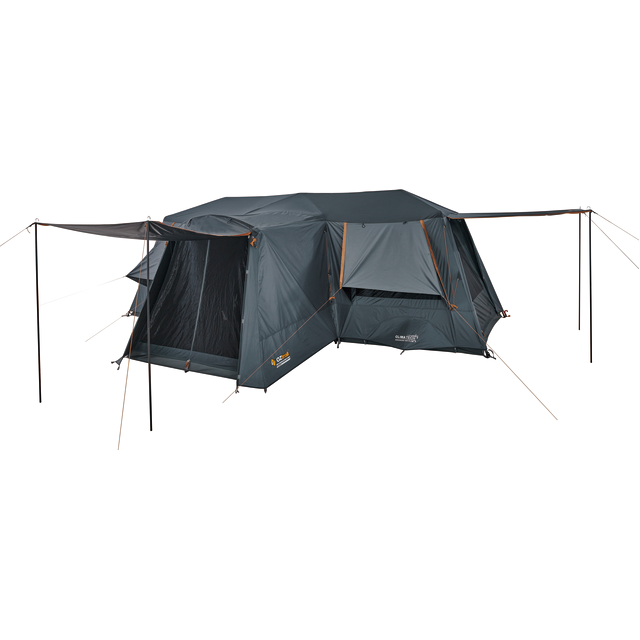
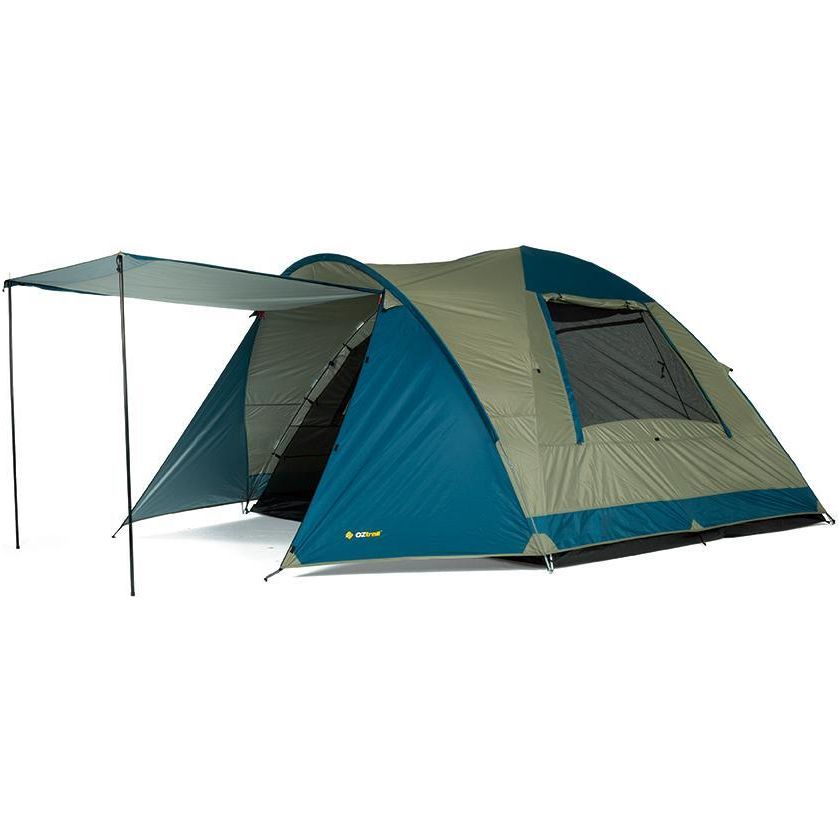
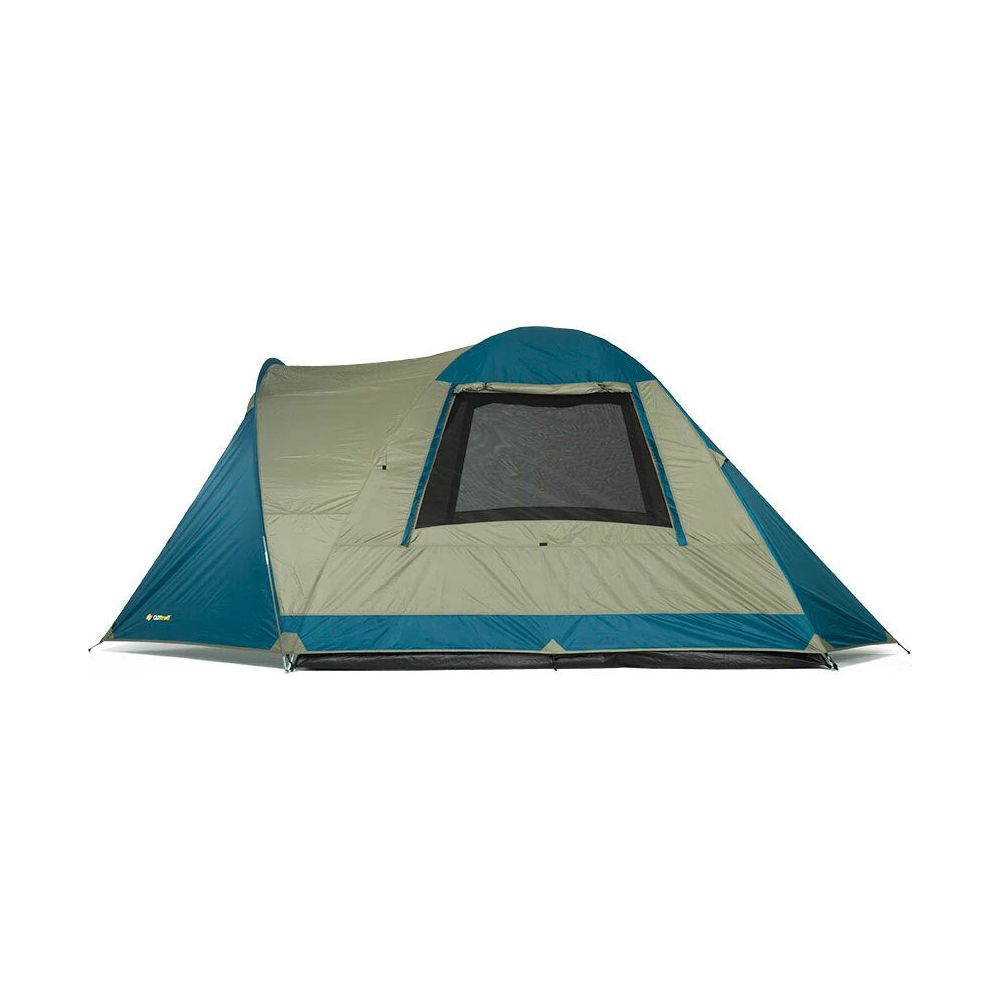
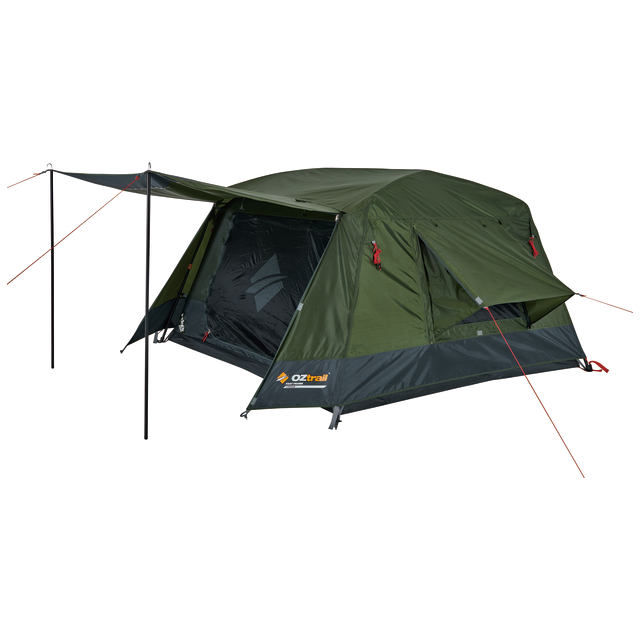
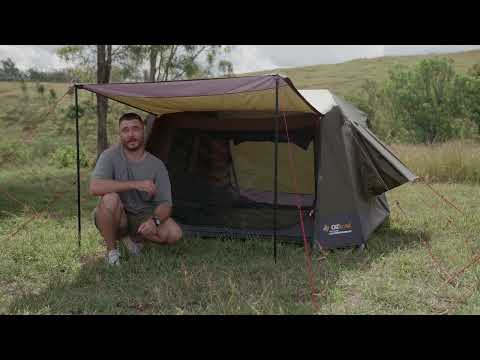
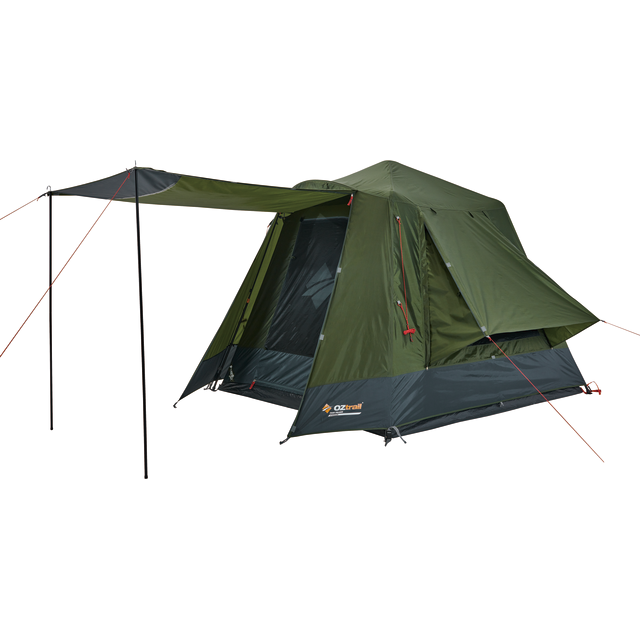

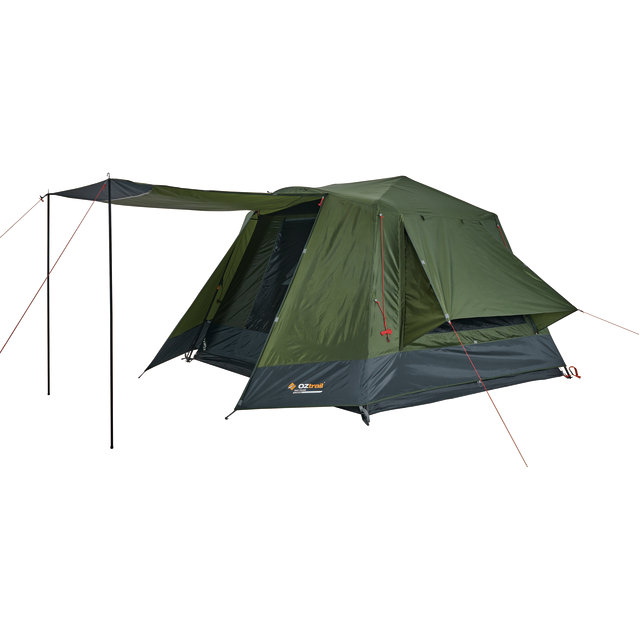
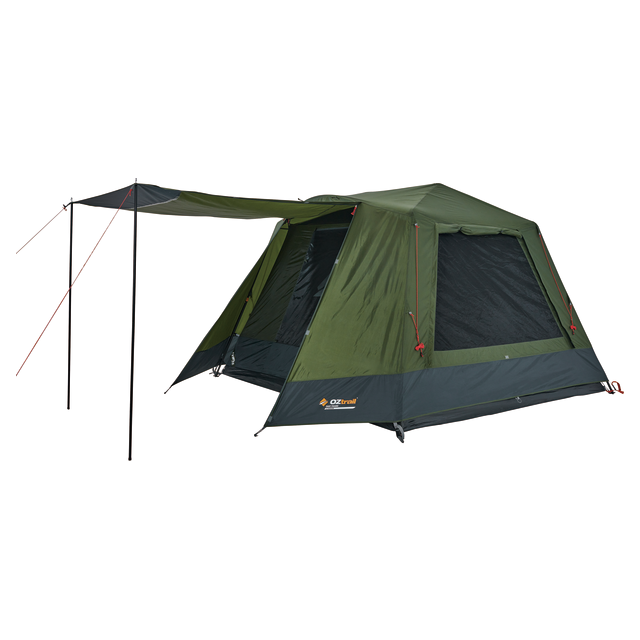
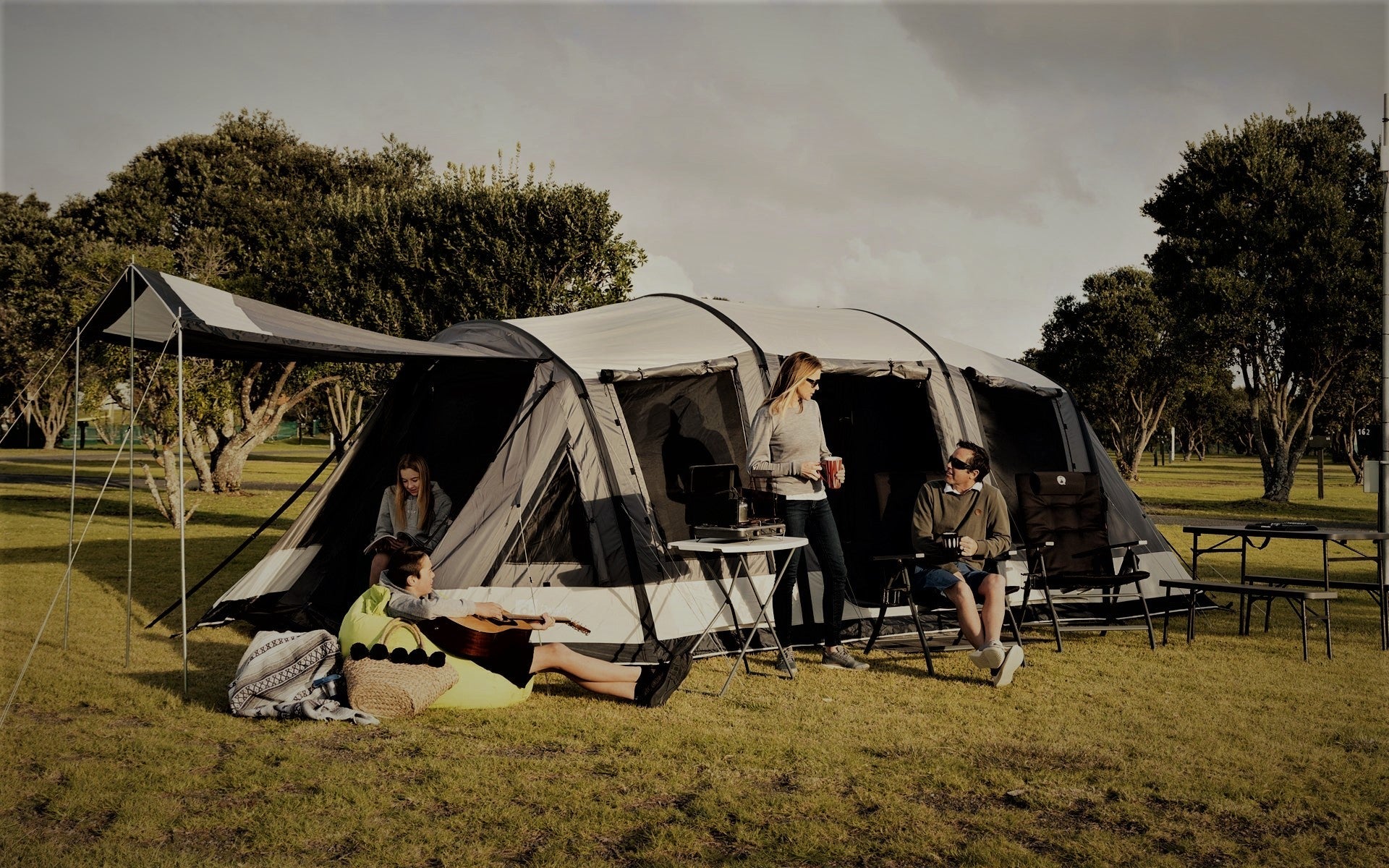
Dome tents are the most practical all-rounder for NZ camping. Quick to pitch, affordable, compact to transport, and genuinely capable in three-season conditions — they're the right choice for holiday park camping, DOC campsites, and weekend trips where you need reliable shelter without the complexity of a larger tent setup.
Where inflatable tents prioritise speed and space, dome tents offer better packability and a lower price point. They pitch in under 15 minutes, fit in the boot of most cars without dominating the space, and handle NZ's mix of sun, wind, and rain well when properly pegged out.
Choosing the Right Dome Tent
- 2-person: The most packable option. Fine for a couple travelling light, but tight with gear inside. Better suited to festival use or sites where you spend limited time in the tent.
- 3–4 person: The sweet spot for a couple who wants room to move, or a small family on a tight budget. Look for a porch or vestibule — critical for storing wet gear in NZ conditions.
- 5–6 person: Multi-room layouts with separate sleeping and living areas. Suited to families who want defined spaces and plan to spend time inside during wet weather.
What to Look For
- Hydrostatic head 3000mm+: The minimum for genuine NZ waterproofing. Below this and sustained rain will find its way in.
- Taped seams: Every stitch line is a potential leak point. Fully or critically taped seams are worth prioritising.
- Full-coverage rainfly: The fly should extend close to the ground — a short fly that leaves the inner tent exposed at the base will leak in driving rain.
- Pegging points and guy ropes: NZ sites can be exposed and windy. More pegging points equals more stability. Peg everything out properly — a dome tent not fully pegged is considerably less stable.
Frequently Asked Questions
What's the difference between a dome tent and an inflatable tent?
Dome tents use traditional fibreglass or alloy poles and are more compact and affordable. Inflatable tents pitch faster and are more spacious but cost more and are heavier to transport. For budget-conscious campers or those prioritising packability, dome tents are the right choice. For families who camp regularly and value setup speed and interior space, inflatable tents are worth the upgrade. Both handle NZ conditions well when properly pegged out.
How waterproof does a dome tent need to be for NZ camping?
A hydrostatic head rating of 3000mm or higher on the fly is the minimum worth buying in NZ. NZ rainfall can be sustained and wind-driven — a 1500mm fly will leak in a decent downpour. Look for taped seams and a full-coverage fly that extends close to the groundsheet. Reproof the fly with a DWR spray annually to maintain water repellency, and always dry the tent fully before packing away.
How many people does a 4-person dome tent actually sleep?
Comfortably: 2–3 adults with gear. Tent person ratings are optimistic — they assume sleeping bags touching with no floor space for kit. A couple who wants room to sit up, store bags, and keep gear inside should look at a 3 or 4 person tent. A family of four with children will be more comfortable in a 5 or 6 person tent. If in doubt, go one size up.
How do I pitch a dome tent in NZ wind?
Peg the footprint first before inserting poles — this anchors the tent while you work. Insert poles, clip the tent body, then peg out all guy ropes immediately — don't leave them for later. In exposed or coastal sites, add extra pegs at the corners and extend the guy ropes as far as practical for better wind resistance. A dome tent that isn't fully pegged is significantly less stable and more likely to invert in a gust.
How do I stop condensation inside a dome tent?
Condensation is caused by warm, moist air from breathing hitting cold tent walls — unavoidable in cooler NZ temperatures. Maximise ventilation: leave vents and mesh panels open even in rain (the rainfly covers them), and avoid cooking inside the tent. A double-wall tent (inner mesh tent + separate fly) condenses on the fly rather than the inner, keeping the sleeping area drier. Airing the tent in the morning before packing away prevents mould.
How do I care for a dome tent?
Always dry the tent fully before packing away — this is the single most important thing you can do to extend its life. Store loosely in its bag rather than tightly compressed. Clean the poles periodically and check the elastic cords for wear — a snapped pole section mid-trip is frustrating but easily avoidable with basic inspection. Reproof the fly annually with a DWR spray and reseal any compromised seams with seam sealer.